The top tourist attractions in the world represent the pinnacle of cultural heritage, architectural brilliance, and unforgettable travel experiences. From ancient wonders carved by early civilizations to modern icons that define global skylines, these destinations attract millions of visitors each year and symbolize the beauty and diversity of our planet.
Discover the 10 Top Tourist Attractions in the World, ranked by global popularity, historical significance, cultural impact, and breathtaking scenery. From the legendary Eiffel Tower and Great Wall of China to the timeless Taj Mahal and the stunning Santorini cliffs, these must-see landmarks offer extraordinary experiences for travelers seeking the most famous destinations on Earth.
On This Page
Toggle- Updated 2026 by the World Millions Editorial Team: View Author Information
Why Travel is More Than Just Sightseeing
Travel is a deeply enriching experience that goes far beyond snapping photos or checking off a bucket list. It’s a chance to immerse yourself in unfamiliar cultures, taste diverse cuisines, engage with locals, and step outside the comfort zone of your everyday life. When you walk through ancient ruins, hike along legendary trails, or sit quietly in a centuries-old temple, you’re not just seeing something — you’re feeling it.
Travel also fosters empathy and global awareness. By witnessing how other people live, think, and celebrate, we broaden our perspectives and learn to appreciate both the differences and similarities that connect humanity. The world becomes less of a map and more of a community.
In essence, travel is a form of personal growth. It challenges assumptions, sparks curiosity, and leaves lasting memories that shape who we are.
What Makes a Tourist Attraction Truly Iconic?
An iconic tourist attraction is more than just popular — it’s symbolic. These landmarks often represent the spirit of a nation, a period in history, or a universal idea such as love, freedom, or resilience. They resonate with visitors not just visually, but emotionally.
A truly iconic site combines several elements:
- Cultural significance – Rooted in local heritage, tradition, or global history.
- Architectural or natural wonder – Visually stunning, whether man-made or nature-born.
- Emotional impact – Inspires awe, curiosity, reflection, or joy.
- Global recognition – Known across borders, often featured in films, books, or art.
- Timeless appeal – Continues to captivate across generations and trends.
Whether it’s the elegance of the Taj Mahal or the immensity of the Great Wall of China, iconic attractions have an energy that transcends tourism — they leave you changed.
List of the 10 Top Tourist Attractions in the World
Discover the World’s Greatest Landmarks and Bucket-List Destinations: From the Eiffel Tower to the Taj Mahal, explore the top 10 tourist attractions in the world that every traveler must experience at least once.
Looking for the ultimate list of the top tourist attractions in the world? You’re in the right place. These 10 world-famous landmarks combine history, architecture, and natural beauty in ways that captivate millions of travelers each year. From the Eiffel Tower’s romantic skyline views in Paris to the mystical ruins of Machu Picchu in Peru, each destination on this list represents the pinnacle of global travel experiences.
Whether you’re drawn to the ancient wonder of the Great Wall of China, the spiritual serenity of Christ the Redeemer in Brazil, or the sunset perfection of Santorini, Greece, these attractions define what it means to explore the world. Perfect for history lovers, adventure seekers, and culture enthusiasts alike, these must-visit sites promise moments that stay with you forever.
Here’s a quick look at the Top 10 Tourist Attractions in the World, including their locations, best visiting times, and key highlights — your next unforgettable journey starts here.
| # | Attraction | Location | Best Time to Visit | Key Highlights |
|---|---|---|---|---|
| 1 | Eiffel Tower | Paris, France | Spring/Fall | Iron lattice tower, panoramic views, romantic ambiance |
| 2 | Great Wall of China | China | Autumn | Ancient military structure, hiking trails, UNESCO World Heritage Site |
| 3 | Machu Picchu | Peru | May to September | Incan citadel, Andes mountains, mystical ruins |
| 4 | Colosseum | Rome, Italy | April to June | Ancient gladiator arena, Roman history, architectural marve |
| 5 | Taj Mahal | Agra, India | Winter (Oct–Mar) | White marble mausoleum, symbol of love, Mughal architecture |
| 6 | Statue of Liberty | New York, USA | Spring/Summer | Icon of freedom, ferry access, Ellis Island museum |
| 7 | Christ the Redeemer | Rio, Brazil | May to September | Massive art deco statue, panoramic views, cultural icon |
| 8 | Petra | Jordan | March to May | Rock-cut architecture, ancient Nabatean city, archaeological wonde |
| 9 | Santorini | Greece | April to October | Blue domes, stunning sunsets, cliffside villages |
| 10 | Sydney Opera House | Sydney, Australia | Sept to Nov, Mar–May | Modern architecture, waterfront setting, performing arts hub |
Discover the 10 Top Tourist Attractions in the World
Discover the 10 Top Tourist Attractions in the World that define travel, culture, and timeless beauty. From the romantic charm of the Eiffel Tower in Paris to the ancient majesty of Machu Picchu in Peru, these world-famous landmarks capture the spirit of adventure and human creativity.
Each destination tells a unique story — whether it’s walking along the Great Wall of China, marveling at the Taj Mahal’s white marble, or witnessing sunsets over Santorini’s cliffs. Explore this definitive guide of the most famous tourist attractions worldwide and plan your next unforgettable journey today.
#1
Eiffel Tower, Paris
Key Takeaways for Eiffel Tower
A Symbol of Romance and Engineering Marvel
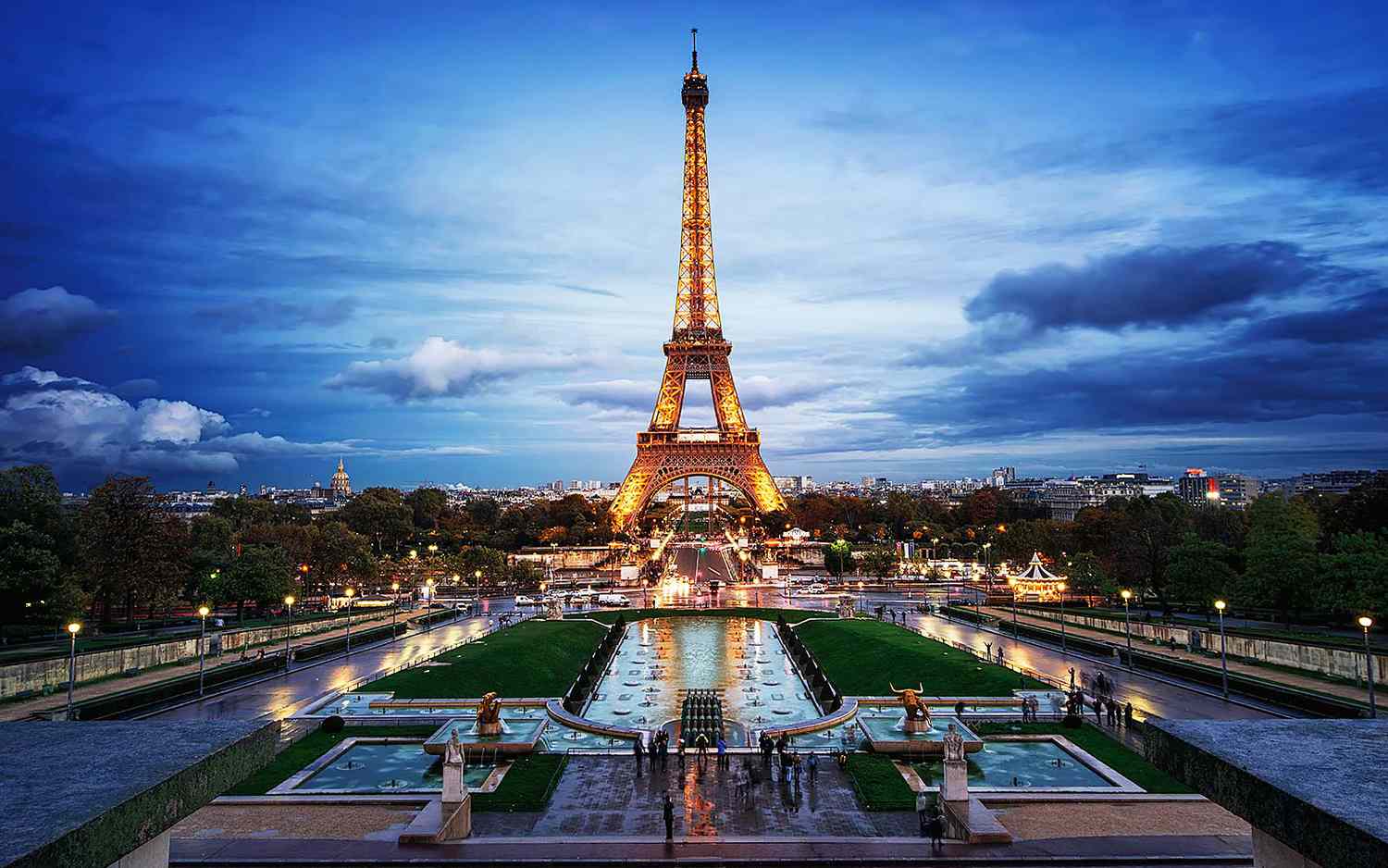
Ah, Paris! The Eiffel Tower is not just a steel structure — it’s poetry in iron. Designed by Gustave Eiffel and completed in 1889, this global icon attracts over 7 million visitors annually.
Best Time to Visit
Visit during spring (April to June) or fall (September to November) to enjoy fewer crowds and pleasant weather.
Travel Tips
Buy skip-the-line tickets online, go at sunset for magical views, and don’t forget to visit the champagne bar at the top
Eiffel Tower: A Symbol of Romance and Engineering Marvel
The Eiffel Tower in Paris, France, is more than just a monument — it’s the soul of a city that has captured the hearts of dreamers, couples, and adventurers for generations. Standing at 330 meters tall, this wrought-iron lattice tower was designed by Gustave Eiffel and completed in 1889 as the centerpiece of the World’s Fair. Originally met with controversy, the Eiffel Tower has since become a timeless symbol of love, innovation, and French elegance. Whether you’re planning your first trip to Paris or returning for another dose of charm, the Eiffel Tower promises an unforgettable experience.
From afar, its silhouette commands the Parisian skyline. Up close, its intricate ironwork showcases one of the finest examples of 19th-century engineering. As one of the most visited landmarks in the world, the Eiffel Tower draws over 7 million tourists each year, making it a must-see attraction in France.
Eiffel Tours and Eiffel Tower at Night: Best Time to Visit the Eiffel Tower
To make the most of your Eiffel Tower tour experience, plan your trip during the shoulder seasons: spring (April to June) and autumn (September to November). These months offer milder weather, fewer crowds, and picturesque views of Paris in bloom or in golden hues. Early morning visits can help you avoid long lines, while late afternoon and sunset offer a dreamy glow that makes for the perfect photo op.
If you’re chasing the best Eiffel Tower views, aim for golden hour — that magical time just before sunset when the city bathes in warm, soft light. It’s also when the Eiffel Tower begins to sparkle, lighting up every hour on the hour once night falls.
Eiffel Tickets and Travel Tips for Visiting the Eiffel Tower
- Book Tickets in Advance: Avoid long wait times by booking skip-the-line Eiffel Tower tickets online. These allow you direct access to the elevators, saving precious time during your Paris itinerary.
- Visit the Summit: The top floor offers panoramic 360-degree views of the Paris skyline. On a clear day, you can spot landmarks like the Louvre, Notre-Dame, and even the hills of Montmartre.
- Experience the Champagne Bar: At the very top, indulge in a glass of bubbly at the Champagne Bar — a unique way to toast to your Paris adventure.
- Stay for the Light Show: Don’t rush off too soon. Every evening after sunset, the Eiffel Tower dazzles with a 5-minute sparkling light show every hour — a magical moment not to be missed.
- Sources Include / Discover More: Eiffel Tower, A Wrought-Iron Lattice Tower on the Champ de Mars in Paris
- Also Read: Top Unit Converters in the World
#2
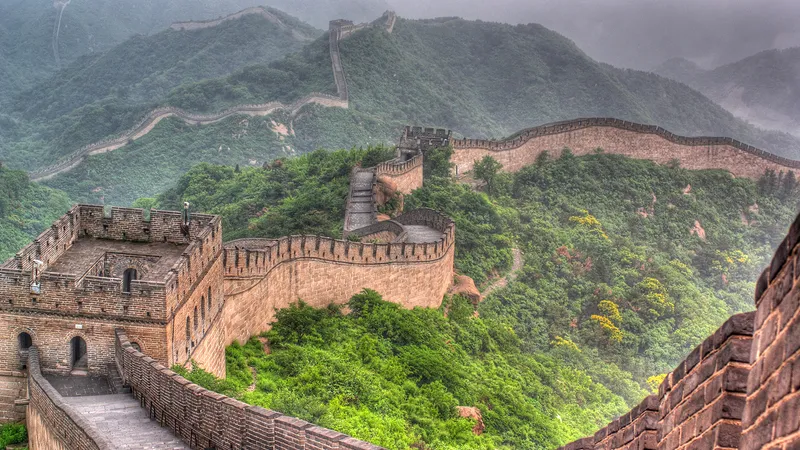
Great Wall of China
Key Takeaways for Great Wall of China
Walking Through History
Spanning over 13,000 miles, the Great Wall isn’t just one wall — it’s a collection of fortifications that whisper stories from ancient dynasties.
Top Sections to Explore
Badaling (most popular), Mutianyu (less crowded), and Jinshanling (ideal for hikers).
Must-Know Before You Go
Wear sturdy shoes, bring sunscreen, and avoid public holidays to beat the rush.
Great Wall of China: Walking Through History
The Great Wall of China is not just a man-made structure — it’s a living testament to ancient Chinese civilization, military ingenuity, and cultural pride. Stretching over 13,000 miles across rugged terrain, deserts, and mountain ridges, this legendary wonder of the world was built over centuries, primarily during the Ming Dynasty, to defend the Chinese Empire from invasions.
Rather than a single unbroken wall, the Great Wall is a vast network of walls, watchtowers, and fortresses that snake through northern China, whispering tales of ancient battles, imperial ambitions, and the resilience of a nation. Visiting the Great Wall is like stepping into a living museum — each stone tells a story, each path offers a portal into the past.
This UNESCO World Heritage Site is one of the top historical attractions in Asia and draws millions of visitors every year. It’s not just a bucket-list destination; it’s a transformative experience that connects travelers with one of the most awe-inspiring architectural feats in human history.
China Wall: Top Sections of the Great Wall to Explore
With various sections open to the public, knowing where to go can shape your experience. Here are the most famous parts of the Great Wall for tourists:
- Badaling: Located close to Beijing, Badaling is the most accessible and visited section. It’s well-restored and has facilities for all age groups, making it ideal for first-time visitors.
- Mutianyu: This section offers a balance of beauty and tranquility. Less crowded than Badaling, Mutianyu features restored watchtowers and panoramic views, with options to hike or take a cable car.
- Jinshanling: Perfect for adventurous travelers and hiking enthusiasts, Jinshanling offers dramatic landscapes and a mix of preserved and unrestored portions. It’s a photographer’s dream and a true wilderness escape.
Great Wall of China Trip: Must-Know Travel Tips Before Visiting the Great Wall
- Wear Sturdy Footwear: Uneven terrain and steep steps make hiking boots or athletic shoes essential.
- Pack Essentials: Bring sunscreen, a hat, water, and light snacks for a comfortable experience.
- Avoid National Holidays: Try to skip major Chinese holidays like Golden Week (early October) when crowds are at their peak.
- Start Early: Begin your day early to avoid long lines and tour bus crowds, especially at Badaling.
- Sources Include / Discover More: The Great Wall of China, Outstanding Universal Value
- Also Read: Top Cities in the World
#3
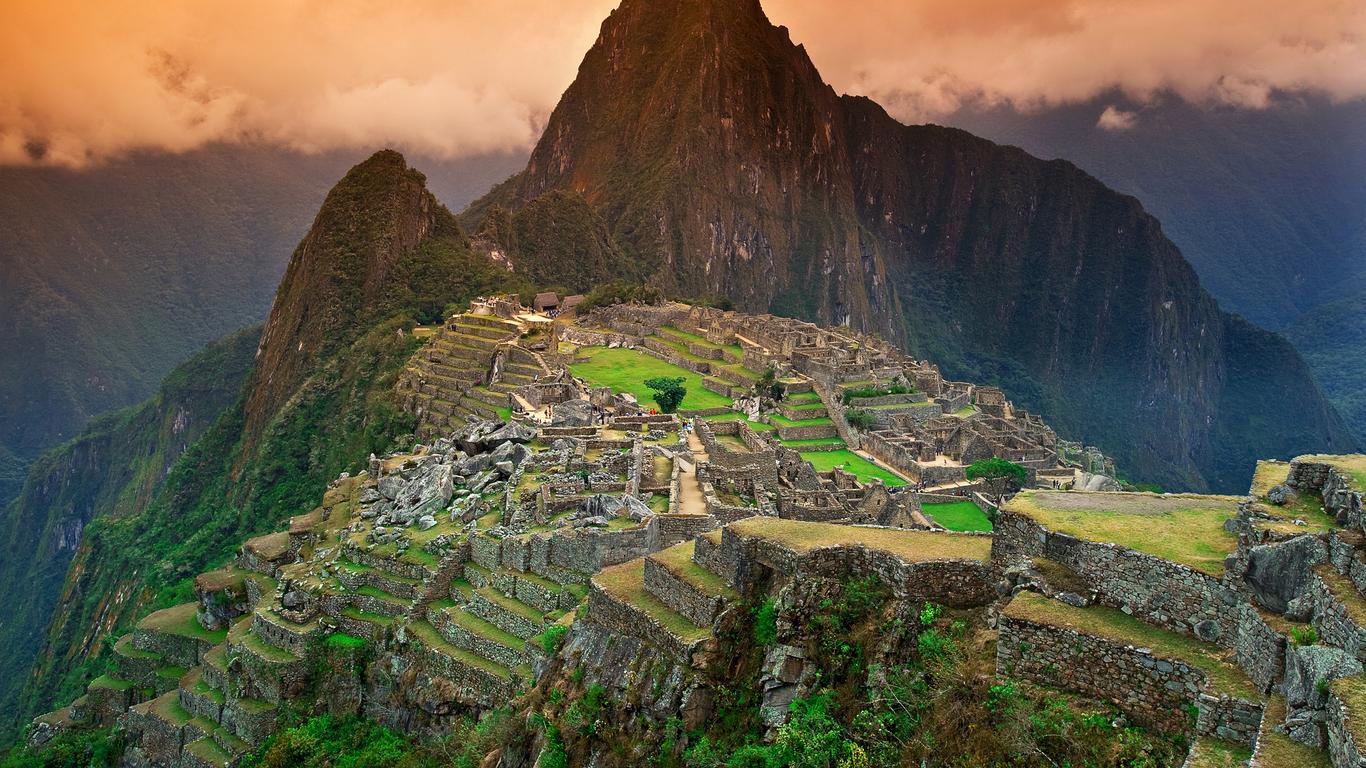
Machu Picchu, Peru
Key Takeaways for Machu Picchu
The Lost City of the Incas
Hidden high in the Andes, Machu Picchu is a surreal blend of mystery and majesty. Built in the 15th century, it remains Peru’s crown jewel.
How to Reach Machu Picchu
Take the Inca Trail (4-day trek) or opt for the scenic train from Cusco to Aguas Calientes.
Local Cultural Etiquette
Respect sacred areas and avoid touching or climbing on ruins.
Machu Picchu: The Lost City of the Incas
Nestled nearly 8,000 feet above sea level in the lush Peruvian Andes, Machu Picchu is a breathtaking archaeological masterpiece and one of the New Seven Wonders of the World. Often called the “Lost City of the Incas,” this ancient citadel was built in the 15th century by the Inca emperor Pachacuti and later abandoned during the Spanish conquest. Hidden for centuries, Machu Picchu was rediscovered in 1911 by American explorer Hiram Bingham, unveiling a site of immense historical, architectural, and spiritual significance.
The allure of Machu Picchu goes far beyond its Instagram-worthy panoramas. Surrounded by mist-shrouded peaks and deep valleys, the site reveals an extraordinary fusion of human engineering and natural beauty. Its stone temples, agricultural terraces, and celestial alignments make it one of the most significant tourist attractions in South America.
Visiting Machu Picchu isn’t just about checking off a bucket list item — it’s a transformative journey into the heart of Incan civilization and one of the top UNESCO World Heritage Sites globally.
Machu Picchu Tours: How to Reach Machu Picchu
Reaching Machu Picchu is an adventure in itself, with two main options that cater to different travel styles and fitness levels.
- The Inca Trail: For thrill-seekers and history lovers, the 4-day Inca Trail trek is the most immersive way to arrive. This ancient trail winds through breathtaking landscapes, Inca ruins, and cloud forests before culminating at the Sun Gate, with a stunning sunrise view of Machu Picchu. Permits sell out months in advance, so early booking is essential.
- Train from Cusco to Aguas Calientes: Prefer a more relaxed journey? Board the scenic train from Cusco or Ollantaytambo to Aguas Calientes, the gateway town to Machu Picchu. The ride offers unforgettable views of the Sacred Valley and winding rivers. From Aguas Calientes, it’s a short bus ride up the mountain to the entrance of the ruins.
Local Cultural Etiquette at Machu Picchu
Preserving this sacred site is crucial. Here are a few respectful travel practices to keep in mind:
- Stay on designated paths: Avoid walking on terraces or climbing on ancient walls.
- No loud noises or music: Keep the spiritual nature of the site in mind.
- Leave no trace: Don’t litter or remove stones or plants.
- Be mindful of photos: Drones are banned, and flash photography is discouraged.
- Sources Include / Discover More: Machu Picchu, The Ruins of Machu Picchu Continue to Reveal the Mysteries of the Inca Empire
- Also Read: Top Web Hosting Companies in the World
#4
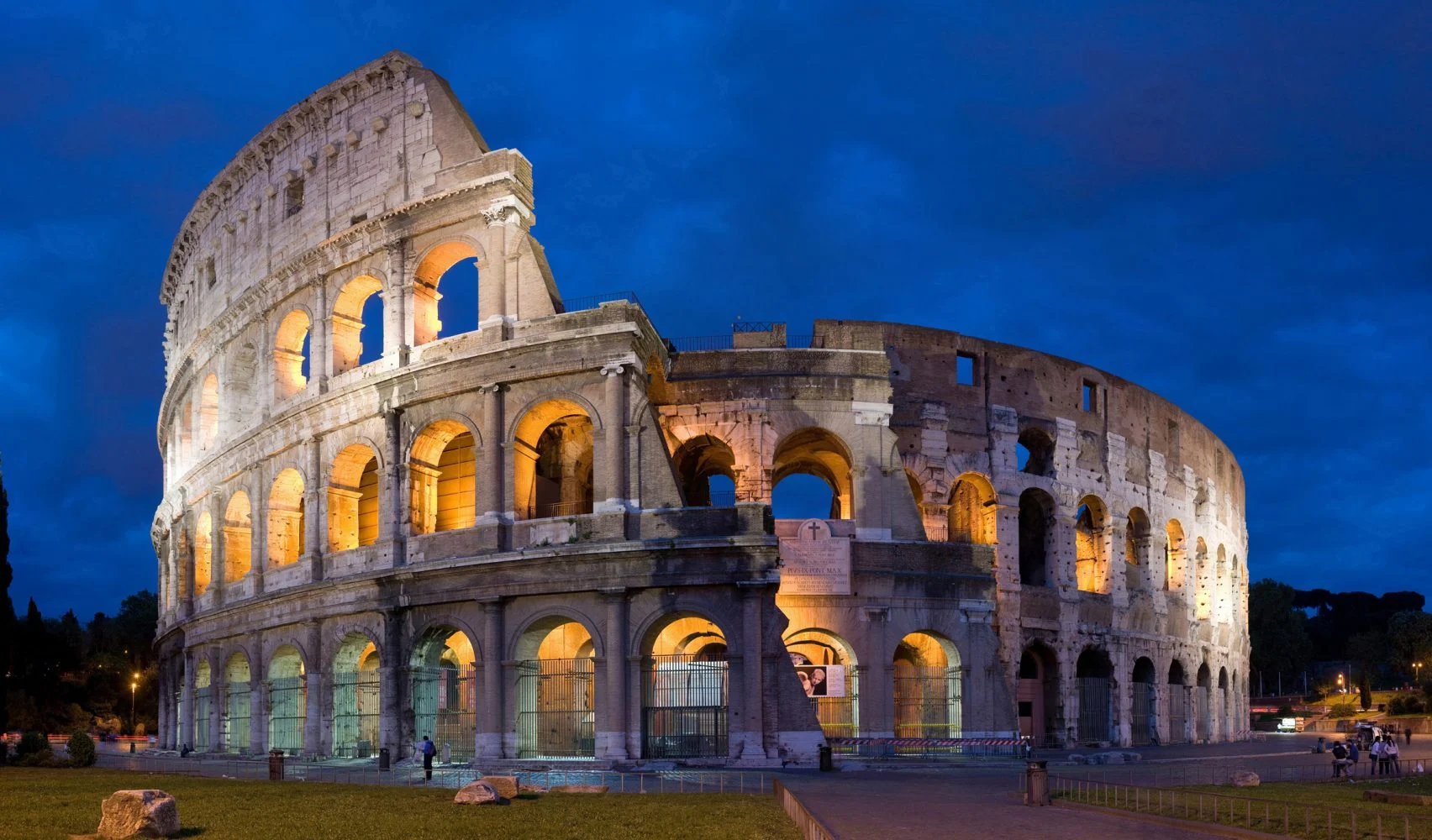
Colosseum, Rome
Key Takeaways for the Colosseum
Gladiators, Emperors, and Ancient Rome
The Colosseum echoes with the roars of ancient spectators. Once hosting gladiator battles and dramatic performances, it’s Rome’s most powerful link to its imperial past.
Ticket Tips and Guided Tours
Buy combo tickets with the Roman Forum, and consider a night tour for fewer crowds.
Combine with Nearby Sites
Don’t miss the Arch of Constantine and Palatine Hill next door.
Colosseum: Gladiators, Emperors, and Ancient Rome
Standing tall in the heart of Rome, the Colosseum is one of the most iconic tourist attractions in the world and a powerful symbol of the grandeur of Ancient Roman civilization. Completed in 80 AD under Emperor Titus, this massive amphitheater once held up to 80,000 spectators who gathered to witness gladiator battles, mock sea fights, and public spectacles that captivated the Roman Empire.
Made from stone and concrete, the Colosseum showcases brilliant Roman engineering and remains the largest amphitheater ever built. Its elliptical shape and tiered seating offer a fascinating glimpse into the social structure and daily life of the ancient world. Visiting the Colosseum is like stepping into a time machine, where every weathered stone tells a story of glory, power, and survival.
If you’re interested in ancient history, Roman architecture, or dramatic historical reenactments, the Colosseum is a must-visit on your European itinerary. It’s also a UNESCO World Heritage Site and ranks among the top historical landmarks in the world, attracting millions of travelers every year.
Colosseum Ticket Tips and Guided Colosseum Tours
To make the most of your Colosseum experience, plan your visit strategically.
Purchase a combo Colosseum ticket that includes entry to the Roman Forum and Palatine Hill — this not only saves money but also allows for a deeper understanding of Imperial Rome. Booking skip-the-line tickets online in advance is highly recommended, especially during peak travel seasons.
For a truly unique experience, consider a night tour of the Colosseum. These special tours offer access to the underground chambers and arena floor, and the nighttime lighting adds a mysterious, cinematic feel without the crowds.
Guided Colosseum tours with expert historians or archaeologists provide rich context and hidden details you might otherwise miss.
Combine with Nearby Sites
The Colosseum isn’t an isolated wonder — it’s surrounded by ancient landmarks that enrich your journey through history.
- Arch of Constantine: Located right next to the Colosseum, this triumphal arch celebrates Emperor Constantine’s victory and is a stunning example of Roman artistry.
- Palatine Hill: According to legend, this is where Romulus founded Rome. Explore the ruins of imperial palaces and enjoy panoramic views of the Forum and city skyline.
- Roman Forum: Once the bustling heart of Rome’s political and social life, this archaeological site is filled with ancient temples, basilicas, and monuments.
- Sources Include / Discover More: The Colosseum, An Elliptical Amphitheatre in the Centre of the City of Rome, Italy
- Also Read: Top Organic Food Brands in the World
#5
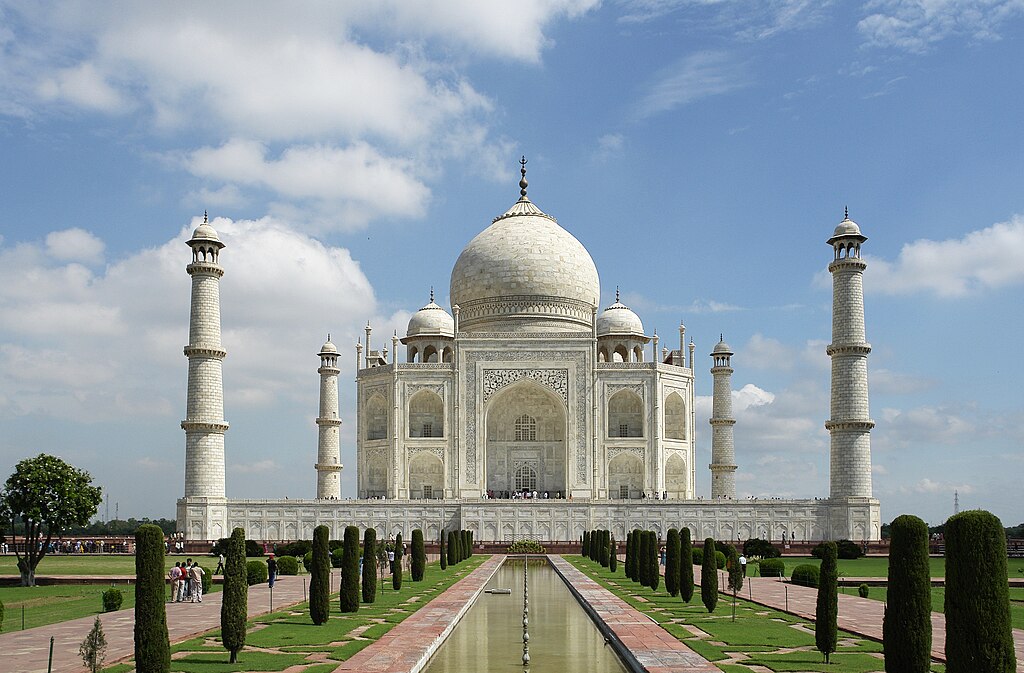
Taj Mahal, India
Key Takeaways for the Taj Mahal
An Eternal Symbol of Love
Commissioned by Mughal emperor Shah Jahan in memory of his beloved wife Mumtaz, this marble masterpiece stands as a glowing symbol of love and loss.
Sunrise vs Sunset Visits
Go at sunrise to avoid the heat and crowds. Sunset offers glowing reflections on the white marble.
Dress Code and Conduct
Dress modestly and remove shoes when entering the mausoleum.
Taj Mahal: An Eternal Symbol of Love
Rising majestically on the banks of the Yamuna River in Agra, India, the Taj Mahal is more than just a monument — it’s a timeless ode to love. This UNESCO World Heritage Site was commissioned in 1632 by Mughal emperor Shah Jahan in memory of his cherished wife, Mumtaz Mahal, who died during childbirth. Crafted entirely from shimmering white marble, the Taj Mahal took over 20 years and 20,000 artisans to complete, and today it stands as one of the most recognized and revered landmarks in the world.
With its intricate calligraphy, symmetrical gardens, and gleaming dome that seems to float in the morning mist, the Taj Mahal is often considered the finest example of Mughal architecture. Millions of travelers visit annually to witness its breathtaking beauty and to experience its deep emotional resonance — it’s not just a destination, it’s a story etched in stone.
Whether you’re an architecture enthusiast, a history buff, or a romantic soul, the Taj Mahal should be at the top of your travel bucket list. It frequently ranks as one of the most visited tourist attractions in the world and remains a powerful symbol of India’s rich cultural heritage.
Taj Mahal Tour: Sunrise vs Sunset Visits
To truly capture the Taj Mahal’s ethereal beauty, timing is everything.
Sunrise: is ideal if you want peace, cooler temperatures, and a front-row seat to the magical moment when the sun casts a pinkish-golden hue on the marble surface. The early hours also offer fewer crowds, allowing for unhindered photos and a more spiritual experience.
Sunset: on the other hand, paints the Taj in warm amber tones, creating stunning reflections in the long water channels that run through the Charbagh garden. While there are more tourists in the evening, the golden-hour lighting is perfect for photography.
Pro tip: Try to catch both if you can, for a full spectrum of its beauty.
Dress Code and Conduct
While visiting this sacred site, respecting cultural norms is crucial.
- Dress modestly: Cover your shoulders and knees, especially in the main mausoleum area.
- Footwear: Remove your shoes or wear provided shoe covers before stepping onto the marble platform.
- Behavior: Loud conversations, public displays of affection, and drone photography are strictly prohibited.
- No food or smoking: Help preserve the purity and serenity of the grounds.
- Sources Include / Discover More: The Taj Mahal, An Ivory-White Marble Mausoleum on the Right Bank of the River Yamuna in Agra, India
- Also Read: Top Cryptocurrencies in the World
#6
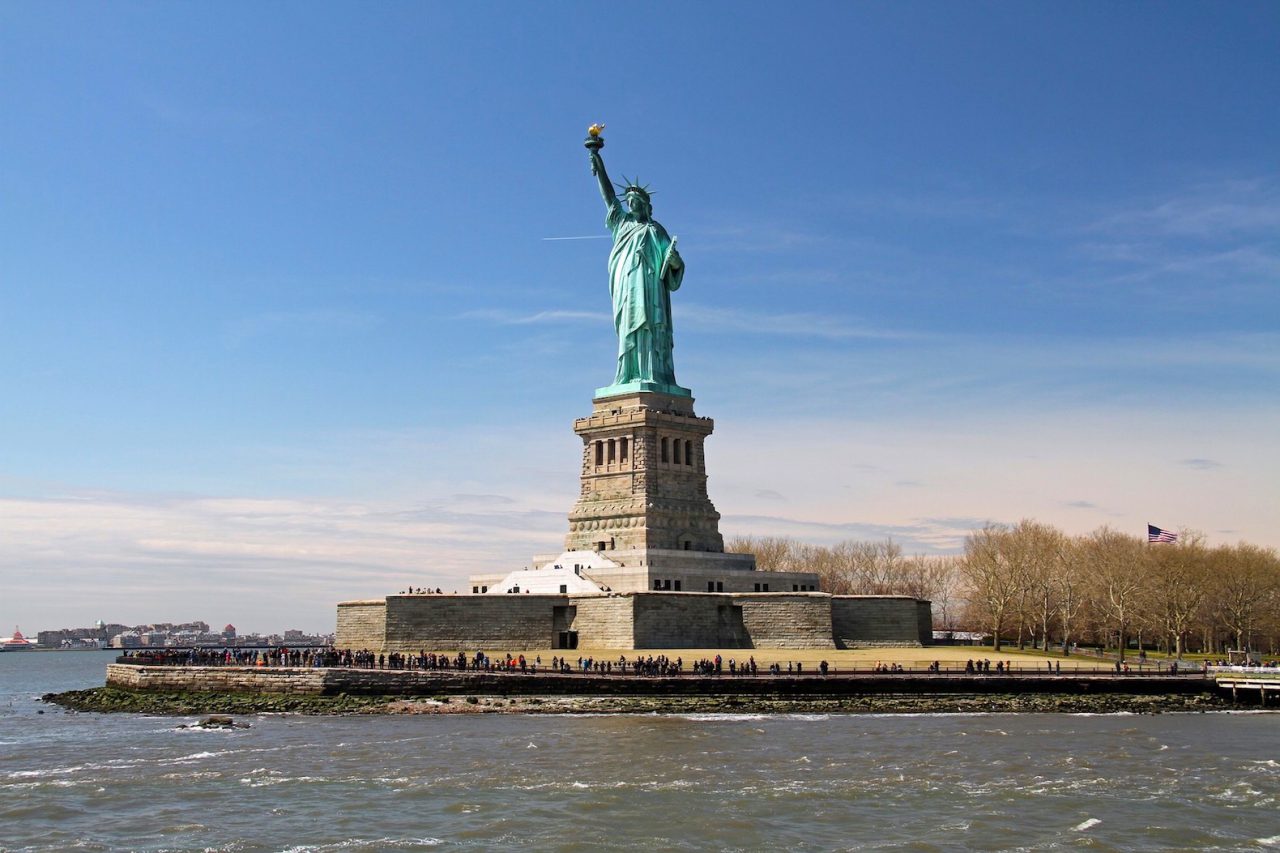
Statue of Liberty, USA
Key Takeaways for the Statue of Liberty
Freedom, Hope, and History
A gift from France to the USA in 1886, Lady Liberty stands tall as a beacon of hope, welcoming immigrants and dreamers to the New World.
Ferry Access and Security Tips
Book ferry tickets early, especially for crown access. Arrive early to pass through tight security checks.
Best Viewing Spots
Take skyline shots from the Staten Island Ferry — it’s free and fantastic!
Statue of Liberty: Freedom, Hope, and History
The Statue of Liberty, standing proudly on Liberty Island in New York Harbor, is more than just a colossal neoclassical sculpture — it’s a timeless symbol of freedom, democracy, and hope. Gifted by France to the United States in 1886 to celebrate 100 years of American independence, Lady Liberty quickly became a welcoming sight for millions of immigrants arriving by sea.
Designed by Frédéric Auguste Bartholdi and engineered by Gustave Eiffel, this 305-foot monument represents Libertas, the Roman goddess of liberty. Her torch lights the way to freedom, while the tablet in her hand is inscribed with the date of the American Declaration of Independence: July 4, 1776. For generations, the Statue of Liberty has been a powerful icon of the American dream, earning its place among the top tourist attractions in the world.
Whether you’re a history buff, a patriot, or simply love iconic landmarks, a visit to this national monument is a must when exploring New York City.
Statue of Liberty Ferry Access and Tour
Reaching the Statue of Liberty requires a bit of planning. Ferries depart from Battery Park (Manhattan) and Liberty State Park (New Jersey), operated exclusively by Statue City Cruises. It’s wise to book ferry tickets online in advance, especially if you’re aiming for crown access, which offers stunning views but sells out months ahead.
Give yourself extra time before departure. Security screening is tight, much like airport checks, so arrive at least 30 minutes early. Avoid carrying large bags, and leave prohibited items behind to breeze through the checkpoint. Lockers are available if needed.
For the best experience, take the earliest ferry to beat the midday rush and enjoy cooler temperatures. Also, don’t skip the stop at Ellis Island, where you can explore the Immigration Museum — another emotional and educational journey into America’s past.
Lady Liberty Best Viewing Spots
While visiting Liberty Island offers the closest look, you don’t need a ticket to appreciate this majestic statue. One of the best free views of the Statue of Liberty comes from the Staten Island Ferry. Operating 24/7, it cruises right past the statue and offers stunning skyline views — ideal for photos, especially at sunrise or sunset.
Alternatively, head to Brooklyn Bridge Park, Battery Park, or even the One World Observatory for panoramic views of Lady Liberty framed by the city skyline.
- Sources Include / Discover More: The Statue of Liberty, A United States National Monument
- Also Read: Top Real Estate Markets in the World
#7
Christ the Redeemer, Brazil

Key Takeaways for Christ the Redeemer
Towering Above Rio de Janeiro
One of the New Seven Wonders, this 98-foot tall statue watches over Rio from Mount Corcovado. It’s more than a monument — it’s a spiritual icon.
Avoiding the Crowds
Visit early morning or late afternoon. Cloudy? Don’t worry — it adds drama to your photos!
Photography Tips
Use wide-angle lenses or drone views from nearby Vista Chinesa viewpoint.
Christ the Redeemer: Towering Above Rio de Janeiro
Rising majestically above Rio de Janeiro, the Christ the Redeemer statue is one of the most recognizable landmarks in the world and a proud member of the New Seven Wonders of the World. Standing 98 feet tall with arms stretched 92 feet wide, this colossal statue of Jesus Christ rests atop Mount Corcovado in Tijuca National Park, offering panoramic views of the city, Sugarloaf Mountain, and Guanabara Bay.
Unveiled in 1931, Cristo Redentor symbolizes peace, hope, and faith, drawing over two million visitors annually. Whether you’re on a religious pilgrimage or a photography adventure, visiting Christ the Redeemer in Brazil is a must for your global travel bucket list.
Its unique Art Deco design and spiritual significance make it not just a monument but a cultural and religious emblem of Brazil. The statue is also a UNESCO World Heritage Site and an enduring icon of South America.
Christ the Redeemer Statue: Avoiding the Crowds
Like many global tourist attractions, Christ the Redeemer can get incredibly crowded — especially midday and during peak season. To truly enjoy its grandeur, visit early in the morning, ideally by 8 AM when the first trains run from Cosme Velho station via the Corcovado Rack Railway. Alternatively, late afternoon visits provide soft lighting and a more relaxed atmosphere.
Cloudy skies? Don’t be discouraged. Fog often rolls through Mount Corcovado, creating a mystical aura that adds drama and depth to your photos. Plus, the clouds tend to part quickly, revealing breathtaking views across Rio’s skyline and coastline.
Weekdays are generally less crowded than weekends or national holidays, so plan your visit accordingly. If you’re traveling during Carnival season, arrive even earlier or consider a guided tour with skip-the-line access.
Rio Christ Statue Photography Tips
Capturing the full scale of the Rio Christ Statue is a thrilling challenge. Wide-angle lenses are essential if you’re shooting from the base, while telephoto lenses can help frame details from a distance. For Instagram-worthy shots, arrive during golden hour to take advantage of soft, warm lighting.
For a unique aerial perspective, head to the Vista Chinesa viewpoint, located within Tijuca Forest. It offers a breathtaking view of the statue in the distance, framed by lush greenery and the sprawling city below — perfect for drone enthusiasts or panoramic photography lovers.
- Sources Include / Discover More: Christ the Redeemer, An Art Deco Statue of Jesus in Rio de Janeiro, Brazil
- Also Read: Top Fitness Trends in the World
#8
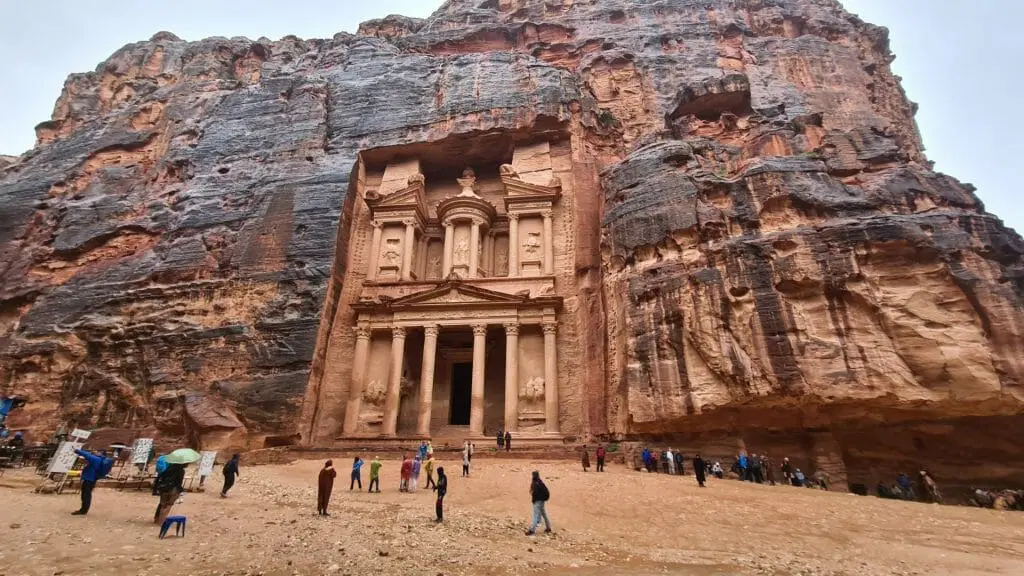
Petra, Jordan
Key Takeaways for Petra
A Rose-Red Wonder in the Desert
Carved into pink sandstone cliffs by the Nabataeans over 2,000 years ago, Petra is a hauntingly beautiful archaeological site.
Don’t Miss the Treasury at Sunrise
Get there early for golden lighting on the famous façade — it’s unforgettable.
Bedouin Culture and Safety
Respect local customs, tip guides generously, and stay hydrated!
Petra: A Rose-Red Wonder in the Desert
Welcome to Petra, Jordan’s most iconic tourist attraction and one of the New Seven Wonders of the World. Known as the “Rose City” due to the color of its sandstone cliffs, Petra is an ancient Nabataean city carved into the rugged desert terrain more than 2,000 years ago. Once a vital trading hub, Petra is now a UNESCO World Heritage Site and a top bucket-list destination for travelers seeking both history and mystery.
This awe-inspiring archaeological site stretches across a vast valley surrounded by jagged mountains and canyons. From its dramatic entrance through the Siq gorge to the jaw-dropping façade of Al-Khazneh (The Treasury), Petra is a place where history breathes through every carved column and crumbling stone.
Whether you’re a cultural traveler, a history enthusiast, or an adventure seeker, visiting Petra in Jordan is a life-changing experience and a must-see Middle Eastern marvel.
Petra Tour: Don’t Miss the Treasury at Sunrise
The best time to visit Petra is at sunrise, especially if you want that golden glow illuminating the façade of The Treasury, Petra’s most photographed monument. As the early morning light hits the intricate carvings of Al-Khazneh, the pink and orange sandstone comes alive with surreal brilliance — an unforgettable moment for every traveler.
Arriving early not only gives you ideal lighting for photography but also helps you avoid the large tour crowds that gather later in the day. Walk through the narrow Siq in silence and let the grandeur of Petra unfold before you.
For a more dramatic experience, consider booking Petra by Night, where the site is lit with thousands of candles — a magical way to see The Treasury under a starry sky.
Petra's Bedouin Culture and Safety
Petra is not just about ruins — it’s home to the Bedouin tribes who have lived in the region for generations. Embrace the local culture by chatting with Bedouin guides, enjoying traditional Jordanian tea, and shopping for handmade crafts.
When visiting Petra, respect local customs by dressing modestly and always asking permission before taking photos of people. Tipping is appreciated, especially for local guides and animal handlers.
Safety-wise, Petra is generally secure, but it’s crucial to stay hydrated, wear sun protection, and carry comfortable walking shoes. With rugged terrain and miles to explore, good physical preparation enhances your journey through this legendary desert city.
- Sources Include / Discover More: Petra, An Ancient City and Archaeological Site in Southern Jordan
- Also Read: Top Companies in the World
#9
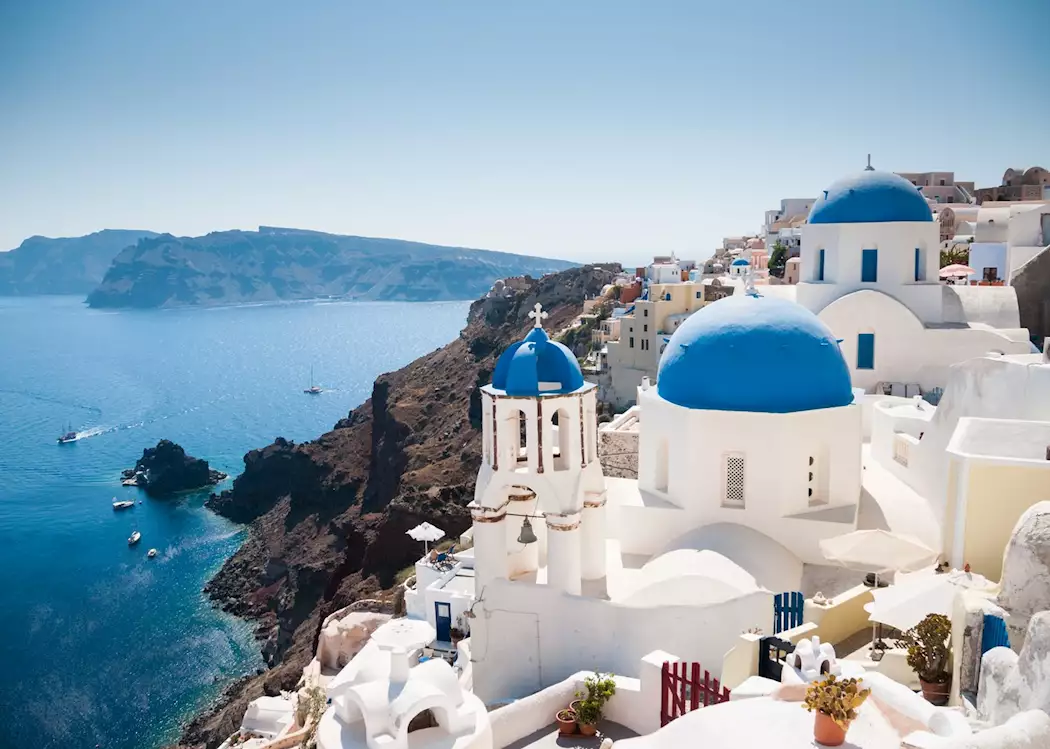
Santorini, Greece
Key Takeaways for Santorini
Whitewashed Paradise by the Sea
Famous for its blue-domed churches and cliffside villages, Santorini is the crown jewel of the Cyclades.
Best Villages to Explore
Oia (for sunsets), Fira (for nightlife), and Pyrgos (for peace).
Local Cuisine Must-Try
Sample moussaka, grilled octopus, and sweet baklava by the sea.
Santorini: Whitewashed Paradise by the Sea
Santorini, Greece, is the ultimate Aegean escape and one of the most beautiful islands in the world. Famed for its whitewashed buildings with blue-domed churches, cascading down volcanic cliffs overlooking the sapphire waters of the Caldera, this Greek island delivers postcard-perfect views at every turn. Formed by a massive volcanic eruption thousands of years ago, Santorini is more than just a pretty face — it’s a destination filled with rich history, romance, and legendary sunsets.
Whether you’re a honeymooner, solo traveler, or part of a cruise itinerary, Santorini tourism offers something magical for everyone. It’s not just a Greek island; it’s the crown jewel of the Cyclades and a top destination on any luxury Mediterranean travel list.
Oia, Fira, and Pyrgos santorini: Best Villages to Explore
Exploring Santorini’s picturesque villages is the best way to absorb the island’s charm. Start with Oia, the most iconic town, famous for its unforgettable sunsets that light up the sky in shades of gold and pink. The narrow cobbled lanes, boutique shops, and clifftop cafes make it ideal for romantic strolls.
Next, head to Fira, the lively capital of Santorini, where you’ll find vibrant nightlife, trendy cocktail bars, and cliffside dining experiences. Fira also serves as a hub for public transport and tour pickups.
For a peaceful retreat, explore Pyrgos, a hidden gem offering panoramic island views, charming alleys, and traditional Cycladic architecture without the crowds. It’s a favorite for travelers seeking authentic Greek culture in a tranquil setting.
Moussaka and Baklava: Local Santorini Cuisine Must-Try
Santorini is a paradise not just for the eyes but also for the palate. Begin with moussaka, a Greek classic made with layers of eggplant, minced meat, and creamy béchamel sauce. For seafood lovers, grilled octopus served with lemon and herbs is a must-try, especially when enjoyed by the sea at a traditional taverna.
Don’t leave without tasting baklava, a sweet pastry soaked in honey and filled with crushed nuts — a dessert that perfectly complements the island breeze and ocean view. Pair your meal with a glass of Assyrtiko, Santorini’s famous white wine grown from volcanic soil, for a truly local experience.
- Sources Include / Discover More: Santorini, Known Since Ancient Times as Thira, one of the Most Famous Islands in the World
- Also Read: Top Movies in the World
#10
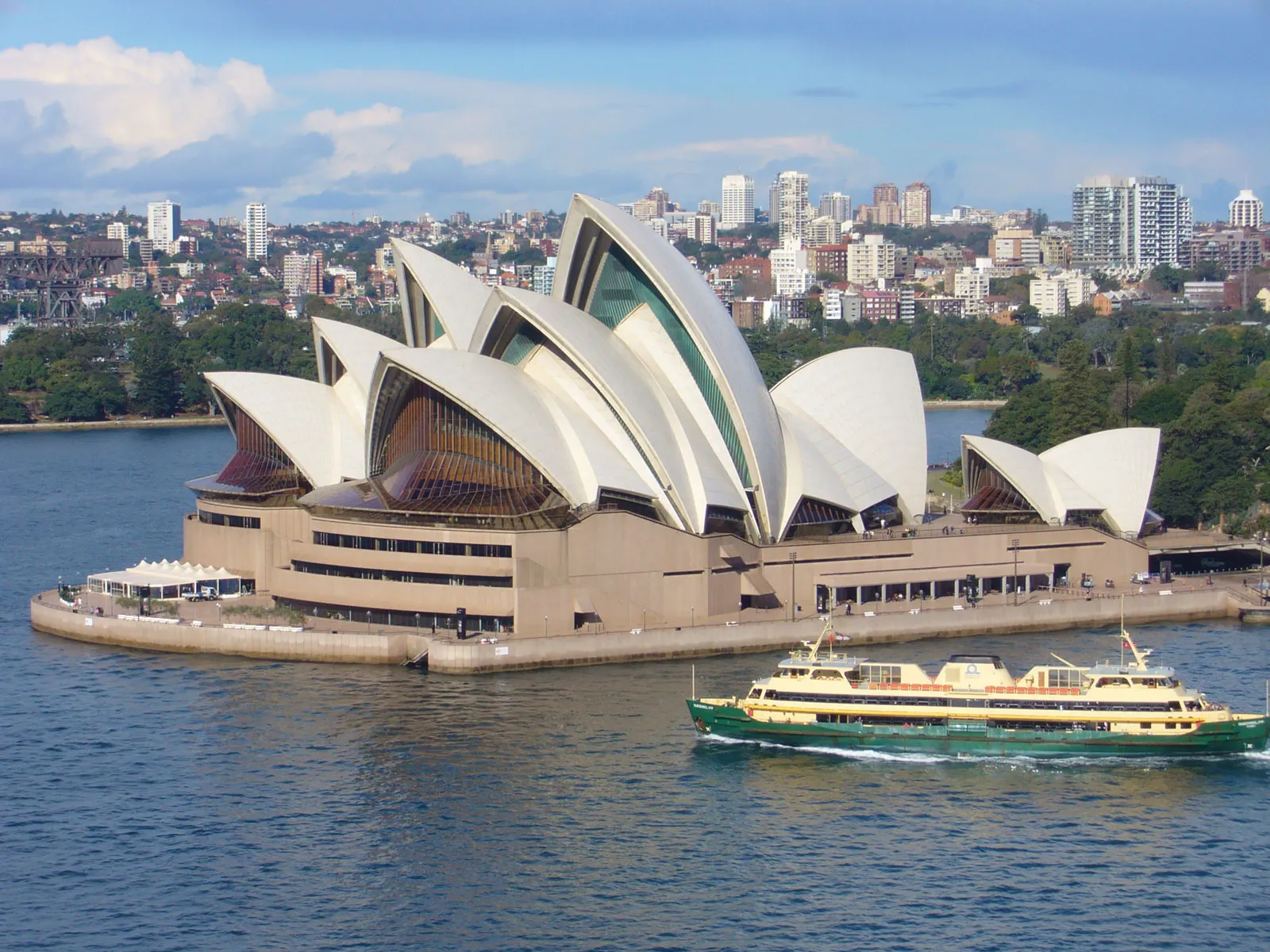
Sydney Opera House, Australia
Key Takeaways for Sydney Opera House
Modern Architecture at Its Finest
With its sail-like design, the Sydney Opera House is both a performing arts center and an architectural masterpiece.
Best Tours and Performances
Take the backstage tour or catch a show for the full experience.
Harbor Views Worth a Million
Walk along Circular Quay for epic harbor photos with the Opera House and Harbour Bridge.
Sydney Opera House: Modern Architecture at Its Finest
The Sydney Opera House is one of the most iconic buildings in the world and a must-see attraction in Australia. With its distinctive sail-shaped roof shells, it is a shining example of modern architecture and a UNESCO World Heritage Site. Designed by Danish architect Jørn Utzon and completed in 1973, the Opera House has become a global symbol of architectural innovation and artistic excellence.
This cultural landmark isn’t just a feast for the eyes — it’s also home to more than 1,500 performances annually, ranging from opera and classical music to ballet, theater, and modern concerts. For visitors to Sydney, it’s more than a photo opportunity; it’s an immersive arts and culture experience in a world-class setting.
Best Sydney Opera House Tours and Performances
To truly appreciate the Sydney Opera House, take one of its expert-guided tours. The backstage tour gives you behind-the-scenes access to areas like dressing rooms and greenrooms, offering a rare glimpse into what goes on before a performance.
The standard architectural tour is perfect for learning about the building’s complex design and engineering history, while interactive digital guides enhance your self-paced visit.
For those craving entertainment, catching a live show is a must. From operas and symphonies to theater productions and stand-up comedy, there’s something happening almost every night. Booking tickets in advance is recommended, especially during the peak Sydney travel season (December to February).
Circular Quay: Harbor Views Worth a Million
Few places on Earth offer views as breathtaking as Circular Quay, where the Sydney Opera House meets the Sydney Harbour Bridge in a panorama of postcard perfection. Walk along the promenade to snap photos from every angle — early morning light is ideal for soft glows, while sunset casts dramatic hues over the sails.
For unbeatable photos, consider climbing the nearby Harbour Bridge or cruising around Sydney Harbour by ferry. The vantage points from Mrs Macquarie’s Chair and Royal Botanic Garden also offer fantastic perspectives.
Whether you’re visiting for the views, the architecture, or the performances, the Sydney Opera House is an essential stop on any Australia travel itinerary and a cornerstone of Sydney sightseeing.
- Sources Include / Discover More: The Sydney Opera House, A Multi-Venue Performing Arts Centre in Sydney, New South Wales, Australia
- Also Read: Top Richest Universities in the World
Key FAQs on the 10 Top Tourist Attractions in the World
What is special about the Eiffel Tower?
The Eiffel Tower in Paris, France is a globally recognized iron lattice landmark built for the 1889 World’s Fair. Standing 330 meters tall, it symbolizes French engineering excellence and romantic travel experiences.
Visitors enjoy panoramic city views, observation decks, and cultural exhibits. The best time to visit is spring or fall for mild weather and fewer crowds. Source: https://www.toureiffel.paris | https://en.wikipedia.org/wiki/Eiffel_Tower
Why visit the Great Wall of China?
The Great Wall of China is one of the world’s longest man-made structures, stretching over 13,000 miles across northern China. Built between the 7th century BC and the Ming Dynasty, it reflects ancient military strategy and imperial power.
Autumn offers ideal hiking conditions and scenic views. The wall is a UNESCO World Heritage Site. Source: https://whc.unesco.org/en/list/438 | https://en.wikipedia.org/wiki/Great_Wall_of_China
What makes Machu Picchu famous?
Machu Picchu is a 15th-century Incan citadel located high in Peru’s Andes Mountains at 2,430 meters above sea level. Renowned for its stone craftsmanship and astronomical alignment, it remains one of South America’s most important archaeological sites.
The dry season from May to September offers optimal access. Source: https://www.peru.travel | https://en.wikipedia.org/wiki/Machu_Picchu
Why is the Colosseum important?
The Colosseum in Rome, Italy is the largest ancient amphitheater ever built and a defining symbol of the Roman Empire. Completed in AD 80, it once hosted gladiatorial contests and public spectacles.
Today, it represents Roman engineering and history. Spring offers ideal visiting conditions. Source: https://www.rome.net/colosseum | https://en.wikipedia.org/wiki/Colosseum
What is unique about the Taj Mahal?
The Taj Mahal in Agra, India is a 17th-century white marble mausoleum commissioned by Emperor Shah Jahan. It is globally admired for its symmetry, calligraphy, and Mughal architectural brilliance.
Winter months provide the best visibility and comfort. It is a UNESCO World Heritage Site. Source: https://www.tajmahal.gov.in | https://en.wikipedia.org/wiki/Taj_Mahal
Why visit the Statue of Liberty?
The Statue of Liberty in New York City symbolizes freedom, democracy, and immigration history. Gifted by France in 1886, it welcomed millions of immigrants arriving in America.
Visitors access the monument by ferry and explore Ellis Island Museum. Spring and summer offer optimal conditions. Source: https://www.nps.gov/stli | https://en.wikipedia.org/wiki/Statue_of_Liberty
What is special about Christ the Redeemer?
Christ the Redeemer is a 30-meter-tall Art Deco statue overlooking Rio de Janeiro from Mount Corcovado. Completed in 1931, it represents peace, faith, and Brazilian cultural identity.
The site offers sweeping city views and spiritual significance. Dry-season months provide clearer visibility. Source: https://www.paineirascorcovado.com.br | https://en.wikipedia.org/wiki/Christ_the_Redeemer_(statue)
Why visit Petra?
Petra in Jordan is an ancient Nabataean city carved directly into rose-colored sandstone cliffs. Dating back to the 5th century BC, it served as a major trade hub connecting Arabia, Egypt, and the Mediterranean.
Spring offers ideal temperatures. Petra is a UNESCO World Heritage Site. Source: https://whc.unesco.org/en/list/326 | https://en.wikipedia.org/wiki/Petra
What makes Santorini special?
Santorini is a Greek island famous for its whitewashed villages, blue-domed churches, and dramatic caldera views. Formed by a volcanic eruption, it blends natural beauty with Cycladic architecture.
Sunsets in Oia are world-renowned. April to October offers the best weather. Source: https://www.visitgreece.gr | https://en.wikipedia.org/wiki/Santorini
Why visit the Sydney Opera House?
The Sydney Opera House is a UNESCO-listed architectural icon completed in 1973 and located on Sydney Harbour. Designed by Jørn Utzon, it is renowned for its sail-like structure and world-class performances.
Visitors enjoy guided tours and cultural events. Spring and autumn offer ideal conditions. Source: https://www.sydneyoperahouse.com | https://en.wikipedia.org/wiki/Sydney_Opera_House
Travel Smart – Key Tips Before You Pack
Visas, Vaccines, and Language Basics
Always check visa requirements months in advance. Research health advisories, and consider learning key phrases in the local language — even a simple “hello” can open doors.
How to Respect Local Culture Globally
From removing shoes at temples to avoiding flash photography at sacred sites, respecting customs helps travelers be welcomed — not just tolerated.
Bucket List Planning: Which Destination First?
Budget, Interests, and Season Matter
Love beaches? Start with Santorini. Obsessed with history? Head to Rome or Petra. Want dramatic photos? Machu Picchu or the Eiffel Tower might be your ideal start. Let your passions — and passport — lead the way.
Final Thoughts
Exploring the world’s top tourist attractions is more than just sightseeing — it’s about stepping into history, culture, and awe-inspiring beauty that creates memories to last a lifetime. From the Eiffel Tower in Paris symbolizing romance and elegance, to the Great Wall of China stretching across centuries of dynasties, every landmark tells a story of human ambition and heritage. Standing before the Taj Mahal in India is to witness eternal love carved in marble, while the Colosseum in Rome echoes with the gladiatorial spirit of ancient civilizations.
Some wonders, like Machu Picchu in Peru and Petra in Jordan, immerse you in mysteries of lost empires, while the Statue of Liberty in New York represents freedom and hope for millions. The towering Christ the Redeemer in Rio de Janeiro inspires with its spiritual embrace, and the stunning beauty of Santorini in Greece showcases nature’s artistry with its whitewashed cliffs and blue-domed churches. Finally, the modern marvel of the Sydney Opera House in Australia stands as a global symbol of creativity and performance.
These destinations are not simply landmarks; they are transformative experiences that ignite curiosity, inspire wonder, and connect us with the world in unforgettable ways. Whether it’s marveling at architectural brilliance, embracing natural splendor, or uncovering cultural treasures, every journey offers more than just photographs — it leaves you with stories to cherish forever.
The world’s most visited attractions remind us that adventure and discovery are always within reach. So, the real question is: Which of these 10 incredible destinations will you explore next?
The 10 Top Tourist Attractions Frequently Asked Questions (FAQs)
The Eiffel Tower and the Great Wall of China consistently rank among the top, with millions visiting annually.
Yes, most of the top attractions are family-friendly and offer guided tours, multilingual services, and child-accessible features.
With smart planning, budget airlines, and off-season travel, many of these destinations can be affordable.
Visit early in the morning or during the off-season, and consider guided or VIP tours to skip lines.
Most are, but it's best to check official websites for seasonal closures, especially for natural or remote sites.
The Top 10 Tourist Attractions in the World include the Eiffel Tower, Great Wall of China, Machu Picchu, Taj Mahal, Colosseum, Statue of Liberty, Christ the Redeemer, Petra, Santorini, and Sydney Opera House.
Spring and autumn offer the best mix of weather and fewer crowds for most global tourist attractions.
Book skip-the-line or priority access tickets online, and visit early in the morning or on weekdays to avoid crowds.
Pack comfortable shoes, layered clothing, travel documents, sunscreen, and adapters for different regions.
About the Author
This article was researched and prepared by the World Millions Editorial Team, specialists in global rankings, premium market analysis, structured comparisons, and high-value sector research across industries.
All content undergoes verification, editorial review, and periodic updates to ensure accuracy, clarity, and alignment with recognized industry standards, reliable institutional sources, and leading global authorities.
- Last Updated: March 27, 2026 by the World Millions Editorial Team
- Original Published Date: March 27, 2026
- View Our: Editorial Team | Sources | Disclaimer | Editorial Standards