The top health supplements in the world represent the pinnacle of modern wellness, nutritional science, and preventive health support. From Omega-3 fatty acids for heart and brain health to multivitamins, probiotics, and vitamin D for immunity and bone strength, these widely trusted supplements help millions of people maintain energy, balance, and long-term wellbeing.
Discover the 10 Top Health Supplements in the World, ranked by global popularity, proven benefits, and everyday use among athletes, professionals, and health-conscious individuals. This expert guide highlights the most effective supplements for immunity, digestion, muscle recovery, mental clarity, and overall health optimization in today’s fast-paced world.
On This Page
Toggle- Updated 2026 by the World Millions Editorial Team: View Author Information
- Please note: It’s important to consult with a healthcare professional or registered dietitian to determine the best health supplements for individual needs and health goals.
Why Are Health Supplements So Popular Today?
The Convenience Factor
Let’s be honest, it’s not easy to hit your daily nutrient goals every day—especially when lunch is often a vending machine raid or fast-food fix. Supplements offer an easy fix to fill in nutritional holes, making them incredibly appealing.
Preventative Wellness on the Rise
More people are focusing on preventing illness rather than just treating it. Supplements like Vitamin D, Omega-3s, and probiotics are believed to help support immune function, brain health, and digestion—key pillars of long-term well-being.
The Science Behind Health Supplements
What are supplements?
Health supplements are products designed to add essential nutrients to your diet. They can come in the form of tablets, capsules, powders, or liquids, and typically include vitamins, minerals, herbs, amino acids, or other beneficial compounds. Supplements aim to fill nutritional gaps that your regular diet may not meet, especially in today’s fast-paced lifestyle.
Do they really work?
Yes, many supplements have proven benefits when used correctly. For instance, Vitamin D supports bone health, while Omega-3s promote heart function. However, the effectiveness of a supplement depends on its quality, dosage, and individual needs. Always consult with a healthcare provider before starting any new supplement routine.
Backed by research or just hype?
Some supplements are strongly backed by decades of scientific research (like Probiotics or CoQ10), while others are popular mainly due to marketing trends. We prioritize supplements supported by peer-reviewed studies and clinical trials, ensuring they deliver real benefits rather than empty promises.
Key Benefits of Taking Health Supplements
Filling nutritional gaps
Modern diets often lack essential nutrients due to processed foods and poor eating habits. Supplements like Multivitamins and B Complex help cover these gaps, supporting overall health and preventing deficiencies that can lead to fatigue, poor immunity, or long-term disease.
Enhancing immunity and energy
Supplements like Vitamin C, Zinc, and Magnesium are known to support the immune system, helping your body fight off infections more effectively. Additionally, B vitamins and CoQ10 play a vital role in energy production at the cellular level, keeping you energized throughout the day.
Supporting mental clarity and performance
Supplements such as Omega-3, Magnesium, and certain adaptogens may help improve cognitive function, focus, and memory. These are particularly useful for students, professionals, and older adults who want to maintain brain health and mental performance.
Key Factors to Consider Before Choosing a Health Supplement
Not all supplements are created equal, and making the right choice is critical to achieving desired health outcomes. Here are some essential factors to consider:
- Ingredient Transparency: Always look for products that clearly list all active and inactive ingredients. Reputable brands are fully transparent and avoid hidden fillers or synthetic additives.
- Clinical Backing: Supplements backed by clinical trials or third-party research offer more credibility. Look for products that cite peer-reviewed studies or are recommended by certified health professionals.
- Bioavailability: This refers to how well a nutrient is absorbed and utilized by the body. High-quality supplements often use chelated minerals, liposomal delivery systems, or nano-formulated ingredients for superior absorption.
- Certifications and Quality Assurance: Choose supplements that are GMP-certified, third-party tested, or carry seals like NSF Certified for Sport, USP Verified, or Non-GMO Project Verified.
- Personal Health Needs: Age, gender, lifestyle, and medical history all play a role in determining the right supplement. Consulting a healthcare provider before starting any supplement is strongly recommended.
How We Ranked the 10 Top Supplements
Effectiveness
Each supplement on our list has a proven track record of delivering noticeable health benefits. We analyzed clinical outcomes, user reviews, and expert opinions to ensure only the most effective options made the cut.
Scientific backing
We gave priority to supplements with strong scientific support, including clinical trials, peer-reviewed research, and endorsements from reputable health organizations. This ensures the supplements are not just popular, but genuinely beneficial.
Popularity and global reach
List of the 10 Top Health Supplements in the World
Explore the 10 Best Health Supplements in the World – trusted by athletes, seniors, and wellness seekers for immunity, energy, and vitality.
Choosing the right health supplements can transform your wellness journey by filling nutritional gaps, boosting energy, and strengthening immunity. In today’s fast-paced world, millions rely on top dietary supplements like Omega-3 Fish Oil for heart and brain health, Multivitamins for daily nutrition, and Vitamin D for bone strength and immune support.
Whether you’re an athlete looking for Protein Powder to build muscle, a professional needing B Complex for energy and stress relief, or someone seeking Probiotics for gut health, this list highlights the 10 top supplements recommended globally.
Each entry showcases its primary benefit, most popular form, and common users, making it easier to find the best match for your lifestyle. From Magnesium for sleep and relaxation to Turmeric Curcumin for joint support and Coenzyme Q10 for heart vitality, these supplements are backed by science and trusted by health enthusiasts worldwide.
This detailed table provides a quick comparison of the world’s most effective supplements, helping you choose the right one to optimize your daily health, immunity, and performance.
| # | Supplement Name | Primary Benefit | Most Popular Form | Common Users |
|---|---|---|---|---|
| 1 | Omega-3 Fatty Acids (Fish Oil) | Heart & brain health | Softgel | Adults, Seniors |
| 2 | Multivitamins | Overall nutrition support | Tablet/Capsule | General population |
| 3 | Vitamin D | Bone strength & immune health | Softgel/Drops | People in low-sunlight areas |
| 4 | Probiotics | Gut and digestive health | Capsule/Yogurt | Adults, IBS sufferers |
| 5 | Magnesium | Muscle relaxation & sleep support | Capsule/Powder | Athletes, Sleep-deprived |
| 6 | Protein Powder | Muscle gain & meal replacement | Powder | Athletes, Fitness lovers |
| 7 | Turmeric (Curcumin) | Anti-inflammatory & joint support | Capsule | Seniors, Joint pain sufferers |
| 8 | Coenzyme Q10 (CoQ10) | Cellular energy & heart health | Capsule | Over 40s, Heart patients |
| 9 | Vitamin C | Immune defense & skin health | Tablet/Powder | All age groups |
| 10 | B Complex | Energy production & stress reduction | Capsule/Tablets | Working professionals, Students |
Discover the 10 Top Health Supplements in the World
Discover the 10 Top Health Supplements in the World that are transforming modern wellness and boosting vitality naturally. From Omega-3 Fish Oil for heart and brain support to Multivitamins for daily nourishment and Vitamin D for immunity and bone strength, these globally trusted supplements deliver science-backed benefits for every lifestyle.
Each supplement in this guide — including Probiotics, Magnesium, Protein Powder, Turmeric Curcumin, CoQ10, Vitamin C, and B Complex — plays a vital role in enhancing energy, improving digestion, and supporting long-term health. Discover which of these powerful nutritional boosters can help you achieve optimal wellness today.
#1
Omega-3 Fatty Acids (Fish Oil)
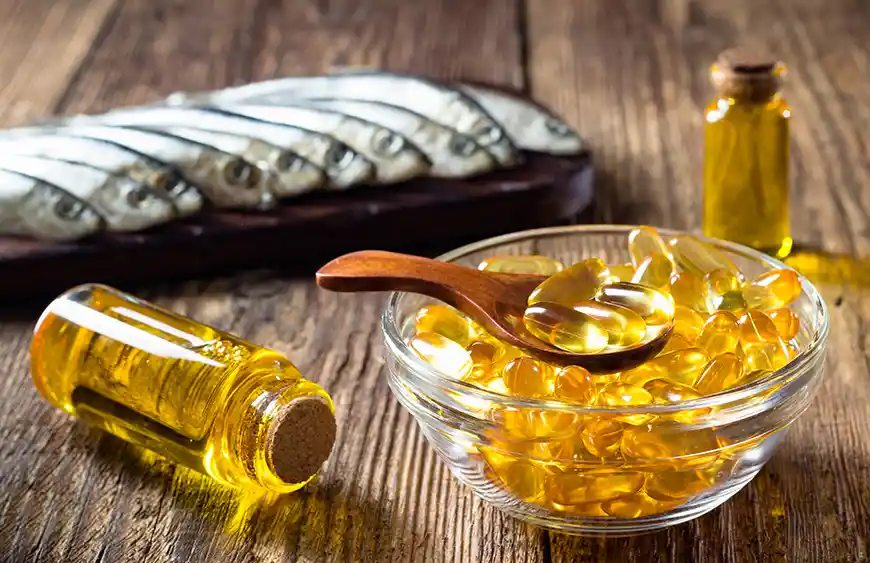
Key Takeaways for Omega-3 Fatty Acids (Fish Oil)
Omega-3 Fish Oil is one of the most trusted supplements for cardiovascular health and brain performance. Sourced from fatty fish, it delivers essential EPA and DHA that reduce inflammation and support longevity.
Key Features:
- Promotes heart health and lowers cholesterol.
- Enhances brain clarity and focus.
- Supports joint mobility and flexibility.
Omega-3 Fatty Acids (Fish Oil): What is Fish Oil?
Fish oil is a dietary supplement derived from the fatty tissue of oily fish like salmon, mackerel, and sardines. It is rich in omega-3 fatty acids—especially EPA (eicosapentaenoic acid) and DHA (docosahexaenoic acid)—which are essential fats your body cannot produce on its own. Fish oil supplements are widely recognized for their powerful impact on cardiovascular and cognitive health.
Omega-3: The Essential Heart and Brain Boosters
EPA and DHA found in fish oil have been studied extensively for their heart-protective benefits. These healthy fats help lower triglycerides, reduce blood pressure, and prevent the formation of arterial plaque, thereby reducing the risk of heart attacks and strokes. In terms of brain health, DHA is a major structural component of the brain and retina. Regular supplementation has been linked to improved memory, sharper focus, and even lower risk of neurodegenerative diseases like Alzheimer’s.
Fish Oil for Inflammation and Joint Health
Chronic inflammation is at the root of many diseases, including arthritis, heart disease, and metabolic disorders. Fish oil’s anti-inflammatory properties make it an effective natural remedy for managing conditions like rheumatoid arthritis and inflammatory bowel disease. Many users report decreased joint stiffness and improved mobility after consistent use of high-quality fish oil supplements.
Omega 3 Supplements: Who Should Take Fish Oil?
Fish oil supplements are ideal for people who don’t consume enough omega-3-rich fish, such as vegetarians, vegans (who can opt for algae-based omega-3), or individuals with a high risk of cardiovascular disease. Athletes and fitness enthusiasts also benefit from fish oil’s ability to speed up recovery and reduce exercise-induced inflammation.
Choosing the Best Fish Oil Supplement
Look for pharmaceutical-grade fish oil that offers a high concentration of EPA and DHA, preferably in triglyceride form for better absorption. Make sure the product is third-party tested for purity and free from heavy metals like mercury. Always check the label for freshness, as rancid oil loses its effectiveness and may do more harm than good.
- Sources Include / Discover More on National Institutes of Health (NIH): Omega-3 Fatty Acids
- Also Read: Top Diet Plans in the World
#2
Multivitamins
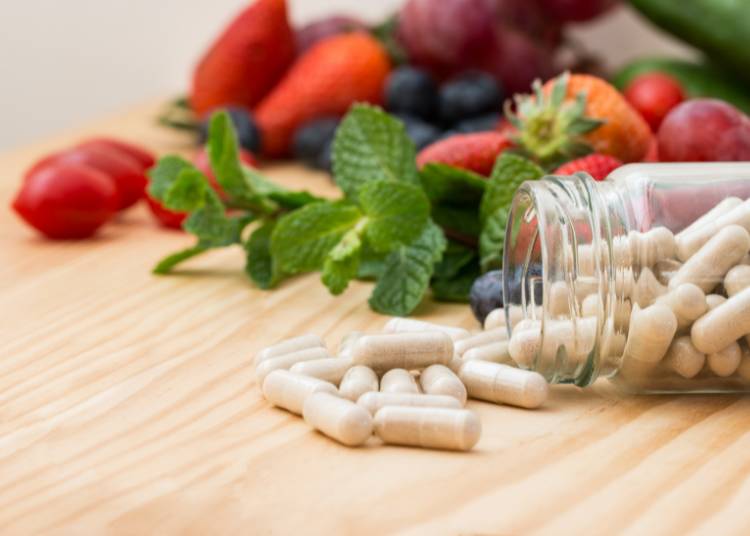
Key Takeaways for Multivitamins
Think of them as your daily insurance policy. Multivitamins are daily nutrition boosters that fill essential dietary gaps, making them a staple for overall wellness. They combine vitamins and minerals to maintain energy, immunity, and long-term health.
Key Features:
- Provides broad-spectrum daily nutrition.
- Strengthens immune defenses.
- Improves energy levels and vitality.
What Are Multivitamins?
Multivitamins are daily dietary supplements that combine a variety of essential vitamins and minerals into a single tablet, capsule, or gummy. They are designed to fill nutritional gaps in your diet, especially on days when you don’t eat balanced meals. Most multivitamin supplements include vitamins A, C, D, E, and K, along with B-complex vitamins, calcium, magnesium, zinc, selenium, and iron.
Why Multivitamins Are Essential for Daily Health
Think of multivitamins as your nutritional safety net. Even with the best intentions, most people don’t consistently meet the daily recommended intake of key nutrients. Busy lifestyles, processed foods, poor eating habits, and stress all contribute to deficiencies. A quality multivitamin helps bridge these gaps and supports overall wellness, energy levels, and immune function.
Benefits of Taking a Daily Multivitamin Supplement
Multivitamins provide a wide range of benefits, including improved energy production, enhanced cognitive function, and stronger immunity. For example, B-complex vitamins help convert food into energy, vitamin D supports bone strength and immunity, and antioxidants like vitamin C and E help combat free radical damage. Some formulations even include adaptogens and added probiotics for extra digestive or stress support.
Who Should Consider Multivitamins?
Multivitamins are beneficial for nearly everyone, but especially important for people with restricted diets, such as vegetarians, vegans, and those on keto or low-carb plans. Seniors, pregnant women, and individuals with chronic illnesses may also require additional support due to increased nutritional needs. Always consult a healthcare professional to choose a formula tailored to your age, gender, and lifestyle.
How to Choose the Best Multivitamin Supplement
When selecting a multivitamin, opt for a brand that uses bioavailable forms of nutrients (like methylated B12 or chelated minerals) for better absorption. Look for clean labels—free from artificial colors, synthetic fillers, and unnecessary additives. Consider multivitamins that are third-party tested and tailored to your demographic (men, women, 50+, etc.). Daily consistency is key, so pick a format (gummies, tablets, capsules) that fits easily into your routine.
- Sources Include / Discover More on Harvard Nutrition Source: Should I Take a Daily Multivitamin?
- Also Read: Top Investment Banks in the World
#3
Vitamin D
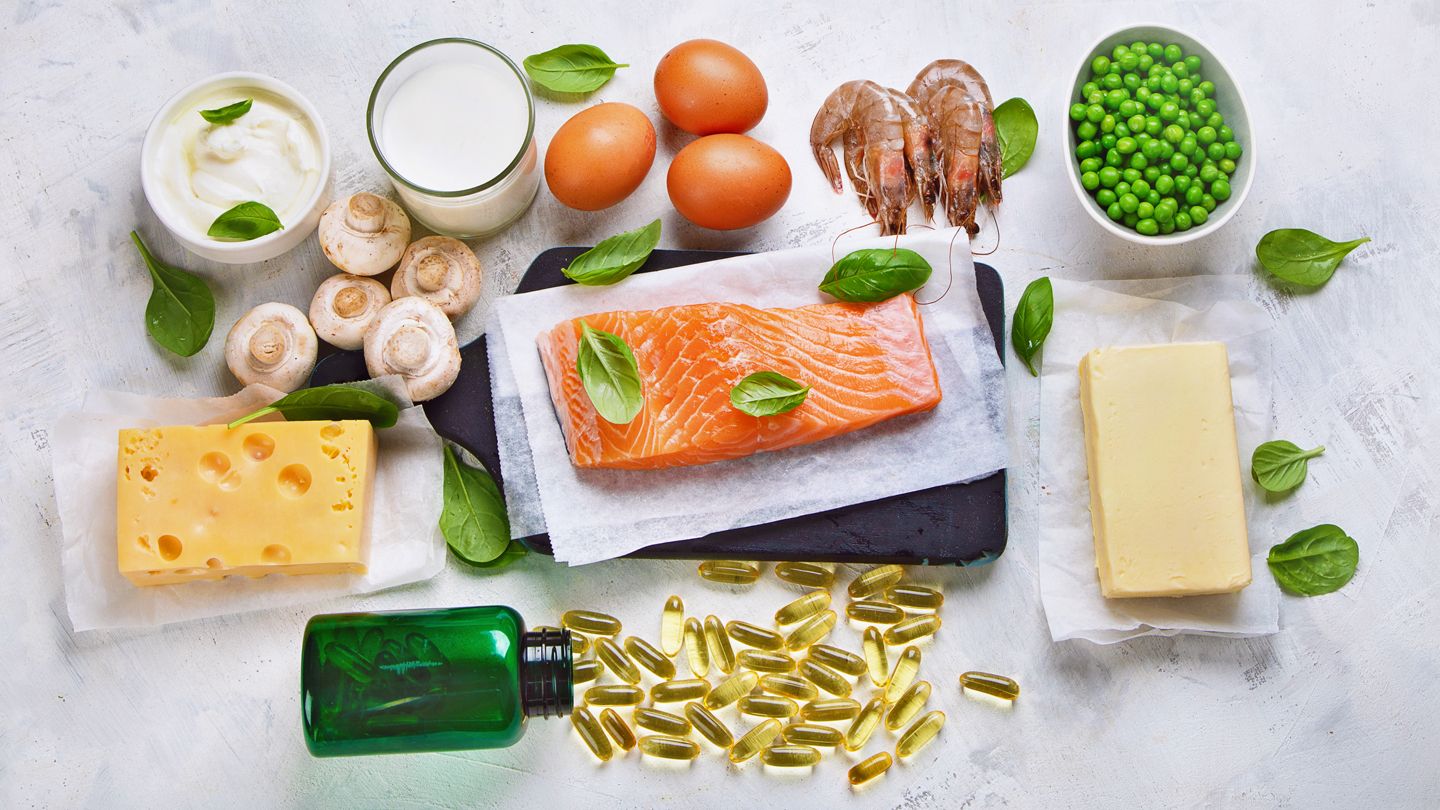
Key Takeaways for Vitamin D
Vitamin D, often called the sunshine vitamin, is crucial for bone strength and immune support. Its deficiency is widespread, especially in colder regions, making supplementation vital.
Key Features:
- Enhances calcium absorption for bone health.
- Strengthens immune system function.
- Supports mood balance and vitality.
What is Vitamin D and Why is it Called the “Sunshine Vitamin”?
Vitamin D is a fat-soluble vitamin that your body naturally produces when your skin is exposed to sunlight. It’s often referred to as the “sunshine vitamin” because ultraviolet B (UVB) rays trigger its synthesis in the skin. Unlike other nutrients, vitamin D acts like a hormone and plays a critical role in various bodily functions, especially in bone health and immune regulation.
Key Health Benefits of Vitamin D
Vitamin D is essential for maintaining strong and healthy bones because it helps your body absorb calcium effectively. Without enough vitamin D, bones can become brittle and prone to fractures. Beyond bone strength, vitamin D is also crucial for a well-functioning immune system, reducing the risk of infections, chronic diseases, and autoimmune conditions.
Studies have shown that individuals with adequate vitamin D levels are better equipped to fend off respiratory illnesses, including the common cold and flu. Some research even links optimal vitamin D status with improved mood and reduced symptoms of depression and anxiety.
Vitamin D Deficiency: A Global Health Concern
Despite its importance, vitamin D deficiency is incredibly common—especially in colder regions with limited sunlight, in people with darker skin tones, or those who spend most of their time indoors. Deficiency symptoms can include fatigue, bone pain, frequent illness, muscle weakness, and even mood disturbances.
According to health organizations, over 1 billion people worldwide may be vitamin D deficient or insufficient, making supplementation not just beneficial but often necessary.
Vitamin D3: How to Choose the Best Vitamin D Supplement
When selecting a vitamin D supplement, look for vitamin D3 (cholecalciferol), which is more effective at raising and maintaining adequate blood levels than D2 (ergocalciferol). The ideal dosage can vary depending on age, lifestyle, and medical conditions, but many experts recommend 1000–2000 IU daily for general maintenance.
For enhanced absorption, choose supplements that include fat or take them with a meal containing healthy fats. Some advanced formulas even combine vitamin D with vitamin K2 to support proper calcium utilization in the body, preventing it from being deposited in arteries.
- Sources Include / Discover More on NHS: Vitamin D Helps Regulate the Amount of Calcium and Phosphate in the Body
- Also Read: Top Wealth Management Firms in the World
#4
Probiotics

Key Takeaways for Probiotics
Probiotics are live bacteria that balance gut health, improve digestion, and support immunity. They are particularly beneficial for those with digestive issues or weakened immune systems.
Key Features:
- Restores healthy gut flora balance.
- Supports digestion and nutrient absorption.
- Strengthens natural immunity.
What Are Probiotics and Why Are They Important?
Probiotics are live microorganisms, primarily bacteria and some yeasts, that offer numerous health benefits when consumed in adequate amounts. Often referred to as “good bacteria,” probiotics naturally reside in your digestive tract and play a key role in maintaining a balanced gut microbiome. This microbial balance is crucial for digestion, nutrient absorption, immune health, and even emotional well-being.
Think of your gut like a thriving garden. Just as healthy soil needs beneficial organisms to flourish, your digestive system relies on probiotics to stay in top shape.
How Probiotics Support Digestive Health
Probiotics help break down food, enhance nutrient absorption, and keep harmful bacteria in check. They are especially effective in preventing and treating gastrointestinal issues like bloating, constipation, diarrhea, and irritable bowel syndrome (IBS). Certain strains like Lactobacillus acidophilus and Bifidobacterium bifidum are widely recognized for their digestive benefits.
By replenishing healthy gut flora, probiotics also help restore balance after antibiotic use, which often wipes out both good and bad bacteria.
The Gut-Brain Connection: Probiotics and Mental Health
Emerging research highlights the powerful link between gut health and brain function—commonly known as the gut-brain axis. Probiotics have been shown to influence neurotransmitter production and reduce symptoms of anxiety, depression, and stress. Some strains may even support cognitive clarity and mood regulation by lowering inflammation and promoting healthy brain chemistry.
For example, Lactobacillus rhamnosus and Bifidobacterium longum are two strains linked to improved mental resilience and emotional balance.
Choosing the Best Probiotic Supplement
When selecting a high-quality probiotic supplement, look for a broad-spectrum formula with multiple strains and a high CFU count (colony-forming units), ideally 10 billion or more. Make sure the supplement is shelf-stable or properly refrigerated to preserve potency. Advanced formulas may also include prebiotics—non-digestible fibers that feed the good bacteria—to enhance effectiveness.
Opt for probiotics that are third-party tested, free from artificial fillers, and tailored to your specific needs (general wellness, women’s health, immune support, etc.). Consistency is key—taking your probiotic daily will provide the best long-term results.
- Sources Include / Discover More on Harvard Health: The Benefits of Probiotics Bacteria
- Also Read: Top Personal Finance Platforms
#5
Magnesium
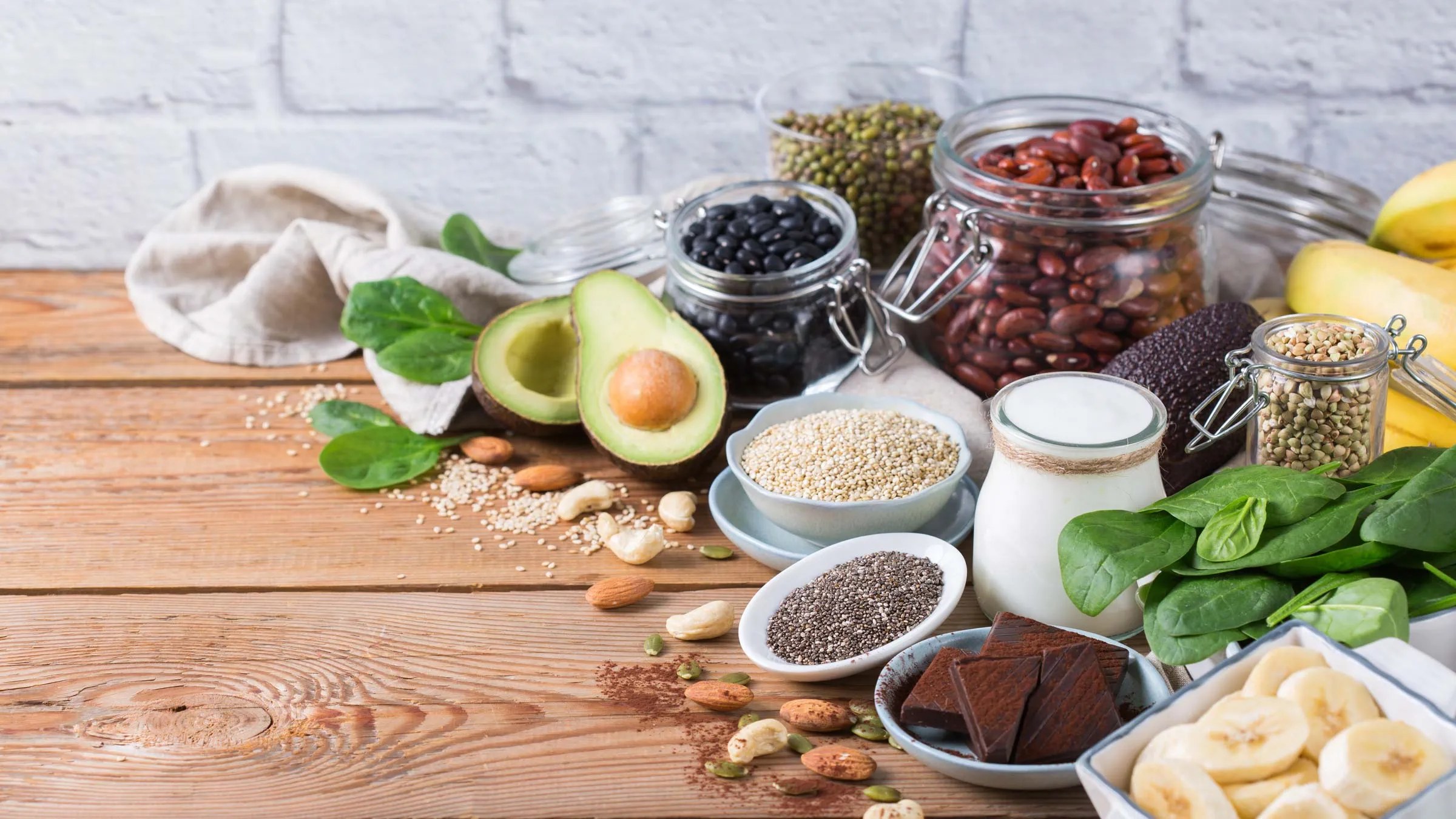
Key Takeaways for Magnesium
Magnesium is an essential mineral that supports muscle relaxation, nerve health, and sleep quality. It is ideal for athletes and individuals under stress or with poor sleep patterns.
Key Features:
- Promotes restful sleep and relaxation.
- Supports energy production and metabolism.
- Regulates nerve and muscle function.
What is Magnesium and Why It Matters
Magnesium is an essential mineral involved in over 300 biochemical reactions in the body. It plays a crucial role in muscle relaxation, nerve function, energy production, and sleep regulation. Despite its importance, magnesium deficiency is surprisingly widespread, especially in people with high stress levels, poor dietary habits, or certain health conditions.
Often called the “calming mineral,” magnesium is vital for maintaining a healthy nervous system and muscular balance.
Key Health Benefits of Magnesium
One of magnesium’s most well-known benefits is its ability to relieve muscle cramps and tension. Whether you’re an athlete, a fitness enthusiast, or someone who sits for long hours, magnesium can help relax tight muscles and reduce post-exercise soreness. It also plays a key role in regulating nerve signals, preventing overstimulation that can lead to anxiety or restlessness.
Magnesium is also a game-changer for sleep. It helps regulate melatonin—the sleep hormone—and promotes a deeper, more restful night’s sleep. People who supplement with magnesium often report falling asleep faster, staying asleep longer, and waking up more refreshed.
Additionally, magnesium supports heart health by maintaining a steady heartbeat and regulating blood pressure. It may also reduce the frequency and severity of migraines by calming overactive nerve pathways in the brain.
Signs You May Need a Magnesium Supplement
Common symptoms of magnesium deficiency include muscle twitches, fatigue, trouble sleeping, irritability, and frequent headaches. Those with high stress, diets low in leafy greens, or conditions like diabetes may be especially at risk.
Because magnesium is lost through sweat and urine, athletes and those under chronic stress often have higher requirements.
How to Choose the Best Magnesium Supplement
When choosing a magnesium supplement, look for highly bioavailable forms such as magnesium glycinate, magnesium citrate, or magnesium malate. These types are more easily absorbed and less likely to cause digestive discomfort compared to magnesium oxide.
For sleep and relaxation, magnesium glycinate is especially effective. If you’re targeting digestion or constipation relief, magnesium citrate is a strong option. Look for supplements that are free from additives and tested for purity. Consistent daily use, ideally in the evening, can offer significant improvements in sleep quality, stress levels, and overall muscle comfort.
- Sources Include / Discover More on NIH: Fact Sheet for Consumers
- Also Read: Top Economies in the World
#6
Protein Powder
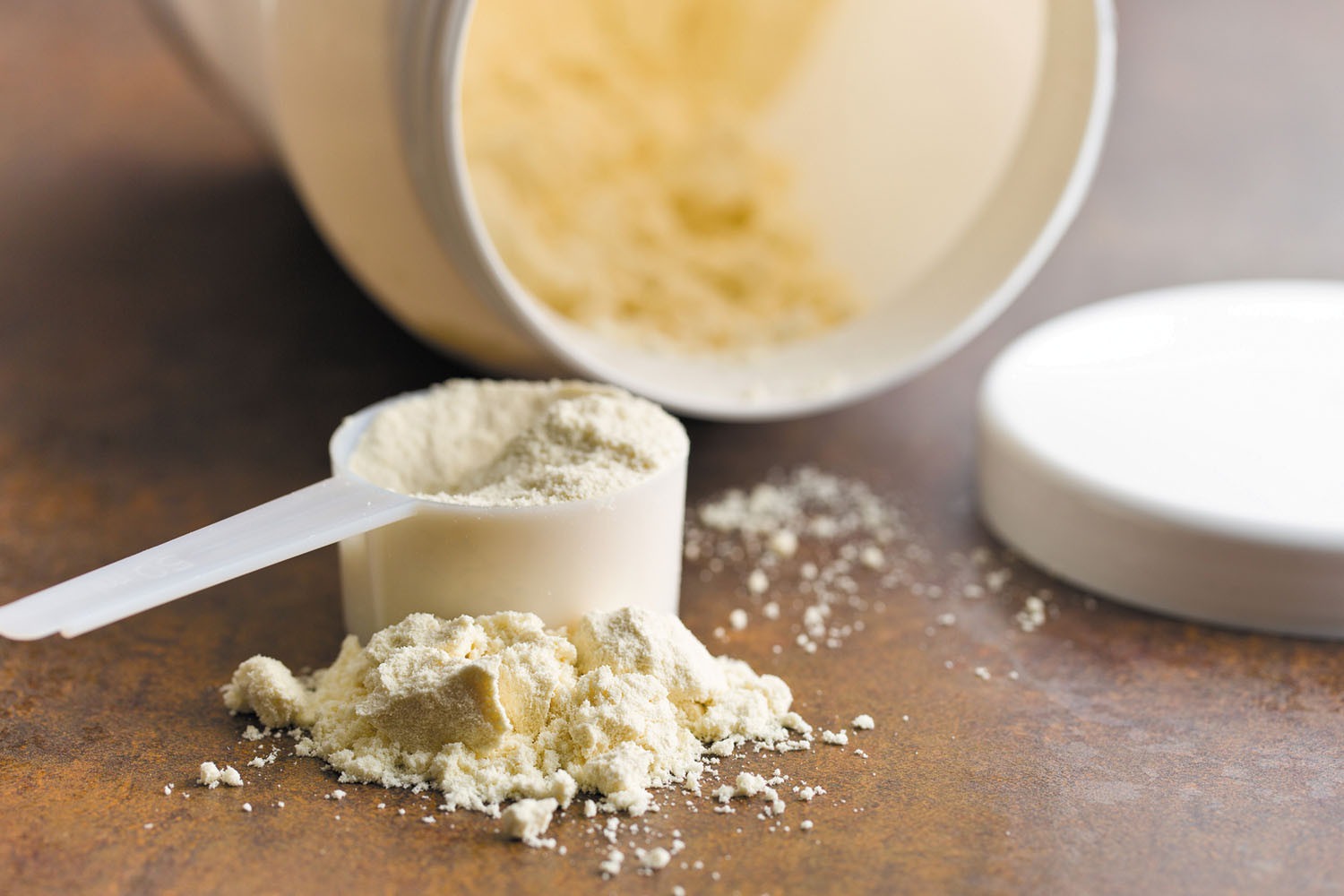
Key Takeaways for Protein Powder
Protein Powder is the go-to supplement for athletes, fitness enthusiasts, and busy professionals. It helps build muscle, aids recovery, and serves as a convenient meal replacement.
Key Features:
- Supports muscle growth and repair.
- Provides quick, convenient nutrition.
- Ideal for post-workout recovery.
What Are Protein Powders and Why Are They Essential?
Protein powders are concentrated sources of protein that can be easily added to smoothies, shakes, or even meals to meet your daily protein needs. They are especially popular among athletes, bodybuilders, fitness enthusiasts, and individuals with busy lifestyles. Protein plays a crucial role in muscle repair, growth, and overall body function, making protein powders an essential supplement for anyone looking to improve strength and recovery.
Whether derived from animal or plant-based sources, protein powders provide a convenient and efficient way to increase protein intake, especially when whole foods may be impractical or insufficient.
Types of Protein Powders: Whey vs. Plant-Based
One of the most popular types of protein powder is whey protein. Derived from milk during cheese production, whey protein is a complete source of protein, meaning it contains all nine essential amino acids. It is quickly absorbed by the body, making it an excellent choice for post-workout recovery. Whey protein is also known for its high leucine content, which supports muscle protein synthesis and growth.
For individuals who prefer plant-based options, there are plenty of alternatives, such as pea protein, rice protein, and hemp protein. These plant-based proteins offer similar benefits for muscle repair and growth, with the added advantage of being suitable for vegans and those with lactose intolerance. Pea protein, in particular, is rich in branched-chain amino acids (BCAAs), which are crucial for muscle building.
Health Benefits of Protein Powder
Protein powder helps the body repair and build muscle tissue after physical exertion. It is especially beneficial after resistance training, as it provides the necessary building blocks for muscle recovery and growth. Consuming protein post-workout can help reduce muscle soreness, improve performance, and support overall strength gains.
In addition to muscle growth, protein powders may also assist with weight management. Protein is a satiating nutrient, meaning it helps you feel fuller for longer, reducing overall calorie intake and supporting fat loss. When combined with a healthy diet and exercise regimen, protein powders can help you achieve your fitness goals more efficiently.
Choosing the Best Protein Powder for Your Goals
When selecting a protein powder, consider factors such as your dietary preferences, fitness goals, and any allergies or intolerances. If you’re looking to build muscle and aid recovery, opt for whey protein if you tolerate dairy. For those seeking a plant-based or dairy-free option, pea protein or soy protein are excellent alternatives that still provide all the essential amino acids needed for muscle repair and growth.
Additionally, choose protein powders that are free from artificial additives, fillers, and sweeteners to ensure you’re consuming a clean product.
- Sources Include / Discover More on Harvard health: Weighing Protein Powders
- Also Read: Top Airlines in the World
#7
Turmeric (Curcumin)
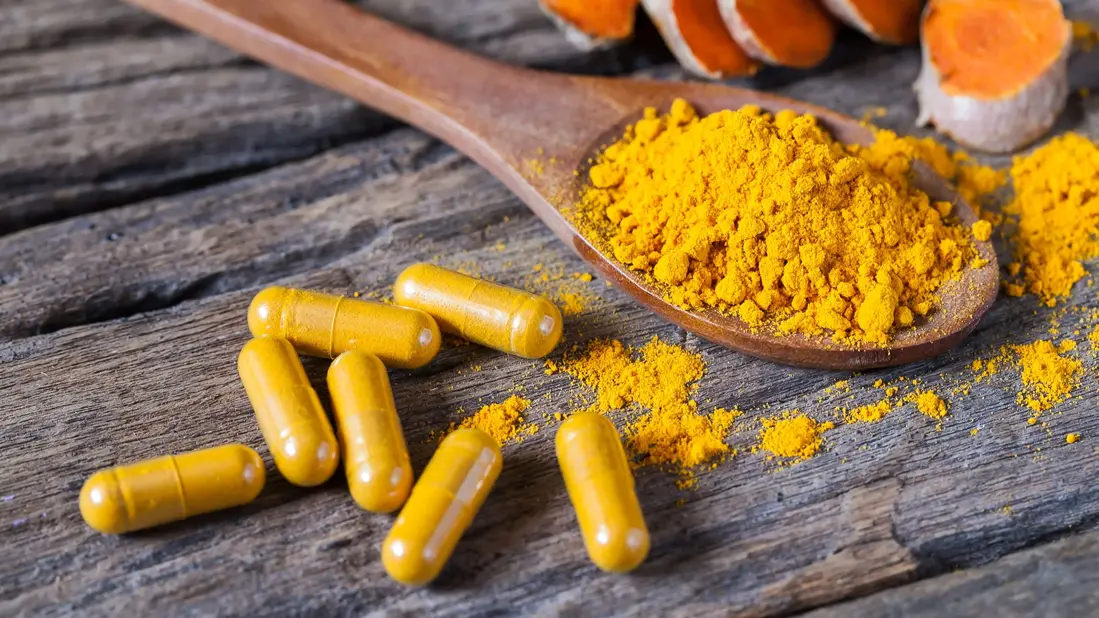
Key Takeaways for Turmeric (Curcumin)
Turmeric, powered by curcumin, is a natural anti-inflammatory supplement widely recognized for joint and heart support. Its antioxidant benefits make it a holistic health enhancer.
Key Features:
- Reduces inflammation and joint pain.
- Supports cardiovascular health.
- Provides strong antioxidant defense.
What is Turmeric and Why Is It So Powerful?
Turmeric is a bright yellow spice derived from the root of the Curcuma longa plant, commonly used in cooking and traditional medicine. The active compound in turmeric, curcumin, is known for its powerful anti-inflammatory and antioxidant properties. While it’s commonly associated with South Asian cuisine, turmeric has long been used in Ayurvedic medicine for its wide range of health benefits.
The Anti-Inflammatory Power of Curcumin
One of turmeric’s most well-known benefits is its ability to reduce inflammation. Chronic inflammation is linked to various health issues, including joint pain, heart disease, and even some types of cancer. Curcumin works by inhibiting molecules that promote inflammation in the body, making it an excellent natural remedy for conditions like arthritis, muscle soreness, and even digestive inflammation.
For those suffering from joint pain or osteoarthritis, turmeric supplements can provide significant relief. Studies have shown that curcumin may be as effective as non-steroidal anti-inflammatory drugs (NSAIDs) for reducing joint pain and stiffness, but without the side effects associated with prescription medications.
Turmeric for Heart Health
Curcumin also has benefits for cardiovascular health. It supports the endothelial function, which is the health of the lining of your blood vessels. A healthy endothelium is crucial for maintaining proper blood flow and preventing heart disease. By reducing inflammation and improving blood vessel function, turmeric can help maintain healthy blood pressure levels and reduce the risk of heart disease.
Curcumin: Antioxidant Protection and Cellular Health
Oxidative stress, caused by an imbalance between free radicals and antioxidants in the body, can damage cells and lead to aging and disease. Curcumin is a potent antioxidant, capable of neutralizing free radicals and boosting the body’s own antioxidant enzymes. This makes turmeric an effective supplement for fighting oxidative stress and supporting overall cellular health.
Turmeric Powder: How to Incorporate Turmeric into Your Diet
Turmeric can be consumed in various ways, from adding it to curries and smoothies to taking it in supplement form. However, curcumin is not easily absorbed by the body on its own. To improve absorption, it’s often paired with black pepper (which contains piperine) or fat-rich foods. You can also find turmeric supplements that combine curcumin with black pepper extract for maximum effectiveness.
Choosing the Right Turmeric Supplement
When selecting a turmeric supplement, look for one with high curcumin content and added black pepper extract for enhanced bioavailability. Opt for organic and third-party tested products to ensure purity and quality.
- Sources Include / Discover More on Hopkins Medicine: Turmeric Benefits
- Also Read: Top Games in the World
#8
Coenzyme Q10 (CoQ10)
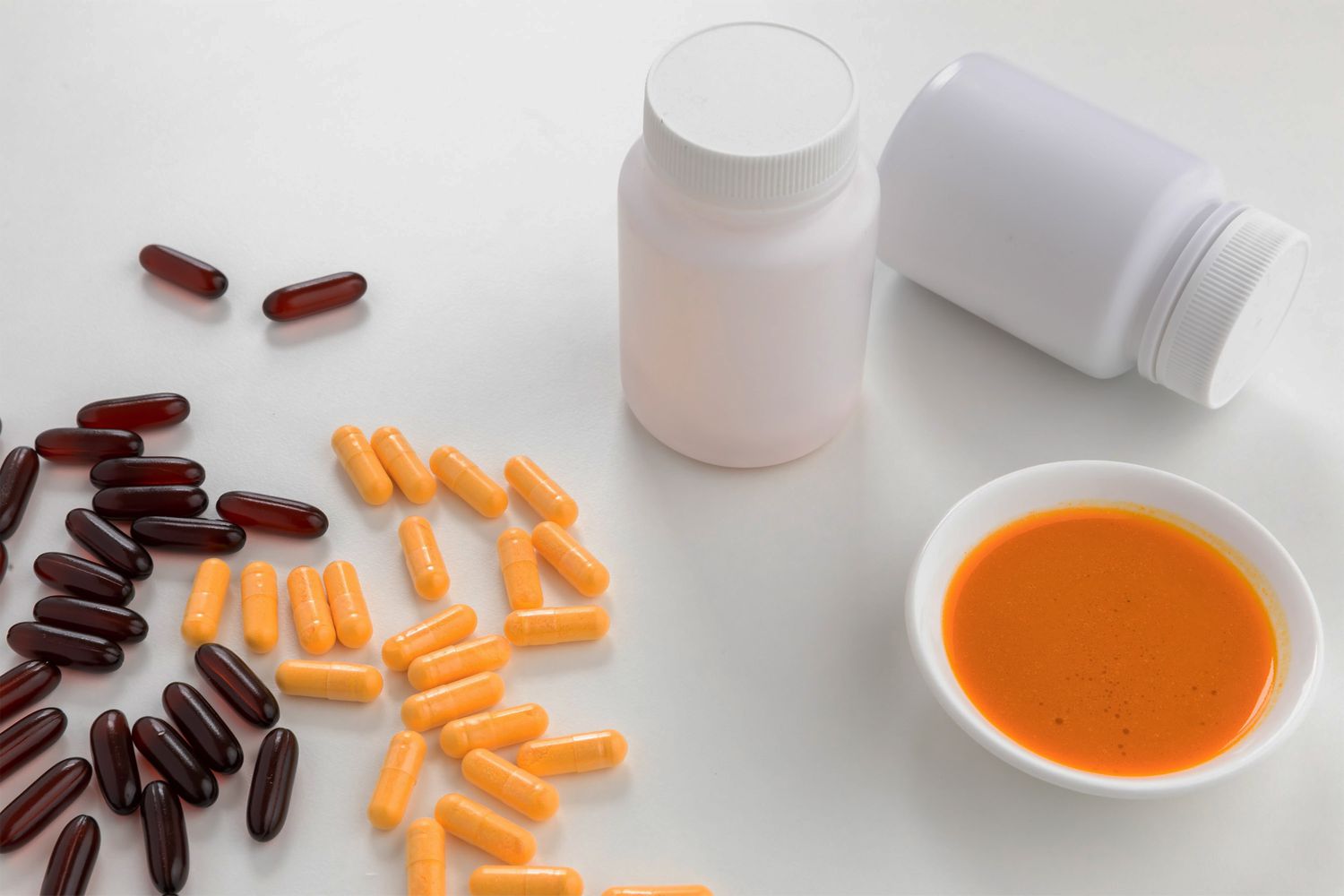
Key Takeaways for Coenzyme Q10 (CoQ10)
Coenzyme Q10 is a powerful antioxidant that fuels cellular energy production and protects heart health. It is especially beneficial for aging adults and those on statins.
Key Features:
- Enhances energy production at a cellular level.
- Supports healthy heart function.
- Protects cells with antioxidant benefits.
What is Coenzyme Q10 and Why Is It Essential for Your Health?
Coenzyme Q10, also known as CoQ10, is a naturally occurring antioxidant found in every cell of your body. Its primary role is to help produce ATP (adenosine triphosphate), the energy currency that fuels many of your body’s vital processes. CoQ10 is crucial for overall health, supporting functions like energy production, heart health, and even longevity. As we age, the levels of CoQ10 in our body naturally decline, which is why supplementation can be especially beneficial for older adults or those with specific health concerns.
CoQ10 and Heart Health
One of the most prominent benefits of CoQ10 is its impact on heart health. It plays a key role in maintaining healthy blood vessels, promoting good circulation, and enhancing cardiovascular function. CoQ10 supports the production of energy in heart cells, which is vital for maintaining the heart’s function and overall health.
Research suggests that CoQ10 supplementation can help lower blood pressure, reduce the risk of heart disease, and improve the health of blood vessels. For individuals with heart conditions, CoQ10 can serve as a complementary treatment to traditional therapies, working alongside medications to improve cardiovascular health.
CoQ10 and Energy Production
CoQ10 is often referred to as a natural energy booster due to its central role in the production of ATP. ATP is required for almost all cellular processes, including muscle contractions, brain activity, and metabolism. As we age, CoQ10 levels decrease, which can lead to feelings of fatigue and reduced energy levels.
By supplementing with CoQ10, individuals can restore optimal energy production, especially during periods of physical or mental exertion. It’s particularly helpful for athletes or active individuals who require sustained energy during workouts or physical activities.
CoQ10 and Statin Use
If you’re taking statins (medications prescribed to lower cholesterol), CoQ10 supplementation can be particularly beneficial. Statins are known to deplete CoQ10 levels in the body, which can lead to side effects like muscle weakness, fatigue, and pain. By supplementing with CoQ10, you can help replenish the levels depleted by statin use, improving overall energy and muscle function. This is a key reason why many people taking statins turn to CoQ10 to mitigate some of the common side effects.
How to Choose the Right CoQ10 Supplement
When choosing a CoQ10 supplement, look for ubiquinol (the active form of CoQ10) as it is more easily absorbed by the body than ubiquinone. Additionally, opt for a supplement that is third-party tested for purity and quality. Many CoQ10 supplements come in softgel or capsule forms, often combined with other ingredients like vitamin E for enhanced absorption.
- Sources Include / Discover More on NIH: Coenzyme Q, Also Known as Ubiquinone
- Also Read: Top TV Channels in the World
#9
Vitamin C
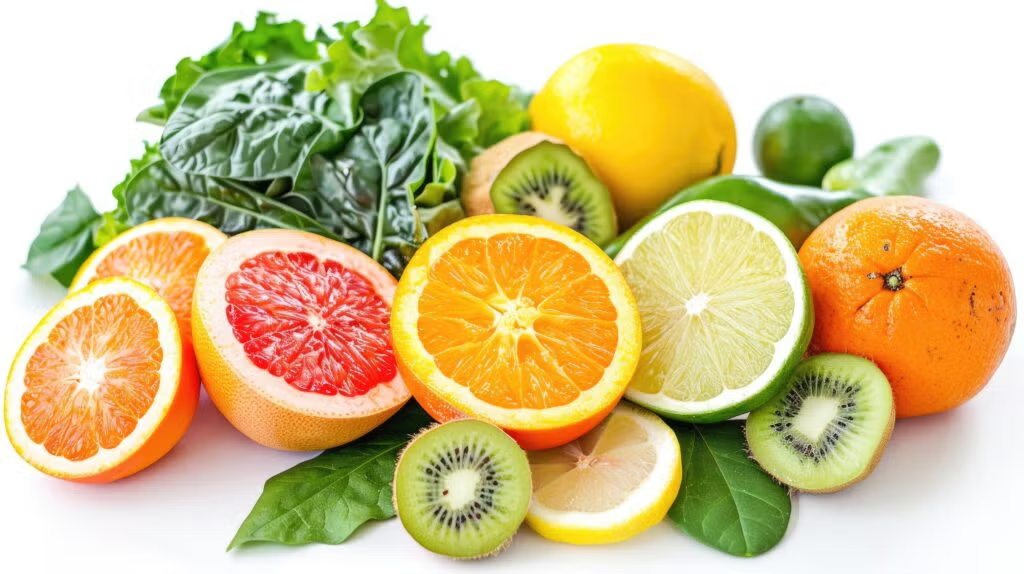
Key Takeaways for Vitamin C
Vitamin C is one of the most popular supplements for immunity, skin health, and antioxidant protection. It is essential for collagen production and overall vitality.
Key Features:
- Boosts immune system defenses.
- Promotes healthy skin and collagen.
- Protects cells from oxidative stress.
Vitamin C Benefits: What is Vitamin C and Why Is It Important?
Vitamin C, also known as ascorbic acid, is a water-soluble vitamin that plays a crucial role in maintaining your overall health. It is best known for its ability to boost immunity, but its benefits extend far beyond that. As a powerful antioxidant, vitamin C protects the body’s cells from oxidative stress and supports several bodily functions, including collagen production, tissue repair, and the absorption of iron from plant-based foods.
Because your body cannot produce vitamin C, it must be obtained through diet or supplementation. Found in citrus fruits, berries, peppers, and leafy greens, vitamin C is one of the most widely recognized vitamins for health and wellness.
Vitamin C and Immune System Support
One of the primary reasons people turn to vitamin C is for its immune-boosting properties. It enhances the production and function of white blood cells, which are essential for fighting off infections. Vitamin C also increases the production of interferon, a protein that helps protect cells from viruses. During cold and flu season, vitamin C supplementation may reduce the severity and duration of symptoms.
Furthermore, vitamin C is known for improving the skin’s barrier function, helping the body fight external pathogens more effectively. It’s no wonder that vitamin C is considered a first-line defense for immunity.
Ascorbic Acid: Collagen Production and Skin Health
Vitamin C (Ascorbic acid) plays a critical role in the synthesis of collagen, a protein that helps maintain the structure and elasticity of your skin, joints, and blood vessels. Collagen is essential for maintaining youthful, vibrant skin, which is why vitamin C is often included in anti-aging supplements and skincare products. Collagen production naturally decreases with age, but ensuring adequate vitamin C intake can help slow this process and improve skin appearance.
Beyond just skin health, collagen also supports the integrity of joints, making vitamin C beneficial for people suffering from joint pain or conditions like osteoarthritis.
Vitamin C and Recovery
Vitamin C is a popular supplement for individuals looking to accelerate recovery after intense physical exertion or illness. It plays a vital role in tissue repair and helps reduce inflammation in the body. For athletes and active individuals, vitamin C supplementation can speed up recovery time by promoting the healing of muscles and joints after exercise.
Additionally, vitamin C aids in the formation of hemoglobin, which improves oxygen delivery to muscles and tissues, enhancing overall performance and stamina.
Choosing the Right Vitamin C Supplement
When selecting a vitamin C supplement, choose one that offers liposomal vitamin C, which enhances absorption and bioavailability. You can also opt for natural sources like acerola cherry or camu camu, which are rich in vitamin C. Always choose high-quality supplements that are free from unnecessary additives or fillers.
- Sources Include / Discover More on Harvard Nutrition Source: Vitamin C, Also Known as Ascorbic acid
- Also Read: Top Tourist Attractions in the World
#10
B Complex

Key Takeaways for B Complex
B Complex is a group of eight essential vitamins that power energy production and brain function. It is especially useful for stress reduction and maintaining nervous system health.
Key Features:
- Converts food into usable energy.
- Supports brain clarity and focus.
- Helps reduce stress and fatigue.
What Is Vitamin B Complex?
Vitamin B Complex refers to a group of eight essential water-soluble vitamins that play vital roles in maintaining good health and well-being. These include B1 (Thiamine), B2 (Riboflavin), B3 (Niacin), B5 (Pantothenic Acid), B6 (Pyridoxine), B7 (Biotin), B9 (Folate), and B12 (Cobalamin). Together, they support various physiological functions such as energy production, cell metabolism, and nervous system health.
B Complex supplements are especially recommended for individuals with busy lifestyles, high stress levels, or dietary restrictions, as these vitamins are easily depleted and not stored by the body.
Energy Production and Fatigue Reduction
One of the most searched benefits of B Complex vitamins is their role in natural energy production. These vitamins help convert carbohydrates, fats, and proteins from the foods you eat into usable energy. Deficiencies in B vitamins can lead to chronic fatigue, sluggishness, and reduced stamina.
B12 and B6 in particular are essential for preventing tiredness and weakness, making them ideal for those with demanding work schedules, athletes, or anyone struggling with low energy.
Brain Function and Mood Support
B Complex vitamins are crucial for cognitive function, mood regulation, and mental clarity. They support the production of neurotransmitters like serotonin and dopamine, which help regulate mood and prevent symptoms of depression and anxiety.
Vitamin B9 (folate) and B12 are especially known for supporting memory retention and preventing brain fog. Supplementing with B Complex is a natural way to enhance mental performance, making it a go-to for students, professionals, and older adults.
Nervous System and Stress Management
The B vitamin group is closely linked to nervous system health. They help maintain nerve cells, promote healthy brain signaling, and assist in stress adaptation. Vitamin B5 and B6 are particularly effective in managing stress by supporting adrenal function.
For people exposed to chronic stress, caffeine, or poor sleep, a high-quality B Complex supplement can offer much-needed balance and nervous system support.
Vitamin B Complex Tablets: Choosing the Best B Complex Supplement
When shopping for the best B Complex supplement, look for one that offers active or methylated forms of B vitamins (like methylcobalamin and methylfolate) for superior absorption. Ensure it’s third-party tested, free from artificial fillers, and designed for daily wellness and energy support.
- Sources Include / Discover More on NHS: Vitamin B Complex
- Also Read: Top Fashion Designers in the World
Key FAQs on the 10 Top Health Supplements in the World
What are the benefits of Omega-3 Fatty Acids (Fish Oil)?
Omega-3 Fatty Acids, especially EPA and DHA from fish oil, support heart health by helping maintain healthy triglyceride levels, according to the American Heart Association.
They also play a critical role in brain function, memory retention, and cognitive clarity, as noted by the NIH.
Additionally, Omega-3s support joint flexibility and inflammation balance, making them particularly beneficial for adults and seniors seeking cardiovascular, neurological, and mobility support.
Why should you take Multivitamins daily?
Daily multivitamins help bridge common nutrient gaps caused by modern diets, supporting immunity, energy metabolism, and overall wellness, as referenced by the World Health Organization.
They typically provide essential vitamins and minerals such as Vitamin A, B-complex, C, D, zinc, and iron.
For people with busy lifestyles or dietary limitations, multivitamins offer a practical foundation for long-term nutritional balance and health maintenance.
How does Vitamin D improve health?
Vitamin D supports strong bones by improving calcium absorption, a function highlighted by the National Institutes of Health.
It also plays a vital role in immune system regulation and muscle function, particularly in individuals with limited sun exposure.
Research referenced by EFSA indicates adequate Vitamin D levels are linked to better mood balance, skeletal strength, and overall metabolic health.
What are the health benefits of Probiotics?
Probiotics support digestive health by maintaining a balanced gut microbiome, according to clinical guidance from the NIH.
They help improve digestion, nutrient absorption, and bowel regularity, especially in individuals with IBS-related symptoms.
Emerging research also links probiotics to immune system support and gut-brain axis regulation, contributing to overall wellness.
Why is Magnesium important for the body?
Magnesium is essential for over 300 enzymatic reactions in the body, including muscle contraction and nerve signaling, as noted by the FDA.
It supports relaxation, sleep quality, and stress regulation by calming the nervous system.
Athletes and individuals with sleep issues often benefit from magnesium supplementation to support recovery, energy balance, and metabolic health.
What is Protein Powder used for?
Protein powder provides concentrated amino acids that support muscle repair, growth, and recovery after physical activity.
According to sports nutrition guidelines, it helps meet daily protein requirements efficiently.
Protein supplements are widely used by athletes, fitness enthusiasts, and individuals seeking convenient meal replacement or metabolic support.
What are the benefits of Turmeric (Curcumin)?
Turmeric contains curcumin, a bioactive compound studied for its antioxidant and inflammation-modulating properties.
Research referenced by NIH highlights its role in joint comfort and oxidative stress reduction.
When taken consistently, turmeric supplements may support mobility, cardiovascular balance, and overall inflammatory response management.
Why take Coenzyme Q10 (CoQ10)?
Coenzyme Q10 supports cellular energy production within mitochondria, according to clinical nutrition research.
It is especially important for heart health and energy metabolism, particularly as natural CoQ10 levels decline with age.
Healthcare literature also notes its relevance for individuals taking statins to help maintain optimal energy balance.
What does Vitamin C do for the body?
Vitamin C functions as a powerful antioxidant that supports immune defense, according to the World Health Organization.
It is essential for collagen synthesis, helping maintain healthy skin, blood vessels, and connective tissues.
Vitamin C also aids iron absorption and protects cells from oxidative stress caused by environmental and metabolic factors.
What is the role of B Complex vitamins?
B Complex vitamins support energy production by converting carbohydrates, fats, and proteins into usable energy, as noted by NIH.
They are essential for brain function, nervous system health, and red blood cell formation.
B vitamins also help manage stress and fatigue, making them particularly valuable for students, professionals, and active individuals.
Choosing the Right Supplement for You
Base It on Your Lifestyle and Needs
Are you always tired? Maybe iron or Vitamin B12 will help. Struggle with stress? Ashwagandha could be a game-changer. Athletes might lean more toward creatine or protein supplements.
Talk to a Healthcare Provider
Before adding any supplement to your routine, especially if you’re on medication or have chronic conditions, it’s smart to consult with a doctor or a registered dietitian.
Common Myths About Health Supplements
“If One Is Good, More Must Be Better”
Wrong. Overdosing on supplements like Vitamin A or iron can be dangerous. Always stick to recommended doses.
“Natural Equals Safe”
Just because it’s labeled “herbal” or “natural” doesn’t mean it’s harmless. Some natural supplements can interact with medications or cause side effects.
Final Thoughts
The 10 Top Health Supplements in the World can be a powerful addition to your wellness routine, but they work best when paired with a healthy lifestyle. Supplements are not magic pills—they’re supportive partners that help fill nutritional gaps and enhance overall well-being. From Omega-3 Fatty Acids for heart and brain health to B Complex vitamins for energy production and stress relief, each offers unique benefits that can help you stay at your peak.
Popular choices like Multivitamins, Vitamin D, Probiotics, and Magnesium can boost immunity, improve digestion, strengthen bones, and support muscle recovery. High-quality supplements such as Protein Powder for fitness goals or Turmeric (Curcumin) for joint health have become essential for people with demanding lifestyles. Always choose reputable brands, follow the correct dosage, and seek professional guidance to find the best fit for your needs.
When combined with a balanced diet, regular exercise, and proper rest, these top health supplements can help you maintain energy, improve mental clarity, and achieve optimal health—making them an invaluable part of a complete, long-term wellness plan.
The 10 Top Health Supplements Frequently Asked Questions (FAQs)
Multivitamins are generally a safe bet for most people, offering broad-spectrum nutrient support.
Yes, but be cautious of interactions. Always read labels and consult a healthcare provider when stacking multiple supplements.
Some are, but always use child-specific formulas and doses recommended by pediatricians.
Look for third-party testing, certifications like NSF or USP, and transparent labeling with no hidden fillers.
If your diet is perfect, maybe not. But most people benefit from at least one or two supplements to cover gaps.
The top 10 health supplements include Magnesium, Protein Powder, Turmeric (Curcumin), CoQ10, Vitamin C, B Complex, Omega-3, Probiotics, Zinc, and Vitamin D.
Vitamin C, Zinc, and Probiotics are highly effective in supporting immune function and fighting off illness.
Protein powder is the most effective for muscle growth and recovery, especially post-workout or for active lifestyles.
About the Author
This article was researched and prepared by the World Millions Editorial Team, specialists in global rankings, premium market analysis, structured comparisons, and high-value sector research across industries.
All content undergoes verification, editorial review, and periodic updates to ensure accuracy, clarity, and alignment with recognized industry standards, reliable institutional sources, and leading global authorities.
- Last Updated: March 27, 2026 by the World Millions Editorial Team
- Original Published Date: March 27, 2026
- View Our: Editorial Team | Sources | Disclaimer | Editorial Standards