- Home
- »
- World’s Most Famous
- »
- 10 Most Famous Street Foods in the World
10 Most Famous Street Foods
in the World
The most famous street foods in the world represent the heart of global culinary culture, combining bold flavors, local traditions, and centuries of food heritage. From sizzling tacos in Mexico to crispy samosas in India and savory takoyaki in Japan, these iconic street dishes showcase authentic regional ingredients and unforgettable taste experiences loved by millions.
Discover the 10 Most Famous Street Foods in the World, ranked by cultural significance, global popularity, and culinary influence. From banh mi and gyros to falafel, currywurst, hot dogs, and churros, these legendary street foods define the vibrant spirit of street markets and food stalls across the globe.
On This Page
Toggle- Updated 2026 by the World Millions Editorial Team: View Author Information
The Universal Love for Street Food
From the bustling alleyways of India to the trendy food trucks in Los Angeles, street food is a global sensation. People line up not just for the taste but for the experience—the sights, the sounds, the interactions. It’s the original fast food, long before drive-thrus became a thing.
Why Street Food Holds Cultural Significance
Many street foods are more than just recipes—they’re culinary heirlooms passed down through generations. They tell the tale of migration, tradition, innovation, and survival. And the best part? They’re often made right in front of your eyes, giving you a front-row seat to their creation.
What Makes Street Food So Irresistible?
Affordability & Accessibility
One of the biggest draws of street food is its price. For just a few bucks (or less!), you can have a hot, satisfying meal that reflects the culinary soul of a place. Whether you’re backpacking on a budget or just craving a snack, street food never lets you down.
Authentic Local Flavor Experience
Unlike restaurant dishes that are sometimes adapted for tourists, street food keeps it real. Want to taste what locals truly eat daily? Hit the streets. You’ll discover secret spice blends, homemade sauces, and age-old cooking techniques right on the sidewalk.
A Culinary Journey Around the Globe
Cultural Diversity Reflected Through Taste
Each street food item has roots in its local community. A taco is not just a tortilla—it’s the essence of Mexican culinary pride. A samosa isn’t just fried dough—it’s an edible story from South Asia. These iconic dishes offer insight into the ingredients, rituals, and eating habits of people across the world.
The Evolution of Street Food to Gourmet Status
Interestingly, what once was called “poor man’s food” is now being served at Michelin-star restaurants and food festivals. Gourmet tacos, artisanal hot dogs, and fusion falafel are not uncommon these days. But ask any foodie—they still chase the originals in local markets and alleyways.
List of the Top 10 Most Famous Street Foods in the World
Discover the world’s most iconic street foods — from spicy Indian samosas to sizzling Mexican tacos — that define global taste and travel culture.
Street food isn’t just about grabbing a quick bite — it’s a journey through culture, flavor, and tradition. The 10 Most Famous Street Foods in the World bring together the essence of global culinary artistry, from the bustling night markets of Asia to the vibrant food stalls of Latin America. Whether it’s the smoky Tacos of Mexico, the crispy Samosas of India, or Japan’s savory Takoyaki, each dish tells a delicious story rooted in heritage and local pride.
These world-famous street foods have transcended borders, earning love from millions for their authentic taste, affordability, and simplicity. They’re not just snacks — they’re symbols of community, creativity, and global unity through food. In this list, you’ll explore the top 10 street foods loved across continents, their countries of origin, main ingredients, and the unique qualities that make them stand out.
From Vietnam’s iconic Banh Mi sandwich to Spain’s sweet Churros, this global food journey celebrates the boldest, most flavorful, and most searched street foods on Google. Dive into the table below to discover why these timeless favorites continue to rule street food culture around the world.
| Rank | Street Food | Country/Origin | Main Ingredients | Why It’s Famous |
|---|---|---|---|---|
| 1 | Tacos | Mexico | Tortilla, meat, salsa, onion | Bold flavors, variety, and global reach |
| 2 | Banh Mi | Vietnam | Baguette, pickled veggies, pork | French-Asian fusion in one sandwich |
| 3 | Arepas | Venezuela & Colombia | Cornmeal dough, cheese, meat | Versatile, handheld comfort food |
| 4 | Samosa | India | Dough, spiced potatoes/peas | Crisp, spicy triangle of delight |
| 5 | Gyros | Greece | Pita bread, lamb/chicken, tzatziki | Mediterranean freshness and crunch |
| 6 | Falafel | Middle East | Chickpeas, herbs, spices | Vegetarian-friendly, protein-packed |
| 7 | Hot Dogs | USA | Sausage, bun, condiments | Classic American snack with endless variations |
| 8 | Currywurst | Germany | Sausage, curry ketchup, fries | Post-war invention turned cultural staple |
| 9 | Takoyaki | Japan | Octopus, batter, bonito flakes | Entertaining to watch, delicious to eat |
| 10 | Churros | Spain | Fried dough, sugar, cinnamon | Sweet treat loved from Madrid to Mexico City |
Discover the 10 Most Famous Street Foods in the World
Discover the 10 Most Famous Street Foods in the World, celebrated for their bold flavors, cultural history, and global popularity. From the bustling streets of Mexico to the vibrant food stalls of Japan, these iconic dishes capture the true essence of local life and culinary tradition.
Whether you crave spicy, savory, or sweet, this worldwide street food lineup highlights the best bites worth traveling for. Get ready to explore tacos, banh mi, samosas, gyros, falafel, and more—each one offering an unforgettable taste experience that defines its culture and keeps food lovers coming back for more.
#1
Tacos (Mexico)
Key Takeaways for Tacos (Mexico)
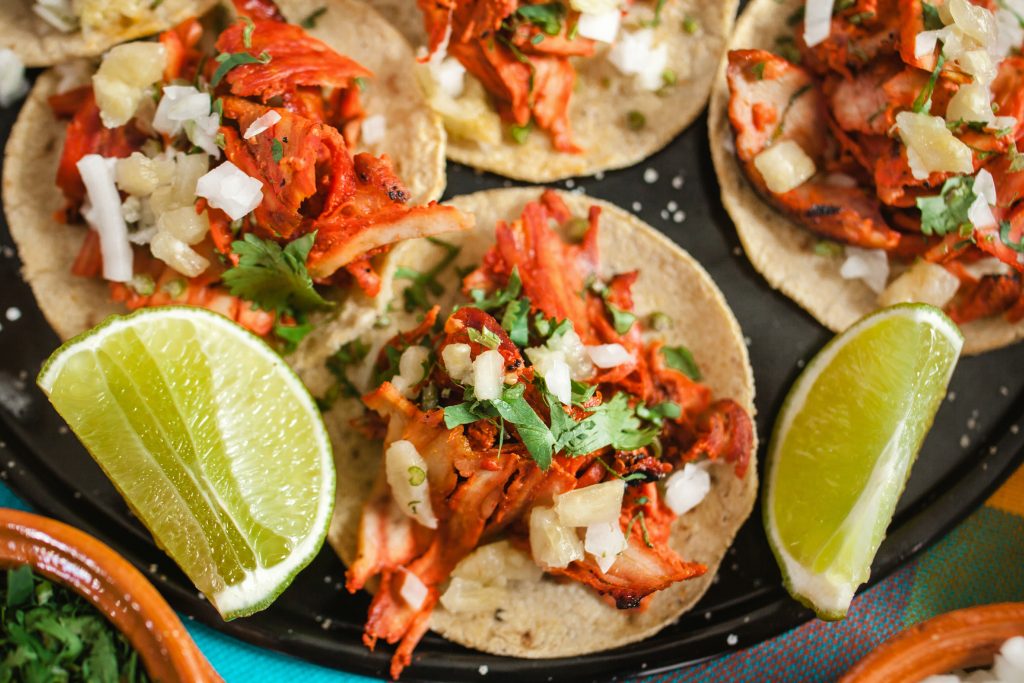
Tacos are Mexico’s most iconic street food, celebrated globally for their versatility and bold flavors. Made with corn or flour tortillas filled with seasoned meats, beans, and salsa, tacos represent the heart of Mexican cuisine. Whether it’s carne asada, al pastor, or fish tacos, each bite delivers authentic street-style flavor loved worldwide.
Key Features:
- Symbol of Mexican street food culture.
- Endless regional variations and fillings.
- Globally popular for their portability and taste.
Tacos: A Global Street Food Icon
Tacos are more than just a meal — they’re a cultural symbol of Mexico. Whether you’re walking through a bustling street in Mexico City or browsing a local food truck in Los Angeles, tacos have become a global street food sensation. Their incredible versatility, affordability, and unforgettable flavor combinations make them a must-try for foodies worldwide. They are especially loved for their handheld convenience and explosion of taste in every bite.
Mexican Tacos: The Origins of Tacos
The roots of tacos date back to pre-Hispanic times, when indigenous people in the Valley of Mexico used tortillas as edible spoons to scoop up food. The word “taco” comes from the Spanish word meaning “plug” or “wad,” but its culinary meaning grew over time. Miners in the 18th century used the term to describe dynamite wrapped in paper, similar in shape to a rolled taco. Today, the taco represents centuries of Mexican heritage and flavor evolution.
Tacos al Pastor and Tacos de Carnitas: Key Ingredients and Variations
A classic taco consists of a corn or flour tortilla filled with seasoned meat such as beef, pork, chicken, or fish, topped with diced onions, fresh cilantro, lime juice, and spicy salsa. However, modern street taco vendors offer an array of mouth-watering options:
- Tacos al Pastor – marinated pork shaved off a spit, similar to shawarma
- Tacos de Carnitas – slow-cooked, tender pulled pork
- Tacos de Pescado – crispy fish tacos topped with slaw and creamy sauce
- Vegan Tacos – filled with jackfruit, mushrooms, or grilled veggies
This diversity has helped tacos adapt to every palate and dietary preference, from meat lovers to vegans.
Why Tacos Are So Famous
Tacos are renowned for their bold flavors, portability, and cultural significance. They have evolved beyond traditional recipes to reflect global trends and local ingredients, making them a street food favorite not only in Latin America but across the globe. Their fast-food appeal, combined with gourmet creativity, has helped them earn a loyal fanbase from Tokyo to Toronto.
For those looking for the best street food in the world, tacos consistently top the list due to their taste, texture, and timeless popularity. If you’re planning a food-focused trip or looking to explore international cuisines from home, tacos are the ultimate starting point.
- Sources Include / Discover More: Taco, A Traditional Mexican Dish Consisting of a Small Hand-Sized Corn or Wheat-Based Tortilla Topped with a Filling
- Also Read: Most Famous Celebrities in the World
#2
Banh Mi (Vietnam)
Key Takeaways for Banh Mi (Vietnam)
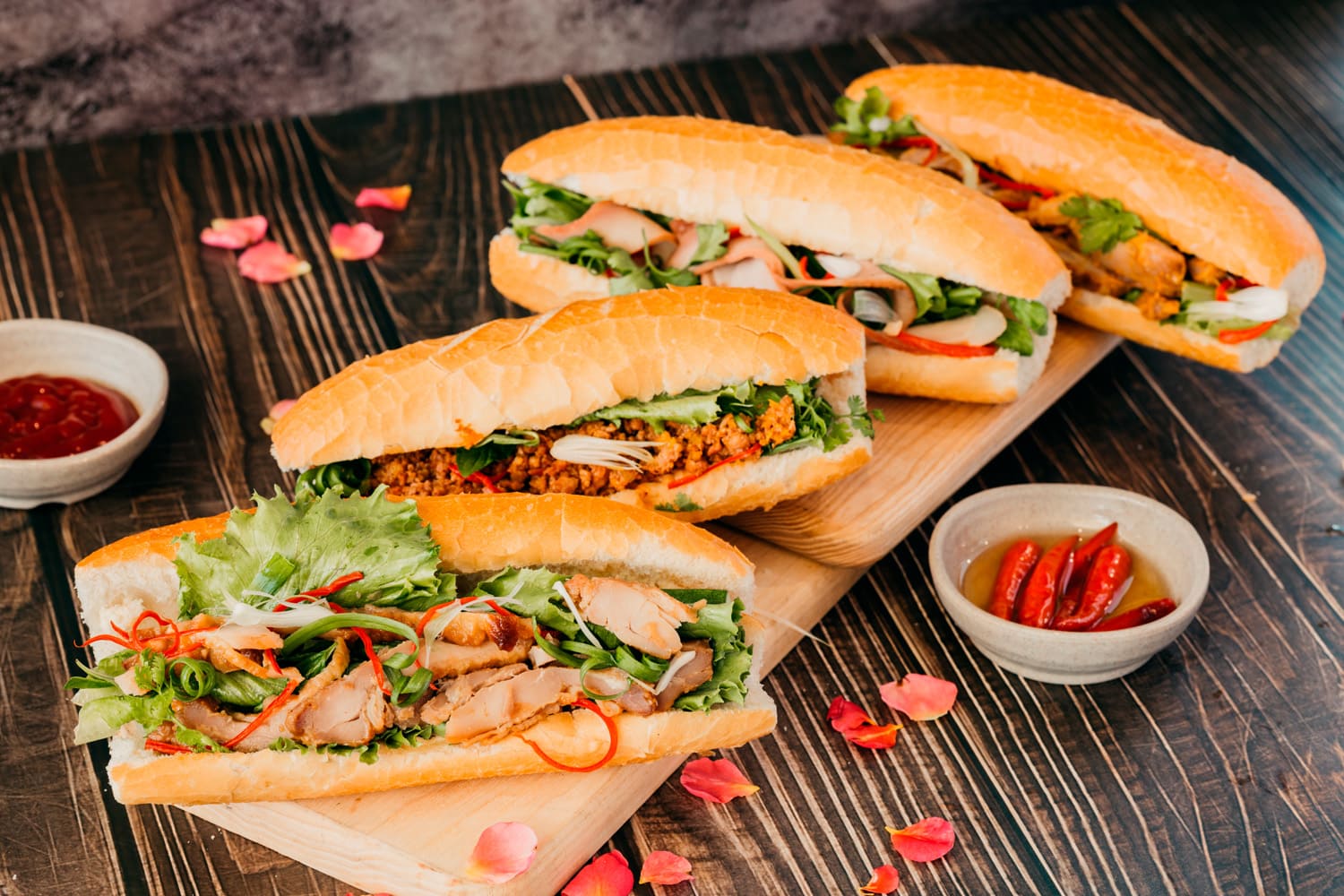
Banh Mi is Vietnam’s famous street sandwich that perfectly blends French influence with Vietnamese flavor. Crafted from a crispy baguette filled with pickled vegetables, pork, pâté, and herbs, it’s a quick, affordable, and delicious meal. Loved across Asia and beyond, the Banh Mi stands as a global street food icon.
Key Features:
- French-Vietnamese fusion at its best.
- Crispy exterior with flavorful, fresh fillings.
- Affordable, portable, and full of character.
Banh Mi: A French-Vietnamese Culinary Legacy
Banh Mi is not just a sandwich — it’s a brilliant culinary fusion of French and Vietnamese influences. As a beloved street food in Vietnam and a rising star on the global food scene, banh mi offers a crunchy, savory, and refreshing experience in every bite. Often hailed as one of the best sandwiches in the world, it has become a must-try dish for travelers and food lovers alike.
BanhMi Vietnam: History and Cultural Roots
Banh mi traces its origins back to French colonial rule in Vietnam during the 19th century. When the French introduced the baguette, Vietnamese locals adapted it to their own tastes. Over time, the heavier European fillings gave way to lighter, more vibrant ingredients like pickled vegetables and local herbs. The result? A street food classic that reflects Vietnam’s ability to embrace and transform foreign influences into something uniquely its own.
Bánh Mì Sandwich: Ingredients and Flavor Profile
The magic of banh mi lies in its contrasting textures and layers of flavor. A traditional banh mi starts with a light and crispy baguette that’s slightly airy inside. It’s filled with an array of delicious components such as:
- Slices of roasted or grilled pork, pâté, or cold cuts
- Pickled carrots and daikon for tangy crunch
- Cucumber slices and fresh cilantro for refreshing brightness
- Chili peppers or sriracha for a spicy kick
- A smear of mayonnaise or butter for richness
Variations abound, including vegetarian versions with tofu or eggs, and fusion twists featuring BBQ chicken, meatballs, or even seafood.
Why Banh Mi Is So Famous
Banh mi has become a global phenomenon thanks to its bold flavor combinations, affordable price, and grab-and-go convenience. In major cities like Hanoi, Ho Chi Minh City, and even New York or Sydney, banh mi stalls and shops attract long lines of loyal customers.
Its balanced fusion of East and West, along with its ability to be customized for different tastes, makes it more than just a sandwich — it’s a culinary experience. Whether you’re enjoying it on a busy street corner in Vietnam or from a trendy café abroad, banh mi delivers flavor, culture, and comfort all in one crispy bite.
- Sources Include / Discover More: Banh Mi, A Typical Vietnamese Roll or Sandwich Which is a Fusion of Proteins and Vegetables from Native Vietnamese Cuisine
- Also Read: Most Famous Musicians in the World
#3
Arepas (Venezuela & Colombia)
Key Takeaways for Arepas (Venezuela & Colombia)
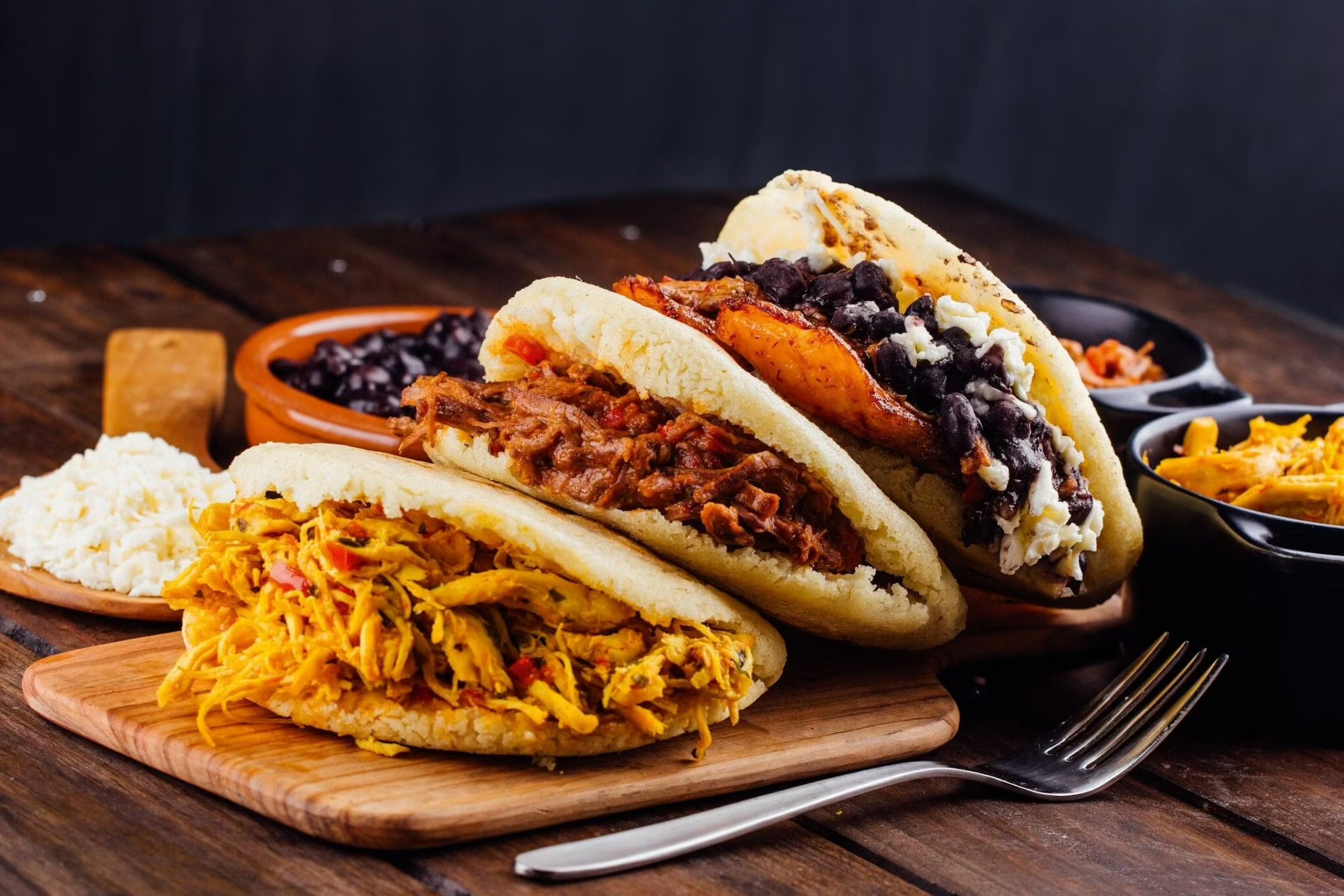
Arepas are Latin America’s comforting cornmeal patties, enjoyed both as snacks and full meals. Originating in Venezuela and Colombia, these golden discs are grilled or fried, then stuffed with cheese, meats, or avocado. Their gluten-free versatility and cultural significance make them a staple of South American street food.
Key Features:
- Traditional Venezuelan and Colombian favorite.
- Naturally gluten-free and highly customizable.
- A cultural icon of Latin comfort food.
Arepas: A Staple of Latin American Street Food Culture
Arepas are a beloved and iconic street food found throughout Venezuela and Colombia. These golden, crispy-on-the-outside and soft-on-the-inside cornmeal patties have been nourishing people for centuries. Whether served plain, stuffed, or topped with savory fillings, arepas represent comfort, tradition, and culinary creativity in both countries. Today, they’re winning hearts across the globe as a delicious and gluten-free handheld meal.
The History and Cultural Significance: Venezuelan Arepas and Colombian Arepas
Dating back to pre-Columbian times, arepas originated with the indigenous tribes of northern South America, particularly in areas that now make up Venezuela and Colombia. Corn was a staple crop, and the tribes ground it into dough to make flat cakes that could be cooked over a fire. Over the centuries, this simple food evolved, and both Venezuela and Colombia have embraced it as a national dish, each with its own unique twist.
In Venezuela, arepas are often grilled or fried and then split open and filled with meats, cheeses, beans, or avocado. In Colombia, arepas are sometimes thinner and plainer, used as a side dish or topped with simple ingredients like cheese or butter.
Arepas: Ingredients and Flavor Variety
The base of any arepa is precooked cornmeal, usually labeled as “masarepa” or “harina PAN.” Mixed with water and salt, the dough is shaped into a round patty and then:
- Grilled, baked, or fried for different textures
- Stuffed with fillings like shredded beef, chicken, black beans, cheese, or scrambled eggs
- Served as a snack, meal, or even breakfast
Some popular Venezuelan variations include:
- Reina Pepiada – filled with chicken and avocado salad
- Domino – black beans and cheese
- Pabellón – inspired by the national dish with beef, plantains, and beans
Why Arepas Are So Famous
Arepas are not just street food — they’re a cultural icon. Their versatility, simplicity, and rich flavor make them one of the most adaptable street foods in the world. Whether enjoyed as a quick snack or a full meal, arepas offer an authentic taste of South American culture.
What makes them truly special is how each arepa can be personalized — there’s one for every palate, from meat lovers to vegetarians. As street food continues to gain global appeal, arepas are proudly representing Venezuela and Colombia on the world stage.
- Sources Include / Discover More: Arepas, Versatile, Round, Unleavened Corn Cakes from South America, Especially Venezuela and Colombia
- Also Read: Most Famous Rappers in the World
#4
Samosa (India)
Key Takeaways for Samosa (India)
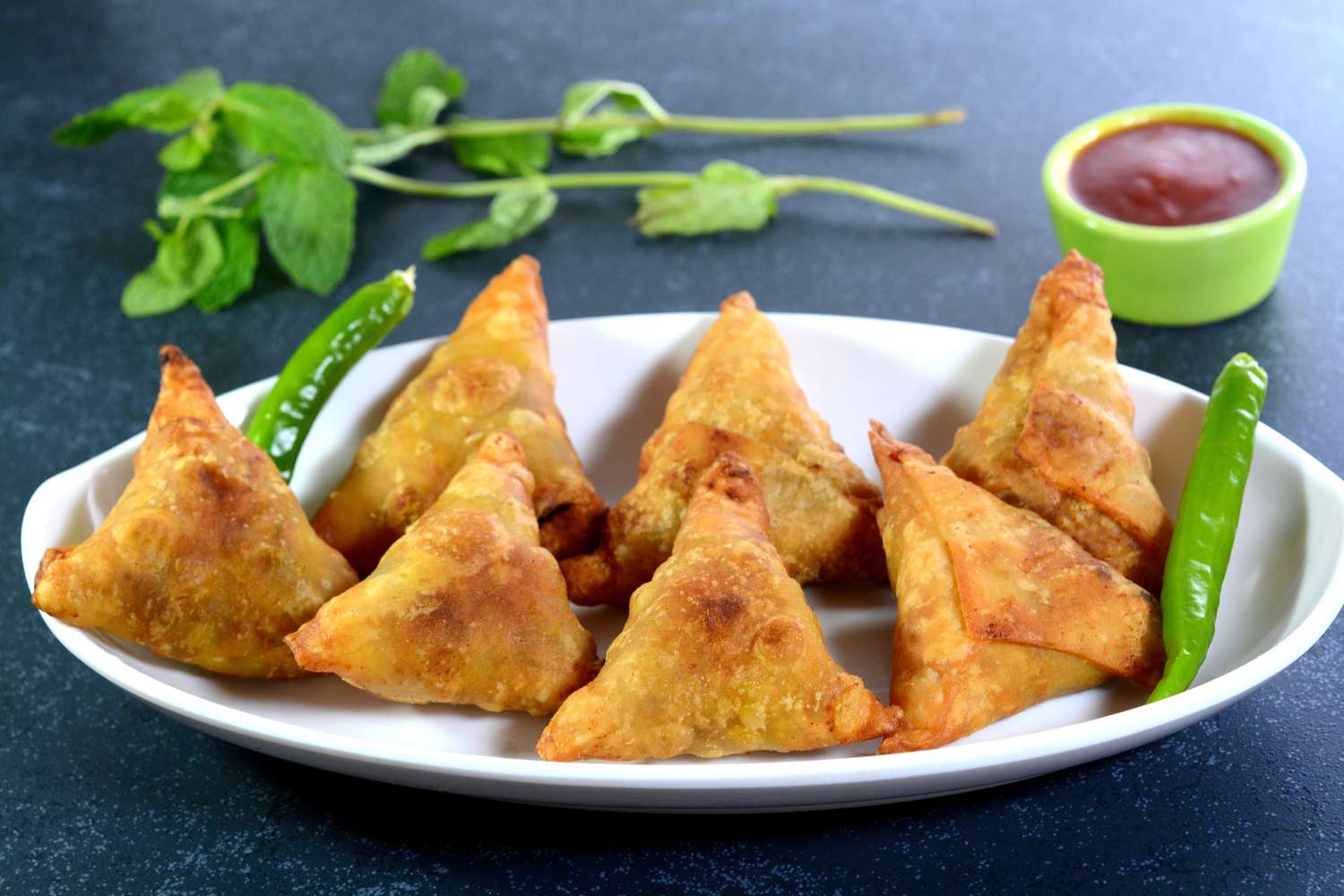
Samosas are India’s most popular street food snack — crisp, golden triangles filled with spicy potatoes, peas, and herbs. Fried to perfection, samosas are beloved for their crunch and aroma, often served with tangy chutneys. This savory pastry has conquered global taste buds from Mumbai to London.
Key Features:
- Crispy, spiced, and perfectly portable snack.
- Deep cultural and culinary roots in South Asia.
- Served with sweet and spicy chutneys.
Samosa: A Crispy, Golden Icon of Indian Street Food
Samosas are one of the most recognizable and widely loved street foods in India — and increasingly, across the globe. These golden, triangular pastries are filled with spiced vegetables or meat, deep-fried to crispy perfection, and served with tangy chutneys. From roadside stalls in Mumbai to food festivals in London, samosas have become a street food legend.
Sambosa: Historical Roots of the Samosa
Although the samosa is synonymous with Indian cuisine today, its origins trace back to Central Asia and the Middle East. The early version, known as “sambosa,” made its way to India around the 13th or 14th century through traders and travelers. Indian cooks added their own flair, incorporating local spices and vegetarian fillings, transforming the dish into what we now know as the samosa.
Today, samosas are a staple snack not only in India but also in Pakistan, Bangladesh, Nepal, and even parts of Africa and the UK, where Indian cuisine thrives.
Samosa's Key Ingredients and Popular Fillings
The outer layer of a samosa is made from a simple wheat-based dough that’s rolled thin and folded into a cone shape. The cone is then filled, sealed, and deep-fried until golden brown and crispy.
Common fillings include:
- Spiced potatoes – mashed and mixed with peas, cumin, coriander, and garam masala
- Lentils – for a high-protein vegetarian option
- Minced meat – such as lamb or chicken, spiced with chili and herbs
- Paneer – for a rich, cheesy twist
Served hot with mint-coriander chutney or tangy tamarind sauce, samosas strike the perfect balance between crunchy, spicy, and savory.
Why Samosas Are So Famous
Samosas are more than just a snack; they’re an experience. Their crunchy exterior, hearty filling, and bold spices make them irresistible. They are also:
- Affordable – making them accessible to everyone
- Portable – ideal as a grab-and-go street food
- Customizable – with regional and international variations
Their universal appeal lies in their adaptability. Whether served as part of a festive celebration or enjoyed on the go from a roadside vendor, samosas offer a bite-sized taste of India’s diverse culinary culture. They’re not just popular in India — they’re global ambassadors of Indian flavor.
- Sources Include / Discover More: Samosas, Popular, Savory Pastries from South Asia with a Savory Filling
- Also Read: Most Famous Film Directors in the World
#5
Gyros (Greece)
Key Takeaways for Gyros (Greece)
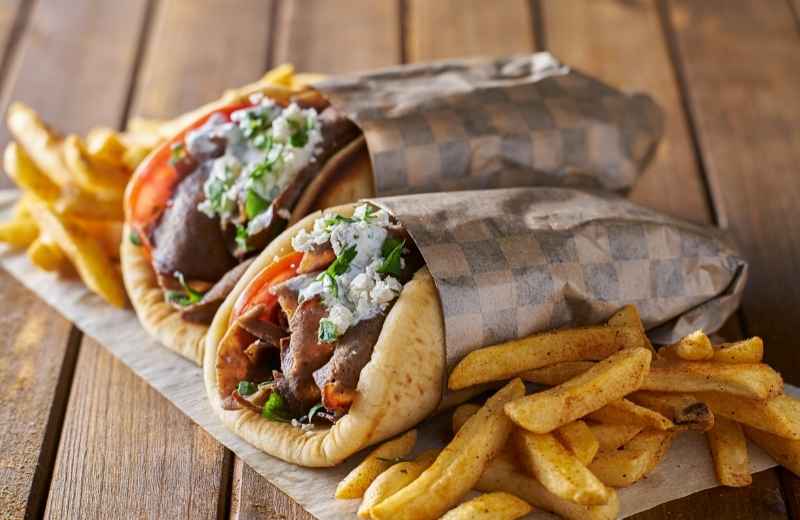
Gyros are Greece’s famous street food delicacy, featuring savory meat cooked on a vertical rotisserie and wrapped in pita bread with vegetables and tzatziki sauce. This Mediterranean favorite delivers a perfect balance of texture and taste, making it a top pick for food lovers worldwide.
Key Features:
- Authentic Greek street food experience.
- Balanced mix of protein, bread, and fresh veggies.
- Mediterranean flavors with global appeal.
Gyros: A Greek Street Food Favorite with Timeless Appeal
Gyros (pronounced “yee-ros”) are one of Greece’s most famous street foods and a true Mediterranean delight. Served hot and fresh, gyros are made by slicing thin shavings of seasoned meat—usually pork, chicken, or lamb—off a vertical spit and wrapping them in soft pita bread with fresh veggies and creamy sauces. Whether you’re wandering through the alleys of Athens or grabbing lunch from a Greek food truck, gyros offer a handheld feast bursting with flavor.
The History Behind the Gyro: Shawarma and Döner Kebab
Gyros have roots in the Middle Eastern shawarma and the Turkish döner kebab. They were introduced to Greece in the early 20th century, mainly by immigrants from Asia Minor. The Greek version, however, added local flair using Mediterranean herbs, pork (traditionally), and the famous tzatziki sauce made from yogurt, cucumber, and garlic.
Over time, gyros became a staple in Greek fast food culture and gained international fame. Now, you’ll find them served in restaurants, festivals, and street food stalls around the world.
What’s in a Classic Gyro?
The irresistible charm of a gyro lies in its layered composition and perfect balance of textures and flavors. A typical Greek gyro includes:
- Pita bread – warm, fluffy, and slightly grilled
- Meat – pork, chicken, or lamb, cooked on a vertical rotisserie
- Tzatziki sauce – cooling, garlicky yogurt-based dip
- Tomatoes and onions – fresh and crunchy
- French fries – often tucked inside the wrap for added texture and taste
Each bite is a harmony of juicy meat, tangy sauce, and satisfying crunch.
Why Gyros Are So Famous
Gyros are beloved for their savory, satisfying flavor and quick, street-ready format. They offer a complete meal wrapped in one soft, flavorful package. Their rising popularity globally can be attributed to:
- Mediterranean diet appeal – fresh, wholesome ingredients
- Affordability and accessibility – gyros are a great value meal
- Customizability – perfect for meat lovers, vegetarians, and fusion food fans
From Greek islands to global cities, gyros continue to attract food lovers of all ages. Whether you’re enjoying them on a beach or at a bustling city corner, gyros deliver comfort and joy with every bite.
- Sources Include / Discover More: Gyros, One of Greece’s Most Famous Street Foods and a Popular Greek Dish
- Also Read: Most Famous Boxers in the World
#6
Falafel (Middle East)
Key Takeaways for Falafel (Middle East)
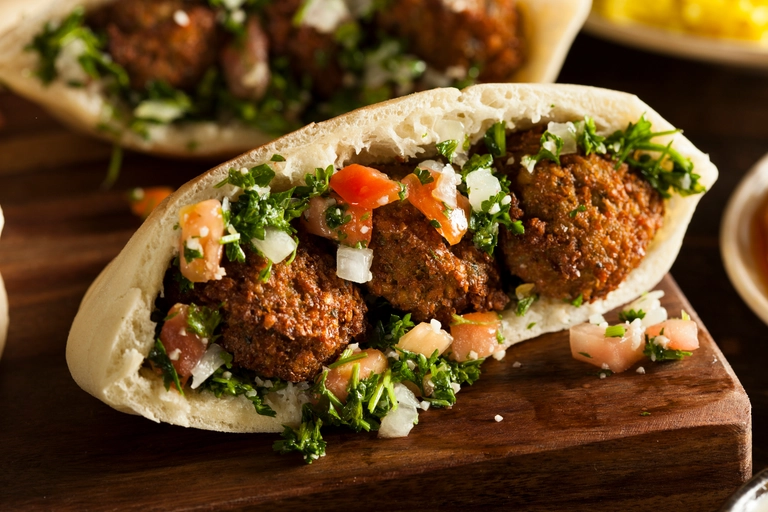
Falafel is the Middle East’s plant-based street food superstar, made from ground chickpeas or fava beans blended with herbs and spices. Deep-fried to perfection, falafel balls are served in pita or wraps with hummus, tahini, and salad, offering a crispy, protein-packed bite.
Key Features:
- Popular vegetarian and vegan option.
- High in protein and fiber.
- Crisp outside, soft and flavorful inside.
Falafel Balls: A Plant-Based Powerhouse with Deep Cultural Roots
Falafel is one of the most iconic Middle Eastern street foods, beloved for its crunchy texture, bold flavors, and plant-based goodness. These deep-fried balls made from ground chickpeas (or sometimes fava beans) are spiced to perfection and served in pita bread with fresh vegetables, pickles, and creamy sauces like tahini or hummus. Whether you’re a meat-lover or vegan, falafel offers a satisfying and protein-rich experience that appeals to all palates.
A Brief History of the Food Falafel
Though its exact origins are debated, most food historians trace falafel back to Egypt, where Coptic Christians may have eaten it as a meat substitute during Lent. From there, it spread across the Middle East, gaining regional variations and rising to global popularity.
Today, falafel is a national dish in countries like Turkey and Lebanon, and a popular street food throughout Egypt, Syria, Jordan, Palestine, and beyond. Its cultural significance is undeniable, representing both tradition and innovation in Middle Eastern cuisine.
What Makes Up a Classic Falafel Ball?
Falafel’s irresistible flavor comes from a well-balanced blend of ingredients and spices. Traditional falafel is made by soaking and grinding chickpeas or fava beans and mixing them with herbs and aromatics. Key components include:
- Chickpeas or fava beans – soaked and blended, not cooked, for better texture
- Garlic, onion, and parsley – to add freshness and sharpness
- Coriander, cumin, salt, and pepper – for warmth and spice
- Baking soda – to make the mixture fluffy and light
The mixture is rolled into small balls or patties and deep-fried until golden brown and crispy on the outside, while staying moist and fluffy on the inside.
Falafel is usually served in pita or laffa bread, filled with:
- Fresh tomatoes, cucumbers, and lettuce
- Pickled turnips or cucumbers
- Tahini, hummus, or amba (a mango pickle sauce)
Why Falafels are So Famous
Falafels are celebrated worldwide for its vegan-friendly nature, bold flavor, and street food convenience. It’s a guilt-free indulgence that packs protein and fiber without sacrificing taste. Plus, it’s versatile — you can eat it in a sandwich, over salad, or as a snack.
Its rising global appeal is also driven by growing interest in Mediterranean diets and plant-based lifestyles, making falafel a staple not just in the Middle East, but in food trucks and eateries around the world.
- Sources Include / Discover More: Falafel, A Deep-Fried Ball or Patty-Shaped Fritter of Egyptian Origin that Features in Middle Eastern Cuisine
- Also Read: Most Famous Investment Strategies
#7
Hot Dogs (USA)

Key Takeaways for Hot Dogs (USA)
Hot Dogs are America’s classic street food staple — simple, satisfying, and endlessly customizable. Served in a soft bun with sausage and topped with ketchup, mustard, onions, or sauerkraut, they’re synonymous with fairs, ballparks, and food carts worldwide.
Key Features:
- American comfort food icon.
- Quick, affordable, and universally loved.
- Millions sold daily across the globe.
Hot Dogs: The Classic American Street Food That Never Gets Old
When you think of American street food, one item instantly comes to mind: the hot dog. Served at baseball games, food trucks, fairs, and city corners, hot dogs are a staple of American culture. This simple yet satisfying snack—a grilled or steamed sausage tucked into a soft bun—is a culinary icon with endless topping combinations and regional twists.
Frankfurters and Wieners: The Origins of the American Hot Dog
The hot dog’s journey to stardom began with German immigrants who brought their sausages (frankfurters and wieners) to the United States in the 1800s. By the late 19th century, vendors in cities like New York were selling sausages in buns as a convenient on-the-go meal. The invention of the bun revolutionized street food and birthed the American hot dog.
Coney Island played a major role in making hot dogs mainstream, thanks to Nathan Handwerker, who founded Nathan’s Famous in 1916. From that moment, the hot dog became a national treasure.
What’s in a Hot Dog?
A classic American hot dog features:
- Sausage (frankfurter) – typically made from beef, pork, or a mix
- Bun – soft, slightly sweet, and perfectly shaped to cradle the sausage
- Toppings – vary by region, but commonly include:
- Ketchup, mustard, relish, and chopped onions
- Sauerkraut or pickles
- Chili, cheese, and jalapeños
- Coleslaw or barbecue sauce
Regional favorites include:
- Chicago-style – topped with yellow mustard, onions, relish, tomato slices, sport peppers, and a pickle spear on a poppy seed bun
- New York-style – served with sauerkraut and brown mustard
- Chili dog – topped with chili con carne and shredded cheese
Why Hot Dogs Are So Famous
Hot dogs are legendary for being:
- Quick and easy – ready in minutes and perfect for street vendors
- Affordable – great for all budgets
- Customizable – from basic to gourmet, there’s a dog for every taste
- Deeply cultural – a symbol of American sports, festivals, and summer
The global reach of hot dogs is expanding too, with creative fusions popping up in Japan, Korea, and even Scandinavia. But no matter where you bite into one, the comfort and nostalgia of a good hot dog is universally satisfying.
- Sources Include / Discover More: Hot Dog, A Cooked Sausage, often a Frankfurter or Wiener, Served in a Split Bun
- Also Read: Most Famous Luxury Hotels
#8
Currywurst (Germany)
Key Takeaways for Currywurst (Germany)
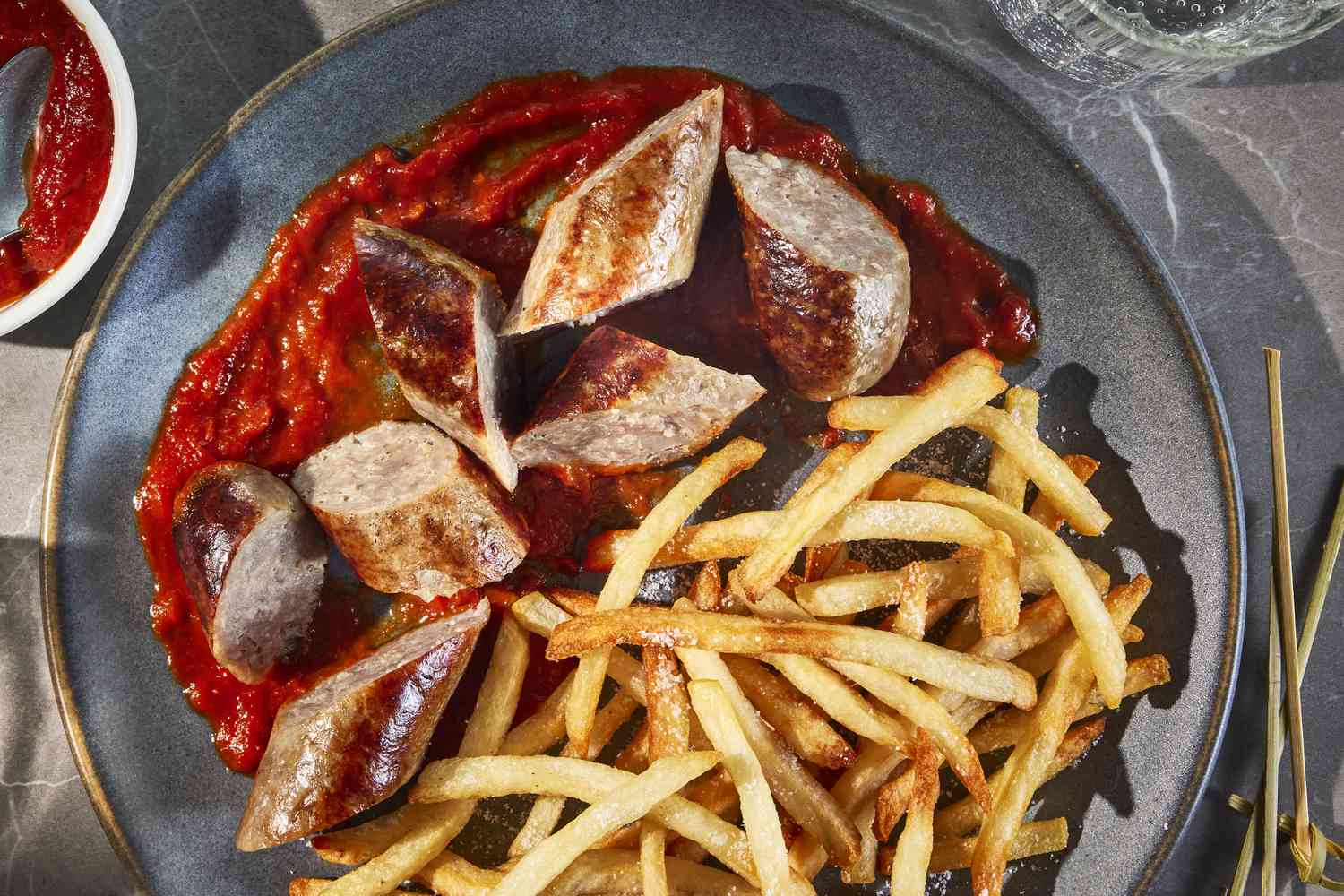
Currywurst is Germany’s post-war street food legend — juicy sausage sliced and drenched in tangy curry ketchup, often served with fries. A perfect fusion of spice and simplicity, Currywurst remains one of Berlin’s most popular and nostalgic dishes.
Key Features:
- Germany’s most iconic fast-food dish.
- Combines sausage with bold curry flavors.
- A cultural symbol of Berlin’s food scene.
Currywurst (Germany): Berlin’s Bold Street Food Sensation
Currywurst is one of Germany’s most beloved street foods — a post-war invention that turned into a national favorite. This spicy, saucy sausage dish might seem simple, but it packs a punch of flavor and history. Whether served from food trucks in Berlin or quick-service stands across the country, currywurst is a satisfying staple of German street food culture.
Bratwurst: The Story Behind the Currywurst
Currywurst was born in 1949 when Herta Heuwer, a Berlin housewife, traded with British soldiers for ketchup, Worcestershire sauce, and curry powder. She combined the ingredients into a unique sauce and poured it over sliced bratwurst. The result? A completely new flavor profile that Germans hadn’t experienced before — smoky, tangy, and spicy.
The dish was an instant hit in post-war Berlin, offering a quick, filling, and affordable meal during tough times. Today, Germany even has a Currywurst Museum, celebrating its rich street food legacy.
What Goes Into a Traditional Currywurst?
At its core, currywurst includes:
- Bratwurst or bockwurst sausage – boiled or grilled, then sliced
- Curry ketchup – a blend of tomato ketchup, curry powder, vinegar, and spices
- Curry powder – generously sprinkled on top for extra flavor
- Sides – usually served with crispy French fries or a crusty bread roll
There are variations across Germany:
- Berlin-style – typically uses skinless sausage
- Ruhr-style – adds extra curry spice and sometimes chili flakes
- Hamburg-style – may include onions or garlic-infused ketchup
Why Currywurst Is So Famous
Currywurst is more than a snack — it’s a cultural symbol. It’s adored because it’s:
- Deeply flavorful – spicy, sweet, smoky, and satisfying
- Affordable and filling – ideal for lunch breaks or late-night eats
- Widely available – from high-end restaurants to roadside stalls
- Comforting – evokes nostalgia for generations of Germans
Each year, Germany consumes over 800 million servings of currywurst, proving its legendary status. It’s not just for locals, either. Tourists from around the world flock to try this spicy slice of German food history.
- Sources Include / Discover More: Currywurst, A Fast Food Dish of German Origin Consisting of Sausage with Curry Ketchup
- Also Read: Most Famous Celebrity Private Jets
#9
Takoyaki (Japan)
Key Takeaways for Takoyaki (Japan)
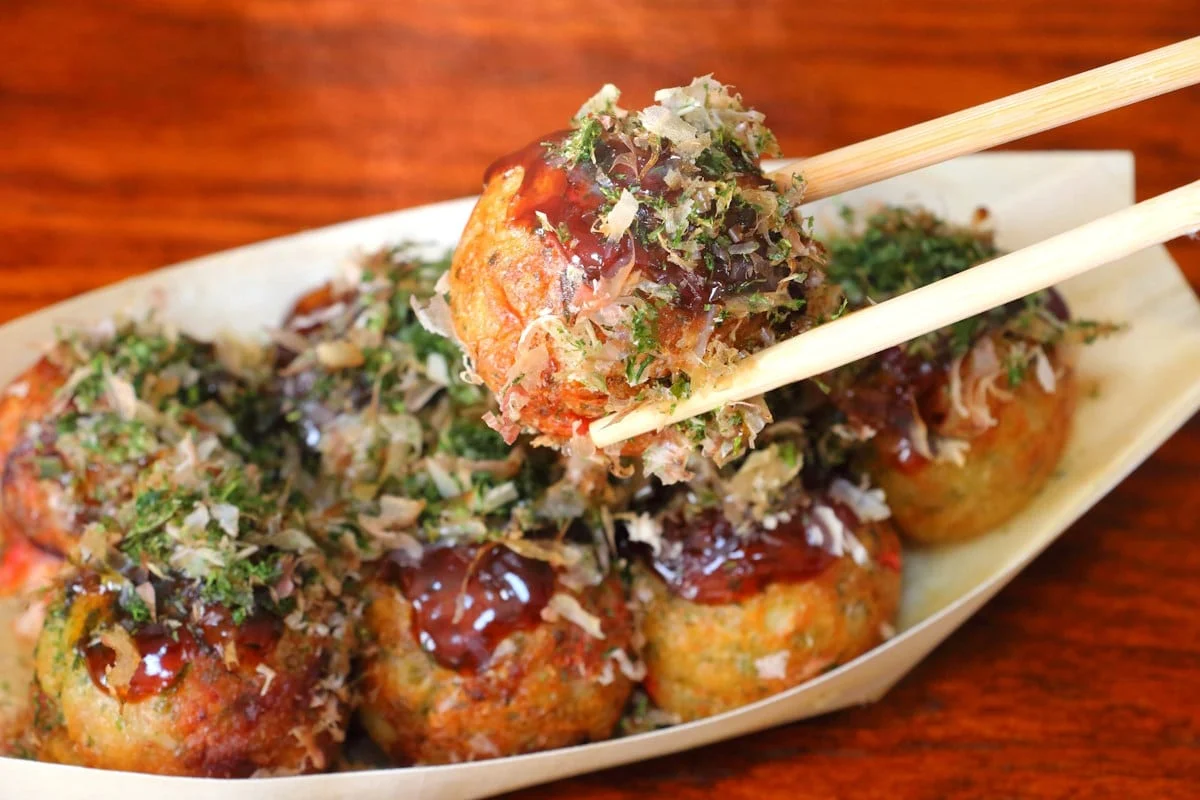
Takoyaki, Japan’s famous octopus balls, are a street food sensation made from batter filled with minced octopus, green onions, and tempura bits, cooked in a special molded pan. Finished with savory sauces and bonito flakes, they’re both fun to watch and delicious to eat.
Key Features:
- Originated in Osaka’s street food culture.
- Soft inside, crispy outside texture.
- Interactive and entertaining to prepare.
Takoyaki: Japan’s Addictive Octopus Snack in a Sphere
Takoyaki is one of Japan’s most entertaining and delicious street foods. These golden-brown balls of batter are crispy on the outside, soft and gooey on the inside, and filled with tender chunks of octopus. Popularized in Osaka, takoyaki has become a nationwide obsession and a global street food sensation thanks to its unique cooking method and irresistible flavor.
Octopus Balls: The Origins of Takoyaki
Takoyaki was invented in the 1930s by a street vendor named Tomekichi Endo in Osaka. Inspired by a similar dish called akashiyaki, he created a new recipe using a wheat-based batter and minced octopus. Since then, takoyaki has evolved into a must-have street snack, especially during Japanese festivals and in the bustling Dotonbori district.
It’s so loved in Japan that there are even takoyaki specialty chains, home griddles, and DIY kits sold in supermarkets.
What’s Inside a Takoyaki Ball?
Takoyaki is all about flavorful fillings and creative toppings. Here’s what makes a classic takoyaki:
- Batter – made with flour, eggs, dashi (Japanese soup stock), and water
- Filling – small pieces of boiled octopus (tako), along with pickled ginger and green onions
- Cooking method – grilled in special cast-iron pans with round molds, flipped continuously with chopsticks or skewers for that perfect sphere
After cooking, they’re topped with:
- Takoyaki sauce – similar to Worcestershire but sweeter and thicker
- Japanese mayo – creamy and slightly tangy
- Bonito flakes (katsuobushi) – dried fish flakes that “dance” with the heat
- Aonori – powdered seaweed for a salty, umami kick
Why Takoyaki Is So Famous
Takoyaki is celebrated for being:
- Interactive and fun to watch – street vendors quickly flipping balls with precision
- Packed with umami – every bite is rich and flavorful
- Great for sharing – usually served in batches of 6–10
- Perfect for festivals – a signature treat during matsuri (Japanese festivals)
Its unique texture—crispy outside and molten inside—makes it unforgettable. And thanks to its Instagram-worthy look, takoyaki is now trending in food markets and pop-ups around the world.
- Sources Include / Discover More: Takoyaki, One of the Famous Osaka Street Foods, A Small Dumpling with a Piece of Octopus in the Middle
- Also Read: Most Famous Actors in the World
#10
Churros (Spain)

Key Takeaways for Churros (Spain)
Churros are Spain’s beloved sweet street snack — crispy fried dough sprinkled with sugar and cinnamon, often paired with thick chocolate for dipping. From Madrid to Mexico City, churros are a timeless indulgence that bridges cultures and generations.
Key Features:
- Sweet, crunchy, and golden perfection.
- Served with chocolate or caramel sauce.
- A dessert favorite across continents.
Churros: The Sweet, Crispy Treat That Took the World by Storm
Churros are Spain’s most beloved street food export—golden, crunchy sticks of fried dough dusted with sugar, often paired with rich chocolate for dipping. Whether you’re strolling through a Spanish plaza or attending a festival in Latin America, churros deliver sweet satisfaction in every bite.
This classic street snack has become an international favorite, found everywhere from Spanish churrerías to trendy dessert bars in New York, Tokyo, and Dubai.
The History Behind the Churro
While the exact origin of churros is debated, most food historians agree they were inspired by a Chinese pastry called youtiao, brought to Europe by Portuguese explorers. Spanish shepherds adapted it into a dough-based treat that was easy to cook over an open fire.
Originally a humble shepherd’s snack, churros gained popularity throughout Spain and then spread across Latin America, where they were enhanced with regional twists—like being filled with dulce de leche in Argentina or dipped in cinnamon-sugar in Mexico.
What Makes a Perfect Churro?
A great churro is defined by:
- Dough – a simple mix of flour, water, and salt, sometimes enriched with eggs or butter
- Shape – piped through a star-shaped nozzle to create ridged sticks, then fried until golden
- Topping – usually rolled in granulated sugar or cinnamon sugar right after frying
In Spain, churros are traditionally served with thick hot chocolate (chocolate caliente) for dipping. In other countries, they’re often:
- Filled with chocolate, caramel, or custard
- Topped with fruit sauces or whipped cream
- Served as breakfast, dessert, or festival fare
Churros are usually sold in paper cones or trays, making them perfect for enjoying on the go.
Why Churros Are So Famous
Churros are globally adored because they’re:
- Crispy, sweet, and comforting – a universal flavor profile
- Portable and fun to eat – ideal for street vendors
- Easily customizable – endless toppings, fillings, and dips
- Tied to cultural traditions – from Spanish fiestas to Latin American celebrations
With their deep-fried goodness and nostalgic charm, churros appeal to both children and adults, making them a permanent fixture in the world of street food.
- Sources Include / Discover More: Churro, A Type of Fried Dough from Spanish and Portuguese Cuisine
- Also Read: Most Famous Private Islands in the World
Key FAQs on the 10 Most Famous Street Foods in the World
Why are Tacos considered one of the most famous street foods in the world?
Tacos are widely regarded as one of the most famous street foods in the world because they represent the core of Mexican cuisine and street food culture.
Made with corn tortillas and filled with seasoned meats, salsa, onions, and lime, tacos date back to pre-Hispanic Mexico. According to UNESCO and Britannica, Mexican cuisine is recognized for its cultural significance.
Today, tacos dominate global street food rankings and searches, with variants like tacos al pastor influencing street food worldwide (source: Wikipedia, CNN Travel).
What makes Banh Mi one of the best street foods in the world?
Banh Mi is considered one of the world’s best street foods due to its unique fusion of French and Vietnamese culinary traditions.
Using a crisp baguette filled with meats, pickled vegetables, herbs, and chili, Banh Mi reflects Vietnam’s colonial history and modern street food innovation.
CNN Travel and Wikipedia consistently rank Banh Mi among the top global street sandwiches, praised for balance, affordability, and fresh flavor delivery.
Why are Arepas such a popular street food in Venezuela and Colombia?
Arepas are deeply rooted in Venezuelan and Colombian culture and are among the most popular street foods in South America.
Made from cornmeal dough and filled with cheese, meats, or avocado, arepas are naturally gluten-free and highly versatile.
According to Britannica and Wikipedia, arepas predate European colonization and remain a daily staple, now gaining global recognition through Latin American cuisine trends.
What makes Samosa one of India’s most famous street foods?
Samosas are one of India’s most famous street foods due to their crispy texture, aromatic spices, and cultural ubiquity.
Filled with spiced potatoes, peas, or meat, samosas are sold across India at street stalls and railway stations.
Food historians and Britannica trace samosas to ancient trade routes, and today they rank among the most searched Indian street snacks worldwide.
Why are Gyros considered Greece’s most famous street food?
Gyros are Greece’s most famous street food because they combine Mediterranean flavors with convenient street-side preparation.
Rotisserie-cooked meat wrapped in pita with tzatziki, onion, and tomato delivers freshness and balance.
According to Wikipedia and European food surveys, gyros consistently rank among the top street foods in Europe and North America.
What makes Falafel a global street food phenomenon?
Falafel became a global street food phenomenon due to its plant-based protein content and Middle Eastern heritage.
Made from chickpeas or fava beans, falafel is widely consumed as a vegetarian and vegan street food option.
According to Britannica and Wikipedia, falafel’s origins trace back to the Levant, and today it is embraced worldwide for health and flavor.
Why are Hot Dogs considered an American street food icon?
Hot Dogs are considered an American street food icon due to their historical association with urban food carts and sporting events.
Originating from German sausages, hot dogs became popular in New York and Chicago.
According to Smithsonian Magazine and Wikipedia, hot dogs symbolize American fast food culture and remain one of the most consumed street foods globally.
What makes Currywurst Germany’s most popular street food?
Currywurst is Germany’s most popular street food due to its cultural significance and post-war origins.
Created in Berlin in 1949, it combines sausage with curry ketchup.
According to German food archives and Wikipedia, currywurst remains a national icon, with over 800 million servings consumed annually in Germany.
Why is Takoyaki one of Japan’s most loved street foods?
Takoyaki is one of Japan’s most loved street foods, originating in Osaka’s vibrant street markets.
Made with octopus-filled batter balls, takoyaki is cooked in special molds and topped with savory sauces.
According to Wikipedia and Japan National Tourism Organization, takoyaki represents Japanese street food craftsmanship and festival culture.
Why are Churros one of the world’s favorite sweet street foods?
Churros are one of the world’s favorite sweet street foods due to their simplicity, nostalgia, and indulgent taste.
Originating in Spain, churros are fried dough pastries coated in sugar and cinnamon.
According to Britannica and Wikipedia, churros spread across Latin America and Europe, becoming a globally recognized street dessert.
Health and Hygiene: Should You Be Worried?
Tips for Safe Street Food Eating
- Go where the crowd goes – Busy vendors usually have faster turnover and fresher food.
- Watch how it’s cooked – Opt for food cooked in front of you.
- Bring sanitizers and tissues – Just in case there’s no hand-washing station nearby.
Countries Known for Safe Street Food
Thailand, Japan, Singapore, and South Korea are known for clean, well-regulated street food scenes. However, even in lesser-known places, a little observation can go a long way.
The Street Food Economy
A Source of Livelihood
Street food vendors are often small entrepreneurs feeding their families through their stalls. They represent micro-economies that sustain communities and create jobs.
Boost to Local Tourism
For travelers, food is a top reason to explore. Many even plan entire trips around local street food festivals or famous vendors. It’s experiential travel at its tastiest!
Final Thoughts
From sizzling grills to sweet treats, the 10 Most Famous Street Foods in the World showcase how food connects people beyond language and borders. Each bite of tacos, samosas, banh mi, or churros tells a story of culture, creativity, and comfort — a story written in flavor. Street food isn’t just about eating; it’s about experiencing the heartbeat of a city, where tradition meets innovation and every dish reflects local pride.
Whether it’s Japan’s crispy Takoyaki, India’s spicy samosas, or Mexico’s flavorful tacos, these street foods represent the ultimate global dining adventure. They’re affordable, authentic, and unforgettable — a true reflection of how the world eats on the go.
So, the next time you travel, skip the fancy restaurants and follow the aroma of sizzling pans and food carts. Because the real magic of any destination lives not in luxury dining but in the vibrant world of street food — where flavor, history, and humanity come together on a plate. From one corner of the world to another, street food is the universal language of taste, culture, and joy.
The 10 Most Famous Street Foods Frequently Asked Questions (FAQs)
Thailand, Mexico, India, and Vietnam consistently top the charts for diverse, delicious, and affordable street food options.
Street food can be safe if prepared in hygienic conditions. It's advisable to eat from vendors with high customer turnover and visible cleanliness practices.
Street food is often made from scratch using traditional methods, while fast food is typically mass-produced and pre-packaged.
Absolutely! Dishes like falafel, arepas, or tacos with grilled fillings can be nutritious when made with wholesome ingredients.
Try samosas, falafel, banh mi with tofu, or Indian chaat—they’re all packed with flavor and meat-free!
The most famous street foods in the world include Tacos, Pizza, Hot Dogs, Samosas, Falafel, Banh Mi, Jerk Chicken, Arepas, Takoyaki, and Churros. Each dish represents a unique cultural and culinary tradition.
Countries like Thailand, India, Mexico, and Vietnam are renowned for their diverse and flavorful street food scenes, attracting locals and tourists alike.
About the Author
This article was researched and prepared by the World Millions Editorial Team, specialists in global rankings, premium market analysis, structured comparisons, and high-value sector research across industries.
All content undergoes verification, editorial review, and periodic updates to ensure accuracy, clarity, and alignment with recognized industry standards, reliable institutional sources, and leading global authorities.
- Last Updated: March 27, 2026 by the World Millions Editorial Team
- Original Published Date: March 27, 2026
- View Our: Editorial Team | Sources | Disclaimer | Editorial Standards