- Home
- »
- Luxury Buying Guides
- »
- Ultimate Luxury Real Estate Buying Guide
Ultimate Luxury
Real Estate Buying Guide
The most prestigious luxury real estate properties in the world represent the ultimate blend of architectural brilliance, prime global locations, and long-term wealth preservation. From skyline penthouses in New York City to waterfront villas in Dubai and historic estates in London, these elite homes command extraordinary prices driven by exclusivity, design excellence, and international demand.
Discover the Ultimate Luxury Real Estate Buying Guide, featuring expert strategies, prime investment destinations, and essential steps for acquiring high-end property. This guide reveals how discerning buyers secure the world’s most desirable residences while maximizing lifestyle value, prestige, and long-term investment potential.
On This Page
Toggle- Updated 2026 by the World Millions Editorial Team: View Author Information
Why Luxury Properties Are a Class Apart
Luxury properties represent the pinnacle of real estate—where opulence, artistry, and lifestyle intersect. Think: floor-to-ceiling windows offering unobstructed ocean views, marble-clad spa bathrooms, private elevators, walk-in wine cellars, home theaters, and even helipads on the rooftop.
But it’s not just about square footage or glam. It’s about elegance in every detail, master craftsmanship, and exclusivity that money alone can’t always buy. These homes are often custom-built with rare materials, designed by renowned architects, and situated in the most prestigious neighborhoods or breathtaking landscapes.
From cutting-edge smart systems that respond to your voice, to infinity pools that blend into the skyline, luxury homes offer a lifestyle of comfort, prestige, and indulgence that few other assets can match.
Who Buys Luxury Real Estate?
The buyers of luxury properties are as diverse as the properties themselves. From tech entrepreneurs and Hollywood celebrities to royalty and international investors, these individuals aren’t just buying space—they’re buying into a legacy, a lifestyle, and long-term value.
Many use luxury properties as primary residences, holiday retreats, or even investment vehicles that appreciate over time. Some purchase for privacy and peace; others to showcase success or provide a multi-generational family estate. Increasingly, global buyers are also using luxury real estate to diversify their portfolios, secure second citizenships, or benefit from real estate-friendly tax jurisdictions.
These homes are more than just bricks and mortar—they’re often status symbols, personal sanctuaries, and long-term wealth assets passed from one generation to the next.
Global Luxury Hotspots
When it comes to luxury real estate, location is everything. Some cities around the world have become synonymous with opulence, exclusivity, and sky-high property values. These global luxury hotspots attract the ultra-wealthy with their unique blend of prestige, culture, security, and investment potential.
#1
New York City
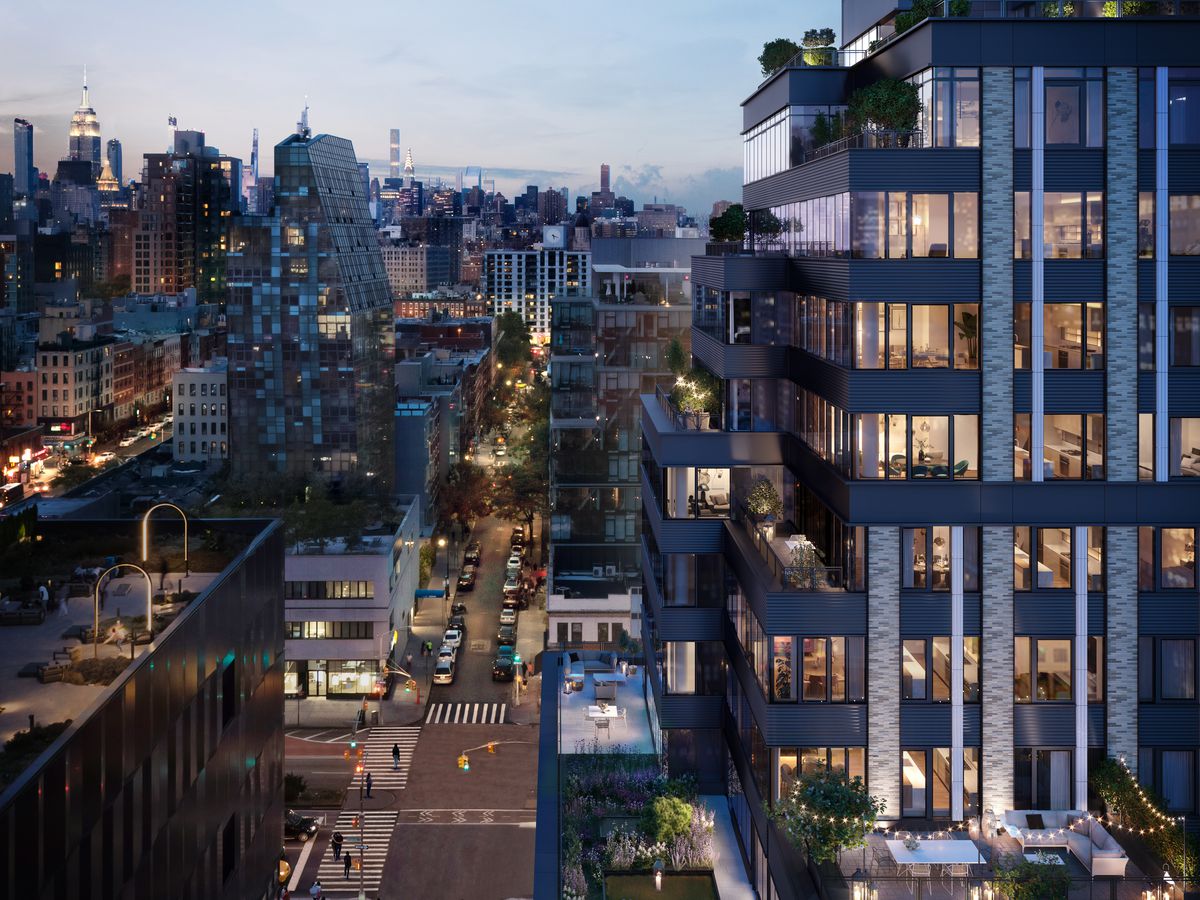
Key Takeaways for New York City
New York City is a global hub for high-end residential real estate, offering exclusive penthouses, historic brownstones, and skyline-view condominiums. With cultural institutions, financial power centers, and world-class amenities, NYC remains one of the most desirable destinations for luxury property buyers and international investors.
Key Highlights:
- Prime neighborhoods include Billionaires’ Row, Upper East Side, Tribeca.
- Strong long-term property value appreciation.
- High demand from global business leaders, celebrities, and investors.
New York City: A Global Magnet for Elite Buyers
New York City stands as one of the most prestigious and sought-after luxury real estate destinations in the world. With its iconic skyline, vibrant cultural scene, and status as a global financial powerhouse, NYC attracts high-net-worth individuals from around the globe. From ultra-luxurious penthouses with sweeping views of Central Park to private brownstones in historic districts, the city offers a remarkable range of properties that blend exclusivity with architectural distinction.
Manhattan: The Heart of High-End Living
At the core of New York’s luxury market is Manhattan. Within it lies Billionaires’ Row—an exclusive stretch of 57th Street that hosts some of the tallest and most expensive residential towers in the world. These residences, such as those in One57 and Central Park Tower, offer breathtaking views, private elevator access, floor-to-ceiling windows, and high-design interiors inspired by museum galleries. Amenities typically include spa facilities, sky lounges, concierge services, and private fitness centers, delivering a level of comfort and prestige that few other cities can match.
NYC's The Upper East Side: Where Tradition Meets Prestige
The Upper East Side continues to hold strong appeal for buyers who value heritage, elegance, and a timeless lifestyle. Here, grand co-op buildings and limestone townhouses line the leafy streets, creating an atmosphere of sophistication and tradition. With proximity to the Metropolitan Museum of Art, Central Park, and elite educational institutions, this neighborhood appeals to long-established families, global diplomats, and cultured investors. Homes in this area are revered for their craftsmanship, pre-war charm, and historic value.
NYC's Downtown Luxury: Tribeca and SoHo
For those drawn to modern design and creative energy, Tribeca and SoHo present compelling alternatives. These neighborhoods have seen industrial spaces transformed into sprawling luxury lofts featuring exposed brick, high ceilings, and custom architectural finishes. Beloved by celebrities and tech moguls, downtown NYC delivers a fusion of cutting-edge style and intimate privacy. Residents enjoy proximity to upscale dining, private art galleries, and fashion-forward boutiques, offering a refined yet contemporary way of life.
New York City's Exceptional Services and Strong Investment Potential
Luxury living in New York extends far beyond the walls of the home. Many upscale buildings offer five-star services such as 24/7 doormen, private chefs, chauffeur-driven vehicles, wellness centers, and curated resident experiences. This white-glove lifestyle, combined with the city’s legal protections and economic resilience, makes New York a preferred choice for international investors. Whether as a long-term residence, rental income generator, or generational asset, luxury real estate in New York City delivers enduring value, global recognition, and incomparable lifestyle appeal.
#2
Dubai
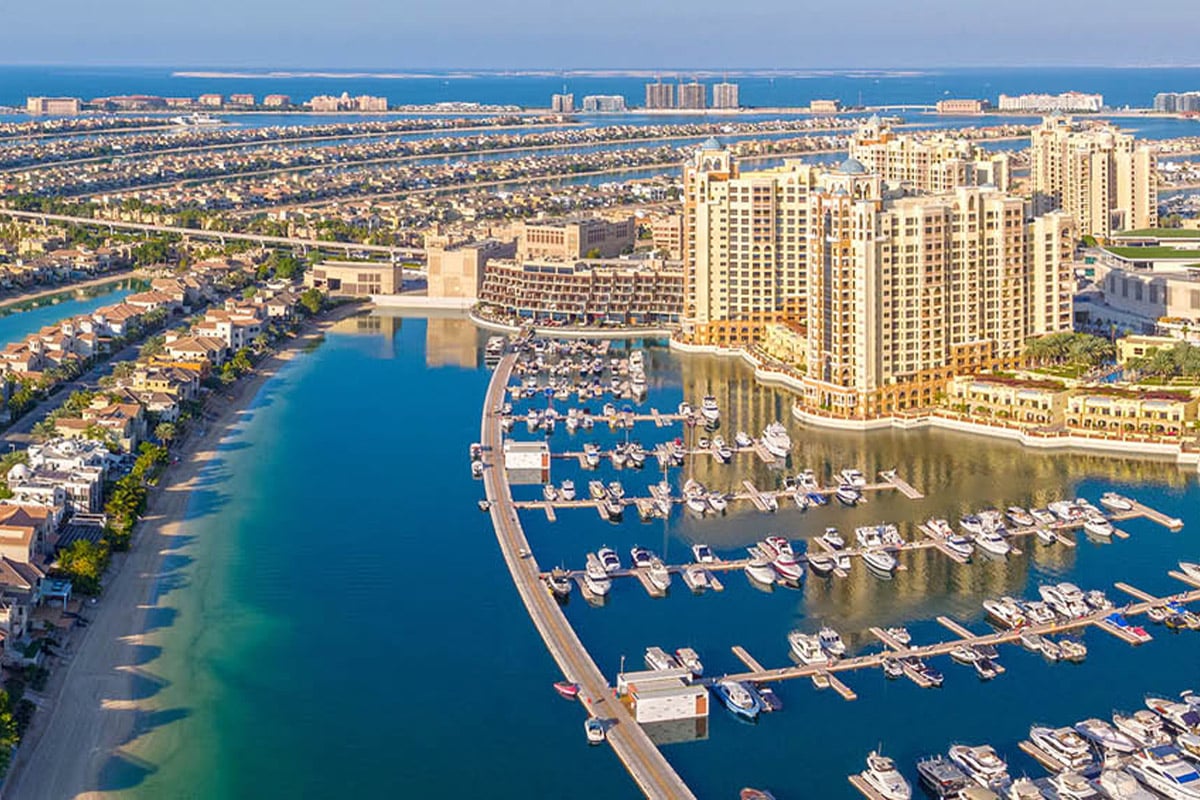
Key Takeaways for Dubai
Dubai offers some of the most architecturally ambitious and amenity-rich luxury properties in the world. From waterfront villas on Palm Jumeirah to skyscraper penthouses in Downtown Dubai, the city blends lavish design with a tax-friendly, investor-friendly environment.
Key Highlights:
- No property tax or capital gains tax.
- Branded luxury residences and resort-style communities.
- Popular choice for international investors seeking prestige and lifestyle.
Dubai: A World-Class Destination for High-End Living
Dubai has emerged as a global leader in the luxury property market, attracting discerning buyers with its futuristic skyline, world-class infrastructure, and unmatched lifestyle offerings. The city’s real estate sector is defined by architectural innovation, tax-friendly policies, and a diverse array of upscale residences. From waterfront villas on exclusive islands to penthouses in the heart of the city, Dubai offers unparalleled opportunities for luxury living and long-term property investment.
The city’s rapid transformation into a luxury hub has been fueled by visionary developments like Downtown Dubai and Dubai Marina. In these prime areas, residents enjoy high-rise apartments with panoramic views, private pools, designer interiors, and access to five-star amenities. These homes are designed to cater to a refined lifestyle, blending elegance with cutting-edge smart home technologies.
Dubai's Palm Jumeirah: A Signature Address for Elite Buyers
One of Dubai’s most iconic residential communities is Palm Jumeirah, a man-made island known for its distinctive palm shape and beachfront villas. Homes here are among the most exclusive in the region, featuring private beach access, infinity pools, rooftop terraces, and interiors designed by globally acclaimed architects. Whether it’s a contemporary villa or a branded penthouse, properties on the Palm offer a resort-like lifestyle with privacy and prestige.
Residents benefit from proximity to luxury resorts such as Atlantis The Royal and Five Palm, along with fine-dining restaurants, yacht clubs, and premium retail outlets. For investors and homeowners alike, Palm Jumeirah stands as a symbol of status and success, often attracting celebrities, international business leaders, and royalty.
Dubai: A Favorable Market for Global Investors
Dubai’s luxury real estate sector is not only known for its aesthetics but also for its strong investment appeal. The city offers full foreign ownership in designated freehold zones, making it an attractive option for international buyers. There are no annual property taxes or capital gains taxes, and rental yields in prime locations remain high, often outperforming those in other global cities.
With a transparent regulatory framework, stable political environment, and continuous urban innovation, Dubai is considered a safe and rewarding destination for luxury property investments. Whether purchasing as a residence, vacation home, or income-generating asset, luxury real estate in Dubai delivers exceptional value, lifestyle advantages, and long-term growth potential in one of the world’s most exciting cities.
- Sources Include / Discover More: Dubai luxury real estate consists of high-end, prime-location properties—often in Palm Jumeirah, Downtown Dubai, or Emirates Hills
- Also Read: Complete Luxury Private Jet Buying Guide
#3
London
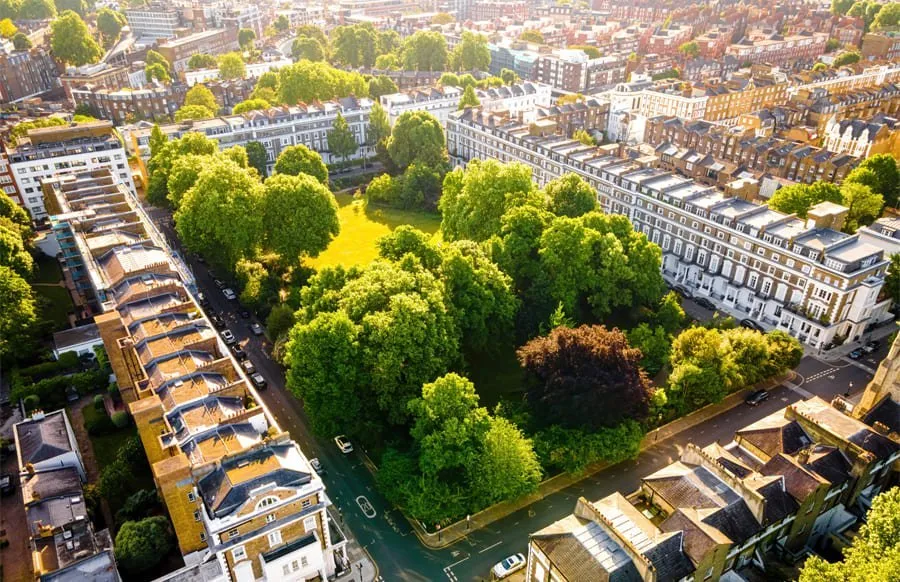
Key Takeaways for London
London combines timeless architecture with cultural refinement, making it a leading destination for elite real estate. Kensington, Mayfair, and Belgravia offer prestigious addresses with heritage appeal, while new developments feature modern, elegant penthouse living.
Key Highlights:
- Stable, secure, high-value property market.
- Strong rental and resale potential in prime postcodes.
- Attracts global buyers seeking education, culture, and legacy homes.
London: A Historic Capital with Unrivaled Property Value
London has long held its reputation as one of the most desirable cities for luxury real estate, offering a unique blend of historical charm, political stability, and international connectivity. With its stately Georgian mansions, elegant Victorian terraces, and modern glass penthouses, the capital attracts high-net-worth individuals looking for prestige, privacy, and long-term value. Properties in London’s prime neighborhoods are often seen as secure and appreciating assets, making the city a magnet for global investors and lifestyle buyers alike.
London’s real estate is characterized by its architectural variety and enduring appeal. Homes in established areas like Kensington, Chelsea, and Belgravia exude old-world sophistication, with period facades, private gardens, and expansive living spaces. Meanwhile, districts like Nine Elms and Canary Wharf offer sleek, high-rise living with panoramic views of the Thames, ideal for those who appreciate contemporary design and convenient access to the city’s financial core.
London's Kensington and Mayfair: The Heart of London’s Elite Property Market
Kensington is one of the crown jewels of luxury property in London. Tree-lined avenues, embassies, and proximity to Hyde Park create an atmosphere of grandeur. Homes here often feature original detailing, high ceilings, and spacious layouts, making them ideal for families, diplomats, and investors seeking both comfort and status. The area also hosts renowned educational institutions and cultural landmarks such as the Royal Albert Hall and Natural History Museum.
Equally prestigious is Mayfair, home to some of the city’s most valuable real estate. From private mews houses to serviced apartments in heritage buildings, Mayfair offers discretion and sophistication. Residents enjoy access to exclusive clubs, designer boutiques on Bond Street, and five-star hotels like Claridge’s and The Connaught—all within walking distance.
London: A Stable and Profitable Market for International Buyers
London’s luxury real estate sector remains one of the most stable in the world. Despite political shifts or market fluctuations, prime properties retain their value due to limited supply and continuous demand from international buyers. Foreign nationals can purchase freehold or leasehold properties, and the legal framework offers strong protection for property owners.
With excellent schools, a world-leading arts scene, and seamless access to Europe, London continues to be a top-tier destination for those seeking both lifestyle and investment potential. From heritage mansions to modern apartments with skyline views, luxury real estate in London delivers enduring appeal in one of the world’s most influential cities.
#4
Monaco
Key Takeaways for Monaco
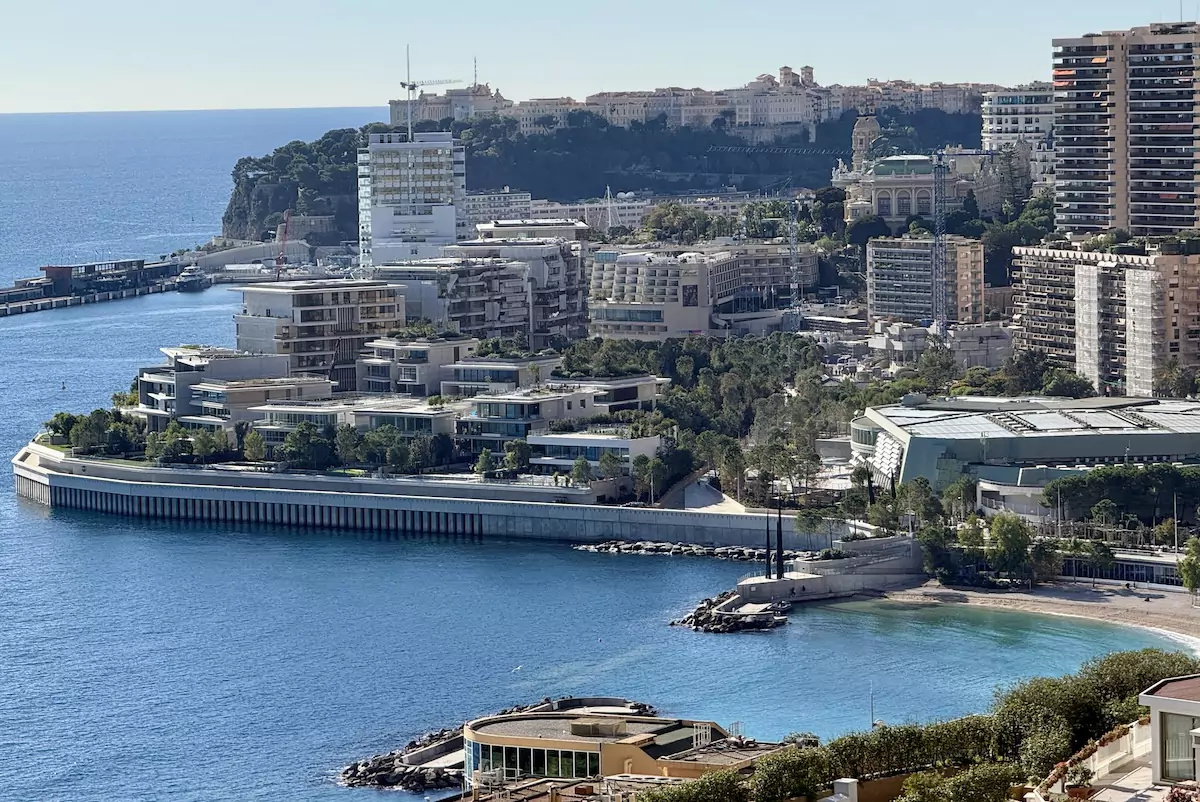
Monaco is one of the most exclusive luxury real estate markets on the planet, known for its glamorous lifestyle, Mediterranean setting, and unbeatable privacy. Limited land and high demand ensure property values remain exceptionally strong.
Key Highlights:
- Zero personal income tax for residents.
- Ultra-premium waterfront and hillside residences.
- Preferred by billionaires, royalty, and high-profile public figures.
Monaco: A Riviera Retreat with Global Prestige
Monaco stands as the epitome of exclusivity in the luxury real estate world. Nestled along the French Riviera, this sovereign city-state is renowned for its glamorous lifestyle, picturesque Mediterranean views, and unparalleled security. Despite being less than a square mile in size, Monaco offers some of the highest real estate prices per square meter globally, driven by high demand and extremely limited supply.
Monaco Principality’s appeal lies in its unique blend of glamour and efficiency. It is a favorite among global billionaires, celebrities, and royalty, many of whom are drawn to the absence of personal income tax and the stability of its government. The combination of privacy, safety, and location makes Monaco real estate a strategic asset and a luxury lifestyle choice.
Monaco's Iconic Districts and Prestigious Developments
Monte Carlo, Monaco’s most famous district, is home to legendary landmarks like the Casino de Monte-Carlo and the Hôtel de Paris. Real estate in this area includes elegant Belle Époque buildings, ultra-modern high-rises like Tour Odéon, and private residences with panoramic sea views. These homes often feature designer interiors, private pools, high-tech security, and concierge-level services.
Larvotto and Fontvieille offer a more tranquil yet equally luxurious alternative, with beachfront apartments, yacht berths, and direct access to elite beach clubs. The new Mareterra project is also transforming Monaco’s coastline with eco-friendly, seafront residences designed by world-renowned architects, adding a sustainable edge to the luxury lifestyle.
Monaco Principality: A Haven for International Investors
With no property taxes, no capital gains tax, and a simplified purchasing process for foreign buyers, Monaco Principality represents a highly attractive market for wealth preservation. Its location between France and Italy, combined with access to private banking, elite education, and cultural events like the Monaco Yacht Show and Grand Prix, adds to its long-term desirability.
Whether as a permanent residence or a high-value investment, property in Monaco offers both security and prestige. The city-state’s real estate market is not only one of the most stable in the world but also one of the most rewarding for those seeking a rare and refined way of life by the Mediterranean Sea.
- Sources Include / Discover More: Monaco’s luxury real estate market is a premier global, high-demand safe haven characterized by extreme scarcity
- Also Read: Best High-End Treadmill Buying Guide
#5
Hong Kong
Key Takeaways for Hong Kong
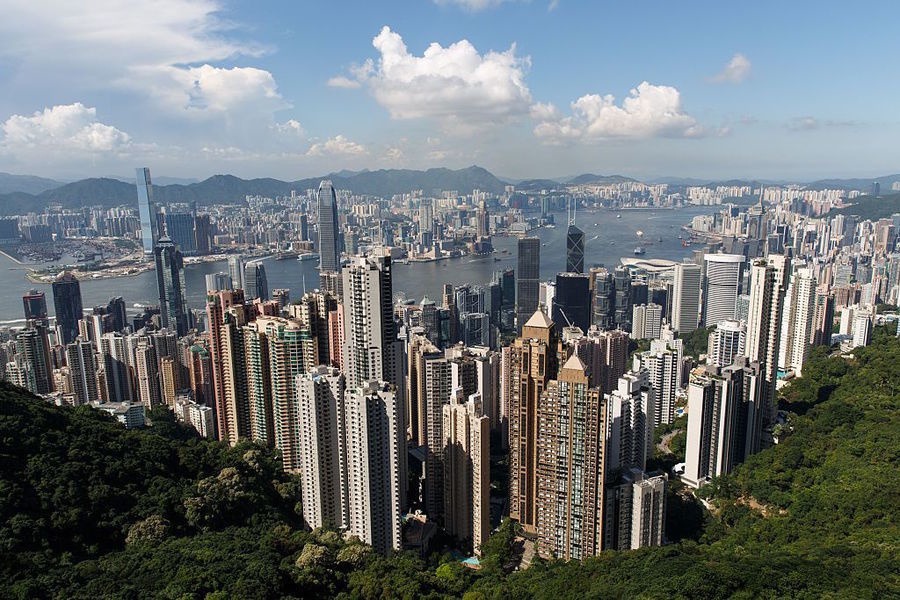
Hong Kong remains Asia’s premier luxury real estate destination, featuring some of the world’s most expensive properties located in areas like The Peak and Mid-Levels. The city’s limited buildable land drives long-term value and exclusivity.
Key Highlights:
- Strong demand from both local and mainland Chinese buyers.
- Properties offer panoramic harbor and city skyline views.
- A key global hub for finance, business, and international wealth.
Hong Kong: Asia’s Premier Address for Luxury Real Estate
Hong Kong holds its place as one of Asia’s most powerful and luxurious real estate markets. As a global financial center with deep international ties, the city attracts business moguls, international investors, and elite expatriates seeking high-end property in a vibrant urban setting. Despite its compact geography, Hong Kong boasts an impressive selection of ultra-luxury residences, from hilltop mansions in The Peak to waterfront penthouses in Kowloon.
The city’s high population density and scarcity of land have driven real estate prices sky-high, especially in premium areas. This scarcity ensures that luxury properties maintain exceptional value and demand, making them a favored asset among global investors.
The Peak and Mid-Levels: Synonymous with Prestige
The Peak remains Hong Kong’s most prestigious residential area. Perched high above the city, this district offers unmatched privacy, cool breezes, and breathtaking views of Victoria Harbour. Homes in The Peak are sprawling, gated mansions equipped with private elevators, lush gardens, and extensive indoor-outdoor living spaces. The exclusivity of this area ensures it continues to command some of the highest property prices in the world.
Mid-Levels, located just below The Peak, blends accessibility with refinement. Luxury apartments here feature modern architecture, private amenities, and proximity to Central’s business district. These residences appeal to both affluent professionals and international families seeking top-tier education, parks, and convenience.
A Resilient Market for Wealth Preservation
Hong Kong’s luxury real estate is seen as a resilient store of value. Properties in the city are often purchased through trusts or family offices, serving both as legacy assets and long-term investments. With a robust legal system, transparent property rights, and strong demand from both local and mainland Chinese buyers, the market remains consistently active.
High-end developments often include resort-style amenities such as clubhouses, private pools, and concierge services. Locations like Repulse Bay and Deep Water Bay offer beachfront villas that rival those in the French Riviera or Malibu, appealing to buyers seeking space without leaving the city.
For those looking to invest in Asia’s most dynamic property market, Hong Kong presents an ideal mix of prestige, security, and enduring value in one of the world’s most influential cities.
Ultimate Luxury Real Estate Buying Guide Table
Unlock every step of the luxury property acquisition journey with clarity, strategy, and confidence.
This step-by-step luxury real estate buying guide outlines the essential process for securing high-end property in top global markets. From identifying lifestyle priorities and securing elite financing to working with a vetted luxury realtor, inspecting architectural quality, and finalizing ownership documents, this table breaks down each stage with expert clarity.
Use it to stay organized, avoid costly mistakes, and make smarter decisions when purchasing a premium estate, penthouse, or international investment residence.
| No. | Step | Description | Key Expert Involved | Pro Tip |
|---|---|---|---|---|
| 1 | Define Your Requirements | Establish location, size, budget, and property type | Yourself + Agent | Be clear on must-haves vs extras |
| 2 | Secure Financing | Plan mortgage or funding options | Private Banker | Pre-approval builds credibility |
| 3 | Hire a Luxury Realtor | Find a trusted agent with niche market experience | Luxury Real Estate Agent | Go for off-market access |
| 4 | Tour and Inspect | Evaluate features, amenities, and structural details | Inspector + Designer | Don’t skip home inspection |
| 5 | Close and Transfer | Finalize ownership and review contracts | Attorney + Title Company | Check for hidden clauses |
Key FAQs on the Ultimate Luxury Real Estate Buying Guide
Step 1. How do I determine what I truly need in a luxury property?
Begin by clarifying lifestyle priorities such as location prestige, privacy level, architectural style, and daily functionality. Elite buyers typically assess proximity to financial hubs, international schools, and cultural landmarks, as seen in markets like New York City and London.
Next, separate essential features from optional upgrades, including security systems, smart-home technology, and staff accommodations. According to Knight Frank and Savills, properties aligned with long-term lifestyle and resale demand outperform trend-driven purchases, ensuring sustainable value.
Step 2. What is the best way to finance a luxury property purchase?
Luxury real estate financing is commonly structured through private banking institutions, family offices, and wealth-management divisions such as UBS Global Wealth Management or HSBC Private Banking.
High-net-worth buyers often use jumbo mortgages, asset-backed lending, or multi-currency credit lines. According to J.P. Morgan Private Bank, pre-approved financing strengthens negotiation leverage and accelerates transactions, particularly in competitive markets like Monaco, Dubai, and Hong Kong.
Step 3. Why should I hire a luxury-experienced realtor instead of a normal agent?
Luxury real estate agents specialize in off-market listings, discreet negotiations, and ultra-high-value transactions unavailable on public platforms. Firms such as Sotheby’s International Realty and Christie’s Real Estate dominate this segment.
These agents provide market intelligence, valuation accuracy, and confidentiality protocols. According to Forbes Real Estate Council, experienced luxury brokers consistently secure better pricing, faster closings, and reduced legal risk for elite buyers.
Step 4. What should I look for when touring a luxury home?
When touring a luxury property, evaluate structural integrity, construction materials, soundproofing, smart automation systems, and long-term maintenance requirements. Waterfront and heritage properties require additional environmental and regulatory checks.
Certified inspections from organizations like InterNACHI are essential. Architectural consultants help identify hidden defects that staging can mask. According to the Royal Institution of Chartered Surveyors, professional inspections significantly reduce post-purchase liabilities.
Step 5. What should I double-check during the closing process for a luxury home?
During closing, confirm clear title transfer, zoning compliance, easements, insurance coverage, and contractual obligations. Luxury buyers frequently use attorneys specializing in cross-border or high-value transactions.
According to the American Land Title Association, thorough title verification and escrow review prevent hidden liens and legal disputes. Proper closing diligence ensures ownership security, asset protection, and long-term peace of mind for global property investors.
Trends in High-End Property Markets
The luxury market isn’t static—it evolves with the lifestyle shifts of the wealthy. Today’s affluent buyers are placing a higher value on privacy, health, and flexibility. The pandemic reshaped priorities, and now there’s a growing demand for wellness-focused features and multi-purpose spaces.
Buyers are increasingly drawn to homes with state-of-the-art air purification systems, soundproof meditation rooms, personal spa suites, steam showers, and dedicated home offices or Zoom rooms outfitted for remote work. Outdoor spaces have also surged in popularity, with terraces, rooftop gardens, and outdoor gyms becoming must-haves.
Luxury is no longer just about what you see—it’s about how it makes you feel. Comfort, health, serenity, and convenience are now essential components of modern high-end living.
Key Factors to Consider Before Buying
Buying luxury real estate involves more than liking the look of a home. It’s about evaluating long-term value, lifestyle fit, and smart financial planning. These core factors will help guide your decisions and protect your investment.
Location, Location, Location
It’s not a cliché—it’s a critical rule. In luxury real estate, the address is currency. Buyers pay a premium for beachfront access, ski-in/ski-out chalets, panoramic city views, or proximity to elite schools and financial districts. The more exclusive and convenient the location, the stronger the appreciation potential.
Look beyond just beauty—think about privacy, neighborhood reputation, transportation links, and surrounding development plans.
Property Amenities and Features
Luxury homes are designed to elevate your everyday living. The right features can transform a property from valuable to extraordinary. Look for:
- Smart Home Systems – Automation for lighting, climate, security, and entertainment
- Infinity Pools and Saunas – Wellness and leisure at your fingertips
- Outdoor Kitchens and Entertainment Areas – Perfect for hosting exclusive gatherings
- Private Gyms and Cinemas – In-house indulgence and convenience
- Personal Staff Quarters – Accommodations for live-in help or guests
These features aren’t just for comfort—they drive up property value and resale appeal.
Architecture, Design, and Legacy Value
In the luxury space, design tells a story. Homes designed by renowned architects or inspired by iconic styles (mid-century modern, neoclassical, Bauhaus) hold long-term prestige.
Custom finishes, sustainable elements, and timeless materials add to a property’s “wow factor.” Homes with historic or cultural significance—or those certified by organizations like LEED—can significantly outperform average high-end homes on appreciation.
Financial Planning for Luxury Properties
Budgeting & Pre-Approval
Even the ultra-wealthy benefit from financial planning. Before you fall in love with a property, understand your borrowing power—especially if you’re leveraging assets.
Many buyers in this space utilize:
Pre-approval gives you credibility in a competitive market and allows sellers to take your offer more seriously—especially for off-market or exclusive listings.
Taxes, Maintenance, and Insurance Costs
Luxury properties have luxury-level ongoing costs. Be prepared to account for the following:
- Property Taxes – In cities like New York or LA, this can run into six figures annually.
- HOA Fees – For condos or gated communities, monthly fees cover amenities and maintenance.
- Insurance Premiums – Insure not just the structure, but also high-value items like art, vintage wine, or custom furnishings.
- Maintenance – Landscapers, security teams, housekeeping, smart system updates, and seasonal repairs all add up.
Plan realistically. Luxury real estate ownership is rewarding—but managing it smartly protects your investment long-term.
Working with Real Estate Professionals
Choosing a Luxury Real Estate Agent
In the world of high-end property, the right real estate agent makes all the difference. A luxury real estate agent isn’t just someone who understands property—they understand discretion, global clientele, and how to access exclusive, often unlisted homes. Your ideal agent should have a track record in multi-million-dollar transactions and be well-connected with prestigious networks such as Christie’s International Real Estate, Sotheby’s Realty, or The Agency. These affiliations often grant early or private access to elite properties before they reach public listings.
A seasoned luxury agent will guide you through complex negotiations, ensure confidentiality, and understand your lifestyle needs—whether you’re searching for a penthouse in New York or a beachfront villa in Dubai.
Legal Advisors and Property Inspectors
Alongside a trusted agent, you’ll want a real estate attorney who specializes in luxury properties. Contracts at this level are often more intricate, especially with trusts, international purchases, or estate planning considerations. Your attorney should also be skilled at flagging issues like title defects or zoning conflicts.
Equally vital is a certified property inspector familiar with high-end systems. Luxury homes may include smart automation, solar arrays, climate-controlled wine rooms, elevators, and commercial-grade kitchens. An inspector who understands these systems ensures you’re not inheriting hidden maintenance costs or outdated infrastructure masked by elegant staging.
Property Viewing and Evaluation
In-Person vs. Virtual Tours
While virtual tours have become more advanced—with 3D walkthroughs, interactive floorplans, and drone video footage—they can’t fully replace an in-person visit. High-end buyers, especially international investors, often begin their search online, but a physical walk-through is essential to grasp the home’s atmosphere, finishes, and scale.
A good virtual tour may impress, but only being on-site lets you sense the quality of materials, check ambient noise levels, and experience the property’s flow and surroundings in real-time.
Red Flags and Deal-Breakers
Even in luxury real estate, appearances can be deceiving. Be alert for:
- Structural flaws disguised by high-end staging or fresh paint
- Outdated wiring or inefficient HVAC systems in heritage homes
- Overpriced listings with no comparable sales (“comps”) to support the asking price
- Nearby construction that could disrupt views or long-term value
Always consult your inspector and agent before committing to any high-value purchase.
Making the Offer
Negotiating Price and Terms
In luxury real estate, negotiation is an art. Many properties are priced with wiggle room, especially in slower markets or when the seller is motivated. A seasoned agent will analyze comparable sales and market momentum to guide your offer strategy.
Besides price, you can improve your chances with terms—offer to close quickly, buy in cash, or allow the seller extra time to vacate. These details often matter as much as the number on the check.
Handling Multiple Offers in High-Demand Areas
In prestigious areas like Beverly Hills, Monaco, or Mayfair, bidding wars are common. When competition is fierce, act swiftly but don’t let emotions override logic. A strategic agent can help you stay competitive without overpaying. They may also advise you on when to escalate, when to walk away, and how to position yourself as the most reliable buyer without inflating the offer unnecessarily.
Finalizing the Deal
Due Diligence Process
Once your offer is accepted, the diligence phase begins. Unlike standard real estate, luxury properties often require a deeper level of scrutiny. This should include:
- A comprehensive title search to ensure clean ownership
- A lien check to confirm the property isn’t encumbered by debts
- Environmental studies, especially for waterfront or hillside homes
- Review of HOA rules, zoning ordinances, and community covenants, if applicable
International purchases may also require approval from local authorities or compliance with foreign investment regulations.
Closing and Transfer of Ownership
Luxury closings tend to take more time due to complex contract structures, multi-currency transactions, or cross-border financing. You may be purchasing under an LLC, a trust, or as part of a broader estate plan. Ensure your legal team is meticulous and familiar with both local laws and international compliance.
Once all documents are signed, funds transferred, and ownership officially recorded, you’ll receive the keys—and begin the transition into your new luxury lifestyle. Whether it’s a primary residence, vacation home, or portfolio addition, finalizing the deal is the last major step in securing a property that reflects your vision and values.
International Luxury Real Estate Buying
Rules for Foreign Ownership
When purchasing luxury real estate abroad, understanding a country’s ownership laws is crucial. Some nations warmly welcome foreign buyers, while others impose strict conditions.
In Thailand, foreigners can legally own condominiums but are generally restricted from owning land outright. To navigate this, many opt for long-term leaseholds or use corporate structures—though legal advice is essential to avoid pitfalls.
Australia, known for its stable economy and vibrant property market, allows foreign ownership under strict conditions. Buyers must obtain approval from the Foreign Investment Review Board (FIRB) and pay additional taxes such as stamp duty surcharges and annual vacancy fees, which significantly increase acquisition costs.
On the other hand, countries like Portugal incentivize foreign investment. The Portuguese Golden Visa Program offers residency and a path to EU citizenship for those investing in real estate above certain thresholds. This makes it a popular option for global investors seeking both a luxury property and second citizenship.
Offshore Financing and Currency Exchange
Many international buyers prefer using offshore accounts, trust structures, or multi-currency mortgage loans when acquiring luxury properties. These financial tools provide flexibility, privacy, and, in some cases, tax advantages. However, currency volatility can greatly impact the real cost of a transaction. If you’re buying a villa in France using USD, for example, a sudden shift in the euro-dollar rate could add tens of thousands to your total spend. Hedging or locking in exchange rates can offer protection during the process.
Luxury Real Estate Investment Strategies
Long-Term Appreciation
High-end properties in desirable locations have consistently shown strong appreciation over time. Homes in areas like Central London, Monaco, and New York’s Upper East Side have historically outpaced inflation and recovered faster during economic downturns. The scarcity of prestigious real estate, combined with timeless design, ensures that demand remains strong even when the broader market slows. Investing in unique architecture, heritage zones, or homes with iconic views offers natural insulation against volatility.
Rental Income and Vacation Properties
Luxury properties in high-traffic destinations can double as income generators. Short-term rentals in cities like Paris, Dubai, or Aspen are in high demand, especially when listed on elite rental platforms like The Plum Guide, LUXJB, or Sonder Luxe. These services cater to affluent travelers looking for exceptional experiences, ensuring both premium rental income and property care. When not in use, owners can generate impressive returns—especially in seasonal tourist markets—while maintaining flexibility for personal stays.
Sustainability in Luxury Real Estate
Eco-Friendly Mansions and Green Certifications
Sustainability is no longer a luxury trend—it’s a core expectation among modern high-end buyers. Ultra-luxury homes are increasingly built to meet LEED, WELL, and Passive House standards. Features like solar power systems, geothermal heating, rainwater harvesting, and green roofing reduce environmental impact while lowering operational costs. Buyers are also drawn to sustainable materials such as reclaimed wood, bamboo flooring, and non-toxic finishes. Environmentally-conscious properties not only attract attention but also deliver better long-term value.
Smart Homes and Automation
The modern luxury home is as much about technology as it is about architecture. Smart automation systems now control everything from lighting and climate to security, music, and even curtains—often with a simple voice command or mobile app. Energy-efficient HVAC systems, AI-powered lighting that adjusts based on natural sunlight, and integrated home theaters are becoming standard. These features enhance comfort, increase resale value, and reflect the evolving lifestyle needs of today’s tech-savvy buyer.
Common Mistakes to Avoid
Overpaying for Aesthetics
While it’s easy to be impressed by dramatic interiors, buyers should focus on structural integrity, location, and long-term functionality. That chandelier might sparkle now, but what lies beneath the surface matters more. Look for homes built with quality materials, strong foundations, and smart layouts. Beautiful finishes should be the cherry on top—not a distraction from more important concerns like plumbing, electrical systems, or the home’s overall energy efficiency.
Ignoring Future Resale Potential
Luxury homes should be viewed not just as personal sanctuaries but also as future investments. Buyers often overlook how unique—or impractical—features may affect resale. Highly personalized designs, such as themed interiors or unusual floorplans, may limit buyer interest down the line. Think about whether the next owner will appreciate the choices you’re embracing. Opt for timeless architecture, versatile spaces, and locations with ongoing demand. A home that balances personal luxury with broader appeal will always have a stronger exit strategy.
Latest Trends in the Market
Wellness-Centered Residences
Luxury buyers today are prioritizing health-focused features that go far beyond traditional home gyms or swimming pools. Modern luxury properties now include salt therapy rooms, infrared saunas, fitness domes, and even meditation gardens. Homes are being designed around wellness, with air purification systems, natural light optimization, and biophilic architecture leading the way. Health is no longer just personal—it’s built into the foundation of the home.
Branded Residences and Celebrity Developments
From the Armani Residences in Dubai to the Bentley Tower in Miami, branded real estate is redefining modern prestige. These properties offer more than a name—they deliver a cohesive aesthetic, guaranteed quality, and strong resale value. Developers are teaming up with luxury fashion, automotive, and hospitality brands to deliver experiences that resonate with today’s affluent buyers who seek recognition, consistency, and investment appeal.
Future Outlook for the Global Luxury Market
Tech-Driven Real Estate
The next wave of luxury homes is becoming smarter and more secure. Expect to see AI-powered home assistants, biometric fingerprint or facial recognition access, and blockchain-based title registration becoming standard. High-end properties are integrating smart glass, climate-responsive materials, and even voice-controlled appliances—catering to a new class of digitally native buyers.
Shifts in Buyer Demographics
A significant change is emerging in who’s buying. Millennials and Gen Z millionaires are entering the luxury real estate space with bold preferences. They lean toward minimalist design, crypto-enabled transactions, sustainable building practices, and communities that align with their values. This younger demographic is shaping a future where luxury is defined by authenticity, digital fluency, and eco-consciousness rather than just grandeur.
Final Thoughts
Buying a luxury property is more than a simple real estate transaction—it is a carefully curated lifestyle investment that reflects identity, aspiration, and long-term vision. Whether your dream is a waterfront villa in Monaco overlooking the Riviera, a branded residence in Dubai with world-class concierge services, or a skyline penthouse in New York City, the foundation of a successful purchase begins with clarity of purpose, strategic planning, and the right experts by your side.
Luxury real estate rewards buyers who think beyond aesthetics and focus on location value, architectural integrity, privacy, and future resale strength. The most desirable properties aren’t just beautiful—they tell a story, elevate daily living, and hold their worth across generations. A well-chosen luxury home becomes part of your personal legacy, offering both emotional fulfillment and financial security.
True luxury isn’t defined by oversized square footage or extravagant décor—it is defined by how seamlessly a property aligns with your lifestyle, ambitions, and sense of belonging. The finest estates are not merely purchased; they are discovered, selected, and thoughtfully integrated into one’s life.
In the end, luxury real estate isn’t about comparison. It’s about choosing a home that exceeds your expectations—and feels undeniably, authentically yours.
The Ultimate Luxury Real Estate Buying Guide Frequently Asked Questions (FAQs)
Typically, properties that are in the top 10% of the market, featuring premium amenities, unique locations, and exceptional design.
Yes, luxury properties often appreciate in value and offer rental income, tax advantages, and portfolio diversification benefits.
Absolutely. The U.S. allows foreign ownership, though legal and tax advice is strongly recommended.
Yes. Jumbo loans, private bank lending, and cash purchases are common in the luxury market.
Overlooking due diligence and assuming everything is perfect just because it looks amazing.
Top cities include New York City, Dubai, London, Monaco, and Hong Kong—offering prime real estate, elite amenities, and strong long-term value.
Prioritize location, architecture, finishes, views, and security. Unique features and access to exclusive amenities also add immense value.
Always work with a licensed realtor, legal advisor, and title verification experts to avoid hidden liens and fraudulent listings.
Yes, but regulations vary. Places like Dubai and London welcome foreign buyers, while others may require specific permits or partnerships.
About the Author
This article was researched and prepared by the World Millions Editorial Team, specialists in global rankings, premium market analysis, structured comparisons, and high-value sector research across industries.
All content undergoes verification, editorial review, and periodic updates to ensure accuracy, clarity, and alignment with recognized industry standards, reliable institutional sources, and leading global authorities.
- Last Updated: March 27, 2026 by the World Millions Editorial Team
- Original Published Date: March 27, 2026
- View Our: Editorial Team | Sources | Disclaimer | Editorial Standards