The top fashion designers in the world represent the pinnacle of luxury fashion, creative innovation, and global style influence. From revolutionary haute couture pioneers to modern luxury visionaries, these iconic designers have shaped the evolution of fashion through groundbreaking designs, timeless aesthetics, and influential fashion houses recognized across Paris, Milan, London, and New York.
Discover the 10 Top Fashion Designers in the World, ranked by global influence, design legacy, luxury brand impact, and cultural significance. From Coco Chanel and Christian Dior to Giorgio Armani and Tom Ford, these legendary designers transformed haute couture and modern fashion, setting enduring standards for elegance, creativity, and luxury worldwide.
On This Page
Toggle- Updated 2026 by the World Millions Editorial Team: View Author Information
The Global Impact of Fashion Designers
Whether it’s the “Little Black Dress” by Chanel or the power suits of Armani, fashion designers influence everything from what we wear at work to what celebrities don on the red carpet. Their influence trickles down from luxury collections to fast fashion shelves, touching millions globally.
Why Ranking Fashion Designers Matters
With thousands of talented designers worldwide, what makes some truly iconic? This ranking is based on a mix of innovation, longevity, brand power, and cultural impact. These names aren’t just creators—they’re game changers.
The Legacy of Fashion: A Brief History
Evolution of Haute Couture
Haute couture—the epitome of handmade luxury—started in Paris in the 19th century. Designers like Charles Frederick Worth were among the first to label and commercialize their creations. Fast forward to today, and couture has evolved into a high art form, representing the peak of fashion creativity.
How Fashion Houses Became Global Empires
From humble ateliers to global conglomerates, fashion houses have transformed through visionary leadership. The designers we’ll spotlight built not just brands but lifestyles, commanding influence across fragrance, eyewear, accessories, and even hospitality.
Criteria for Selecting the Top Fashion Designers
Influence and Innovation
From setting trends to introducing new silhouettes and fabrics, innovation plays a big role in defining legendary designers.
Legacy and Popularity
Longevity, cultural relevance, and how frequently they’re referenced in pop culture or worn by icons are key factors.
Awards and Global Presence
Recognition by peers, fashion councils, and global awards adds to a designer’s credibility and reach.
List of the 10 Top Fashion Designers in the World
Discover the world’s most iconic fashion designers—legends who shaped luxury, couture, and global style trends.
When it comes to luxury fashion and timeless style, the names of the Top 10 Fashion Designers in the World stand above all. From Coco Chanel’s Little Black Dress to Christian Dior’s New Look, these visionary designers not only built global fashion empires but also defined how we dress, express, and experience style. Each designer on this list represents a blend of heritage, creativity, and innovation, shaping the way luxury fashion is perceived worldwide.
Whether it’s Giorgio Armani’s sleek tailoring, Versace’s bold glamour under Donatella Versace, or Alexander McQueen’s dark romanticism, every brand tells a unique story of artistry and influence. These iconic names—from Yves Saint Laurent’s androgynous luxury to Ralph Lauren’s American preppy elegance, Tom Ford’s sexy minimalism, and Marc Jacobs’ playful artistry—continue to inspire runways, red carpets, and global fashion houses.
This table is your ultimate guide to the world’s most influential designers, their countries of origin, signature brands, and unforgettable styles that made fashion history. Perfect for fashion lovers, style researchers, or anyone exploring the best luxury designers of all time.
| Rank | Designer Name | Country | Famous Brand | Signature Style |
|---|---|---|---|---|
| 1 | Coco Chanel | France | Chanel | Timeless Elegance |
| 2 | Giorgio Armani | Italy | Armani | Sleek, Sophisticated Tailoring |
| 3 | Karl Lagerfeld | Germany | Chanel, Fendi | Edgy Classicism |
| 4 | Donatella Versace | Italy | Versace | Bold, Glamorous, Provocative |
| 5 | Yves Saint Laurent | France | YSL | Androgyny & Luxury |
| 6 | Ralph Lauren | USA | Ralph Lauren | Preppy Americana |
| 7 | Christian Dior | France | Dior | Romantic Femininity |
| 8 | Alexander McQueen | UK | Alexander McQueen | Dark Romanticism |
| 9 | Tom Ford | USA | Tom Ford | Sexy, Modern Minimalism |
| 10 | Marc Jacobs | USA | Marc Jacobs | Playful & Artistic |
Discover the 10 Top Fashion Designers in the World
Discover the world’s most influential visionaries who transformed fabric into art and style into culture. In this definitive guide to the 10 Top Fashion Designers in the World, explore the timeless creativity, innovation, and luxury that define icons like Coco Chanel, Giorgio Armani, Yves Saint Laurent, and Christian Dior.
From Alexander McQueen’s dramatic storytelling to Tom Ford’s sleek modernism and Donatella Versace’s bold glamour, these designers redefined elegance across decades. Each name in this guide continues to inspire haute couture, red-carpet fashion, and modern luxury—proving that true style never fades, it evolves with vision and influence.
#1
Coco Chanel
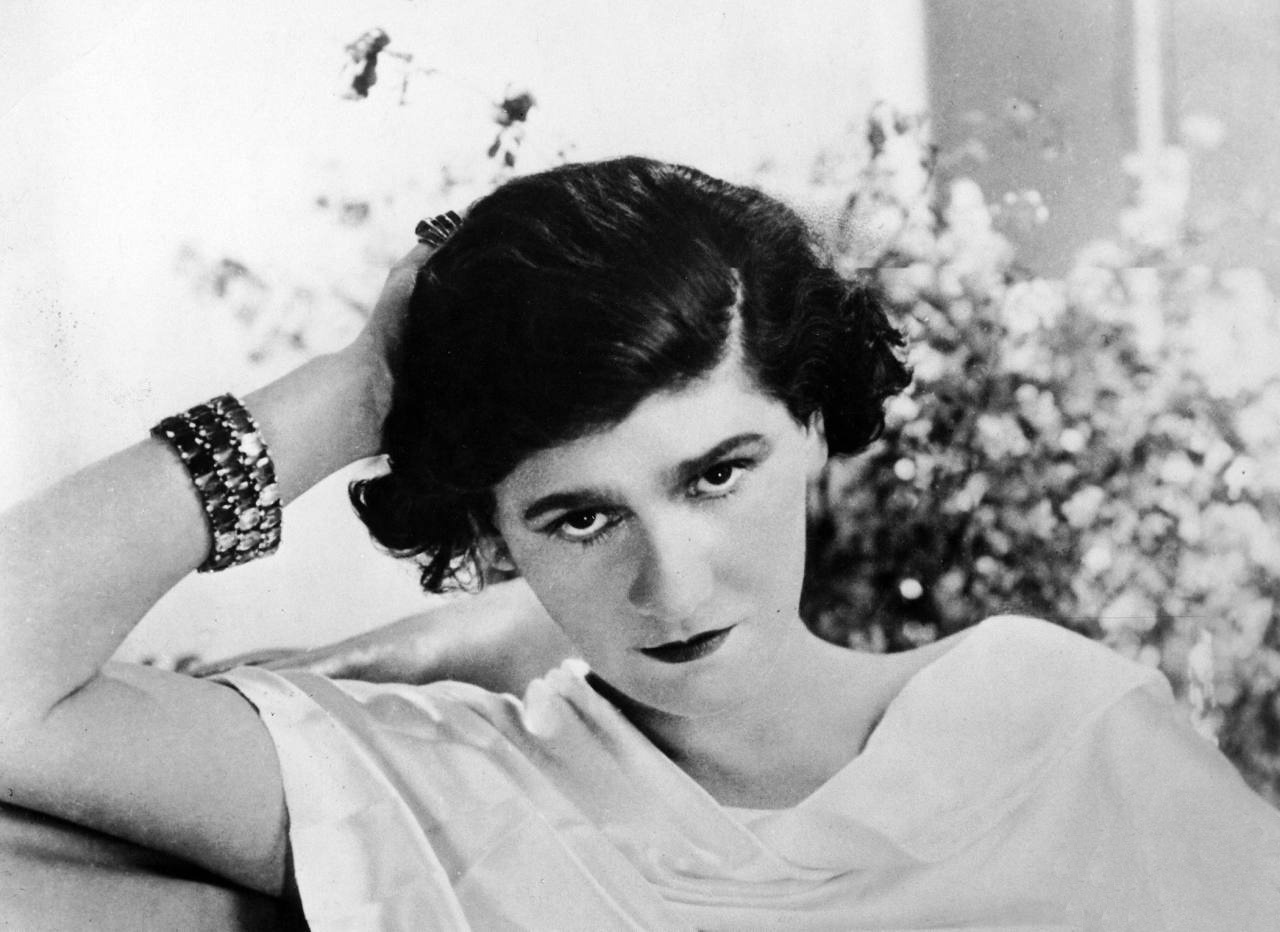
Key Takeaways for Coco Chanel: The Pioneer of Modern Fashion
Coco Chanel revolutionized women’s fashion by introducing timeless elegance through the Little Black Dress, Chanel No. 5 perfume, and tweed suits. Her brand remains a global symbol of sophistication and modern femininity.
Key Highlights:
- Creator of the Little Black Dress.
- Iconic Chanel No. 5 fragrance.
- Legacy of Parisian chic and elegance.
Coco Chanel: The Pioneer Who Changed Women’s Fashion Forever
Gabrielle Bonheur Chanel, widely known as Coco Chanel, was not just a fashion designer—she was a cultural icon. Born in France in 1883, her rise from a humble background to one of the most powerful names in the fashion world is legendary. Coco Chanel redefined 20th-century women’s fashion by introducing a modern, minimalist, and sophisticated approach that prioritized comfort, simplicity, and elegance.
Breaking Free from Corsets: A New Era of Comfort and Elegance
One of Chanel’s most revolutionary contributions to fashion was liberating women from the constraints of tight corsets and heavy gowns. She replaced rigid silhouettes with relaxed fits that celebrated freedom of movement. Using jersey fabric, typically reserved for men’s underwear at the time, she created refined yet casual pieces that were both stylish and practical. This radical shift laid the foundation for the modern woman’s wardrobe.
Her designs echoed the evolving roles of women in society—women who were becoming more independent, confident, and active. Chanel introduced wide-leg trousers, blazers, and sailor-inspired pieces, which were groundbreaking for the era and reflected her belief that luxury must also be comfortable.
Little Black Dress: A Global Fashion Staple
In 1926, Coco Chanel unveiled the now-iconic “Little Black Dress” (LBD), which would become one of the most enduring fashion statements of all time. Designed to be versatile, affordable, and flattering, the LBD transformed how women approached formal and casual dressing. Vogue once compared it to the Ford Model T—universally accessible and indispensable.
Even today, fashion designers and influencers continue to reinterpret the LBD, keeping Chanel’s spirit alive. The concept of minimalist chic, which Coco pioneered, remains a dominant fashion trend in luxury markets worldwide.
Chanel No.5: The First Modern Perfume
Beyond clothing, Chanel made an indelible mark in the luxury fragrance industry with the launch of Chanel No.5 in 1921. Created in collaboration with perfumer Ernest Beaux, Chanel No.5 was the first perfume to use complex aldehydes, offering a scent unlike any other. It became a symbol of femininity, sophistication, and timeless luxury—further elevating the Chanel brand as a lifestyle empire.
Today, Coco Chanel’s legacy endures not only through the continued success of the Chanel fashion house but also in the DNA of modern style—empowering women through fashion that’s timeless, bold, and elegantly understated.
- Sources Include / Discover More: Enter the World of Chanel
- Also Read: Top Cities in the World
#2
Giorgio Armani
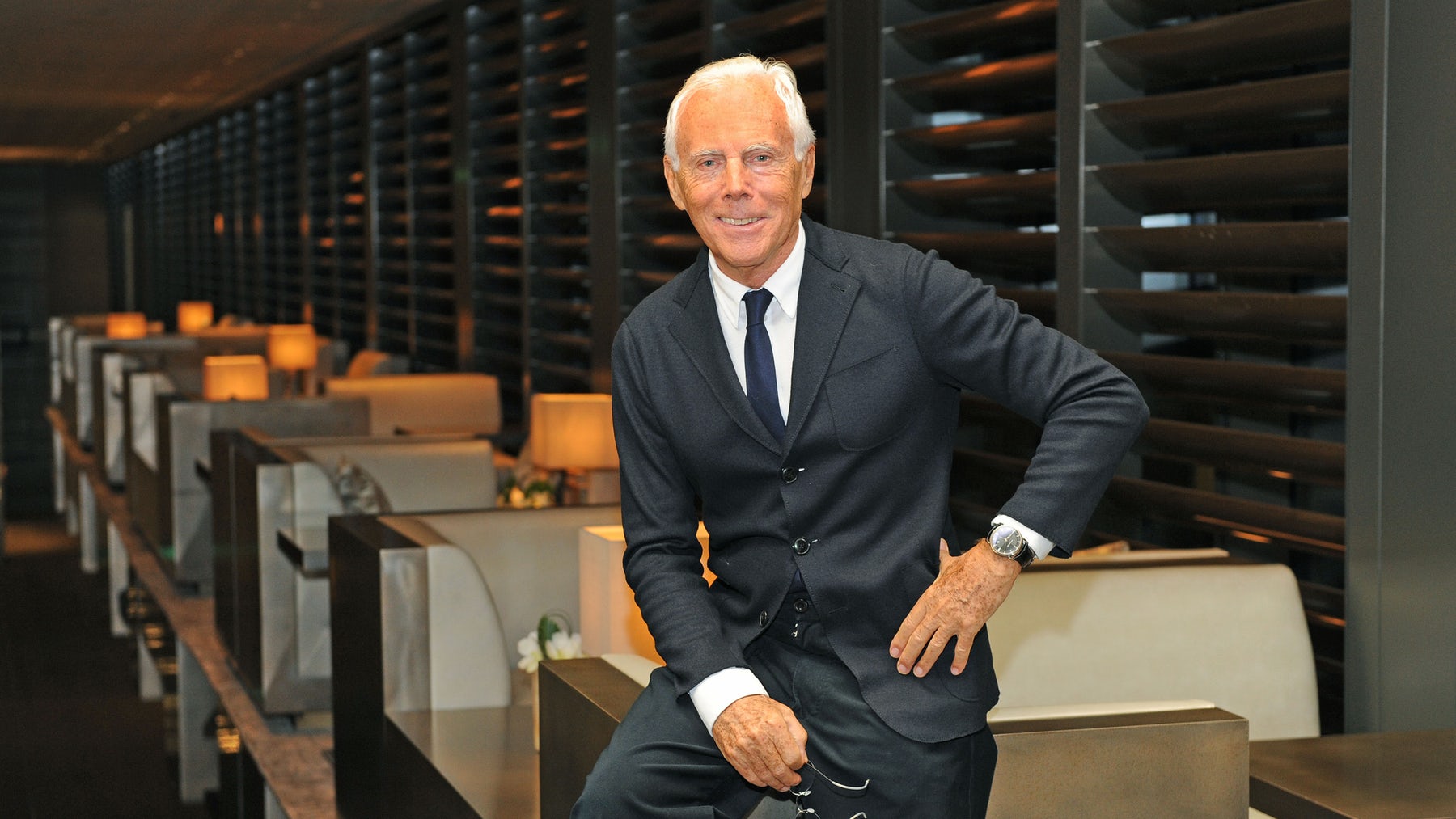
Key Takeaways for Giorgio Armani: The Maestro of Minimalism
Giorgio Armani redefined menswear with relaxed yet refined tailoring, creating the iconic Armani suit. His brand is synonymous with Italian luxury, minimalism, and global red-carpet glamour.
Key Highlights:
- Renowned for power suits and clean lines.
- Pioneer of Italian minimalist style.
- Influential in Hollywood fashion.
Giorgio Armani: Master of Tailored Sophistication and Timeless Menswear
Giorgio Armani is universally recognized as the king of minimalist elegance and one of the most influential fashion designers in the world. Born in 1934 in Piacenza, Italy, Armani redefined luxury menswear and revolutionized power dressing for both men and women. His clean, understated aesthetic set a new global standard for style—one that emphasizes fit, fluidity, and fine craftsmanship over excessive flair.
Reinventing the Modern Suit: Soft Structure and Italian Precision
Before Armani, suits were often rigid, boxy, and uncomfortable. In the mid-1970s, he introduced the unstructured blazer—a revolutionary concept that stripped away inner linings and padding, allowing jackets to drape naturally over the body. This soft tailoring approach provided a relaxed fit without sacrificing elegance, marking a turning point in men’s fashion.
With his brand launch in 1975, Armani quickly gained a cult following among professionals, celebrities, and fashion-forward individuals. His suits became the go-to look for men who wanted to project confidence, authority, and refined taste. Hollywood soon followed, with Richard Gere’s wardrobe in American Gigolo (1980) serving as a global showcase of Armani’s sleek styling.
Power Dressing for Women: Confidence Meets Couture
While Armani gained fame through menswear, he was equally impactful in transforming women’s fashion. His sharply tailored pantsuits for women broke away from traditional femininity and offered a powerful, gender-neutral style that symbolized independence and empowerment. These pieces became staples for businesswomen and professionals, especially during the rise of corporate culture in the 1980s.
The Armani woman was elegant, intelligent, and strong—qualities that resonated with high-end clientele worldwide. His neutral color palettes, luxurious fabrics, and flawless tailoring made each piece feel timeless, not trendy.
Global Luxury Brand: From Runways to Red Carpets
Today, Giorgio Armani’s fashion empire spans ready-to-wear, haute couture, accessories, fragrances, and interior design. Armani Privé, his couture label, regularly appears on red carpets at the Oscars and Cannes, cementing his position among the most powerful fashion designers in the luxury world.
His signature aesthetic—refined minimalism with a modern edge—continues to influence top fashion brands and designers. For those searching for the best luxury suits, designer evening wear, or premium Italian fashion, Giorgio Armani remains the benchmark for sophistication, craftsmanship, and timeless elegance.
- Sources Include / Discover More: Giorgio Armani, An Italian Fashion Designer
- Also Read: Top Web Hosting Companies in the World
#3
Karl Lagerfeld
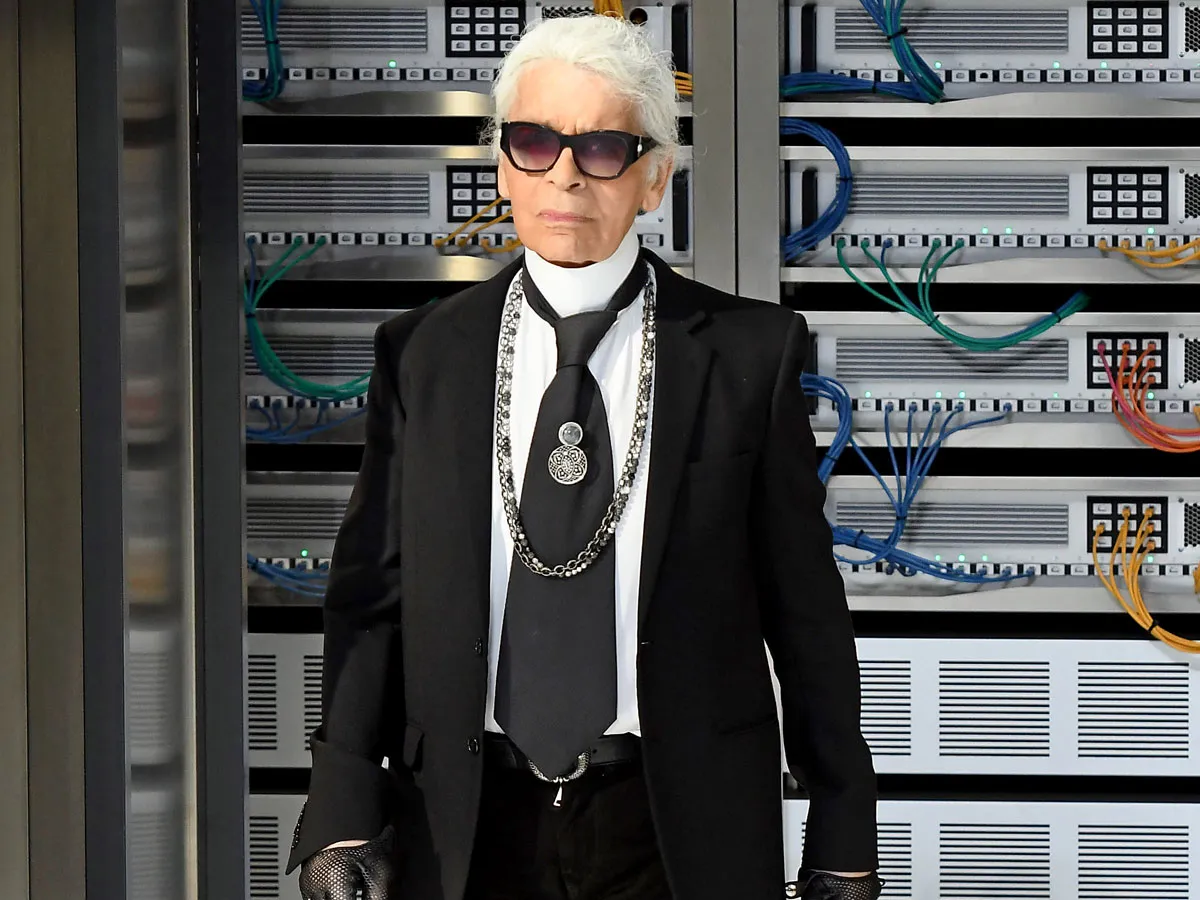
Key Takeaways for Karl Lagerfeld: The Icon with a Vision
Karl Lagerfeld modernized Chanel and built a reputation as one of fashion’s greatest visionaries. His bold creativity, prolific output, and iconic personal style cemented his place in luxury fashion history.
Key Highlights:
- Creative director of Chanel and Fendi.
- Fusion of tradition and modernity.
- Known for groundbreaking runway shows.
Karl Lagerfeld: The Iconic Creative Force Behind Fashion’s Biggest Names
Karl Lagerfeld wasn’t just a fashion designer—he was a phenomenon. Known for his instantly recognizable look—white ponytail, black sunglasses, and fingerless gloves—Lagerfeld served as a creative powerhouse for some of the most prestigious fashion houses in the world. Born in Hamburg, Germany, in 1933, he became synonymous with innovation, reinvention, and high fashion excellence.
His legendary career spanned over six decades, during which he shaped the visual identity and commercial success of Chanel, Fendi, and his own eponymous brand, Karl Lagerfeld.
Chanel’s Savior: Breathing New Life Into a Sleeping Giant
Perhaps Lagerfeld’s most iconic contribution was his role in reviving the House of Chanel. When he took over as creative director in 1983, Chanel was seen as outdated and uninspired. But Lagerfeld infused the brand with edgy glamour while still honoring Coco Chanel’s original legacy.
He reimagined the classic tweed suit, turned the interlocking “CC” logo into a global symbol of luxury, and brought a modern attitude to timeless pieces. His runway shows were legendary—think life-size supermarket sets, rocket ship launches, and even a Chanel airport terminal. Under Lagerfeld’s direction, Chanel transformed into a billion-dollar powerhouse and one of the most influential luxury brands in the world.
Fendi and Beyond: A Master of Reinvention
Lagerfeld’s creative genius wasn’t limited to Chanel. He served as the creative director for Fendi from 1965 until his death in 2019, the longest collaboration in fashion history. At Fendi, he transformed fur from a conservative material into a playful and avant-garde medium, challenging conventional norms and pushing design boundaries.
He also launched his own fashion label, Karl Lagerfeld, known for bold designs that fused Parisian chic with rock-infused modernism. It offered a more accessible version of Lagerfeld’s distinctive style, making his creativity available to a wider audience.
Lagerfeld: A Legacy That Continues to Inspire
Karl Lagerfeld’s influence on the fashion world is immeasurable. His ability to blend classic and contemporary, art and commerce, made him a rare visionary in an industry driven by change. From couture runways to ready-to-wear collections, his designs continue to inspire new generations of designers, stylists, and fashion lovers.
For anyone searching for timeless luxury, bold innovation, or the greatest fashion designers of all time, Karl Lagerfeld remains an unparalleled icon.
- Sources Include / Discover More: Karl Lagerfeld, German Fashion Designer and Photographer
- Also Read: Top Organic Food Brands in the World
#4
Donatella Versace
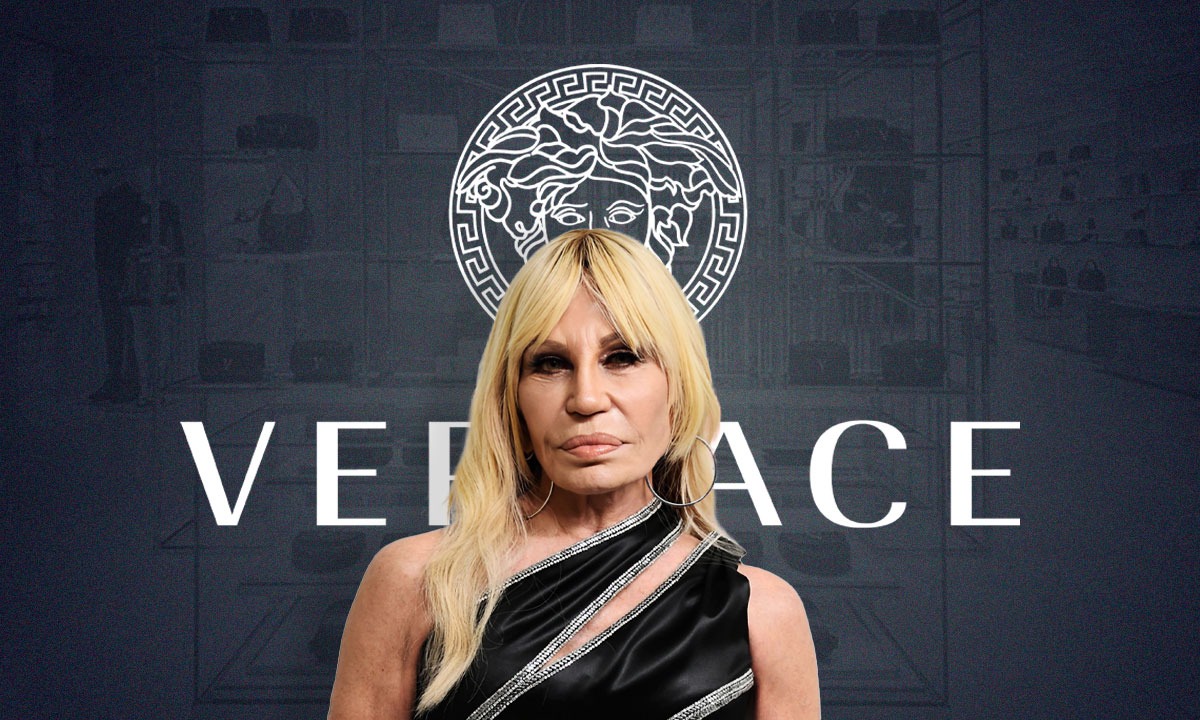
Key Takeaways for Donatella Versace: Bold and Fearless
Donatella Versace elevated the Versace brand with bold, glamorous, and fearless designs. Her vibrant collections embody luxury, sex appeal, and celebrity culture, making Versace a global powerhouse.
Key Highlights:
- Known for daring, colorful fashion.
- Maintains Gianni Versace’s legacy.
- Strong presence in celebrity red carpet style.
Donatella Versace: The Fearless Queen of Bold and Glamorous Fashion
Donatella Versace is a name that radiates power, sensuality, and unapologetic glam. As the artistic director and driving force behind the luxury fashion house Versace, she has transformed her brother Gianni Versace’s legacy into a global empire known for its fearless style, provocative campaigns, and celebrity appeal.
Born in 1955 in Reggio Calabria, Italy, Donatella was more than just a muse—she was a businesswoman, designer, and creative leader who helped shape one of the most iconic fashion labels in the world.
Carrying Gianni Versace’s Vision Forward
After the tragic assassination of her brother Gianni Versace in 1997, Donatella stepped into the role of chief designer—a position many doubted she could fill. But she quickly proved her critics wrong by honoring his flamboyant legacy while evolving the brand into a modern symbol of strength and sex appeal.
She preserved the signature Baroque prints, Greek key motifs, bold gold accents, and seductive silhouettes that defined Gianni’s aesthetic, but infused them with her own edgy, rock ’n’ roll sensibility. Under her leadership, Versace became more than just a fashion house—it became a lifestyle and cultural movement.
Red Carpet Dominance and Pop Culture Power
Donatella’s designs are built to be seen—and remembered. From Hollywood’s biggest red carpets to the stages of global music tours, her creations command attention. Who could forget Jennifer Lopez’s green jungle-print dress at the 2000 Grammy Awards? That iconic Versace gown not only broke the internet—it inspired the creation of Google Images.
Celebrities like Lady Gaga, Beyoncé, Gigi Hadid, and Blake Lively frequently wear Versace, helping to keep the brand at the forefront of fashion media. Donatella’s ability to fuse high fashion with celebrity culture has given Versace unmatched relevance in pop culture for decades.
Reinventing the Modern Female Power Icon
Donatella Versace designs for the confident, powerful, and sensual woman. Her collections are not just about clothing—they’re about attitude, empowerment, and self-expression. She continues to challenge norms by embracing inclusivity, diversity, and innovation.
For anyone seeking a luxury fashion designer known for bold prints, vibrant colors, and red-carpet glamour, Donatella Versace is the ultimate trailblazer. She has redefined what it means to be both feminine and fierce in the modern world of high fashion.
- Sources Include / Discover More: Donatella Versace, An Italian Fashion Designer
- Also Read: Top Cryptocurrencies in the World
#5
Yves Saint Laurent
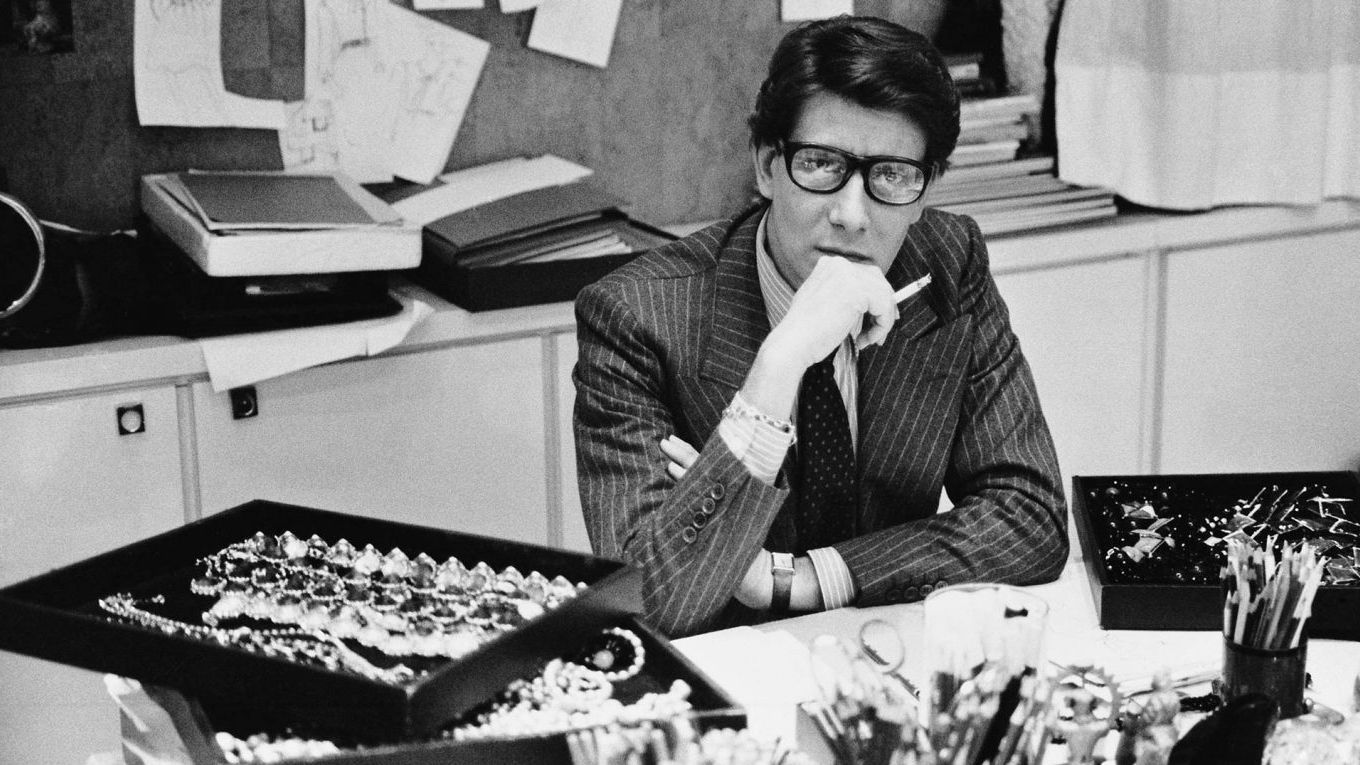
Key Takeaways for Yves Saint Laurent: The Master of Reinvention
Yves Saint Laurent revolutionized women’s fashion with designs like Le Smoking tuxedo, safari jackets, and prêt-à-porter collections. His work continues to influence modern couture and ready-to-wear fashion.
Key Highlights:
- Introduced tuxedo suits for women.
- Pioneered ready-to-wear luxury.
- Bold mix of gender and cultural influences.
Yves Saint Laurent: The Visionary Who Revolutionized Gender and Style
Yves Saint Laurent, the iconic French fashion designer, was far more than a couturier—he was a cultural force who redefined fashion and gender expression in the 20th century. Known for his bold creativity, refined elegance, and social defiance, Saint Laurent broke down barriers between masculinity and femininity, creating timeless looks that still dominate runways and wardrobes today.
His influence on modern fashion, luxury design, and women’s empowerment through clothing is legendary, making him one of the most celebrated names in the global fashion industry.
Saint Laurent: The Power of Le Smoking - Tuxedo Tailoring for Women
In 1966, Saint Laurent introduced “Le Smoking,” a tuxedo suit for women—a daring move that challenged fashion’s gender norms. At a time when women were still expected to wear dresses in formal settings, Saint Laurent gave them a tool for empowerment: a sharply tailored, elegant, and androgynous alternative that exuded strength and sophistication.
“Le Smoking” was more than just a tuxedo—it was a symbol of independence. It celebrated a woman’s right to dress with authority and elegance without sacrificing femininity. Celebrities, models, and feminists alike embraced the look, and today, it remains a core piece in the legacy of gender-fluid fashion and luxury womenswear.
Iconic Designs: From the Mondrian Dress to Safari Jackets
Saint Laurent’s genius extended far beyond suits. In 1965, he shocked and delighted the fashion world with the Mondrian dress, a minimalist shift featuring bold color-blocked patterns inspired by Dutch painter Piet Mondrian. It blurred the lines between fashion and modern art, reinforcing YSL’s status as a designer with cultural depth.
He also introduced the safari jacket and saharienne dress, transforming utilitarian garments into elegant, high-fashion statements. These pieces merged global inspiration with Parisian flair, offering adventurous silhouettes that appealed to stylish, independent women.
YSL: A Legacy of Rebellion and Refinement
Yves Saint Laurent’s career was marked by a fearless embrace of change, diversity, and cultural commentary. He was one of the first designers to feature Black models on the runway and consistently pushed boundaries in fashion advertising and presentation.
Today, the YSL brand stands for luxury, innovation, and artistic rebellion. His designs continue to inspire modern collections, proving that fashion can be both provocative and timeless. For those seeking a designer who reshaped fashion’s purpose and possibilities, Yves Saint Laurent remains unmatched.
- Sources Include / Discover More: Yves Saint Laurent, A French Fashion Designer
- Also Read: Top Real Estate Markets in the World
#6
Ralph Lauren
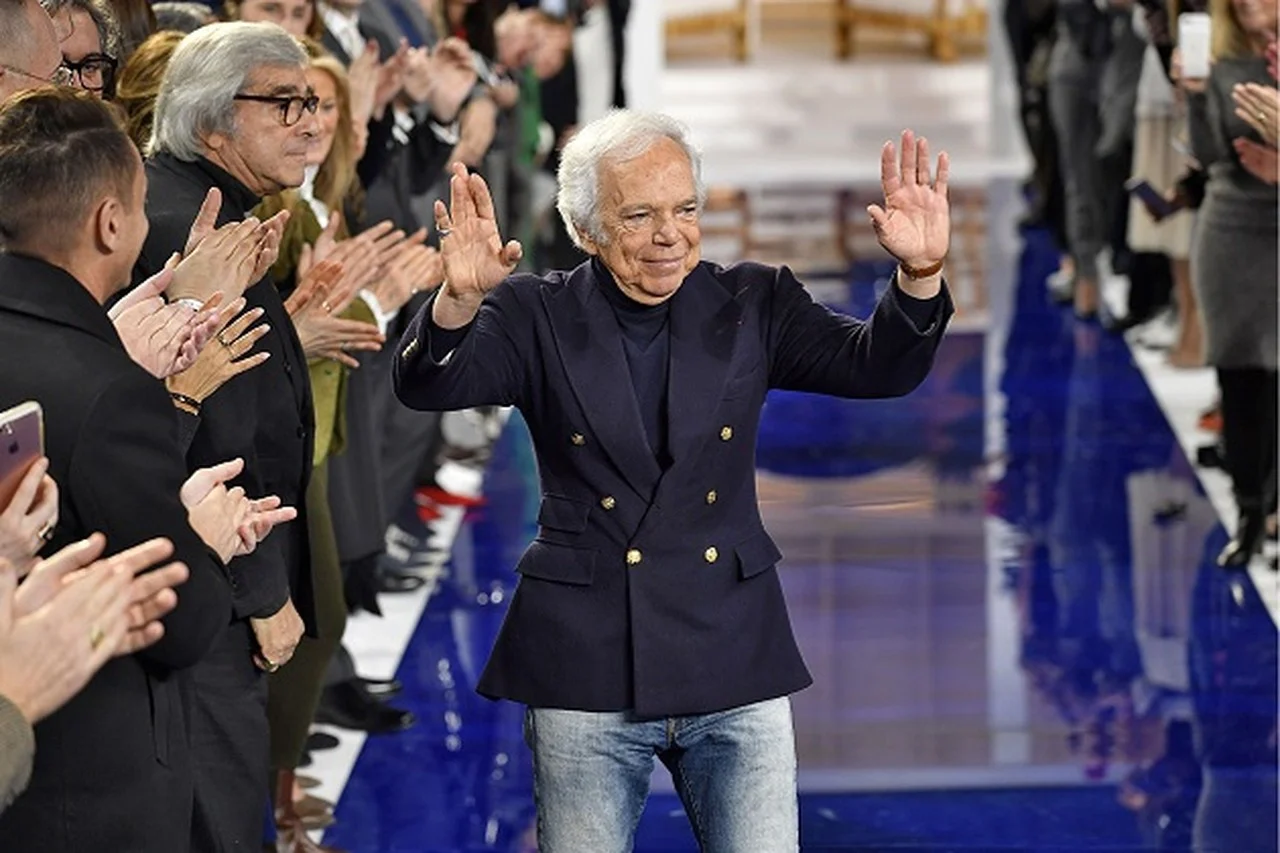
Key Takeaways for Ralph Lauren: The American Dream Woven in Fabric
Ralph Lauren built an empire around the American dream with Polo Ralph Lauren. His brand represents timeless lifestyle fashion, blending casual elegance with luxury across clothing, home, and accessories.
Key Highlights:
- Creator of Polo Ralph Lauren.
- Icon of American luxury fashion.
- Expanded into lifestyle and home décor.
Ralph Lauren: The Mastermind of American Elegance and Lifestyle Fashion
Ralph Lauren is not just a fashion designer—he is the architect of an entire lifestyle. With a career that spans over five decades, Lauren built a globally recognized empire rooted in classic American style, aspirational living, and timeless elegance. From luxury clothing to home decor and fragrances, his brand redefined what it means to live the American dream—stylishly.
Today, the Ralph Lauren label stands as one of the most successful and enduring names in fashion, known for its blend of sophistication, tradition, and modern appeal.
Ralph Lauren Polo: Reinventing Preppy Style with Polo Ralph Lauren
When Ralph Lauren launched his brand in 1967, starting with a line of wide neckties, few could have predicted the cultural revolution he would ignite. His Polo Ralph Lauren line introduced the world to preppy fashion—think tailored blazers, Oxford shirts, khaki trousers, and the iconic Polo shirt.
Lauren’s designs weren’t just clothing—they were stories. Each collection evoked a world of Hamptons summer estates, Ivy League campuses, equestrian elegance, and country club ease. His preppy aesthetic blended sport, heritage, and sophistication, appealing to both the elite and everyday consumers aspiring to live that lifestyle.
The Polo Player Logo: A Global Symbol of Luxury and Status
Few logos in fashion are as globally recognizable as the Ralph Lauren Polo player. More than just a branding tool, it became a symbol of luxury, confidence, and refined taste. Lauren’s designs achieved the rare feat of being both aspirational and accessible, worn by royalty, celebrities, and millions around the world.
From the U.S. Olympic uniforms to the red carpet, Ralph Lauren’s presence is everywhere. His attention to quality, detail, and storytelling has made his brand synonymous with the luxury American fashion lifestyle.
Ralph: A Lasting Legacy Built on Authenticity
Ralph Lauren’s vision has always been clear: to design timeless pieces that reflect personal style and enduring quality. He brought runway fashion into real life, allowing people to not only wear fashion, but live it.
For those searching for timeless menswear, luxury lifestyle branding, and the embodiment of classic American style, Ralph Lauren remains a true fashion legend.
- Sources Include / Discover More: Ralph Lauren, A Global Leader in Fashion
- Also Read: Top Fitness Trends in the World
#7
Christian Dior
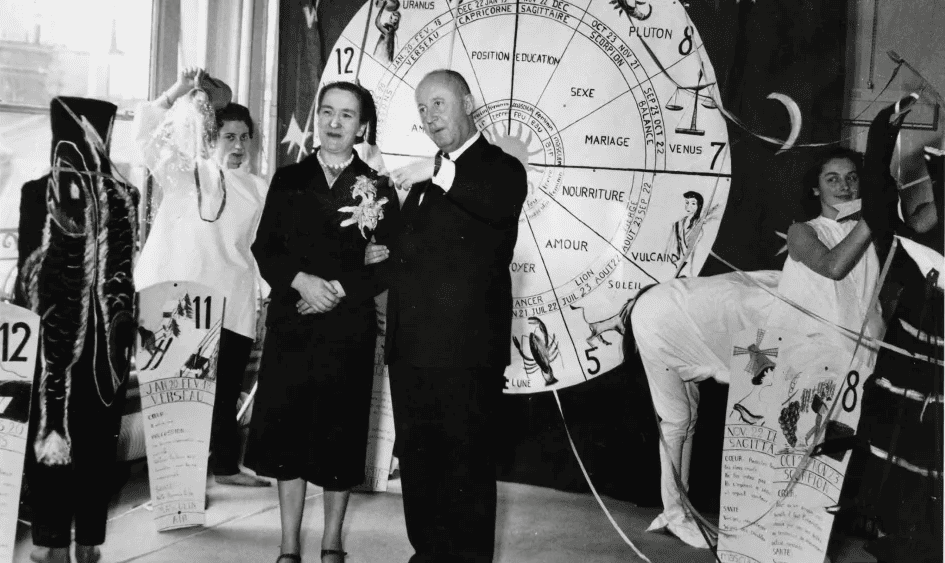
Key Takeaways for Christian Dior: The Inventor of New Look
Christian Dior reshaped post-war fashion with his “New Look,” emphasizing femininity through cinched waists and flowing skirts. The Dior brand remains at the forefront of haute couture and global luxury.
Key Highlights:
- Revolutionary “New Look” silhouette.
- Global leader in haute couture.
- Heritage brand with modern influence.
Christian Dior: The Visionary Who Brought Glamour Back to Post-War Fashion
Christian Dior wasn’t just a designer—he was a revolutionary force who reshaped the fashion world in the aftermath of World War II. Launching his fashion house in 1946, Dior offered a new vision of beauty and femininity at a time when Europe was still reeling from the devastation of war. His bold, elegant designs lifted the spirits of a battered society and ushered in a new era of luxury, romance, and refined glamour.
Dior’s creations weren’t just clothes; they were symbols of rebirth. His vision helped Paris reclaim its status as the global capital of fashion.
The “New Look”: A Feminine Revolution in Couture
In 1947, Christian Dior debuted his first haute couture collection, featuring what would become famously known as the “New Look.” This groundbreaking style featured cinched waists, soft shoulders, full skirts, and accentuated busts, all of which emphasized an hourglass silhouette. It was a striking departure from the boxy, fabric-conserving styles worn during the war years.
The New Look reintroduced opulence to women’s fashion. With voluminous skirts crafted from luxurious fabrics like silk and taffeta, Dior reasserted femininity and elegance. He brought couture back to life with an emphasis on craftsmanship, detail, and romanticism. For many women, the New Look was empowering—it celebrated their form and brought beauty and celebration back into daily life.
Dior: Impact on Post-War Europe and Global Fashion
Dior’s influence was immediate and far-reaching. His designs not only revitalized the French fashion industry but also set the tone for global style in the 1950s and beyond. As nations recovered from war, Dior’s creations offered escapism, hope, and a return to personal expression through fashion.
His work inspired countless designers and transformed Parisian haute couture into a commercial and cultural powerhouse. From Hollywood actresses to royalty, women around the world clamored to wear Dior, making him a true global icon of luxury.
Legacy of Elegance and Innovation
Christian Dior’s fashion house became a symbol of timeless sophistication. Even decades after his passing, the Dior name continues to represent elegant women’s fashion, high-end couture, and creative innovation. Every collection that bears his name echoes the legacy of the New Look—an enduring tribute to femininity and grace.
- Sources Include / Discover More: Christian Dior: A French Fashion Designer
- Also Read: Top Companies in the World
#8
Alexander McQueen

Key Takeaways for Alexander McQueen: The Rule Breaker
Alexander McQueen stunned the fashion world with dark, theatrical, and avant-garde creations. His artistry and dramatic runway shows made him one of the most innovative designers of his generation.
Key Highlights:
- Master of gothic-inspired couture.
- Known for theatrical runway shows.
- Blended art and fashion seamlessly.
Alexander McQueen: The Dark Genius of Avant-Garde Fashion
Alexander McQueen was not just a fashion designer—he was a theatrical storyteller, a visionary artist, and a provocateur. Widely regarded as one of the most influential British fashion designers of the 21st century, McQueen challenged every rule in haute couture with his boundary-breaking designs, emotionally powerful runway shows, and deep connection to gothic and historical themes.
His brand became synonymous with avant-garde fashion—a blend of romance, tragedy, and rebellion that blurred the line between fashion and fine art.
Theatrical Runway Shows That Redefined Fashion Storytelling
One of the hallmarks of Alexander McQueen’s legacy was his emotionally charged fashion shows. These were not mere presentations; they were fully immersive spectacles—complete with cinematic staging, haunting music, and narrative arcs that took audiences through love, pain, death, and beauty.
From the iconic “Highland Rape” collection to the holographic illusion of Kate Moss in “Widows of Culloden,” McQueen created runway experiences that provoked thought and stirred emotion. He was known for tapping into themes of death, nature, sexuality, and historical conflict—making his work both controversial and unforgettable.
These shows positioned McQueen as not only a designer but a masterful dramatist of the fashion world.
McQueen: Gothic Aesthetic Meets Impeccable Tailoring
While McQueen’s aesthetic leaned heavily toward the gothic and macabre, his foundation was built on exceptional tailoring skills. Trained at Savile Row, he brought architectural precision to every garment, often crafting suits and dresses that sculpted the human body like armor.
His collections featured sharp cuts, exaggerated silhouettes, and fine detailing—marrying British tailoring traditions with dark romanticism. This combination created a distinct visual language that resonated with both fashion purists and avant-garde enthusiasts.
A Legacy That Transcends Fashion
Alexander McQueen’s impact is still felt deeply in today’s fashion landscape. His fashion house continues to lead in innovation, driven by his spirit of rebellion and artistry. McQueen didn’t just create clothes—he created moments, ideas, and legacies that continue to inspire designers, artists, and fashion lovers globally.
His fearless exploration of emotion, identity, and form established him as a true icon of gothic couture and theatrical fashion design.
- Sources Include / Discover More: Alexander McQueen, One of the Most Celebrated Fashion Designers of his Generation
- Also Read: Top Movies in the World
#9
Tom Ford
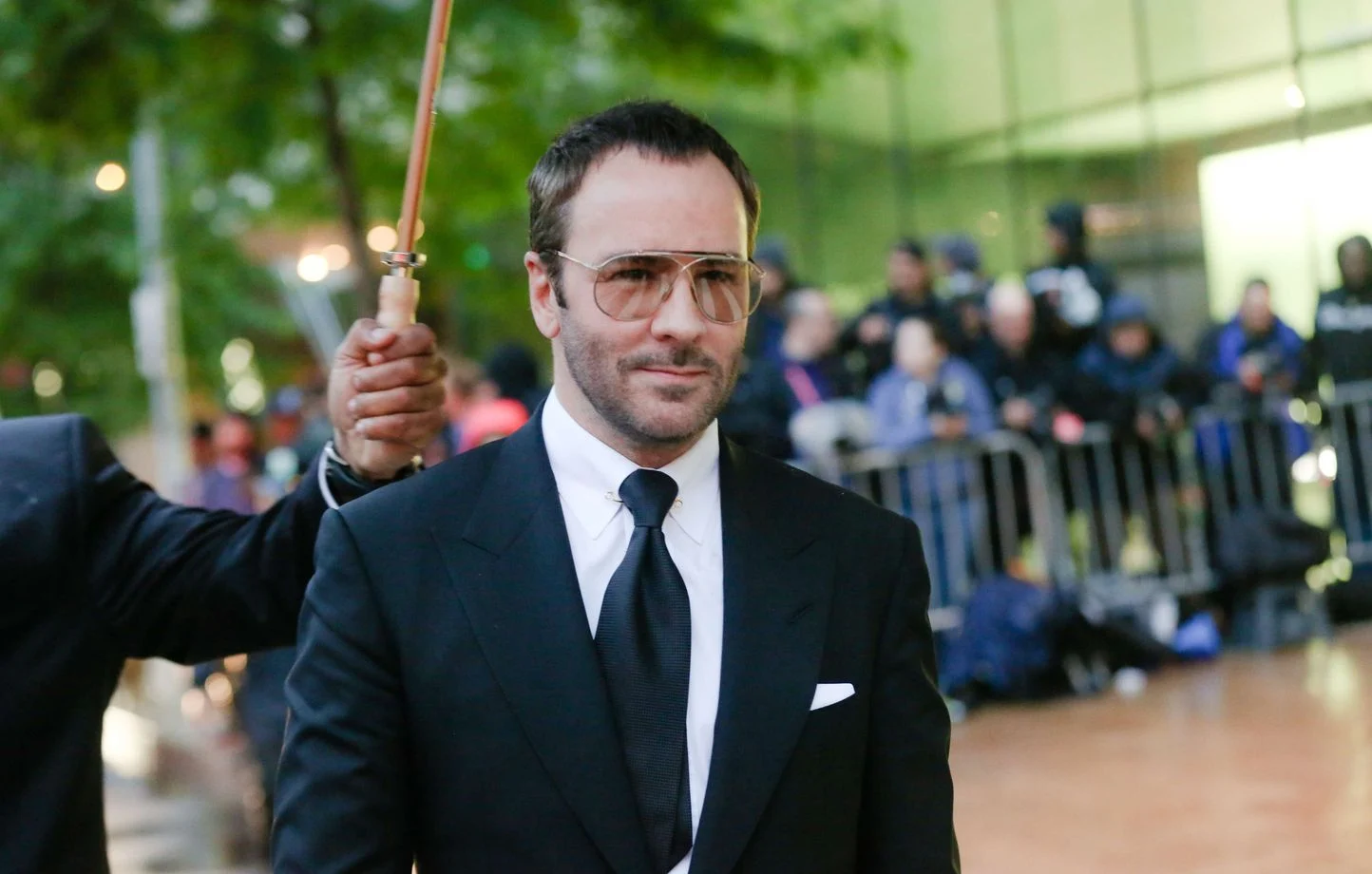
Key Takeaways for Tom Ford: Luxury with an Edge
Tom Ford revitalized Gucci in the 1990s and later built his own luxury empire. His designs blend bold sex appeal with modern sophistication, influencing both fashion and celebrity style.
Key Highlights:
- Revamped Gucci with provocative designs.
- Founder of Tom Ford luxury label.
- Iconic in menswear, womenswear, and fragrance.
Tom Ford: The Visionary Who Reimagined Luxury with Sex Appeal
Tom Ford is more than a fashion designer—he is a global style icon who brought glamour, seduction, and confidence back into fashion. Known for his razor-sharp aesthetics and commanding presence in both men’s and women’s fashion, Ford became a defining force in the late 20th and early 21st centuries. He’s one of the few designers to leave a lasting imprint not only through clothing but also through luxury fragrance, eyewear, and cinematic storytelling.
His name today is synonymous with modern sophistication, tailored elegance, and sensual luxury.
Reviving Gucci: A Fashion Renaissance in the ’90s
Before launching his own empire, Tom Ford was the creative mastermind behind one of fashion’s most iconic revivals—the resurrection of Gucci in the 1990s. When Ford joined Gucci in 1990 and later became Creative Director in 1994, the brand was struggling. Within a few short years, he turned it into the most desirable fashion house on the planet.
With bold cuts, glossy fabrics, and unapologetically sexy advertising campaigns, Ford redefined what luxury looked like. His 1995 collection featuring plunging necklines, velvet suits, and metallic blouses became an instant classic and reestablished Gucci as the go-to label for high-end seduction.
This Gucci revival wasn’t just a financial success—it became a cultural movement that influenced the entire fashion industry.
Ford Brand: Sophistication Meets Seduction
After leaving Gucci and Yves Saint Laurent in 2004, Ford launched his own label, Tom Ford, which quickly gained a reputation for redefining modern menswear and eveningwear. His suits became a staple for red carpets, worn by A-list celebrities and power players alike. He introduced a brand where every piece—from tuxedos to sunglasses—embodied luxury, power, and sensuality.
Beyond fashion, Ford expanded into luxury beauty and fragrance, with bestsellers like Tom Ford Black Orchid and Oud Wood dominating the high-end scent market. His approach to fragrance mirrors his design philosophy—bold, elegant, and unforgettable.
A Global Empire of High Fashion and Cinematic Elegance
Tom Ford is not just a name but a global empire rooted in elevated design, sex appeal, and timeless class. From leading fashion houses to launching blockbuster films, Ford continues to influence global culture with an unmatched blend of style and storytelling.
- Sources Include / Discover More: An American Fashion Designer and Filmmaker
- Also Read: Top Richest Universities in the World
#10
Marc Jacobs
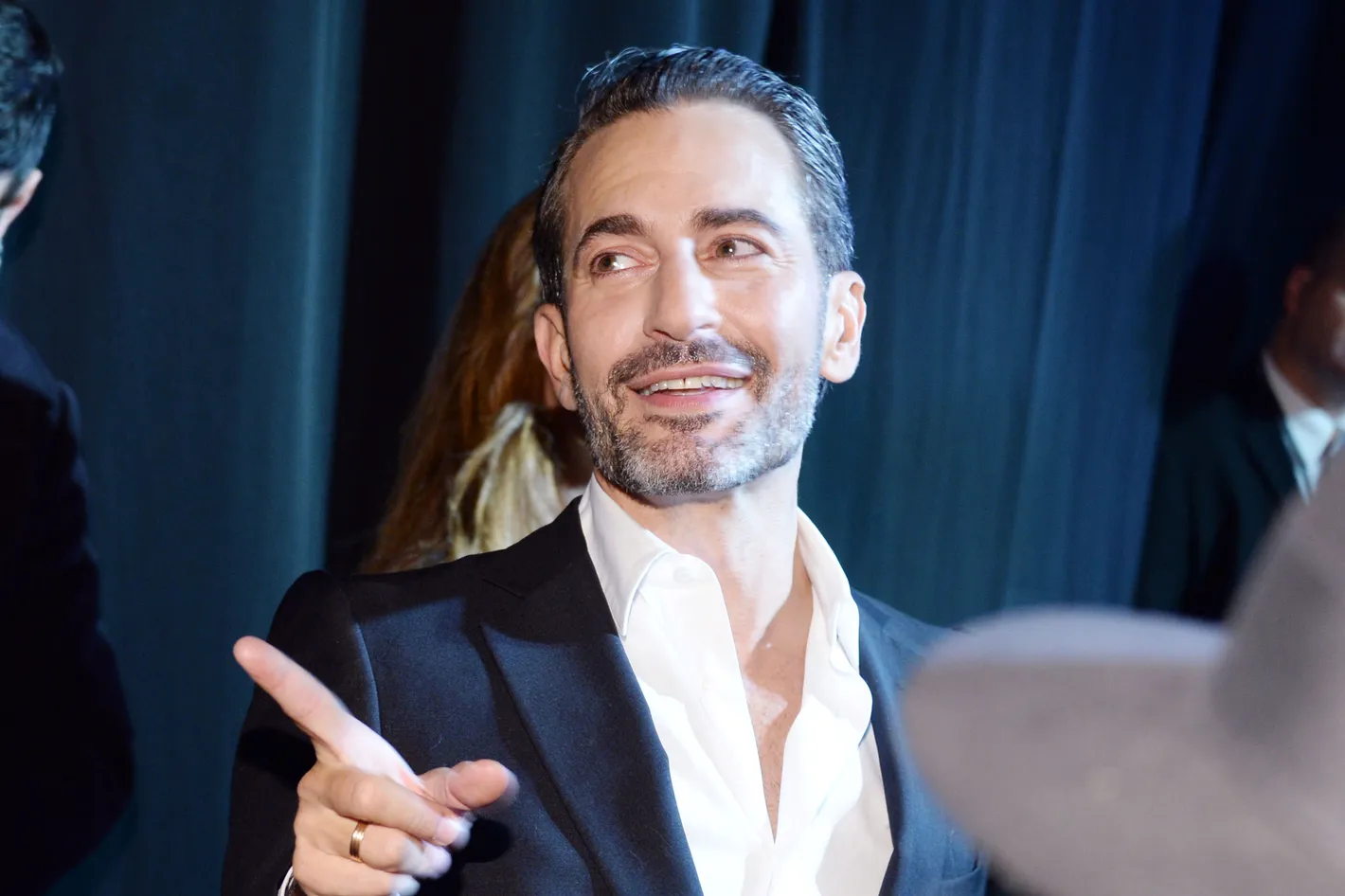
Key Takeaways for Marc Jacobs: Art Meets Apparel
Marc Jacobs brought creativity and youthfulness into modern fashion with eclectic designs. His work at Louis Vuitton and his own label cemented him as a key figure in American fashion innovation.
Key Highlights:
- Infused streetwear into luxury fashion.
- Transformed Louis Vuitton with artistic collaborations.
- Strong influence on youth and pop culture.
Marc Jacobs: The Creative Visionary Who Transformed American Fashion
Marc Jacobs is celebrated for his bold and quirky approach to fashion, revolutionizing modern American fashion with a blend of whimsy, artistry, and bold experimentation. As one of the most influential designers in the 21st century, Jacobs helped reshape the fashion landscape with a unique ability to mix high fashion with street-style influences, ensuring that his collections were as much about creativity and innovation as they were about luxury.
Known for injecting unexpected elements into his designs, Marc Jacobs’ collections have always captivated audiences with their unpredictability and artistic flair.
Marc Jacobs at Louis Vuitton: A Fusion of Classic Elegance and Street Style
Marc Jacobs made waves in the fashion world when he joined Louis Vuitton in 1997 as the creative director, marking a pivotal moment in the brand’s history. His work at Louis Vuitton injected modernity into the brand’s storied heritage, blending traditional craftsmanship with bold, innovative design elements.
Jacobs transformed Louis Vuitton’s iconic monogram bags into fashion-forward, statement pieces. He introduced collections that combined luxury with street style, from graphic prints to chic accessories that became fashion staples. His designs for Louis Vuitton were known for their creative collaborations, like the limited-edition pieces with artists such as Takashi Murakami, which brought an artistic and youthful edge to the brand’s classic aesthetic.
Through his vision, Jacobs helped Louis Vuitton maintain its status as a leader in high fashion while simultaneously attracting a younger, more diverse audience.
Marc Jacobs’ Eponymous Brand: A Blend of Playful Quirk and High Fashion
Marc Jacobs’ own brand, launched in 1986, embodies his distinctive artistic flair and love for experimentation. Known for playful quirkiness and avant-garde designs, Jacobs’ own collections became synonymous with bold colors, eclectic patterns, and unexpected fabric choices. His designs often tell a story, incorporating pop culture references and nods to fashion history.
Marc Jacobs has continually challenged the norms of American fashion, blending luxury with an urban edge. His ready-to-wear collections feature gender-neutral styles, exaggerated silhouettes, and striking accessories that appeal to fashion-forward individuals seeking creativity in everyday wear.
A Legacy of Creativity and Innovation
Marc Jacobs continues to be a driving force in the fashion world, revered for his ability to push boundaries while keeping his designs wearable and relevant. His legacy as a creative innovator who helped define modern American fashion is solidified through his continued success with his own brand and his groundbreaking work at Louis Vuitton.
- Sources Include / Discover More: Marc Jacobs, An American Fashion Designer
- Also Read: Top Brands in the World
Key FAQs on the 10 Top Fashion Designers in the World
Why is Coco Chanel regarded as one of the most influential fashion designers in history?
Coco Chanel is regarded as one of the most influential fashion designers in history for liberating women from restrictive corsets and redefining modern elegance.
She introduced timeless icons such as the Little Black Dress, Chanel No. 5 in 1921, and tailored tweed suits, reshaping luxury fashion. According to fashion historians and Britannica, her Paris fashion house permanently influenced women’s empowerment, haute couture, and global luxury aesthetics.
What makes Giorgio Armani a legendary name in luxury fashion?
Giorgio Armani became a legendary luxury fashion designer by redefining modern tailoring with unstructured suits and relaxed silhouettes.
Founded in 1975, the Armani brand transformed power dressing for executives, celebrities, and Hollywood icons. According to Vogue and Business of Fashion, his neutral palettes, fluid tailoring, and minimalist elegance reshaped menswear and red-carpet fashion, establishing Armani as a symbol of timeless Italian luxury worldwide.
What is Karl Lagerfeld best remembered for in the fashion world?
Karl Lagerfeld is best remembered for reinventing Chanel while simultaneously serving as creative director at Fendi and his own fashion label.
He modernized heritage codes such as tweed suits and quilted handbags, transforming runway shows into global cultural events. According to Chanel archives and fashion historians, Lagerfeld bridged classic luxury with contemporary innovation, making him one of the most influential designers in modern fashion history.
What defines Donatella Versace’s design style?
Donatella Versace’s design style is defined by bold glamour, sensual silhouettes, and unapologetic luxury aesthetics.
As creative director of Versace, she popularized metallic fabrics, daring cuts, vibrant prints, and iconic Medusa branding. According to Versace archives and Harper’s Bazaar, her designs dominate global red carpets, worn by A-list celebrities, positioning Versace as a symbol of provocative Italian fashion and celebrity-driven luxury culture.
Why is Yves Saint Laurent a revolutionary figure in fashion?
Yves Saint Laurent is considered a revolutionary fashion designer for redefining women’s power dressing and gender expression.
He introduced Le Smoking tuxedo and pioneered luxury prêt-à-porter, making high fashion accessible. According to the Metropolitan Museum of Art and fashion historians, YSL merged art, culture, and couture, transforming Parisian fashion into a global symbol of empowerment, modern elegance, and creative innovation.
What makes Ralph Lauren unique in the fashion industry?
Ralph Lauren is unique for creating a complete luxury lifestyle brand rooted in the American Dream.
Through Polo Ralph Lauren, he blended preppy elegance with casual sophistication, expanding into home décor, fragrances, and accessories. According to Forbes and Business of Fashion, his aspirational storytelling transformed fashion branding, making Ralph Lauren one of the most successful and influential American designers globally.
Why is Christian Dior’s “New Look” considered revolutionary?
Christian Dior’s 1947 “New Look” revolutionized fashion by restoring femininity after World War II.
Featuring cinched waists, structured tailoring, and voluminous skirts, it reshaped global couture standards. According to the Victoria and Albert Museum, the New Look revived Paris as the fashion capital and influenced decades of haute couture, establishing Dior as one of the most prestigious luxury fashion houses in history.
What set Alexander McQueen apart as a designer?
Alexander McQueen stood apart by merging dark romanticism, avant-garde artistry, and masterful tailoring.
His theatrical runway shows explored rebellion, history, and emotion, redefining fashion as wearable art. According to the British Fashion Council, McQueen’s legacy continues through couture craftsmanship, innovative silhouettes, and a lasting influence on contemporary luxury fashion and creative expression worldwide.
Why is Tom Ford known as a modern fashion icon?
Tom Ford is known as a modern fashion icon for revitalizing Gucci in the 1990s with bold sensuality and sharp tailoring.
He later launched his own luxury brand blending cinematic glamour and minimalist design. According to Vogue and Hollywood fashion archives, Ford’s influence dominates red carpets, making him a defining force in contemporary menswear, womenswear, and luxury aesthetics.
What makes Marc Jacobs one of America’s most innovative designers?
Marc Jacobs is one of America’s most innovative designers for blending streetwear, luxury, and pop culture.
As former creative director of Louis Vuitton, he pioneered artist collaborations that reshaped luxury branding. According to fashion critics and MoMA archives, his playful, youth-driven designs influence global trends, making Marc Jacobs a cross-generational cultural force in modern fashion.
The Role of Fashion Designers in Pop Culture
Collaborations with Celebrities
From Lady Gaga in McQueen to Beyoncé in Versace, fashion designers and celebrities go hand in hand. These partnerships amplify trends and keep designers at the forefront of public attention.
Red Carpet Influence
Designers like Dior, Chanel, and Armani dominate awards season, making red carpets unofficial runways where millions watch the latest couture.
How These Designers Influence Everyday Fashion
From Runway to Sidewalk
High fashion trickles down into mainstream clothing. A runway trend today becomes next season’s Zara collection—thanks to these visionaries.
High Fashion in Retail
From capsule collections in H&M to accessible lines in department stores, top designers have reshaped how regular people experience fashion.
Final Thoughts
Fashion is more than aesthetics—it is a powerful form of self-expression, a reflection of identity, and a cultural force that shapes the way we see the world. The 10 Top Fashion Designers in the World have left an indelible mark on history, transforming not just wardrobes, but entire lifestyles. From Coco Chanel’s liberation of women with effortless elegance, to Yves Saint Laurent’s groundbreaking gender-fluid designs, to Alexander McQueen’s theatrical artistry, each visionary redefined what style could be.
Their creations transcend trends, blending craftsmanship, innovation, and storytelling into garments that inspire generations. Tom Ford infused luxury with irresistible allure, while Christian Dior’s “New Look” revived post-war glamour. Designers like Marc Jacobs and Karl Lagerfeld not only built brands, but also became cultural icons in their own right.
Understanding these legendary designers means understanding the very essence of modern fashion—how it responds to social change, challenges conventions, and empowers individuality. Whether you are a fashion connoisseur or someone who simply appreciates a well-crafted outfit, the legacies of these designers are stitched into the very fabric of our lives. Their influence continues to shape the future of style, proving that fashion is art you can wear.
The 10 Top Fashion Designers Frequently Asked Questions (FAQs)
Coco Chanel is widely regarded as the most influential for transforming women's fashion and creating timeless pieces still worn today.
Christian Dior is synonymous with luxurious elegance, especially in haute couture.
Some, like Giorgio Armani, Donatella Versace, and Tom Ford, are active. Others like Coco Chanel, Karl Lagerfeld, and Yves Saint Laurent have passed, but their brands remain iconic.
Giorgio Armani and Ralph Lauren are among the most famous living designers today.
Through films, red carpets, advertising, and even politics—fashion designers shape not just what we wear but how we think about identity and image.
The top 10 fashion designers in the world include Coco Chanel, Yves Saint Laurent, Christian Dior, Alexander McQueen, Tom Ford, and others.
About the Author
This article was researched and prepared by the World Millions Editorial Team, specialists in global rankings, premium market analysis, structured comparisons, and high-value sector research across industries.
All content undergoes verification, editorial review, and periodic updates to ensure accuracy, clarity, and alignment with recognized industry standards, reliable institutional sources, and leading global authorities.
- Last Updated: March 27, 2026 by the World Millions Editorial Team
- Original Published Date: March 27, 2026
- View Our: Editorial Team | Sources | Disclaimer | Editorial Standards