- Home
- »
- World’s Most Popular
- »
- 10 Most Popular Cocktails in the World
10 Most Popular Cocktails
in the World
The most popular cocktails in the world represent the pinnacle of mixology, blending premium spirits, fresh ingredients, and timeless bar craftsmanship. From tequila and rum classics to elegant gin and vodka creations, these iconic drinks have defined global cocktail culture for decades.
Discover the 10 most popular cocktails in the world, ranked by worldwide popularity, cultural influence, and bartender recognition. From the refreshing Margarita and minty Mojito to the sophisticated Martini and bittersweet Negroni, these legendary cocktails continue to dominate bars, restaurants, and social gatherings across the globe.
On This Page
Toggle- Updated 2026 by the World Millions Editorial Team: View Author Information
What Makes a Cocktail Popular?
Balance of Taste and Visual Appeal
A cocktail that captures hearts usually nails the balance—sweet, sour, strong, and sometimes bitter, all harmoniously blended. But let’s be honest: it also needs to look good. A vibrant color, frosty rim, mint sprig, or citrus garnish makes it more than a drink—it’s eye candy.
Cultural Influence and History
Some cocktails gained fame thanks to iconic films, celebrities, or historical figures. Others have roots in specific cultures, with stories as rich as the flavors themselves. From Hemingway’s daiquiris to James Bond’s martinis, these drinks tell tales.
A Global Love Affair with Cocktails
Cocktails Across Continents
Rise of Mixology and Social Media
List of the Top 10 Most Popular Cocktails in the World
Discover the World’s Most Famous Cocktails — From timeless classics like the Margarita and Martini to tropical delights like the Piña Colada and Mojito, these are the drinks everyone’s talking about right now!
The art of mixology has produced countless iconic drinks, but only a few have stood the test of time to become global favorites. In this definitive guide to the 10 Most Popular Cocktails in the World, we explore the legendary recipes that dominate bars from New York to Tokyo. Whether you love the zesty kick of a Margarita, the minty freshness of a Mojito, or the smooth sophistication of a Martini, these drinks define cocktail culture worldwide.
Each of these popular cocktails tells a story — from Cuba’s tropical Daiquiri and Italy’s bold Negroni, to the USA’s timeless Old Fashioned. Crafted with precision and passion, these beverages showcase the world’s best spirits, including tequila, rum, gin, vodka, and bourbon.
This curated list not only ranks the best cocktails based on global popularity but also highlights their origin, flavor profile, and ideal occasion — whether it’s a beachside escape, elegant evening, or casual celebration.
So, raise your glass and explore the world’s top cocktails — where every sip reveals a mix of culture, flavor, and global charm.
| No. | Cocktail Name | Origin | Base Spirit | Flavor Profile | Best Occasion |
|---|---|---|---|---|---|
| 1 | Margarita | Mexico | Tequila | Citrusy, Tangy | Summer parties |
| 2 | Mojito | Cuba | White Rum | Minty, Refreshing | Beach or BBQ |
| 3 | Old Fashioned | USA | Bourbon | Strong, Slightly Sweet | Evening sipping |
| 4 | Piña Colada | Puerto Rico | White Rum | Creamy, Pineapple | Tropical getaway |
| 5 | Cosmopolitan | USA | Vodka | Tart, Slightly Sweet | Girls’ night out |
| 6 | Negroni | Italy | Gin | Bitter, Herbal | Aperitif |
| 7 | Daiquiri | Cuba | White Rum | Sour, Simple | Warm evenings |
| 8 | Martini | USA | Gin/Vodka | Dry, Clean | Sophisticated events |
| 9 | Moscow Mule | USA | Vodka | Zesty, Fizzy | Casual hangouts |
| 10 | Paloma | Mexico | Tequila | Grapefruit, Crisp | Daytime refreshment |
Discover the 10 Most Popular Cocktails in the World
Discover the world’s most iconic cocktails and the timeless flavors that have shaped global drinking culture. From tropical rum mixes to refined gin and whiskey classics, these drinks continue to dominate bars, restaurants, resorts, and home gatherings worldwide.
Whether you love something refreshing, bold, sweet, or spirited, the 10 Most Popular Cocktails in the World highlight the perfect balance of mixology craft and cultural history. These globally-loved drinks are more than recipes — they’re social experiences, signature tastes, and unforgettable moments in a glass. Cheers to finding your next favorite.
#1
Margarita
Key Takeaways for Margarita
Origin and Rise to Fame
Originating in Mexico in the 1930s or 40s (depending on the legend you believe), the Margarita quickly became the life of every party. With tequila as the star, it delivers a bold, citrusy punch that captures the spirit of Mexico. Today, it’s one of the most searched and ordered cocktails worldwide.
Key Ingredients and Taste
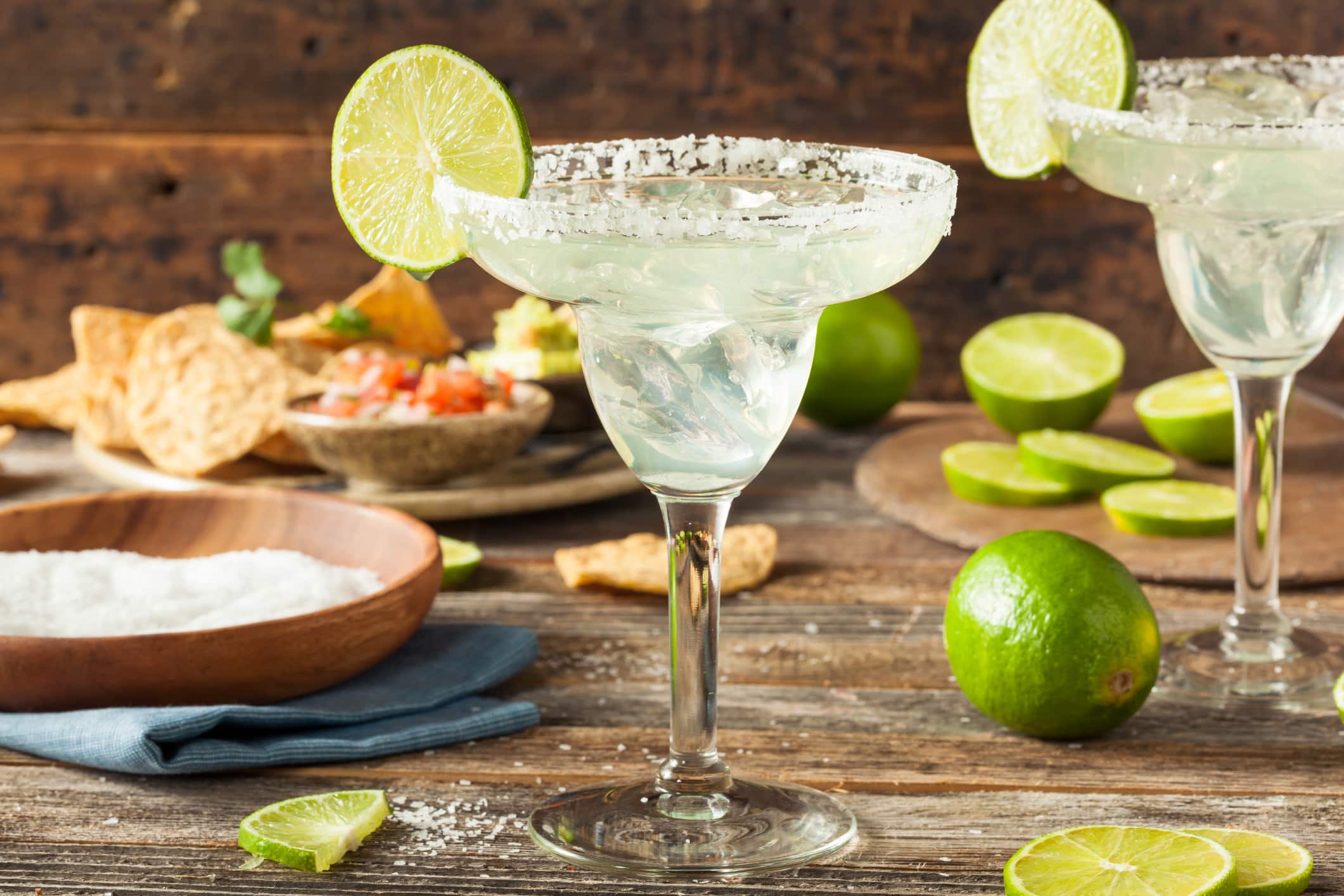
Lime juice, orange liqueur (like Triple Sec or Cointreau), and tequila blend beautifully over ice or frozen. The salted rim enhances every sip, creating the perfect balance of tangy, sweet, and salty.
Variations
From spicy jalapeño infusions to fruity strawberry, mango, or watermelon versions, the Margarita adapts to every mood and palate.
Margarita: The World's Most Popular Tequila Cocktail
The Margarita is hands down one of the most iconic and beloved cocktails worldwide. Known for its crisp citrus flavor and smooth tequila base, it’s a staple on every bar menu and a favorite at summer parties, beach vacations, and Mexican restaurants. Whether served frozen or on the rocks, the Margarita delivers a perfect balance of tart lime, sweet orange liqueur, and strong agave spirit, making it an irresistible choice for cocktail lovers everywhere.
Margarita's History and Origin
The origins of the Margarita are surrounded by debate and legend, but most agree it was created in Mexico sometime between the 1930s and 1940s. Several bartenders have claimed to be its inventor, but what’s certain is that it was made to highlight the bold flavors of tequila, which was gaining popularity in the U.S. at the time. Its name, “Margarita”, is Spanish for “daisy”—and it’s believed to be a spin-off of the Daisy cocktail style, which combines spirit, citrus, and sweetener.
Classic Margarita Ingredients and Flavor Profile
The classic Margarita recipe is simple and relies on a few high-quality ingredients:
- 2 oz tequila (preferably blanco)
- 1 oz fresh lime juice
- 1 oz orange liqueur (such as Triple Sec or Cointreau)
- Optional: agave syrup for added sweetness
- Salt for rimming the glass
This cocktail is tangy, slightly sweet, and sharply refreshing. The lime juice brings brightness, while the orange liqueur adds depth. When shaken with ice and served in a salt-rimmed glass, the result is an incredibly balanced and flavorful drink.
Most Popular Margarita Variations
The Margarita’s flexibility has led to countless creative variations. Some of the most popular and frequently ordered types include:
- Spicy Margarita (with jalapeño or chili)
- Strawberry Margarita (blended with fresh strawberries)
- Frozen Mango Margarita
- Coconut Margarita
Each version keeps the core structure but enhances the flavor with fruits, spices, or tropical twists—making it a favorite for every season and taste preference.
Why the Margarita Remains a Global Favorite
Easy to make, endlessly customizable, and always refreshing, the Margarita continues to dominate cocktail trends. Its rich combination of tequila, citrus, and culture ensures it will always have a place in any top cocktail ranking. Whether you’re a beginner or a seasoned mixologist, mastering the Margarita is a must.
- Sources Include / Discover More: Margarita, A Cocktail Consisting of Tequila, Triple Sec, and Lime Juice
- Also Read: Most Popular Cartoons in the World
#2
Mojito
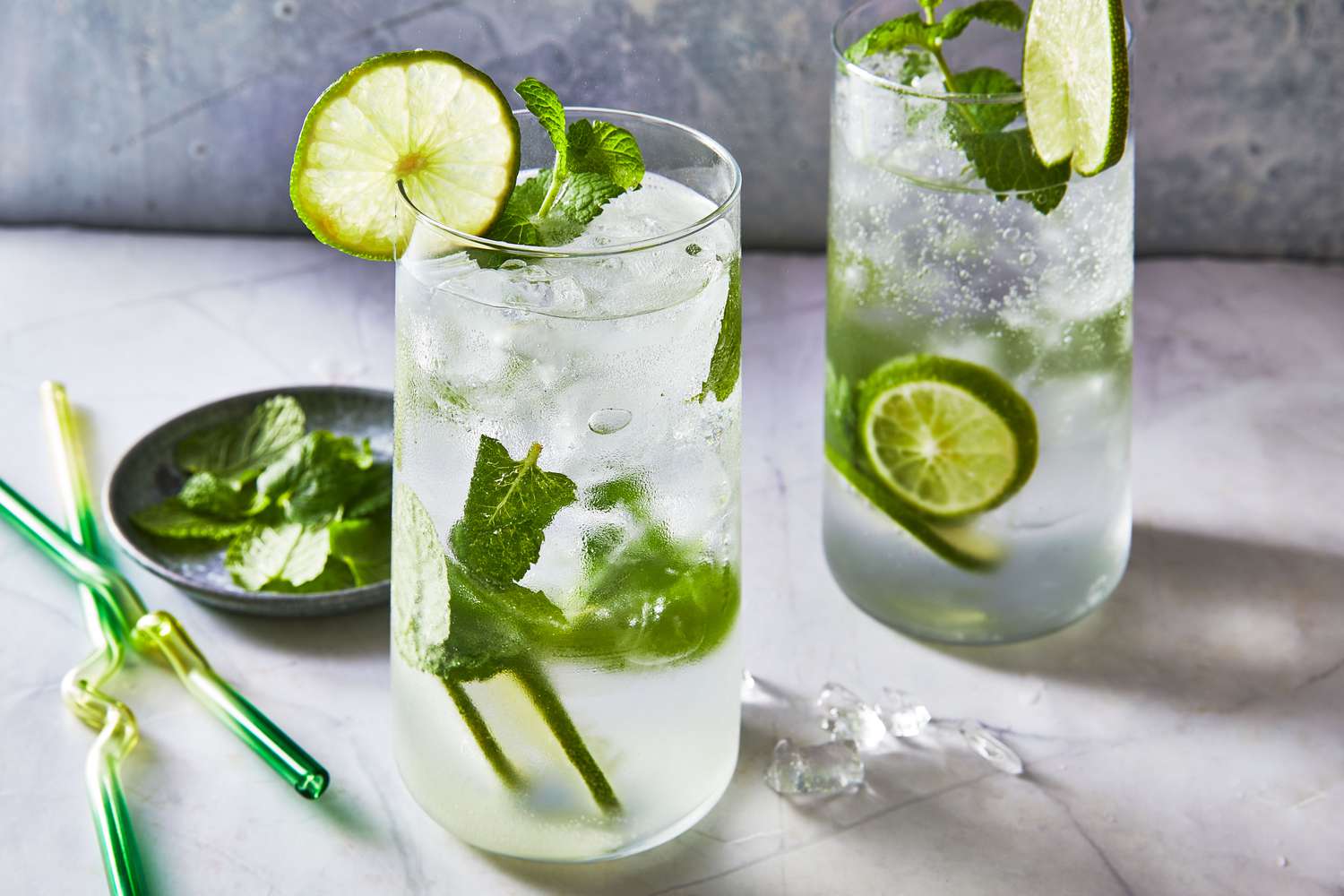
Key Takeaways for Mojito
Origin and Rise to Fame
The Mojito hails from Havana, Cuba, with roots tracing back to the 16th century. Originally enjoyed as a medicinal mix, it evolved into one of the most refreshing summer cocktails. Its fame skyrocketed thanks to literary icons like Ernest Hemingway.
Key Ingredients and Taste
White rum, fresh lime juice, mint leaves, sugar, and soda water form the Mojito’s refreshing base. The taste is light, minty, and slightly sweet — perfect for tropical climates and summer gatherings.
Variations
Popular spins include Strawberry Mojito, Coconut Mojito, and Cucumber Mojito. Each adds a creative twist while maintaining its crisp, signature freshness.
Mojito: The King of Refreshing Summer Cocktails
The Mojito is one of the most refreshing and universally loved cocktails in the world. Originating from Cuba, this mint-infused drink has become a summer essential in bars, beach resorts, rooftop lounges, and home gatherings alike. Known for its clean, crisp flavor and light alcoholic profile, the Mojito perfectly balances citrus, sweetness, and herbal coolness.
Mojito's Cuban Origins
The history of the Mojito dates back to 16th-century Havana, where early versions of the drink were made with local rum, lime, sugar, and mint for medicinal purposes. It became widely recognized in the 1930s when tourists and celebrities like Ernest Hemingway frequented bars like La Bodeguita del Medio, turning the Mojito into an international symbol of Cuban culture.
Traditional Mojito Ingredients and Taste Profile
A traditional Mojito uses:
- 2 oz white rum
- 1 oz fresh lime juice
- 2 teaspoons sugar (or simple syrup)
- Fresh mint leaves
- Club soda or sparkling water
- Crushed ice
The taste of a Mojito is uniquely crisp, combining sweet and tangy lime with the cooling essence of mint. The white rum provides a light alcohol base, allowing the natural flavors to shine through. Topped with sparkling water, the drink becomes bubbly and extra refreshing—ideal for hot weather and social occasions.
Mojito Variations That Everyone Loves
While the classic Mojito is always in style, bartenders and home mixologists love to play with its base. Some popular Mojito variations include:
- Strawberry Mojito (with muddled fresh strawberries)
- Coconut Mojito (using coconut water or rum)
- Cucumber Mojito (for a spa-like freshness)
- Pineapple Mojito (a tropical fruity twist)
These variations retain the essential elements of lime, mint, and rum while introducing new fruity or botanical layers.
Why the Mojito Is a Summer Favorite Worldwide
With its cooling mint flavor and zesty citrus punch, the Mojito continues to top search lists for best summer cocktails and easy rum-based drinks. Its versatility, low alcohol content, and Instagram-worthy presentation make it a hit at poolside parties, beach vacations, and casual evening hangouts. If you’re looking for a thirst-quencher with a kick, the Mojito is your go-to cocktail.
- Sources Include / Discover More: Mojito, A Traditional Cuban punch. The Cocktail Often Consists of Five Ingredients: White Rum, Sugar, Lime Juice, Soda Water, and Mint
- Also Read: Most Popular Songs of all Time
#3
Old Fashioned
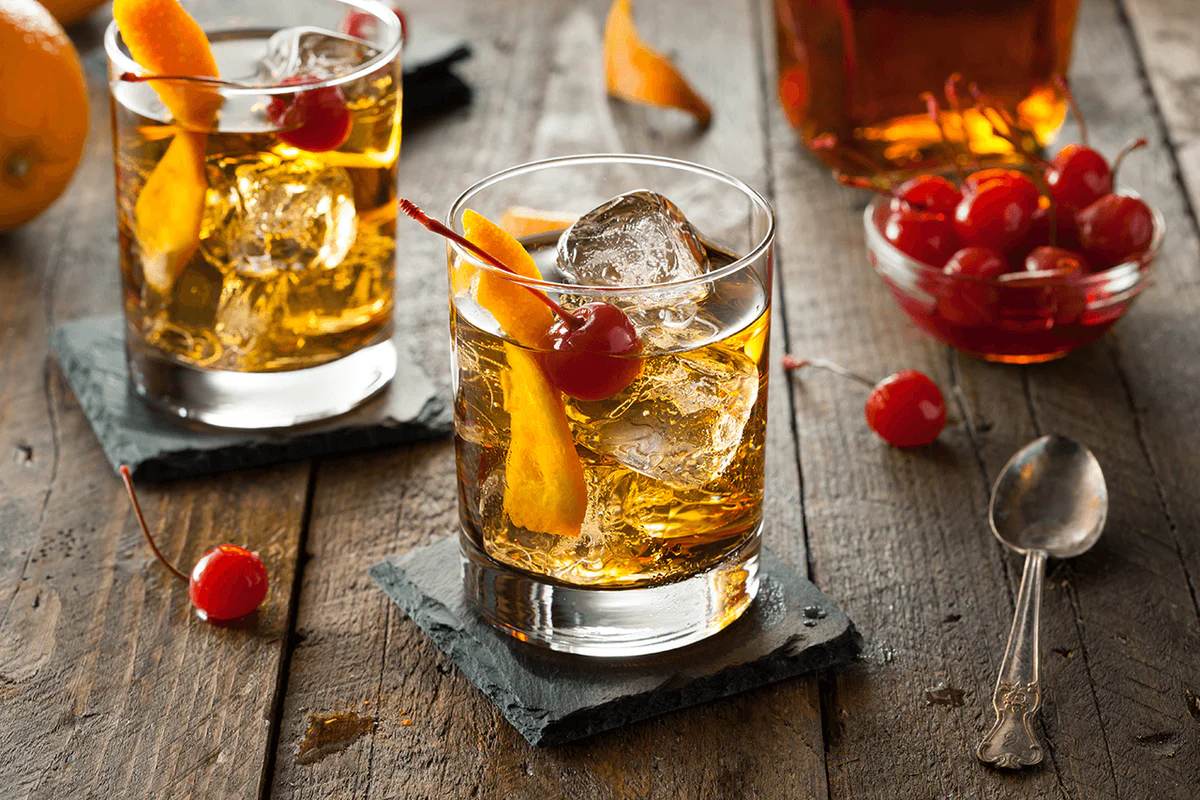
Key Takeaways for Old Fashioned
Origin and Rise to Fame
One of the oldest cocktails in history, the Old Fashioned originated in the 1800s in Louisville, Kentucky. Its simplicity and sophistication made it a mainstay in American cocktail culture.
Key Ingredients and Taste
Made with bourbon or rye whiskey, a sugar cube, bitters, and an orange peel, the Old Fashioned offers a strong, smooth, and slightly sweet taste with aromatic depth.
Variations
From Smoked Old Fashioneds to Maple Syrup or Rum versions, this timeless drink continues to evolve while honoring its heritage.
Old Fashioned: The Timeless Classic of Whiskey Cocktails
The Old Fashioned is often regarded as the father of all cocktails. It’s a true classic that has stood the test of time, beloved by whiskey lovers and bartenders alike. Known for its simplicity, strength, and elegance, this drink captures the essence of what a cocktail was originally meant to be: spirit-forward, subtly sweet, and perfectly balanced.
The Origin and Legacy of the Old Fashioned
The Old Fashioned dates back to the early 1800s and is widely believed to have originated in Louisville, Kentucky. It became popular as a response to bartenders creating more complex and exotic drinks. Patrons started asking for their whiskey “the old-fashioned way”—just with a bit of sugar, bitters, and water. It later gained prestige in gentlemen’s clubs and classic cocktail bars across the United States.
Traditional Ingredients and Signature Flavor Profile
An authentic Old Fashioned is made with just a few ingredients:
- 2 oz bourbon or rye whiskey
- 1 sugar cube or ½ tsp simple syrup
- 2–3 dashes of Angostura bitters
- Orange peel for garnish
Optional: a splash of water or ice
The flavor of an Old Fashioned is bold and spirit-forward, showcasing the rich caramel, vanilla, and spice notes of the whiskey. The sugar and bitters round it out with a hint of sweetness and complexity, while the orange peel provides a citrusy aroma.
Popular Variations of the Old Fashioned
The beauty of the Old Fashioned lies in its flexibility. Some creative spins include:
- Smoked Old Fashioned (using smoked glass or wood chips)
- Maple Old Fashioned (substituting sugar with maple syrup)
- Rum Old Fashioned (for a Caribbean twist)
- Chocolate Bitters Old Fashioned (adds depth and richness)
Each variation maintains the simplicity of the original while adding a modern flavor twist.
Why the Old Fashioned Still Dominates Cocktail Culture
The Old Fashioned ranks highly among whiskey cocktails and is a must-have on any classic drink menu. Its minimal ingredients, bold character, and vintage charm make it a favorite for both cocktail purists and newcomers. Whether you’re relaxing at home or ordering at a high-end bar, the Old Fashioned never goes out of style.
- Sources Include / Discover More: Old Fashioned, A Classic, Spirit-Forward Cocktail with Roots in the Early 19th Century
- Also Read: Most Popular Zodiac Signs
#4
Piña Colada
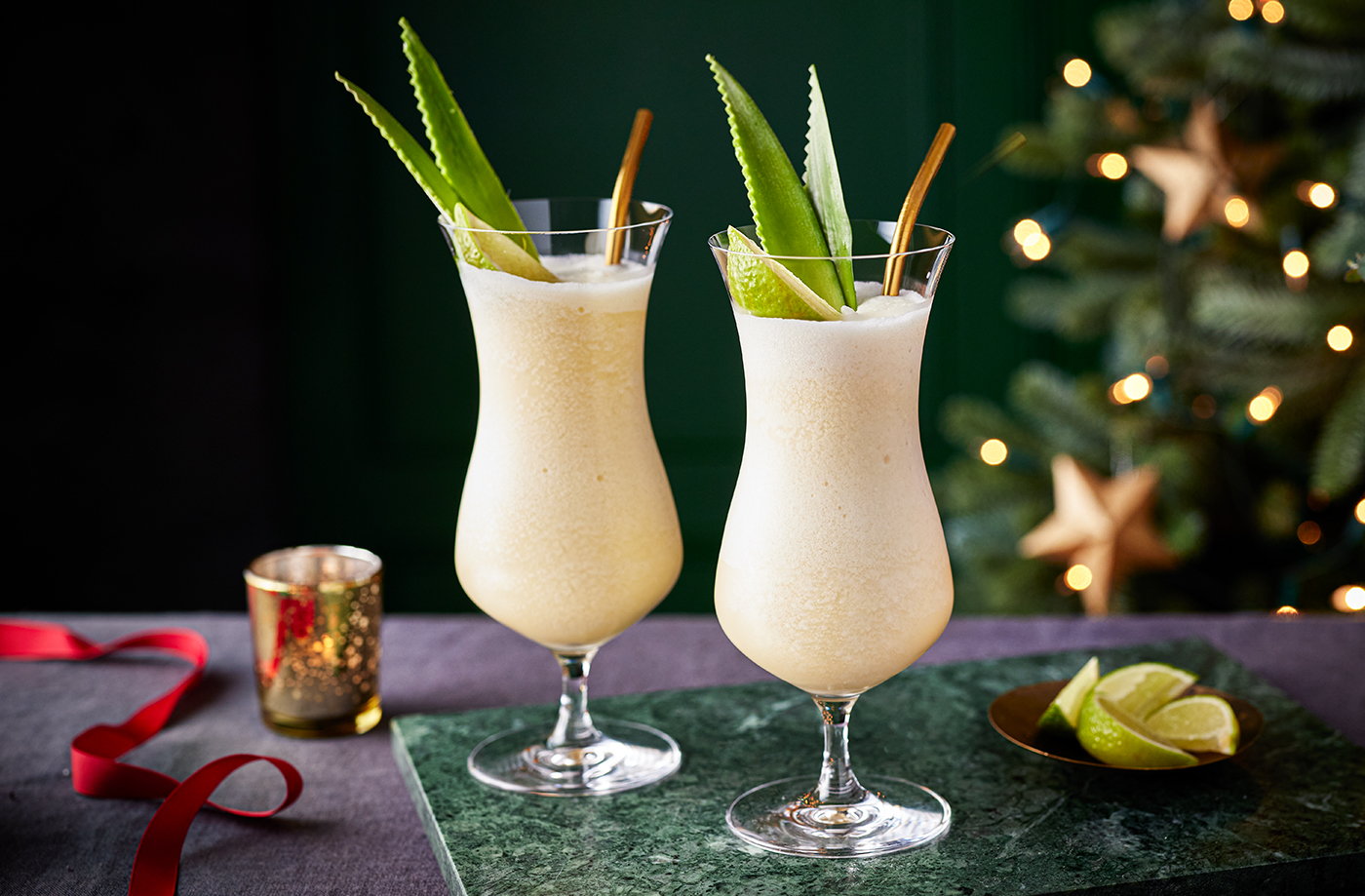
Key Takeaways for Piña Colada
Origin and Rise to Fame
The Piña Colada was born in Puerto Rico in the 1950s and became an instant tropical icon. Its creamy sweetness and sunny appeal earned it global recognition — and even the title of Puerto Rico’s national drink.
Key Ingredients and Taste
White rum, coconut cream, pineapple juice, and crushed ice combine to form a rich, smooth, and dessert-like tropical drink.
Variations
Creative twists include Strawberry Piña Colada, Blue Hawaiian, and Frozen Banana Colada — each adding its fruity charm to the original blend.
Piña Colada: The Ultimate Tropical Cocktail Experience
Few cocktails scream “vacation” like the Piña Colada. With its creamy coconut base, juicy pineapple flavor, and smooth rum kick, the Piña Colada is a tropical escape in a glass. This iconic drink is loved around the globe for its dessert-like texture and island-inspired taste. Whether you’re lounging on a beach or relaxing at home, one sip of a Piña Colada transports you straight to paradise.
Where the Piña Colada Comes From
The Piña Colada was created in Puerto Rico in the 1950s and is now the island’s official national drink. Most sources credit Ramón “Monchito” Marrero, a bartender at the Caribe Hilton in San Juan, for crafting the first version using coconut cream, pineapple juice, and rum. Since then, this exotic blend has gained international fame and become a favorite at tropical resorts, pool parties, and cruise ships.
Ingredients and Flavor Profile of the Classic Piña Colada
To make an authentic Piña Colada, you’ll need:
- 2 oz white rum
- 1 oz coconut cream (not coconut milk)
- 1 oz heavy cream (optional for richness)
- 6 oz fresh pineapple juice
- Crushed ice
Blended until smooth, the Piña Colada offers a sweet, creamy, and slightly tangy flavor that’s both indulgent and refreshing. The combination of coconut and pineapple creates a vacation-worthy flavor profile that satisfies dessert cravings and cocktail thirst in one glass.
Best Piña Colada Variations to Try
While the traditional version is a fan favorite, creative twists have gained popularity:
- Strawberry Piña Colada (adds fruity tartness)
- Frozen Banana Colada (a smoothie-style cocktail)
- Blue Hawaiian (Piña Colada with Blue Curaçao)
- Spiced Rum Colada (adds warmth and complexity)
These variations are highly explored and frequently appear in cocktail menus during warmer seasons.
Why the Piña Colada Remains a Global Favorite
The Piña Colada ranks highly among the top tropical cocktails in social media shares. Its Instagram-worthy appearance, velvety texture, and vacation vibe make it an evergreen favorite. Easy to make, easy to love, and always relaxing—this cocktail is the ultimate beach drink that works year-round.
- Sources Include / Discover More: Piña Colada, The Official Cocktail of Puerto Rico, Known for its Sweet, Tropical Blend of Rum, Cream of Coconut, and Pineapple Juice
- Also Read: Most Popular Personal Finance Basics
#5
Cosmopolitan
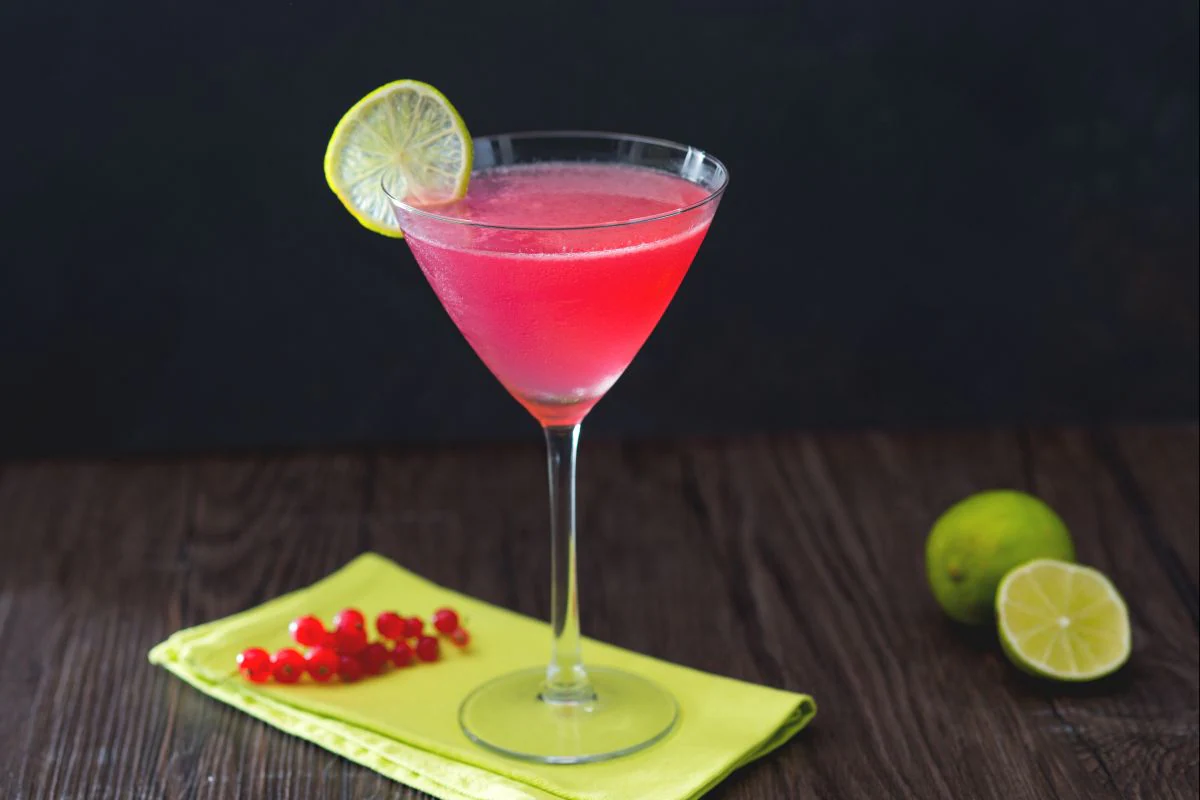
Key Takeaways for Cosmopolitan
Origin and Rise to Fame
The Cosmopolitan, or “Cosmo,” rose to fame in 1980s New York before reaching pop-culture stardom in the 1990s, thanks to Sex and the City. Its stylish look and tangy flavor made it an instant favorite among modern cocktail lovers.
Key Ingredients and Taste
Vodka, cranberry juice, triple sec, and lime juice mix to create a tart yet slightly sweet pink cocktail served in a sleek martini glass.
Variations
The White Cosmo, Blood Orange Cosmo, and Sparkling Cosmo add new layers of flavor and sophistication to this modern classic.
Cosmo: The Stylish Star of Vodka Cocktails
The Cosmopolitan, or “Cosmo” for short, is one of the most iconic and stylish cocktails in modern mixology. Known for its bold pink color, tart flavor, and sleek presentation in a martini glass, the Cosmopolitan became a cultural phenomenon in the late 1990s. It remains a go-to drink for those who love vodka-based cocktails with a citrusy edge and an air of sophistication.
A Brief History of the Cosmopolitan
Although variations of the Cosmopolitan existed earlier, it gained mainstream popularity in the 1980s and 1990s, particularly in New York City’s cocktail scene. Its explosive rise to fame came from its frequent appearance on the TV show Sex and the City, where it became synonymous with glamour, urban nightlife, and modern femininity. Today, the Cosmopolitan is a staple in both upscale lounges and casual bars around the world.
Cosmopolitan's Ingredients and Distinct Flavor Profile
The classic Cosmopolitan recipe is simple but delivers a vibrant punch:
- 1.5 oz vodka (typically citrus-flavored)
- 1 oz cranberry juice
- 0.5 oz orange liqueur (Triple Sec or Cointreau)
- 0.5 oz fresh lime juice
The resulting flavor is tart, slightly sweet, and refreshingly crisp. The cranberry juice gives it a vibrant pink hue, while the lime adds a bright citrus balance to the smooth vodka base. Served chilled in a martini glass and garnished with a lime twist, it’s one of the most photogenic cocktails on any menu.
Trending Cosmopolitan Variations
Creative versions of the Cosmo continue to trend on social media and bar menus:
- White Cosmo (uses white cranberry juice)
- Blood Orange Cosmopolitan (for a deeper citrus flavor)
- Sparkling Cosmopolitan (topped with prosecco or soda)
- Skinny Cosmo (lower in sugar and calories)
These variations offer a fresh twist while retaining the drink’s signature style.
Why the Cosmopolitan Continues to Trend
The Cosmopolitan’s ongoing popularity is fueled by its Instagram-friendly appearance, celebrity associations, and crisp, bold flavor. It’s often the best vodka cocktail for parties and an easy Cosmopolitan recipe. Perfect for girls’ nights, brunches, and celebrations, the Cosmo remains a symbol of chic, modern cocktail culture.
- Sources Include / Discover More: Cosmopolitan, A Modern Classic Cocktail Renowned for its Vibrant Pink Hue, Sweet-Tart Flavor Profile
- Also Read: Most Popular Pets in the World
#6
Negroni
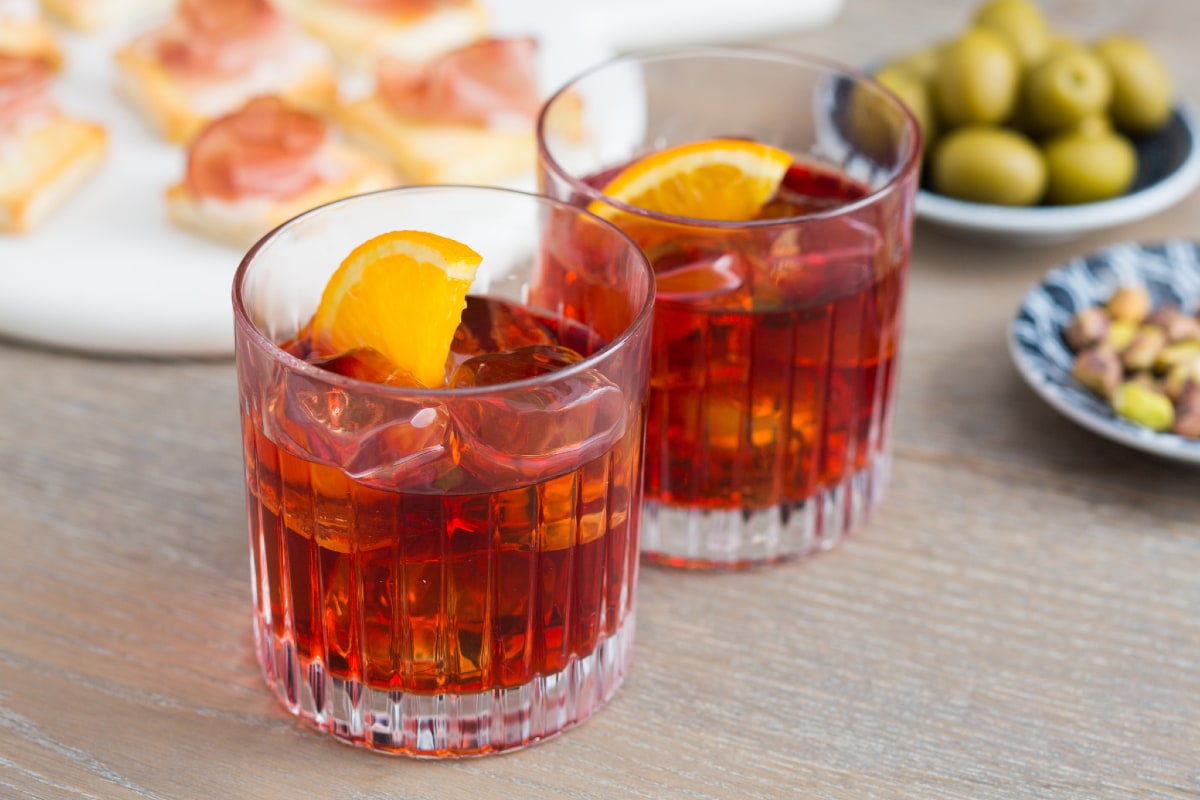
Key Takeaways for Negroni
Origin and Rise to Fame
Created in Florence, Italy, in 1919, the Negroni was born when Count Camillo Negroni requested a stronger version of the Americano. Its bold, bittersweet flavor made it a staple in aperitivo culture.
Key Ingredients and Taste
Equal parts gin, Campari, and sweet vermouth yield a deep, aromatic bitterness balanced by herbal and citrus notes.
Variations
Negroni Sbagliato (with prosecco), Boulevardier (with bourbon), and White Negroni (with Lillet Blanc) are popular modern interpretations.
Negroni: The Bold and Bitter Italian Aperitif
The Negroni is a timeless Italian cocktail known for its strong, bittersweet profile and stylish simplicity. Made with just three ingredients in equal parts, it’s the ultimate drink for those who enjoy a more mature and complex flavor experience. Elegant, bold, and highly Instagrammable, the Negroni has become a staple in craft cocktail bars and upscale lounges across the globe.
Negroni's History and Origins
The Negroni was born in Florence, Italy, in 1919 when Count Camillo Negroni asked a bartender to strengthen his Americano by replacing soda water with gin. The result was an instant classic—a spirit-forward cocktail with a bold character that quickly caught on throughout Italy and beyond. Over the last decade, it has seen a major resurgence in popularity thanks to the global craft cocktail movement.
Classic Negroni Recipe and Flavor Profile
Making a Negroni is all about balance. The traditional recipe includes:
- 1 oz gin
- 1 oz Campari
- 1 oz sweet vermouth
- Orange peel for garnish
This cocktail delivers a powerful mix of herbal, citrusy bitterness from the Campari, sweetness from the vermouth, and botanical strength from the gin. It’s served over ice in a rocks glass and garnished with a slice or twist of orange for added aroma.
Popular Negroni Variations You Should Try
The Negroni’s simplicity invites experimentation. Some highly searched variations include:
- Negroni Sbagliato (swaps gin for prosecco)
- Boulevardier (uses bourbon instead of gin)
- White Negroni (features Lillet Blanc and Suze instead of vermouth and Campari)
- Cold Brew Negroni (infused with coffee)
These versions put a creative twist on the classic while keeping its bittersweet essence intact.
Why the Negroni Is a Favorite Among Sophisticated Drinkers
The Negroni has become synonymous with aperitivo culture, particularly in Europe. It’s consistently one of the best aperitif cocktails and bittersweet gin drinks. Loved for its depth and elegance, the Negroni appeals to seasoned drinkers and anyone seeking a refined, low-effort cocktail that packs a punch in flavor and visual appeal.
- Sources Include / Discover More: Negroni, An Italian Cocktail, Made of Equal Parts Gin, Vermouth Rosso, and Campari. It is Considered an Apéritif
- Also Read: Most Popular Mental Health Practices
#7
Daiquiri
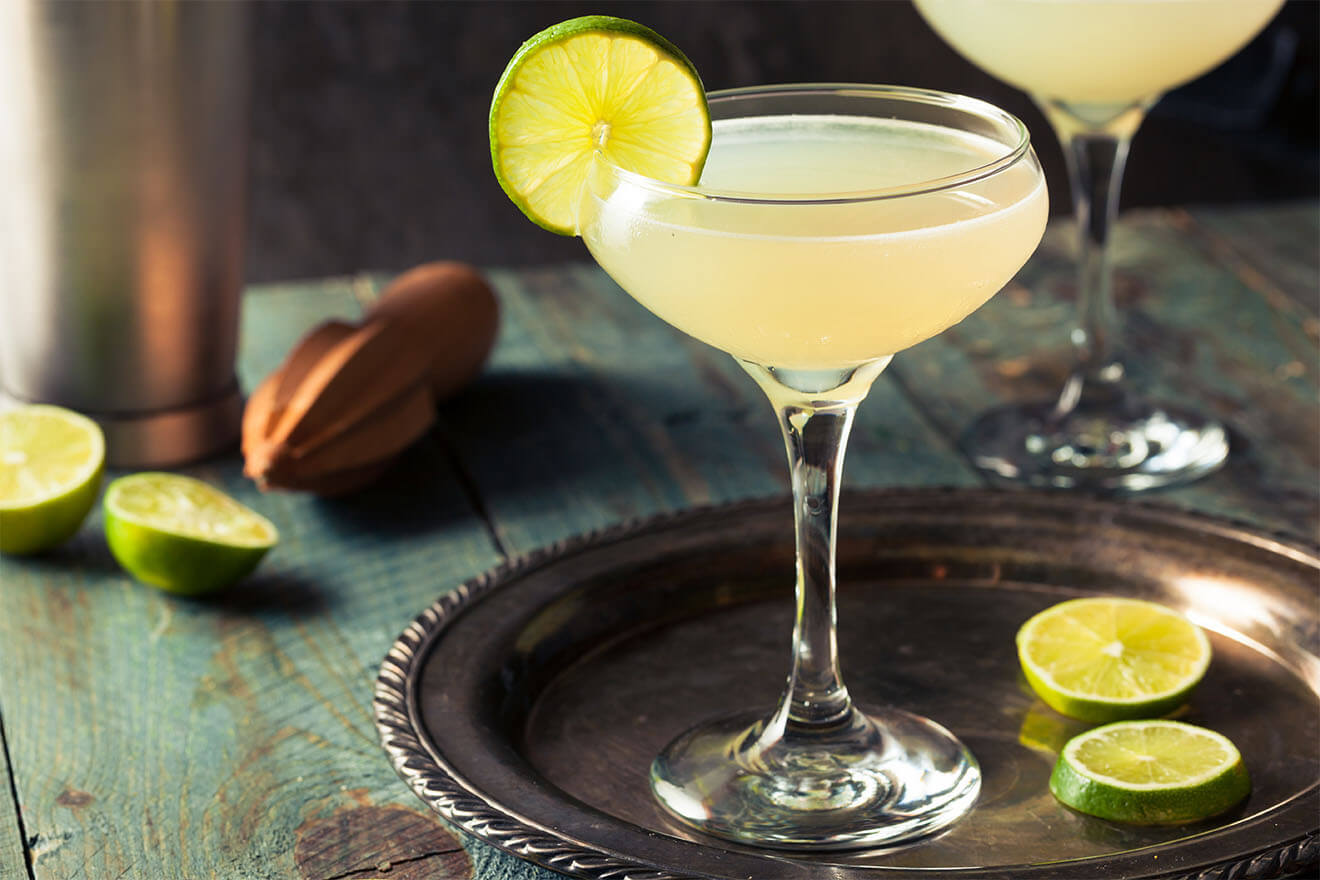
Key Takeaways for Daiquiri
Origin and Rise to Fame
The Daiquiri was created in the early 1900s in the town of Daiquirí, Cuba, by an American engineer named Jennings Cox. It became famous as Ernest Hemingway’s favorite cocktail, embodying the essence of tropical simplicity.
Key Ingredients and Taste
White rum, fresh lime juice, and simple syrup combine for a crisp, citrusy, and perfectly balanced drink.
Variations
Frozen Strawberry Daiquiri, Hemingway Daiquiri, and Mango Daiquiri are popular, adding fruity or tangy twists to the classic formula.
Daiquiri: The Cuban Classic That Never Goes Out of Style
The Daiquiri is a timeless rum-based cocktail that strikes the perfect balance between simplicity and sophistication. Often misunderstood due to overly sweet frozen versions, the original Daiquiri is a crisp, refreshing drink that’s easy to make and hard to beat. It’s one of the most iconic Cuban cocktails and a must-have in every mixologist’s repertoire.
Daiquiri's History and Cultural Roots
The Daiquiri originated in the small mining town of Daiquirí, near Santiago de Cuba, in the early 1900s. American engineer Jennings Cox is credited with creating the drink as a refreshing solution to the tropical heat. The cocktail quickly gained popularity, especially among American naval officers and travelers, eventually earning a place in bars around the world. It was also famously favored by Ernest Hemingway, who had his own variation at El Floridita bar in Havana.
Ingredients and Flavor Profile of a Classic Daiquiri
The original Daiquiri is made with just three ingredients:
- 2 oz white rum
- 1 oz fresh lime juice
- 0.75 oz simple syrup
It’s shaken with ice and strained into a chilled coupe glass. The result is a light, citrus-forward cocktail with a pleasant balance of tartness from the lime and sweetness from the syrup, all underpinned by the smooth warmth of quality rum. There’s no garnish required—just clean, crisp flavor.
Popular Daiquiri Variations to Explore
Although the classic is minimalist, the Daiquiri has inspired many creative takes:
- Hemingway Daiquiri (adds grapefruit juice and maraschino liqueur)
- Strawberry Daiquiri (frozen with fresh strawberries)
- Frozen Banana Daiquiri
- Spiced Rum Daiquiri (warmer, richer flavor)
These versions are highly explored and featured on summer cocktail menus globally.
Why the Daiquiri Stays Relevant in the Cocktail World
The Daiquiri is an easy rum cocktail, Cuban drink, and classic summer cocktail. Its simple ingredients, short prep time, and refreshing profile make it ideal for both beginner bartenders and seasoned drinkers. Whether you’re hosting a summer party or just want a quick, flavorful sip at home, the Daiquiri delivers every time.
- Sources Include / Discover More: Daiquiri, A Cocktail Whose Main Ingredients are Rum, Citrus Juice (Typically Lime Juice), and Sugar or other Sweetener
- Also Read: Most Popular Cuisines in the World
#8
Martini
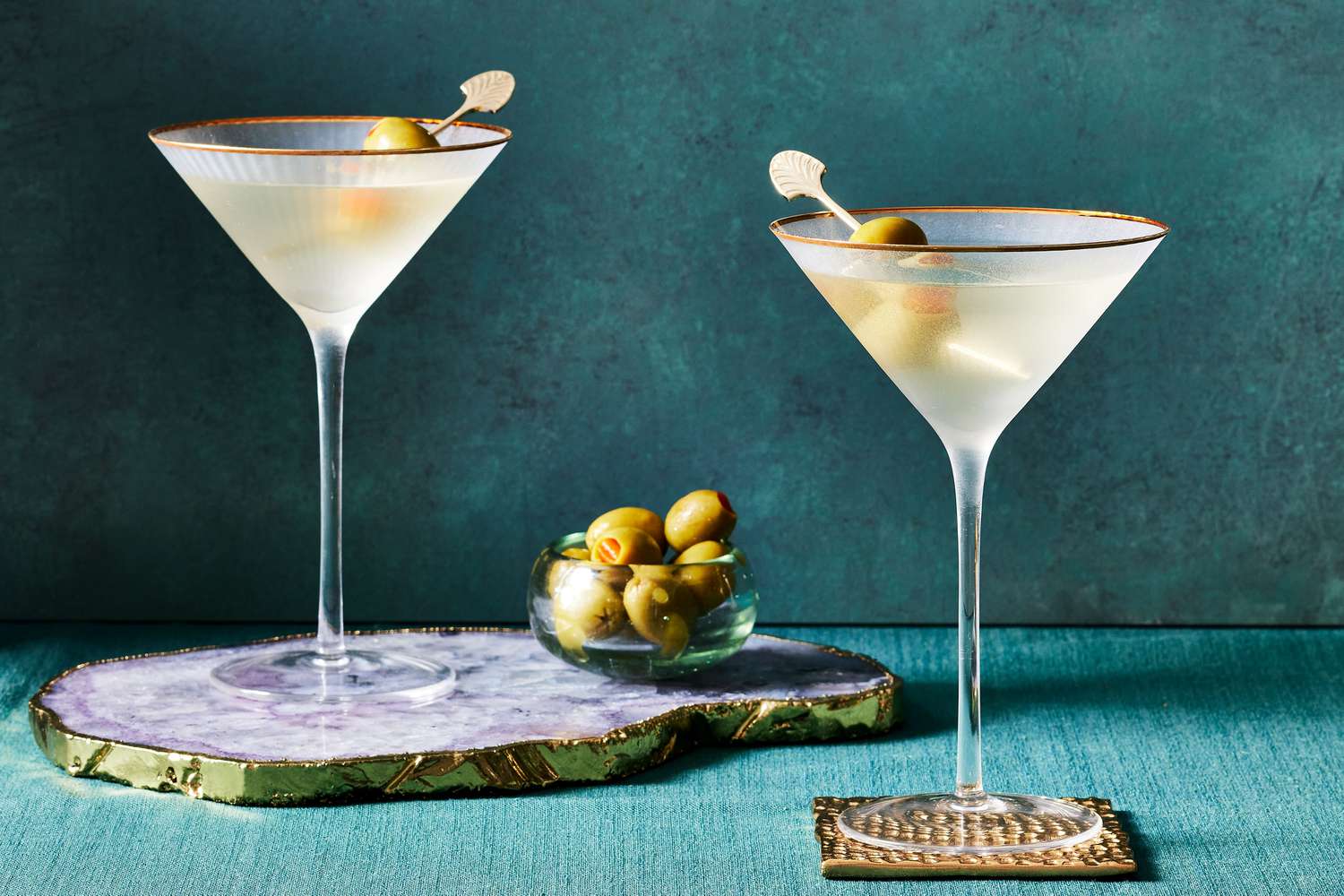
Key Takeaways for Martini
Origin and Rise to Fame
The Martini dates back to the late 19th century and became the ultimate symbol of elegance by the early 20th. Immortalized by James Bond’s “shaken, not stirred,” it remains a timeless icon of sophistication.
Key Ingredients and Taste
Gin (or vodka), dry vermouth, and a garnish of olive or lemon twist define this strong, crisp, and refined cocktail.
Variations
Dirty Martini (with olive brine), Espresso Martini, and Gibson Martini (with pickled onions) are among the most popular versions.
Martini: The Epitome of Elegance in the Cocktail World
The Martini is arguably the most iconic cocktail in the world—a timeless symbol of sophistication, style, and simplicity. Whether you prefer it shaken or stirred, with gin or vodka, the Martini has remained the gold standard of classic cocktails. Sleek in appearance and strong in character, it continues to be a favorite for upscale gatherings, formal events, and refined palates.
A Brief Look at the Martini’s Storied History
The exact origins of the Martini are still debated, but most historians trace it back to the late 19th century in the United States. The drink gained legendary status in the early 20th century, becoming a staple during the Prohibition era and a pop culture icon thanks to characters like James Bond. Today, the Martini is a symbol of both power and poise, enjoyed by cocktail purists around the globe.
Classic Martini Ingredients and Signature Flavor
A traditional Dry Martini uses:
- 2.5 oz gin (or vodka, depending on preference)
- 0.5 oz dry vermouth
- Lemon twist or olive for garnish
Stirred over ice and strained into a chilled martini glass, this cocktail is clean, crisp, and strong. The gin-based version is botanical and aromatic, while vodka offers a smoother, more neutral taste. The dry vermouth adds a subtle floral complexity, and garnishes like olives or a lemon twist elevate both aroma and presentation.
Martini Variants That Continue to Trend
The Martini’s adaptability is part of its allure. Here are a few popular variations:
- Dirty Martini (includes olive brine)
- Vodka Martini (swaps gin for vodka)
- Gibson Martini (garnished with pickled onions)
- Espresso Martini (a modern, coffee-based twist)
These variations are highly explored in cocktail recipes and are frequently ordered in bars around the world.
Why the Martini Remains a Global Favorite
The Martini is a classic cocktail, an elegant alcoholic drink, and best vodka or gin cocktail. Its minimalism, high alcohol content, and sleek presentation make it ideal for formal occasions or a classy nightcap. Whether you’re new to cocktails or a seasoned sipper, mastering the Martini is a rite of passage.
- Sources Include / Discover More: Martini, A Cocktail Made with Gin and Vermouth. Over the Years, the Martini has Become One of the Best-Known Mixed Alcoholic Beverages
- Also Read: Most Popular TV Shows of all Time
#9
Moscow Mule
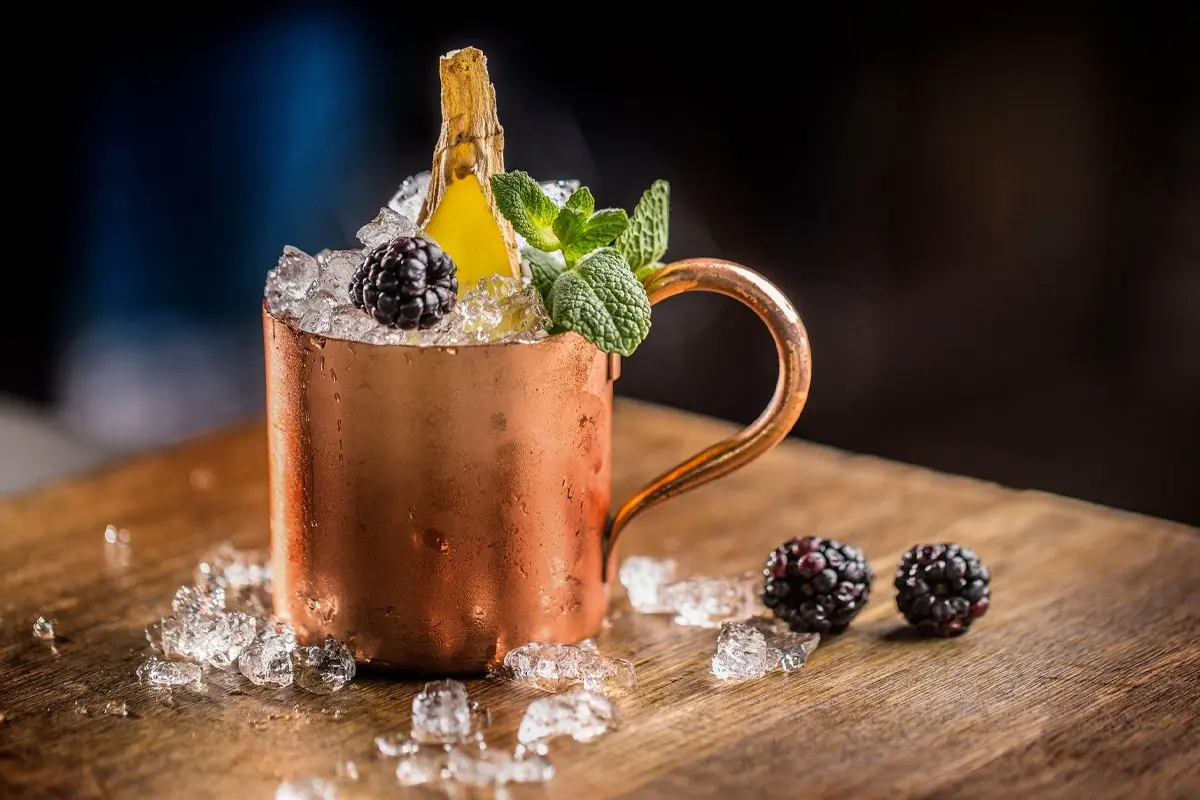
Key Takeaways for Moscow Mule
Origin and Rise to Fame
Invented in Los Angeles in the 1940s, the Moscow Mule was created to promote vodka and ginger beer. Served in a copper mug, it quickly became a hit for its zesty flavor and unique presentation.
Key Ingredients and Taste
Vodka, ginger beer, and fresh lime juice combine for a fizzy, spicy, and refreshing experience.
Variations
The Mexican Mule (with tequila), Kentucky Mule (with bourbon), and Apple Cider Mule are all crowd-pleasing alternatives.
Moscow Mule: The Zesty Vodka Cocktail Served in a Copper Mug
The Moscow Mule is one of the most recognizable cocktails in the world, instantly identifiable by its signature copper mug. This fizzy, citrusy vodka-based drink is beloved for its refreshing bite and eye-catching presentation. With the perfect combination of ginger beer, lime, and vodka, the Moscow Mule offers a crisp, spicy kick that’s ideal for casual hangouts, brunches, or summer sipping.
Moscow Mule's Surprising Origins
Despite its name, the Moscow Mule is an all-American invention. It was created in the 1940s in Los Angeles as a marketing strategy to promote two underperforming products: vodka and ginger beer. John Martin, who was trying to sell Smirnoff vodka, teamed up with bar owner Jack Morgan and crafted the drink to boost both brands. The result? A cocktail that not only worked but sparked America’s love affair with vodka.
Classic Moscow Mule Recipe and Bold Flavor Profile
Here’s what you need to mix a traditional Moscow Mule:
- 2 oz vodka
- 4–6 oz ginger beer (not ginger ale)
- 0.5 oz fresh lime juice
- Lime wedge and mint for garnish
- Served in a chilled copper mug
The flavor profile is crisp, spicy, and slightly citrusy. The ginger beer gives the drink its signature kick, while the lime brightens the flavor and balances the heat. The copper mug isn’t just for show—it keeps the drink icy cold and enhances the overall experience.
Moscow Mule Variations You’ll Love
This cocktail has inspired many creative twists, all of which rank high in cocktail trends:
- Mexican Mule (uses tequila)
- Kentucky Mule (made with bourbon)
- London Mule (swaps vodka for gin)
- Apple Cider Mule (perfect for fall)
Each version puts a new spin on the classic while keeping that refreshing ginger-lime essence.
Why the Moscow Mule Is a Modern-Day Favorite
The Moscow Mule is an easy vodka cocktail and ginger beer drink. Its spicy fizz, easy prep, and stylish presentation make it a party favorite and a must-have on any cocktail menu. From backyard barbecues to rooftop bars, the Moscow Mule is always a hit.
- Sources Include / Discover More: Moscow Mule, A Cocktail Made with Vodka, Ginger Beer, and Lime Juice; Garnished with a Slice or Wedge of Lime
- Also Read: Most Popular Shoes in the World
#10
Paloma
Key Takeaways for Paloma
Origin and Rise to Fame
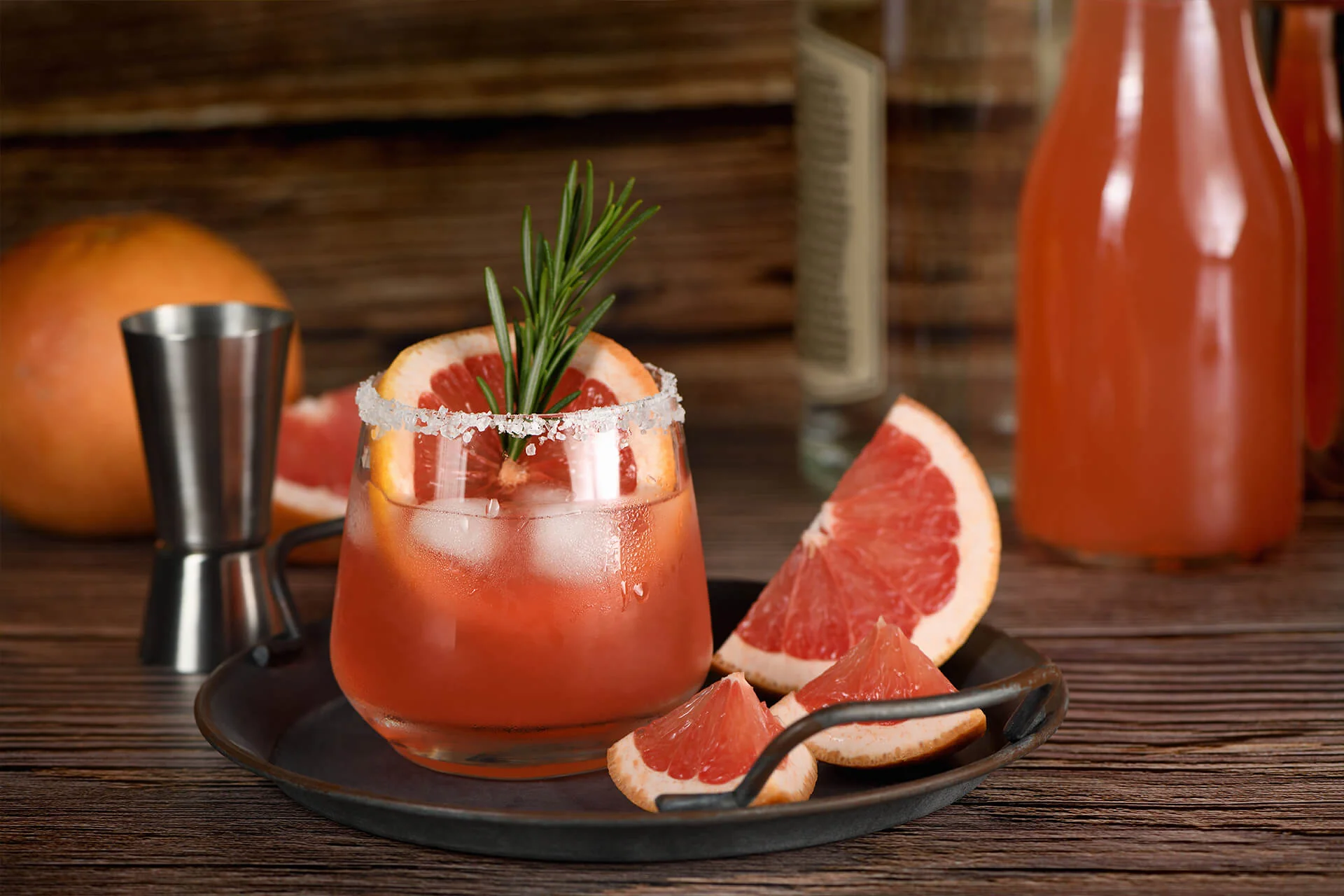
The Paloma is Mexico’s most beloved tequila cocktail, said to have originated in the 1950s. Its name means “dove” in Spanish — fitting for a drink that’s light, refreshing, and effortlessly uplifting.
Key Ingredients and Taste
Tequila, grapefruit soda or juice, lime, and a pinch of salt create a bright, tart, and subtly sweet cocktail that’s perfect for daytime enjoyment.
Variations
The Spicy Paloma (with chili salt), Smoky Paloma (with mezcal), and Rosemary Paloma add a modern touch to this citrusy favorite.
Paloma: Mexico’s Grapefruit-Infused Tequila Treasure
The Paloma is a refreshing and zesty tequila-based cocktail that’s incredibly popular in Mexico and rapidly gaining fans worldwide. While the Margarita often gets the spotlight, the Paloma quietly holds its ground as a favorite among those who love tangy, citrus-forward drinks with a fizzy finish. It’s crisp, lightly sweet, and effortlessly cool—perfect for sipping in the sun.
Paloma's Mexican Roots
Unlike some cocktails with unclear origin stories, the Paloma is widely recognized as a true Mexican classic. Its name, which means “dove” in Spanish, reflects its light and airy nature. While the exact inventor is unknown, it’s believed to have been created in the 1950s and has since become a staple in Mexican bars and homes alike. It’s especially popular in regions where fresh grapefruit is abundant.
Traditional Paloma Recipe and Flavor Profile
Here’s how to make a traditional Paloma:
- 2 oz tequila (preferably blanco)
- 2 oz fresh grapefruit juice (or grapefruit soda like Jarritos or Squirt)
- 0.5 oz lime juice
- 0.5 oz simple syrup (optional)
- Pinch of salt or salted rim (optional)
- Sparkling water to top off
- Garnish with grapefruit or lime wedge
The flavor is bright, tart, and slightly bitter with subtle sweetness. The tequila brings earthiness and warmth, while the grapefruit delivers a citrusy bite balanced by the fizzy top layer. The result? A light, revitalizing cocktail that’s ideal for daytime drinking.
Popular Paloma Variations That Add a Twist
The Paloma’s simplicity makes it ripe for innovation. Some trending variations include:
- Spicy Paloma (with muddled jalapeños or chili salt rim)
- Smoky Paloma (using mezcal instead of tequila)
- Frozen Paloma (perfect for summer heat)
- Rosemary Paloma (herbal and aromatic)
These fresh takes are frequently explored and are especially popular at trendy cocktail bars and rooftop lounges.
Why the Paloma Deserves a Spot on Every Cocktail Menu
The Paloma is one of the best tequila cocktails, an easy grapefruit drink, and low-calorie alcoholic beverage. Its light, citrusy profile and minimal ingredients make it perfect for warm weather and casual get-togethers. If you’re looking for a drink that’s vibrant, refreshing, and authentically Mexican, the Paloma is the way to go.
- Sources Include / Discover More: Paloma, A Traditional Paloma Cocktail Consists of Tequila, Lime Juice, and Grapefruit Soda
- Also Read: Most Popular Languages in the World
Key FAQs on the 10 Most Popular Cocktails in the World
Why is the Margarita one of the most popular cocktails in the world?
The Margarita is widely recognized as the world’s most popular tequila cocktail due to its precise balance of tequila, fresh lime juice, and orange liqueur. Originating in Mexico during the mid-20th century, it is closely associated with tequila-producing regions such as Jalisco.
Its salted rim enhances flavor contrast, making it ideal for warm climates and social gatherings. According to the International Bartenders Association and historical records documented by Wikipedia, the Margarita consistently ranks among the top-ordered cocktails globally.
What makes the Mojito one of the best refreshing rum cocktails?
The Mojito stands out as one of the most refreshing rum cocktails due to its blend of white rum, fresh mint, lime juice, sugar, and soda water. Originating in Havana, Cuba, it reflects the island’s tropical climate and rum-making heritage.
Its cooling mint and citrus profile makes it ideal for hot weather. The International Bartenders Association and culinary historians frequently cite the Mojito as a benchmark for balanced, refreshing highball cocktails worldwide.
Why is the Old Fashioned considered the original cocktail?
The Old Fashioned is considered the original cocktail because it follows the earliest formal definition of a cocktail: spirit, sugar, water, and bitters. Its documented origins trace back to the early 1800s in the United States.
Typically made with bourbon or rye whiskey, it showcases spirit-forward simplicity. According to historical cocktail literature and the International Bartenders Association, the Old Fashioned remains a foundational reference in classic mixology.
What makes the Piña Colada the ultimate tropical cocktail?
The Piña Colada is considered the ultimate tropical cocktail because it blends white rum, coconut cream, and pineapple juice into a smooth, dessert-like drink. Officially declared Puerto Rico’s national drink in 1978, it symbolizes Caribbean leisure culture.
Its creamy texture and tropical sweetness evoke vacation settings. According to Puerto Rican tourism records and Wikipedia, the Piña Colada remains one of the most globally recognized resort cocktails.
How did the Cosmopolitan become a symbol of modern cocktail culture?
The Cosmopolitan became a symbol of modern cocktail culture during the 1990s, fueled by New York City nightlife and global pop culture exposure. Its signature blend of vodka, cranberry juice, lime, and orange liqueur created a visually striking pink drink.
Popularized by television and celebrity culture, it represents urban sophistication. According to cocktail historians and the International Bartenders Association, the Cosmopolitan remains a defining vodka cocktail of its era.
Why is the Negroni one of the best Italian cocktails for aperitivo hour?
The Negroni is considered one of the best Italian cocktails for aperitivo hour due to its equal-parts blend of gin, sweet vermouth, and Campari. Created in Florence in 1919, it exemplifies Italian bittersweet balance.
Its herbal bitterness stimulates appetite before meals. Recognized by the International Bartenders Association and Italian culinary historians, the Negroni remains a cornerstone of classic European cocktail culture.
What makes the Daiquiri a classic in cocktail history?
The Daiquiri is a classic in cocktail history because it represents perfect balance using only three ingredients: rum, lime juice, and sugar. Originating in Cuba in the early 1900s, it became a benchmark for bartender skill.
Favored by Ernest Hemingway, it emphasizes clarity and precision. According to cocktail literature and the International Bartenders Association, the Daiquiri remains a foundational rum cocktail worldwide.
Why is the Martini considered the most elegant cocktail ever created?
The Martini is considered the most elegant cocktail ever created due to its minimalist composition of gin or vodka and dry vermouth. Emerging in the late 19th century, it symbolizes refinement and balance.
Popularized through cinema and literature, especially James Bond films, it remains culturally iconic. According to historical bar manuals and the International Bartenders Association, the Martini defines classic cocktail sophistication.
Why is the Moscow Mule served in a copper mug?
The Moscow Mule is served in a copper mug because copper enhances the drink’s icy temperature and intensifies the sharp ginger and citrus notes. First popularized in Los Angeles in the 1940s, the mug became part of its branding.
This presentation improves sensory experience. According to beverage historians and bar industry sources, the copper mug remains essential to the Moscow Mule’s identity.
What makes the Paloma one of Mexico’s favorite tequila cocktails?
The Paloma is one of Mexico’s favorite tequila cocktails because it combines tequila with grapefruit soda and lime for a light, refreshing profile. Unlike heavier cocktails, it suits daytime and warm-weather drinking.
Widely consumed across Mexico, it rivals the Margarita in popularity. According to Mexican beverage studies and Wikipedia, the Paloma is deeply embedded in modern tequila culture.
The Role of Cocktails in Modern Social Culture
Events, Bars, and At-Home Vibes
Whether you’re at a wedding or whipping one up after work, cocktails have become go-to mood setters. They’re expressive, customizable, and, let’s be honest—Instagram-worthy.
Influencers and Trending Mixes
Cocktail reels and recipe videos now pull millions of views. Tiktok trends like espresso martinis or color-changing gin drinks are shaping the next generation of “popular cocktails.”
Crafting the Perfect Cocktail at Home
Tools You Need
- Cocktail shaker
- Jigger
- Muddler
- Bar spoon
- Strainer
A small investment for big flavor returns.
Tips from the Pros
- Use fresh ingredients
- Measure precisely
- Don’t skip the ice—it matters
- Shake for aeration, stir for smoothness
- Garnish like you mean it
Final Thoughts
Cocktails are more than just mixed drinks — they’re expressions of flavor, creativity, and global culture. From the zesty tang of a Margarita to the refined sophistication of a Martini, each cocktail on this list represents a timeless masterpiece that has shaped the art of mixology around the world. These iconic beverages — whether rum-based classics like the Mojito and Daiquiri, or tequila favorites like the Paloma — continue to dominate bar menus, home gatherings, and international cocktail competitions alike.
The beauty of these drinks lies in their versatility. You can enjoy the tropical indulgence of a Piña Colada on a beach getaway, savor the bold, bitter charm of a Negroni as an aperitif, or relax with the whiskey warmth of an Old Fashioned after a long day. Each recipe blends heritage, craftsmanship, and taste to deliver a truly unforgettable experience.
So, whether you’re a cocktail connoisseur, an aspiring mixologist, or someone looking for your next favorite drink, this list of the 10 most popular cocktails in the world is your gateway to inspiration. Raise your glass — and celebrate the world’s most iconic cocktails, one sip at a time.
The 10 Most Popular Cocktails Frequently Asked Questions (FAQs)
The Old Fashioned—just whiskey, sugar, and bitters.
Try a Mojito. It's light, refreshing, and not too boozy.
It depends. Some, like Martinis, pack a punch, while others like Mojitos are more mellow.
A Skinny Margarita with fresh lime and no added sugar is a better option.
Absolutely! Use non-alcoholic spirits or fruit juices to recreate the flavor profiles.
The Mojito is ideal for summer parties thanks to its minty, refreshing taste and light rum base.
The Martini is the top choice for formal occasions, known for its elegant presentation and dry, crisp flavor.
The Paloma is another beloved Mexican cocktail, made with tequila and grapefruit soda, offering a tangy and refreshing taste.
About the Author
This article was researched and prepared by the World Millions Editorial Team, specialists in global rankings, premium market analysis, structured comparisons, and high-value sector research across industries.
All content undergoes verification, editorial review, and periodic updates to ensure accuracy, clarity, and alignment with recognized industry standards, reliable institutional sources, and leading global authorities.
- Last Updated: March 27, 2026 by the World Millions Editorial Team
- Original Published Date: March 27, 2026
- View Our: Editorial Team | Sources | Disclaimer | Editorial Standards