- Home
- »
- World’s Most Expensive
- »
- 10 Most Expensive Cities in the World
10 Most Expensive Cities
in the World
The most expensive cities in the world represent the ultimate combination of luxury living, soaring real estate prices, global finance, and elite lifestyles. From ultra-modern Asian financial hubs to historic European capitals and iconic American megacities, these urban centers command some of the highest living costs on the planet.
Discover the 10 most expensive cities in the world, ranked by cost of living, property prices, economic influence, and luxury lifestyle indicators. This global ranking highlights cities where housing, dining, transportation, and everyday expenses reach extraordinary levels for residents, expatriates, and international investors.
On This Page
Toggle- Updated 2026 by the World Millions Editorial Team: View Author Information
Key Factors That Drive City Living Costs
Real Estate and Rental Prices
Transportation and Infrastructure
Whether it’s owning a car (hello, Singapore’s astronomical car prices) or using public transport, getting around isn’t always cheap. Well-developed systems may offer convenience, but you pay a premium for that efficiency.
Food and Dining Out
Imported goods, local farming limitations, and lifestyle culture all affect food prices. A quick grocery run in Zurich can feel like fine dining, and don’t even try converting the cost of a pizza in Monaco.
Taxes and Local Regulations
From VATs to property taxes and license fees, cities with stringent laws and high public service expectations tend to cost more.
Currency Strength and Economic Influence
Cities based in countries with strong currencies (like the Swiss Franc or Singapore Dollar) often rank higher because foreign income doesn’t stretch as far.
List of the Top 10 Most Expensive Cities in the World
Discover where luxury meets lifestyle — explore the 10 Most Expensive Cities in the World ranked by cost of living, real estate prices, and global city standards. From Hong Kong to Los Angeles, see what defines the world’s ultimate urban elite.
Before diving deeper into the details, here’s a comprehensive list of the Top 10 Most Expensive Cities in the World, carefully ranked based on the cost of living in expensive cities, lifestyle, and global economic significance. These urban powerhouses—from Hong Kong and Singapore to New York and Zurich—aren’t just places to live; they are symbols of luxury lifestyle, prestige, and exclusivity.
The global city rankings reveal that the high price tag isn’t just about real estate. It’s a reflection of everyday expenses such as food, transportation, entertainment, and housing. For instance, Hong Kong dominates with record-breaking property costs, while New York City leads with soaring rent prices, elite neighborhoods, and endless luxury shopping options. Meanwhile, Singapore blends wealth with sophistication, offering supercars, cutting-edge infrastructure, and world-class dining.
This table breaks down the rank, country, unique reasons for high living costs, and lifestyle highlights that push these destinations into the spotlight. From Zurich’s banking wealth and lakeside villas to Los Angeles’ Hollywood glamour and Beverly Hills estates, each city illustrates why it’s considered among the most expensive cities in the world to live and work.
Whether you’re planning to relocate, invest, or simply explore, this guide helps you understand the true cost of living in expensive cities worldwide. It’s more than just numbers—it’s about experiencing a luxury lifestyle that only a few can afford, where high living expenses meet unmatched cultural and economic opportunities.
| Rank | City | Country | Key Reason for High Cost | Lifestyle Indicators |
|---|---|---|---|---|
| 1 | Hong Kong | China (SAR) | Highest property prices globally, financial hub, ultra-dense population | Private clubs, luxury shopping in Central, elite international schools |
| 2 | Singapore | Singapore | Luxury real estate, strict car ownership laws, top-tier healthcare and education | Supercars, Marina Bay penthouses, fine dining at Michelin-starred restaurants |
| 3 | Zurich | Switzerland | Banking capital, high wages, strong purchasing power, pristine infrastructure | Swiss watches, lakeside villas, luxury boutiques and art galleries |
| 4 | Geneva | Switzerland | Home to global organizations, expensive real estate, high quality of life | Yacht clubs, designer stores, gourmet cuisine, private healthcare |
| 5 | Basel | Switzerland | Pharma and finance hub, luxury lifestyle, competitive housing market | Exclusive art fairs, luxury riverfront properties, cultural elite events |
| 6 | Bern | Switzerland | Capital city charm, high rent, exceptional public services and safety | Historic mansions, private gardens, elite government circles |
| 7 | New York City | USA | Real estate, entertainment, and high daily expenses | Fifth Avenue shopping, penthouses, Wall Street wealth, Broadway culture |
| 8 | London | United Kingdom | Financial center, premium housing market, elite education and culture | Kensington mansions, Harrods, royal heritage, exclusive social clubs |
| 9 | Nassau | Bahamas | Tax haven, luxury island living, expensive imports and real estate | Private islands, mega yachts, oceanfront estates, luxury resorts |
| 10 | Los Angeles | United States | Hollywood glamour, real estate surge, expensive transportation and lifestyle | Beverly Hills estates, celebrity lifestyle, Rodeo Drive shopping, film studios |
Discover the 10 Most Expensive Cities in the World
Discover the 10 Most Expensive Cities in the World, where the cost of living reaches extraordinary levels and luxury shapes everyday life. These global powerhouses are defined by soaring real estate prices, premium lifestyles, elite services, and unmatched economic influence.
From Hong Kong and Singapore to New York City and London, each destination offers a unique blend of opportunity, culture, and exclusivity. Whether you’re planning to move, invest, or simply explore, understanding what makes these cities so expensive gives you deeper insight into global wealth and modern urban living.
#1
Hong Kong, China
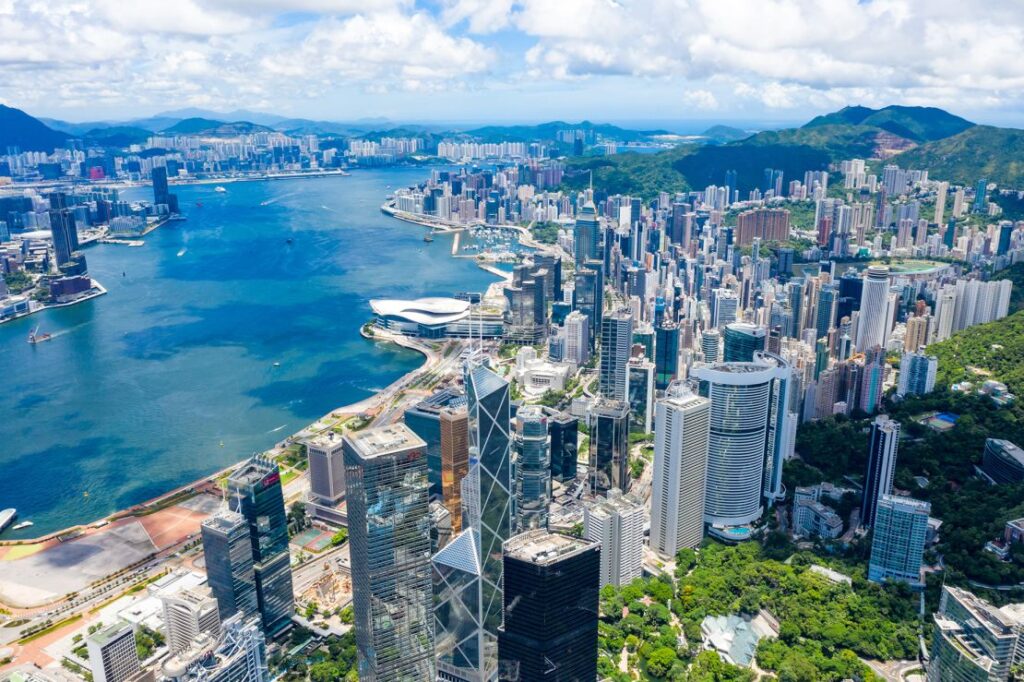
Key Takeaways for Hong Kong
Hong Kong stands as the world’s most expensive city, known for its soaring real estate prices, dense skyline, and global financial dominance. It’s a magnet for investors, luxury shoppers, and multinational corporations.
Key Highlights:
- World’s highest property prices and limited land supply.
- Global financial and business powerhouse.
- Luxury lifestyle with elite shopping, dining, and education.
Hong Kong: Welcome to the World's Priciest Urban Playground
If you’re wondering why Hong Kong is the most expensive city in the world, you’re not alone. With skyrocketing property prices, luxury lifestyle costs, and premium-priced daily essentials, Hong Kong consistently ranks at the top of every global cost of living index. But what exactly makes this buzzing metropolis such an expensive place to live?
Hong Kong Real Estate: Where Space Comes at a Premium
One of the biggest contributors to the cost of living in Hong Kong is its outrageous property market. The city’s limited landmass, coupled with a soaring demand for urban housing, has led to a real estate environment where:
- A 250-square-foot apartment (barely enough to stretch your legs) can cost upwards of $1 million USD.
- Renting a small flat in central areas like Central, Admiralty, or Causeway Bay can run you $4,000–$7,000 USD per month.
- Even “micro-apartments” are being snapped up due to intense housing demand.
If you’re coming from New York, London, or even Tokyo, the housing prices in Hong Kong will still feel absurdly high.
Hong Kong Cost of Living: Food, Schooling, and Healthcare
Aside from property, Hong Kong’s daily living expenses are nothing short of jaw-dropping:
- Groceries and dining are significantly more expensive than in most major cities. A simple meal at a mid-range restaurant? Expect to pay $25–$40 USD per person.
- International schools for expat families come with fees upwards of $20,000–$40,000 USD per year.
- Private healthcare is world-class but comes with a hefty price tag unless covered by robust insurance plans.
This makes Hong Kong a challenging city not just for residents but also for expats and digital nomads seeking to relocate.
Living in Hong Kong: Why People Still Choose to Live in Hong Kong
Despite the costs, Hong Kong remains a magnet for global professionals, investors, and entrepreneurs. The reasons are clear:
- It’s a global financial hub with zero capital gains tax and a flat income tax rate.
- The public transportation system is fast, efficient, and affordable.
- Its cultural diversity, safety, and unmatched skyline offer a unique blend of East and West.
In short, if you can afford it, living in Hong Kong means access to world-class everything.
- Sources Include / Discover More on BBC: The Profile of Hong Kong
- Also Read: Most Expensive Wines in the World
#2
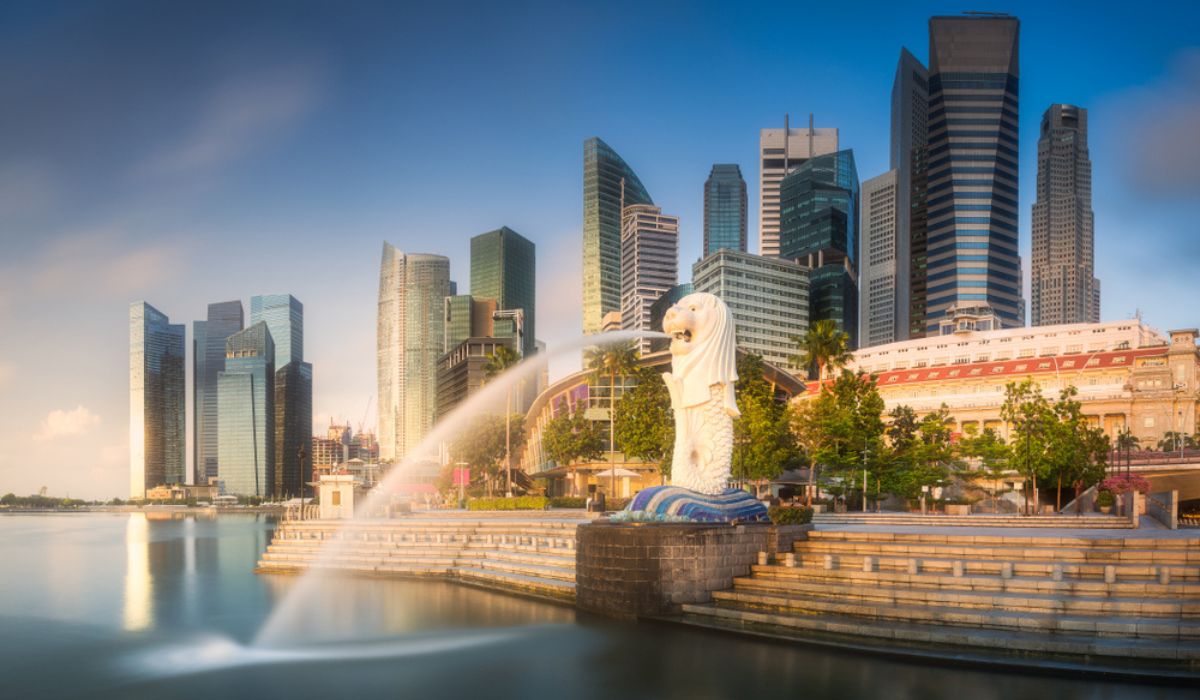
Singapore
Key Takeaways for Singapore
Singapore combines luxury urban living, pristine governance, and top-tier infrastructure, making it one of the costliest cities in Asia. Its blend of finance, safety, and modernity defines premium living.
Key Highlights:
- Strict car ownership laws and premium real estate.
- Exceptional healthcare, education, and expat lifestyle.
- Financial hub connecting Asia and global markets.
Singapore: Where Luxury Meets Urban Precision
Often dubbed the “Switzerland of Asia,” Singapore is not just a clean, efficient, and safe city—it’s also one of the most expensive cities in the world to live in. From sky-high housing costs to luxury living standards, Singapore’s price tags are just as elevated as its skyline. But what exactly drives up the cost of living in this island nation?
Singapore Real Estate: Limited Land, Unlimited Prices
Let’s start with the big one: real estate in Singapore. With just over 700 square kilometers of land and a booming economy, housing is in high demand—and prices reflect it.
- Buying property as a foreigner comes with steep additional buyer’s stamp duties (ABSD)—up to 60% in some cases.
- Even locals find themselves spending 30–40% of their income on housing alone.
- Private condos and landed properties are especially pricey, while HDB flats (government housing) are increasingly out of reach for new buyers.
In short, whether you’re renting or buying, Singapore makes you pay for that skyline view.
Singapore Cost of Living: The Price of Perfection
Living in Singapore means enjoying world-class infrastructure, but it comes at a premium:
- Car ownership is notoriously expensive due to Certificate of Entitlement (COE) fees—buying even a modest car can cost over $100,000 USD.
- International schools cost between $15,000–$40,000 USD annually.
- A night out at a decent restaurant can easily set you back $80–$150 USD for two.
And don’t even get started on luxury goods—Singapore is one of Asia’s biggest hubs for designer brands and high-end dining.
Living in Singapore: Why People Still Flock to Singapore
Despite the costs, Singapore continues to attract expats, entrepreneurs, and multinational corporations thanks to:
- Its strategic location in Southeast Asia for business and trade
- A stable political climate and top-notch healthcare
- One of the most efficient public transport systems in the world
- Low crime rates, clean streets, and a reputation for order
In essence, living in Singapore offers premium quality, but only if you can foot the bill.
- Sources Include / Discover More: Singapore’s Best Attractions
- Also Read: Most Expensive Jewelry in the World
#3
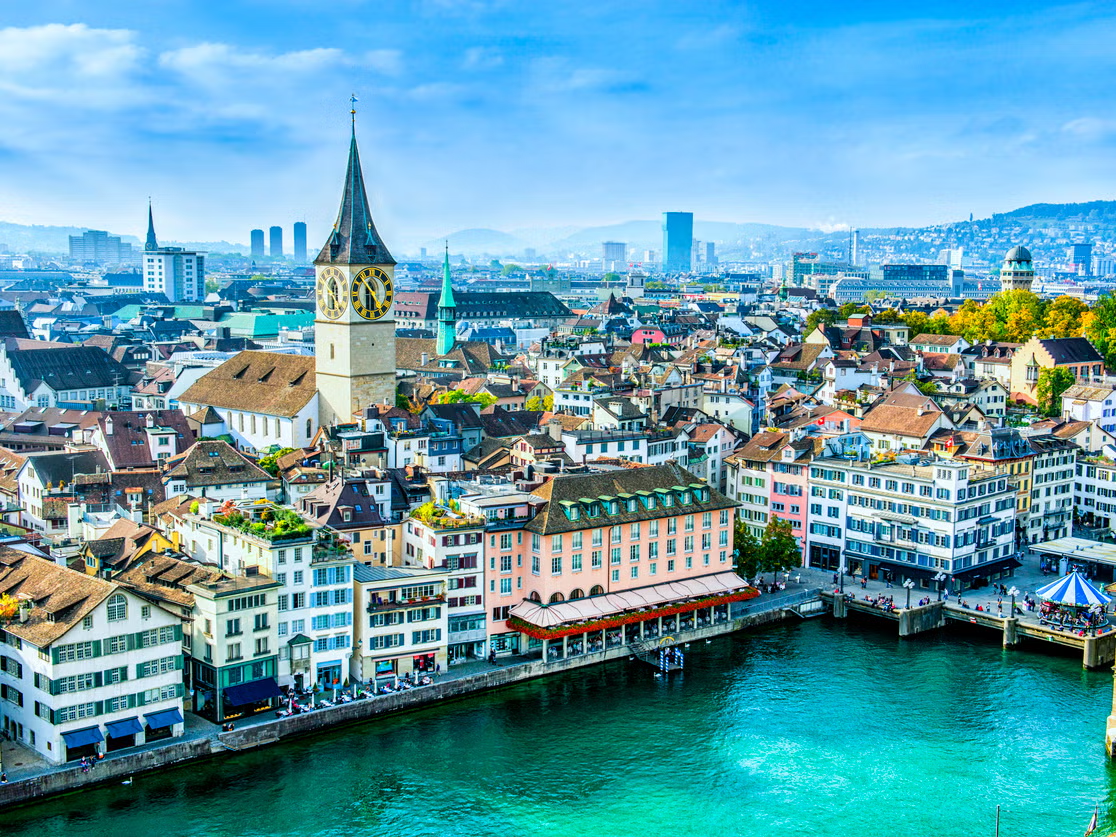
Zurich, Switzerland
Key Takeaways for Zurich
Zurich, Switzerland’s financial heart, ranks among the world’s most expensive cities thanks to its high wages, immaculate infrastructure, and luxury standards. It’s synonymous with wealth, precision, and quality living.
Key Highlights:
- Global banking and finance capital.
- High salaries balanced by elevated living costs.
- Pristine environment and elite cultural life.
Zurich: A Picture-Perfect City With Luxury Living Costs
Zurich is often associated with pristine lakes, snow-capped Alpine backdrops, and world-class chocolates. But behind its postcard-perfect appearance lies one of the highest costs of living on the planet. This elegant Swiss city consistently ranks among the most expensive cities in the world, and for good reason. If you’re asking why Zurich is so expensive, the answer lies in its economic strength, premium lifestyle, and strong Swiss franc.
Zurich Cost of Living: The Swiss Economic Equation
One of the key reasons Zurich ranks so high in cost is its strong economy. Salaries in Zurich are among the highest in the world. But with great income comes great expenses.
- Groceries, restaurants, and services all reflect Swiss labor costs, which are significantly higher than the global average.
- A simple meal at a casual restaurant can cost $25–$40 USD per person.
- Monthly rent for a modest one-bedroom apartment in the city center is often over $2,500 USD.
The city’s currency, the Swiss franc (CHF), is also among the strongest in the world. This increases prices even more for international travelers and expats converting their local currency.
Zurich Real Estate: Clean, Quiet, and Costly
Zurich’s real estate market is tightly regulated, clean, and remarkably well-planned. But it is also extremely pricey and competitive.
- Renting a small apartment in the city’s most desirable districts, like Seefeld or Enge, can exceed $3,000 USD per month.
- Buying property is even more daunting, with prices ranging from $10,000 to $15,000 USD per square meter.
- Strict zoning laws and a focus on preserving the city’s heritage limit the development of new housing.
The result is a low supply, high demand environment where housing remains exclusive and costly.
Living in Zurich: Why Zurich Still Attracts Global Talent
Despite its price tag, Zurich remains a global magnet for skilled professionals and international businesses. With political neutrality, a powerful banking sector, low crime rates, and stunning natural beauty, it’s easy to see the appeal. Quality of life here is unmatched—if you can afford it.
- Sources Include / Discover More: Everything to Know About Zurich
- Also Read: Most Expensive Travel Destinations
#4
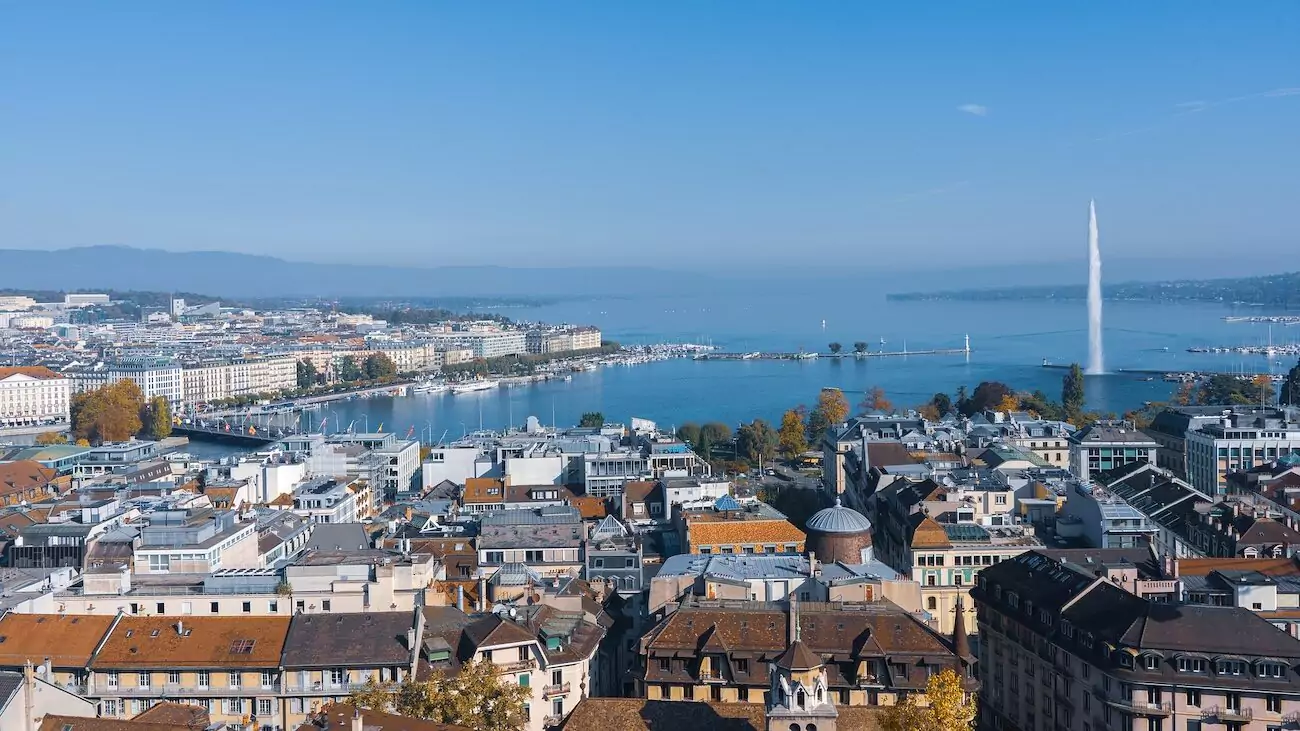
Geneva, Switzerland
Key Takeaways for Geneva
Geneva exudes international prestige as a hub for diplomacy, luxury living, and fine craftsmanship. The city’s high real estate costs mirror its elite standard of living.
Key Highlights:
- Headquarters for global organizations and NGOs.
- Exceptional quality of life with scenic lakeside views.
- Premium housing, gourmet dining, and private healthcare.
Geneva: The Global Capital of Calm and Cost
Geneva is known globally as the home of diplomacy. It’s where the United Nations, the World Health Organization, and countless NGOs operate. But beyond politics and peace talks, Geneva holds a firm spot on the list of the world’s most expensive cities. The reasons are a blend of international demand, ultra-premium living standards, and Switzerland’s reputation for quality.
Geneva Cost of Living: A Daily Luxury
Everything in Geneva comes at a premium. From basic groceries to leisure activities, living in the city means preparing for some of Europe’s steepest price tags.
- A single person’s average monthly expenses (excluding rent) can easily surpass $1,500 USD.
- Eating out? A simple dinner for two at a mid-range restaurant will likely cost over $100 USD.
- Groceries, particularly fresh produce and imported items, are significantly more expensive than in neighboring countries.
The strong Swiss franc also plays a role, making Geneva especially costly for foreigners and expats converting from weaker currencies.
Geneva Real Estate: Space is the Ultimate Luxury
Geneva’s housing market is notoriously exclusive. Limited land availability, strict zoning laws, and high international demand have all contributed to sky-high rental and property prices.
- Monthly rent for a one-bedroom apartment in a central location ranges from $2,000 to $3,500 USD.
- Larger family apartments or luxury condos in upscale areas like Eaux-Vives or Champel can reach $5,000 USD or more.
- Buying property is difficult and expensive, especially for non-residents due to legal restrictions.
Competition for quality rental units is fierce, and most tenants secure housing through agencies that charge extra service fees.
Living in Geneva: Why People Still Choose Geneva
Despite the high costs, Geneva offers a level of safety, cleanliness, and political stability that is hard to find elsewhere. Its healthcare and public transport systems are exceptional, and residents enjoy access to the stunning beauty of Lake Geneva and the nearby Alps. For diplomats, finance professionals, and expats working with international organizations, the city’s quality of life justifies the expense.
- Sources Include / Discover More: Explore Geneva
- Also Read: Most Expensive Weddings in the World
#5
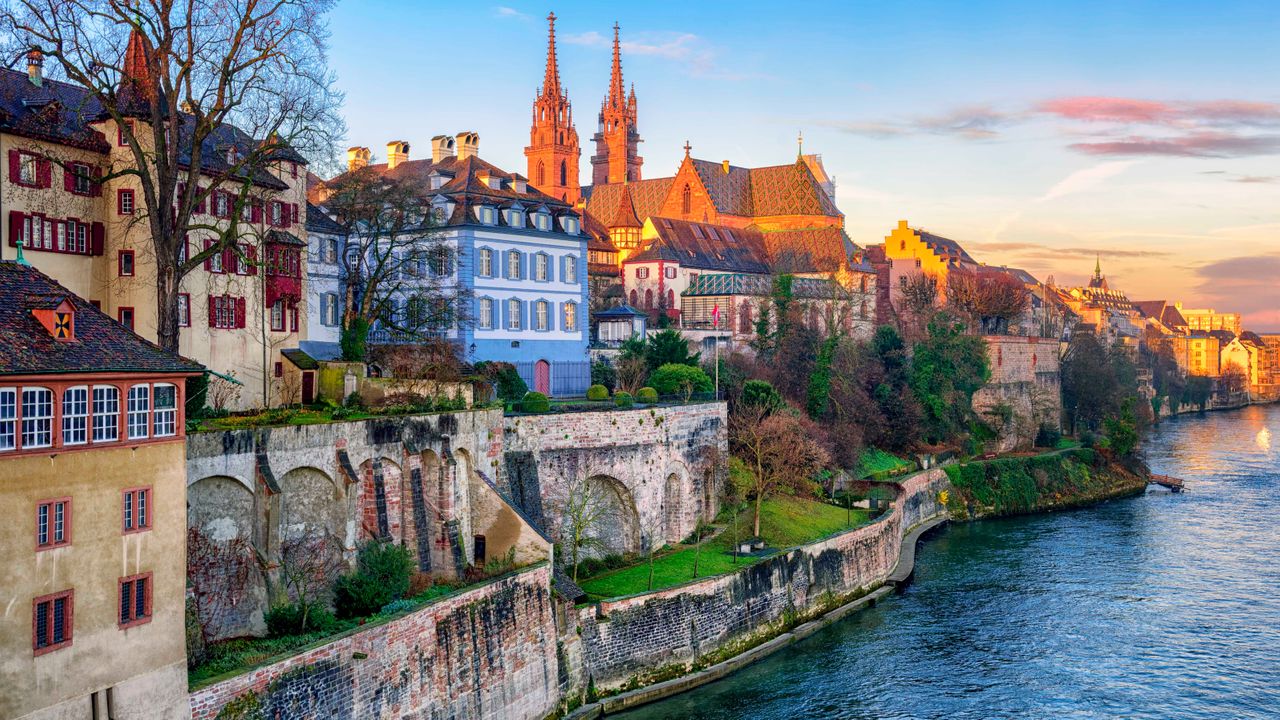
Basel, Switzerland
Key Takeaways for Basel
Basel’s charm lies in its blend of culture, art, and corporate excellence. As a pharmaceutical and finance center, it offers an affluent lifestyle that comes at a premium.
Key Highlights:
- Home to major pharmaceutical giants.
- Renowned for international art fairs and culture.
- High-income city with strong housing demand.
Basel: Where Culture Meets Wealth (and High Living Costs)
Nestled along the Rhine River and bordering both Germany and France, Basel is a beautiful mix of Swiss order, European charm, and global ambition. Often overshadowed by Zurich or Geneva in name, Basel quietly holds its own as one of the most expensive cities in the world. It’s a city of clean design, cultural richness, and international industry—especially in pharmaceuticals and finance. But luxury, in Basel, doesn’t come cheap.
Basel Cost of Living: Elegant, Efficient, Expensive
Basel offers a high standard of living—and every bit of it comes at a cost. The city is known for safety, clean air, excellent healthcare, and beautiful green spaces, but expect your wallet to feel the pressure.
- Renting a one-bedroom apartment in central Basel ranges from CHF 1,600 to CHF 3,000 per month (about $1,750–$3,250 USD).
- A modest meal for two at a mid-range restaurant often runs over CHF 80, while groceries like meat, dairy, and fresh produce are among the highest-priced in Europe.
- Transport is efficient but costly, with monthly passes averaging CHF 80–100.
Basel Real Estate: Small Market, High Demand
The real estate landscape in Basel is competitive, especially in neighborhoods like Gundeldingen or St. Johann. Expats and locals alike face rising prices due to high demand and a limited housing supply.
- Property prices in desirable areas can exceed CHF 10,000 per square meter.
- Foreigners face restrictions when buying property, and loans typically require a large down payment.
- Many professionals opt to rent long-term because of complex ownership laws and steep entry costs.
Living in Basel: Why Basel Still Wins Hearts (and Wallets)
So why do people continue to move to Basel despite its sky-high costs? The answer lies in its quality of life. The city offers world-class museums, festivals like Art Basel, low crime rates, strong public schools, and incredible work opportunities—especially in biotech and finance. Basel’s unique mix of art, science, and luxury living makes it a magnet for high-earning professionals, creatives, and academics from around the globe.
- Sources Include / Discover More: City of Basel
- Also Read: Most Expensive Health and Wellness Retreats
#6
Bern, Switzerland
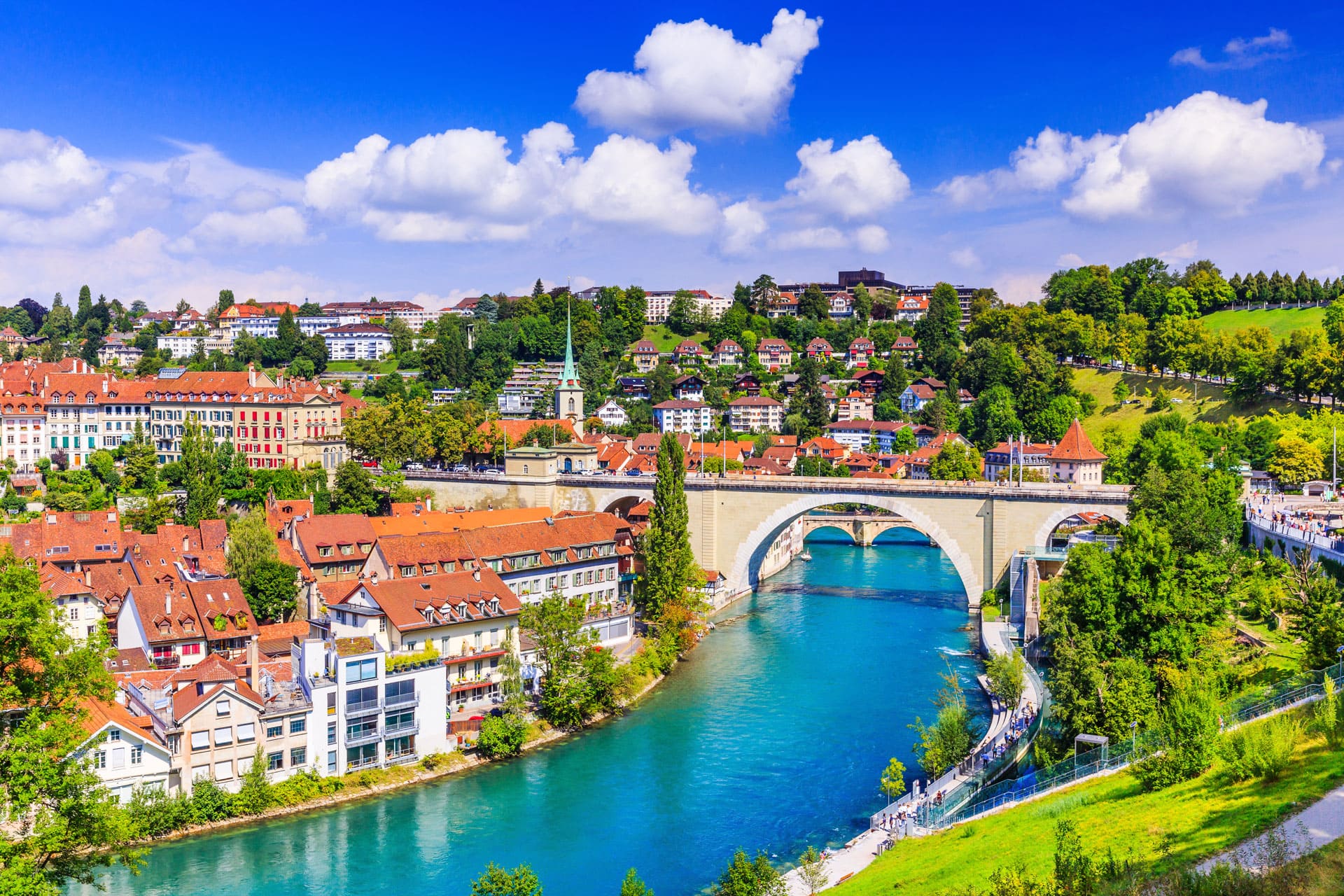
Key Takeaways for Bern
Bern, the Swiss capital, balances government prestige with historic beauty and modern luxury. Its high rent and refined public services make it one of Switzerland’s most desirable cities.
Key Highlights:
- Political and administrative center of Switzerland.
- Offers premium living and safety standards.
- Architectural heritage blended with urban sophistication.
Bern: Understated, Scenic, and Surprisingly Expensive
Bern, the capital of Switzerland, often flies under the radar compared to Zurich or Geneva. But don’t let its quiet charm fool you—Bern is consistently ranked as one of the most expensive cities in the world. Known for its medieval architecture, UNESCO-listed Old Town, and peaceful atmosphere, Bern offers a high standard of living. That quality, however, comes with a serious cost.
Bern Cost of Living: Swiss Quality Comes at a Price
Living in Bern means enjoying clean streets, efficient transport, and world-class healthcare. But it also means managing some of the highest daily expenses in Europe.
- Renting a one-bedroom apartment in central Bern costs between CHF 1,500 and CHF 2,800 per month (approx. $1,650–$3,100 USD).
- Dining out is a luxury, with a casual meal for two costing CHF 70 or more, and fine dining going well above CHF 150.
- Basic groceries, personal care items, and transport are also priced far above the European average.
Even though salaries are high, many expats and locals feel the pressure of Bern’s living costs.
Bern Real Estate: Limited Supply, Premium Pricing
While Bern’s housing market isn’t as overheated as Zurich’s, it remains costly due to Switzerland’s overall limited real estate availability and strict zoning regulations.
- Properties are usually smaller, with a strong emphasis on energy efficiency and traditional Swiss aesthetics.
- Buying a home in Bern averages CHF 10,000–CHF 15,000 per square meter, depending on the area.
- Additional costs include notary fees, taxes, and strict lending criteria—especially for foreigners.
Still, demand remains strong due to the city’s stability, low crime rates, and exceptional public services.
Living in Bern: Why Bern Attracts Expats and Professionals
Bern is often considered one of the best cities in the world for quality of life. It’s clean, safe, and offers incredible access to nature with the Alps just a short train ride away. The city is home to numerous international organizations and government institutions, making it a hub for diplomats, scientists, and global thinkers who value a peaceful, refined lifestyle.
- Sources Include / Discover More: The UNESCO World Heritage Site of Bern
- Also Read: Most Expensive Gym Memberships
#7
New York City, USA
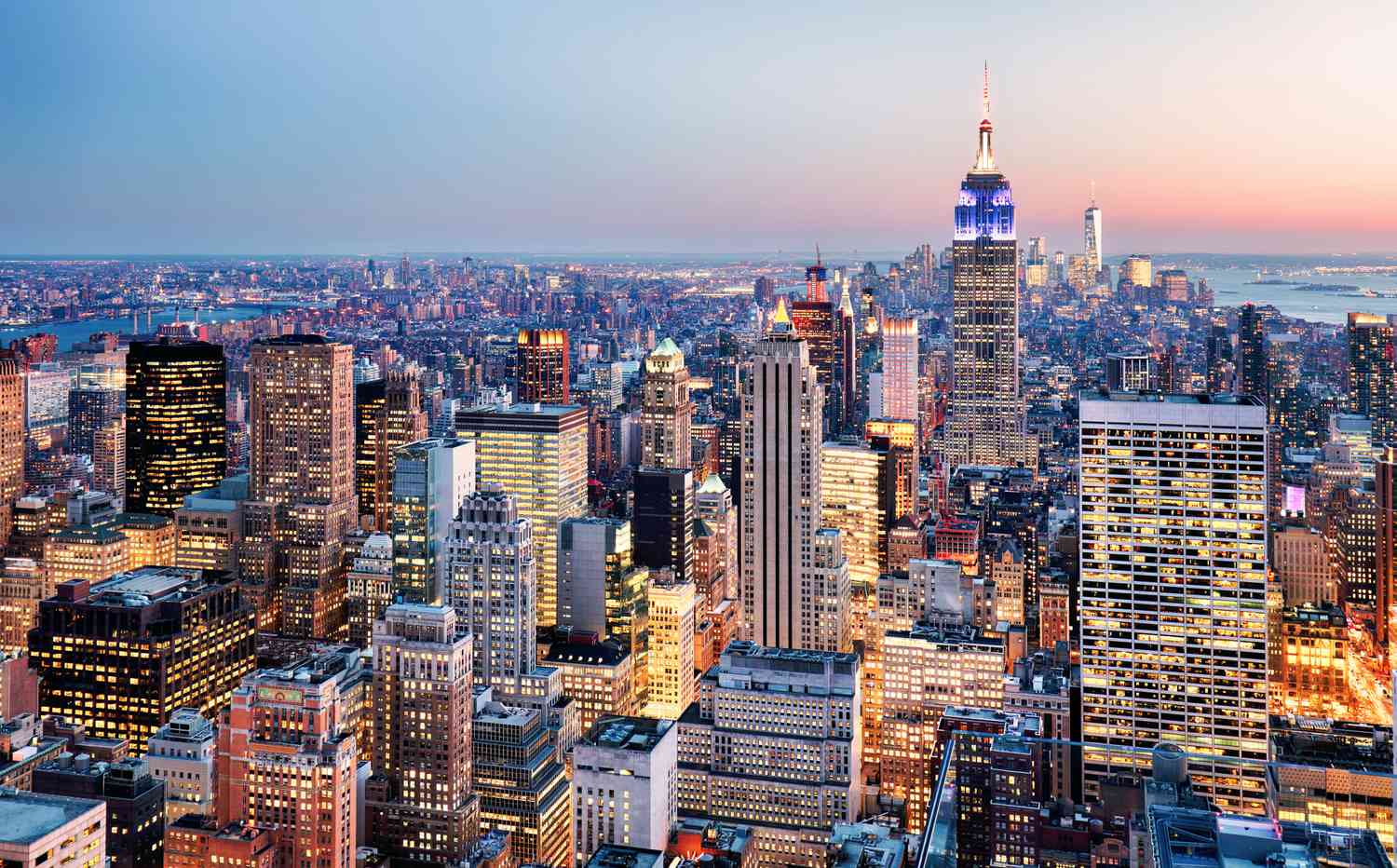
Key Takeaways for New York City
New York City defines modern luxury and ambition, ranking as one of the most expensive cities globally. From Wall Street to Broadway, it’s where opportunity meets extravagance.
Key Highlights:
- High real estate prices and everyday expenses.
- Global center for finance, fashion, and media.
- Iconic lifestyle spanning culture, dining, and business.
New York City: The City That Never Sleeps… or Spends Less
New York City is the economic and cultural heartbeat of the United States, but it’s also one of the most expensive cities in the world to live in. Known for its towering skyscrapers, Broadway lights, and financial might, NYC offers endless opportunities—but at a price that can shock even the wealthiest residents and travelers.
New York Cost of Living: Big Dreams, Bigger Budgets
Living in New York means adapting to a lifestyle where almost everything costs more. Whether it’s a simple coffee or your monthly rent, the city demands a premium.
- The average rent for a one-bedroom apartment in Manhattan exceeds $4,000 USD per month.
- Dining out, even casually, can run $60–$100 USD for two people, and groceries aren’t cheap either.
- Transportation, though efficient, comes with rising subway fares, parking fees, and tolls.
Even basic living expenses can quickly snowball into thousands of dollars per month, making financial planning essential for anyone relocating to the city.
NYC Real Estate: The World’s Most Competitive Housing Market
One of the biggest financial challenges in New York is securing a place to live. With limited space and enormous demand, the housing market is fiercely competitive and relentlessly expensive.
- Renting in neighborhoods like Tribeca, SoHo, or the Upper West Side can cost upwards of $6,000 USD per month.
- Buying property is equally daunting, with luxury apartments often exceeding $2 million USD.
- Co-op boards, real estate agents, and hefty down payments add to the already intense buying process.
Still, millions find a way to make NYC work—because its energy and opportunities are unmatched.
Living in New York: Why People Still Move to New York
Despite its high cost of living, New York continues to attract artists, entrepreneurs, financiers, and dreamers. It’s a city of ambition, creativity, and global influence. With endless career opportunities, top-tier entertainment, and cultural diversity, New York remains a magnetic force for those ready to hustle and thrive.
- Sources Include / Discover More: New York City
- Also Read: Most Expensive Mortgages in the World
#8
London, United Kingdom
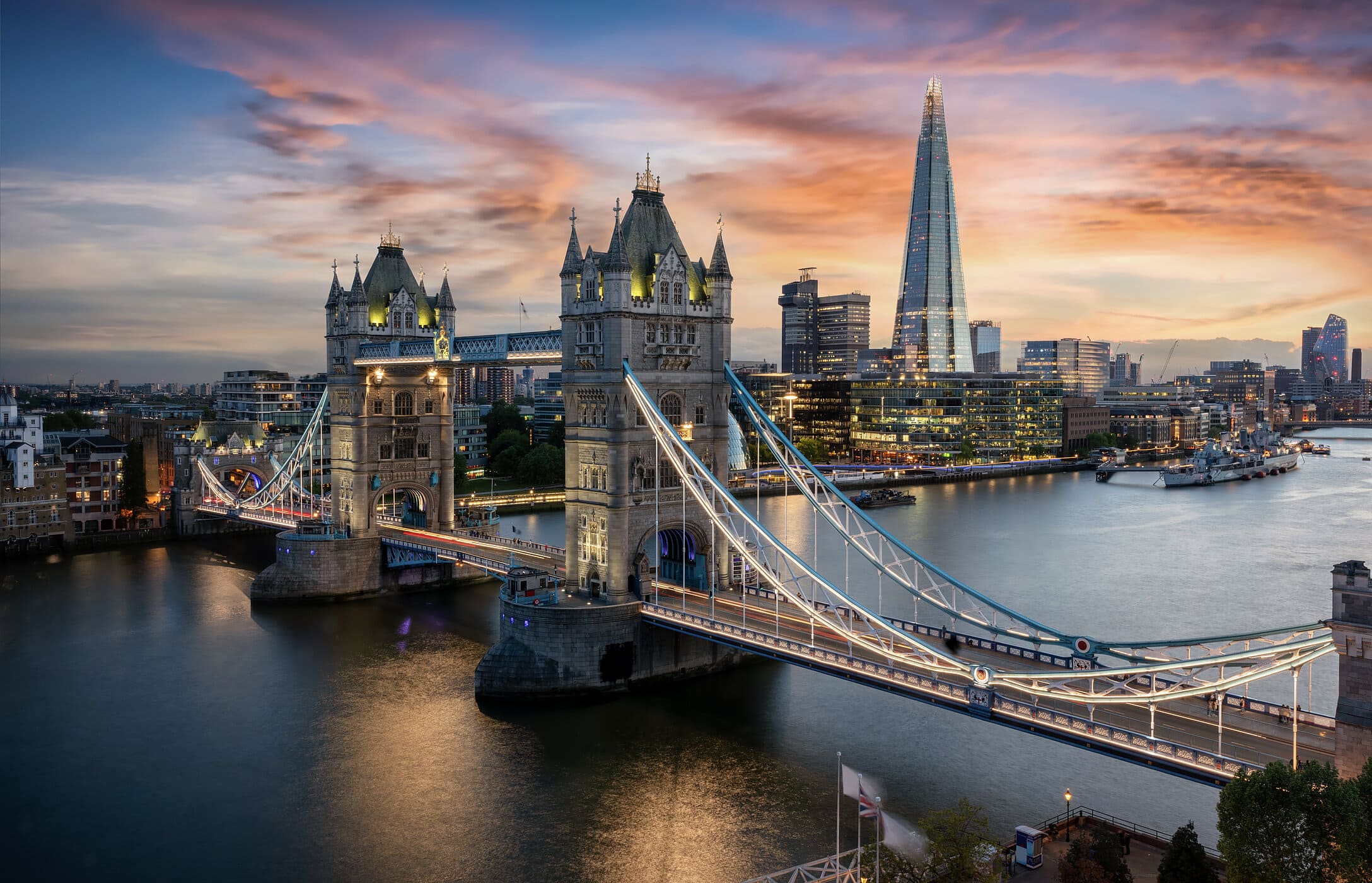
Key Takeaways for London
London combines history, culture, and financial power, making it Europe’s most iconic expensive city. Its high housing prices reflect its unmatched global appeal.
Key Highlights:
- Financial and political capital of the UK.
- Premium housing and luxury retail markets.
- Global leader in education, arts, and innovation.
London: Where History Meets High Living Costs
London is a city that seamlessly blends tradition and modernity. It’s a global hub for finance, fashion, politics, and culture—but it also comes with one of the highest price tags in the world. From housing to transport and everything in between, London’s cost of living makes it a city where only the financially prepared thrive. The British capital continues to attract global talent, but living here requires careful budgeting and a high income.
London Cost of Living: A Pound Doesn’t Go Far
London’s allure comes with a financial challenge. While wages can be competitive—especially in banking, tech, and legal sectors—the everyday cost of living often offsets the benefit.
- Renting a one-bedroom flat in Central London (e.g., Chelsea, Kensington) can cost between £2,000 and £3,500 per month.
- Groceries, public transport (like the Tube), and even your daily coffee are significantly more expensive than in most UK cities.
- Dining out is a luxury for many, with a mid-range dinner for two averaging £60–£100.
Public services like healthcare are free under the NHS, which helps, but everything else requires deep pockets.
London Real Estate: A Game for the Wealthy
London’s real estate market is one of the most expensive and competitive in the world. International investors, limited housing supply, and zoning regulations keep prices sky-high.
- Average property prices in prime areas like Mayfair or Knightsbridge exceed £1.5 million.
- Renting in outer zones (Zone 3 and beyond) is more affordable but comes with longer commutes.
Council taxes, utilities, and agency fees add up quickly, pushing total housing costs even higher
Living in London: Why People Still Choose to Live in London
Despite the costs, London remains one of the world’s most desirable cities to live in. It offers world-class education, cultural landmarks, job opportunities, and an unmatched international lifestyle. Whether you’re attending theatre in the West End, networking in the City, or exploring diverse neighborhoods like Shoreditch or Notting Hill, life in London is endlessly rich—for those who can afford it.
- Sources Include / Discover More: Visit London
- Also Read: Most Expensive Real Estate in the World
#9
Nassau, Bahamas
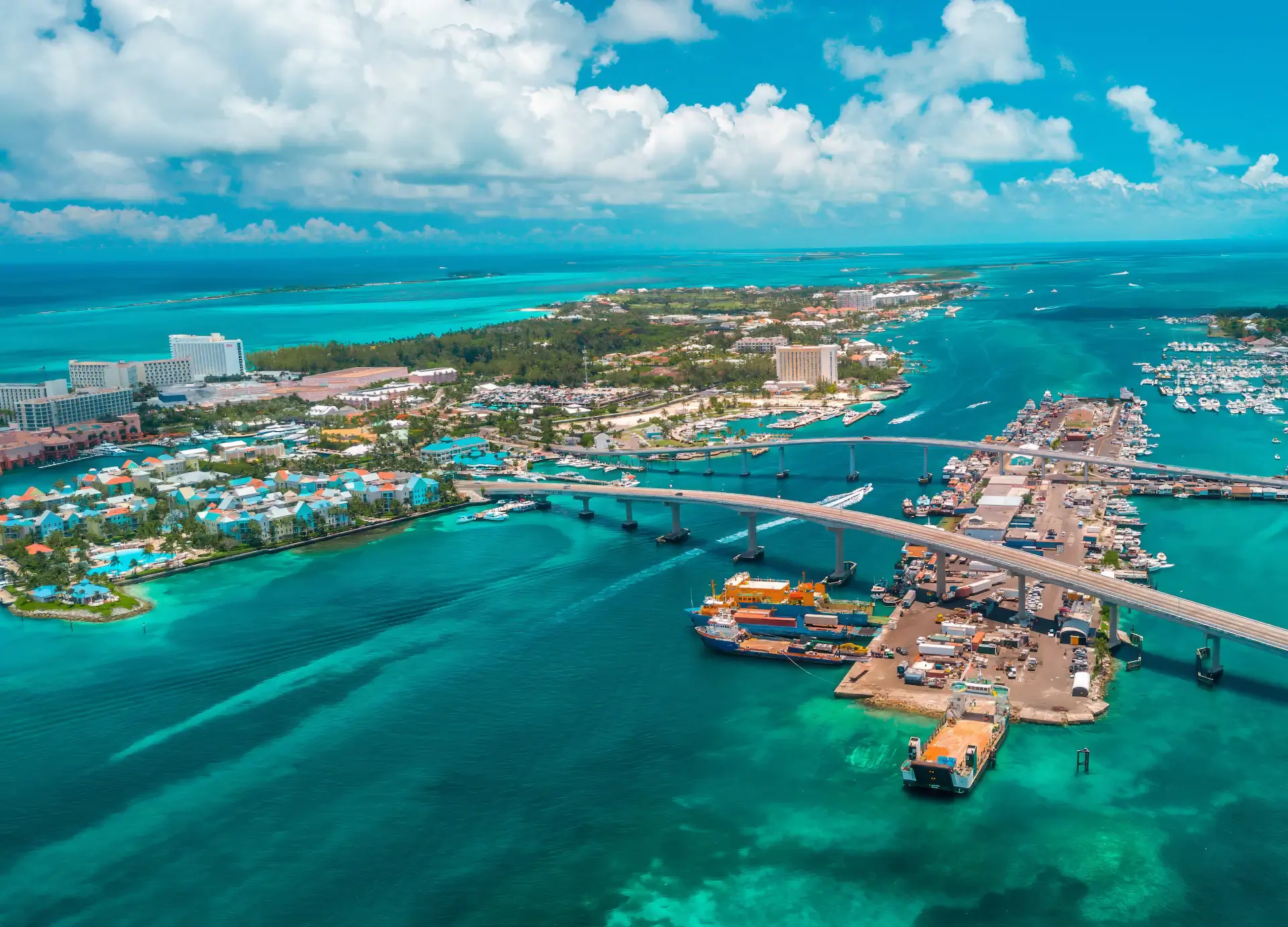
Key Takeaways for Nassau
Nassau, the jewel of the Bahamas, blends tropical luxury with elite exclusivity. It’s a tax-free paradise for the ultra-wealthy, driven by tourism and offshore finance.
Key Highlights:
- No income tax and luxury island real estate.
- Hub for offshore banking and yacht ownership.
- Offers premium resorts and waterfront living.
Nassau: Island Life With a Billionaire’s Price Tag
When you think of Nassau, crystal-clear turquoise waters, luxury yachts, and sun-kissed beaches come to mind. But beneath the beauty lies a soaring cost of living that places Nassau among the world’s most expensive cities. As the economic and cultural heart of the Bahamas, Nassau attracts tourists, retirees, and international elites—but living here comes with an island-sized price tag.
Nassau Cost of Living: High Prices in a Tropical Paradise
Living in paradise sounds dreamy, but Nassau’s costs quickly add up—especially when much of the goods are imported, and services are premium-priced.
- Renting a one-bedroom apartment in a safe and central area like Cable Beach or Paradise Island can range from $2,000 to $4,500 USD per month.
- Dining out is a luxury: a meal for two at a mid-range restaurant can easily top $100 USD, and even basic groceries like milk, meat, and vegetables are often double U.S. prices due to import taxes.
- Utilities such as electricity, water, and internet are among the most expensive in the Caribbean.
While there’s no personal income tax, other indirect costs more than make up for it.
Real Estate in Nassau: Ocean Views, Million-Dollar Listings
Nassau’s real estate market is geared toward luxury buyers. High-net-worth individuals from around the world invest here for vacation homes, retirement, or tax-free living.
- Oceanfront condos and estates on Paradise Island, Lyford Cay, or Old Fort Bay can exceed $5 million USD.
- Property taxes are relatively low, but maintenance and insurance—especially during hurricane season—can be steep.
- Foreign ownership is allowed and even encouraged, though legal fees and administrative costs apply.
Living in Nassau: Why Nassau Continues to Draw the Wealthy
Despite its high costs, Nassau remains one of the most sought-after places to live and invest. With zero income tax, stunning scenery, international schools, and easy access to the U.S., it’s ideal for digital nomads, investors, and retirees seeking a tax-efficient, sun-drenched lifestyle. Add in golf courses, fine dining, and vibrant island culture, and it’s clear why people are willing to pay top dollar to call Nassau home.
- Sources Include / Discover More: Interesting Reads About Nassau
- Also Read: Most Expensive Private Jets in the World
#10
Los Angeles, United States
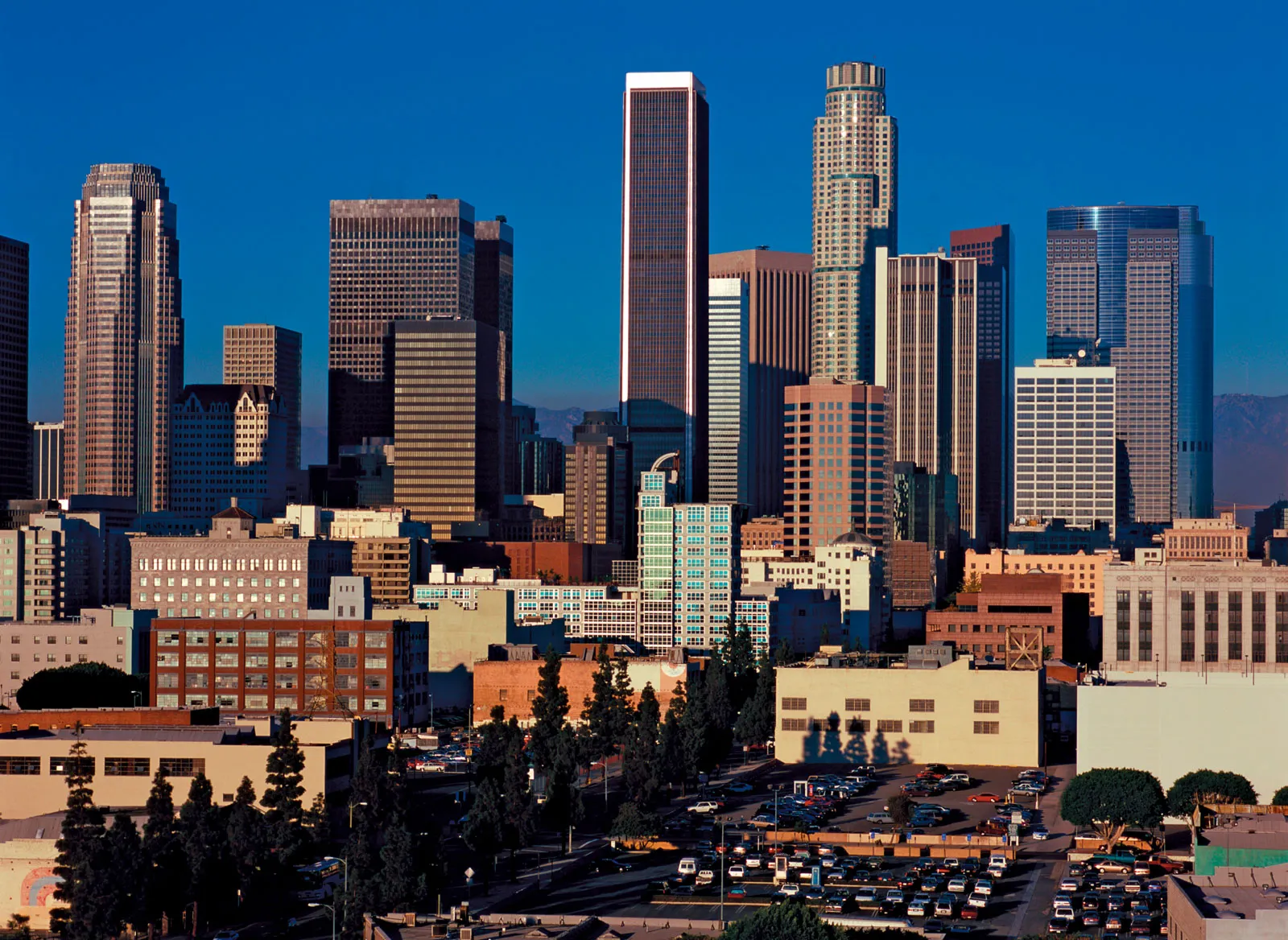
Key Takeaways for Los Angeles
Los Angeles embodies Hollywood glamour, creative ambition, and high-end living. Its mix of entertainment wealth and real estate demand drives some of the highest costs in the U.S.
Key Highlights:
- Global entertainment and film capital.
- Premium neighborhoods like Beverly Hills and Malibu.
- Luxury shopping, cars, and lifestyle at global standards.
Los Angeles: Where Fame, Fortune, and High Costs Collide
Los Angeles isn’t just the entertainment capital of the world—it’s also one of the most expensive places to live. From Hollywood Hills to beachfront homes in Santa Monica, the lifestyle comes at a premium. LA is known for its glamorous image, constant sunshine, and booming creative and tech industries, but making it here isn’t just about talent—it’s about affording the price tag that comes with it.
Los Angeles Cost of Living: Sun, Surf, and Spending
Life in LA is beautiful—but it’s anything but cheap. Whether you’re paying for housing, food, gas, or fun, the expenses add up fast.
- A one-bedroom apartment in central locations like West Hollywood or Downtown LA averages between $2,500 and $3,800 per month.
- Dining out casually costs around $60 for two, while high-end restaurants can push that well past $150.
- Gasoline prices in California are among the highest in the U.S., and car ownership is almost essential due to limited public transport.
Entertainment, gym memberships, and other lifestyle costs also reflect the city’s luxury culture.
LA Real Estate: Real Estate for the Rich and the Ambitious
Housing is the biggest financial hurdle in Los Angeles. The city is home to some of the most desirable—and expensive—real estate in the U.S.
- Buying a modest home in a decent neighborhood often starts around $800,000 and climbs into the millions.
- Luxury neighborhoods like Beverly Hills, Brentwood, and Malibu routinely see home prices of $5 million or more.
- High property taxes and homeowners’ association (HOA) fees add to the burden for owners.
Even in surrounding suburbs like Pasadena or Burbank, housing prices remain steep, though slightly more manageable.
Living in Los Angeles: Why People Still Move to Los Angeles
Despite the price tag, LA continues to attract artists, actors, tech talent, and entrepreneurs. With year-round sunshine, a booming job market, diverse food scene, and access to beaches and mountains, Los Angeles offers a lifestyle that few places can match—if you can afford it.
- Sources Include / Discover More: Discover Los Angeles
- Also Read: Most Expensive Hotels in the World
Key FAQs on the 10 Most Expensive Cities in the World
Why is Hong Kong the most expensive city in the world?
Hong Kong ranks as the world’s most expensive city due to extreme housing scarcity and record-breaking property prices, with average apartment values exceeding USD $1.2 million according to global real estate indexes.
Its dense population, limited developable land, and position as a leading international financial hub push up costs across housing, transport, and education.
Mercer and Numbeo consistently rank Hong Kong first globally for expatriate living expenses, confirming its long-term cost-of-living dominance.
What makes Singapore an expensive city?
Singapore’s high cost of living is driven by limited land supply, luxury real estate pricing, and strict vehicle ownership policies, where Certificates of Entitlement alone can exceed USD $70,000.
Premium healthcare, elite education systems, and strong demand from high-income professionals further elevate everyday expenses.
Mercer and the Economist Intelligence Unit repeatedly rank Singapore among the world’s most expensive cities for residents and expatriates alike.
Why is Zurich one of the most expensive cities?
Zurich is among the world’s most expensive cities due to exceptional wage levels, premium housing costs, and its role as a global banking and financial center.
Monthly living expenses for a single professional often exceed USD $4,000 before rent, reflecting Switzerland’s high price structure.
UBS and Numbeo rankings highlight Zurich’s strong purchasing power, world-class infrastructure, and top-tier public services as key cost drivers.
Why does Geneva rank as an expensive city?
Geneva’s high cost of living is driven by its concentration of international organizations, diplomatic missions, and high-income expatriate populations.
Luxury real estate near Lake Geneva commands premium prices, while daily expenses remain among the highest in Europe.
Mercer and the Economist Intelligence Unit consistently rank Geneva in the global top tier due to its political importance, elite healthcare, and diplomacy-centered luxury lifestyle.
What makes Basel expensive to live in?
Basel’s elevated living costs stem from its powerful pharmaceutical and life sciences industries, which generate high salaries and sustained housing demand.
Limited residential supply, premium cultural events such as Art Basel, and Switzerland’s overall price levels further increase expenses.
Numbeo cost-of-living data regularly places Basel among Europe’s most expensive mid-sized cities despite its relatively small population.
Why is Bern costly compared to other cities?
Bern’s high cost of living reflects its status as Switzerland’s political capital, where stable government-sector incomes support elevated housing and service prices.
Strong public infrastructure, safety, and protected historic districts limit housing supply and raise rents.
Swiss economic and housing reports show Bern’s living costs closely match Zurich’s, driven by consistent demand and high quality-of-life standards.
What drives New York City’s high cost of living?
New York City’s high cost of living is driven by some of the world’s most expensive real estate, especially in Manhattan where average rents exceed USD $5,000 per month.
Its dominance in finance, media, and entertainment fuels constant demand for housing and services.
Numbeo and EIU rankings consistently place New York among the most expensive global cities across housing, dining, and transportation.
Why is London among the most expensive cities?
London remains one of the world’s most expensive cities due to its role as a global financial capital and sustained international investor demand.
Property prices in areas like Kensington and Mayfair rank among Europe’s highest, while elite education and private healthcare add further costs.
Mercer and EIU consistently rank London among the most expensive cities, reflecting its prestige-driven urban economy.
Why is Nassau expensive?
Nassau’s high cost of living is driven by its tax-haven status, luxury tourism economy, and heavy reliance on imported goods.
Oceanfront real estate and private island properties command premium prices, while limited domestic production increases everyday costs.
International wealth migration and high-end resort development have positioned Nassau among the world’s most expensive island cities.
What makes Los Angeles costly?
Los Angeles is expensive due to surging real estate prices, particularly in Beverly Hills and coastal neighborhoods, combined with car-dependent transportation costs.
The entertainment industry and celebrity-driven luxury lifestyle fuel demand for premium housing and services.
U.S. housing data shows median home prices exceeding USD $900,000, placing Los Angeles among America’s most expensive major cities.
Other Notable Mentions
While not in the top ten, cities like Copenhagen, Honolulu, and San Francisco are edging closer. A mix of booming industries, attractive lifestyles, and rising housing demands make these places increasingly expensive.
Global Economic Trends and Urban Affordability
Post-COVID realities and inflation have reshaped urban economies. Remote work shifted people away from core cities for a while, but with hybrid models becoming the norm, big cities are bouncing back.
Tech hubs, startup ecosystems, and international trade continue to pull talent—along with their rent checks—into these expensive metros.
Living in These Cities: Worth the Price?
Well, that depends. If you’re chasing career dreams, global exposure, or cultural richness, these cities offer it all—just be ready to pay.
For many, the opportunities outweigh the expenses. But for others, the stress of affording basic living might not justify the glamour.
Final Thoughts
So there you have it—the 10 Most Expensive Cities in the World, each with its own blend of financial weight, luxurious lifestyle, and global significance. From Hong Kong’s sky-high real estate prices to Zurich’s elite banking culture, these cities represent the pinnacle of urban sophistication and economic power. But such prestige comes with a cost—often reflected in rent, goods, and services that far exceed global averages.
Living in or even visiting these cities requires not just deep pockets but also a deep understanding of what drives their price tags—from limited land supply and import taxes to world-class amenities and exclusivity. Whether you’re planning relocation, investment, or just curious about global cost-of-living trends, knowing which cities top the list can guide better financial decisions.
Ultimately, these cities offer more than just high costs—they offer high rewards: professional opportunities, cultural richness, safety, and quality of life. But paradise, as they say, isn’t free—and sometimes, the most expensive cities are worth every cent.
The 10 Most Expensive Cities Frequently Asked Questions (FAQs)
Urban centers have higher demand, limited space, and premium infrastructure—all of which push costs up.
Stronger currencies make daily expenses pricier for international visitors and expats, affecting global rankings.
Yes, most cost-of-living surveys (like EIU and Mercer) publish annual reports based on current data.
Cities like Lisbon or Athens often rank among the more affordable options in Europe.
Yes—but it usually requires higher salaries, company perks, or making strategic lifestyle adjustments.
Hong Kong tops the list due to its sky-high property prices, financial significance, and urban density.
Zurich is the most expensive, followed by Geneva and Basel, due to their high wages, quality of life, and infrastructure.
Yes, NYC remains among the most expensive cities due to real estate, dining, entertainment, and high general expenses.
About the Author
This article was researched and prepared by the World Millions Editorial Team, specialists in global rankings, premium market analysis, structured comparisons, and high-value sector research across industries.
All content undergoes verification, editorial review, and periodic updates to ensure accuracy, clarity, and alignment with recognized industry standards, reliable institutional sources, and leading global authorities.
- Last Updated: March 27, 2026 by the World Millions Editorial Team
- Original Published Date: March 27, 2026
- View Our: Editorial Team | Sources | Disclaimer | Editorial Standards