- Home
- »
- World’s Most Famous
- »
- 10 Most Famous Entrepreneurs in the World
10 Most Famous Entrepreneurs
in the World
The 10 most famous entrepreneurs in the world represent the pinnacle of innovation, leadership, and global business influence. From technology visionaries to media moguls and industrial pioneers, these iconic founders transformed industries and built companies that reshaped the modern economy. Their ideas sparked revolutions in technology, finance, media, e-commerce, and manufacturing.
Discover the 10 most famous entrepreneurs in the world, ranked by global impact, industry disruption, and lasting legacy. From Elon Musk and Jeff Bezos to Steve Jobs and Henry Ford, these legendary business leaders turned bold ideas into world-changing enterprises that continue to influence innovation, entrepreneurship, and economic progress worldwide.
On This Page
Toggle- Updated 2026 by the World Millions Editorial Team: View Author Information
The Rise of Modern-Day Entrepreneurship
How Technology Redefined Opportunity
Back in the day, starting a business often meant huge capital, connections, and a brick-and-mortar setup. Fast forward to the 21st century, and all you need is a laptop and a groundbreaking idea. The internet, mobile apps, and social media have changed the rules of the game—and these entrepreneurs were the ones smart enough to play and win.
From Garage Startups to Billion-Dollar Empires
Traits That Make These Entrepreneurs Stand Out
Great entrepreneurs don’t just have business plans—they have grit, foresight, and an unshakable belief in their mission. Here are some common traits these icons share:
- Risk-taking: They don’t fear failure—they embrace it.
- Innovation: Constantly rethinking the norm.
- Vision: Seeing possibilities where others see limitations.
List of the Top 10 Most Famous Entrepreneurs in the World
Discover the visionaries who redefined success — from Elon Musk to Henry Ford, these legendary entrepreneurs built empires that changed the world forever.
The Top 10 Most Famous Entrepreneurs in the World represent the pinnacle of vision, innovation, and relentless drive. These business icons have not only shaped industries but also transformed the way humanity lives, works, and connects. From Elon Musk’s revolutionary electric vehicles and space technology to Jeff Bezos’ trillion-dollar e-commerce dominance, their influence extends across every corner of the global economy.
Each entrepreneur on this list — including Bill Gates, Warren Buffett, Mark Zuckerberg, Oprah Winfrey, Richard Branson, Steve Jobs, Jack Ma, and Henry Ford — stands as a symbol of creativity, determination, and groundbreaking leadership. They turned bold ideas into billion-dollar enterprises, setting new benchmarks in technology, media, finance, and manufacturing.
This detailed ranking celebrates not just wealth, but the global impact and visionary legacy of these trailblazers. Whether it’s innovation in sustainability, social media revolutions, or industrial evolution, each entrepreneur here redefined what it means to succeed in the modern world.
Explore this table to see how these world-famous entrepreneurs disrupted industries, inspired generations, and built the foundation of today’s global economy.
| No. | Name | Company | Country | Industry Impact |
|---|---|---|---|---|
| 1 | Elon Musk | Tesla, SpaceX | USA | Redefined the automotive and aerospace industries with sustainable energy and space innovation |
| 2 | Jeff Bezos | Amazon | USA | Revolutionized global e-commerce, cloud computing, and digital logistics |
| 3 | Bill Gates | Microsoft | USA | Made personal computing mainstream and launched a global software empire |
| 4 | Warren Buffett | Berkshire Hathaway | USA | Transformed value investing into a long-term wealth-building philosophy |
| 5 | Mark Zuckerberg | Meta (Facebook) | USA | Built the largest social media ecosystem and reimagined global communication |
| 6 | Oprah Winfrey | OWN, Harpo | USA | Empowered media through storytelling and built a billion-dollar brand based on trust |
| 7 | Richard Branson | Virgin Group | UK | Created a disruptive global brand across aviation, music, and telecom |
| 8 | Steve Jobs | Apple | USA | Set new standards in technology, user experience, and design culture |
| 9 | Jack Ma | Alibaba Group | China | Opened China to global e-commerce and pioneered fintech innovation |
| 10 | Henry Ford | Ford Motor Company | USA | Revolutionized manufacturing with the assembly line and made automobiles accessible to all |
Discover the 10 Most Famous Entrepreneurs in the World
Discover the 10 Most Famous Entrepreneurs in the World who reshaped industries, built global empires, and changed the way we live, work, and connect. These visionaries turned bold ideas into trillion-dollar movements, influencing technology, e-commerce, media, automotive innovation, finance, and beyond.
From Elon Musk and Jeff Bezos to Oprah Winfrey and Henry Ford, each entrepreneur’s journey highlights innovation, resilience, and unstoppable ambition. Whether you’re launching a startup or seeking business inspiration, their stories offer powerful lessons in leadership, disruption, and future-building success.
#1
Elon Musk
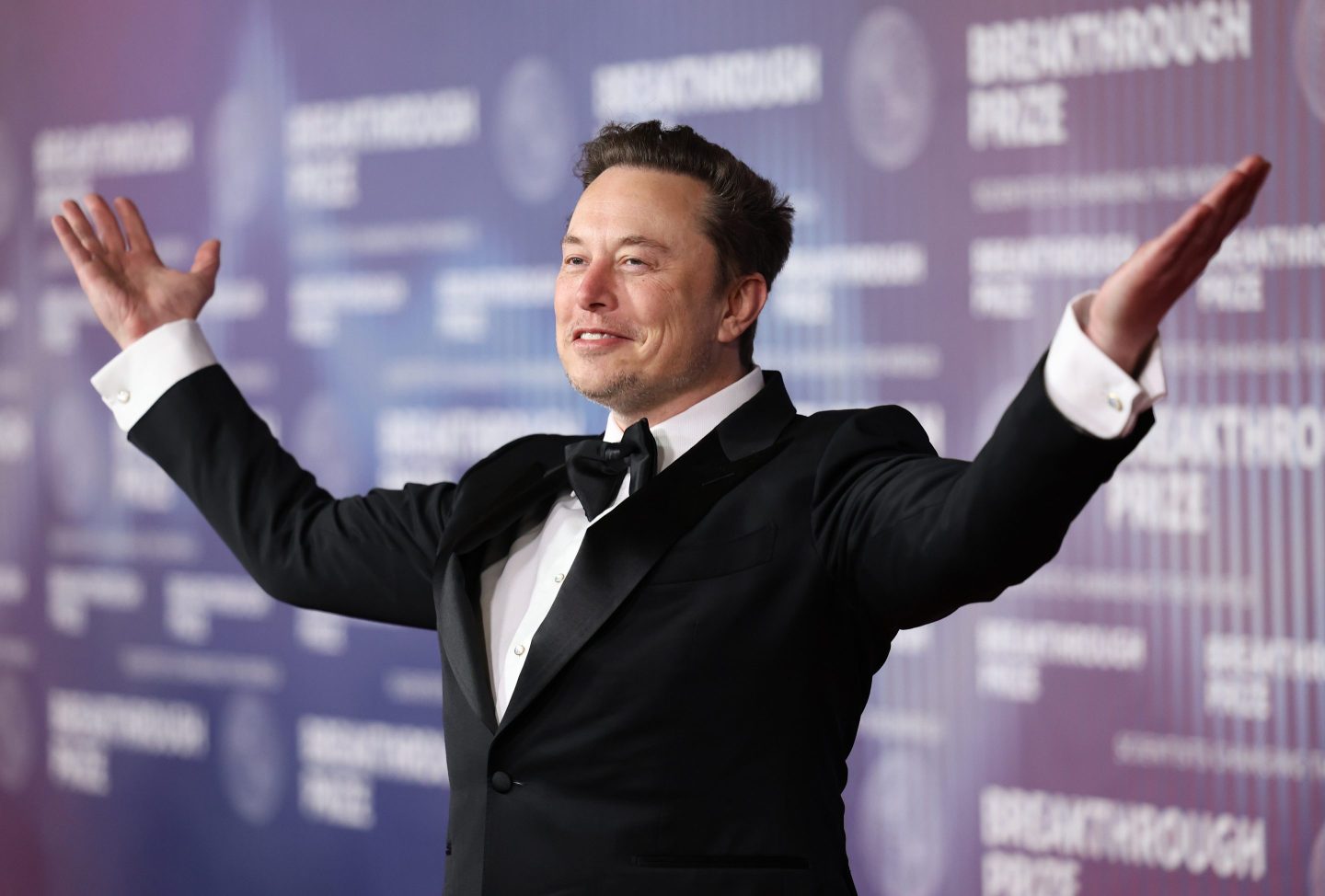
Key Takeaways for Elon Musk: The Visionary of the Future
Tesla, SpaceX, and Beyond
Elon Musk isn’t just building cars—he’s building the future. Tesla isn’t about vehicles; it’s about sustainable energy. SpaceX isn’t just about rockets; it’s about becoming a multi-planetary species.
Musk’s Global Influence
From AI to Neuralink, his ventures touch nearly every aspect of tomorrow’s technology. He’s not afraid to challenge the status quo—even if it means ruffling some feathers on Twitter.
Elon Musk: Reinventing Transportation with Tesla
Elon Musk reshaped the automotive landscape with Tesla, transforming electric vehicles from a niche concept into a global movement. What started as a bold dream evolved into a fleet of high-performance electric cars that combine cutting-edge technology with sleek, modern design. Models like the Tesla Model S and Model 3 offer not only zero-emission driving but also features like Autopilot and real-time software updates, which keep the vehicles ahead of their time.
Tesla’s Gigafactories have also played a massive role in battery innovation, bringing down costs and boosting energy density—key elements in making electric cars more accessible. Musk’s relentless pursuit of sustainable transportation has positioned Tesla at the forefront of the clean energy revolution, capturing the attention of drivers who want performance without environmental compromise. As global interest in green mobility grows, Tesla continues to set the pace, often outperforming legacy car brands in both market value and innovation.
SpaceX: Launching Humanity into a New Era
With SpaceX, Elon Musk turned science fiction into aerospace reality. From launching the first privately-funded spacecraft to dock with the International Space Station to developing fully reusable rockets, SpaceX has achieved milestones that were once thought impossible. The Falcon 9 and Starship rockets are engineered not only for space exploration but also for interplanetary travel, aligning with Musk’s ambitious goal of making life multiplanetary.
SpaceX has redefined how we think about space technology, reducing launch costs dramatically and opening the door for commercial space travel. Projects like Starlink are expanding global internet coverage, aiming to bring high-speed connectivity to underserved regions around the world. Musk’s vision isn’t just about exploring the cosmos—it’s about making space accessible, scalable, and part of everyday human life.
Musk: Innovating with Neuralink and Beyond
Always looking ahead, Musk has ventured into the frontier of human cognition through Neuralink. This groundbreaking company is developing implantable brain-machine interfaces that could one day treat neurological disorders and enhance human capability. While still in its early stages, Neuralink has already demonstrated live brain signal readings in animals, sparking global conversations about the future of AI-human integration.
Musk’s futuristic approach isn’t limited to one field—his ventures span energy, transport, AI, and space, each driven by a mission to solve humanity’s biggest challenges. Whether it’s building solar-powered cities or preparing for life on Mars, Musk continues to redefine the edge of possibility.
- Sources Include / Discover More: Elon Musk, A Businessman and Entrepreneur Known for His Leadership of Tesla, SpaceX, Twitter, and xAI
- Also Read: Most Famous Investment Strategies
#2
Jeff Bezos
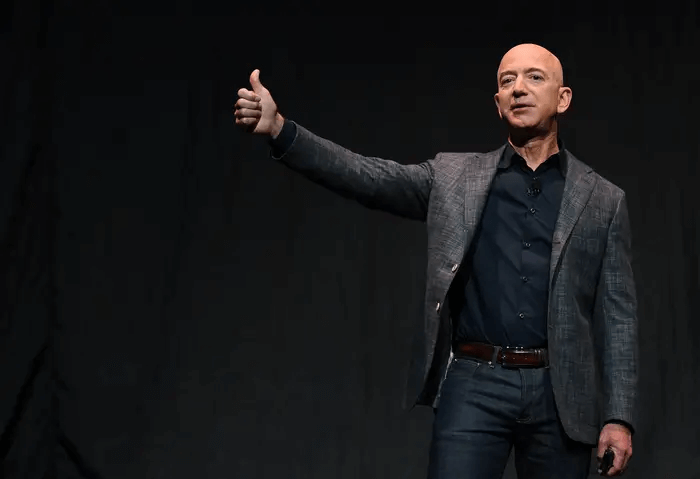
Key Takeaways for Jeff Bezos: The E-Commerce Titan
How Amazon Changed the World
Jeff Bezos took the simple idea of selling books online and turned it into a trillion-dollar empire. Today, Amazon is everywhere—from cloud computing to smart home devices.
From Books to Cloud Empires
AWS (Amazon Web Services) alone powers major parts of the internet. Bezos isn’t just an entrepreneur; he’s a digital architect.
Jeffrey P. Bezos: Transforming Online Shopping with Amazon
Amazon’s Jeffrey P. Bezos reimagined how the world shops. In 1994, what started as an online bookstore run out of a garage quickly evolved into Amazon—the global e-commerce empire that today offers everything from books and electronics to groceries and cloud services. Bezos’s relentless focus on customer satisfaction, fast delivery, and operational efficiency turned Amazon into a household name and changed the retail experience forever.
By pioneering concepts like 1-Click ordering, personalized recommendations, and Prime memberships with free two-day shipping, Bezos set new standards for convenience. Millions now rely on Amazon as their go-to platform for daily essentials, tech gadgets, and digital content. What once took hours at a physical store can now be done in minutes online—Amazon made that possible.
The company’s scale is staggering. Amazon handles billions of transactions yearly and operates massive fulfillment centers powered by advanced robotics and AI. It’s not just a retailer—it’s an ecosystem that includes streaming services, smart devices like Alexa, and cloud computing through Amazon Web Services (AWS).
Bezos: Building the Cloud Powerhouse – AWS
While most recognize Amazon for its retail dominance, Bezos’s true business masterstroke may be Amazon Web Services. Launched in the early 2000s, AWS became the backbone of the internet by offering reliable and scalable cloud infrastructure. Today, AWS powers everything from startups to government agencies, hosting websites, apps, databases, and even entire digital operations.
Thanks to Bezos’s foresight, Amazon isn’t just a retailer—it’s a tech company deeply embedded in the digital economy. AWS has become one of Amazon’s most profitable divisions, playing a crucial role in shaping the future of software, data storage, and artificial intelligence. This move solidified Amazon’s position not just as an e-commerce leader but also as a cornerstone of the modern internet.
Amazon Jeff: Innovating Delivery and Logistics
Amazon’s Jeff didn’t stop at making shopping easy—he revolutionized logistics. With innovations like drone delivery trials, same-day shipping, and automated warehouses, Amazon redefined what fast fulfillment means. The company even launched its own fleet of cargo planes and vans, reducing dependence on traditional couriers.
By investing heavily in supply chain innovation, Bezos ensured Amazon could deliver to virtually every corner of the globe. His obsession with efficiency, speed, and scalability turned Amazon into a logistical giant, changing expectations for businesses and customers alike.
- Sources Include / Discover More on Forbes: Jeff Bezos, An American Businessman Best Known as the Founder, Executive Chairman & Former President and CEO of Amazon
- Also Read: Most Famous Luxury Hotels
#3
Bill Gates
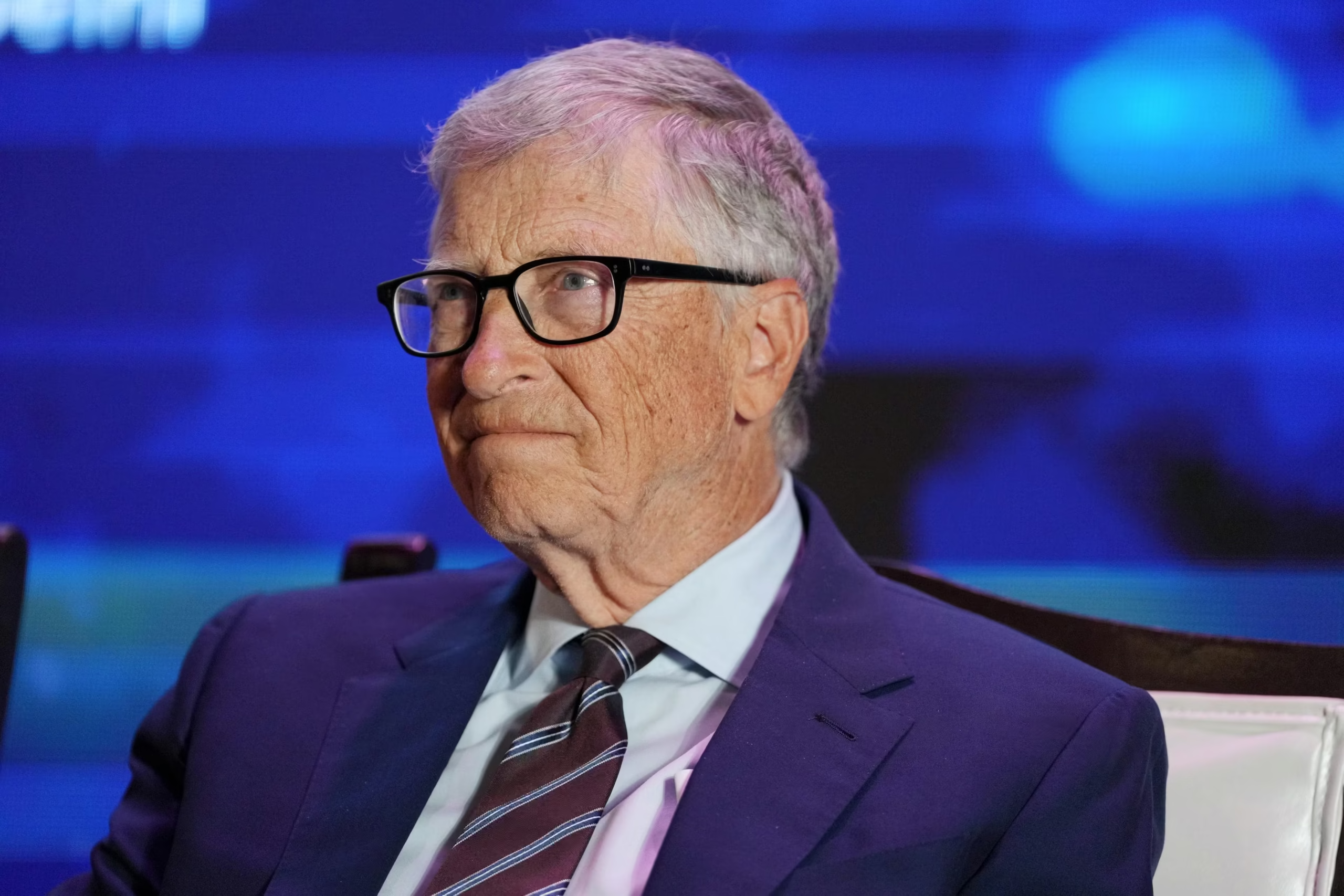
Key Takeaways for Bill Gates: The Software Pioneer
Microsoft’s Impact on Computing
Bill Gates made computing personal. Without Microsoft, we’d still be typing on green screens and floppy disks.
Gates’ Philanthropic Legacy
After stepping down, he didn’t just retire—he reinvented himself as one of the world’s top philanthropists through the Bill & Melinda Gates Foundation.
Bill Gates: Building Microsoft and the Personal Computer Revolution
Bill Gates didn’t just build a company—he helped shape the digital age. As the co-founder of Microsoft, Gates was instrumental in making personal computers accessible to everyday users. In an era when computing was dominated by massive machines in labs, he envisioned a future where every home and office had a computer—and he made it happen.
Microsoft’s breakthrough came with MS-DOS, but it was Windows that truly transformed the industry. With its graphical user interface and user-friendly experience, Windows became the operating system of choice for millions. Gates’s software empowered businesses to increase productivity and brought computing to classrooms and homes around the world.
Thanks to Microsoft Office, tools like Word, Excel, and PowerPoint became essential in both corporate and academic environments. Gates helped establish the software foundation that modern digital life depends on. His relentless focus on innovation, compatibility, and user experience made Microsoft a global leader and made him one of the most influential figures in tech history.
Bill & Melinda Gates Foundation: From CEO to Global Philanthropist
After stepping down from his day-to-day role at Microsoft, Gates turned his attention to global issues through the Bill & Melinda Gates Foundation. The organization focuses on health, education, and poverty—supporting vaccine development, clean water access, and educational reform around the world.
Gates applied the same analytical approach that made him successful in business to solving humanitarian problems. He became a leading voice in global health, advocating for disease eradication and funding critical medical research. His commitment to philanthropy has inspired other billionaires to take the Giving Pledge, encouraging them to donate a majority of their wealth to causes that matter.
Gates: Inspiring Innovation and Ethical Tech Leadership
Even today, Bill Gates continues to shape conversations around technology, climate change, and responsible innovation. He frequently shares insights on future trends, from artificial intelligence to green energy, guiding entrepreneurs and policymakers alike.
His legacy extends beyond Microsoft—it’s about how technology can be used to empower people, improve lives, and create long-lasting change. Gates proved that software could change the world, and he used his success not just to build wealth, but to build a better future for humanity. His influence on both the tech world and global development is unmatched.
- Sources Include / Discover More: William Henry Gates III, An American Businessman and Philanthropist
- Also Read: Most Famous Celebrity Private Jets
#4
Warren Buffett
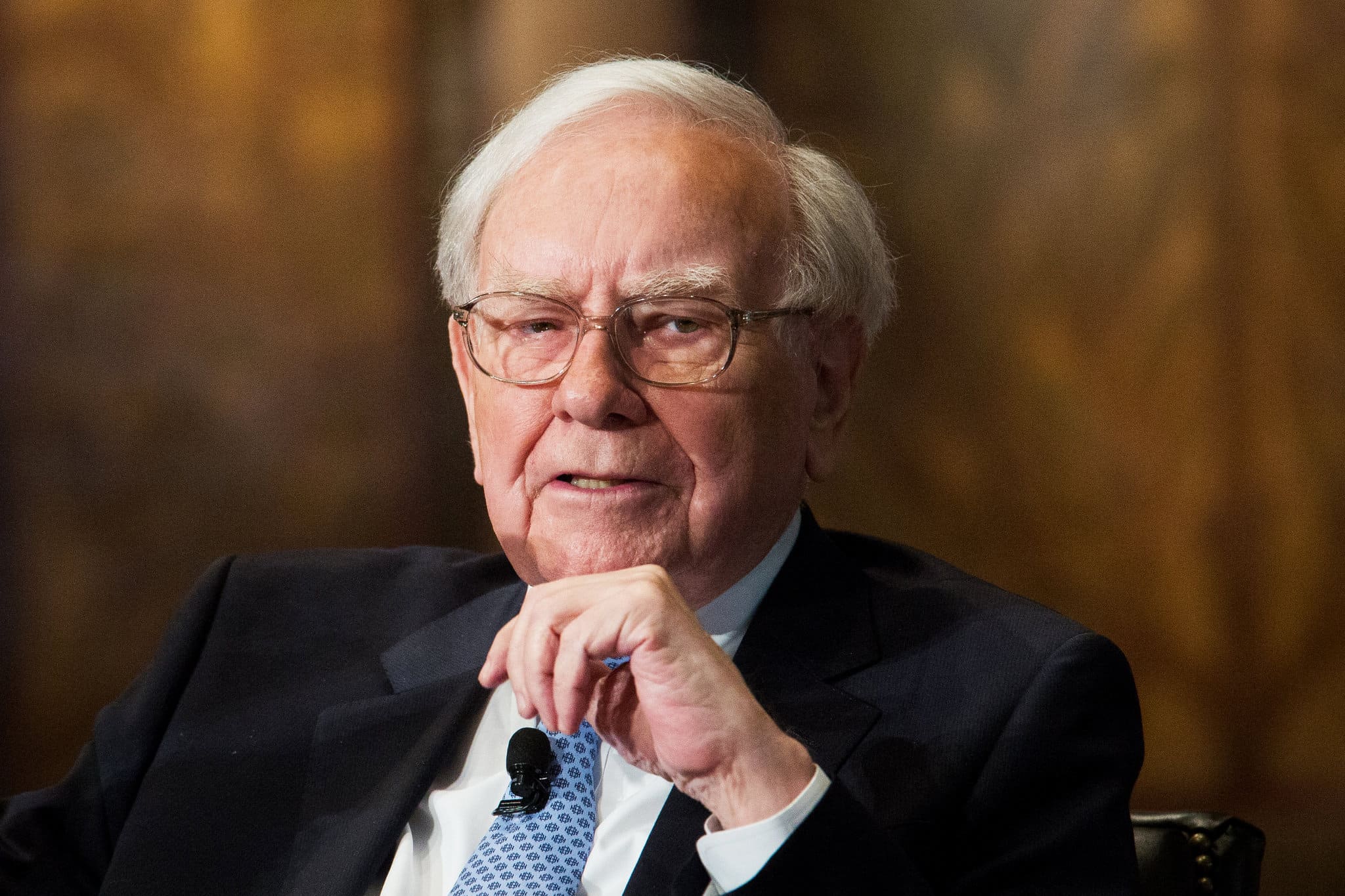
Key Takeaways for Warren Buffett: The Oracle of Omaha
Investing with Simplicity
Buffett made billions not with flashy startups, but by sticking to time-tested principles and investing in undervalued companies.
A Life of Wisdom and Wealth
He’s proof that patience and knowledge trump quick wins. His humble lifestyle makes him even more admirable.
Warren Buffett: Mastering Long-Term Value Investing
Warren Buffett is widely regarded as one of the greatest investors in history. Known as the “Oracle of Omaha,” he built his fortune through disciplined, long-term investing, primarily via his conglomerate Berkshire Hathaway. Rather than chasing short-term market trends, Buffett focused on buying quality companies with strong fundamentals, capable management, and lasting competitive advantages—what he calls “economic moats.”
From early investments in companies like Coca-Cola and American Express to later stakes in Apple and Bank of America, Buffett’s portfolio reflects patience, prudence, and an uncanny ability to see value where others don’t. His buy-and-hold philosophy has consistently outperformed market averages, making him a living legend in financial circles and a role model for aspiring investors worldwide.
His approach to investing is often summarized by his famous rule: “Be fearful when others are greedy, and greedy when others are fearful.” This contrarian mindset helped him navigate and even thrive during market downturns, earning him a reputation for wisdom and foresight in uncertain times.
Building Berkshire Hathaway into a Financial Powerhouse
Buffett turned Berkshire Hathaway from a struggling textile company into a global holding company with stakes in insurance, utilities, railroads, manufacturing, and consumer goods. Today, Berkshire owns or has major shares in household-name brands such as Geico, Dairy Queen, Duracell, and See’s Candies.
He emphasizes decentralization, letting trusted managers run their businesses independently—a strategy that has allowed Berkshire to scale without losing efficiency. Under Buffett’s stewardship, Berkshire’s stock value has grown exponentially, creating immense wealth for shareholders and placing the company among the most respected in the world.
Buffett: Advocating Financial Literacy and Humble Living
Despite his immense fortune, Buffett is known for his frugality and down-to-earth lifestyle. He still lives in the Omaha home he purchased in 1958 and enjoys simple pleasures like Coca-Cola and bridge. His humility and transparent communication—especially through his annual shareholder letters—have earned him admiration beyond Wall Street.
Buffett also believes in giving back. Alongside Bill Gates, he co-founded the Giving Pledge, committing to donate the majority of his wealth to philanthropy. His legacy isn’t just about financial genius—it’s about integrity, discipline, and using wealth for the greater good. For anyone looking to understand smart investing and ethical capitalism, Warren Buffett remains the gold standard.
- Sources Include / Discover More: Warren Buffett, Known as the “Oracle of Omaha,” Buffett is One of the Most Successful Investors of all Time
- Also Read: Most Famous Actors in the World
#5
Mark Zuckerberg
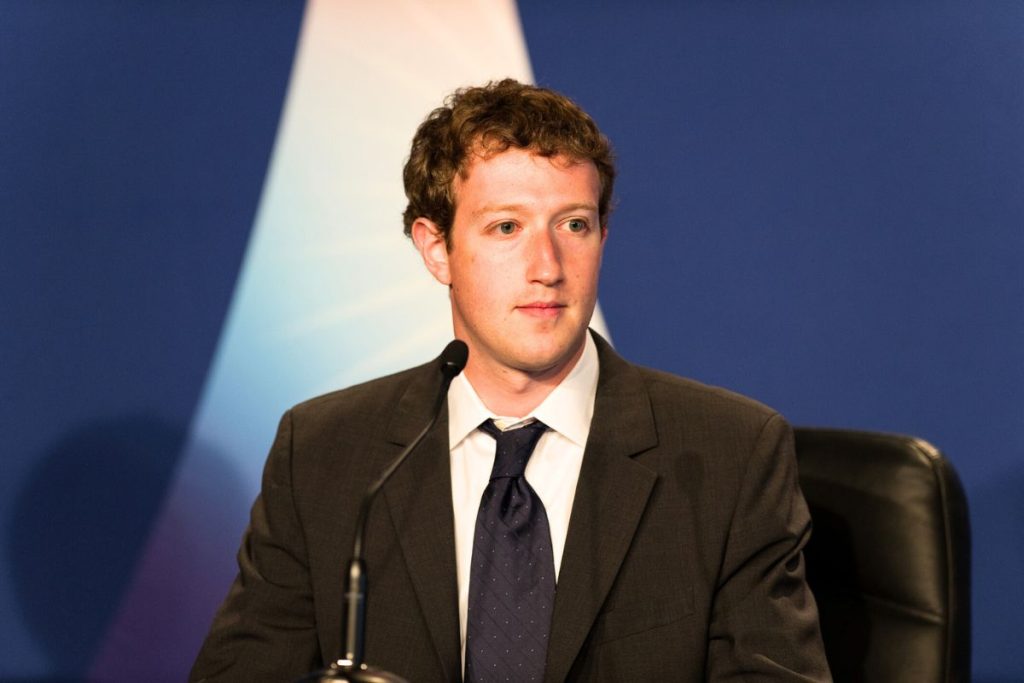
Key Takeaways for Mark Zuckerberg: The Social Network Genius
Building Meta from a Dorm Room
Mark Zuckerberg launched Facebook in a Harvard dorm room—and changed how we connect forever.
Navigating Controversies and Innovations
Though his journey is full of controversies (hello, privacy concerns), his ability to evolve (like pivoting to Meta) keeps him relevant.
Mark Elliot Zuckerberg: Revolutionizing Global Communication with Facebook
Mark Elliot Zuckerberg changed the way the world connects. In 2004, from his Harvard dorm room, he launched Facebook—a platform that started as a college networking site but quickly grew into a global phenomenon. What began as a tool to connect students evolved into the largest social media platform in history, used by billions to share memories, ideas, and life events.
Facebook didn’t just connect people—it redefined communication. It brought real-time messaging, photo sharing, live video, and community-building into the daily lives of users. Families stayed in touch across continents, small businesses found new audiences, and grassroots movements gained momentum—all on one platform. Zuckerberg’s vision turned Facebook into a digital public square, where conversations, commerce, and culture now collide.
Expanding the Digital Empire with Meta
Under Zuckerberg’s leadership, Facebook evolved into Meta—a move that reflects his ambition beyond social media. The company acquired Instagram and WhatsApp, creating a tech ecosystem that touches nearly every aspect of digital life. These platforms now lead in messaging, visual storytelling, and influencer marketing.
With Meta, Zuckerberg has set his sights on the future: the metaverse. This immersive digital world, powered by AR and VR technologies, aims to change how people interact, work, and play. Through innovations like Horizon Worlds and devices like Oculus Quest, Meta is laying the groundwork for what could become the next generation of the internet.
This strategic pivot places Zuckerberg at the forefront of emerging digital experiences, pushing the boundaries of what technology can offer in everyday life.
Zuckerberg: Navigating Controversy and Shaping Policy
Zuckerberg’s journey hasn’t been without challenges. From privacy concerns and data scandals to political misinformation and platform regulation, Meta has faced intense scrutiny. However, Zuckerberg continues to shape the conversation around digital responsibility, transparency, and user safety.
He has testified before Congress, invested heavily in content moderation and AI tools, and pledged billions to build safer and more inclusive digital platforms. Despite criticism, Zuckerberg remains a central figure in the evolution of digital media and technology governance.
Through constant innovation and bold leadership, Mark Zuckerberg transformed how the world interacts online. From social networks to virtual worlds, his influence continues to define the digital landscape of the 21st century.
- Sources Include / Discover More: Mark Elliot Zuckerberg is Chairman/CEO/Founder at Meta Platforms Inc
- Also Read: Most Famous Private Islands in the World
#6
Oprah Winfrey
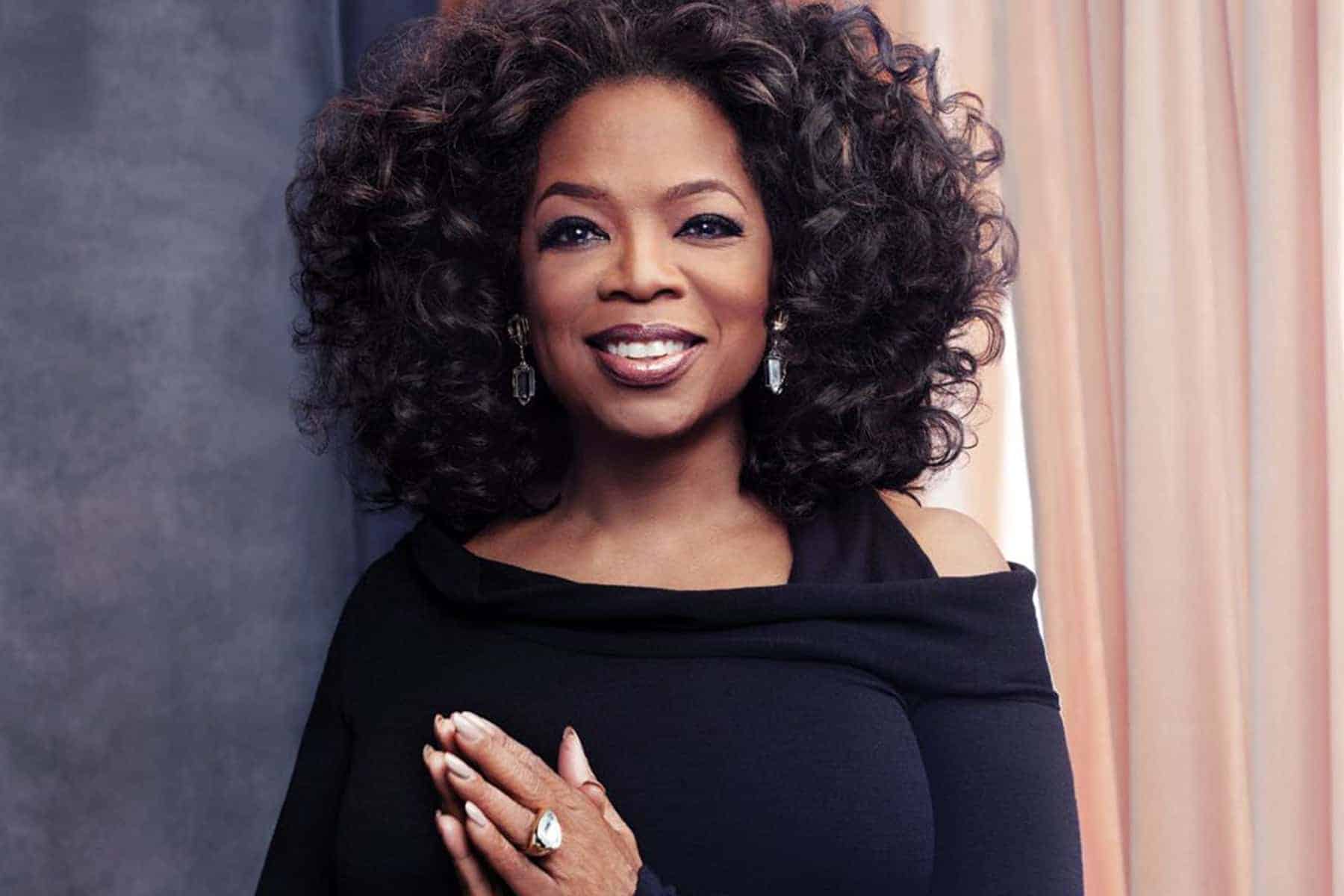
Key Takeaways for Oprah Winfrey: The Media Mogul
Overcoming Adversity with Vision
Oprah rose from poverty to become one of the most influential women in the world. Her secret? Authenticity.
Empire of Empathy and Influence
She’s not just a talk-show host—she’s a brand, a network, and a movement.
Oprah Gail Winfrey: From Humble Beginnings to Global Fame
Oprah Gail Winfrey’s journey is one of the most inspiring success stories of our time. Rising from poverty and a troubled childhood in rural Mississippi, she overcame immense obstacles to become one of the most powerful and influential media personalities in the world. Her authenticity, emotional intelligence, and ability to connect deeply with audiences helped her carve a unique space in television history.
It was The Oprah Winfrey Show that catapulted her to global fame. Running for 25 years, it wasn’t just another talk show—it was a cultural force. Oprah tackled real-life issues, hosted celebrities and change-makers, and turned personal stories into moments of national conversation. Viewers tuned in not just for entertainment but for inspiration, healing, and truth.
Building an Empire with OWN and Harpo Productions
Beyond the screen, Oprah built a media empire. Through Harpo Productions, she took control of her brand and content, producing television, films, and documentaries that championed human stories and social change. She later launched OWN (Oprah Winfrey Network), a cable channel that reflects her values: empowerment, growth, and authenticity.
OWN became a platform for new voices and impactful storytelling. From shows like Super Soul Sunday to Queen Sugar, Oprah leveraged her influence to highlight diverse creators and underrepresented perspectives. She wasn’t just creating content—she was reshaping the narrative in media.
Her book club, magazine (O, The Oprah Magazine), and digital ventures extended her reach even further, making Oprah a trusted voice across multiple generations and platforms.
Oprah: Championing Social Change and Philanthropy
Oprah has used her wealth and influence to drive real-world change. She’s donated hundreds of millions to causes related to education, health, and empowerment—most notably through the Oprah Winfrey Foundation. Her girls’ school in South Africa, the Oprah Winfrey Leadership Academy, is a testament to her belief in the power of education to break cycles of poverty.
She’s also become a leading voice in social justice, mental health awareness, and spiritual well-being. Oprah’s interviews, especially with global icons and survivors of trauma, have created cultural milestones and sparked worldwide dialogue.
More than a media mogul, Oprah is a movement—a beacon of hope, resilience, and purpose. She didn’t just succeed in entertainment; she changed lives and redefined what it means to lead with empathy and impact.
- Sources Include / Discover More: Oprah Gail Winfrey, An American Talk Show Host, Television Producer, Actress, Author, and Media Proprietor
- Also Read: Most Famous Buildings in the World
#7
Richard Branson
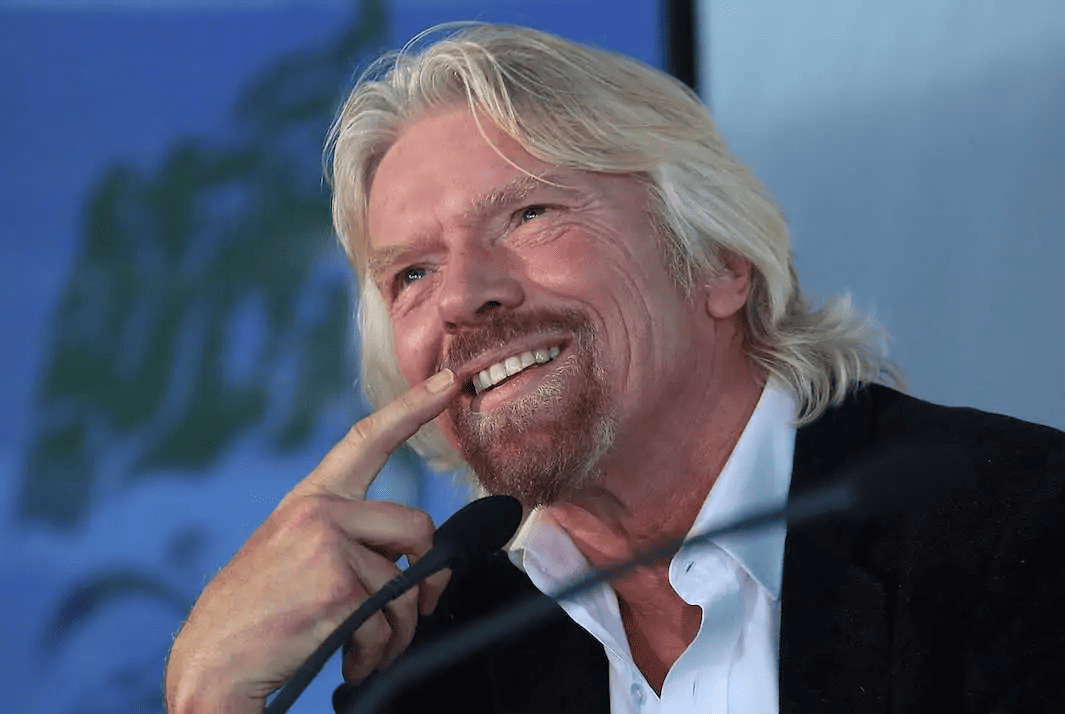
Key Takeaways for Richard Branson: The Rebel Billionaire
Virgin Group’s Global Reach
From airlines to space travel, Branson’s Virgin Group spans over 400 companies.
Branding with Personality
What sets him apart? His daring stunts, personal branding, and fun-first business culture.
Richard Charles Nicholas Branson: Disrupting Industries with the Virgin Brand
Richard Charles Nicholas Branson is the embodiment of entrepreneurial daring. With a fearless spirit and an appetite for innovation, he built the Virgin Group—an empire that spans more than 40 companies across sectors like music, aviation, telecommunications, health, and even space. What sets Branson apart is not just his business success, but how he achieved it: by breaking the rules, challenging the status quo, and always putting the customer experience first.
Virgin Records was his first big hit, signing artists like the Sex Pistols and making waves in the music industry. Then came Virgin Atlantic, where Branson introduced luxury and flair into air travel, directly taking on aviation giants. From cheeky ads to exceptional service, he turned travel into an experience rather than a necessity, earning global recognition.
Each of his ventures reflects his personal brand—bold, disruptive, and unconventional. Whether it’s Virgin Mobile challenging telecom monopolies or Virgin Hotels redefining hospitality, Branson has a knack for spotting gaps in the market and turning them into profitable opportunities.
Branson: Personal Branding and Adventure-Driven Leadership
Branson doesn’t hide behind the boardroom. He’s the rare billionaire who thrives in the spotlight, using his adventurous persona as a marketing tool. From hot-air ballooning across oceans to kitesurfing with celebrities, his stunts are as legendary as his businesses. But these aren’t just for show—they reinforce his brand image: fearless, fun, and approachable.
His leadership style is people-first. He believes in empowering teams, fostering creativity, and keeping hierarchy to a minimum. His open-door policy, emphasis on work-life balance, and employee-first culture have made Virgin one of the most admired brands in the world.
Reaching for the Stars with Virgin Galactic
Branson’s latest frontier is space. Through Virgin Galactic, he’s pioneering space tourism, aiming to make outer space accessible to non-astronauts. His historic flight in 2021 marked a milestone in commercial space travel and signaled a new era where even the sky is no longer the limit.
More than just a businessman, Richard Branson is an icon of what it means to take risks, dream big, and live fully. His journey proves that with passion, resilience, and a bit of rebellion, one can turn wild ideas into world-changing ventures.
- Sources Include / Discover More: Sir Richard Charles Nicholas Branson, An English Business Magnate Who Co-Founded the Virgin Group in 1970
- Also Read: Most Famous Celebrities in the World
#8
Steve Jobs
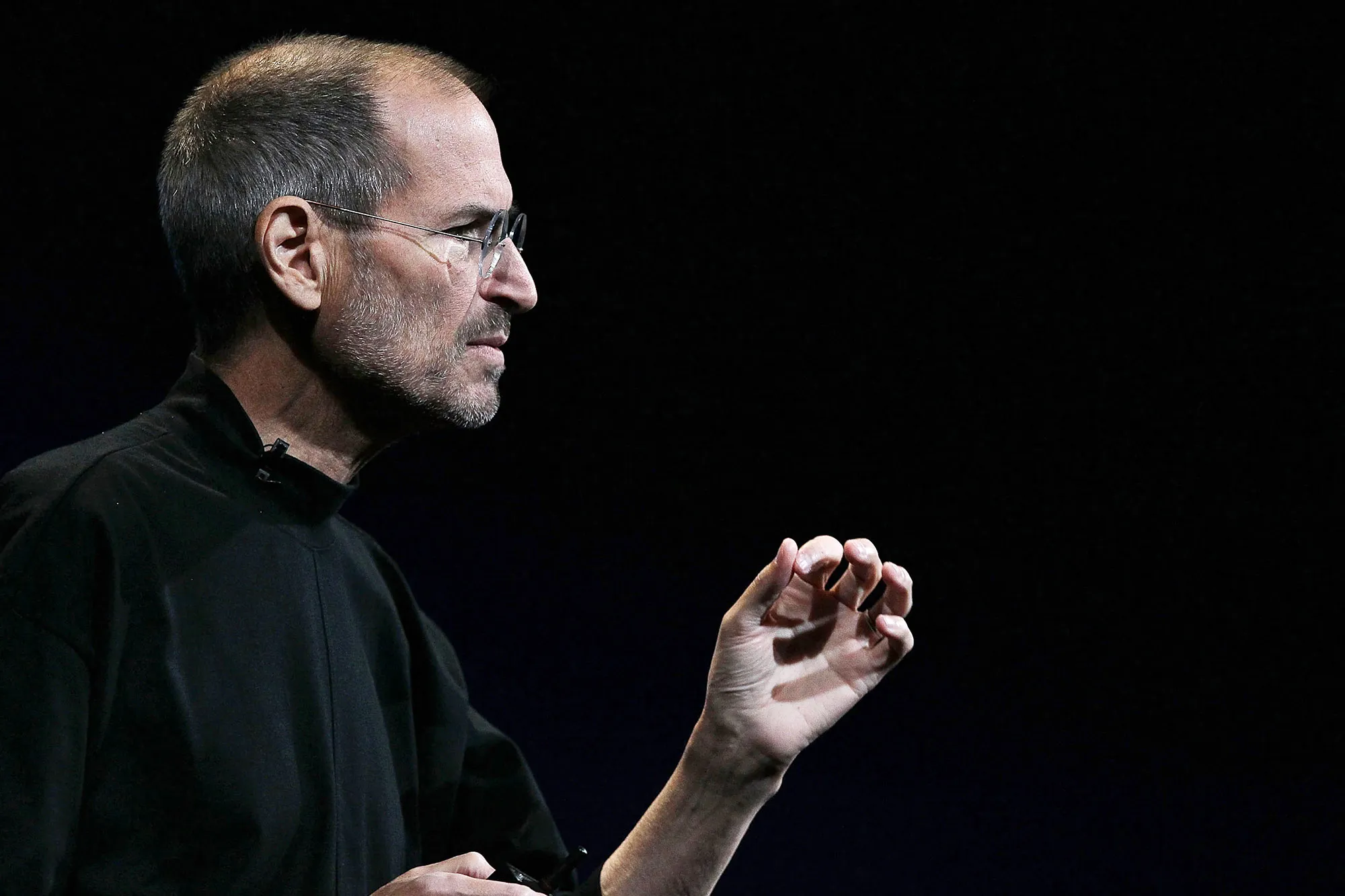
Key Takeaways for Steve Jobs: The Apple Icon
Innovation as a Lifestyle
Jobs didn’t just sell products—he created experiences. The iPhone redefined mobile technology, and the Mac changed computing forever.
A Legacy That Changed the World
His insistence on perfection, design, and simplicity left a mark that’s still alive today.
Steve Jobs: Redefining Technology with Simplicity and Style
Steve Jobs didn’t just build products—he reshaped the very way we interact with technology. As the co-founder and visionary leader behind Apple, Jobs brought innovation, elegance, and user-centric design into the digital age. His belief that technology should be intuitive and beautiful revolutionized not just computing, but music, communication, and entertainment.
The launch of the Macintosh in 1984 broke new ground, introducing the graphical user interface to the mainstream. Years later, under his leadership, Apple unleashed the iPod, iPhone, iPad, and MacBook—devices that defined generations and reimagined digital living. With each product, Jobs prioritized minimalism, performance, and seamless integration.
Jobs wasn’t focused solely on features—he focused on how technology made people feel. That emotional connection helped turn Apple into more than a brand; it became a lifestyle, a movement, and a cultural touchstone.
NeXT: The Comeback That Changed Everything
After being ousted from Apple in 1985, Jobs didn’t retreat—he reinvented himself. He founded NeXT, which developed advanced computers for the education and business sectors, and also acquired Pixar, turning it into the powerhouse behind hit animated films like Toy Story and Finding Nemo. His leadership at Pixar transformed storytelling in cinema and earned him critical acclaim in Hollywood.
When Apple acquired NeXT in 1997, Jobs returned to the company he founded—and launched one of the most incredible corporate comebacks in history. Within a few short years, he introduced the iMac, iTunes, and iPhone, redefining entire industries and cementing Apple’s dominance.
His ability to merge technology with creativity turned Apple into one of the most valuable and admired companies on Earth.
Steve Jobs' Legacy of Innovation and Inspiration
Steve Jobs passed away in 2011, but his legacy lives on in every iPhone, every product launch, and every sleek interface that puts the user first. His life story continues to inspire entrepreneurs, designers, and dreamers around the world.
Jobs believed in thinking differently, in pushing boundaries, and in never settling. He once said, “The people who are crazy enough to think they can change the world are the ones who do.” And by that measure, Steve Jobs didn’t just change the world—he transformed it.
- Sources Include / Discover More: Steven Jobs, An American businessman, Inventor, and Investor Best Known for Co-Founding Apple Inc
- Also Read: Most Famous Musicians in the World
#9
Jack Ma
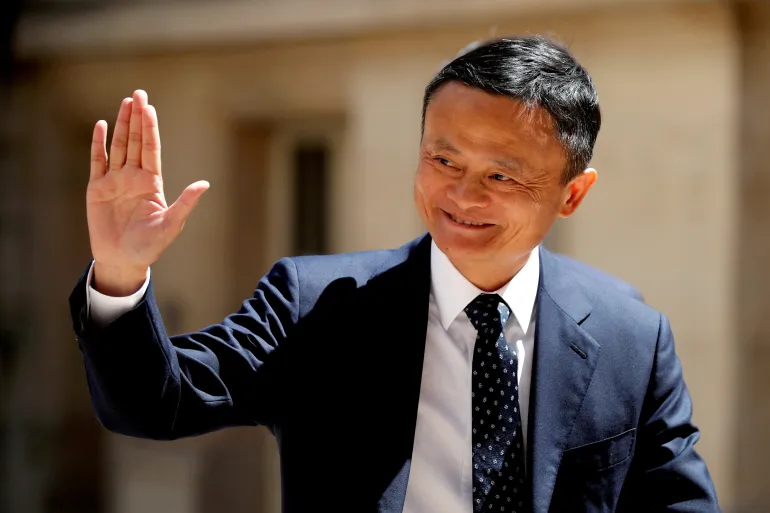
Key Takeaways for Jack Ma: The Alibaba Giant
E-Commerce in China and Globally
Jack Ma built Alibaba into a global e-commerce powerhouse—without a background in tech.
A Teacher Turned Tech Tycoon
His journey from English teacher to billionaire proves that mindset beats background.
Ma Yun: From English Teacher to Tech Tycoon
Ma Yun’s, more commonly referred to as Jack Ma, story is one of grit, vision, and unstoppable perseverance. Born in Hangzhou, China, Ma started out as an English teacher with no background in technology or business. Rejected from dozens of jobs—including one at KFC—he defied the odds to become one of the most influential entrepreneurs in Asia and beyond. His journey proves that success doesn’t require a perfect resume, just relentless determination and a bold idea.
That idea was Alibaba, founded in 1999 from his small apartment. At a time when the internet was still a mystery to many in China, Ma envisioned a platform that would connect Chinese suppliers with global buyers. His belief in the power of e-commerce, even in a developing market, paved the way for what would become one of the world’s largest online marketplaces.
Alibaba: Building China’s E-Commerce Ecosystem
What started as a B2B marketplace evolved into an e-commerce empire. With platforms like Taobao, Tmall, and AliExpress, Alibaba transformed how China shops, sells, and pays. These sites brought millions of small businesses online, empowering them to reach consumers nationwide and internationally.
Ma didn’t stop at retail. He expanded into logistics with Cainiao, digital payments through Alipay, and cloud computing via Alibaba Cloud. This end-to-end ecosystem made it easy for businesses to grow and for consumers to shop anytime, anywhere.
Alibaba’s annual Singles’ Day shopping event now dwarfs Black Friday and Cyber Monday combined, becoming the largest online sales event in the world.
Jack Ma: Inspiring Leadership and Vision
Jack Ma’s leadership style combined charisma, optimism, and a deep belief in people. He often spoke about the importance of dreams, passion, and long-term thinking. He emphasized employee happiness and customer satisfaction over short-term profits, a philosophy that helped Alibaba scale quickly while maintaining trust.
He also played a key role in shaping China’s digital economy, fostering innovation, and inspiring a new generation of entrepreneurs. Even after stepping down from Alibaba in 2019, Ma’s influence remains strong across Asia’s tech landscape.
Jack Ma’s rise from humble beginnings to global icon proves that with imagination and courage, it’s possible to build something monumental—even if you start with nothing but a dream and a dial-up connection.
- Sources Include / Discover More on Forbes: Jack Ma, Cofounded Alibaba Group, One of the World’s Largest e-Commerce Businesses, in 1999
- Also Read: Most Famous Rappers in the World
#10
Henry Ford
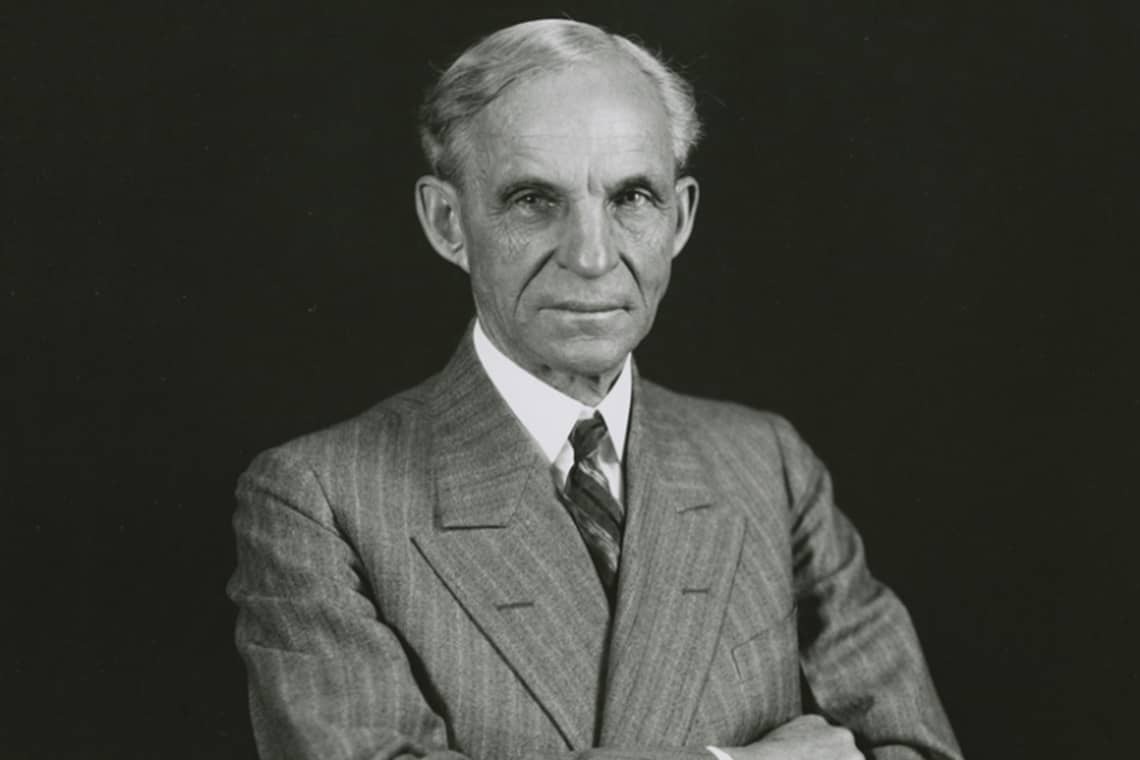
Key Takeaways for Henry Ford: The Pioneer of Mass Production
Ford Motor Company and the Automobile Revolution
Ford changed the game by introducing the moving assembly line, making cars affordable for the average American. His Model T didn’t just sell—it mobilized an entire generation.
Driving Industrial and Social Change
Ford wasn’t just building cars; he was shaping society. His methods sparked the modern manufacturing era and redefined labor with higher wages, better conditions, and a new industrial work ethic.
Henry Ford: Revolutionizing the Automobile Industry
Henry Ford didn’t invent the automobile, but he made it affordable, accessible, and indispensable to modern life. Before Ford, cars were luxury items, reserved for the rich and built by hand. Ford changed all of that with a radical vision: make a car the average worker could afford. This vision gave birth to the Model T, a vehicle so influential that it’s often called the car that put the world on wheels.
When the Model T debuted in 1908, it was sturdy, reliable, and priced for the middle class. Its popularity skyrocketed, and within a few years, it became the most sold car in the world. But what truly set Henry Ford apart was how he produced it.
Ford: Innovating with the Assembly Line
Ford revolutionized manufacturing by introducing the moving assembly line in 1913—a groundbreaking method that slashed production time and costs. Instead of having workers build an entire car from scratch, he broke down the process into small, repeatable tasks. Cars now moved along a conveyor belt while workers assembled specific parts. This innovation wasn’t just efficient—it was revolutionary.
By reducing the time to build a Model T from over 12 hours to just 90 minutes, Ford made mass production a global standard. His method spread across industries and changed how everything from appliances to airplanes was manufactured.
This new efficiency allowed Ford to cut prices drastically, sell millions of cars, and still pay his workers higher wages—a move that shocked the business world but ultimately increased worker loyalty and productivity.
Legacy Beyond Automobiles
Henry Ford’s impact extended far beyond transportation. His ideas laid the foundation for modern industrial capitalism, where large-scale production met widespread consumption. His decision to pay workers $5 a day—double the industry standard at the time—was as bold as it was strategic. It turned his employees into customers, sparking a cycle of economic growth still echoed in today’s consumer economy.
He also changed the culture of work itself, promoting the 5-day, 40-hour work week—now a global standard.
Henry Ford wasn’t just a carmaker; he was a visionary who reshaped economies, industries, and societies. His belief that innovation should benefit everyone, not just the elite, remains one of the most transformative ideas of the 20th century.
- Sources Include / Discover More: Henry Ford, An American Industrialist and Business Magnate and the Founder of the Ford Motor Company
- Also Read: Most Famous Film Directors in the World
Key FAQs on the 10 Most Famous Entrepreneurs in the World
Why is Elon Musk considered one of the most influential entrepreneurs?
Elon Musk is considered one of the most influential entrepreneurs due to his leadership at Tesla and SpaceX, where he accelerated the global transition to electric vehicles and reusable spaceflight.
Under his direction, Tesla became the world’s most valuable automaker, while SpaceX achieved historic milestones like reusable Falcon 9 rockets and private orbital missions.
His impact spans energy, transportation, and aerospace innovation, widely documented by Tesla, SpaceX, and independent technology analyses.
How did Jeff Bezos build Amazon into a trillion-dollar empire?
Jeff Bezos built Amazon into a trillion-dollar company by relentlessly focusing on customer experience, logistics efficiency, and long-term innovation.
Starting as an online bookstore in 1994, Amazon expanded into global e-commerce, cloud computing through AWS, and AI-driven logistics infrastructure.
Today, Amazon powers millions of businesses worldwide, a transformation extensively chronicled by Amazon, business historians, and global financial institutions.
What is Bill Gates’ greatest contribution to technology?
Bill Gates’ greatest contribution to technology was making personal computing accessible to the global population through Microsoft’s Windows software.
By standardizing operating systems for home and business use, Microsoft reshaped productivity, enterprise computing, and digital communication.
Beyond technology, Gates expanded his legacy through global philanthropy, with initiatives documented by Microsoft, the Gates Foundation, and international health organizations.
How did Warren Buffett become one of the wealthiest investors?
Warren Buffett became one of the world’s wealthiest investors by applying disciplined value investing principles over several decades.
Through Berkshire Hathaway, he acquired fundamentally strong companies and held them long term, compounding returns across insurance, energy, and consumer sectors.
His investment philosophy, rooted in Benjamin Graham’s teachings, is widely cited in financial literature, academic research, and Berkshire Hathaway’s annual reports.
How did Mark Zuckerberg change the way the world connects?
Mark Zuckerberg transformed global communication by founding Facebook, now Meta, connecting billions of users worldwide.
His platforms reshaped social interaction, digital advertising, and online communities through Facebook, Instagram, and WhatsApp.
More recently, Meta’s investments in virtual reality and the metaverse signal a shift toward immersive digital environments, documented by Meta, technology analysts, and academic research.
What makes Oprah Winfrey one of the most successful female entrepreneurs?
Oprah Winfrey became one of the most successful female entrepreneurs by transforming authentic storytelling into a global media empire.
Through Harpo Productions and the OWN Network, she built unparalleled audience trust and influence.
Her entrepreneurial success and philanthropy are extensively documented by media historians, business publications, and global leadership organizations.
How did Richard Branson build the Virgin empire?
Richard Branson built the Virgin empire by disrupting established industries with bold branding and customer-focused innovation.
Starting with a music label, Virgin expanded into airlines, telecommunications, and space travel through Virgin Galactic.
His entrepreneurial journey is widely referenced in business case studies, aviation history, and global entrepreneurship research.
What legacy did Steve Jobs leave in the tech industry?
Steve Jobs left a lasting legacy by redefining consumer technology through Apple’s focus on design, simplicity, and user experience.
Products like the iPhone, iMac, and iPod transformed multiple industries, from computing to entertainment.
His influence is extensively cited in technology history, design theory, and Apple’s corporate documentation.
How did Jack Ma transform global e-commerce and digital payments?
Jack Ma transformed global e-commerce by founding Alibaba Group, enabling millions of small businesses to access international digital markets.
Through Alipay and Ant Financial, he pioneered fintech systems that reshaped online payments and financial inclusion across Asia.
His impact is documented by Alibaba corporate records, global fintech studies, and international trade organizations.
Why is Henry Ford regarded as a pioneer of modern industry?
Henry Ford pioneered modern industry by introducing the moving assembly line, revolutionizing mass production.
His innovations dramatically reduced manufacturing costs, making automobiles affordable for the average consumer.
Ford’s industrial legacy is extensively documented in economic history, manufacturing research, and automotive industry archives.
Key Lessons from the World's Most Famous Entrepreneurs
What can we learn from these giants?
- Stay Curious: Innovation comes from asking “What if?”
- Embrace Failure: Every empire faced setbacks.
- Think Long-Term: The best rewards take time.
The Power of Brand and Influence
How These Names Became Household Brands
Each entrepreneur built more than a business—they built a legacy. A brand that echoes far beyond products.
Personal Brand vs Business Brand
Often, their personality and values reflect in the companies they lead. Think of Steve Jobs and Apple, or Oprah and OWN.
Final Thoughts
The story of the 10 Most Famous Entrepreneurs in the World is not merely about wealth — it’s about vision, courage, and perseverance. From Elon Musk’s bold leap into electric vehicles and space exploration to Jeff Bezos’ digital empire that redefined global commerce, these pioneers showcase what it means to innovate fearlessly. Bill Gates made technology personal, Warren Buffett turned patience into profit, and Mark Zuckerberg connected the planet through social media. Each entrepreneur’s journey demonstrates the power of relentless ambition and disruptive thinking.
Their legacies remind us that success is never accidental — it’s crafted through innovation, resilience, and long-term vision. Oprah Winfrey built an empire on authenticity and empowerment, Richard Branson proved adventure and business can coexist, Steve Jobs revolutionized modern design and technology, Jack Ma bridged East and West through e-commerce, and Henry Ford democratized industry itself.
Together, they form the blueprint of global entrepreneurship — daring visionaries who changed industries and inspired generations. Their stories fuel the next wave of dreamers ready to reshape the future. Because true entrepreneurship isn’t about following trends — it’s about creating them.
The 10 Most Famous Entrepreneurs Frequently Asked Questions (FAQs)
A successful entrepreneur is someone who creates value, solves real problems, and adapts to change—profit is just the byproduct.
Yes! While not everyone will be a billionaire, with the right mindset, anyone can build a meaningful and impactful business.
They embrace it, learn from it, and use it as fuel. Failure isn’t the opposite of success—it’s part of it.
Currently, Elon Musk often tops the list, thanks to Tesla, SpaceX, and other ventures.
Most started small—garages, dorm rooms, or humble beginnings. What set them apart was their vision and consistency.
The 10 most famous entrepreneurs in the world include Elon Musk, Jeff Bezos, Bill Gates, Steve Jobs, Mark Zuckerberg, Warren Buffett, Richard Branson, Oprah Winfrey, Larry Page, and Jack Ma.
About the Author
This article was researched and prepared by the World Millions Editorial Team, specialists in global rankings, premium market analysis, structured comparisons, and high-value sector research across industries.
All content undergoes verification, editorial review, and periodic updates to ensure accuracy, clarity, and alignment with recognized industry standards, reliable institutional sources, and leading global authorities.
- Last Updated: March 27, 2026 by the World Millions Editorial Team
- Original Published Date: March 27, 2026
- View Our: Editorial Team | Sources | Disclaimer | Editorial Standards