The 10 Most Famous Traders in the World represent the pinnacle of financial intelligence, market strategy, and risk management. From legendary hedge fund managers to pioneering quantitative analysts, these iconic investors transformed global markets with bold decisions and groundbreaking trading philosophies. Their strategies—ranging from macro trading and value investing to algorithmic finance—have shaped modern Wall Street and inspired generations of traders worldwide.
Discover the 10 most famous traders in the world, ranked by historical impact, legendary market calls, and global financial influence. From George Soros breaking the Bank of England to Jim Simons revolutionizing quantitative trading, these extraordinary market visionaries built fortunes while redefining how the world understands investing, speculation, and financial markets.
On This Page
Toggle- Updated 2026 by the World Millions Editorial Team: View Author Information
The Evolution of Trading
From Open Outcry to Algorithmic Systems
Once upon a time, trading was a chaotic scene on the floor of stock exchanges, where brokers would scream orders at each other in the “open outcry” system. Fast forward to today, and we’ve entered a world where most trades are executed via complex algorithms in milliseconds. Technology hasn’t just sped things up—it’s changed the very essence of trading.
How the Internet Changed the Game
The internet democratized trading. With a smartphone and a Wi-Fi connection, anyone can now access global markets. Platforms like Robinhood and eToro made trading accessible to the masses, while YouTube and online courses have turned many into self-taught traders. But amidst this boom, it’s essential to look back at the legends who paved the way.
Characteristics of a World-Class Trader
Risk Management Skills
The best traders don’t just chase profits—they master risk. Knowing how much to invest and when to cut losses is what separates professionals from amateurs. Every famous trader on this list had a strong grip on risk.
Strategic Thinking and Discipline
Trading isn’t just about gut feeling; it’s about developing and sticking to a strategy. Discipline keeps traders from making emotional decisions, while strategic thinking helps them stay ahead of market trends.
List of the Top 10 Most Famous Traders in the World
Discover the world’s most legendary traders — from George Soros to Warren Buffett — who turned bold strategies into billion-dollar empires.
The global financial markets have witnessed the rise of extraordinary minds who transformed trading into an art form. These are the 10 Most Famous Traders in the World — visionaries who mastered everything from macro trading and hedge fund management to quantitative analysis and value investing. Their groundbreaking strategies, fearless decisions, and record-breaking profits have not only shaped Wall Street but also influenced the way modern traders think, invest, and manage risk.
This comprehensive list highlights icons like George Soros, who famously “broke the Bank of England”; Warren Buffett, the Oracle of Omaha and master of long-term value; and Jim Simons, the mathematical genius behind algorithmic investing. You’ll also find Paul Tudor Jones, known for predicting Black Monday, and Michael Burry, who foresaw the 2008 housing market collapse.
Whether you’re a seasoned investor or an aspiring trader, this table serves as your gateway to understanding the trading philosophies, nationalities, and remarkable achievements of these market legends. Explore how their distinct approaches — from quant trading to distressed debt investing — continue to inspire the next generation of global investors.
Each trader’s story is a blueprint for success, resilience, and the relentless pursuit of financial mastery.
| No. | Name | Known For | Nationality | Notable Achievement |
|---|---|---|---|---|
| 1 | George Soros | Breaking the Bank of England | Hungarian-American | $1B profit shorting GBP in 1992 |
| 2 | Jesse Livermore | Early Wall Street speculator | American | Predicted 1929 crash, made $100M |
| 3 | Paul Tudor Jones | Macro trader, hedge fund founder | American | Predicted 1987 Black Monday |
| 4 | Jim Simons | Quantitative trading genius | American | Founded Renaissance Technologies |
| 5 | Warren Buffett | Long-term value investing | American | Built Berkshire Hathaway empire |
| 6 | David Tepper | Distressed debt investing | American | Founder of Appaloosa Management, billionaire turnaround expert |
| 7 | Ray Dalio | Founder of Bridgewater Associates | American | Created “Principles” for economic modeling |
| 8 | Richard Dennis | Turtle Trading experiment | American | Turned $1,600 into $200M |
| 9 | Steve Cohen | Hedge fund tycoon | American | Founder of Point72, known for aggressive style |
| 10 | Michael Burry | Predicting the 2008 financial crisis | American | Made billions shorting mortgage market |
Discover the 10 Most Famous Traders in the World
Discover the world of high-stakes finance through the 10 Most Famous Traders in the World, individuals who transformed markets, reshaped investing strategies, and built global financial legacies. These legendary figures mastered everything from macro trading and hedge fund management to quantitative algorithms, contrarian investing, and value-based wealth building.
Whether it’s George Soros breaking the Bank of England, Warren Buffett redefining long-term investing, or Jim Simons pioneering algorithmic trading, each trader’s journey reveals powerful lessons in discipline, risk management, and market psychology. This list is your gateway to understanding the minds that changed Wall Street—and continue to influence global markets today.
#1
George Soros
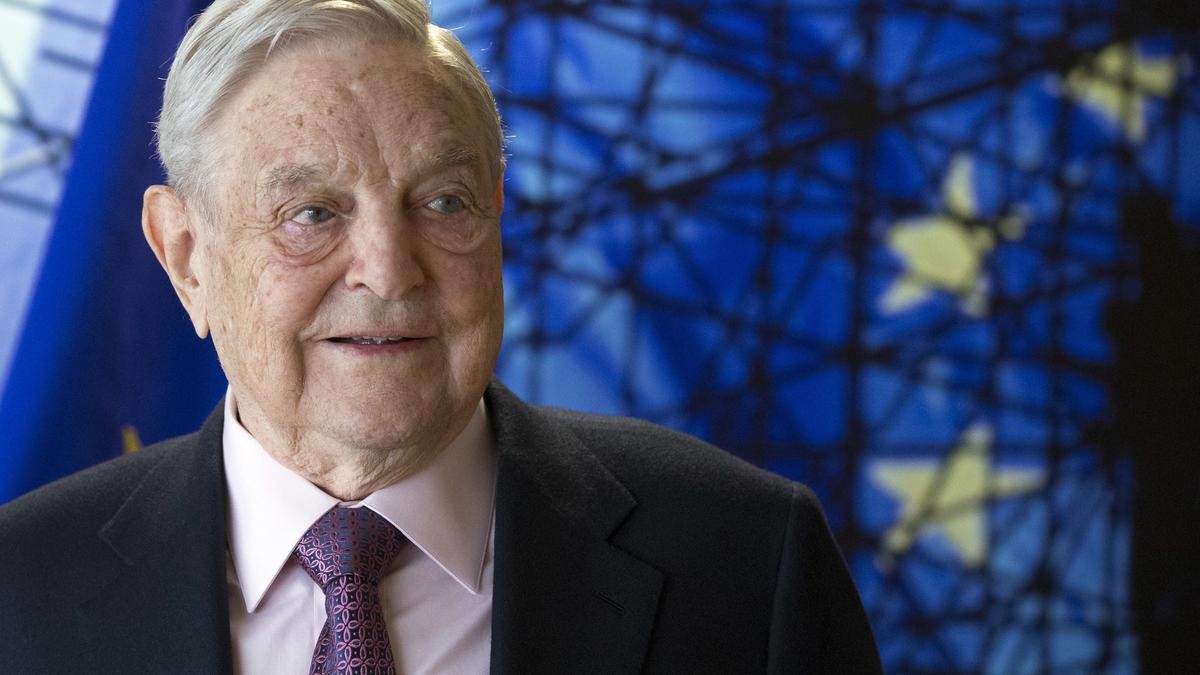
Key Takeaways for George Soros: The Man Who Broke the Bank of England
George Soros is one of the world’s most famous traders and philanthropists, best known for “breaking the Bank of England” in 1992 by shorting the British pound. As the founder of the Quantum Fund, Soros mastered macroeconomic investing, currency speculation, and global hedge fund strategies. His philosophy of reflexivity reshaped modern financial theory and continues to influence traders worldwide.
Key Highlights:
- Founder of Quantum Fund with historic $1 billion trade.
- Pioneer in global macro trading and currency speculation.
- Known for his philanthropic work through the Open Society Foundations.
George Soros: Early Life and Background
George Soros was born in 1930 in Budapest, Hungary. He survived Nazi occupation during World War II and later moved to London, where he studied at the London School of Economics. Influenced by philosopher Karl Popper, Soros developed a theory of reflexivity—how market participants’ biases and actions affect prices. This philosophy became the foundation of his trading strategies and investment success. His early experiences with economic hardship and totalitarianism gave him a sharp perspective on global politics and financial markets.
Soros: The Quantum Fund and Rise to Fame
In 1973, Soros founded the Quantum Fund, a hedge fund he co-managed with Jim Rogers. The fund became one of the most profitable in history, consistently generating double-digit returns. Soros’s ability to anticipate macroeconomic shifts allowed him to make massive bets on currencies, interest rates, and global markets. His strategy was rooted in identifying economic imbalances and betting against them—a formula that would later lead to one of the most legendary trades in financial history.
George Soros and Breaking the Bank of England
In 1992, George Soros became a household name after he executed what is now known as the “trade of the century.” He bet heavily against the British pound, predicting that the UK would be forced to devalue its currency due to its unsustainable position in the European Exchange Rate Mechanism (ERM). His position—worth $10 billion—paid off when the UK exited the ERM, and the pound plummeted. Soros made an estimated $1 billion in profit overnight. This bold and precise currency short forever earned him the title “The Man Who Broke the Bank of England.”
Soros's Legacy and Influence on Modern Trading
George Soros is more than just a famous forex trader; he is a thought leader in global finance. His strategies continue to influence currency traders, hedge funds, and institutional investors worldwide. Beyond finance, Soros is known for his philanthropic efforts through the Open Society Foundations, which promote democracy, education, and human rights. Despite criticism from various political groups, his impact on both trading and global society remains immense. Today, Soros’s story is studied in trading courses and investment case studies, symbolizing the power of conviction, analysis, and timing in financial markets.
- Sources Include / Discover More: George Soros, A Hungarian-Born American Financier, Author, Philanthropist, and Activist
- Also Read: Most Famous Crypto Wallets in the World
#2
Jesse Livermore
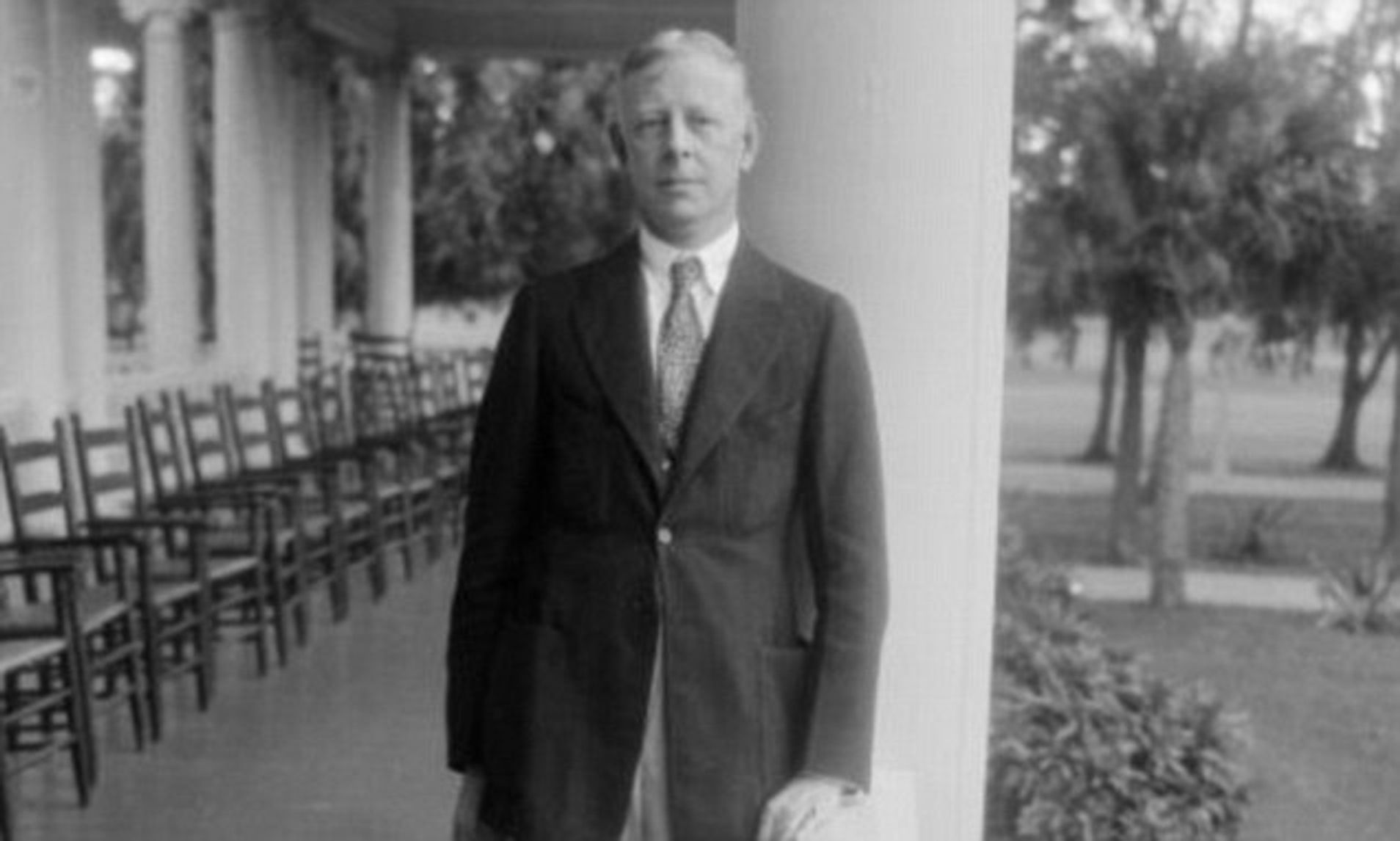
Key Takeaways for Jesse Livermore: The Boy Plunger
Jesse Livermore, famously known as “The Boy Plunger,” is one of Wall Street’s earliest and most legendary traders. He gained fame for predicting and profiting from the stock market crashes of 1907 and 1929. Livermore’s trading principles—trend following, emotional discipline, and risk management—remain timeless lessons for modern traders.
Key Highlights:
- Predicted major market crashes and made millions.
- Author of timeless trading wisdom in Reminiscences of a Stock Operator.
- Pioneer of technical and psychological trading analysis.
Jesse Lauriston Livermore: Humble Beginnings and Early Trading Days
Jesse Lauriston Livermore, born in 1877 in Massachusetts, started his journey into the financial world at the young age of 14 when he worked as a chalkboard boy in a stock brokerage office. With a sharp memory and a knack for numbers, he began placing small bets in “bucket shops”—places where traders could bet on stock prices without owning the actual securities. Livermore quickly gained a reputation for correctly predicting market movements, earning substantial profits and the nickname “The Boy Plunger” due to his aggressive short-selling tactics even as a teenager.
Livermore: Mastering the Market with Speculation
Livermore’s trading style revolved around price action, timing, and human psychology—principles still used by traders today. He emphasized the importance of market trends, saying, “The market is never wrong; opinions often are.” He developed a keen ability to read stock movements and used that insight to make bold speculative trades. One of his famous rules was to “buy rising stocks and sell falling stocks,” a strategy that many modern momentum traders follow. He believed in cutting losses quickly and letting profits run—core principles of risk management in today’s trading landscape.
Livermore's Legendary Trades and Market Crashes
Livermore solidified his legacy by profiting from some of the worst stock market crashes in history. During the Panic of 1907, he made around $3 million—a staggering sum at the time—by shorting stocks before the collapse. But his most famous trade came during the 1929 Wall Street Crash. As the U.S. economy teetered on the edge of collapse, Livermore shorted the market and walked away with a profit of nearly $100 million, equivalent to over $1.5 billion today. His actions led newspapers to call him “The Great Bear of Wall Street.”
Jesse Livermore: Impact, Philosophy, and Legacy
Despite earning and losing multiple fortunes throughout his life, Livermore’s philosophies on market speculation remain timeless. His 1923 biography, Reminiscences of a Stock Operator, is still widely regarded as the ultimate trader’s playbook. Jesse Livermore pioneered techniques such as pivot point analysis, trend-following, and psychological discipline. Though his life ended tragically in 1940, his influence is immortalized in the strategies of successful day traders, swing traders, and stock investors worldwide. In the world of high-stakes trading, Livermore remains a towering figure who exemplified both the risk and reward of the financial markets.
- Sources Include / Discover More: Jesse Livermore, Was an American Stock Trader and is Considered a Pioneer of Day Trading
- Also Read: Most Famous Sports Cars in the World
#3
Paul Tudor Jones
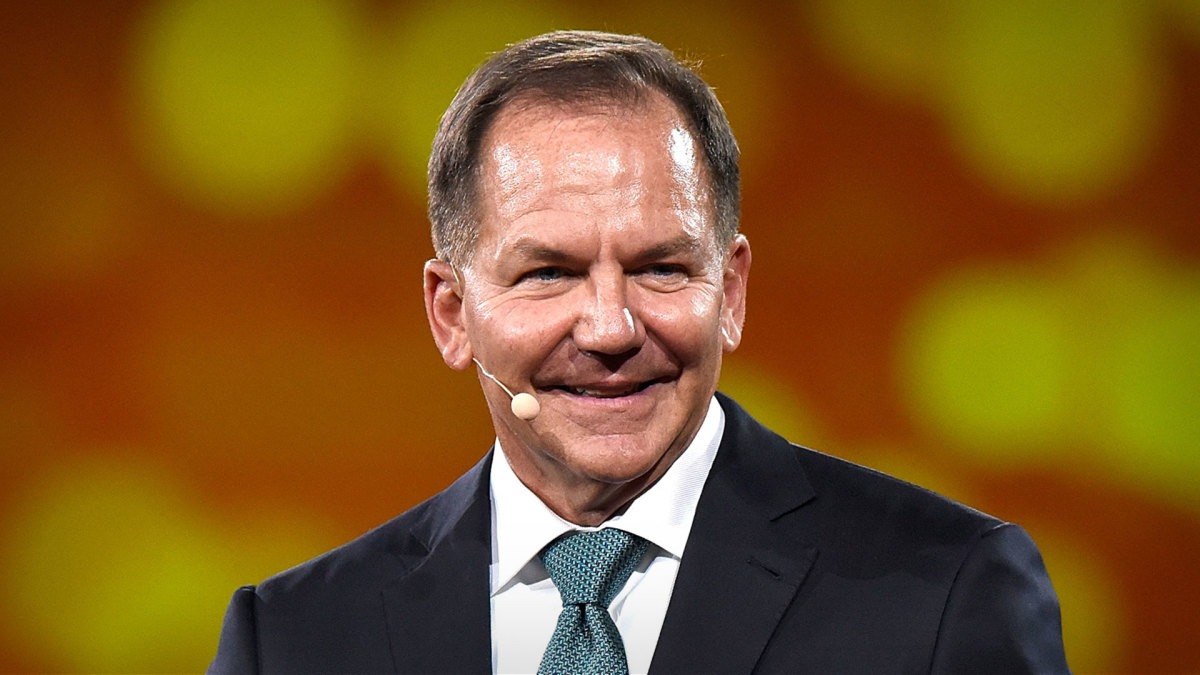
Key Takeaways for Paul Tudor Jones: Predicting the 1987 Market Crash
Paul Tudor Jones is an American billionaire hedge fund manager, best known for predicting the 1987 market crash, “Black Monday.” As the founder of Tudor Investment Corporation, he has built one of the most respected macro trading funds globally. His focus on market psychology, technical analysis, and disciplined risk management sets him apart as a trading icon.
Key Highlights:
- Accurately predicted the 1987 stock market crash.
- Founder of Tudor Investment Corporation.
- Advocates strong risk management and macro trading discipline.
Paul Tudor Jones II: Early Life and Entry into Finance
Paul Tudor Jones II was born in Memphis, Tennessee, in 1954. He graduated from the University of Virginia with a degree in economics and began his career as a commodities trader at the New York Cotton Exchange. Armed with a strong understanding of macroeconomics and a natural instinct for market sentiment, Jones quickly rose through the ranks in the financial world. His early exposure to fast-paced commodities markets helped him develop a deep respect for risk management and capital preservation, two principles that would define his trading style.
Tudor Jones: Founding Tudor Investment Corporation
In 1980, Tudor Jones launched Tudor Investment Corporation, a hedge fund that specialized in global macro trading—betting on interest rates, currencies, commodities, and equities based on macroeconomic trends. Under his leadership, the fund became one of the most successful in the world. Jones was known for blending technical analysis with fundamental insights, using a data-driven yet intuitive approach to time the markets. His focus wasn’t just on making money—it was on avoiding catastrophic losses, a mindset that paid off massively in one of the most turbulent times in financial history.
Paul Tudor Jones: The Black Monday Prediction of 1987
Paul Tudor Jones achieved legendary status when he correctly predicted and profited from the 1987 stock market crash, known as Black Monday. On October 19, 1987, the Dow Jones Industrial Average plunged 22% in a single day—the largest one-day percentage drop in U.S. stock market history. Jones, using historical market models and technical indicators, foresaw the market’s overextension and placed significant short positions ahead of the crash. As a result, his hedge fund reportedly earned a return of over 60% that year, while most others were decimated.
Jones's Legacy and Modern-Day Influence
Today, Paul Tudor Jones is recognized not only for his foresight and trading genius but also for his philanthropy and economic insights. He is the founder of the Robin Hood Foundation, one of the most impactful poverty-fighting organizations in New York City. In the trading world, his disciplined use of technical indicators, stop-loss strategies, and contrarian mindset continue to influence traders globally. His approach to macroeconomic trading has inspired generations of hedge fund managers and solidified his reputation as one of the greatest traders in financial history.
- Sources Include / Discover More on Forbes: Paul Tudor Jones, An American Billionaire Hedge Fund Manager, Conservationist and Philanthropist
- Also Read: Most Famous Luxury Perfumes in the World
#4
Jim Simons
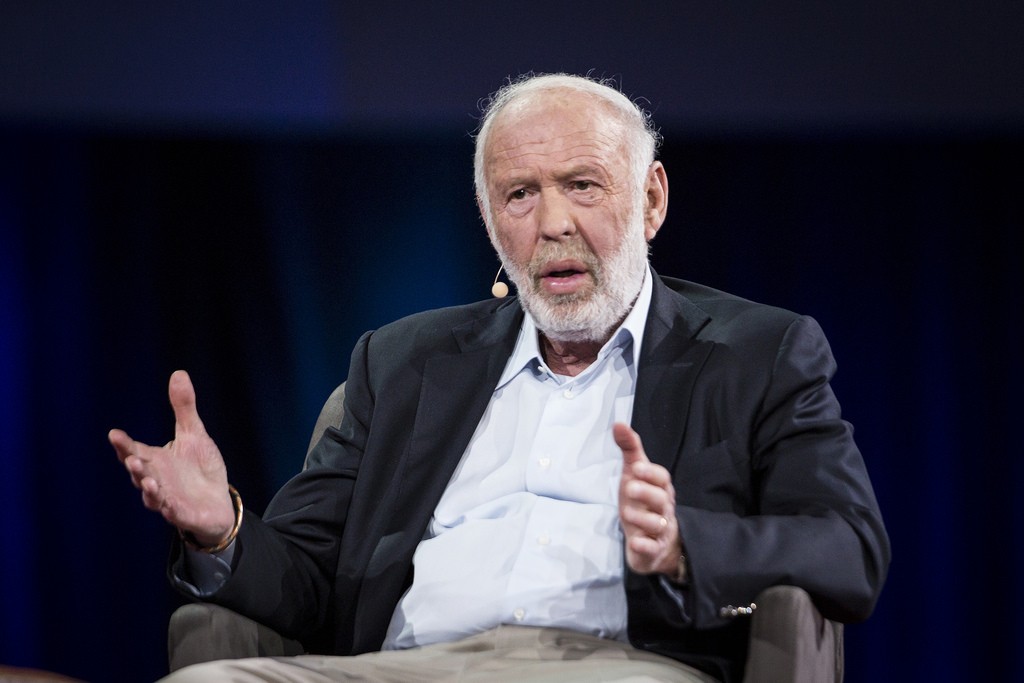
Key Takeaways for Jim Simons: The Quant King
Jim Simons, often called “The Quant King,” is the founder of Renaissance Technologies and a pioneer in algorithmic and quantitative trading. With a background in mathematics and cryptography, Simons revolutionized finance by applying data science and AI to market analysis. His Medallion Fund is regarded as the most successful hedge fund in history.
Key Highlights:
- Founder of Renaissance Technologies and Medallion Fund.
- Generated record-breaking annual returns through data-driven trading.
- Pioneer in quantitative and algorithmic investment strategies.
Jim Simons: From Mathematics to Wall Street
Jim Simons, born in 1938, is not your typical Wall Street trader. Before founding one of the most successful hedge funds in history, he was a world-renowned mathematician and cryptographer. Holding a Ph.D. from the University of California, Berkeley, Simons worked as a codebreaker for the NSA and later taught mathematics at MIT and Harvard. His expertise in complex mathematical models and pattern recognition laid the foundation for his revolutionary approach to quantitative trading—something that would ultimately transform the finance industry forever.
Simons: The Birth of Renaissance Technologies
In 1982, Simons founded Renaissance Technologies, a hedge fund that relies heavily on mathematical and statistical models to execute trades. His most famous fund, the Medallion Fund, is legendary for its consistently high returns—reportedly averaging 66% annual returns before fees for decades. Simons and his team of scientists, data analysts, and mathematicians developed proprietary algorithms that could detect even the smallest inefficiencies in the market. Rather than relying on traditional economic indicators or gut feelings, Simons’ strategies were entirely data-driven and based on probabilities.
Pioneering Quantitative Trading
Jim Simons is widely credited with pioneering quantitative trading, or “quant” investing. His systems analyze historical price data, trading volume, correlations, and other statistical relationships to predict short-term price movements. While many traders focus on human intuition or economic narratives, Simons’ model is a black box of advanced computation, capable of processing terabytes of financial data to make lightning-fast trades. His work popularized the use of machine learning, artificial intelligence, and big data analytics in trading—technologies now used by nearly every major hedge fund.
Jim Simons: The Most Secretive Billionaire Trader
Despite his monumental success, Jim Simons maintained a low public profile throughout most of his career. Known for his privacy and humility, he retired from Renaissance in 2010. Today, Simons is celebrated not just for his financial success, but also for his philanthropy in science, math education, and autism research. His story serves as a testament to the power of mathematics and innovation in financial markets, making him a hero among both quants and aspiring data-driven traders around the world.
- Sources Include / Discover More on Forbes: Jim Simons, Was an American Hedge Fund Manager, Investor, Mathematician, and Philanthropist
- Also Read: Most Famous Actresses in the World
#5
Warren Buffett
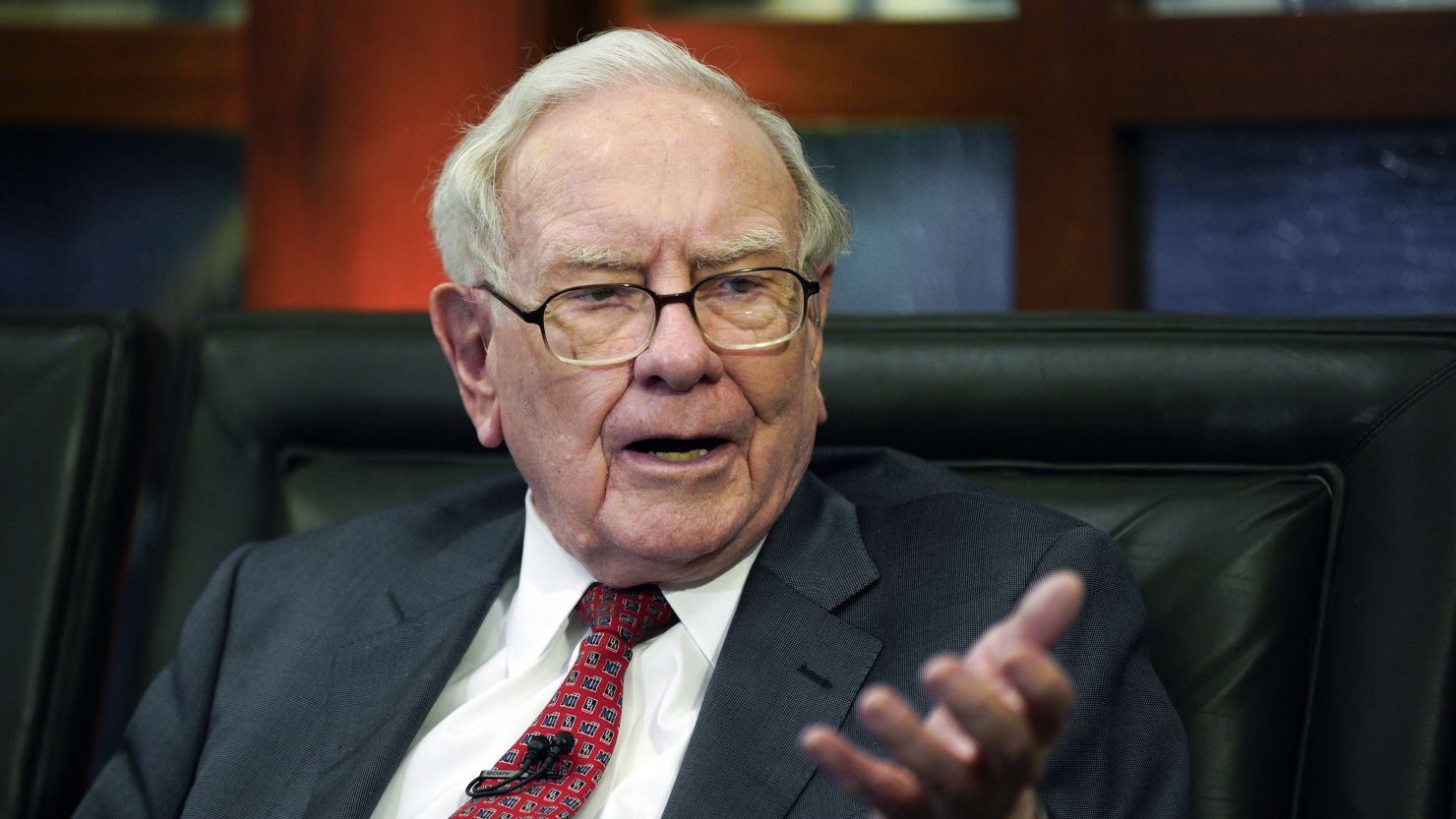
Key Takeaways for Warren Buffett: The Oracle of Omaha
Warren Buffett, known as “The Oracle of Omaha,” is one of the greatest investors of all time and the chairman of Berkshire Hathaway. His philosophy of value investing, patience, and long-term vision has made him a global financial icon. Buffett’s approach emphasizes buying undervalued companies and holding them for steady compounding returns.
Key Highlights:
- ECEO of Berkshire Hathaway and value investing pioneer.
- Advocates long-term, disciplined investing.
- One of the world’s wealthiest and most respected business leaders.
Warren Edward Buffett: A Humble Beginning in Value Investing
Warren Edward Buffett, born in 1930 in Omaha, Nebraska, showed an early interest in business and investing. He bought his first stock at age 11 and filed his first tax return at 13. Fascinated by numbers and markets, Buffett studied under Benjamin Graham at Columbia Business School, where he embraced the philosophy of value investing—buying undervalued companies with strong fundamentals and holding them long-term. His disciplined, patient approach to wealth-building would later earn him the nickname “The Oracle of Omaha.”
Buffett: Building the Berkshire Hathaway Empire
In the 1960s, Buffett began acquiring shares in a struggling textile company called Berkshire Hathaway. Over time, he transformed it into a holding company and started buying high-quality businesses with durable competitive advantages. Under his leadership, Berkshire acquired major stakes in companies like Coca-Cola, American Express, Apple, and Geico. Buffett’s investment decisions, often guided by common sense and deep analysis rather than market noise, helped him build one of the most successful conglomerates in the world—and a personal net worth that ranks among the highest globally.
Warren Buffett’s Principles That Made Him a Legend
Warren Buffett’s core investing principles—buy what you understand, hold for the long-term, and focus on intrinsic value—have influenced millions of investors worldwide. He famously avoids trendy or speculative investments, favoring companies with strong earnings, competent leadership, and economic moats. His approach to risk is also noteworthy: “Risk comes from not knowing what you’re doing,” he often says. Buffett’s letters to shareholders have become must-reads in the financial world, filled with timeless wisdom on business, ethics, and the power of compounding.
Buffett's Impact Beyond the Stock Market
Aside from his incredible investing track record, Buffett is admired for his humility, philanthropy, and simple lifestyle. He still lives in the Omaha house he bought in 1958 and drives a modest car. Through The Giving Pledge, he has committed to donating the majority of his fortune to charitable causes. Buffett’s influence goes far beyond Wall Street—he’s a symbol of rational, long-term investing in a world often obsessed with short-term gains. His legacy as one of the greatest investors in history is not just about returns, but about wisdom, patience, and integrity.
- Sources Include / Discover More on Forbes: Warren Buffett, An American Investor and Philanthropist Who is the Chairman and Former CEO of Berkshire Hathaway
- Also Read: Most Famous Car Brands in the World
#6
David Tepper
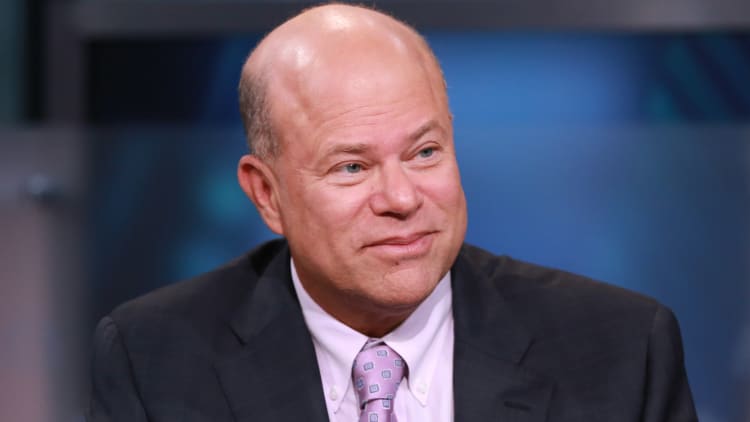
Key Takeaways for David Tepper: Distressed Debt King
David Tepper is a billionaire investor and founder of Appaloosa Management, famous for his bold contrarian bets on distressed debt. He made billions during the 2008 financial crisis by buying undervalued financial stocks. Known for his fearless decision-making, Tepper is now one of the most successful hedge fund managers in the world.
Key Highlights:
- Founder of Appaloosa Management.
- Made billions investing in distressed assets post-2008.
- Known for contrarian trading and deep value investing strategies.
David Alan Tepper: From Humble Roots to Financial Titan
David Alan Tepper was born in 1957 in Pittsburgh, Pennsylvania, into a modest working-class family. He earned an MBA from Carnegie Mellon University and began his financial career at Republic Steel before working at Goldman Sachs as a credit analyst. During his time at Goldman, Tepper gained deep insight into distressed debt—securities of companies facing financial trouble—which became the foundation of his future trading empire. His deep understanding of credit markets and risk assessment would later make him one of the most successful hedge fund managers in history.
Appaloosa Management and High-Risk, High-Reward Plays
In 1993, Tepper founded Appaloosa Management, a hedge fund known for its aggressive and contrarian investment style. His most iconic trade came during the 2008 global financial crisis. While most investors fled the market, Tepper bought distressed stocks of beaten-down financial institutions like Bank of America and Citigroup. When the market rebounded, these positions earned billions in profit. His ability to remain calm and invest during moments of peak fear earned him massive returns and cemented his reputation as the “Distressed Debt King.”
Tepper: Master of Contrarian Investing
Tepper’s investing strategy relies on contrarian thinking—buying when others are fearful and selling when others are greedy. He focuses on deep value, hunting for undervalued assets with high recovery potential. His strength lies in his analytical depth, calculating the downside risk and upside opportunity in highly volatile environments. Unlike many traders who rely on technical charts or short-term momentum, Tepper’s edge comes from his macroeconomic insights and deep fundamental analysis of balance sheets, debt structures, and capital flows.
David Tepper: Billionaire, Philanthropist, and NFL Owner
Beyond his investing success, David Tepper is also a passionate philanthropist and the owner of the NFL’s Carolina Panthers. He has donated hundreds of millions to education, including to his alma mater, Carnegie Mellon, which named its business school after him. Tepper also promotes mental health awareness and disaster relief. His story of rising from blue-collar roots to billionaire investor is not just inspiring—it’s a modern-day testament to bold thinking, resilience, and the power of buying when others panic.
- Sources Include / Discover More on Forbes: David Tepper, An American Billionaire Hedge Fund Manager and the Founder and President of Appaloosa Management
- Also Read: Most Famous Street Foods in the World
#7
Ray Dalio
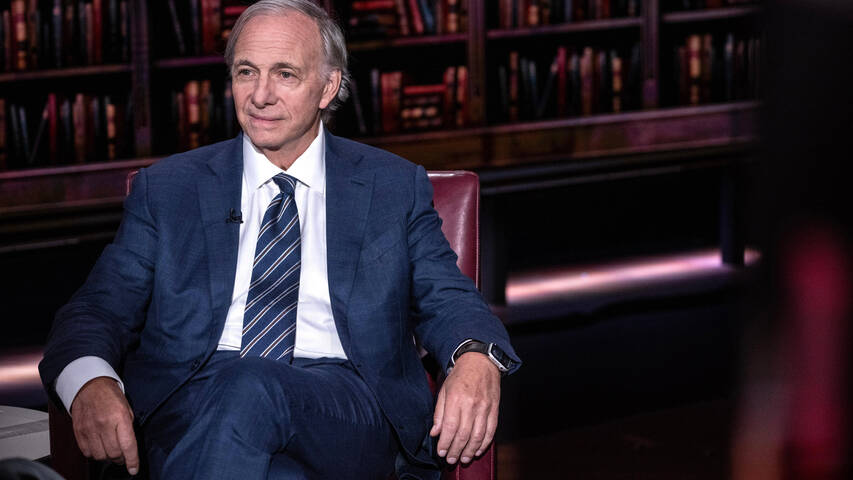
Key Takeaways for Ray Dalio: The Bridgewater Billionaire
Ray Dalio is the founder of Bridgewater Associates, the world’s largest hedge fund, and author of Principles: Life and Work. His macroeconomic models and data-driven approach transformed institutional investing. Dalio’s focus on radical transparency, economic cycles, and balanced portfolio strategies makes him a leading voice in global finance.
Key Highlights:
- Founder of Bridgewater Associates, managing over $150B.
- Author of Principles and advocate for economic balance.
- Expert in global macroeconomic and debt cycle investing.
Ray Dalio: A Lifelong Student of Economics
Ray Dalio, born in 1949 in Jackson Heights, Queens, New York, is widely regarded as one of the most influential hedge fund managers of all time. He started investing at the age of 12, buying shares of Northeast Airlines with money he earned as a golf caddy. After earning an MBA from Harvard Business School, Dalio founded Bridgewater Associates from his two-bedroom apartment in 1975. Over the decades, Bridgewater became the world’s largest hedge fund, managing over $150 billion at its peak.
Building Bridgewater Associates into a Global Giant
Bridgewater’s success is anchored in Dalio’s systematic, research-driven approach to markets. He developed “Pure Alpha”, a strategy that separates alpha (returns from skill) from beta (returns from the market). The fund uses macroeconomic modeling to make data-informed trades across currencies, commodities, interest rates, and global equities. Dalio’s team builds models to simulate the impact of economic policies, monetary cycles, and geopolitical events. This rigorous and logical methodology has consistently generated strong returns, especially in volatile markets—setting a gold standard in macro hedge fund management.
Dalio: The Power of Principles and Radical Transparency
One of Dalio’s biggest contributions to the finance world is his book Principles: Life and Work, where he outlines the philosophies that shaped his firm and personal success. At Bridgewater, he implemented a culture of radical transparency, where every meeting is recorded, ideas are openly challenged, and decisions are made based on meritocracy rather than hierarchy. His belief is simple but powerful: “An idea meritocracy is the best way to solve complex problems.” This culture fostered innovation and helped Bridgewater attract top-tier talent from around the world.
Ray Dalio: A Voice of Reason in Global Finance
Ray Dalio is more than just a trader—he’s a thought leader on economic cycles, debt crises, and wealth inequality. His insights into how long-term debt cycles shape economies have earned global respect. Dalio frequently shares his views in interviews, whitepapers, and on LinkedIn, helping both institutional and retail investors understand the bigger picture. He’s also a committed philanthropist, supporting education, health, and social equity initiatives. His blend of intellectual rigor, practical wisdom, and principled leadership makes him a towering figure in modern finance.
- Sources Include / Discover More on Forbes: Ray Dalio, The Founder of the World’s Biggest Hedge Fund Firm, Bridgewater Associates
- Also Read: Most Famous Supermodels in the World
#8
Richard Dennis

Key Takeaways for Richard Dennis: The Father of Turtle Trading
Richard Dennis, known as “The Prince of the Pit,” turned a $1,600 investment into over $200 million trading commodities. A pioneer of trend-following systems, Dennis famously proved that trading success can be taught through his “Turtle Trading Experiment.” His mechanical, rules-based approach remains influential in modern algorithmic trading.
Key Highlights:
- Founder of the Turtle Trading Experiment.
- Turned $1,600 into $200 million through futures trading.
- Advocate of mechanical, trend-following trading systems.
Richard Dennis: From $1,600 to $200 Million: A Trading Legend
Richard Dennis, born in 1949 in Chicago, is often cited as one of the most successful commodities traders in history. He started with a modest $1,600, borrowed $1,200 of it, and turned it into over $200 million in less than a decade by trading futures on the Chicago Mercantile Exchange. Known as the “Prince of the Pit,” Dennis gained fame in the 1970s and 1980s for his bold, trend-following strategies. His ability to identify and ride market trends made him a symbol of what’s possible with discipline, risk management, and a keen market eye.
The Turtle Trading Experiment: A Revolution in Trading Education
Dennis’s legacy isn’t just about his profits—it’s about his belief that great traders can be trained, not just born. In the early 1980s, he and his trading partner William Eckhardt launched the Turtle Trading Experiment. They recruited a group of people from diverse backgrounds—teachers, musicians, accountants—and trained them for just two weeks. The rules were simple: follow trends, manage risk, and stick to the system. The results? Spectacular. Many of the “Turtles” went on to become millionaires, proving Dennis’s theory and changing how trading education was viewed forever.
Dennis: A Master of Trend Following
Dennis was a pioneer of trend-following systems, a style of trading based on the idea that markets tend to move in long, sustained directions. He built mechanical trading systems that eliminated emotions from decisions—buy when the price breaks out, sell when it reverses. It was all about consistency and discipline. He emphasized position sizing, stop-losses, and letting profits run—principles that remain core to modern algorithmic and systematic trading strategies.
Dennis's Influence Beyond the Trading Floor
Although Dennis eventually stepped back from active trading, his methodologies continue to influence traders and hedge fund managers worldwide. His work has been featured in trading classics like Market Wizards by Jack Schwager, and the Turtle rules are still studied by aspiring traders today. Richard Dennis didn’t just make money—he democratized trading by proving that ordinary people, with the right mindset and system, could achieve extraordinary success in the markets.
- Sources Include / Discover More: Richard Dennis, A Commodities Speculator Once Known as the “Prince of the Pit”
- Also Read: Most Famous Billionaire Kids
#9
Steve Cohen
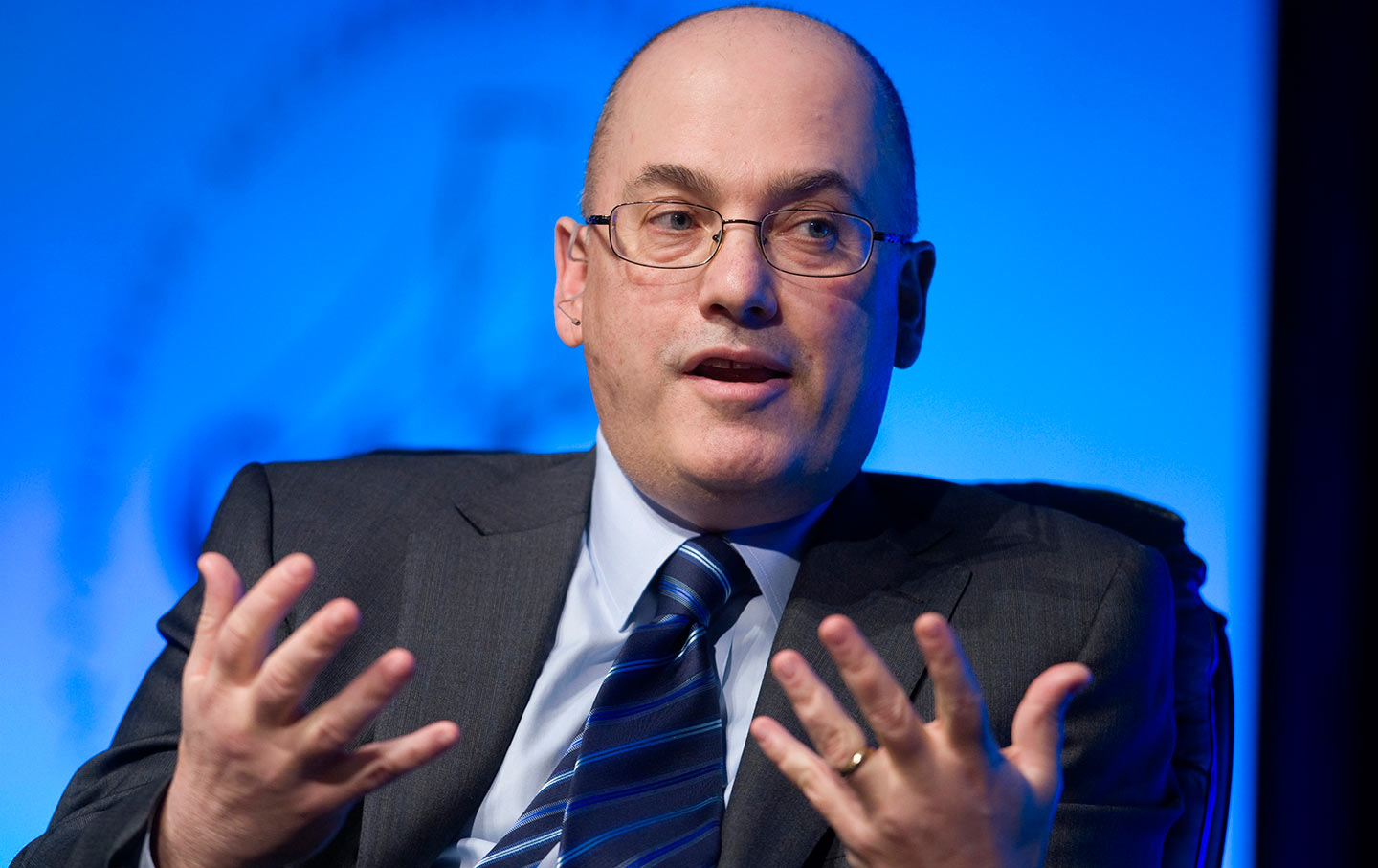
Key Takeaways for Steve Cohen: The Hedge Fund Titan
Steve Cohen is a billionaire hedge fund titan and founder of SAC Capital and Point72 Asset Management. Known for his aggressive trading style and lightning-fast decision-making, Cohen has built a legacy as one of Wall Street’s most formidable investors. Beyond finance, he owns the New York Mets and is an influential figure in both trading and sports.
Key Highlights:
- Founder of Point72 Asset Management and former SAC Capital.
- Known for high-frequency, data-driven hedge fund strategies.
- Billionaire investor and owner of the New York Mets.
Steve Cohen: From Trading Prodigy to Billionaire Investor
Born in 1956 in Great Neck, New York, Steve Cohen showed a natural talent for numbers from an early age. He studied economics at the Wharton School of the University of Pennsylvania and began his Wall Street career as a junior options trader at Gruntal & Co. Cohen quickly made a name for himself, reportedly generating $8,000 profit on his first day. His intense focus, appetite for risk, and razor-sharp trading instincts laid the groundwork for what would become one of the most formidable hedge funds in history.
Founding SAC Capital and Mastering Short-Term Trading
In 1992, Cohen launched SAC Capital Advisors, a hedge fund that eventually managed over $15 billion in assets. SAC became known for its high-frequency, high-turnover trading strategy, where traders were encouraged to act quickly on market-moving information. Cohen developed a multi-manager model, hiring the best minds in finance and allocating capital based on performance. The fund generated consistent double-digit returns for years, often outperforming the market—even during volatile conditions. His aggressive yet analytical style earned him a reputation as one of the best stock pickers of his generation.
Cohen's Controversy and Reinvention with Point72
Despite his success, Cohen’s career wasn’t without turbulence. In 2013, SAC Capital was embroiled in an insider trading scandal and paid a $1.8 billion fine—one of the largest in Wall Street history. Though Cohen was never personally charged, SAC was shut down. Undeterred, he launched Point72 Asset Management in 2014, restructuring it into a family office and later reopening to external investors. Under his leadership, Point72 has flourished, focusing on quantitative strategies, artificial intelligence, and cutting-edge data analytics, solidifying his place as a reinvented and resilient market force.
Cohen: More Than Just a Trader
Today, Steve Cohen is more than a hedge fund billionaire—he’s a cultural icon. In 2020, he purchased the New York Mets, bringing his leadership style and financial muscle to Major League Baseball. He’s also a significant art collector, with a portfolio that includes pieces by Picasso, Pollock, and Damien Hirst. His philanthropic efforts support veterans, healthcare, and education. Cohen’s journey—from stock-trading prodigy to multi-billionaire hedge fund owner—is a testament to skill, adaptability, and relentless drive, making him one of the most influential traders of the modern era.
- Sources Include / Discover More: Steven Cohen, The Chairman and Chief Executive Officer of Point72, a Global Multi-Strategy Asset Management Firm
- Also Read: Most Famous Makeup Brands in the World
#10
Michael Burry

Key Takeaways for Michael Burry: The Man Who Saw the 2008 Crash Coming
Michael Burry, founder of Scion Capital, is best known for predicting the 2008 financial crisis by shorting the U.S. housing market. A former medical doctor turned investor, his sharp analysis of subprime mortgages earned huge profits and inspired The Big Short. Known for his contrarian views, Burry continues to warn about asset bubbles and market risks with remarkable foresight.
Key Highlights:
- Predicted and profited from the 2008 global financial crisis.
- Founder of Scion Capital, known for contrarian and deep-value strategies.
- Portrayed by Christian Bale in The Big Short, symbolizing foresight and conviction.
Michael Burry: A Medical Doctor Turned Market Maverick
Michael Burry’s journey into the world of finance is anything but typical. Originally trained as a physician, Burry earned his M.D. from Vanderbilt University and began a residency in neurology at Stanford. However, his passion for financial markets led him to abandon medicine and start a blog focused on value investing and deep-dive stock analysis. His insights quickly attracted attention from investors, leading him to launch Scion Capital in 2000. Despite lacking formal financial training, Burry’s analytical mind and obsessive research style made him a force to be reckoned with on Wall Street.
The Big Short: Predicting the 2008 Subprime Mortgage Meltdown
Burry’s most legendary achievement—and the one that made him a household name—was his prediction of the 2008 financial crisis. While most of the financial world was still bullish on housing, Burry meticulously studied mortgage-backed securities and identified massive flaws in the subprime lending market. Acting on his research, he made a bold and unprecedented move: he purchased credit default swaps (CDS) on high-risk mortgage bonds, essentially betting they would collapse.
His conviction paid off. As the housing market imploded, Burry’s fund made over $700 million for his investors and $100 million personally. His foresight and boldness were later immortalized in Michael Lewis’s best-selling book The Big Short, and in the Oscar-winning film adaptation where he was portrayed by actor Christian Bale.
Burry: An Unconventional and Controversial Genius
Burry is known not only for his investing acumen but also for his contrarian mindset. He often goes against mainstream opinions and prefers to act on deep research rather than market sentiment. His investments are based on fundamental value, deep data analysis, and risk asymmetry. After the 2008 crash, he took time away from investing but returned with renewed focus, managing private funds under the Scion Asset Management brand.
He’s made headlines again in recent years for his public warnings about asset bubbles, inflation, and speculative excesses in crypto and meme stocks. His tweets—often cryptic and deleted shortly after posting—are closely watched by financial media and retail investors alike.
Burry's a Market Prophet Who Continues to Watch the Horizon
Michael Burry’s legacy is that of a modern-day Cassandra—ignored by many, vindicated by history. He showed the world that rigorous research, independent thinking, and the courage to stand alone can uncover hidden truths in even the most complex markets. Whether he’s predicting crashes or warning of future bubbles, Burry remains one of the most influential and enigmatic figures in the world of trading.
- Sources Include / Discover More: Michael Burry, An American Investor and Hedge Fund Manager
- Also Read: Most Famous Anime in the World
Key FAQs on the 10 Most Famous Traders in the World
Why is George Soros considered one of the most successful traders in the world?
George Soros is considered one of the most successful traders due to his historic 1992 short of the British pound, generating over $1 billion in profit in a single day.
As founder of the Quantum Fund, Soros mastered global macro trading and currency speculation using his reflexivity theory, which explains feedback loops between markets and fundamentals.
His strategies reshaped hedge fund investing and influenced modern macro traders worldwide. Source: https://en.wikipedia.org/wiki/George_Soros
Who was Jesse Livermore and why is he famous in Wall Street history?
Jesse Livermore was a legendary early Wall Street speculator famous for profiting from the 1907 panic and the 1929 stock market crash.
Known as the Boy Plunger, he pioneered trend-following and market psychology principles that remain foundational in technical trading today.
His life and methods inspired the classic book Reminiscences of a Stock Operator. Source: https://en.wikipedia.org/wiki/Jesse_Lauriston_Livermore
What is Paul Tudor Jones best known for in trading?
Paul Tudor Jones is best known for predicting and profiting from the 1987 Black Monday stock market crash.
As founder of Tudor Investment Corporation, he combined macroeconomic analysis with strict risk management to preserve capital during volatility.
Jones is also recognized for philanthropy and long-term market discipline. Source: https://en.wikipedia.org/wiki/Paul_Tudor_Jones
How did Jim Simons revolutionize quantitative trading?
Jim Simons revolutionized trading by replacing human judgment with data-driven algorithms and statistical models.
As founder of Renaissance Technologies, his Medallion Fund delivered unprecedented returns using quantitative finance and machine learning.
Simons’ methods reshaped hedge funds and modern algorithmic trading worldwide. Source: https://en.wikipedia.org/wiki/Jim_Simons_(mathematician)
Why is Warren Buffett known as the Oracle of Omaha?
Warren Buffett is known as the Oracle of Omaha for his exceptional long-term value investing success.
As CEO of Berkshire Hathaway, he built wealth by acquiring undervalued businesses with strong fundamentals and durable advantages.
Buffett’s disciplined philosophy made him one of the world’s most respected investors. Source: https://en.wikipedia.org/wiki/Warren_Buffett
How did David Tepper build his fortune as a hedge fund manager?
David Tepper built his fortune by investing in distressed debt during financial crises.
Through Appaloosa Management, he made billions by purchasing undervalued bank stocks during the 2008 collapse.
Tepper is renowned for contrarian conviction and asymmetric risk strategies. Source: https://en.wikipedia.org/wiki/David_Tepper
What is Ray Dalio’s investment philosophy and why is it famous?
Ray Dalio is famous for his principles-based investment philosophy rooted in economic cycles and radical transparency.
As founder of Bridgewater Associates, he built the world’s largest hedge fund using systematic macro models.
Dalio’s insights influence institutional investors globally. Source: https://en.wikipedia.org/wiki/Ray_Dalio
What is Richard Dennis best known for in trading history?
Richard Dennis is best known for the Turtle Trading Experiment.
He proved that disciplined trend-following systems could turn novices into successful traders.
Dennis turned $1,600 into $200 million, influencing futures trading worldwide. Source: https://en.wikipedia.org/wiki/Richard_Dennis
Why is Steve Cohen one of Wall Street’s most powerful hedge fund managers?
Steve Cohen is one of Wall Street’s most powerful hedge fund managers due to his consistent alpha generation.
Founder of SAC Capital and Point72, he combined analytics with aggressive equity trading.
Cohen reshaped modern hedge fund operations. Source: https://en.wikipedia.org/wiki/Steven_A._Cohen
How did Michael Burry predict the 2008 financial crisis?
Michael Burry predicted the 2008 financial crisis by analyzing subprime mortgage data others ignored.
Through Scion Capital, he shorted mortgage-backed securities using credit default swaps.
His success was chronicled in The Big Short. Source: https://en.wikipedia.org/wiki/Michael_Burry
What Can We Learn From These Traders?
Their Mindset and Habits
Every one of these legends had an iron mindset. Whether it was Livermore’s persistence, Simons’ logic, or Soros’ boldness, mindset is a common denominator. They also prioritized preparation, strategy, and adaptability.
Lessons for Aspiring Traders
- Start small and manage risk.
- Develop your own strategy—don’t copy blindly.
- Stay disciplined, even when it’s hard.
- Continuously learn from both success and failure.
Common Mistakes to Avoid in Trading
Overleveraging
Using borrowed money can magnify gains, but it also increases losses. Many traders blow up their accounts simply because they overestimated their margin.
Lack of a Solid Plan
Trading without a plan is like sailing without a map. Know your entry, exit, and stop-loss before placing a trade. Every top trader follows a system religiously.
Final Thoughts
Trading is one of the most challenging yet rewarding pursuits in the financial world, and the inspiring journeys of the 10 most famous traders in the world prove that success comes from strategy, discipline, and vision. From George Soros’s legendary currency trades and Warren Buffett’s timeless value investing to Jim Simons’s algorithmic genius and Michael Burry’s crisis foresight, each trader carved a unique path to financial greatness.
What sets these icons apart isn’t luck—it’s their ability to analyze markets, manage risk, and stay emotionally resilient in volatile conditions. They embraced innovation, from macro trading and quantitative models to contrarian and long-term investing, demonstrating that there’s no single formula for success in the markets.
For aspiring investors and professional traders alike, these financial titans offer invaluable lessons in patience, adaptability, and continuous learning. Their achievements remind us that while markets evolve, the core principles of discipline, research, and conviction remain timeless. Whether your goal is to master forex trading, stock investing, or hedge fund management, the legacies of these legendary traders serve as a powerful roadmap to achieving lasting success in the world of finance.
The 10 Most Famous Traders Frequently Asked Questions (FAQs)
Discipline, risk management, a unique trading edge, and a relentless pursuit of improvement.
Start with education, practice using demos, focus on risk management, and stick to a well-tested strategy.
Several are, including Michael Burry and Jesse Livermore. Passion, research, and discipline often outweigh formal education.
Some great ones include Reminiscences of a Stock Operator, Market Wizards, Principles by Ray Dalio, and The Intelligent Investor by Benjamin Graham.
George Soros, Jesse Livermore, Paul Tudor Jones, Jim Simons, Warren Buffett, David Tepper, Ray Dalio, Richard Dennis, Steve Cohen, and Michael Burry.
About the Author
This article was researched and prepared by the World Millions Editorial Team, specialists in global rankings, premium market analysis, structured comparisons, and high-value sector research across industries.
All content undergoes verification, editorial review, and periodic updates to ensure accuracy, clarity, and alignment with recognized industry standards, reliable institutional sources, and leading global authorities.
- Last Updated: March 27, 2026 by the World Millions Editorial Team
- Original Published Date: March 27, 2026
- View Our: Editorial Team | Sources | Disclaimer | Editorial Standards