The most famous boxers in the world represent the pinnacle of athletic power, legendary rivalries, and unforgettable moments in sports history. From heavyweight icons who defined entire eras to multi-division champions who revolutionized the sweet science, these fighters combined skill, charisma, and resilience to achieve global fame. Their championship victories, knockout performances, and historic bouts transformed boxing into one of the world’s most thrilling sports.
Discover the 10 most famous boxers in the world, ranked by historic achievements, championship titles, cultural influence, and worldwide recognition. From Muhammad Ali and Mike Tyson to Sugar Ray Leonard and Oscar De La Hoya, these legendary fighters shaped boxing history and inspired generations of athletes and fans across the globe.
On This Page
Toggle- Updated 2026 by the World Millions Editorial Team: View Author Information
The Impact of Boxing Legends on Sports History
The sport of boxing is etched into the soul of sporting history. From Muhammad Ali’s poetic trash talk to Mike Tyson’s ferocious knockouts, the greatest boxers transcended sports. They became symbols—of resistance, strength, showmanship, and even vulnerability. Their stories offer more than just stats; they’re lessons in perseverance, confidence, and transformation.
Why Boxing Fame Goes Beyond the Ring
Boxers become household names not just through victories, but through their charisma, controversial moments, and how they connect with fans. Think about it: would Ali be as adored without his activism? Would Tyson be as mythologized without his redemption arc? Fame in boxing is a blend of belts and backstories.
The Rise of Boxing as a Global Sport
Boxing Through the Ages
From bare-knuckle brawls in the 18th century to gloved showdowns under neon lights, boxing has evolved dramatically. With legends like Jack Johnson paving the way for modern greats, the sport has gone from local fight clubs to global pay-per-view empires.
Cultural and Global Significance of Boxing
In Latin America, Africa, and the Philippines, boxing is more than sport—it’s a lifeline. Many fighters rose from poverty to global stardom, making boxing a universal dream for the underdog.
Criteria for Measuring Boxing Fame
Titles and Championships
While championship belts add to a boxer’s resume, they’re not the whole story. Some boxers earned fame through longevity, resilience, or unforgettable rivalries.
Influence, Media Presence & Legacy
Fame in boxing also means enduring presence—TV appearances, brand endorsements, interviews, and legacy building. The more the public loves or fears you, the more iconic you become.
List of the Top 10 Most Famous Boxers in the World
Discover the legends of the ring – from Muhammad Ali to Mike Tyson – in our definitive list of the Top 10 Most Famous Boxers in the World.
The world of boxing has produced countless champions, but only a select few have risen to the level of true immortality. These icons are more than athletes—they are cultural heroes, global superstars, and timeless warriors who defined eras with their fists, charisma, and legendary rivalries. In this ranking of the 10 Most Famous Boxers in the World, we highlight the fighters whose names still echo through history: Muhammad Ali, Rocky Marciano, Mike Tyson, Roy Jones Jr., Joe Frazier, Evander Holyfield, Sugar Ray Leonard, George Foreman, Larry Holmes, and Oscar De La Hoya.
This table captures their rank, nationality, career span, and unforgettable legacy quotes—from Ali’s poetic “Float like a butterfly, sting like a bee” to De La Hoya’s “Golden Boy always shines.” Whether you’re a lifelong fan or new to the sport, this list offers an at-a-glance view of the greatest boxers who shaped the sweet science and inspired generations.
| Rank | Boxer | Country | Career Span | Legacy Quote |
|---|---|---|---|---|
| 1 | Muhammad Ali | USA | 1960–1981 | "Float like a butterfly, sting like a bee." |
| 2 | Rocky Marciano | USA | 1947–1955 | "I have nothing to be ashamed of." |
| 3 | Mike Tyson | USA | 1985–2005 | "Everyone has a plan until they get hit." |
| 4 | Roy Jones Jr. | USA | 1989–2018 | "Y’all must’ve forgot!" |
| 5 | Joe Frazier | USA | 1965–1981 | "I don’t mind getting hit, but I hit back." |
| 6 | Evander Holyfield | USA | 1984–2011 | "It is not the size of a man but the size of his heart." |
| 7 | Sugar Ray Leonard | USA | 1977–1997 | "Boxing is the toughest and loneliest sport in the world." |
| 8 | George Foreman | USA | 1969–1997 | "The comeback is always stronger." |
| 9 | Larry Holmes | USA | 1973–2002 | "I never ducked anyone." |
| 10 | Oscar De La Hoya | USA | 1992–2008 | "The Golden Boy always shines." |
Discover the 10 Most Famous Boxers in the World
Discover the 10 Most Famous Boxers in the World, celebrated for their legendary power, ring mastery, and cultural influence. From Muhammad Ali’s unforgettable charisma to Mike Tyson’s explosive dominance, these icons shaped boxing history and became global symbols of strength, resilience, and greatness.
This complete guide highlights the fighters whose legacies continue to inspire fans, athletes, and champions worldwide. Whether you’re exploring boxing’s golden eras or today’s modern icons, these names represent the highest level of achievement in the sport.
#1
Muhammad Ali
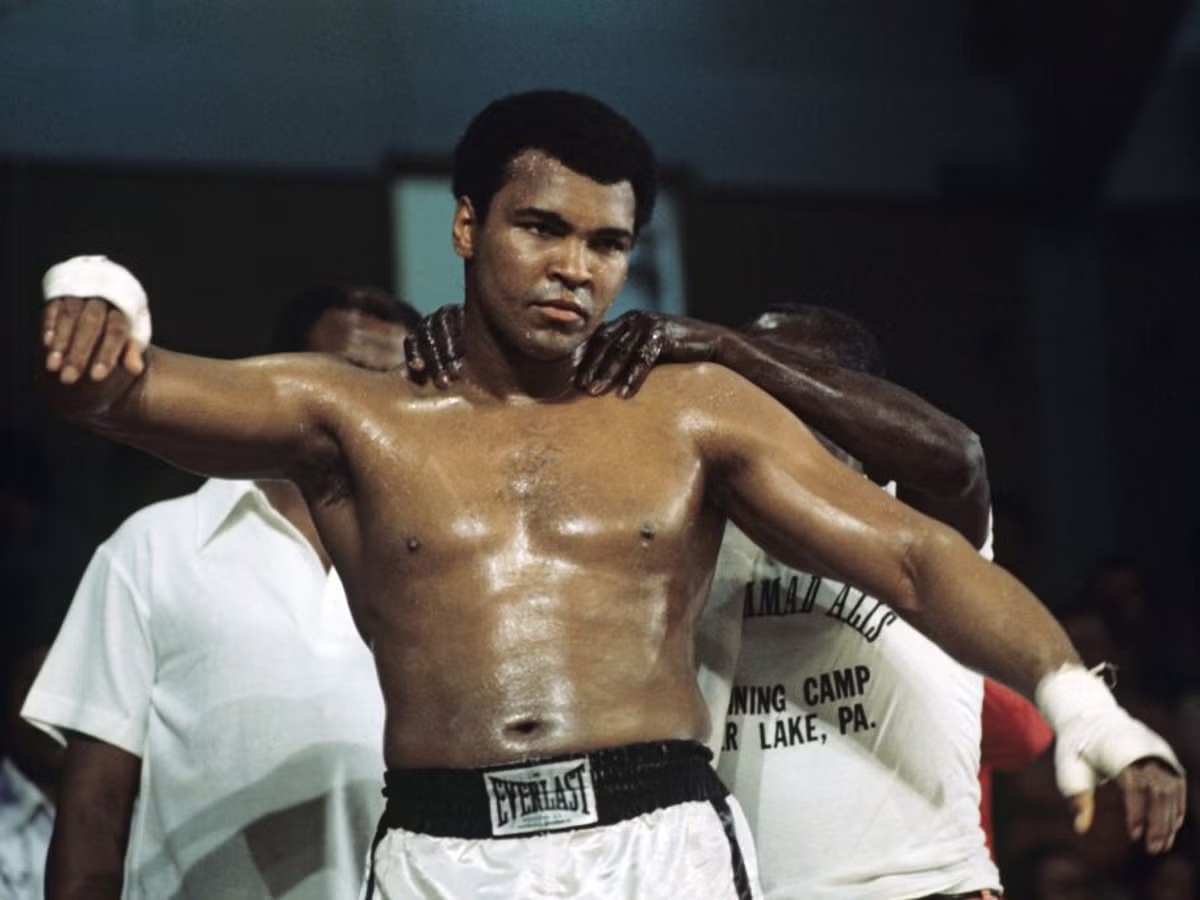
Key Takeaways for Muhammad Ali
Muhammad Ali is hailed as the greatest boxer of all time, blending lightning-fast footwork with unmatched charisma. Beyond boxing, he became a cultural icon, activist, and global symbol of resilience.
Key Features:
- Three-time heavyweight world champion.
- Famous for “Float like a butterfly, sting like a bee.”
- Icon of civil rights and humanitarian activism.
Muhammad Ali Boxer: The Greatest of All Time
When it comes to the most famous boxer in the world, Muhammad Ali stands alone at the top. Often referred to as “The Greatest of All Time,” Ali was not only a dominant force in the ring but also a cultural icon whose influence extended far beyond boxing. His name is one of the most searched in the world of combat sports, and his legacy continues to draw global attention even decades after his retirement.
Cassius Marcellus Clay Jr.: Early Life and Meteoric Rise
Born Cassius Marcellus Clay Jr. in Louisville, Kentucky, in 1942, Ali began boxing at the age of 12. His rise was nothing short of meteoric. At just 18, he won the gold medal in the light heavyweight division at the 1960 Rome Olympics. His speed, agility, and unorthodox style set him apart early in his career, making him a headline attraction even before winning his first world title.
By 1964, at only 22 years old, he shocked the world by defeating Sonny Liston to become the world heavyweight champion. It was during this period that he famously declared, “I am the greatest,” a phrase that would become synonymous with his persona.
Rope-a-Dope: Style, Strength, and Strategy
Muhammad Ali’s boxing style was revolutionary. Known for his ability to “float like a butterfly, sting like a bee,” he brought an unmatched combination of speed, footwork, and confidence to the ring. Unlike most heavyweights of his time, Ali would taunt opponents, dodge punches with head movement, and deliver lightning-fast combinations.
He also invented the “rope-a-dope” strategy, most famously used against George Foreman in the 1974 “Rumble in the Jungle.” That match alone is considered one of the most iconic moments in boxing history, cementing Ali’s reputation as both a strategist and a showman.
Boxer Muhammad Ali: Legacy, Titles, and Global Impact
Boxer Muhammad Ali’s impact on boxing includes three world heavyweight titles, legendary rivalries with Joe Frazier and George Foreman, and a total of 56 wins (37 by knockout) in 61 professional fights. But what makes Ali truly immortal is not just his ring record—it’s his courage outside the ring.
He stood firm in his convictions during the Vietnam War, refusing military service on religious grounds, which led to his boxing license being suspended. Despite public backlash and legal battles, Ali became a symbol of civil rights, religious freedom, and anti-war activism.
Today, Muhammad Ali remains one of the most recognized athletes of all time. His quotes, fights, and influence continue to inspire new generations. For anyone looking to explore the best boxers in history, Muhammad Ali is where the list must begin.
- Sources Include / Discover More: Muhammad Ali, An American professional Boxer and Social Activist. Often Regarded as the Greatest Heavyweight Boxer of all Time
- Also Read: Most Famous Scientists in the World
#2
Rocky Marciano
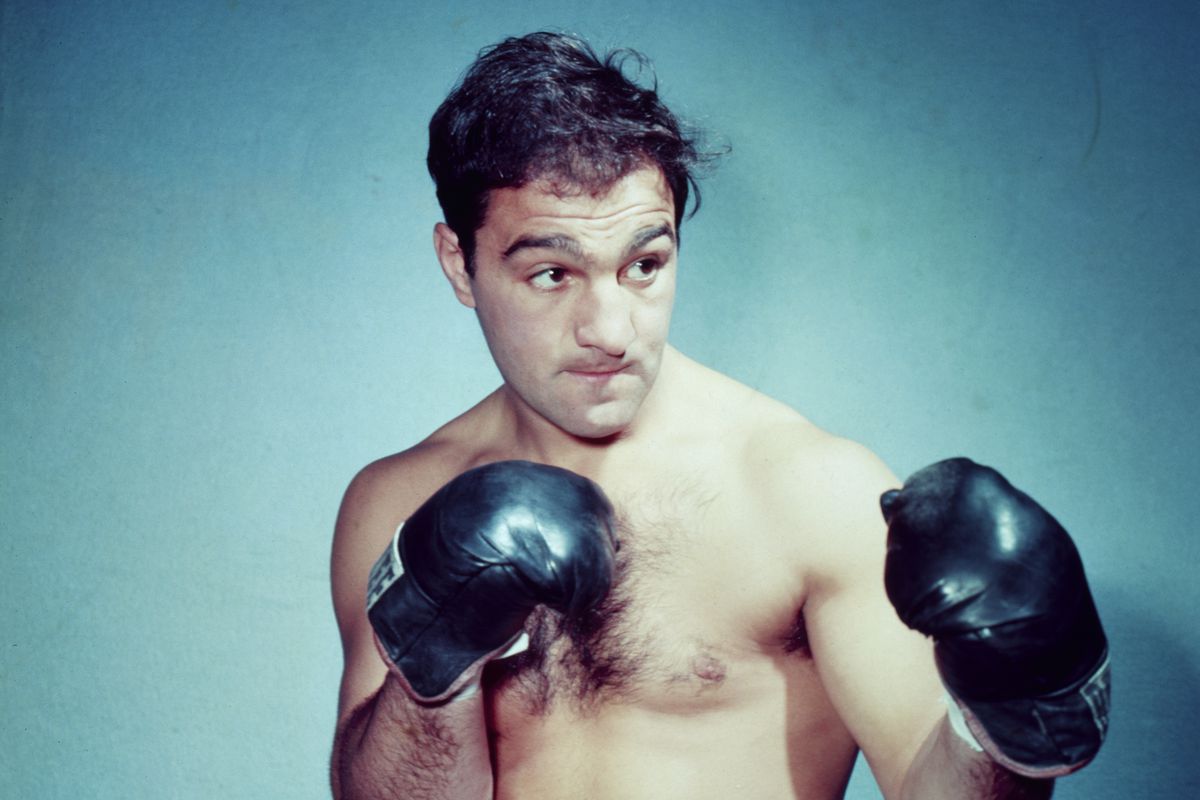
Key Takeaways for Rocky Marciano
Rocky Marciano remains the only heavyweight champion to retire undefeated, making him a timeless legend in boxing history. His relentless stamina and devastating punching power carved a unique legacy.
Key Features:
- Retired with a perfect 49-0 record.
- Known for knockout power and iron will.
- Symbol of discipline and consistency.
Rocky Marciano Boxer: The Undefeated Heavyweight Legend
When boxing enthusiasts debate about the greatest fighters of all time, Rocky Marciano always enters the conversation—and for good reason. Known as the only heavyweight champion in history to retire undefeated, Marciano’s legacy is carved in granite. His perfect record, devastating punching power, and relentless drive make him a true icon in the sport of boxing.
Rocco Francis Marchegiano: The Making of a Champion
Born Rocco Francis Marchegiano in Brockton, Massachusetts, in 1923, Marciano didn’t follow a traditional path into professional boxing. After serving in the U.S. Army during World War II, he took up boxing seriously in his early twenties. Despite entering the sport relatively late, his natural power and determination set him apart quickly.
By 1952, just four years after turning pro, Marciano faced off against Jersey Joe Walcott for the world heavyweight title. In the 13th round, Marciano delivered one of the most unforgettable right-hand knockouts in boxing history—crowning him the new champion.
Suzy Q: Fighting Style and Physical Dominance
Marciano wasn’t the tallest or most technically refined boxer, but he compensated with sheer power, stamina, and aggression. Known for his “Suzy Q” right hand, he overwhelmed opponents with pressure, never backing down, and never giving them room to breathe. His crouching stance and bobbing head movement made him a difficult target, while his constant forward motion broke the will of even the toughest challengers.
Despite his rugged style, Marciano’s conditioning was elite. He trained relentlessly and carried his knockout power into the later rounds, often winning fights in the closing minutes.
Boxer Rocky Marciano: Undefeated Record and Everlasting Legacy
Boxer Rocky Marciano’s professional record stands at 49 wins, 0 losses, with 43 knockouts—a statistic unmatched in heavyweight history. He successfully defended his title six times before retiring in 1956 at the age of 31.
His decision to retire at his peak preserved his perfect record and added to the myth surrounding his career. Marciano’s name is now synonymous with perfection in boxing, making him a touchstone for every fighter aiming for greatness.
Even decades after his death in a tragic plane crash in 1969, Rocky Marciano continues to be celebrated as a timeless symbol of grit, power, and perfection. His story is one of discipline, resilience, and a legacy that refuses to fade.
- Sources Include / Discover More: Rocco Francis Marchegiano, Better Known as Rocky Marciano, An American Professional Boxer Who Competed from 1947 to 1955
- Also Read: Most Famous Traders in the World
#3
Mike Tyson
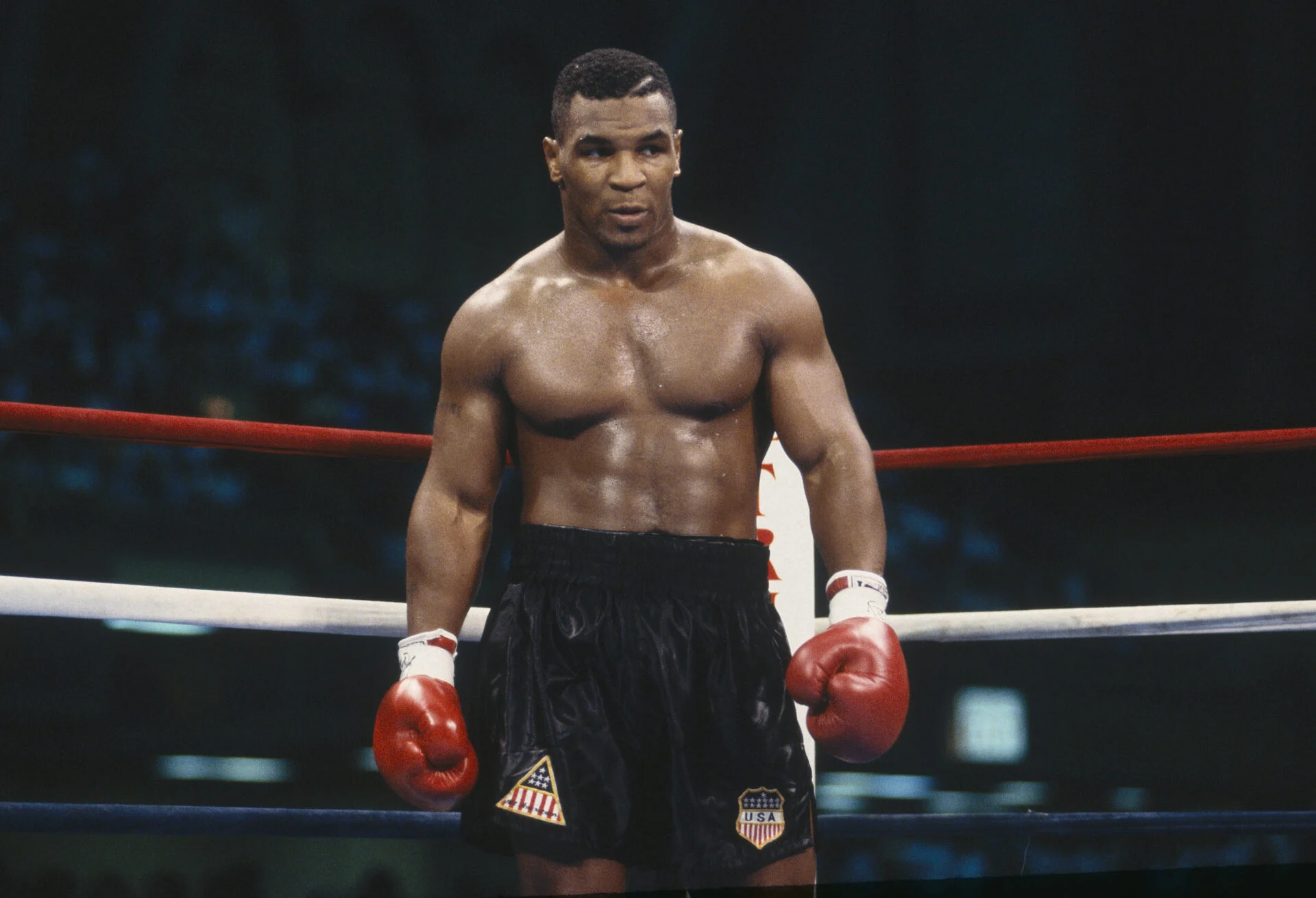
Key Takeaways for Mike Tyson
Mike Tyson became the youngest heavyweight champion in history and one of the most feared fighters of all time. His ferocious knockouts and intense style made him a global superstar.
Key Features:
- Youngest heavyweight champion at 20.
- Famous for explosive power and aggression.
- Remains a pop culture and sports icon.
Tyson Boxer: The Baddest Man on the Planet
Few names in the world of boxing are as instantly recognizable as Mike Tyson. Nicknamed “Iron Mike” and “The Baddest Man on the Planet,” Tyson became the youngest heavyweight champion in history and one of the most feared fighters to ever step into the ring. His ferocious power, explosive speed, and intimidating presence made him a boxing icon—and a global superstar.
Cus D'Amato: From Troubled Youth to Boxing Phenom
Born in Brooklyn, New York, in 1966, Tyson had a troubled childhood marked by poverty, crime, and juvenile detention. His life changed when boxing trainer Cus D’Amato became his mentor and legal guardian. Under D’Amato’s guidance, Tyson found discipline and purpose, developing a style that was aggressive, precise, and devastating.
At just 20 years old, Tyson became the youngest heavyweight champion in history by knocking out Trevor Berbick in 1986. His rise was meteoric, capturing public attention with every thunderous punch and highlight-reel knockout.
Boxer Tyson: Fighting Style and Ring Domination
Boxer Tyson’s style was built around peek-a-boo defense, explosive footwork, and unparalleled punching power. He didn’t just beat opponents—he destroyed them. Many of his fights didn’t last more than a few rounds, with opponents often overwhelmed by his speed and ferocity.
During his prime, Tyson’s combinations were like machine-gun fire, and his ability to slip punches while moving forward was almost inhuman. His aura of invincibility was so strong that some opponents seemed defeated before the first bell rang.
Tyson's Championship Reign and Controversial Fall
Tyson unified the WBC, WBA, and IBF titles by 1987, becoming the undisputed heavyweight champion. His record of 37 consecutive wins, including 33 by knockout, set a new standard for dominance. But his career also came with high-profile controversies—most notably his stunning loss to Buster Douglas in 1990, his 1992 imprisonment, and the infamous ear-biting incident against Evander Holyfield in 1997.
Despite setbacks, Tyson made multiple comebacks and remained a pay-per-view magnet throughout the 1990s and early 2000s. His intimidating persona, raw honesty, and turbulent life outside the ring only fueled his global fame.
Boxer Mike Tyson: Legacy and Reinvention
Boxer Mike Tyson ended his career with a record of 50 wins (44 KOs), 6 losses, and 2 no contests. Beyond the numbers, his influence on boxing and pop culture is unmatched. From video games to movies, podcasts to one-man shows, Tyson remains a larger-than-life figure.
Today, he’s respected as a reformed and reflective man, sharing insights on life, fame, and redemption. His legacy isn’t just about knockouts—it’s about transformation, survival, and enduring relevance.
- Sources Include / Discover More: Michael Gerard Tyson, An American Former Professional Boxer Who Competed Between 1985 and 2024
- Also Read: Most Famous Michelin Star Restaurants
#4
Roy Jones Jr.
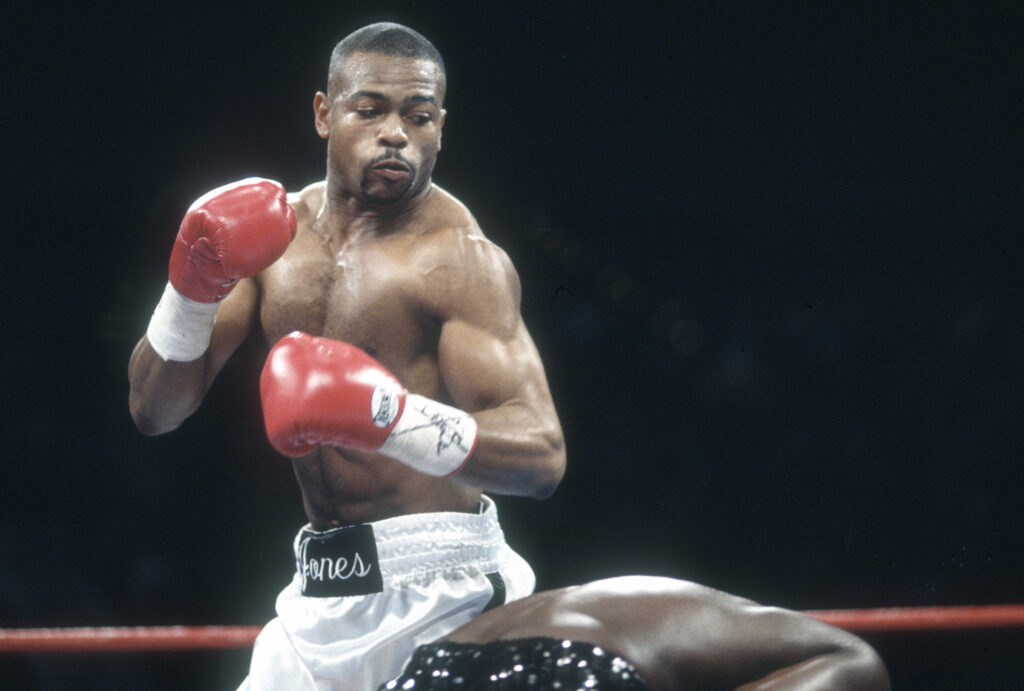
Key Takeaways for Roy Jones Jr.
Roy Jones Jr. dazzled fans with speed, showmanship, and versatility, earning titles across multiple weight divisions. His flashy style and unique techniques set him apart in the boxing world.
Key Features:
- Won championships in four weight classes.
- Fighter of the Decade (1990s).
- Famous for reflexes and unorthodox style.
Roy Jones Jr.: The Flashiest Pound-for-Pound King
When it comes to natural talent, speed, and ring IQ, Roy Jones Jr. is in a league of his own. Widely considered one of the greatest pound-for-pound boxers in history, Jones dazzled fans for decades with his unorthodox style, lightning-fast reflexes, and show-stopping flair. He wasn’t just a fighter—he was an entertainer with elite skill.
Early Career and Olympic Glory
Born in Pensacola, Florida, in 1969, Roy Jones Jr. made headlines early by winning a silver medal at the 1988 Seoul Olympics in a controversial decision that many still call one of boxing’s worst robberies. Despite the injustice, Jones used the setback as fuel, turning professional in 1989 with an unshakable determination to prove he was the best.
In just a few years, he captured world titles in multiple weight classes, including middleweight, super middleweight, light heavyweight, and even heavyweight—an almost unheard-of feat for a naturally smaller fighter.
Boxer Roy Jones Jr.: Unique Style and Unmatched Athleticism
Boxer Roy Jones Jr. broke all the rules of conventional boxing. With his hands often hanging low, he relied on split-second reflexes and brilliant timing to dodge punches and deliver sharp counters. His movements were so quick, he seemed to fight in fast-forward while everyone else was stuck in slow motion.
He often taunted opponents mid-fight, dancing, posing, and throwing punches with dazzling speed and power. His 1994 win over James Toney and 2003 triumph against John Ruiz for the heavyweight title remain masterclasses in boxing brilliance.
Jone's Career Achievements and Historical Significance
Jones’ resume includes 66 wins (47 by KO) and 9 losses, with world titles in four different divisions. At his peak, he was named Fighter of the Decade for the 1990s by the Boxing Writers Association of America.
He became the first former middleweight champion in over a century to win a heavyweight title, proving that greatness isn’t confined to weight classes. His impact wasn’t just technical—it was inspirational, showing that charisma and creativity could thrive in the toughest sport.
Boxer Jones Jr.: Post-Retirement Fame and Continued Influence
Even after retirement, boxer Jones Jr. has remained a key figure in boxing through commentary, coaching, and even stepping back into the ring for high-profile exhibitions, including the 2020 bout against Mike Tyson. He has also enjoyed a parallel career as a rapper, further showcasing his multifaceted personality.
To this day, Jones is admired by fans and fighters alike. He didn’t just beat opponents—he outclassed them with a rare combination of athleticism, confidence, and showmanship that made every one of his fights must-watch entertainment.
- Sources Include / Discover More: Roy Jones Jr., An American Former Professional Boxer, Commentator, and Trainer
- Also Read: Most Famous Celebrity Homes
#5
Joe Frazier
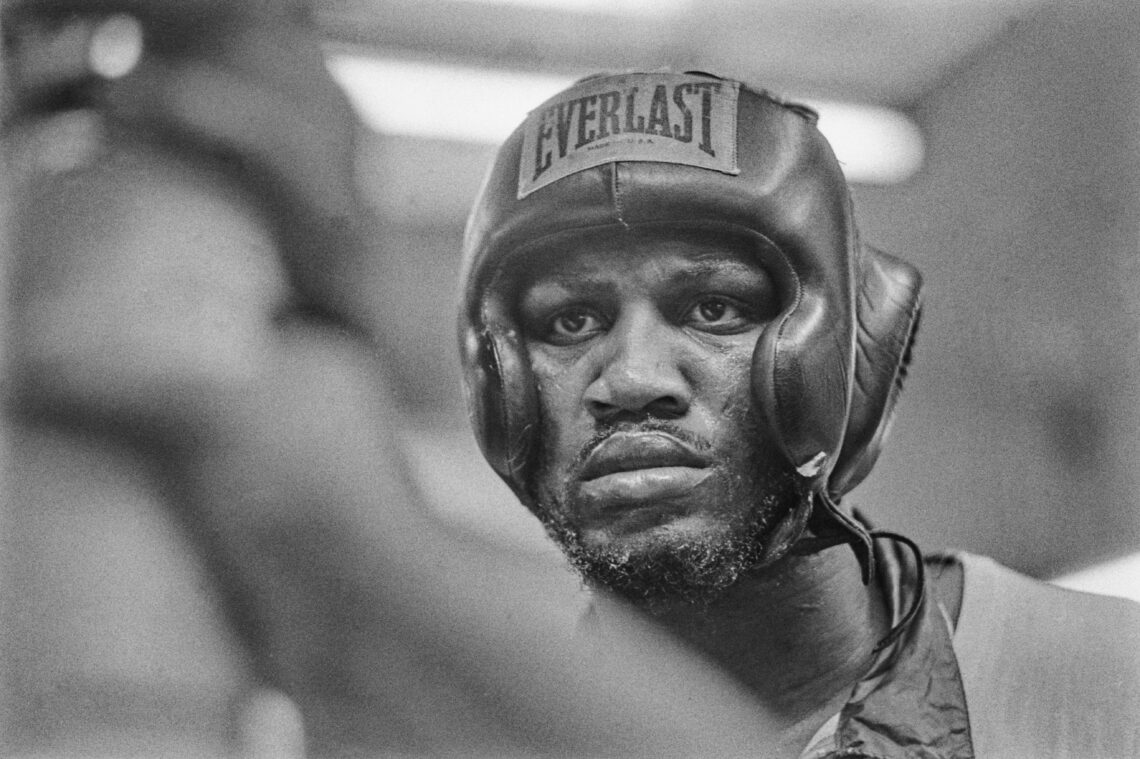
Key Takeaways for Joe Frazier
Joe Frazier, known as “Smokin’ Joe,” was a relentless pressure fighter best remembered for his trilogy with Muhammad Ali. His courage and devastating left hook defined his legacy.
Key Features:
- Olympic gold medalist in 1964.
- First man to defeat Muhammad Ali.
- Known for stamina and aggressive style.
Joe Frazier: The Relentless Warrior of the Ring
Joe Frazier wasn’t just one of the most famous boxers in the world—he was the man who handed Muhammad Ali his first professional loss. Known for his aggressive style and incredible endurance, “Smokin’ Joe” became a symbol of blue-collar toughness and determination. His fights were brutal, his punches powerful, and his legacy undeniable.
Smokin' Joe's Humble Beginnings and Olympic Gold
Born in Beaufort, South Carolina, in 1944, Joe Frazier grew up in poverty on a farm, working long hours before ever lacing up gloves. Boxing became his escape and eventually his destiny. He rose quickly through the amateur ranks and captured Olympic gold in the 1964 Tokyo Games, launching a professional career that would reshape the heavyweight division.
By 1970, Frazier had already claimed the undisputed heavyweight title. His journey from poor Southern roots to world champion remains one of boxing’s most inspiring stories.
Boxer Joe Frazier: Pressure Fighting and Fearless Grit
Frazier’s fighting style was built on non-stop pressure. He charged forward like a locomotive, bobbing and weaving his way inside to deliver thunderous left hooks—his signature weapon. He didn’t dance, he didn’t dodge—he fought toe-to-toe, round after round, with unrelenting intensity.
Frazier was never afraid to take a punch to give one, which made his fights explosive and unforgettable. His stamina and chin were legendary, allowing him to go the distance against even the hardest hitters.
Ali vs Frazier: The Ali Rivalry, the Fight of the Century, and "Thrilla in Manila"
Joe Frazier’s name is forever linked to his legendary rivalry with Muhammad Ali. Their first encounter in 1971 at Madison Square Garden was billed as the “Fight of the Century”—and it lived up to the hype. Frazier stunned the world by defeating the undefeated Ali in a 15-round war, knocking him down with a devastating left hook.
They would meet two more times, including the brutal “Thrilla in Manila,” which is widely regarded as one of the greatest fights in boxing history. Though Ali won the trilogy 2–1, Frazier’s performance in each bout solidified his place among the sport’s immortals.
Boxer Frazier's Legacy of Heart and Honor
Boxer Frazier’ retired with a professional record of 32 wins (27 by KO), 4 losses, and 1 draw. Despite being overshadowed in the media by Ali’s charisma, Frazier earned the respect of fighters, fans, and historians alike for his courage, humility, and never-say-die attitude.
He later opened a boxing gym in Philadelphia, mentoring young fighters and giving back to the sport he loved. Even after his passing in 2011, Joe Frazier’s legacy lives on as the embodiment of toughness, resilience, and raw determination.
- Sources Include / Discover More: Joseph Frazier, Was an American Professional Boxer Who Competed from 1965 to 1981. Nicknamed “Smokin’ Joe”
- Also Read: Most Famous Chefs in the World
#6
Evander Holyfield
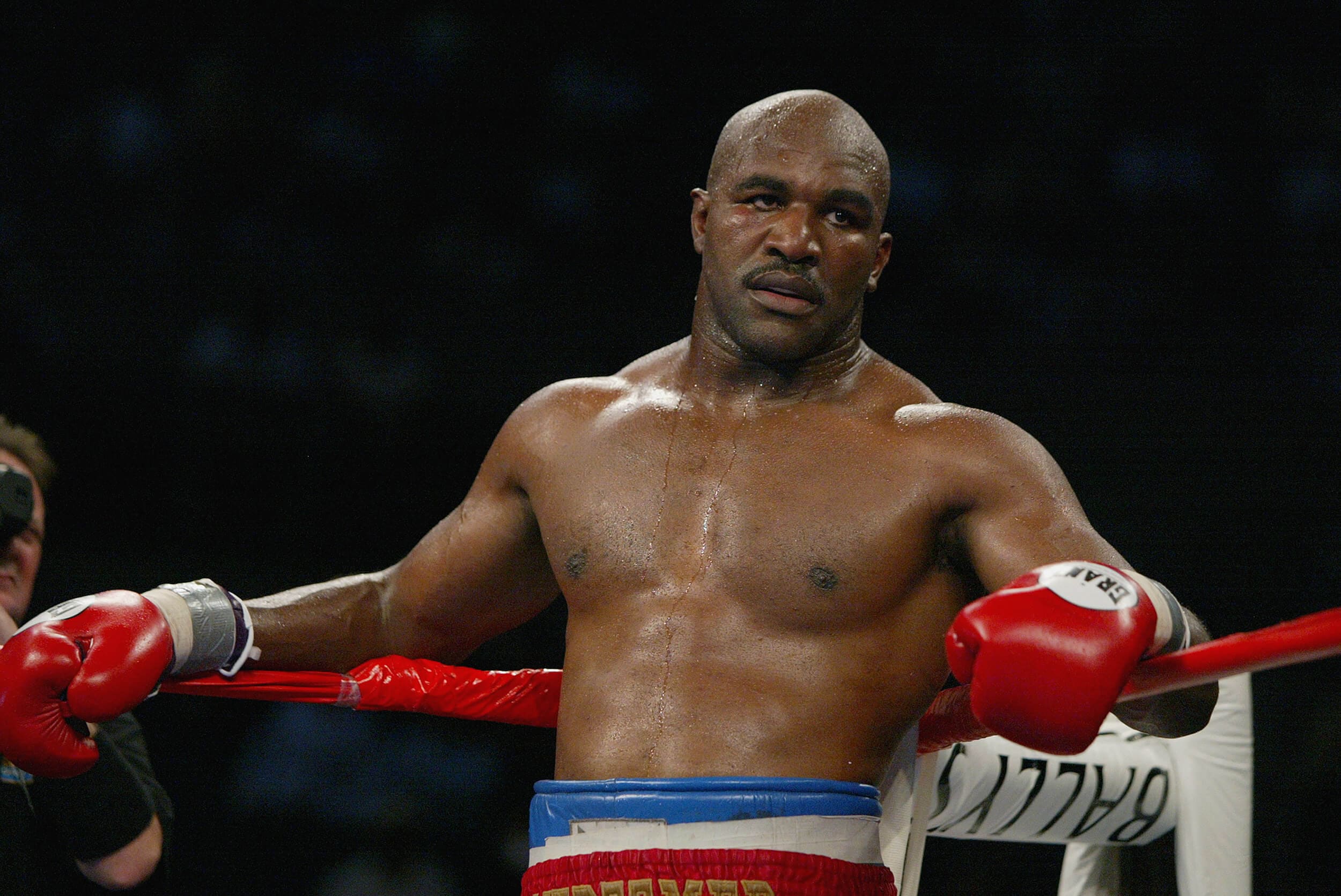
Key Takeaways for Evander Holyfield
Evander Holyfield, “The Real Deal,” is the only four-time heavyweight champion. His heart, toughness, and legendary bouts, including his rivalry with Mike Tyson, cemented his place in history.
Key Features:
- Unified cruiserweight and heavyweight titles.
- Defeated Tyson twice, including ear-bite fight.
- Famous for resilience and warrior spirit.
Evander Holyfield: The Real Deal of Boxing Greatness
When people talk about heart, courage, and fighting spirit in the ring, one name stands tall—Evander Holyfield. Nicknamed “The Real Deal,” Holyfield is the only four-time world heavyweight champion in history and one of the few men to move up from cruiserweight and dominate the heavyweight division. His career is a testament to relentless perseverance, technical skill, and sheer willpower.
From Cruiserweight King to Heavyweight Icon
Born in 1962 in Atmore, Alabama, and raised in Atlanta, Georgia, Holyfield began boxing at the age of 7. He made a name for himself early, winning a bronze medal at the 1984 Los Angeles Olympics. He turned professional later that year and quickly rose through the ranks of the cruiserweight division.
By 1988, Holyfield had unified the WBA, WBC, and IBF cruiserweight titles, cementing his dominance before making the leap to heavyweight. Few fighters have ever made such a successful transition across divisions, but for Holyfield, it was just the beginning.
Holyfield: The Heart of a Warrior
Holyfield wasn’t the biggest or hardest-hitting heavyweight, but his conditioning, technique, and resilience made him a nightmare for any opponent. Known for his ability to absorb punishment and fire back under pressure, he often wore down larger, more powerful fighters with strategic brilliance and unrelenting pace.
He captured the undisputed heavyweight crown in 1990 by defeating James “Buster” Douglas, the man who had just shocked the world by beating Mike Tyson. From there, Holyfield’s journey turned into a series of epic wars that defined an era.
Legendary Rivalries and Iconic Moments
Holyfield’s resume reads like a who’s who of heavyweight legends. He faced George Foreman, Larry Holmes, Riddick Bowe, Lennox Lewis, and most famously, Mike Tyson—twice.
Their 1996 bout saw Holyfield, as the underdog, shock the world by dominating Tyson and winning via 11th-round TKO. The rematch in 1997 became one of the most infamous moments in sports history when Tyson bit Holyfield’s ear, leading to a disqualification.
Despite the controversy, those fights immortalized Holyfield as a fighter with unmatched bravery and class. He wasn’t just a champion—he was a symbol of sportsmanship under fire.
Boxer Evander Holyfield: A Legacy Forged in Fire
Boxer Evander Holyfield retired with a record of 44 wins (29 KOs), 10 losses, and 2 draws. His ability to come back from adversity, his willingness to fight the best, and his humble demeanor earned him global respect.
Today, he is seen not only as a boxing legend but also as an inspirational figure whose story resonates far beyond the ring. Holyfield’s career is proof that being “The Real Deal” means more than just titles—it’s about honor, endurance, and unshakable resolve.
- Sources Include / Discover More: Evander Holyfield, An American Former Professional Boxer Who Competed Between 1984 and 2011
- Also Read: Most Famous Paintings in the World
#7
Sugar Ray Leonard
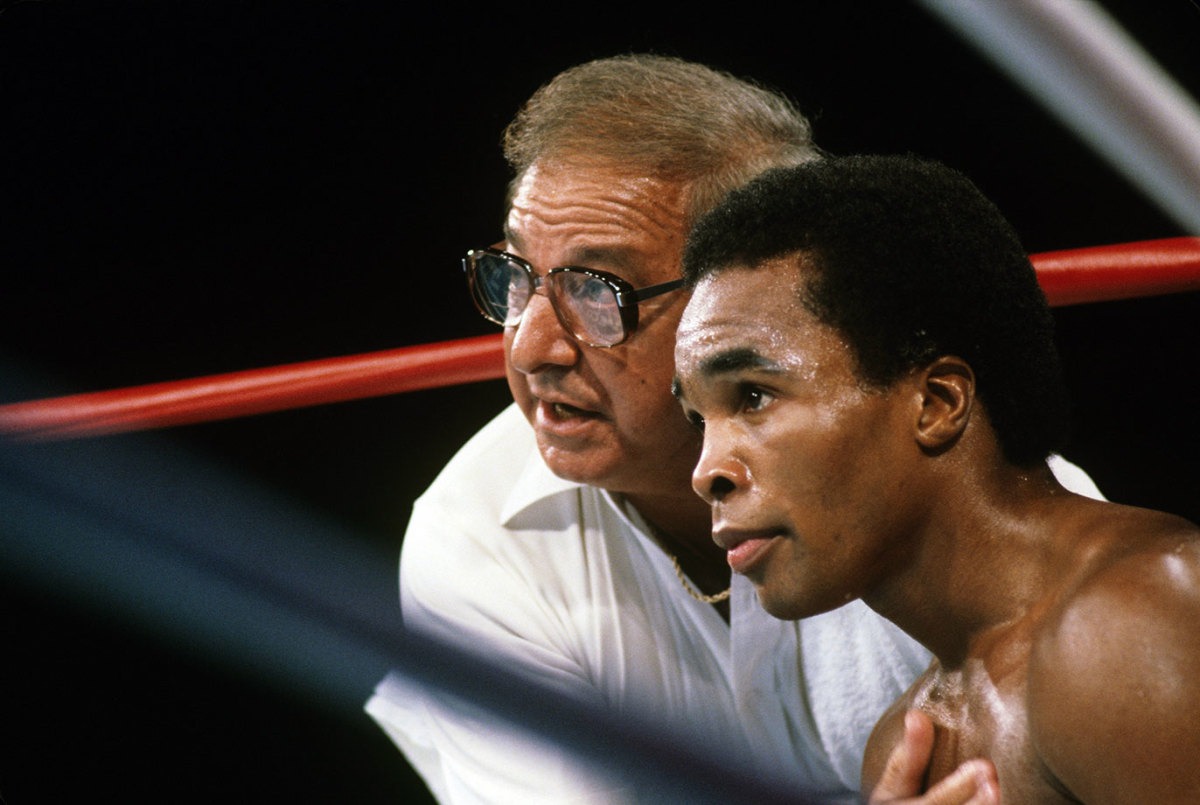
Key Takeaways for Sugar Ray Leonard
Sugar Ray Leonard electrified boxing with charisma, speed, and ring IQ, becoming one of the greatest welterweights. He defined an era through legendary battles with the “Four Kings.”
Key Features:
- Won titles in five weight divisions.
- Olympic gold medalist in 1976.
- Known for speed, skill, and adaptability.
Sugar Ray Leonard: The Golden Boy of the Golden Era
When boxing fans think of speed, charisma, and tactical brilliance, Sugar Ray Leonard immediately comes to mind. As one of the greatest welterweights in history, Leonard blended flair with ferocity, bringing a unique mix of showmanship and skill to the ring. His legendary rivalries, Olympic glory, and championship triumphs across five weight divisions cement his place among the all-time greats.
Boxer Leonard: Olympic Fame and the Birth of a Superstar
Born in 1956 in Wilmington, North Carolina, boxer Leonard rose to national prominence when he captured gold at the 1976 Montreal Olympics. His dazzling footwork, fast hands, and magnetic smile made him an instant fan favorite.
Unlike many of his peers, Leonard didn’t turn professional out of desperation—he initially retired from boxing after the Olympics. But financial hardships brought him back, and in 1977, Sugar Ray Leonard began his professional career. What followed was a meteoric rise through the welterweight division.
Sugar Ray: The Speed, the Smile, the Strategy
Sugar Ray wasn’t just quick—he was blisteringly fast, able to deliver combinations in the blink of an eye. But he was also a master of strategy. Leonard adapted his style for each opponent, using dazzling footwork, sharp counters, and ring generalship to outthink and outfight his challengers.
His ability to switch from defensive wizardry to all-out attack made him a nightmare to prepare for. And his charm outside the ring? That made him a marketing dream, appearing in commercials and on magazine covers long before it was common for boxers.
The Four Kings Era – Rivalries That Defined a Generation
Leonard’s era was stacked with talent, and he didn’t avoid anyone. He battled the other members of boxing’s legendary “Four Kings”: Roberto Durán, Thomas Hearns, and Marvin Hagler.
His first bout with Durán in 1980—dubbed the “Brawl in Montreal”—was a brutal loss, but Leonard avenged it in the famous “No Más” rematch later that year. He then defeated Hearns in a dramatic 1981 fight and shocked the world by outpointing the seemingly unbeatable Marvin Hagler in 1987 after a three-year layoff.
These fights weren’t just classics—they were legacy-defining, and Leonard came out on top more often than not.
Boxer Sugar Ray Leonard: Legacy Beyond Titles
Sugar Ray Leonard ended his professional career with a record of 36 wins (25 by KO), 3 losses, and 1 draw. He held world titles in five weight classes and was the first fighter to earn over $100 million in purses, paving the way for modern boxing megastars.
Beyond the ring, Leonard is an advocate for juvenile diabetes awareness and a regular face in the boxing commentary world. His legacy is one of brilliance—both in boxing and in how he brought mainstream appeal to the sport.
Sugar Ray Leonard didn’t just win fights—he defined an era, inspiring millions with every jab, smile, and comeback
- Sources Include / Discover More: Ray Charles Leonard, Best Known as Sugar Ray Leonard, An American Former Professional Boxer
- Also Read: Most Famous Handbag Brands in the World
#8
George Foreman
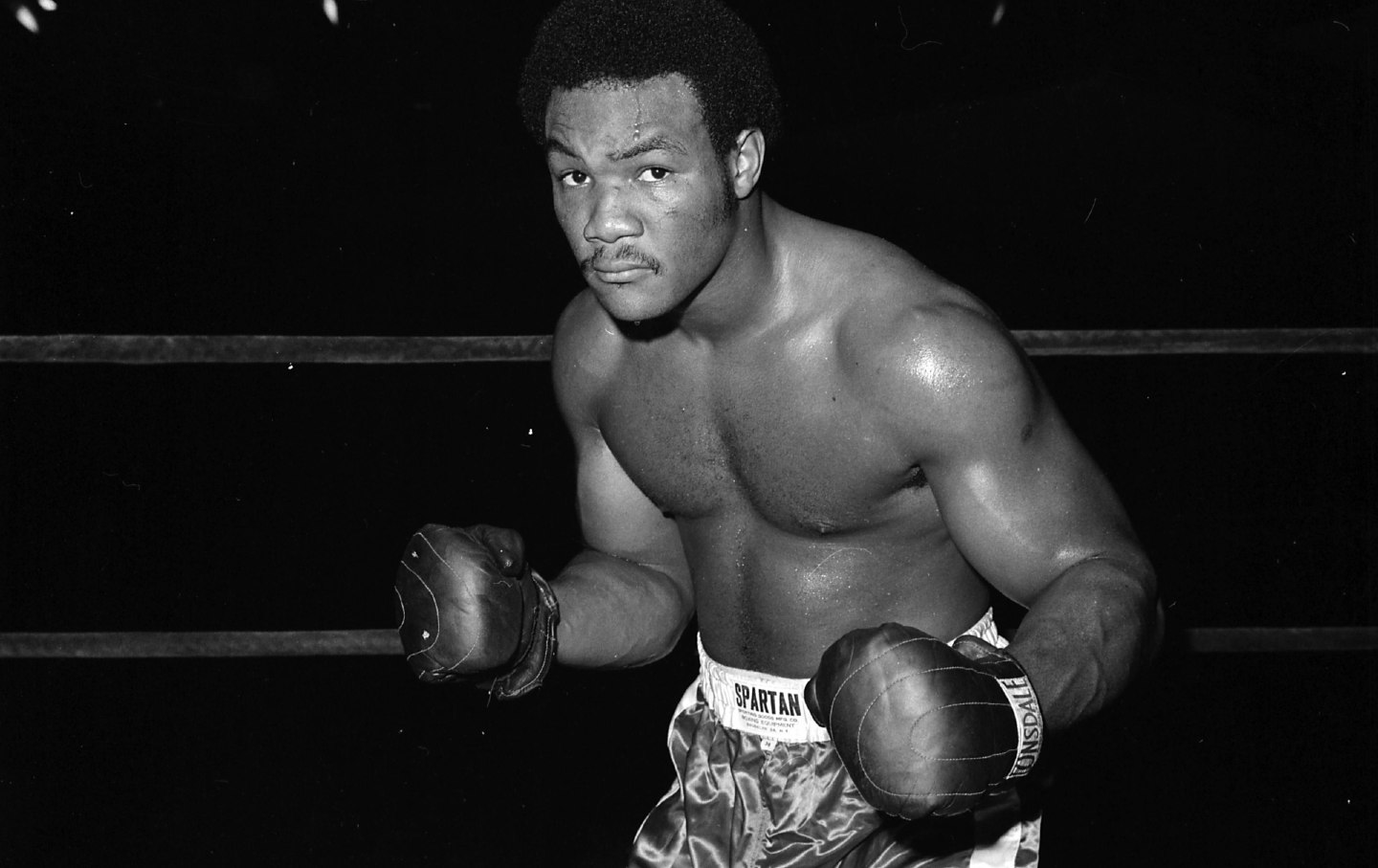
Key Takeaways for George Foreman
George Foreman is remembered as both a knockout king and the oldest heavyweight champion. From the “Rumble in the Jungle” to his epic comeback, his story is one of redemption and power.
Key Features:
- Two-time heavyweight world champion.
- Oldest fighter to win heavyweight crown (age 45).
- Successful entrepreneur with Foreman Grill.
George Foreman: The Two-Time Heavyweight Champion and Global Icon
George Foreman isn’t just one of the most powerful punchers in boxing history—he’s also one of the sport’s greatest comeback stories. With a career spanning across two decades, Foreman evolved from a fearsome knockout artist to a beloved elder statesman of boxing. His journey from Olympic gold to global superstardom is as inspiring as it is unique.
"Rumble in the Jungle": From Olympic Gold to Heavyweight Destruction
Born in 1949 in Marshall, Texas, George Foreman rose from a troubled youth to boxing prominence when he won gold at the 1968 Mexico City Olympics. His raw power and brute strength were obvious from the start. By the early 1970s, Foreman was wrecking his opponents in the heavyweight division with jaw-dropping knockouts.
In 1973, he demolished the undefeated Joe Frazier in just two rounds to become the World Heavyweight Champion. At that moment, Foreman looked invincible—until he met Muhammad Ali in the legendary “Rumble in the Jungle” in 1974. Ali used strategy, endurance, and psychological tactics to dethrone the heavy-hitting Foreman in one of the biggest upsets in boxing history.
Foreman's The Comeback of the Century
After a shock loss to Jimmy Young in 1977 and a spiritual awakening, Foreman retired from boxing and became an ordained minister. He stayed out of the ring for 10 years, focusing on his faith, family, and community work.
But in 1987, at the age of 38 and weighing over 250 pounds, George Foreman stunned the world by announcing a comeback. While most assumed it was a publicity stunt, Foreman proved the doubters wrong.
In 1994, at the incredible age of 45, Foreman knocked out Michael Moorer to reclaim the Heavyweight Championship of the World—becoming the oldest man in history to do so. His perseverance and second act became one of the most inspirational stories in all of sports.
Beyond Boxing – The Business Mogul
While his in-ring achievements are legendary, George Foreman also made a fortune outside of boxing. The George Foreman Grill, which bears his name and likeness, became a household product, selling over 100 million units and turning Foreman into a global brand ambassador.
He also worked as a commentator, motivational speaker, and philanthropist—proving that success can come in many forms when you reinvent yourself with integrity.
Boxer George Foreman: An Enduring Legacy of Power and Redemption
George Foreman retired with an astonishing record of 76 wins (68 by KO) and only 5 losses. He wasn’t just feared—he was respected for his transformation and humility.
From feared champion to spiritual leader, from retiree to record-setting comeback king, Foreman’s life is a story of redemption, resilience, and reinvention. He didn’t just fight opponents—he fought the odds and won.
- Sources Include / Discover More: George Edward Foreman, Was an American Professional Boxer, Businessman, Minister, and Author
- Also Read: Most Famous YouTubers in the World
#9
Larry Holmes
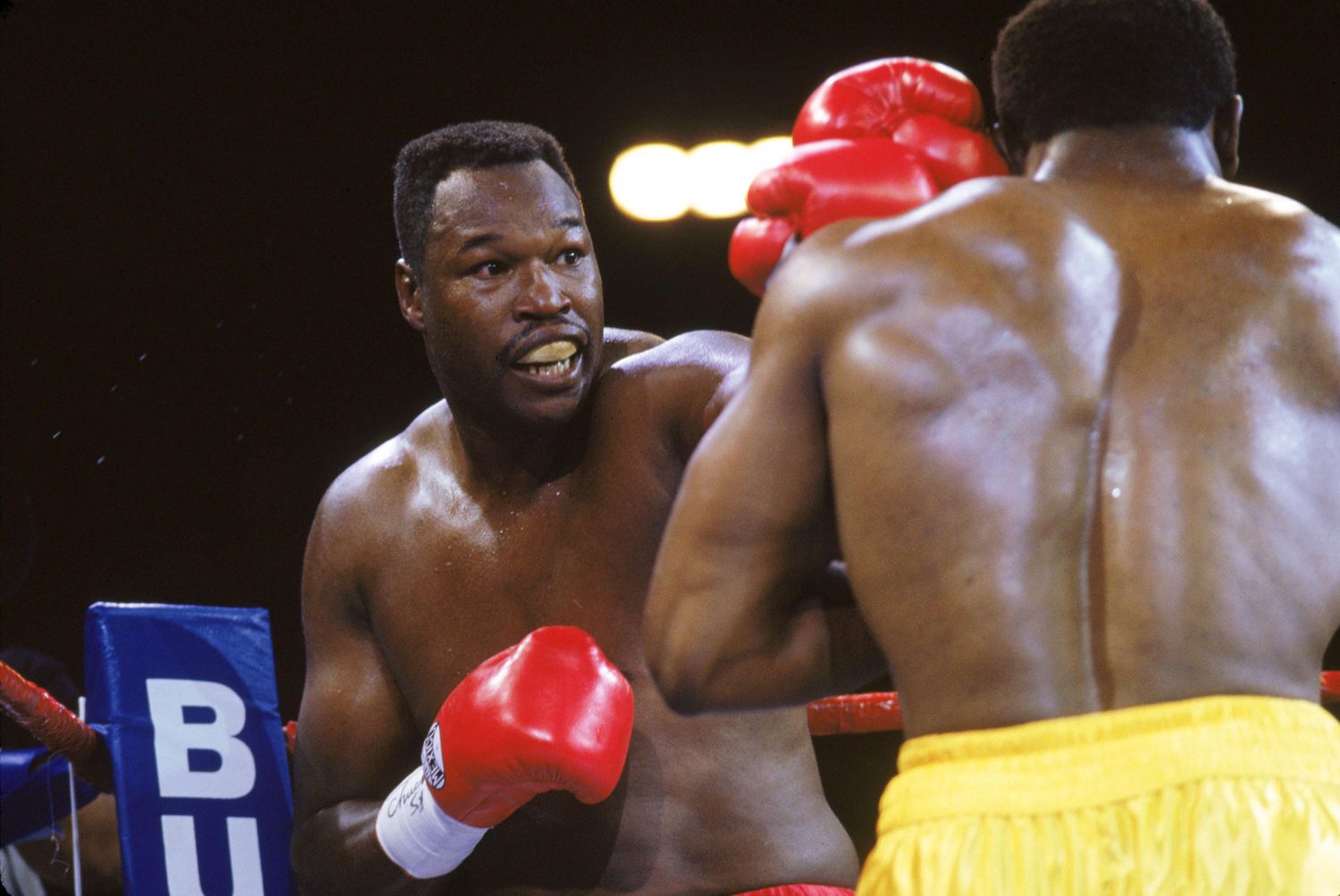
Key Takeaways for Larry Holmes
Larry Holmes, “The Easton Assassin,” was a technical genius with one of the best jabs in boxing history. His decade-long reign made him one of the sport’s most consistent champions.
Key Features:
- 20 consecutive heavyweight title defenses.
- Former sparring partner of Muhammad Ali.
- Known for jab, durability, and precision.
Larry Holmes: The Easton Assassin and Underrated Heavyweight Great
Often referred to as one of the most technically sound heavyweights in boxing history, Larry Holmes was a dominant and consistent champion who reigned during one of the sport’s transitional eras. Known as “The Easton Assassin” (after his hometown in Pennsylvania), Holmes had one of the best jabs ever seen in the ring and held the WBC and IBF heavyweight titles during a decade-long campaign at the top.
Holmes: A Career Built in the Shadow of Ali
Born in 1949, Holmes had humble beginnings and worked a variety of blue-collar jobs before dedicating himself fully to boxing. He served as a sparring partner for Muhammad Ali, which not only toughened him up but also sharpened his skills by training with the greatest of all time.
Holmes turned professional in 1973 and quickly moved up the ranks with a style built on technical discipline, a world-class jab, and smart footwork. Though he didn’t always have the flair of his contemporaries, his efficiency in the ring made him nearly unbeatable in his prime.
Championship Reign and Record-Breaking Wins
Holmes captured the WBC heavyweight title in 1978 by defeating Ken Norton in a thrilling 15-round battle. It was the start of a remarkable reign where he defended the title 20 times—a feat surpassed only by Joe Louis.
From 1978 to 1985, Holmes beat some of the best fighters of the era, including Earnie Shavers, Gerry Cooney, Trevor Berbick, and Tim Witherspoon. He combined physical conditioning with an unmatched jab and ring intelligence, often overwhelming opponents with precision rather than brute force.
His controversial win over an aging Muhammad Ali in 1980 was bittersweet. Holmes himself was emotional in victory, recognizing he had defeated his idol in what would be Ali’s final competitive bout.
Boxer Larry Holmes: An Overlooked Legend
Despite his achievements, boxer Larry Holmes often flew under the radar. He lacked the celebrity aura of Ali or the terrifying aura of Tyson, but inside the ropes, he was as dangerous as any heavyweight.
Even late in his career, Holmes continued to impress. He came out of retirement multiple times and even challenged a prime Mike Tyson in 1988, although he was stopped in that bout. Remarkably, Holmes fought professionally into his 50s and ended with an impressive record of 69 wins (44 KOs) and only 6 losses.
A Technical Master of the Ring
Larry Holmes may not have always received the spotlight he deserved, but boxing insiders and purists often rank him among the top heavyweights ever. His jab alone was a weapon so sharp it’s still studied today by aspiring boxers.
Holmes’ legacy is one of durability, skill, and dominance. A man who trained with legends, dethroned champions, and ruled the division with quiet confidence and unmatched fundamentals—Larry Holmes was greatness, refined.
- Sources Include / Discover More: Larry Holmes, An American Former Professional Boxer Who Competed from 1973 to 2002
- Also Read: Most Famous Reality TV Stars
#10
Oscar De La Hoya
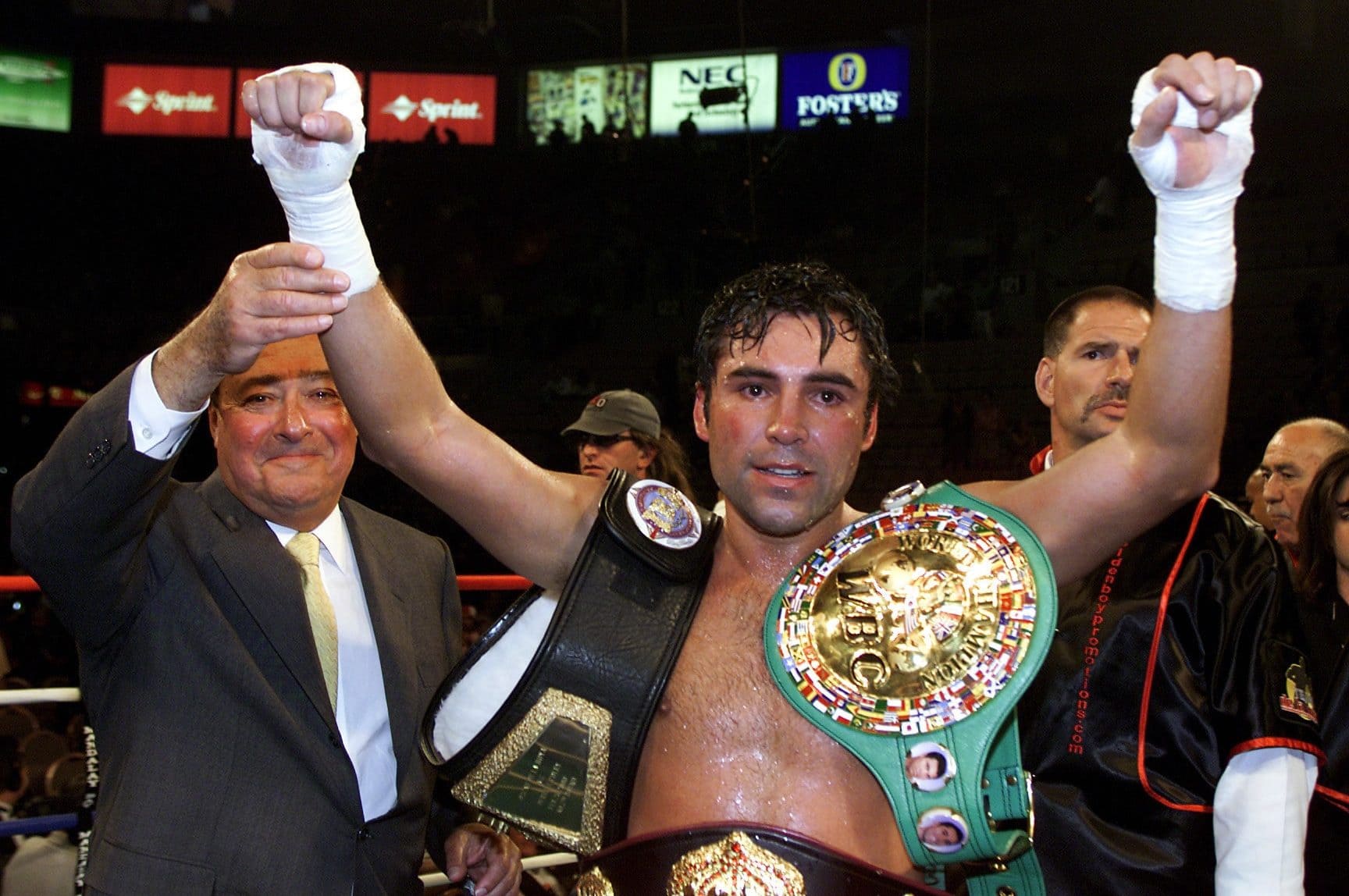
Key Takeaways for Oscar De La Hoya
Oscar De La Hoya, “The Golden Boy,” combined elite skills with crossover appeal, winning titles in six divisions. He became one of boxing’s biggest pay-per-view stars and a top promoter.
Key Features:
- Olympic gold medalist in 1992.
- Six-division world champion.
- Founder of Golden Boy Promotions.
Oscar De La Hoya: The Golden Boy of Boxing
Few fighters have captured the public’s imagination quite like Oscar De La Hoya. Known as “The Golden Boy,” De La Hoya combined elite boxing skills with movie-star looks and crossover appeal. He was not only a multi-division world champion but also one of the most marketable athletes in sports history, bringing millions of new fans to boxing during the 1990s and early 2000s.
From Olympic Gold to Global Stardom
Oscar De La Hoya was born in 1973 in East Los Angeles, California. With Mexican roots and a rich boxing lineage, he was already a local hero before he made it to the global stage. His star exploded when he won the gold medal at the 1992 Barcelona Olympics, just months after the tragic passing of his mother.
The emotional victory and his boyish charm earned him the nickname “The Golden Boy.” When he turned professional later that year, he already had a built-in fanbase—and he did not disappoint.
De La Hoya: Dominating Across Divisions
De La Hoya didn’t stay in one weight class. He fought—and won—titles in six different divisions, from super featherweight to middleweight. With a mix of blazing hand speed, textbook technique, and aggressive combinations, he beat some of the best in the world, including Julio César Chávez, Pernell Whitaker, Fernando Vargas, and Ike Quartey.
His fights were not only skillful—they were must-watch events. De La Hoya headlined some of the biggest pay-per-view cards in boxing history, and by the time he retired, he had become one of the sport’s highest-grossing stars.
Boxer De La Hoya: Rivalries and Close Calls
Many of boxer De La Hoya’s fights were tightly contested, and some of the decisions sparked heated debates. His close losses to Shane Mosley, Félix Trinidad, and Floyd Mayweather Jr. remain among the most discussed in modern boxing.
Even in defeat, De La Hoya’s competitiveness and willingness to take on all challengers earned him respect across the boxing world. He never ducked a fight, and that bravery added to his enduring legacy.
Life After the Ring – The Promoter and Entrepreneur
Oscar De La Hoya retired in 2009 with a record of 39 wins (30 by knockout) and 6 losses. But his influence only grew after retirement. He founded Golden Boy Promotions, one of the most successful boxing promotion companies in the world. Through his business, he’s helped launch the careers of major fighters like Canelo Álvarez.
He’s also remained a strong presence in the Latino community and in mainstream culture, proving that boxers can thrive outside the ring if they have vision and heart.
The Complete Package
Oscar De La Hoya was more than just a boxer—he was a brand, a role model, and a generational icon. His balance of grit and glamour, toughness and tenderness, made him the complete package. And for millions of fans around the world, he will always be remembered as the true Golden Boy of boxing.
- Sources Include / Discover More: Oscar De La Hoya, A Mexican-American Boxing Promoter and Former Professional Boxer Who Competed from 1992 to 2008
- Also Read: Most Famous Football Clubs in the World
Key FAQs on the 10 Most Famous Boxers in the World
Why is Muhammad Ali considered the greatest boxer ever?
Muhammad Ali is considered the greatest boxer ever due to his unmatched combination of speed, intelligence, and heavyweight dominance across three world title reigns.
He won Olympic gold in 1960, defeated elite champions like Joe Frazier and George Foreman, and pioneered the Rope-a-Dope strategy, as documented by BoxRec and Britannica.
Beyond boxing, Ali’s civil-rights activism and global humanitarian work elevated him into a cultural icon recognized by the International Boxing Hall of Fame.
How did Rocky Marciano retire undefeated?
Rocky Marciano retired undefeated by combining relentless pressure, elite conditioning, and knockout power unmatched in heavyweight history.
He finished his career with a perfect 49–0 record, including 43 knockouts, remaining the only heavyweight champion to retire unbeaten, according to BoxRec and boxing historians.
Marciano’s disciplined approach and physical endurance set the gold standard for championship perfection and are permanently enshrined in the International Boxing Hall of Fame.
What made Mike Tyson the youngest heavyweight champion?
Mike Tyson became the youngest heavyweight champion at just 20 years old by overwhelming opponents with explosive speed, elite head movement, and devastating knockout power.
Trained under Cus D’Amato’s peek-a-boo system, Tyson unified the WBC, WBA, and IBF titles by 1987, as verified by BoxRec and ESPN records.
His early dominance redefined heavyweight intimidation and made him one of the most globally recognized athletes in combat-sports history.
Why is Roy Jones Jr. ranked among the best pound-for-pound boxers?
Roy Jones Jr. is ranked among the greatest pound-for-pound boxers due to his unprecedented speed, reflexes, and dominance across multiple weight divisions.
He captured world titles from middleweight through heavyweight, including defeating John Ruiz in 2003, a rare achievement confirmed by BoxRec.
Jones’ athletic style and technical innovation reshaped modern boxing and earned him universal recognition from historians, analysts, and the Boxing Hall of Fame.
What was Joe Frazier’s biggest boxing achievement?
Joe Frazier’s greatest achievement was handing Muhammad Ali his first professional defeat in the 1971 Fight of the Century.
That victory established Frazier as the undisputed heavyweight champion and one of boxing’s fiercest pressure fighters, according to historical fight records and ESPN archives.
His legendary left hook and rivalry with Ali defined an era, cementing Frazier’s legacy in boxing history and the International Boxing Hall of Fame.
How many times did Evander Holyfield win the heavyweight title?
Evander Holyfield won the heavyweight world title an unprecedented four times, demonstrating exceptional resilience and championship longevity.
After dominating the cruiserweight division, he defeated elite heavyweights including Mike Tyson and Riddick Bowe, as confirmed by BoxRec and sanctioning body records.
Holyfield’s ability to compete across eras and weight classes established him as one of boxing’s most durable champions and a defining figure of modern heavyweight history.
Why is Sugar Ray Leonard remembered as one of the Four Kings?
Sugar Ray Leonard is remembered as one of boxing’s Four Kings due to his legendary rivalries with Roberto Durán, Thomas Hearns, and Marvin Hagler.
He won world titles in multiple divisions and captured Olympic gold in 1976, blending speed, intelligence, and adaptability, as documented by Olympic and BoxRec records.
Leonard’s charisma and tactical brilliance defined boxing’s golden era and elevated him into global sporting superstardom.
What is George Foreman best remembered for?
George Foreman is best remembered for his devastating knockout power and one of the greatest comebacks in sports history.
After losing to Muhammad Ali in the Rumble in the Jungle, Foreman returned decades later to become the oldest heavyweight champion at age 45, per BoxRec data.
His transformation from feared puncher to enduring champion symbolizes longevity, reinvention, and historic greatness in boxing.
What was Larry Holmes’ greatest boxing weapon?
Larry Holmes’ greatest boxing weapon was his technically perfect jab, widely regarded as the best in heavyweight history.
He defended the heavyweight title 20 times and defeated multiple elite contenders, according to championship records and boxing historians.
Holmes’ consistency, ring intelligence, and longevity allowed him to dominate one of boxing’s most competitive eras, earning lasting recognition in the Boxing Hall of Fame.
Why is Oscar De La Hoya considered a boxing superstar?
Oscar De La Hoya became a boxing superstar by winning world titles in six weight divisions and capturing Olympic gold in 1992.
He headlined record-breaking pay-per-view events and defeated multiple champions, as confirmed by BoxRec and promotional revenue data.
After retirement, De La Hoya expanded his influence as a leading boxing promoter, shaping the modern business and global reach of the sport.
Impact of These Boxers Beyond the Ring
Political Influence and Humanitarian Work
Ali stood for civil rights. Foreman donated millions. De La Hoya invested in communities. These fighters fought for more than belts—they fought for change.
Business Ventures and Brand Expansion
From George Foreman’s grills to Tyson’s cannabis empire, these boxers turned fame into fortune. They’ve shown that the real knockout can happen in business.
Modern Boxing and Its Evolution
Legacy of Legends in Today’s Fighters
Modern fighters like Canelo Álvarez, Tyson Fury, and Gervonta Davis carry the torch. Their styles, trash talk, and showmanship echo the legends before them.
Boxing's Role in Pop Culture and Media
From biopics (Ali, Creed) to viral memes, boxing is embedded in entertainment. It’s a sport that tells compelling stories—and the boxers are the main characters.
Final Thoughts
The 10 Most Famous Boxers in the World are more than just champions—they are legends whose legacies transcend the boxing ring. From Muhammad Ali’s cultural activism to Mike Tyson’s raw power, and from Rocky Marciano’s undefeated record to Oscar De La Hoya’s Golden Boy charisma, these fighters elevated the sweet science into a global spectacle. Their names are etched into the history of sports, not only for their victories and titles but also for their resilience, influence, and ability to inspire millions worldwide.
These iconic boxers transformed boxing into a platform for courage, social change, and personal greatness. They became symbols of determination, endurance, and excellence, proving that boxing is more than a brutal contest—it’s a story of survival, artistry, and global impact. Whether you’re a passionate boxing fan or simply admire greatness, the journeys of these fighters offer timeless lessons in discipline, confidence, and perseverance.
So, the next time the bell rings and a fighter throws a punch, remember: they’re not just fighting for a win—they’re carrying forward the legacy of Ali, Tyson, Frazier, Leonard, Foreman, and the other giants who defined the sport forever.
The 10 Most Famous Boxers Frequently Asked Questions (FAQs)
Muhammad Ali is widely considered the greatest boxer of all time due to his skill, charisma, and cultural impact.
Rocky Marciano retired undefeated with a 49‑0 record and is the only heavyweight to do so.
Beyond titles, it’s about charisma, cultural influence, and memorable fights.
A mix of both. Skill matters, but fame often comes from outside-the-ring influence.
Roy Jones Jr. held titles in four weight divisions and is considered one he most decorated.
Muhammad Ali, Rocky Marciano, Mike Tyson, Roy Jones Jr., Joe Frazier, Evander Holyfield, Sugar Ray Leonard, George Foreman, Larry Holmes, Oscar De La Hoya.
Mike Tyson became the youngest heavyweight champion at age 20 in 1986.
Oscar De La Hoya won world titles in six different weight divisions.
About the Author
This article was researched and prepared by the World Millions Editorial Team, specialists in global rankings, premium market analysis, structured comparisons, and high-value sector research across industries.
All content undergoes verification, editorial review, and periodic updates to ensure accuracy, clarity, and alignment with recognized industry standards, reliable institutional sources, and leading global authorities.
- Last Updated: March 27, 2026 by the World Millions Editorial Team
- Original Published Date: March 27, 2026
- View Our: Editorial Team | Sources | Disclaimer | Editorial Standards