- Home
- »
- World’s Most Famous
- »
- 10 Most Famous Film Directors in the World
10 Most Famous Film Directors
in the World
The 10 Most Famous Film Directors in the World represent the pinnacle of cinematic storytelling, visionary filmmaking, and global cultural influence. From groundbreaking blockbusters to timeless masterpieces, these legendary directors transformed the art of filmmaking through innovative techniques, unforgettable narratives, and genre-defining movies that shaped modern cinema.
Discover the 10 most famous film directors in the world, ranked by their iconic films, artistic impact, industry awards, and worldwide recognition. From Steven Spielberg and Martin Scorsese to Christopher Nolan and Akira Kurosawa, these filmmaking pioneers continue to inspire audiences, critics, and future generations of directors across the global film industry.
On This Page
Toggle- Updated 2026 by the World Millions Editorial Team: View Author Information
Why Film Directors Are So Influential
A great director is like a symphony conductor. They bring together actors, screenwriters, cinematographers, and editors—each a talented individual—and unite them into a single, cohesive masterpiece. Their fingerprints are on every part of the film, from the lighting to the score to the pauses between lines.
But influence doesn’t stop at the box office. Directors shape political opinions, launch cultural movements, and even influence fashion and language. Think of how Tarantino brought retro cool back or how Coppola changed how we view organized crime.
What Makes a Director Truly “Famous”?
It’s not just talent—it’s impact. Directors like Spielberg and Hitchcock have generations of fans, a treasure chest of iconic films, and shelves overflowing with awards. But most importantly, they’ve sparked conversations around the world.
Fame in directing is about creating timeless films that are taught in film schools, referenced in pop culture, and watched repeatedly for decades.
Legacy Beyond the Screen
Influence on Global Cinema
These iconic directors have left a lasting mark on cinema worldwide. From Kurosawa influencing Westerns to Spielberg redefining blockbusters, their styles have inspired filmmakers across cultures. Their work is studied in film schools and continues to shape modern storytelling around the globe.
Awards and Recognition
Many of these directors have earned top honors—Oscars, BAFTAs, and international film festival awards. While some like Coppola and Jackson have multiple Academy Awards, others like Hitchcock and Nolan are celebrated more for their cultural impact than trophies alone.
List of the Top 10 Most Famous Film Directors in the World
Discover the cinematic geniuses behind Hollywood’s greatest masterpieces — explore the 10 Most Famous Film Directors in the World who shaped modern filmmaking.
From timeless classics to billion-dollar blockbusters, the 10 Most Famous Film Directors in the World have defined the art of storytelling across generations. These visionary filmmakers — from Steven Spielberg’s emotional dramas to Christopher Nolan’s mind-bending thrillers and Quentin Tarantino’s cult masterpieces — have revolutionized how the world experiences cinema.
Each director on this list represents a unique era and genre of filmmaking excellence, blending innovation, creativity, and narrative power. Whether it’s James Cameron’s sci-fi epics, Martin Scorsese’s gritty crime sagas, or Peter Jackson’s fantasy worlds, their works continue to inspire audiences and filmmakers alike.
Below is a detailed table ranking these cinematic legends by their country, iconic films, genre specialties, and major awards — a tribute to the storytellers who turned movies into unforgettable art.
| No. | Director Name | Country | Iconic Film | Genre Specialty | Major Awards Won |
|---|---|---|---|---|---|
| 1 | Steven Spielberg | USA | Schindler’s List | Drama / Adventure | 3 Academy Awards |
| 2 | Martin Scorsese | USA | Goodfellas | Crime / Drama | 1 Academy Award |
| 3 | Christopher Nolan | UK | Inception | Sci-Fi / Thriller | 0 Oscars, many BAFTAs |
| 4 | Quentin Tarantino | USA | Pulp Fiction | Action / Drama | 2 Academy Awards |
| 5 | James Cameron | Canada | Titanic | Sci-Fi / Romance | 3 Academy Awards |
| 6 | Alfred Hitchcock | UK | Psycho | Thriller / Suspense | Irving G. Thalberg Award |
| 7 | Stanley Kubrick | USA | 2001: A Space Odyssey | Sci-Fi / Drama | 1 Academy Award |
| 8 | Akira Kurosawa | Japan | Seven Samurai | Historical / Action | Honorary Academy Award |
| 9 | Francis Ford Coppola | USA | The Godfather | Crime / Epic | 5 Academy Awards |
| 10 | Peter Jackson | New Zealand | The Lord of the Rings | Fantasy / Adventure | 3 Academy Awards |
Discover the 10 Most Famous Film Directors in the World
Discover the 10 Most Famous Film Directors in the World, the visionary filmmakers who reshaped global cinema and influenced generations of storytellers. From groundbreaking visual techniques to unforgettable narratives, these directors transformed movies into powerful cultural experiences recognized across continents.
Explore how legends like Steven Spielberg, Martin Scorsese, Christopher Nolan, and Quentin Tarantino crafted iconic masterpieces that defined entire genres. Whether you admire epic fantasy, gripping crime drama, emotional historical films, or innovative sci-fi storytelling, these master directors set the standard for cinematic excellence worldwide.
#1
Steven Spielberg
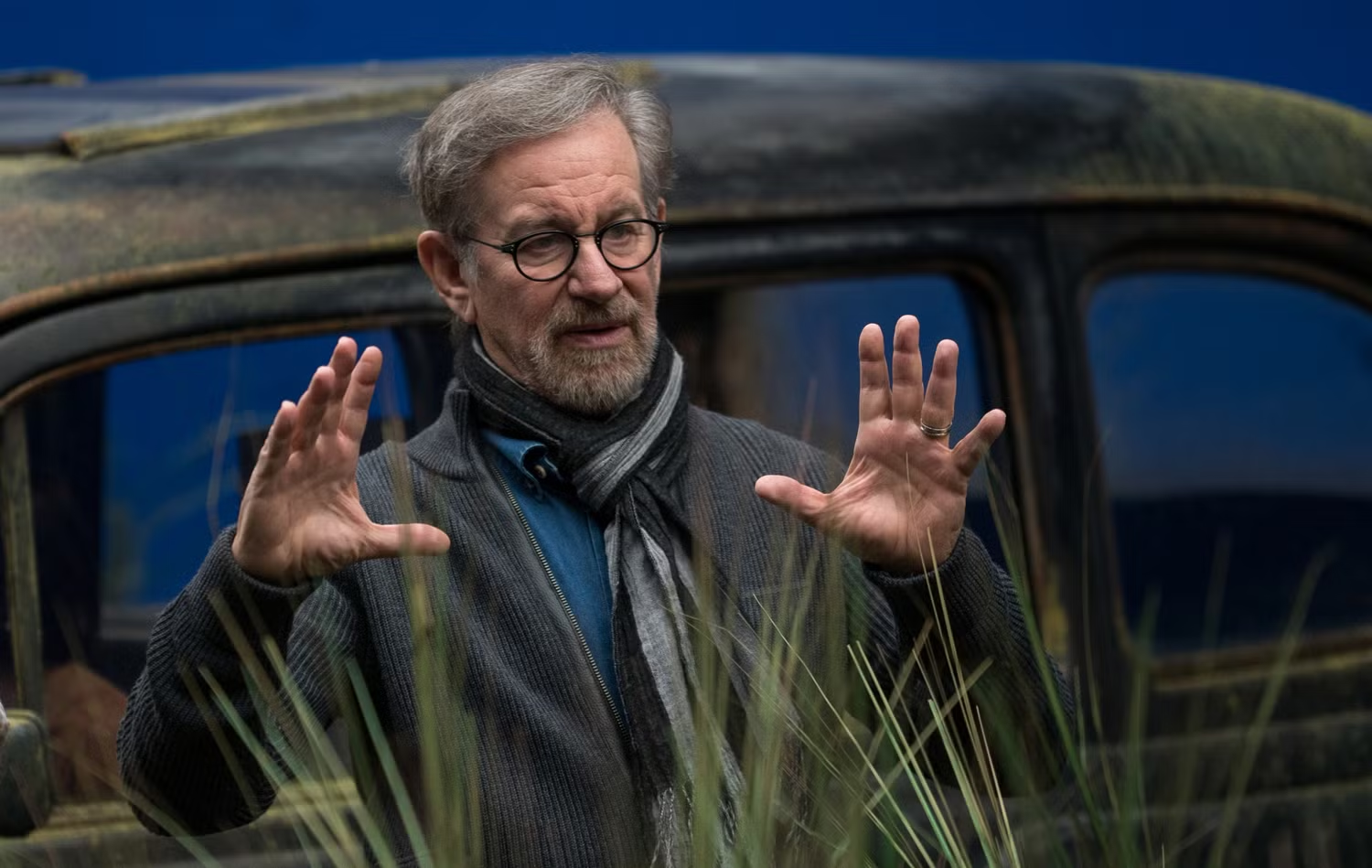
Key Takeaways for Steven Spielberg: The Master Storyteller
Steven Spielberg is one of the most famous film directors in the world, known for creating timeless classics that blend imagination with emotion. His movies, from E.T. to Jurassic Park, have shaped the modern blockbuster era.
Key Highlights:
- Pioneered the summer blockbuster with Jaws.
- Master of emotional storytelling and visual spectacle.
- Winner of 3 Academy Awards and global box-office legend.
Steven Spielberg: Early Life and Directorial Debut
Steven Spielberg, born in Cincinnati, Ohio, is one of the most influential and successful film directors in the history of cinema. From a young age, Spielberg showed a fascination with film, creating 8mm adventure films in his backyard. His breakthrough came with the 1975 blockbuster Jaws, which not only redefined the thriller genre but also established the modern concept of the summer blockbuster. This film marked the beginning of Spielberg’s reign as Hollywood’s most bankable director.
Director Spielberg: Genre Versatility and Iconic Films
Director Spielberg’s genius lies in his ability to master multiple genres—whether it’s sci-fi (E.T. the Extra-Terrestrial, Close Encounters of the Third Kind), action-adventure (Indiana Jones series), drama (The Color Purple, Bridge of Spies), or war epics (Saving Private Ryan, War Horse). Perhaps his most critically acclaimed work is Schindler’s List (1993), a harrowing Holocaust drama that won him his first Academy Award for Best Director.
Spielberg’s storytelling is emotional, immersive, and often blends fantasy with real human experiences, making his movies resonate with global audiences.
Spielberg's Global Impact and Cinematic Legacy
With a career spanning over five decades, Spielberg has influenced generations of filmmakers worldwide. His signature techniques—such as the Spielberg Face (emotive close-ups) and the use of sweeping musical scores (often in collaboration with John Williams)—have become standard in modern cinema.
Spielberg has also helped shape the industry behind the scenes. As a co-founder of DreamWorks Studios, he played a key role in creating a platform for new filmmakers. His commitment to storytelling, character depth, and visual excellence continues to raise the bar for directors globally.
Director Steven Spielberg: Awards and Industry Recognition
Director Steven Spielberg has won 3 Academy Awards, including two for Best Director (Schindler’s List, Saving Private Ryan). His films have grossed over $10 billion worldwide, making him one of the highest-grossing directors of all time. In addition to the Oscars, he has received BAFTAs, Golden Globes, and numerous lifetime achievement awards, cementing his place as a true legend in world cinema.
Spielberg is not just a director; he’s a cultural architect whose influence continues to shape the future of global filmmaking.
- Sources Include / Discover More: Steven Spielberg, Widely Regarded as One of the Greatest and Most Influential Filmmakers in the History of Cinema
- Also Read: Most Famous Athletes in the World
#2
Martin Scorsese
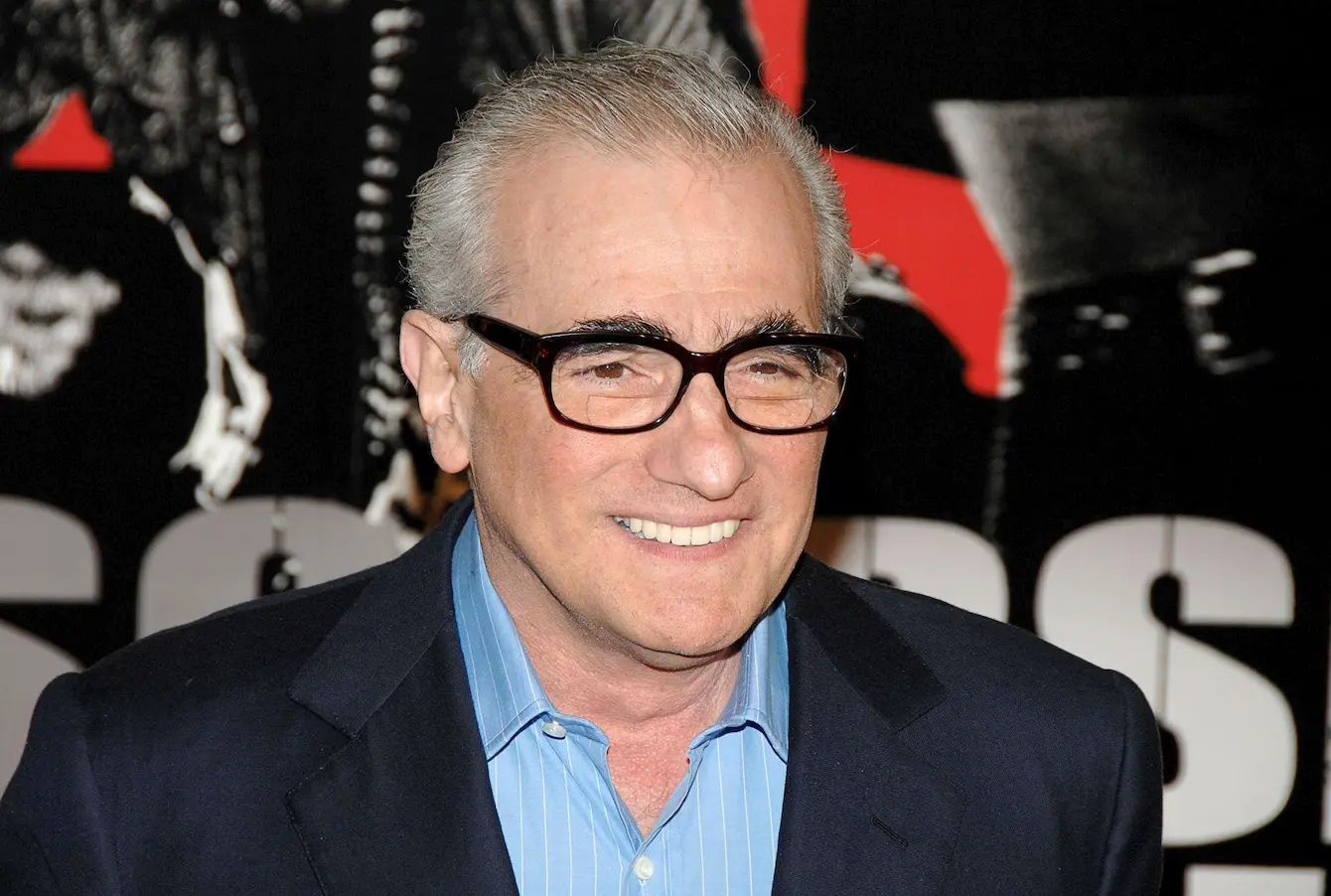
Key Takeaways for Martin Scorsese: The Maestro of Crime Drama
Martin Scorsese is a cinematic genius renowned for his intense crime dramas and psychological storytelling. His films explore morality, faith, and human nature through unforgettable characters.
Key Highlights:
- Creator of classics like Goodfellas, Taxi Driver, and The Irishman.
- Known for long collaborations with Robert De Niro and Leonardo DiCaprio.
- Recipient of multiple awards, including an Academy Award for The Departed.
Martin Scorsese: Early Influences and Rise to Fame
Martin Scorsese, born in New York City in 1942, is a legendary American film director renowned for his gritty and realistic portrayal of crime and morality. Raised in the Italian-American neighborhood of Little Italy, Scorsese’s early exposure to Catholicism, urban life, and cinema deeply influenced his storytelling style. He gained initial fame with Mean Streets (1973), a raw and energetic film that introduced his lifelong collaboration with actor Robert De Niro.
Director Scorsese: Defining the Crime Drama Genre
Director Scorsese has become synonymous with the crime drama genre. His films are known for their complex characters, morally ambiguous themes, and stylized violence. Goodfellas (1990), considered one of the greatest gangster films ever made, redefined the genre with its fast-paced narration, realistic depiction of mob life, and groundbreaking use of music and voiceover. Other masterpieces like Casino, The Departed (which won him his first Academy Award for Best Director), and The Irishman continue this exploration of crime, loyalty, and human flaws.
His use of long tracking shots, rapid editing, and emotionally charged performances gives his movies a raw, visceral energy that few directors can match. Scorsese doesn’t just direct films—he creates immersive psychological experiences.
Scorsese's Influence on Modern Filmmaking
Martin Scorsese’s impact on global cinema is immense. He has inspired a generation of filmmakers, including Quentin Tarantino, Paul Thomas Anderson, and Todd Phillips. His approach to storytelling—blending style with substance—has become a gold standard in Hollywood and beyond.
A passionate advocate for film preservation, Scorsese founded The Film Foundation to restore and protect classic cinema. His efforts have helped save hundreds of films from deterioration, ensuring the survival of cinematic heritage.
Director Martin Scorsese: Honors and Recognition
With over five decades in the industry, Scorsese has received numerous accolades, including an Academy Award, Golden Globes, BAFTAs, and the prestigious AFI Life Achievement Award. He’s also been nominated for Best Director more than any other living filmmaker.
Martin Scorsese isn’t just a director—he’s a cinematic philosopher, using film to dissect society, morality, and the human psyche. His legacy as the king of crime cinema continues to shape the world of film today.
- Sources Include / Discover More: Martin Charles Scorsese, An American Filmmaker and One of the Major Figures of the New Hollywood Era
- Also Read: Most Famous Scientists in the World
#3
Christopher Nolan
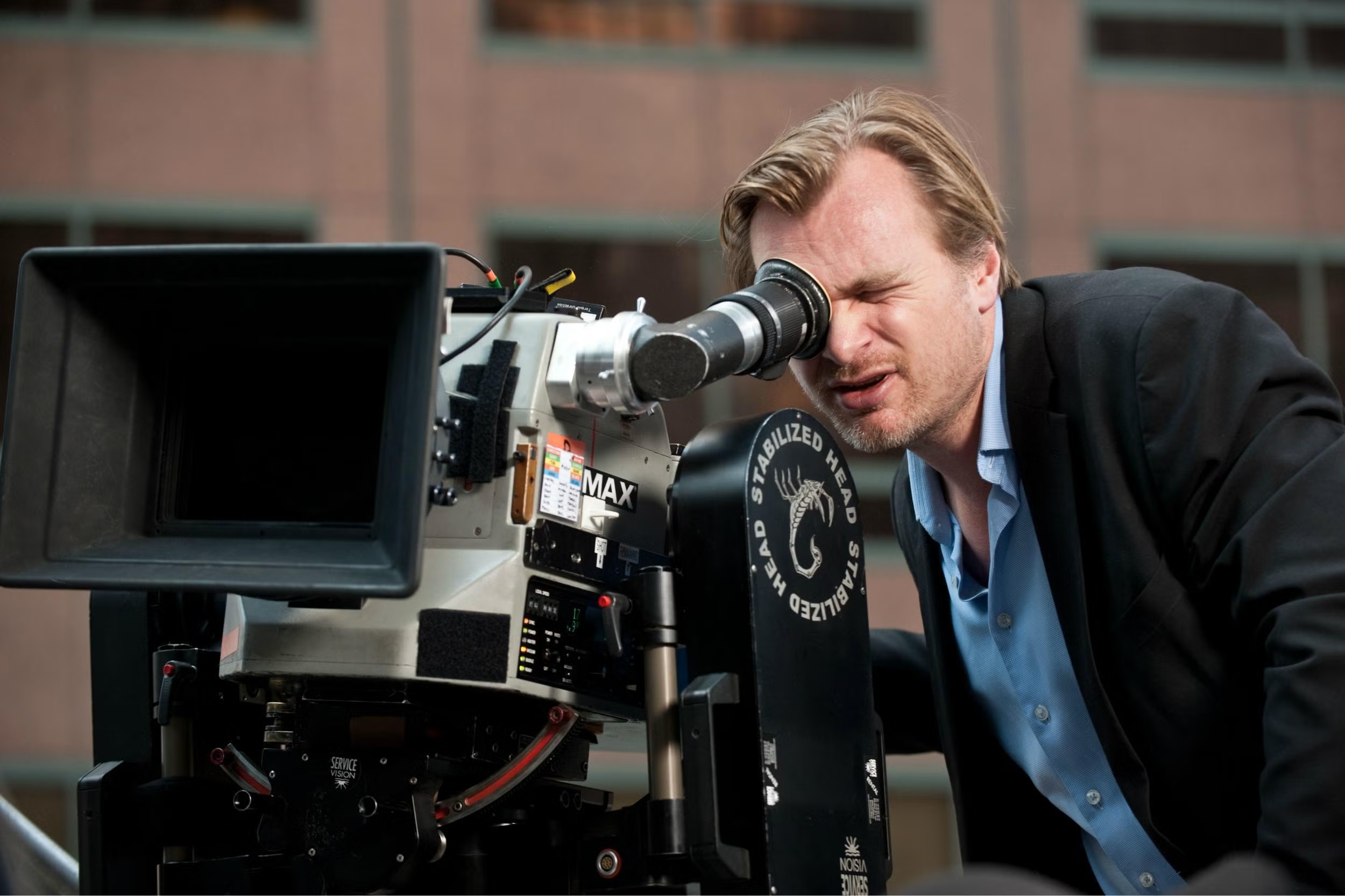
Key Takeaways for Christopher Nolan: The Architect of Time
Christopher Nolan stands as one of the most innovative and cerebral filmmakers of the 21st century. His signature storytelling techniques, time manipulation, and visual depth redefine modern cinema.
Key Highlights:
- Directed Inception, Interstellar, and The Dark Knight Trilogy.
- Known for non-linear narratives and practical effects.
- Winner of multiple BAFTAs and Oscar for Oppenheimer.
Christopher Nolan: Unique Vision and Filmmaking Style
Christopher Nolan, born in London in 1970, is celebrated as one of the most innovative and cerebral film directors of the 21st century. Known for his mind-bending narratives and nonlinear storytelling, Nolan has carved a niche for himself as a master of complex plots that challenge the boundaries of time, space, and perception. His debut film Following (1998) was made on a shoestring budget but caught attention for its sharp storytelling. He achieved global recognition with Memento (2000), a psychological thriller told in reverse, redefining narrative structure in cinema.
Director Nolan: Redefining Sci-Fi and Blockbuster Cinema
Director Nolan’s ability to blend intellectual depth with blockbuster appeal is rare in Hollywood. Films like Inception and Interstellar explore themes of time manipulation, dreams, and human emotion on a massive scale. Inception (2010), often cited as one of the best sci-fi films ever made, captivated audiences with its layered dream-within-a-dream concept and breathtaking visual effects. Interstellar (2014) delved into black holes, time dilation, and love across galaxies—making astrophysics mainstream entertainment.
Nolan’s The Dark Knight trilogy revolutionized superhero cinema with its gritty realism and philosophical undertones, particularly in The Dark Knight (2008), which remains a cultural phenomenon.
Nolan’s Impact on Global Cinema
Christopher Nolan’s influence extends well beyond the English-speaking world. Filmmakers globally admire his precision, practical effects, and commitment to original storytelling in an age dominated by sequels and franchises. He often collaborates with top-tier talent like Hans Zimmer for music and Hoyte van Hoytema for cinematography, resulting in immersive audio-visual experiences that leave a lasting impression.
His preference for shooting on film, use of IMAX cameras, and practical effects over CGI has set a new benchmark for modern filmmakers.
Director Christopher Nolan: Awards and Recognition
Though he has yet to win an Academy Award for Best Director, Nolan has received numerous nominations and wins across BAFTAs, Golden Globes, and critics’ associations. His film Oppenheimer (2023) finally earned him his long-awaited Oscar, reinforcing his status as a modern cinematic genius.
Director Christopher Nolan is more than just a director—he’s a cinematic architect, manipulating time and reality to create some of the most unforgettable films in history.
- Sources Include / Discover More: Christopher Edward Nolan, A British and American Filmmaker, Known for His Hollywood Blockbusters
- Also Read: Most Famous Traders in the World
#4
Quentin Tarantino
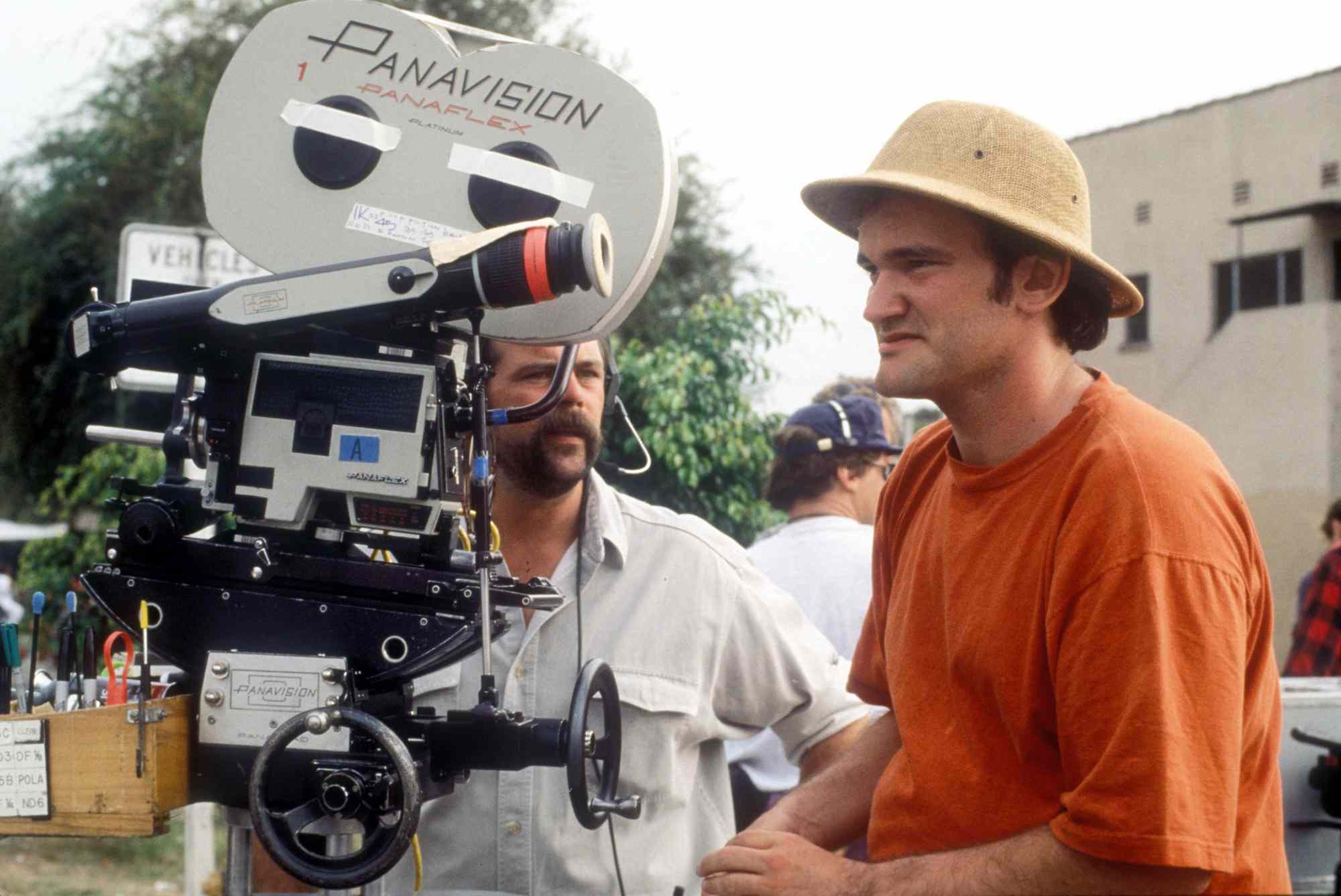
Key Takeaways for Quentin Tarantino: The King of Cult Cinema
Quentin Tarantino is a pop-culture icon known for his sharp dialogue, bold violence, and non-linear storytelling. His films are cinematic love letters to genre filmmaking.
Key Highlights:
- Directed Pulp Fiction, Kill Bill, and Django Unchained.
- Winner of 2 Oscars for Best Original Screenplay.
- Blends crime, revenge, and dark humor with stylish direction.
Quentin Jerome Tarantino: Early Breakthrough and Signature Style
Quentin Jerome Tarantino, born in Knoxville, Tennessee in 1963, exploded onto the film scene with his 1992 debut Reservoir Dogs. With razor-sharp dialogue, nonlinear storytelling, and stylized violence, Tarantino quickly established himself as a unique voice in modern cinema. His second film, Pulp Fiction (1994), was a game-changer. The film not only won the Palme d’Or at Cannes but also redefined indie filmmaking in Hollywood. Its pop-culture references, eclectic soundtrack, and intertwined narratives became Tarantino trademarks.
Tarantino Movies: Bold Themes and Genre-Blending Brilliance
Tarantino’s genius lies in his ability to blend multiple genres—grindhouse, spaghetti western, samurai, crime, and even kung fu—into compelling, character-driven stories. From the revenge-fueled Kill Bill saga to the Django-inspired Western Django Unchained, Tarantino consistently pushes creative boundaries.
He’s a master of crafting memorable characters and iconic scenes. Whether it’s a tense diner robbery, a monologue about burgers, or a brutal sword fight, his scenes stay etched in the viewer’s mind. His work thrives on unpredictability, irony, and dark humor—all elements that make his films feel like cinematic roller coasters.
Director Tarantino: Global Impact and Cult Following
Few directors have developed as passionate a fanbase as Tarantino. His films aren’t just watched—they’re dissected, quoted, and celebrated across pop culture. Directors and screenwriters around the world have been inspired by his bold approach to dialogue, structure, and cinematic homage.
Tarantino is also credited with reviving the careers of several actors, including John Travolta, Pam Grier, and Christoph Waltz—whom he cast in career-defining roles.
Despite controversy over violence and language, Tarantino remains unapologetically true to his vision, earning respect as an auteur with total creative control.
Tarantino's Awards and Recognition
Quentin Tarantino has won two Academy Awards for Best Original Screenplay (Pulp Fiction and Django Unchained) and has received numerous Golden Globes, BAFTAs, and festival honors. His films are often nominated for Best Picture, and he is regularly cited as one of the most influential directors of his generation.
Quentin Tarantino is not just a filmmaker—he’s a genre-bending storyteller, a fearless innovator, and a cultural icon whose legacy in cult cinema is unmatched. His name is now synonymous with originality, boldness, and unforgettable cinema.
- Sources Include / Discover More: Quentin Jerome Tarantino, An American Filmmaker, Actor and Author Who Has Made Ten Films
- Also Read: Most Famous Michelin Star Restaurants
#5
James Cameron
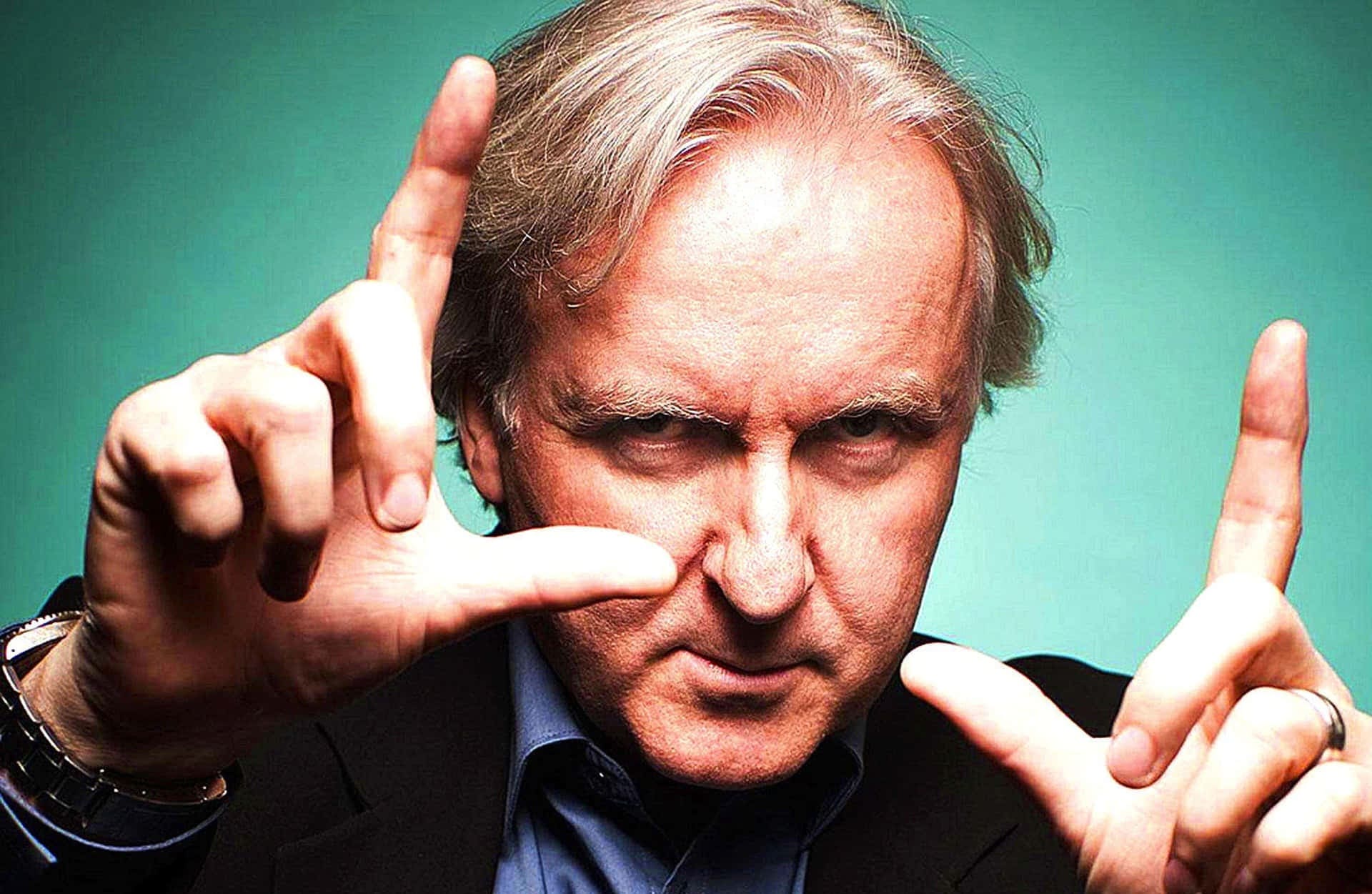
Key Takeaways for James Cameron: The Sci-Fi Visionary
James Cameron is the visionary behind some of the most successful films in history. His combination of cutting-edge technology and human storytelling makes him a sci-fi legend.
Key Highlights:
- Directed Titanic, Avatar, and The Terminator.
- Pioneered motion-capture and 3D technology.
- Winner of 3 Oscars and several global film honors.
James Francis Cameron: Pushing the Boundaries of Imagination
James Francis Cameron, born in Ontario, Canada, is widely recognized as one of the greatest science fiction directors of all time. He’s known for his revolutionary visual effects, larger-than-life storytelling, and unwavering commitment to technical innovation. Cameron began his career with modest roots but skyrocketed to fame with The Terminator (1984), a low-budget action-sci-fi film that became a global phenomenon. It introduced audiences to his signature blend of intense storytelling and futuristic concepts.
His follow-up, Aliens (1986), showcased his ability to take an existing franchise and elevate it with deeper character development and relentless pacing—turning a horror story into an epic action thriller.
Filmmaker James Cameron: Box Office Domination and Technological Innovation
Cameron’s films have not only pushed cinematic boundaries—they’ve broken box office records. Titanic (1997), a historical romance with groundbreaking CGI and practical effects, was the first film to cross $1 billion globally and won 11 Academy Awards, including Best Director and Best Picture.
Then came Avatar (2009), a visual spectacle that redefined 3D filmmaking and immersive world-building. With its lush alien landscapes and pioneering motion-capture technology, Avatar remains one of the highest-grossing movies of all time. Cameron’s obsession with detail and realism led him to design new cameras and techniques, constantly raising the bar for the entire industry.
Cameron's Global Influence and Environmental Themes
James Cameron’s work often explores the relationship between humanity, technology, and nature. His stories, though fantastical, reflect real-world themes like corporate greed, environmental destruction, and the resilience of the human spirit.
Filmmakers worldwide view Cameron as a technological trailblazer and a bold storyteller. He’s inspired directors to embrace innovation without sacrificing emotional depth and narrative power.
Director James Cameron: Awards and Lasting Recognition
Director James Cameron has won three Academy Awards and dozens of other honors, including Golden Globes, BAFTAs, and Saturn Awards. His films have grossed over $7 billion combined, cementing his legacy as one of the most financially and critically successful directors in history.
James Cameron is more than a sci-fi director—he’s a visionary who merges storytelling with science and art. His relentless pursuit of perfection continues to reshape what’s possible in cinema, one breathtaking film at a time.
- Sources Include / Discover More: James Francis Cameron, A Canadian and New Zealand Filmmaker and Deep-Sea Explorer
- Also Read: Most Famous Celebrity Homes
#6
Alfred Hitchcock
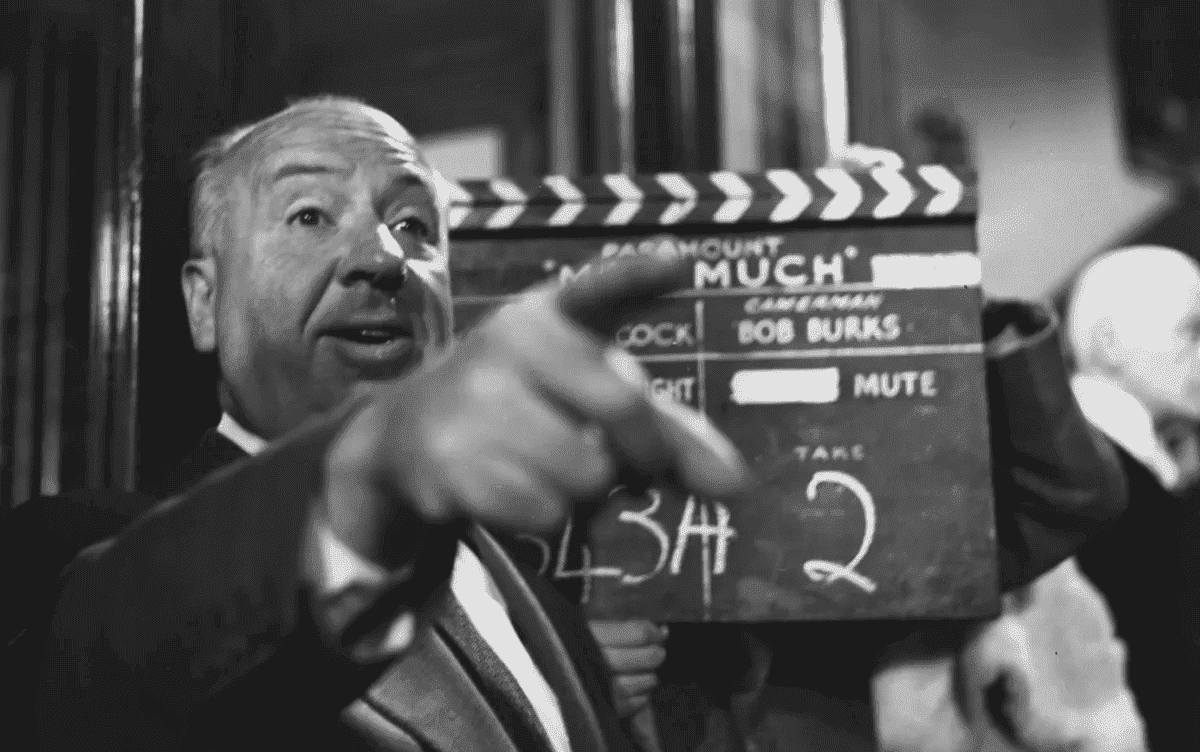
Key Takeaways for Alfred Hitchcock: The Father of Suspense
Alfred Hitchcock, the “Master of Suspense,” revolutionized the thriller genre with his psychological storytelling and tension-filled narratives.
Key Highlights:
- Directed iconic films like Psycho, Rear Window, and Vertigo.
- Innovator of the cinematic “MacGuffin” and point-of-view camera techniques.
- Influenced generations of filmmakers with timeless suspense storytelling.
Alfred Joseph Hitchcock: Crafting the Blueprint for Psychological Thrillers
Alfred Joseph Hitchcock, born in London in 1899, is often hailed as the pioneer of suspense and psychological thrillers in cinema. With a career that spanned over five decades and more than 50 films, Hitchcock redefined the art of storytelling by turning ordinary situations into nerve-racking cinematic experiences. His early British classics, such as The 39 Steps and The Lady Vanishes, set the stage for his move to Hollywood, where he became a dominant creative force.
His 1940 film Rebecca won the Academy Award for Best Picture, establishing him as a major director. But it was later works like Rear Window, Vertigo, North by Northwest, and Psycho that cemented his reputation as the undisputed “Master of Suspense.”
Director Hitchcock: Innovative Techniques and Signature Style
Director Hitchcock was more than just a filmmaker—he was a cinematic innovator. He introduced revolutionary techniques such as the “MacGuffin” (a plot-driving object), the use of subjective camera to put the audience in the character’s point of view, and montage editing to build tension. His use of lighting, music, and framing created an atmosphere of constant unease.
Psycho (1960), perhaps his most iconic film, shocked audiences with its infamous shower scene and daring narrative twist, changing horror films forever. Hitchcock’s ability to manipulate the viewer’s emotions, combined with his meticulous attention to detail, turned suspense into an art form.
Hitchcock’s Global Impact and Enduring Influence
Alfred Hitchcock’s influence on cinema is immeasurable. Directors like Steven Spielberg, Brian De Palma, David Fincher, and Christopher Nolan have all drawn inspiration from his work. His storytelling methods, character psychology, and camera innovation have become foundational lessons in film schools around the world.
Even decades after his death in 1980, Hitchcock’s films continue to captivate new generations, regularly ranking among the greatest films ever made.
Director Alfred Hitchcock: Awards and Industry Recognition
Though he never won an Academy Award for Best Director, Hitchcock received five Oscar nominations and was honored with the Irving G. Thalberg Memorial Award in 1968 for his lifetime of cinematic achievement. He was also knighted by Queen Elizabeth II in 1980.
Alfred Hitchcock wasn’t just a director—he was a psychological architect, building suspense scene by scene. His legacy lives on as the gold standard in thriller filmmaking.
- Sources Include / Discover More: Alfred Joseph Hitchcock, An English Filmmaker and Widely Regarded as One of the Most Influential Figures in the History of Cinema
- Also Read: Most Famous Chefs in the World
#7
Stanley Kubrick
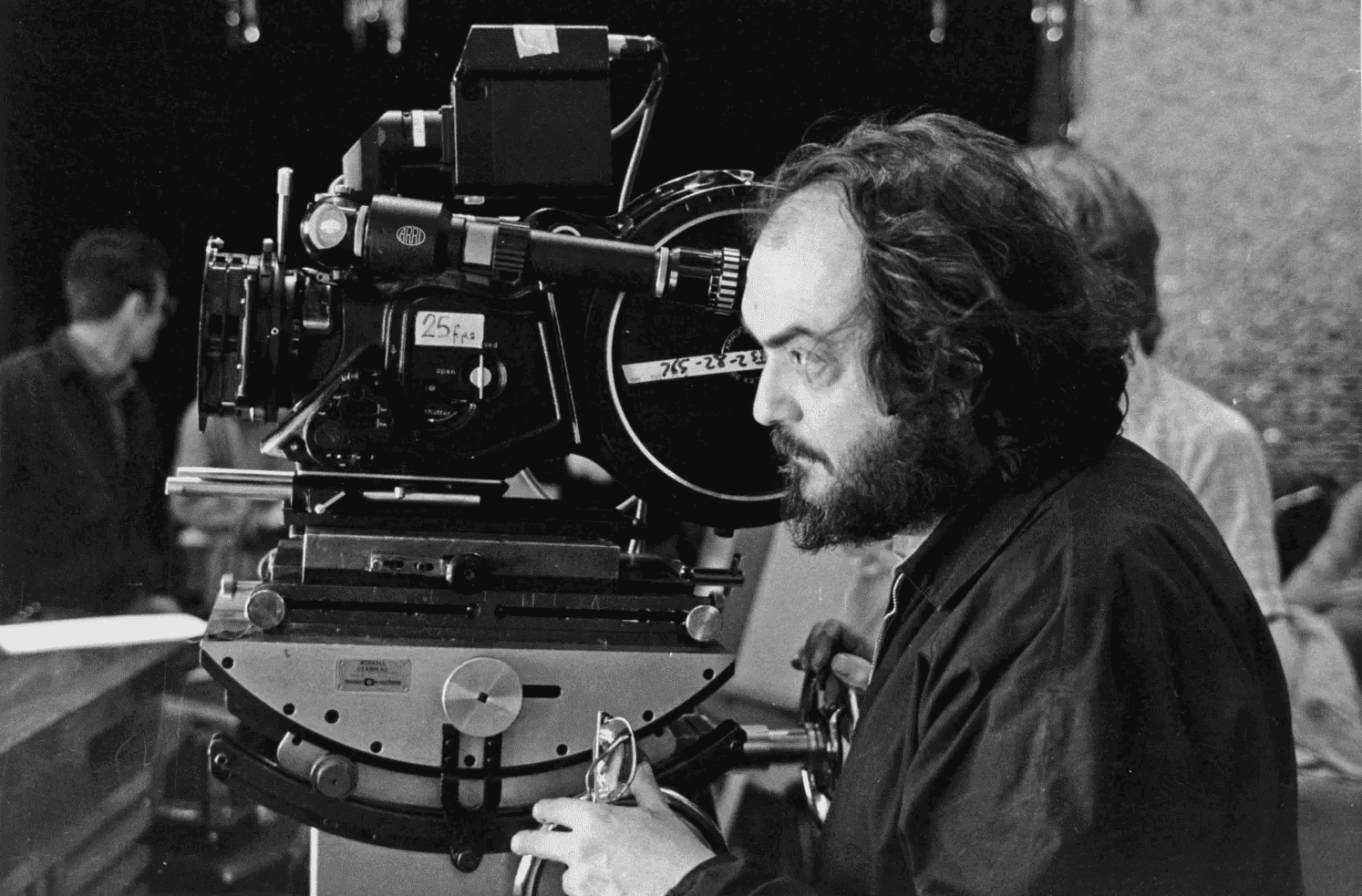
Key Takeaways for Stanley Kubrick: The Perfectionist Pioneer
Stanley Kubrick is celebrated for his perfectionism and visionary filmmaking style that pushed creative and technical boundaries. His films remain some of cinema’s most thought-provoking works.
Key Highlights:
- Directed 2001: A Space Odyssey, The Shining, and A Clockwork Orange.
- Known for symmetrical framing and deep philosophical themes.
- One of the most studied directors in film history.
Stanley Kubrick: Meticulous Craftsmanship and Visionary Filmmaking
Stanley Kubrick, born in New York City in 1928, is widely regarded as one of cinema’s most meticulous and visionary directors. Known for his obsessive attention to detail, Kubrick took filmmaking to new artistic heights with his unique blend of visual storytelling, complex themes, and technical innovation. From his early works like Paths of Glory to masterpieces such as A Clockwork Orange and The Shining, Kubrick’s films are marked by their intellectual depth and visual precision.
Director Kubrick: Pioneering Techniques and Bold Storytelling
Director Kubrick’s approach was revolutionary. He pushed the boundaries of cinematography, using innovative camera techniques and groundbreaking special effects to create immersive worlds. In 2001: A Space Odyssey (1968), Kubrick combined scientific accuracy with philosophical inquiry, creating a sci-fi epic that still stands as a benchmark for the genre.
His storytelling often explored human nature, dystopia, and existential questions, delivered with a cold, almost clinical precision. Kubrick’s style was characterized by long takes, symmetrical framing, and haunting soundtracks, which helped build a unique, unsettling atmosphere.
Kubrick's Influence on Filmmakers and Popular Culture
Kubrick’s influence is pervasive across global cinema. Directors like Steven Spielberg, Christopher Nolan, and David Fincher cite him as a major inspiration. His uncompromising pursuit of perfection and groundbreaking techniques have set standards in film directing, editing, and production design.
Kubrick’s work challenges viewers intellectually and emotionally, offering layers of meaning that invite repeated viewings and analysis. His films have become cultural touchstones, frequently referenced in art, music, and literature.
Director Stanley Kubrick: Awards and Legacy
Though Kubrick won only one Academy Award for Best Visual Effects (2001: A Space Odyssey), his films received numerous nominations and critical acclaim worldwide. He was a multiple Golden Globe and BAFTA nominee and received lifetime achievement awards recognizing his immense contributions to cinema.
Director Stanley Kubrick’s legacy as a perfectionist pioneer endures. His visionary films continue to captivate and inspire, pushing the boundaries of what cinema can achieve.
- Sources Include / Discover More: Stanley Kubrick, An American Filmmaker and Photographer and a Major Figure of the Post-War Film Industry
- Also Read: Most Famous Paintings in the World
#8
Akira Kurosawa
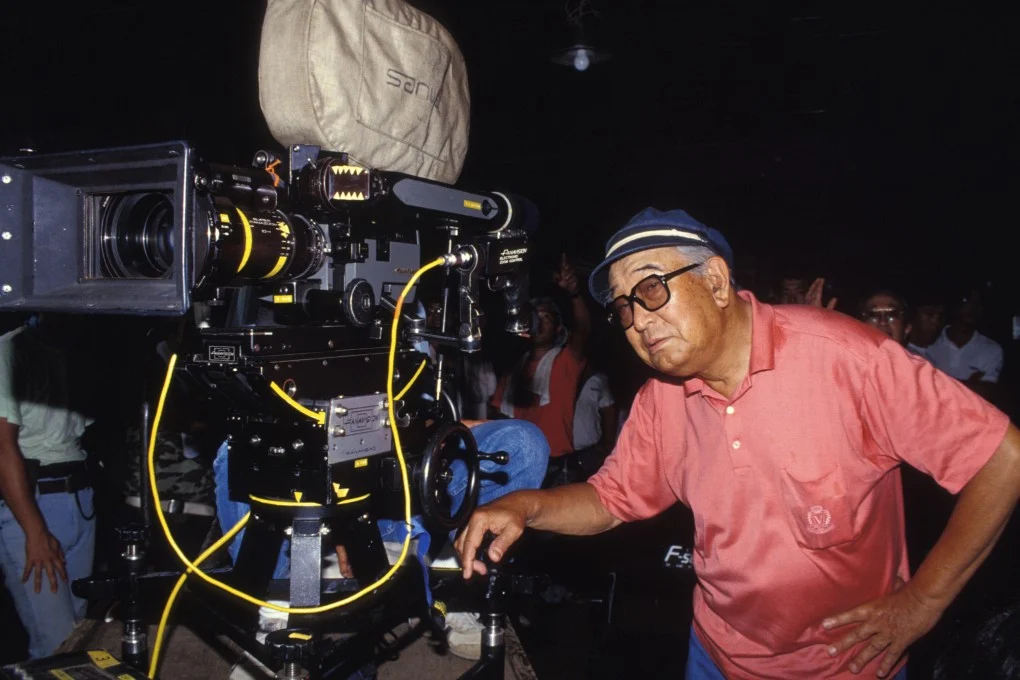
Key Takeaways for Akira Kurosawa: The Samurai Cinematographer
Akira Kurosawa is a Japanese cinematic legend whose storytelling bridged Eastern philosophy and Western filmmaking. His samurai epics shaped global cinema.
Key Highlights:
- Directed Seven Samurai and Rashomon.
- Innovated camera movement and editing techniques.
- Inspired directors like George Lucas, Spielberg, and Scorsese.
Akira Kurosawa: Master of Storytelling and Visual Poetry
Akira Kurosawa, born in Tokyo in 1910, is one of the most influential filmmakers in world cinema and a true master of the samurai genre. Renowned for his compelling narratives and breathtaking visuals, Kurosawa’s films combine traditional Japanese themes with universal human stories. His work paved the way for Japanese cinema to gain international acclaim and inspired countless directors worldwide.
From Rashomon (1950), which introduced the world to his innovative storytelling technique of multiple perspectives, to Seven Samurai (1954), an epic tale of honor, sacrifice, and courage, Kurosawa’s storytelling prowess is unmatched. His narratives often explore themes of morality, justice, and the human condition, making his samurai films more than just action-packed dramas—they are profound philosophical explorations.
Director Kurosawa: Innovative Cinematic Techniques and Influential Style
Director Kurosawa was a cinematic trailblazer, pioneering techniques such as the use of weather elements to enhance mood, dynamic camera movements, and inventive editing styles like axial cuts. His mastery of framing and composition gave his films a painterly quality, blending art and motion seamlessly.
Seven Samurai remains a landmark in filmmaking, influencing the structure of action and ensemble films globally. Kurosawa’s ability to choreograph complex battle scenes with clarity and intensity set new standards for action cinema. His storytelling approach inspired Hollywood classics such as The Magnificent Seven and Star Wars.
Kurosawa's Global Impact and Lasting Legacy
Akira Kurosawa’s influence transcends national boundaries. Directors like George Lucas, Steven Spielberg, and Martin Scorsese have credited him as a major inspiration. Kurosawa’s fusion of Eastern philosophy and Western filmmaking techniques created a universal language of cinema that continues to resonate.
His films have been studied in film schools worldwide, and retrospectives regularly celebrate his contribution to the art form. Kurosawa helped bridge cultures, making samurai stories accessible and beloved by global audiences.
Director Akira Kurosawa: Awards and Honors
Director Akira Kurosawa received numerous prestigious awards during his lifetime, including an Honorary Academy Award in 1990 for his cinematic achievements. His films garnered international prizes at festivals such as Cannes and Venice, solidifying his status as a global cinematic legend.
Akira Kurosawa was not just a filmmaker; he was a cultural ambassador whose samurai epics continue to captivate hearts and minds worldwide, standing as timeless masterpieces in the history of cinema.
- Sources Include / Discover More: Akira Kurosawa, Was a Japanese Filmmaker Who Directed 30 Feature Films in a Career Spanning Six Decades
- Also Read: Most Famous Handbag Brands in the World
#9
Francis Ford Coppola
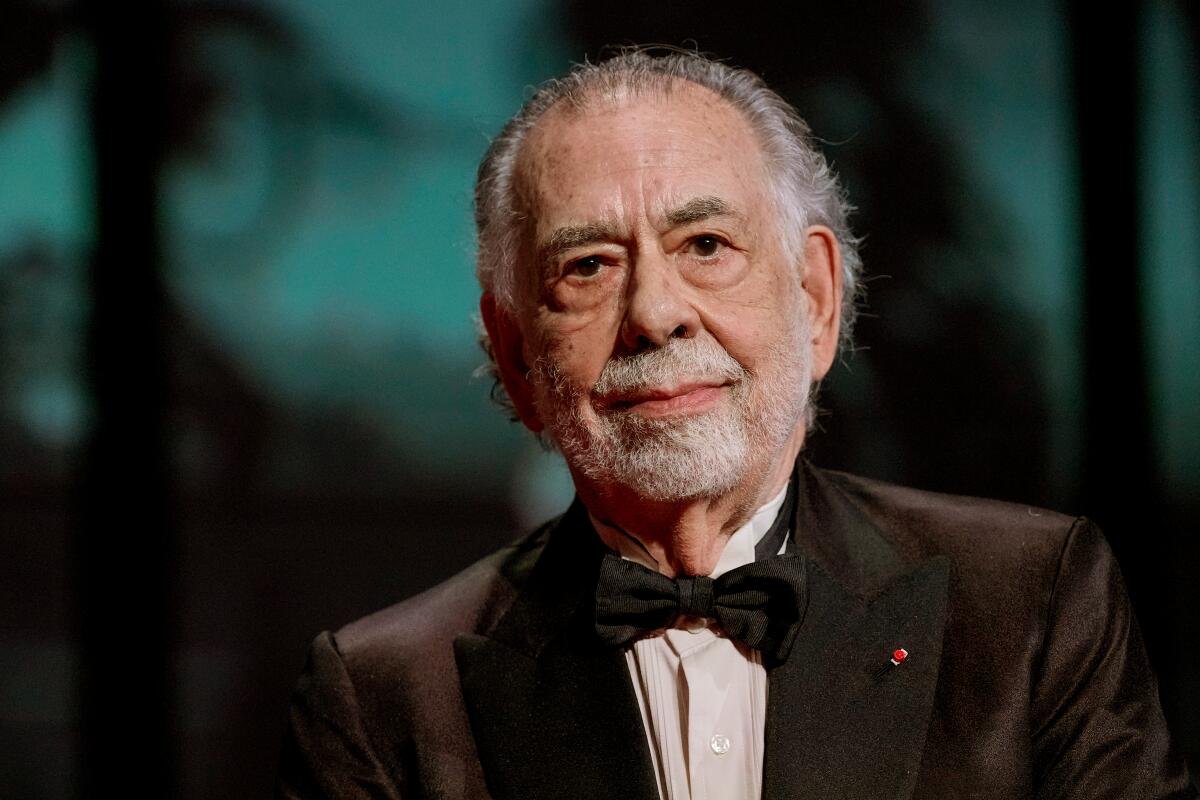
Key Takeaways for Francis Ford Coppola: The Godfather of Epic Narratives
Francis Ford Coppola is an American film legend best known for The Godfather trilogy and Apocalypse Now, both of which redefined modern cinema.
Key Highlights:
- Master of epic storytelling and family-centered dramas.
- Winner of 5 Academy Awards including Best Director.
- Blended emotional depth with large-scale cinematic vision.
Francis Ford Coppola: Crafting Timeless Stories of Power and Family
Francis Ford Coppola, born in Detroit in 1939, is a legendary filmmaker whose work redefined American cinema with deeply layered narratives and unforgettable characters. Best known for The Godfather trilogy, Coppola’s storytelling explores themes of power, loyalty, and the complex dynamics of family life, making his films resonate universally.
The Godfather (1972) is widely considered one of the greatest films ever made. Coppola’s masterful direction brought to life Mario Puzo’s novel, crafting an epic saga of the Italian-American mafia with nuanced performances and cinematic brilliance. This film set a new standard for storytelling, blending crime drama with intimate human drama.
Director Coppola: Visionary Direction and Bold Cinematic Choices
Director Coppola is known for his innovative approach to filmmaking, combining powerful visuals with intricate character development. His use of lighting, especially the iconic chiaroscuro style in The Godfather, enhanced the dark, brooding atmosphere that became his signature. Coppola’s direction elevated crime films into serious, artful cinema.
Beyond The Godfather, films like Apocalypse Now pushed cinematic boundaries with epic war storytelling and surreal imagery. The film’s chaotic production mirrored its intense narrative, showcasing Coppola’s commitment to authenticity and artistic vision despite challenges.
Coppola's Influence on Filmmakers and Popular Culture
Coppola’s impact on Hollywood is immense. His work has inspired countless directors such as Martin Scorsese, Quentin Tarantino, and Steven Spielberg. His films helped shift the industry toward auteur-driven projects that prioritize storytelling depth and cinematic artistry.
Coppola’s storytelling techniques—multi-dimensional characters, complex plots, and moral ambiguity—have influenced a broad range of genres, from crime dramas to psychological thrillers, solidifying his place as a pioneer of epic narratives.
Director Francis Ford Coppola: Awards and Enduring Legacy
Director Francis Ford Coppola has won five Academy Awards, including Best Picture and Best Director, and numerous other honors worldwide. His films continue to be studied and celebrated for their groundbreaking approach and cultural significance.
Francis Ford Coppola is not just a director—he is a storyteller of epic human dramas whose influence and legacy continue to shape cinema’s narrative landscape.
- Sources Include / Discover More: Francis Ford Coppola, An American Filmmaker. Considered One of the Leading Figures of the New Hollywood Era
- Also Read: Most Famous YouTubers in the World
#10
Peter Jackson
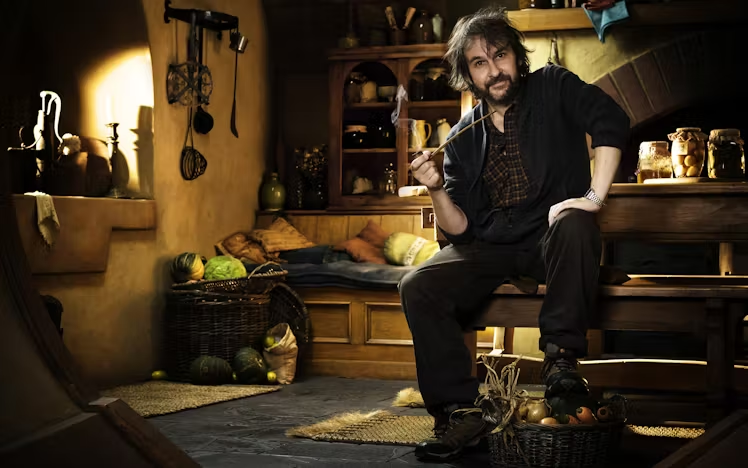
Key Takeaways for Peter Jackson: The Fantastical World Builder
Peter Jackson is the fantasy filmmaking genius behind The Lord of the Rings and The Hobbit trilogies. His work brought epic world-building to mainstream cinema.
Key Highlights:
- Revolutionized fantasy storytelling with stunning realism.
- Founder of Weta Digital, advancing CGI and motion capture.
- Winner of 3 Academy Awards including Best Picture for Return of the King.
Peter Jackson: Bringing Epic Fantasy to Life
Peter Jackson, born in New Zealand in 1961, is celebrated worldwide for his unparalleled ability to bring fantasy worlds to vivid life on the big screen. Best known for directing The Lord of the Rings and The Hobbit trilogies, Jackson transformed J.R.R. Tolkien’s epic novels into cinematic masterpieces that set new standards for fantasy filmmaking.
Jackson’s vision combined breathtaking visuals, rich storytelling, and groundbreaking special effects, transporting audiences to Middle-earth with an immersive experience few filmmakers have matched. His meticulous world-building captured the imagination of millions and reinvigorated the fantasy genre.
Mastery of Visual Effects and Storytelling
Jackson’s pioneering use of technology, including motion-capture and CGI, revolutionized how fantasy films are made. His collaboration with Weta Digital, a New Zealand-based effects company, produced stunning creatures and landscapes that felt both realistic and magical.
Beyond technical innovation, Jackson is a master storyteller. He skillfully balanced sprawling narratives with deep character development, ensuring the emotional core of his films resonated as powerfully as the epic battles and grand adventures. Films like The Lord of the Rings: The Return of the King won multiple Academy Awards, including Best Picture, highlighting his filmmaking prowess.
Jackson’s Impact on Cinema and Popular Culture
Peter Jackson’s work has had a lasting impact on the film industry, inspiring a new wave of fantasy and adventure films. His success demonstrated that with vision and dedication, large-scale adaptations can be both critically acclaimed and commercially successful.
Jackson’s movies have influenced countless directors and creatives, contributing to the resurgence of epic fantasy in cinema and popular culture. His passion for storytelling and innovation continues to shape the future of visual effects and filmmaking.
Director Peter Jackson: Awards and Global Recognition
Director Peter Jackson has received numerous awards throughout his career, including three Academy Awards for The Lord of the Rings: The Return of the King. His films have been honored worldwide, cementing his reputation as one of the most successful and visionary directors of his generation.
Peter Jackson’s ability to build fantastical worlds with heart and spectacle ensures his place among cinema’s most influential filmmakers, enchanting audiences around the globe with stories that are as magical as the worlds they inhabit.
- Sources Include / Discover More: Sir Peter Jackson, Made History with The Lord of the Rings Trilogy
- Also Read: Most Famous Reality TV Stars
Key FAQs on the 10 Most Famous Film Directors in the World
Why is Steven Spielberg considered one of the most famous film directors in the world?
Steven Spielberg is considered one of the most famous film directors in the world for shaping modern Hollywood through landmark films such as Schindler’s List, Jaws, and E.T. the Extra-Terrestrial.
He pioneered the blockbuster era while mastering emotional historical storytelling, earning three Academy Awards and global critical acclaim.
According to sources like Wikipedia, IMDb, and the Academy of Motion Picture Arts and Sciences, Spielberg’s cultural influence, box-office dominance, and longevity make him a definitive cinematic icon.
What makes Martin Scorsese a legendary director?
Martin Scorsese is a legendary film director due to his raw, character-driven crime dramas such as Goodfellas, Taxi Driver, and The Irishman.
His films explore morality, identity, and violence with unmatched realism, earning him an Academy Award for The Departed.
Cited by IMDb, BAFTA, and the Directors Guild of America, Scorsese’s influence on American cinema and modern storytelling is foundational.
How has Christopher Nolan revolutionized modern filmmaking?
Christopher Nolan revolutionized modern filmmaking through non-linear narratives, large-scale practical effects, and intellectual storytelling in films like Inception and The Dark Knight Trilogy.
He redefined blockbuster cinema by combining philosophy, time manipulation, and IMAX technology.
According to BAFTA, IMDb, and film scholars, Nolan’s work bridges art-house depth with global commercial success.
Why is Quentin Tarantino regarded as the king of cult cinema?
Quentin Tarantino is regarded as the king of cult cinema for his bold dialogue, nonlinear storytelling, and genre-blending films like Pulp Fiction and Kill Bill.
His work redefined independent filmmaking while winning multiple Academy Awards.
Film institutions, IMDb, and Cannes Film Festival archives cite Tarantino’s influence on modern pop culture and cinematic style.
What defines James Cameron’s contribution to cinema?
James Cameron’s contribution to cinema is defined by groundbreaking technology and emotional storytelling in Titanic and Avatar.
He pioneered performance capture, 3D filmmaking, and global box-office records.
According to IMDb, Guinness World Records, and the Academy Awards, Cameron remains one of the highest-grossing and most influential directors ever.
How did Alfred Hitchcock influence thriller filmmaking?
Alfred Hitchcock influenced thriller filmmaking through psychological tension, visual suspense, and innovative camera techniques in films like Psycho and Vertigo.
He shaped narrative pacing and audience fear manipulation.
Film historians, the British Film Institute, and IMDb recognize Hitchcock as the foundational architect of modern suspense cinema.
What makes Stanley Kubrick’s direction so distinctive?
Stanley Kubrick’s direction is distinctive for obsessive precision, philosophical depth, and visual symmetry in films like 2001: A Space Odyssey.
His work challenged audiences intellectually and aesthetically.
Cited by the American Film Institute, IMDb, and academic film studies, Kubrick remains one of cinema’s most analyzed auteurs.
Why is Akira Kurosawa hailed as a global cinematic pioneer?
Akira Kurosawa is hailed as a global cinematic pioneer for redefining visual storytelling in films like Seven Samurai and Rashomon.
His techniques influenced Hollywood epics and directors worldwide.
According to Wikipedia, the Criterion Collection, and film academia, Kurosawa’s legacy shaped modern action, westerns, and narrative structure.
What defines Francis Ford Coppola’s impact on film history?
Francis Ford Coppola’s impact on film history is defined by epic storytelling in The Godfather and Apocalypse Now.
He expanded narrative scale, emotional depth, and auteur control in Hollywood.
According to IMDb, the Academy Awards, and film historians, Coppola reshaped American cinema during the New Hollywood era.
Why is Peter Jackson celebrated among the world’s best film directors?
Peter Jackson is celebrated among the world’s best film directors for his groundbreaking adaptation of The Lord of the Rings trilogy.
He elevated fantasy cinema through immersive world-building and advanced visual effects via Weta Digital.
According to the Academy Awards, IMDb, and visual effects industry records, Jackson redefined epic filmmaking.
Directing Styles That Changed Film Forever
What makes these directors stand out isn’t just their films—it’s how they make them. Nolan’s non-linear timelines, Tarantino’s dialogue, and Spielberg’s emotional resonance each brought something new to the language of cinema.
Final Thoughts
From suspense and science fiction to fantasy and crime drama, the 10 Most Famous Film Directors in the World have forever changed the language of cinema. These creative powerhouses—Steven Spielberg, Martin Scorsese, Christopher Nolan, Quentin Tarantino, James Cameron, Alfred Hitchcock, Stanley Kubrick, Akira Kurosawa, Francis Ford Coppola, and Peter Jackson—transcended boundaries of genre, culture, and technology to redefine what movies can achieve.
Their films continue to inspire millions, shaping storytelling techniques, visual artistry, and emotional depth across every corner of the globe. Whether it’s Spielberg’s emotional realism, Nolan’s complex narratives, or Hitchcock’s timeless suspense, each director’s legacy stands as a masterclass in cinematic excellence.
As streaming platforms, AI tools, and virtual production evolve, the influence of these iconic film directors remains unshakable—proving that true cinema is built on vision, passion, and storytelling genius.
So, the next time you sit down to watch a movie, remember—behind every unforgettable frame, there’s a visionary filmmaker whose artistry turned imagination into reality, leaving an indelible mark on the history of world cinema.
The 10 Most Famous Film Directors Frequently Asked Questions (FAQs)
George Lucas holds the title, with a net worth exceeding $10 billion, largely due to his ownership of Star Wars rights.
John Ford holds the record with 4 Oscars for Best Director.
Many consider comedy and horror the hardest because timing is everything—and it either works or flops instantly.
Absolutely. Many directors, like Tarantino and Cameron, write or co-write their scripts to maintain creative control.
It varies, but most films take 1–2 years from pre-production to final release. Epic films like Avatar took over a decade!
The list includes Steven Spielberg, Martin Scorsese, Christopher Nolan, Quentin Tarantino, James Cameron, Alfred Hitchcock, Stanley Kubrick, Akira Kurosawa, Francis Ford Coppola, and Peter Jackson.
Martin Scorsese is known for mastering the crime drama genre with iconic films like Goodfellas, The Departed, and Casino.
Quentin Tarantino is famous for his non-linear storytelling and cult classics like Pulp Fiction, Kill Bill, and Django Unchained.
Akira Kurosawa is widely regarded as the most influential Japanese director, known for masterpieces like Seven Samurai and Rashomon.
About the Author
This article was researched and prepared by the World Millions Editorial Team, specialists in global rankings, premium market analysis, structured comparisons, and high-value sector research across industries.
All content undergoes verification, editorial review, and periodic updates to ensure accuracy, clarity, and alignment with recognized industry standards, reliable institutional sources, and leading global authorities.
- Last Updated: March 27, 2026 by the World Millions Editorial Team
- Original Published Date: March 27, 2026
- View Our: Editorial Team | Sources | Disclaimer | Editorial Standards