The 10 Top Economies in the World represent the most powerful engines driving global trade, financial markets, and economic innovation. From the technological dominance of the United States to the manufacturing scale of China and the rapid expansion of India, these nations shape international commerce, investment flows, and geopolitical influence.
Discover the 10 Top Economies in the World, ranked by Nominal GDP, Purchasing Power Parity (PPP), growth rates, and global economic impact. This comprehensive guide highlights the countries that dominate global production, control major industries, and influence the future of the world economy.
On This Page
Toggle- Updated 2026 by the World Millions Editorial Team: View Author Information
Understanding GDP and Economic Power
Gross Domestic Product (GDP) Definition: What is GDP?
- Gross domestic product is the total value of finished goods and services produced within a country’s borders during a specified period.
- There are different ways to measure GDP, such as nominal GDP, real GDP, GDP per capita, and purchasing power parity.
- The U.S. has the largest GDP in the world and China has the second largest.
GDP Meaning: Why GDP Matters in Global Rankings
A higher GDP means a stronger economy, which directly affects a nation’s ability to invest in infrastructure, technology, and social programs. Countries with large GDPs wield significant influence in global trade, finance, and politics.
Measuring GDP
There are several popular ways to measure GDP:
Nominal GDP in current U.S. dollars
This is the most basic and common way of measuring and comparing GDP among countries, using local prices and currencies converted into U.S. dollars by using currency market exchange rates. This is the number that was used to determine the countries’ rankings in the top 10 list.
Purchasing power parity (PPP) adjusted GDP in current international dollars
This is an alternative way of comparing nominal GDP among countries, adjusting currencies based on what basket of goods they could buy in those countries rather than currency exchange rates. This is a way to adjust for the difference in the cost of living among countries.
GDP growth
A higher GDP means a stronger economy, which directly affects a nation’s ability to invest in infrastructure, technology, and social programs. Countries with large GDPs wield significant influence in global trade, finance, and politics.
GDP per capita in current U.S. dollars
This is nominal GDP divided by the number of people in a country. GDP per capita measures how much a country’s economy produces per person, rather than in total. This can also act as a very rough measure of income or standard of living for individuals living in a country.
List of the 10 Top Economies in the World 2026
Discover the world’s economic giants shaping global growth — from the United States and China to India and Japan — ranked by GDP, PPP, and real growth this year.
The 10 Top Economies in the World represent the most powerful financial engines shaping global trade, innovation, and development. Measured by Nominal GDP, PPP (Purchasing Power Parity), and GDP Per Capita, these nations lead the way in influencing international markets and setting global economic policies.
From the technological leadership of the United States to the manufacturing dominance of China and the fast-growing market of India, each economy brings unique strengths to the global stage. This table offers a detailed comparison of the world’s largest economies, highlighting their economic size, growth rate, and wealth per citizen—vital insights for economists, investors, and global businesses.
Crucially, the table also includes each country’s Global GDP Share (%), a key measure of their influence on the world economy. From the United States’ commanding 39.20% share to Canada’s 2.92%, these economies collectively drive the majority of international trade and investment. Understanding these figures provides a clear view of where economic power is concentrated and where future opportunities may arise.
Top 10 Countries by Nominal GDP as of 2026
| Country | Nominal GDP (in trillions) | PPP Adjusted GDP (in trillions) | Annual Growth (%) | GDP Per Capita (in thousands) | Global GDP Share (%) |
|---|---|---|---|---|---|
| United States | $30.62 | $30.62 | 2.0 | $89.60 | 39.20 |
| China | $19.40 | $41.02 | 4.8 | $37.83 | 24.83 |
| Germany | $5.01 | $6.15 | 0.2 | $59.93 | 6.41 |
| Japan | $4.28 | $6.76 | 1.1 | $34.71 | 5.48 |
| India | $4.13 | $17.71 | 6.6 | $2.82 | 5.29 |
| United Kingdom | $3.96 | $4.45 | 1.3 | $56.66 | 5.07 |
| France | $3.36 | $4.53 | 0.7 | $48.98 | 4.30 |
| Italy | $2.54 | $3.72 | 0.5 | $43.16 | 3.25 |
| Russia | $2.54 | $7.14 | 0.6 | $17.45 | 3.25 |
| Canada | $2.28 | $2.72 | 1.2 | $54.93 | 2.92 |
Please note that financial figures are subject to change due to market dynamics and country performance, and can vary slightly between sources based on reporting methods.
Discover the 10 Top Economies in the World
Discover the Top 10 Economies in the World that shape global trade, innovation, and financial stability. From the powerhouse of the United States and the manufacturing dominance of China to the rapid growth of India, these nations define the world’s economic landscape and influence global policy and investment trends.
Explore how each country’s GDP, PPP, and growth rate contribute to its ranking among the world’s largest economies. Whether you’re an investor, entrepreneur, or economics enthusiast, this detailed insight reveals what drives the biggest economies currently — and where the next wave of global opportunity lies.
#1
United States

Key Takeaways for the United States
The United States has the world’s largest economy, driven by its innovation in technology, finance, and consumer markets. The country is home to major corporations like Apple, Microsoft, and Amazon, which contribute significantly to its GDP.
- Nominal GDP in Current U.S. Dollars: $30.62 trillion.
- Key Industries: Technology, Finance, Healthcare, Manufacturing.
- PPP Adjusted GDP in Current International Dollars: $30.62 trillion.
- GDP Growth: 2.0%.
- Nominal GDP Per Capita in Current U.S. Dollars: $89.60 thousand.
United States: U.S. Economy - The Undisputed Leader in the Global Economy
The United States holds the position as the world’s largest economy, boasting a Gross Domestic Product (GDP) of approximately $30.62 trillion. This economic supremacy is built upon a diverse industrial base, technological innovation, financial strength, and a highly skilled workforce. The U.S. has maintained its dominant position for decades, consistently leading in key sectors such as technology, finance, healthcare, manufacturing, and energy. Its economy is also highly consumer-driven, with household spending accounting for nearly 70% of the GDP.
The Strengths of the United States Economy
1. Technological Innovation and Silicon Valley
One of the biggest drivers of U.S. economic growth is technology and innovation. The country is home to Silicon Valley, the global epicenter of technological advancements, where companies like Apple, Microsoft, Google, Amazon, and Meta continuously push the boundaries of innovation. The tech industry alone contributes trillions of dollars to the U.S. economy and supports millions of jobs.
The rise of artificial intelligence, cloud computing, biotechnology, and automation has further strengthened the U.S.’s competitive edge in the global market. The government’s investment in research and development (R&D), along with venture capital funding, fosters a thriving startup ecosystem that fuels long-term economic growth.
2. Financial Power and Wall Street's Influence
The U.S. financial system is another pillar of its economic strength. Wall Street, located in New York City, is home to the world’s largest and most influential stock exchanges, including the New York Stock Exchange (NYSE) and the Nasdaq. These financial institutions control trillions of dollars in investments and shape the direction of global markets.
The U.S. dollar (USD) is the world’s primary reserve currency, which means that it is widely used in international trade, foreign exchange reserves, and global transactions. This gives the U.S. a unique advantage, as demand for the dollar helps maintain its economic stability. Additionally, the Federal Reserve plays a crucial role in managing inflation, interest rates, and overall economic policies.
3. Consumer Spending and a Strong Domestic Market
Unlike many economies that rely heavily on exports, the U.S. economy is primarily driven by domestic consumer spending. The country has a large middle class with high purchasing power, which fuels demand for goods and services. Retail giants like Walmart, Amazon, and Costco dominate the market, catering to a vast customer base.
The U.S. is also a leader in the service sector, which includes industries like finance, healthcare, entertainment, and tourism. The entertainment industry, particularly Hollywood, generates billions of dollars annually and significantly contributes to U.S. soft power and cultural influence worldwide.
4. Energy and Natural Resources
The U.S. is one of the largest producers of oil and natural gas in the world, thanks to advancements in fracking and drilling technologies. The country has achieved energy independence, reducing reliance on foreign oil imports and positioning itself as a major energy exporter.
Additionally, the U.S. is investing heavily in renewable energy sources, including solar, wind, and nuclear power, to diversify its energy portfolio and maintain long-term economic sustainability. The shift towards green energy is also creating new job opportunities and reducing environmental risks.
5. A Strong and Skilled Workforce
The U.S. labor force is one of the most productive and skilled in the world. The country has a well-established higher education system, with universities like Harvard, MIT, and Stanford producing top talent in science, engineering, and business. The U.S. also attracts millions of immigrants, many of whom are highly skilled professionals who contribute to innovation and entrepreneurship.
The flexible labor market allows businesses to adapt quickly to economic changes, ensuring that industries remain competitive and resilient. Additionally, strong labor laws and workers’ rights contribute to a healthy work environment, further boosting productivity.
Challenges Facing the American Economy
Despite its strengths, the U.S. economy faces several challenges that could impact its long-term stability.
1. National Debt and Fiscal Policies
The U.S. national debt has exceeded $34 trillion, raising concerns about future economic stability. Government spending on social programs, military, healthcare, and infrastructure continues to grow, leading to budget deficits. If not managed properly, rising debt levels could lead to higher taxes, inflation, and slower economic growth.
2. Income Inequality and Cost of Living
While the U.S. economy is the largest in the world, income inequality remains a significant issue. The wealth gap between the richest and poorest Americans has widened, with many struggling to afford basic necessities like healthcare, housing, and education. Additionally, the rising cost of living in major cities like New York, Los Angeles, and San Francisco has made it difficult for middle-class families to maintain their standard of living.
3. Global Trade Tensions and Economic Competition
The U.S. faces economic competition from emerging powers like China and India. Trade tensions, particularly with China, have resulted in tariffs and supply chain disruptions, affecting industries such as automobiles, technology, and agriculture. These trade disputes can impact business growth and limit global market access for U.S. companies.
4. Inflation and Interest Rates
Inflation has been a concern in recent years, with rising prices for goods and services affecting consumer spending power. The Federal Reserve has implemented interest rate hikes to combat inflation, but this has made borrowing more expensive for businesses and individuals, potentially slowing down economic growth.
5. Political Uncertainty and Policy Changes
Political instability and changes in government policies can have significant economic consequences. Debates over tax policies, healthcare reform, and climate regulations can create uncertainty for businesses and investors. Additionally, shifts in foreign policy and trade agreements impact global partnerships and economic strategies.
The Future of the U.S. Economy
Despite these challenges, the future of the U.S. economy remains strong. The country continues to invest in infrastructure, innovation, and workforce development, ensuring long-term growth. Artificial intelligence, space exploration, biotechnology, and renewable energy are expected to be key areas of expansion in the coming decades.
Additionally, the U.S. is adapting to global economic changes by reshoring manufacturing, strengthening trade relations, and embracing digital transformation. As the world’s largest economy, the United States will continue to influence global markets, shaping the future of technology, finance, and international trade.
In Summary
The United States remains the undisputed leader in the global economy due to its technological superiority, financial influence, strong consumer market, and skilled workforce. While challenges like debt, inflation, and trade tensions exist, the country’s ability to innovate and adapt ensures its continued dominance.
With a resilient economic structure, strong institutional frameworks, and a forward-thinking approach, the U.S. will likely remain a powerhouse in the global economy for years to come.
- Sources Include / Discover More: The U.S. and its Government
- Also Read: Top Companies in the World
#2
China
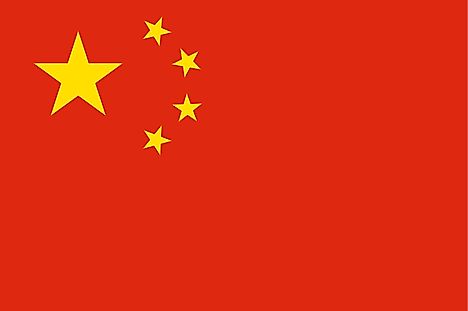
Key Takeaways for China
China has experienced unprecedented economic growth over the past few decades. Its strong manufacturing sector and export-driven economy have made it the second-largest economy in the world.
- Nominal GDP in Current U.S. Dollars: $19.40 trillion.
- Key Industries: Manufacturing, Technology, Exports.
- PPP Adjusted GDP in Current International Dollars: $41.02 trillion.
- GDP Growth: 5.01%.
- Nominal GDP Per Capita in Current U.S. Dollars: $37.83 thousand.
China: Chinese Economy - The Fastest Growing Economic Giant
China has emerged as the second-largest economy in the world, with a Gross Domestic Product (GDP) of approximately $19.40 trillion. Over the past few decades, China has transformed itself from an agrarian society into a global manufacturing and technological powerhouse. The country’s rapid industrialization, state-led economic planning, and massive infrastructure investments have played a crucial role in its economic rise.
China’s economic model is a combination of state-controlled policies and market-driven growth, allowing it to maintain strong trade relations while ensuring stability within its domestic economy. With continued investments in technology, infrastructure, and innovation, China is well on its way to challenging the United States as the world’s leading economic superpower.
The Strengths of the Chinese Economy
1. Manufacturing and Export Dominance
China is often referred to as the “World’s Factory” due to its massive manufacturing sector. It produces a wide range of products, from electronics and automobiles to textiles and industrial machinery. Companies like Huawei, Xiaomi, and BYD have gained international recognition, further boosting China’s industrial output.
The country’s ability to mass-produce goods at a lower cost has made it the largest exporter in the world, supplying goods to countries across Europe, the Americas, and Asia. The Belt and Road Initiative (BRI), China’s global infrastructure project, further strengthens its trade influence by connecting markets through railways, ports, and highways.
2. Technology and Innovation Leadership
China is making huge strides in technology, artificial intelligence (AI), and 5G development. The country is home to some of the world’s largest tech firms, including Alibaba, Tencent, and Baidu, which lead advancements in e-commerce, cloud computing, and digital finance.
China is also investing heavily in semiconductors, space exploration, and electric vehicles (EVs). Companies like BYD and NIO are competing with Tesla in the EV market, while China’s space agency (CNSA) is making significant progress in lunar and Mars exploration.
3. Infrastructure Development and Urbanization
China’s rapid economic growth has been accompanied by massive infrastructure projects. The country has built the world’s largest high-speed rail network, connecting major cities like Beijing, Shanghai, and Guangzhou in record time.
Additionally, China has some of the most modern cities in the world, with futuristic skylines and smart city technologies. The government’s focus on urbanization has led to rising consumer demand, which further drives domestic economic growth.
4. Strong Government Policies and Economic Planning
Unlike many Western economies, China follows a state-controlled economic model, where the government plays a dominant role in economic planning. Policies such as “Made in China” aim to reduce reliance on foreign technology by promoting domestic innovation.
The Chinese Communist Party (CCP) uses Five-Year Plans to set economic priorities, ensuring long-term stability and growth. This centralized decision-making approach allows China to respond quickly to global economic changes, such as trade tensions or financial crises.
5. Expanding Middle Class and Consumer Market
China has one of the world’s largest middle-class populations, with millions of people moving up the economic ladder. This has led to higher domestic consumption, boosting sectors like luxury goods, real estate, and entertainment.
Brands like Louis Vuitton, Apple, and Nike see China as a key market due to rising disposable incomes and an increasing demand for high-end products. As China transitions from an export-driven economy to a consumption-based economy, domestic spending will become an even bigger driver of growth.
Challenges Facing the Chinese Economy
Despite its success, China faces several economic challenges that could slow down its rapid growth in the coming years.
1. Trade Tensions with the United States
China and the U.S. have been engaged in a trade war since 2018, with both countries imposing tariffs on each other’s goods. These trade tensions have disrupted supply chains and forced China to seek new trade partners.
The U.S. government has also placed restrictions on Chinese tech companies, limiting their access to advanced semiconductor technology. This has made it harder for Chinese firms to compete with U.S. giants like Intel and NVIDIA.
2. High Debt Levels and Real Estate Crisis
China’s rapid development has been fueled by heavy borrowing, leading to rising debt levels. Local governments and state-owned enterprises have accumulated trillions of dollars in loans to finance infrastructure projects.
Additionally, China’s real estate sector has experienced significant turmoil, with major property developers like Evergrande and Country Garden facing financial crises. The slowdown in the real estate market poses a threat to economic stability, as real estate contributes to nearly 30% of China’s GDP.
3. Declining Population and Aging Workforce
China is experiencing a demographic shift, with a declining birth rate and an aging population. The country’s one-child policy (which ended in 2015) has resulted in a shrinking workforce, which could slow down economic growth in the long run.
To counter this, China is promoting automation, AI, and robotics to maintain productivity levels. However, an aging population also means higher healthcare and pension costs, placing additional strain on government finances.
4. Strict Government Regulations and Market Control
The Chinese government’s strict regulatory policies have had a significant impact on businesses. Crackdowns on sectors like technology, real estate, and private education have led to stock market volatility and investor uncertainty.
For example, China’s restrictions on online gaming, cryptocurrency, and foreign investments have made it difficult for companies to operate freely. While these policies aim to strengthen national security and economic stability, they can also limit innovation and business expansion.
5. Environmental Challenges and Energy Crisis
China’s rapid industrialization has led to severe pollution and environmental degradation. The country is the largest emitter of carbon dioxide (CO₂), which has resulted in global pressure to adopt greener policies.
To address this, China is investing in renewable energy, such as solar, wind, and nuclear power. However, balancing economic growth with environmental sustainability remains a challenge.
The Future of the Chinese Economy
Despite these challenges, China remains one of the fastest-growing economies in the world. The country is shifting towards a high-tech, innovation-driven economy, reducing its dependence on low-cost manufacturing.
Key industries such as artificial intelligence, biotechnology, and electric vehicles will play a significant role in China’s future economic expansion. Additionally, China is expanding trade relations with countries in Africa, Latin America, and Southeast Asia, reducing its reliance on the U.S. and European markets.
As China invests in digital currencies, space exploration, and smart infrastructure, it is positioning itself as a leader in the fourth industrial revolution. However, to maintain long-term growth, China must address its economic challenges, reform its financial system, and adopt sustainable policies.
In Summary
China’s rise as a global economic superpower is one of the most remarkable transformations in modern history. Its manufacturing dominance, technological advancements, and government-led economic planning have propelled it to the second-largest economy in the world.
However, China faces several economic hurdles, including trade tensions, high debt, demographic shifts, and regulatory challenges. If China successfully navigates these issues while continuing to innovate, it could eventually surpass the United States as the largest economy.
With its strong industrial base, strategic global partnerships, and investment in future technologies, China remains a formidable force in the global economy and a key player in shaping the world’s economic future.
- Sources Include / Discover More: The State Council of the People’s Republic of China
- Also Read: Top Movies in the World
#3
Germany

Key Takeaways for Germany
As Europe’s largest economy, Germany has a strong industrial base, known for high-quality engineering and manufacturing, with BMW, Mercedes-Benz, and Siemens leading the way.
- Nominal GDP in Current U.S. Dollars: $5.01 trillion.
- Key Industries: Automotive, Engineering, Pharmaceuticals.
- PPP Adjusted GDP in Current International Dollars: $6.15 trillion.
- GDP Growth: 0.2%.
- Nominal GDP Per Capita in Current U.S. Dollars: $59.93 thousand.
Germany: German Economy - Europe’s Economic Powerhouse
Germany is the largest economy in Europe and the third-largest in the world, with a Gross Domestic Product (GDP) of approximately $5.01 trillion. Known for its industrial strength, technological innovation, and export-oriented economy, Germany has played a crucial role in shaping the European and global economic landscape.
As a highly developed and diversified economy, Germany excels in automobile manufacturing, engineering, pharmaceuticals, and financial services. Its strong labor force, stable political environment, and world-class infrastructure contribute to its economic success. However, Germany also faces challenges such as energy dependence, an aging population, and global trade uncertainties, which could impact its long-term economic growth.
The Strengths of the German Economy
1. Manufacturing and Export Powerhouse
Germany is widely regarded as the “engine of Europe” due to its highly developed manufacturing sector. The country is home to some of the world’s most prestigious automobile brands, including Volkswagen, BMW, Mercedes-Benz, and Porsche. The automotive industry alone contributes over 10% of Germany’s GDP and employs millions of workers.
Beyond automobiles, Germany is a leader in industrial machinery, chemical production, and high-tech engineering. Companies like Siemens, BASF, and Bosch dominate global markets, making Germany one of the largest exporters in the world. Its trade surplus reflects its ability to produce high-quality goods that are in demand worldwide.
2. Strong Small and Medium-Sized Enterprises (SMEs)
Germany’s economic model relies heavily on its Mittelstand, a network of small and medium-sized enterprises (SMEs) that specialize in high-quality, precision-engineered products. These businesses play a critical role in Germany’s economy by focusing on innovation, specialization, and global competitiveness.
Many of these companies are world leaders in their respective fields, supplying automotive parts, industrial tools, and high-tech components to international markets. The German government supports these enterprises through tax incentives, research funding, and strong vocational training programs.
3. Highly Skilled Workforce and Education System
Germany has one of the best-educated and highly skilled workforces in the world. The country places a strong emphasis on technical and vocational education, ensuring that workers are well-prepared for industry demands. The dual education system, which combines apprenticeships with formal schooling, has been key to maintaining Germany’s industrial expertise.
German universities, such as the Technical University of Munich, RWTH Aachen, and Heidelberg University, produce top-tier engineers, scientists, and economists. This highly skilled workforce drives innovation and productivity, helping Germany remain competitive in the global market.
4. Financial Strength and Stability
Germany is home to one of the strongest banking and financial sectors in Europe. Frankfurt, the country’s financial hub, hosts the European Central Bank (ECB) and Deutsche Bundesbank, making it a crucial center for European monetary policy.
Germany’s largest bank, Deutsche Bank, and other major financial institutions such as Commerzbank and Allianz play a vital role in global investment, insurance, and corporate banking. The country’s commitment to fiscal discipline, low debt levels, and conservative financial policies has made it a safe haven for investors.
5. Innovation and Research & Development (R&D)
Germany is a global leader in scientific research and innovation. The country invests heavily in R&D, with over 3% of its GDP dedicated to developing new technologies, renewable energy, and artificial intelligence. Institutions like the Max Planck Society and Fraunhofer Institute collaborate with industries to drive innovation.
Germany is at the forefront of automobile electrification, robotics, and pharmaceutical research. Companies such as BioNTech, which co-developed the Pfizer COVID-19 vaccine, showcase Germany’s excellence in biotechnology.
Challenges Facing the German Economy
1. Energy Crisis and Dependence on Imports
Germany has traditionally relied on Russian natural gas for its energy needs. However, the Russia-Ukraine conflict forced Germany to diversify its energy sources, leading to higher energy prices and supply chain disruptions.
The country is now investing heavily in renewable energy, hydrogen technology, and LNG (liquefied natural gas) imports to reduce dependence on fossil fuels. However, transitioning to sustainable energy sources while maintaining industrial competitiveness remains a major challenge.
2. Aging Population and Labor Shortages
Germany faces a rapidly aging population, which poses risks to economic growth. With a declining birth rate and a growing number of retirees, the country is experiencing labor shortages in key sectors, including healthcare, engineering, and manufacturing.
To address this issue, Germany has implemented pro-immigration policies to attract skilled workers from abroad. However, integrating foreign workers and maintaining productivity levels will be critical in the coming years.
3. Global Trade Disruptions and Economic Slowdown
Germany’s economy is heavily reliant on exports, making it vulnerable to global trade disruptions. Trade tensions between the U.S. and China, Brexit-related changes, and supply chain issues have affected Germany’s economic outlook.
The slowdown in China’s economy is also a concern, as Germany exports a significant amount of automobiles, machinery, and industrial goods to Chinese markets. Any further decline in global demand could impact Germany’s export-driven growth model.
4. High Taxes and Bureaucratic Regulations
Germany is known for its high corporate taxes and complex regulatory environment. While these policies ensure social welfare and economic stability, they can also discourage investment and business expansion.
Many German companies have called for tax cuts, reduced bureaucracy, and more flexible labor laws to improve competitiveness, particularly in emerging tech industries. However, balancing economic reforms with social security and environmental policies remains a challenge.
5. Competition in the Automotive Industry
Germany’s automobile industry is under increasing pressure from global competition, particularly from Tesla, Chinese EV manufacturers, and other emerging electric vehicle brands.
As the world shifts towards electric mobility and sustainable transportation, traditional German automakers must accelerate their transition to electric vehicles (EVs) while maintaining profitability. The government has introduced subsidies and incentives for EV production, but adapting to the new automotive landscape remains a long-term challenge.
The Future of the German Economy
Despite these challenges, Germany’s economy remains one of the most resilient in the world. The country is focusing on technological advancements, green energy, and digital transformation to maintain its competitive edge.
Germany’s leadership in automation, AI, and quantum computing will shape the future of its economy. Additionally, its commitment to the European Union (EU) and strategic trade partnerships will help strengthen its role in global markets.
The government is also investing in infrastructure development, digitalization, and research funding to ensure long-term growth. While demographic and energy challenges remain, Germany’s strong industrial base, skilled workforce, and financial stability position it well for continued economic success.
In Summary
Germany is the economic backbone of Europe, known for its manufacturing strength, technological innovation, and financial stability. Its success is driven by world-class industries, a highly skilled workforce, and strong trade partnerships.
However, the country faces structural challenges such as an aging population, energy dependency, trade disruptions, and increasing global competition. To maintain its position as a global economic leader, Germany must embrace digitalization, invest in sustainable energy, and reform key economic policies.
With innovation, resilience, and strategic planning, Germany is expected to remain a dominant force in the global economy for decades to come.
- Sources Include / Discover More: Germany, A Developed Country With a Strong Economy
- Also Read: Top Richest Universities in the World
#4
Japan

Key Takeaways for Japan
Japan’s economy thrives on cutting-edge technology and automobile exports. Companies like Toyota, Sony, and Honda have placed Japan at the forefront of global markets.
- Nominal GDP in Current U.S. Dollars: $4.28 trillion.
- Key Industries: Automotive, Electronics, Robotics.
- PPP Adjusted GDP in Current International Dollars: $6.76 trillion.
- GDP Growth: 1.1%.
- Nominal GDP Per Capita in Current U.S. Dollars: $34.71 thousand.
Japan: Japanese Economy - The Technological and Financial Giant
Japan is the fourth-largest economy in the world, with a Gross Domestic Product (GDP) of approximately $4.28 trillion. Known for its advanced technology, strong industrial base, and influential financial sector, Japan has played a critical role in shaping the modern global economy. Despite its aging population and high public debt, Japan remains a global leader in automobiles, electronics, robotics, and finance.
As an export-driven economy, Japan relies heavily on trade, innovation, and manufacturing. It is home to some of the world’s most successful multinational corporations, including Toyota, Sony, Honda, Panasonic, and SoftBank. The country’s economy is characterized by technological advancements, a strong work ethic, and strategic global investments.
The Strengths of the Japanese Economy
1. Advanced Technology and Innovation
Japan is one of the most technologically advanced nations in the world. It is a global leader in robotics, artificial intelligence (AI), semiconductors, and precision engineering. Companies like Sony, Hitachi, Toshiba, and Fujitsu drive innovation in electronics, computing, and automation.
Japan’s dominance in robotics and automation has transformed industries such as manufacturing, healthcare, and logistics. The country is also investing heavily in quantum computing, renewable energy, and next-generation semiconductors, ensuring its place at the forefront of technological advancements.
2. World-Class Automotive Industry
Japan is home to some of the world’s most successful automobile manufacturers, including Toyota, Honda, Nissan, Mazda, and Subaru. The Japanese automotive industry is known for its high-quality production, fuel efficiency, and technological innovation.
Toyota, the world’s largest car manufacturer by volume, has led the way in hybrid and electric vehicle (EV) technology with the success of the Toyota Prius and new hydrogen-powered Mirai. Japan is also a major player in the self-driving car industry, investing billions in autonomous vehicle research and smart transportation systems.
3. Strong Financial and Banking Sector
Japan’s financial sector is one of the largest in the world. The Tokyo Stock Exchange (TSE) is the third-largest stock exchange by market capitalization, following New York (NYSE) and Nasdaq. Major banks like Mitsubishi UFJ Financial Group, Sumitomo Mitsui Banking Corporation, and Mizuho Financial Group play a vital role in global finance.
The Bank of Japan (BOJ) is one of the most influential central banks, implementing policies such as low interest rates and monetary easing to stimulate economic growth. Japan is also a major foreign investor, holding trillions of dollars in foreign assets and being the largest foreign holder of U.S. Treasury bonds.
4. Strong Export and Trade Economy
Japan’s economy is heavily reliant on exports, with key industries including:
- Electronics and semiconductors (Sony, Panasonic, Toshiba).
- Automobiles and machinery (Toyota, Honda, Nissan).
- Pharmaceuticals and medical equipment (Takeda, Astellas, Shionogi).
Japan has strong trade partnerships with countries like the United States, China, and the European Union. The Regional Comprehensive Economic Partnership (RCEP), signed in 2020, strengthens Japan’s trade ties with Asia-Pacific economies, boosting its global influence.
5. High-Quality Infrastructure and Transportation
Japan is known for its world-class infrastructure, efficient public transportation, and advanced railway systems. The Shinkansen (bullet train) is a symbol of Japan’s technological excellence, providing high-speed, safe, and reliable transportation.
The country’s investment in smart cities, digital infrastructure, and renewable energy is helping modernize its economy and improve urban living standards. Japan’s focus on disaster-resistant infrastructure ensures resilience against earthquakes and natural disasters.
Challenges Facing the Japanese Economy
Despite its success, Japan faces several economic challenges that could slow down its rapid growth in the coming years.
1. Aging Population and Declining Workforce
Japan has one of the oldest populations in the world, with nearly 30% of its citizens over the age of 65. This demographic shift has led to labor shortages, increased healthcare costs, and rising pension expenses.
To address this challenge, Japan is:
- Encouraging automation and robotics to replace human labor.
- Implementing immigration reforms to attract foreign workers.
- Promoting policies that increase birth rates and workforce participation.
Despite these efforts, the aging population remains a major concern for Japan’s long-term economic sustainability.
2. High Public Debt
Japan has the highest public debt-to-GDP ratio among developed nations, exceeding 260% of GDP. This is due to decades of government spending on social welfare, infrastructure, and economic stimulus programs.
While Japan has been able to manage its debt through low interest rates and domestic bond ownership, concerns remain about future financial stability and economic growth.
3. Deflation and Slow Economic Growth
For years, Japan has struggled with deflation (falling prices) and slow economic growth. The country’s low consumer spending, high savings rate, and cautious corporate investment have contributed to a stagnant economy.
The government has introduced “Abenomics”, a set of policies aimed at:
- Boosting inflation through monetary easing.
- Increasing public investment in infrastructure.
- Encouraging corporate reforms to improve productivity.
Despite some success, Japan’s economy continues to face low wage growth and weak domestic demand.
4. Global Trade Uncertainties
Japan’s economy is heavily reliant on international trade, making it vulnerable to global economic downturns, trade disputes, and supply chain disruptions.
The U.S.-China trade war, COVID-19 pandemic, and rising geopolitical tensions have impacted Japan’s export-dependent industries. To mitigate risks, Japan is diversifying its trade partners and investing in regional economic agreements.
5. Competition from China and South Korea
Japan faces increasing competition from China and South Korea in key industries such as electronics, semiconductors, and automobiles. Chinese tech companies like Huawei and Xiaomi are gaining market share, while South Korean brands like Samsung and Hyundai challenge Japanese dominance in electronics and automobiles.
To stay competitive, Japan is investing in:
- AI, biotechnology, and renewable energy.
- Next-generation semiconductor production.
- Global expansion of its technology and automotive sectors.
The Future of the Japanese Economy
Despite its challenges, Japan remains a global economic powerhouse with strong technological leadership, financial stability, and a skilled workforce. The government is focused on innovation, digital transformation, and economic reforms to drive future growth.
Key areas for economic expansion include:
- Renewable energy and sustainability (solar, wind, hydrogen).
- AI, robotics, and automation for industrial efficiency.
- Smart cities and digital infrastructure to improve urban living.
- Pharmaceuticals and healthcare technology for an aging population.
Japan’s economic future will depend on its ability to embrace innovation, manage demographic changes, and strengthen global trade relationships. If successful, Japan will continue to be a leader in technology, finance, and global investment in the coming decades.
In Summary
Japan’s economy is one of the most resilient, technologically advanced, and globally influential in the world. With strengths in manufacturing, finance, and innovation, Japan remains a key player in the global economy.
However, the country must address significant challenges such as an aging population, high public debt, slow growth, and increasing global competition. By investing in technology, automation, and sustainable industries, Japan can secure its economic future and maintain its status as a world leader.
- Sources Include / Discover More: The Government of Japan
- Also Read: Top Brands in the World
#5
India

Key Takeaways for India
India is one of the fastest-growing economies, driven by a young workforce, booming IT sector, and pharmaceutical exports. Companies like TCS, Infosys, and Reliance are major contributors.
- Nominal GDP in Current U.S. Dollars: $4.13 trillion.
- Key Industries: Information Technology, Pharmaceuticals, Agriculture.
- PPP Adjusted GDP in Current International Dollars: $17.71 trillion.
- GDP Growth: 6.6%.
- Nominal GDP Per Capita in Current U.S. Dollars: $2.82 thousand.
India: Indian Economy - The Emerging Global Economic Powerhouse
India is one of the fastest-growing major economies in the world and currently holds the position as the fifth-largest economy by nominal GDP, surpassing the United Kingdom in recent years. With a GDP of over $4.13 trillion, India is on track to become a $5 trillion economy in the coming years. The country benefits from a young workforce, a thriving technology sector, a growing manufacturing base, and a rapidly expanding consumer market.
India’s economy is a mixed economy, meaning it has both private-sector-driven industries and a significant role for government intervention. It is also highly diverse, with sectors like agriculture, manufacturing, services, and digital innovation contributing to its overall growth.
Key Strengths of the Indian Economy
1. Rapid Economic Growth and Development
India has maintained one of the highest GDP growth rates globally, averaging 6-8% annually over the past few decades. This growth is driven by strong domestic consumption, rising exports, infrastructure development, and policy reforms.
Several factors contribute to India’s impressive growth:
- A massive consumer base of over 1.4 billion people, leading to increased demand for goods and services.
- A growing middle class, which fuels spending on real estate, automobiles, and technology.
- A strong entrepreneurial culture, with a booming startup ecosystem and innovation-driven businesses.
2. Thriving Information Technology (IT) and Services Sector
India is a global leader in information technology (IT) and business process outsourcing (BPO). Companies like TCS, Infosys, Wipro, and HCL Technologies provide IT services to businesses worldwide. The IT sector contributes nearly 8% of India’s GDP and continues to grow with advancements in artificial intelligence (AI), cloud computing, and fintech.
The rise of India’s digital economy is also fueled by initiatives like Digital India, which promotes digital payments, e-governance, and internet accessibility. India’s Unified Payments Interface (UPI) has revolutionized digital transactions, making financial services more accessible to millions.
3. Expanding Manufacturing and Industrial Base
India is actively working to become a global manufacturing hub through initiatives like “Make in India” and “Production-Linked Incentive (PLI) schemes”. These programs encourage foreign and domestic companies to invest in Indian manufacturing, particularly in electronics, automobiles, pharmaceuticals, and textiles.
Key industries driving manufacturing growth include:
- Automobiles: India is the world’s fourth-largest car manufacturer, with brands like Tata Motors, Mahindra, and Maruti Suzuki leading the sector.
- Pharmaceuticals: India is known as the “pharmacy of the world,” supplying over 50% of global vaccine demand and exporting affordable medicines to many countries.
- Electronics: Companies like Apple and Samsung have expanded manufacturing operations in India to reduce dependence on China.
4. Agricultural Sector – Backbone of the Economy
Agriculture remains a crucial part of India’s economy, employing nearly 40% of the workforce and contributing around 15% of GDP. India is one of the world’s largest producers of rice, wheat, sugarcane, and dairy products.
The government has introduced several reforms to modernize agriculture, including:
- Encouraging agritech startups that use AI, IoT, and drones for better productivity.
- Promoting organic and sustainable farming practices.
- Expanding rural credit and irrigation facilities to support small-scale farmers.
5. Booming Startups and Innovation Ecosystem
India has the third-largest startup ecosystem in the world, with over 100 unicorns (startups valued at $1 billion or more). The rise of e-commerce (Flipkart, Meesho), fintech (Paytm, PhonePe), and edtech (BYJU’S, Unacademy) showcases India’s digital innovation and entrepreneurial spirit.
Government initiatives like Startup India provide tax incentives, funding, and mentorship for new businesses, encouraging entrepreneurship across various industries.
Challenges Facing the Indian Economy
Despite its success, India faces several economic challenges that could slow down its rapid growth in the coming years.
1. Income Inequality and Unemployment
Despite rapid economic growth, income inequality remains a major concern. While urban areas have seen rising prosperity, many rural communities still struggle with poverty and limited access to quality education and healthcare.
Unemployment, especially among educated youth, is a pressing issue. The government is addressing this through:
- Skill development programs like Skill India.
- Encouraging entrepreneurship and self-employment through microfinance and small business support.
- Boosting the gig economy with flexible work opportunities.
2. Infrastructure and Urbanization Challenges
India’s rapid urbanization has led to traffic congestion, pollution, and inadequate public transport in major cities. The government is investing heavily in:
- Smart Cities Mission, which aims to develop urban infrastructure using smart technology.
- High-speed rail projects, such as the Mumbai-Ahmedabad bullet train.
- Renewable energy expansion, with India aiming to generate 50% of its energy from non-fossil fuel sources by 2030.
3. Inflation and Rising Energy Costs
Inflation has been a recurring challenge for India, driven by rising fuel prices, food supply disruptions, and global economic trends. The Reserve Bank of India (RBI) manages inflation through monetary policies, interest rate adjustments, and foreign exchange interventions.
India is also working towards reducing dependence on oil imports by promoting electric vehicles (EVs) and alternative energy sources like solar and wind power.
4. Trade Deficit and Global Economic Risks
India has a trade deficit, meaning it imports more than it exports. A significant portion of imports comes from crude oil, gold, and electronics. To reduce the trade gap, India is:
- Promoting domestic manufacturing through incentives.
- Expanding export-driven sectors like IT, pharmaceuticals, and textiles.
- Strengthening trade relations with key partners like the U.S., EU, and Southeast Asian countries.
5. Bureaucratic and Regulatory Hurdles
Doing business in India can still be challenging due to bureaucratic red tape, complex tax regulations, and slow judicial processes. The government has improved ease of doing business rankings through:
- Goods and Services Tax (GST), which simplifies taxation.
- Insolvency and Bankruptcy Code (IBC), which speeds up business dispute resolutions.
- Digitization of government services to reduce paperwork and delays.
The Future of the Indian Economy
India’s economic future looks promising, with strong fundamentals and ambitious policy initiatives. Key growth areas for the next decade include:
- Green Energy and Sustainability – Expansion of solar, wind, and hydrogen energy to reduce dependence on fossil fuels.
- Digital Economy – Growth of AI, blockchain, and fintech services to transform business operations.
- Manufacturing and Global Supply Chains – Attracting foreign investment to compete with China as a global production hub.
- Healthcare and Biotechnology – Strengthening India’s position as a global leader in affordable healthcare and pharmaceuticals.
- Space and Defense Industry – Expanding India’s space research programs and military technology exports.
With its young workforce, growing consumer base, and investment in innovation, India is on a path to becoming a global economic superpower by 2050.
In Summary
India’s economy is on an unstoppable growth trajectory, driven by its diverse industrial base, booming digital economy, and strategic government policies. With a young and dynamic workforce, India is poised to become a global economic powerhouse in the coming decades. While challenges such as income inequality, unemployment, and infrastructure development persist, India is making significant strides in innovation, renewable energy, and manufacturing to address these issues.
As India continues to strengthen its position in the global supply chain, expand its startup ecosystem, and lead in sectors like IT, pharmaceuticals, and green energy, the country is well on its way to achieving its goal of a $5 trillion economy and beyond. With strategic reforms, investment in human capital, and technological advancements, India’s economic future looks bright and resilient, making it a key player in the global economy.
- Sources Include / Discover More: National Portal of India
- Also Read: Top Unit Converters in the World
#6
UK

Key Takeaways for the UK
The UK remains a financial powerhouse, with London being one of the world’s leading financial centers. Industries such as banking, insurance, and pharmaceuticals play a crucial role in its economy.
- Nominal GDP in Current U.S. Dollars: $3.96 trillion.
- Key Industries: Finance, Healthcare, Manufacturing.
- PPP Adjusted GDP in Current International Dollars: $4.45 trillion.
- GDP Growth: 1.3%.
- Nominal GDP Per Capita in Current U.S. Dollars: $56.66 thousand.
United Kingdom: British Economy - A Resilient and Evolving Economy
The United Kingdom (UK) has long been a global economic powerhouse, with a highly developed and diversified economy. As the sixth-largest economy in the world by nominal GDP, the UK plays a crucial role in international finance, trade, innovation, and industrial production. Despite recent challenges, including Brexit, inflation, and global economic uncertainty, the UK continues to adapt and evolve, maintaining its status as a key player in the global market.
The UK operates as a mixed-market economy, meaning both the private sector and government play significant roles in economic activities. London, the capital, is one of the world’s leading financial centers, hosting major global banks, investment firms, and stock exchanges. Additionally, the UK is known for its strengths in technology, healthcare, automotive, and creative industries.
Key Strengths of the UK Economy
1. Strong Financial and Banking Sector
The UK is home to one of the world’s most influential financial sectors. London is often referred to as the financial capital of Europe, with a significant presence of global banks, hedge funds, insurance companies, and asset management firms. The London Stock Exchange (LSE) is among the largest in the world, facilitating billions in daily trading activity.
The banking sector contributes significantly to GDP, with major institutions like HSBC, Barclays, Lloyds, and NatWest playing a critical role in both domestic and global finance. Additionally, Fintech startups have seen rapid growth, with companies like Revolut and Monzo revolutionizing digital banking and payments.
2. Diverse and Competitive Industries
The UK economy is highly diversified, spanning multiple industries that drive economic growth. Key sectors include:
- Technology – The UK has a booming tech industry, particularly in artificial intelligence (AI), cybersecurity, and fintech. Cities like London, Manchester, and Cambridge have become tech hubs.
- Automotive – Companies like Jaguar Land Rover, Rolls-Royce, and Aston Martin contribute significantly to UK exports.
- Pharmaceuticals and Healthcare – The UK is home to major pharmaceutical firms such as GlaxoSmithKline (GSK) and AstraZeneca, which played a crucial role in vaccine development during the COVID-19 pandemic.
- Creative Industries – The UK has a world-renowned film, music, and media industry, with London being a hub for global entertainment.
3. Strong Services Sector
The services sector is the backbone of the UK economy, accounting for approximately 80% of GDP. Within this sector, financial services, tourism, retail, and professional consulting play a major role.
- Tourism is a significant contributor, with millions visiting London, Edinburgh, and historical sites like Stonehenge each year.
- Retail and e-commerce have flourished, with major brands such as Tesco, Marks & Spencer, and ASOS driving consumer spending.
- Legal and consulting firms headquartered in the UK provide business and financial expertise worldwide.
4. Trade and Investment Opportunities
The UK is one of the largest global trading nations, with a strong focus on exports and foreign direct investment (FDI). Major trading partners include the European Union (EU), the United States, and China.
Following Brexit, the UK has pursued independent trade agreements, including deals with Australia, New Zealand, Japan, and India. The government is also negotiating with the United States and the Comprehensive and Progressive Agreement for Trans-Pacific Partnership (CPTPP) to expand global trade opportunities.
5. High-Quality Education and Research Institutions
The UK is home to some of the world’s most prestigious universities, including Oxford, Cambridge, and Imperial College London. These institutions contribute to research, innovation, and skilled workforce development, making the UK an attractive destination for global talent and foreign investment in R&D sectors.
Challenges Facing the UK Economy
Despite its success, the UK faces several economic challenges that could slow down its rapid growth in the coming years.
1. Impact of Brexit on Trade and Labor Markets
Brexit, the UK’s departure from the European Union, has had a significant impact on trade, labor mobility, and foreign investment. Some of the challenges include:
- Increased trade barriers and customs checks between the UK and the EU, leading to supply chain disruptions.
- Labor shortages in industries that relied on EU workers, such as healthcare, hospitality, and agriculture.
- Uncertainty for businesses and investors, with some companies relocating headquarters to EU nations to maintain seamless access to the European market.
Despite these challenges, the UK government has worked to strengthen domestic supply chains and forge new trade agreements to mitigate Brexit-related economic risks.
2. Inflation and Cost of Living Crisis
The UK has experienced high inflation rates, driven by factors such as energy price shocks, global supply chain disruptions, and post-pandemic economic recovery. This has resulted in:
- Rising costs of food, housing, and fuel, putting financial pressure on households.
- Increased interest rates, as the Bank of England attempts to control inflation through monetary policy.
- Wage stagnation, making it harder for workers to keep up with the cost of living.
The government has introduced measures such as energy bill subsidies and tax cuts to provide relief, but inflation remains a major concern for policymakers.
3. Public Debt and Government Spending
The UK’s national debt has increased significantly, especially following major government spending during the COVID-19 pandemic. Public finances are further strained by:
- Social welfare programs and healthcare spending, including funding for the National Health Service (NHS).
- Infrastructure investments, such as new transport projects and housing developments.
- Defense spending, with the UK maintaining one of the largest military budgets in Europe.
Balancing fiscal responsibility with economic stimulus remains a key challenge for policymakers.
4. Energy Crisis and Green Transition
The UK has been affected by volatile energy prices, particularly due to disruptions in global gas supplies following the Russia-Ukraine conflict. The country is taking steps to:
- Expand renewable energy projects, including offshore wind, solar, and nuclear power.
- Reduce reliance on imported fossil fuels, transitioning towards a more sustainable energy mix.
- Encourage electric vehicle (EV) adoption, with plans to phase out petrol and diesel cars by 2030.
5. Housing Market and Affordability Issues
Housing affordability remains a major concern in the UK, particularly in cities like London, Manchester, and Birmingham. Rising house prices and high mortgage rates make homeownership difficult for younger generations.
To address this, the government is:
- Increasing housing supply through new construction projects.
- Providing first-time homebuyer incentives.
- Regulating rental markets to prevent exploitation.
The Future of the UK Economy
Despite recent challenges, the UK economy remains resilient and adaptable. Several key trends will shape its future:
- Tech and Innovation Growth – Investment in AI, fintech, and biotechnology will drive the digital economy.
- Global Trade Expansion – New trade deals will enhance the UK’s position as an independent trading power.
- Green Energy Transition – The UK aims to be a net-zero emissions economy by 2050.
- Strengthening Financial Services – London will continue to be a global financial hub, attracting investment.
- Investment in Infrastructure and Housing – Government initiatives will focus on long-term economic stability.
With strategic reforms, investment in new industries, and a skilled workforce, the UK is well-positioned to maintain its status as a major global economy in the decades to come.
In Summary
The United Kingdom remains a global economic powerhouse, despite facing Brexit-related uncertainties, inflationary pressures, and energy challenges. With a strong services sector, a world-leading financial industry, and a rapidly growing technology sector, the UK continues to be an attractive destination for investors, businesses, and skilled professionals.
While issues like rising public debt, trade adjustments, and housing affordability pose challenges, the UK government is actively pursuing strategic policies to promote economic resilience, sustainability, and growth. Investments in green energy, digital innovation, and infrastructure development will play a crucial role in shaping the UK’s economic future.
With global trade partnerships expanding, a thriving financial market, and a focus on emerging industries, the UK is well-positioned to maintain its economic strength and global influence in the coming decades.
- Sources Include / Discover More: The United Kingdom, Made up of England, Scotland, Wales and Northern Ireland
- Also Read: Top Cities in the World
#7
France

Key Takeaways for France
France is known for its luxury brands (Louis Vuitton, Hermes, Chanel), a strong aerospace sector (Airbus), and its globally recognized nuclear energy industry.
- Nominal GDP in Current U.S. Dollars: $3.36 trillion.
- Key Industries: Luxury Goods, Aerospace, Energy.
- PPP Adjusted GDP in Current International Dollars: $4.53 trillion.
- GDP Growth: 0.7%.
- Nominal GDP Per Capita in Current U.S. Dollars: $48.98 thousand.
France: French Economy - A Global Powerhouse in Transition
France is one of the world’s largest and most developed economies, consistently ranking among the 10 top global economies by GDP. As the second-largest economy in the European Union (EU), after Germany, France plays a pivotal role in European and global trade, finance, and industrial development. It boasts a diverse and highly sophisticated economic structure, with strong industrial output, a dominant services sector, world-leading luxury brands, and a powerful agricultural industry.
Despite facing economic challenges such as inflation, unemployment, and high public debt, France remains an economic powerhouse, thanks to its strategic industries, technological advancements, and strong international trade relations. It is home to global corporations, including LVMH, Airbus, Renault, TotalEnergies, BNP Paribas, and Sanofi, which drive economic growth across multiple sectors.
The French government has taken significant steps to modernize the economy, with reforms in labor laws, investment in green energy, and digital transformation initiatives. These measures aim to ensure that France remains competitive in an evolving global economic landscape.
Key Sectors Driving the French Economy
1. Services Sector – The Backbone of the Economy
The services sector accounts for approximately 70-75% of France’s GDP, making it the largest contributor to economic activity. Within this sector, some of the most critical industries include:
- Tourism – France is the most visited country in the world, attracting over 90 million tourists annually. Paris, the French Riviera, and historical landmarks like the Eiffel Tower and Château de Versailles make tourism a key economic driver.
- Finance and Banking – France is home to major financial institutions such as BNP Paribas, Société Générale, and Crédit Agricole, which have a strong presence in international banking.
- Retail and Luxury Goods – France is a global leader in fashion, cosmetics, and luxury brands, with companies like Louis Vuitton, Chanel, Hermès, and L’Oréal generating billions in revenue.
- Technology and IT Services – France is becoming a key player in artificial intelligence (AI), cybersecurity, and fintech, with Paris emerging as a European tech hub.
2. Manufacturing and Industrial Strength
France has a strong manufacturing base, with industries that are highly competitive in global markets. Some of the leading sectors include:
- Aerospace and Defense – France is a world leader in aviation and defense technology, with Airbus, Dassault Aviation, and Thales leading aircraft and military equipment production.
- Automotive Industry – France is home to major car manufacturers like Renault, Peugeot (Stellantis), and Citroën, which have a significant share of the European and global automobile market.
- Energy and Nuclear Power – France has one of the world’s most advanced nuclear energy programs, with nuclear power providing over 70% of the country’s electricity. Companies like EDF (Électricité de France) are global leaders in energy production and distribution.
- Pharmaceuticals and Healthcare – French companies like Sanofi are key players in medical research, vaccine production, and biotechnology, making healthcare a crucial sector of the economy.
3. Agriculture and Agri-Food Industry
France is the largest agricultural producer in the European Union and one of the world’s biggest exporters of wine, dairy, and gourmet foods. The country is famous for its high-quality wines, cheeses, meats, and bakery products, with brands like Danone and Pernod Ricard leading the way in global markets. French agriculture benefits from EU subsidies under the Common Agricultural Policy (CAP), helping farmers maintain productivity and sustainability.
4. Green Energy and Environmental Sustainability
France is actively transitioning toward renewable energy and sustainable development. The government has invested heavily in:
- Wind and solar power to reduce reliance on fossil fuels.
- Hydrogen energy projects to support clean transportation and industry.
- Electric vehicle (EV) production, with companies like Renault leading innovation in green mobility.
France is committed to reducing carbon emissions and meeting the goals set under the Paris Climate Agreement, reinforcing its role as a leader in global environmental policy.
5. Financial Services and Banking
France has a strong and well-developed financial sector, home to some of the world’s largest banks and insurance companies, including BNP Paribas, Crédit Agricole, and Société Générale. The banking industry plays a crucial role in financing businesses, infrastructure projects, and technological innovation. Since Brexit, Paris has emerged as a major financial hub in Europe, attracting investment firms, fintech startups, and multinational corporations. Additionally, the insurance sector remains a key driver of the economy, providing essential coverage for industries, individuals, and large-scale economic activities.
Challenges Facing the French Economy
Despite its success, France faces several economic challenges that could slow down its rapid growth in the coming years.
1. High Public Debt and Government Spending
France has one of the highest levels of public debt in the Eurozone, exceeding 110% of GDP. Government spending on social programs, healthcare, and pensions is significant, placing pressure on public finances. The French government continues to implement fiscal reforms to manage spending while maintaining strong social support.
2. Labor Market Rigidities and Unemployment
Despite having a highly skilled workforce, France struggles with structural unemployment, particularly among youth and lower-income groups. While labor market reforms have been introduced to increase flexibility, there are still challenges in job creation and wage growth.
3. Inflation and Cost of Living
Like many advanced economies, France has faced rising inflation, impacting the cost of essential goods such as fuel, food, and housing. The French government has introduced price caps on energy and financial aid for households, but controlling inflation remains a priority.
4. Impact of Global Economic Uncertainty
France’s economy is deeply integrated into global trade, making it vulnerable to shocks such as supply chain disruptions, geopolitical conflicts, and trade wars. The government is working to diversify trade relations and strengthen domestic industries to mitigate risks.
5. Bureaucracy and Regulatory Hurdles
France is known for its complex regulatory environment and high levels of bureaucracy, which often slow down business operations and foreign investment. The process of starting and running a business can be time-consuming due to extensive paperwork, compliance requirements, and administrative hurdles.
This creates difficulties, especially for small and medium-sized enterprises (SMEs) trying to scale. While the government has implemented reforms to simplify regulations and improve the ease of doing business, further streamlining and digitalization are necessary to enhance economic efficiency and global competitiveness.
The Future of the French Economy
The future of the French economy is driven by digital transformation, green energy investment, global trade expansion, and economic reforms. France is rapidly emerging as a tech hub, fostering innovation in AI, fintech, and automation, while also leading the transition to renewable energy through nuclear, wind, and hydrogen power. Strengthening trade relations with Asia, North America, and Africa is expected to boost exports, particularly in luxury goods, aerospace, and pharmaceuticals.
Economic reforms aim to increase competitiveness, attract foreign investment, and enhance job market flexibility, while sustainability efforts support long-term resilience against global uncertainties. With its strategic focus on innovation, sustainability, and economic diversification, France is well-positioned to remain a global economic powerhouse in the coming decades.
In Summary
France remains one of the most powerful economies in the world, thanks to its strong industrial base, dominant services sector, global luxury brands, and leadership in aerospace and green energy. While the country faces economic challenges such as public debt, unemployment, and inflation, it is taking bold steps in innovation, sustainability, and digital transformation to remain competitive in the global market.
With its strategic economic policies, investment in green energy, and strong presence in international trade, France is well-positioned to continue growing and adapting to global economic shifts. As it navigates post-pandemic recovery and economic reforms, France’s commitment to progress and resilience ensures its place among the world’s leading economies.
- Sources Include / Discover More: France, The Semi-Presidential Republic
- Also Read: Top Web Hosting Companies in the World
#8
Italy

Key Takeaways for Italy
Italy is famous for its luxury fashion (Gucci, Prada), high-end automobiles (Ferrari, Lamborghini), and its massive tourism industry.
- Nominal GDP in Current U.S. Dollars: $2.54 trillion.
- Key Industries: Fashion, Automotive, Tourism.
- PPP Adjusted GDP in Current International Dollars: $3.72 trillion.
- GDP Growth: 0.5%.
- Nominal GDP Per Capita in Current U.S. Dollars: $43.16 thousand.
Italy: Italian Economy - Strengths, Challenges, and Future Prospects
Italy, the third-largest economy in the Eurozone and the eighth-largest in the world, is known for its rich history, cultural heritage, and strong industrial base. With a diverse economy that spans manufacturing, fashion, automotive, agriculture, and tourism, Italy plays a crucial role in both European and global markets. However, the country also faces structural economic challenges, including high public debt, slow economic growth, and an aging population.
Key Sectors Driving the Italian Economy
1. Manufacturing and Industry
Italy is one of the world’s leading manufacturing powerhouses, known for its high-quality products and engineering excellence. The country excels in machinery, robotics, automotive production, and industrial equipment. The northern regions, particularly Lombardy, Veneto, and Emilia-Romagna, form Italy’s industrial heartland, producing luxury cars, high-performance motorcycles, and advanced machinery.
Italy is home to iconic automotive brands like Ferrari, Lamborghini, Maserati, and Fiat, which contribute significantly to exports and employment. Additionally, Italy is a global leader in precision engineering, aerospace technology, and shipbuilding, strengthening its position as an industrial giant.
2. Fashion and Luxury Goods
Italy is synonymous with fashion and luxury, boasting world-renowned brands such as Gucci, Prada, Versace, and Armani. Milan is one of the world’s fashion capitals, hosting prestigious fashion weeks and attracting global designers. The luxury goods industry is a major driver of exports, with Italian craftsmanship being highly valued in global markets.
3. Agriculture and Food Production
Italy has a strong agricultural sector, producing some of the world’s most famous food and wine products. It is the largest producer of wine globally and is known for olive oil, cheese, pasta, and high-quality meats. The “Made in Italy” label in food production is highly sought after, with Italian cuisine being one of the most recognized worldwide.
4. Tourism and Cultural Economy
Tourism is a vital pillar of the Italian economy, contributing around 13% to GDP. Italy is one of the most-visited countries in the world, attracting millions of tourists each year to its historical cities, stunning coastlines, and UNESCO World Heritage sites. Cities like Rome, Florence, Venice, and Milan are globally renowned for their art, architecture, and cultural heritage. Tourism supports a vast number of jobs, from hospitality to retail, making it one of the country’s most important industries.
5. Financial Services and Banking
Italy has a well-established banking and financial sector, with major banks like UniCredit, Intesa Sanpaolo, and Mediobanca playing a crucial role in the economy. However, the sector has faced challenges related to non-performing loans (NPLs) and banking instability, requiring government intervention in some cases. Reforms have helped stabilize the system, but further improvements are needed to enhance financial security and investment.
Challenges Facing the Italian Economy
Despite its success, Italy faces several economic challenges that could slow down its growth in the coming years.
1. High Public Debt
Italy has one of the highest public debt levels in the world, exceeding 140% of GDP. Managing this debt is a major challenge, as it limits the government’s ability to invest in infrastructure, social programs, and economic stimulus measures.
2. Slow Economic Growth and Productivity Issues
Italy has struggled with low economic growth and stagnation for years, largely due to bureaucratic inefficiencies, high taxation, and rigid labor market policies. The country’s productivity levels lag behind other major European economies, requiring structural reforms to boost business competitiveness and investment.
3. Aging Population and Workforce Decline
Italy has one of the oldest populations in Europe, with a declining birth rate and a shrinking workforce. This demographic trend creates pressure on the pension system, healthcare sector, and economic growth potential. Efforts to encourage immigration and increase workforce participation are crucial to addressing this challenge.
4. Bureaucracy and Business Regulation
Italy’s complex bureaucracy and regulatory environment make it difficult for businesses to operate efficiently. Lengthy approval processes, high corporate taxes, and rigid labor laws hinder entrepreneurship and discourage foreign investment. Despite government efforts to streamline regulations, more progress is needed to improve ease of doing business.
5. Banking and Financial Stability
The Italian banking sector has historically struggled with bad loans and financial instability, affecting economic confidence. While recent reforms have strengthened the system, challenges remain in ensuring long-term financial stability and investment growth.
The Future of the Italian Economy
Italy’s economic future depends on its ability to embrace innovation, invest in digital transformation, and reform its regulatory and labor policies. The government is working on economic reforms, tax reductions, and incentives to attract investment.
A strong push toward sustainability and green energy is also expected to reshape Italy’s economy, with investments in renewable energy, electric mobility, and environmentally friendly industries. Additionally, Italy’s position in the European Union provides opportunities for economic collaboration, infrastructure funding, and trade expansion.
If Italy successfully addresses its challenges while leveraging its strengths in manufacturing, luxury goods, and tourism, it has the potential to sustain long-term economic growth and maintain its status as a global economic leader.
In Summary
Italy remains a global economic powerhouse, thanks to its strong industrial base, luxury fashion, world-renowned food production, and tourism sector. However, the country faces significant challenges, including high public debt, slow economic growth, and demographic decline. By focusing on innovation, sustainability, and economic reforms, Italy can ensure long-term prosperity and remain a key player in the global economy.
- Sources Include / Discover More: Italy, The European country
- Also Read: Top Organic Food Brands in the World
#9
Russia

Key Takeaways for Russia
Russia’s economy is driven by energy exports (oil and natural gas), mining (metals and minerals), and industrial production. It is one of the strongest economies in Eurasia and a key global energy supplier.
- Nominal GDP in Current U.S. Dollars: $2.54 trillion.
- Key Industries: Energy, Mining, Manufacturing.
- PPP Adjusted GDP in Current International Dollars: $7.14 trillion.
- GDP Growth: 0.6%.
- Nominal GDP Per Capita in Current U.S. Dollars: $17.45 thousand.
Russia: Russian Economy - Strengths, Challenges, and Future Prospects
Russia, the largest country in the world by land area and one of the top global economies, plays a crucial role in energy markets, natural resources, and geopolitical influence. With a population of over 140 million people, Russia is a major emerging economy with vast reserves of oil, gas, and minerals. The country’s economy is heavily resource-driven, supported by strong energy exports and industrial capacity. However, despite its strengths, Russia faces significant challenges, including economic sanctions, geopolitical tensions, reliance on commodities, and demographic decline.
Key Sectors Driving the Russian Economy
1. Energy and Oil & Gas
Russia is one of the world’s largest producers and exporters of oil and natural gas, making energy the backbone of its economy.
- Oil Production: Russia is among the top oil producers globally, exporting crude oil to Europe, China, and India.
- Natural Gas: The country holds the largest natural gas reserves in the world, with Gazprom playing a dominant role in global gas supply.
- Energy Exports: Oil and gas exports account for a significant portion of government revenue and foreign exchange earnings.
2. Mining and Natural Resources
Russia is rich in natural resources, making it a major global supplier of raw materials.
- Metals and Minerals: Russia is a leading producer of nickel, palladium, platinum, and aluminum, essential for global industries.
- Coal: The country has vast coal reserves and exports to Asia and Europe.
- Diamonds and Gold: Russia is one of the largest producers of diamonds and gold, contributing significantly to its export economy.
3. Manufacturing and Defense Industry
Russia has a strong industrial base, particularly in heavy industries and defense production.
- Defense Sector: Russia is one of the world’s largest arms exporters, supplying military equipment globally.
- Heavy Machinery: The country produces machinery, vehicles, and industrial equipment for domestic and international markets.
- Aerospace: Russia has a long history in aerospace, including space technology and aircraft manufacturing.
4. Agriculture and Food Production
Russia has become a major agricultural exporter in recent years.
- Wheat Exports: Russia is the world’s largest exporter of wheat, supplying key markets in the Middle East and Africa.
- Fertilizers: The country is a leading producer of fertilizers, supporting global agriculture.
- Food Production: Domestic agricultural output has increased, reducing dependence on imports.
5. Technology and Digital Economy
Russia is gradually expanding its technology sector and digital economy.
- IT Services: Russian companies are growing in software development, cybersecurity, and AI technologies.
- E-commerce: Online retail platforms are expanding rapidly, driven by increased internet penetration.
- Innovation: The government is investing in digital infrastructure and technological innovation to diversify the economy.
Challenges Facing the Russian Economy
Despite its strengths, Russia faces several economic challenges that could impact its long-term growth.
1. Economic Sanctions and Geopolitical Tensions
Russia faces international sanctions that restrict trade, investment, and access to global financial markets. These sanctions limit economic growth and technological advancement.
2. Dependence on Energy Exports
The Russian economy is heavily reliant on oil and gas exports, making it vulnerable to fluctuations in global energy prices. A drop in oil prices can significantly impact government revenues.
3. Currency Volatility and Inflation
The Russian ruble is subject to volatility due to external economic pressures and sanctions. Inflation can rise due to currency depreciation and import costs.
4. Demographic Decline
Russia faces a declining population and aging workforce, which could limit long-term economic productivity and growth.
5. Limited Economic Diversification
Despite efforts to diversify, Russia’s economy remains concentrated in energy and raw materials, making it less resilient to global economic changes.
The Future of the Russian Economy
Russia’s future economic growth depends on diversification, innovation, and geopolitical stability. The government is focusing on strengthening domestic industries and expanding trade partnerships.
- Energy Transition: Russia is exploring new energy markets and investing in alternative energy sources.
- Trade Diversification:: Strengthening economic ties with Asia, particularly China and India, helps offset Western sanctions.
- Technology Development: Investments in digital infrastructure and innovation aim to reduce reliance on commodities.
In Summary
Russia’s economy remains a powerful global force, driven by its vast natural resources, energy exports, and industrial strength. While the country faces challenges such as sanctions, economic dependence on commodities, and demographic issues, ongoing efforts to diversify and modernize the economy present opportunities for future growth. If Russia successfully expands its technology sector and reduces reliance on energy exports, it can maintain its position as a key player in the global economy.
- Sources Include / Discover More: Russia, or the Russian Federation, is a country in Eastern Europe and North Asia
- Also Read: Top Real Estate Markets in the World
#10
Canada

Key Takeaways for Canada
Canada has a strong economy due to its vast natural resources (oil, gas, minerals) and a rapidly growing technology sector.
- Nominal GDP in Current U.S. Dollars: $2.28 trillion.
- Key Industries: Energy, Natural Resources, Technology.
- PPP Adjusted GDP in Current International Dollars: $2.72 trillion.
- GDP Growth: 1.2%.
- Nominal GDP Per Capita in Current U.S. Dollars: $54.93 thousand.
Canada: Canadian Economy - Strengths, Challenges, and Future Prospects
Canada, the world’s ninth-largest economy by nominal GDP, is one of the most stable and prosperous nations globally. With a strong resource base, a highly developed financial sector, and a diverse workforce, Canada has built an economy that is resilient, innovative, and competitive.
As a member of the G7, G20, and OECD, it plays a crucial role in international trade and economic policy. However, despite its strengths, Canada faces challenges such as housing affordability, labor shortages, and reliance on natural resources.
Key Sectors Driving the Canadian Economy
1. Natural Resources and Energy
Canada is one of the world’s richest countries in natural resources, with vast reserves of oil, natural gas, minerals, and forests. The oil sands in Alberta hold some of the largest crude oil deposits globally, making Canada the fourth-largest producer of oil. Natural gas production, particularly in British Columbia and Alberta, is a significant part of the energy sector.
The country is also a leading exporter of minerals like gold, nickel, uranium, and potash, essential for global industries. Additionally, Canada has a robust lumber industry, with its vast forests supporting both domestic and international demand for wood and paper products.
2. Manufacturing and Automotive Industry
Manufacturing is a key driver of the Canadian economy, contributing around 10% of GDP. Ontario and Quebec are the industrial heartlands, producing automobiles, aerospace equipment, machinery, and electronics. Canada is home to major automotive manufacturing plants, including those of Ford, General Motors, and Stellantis, which export vehicles to the U.S. and beyond.
The aerospace sector, particularly in Montreal, is a global leader, producing aircraft, engines, and aviation components. Companies like Bombardier and Pratt & Whitney Canada play a significant role in international aviation.
3. Financial Services and Banking
Canada’s banking sector is one of the most stable in the world, consistently ranking among the safest globally. Major banks like Royal Bank of Canada (RBC), Toronto-Dominion Bank (TD), Scotiabank, and Bank of Montreal (BMO) dominate the financial landscape, offering strong lending, investment, and wealth management services.
Toronto is recognized as a major financial hub, attracting global investments and financial technology (fintech) innovation. The Toronto Stock Exchange (TSX) is one of the largest stock exchanges worldwide, supporting major industries, including mining, energy, and technology.
4. Technology and Innovation
Canada has been rapidly expanding in technology, artificial intelligence (AI), and clean energy. Cities like Toronto, Vancouver, and Montreal have become global tech hubs, with significant investments in startups, AI research, and digital industries. Canada is also home to world-class research institutions focused on AI, automation, and quantum computing.
The government has invested heavily in green energy solutions, including hydroelectric power, wind, and solar energy, to transition away from fossil fuels and meet sustainability goals.
5. Agriculture and Food Production
Agriculture is an essential sector, with Canada being a top exporter of wheat, canola, meat, and dairy products. The country’s vast farmland and advanced agricultural technology allow for high-yield farming, making it a critical player in global food security. Saskatchewan, Alberta, and Manitoba are the leading agricultural provinces, contributing to Canada’s status as one of the largest food exporters worldwide.
Challenges Facing the Canadian Economy
Despite its success, Canada faces several economic challenges that could slow down its growth in the coming years.
1. Over-Reliance on Natural Resources
While Canada’s resource wealth is an advantage, it also makes the economy vulnerable to global commodity price fluctuations. A decline in oil or mineral prices can impact economic stability, as seen during past downturns. Efforts are being made to diversify the economy and expand sectors like technology and clean energy.
2. Housing Affordability Crisis
Housing prices in cities like Toronto, Vancouver, and Montreal have skyrocketed, making homeownership unaffordable for many Canadians. The combination of high demand, low supply, and foreign investment has pushed real estate prices beyond reach. Government policies, including foreign buyer taxes and housing affordability programs, aim to address the crisis, but challenges remain.
3. Labor Shortages and Aging Population
Canada faces a growing labor shortage, particularly in healthcare, construction, and skilled trades. With an aging population and low birth rate, the workforce is shrinking, which could affect productivity and economic growth. The government is increasing immigration targets to fill labor gaps and support long-term economic stability.
4. High Household Debt
Canadians carry one of the highest levels of household debt in the world, mainly due to rising mortgage debt and consumer borrowing. High debt levels pose risks if interest rates increase, potentially impacting consumer spending and financial security.
5. Dependence on the U.S. Market
Although the U.S. is Canada’s largest trading partner, overreliance on a single market makes Canada vulnerable to U.S. economic downturns, trade disputes, and policy changes. Expanding trade relationships with Europe, Asia, and Latin America is essential for reducing this dependency.
The Future of the Canadian Economy
Canada’s economic future looks promising, with opportunities in green energy, digital innovation, and trade expansion. The government is investing in infrastructure, technology, and sustainability to drive long-term growth.
With its commitment to immigration, education, and research, Canada is well-positioned to maintain its status as a leading global economy. However, addressing housing affordability, labor shortages, and economic diversification will be crucial to ensuring stability and prosperity.
In Summary
Canada’s economy is one of the strongest and most stable in the world, driven by natural resources, manufacturing, technology, and trade. While challenges like housing affordability, an aging workforce, and reliance on resource exports persist, the country’s strong financial system, skilled labor force, and commitment to innovation provide a solid foundation for future growth. By diversifying its economy and investing in sustainable industries, Canada can continue to thrive as a global economic leader.
- Sources Include / Discover More: Canada, A Country in North America
- Also Read: Top Cryptocurrencies in the World
Key FAQs on the 10 Top Economies in the World
Why is the United States the largest economy in the world in 2026?
The United States is the world’s largest economy, with a nominal GDP of $30.62 trillion, accounting for 39.20% of global GDP. Its economic strength comes from technology, finance, healthcare, defense, and consumer spending, making it the backbone of global capital markets.
The U.S. dollar serves as the primary global reserve currency, heavily influencing international trade and interest rates. According to the IMF, World Bank, and U.S. Bureau of Economic Analysis, the U.S. economy sets benchmarks for global growth and innovation.
How did China become the second-largest economy and global manufacturing powerhouse?
China is the second-largest economy globally, with a nominal GDP of $19.40 trillion and the world’s largest economy by PPP at $41.02 trillion. Its growth has been driven by manufacturing, exports, infrastructure investment, and rapid industrialization.
China dominates global supply chains in electronics, machinery, and industrial goods. Data from the International Monetary Fund (IMF), World Bank, and OECD confirms China’s central role in global trade and its expanding influence in technology and infrastructure.
Why is Germany considered the strongest and largest economy in Europe?
Germany is Europe’s largest economy, with a nominal GDP of $5.01 trillion and a strong export-driven industrial base. It is globally recognized for automotive manufacturing, engineering, and precision machinery.
As the economic engine of the European Union, Germany anchors regional trade and production networks. According to Eurostat, IMF, and World Bank reports, Germany’s economy plays a stabilizing role in European growth and global industrial exports.
What makes Japan’s economy one of the strongest in the world?
Japan ranks as the fourth-largest economy in the world, with a nominal GDP of $4.28 trillion. Its economic strength lies in advanced technology, robotics, automotive manufacturing, and high-value electronics.
Despite demographic challenges, Japan maintains global competitiveness through innovation and efficiency. According to the IMF, OECD, and World Bank, Japan remains a critical hub for precision manufacturing and technological exports across Asia and global markets.
Why is India the fastest-growing major economy globally today?
India is the fastest-growing major economy, with a nominal GDP of $4.13 trillion and a PPP GDP of $17.71 trillion. Growth is fueled by IT services, digital infrastructure, manufacturing expansion, and a massive consumer base.
India’s annual growth rate of 6.6% positions it as a future global economic leader. Data from the IMF, World Bank, and Reserve Bank of India highlights India’s rising influence in global services and technology sectors.
How does the United Kingdom remain a global financial and economic hub?
The United Kingdom holds a nominal GDP of $3.96 trillion, making it one of the world’s leading economies. Its strength lies in financial services, banking, insurance, creative industries, and global trade.
London remains one of the world’s top financial hubs. According to the IMF, World Bank, and UK Office for National Statistics, the UK economy plays a crucial intermediary role in global capital flows and international investment.
What are the key sectors driving France’s diversified and influential economy?
France has a nominal GDP of $3.36 trillion, ranking among the world’s most diversified economies. Key sectors include aerospace, luxury goods, agriculture, tourism, and energy.
France is a major economic pillar of the European Union and a global exporter of high-value products. Data from Eurostat, IMF, and World Bank confirms France’s strong international trade presence and long-term economic stability.
Why does Italy rank among the top economies despite slower growth rates?
Italy ranks 8th globally, with a nominal GDP of $2.54 trillion. It is renowned for luxury manufacturing, fashion, automotive components, machinery, and tourism.
Italian exports dominate premium global markets, particularly in Europe and North America. According to IMF, OECD, and World Bank data, Italy’s economy blends cultural capital with advanced industrial production and strong export specialization.
Why is Russia one of the most powerful economies in Eurasia and a global energy leader?
Russia is one of the largest economies in Eurasia, with a nominal GDP of around $2.54 trillion. Its economy is heavily driven by energy exports, particularly oil and natural gas, along with mining, manufacturing, and defense industries.
Russia is a leading global supplier of natural gas, oil, and key commodities like metals and fertilizers. Data from the IMF, World Bank, and OECD highlights Russia’s strategic role in global energy markets and its growing trade partnerships across Asia and emerging economies.
What makes Canada one of the most stable and resource-rich economies in the world?
Canada’s economy is valued at $2.28 trillion, supported by natural resources, energy exports, advanced manufacturing, and services. It also boasts one of the highest GDPs per capita globally.
Canada plays a key role in North American trade and energy security. According to the IMF, World Bank, and Statistics Canada, its stable institutions and resource wealth make it a resilient and highly developed economy.
Factors That Influence Economic Growth
Industrialization and Technological Advancements
Countries that invest in technology and industrial development tend to experience higher economic growth.
Trade and Global Influence
Open markets and strong trade relations contribute to economic stability and expansion.
Political Stability and Economic Policies
Stable governance and pro-business policies attract investments and fuel economic progress.
The Future of Global Economies
Emerging Markets to Watch
Countries like Indonesia, Mexico, and Nigeria are growing rapidly and could be future economic powerhouses.
How Global Events Affect Economies
Wars, pandemics, and climate change impact economies worldwide, influencing supply chains, inflation, and investment trends.
Final Thoughts
The global economy is a dynamic and ever-changing landscape, shaped by innovation, trade, technology, and policy decisions. While established economic giants like the United States, China, and Japan continue to maintain dominance in global markets, emerging economies such as India are rapidly rising, fueled by industrial expansion, growing consumer markets, and technological adoption.
Understanding the factors driving economic growth—including GDP performance, foreign trade, investment, natural resources, and innovation—provides valuable insight into potential future trends and opportunities. As global interdependence increases, shifts in one economy can create ripple effects worldwide, influencing trade relations, currency stability, and geopolitical strategies.
For investors, policymakers, and businesses, staying informed about the 10 Top Economies is essential to navigate challenges and harness opportunities in an increasingly competitive global environment. The future will belong to those who can adapt to economic transformations, leverage technological advancements, and strategically position themselves in the evolving world market.
The 10 Top Economies Frequently Asked Questions (FAQs)
GDP is the most commonly used metric, but other indicators like per capita income, trade balance, and industrial output also matter.
Resource-rich countries like Canada and Russia benefit from exports but must diversify to avoid economic instability.
Technology, finance, energy, and healthcare are the key drivers of global economic growth.
The largest economies are determined by metrics like Nominal GDP, PPP GDP, GDP per capita, annual growth rate, and their share of global GDP.
GDP measures the total economic output in nominal terms, while PPP adjusts for price differences between countries to compare real purchasing power.
GDP rankings change due to factors like economic growth rates, inflation, currency fluctuations, and demographic trends.
About the Author
This article was researched and prepared by the World Millions Editorial Team, specialists in global rankings, premium market analysis, structured comparisons, and high-value sector research across industries.
All content undergoes verification, editorial review, and periodic updates to ensure accuracy, clarity, and alignment with recognized industry standards, reliable institutional sources, and leading global authorities.
- Last Updated: March 27, 2026 by the World Millions Editorial Team
- Original Published Date: March 27, 2026
- View Our: Editorial Team | Sources | Disclaimer | Editorial Standards