- Home
- »
- World’s Most Popular
- »
- 10 Most Popular Meditation Techniques
10 Most Popular
Meditation Techniques
The most popular meditation techniques in the world represent the pinnacle of mindfulness, mental clarity, and spiritual well-being. From ancient Buddhist insight practices to modern guided relaxation methods, these powerful techniques help millions reduce stress, improve focus, and cultivate emotional balance in daily life.
Discover the 10 Most Popular Meditation Techniques, including Mindfulness Meditation, Transcendental Meditation, Guided Meditation, Vipassana, Zen (Zazen), Chakra Meditation, Loving-Kindness Meditation, Mantra Meditation, Yoga Meditation, and Body Scan Meditation—ranked by global practice, historical significance, and scientifically supported benefits for mental health and inner peace.
On This Page
Toggle- Updated 2026 by the World Millions Editorial Team: View Author Information
Why Meditation Is Gaining Global Attention
Let’s be honest—life is noisy. Social media, work stress, endless notifications. Meditation helps you mute all that, even for just a few moments a day.
From Silicon Valley executives to athletes and students, people everywhere are realizing the real power of sitting still and tuning inward. Science backs it up, too: meditation reduces anxiety, improves sleep, sharpens attention, and even lowers blood pressure.
Benefits of Regular Meditation Practice
- Reduces stress and anxiety
- Improves focus and concentration
- Boosts emotional well-being
- Enhances self-awareness
- Encourages better sleep
- Supports immune health
- Promotes a stronger connection to self and others
List of the Top 10 Most Popular Meditation Techniques in the World
Discover the world’s most powerful meditation techniques — from Mindfulness to Zen — that transform your mind, body, and spirit for a calmer, happier life.
Meditation isn’t just a spiritual practice — it’s a scientifically proven pathway to inner peace, stress relief, and mindfulness. Across the globe, millions embrace these top 10 most popular meditation techniques to achieve clarity, balance, and emotional wellness in daily life. Whether you’re a beginner seeking calm or a seasoned practitioner deepening awareness, these time-tested techniques offer something for everyone.
From Mindfulness Meditation that sharpens focus and reduces anxiety to Transcendental Meditation that induces deep relaxation through mantra repetition, each method carries unique benefits and ancient wisdom. Practices like Vipassana, Zen (Zazen), and Yoga Meditation cultivate mental stillness, while Chakra Meditation and Mantra Meditation awaken spiritual energy. Meanwhile, Guided Meditation and Body Scan Meditation help calm the nervous system, improve sleep, and relieve tension naturally.
In the table below, explore a concise yet comprehensive comparison of the 10 most popular meditation techniques in the world, including their key focus, ideal users, and origins. Find the practice that resonates with your goals — and start your journey toward a mindful, stress-free, and deeply connected life.
| No. | Meditation Technique | Key Focus | Ideal For | Origins |
|---|---|---|---|---|
| 1 | Mindfulness Meditation | Present Moment Awareness | Beginners, Stress Relief | Buddhism |
| 2 | Transcendental Meditation | Silent Mantra Repetition | Deep Relaxation | India |
| 3 | Guided Meditation | Audio/Visual Narration | Beginners, Sleep, Focus | Modern Psychology |
| 4 | Vipassana Meditation | Insight and Observation | Serious Practitioners | Ancient India |
| 5 | Zen Meditation (Zazen) | Sitting and Breathing | Discipline, Inner Stillness | Japan |
| 6 | Chakra Meditation | Energy Centers & Healing | Spiritual Seekers | Hinduism |
| 7 | Loving-Kindness Meditation | Compassion and Positivity | Emotional Healing | Buddhism |
| 8 | Mantra Meditation | Word/Sound Repetition | Spiritual Connection | Vedic Traditions |
| 9 | Yoga Meditation | Movement + Mindfulness | Body-Mind Harmony | India |
| 10 | Body Scan Meditation | Physical Awareness | Sleep, Relaxation, Beginners | Mindfulness-Based |
Discover the 10 Most Popular Meditation Techniques
Discover the 10 Most Popular Meditation Techniques practiced worldwide for stress relief, emotional balance, and mental clarity. These proven methods help calm the mind, deepen focus, and restore inner peace — whether you’re a beginner or exploring advanced spiritual growth.
From Mindfulness Meditation and Vipassana to Mantra, Zen, Yoga Meditation, and more, each technique offers unique benefits for relaxation, healing, and daily well-being. Start exploring the style that aligns with your lifestyle and watch your mind, body, and energy transform with consistent practice.
#1
Mindfulness Meditation
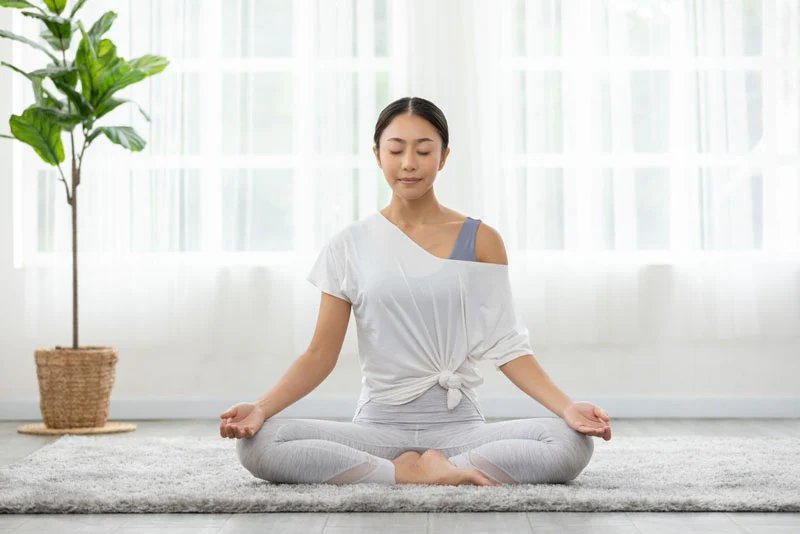
Key Takeaways for Mindfulness Meditation
What It Is
Mindfulness Meditation is the art of being fully present in the moment—observing your thoughts, emotions, and sensations without judgment or reaction. It cultivates awareness, emotional balance, and deep mental clarity by helping you focus on the now rather than the noise of daily life.
Key Benefits
- Reduces overthinking and anxiety
- Enhances concentration and attention span
- Promotes emotional stability and mental clarity
- Helps regulate stress and improve overall well-being
How to Practice It
Sit comfortably in a quiet place. Close your eyes and focus on your breathing. When your mind wanders (and it will), gently return your attention to your breath or body sensations. Consistent daily practice—even for 10 minutes—creates powerful long-term results.
Mindfulness Meditation: Embracing the Power of the Present
Mindfulness Meditation is one of the most widely practiced forms of meditation in the world today. Rooted in ancient Buddhist traditions and refined for modern use, it emphasizes being fully present in the moment, aware of your thoughts, emotions, bodily sensations, and surroundings—without judgment. With the rise of mental health awareness and digital overload, more people are turning to mindfulness to reduce stress, improve focus, and cultivate inner peace.
What is Mindfulness Meditation?
Mindfulness Meditation is a mental training practice that involves observing your thoughts and emotions without trying to control them. Instead of reacting or suppressing what arises in the mind, practitioners are encouraged to acknowledge every thought and feeling as it comes, then gently return to the breath or a point of focus.
This method trains the brain to respond rather than react, making it one of the best techniques for managing anxiety, depression, and emotional imbalance. Whether practiced for 5 minutes or an hour, mindfulness encourages presence and acceptance—two things that are rare in our fast-paced world.
How to Practice Mindfulness Meditation
To begin practicing mindfulness meditation, find a quiet space and sit in a comfortable position. Close your eyes gently and bring your attention to your breath. Inhale deeply, exhale slowly, and notice the sensations in your body. If your mind wanders—which it naturally will—acknowledge the distraction, and calmly bring your focus back to the breath.
Beginners can start with short 5–10 minute sessions. Over time, increasing to 20 or 30 minutes can deepen the benefits. Apps like Headspace and Insight Timer offer guided sessions that can be especially helpful for newcomers.
Key Benefits of Mindfulness Meditation
- Reduces stress and cortisol levels
- Improves focus, memory, and cognitive performance
- Enhances emotional regulation and resilience
- Boosts self-awareness and compassion
- Helps combat insomnia and fatigue
Mindfulness Meditation is not just a relaxation technique—it’s a lifestyle change. Incorporating mindfulness into your daily routine, even during tasks like eating, walking, or washing dishes, can transform how you experience life.
- Sources Include / Discover More on Mayo Clinic: Mindfulness Meditation, Builds Resilience and Awareness to Help People Learn How to Ride Life’s Ups and Downs and Live Happier and Healthier Lives
- Also Read: Popular Fitness Apps in the World
#2
Transcendental Meditation
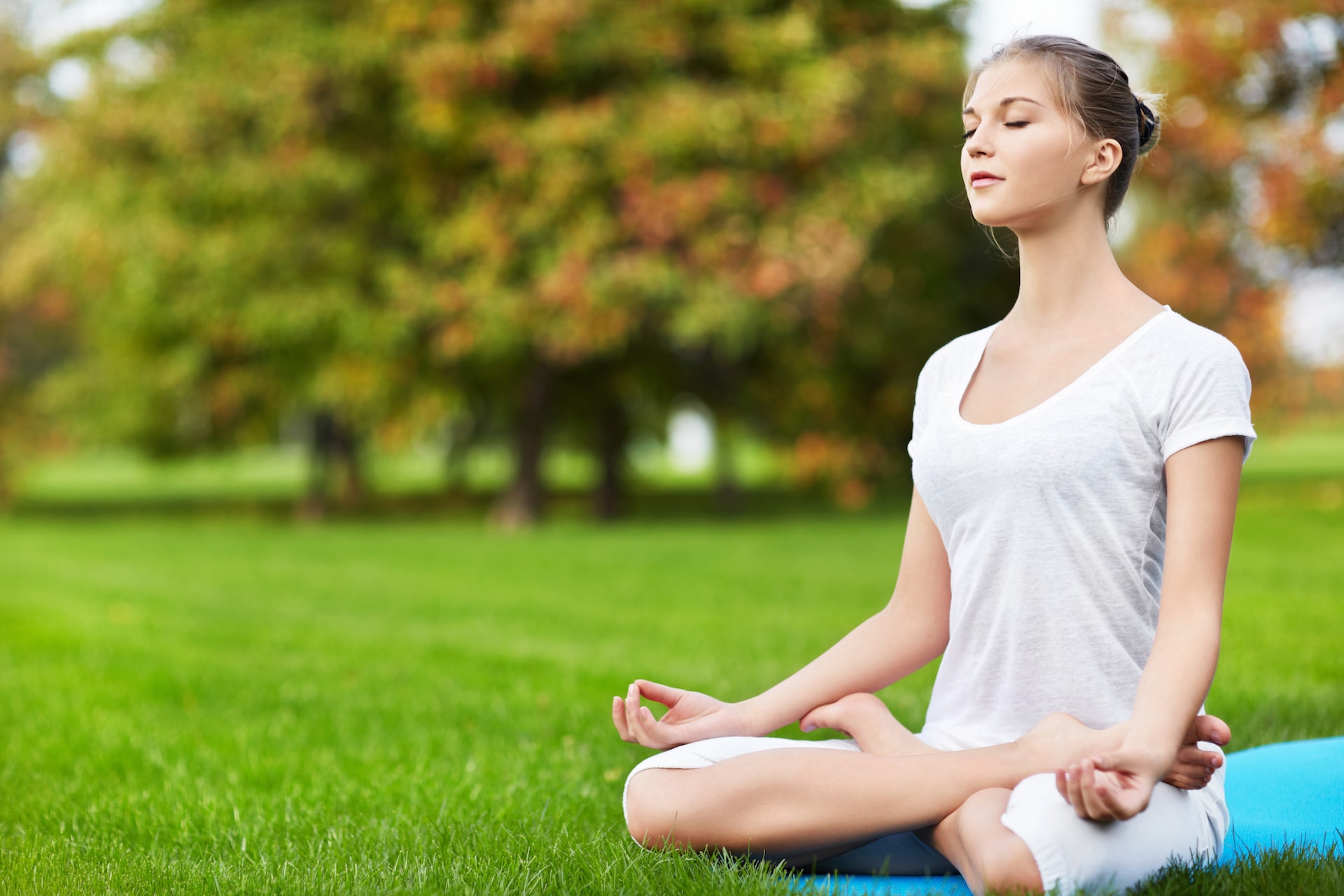
Key Takeaways for Transcendental Meditation
What It Is
Transcendental Meditation (TM) is a mantra-based practice that promotes deep relaxation and restful alertness. Originating from Vedic traditions in India, TM uses silent repetition of a personalized mantra to calm the mind and transcend conscious thought.
Key Benefits
- Reduces stress, anxiety, and blood pressure
- Enhances creativity, energy, and cognitive performance
- Promotes deep relaxation and restful awareness
- Scientifically proven to support heart and brain health
How to Practice It
Sit comfortably with your eyes closed. Silently repeat your mantra for 15–20 minutes twice daily. Let thoughts come and go naturally. Don’t try to control them—just gently return to your mantra.
Transcendental Meditation: Unlocking Deep Inner Stillness
Transcendental Meditation (TM) is a simple, natural, and effortless technique that allows the mind to settle inward, beyond thought, to experience pure awareness. Originating in India and introduced globally by Maharishi Mahesh Yogi in the 1950s, TM has become one of the most popular and scientifically studied meditation practices in the world. Unlike concentration-based methods, Transcendental Meditation does not require focused attention or control of the mind, making it accessible and easy to practice.
What is Transcendental Meditation?
Transcendental Meditation involves the silent repetition of a specific mantra—a meaningless sound or word—provided by a certified TM teacher. This personalized mantra acts as a vehicle to quiet the mind and help it naturally transcend the busy surface level of thought, reaching a deep state of restful alertness.
Practitioners typically meditate for 15 to 20 minutes, twice a day, sitting comfortably with eyes closed. Unlike mindfulness or visualization techniques, TM does not involve monitoring thoughts or visualizing objects. The goal is to allow the mind to effortlessly move inward.
How to Learn and Practice TM
To learn Transcendental Meditation properly, you must attend a course with a certified TM instructor. This ensures correct technique and mantra selection based on the individual. The training usually includes one-on-one instruction and follow-up sessions over a few days.
Once learned, the practice is simple and can be done anywhere—at home, at work, or even during travel. The key to TM is consistency. Practicing daily helps stabilize the nervous system, reduce stress, and improve mental clarity.
Scientifically Backed Benefits of TM
- Significantly reduces stress, anxiety, and depression
- Enhances creativity and mental performance
- Improves cardiovascular health and lowers blood pressure
- Boosts energy levels and emotional well-being
- Helps treat PTSD and insomnia
Dozens of peer-reviewed studies from institutions like Harvard and the American Heart Association confirm the physiological and psychological benefits of Transcendental Meditation. Its regular practice leads to a harmonious integration of mind, body, and spirit.
- Sources Include / Discover More on WebMD: Transcendental Meditation (TM), A Form of Silent Meditation Developed by Maharishi Mahesh Yogi
- Also Read: Most Popular Countries in the World
#3
Guided Meditation
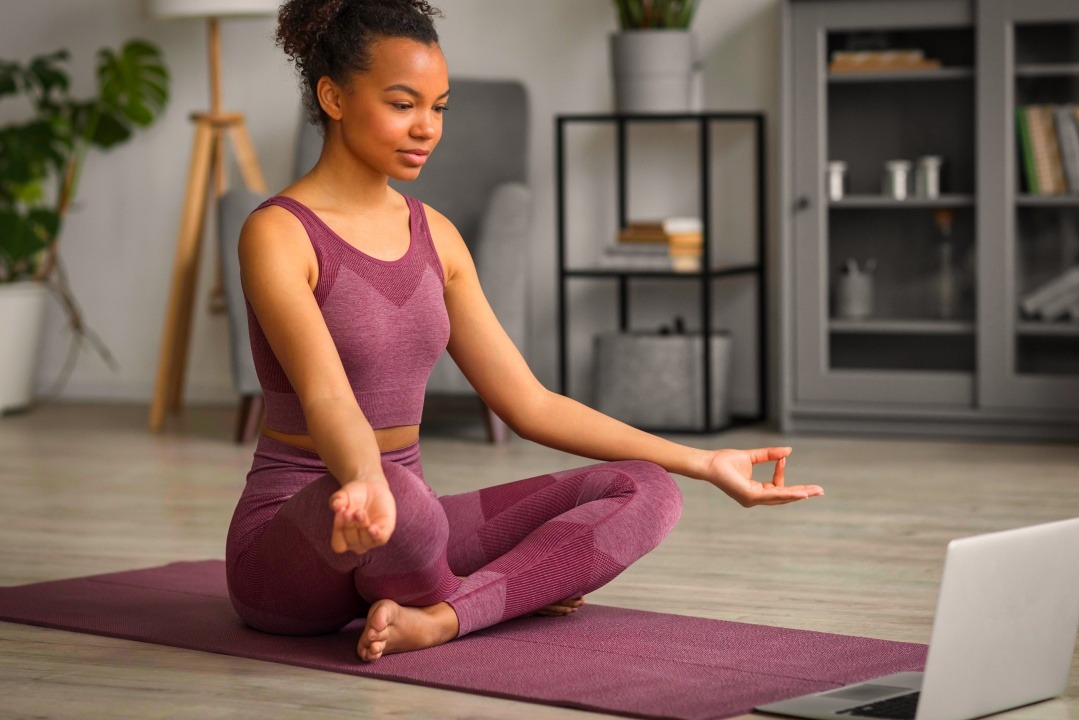
Key Takeaways for Guided Meditation
What It Is
Guided Meditation uses narration, audio, or video guidance to help you relax and visualize positive imagery. It’s perfect for beginners or those who struggle to meditate in silence.
Key Benefits
- Promotes deep relaxation and better sleep
- Reduces stress and emotional tension
- Enhances focus, visualization, and self-confidence
- Great for healing, motivation, or mindfulness training
How to Practice It
Choose a guided session from an app or YouTube. Sit or lie comfortably, close your eyes, and follow the voice’s instructions—visualize the scenarios and breathe deeply.
Guided Meditation: A Journey with a Voice to Calm and Clarity
Guided meditation is one of the most beginner-friendly and widely practiced meditation styles worldwide. It involves a narrator or guide—often through audio, video, or live sessions—leading you through a mental journey to achieve deep relaxation, emotional healing, or enhanced focus. Ideal for those who struggle with quieting the mind on their own, guided meditation removes the guesswork and makes it easy to get started.
What is Guided Meditation?
Guided meditation uses spoken instructions to direct your awareness toward relaxation, visualization, or breathing techniques. A guide may help you imagine peaceful landscapes, affirmations, or even healing light. The focus varies—some sessions aim at reducing anxiety, others enhance self-love, or improve sleep quality.
Sessions can range from 5 minutes to an hour, and you can find them in mobile apps, YouTube videos, or via therapists and meditation coaches. Unlike silent meditation, the continuous narrative provides an anchor for your thoughts, making it easier to stay focused.
How to Practice Guided Meditation
To begin, find a quiet space, sit or lie down comfortably, and press play on a guided meditation recording. Close your eyes and simply follow the voice. You’ll often be guided to breathe deeply, visualize calming images, or repeat affirmations silently.
Choose your theme—whether it’s stress relief, motivation, sleep aid, or emotional release. With thousands of options available online, you can tailor your meditation sessions to your daily needs. Many popular apps like Headspace, Calm, and Insight Timer provide themed meditations created by experts.
Benefits of Guided Meditation
- Helps beginners start meditating effortlessly
- Reduces stress and promotes calmness quickly
- Improves sleep and emotional balance
- Enhances visualization and mental focus
- Aids in trauma recovery and anxiety management
Guided meditation is especially beneficial for people who find it hard to sit in silence or those looking for emotional support. The soothing voice acts like a coach, gently nudging your mind away from distraction and into peace.
Whether you’re looking to wind down after a long day or energize your morning routine, guided meditation provides a flexible, effective solution.
- Sources Include / Discover More: Guided Meditation, Describes a Type of Meditation Led by a Teacher, in Person or via Audio or Video
- Also Read: Most Popular Online Shopping Sites
#4
Vipassana Meditation
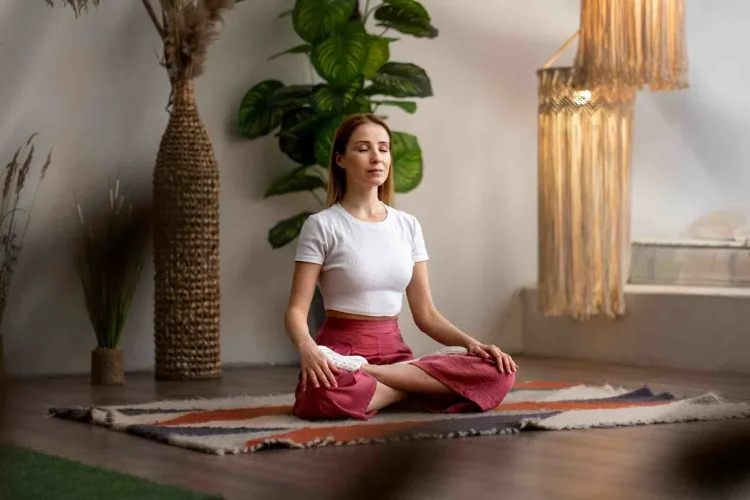
Key Takeaways for Vipassana Meditation
What It Is
Vipassana Meditation is an ancient Buddhist practice meaning “to see things as they truly are.” It focuses on self-observation and awareness of sensations to develop deep insight and inner liberation.
Key Benefits
- Builds strong self-awareness and emotional intelligence
- Reduces negative thought patterns and stress
- Fosters compassion, patience, and mindfulness
- Promotes spiritual awakening and inner peace
How to Practice It
Sit quietly, observe your breath, and notice physical sensations from head to toe. Don’t react—just observe. Traditionally taught in 10-day retreats, but short daily sessions can also transform your mind.
Vipassana Meditation: The Ancient Path to Insight and Liberation
Vipassana Meditation is one of the oldest meditation techniques in existence, dating back over 2,500 years. Rooted in the teachings of Gautama Buddha, it means “to see things as they truly are.” Unlike relaxation-based meditation, Vipassana focuses on deep introspection and mental purification through disciplined observation of bodily sensations and thought patterns. It is widely practiced in intensive silent retreats around the world and continues to attract truth-seekers who want lasting transformation.
What is Vipassana Meditation?
Vipassana is a technique of self-observation that cultivates insight into the true nature of reality. Through mindful awareness, practitioners observe physical sensations, thoughts, and emotions without reacting or clinging to them. The aim is to break the cycle of craving and aversion that causes suffering.
This method promotes equanimity—a balanced mind capable of observing pain and pleasure alike without judgment. Vipassana is not a religious practice but a universal method of mental training open to people of all backgrounds.
How to Practice Vipassana Meditation
Vipassana is traditionally taught during 10-day residential silent retreats, offered freely by centers like Dhamma.org. During the retreat, participants observe noble silence, refrain from all distractions, and follow a rigorous schedule of seated and walking meditation for about 10 hours daily.
The practice begins with observing the breath (Anapana meditation) to sharpen concentration. Once the mind is focused, practitioners systematically scan the body from head to toe, observing all sensations—tingling, pain, warmth—without reacting.
This intense observation helps dissolve old mental conditioning and unconscious reactions, leading to emotional healing and inner freedom.
Benefits of Vipassana Meditation
- Builds deep self-awareness and emotional intelligence
- Reduces chronic stress, anxiety, and negative thought patterns
- Enhances patience, discipline, and mental resilience
- Promotes mental clarity and spiritual growth
- Helps break addictions and compulsive behaviors
Vipassana offers long-term benefits that go beyond surface-level relaxation. Though it requires discipline and effort, the internal freedom and emotional balance it cultivates are profound.
This technique isn’t a quick fix—but for those willing to dive deep, Vipassana can truly be life-changing.
#5
Zen Meditation (Zazen)
Key Takeaways for Zen Meditation (Zazen)
What It Is
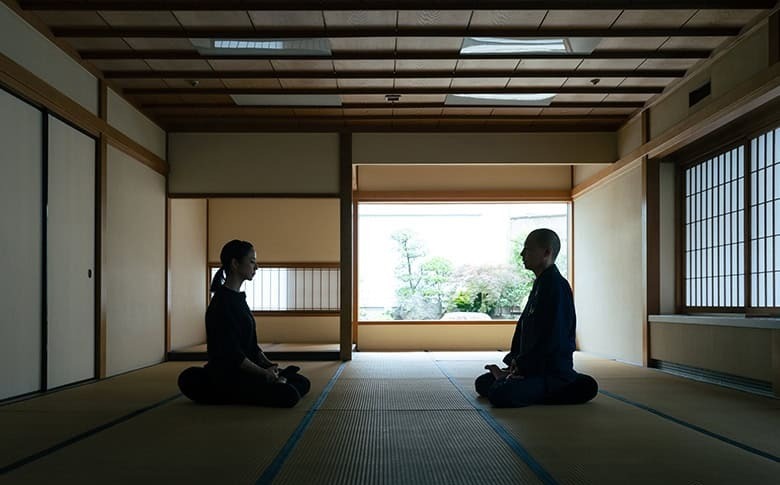
Zen Meditation, or Zazen, is a core practice of Zen Buddhism focusing on seated stillness and awareness of the present moment. It emphasizes simplicity, breath awareness, and mental observation without attachment.
Key Benefits
- Enhances mental clarity and self-discipline
- Reduces anxiety, overthinking, and restlessness
- Cultivates mindfulness and equanimity
- Promotes inner stillness and spiritual insight
How to Practice It
Sit in a lotus or half-lotus position with a straight back. Keep your eyes slightly open and focus on your breath. When thoughts arise, notice them without engagement and gently return to breathing.
Zen Meditation (Zazen): The Art of Sitting with Stillness
Zen Meditation, also known as Zazen, is a core practice in Zen Buddhism and emphasizes sitting in silence, observing the mind, and letting go of distractions. Originating from China and later flourishing in Japan, Zen meditation has become a global method for cultivating awareness, discipline, and inner peace. Unlike other techniques focused on mantras or visualization, Zazen invites practitioners to simply sit and be—with no goal other than presence.
What is Zen Meditation (Zazen)?
Zazen literally means “seated meditation.” It involves sitting in a specific posture—typically in the lotus or half-lotus position—with a straight spine, eyes half-closed, and hands in a specific mudra (cosmic mudra). The breath is allowed to flow naturally while the practitioner remains fully aware of each inhale and exhale.
In Zazen, there are generally two approaches: focusing on the breath (known as shikantaza, or “just sitting”) or observing thoughts without judgment. The goal isn’t to suppress thoughts, but to recognize them and return gently to the present moment.
This simplicity is what makes Zazen powerful. It cuts through mental noise and brings clarity and insight with consistent practice.
How to Practice Zen Meditation
Find a quiet space and choose a meditation cushion or bench to support your sitting posture. Sit cross-legged with your back straight and your hands resting in your lap. Keep your gaze lowered but not closed completely. Begin by following your breath—counting each inhale and exhale if necessary.
If thoughts arise (and they will), notice them without engagement. Do not try to stop them. Simply return to your breath or the act of sitting. Sessions typically last from 15 to 40 minutes.
While it may sound simple, the depth of Zazen unfolds with patience and regularity.
Benefits of Zen Meditation
- Sharpens concentration and mental clarity
- Fosters emotional stability and mindfulness
- Reduces anxiety and overthinking
- Encourages non-attachment and inner freedom
- Strengthens spiritual awareness and self-discipline
Zazen isn’t about escaping reality—it’s about embracing it fully, moment by moment. As you practice sitting in silence, you’ll find profound stillness not by running away from life, but by diving straight into it.
- Sources Include / Discover More: Zen Meditation, An Advanced Technique of Meditation that Focuses on the Practice of Awareness and Concentration
- Also Read: Most Popular Hobbies in the World
#6
Chakra Meditation
Key Takeaways for Chakra Meditation
What It Is
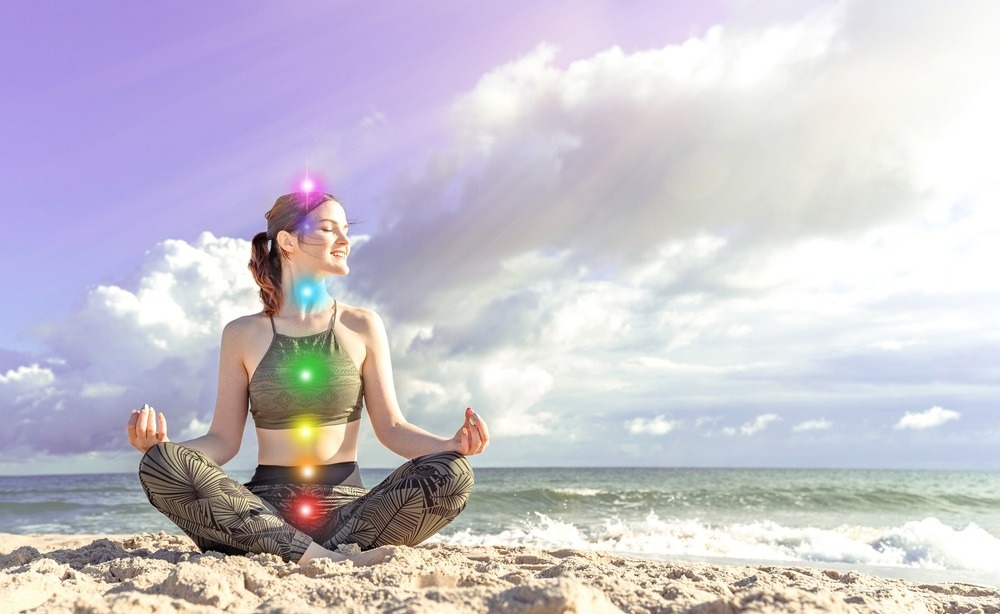
Chakra Meditation focuses on balancing the body’s seven energy centers—from the Root Chakra to the Crown Chakra—to promote physical, emotional, and spiritual harmony.
Key Benefits
- Aligns energy flow and promotes emotional healing
- Improves concentration and vitality
- Enhances spiritual awareness and intuition
- Helps release energy blockages and negativity
How to Practice It
Sit comfortably and visualize each chakra as a spinning wheel of colored light. Starting from the base of the spine, move upward to the crown. Use corresponding mantras (e.g., “LAM” for Root Chakra) or guided audios for deep balancing.
Chakra Meditation: Balancing Your Inner Energy System
Chakra Meditation is a spiritual energy-based practice that focuses on aligning the body’s seven primary energy centers, or “chakras.” Rooted in ancient Indian and yogic traditions, this form of meditation is designed to promote physical, emotional, and spiritual balance by awakening and harmonizing these invisible energy hubs. Each chakra governs specific organs, emotions, and spiritual states. When they’re in sync, your mind, body, and spirit function at their highest potential.
What is Chakra Meditation?
The word “chakra” means “wheel” in Sanskrit, symbolizing spinning energy centers located along the spine—from the root (base) to the crown (top of the head). Each of the seven chakras is associated with specific colors, elements, and affirmations. For instance, the Root Chakra relates to stability and safety, while the Heart Chakra is tied to love and compassion.
Chakra meditation involves focusing attention on each chakra, often visualizing the corresponding color, chanting related mantras, or using affirmations to cleanse and balance energy flow. The goal is to dissolve energy blockages and enhance life force (prana or qi) circulation throughout the body.
How to Practice Chakra Meditation
Start by sitting or lying comfortably in a quiet space. Close your eyes and take a few deep breaths to relax. Begin your focus at the Root Chakra (base of the spine) and gradually move upward through each chakra point to the Crown Chakra.
For each chakra:
- Visualize its associated color (e.g., red for Root, blue for Throat)
- Silently chant its mantra (e.g., “LAM” for Root, “OM” for Crown)
- Repeat affirmations (e.g., “I am safe” for Root Chakra)
- Feel the energy flowing and expanding with every breath
You can also use healing crystals or soothing chakra frequencies to deepen the practice. Sessions can last between 10 to 30 minutes.
Benefits of Chakra Meditation
- Balances emotional and spiritual health
- Improves energy flow and vitality
- Enhances focus, creativity, and intuition
- Aids in releasing trauma and emotional blockages
- Promotes healing and inner harmony
Chakra meditation offers a powerful bridge between the physical and metaphysical. By regularly tuning into your energy centers, you create a foundation for deep inner healing and spiritual growth.
- Sources Include / Discover More: Chakra Meditation, Practiced to Raise and Maintain the Flow of Energy Upward from the First Chakra Upward and Ultimately to the Seventh Chakra
- Also Read: Most Popular Search Engines
#7
Loving-Kindness Meditation (Metta)
Key Takeaways for Loving-Kindness Meditation (Metta)
What It Is
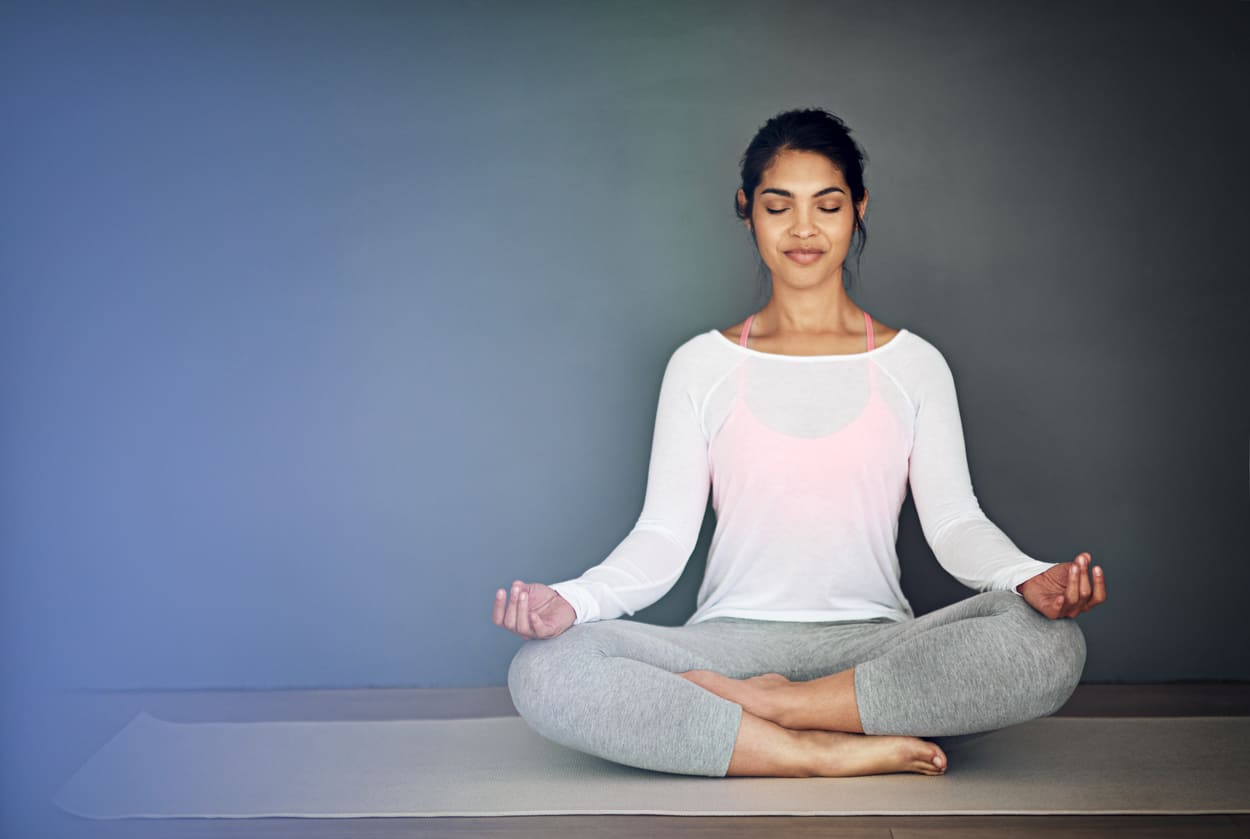
Loving-Kindness Meditation, or Metta, is a compassion-centered practice that nurtures love and empathy toward yourself and others. It helps replace anger, resentment, and negativity with unconditional goodwill.
Key Benefits
- Increases empathy and emotional resilience
- Reduces anger, stress, and loneliness
- Promotes forgiveness and positive relationships
- Enhances overall happiness and compassion
How to Practice It
Close your eyes and repeat phrases like “May I be happy. May I be safe.” Then extend those wishes to loved ones, neutral people, difficult individuals, and all beings. Feel the warmth and love in your heart as you continue.
Loving-Kindness Meditation (Metta): Cultivating Compassion from Within
Loving-Kindness Meditation, also known as Metta Meditation, is a powerful Buddhist practice that focuses on developing unconditional love and compassion for oneself and others. Unlike other techniques that emphasize breath or silence, Metta invites you to mentally repeat heartfelt phrases that evoke kindness and goodwill. Practiced globally for emotional healing and interpersonal harmony, it’s ideal for anyone looking to reduce anger, foster empathy, and strengthen relationships.
What is Loving-Kindness Meditation?
Metta is a Pali word meaning benevolence, friendliness, or goodwill. Loving-Kindness Meditation revolves around silently repeating affirmations like “May I be happy. May I be safe. May I be healthy. May I live with ease.” These phrases are then gradually extended outward—from self to loved ones, neutral people, difficult individuals, and eventually to all beings.
The goal is to dissolve boundaries and promote a sense of shared humanity. Metta helps you let go of resentment and embrace a mindset of compassion, empathy, and peace.
How to Practice Loving-Kindness Meditation
Begin by sitting comfortably in a quiet place. Close your eyes and take a few calming breaths. Start by focusing on yourself, silently repeating loving phrases. Feel the warmth of those words.
Next, extend those wishes to:
- Someone you love deeply
- A neutral person (like a colleague or neighbor)
- Someone you’re in conflict with
- All living beings everywhere
You can use traditional phrases or personalize them. The important part is to connect emotionally with each wish.
Even 10 minutes a day can bring noticeable shifts in how you relate to yourself and others. Guided Metta meditations are also available through apps like Insight Timer and Calm.
Benefits of Loving-Kindness Meditation
- Increases empathy and compassion
- Reduces anger, resentment, and anxiety
- Boosts emotional resilience and self-love
- Enhances social connections and relationship satisfaction
- Supports healing from trauma and emotional wounds
Scientific research shows that regular Metta practice leads to increased positive emotions and decreased negative mental states. It rewires the brain for compassion and trains your heart to stay open—even in the face of adversity.
#8
Mantra Meditation
Key Takeaways for Mantra Meditation
What It Is
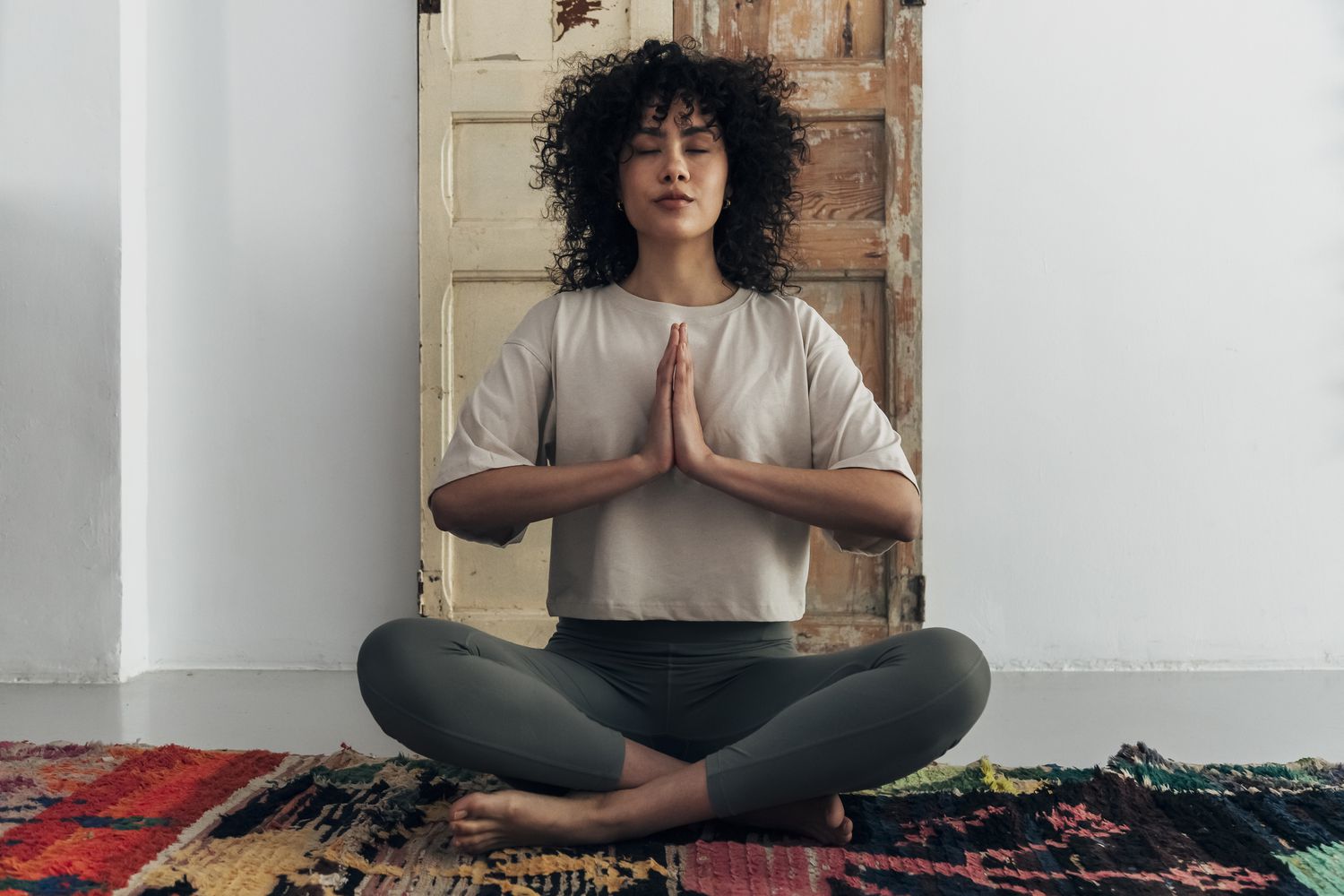
Mantra Meditation involves the repetition of sacred words, phrases, or sounds to focus the mind and raise spiritual vibrations. Common mantras include “Om,” “So Hum,” and “Om Namah Shivaya.”
Key Benefits
- Improves focus and concentration
- Reduces anxiety and calms mental chatter
- Enhances spiritual growth and energy flow
- Promotes deep relaxation and mindfulness
How to Practice It
Sit comfortably, close your eyes, and begin repeating your chosen mantra silently or aloud. Let the sound guide your awareness inward. If your mind drifts, return gently to the mantra’s rhythm.
Mantra Meditation: Harnessing the Power of Sacred Sound
Mantra Meditation is an ancient spiritual practice that uses the repetition of specific words, syllables, or phrases—known as mantras—to focus the mind and elevate consciousness. Originating from Vedic traditions in India, this technique is both simple and profound, offering mental clarity, emotional healing, and spiritual awakening. Mantra Meditation is widely practiced in both religious and non-religious contexts across the globe today.
What is Mantra Meditation?
At its core, Mantra Meditation involves repeating a chosen mantra either silently or aloud during a meditation session. The mantra serves as a mental anchor, replacing the constant chatter of thoughts and guiding the mind toward inner stillness. Common mantras include Sanskrit sounds like “Om,” “So Hum,” or “Om Namah Shivaya,” though you can also use personal affirmations or meaningful words in your native language.
The repetition creates vibrational energy that aligns your mind, body, and spirit. In many traditions, mantras are believed to hold sacred power that influences consciousness and deepens awareness.
How to Practice Mantra Meditation
To begin, find a quiet space and sit comfortably with your spine straight. Close your eyes and start taking slow, deep breaths. Choose a mantra that resonates with you. It can be spiritual or secular.
Repeat the mantra:
- Silently in your mind (mental repetition)
- Softly under your breath (whispering)
- Audibly with full voice (chanting)
Let the repetition be rhythmic and natural. When your mind wanders, gently bring it back to the mantra. A mala bead string (usually 108 beads) can help you keep track of repetitions and deepen focus.
Sessions can range from 10 to 30 minutes, depending on your experience level and time available.
Benefits of Mantra Meditation
- Enhances concentration and mental focus
- Reduces stress, anxiety, and negative thinking
- Balances energy through vibrational sound
- Supports spiritual growth and inner peace
- Helps create a consistent meditation routine
Scientific studies have shown that mantra repetition reduces activity in the brain’s default mode network—linked to mind-wandering and overthinking—allowing for greater present-moment awareness and emotional calm.
Whether you’re seeking peace of mind or a deeper spiritual connection, mantra meditation is a timeless and effective tool for transformation.
- Sources Include / Discover More on Healthline: Mantra Meditation, A Form of Meditation that Involves Repeating a Sacred Sound, Word, or Phrase to Focus the Mind and Promote Relaxation
- Also Read: Most Popular Airlines in the World
#9
Yoga Meditation
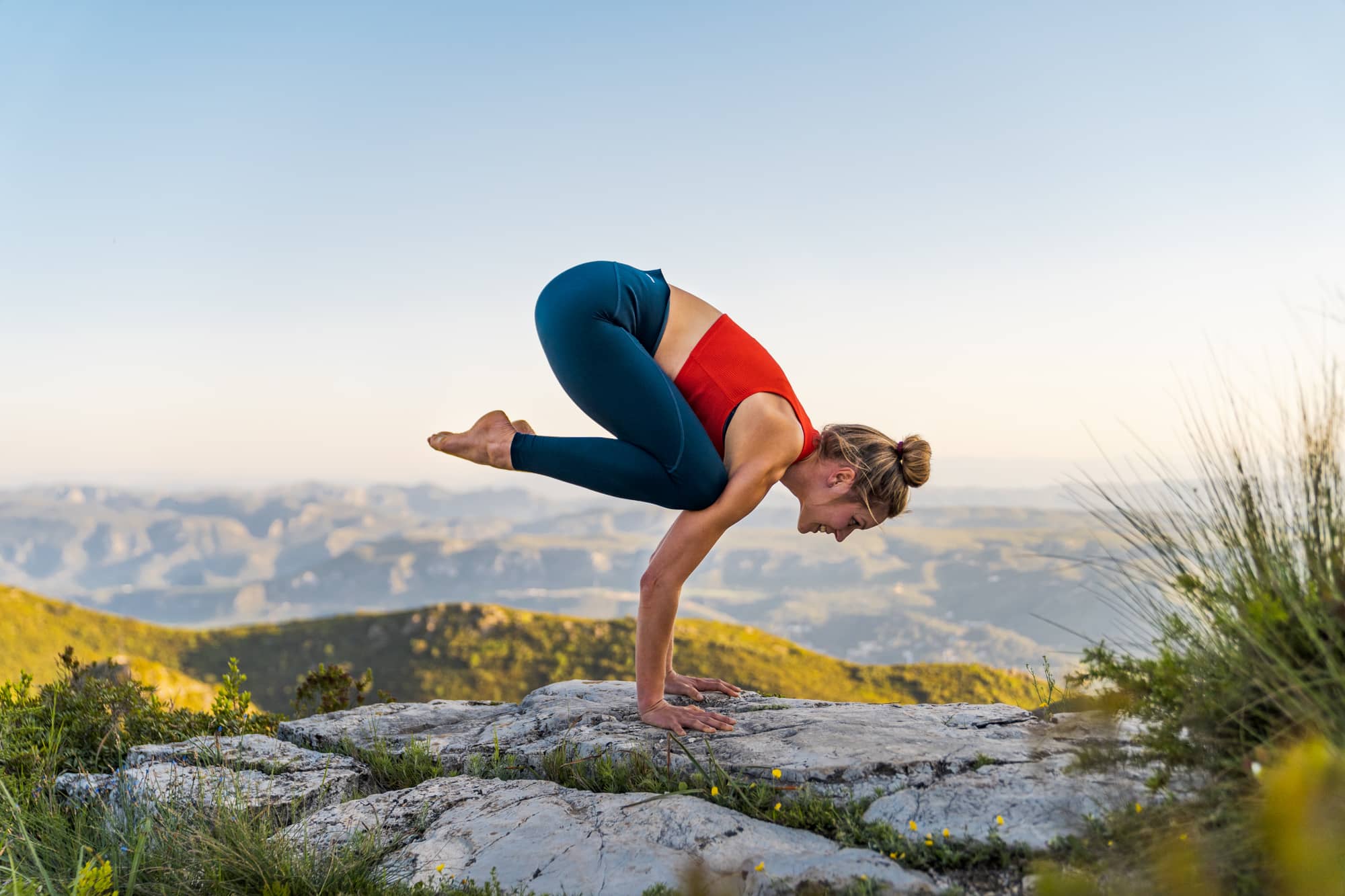
Key Takeaways for Yoga Meditation
What It Is
Yoga Meditation blends physical movement, breath control, and focused awareness to unify body and mind. It goes beyond fitness, serving as a path to mindfulness, vitality, and self-realization.
Key Benefits
- Enhances flexibility, balance, and energy
- Reduces stress and mental tension
- Improves focus, emotional control, and sleep quality
- Promotes holistic health and spiritual awareness
How to Practice It
Begin with gentle yoga poses and controlled breathing. Stay fully aware of each movement and sensation. End your session with seated meditation or savasana to calm the body and quiet the mind.
Yoga Meditation: Uniting Body, Breath, and Awareness
Yoga Meditation is a holistic practice that blends physical postures (asanas), breath control (pranayama), and mental focus to achieve deep inner peace and self-awareness. Rooted in ancient Indian philosophy, this form of meditation goes beyond physical flexibility—it serves as a bridge between body, mind, and spirit. Unlike other types of meditation, Yoga Meditation incorporates gentle movement, making it ideal for those who find it difficult to sit still for long periods.
What is Yoga Meditation?
Yoga Meditation combines the mindful flow of yoga poses with breathing exercises and meditative awareness. It’s not just about stretching or fitness; it’s a complete system for personal transformation. Each posture is performed with awareness of breath and bodily sensations, allowing you to stay grounded in the present moment.
Different yoga traditions integrate meditation differently:
- Hatha Yoga focuses on physical preparation for deeper meditative states.
- Kundalini Yoga incorporates chanting, breathwork, and energy awakening.
- Raja Yoga emphasizes meditative concentration and spiritual growth.
Yoga Meditation is often practiced at the beginning or end of a yoga session but can also stand alone as a dedicated practice.
How to Practice Yoga Meditation
Start with a few minutes of gentle yoga stretches to release physical tension. This helps prepare the body to sit in stillness. Transition into slow, deep breathing, and close your eyes if comfortable.
Focus your attention on:
- The rhythm of your breath
- The sensations in your body
- A mantra or inner stillness
You can alternate between movement and stillness, or remain seated in meditation after your yoga session. Practicing in the early morning or evening provides the best results, especially when the mind is calm.
Beginners can follow guided sessions or attend yoga classes with a meditative focus.
Benefits of Yoga Meditation
- Enhances flexibility, posture, and body awareness
- Reduces anxiety, stress, and physical tension
- Boosts energy, vitality, and emotional stability
- Cultivates mindfulness and spiritual awareness
- Improves sleep and immune system functioning
Yoga Meditation brings harmony to your entire system. It’s not just about doing a pose—it’s about being in the pose with presence. Over time, it becomes a moving meditation that integrates seamlessly into everyday life.
- Sources Include / Discover More: Yoga Meditation, Combines Physical Postures, Breathing Techniques (Pranayama), and Mindfulness to Calm the Mind and Relax the Body
- Also Read: Most Popular Private Jet Charters
#10
Body Scan Meditation
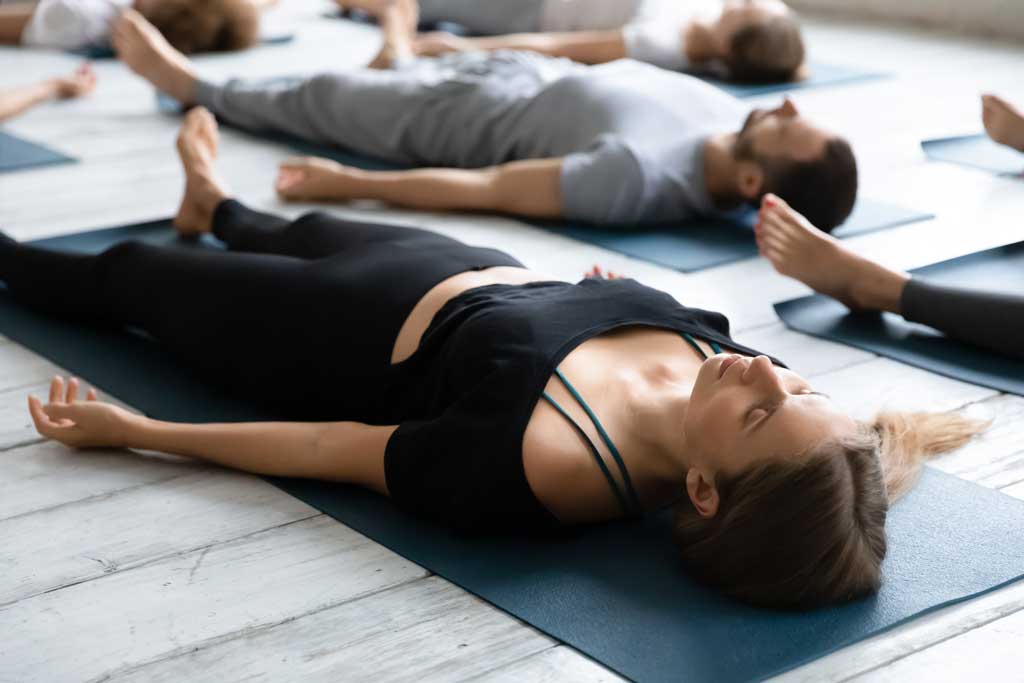
Key Takeaways for Body Scan Meditation
What It Is
Body Scan Meditation is a mindfulness technique that promotes deep relaxation and awareness by mentally scanning your body for sensations from head to toe.
Key Benefits
- Relieves physical tension and chronic pain
- Improves sleep and reduces anxiety
- Enhances mind-body connection
- Cultivates mindfulness and relaxation
How to Practice It
Lie on your back, close your eyes, and bring attention to each body part, starting at the toes and moving upward. Observe sensations—tingling, warmth, tension—without judgment. Allow your breath to soften those areas and relax deeply.
Body Scan Meditation: Reconnecting with Your Body, One Breath at a Time
Body Scan Meditation is a gentle yet powerful mindfulness practice that involves paying close attention to physical sensations throughout your body. Often used in stress reduction programs like Mindfulness-Based Stress Reduction (MBSR), this technique helps you tune into the present moment and fosters a deep mind-body connection. It’s especially popular for promoting relaxation, relieving tension, and improving sleep quality.
What is Body Scan Meditation?
Body Scan Meditation involves mentally scanning your body from head to toe—observing sensations without trying to change anything. The purpose is not to relax the body (although that often happens), but to notice what’s present with full awareness. You might feel tingling, tightness, warmth, or even numbness. All sensations are accepted without judgment.
This technique is often practiced lying down but can also be done sitting. It’s frequently used as a bedtime routine to calm a racing mind or during breaks to reduce physical and mental fatigue.
How to Practice Body Scan Meditation
To begin, lie on your back in a comfortable position. Close your eyes and take a few deep breaths to settle in. Shift your attention slowly from one part of the body to another—starting at the top of your head and moving downward, or vice versa.
As you focus on each area (forehead, shoulders, chest, hands, abdomen, legs, feet), notice what sensations arise. Don’t try to fix anything. If your mind wanders, gently bring it back to the body.
You can practice a quick 5-minute scan or a full 30-minute guided session using meditation apps like Insight Timer or Calm. The key is non-judgmental awareness.
Benefits of Body Scan Meditation
- Reduces physical tension and chronic pain
- Enhances body awareness and self-connection
- Improves sleep quality and reduces insomnia
- Lowers anxiety and promotes calmness
- Supports emotional regulation and mindfulness
Body Scan Meditation is ideal for beginners and those seeking a restorative practice. It teaches you to listen to your body’s signals—something we often ignore in our fast-paced lives. Over time, it builds a stronger sense of inner presence and emotional resilience.
- Sources Include / Discover More on Healthline: Body Scan Meditation (BSM), Involves Paying Attention to Parts of the Body and Bodily Sensations in a Gradual Sequence from Feet to Head
- Also Read: Most Popular Job Portals and Recruitment
Key FAQs on the 10 Most Popular Meditation Techniques
What makes Mindfulness Meditation one of the most popular meditation techniques in the world?
Mindfulness Meditation is among the most popular meditation techniques globally because it trains awareness of the present moment without judgment. Research from Harvard Medical School links mindfulness practice to reduced stress, anxiety, and emotional reactivity.
By focusing on breath, thoughts, and sensations, practitioners improve concentration, self-awareness, and emotional balance. Mindfulness is widely recommended in mental health programs and mindfulness-based stress reduction (MBSR) protocols supported by clinical research.
Why is Transcendental Meditation famous for deep relaxation and stress relief?
Transcendental Meditation is famous for deep relaxation because it uses silent mantra repetition to settle the nervous system. Studies published in peer-reviewed journals associate TM with lower cortisol levels, reduced blood pressure, and improved cardiovascular health.
Originating in India and popularized worldwide, Transcendental Meditation promotes mental clarity and inner calm. It is widely practiced for stress management, cognitive performance, and long-term emotional stability.
How does Guided Meditation help beginners achieve mindfulness and better sleep?
Guided Meditation helps beginners achieve mindfulness and better sleep through voice-led narration and visualization. Clinical studies highlight guided meditation as effective for relaxation, anxiety reduction, and insomnia support.
By following calming instructions, users enter a relaxed mental state more easily. Guided Meditation is commonly used in sleep therapy, wellness apps, and psychological relaxation programs recommended by mental health professionals.
What are the main benefits of practicing Vipassana Meditation?
Vipassana Meditation offers profound benefits by cultivating insight through self-observation. As one of the oldest Buddhist meditation techniques, it emphasizes awareness of bodily sensations without reaction.
Research on mindfulness and insight meditation shows Vipassana improves emotional regulation, mental clarity, and stress resilience. Practiced worldwide through silent retreats, Vipassana supports long-term psychological well-being and deep self-understanding.
How does Zen Meditation (Zazen) promote mindfulness and discipline?
Zen Meditation, or Zazen, promotes mindfulness and discipline through seated stillness and breath awareness. Rooted in Japanese Zen Buddhism, it emphasizes posture, simplicity, and non-reactive observation.
Studies on contemplative practices associate Zen Meditation with improved focus, emotional balance, and reduced mental clutter. Its structured approach strengthens mental discipline and present-moment clarity over consistent practice.
What makes Chakra Meditation effective for spiritual energy and emotional healing?
Chakra Meditation is effective for spiritual energy and emotional healing by balancing the body’s seven energy centers. Rooted in Hindu philosophy, it uses breathwork, visualization, and sound to restore energetic harmony.
Practitioners report improved emotional balance, vitality, and spiritual awareness. Chakra Meditation is widely used in holistic wellness practices and complementary healing traditions worldwide.
How does Loving-Kindness Meditation (Metta) help in emotional healing and compassion?
Loving-Kindness Meditation, also known as Metta, supports emotional healing by cultivating compassion and positive emotions. Psychological research links Metta practice to increased empathy, reduced anger, and improved emotional well-being.
By repeating affirmations of goodwill, practitioners strengthen self-love and interpersonal connection. Loving-Kindness Meditation is widely recommended in emotional resilience and mental wellness programs.
Why is Mantra Meditation one of the best techniques for mental focus and inner peace?
Mantra Meditation enhances mental focus and inner peace through rhythmic repetition of sacred sounds like Om. Originating from Vedic traditions, mantra repetition stabilizes attention and calms mental fluctuations.
Scientific studies on sound-based meditation suggest benefits for stress reduction, concentration, and emotional balance. Mantra Meditation remains a cornerstone of spiritual and mindfulness practices worldwide.
How does Yoga Meditation combine movement and mindfulness for holistic well-being?
Yoga Meditation combines movement and mindfulness by integrating physical postures, breath control, and focused awareness. Rooted in ancient Indian philosophy, it harmonizes the body and mind.
Research links yoga-based meditation to improved flexibility, reduced stress, and enhanced mental clarity. Yoga Meditation is widely practiced for holistic well-being, physical vitality, and emotional balance.
What are the benefits of Body Scan Meditation for relaxation and sleep?
Body Scan Meditation supports relaxation and sleep by guiding awareness through physical sensations from head to toe. It is a core technique in mindfulness-based stress reduction (MBSR) programs.
Clinical studies associate body scanning with reduced muscle tension, improved sleep quality, and enhanced body awareness. It is especially effective for beginners and stress-related relaxation.
How to Choose the Right Meditation Technique for You
Personal Goals Matter
Do you want to relax, focus, heal, or grow spiritually? Your goal should guide your choice.
Try, Test, Reflect
Try a few different styles. Some may click instantly; others might take time. Reflect and adjust.
Tools and Resources to Get Started
Top Meditation Apps
- Insight Timer
- Calm
- Headspace
- Breethe
Online Communities and Retreats
- Vipassana.org for retreats
- r/Meditation on Reddit
- Gaia and Mindvalley for courses
Final Thoughts
Meditation isn’t one-size-fits-all—it’s a personalized journey toward mental clarity, emotional balance, and spiritual growth. Each of these 10 most popular meditation techniques offers a unique way to quiet the mind, relieve stress, and enhance self-awareness. From Mindfulness Meditation for present-moment awareness to Transcendental Meditation for deep relaxation, every method invites you to reconnect with yourself in a powerful, transformative way.
Whether you prefer mantra chanting, guided visualization, body scanning, or movement-based Yoga Meditation, consistency is the real key to unlocking lasting peace. These ancient yet modernized practices help reduce anxiety, improve focus, boost emotional intelligence, and support better sleep — benefits backed by science and centuries of experience.
So, roll out your mat, find your cushion, or simply close your eyes. Let your breath guide you inward and your awareness expand outward. The right meditation style isn’t about rules — it’s about resonance. Discover the one that aligns with your lifestyle, personality, and goals. Your journey to mindfulness, stress relief, and inner stillness begins the moment you sit down, breathe deeply, and let go of everything else. Your mind — and your soul — are ready to meet calm.
The 10 Most Popular Meditation Techniques Frequently Asked Questions (FAQs)
Start with just 5–10 minutes. Consistency matters more than duration. Gradually increase as you get comfortable.
Yes! Many studies show meditation reduces anxiety and supports emotional regulation, especially mindfulness and loving-kindness techniques.
You can definitely start solo with apps or YouTube. But for deeper techniques like Vipassana, a teacher helps a lot.
Absolutely. Thoughts will come—just notice them without judgment and return to your focus point.
Early morning is ideal for clarity, while nighttime meditation helps with sleep. Choose what suits your rhythm.
Guided Meditation and Mindfulness Meditation are best for beginners because they offer structured support and are easy to follow without prior experience.
Yes, Yoga Meditation focuses on breath, mindfulness, and inner awareness during yoga poses, while traditional yoga may emphasize physical fitness more.
About the Author
This article was researched and prepared by the World Millions Editorial Team, specialists in global rankings, premium market analysis, structured comparisons, and high-value sector research across industries.
All content undergoes verification, editorial review, and periodic updates to ensure accuracy, clarity, and alignment with recognized industry standards, reliable institutional sources, and leading global authorities.
- Last Updated: March 27, 2026 by the World Millions Editorial Team
- Original Published Date: March 27, 2026
- View Our: Editorial Team | Sources | Disclaimer | Editorial Standards