- Home
- »
- World’s Most Famous
- »
- 10 Most Famous Scientists in the World
10 Most Famous Scientists
in the World
The 10 Most Famous Scientists in the World represent the pinnacle of human intelligence, groundbreaking discoveries, and revolutionary ideas that transformed our understanding of nature and the universe. From the laws of motion and evolution to relativity and radioactivity, these legendary thinkers reshaped physics, biology, medicine, and technology.
Discover the 10 Most Famous Scientists in the World, including Albert Einstein, Isaac Newton, Marie Curie, and Nikola Tesla, ranked by their scientific impact, historical influence, and lasting contributions to modern science. Their discoveries continue to power innovation, inspire research, and shape the future of humanity.
On This Page
Toggle- Updated 2026 by the World Millions Editorial Team: View Author Information
The Timeless Impact of Scientific Geniuses
Science is the heartbeat of civilization. It’s what took us from living in caves to walking on the moon. These scientists, through relentless curiosity and brilliance, helped humanity leap forward in ways we still benefit from today.
How Scientists Have Changed the World Forever
Every one of these famous scientists challenged the status quo. They dared to question the accepted norms of their time. And in doing so, they opened up new worlds of understanding—whether it was about space, atoms, diseases, or life itself.
The Power of Scientific Discovery
From Observation to Innovation
The journey of scientific discovery usually starts with a question. “Why does an apple fall?” or “What is light made of?” These questions led to theories, experiments, and ultimately, revolutions in how we understand the universe.
The Role of Science in Modern Life
From Wi-Fi to vaccines, science is all around us. It’s not just about labs and microscopes—it’s about saving lives, building better societies, and dreaming bigger.
List of the Top 10 Most Famous Scientists in the World
Discover the legendary minds who changed the world — from Einstein’s relativity to Tesla’s electricity — explore the 10 Most Famous Scientists in history.
The following table presents a comprehensive and meticulously researched list of the Top 10 Most Famous Scientists in the World, showcasing the greatest innovators and thinkers who redefined human knowledge. Each of these scientific legends — from Albert Einstein’s revolutionary Theory of Relativity to Isaac Newton’s laws of motion, and Marie Curie’s pioneering work in radioactivity — made discoveries that shaped the modern world.
This global ranking includes groundbreaking contributors across physics, biology, chemistry, cosmology, and engineering, representing centuries of progress in scientific discovery and human innovation. Figures like Galileo Galilei, Charles Darwin, Nikola Tesla, Stephen Hawking, Aristotle, Louis Pasteur, and Thomas Edison are not just historical icons; they remain timeless inspirations for researchers, inventors, and students worldwide.
Explore their fields of expertise, notable achievements, and countries of origin in the table below — a tribute to the scientific brilliance that continues to power modern civilization.
| No. | Name | Field | Notable Contribution | Country |
|---|---|---|---|---|
| 1 | Albert Einstein | Physics | Theory of Relativity | Germany |
| 2 | Isaac Newton | Physics, Mathematics | Laws of Motion & Universal Gravitation | United Kingdom |
| 3 | Marie Curie | Chemistry, Physics | Discovery of Radioactivity | Poland/France |
| 4 | Galileo Galilei | Astronomy, Physics | Telescope & Heliocentrism Support | Italy |
| 5 | Charles Darwin | Biology | Theory of Evolution | United Kingdom |
| 6 | Nikola Tesla | Electrical Engineering | Alternating Current (AC), Tesla Coil | Serbia/USA |
| 7 | Stephen Hawking | Cosmology, Physics | Black Hole Radiation Theory | United Kingdom |
| 8 | Aristotle | Philosophy, Biology | Logic, Natural Sciences Foundation | Greece |
| 9 | Louis Pasteur | Microbiology | Germ Theory, Pasteurization | France |
| 10 | Thomas Edison | Inventor | Light Bulb, Phonograph, Motion Picture | United States |
Discover the 10 Most Famous Scientists in the World
Discover the 10 Most Famous Scientists in the World and how their groundbreaking discoveries shaped modern life. From unlocking the mysteries of space and time to transforming medicine, biology, and technology, these genius minds forever changed the course of human history.
Explore the lives and legacies of scientific legends like Albert Einstein, Isaac Newton, Marie Curie, Nikola Tesla, and Stephen Hawking. Their revolutionary theories, inventions, and research continue to influence science, innovation, and education worldwide—proving that curiosity has the power to change everything.
#1
Albert Einstein
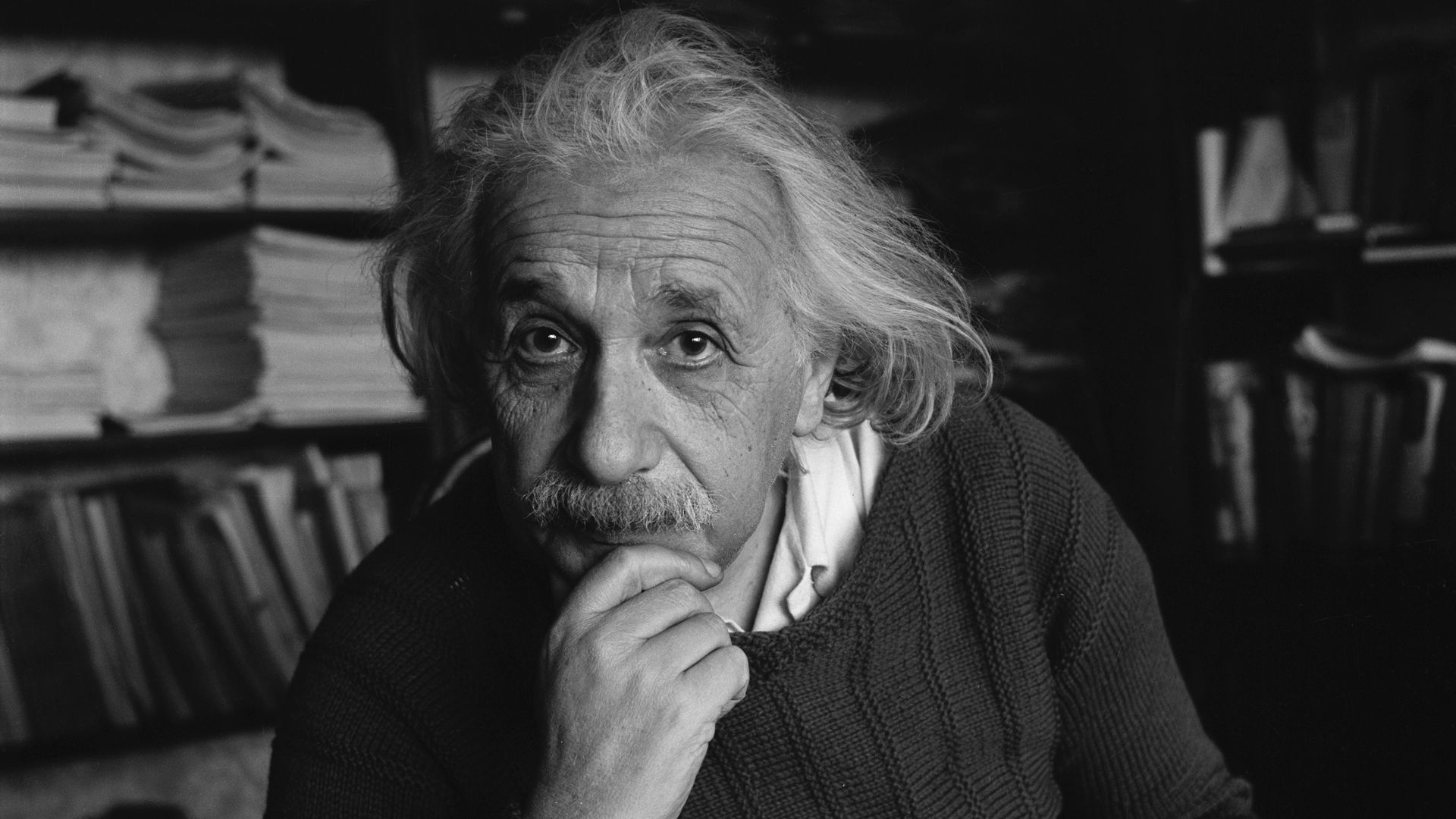
Key Takeaways for Albert Einstein
Revolutionizing Physics with Relativity
Einstein wasn’t just a physicist—he was a revolution. His Theory of Relativity reshaped time and space as we knew them. He showed us that mass and energy are two sides of the same coin.
Legacy in Modern Science
From GPS technology to nuclear power, Einstein’s theories are embedded in modern innovation. His wild hair might be iconic, but his mind changed everything.
Albert Einstein: The Genius Who Reshaped Physics
Albert Einstein is universally regarded as one of the most famous scientists in the world. His name is practically synonymous with the word “genius.” Known primarily for his Theory of Relativity, Einstein redefined our understanding of space, time, energy, and gravity. Born in Germany in 1879, Einstein’s revolutionary ideas permanently transformed the landscape of modern physics.
Einstein: Early Life and Education
Einstein was born in Ulm, Kingdom of Württemberg, Germany. He showed early signs of brilliance in mathematics and science but struggled with the rigid educational system. He eventually studied at the Polytechnic Institute in Zurich, where he excelled in physics and mathematics. These formative years were crucial in developing his abstract thinking, which later led to some of the most significant scientific theories ever proposed.
Einstein's Theory of Relativity: A Scientific Breakthrough
The Theory of Relativity, particularly the Special Theory of Relativity published in 1905, was Einstein’s first major breakthrough. This theory introduced the groundbreaking equation E=mc², which revealed the deep connection between mass and energy. In 1915, he introduced the General Theory of Relativity, which provided a new explanation for gravity. Instead of being a force between objects, gravity was now understood as the warping of spacetime itself—a revolutionary idea that has stood the test of time.
These theories not only advanced theoretical physics but also paved the way for technologies like GPS and contributed to nuclear energy development. They remain pillars of modern physics and are still taught in universities worldwide.
Scientist Einstein: Nobel Prize and Global Recognition
In 1921, scientist Einstein was awarded the Nobel Prize in Physics—not for relativity, but for his work on the photoelectric effect, which helped establish quantum theory. This milestone further cemented his reputation as a scientific innovator. Einstein’s fame quickly transcended academia, making him a household name and a symbol of intellectual brilliance.
Albert Einstein: Legacy and Influence on Modern Science
Albert Einstein passed away in 1955, but his legacy lives on. His work laid the groundwork for everything from quantum mechanics to cosmology. Even today, Einstein is a dominant name in science education, technological innovation, and popular culture. His scientific contributions continue to inspire physicists, researchers, and inventors around the world.
- Sources Include / Discover More: Albert Einstein, Was a German-Born Theoretical Physicist Best Known for Developing the Theory of Relativity
- Also Read: Most Famous Entrepreneurs in the World
#2
Isaac Newton
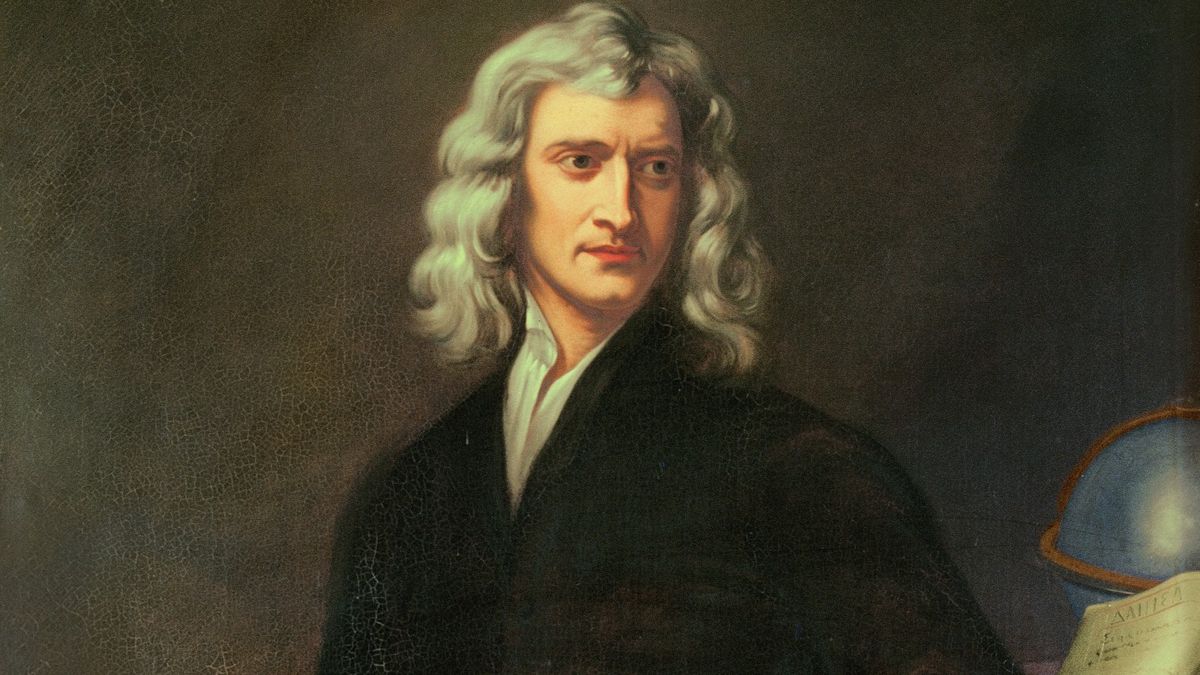
Key Takeaways for Isaac Newton
The Laws of Motion and Gravity
Remember that apple story? Newton turned that into the law of universal gravitation. His three laws of motion still form the basis of classical mechanics.
A Pillar of Classical Mechanics
Without Newton, we wouldn’t have rockets, cars, or even basic physics. He gave us the math and logic to build the modern world.
Isaac Newton: The Architect of Classical Physics
Isaac Newton stands as one of the most famous scientists in the world, often referred to as the father of modern physics. Born in 1643 in Woolsthorpe, England, Newton made monumental contributions to physics, mathematics, and astronomy. His work established the scientific laws that governed the natural world, many of which are still foundational in today’s scientific curriculum.
Isaac Newton’s Early Life and Academic Pursuits
Isaac Newton enrolled at Trinity College, Cambridge, where he initially studied law but quickly turned to mathematics and natural philosophy. It was during the Great Plague, when the university closed and Newton returned home, that he had his most productive period—often called his “Annus Mirabilis” or “Year of Wonders.” During this time, he laid the groundwork for his most groundbreaking theories.
Newton's Laws of Motion and Universal Gravitation
Newton is best known for formulating the Three Laws of Motion, which describe how objects move in space and time. These laws became the backbone of classical mechanics and are still taught as core principles in physics education. Alongside these, Newton developed the Law of Universal Gravitation, which mathematically explains how every object in the universe attracts every other object with a force proportional to their masses and inversely proportional to the square of the distance between them.
This theory revolutionized the understanding of planetary motion and gravity and unified terrestrial and celestial mechanics under one framework. Newton’s gravitational concepts remained unchallenged until Einstein’s Theory of Relativity added further depth centuries later.
Isaac Newton’s Mathematical Achievements: Inventing Calculus
In addition to his physics work, Newton independently developed calculus, a mathematical discipline essential for engineering, physics, and economics. Though Gottfried Wilhelm Leibniz also claimed credit for its invention, Newton’s contributions were pivotal in shaping modern mathematics. His book Principia Mathematica, published in 1687, remains one of the most important scientific texts ever written.
Scientist Newton: Enduring Legacy in Science and Education
Scientist Newton’s influence transcends time. His methodologies emphasized empirical observation, mathematical proof, and logical reasoning, setting the stage for the modern scientific method. Today, Newton is a name that dominates discussions in physics, astronomy, and applied mathematics. His name is immortalized in concepts like Newtonian mechanics, Newton’s Rings, and the SI unit of force—the newton.
- Sources Include / Discover More: Sir Isaac Newton, Was a Mathematician, Physicist, Astronomer, Alchemist, Theologian, Author and Inventor
- Also Read: Most Famous Crypto Wallets in the World
#3
Marie Curie
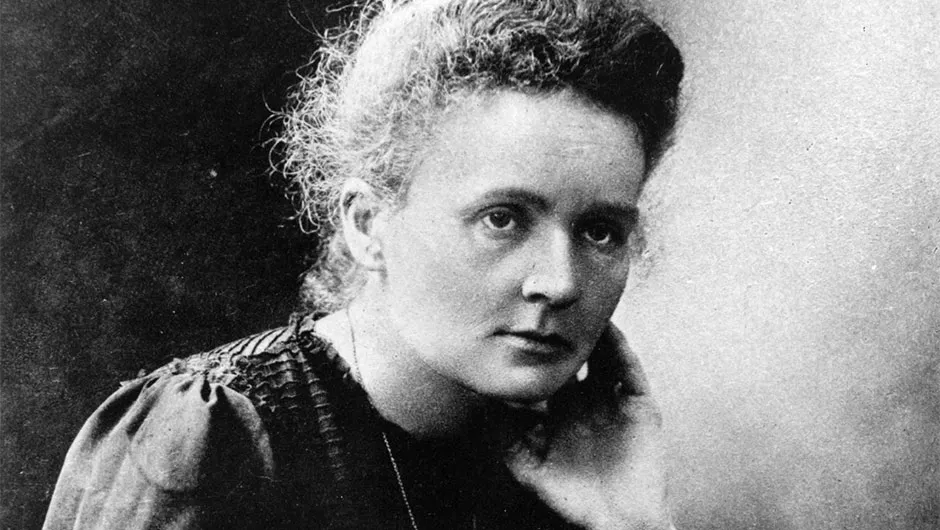
Key Takeaways for Marie Curie
The Queen of Radioactivity
Marie Curie was a true pioneer. She discovered polonium and radium, two radioactive elements, and laid the groundwork for cancer treatment and nuclear energy.
First Woman to Win a Nobel Prize
Not only did she win two Nobel Prizes, but she broke barriers for women in science, forever altering the landscape of scientific research.
Marie Curie: Pioneer of Radioactivity and Two-Time Nobel Laureate
Marie Curie is one of the most famous scientists in the world and a true trailblazer in both physics and chemistry. She broke gender barriers and made history as the first woman to win a Nobel Prize, and the only person ever to win Nobel Prizes in two different scientific fields. Her groundbreaking research on radioactivity fundamentally changed modern science and opened the door to new discoveries in medicine and nuclear physics.
Sklodowska: Early Life and Passion for Science
Born in 1867 in Warsaw, Poland, as Maria Sklodowska, Curie showed early brilliance in mathematics and science. However, due to restrictions on women’s education in Poland, she moved to Paris to study at the Sorbonne. There she excelled in physics and chemistry, eventually earning degrees in both fields. Her determination and academic excellence positioned her as a formidable scientist in a male-dominated world.
Scientist Curie: Discovery of Polonium and Radium
Scientist Curie, along with her husband Pierre Curie, began studying uranium rays. Their experiments led to the discovery of two previously unknown elements: polonium, named after her homeland Poland, and radium. She introduced the term radioactivity to describe the mysterious energy emitted by certain substances. Her work marked the beginning of nuclear physics and profoundly influenced scientific thought.
These discoveries were more than theoretical; they had practical implications that laid the foundation for cancer treatments, nuclear energy, and diagnostic imaging technologies like X-rays.
Curie: Nobel Prizes and Historic Achievements
Marie Curie received the Nobel Prize in Physics in 1903 (shared with Pierre Curie and Henri Becquerel) for their work on spontaneous radioactivity. In 1911, she was awarded the Nobel Prize in Chemistry for isolating pure radium and studying its properties. She became the first person ever to achieve this remarkable dual honor.
Her relentless pursuit of knowledge, even under harsh conditions and significant personal sacrifice, made her a role model for generations of scientists, especially women in STEM fields.
Curie's Legacy and Global Influence
Marie Curie died in 1934 due to prolonged exposure to radiation—ironically, the very subject she studied so passionately. Yet, her legacy endures in modern nuclear medicine, scientific research, and education. Institutions, hospitals, and awards bearing her name reflect her impact. Her life is a rich symbol of resilience, intelligence, and scientific excellence.
- Sources Include / Discover More: Marie Curie, Was a Polish and Naturalised-French Physicist and Chemist who Conducted Pioneering Research on Radioactivity
- Also Read: Most Famous Sports Cars in the World
#4
Galileo Galilei
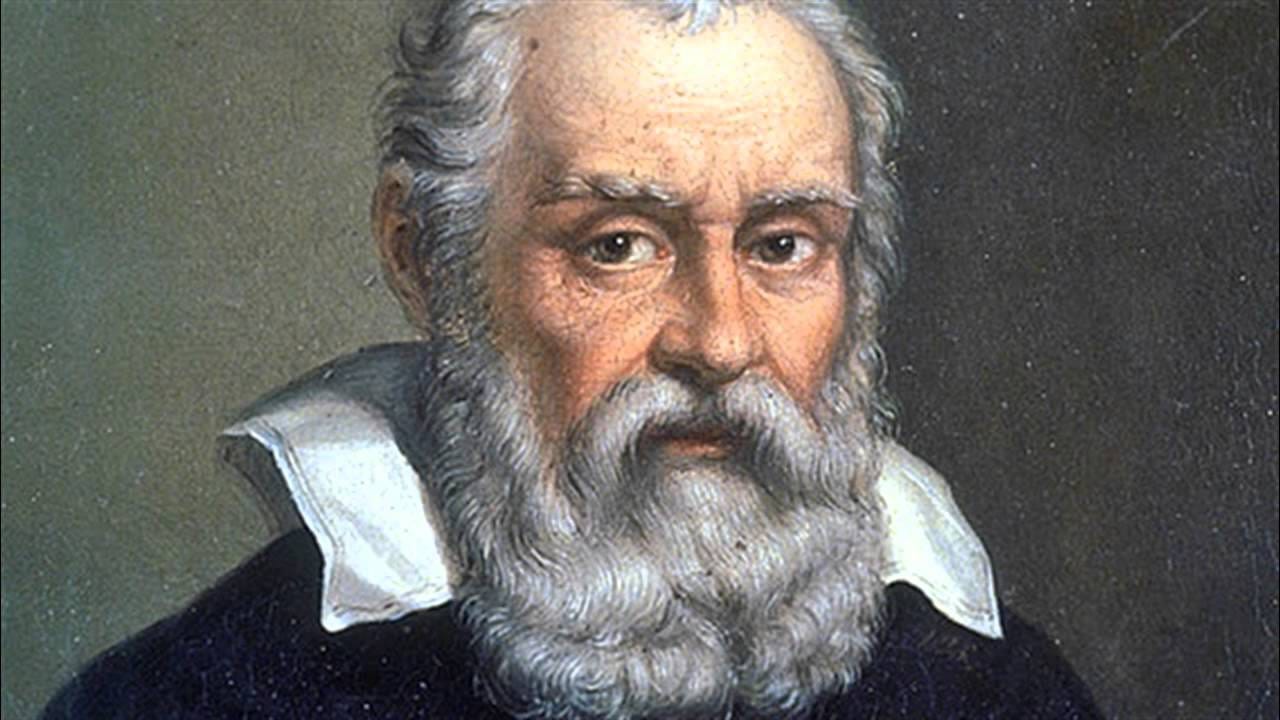
Key Takeaways for Galileo Galilei
Father of Modern Observational Astronomy
Galileo turned a telescope toward the stars and redefined our understanding of the universe. He proved that Earth wasn’t the center of everything—a radical idea at the time.
Conflict with the Church and Vindication
Despite being silenced by the church, Galileo’s legacy lived on. Today, he’s hailed as a pioneer who blended observation with mathematics.
Galileo Galilei: The Father of Modern Astronomy
Galileo Galilei is hailed as one of the most famous scientists in the world and is widely regarded as the father of modern observational astronomy. Born in Pisa, Italy in 1564, Galileo’s groundbreaking work in physics, mathematics, and astronomy laid the foundation for the scientific revolution. His use of the telescope to explore the heavens forever changed humanity’s understanding of the universe.
Galileo: Early Life and Scientific Curiosity
Galileo initially pursued a degree in medicine but soon shifted to mathematics and physics after discovering a deep passion for the sciences. He held academic positions at the University of Pisa and later at the University of Padua, where he taught geometry, mechanics, and astronomy. During this time, he began challenging long-standing Aristotelian theories with bold, evidence-based claims.
Galileo's Astronomical Discoveries That Changed the World
Galileo’s most revolutionary contributions came after he improved the telescope—an instrument that had only recently been invented. In 1609, he built one powerful enough to observe celestial bodies in stunning detail. He discovered the four largest moons of Jupiter, later named the Galilean moons (Io, Europa, Ganymede, and Callisto), providing direct evidence that not all celestial objects orbit the Earth.
He also observed the phases of Venus, sunspots, and the rugged surface of the Moon, all of which contradicted the geocentric model endorsed by the Church. These observations supported Copernicus’ heliocentric theory, asserting that the Earth orbits the Sun—not the other way around.
Conflict with the Church and Trial
Galileo’s scientific findings brought him into direct conflict with the Catholic Church, which held geocentrism as doctrinal truth. In 1633, he was tried by the Roman Inquisition and found guilty of heresy. He was forced to recant his views and spent the rest of his life under house arrest. Despite this, his works continued to circulate and inspire scientists across Europe.
Scientist Galileo Galilei: Legacy in Science and the Modern World
Scientist Galileo Galilei’s legacy is vast and enduring. He is credited with formalizing the scientific method, advocating for experimentation, observation, and mathematical proof. His work laid the groundwork for Newtonian physics and modern astronomy. Today, the name Galileo is not only in science history but also lives on through the Galileo satellite navigation system used globally.
- Sources Include / Discover More: Galileo Galilei, Was an Italian Astronomer, Physicist, and Engineer, Sometimes Described as a Polymath
- Also Read: Most Famous Luxury Perfumes in the World
#5
Charles Darwin
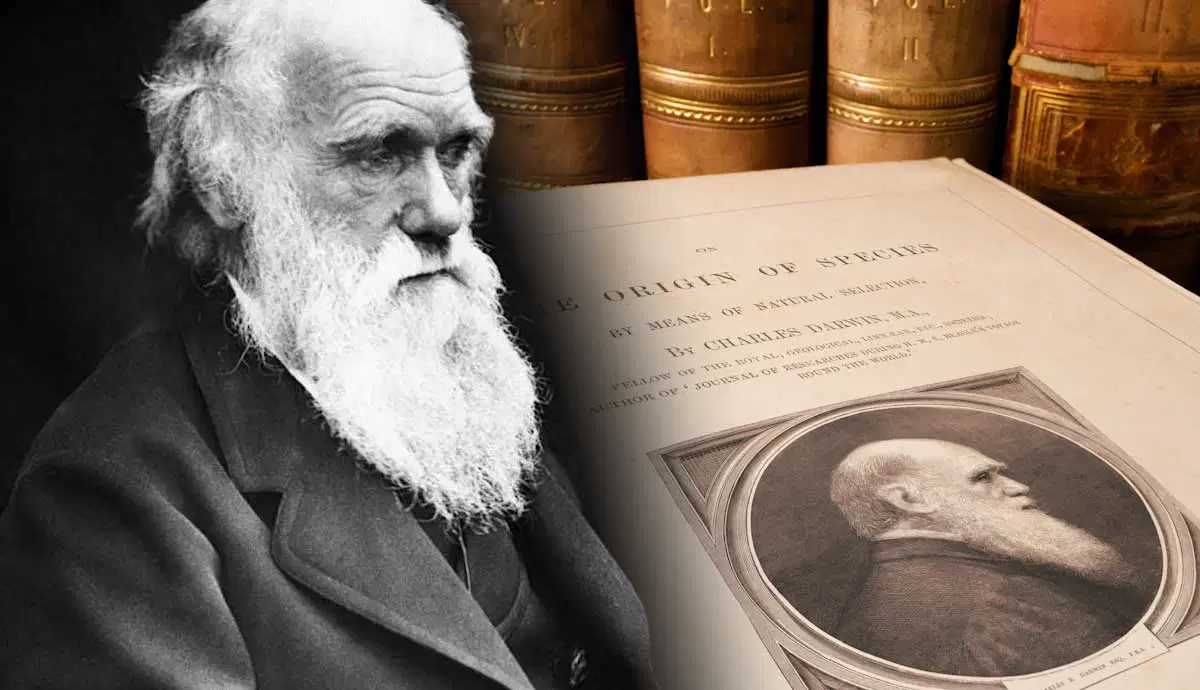
Key Takeaways for Charles Darwin
Theory of Evolution by Natural Selection
Darwin’s observations on the Galápagos Islands led to the theory of evolution. He challenged creationist views and transformed biology forever.
Legacy in Biology
From medicine to genetics, Darwin’s ideas are everywhere. He showed us the story of life isn’t static—it evolves.
Charles Darwin: The Father of Evolutionary Biology
Charles Darwin ranks among the most famous scientists in the world, known for forever transforming our understanding of life through his Theory of Evolution by natural selection. Born in 1809 in Shrewsbury, England, Darwin’s groundbreaking work laid the foundation for modern biology and changed how humanity views its origins and place in the natural world.
Darwin's Early Life, Education, and the HMS Beagle
Darwin came from a well-off family and initially studied medicine at the University of Edinburgh before switching to theology at Cambridge. However, his passion for natural science eventually led him to join the HMS Beagle as a naturalist on a five-year voyage around the world. This journey proved to be the turning point in his scientific career.
During the voyage, Darwin collected thousands of specimens, observed diverse ecosystems, and began noticing striking variations among species, especially in the Galápagos Islands. These observations led him to question the fixity of species and inspired the theories that would change science forever.
Scientist Charles Darwin: Theory of Evolution by Natural Selection
In 1859, Darwin published his landmark book, On the Origin of Species. In it, he proposed that all species evolve over time through a process of natural selection, where organisms better adapted to their environment tend to survive and reproduce. This theory provided a unifying explanation for the diversity of life and was supported by extensive empirical evidence.
Darwin’s ideas challenged the prevailing creationist views and sparked global scientific debate. Despite initial controversy, his evolutionary theory has since been supported by genetics, paleontology, and molecular biology, forming the backbone of biological sciences today.
Darwin: Impact on Science, Religion, and Society
Darwin’s work didn’t just influence biology—it reshaped philosophy, ethics, anthropology, and even theology. The implications of evolution extended beyond the lab and classroom, affecting how we understand human origins and our connection to the animal kingdom.
His legacy lives on through countless scientific institutions, awards, and even annual celebrations like Darwin Day. In modern trends, words like “evolution,” “natural selection,” and “Darwinism” still dominate academic and online discussions.
Lasting Legacy in Modern Science
Charles Darwin passed away in 1882 and was buried in Westminster Abbey, a testament to his monumental contributions. Today, he remains an icon of scientific discovery, and his theories continue to evolve with new data, reinforcing his place as a cornerstone of biological understanding.
- Sources Include / Discover More: Charles Darwin, Was an English Naturalist, Geologist, and Biologist, Widely Known for his Contributions to Evolutionary Biology
- Also Read: Most Famous Actresses in the World
#6
Nikola Tesla
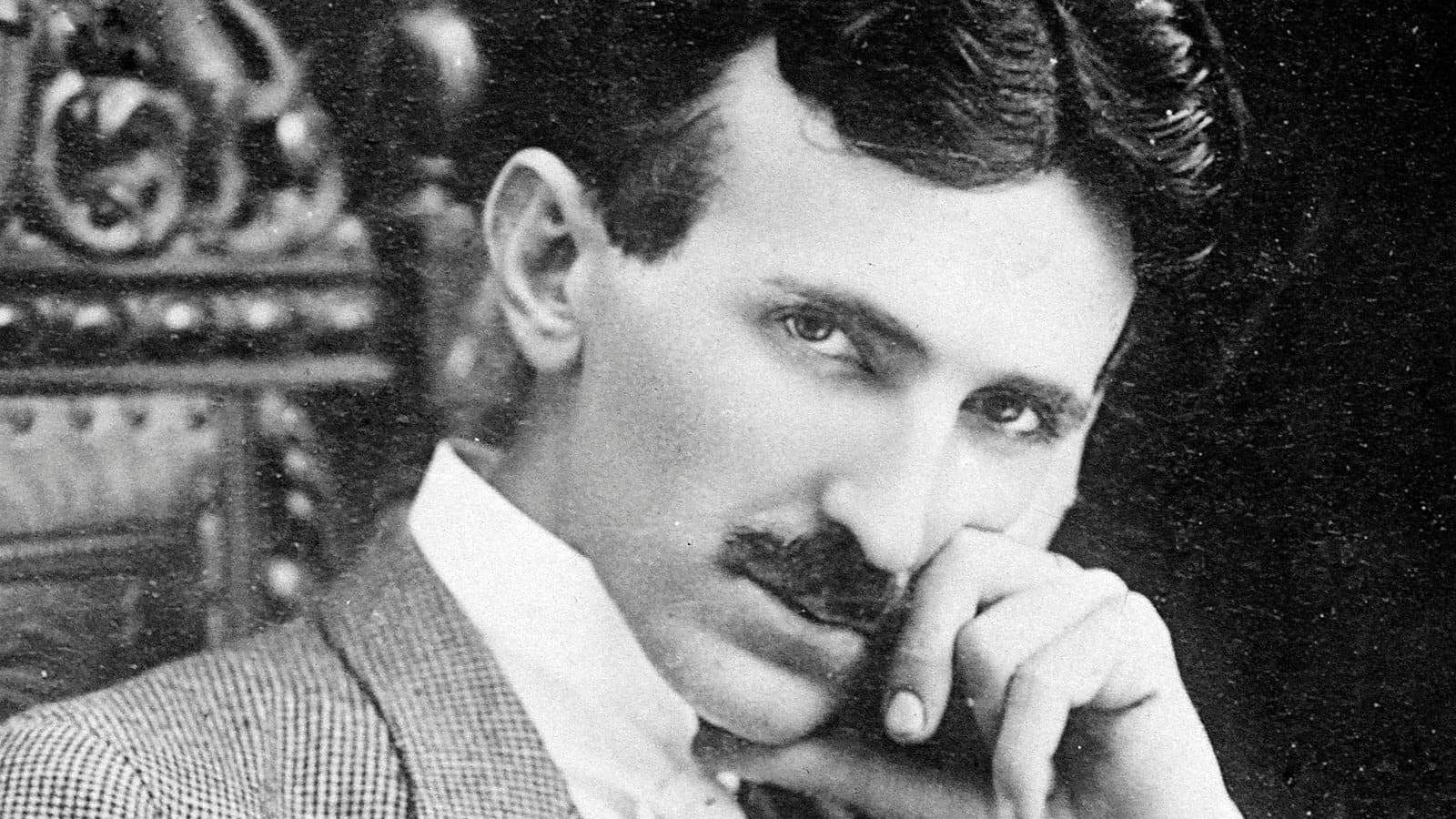
Key Takeaways for Nikola Tesla
Master of Electricity and Magnetism
Tesla gave us alternating current (AC), a system that powers your home right now. He also developed wireless communication before it was cool.
The Unsung Hero of Innovation
Despite being overshadowed in his lifetime, today Tesla is celebrated as the ultimate inventor. He dreamed big—and often ahead of his time.
Nikola Tesla: The Genius Behind Modern Electricity
Nikola Tesla is undeniably one of the most famous scientists in the world and a legendary inventor whose contributions shaped the modern age of electricity. Born in 1856 in Smiljan (modern-day Croatia), Tesla’s pioneering work in electrical engineering, particularly with alternating current (AC), made him a key figure in the Second Industrial Revolution.
Tesla: Early Life and Inventive Brilliance
Tesla was born into a Serbian family and showed early signs of genius, reportedly memorizing entire books and performing complex calculus in his head by the age of 14. After studying engineering in Austria and later working in Paris, Tesla moved to the United States in 1884. He initially worked with Thomas Edison, but their conflicting views on electric current systems soon made them rivals in what became known as the “War of Currents.”
Scientist Tesla: Alternating Current and the War of Currents
Scientist Tesla strongly believed in the superiority of alternating current (AC) over Edison’s direct current (DC). With backing from industrialist George Westinghouse, Tesla’s AC system eventually became the global standard for power transmission, thanks to its efficiency over long distances.
He also developed the Tesla Coil, a revolutionary device still used in radio technology and wireless energy experiments today. Tesla’s innovations didn’t stop there—he laid the groundwork for wireless communication, remote control, X-ray imaging, and radio waves, long before many of these were officially credited to others.
Tesla's Inventions That Shaped the Modern World
Tesla registered over 300 patents during his lifetime. Some of his most impactful inventions include:
- Induction motor
- Radio-controlled boat
- Wireless transmission of power
- Fluorescent lighting and high-frequency current
Many of these innovations were far ahead of their time and only later recognized for their profound impact on modern science and technology.
Scientist Nikola Tesla: Legacy and Global Recognition
Although scientist Nikola Tesla died impoverished and underappreciated in 1943, his name has since become synonymous with innovation and futuristic thinking. Today, the electric vehicle giant Tesla Inc. bears his name in homage to his genius. His legacy thrives through rising interest in clean energy, wireless technology, and renewable power systems.
Phrases like AC vs DC and Tesla inventions consistently rank high in global interest—proof of his enduring relevance and influence.
- Sources Include / Discover More: Nikola Tesla, Was a Serbian-American Engineer, Futurist, and Inventor
- Also Read: Most Famous Car Brands in the World
#7
Stephen Hawking
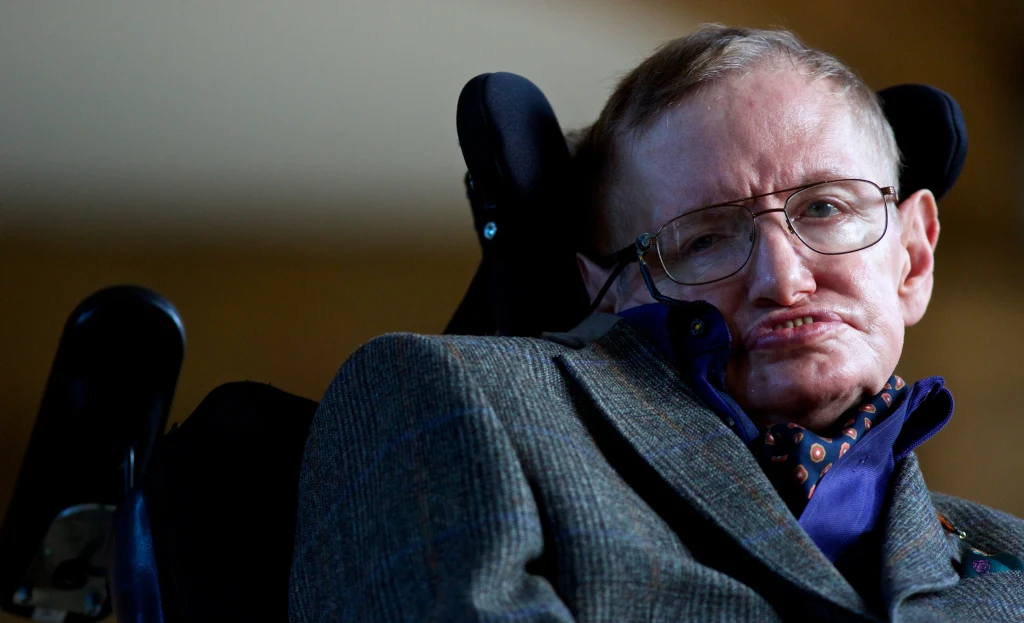
Key Takeaways for Stephen Hawking
Black Holes and Cosmology
Hawking unraveled the mysteries of black holes and the origins of the universe. He made complex science accessible with books like A Brief History of Time.
A Symbol of Intellectual Courage
Diagnosed with ALS, he defied the odds and became a legend, showing that the human spirit is just as powerful as the human brain.
Stephen William Hawking: The Visionary of Black Holes and Cosmology
Stephen William Hawking is celebrated as one of the most famous scientists in the world, renowned for his groundbreaking work in theoretical physics, cosmology, and black hole theory. Born in 1942 in Oxford, England, Hawking became a global icon not only for his scientific achievements but also for his courage in the face of ALS (Amyotrophic Lateral Sclerosis), a motor neuron disease that gradually paralyzed him.
William Hawking: Early Life, Diagnosis, and Academic Brilliance
William Hawking studied at Oxford University and later completed his PhD at Cambridge, where he focused on the nature of the universe. At age 21, he was diagnosed with ALS and given only a few years to live. But rather than giving in, he poured his energy into exploring the deepest questions of time, space, and the origin of the universe.
Despite his physical limitations, Hawking revolutionized the way we think about black holes, Big Bang theory, and quantum gravity.
Scientist Stephen Hawking: Breakthrough Contributions in Physics
One of scientist Stephen Hawking’s most influential theories is Hawking radiation. He proposed that black holes are not entirely black but emit radiation due to quantum effects near their event horizon. This discovery was monumental—it bridged the gap between quantum mechanics and general relativity, the two pillars of modern physics.
He also co-authored the Hartle–Hawking state, a theory suggesting the universe has no boundary in imaginary time. These contributions have been key in advancing our understanding of unified field theory and the very structure of spacetime.
Hawking's Public Influence and Global Recognition
Stephen Hawking wasn’t just a genius confined to academic circles—he became a pop culture icon. His best-selling book, A Brief History of Time, made complex topics like singularities and time travel accessible to the general public. It sold over 25 million copies and was translated into more than 40 languages.
Hawking also made appearances on shows like The Simpsons, Star Trek, and The Big Bang Theory, further cementing his status as the world’s most famous physicist after Einstein.
Scientist Hawking: Enduring Legacy in Modern Science
Scientist Hawking passed away in 2018, leaving behind a legacy of inspiration, innovation, and intellect. His work continues to influence research in black hole thermodynamics, string theory, and cosmic inflation. Today, words like “Hawking radiation,” “black hole information paradox,” and “Stephen Hawking theories” dominate scientific and educational search trends.
- Sources Include / Discover More: Stephen Hawking, Was an English Theoretical Physicist, Cosmologist, and Author
- Also Read: Most Famous Street Foods in the World
#8
Aristotle
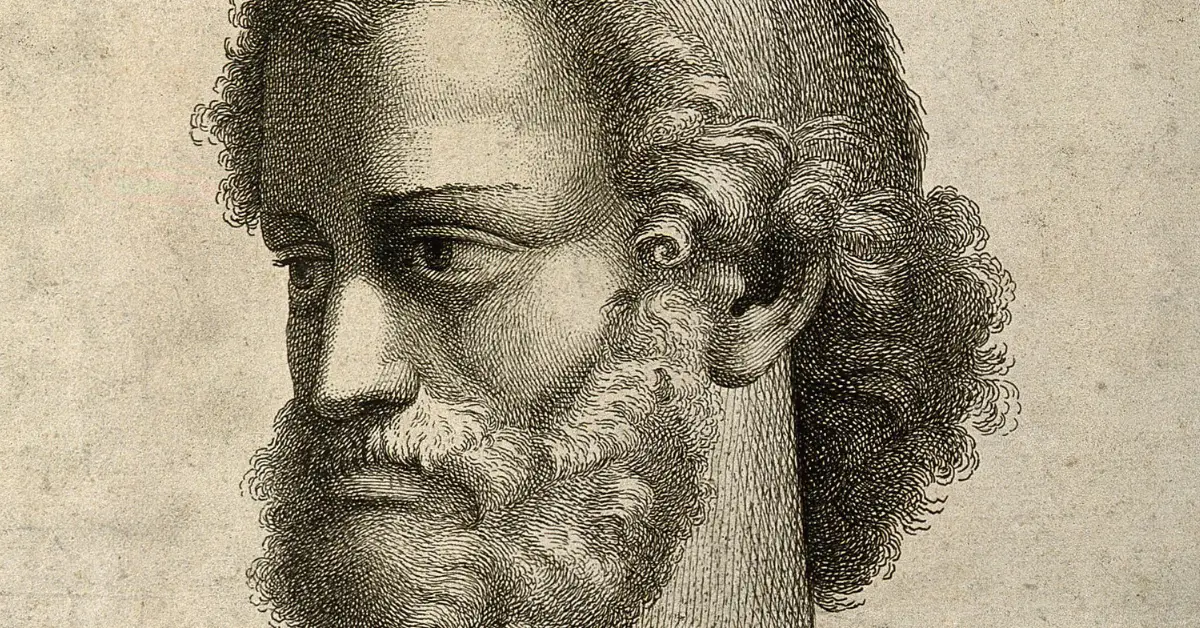
Key Takeaways for Aristotle
Father of Western Philosophy and Science
Long before modern science, Aristotle was asking questions about life, matter, and the universe. He laid the groundwork for physics, biology, and ethics.
Foundations of Logic and Biology
He wasn’t just a thinker—he was a doer. Aristotle categorized animals, wrote about weather patterns, and shaped human thought for centuries.
Aristotle: The Master of Logic, Science, and Philosophy
Aristotle is widely recognized as one of the most famous scientists and philosophers in the world. Born in 384 BCE in Stagira, Greece, Aristotle laid the foundational principles of logic, natural science, ethics, politics, and metaphysics. His works influenced not only Greek and Roman thought but also formed the cornerstone of Western intellectual tradition for over two millennia.
Philosopher Aristotle: A Student of Plato, Teacher of Alexander
Aristotle began his education at Plato’s Academy in Athens, where he spent 20 years studying philosophy and science. Although he respected Plato deeply, Aristotle’s views often diverged, leaning more toward empirical observation than idealistic abstraction.
Later, Aristotle became the tutor to Alexander the Great, instilling in the young prince a love for science, culture, and reason. This mentorship helped spread Aristotelian thought across much of the known world.
Scientist Aristotle: Founder of Scientific Method and Logical Reasoning
Aristotle was the first to formalize logic as a distinct field of study. His system of deductive reasoning, or syllogism, became a critical tool for scientists and philosophers alike. He also categorized knowledge into disciplines—physics, biology, ethics, politics, and metaphysics—many of which he pioneered.
In biology, Aristotle dissected animals and documented their anatomy, creating one of the earliest known classifications of living organisms. His emphasis on systematic observation and empirical evidence laid the groundwork for the scientific method, centuries before it was formally developed.
Aristotle's Contributions Across Sciences and Humanities
Aristotle’s writings span virtually every area of knowledge. In ethics, his concept of the “Golden Mean” promotes balance in human behavior. In politics, he analyzed different forms of government and introduced the idea of the polity—a balanced and moderate state system. His treatises, including Nicomachean Ethics, Politics, Poetics, and On the Heavens, are still studied today.
Legacy in Modern Thought
Aristotle’s influence is unmatched. His works became essential texts in Islamic philosophy during the Golden Age and were later revived by Christian scholars like Thomas Aquinas.
His holistic approach to knowledge continues to inspire disciplines from modern science to political theory and philosophy. Aristotle wasn’t just a thinker—he was the original blueprint for the modern scientist.
- Sources Include / Discover More: Aristotle, Was an Ancient Greek Philosopher and Scientist and one of the Greatest Intellectual Figures of Western History
- Also Read: Most Famous Supermodels in the World
#9
Louis Pasteur
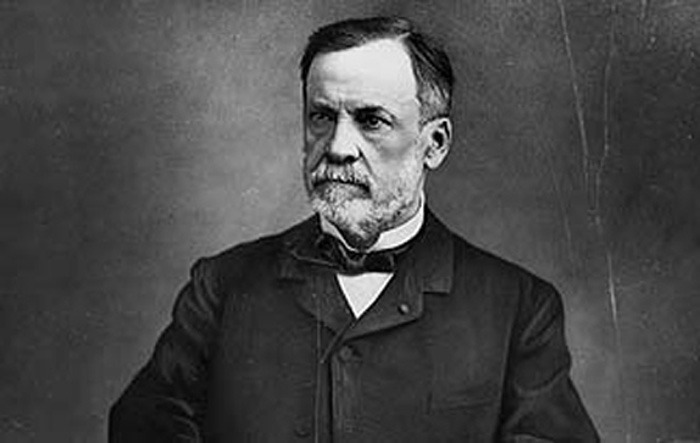
Key Takeaways for Louis Pasteur
The Germ Theory Pioneer
Pasteur proved that microbes cause disease, a discovery that changed medicine forever. He developed vaccines and the pasteurization process still used today.
Contributions to Medicine and Vaccines
His work helped save millions of lives. Without him, the fields of microbiology and immunology wouldn’t exist as we know them.
Louis Pasteur: The Pioneer of Germ Theory and Microbiology
Louis Pasteur is universally acknowledged as one of the most famous scientists in the world, celebrated for his revolutionary work in microbiology, immunology, and public health. Born in 1822 in Dole, France, Pasteur transformed modern medicine with his discoveries that helped eliminate deadly diseases and saved millions of lives.
Pasteur's Early Life and Rise in Chemistry
Pasteur began his career as a chemist, earning a doctorate from the École Normale Supérieure. His early work on crystallography and optical isomers caught the attention of Europe’s scientific elite. But it was his transition into biology that earned him global fame.
He applied scientific experimentation to study microorganisms, leading to the development of the Germ Theory of Disease—the idea that microscopic organisms cause illness. At a time when many still believed in “miasma” or “bad air,” Pasteur’s ideas were revolutionary.
Pasteurization: Germ Theory and the Birth of Microbiology
Pasteur’s experiments disproved the long-held belief in spontaneous generation, proving that microorganisms come from other microorganisms, not from non-living matter. This breakthrough laid the groundwork for the Germ Theory, changing the landscape of medicine, surgery, and sanitation.
Through meticulous research, Pasteur introduced the concept of pasteurization—a process that uses controlled heat to kill harmful microbes in food and beverages, particularly milk and wine. Today, pasteurization is a global standard for food safety.
Pasteur: Vaccines and Immunology
Pasteur’s most profound legacy lies in immunology. He developed the first laboratory-created vaccines for diseases like cholera, anthrax, and rabies. His work on attenuated pathogens led to the modern practice of vaccination, making him a hero in public health.
The successful rabies vaccine in 1885 marked a turning point in preventive medicine. Pasteur’s method not only saved a young boy’s life but also proved that laboratory science could fight infectious diseases.
Dr. Louis Pasteur: Lasting Global Impact
Dr. Louis Pasteur died in 1895, but his legacy lives on in every hospital, lab, and food production facility. Institutions like the Pasteur Institute in Paris continue to drive medical research and vaccine development. Louis Pasteur’s contributions, prove his enduring relevance.
Pasteur didn’t just invent vaccines—he helped invent modern medical science.
- Sources Include / Discover More: Louis Pasteur, Was a French Chemist, Pharmacist, and Microbiologist
- Also Read: Most Famous Billionaire Kids
#10
Thomas Edison
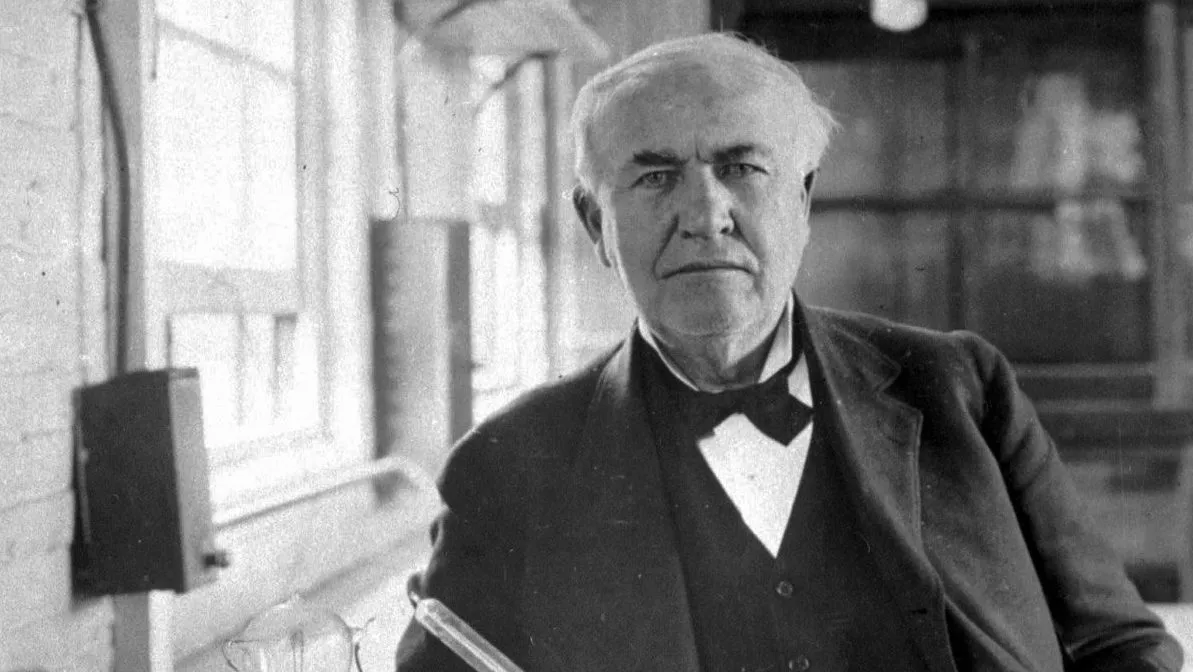
Key Takeaways for Thomas Edison
King of Invention
Edison held over 1,000 patents. He brought us the phonograph, motion pictures, and the electric light bulb.
Transforming Daily Life with Light and Sound
His inventions made the world brighter—literally. He turned scientific ideas into everyday miracles.
Thomas Alva Edison: The Father of Invention and Modern Innovation
Thomas Alva Edison is one of the most famous scientists and inventors in the world, best known for his groundbreaking work in electricity, sound recording, and motion pictures. Born in 1847 in Milan, Ohio, Edison held over 1,000 patents, making him a symbol of American ingenuity and the driving force behind the modern industrial age.
Edison: From Self-Taught Genius to Inventive Powerhouse
Edison had little formal education and was primarily self-taught. Diagnosed as “difficult” in school, he found comfort in reading and experimentation. By his teens, he had already started inventing devices and working as a telegraph operator. This early exposure to communication technology laid the foundation for his later achievements in electromechanics and telecommunication.
In 1876, he opened his Menlo Park Laboratory in New Jersey—the first industrial research lab in the world. It became a hub for rapid innovation, where teamwork and experimentation flourished.
Scientist Thomas Edison: Revolutionary Inventions that Changed the World
Scientist Thomas Edison’s most iconic invention is the incandescent light bulb, which replaced gas lamps and extended human activity into the night. But his contributions go far beyond just lighting.
Key inventions include:
- Phonograph – the first device to record and reproduce sound.
- Motion Picture Camera (Kinetoscope) – revolutionized entertainment and storytelling.
- Electric Power Distribution System – laid the infrastructure for electrified cities.
These creations didn’t just invent products—they gave rise to entire industries.
Edison vs. Tesla: The Current War
Edison was a major proponent of Direct Current (DC) electricity, which he believed was safer and more efficient. However, Nikola Tesla and George Westinghouse championed Alternating Current (AC), leading to the infamous “War of Currents.”
Though AC eventually became the standard due to its scalability, Edison’s DC system was foundational in early power grids and is still used in certain applications today. This rivalry is one of the most famous technological battles in history and continues to drive interest and searches in energy-related topics.
Edison’s Global Legacy of an Inventive Legend
Edison’s influence endures in every light switch, film reel, and audio recording. His relentless drive to “find out what the world needs and then proceed to invent it” set the template for modern-day inventors and entrepreneurs.
Thomas Edison inventions prove that his impact on science and innovation remains timeless.
- Sources Include / Discover More: Thomas Edison, Was an American Inventor and Businessman
- Also Read: Most Famous Makeup Brands in the World
Key FAQs on the 10 Most Famous Scientists in the World
Why is Albert Einstein considered one of the most famous scientists in the world?
Albert Einstein is one of the most famous scientists in the world for creating the Theory of Relativity, which redefined space, time, gravity, and energy in modern physics.
His equation E=mc² proved mass–energy equivalence, forming the basis of nuclear energy, GPS satellite technology, and cosmology. Awarded the 1921 Nobel Prize in Physics, Einstein’s work is cited by institutions such as Britannica and NASA as foundational to 20th-century science.
What made Isaac Newton one of the most influential scientists in history?
Isaac Newton is one of the most influential scientists in history for establishing the Laws of Motion and Universal Gravitation, which explained how objects move on Earth and in space.
Published in Principia Mathematica, his work shaped classical mechanics, engineering, and astronomy for over 300 years. According to Britannica and the Royal Society, Newton also co-invented calculus, making him central to modern science and mathematics.
Why is Marie Curie known as a groundbreaking woman in science?
Marie Curie is a groundbreaking scientist for pioneering the study of radioactivity and becoming the only person to win Nobel Prizes in two scientific fields—Physics and Chemistry.
Her discoveries of radium and polonium advanced nuclear physics and cancer treatment. According to NobelPrize.org and Encyclopaedia Britannica, Curie’s work transformed medicine and opened scientific pathways for women worldwide.
What were Galileo Galilei’s major scientific discoveries?
Galileo Galilei made major discoveries by improving the telescope and observing Jupiter’s moons, sunspots, and the phases of Venus.
These findings confirmed the heliocentric model, challenging centuries of belief. According to NASA and Britannica, Galileo’s reliance on observation and experimentation earned him the title Father of Modern Astronomy and reshaped scientific methodology.
What is Charles Darwin famous for in the field of biology?
Charles Darwin is famous for developing the Theory of Evolution by Natural Selection, explaining how species adapt and evolve over generations.
Outlined in On the Origin of Species, his ideas reshaped biology, genetics, and ecology. According to Britannica and the Natural History Museum, Darwin’s theory remains the foundation of modern evolutionary science.
How did Nikola Tesla revolutionize the world with his inventions?
Nikola Tesla revolutionized the world by inventing the Alternating Current (AC) power system, enabling efficient long-distance electricity transmission.
His work on wireless energy, radio technology, and the Tesla Coil powers modern electrical grids. According to IEEE and Britannica, Tesla’s innovations underpin today’s energy, communication, and automation systems.
Why is Stephen Hawking regarded as one of the greatest cosmologists of all time?
Stephen Hawking is regarded as one of the greatest cosmologists for discovering Hawking Radiation, proving black holes emit energy.
His research unified relativity and quantum physics, while A Brief History of Time popularized cosmology worldwide. According to Cambridge University and NASA, Hawking transformed public understanding of the universe.
How did Aristotle shape the foundation of modern science and philosophy?
Aristotle shaped modern science by introducing logic, classification, and empirical observation across biology, physics, and ethics.
His systematic approach influenced scientific reasoning for centuries. According to Stanford Encyclopedia of Philosophy and Britannica, Aristotle’s methodologies laid the groundwork for the scientific method still used today.
What is Louis Pasteur’s most significant contribution to science and medicine?
Louis Pasteur’s most significant contribution was establishing the Germ Theory of Disease, proving microorganisms cause infections.
He also developed pasteurization and vaccines for rabies and anthrax. According to WHO and Britannica, Pasteur’s discoveries transformed microbiology, medicine, and global food safety standards.
Why is Thomas Edison known as one of the most important inventors in history?
Thomas Edison is one of the most important inventors for creating the practical light bulb, phonograph, and motion picture camera.
Holding over 1,000 patents, he pioneered industrial research laboratories. According to the Smithsonian and Britannica, Edison’s innovations powered the modern age of electricity and mass communication.
Why These Scientists Still Matter
Their Influence on Today’s Research
Their legacies live on in labs, classrooms, and tech companies around the world. They are the giants on whose shoulders modern scientists stand.
Education, Innovation, and Inspiration
These figures inspire new generations of learners, thinkers, and dreamers. Their stories remind us that with curiosity and courage, anything is possible.
The Evolution of Scientific Thinking
From Classical to Quantum
Science doesn’t stand still. From Newton’s classical physics to Hawking’s quantum theories, each era builds on the last.
What’s Next for Human Curiosity
AI, space travel, biotech—who knows what the next Einstein will discover? But one thing’s for sure: the quest for knowledge never ends.
Final Thoughts
Science is not just a discipline — it is the heartbeat of human progress. The 10 Most Famous Scientists in the World—from Albert Einstein’s relativity to Isaac Newton’s universal gravitation, Marie Curie’s radioactivity, and Nikola Tesla’s electrical innovations—represent the purest form of curiosity, courage, and creativity. These visionaries reshaped how we understand the universe, life, and technology, setting the foundation for modern physics, chemistry, biology, and engineering.
Their groundbreaking discoveries continue to fuel scientific research, technological advancement, and global innovation. Whether it’s Stephen Hawking’s cosmic theories, Charles Darwin’s evolution, or Louis Pasteur’s microbiological breakthroughs, each of these pioneers expanded the boundaries of human knowledge.
Today, their legacies live on through every scientific experiment, medical discovery, and technological leap. They remind us that knowledge is limitless—and that every great question leads to even greater understanding.
Let the remarkable journeys of these world’s most famous scientists inspire you to keep questioning, exploring, and discovering. Because in the ever-expanding world of science, the next revolutionary idea could be yours.
The 10 Most Famous Scientists Frequently Asked Questions (FAQs)
Albert Einstein is widely considered the greatest scientist of all time due to his groundbreaking theory of relativity and contributions to modern physics.
They inspire curiosity, critical thinking, and innovation in science classrooms around the world.
Their work spans physics, biology, chemistry, astronomy, philosophy, and engineering.
Historically, women faced significant barriers to education and recognition, but pioneers like Marie Curie paved the way for change.
Read biographies, visit science museums, watch documentaries, or explore online courses to dive deeper into their lives and legacies.
Albert Einstein, Isaac Newton, Marie Curie, Galileo Galilei, Charles Darwin, Nikola Tesla, Stephen Hawking, Aristotle, Louis Pasteur, and Thomas Edison.
Isaac Newton formulated the law of universal gravitation, explaining how objects attract each other with a force proportional to their masses.
Marie Curie was the first woman to win a Nobel Prize and remains the only person to win Nobel Prizes in two different scientific fields — Physics and Chemistry.
About the Author
This article was researched and prepared by the World Millions Editorial Team, specialists in global rankings, premium market analysis, structured comparisons, and high-value sector research across industries.
All content undergoes verification, editorial review, and periodic updates to ensure accuracy, clarity, and alignment with recognized industry standards, reliable institutional sources, and leading global authorities.
- Last Updated: March 27, 2026 by the World Millions Editorial Team
- Original Published Date: March 27, 2026
- View Our: Editorial Team | Sources | Disclaimer | Editorial Standards