The top diet plans in the world represent the pinnacle of modern nutrition science, evidence-based health strategies, and sustainable lifestyle choices. From heart-healthy Mediterranean eating to metabolism-boosting intermittent fasting, these globally recognized diets are designed to support weight management, longevity, and overall wellness.
Discover the 10 top diet plans in the world, ranked by scientific research, health benefits, long-term sustainability, and global popularity among nutrition experts. These leading dietary approaches are widely recommended for improving cardiovascular health, boosting metabolism, enhancing brain function, and helping millions of people achieve lasting healthy lifestyles.
On This Page
Toggle- Updated 2026 by the World Millions Editorial Team: View Author Information
- Please note: It’s important to consult with a healthcare professional or registered dietitian to determine the best plan for individual needs and health goals.
Why Choosing the Right Diet Plan Matters
Choosing the right diet plan isn’t just about losing weight — it’s about building a sustainable, healthy lifestyle. With so many diets flooding the internet and social media, people often jump on trends that promise fast results but fail to deliver long-term success. The truth? Every body is different. What works for one person might not work for another. That’s why selecting a diet that matches your health goals, metabolic rate, lifestyle, and even cultural preferences is crucial.
The right diet helps improve digestion, boost immunity, balance hormones, and reduce the risk of chronic diseases like diabetes, hypertension, and heart disease. Instead of following the latest fad, it’s better to understand your body and find a plan you can stick to. Remember — consistency beats intensity when it comes to sustainable health changes.
What Makes a Diet Plan Effective and Sustainable?
With hundreds of diet plans available worldwide, narrowing it down to the top 10 required a careful, evidence-based approach. We evaluated each diet based on several core criteria to ensure both effectiveness and practicality.
A truly effective diet plan isn’t just about restricting calories or eliminating food groups — it’s about balance, flexibility, and long-term commitment. So, what sets these successful Top 10 Diet Plans in the World apart?
- Nutritional Balance: A good diet provides all essential macronutrients (carbohydrates, protein, and fat) and micronutrients (vitamins and minerals) your body needs to function properly.
- Sustainability: If you can’t imagine following the plan for more than a few weeks, it’s not sustainable. Look for diets that fit into your lifestyle without extreme sacrifices.
- Real-World Flexibility: The best diets allow for occasional indulgences, social meals, and varied food options so that you don’t feel deprived.
- Scientific Backing: The most effective plans are often supported by clinical studies or nutritional experts.
- Positive Impact on Mental Health: Restrictive diets can harm your relationship with food. A great diet plan encourages mindful eating and self-compassion.
Whether you’re aiming for fat loss, muscle gain, or overall wellness, these pillars define a diet that actually works — for life.
List of the 10 Top Diet Plans in the World
Discover the ultimate guide to the 10 Top Diet Plans in the World — from the heart-healthy Mediterranean Diet to the brain-boosting MIND Diet — ranked with benefits, best uses, and lifestyle fit.
Choosing the right diet plan can be overwhelming with so many options available, but the key is finding one that supports your lifestyle, long-term health goals, and overall sustainability. Below you will find a comprehensive table featuring the 10 most effective diet plans in the world — from the heart-healthy Mediterranean Diet and the blood pressure–friendly DASH Diet to the fat-burning Keto Diet, the plant-powered Vegan Diet, and more.
Each entry clearly highlights the main focus, the ideal audience, and the notable benefits, making it easier to compare which eating style can help you achieve outcomes such as weight loss, improved digestion, better brain function, or enhanced heart health. This structured side-by-side comparison not only simplifies your decision-making but also provides valuable insight into how these world’s top diet plans are ranked for effectiveness, health benefits, and long-term sustainability in today’s wellness landscape.
| # | Diet Plan | Main Focus | Best For | Notable Benefits |
|---|---|---|---|---|
| 1 | Mediterranean Diet: World’s healthiest eating plan | Heart health, longevity, anti-inflammatory foods | General wellness, aging adults seeking balanced nutrition | Reduces heart disease risk, improves brain function naturally |
| 2 | DASH Diet: Blood pressure control diet | Lowering blood pressure, cholesterol management | People with hypertension or cardiovascular concerns | Lowers blood pressure and cholesterol through healthy eating |
| 3 | Keto Diet: Low-carb, fat-burning diet | Carbohydrate restriction, ketosis for rapid fat loss | Weight loss, epilepsy management, metabolic health | Boosts metabolism, aids rapid fat and weight loss |
| 4 | Paleo Diet: Whole foods ancestral eating plan | Natural whole foods, anti-inflammatory nutrition | Natural eaters, people avoiding processed foods | Reduces processed food intake, improves digestion |
| 5 | Vegan Diet: Plant-based, ethical eating lifestyle | Plant-based nutrition, cholesterol reduction | Animal rights advocates, heart health seekers | Lowers cholesterol, supports weight management |
| 6 | Intermittent Fasting: Time-restricted eating method | Meal timing for fat loss and hormonal balance | Fat loss enthusiasts, hormonal health improvement | Improves insulin sensitivity, boosts metabolism |
| 7 | WW (Weight Watchers): Point-based diet plan | Flexible calorie control, portion management | Structured weight loss and accountability | Flexible food choices, strong community support |
| 8 | Flexitarian Diet: Semi-vegetarian healthy eating | Mostly plant-based meals with flexible options | Balanced eaters wanting sustainable lifestyle | Encourages balance, easy long-term adherence |
| 9 | MIND Diet: Brain health and memory protection | Brain-boosting foods, cognitive function support | Aging adults, Alzheimer’s prevention diet | Protects memory, blends Mediterranean & DASH |
| 10 | Volumetrics Diet: Low-calorie density approach | Weight control with high-volume, low-cal foods | Appetite control, gradual weight loss seekers | Promotes fullness, focuses on nutrient-rich meals |
Discover the 10 Top Diet Plans in the World
Discover the ultimate guide to the 10 Top Diet Plans in the World that are transforming health, fitness, and longevity. From the heart-boosting Mediterranean Diet to the metabolism-igniting Keto Diet, these globally recognized nutrition plans are designed to help you lose weight, gain energy, and live longer.
Each of these best diet plans for weight loss and wellness combines science-backed nutrition with real-world results. Whether you aim to improve digestion, enhance brain function, or achieve sustainable health goals, this curated guide highlights the most effective diets trusted by experts and followed worldwide.
#1
Mediterranean Diet
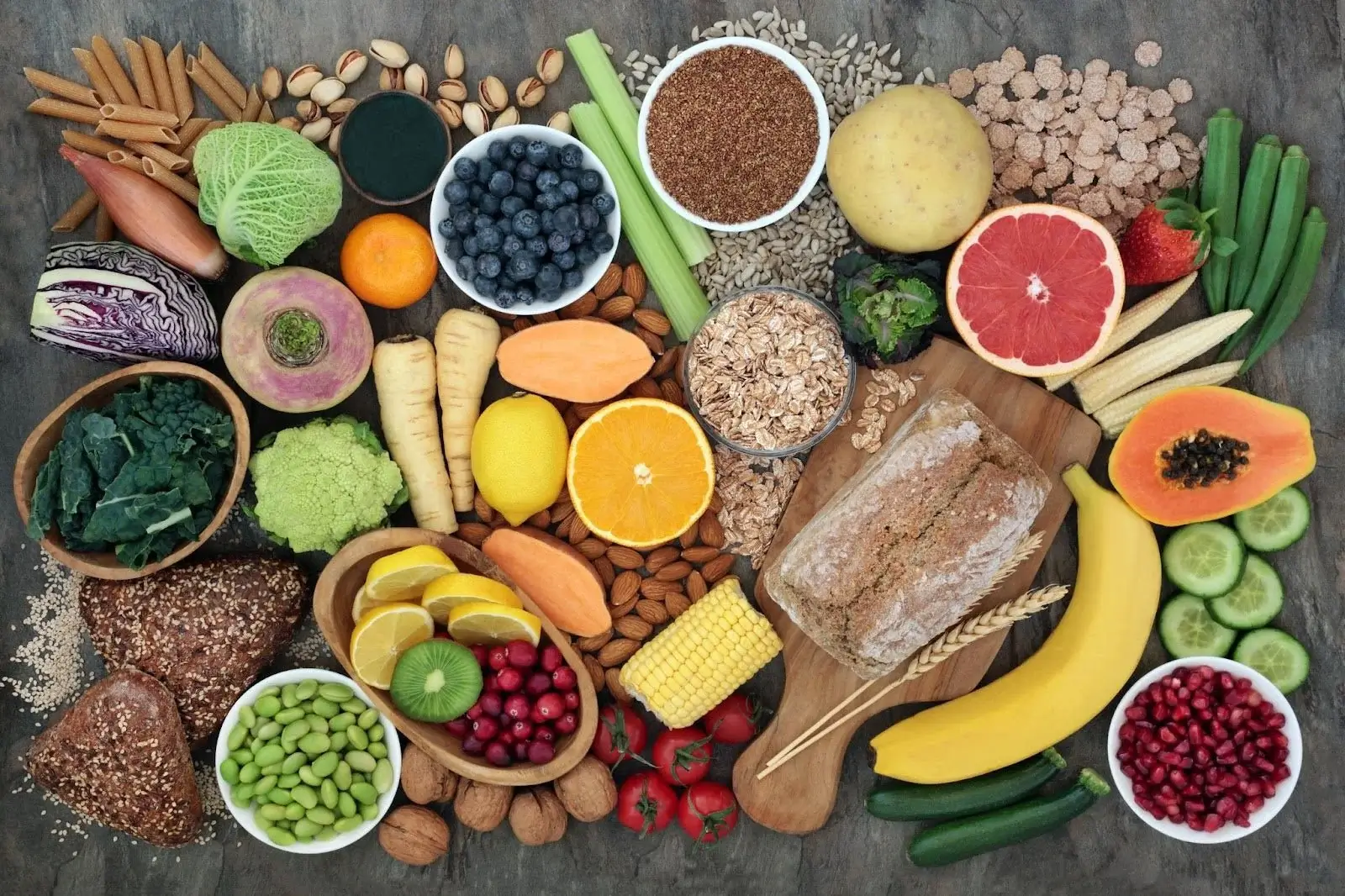
Key Takeaways for the Mediterranean Diet
What It Is
Inspired by the eating habits of countries bordering the Mediterranean Sea, this diet emphasizes fresh fruits, vegetables, whole grains, fish, olive oil, and a glass of red wine here and there.
Health Benefits
- Reduces risk of heart disease and stroke
- Promotes brain health
- Aids in weight management
Foods to Eat and Avoid
Eat: Leafy greens, nuts, legumes, fish, olive oil
Avoid: Processed meats, refined grains, sugary snacks
What is the Mediterranean Diet? A Gold Standard for Health and Longevity
The Mediterranean Diet is widely considered one of the healthiest diet plans in the world. Inspired by the traditional eating habits of countries like Greece, Italy, and Spain, this diet emphasizes whole foods, healthy fats, and a balanced lifestyle. It’s consistently ranked #1 by health experts and nutritionists due to its proven benefits for heart health, longevity, and disease prevention.
Mediterranean Diet Meal Plan
At its core, the Mediterranean Diet promotes daily consumption of vegetables, fruits, whole grains, legumes, nuts, and seeds. Olive oil is the primary source of fat, replacing butter and margarine. Fish and seafood are eaten at least twice a week, while poultry, dairy, and eggs are consumed in moderation. Red meat and sweets are enjoyed occasionally. It also encourages physical activity and shared meals with family or friends, adding a cultural and social element to the eating pattern.
Key Health Benefits of the Mediterranean Diet
One of the standout benefits of the Mediterranean Diet is heart disease prevention. Studies show it lowers LDL cholesterol and reduces the risk of stroke and cardiovascular mortality. It’s also linked to a lower incidence of type 2 diabetes, Alzheimer’s disease, and certain types of cancer. With its anti-inflammatory and antioxidant-rich components, the Mediterranean Diet supports long-term health and boosts immunity.
For those seeking natural weight management, this diet helps reduce belly fat while providing long-lasting energy. Thanks to the fiber-rich foods and healthy fats like olive oil and fatty fish, people often feel full longer and snack less.
Why the Mediterranean Diet Works
Unlike restrictive fad diets, the Mediterranean Diet is sustainable and easy to follow. It focuses on what you can eat rather than what you can’t. The abundance of flavor, variety, and satisfaction makes it a preferred choice for lifelong wellness. It’s also flexible and adaptable, making it easy to implement no matter where you live.
- Sources Include / Discover More on National Institutes of Health (NIH): The Mediterranean Diet
- Also Read: Top Organic Food Brands in the World
#2
DASH Diet
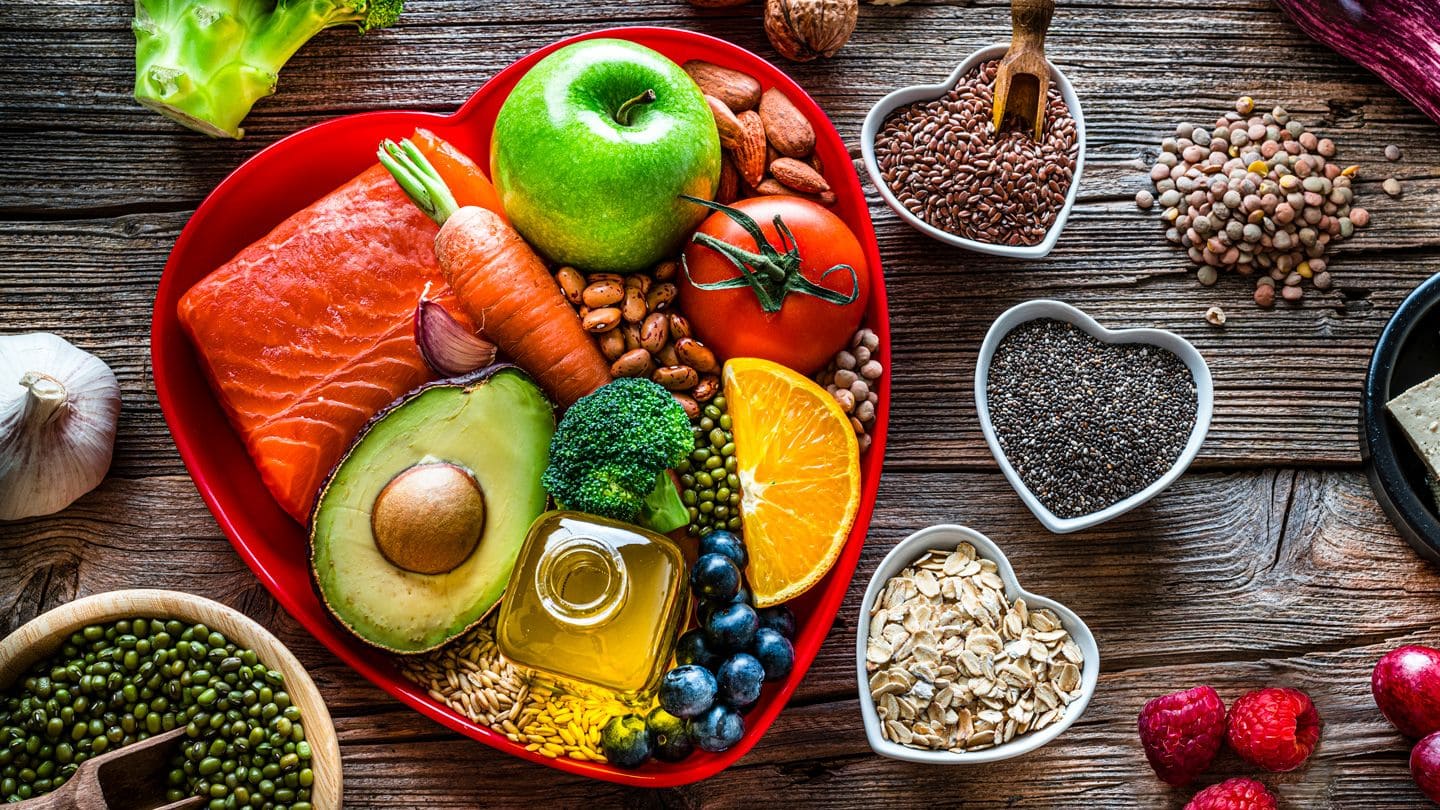
Key Takeaways for the Dash Diet
What It Is
DASH stands for “Dietary Approaches to Stop Hypertension.” Originally designed to lower blood pressure, it’s now recognized as a balanced, all-around diet.
Health Benefits
- Lowers blood pressure
- Supports heart health
- Encourages sustainable eating habits
Ideal for Blood Pressure
This plan cuts back on sodium while boosting potassium-rich foods like bananas and sweet potatoes.
What is the DASH Diet? The Doctor-Recommended Plan to Lower Blood Pressure
The DASH Diet (Dietary Approaches to Stop Hypertension) was developed by the National Institutes of Health (NIH) to combat high blood pressure and promote heart health. Recognized globally for its effectiveness, the DASH Diet is consistently ranked among the top diet plans for its balanced approach to nutrition, disease prevention, and sustainable weight loss.
Dash Diet Meal Plan
The DASH Diet emphasizes nutrient-dense, whole foods that are naturally low in sodium and rich in potassium, calcium, and magnesium — all essential for regulating blood pressure. It encourages daily servings of vegetables, fruits, whole grains, low-fat dairy, and lean proteins like fish and poultry. It also limits red meats, sugary beverages, and foods high in saturated fat.
This eating plan sets clear daily goals based on calorie needs, making it easy to personalize. For example, a 2,000-calorie DASH plan typically includes 6–8 servings of grains, 4–5 servings of vegetables, 4–5 servings of fruits, 2–3 servings of dairy, and 2 or fewer servings of lean meats per day.
Key Health Benefits of the DASH Diet
The most notable benefit is its ability to lower high blood pressure, even without medication. Research shows it can reduce systolic and diastolic pressure in just two weeks. But its advantages extend beyond hypertension — it also helps reduce the risk of heart disease, stroke, kidney disease, and type 2 diabetes.
Because the diet focuses on fiber-rich foods and lean proteins, it also supports healthy weight loss and helps reduce belly fat. Many people following the DASH Diet report improved digestion, increased energy, and fewer cravings for processed or salty snacks.
Why the DASH Diet Works Long-Term
The DASH Diet doesn’t rely on gimmicks or extreme restrictions. Its structure makes it ideal for long-term lifestyle change. It allows room for treats in moderation, making it easier to stick to than more rigid diets. Its health-first approach, backed by science and doctors, makes it a safe and effective option for anyone looking to improve their overall well-being.
- Sources Include / Discover More on NIH: DASH Eating Plan
- Also Read: Top Cryptocurrencies in the World
#3
Keto Diet
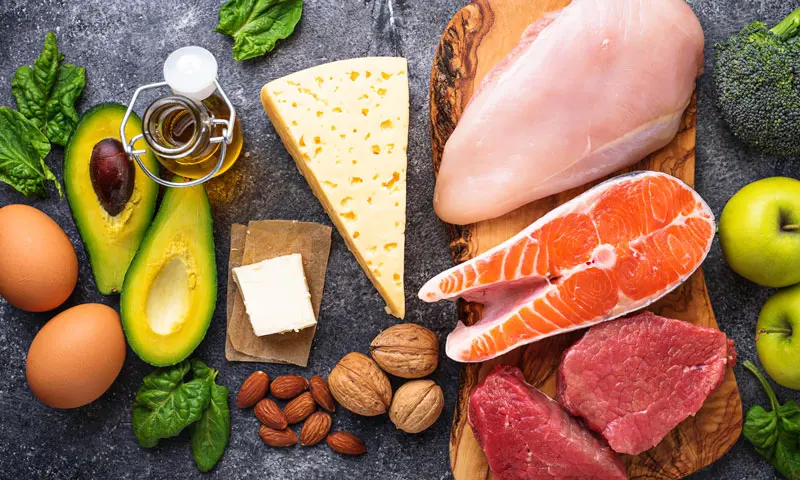
Key Takeaways for the Keto Diet
What It Is
A low-carb, high-fat diet that flips your metabolism into fat-burning mode—aka ketosis.
How It Works
By drastically cutting carbs and increasing fats, your body starts burning fat for fuel instead of glucose.
Pros and Cons
Pros: Rapid weight loss, better insulin control
Cons: Risk of nutrient deficiencies, not easy to sustain
What is the Keto Diet? The Low-Carb, High-Fat Strategy for Rapid Weight Loss
The Keto Diet, short for Ketogenic Diet, is one of the most popular and talked-about eating plans globally. Known for its rapid fat-burning capabilities, this low-carb, high-fat diet puts your body into a state of ketosis — a metabolic shift that burns fat for fuel instead of carbohydrates. Whether you’re targeting weight loss, mental clarity, or improved energy levels, the keto lifestyle offers powerful benefits.
The Keto Diet
The Keto Diet focuses on drastically reducing carbohydrate intake (usually below 50 grams per day) and increasing fat consumption to about 70–75% of daily calories. Protein intake is kept moderate, around 20–25%. This nutrient shift forces the body to enter ketosis, where it starts using ketones (derived from fat) as its primary energy source.
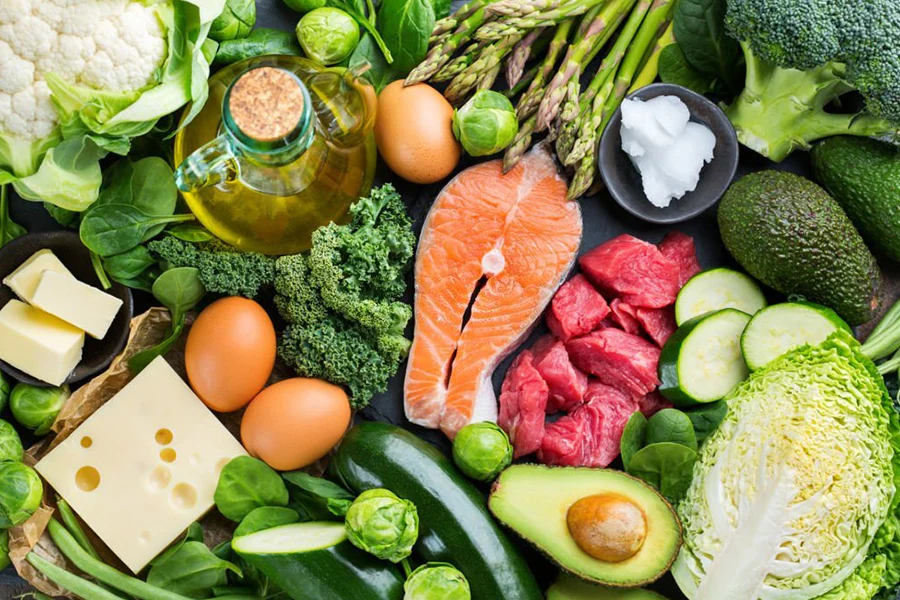
Typical keto-approved foods include avocados, eggs, cheese, fatty fish, nuts, seeds, butter, oils, and low-carb vegetables like spinach, kale, and zucchini. Grains, most fruits, sugars, legumes, and starchy vegetables are avoided due to their high carb content.
Key Health Benefits of the Keto Diet
The Keto Diet is highly effective for weight loss, especially in reducing belly fat and improving body composition. Studies show that people on a keto plan often lose weight faster than those on traditional low-fat diets. The high-fat content helps you feel fuller longer, reducing overall calorie intake naturally.
Aside from weight loss, keto is praised for improving insulin sensitivity and stabilizing blood sugar, making it beneficial for those with type 2 diabetes or prediabetes. It also enhances mental focus, reduces inflammation, and may support certain neurological conditions like epilepsy and Alzheimer’s disease.
Why the Keto Diet Works So Well
What makes the Keto Diet effective is its metabolic reset. By cutting carbs, your body no longer relies on glucose and instead taps into fat stores for fuel. This not only burns fat faster but also provides more stable energy levels without the crashes associated with high-carb meals. While it can be challenging to adapt initially, most people experience increased energy, improved mood, and reduced cravings once fully keto-adapted.
- Sources Include / Discover More on Harvard Health: Should you try the keto diet?
- Also Read: Top Real Estate Markets in the World
#4
Paleo Diet
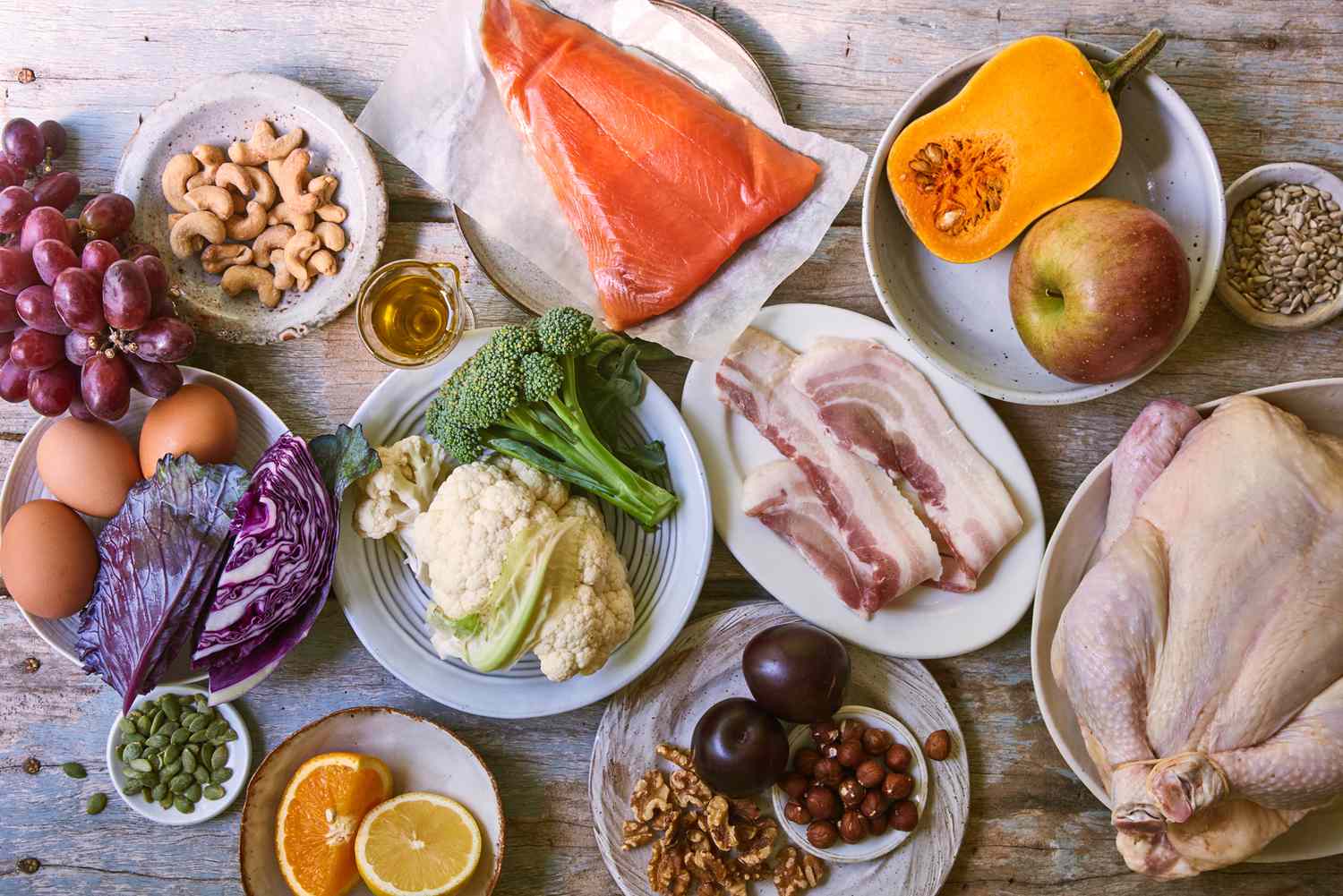
Key Takeaways for the Paleo Diet
What It Is
Also called the “Caveman Diet,” this plan encourages you to eat like our ancestors—lean meats, nuts, berries, and no processed junk.
Core Principles
If a caveman didn’t eat it, neither should you. That means cutting out grains, dairy, and legumes.
What You Can Eat
Grass-fed meat, fish, fresh produce, seeds, and nuts.
What is the Paleo Diet? Eating Like Our Ancestors for Modern Health
The Paleo Diet, also known as the Paleolithic Diet or caveman diet, is a nutritional plan based on the presumed eating habits of our ancient hunter-gatherer ancestors. This diet encourages the consumption of whole, unprocessed foods that existed before the advent of agriculture. The idea is simple: if your ancestors didn’t eat it, neither should you.
Think of your gut like a thriving garden. Just as healthy soil needs beneficial organisms to flourish, your digestive system relies on probiotics to stay in top shape.
Paleo Diet Food List
The Paleo Diet emphasizes foods that could be hunted, fished, or gathered in the Paleolithic era. That means a diet rich in lean meats, seafood, fresh fruits, vegetables, nuts, and seeds. It completely excludes processed foods, refined sugar, dairy, grains, legumes, and artificial additives.
Typical Paleo-friendly foods include grass-fed meats, wild-caught fish, eggs, avocados, olive oil, berries, leafy greens, and sweet potatoes. Highly processed snacks, soda, bread, pasta, and most modern comfort foods are off-limits.
Health Benefits of the Paleo Diet
One of the main benefits of the Paleo Diet is its emphasis on whole, nutrient-dense foods. By cutting out processed sugars, refined carbs, and dairy, many people experience reduced inflammation, fewer digestive issues, and improved blood sugar control.
It’s also considered one of the best diets for weight loss due to its low-carb, high-protein nature. Increased protein intake helps reduce appetite and supports muscle development while promoting fat loss. Additionally, the Paleo Diet may improve heart health by lowering blood pressure, cholesterol, and triglyceride levels.
Many followers also report increased energy levels, clearer skin, better sleep, and improved mental focus — all by aligning their diet more closely with human evolutionary biology.
Paleo: Why the Paleo Diet Works
The Paleo Diet works because it removes modern dietary stressors that contribute to chronic disease, weight gain, and metabolic dysfunction. By focusing on clean, whole foods and avoiding the typical Western diet’s processed junk, your body has the chance to reset and thrive.
The simplicity of the Paleo lifestyle — eating real food and staying active — makes it a sustainable and natural way to regain control over your health and nutrition.
- Sources Include / Discover More on NIH: The Paleolithic Diet
- Also Read: Top Fitness Trends in the World
#5
Vegan Diet
Key Takeaways for the Vegan Diet
What It Is
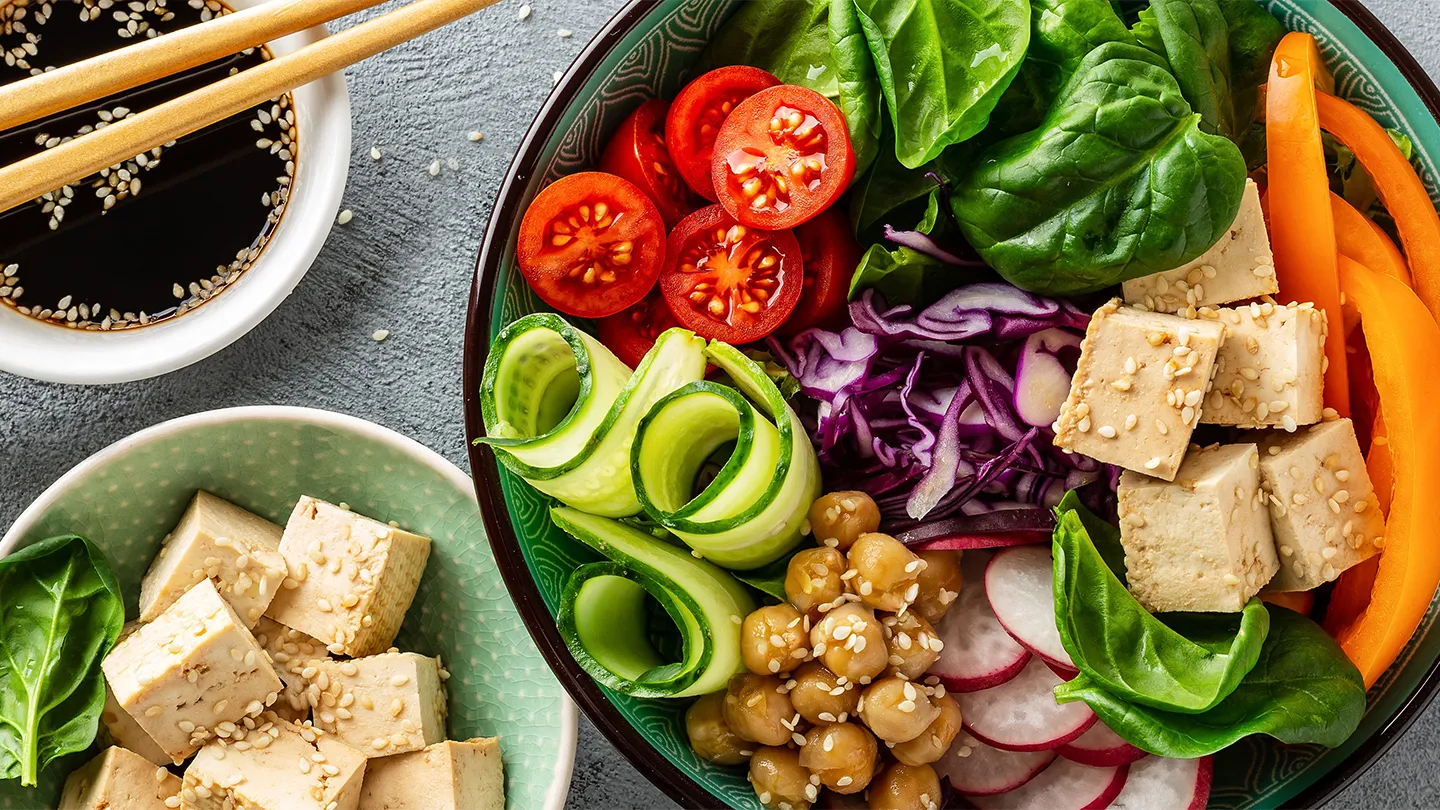
No animal products—no meat, dairy, or eggs. This plant-only diet is both a lifestyle and a commitment.
Health and Ethical Aspects
Great for heart health and reduces environmental impact.
Is It Sustainable?
With careful planning, yes. You’ll need to watch B12 and iron intake though.
What is the Vegan Diet? A Plant-Based Lifestyle for Health and Sustainability
The Vegan Diet is more than a trend — it’s a global movement toward plant-based living. Focused on excluding all animal products, this diet is rooted in compassion, health benefits, and environmental consciousness. Whether you’re adopting it for ethical reasons or looking to improve your overall wellness, the vegan lifestyle offers powerful results.
Plant Based Diet
The Vegan Diet eliminates all animal-derived foods, including meat, dairy, eggs, and even honey. Instead, it emphasizes fruits, vegetables, whole grains, legumes, nuts, seeds, and plant-based substitutes. Unlike vegetarian diets that allow dairy or eggs, veganism is entirely plant-based.
Popular vegan staples include tofu, lentils, chickpeas, quinoa, almond milk, nutritional yeast, and leafy greens. Today, vegan alternatives like plant-based meat, dairy-free cheese, and egg replacers make this diet more accessible than ever.
Vegan Protein: Health Benefits of the Vegan Diet
One of the biggest reasons people switch to a vegan diet is for its wide range of health advantages. It’s naturally rich in fiber, antioxidants, and essential vitamins while being low in saturated fats and cholesterol. Studies show that a well-balanced vegan diet can reduce the risk of heart disease, high blood pressure, type 2 diabetes, and certain cancers.
Weight loss is another common benefit. Since vegan foods tend to be lower in calories and higher in volume, they keep you full longer without excess fat. Plus, a plant-based diet improves gut health, boosts energy levels, and promotes glowing skin.
With the right planning, a vegan diet also provides all essential nutrients, including iron, calcium, omega-3s, and vitamin B12 through fortified foods and supplements.
Vegan Meals: Why Go Vegan?
Choosing a vegan lifestyle isn’t just good for your body — it’s great for the planet. Animal agriculture is one of the leading contributors to greenhouse gas emissions and deforestation. By eliminating animal products, you’re significantly reducing your environmental footprint.
Beyond health and sustainability, the ethical aspect is a strong motivator. Going vegan means standing against animal cruelty and supporting more humane food systems.
- Sources Include / Discover More on NHS: Healthy Eating as a Vegan
- Also Read: Top Companies in the World
#6
Intermittent Fasting

Key Takeaways for Intermittent Fasting
Different Types of Fasting
- 16:8 Method (16 hours fast, 8 hours eating)
- 5:2 Method (Eat normally 5 days, restrict for 2)
Health Benefits
- Improves insulin sensitivity
- Supports weight loss
- May increase longevity
Who Should Avoid It
Not ideal for pregnant women, diabetics, or those with eating disorders.
What is Intermittent Fasting? A Revolutionary Eating Pattern for Weight Loss and Longevity
Intermittent Fasting (IF) isn’t just a diet — it’s an eating schedule that cycles between periods of eating and fasting. It’s become one of the most popular weight loss strategies worldwide due to its simplicity, flexibility, and scientific backing.
Unlike traditional diets that focus on what you eat, intermittent fasting focuses on when you eat, making it ideal for busy lifestyles and those seeking fast results without food restrictions.
How Intermittent Fasting Works
There are several popular intermittent fasting methods:
- 16/8 Method: Fast for 16 hours, eat during an 8-hour window (e.g., 12 PM to 8 PM).
- 5:2 Diet: Eat normally for 5 days, reduce calorie intake to 500–600 calories on 2 non-consecutive days.
- Eat-Stop-Eat: A full 24-hour fast once or twice per week.
During fasting windows, no calories are consumed, but water, black coffee, and herbal teas are typically allowed. The fasting period helps the body enter a state of ketosis and increases insulin sensitivity, promoting fat burning and cellular repair.
Intermittent Fasting for Weight Loss: Benefits of Intermittent Fasting
Intermittent fasting is highly effective for weight loss, especially abdominal fat, as it helps regulate hunger hormones like ghrelin and leptin. It also supports metabolic health by lowering blood sugar, improving cholesterol levels, and reducing inflammation.
Scientific studies also link intermittent fasting to longevity, improved brain function, and even reduced risks of chronic diseases like heart disease, type 2 diabetes, and Alzheimer’s.
Another huge benefit? It simplifies meal planning and can lead to natural calorie reduction without the need to track macros or follow strict food lists.
Fasting for Weight Loss: Is Intermittent Fasting Right for You?
While IF is suitable for many, it’s not recommended for pregnant women, individuals with a history of eating disorders, or those with certain medical conditions. As with any diet change, it’s best to consult a healthcare provider before starting.
However, for most healthy adults, intermittent fasting is a powerful tool to lose weight naturally, improve overall health, and enhance lifestyle without complicated rules.
- Sources Include / Discover More on Harvard Health: Should you Try Intermittent Fasting for Weight Loss?
- Also Read: Top Movies in the World
#7
Weight Watchers (WW)

Key Takeaways for the Weight Watchers (WW) Diet
SmartPoints System
Every food gets a point value. You stay within a daily limit, giving you the flexibility to eat what you love—just smarter.
Personalized Support
WW offers community support, coaching, and an app to track progress.
Long-Term Success
WW focuses on behavior change, making it ideal for long-term lifestyle adjustments.
What is the Weight Watchers (WW) Diet? A Personalized Path to Sustainable Weight Loss
Weight Watchers, now rebranded as WW, is one of the most trusted and effective commercial weight loss programs in the world. Known for its flexible structure and long-term success rates, WW focuses on behavioral change, nutritional balance, and accountability through its unique points-based system.
Rather than banning foods, WW empowers users to make smarter choices through its SmartPoints system, giving them the freedom to eat what they love while still losing weight effectively.
Weight Watchers Points: How the WW SmartPoints System Works
At the core of the WW program is its SmartPoints tracking system, which assigns a point value to every food and beverage based on four key factors: calories, protein, sugar, and saturated fat. Each member receives a custom daily SmartPoints budget based on their age, gender, weight, and goals.
The WW app allows users to easily track their food intake, physical activity, and weight progress. Members are also encouraged to eat from a curated ZeroPoint foods list — which includes lean proteins, vegetables, fruits, and legumes — to help reduce hunger and increase satiety without spending SmartPoints.
Key Benefits of Weight Watchers (WW)
One of the standout features of WW is its personalization. Unlike rigid diets, WW adapts to individual preferences and lifestyles, making it one of the most sustainable diet plans available today. You can enjoy pizza, pasta, and even dessert — as long as it fits into your points budget.
Another major benefit is the strong support system, which includes weekly virtual or in-person workshops, access to WW coaches, and a vibrant online community. These features help members stay motivated and accountable throughout their weight loss journey.
Clinical research consistently shows that WW members lose more weight and keep it off longer compared to those on self-directed diets.
Is Weight Watchers (WW) Right for You?
WW is ideal for people who want a structured yet flexible diet that doesn’t involve calorie counting or eliminating entire food groups. It suits busy individuals, emotional eaters, and anyone who benefits from regular coaching and community support.
Whether your goal is to lose weight, improve eating habits, or develop a healthier lifestyle, WW provides the tools, resources, and guidance to help you succeed.
- Sources Include / Discover More on Weight Watchers: The WW Weight-Loss Program
- Also Read: Top Richest Universities in the World
#8
Flexitarian Diet
Key Takeaways for the Flexitarian Diet
Flexibility Is the Key
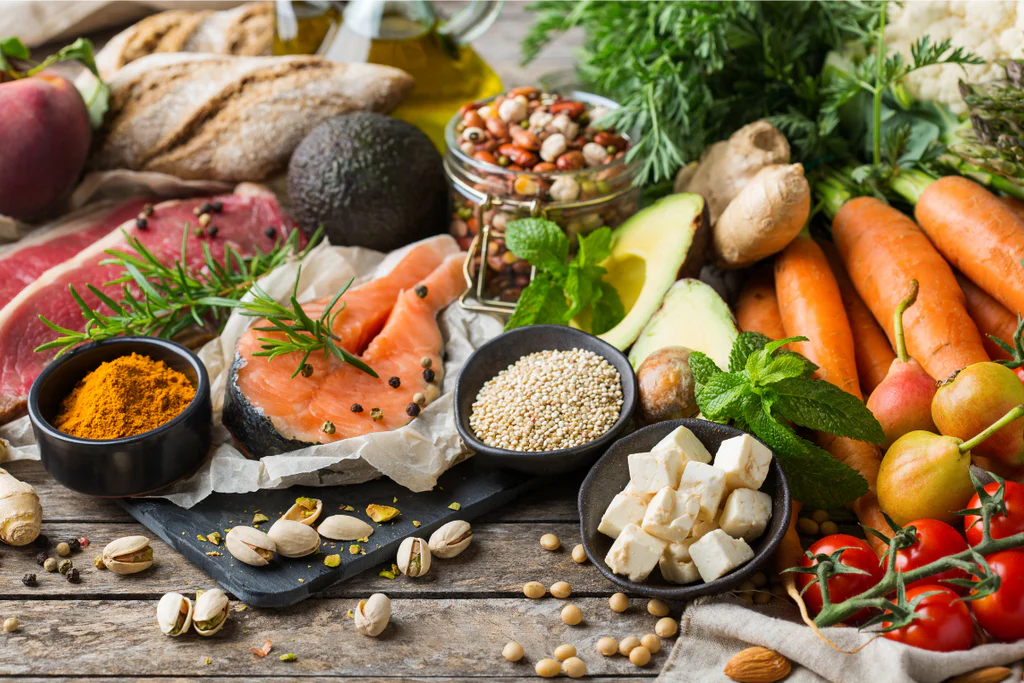
Mostly vegetarian but with the occasional meat dish. It’s perfect if you want to eat healthier without going full vegan.
Plant-Based with Wiggle Room
You’ll rely on beans, vegetables, whole grains, and fruits while still enjoying a burger now and then.
Nutritional Balance
It offers more fiber and fewer calories without strict rules.
What is the Flexitarian Diet? The Perfect Balance of Flexibility and Plant-Based Nutrition
The Flexitarian Diet is a semi-vegetarian eating plan that blends the health benefits of plant-based diets with the flexibility of occasional meat consumption. This flexible vegetarian diet has gained popularity for being sustainable, balanced, and easy to follow, making it one of the top-ranked diets for overall health and weight loss.
Unlike strict vegetarian or vegan plans, the Flexitarian Diet doesn’t eliminate meat completely. Instead, it encourages eating mostly whole plant-based foods while allowing room for animal products in moderation.
How the Flexitarian Diet Works
At its core, the Flexitarian approach focuses on plant-based nutrition with minimal restrictions. The idea is to increase your intake of fruits, vegetables, legumes, whole grains, nuts, and seeds while cutting back on red meat and processed foods.
There are no strict calorie limits or rigid rules. Instead, the diet operates on three flexibility levels — Beginner, Advanced, and Expert — each progressively reducing meat intake. This scalable structure makes it easy for anyone to transition into a healthier plant-forward lifestyle without feeling deprived.
Health Benefits of the Flexitarian Diet
The Flexitarian Diet offers numerous science-backed health benefits, including:
- Weight loss through reduced calorie density and increased fiber
- Lower risk of heart disease by minimizing saturated fats and cholesterol
- Improved gut health thanks to fiber-rich whole foods
- Better blood sugar control, especially for those with type 2 diabetes
Studies show that Flexitarian eaters typically have lower BMIs, improved metabolic markers, and longer lifespans compared to heavy meat-eaters.
Flexitarian: Is the Flexitarian Diet Right for You?
This plant-centric diet plan is also family-friendly, budget-conscious, and easy to maintain — making it one of the most practical and achievable diets available today.
- Sources Include / Discover More on IFIC: The Flexitarian Diet
- Also Read: Top Brands in the World
#9
MIND Diet
Key Takeaways for the MIND Diet
Focus on Brain Health
A hybrid of the Mediterranean and DASH diets, MIND was developed to reduce Alzheimer’s risk.
Combination of DASH and Mediterranean
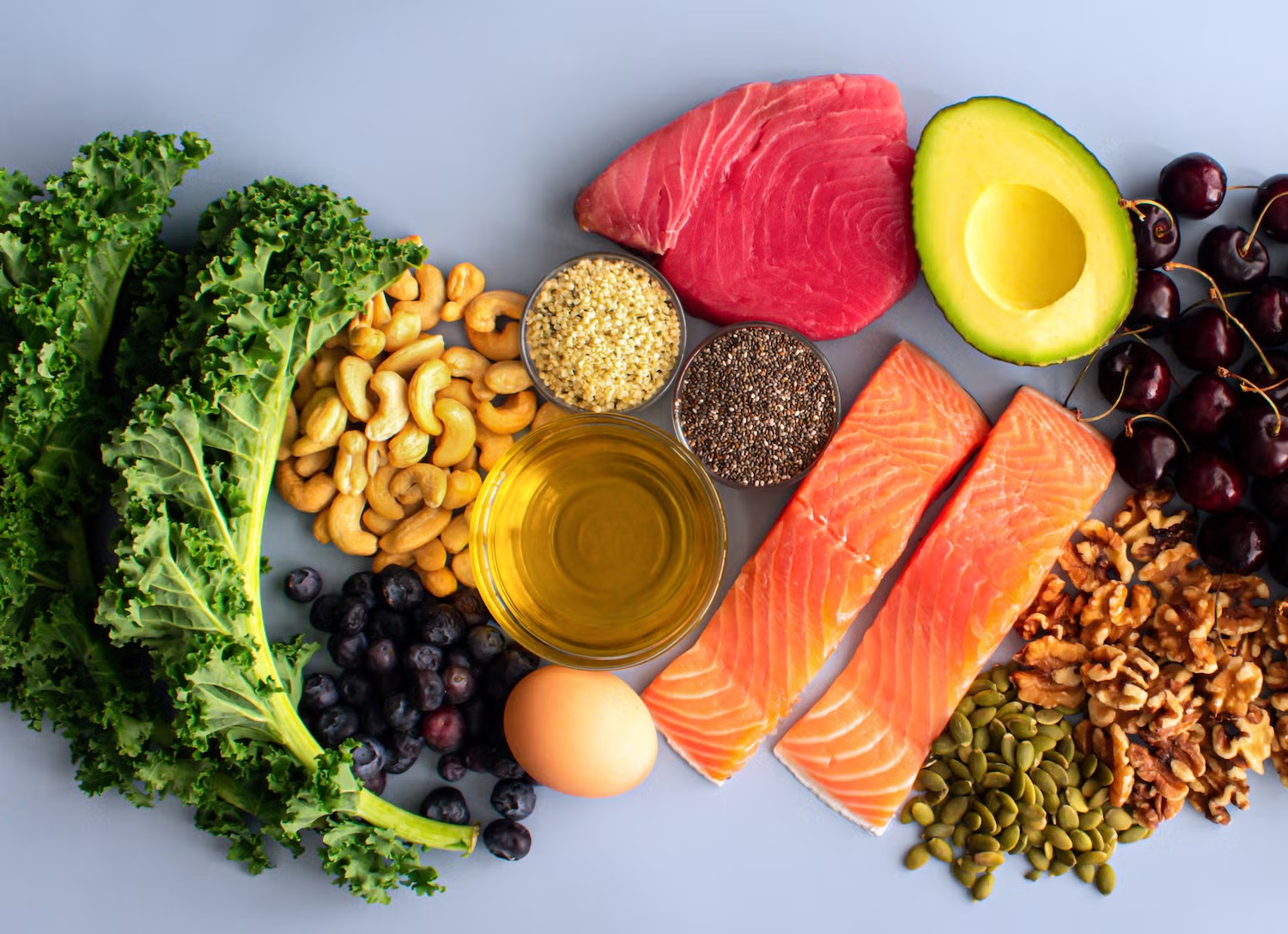
It emphasizes berries, leafy greens, and nuts—all known to support cognitive function.
Foods That Support the Brain
Olive oil, fish, poultry, and whole grains are staples.
What is the MIND Diet? The Brain-Boosting Power of Smart Eating
The MIND Diet, short for Mediterranean-DASH Intervention for Neurodegenerative Delay, combines two proven diet plans — the Mediterranean Diet and the DASH Diet — with a targeted focus on brain health. Designed specifically to lower the risk of Alzheimer’s disease and age-related cognitive decline, the MIND Diet has become one of the most researched and neuroprotective diets in the world.
This eating plan emphasizes brain-friendly nutrients and discourages foods linked to cognitive deterioration, making it an ideal option for those prioritizing mental clarity and memory preservation.
Foods for Brain Health: How the MIND Diet Works
The MIND Diet includes 10 brain-healthy food groups and limits five unhealthy categories. It encourages the daily or weekly consumption of:
- Green leafy vegetables (like spinach, kale)
- Other vegetables
- Berries (especially blueberries)
- Nuts
- Whole grains
- Beans
- Fish
- Poultry
- Olive oil
- Wine (in moderation)
It limits red meats, butter/margarine, cheese, pastries, sweets, and fried or fast food. The goal is to nourish the brain by supplying it with antioxidants, healthy fats, and anti-inflammatory nutrients.
Key Benefits of the MIND Diet
Research suggests the MIND Diet can reduce the risk of Alzheimer’s by up to 53% when followed strictly and by around 35% when followed moderately. Other proven benefits include:
- Slowed cognitive aging
- Improved memory and focus
- Lower inflammation and oxidative stress
- Better cardiovascular health
It’s also easy to follow, heart-healthy, and rich in fiber, making it a well-rounded plan for overall well-being.
Is the MIND Diet Right for You?
If you’re concerned about long-term brain health, family history of dementia, or simply want to stay sharp with age, the MIND Diet is a smart choice. It’s ideal for older adults, busy professionals, or anyone seeking preventative nutrition against cognitive decline.
By focusing on key superfoods for the brain, the MIND Diet is more than a weight-loss plan — it’s a lifestyle for lifelong mental fitness.
- Sources Include / Discover More on Harvard: The MIND Diet
- Also Read: Top Unit Converters in the World
#10
Volumetrics Diet
Key Takeaways for the Volumetrics Diet
Low-Calorie, High Volume
Created by nutritionist Barbara Rolls, this diet helps you eat more food with fewer calories by focusing on water-rich and fiber-filled foods.
How It Promotes Fullness
You’ll feel full on fewer calories, which naturally reduces intake without hunger.
Success Stories
Many dieters report long-term results without feeling deprived.
What is the Volumetrics Diet? Eat More, Weigh Less
The Volumetrics Diet is a science-based weight loss plan developed by Dr. Barbara Rolls, a nutrition researcher at Penn State University. Unlike restrictive diets that leave you hungry, the Volumetrics approach allows you to eat large portions of low-calorie, high-volume foods — so you feel full while still losing weight. Its unique philosophy focuses on food density, helping you naturally cut calories without deprivation.
This diet plan has gained widespread popularity due to its emphasis on satiety, sustainable habits, and real, whole foods.
How the Volumetrics Diet Works
The core principle of the Volumetrics Diet revolves around energy density — the number of calories in a given volume of food. Foods are categorized into four groups:
- Category 1 (Very Low-Density): Non-starchy vegetables, fruits, broth-based soups
- Category 2 (Low-Density): Whole grains, legumes, lean protein, low-fat dairy
- Category 3 (Medium-Density): Bread, cheese, fatty meats
- Category 4 (High-Density): Fried foods, sweets, oils, and full-fat snacks
The strategy? Fill your plate with mostly Categories 1 and 2. These foods are high in water and fiber, keeping you satisfied for longer and helping you reduce total calorie intake naturally — a key to long-term weight loss success.
Benefits of the Volumetrics Diet
Backed by science, the Volumetrics Diet has been ranked as one of the best diets for weight loss and overall health by U.S. News & World Report. Key benefits include:
- Promotes fullness without calorie overload
- Encourages nutrient-dense, whole food consumption
- Reduces cravings and overeating
- Sustainable for long-term use
- Supports heart and digestive health
It’s flexible, practical, and grounded in nutritional research, making it ideal for people who want to eat more and still slim down.
Volumetrics: Who Should Follow the Volumetrics Diet?
If you’re tired of crash diets or constant hunger pangs, the Volumetrics Diet offers a realistic, satisfying path to weight loss. It’s perfect for individuals who enjoy large meals, want to build healthier eating habits, and are looking for a plan that doesn’t feel like a diet at all.
By shifting your focus to low-calorie density foods, you can lose weight without sacrificing flavor or fullness — a major reason why the Volumetrics Diet ranks among the top weight loss diets worldwide.
- Sources Include / Discover More on Penn State by Barbara Rolls: The Weight Loss Diet
- Also Read: Top Cities in the World
Key FAQs on the 10 Top Diet Plans in the World
Why is the Mediterranean Diet often ranked the healthiest in the world?
The Mediterranean Diet is consistently ranked the healthiest diet worldwide due to strong evidence linking it to reduced cardiovascular disease, longer lifespan, and improved metabolic health.
Based on traditional eating patterns from Greece and Southern Italy, it emphasizes olive oil, vegetables, fruits, legumes, whole grains, and fish. Large population studies associate this diet with up to 30% lower heart disease risk and improved brain and gut health outcomes.
Harvard T.H. Chan School of Public Health notes that the Mediterranean Diet is associated with a lower risk of cardiovascular disease, type 2 diabetes, and overall mortality, supported by decades of large-scale population studies and randomized trials.
What makes the DASH Diet effective for lowering blood pressure?
The DASH Diet is effective for lowering blood pressure because it prioritizes potassium, magnesium, calcium, and fiber-rich foods while significantly reducing sodium intake.
Clinically developed by the U.S. National Institutes of Health, studies show DASH can lower systolic blood pressure by 8–14 mmHg within weeks. Its focus on fruits, vegetables, whole grains, lean proteins, and low-fat dairy supports long-term cardiovascular and metabolic health.
According to the U.S. National Institutes of Health (NIH), the DASH Diet can significantly reduce systolic and diastolic blood pressure within weeks, even without weight loss, and is recommended for hypertension management.
What is the main principle behind the Keto Diet?
The core principle of the Keto Diet is inducing ketosis by drastically reducing carbohydrates and increasing dietary fat intake. In ketosis, the body shifts from glucose to fat-derived ketones as its primary energy source.
This metabolic adaptation has been shown to accelerate fat loss, stabilize blood sugar, and support neurological conditions such as epilepsy, while also improving insulin sensitivity in certain populations.
The NIH recognizes ketogenic diets as a clinically established therapy for epilepsy, with growing research exploring metabolic effects on insulin resistance, weight loss, and neurological health under medical supervision.
What does the Paleo Diet focus on?
The Paleo Diet focuses on consuming whole foods believed to mirror the diet of early humans before agriculture. It emphasizes lean meats, fish, vegetables, fruits, nuts, and seeds while eliminating grains, dairy, legumes, and processed foods.
Advocates link this ancestral eating approach to improved digestion, reduced inflammation, better blood sugar control, and natural weight regulation through nutrient-dense, minimally processed foods.
Harvard Health Publishing states that Paleo-style eating may improve short-term weight loss and blood sugar control, though long-term outcomes depend on food quality and nutritional balance.
Why do people choose the Vegan Diet?
People choose the Vegan Diet for ethical, environmental, and health-related reasons. By eliminating all animal products, this plant-based lifestyle is associated with lower cholesterol levels, reduced heart disease risk, and improved weight management.
Research also links vegan diets to a smaller carbon footprint. When well planned, it provides complete nutrition using legumes, whole grains, nuts, seeds, fruits, and vegetables.
The World Health Organization (WHO) and Harvard T.H. Chan School of Public Health report that well-planned plant-based diets are nutritionally adequate and associated with lower risks of heart disease and obesity.
What is Intermittent Fasting and how does it work?
Intermittent Fasting is an eating pattern that alternates between fasting and eating windows, such as the popular 16:8 or 5:2 methods. During fasting periods, insulin levels drop, encouraging fat burning and cellular repair through autophagy.
Studies associate intermittent fasting with improved metabolic health, weight loss, inflammation reduction, and potential longevity benefits when paired with nutrient-dense food choices.
According to NIH-supported research, intermittent fasting may improve insulin sensitivity, metabolic flexibility, and cellular repair mechanisms such as autophagy, contributing to long-term health benefits.
How does the WW (Weight Watchers) program work?
WW, formerly Weight Watchers, works through a SmartPoints system that assigns values to foods based on calories, protein, sugar, and saturated fat. This evidence-based approach encourages portion control, balanced nutrition, and mindful eating.
Backed by clinical studies, WW supports sustainable weight loss through flexibility, personalized plans, behavioral coaching, and strong community accountability rather than restrictive dieting.
NIH-reviewed clinical trials show that structured behavioral programs like WW produce more sustainable long-term weight loss compared to self-directed dieting, especially when combined with coaching and accountability.
What is the Flexitarian Diet?
The Flexitarian Diet is a semi-vegetarian eating pattern that emphasizes plant-based foods while allowing occasional meat, fish, or dairy. Designed for flexibility and long-term adherence, it combines the health benefits of vegetarian diets with dietary freedom.
Research links flexitarian eating to improved heart health, weight management, reduced inflammation, and lower environmental impact without requiring complete animal product elimination.
Harvard T.H. Chan School of Public Health highlights flexitarian eating as a sustainable dietary pattern linked to improved heart health, lower BMI, and reduced environmental impact.
What is the purpose of the MIND Diet?
The MIND Diet was specifically created to protect brain health and reduce the risk of cognitive decline and Alzheimer’s disease.
It blends key elements of the Mediterranean and DASH diets while prioritizing brain-supportive foods such as leafy greens, berries, nuts, whole grains, olive oil, and fish. Long-term studies associate MIND adherence with significantly slower cognitive aging and improved memory performance.
Research cited by NIH and Harvard indicates that adherence to the MIND Diet is associated with a significantly reduced risk of Alzheimer’s disease and slower cognitive decline, even with moderate compliance.
What is the concept behind the Volumetrics Diet?
The Volumetrics Diet is built on the principle of eating foods with low calorie density but high physical volume, such as fruits, vegetables, soups, and whole grains.
Developed by nutrition researchers, this approach helps control hunger and calorie intake simultaneously. Studies show it supports gradual, sustainable weight loss by increasing satiety, improving diet quality, and reducing overeating behaviors.
NIH-supported nutrition studies confirm that low–energy-density diets like Volumetrics help individuals eat fewer calories while maintaining satiety, supporting gradual and sustainable weight loss.
Common Mistakes People Make When Following a Diet Plan
Jumping head-first into a new eating pattern without planning can backfire. Skipping meals, not drinking enough water, or cutting entire food groups cold turkey are all red flags. And don’t forget—consistency matters more than perfection.
Talk to a Healthcare Provider
Before adding any diet plan to your routine, especially if you’re on medication or have chronic conditions, it’s smart to consult with a doctor or a registered dietitian.
How to Choose the Right Diet Plan for You
Here’s the trick: the best diet is the one you can stick to. Ask yourself:
- Does it match your lifestyle?
- Is it affordable and practical?
- Does it support your health goals?
A little trial and error is normal, so be patient with yourself.
Final Thoughts
When it comes to dieting, there’s no single “one-size-fits-all” solution. However, with the right diet plan, steady commitment, and a little patience, you can transform your health, appearance, and overall quality of life. Whether your goal is to lose stubborn belly fat, boost brain function, improve digestion, or simply eat a more balanced and nutrient-rich diet, the 10 Top Diet Plans in the World offer a variety of proven options to suit every lifestyle and preference.
From plant-based approaches that enhance heart health to high-protein regimens that build lean muscle, each plan has its unique benefits. The key is to choose a diet that aligns with your body’s needs, daily routine, and long-term goals. Crash diets and extreme restrictions may promise quick results, but sustainable, science-backed eating habits will always deliver lasting health benefits.
Remember, real transformation comes from consistency and making smart food choices every single day. Pair your chosen diet plan with regular physical activity, proper hydration, and quality sleep to maximize results. In the end, the best diet is the one you can stick to—nourishing your body, energizing your mind, and helping you feel your absolute best for years to come.
The 10 Top Diet Plans Frequently Asked Questions (FAQs)
The Keto Diet often results in rapid initial weight loss due to water loss and fat burning.
The Mediterranean and Flexitarian diets are considered the most sustainable and balanced.
Absolutely! Many people blend styles to fit their needs, like combining intermittent fasting with a Mediterranean eating pattern.
Not always. For instance, keto isn’t recommended for people with liver or kidney issues. Always consult a doctor before starting.
Think lifestyle, not limitation. The best diets evolve into lifelong habits.
The Mediterranean Diet is ranked number one globally due to its heart-healthy benefits, nutrient-rich foods, and long-term sustainability.
About the Author
This article was researched and prepared by the World Millions Editorial Team, specialists in global rankings, premium market analysis, structured comparisons, and high-value sector research across industries.
All content undergoes verification, editorial review, and periodic updates to ensure accuracy, clarity, and alignment with recognized industry standards, reliable institutional sources, and leading global authorities.
- Last Updated: March 27, 2026 by the World Millions Editorial Team
- Original Published Date: March 27, 2026
- View Our: Editorial Team | Sources | Disclaimer | Editorial Standards