Fine art represents the pinnacle of creativity, cultural expression, and collectible value, attracting collectors, investors, and enthusiasts around the world. From timeless paintings and masterful sculptures to limited-edition photography and contemporary installations, fine art embodies history, craftsmanship, and artistic vision that can appreciate both emotionally and financially.
This Ultimate Fine Art Buying Guide explores how to confidently navigate the global art market—from understanding different art forms to evaluating authenticity, provenance, and artist reputation. Discover essential strategies for buying fine art, building a meaningful collection, and making informed decisions that balance aesthetic passion with long-term value.
On This Page
Toggle- Updated 2026 by the World Millions Editorial Team: View Author Information
Why Fine Art Is More Than Just Decoration
Let’s be real—anyone can hang a poster or print. But owning a genuine piece of fine art? That’s a whole different experience.
Fine art brings depth, culture, and emotion into your space. It’s not just wall candy; it’s a mirror of your soul and taste. A powerful abstract canvas can spark conversations, while a serene landscape might offer daily moments of peace. Unlike mass-produced decor, original artwork has energy, presence, and a story to tell. It reflects who you are and what you value. In that way, it’s deeply personal.
But beyond aesthetics, fine art has lasting impact. When chosen with care, it becomes a permanent fixture in your home, a talking point among guests, and even a family heirloom. And let’s not forget the emotional satisfaction of supporting living artists and contributing to a culture that values creativity and expression.
Art as a Personal and Financial Investment
Sure, fine art is stunning to look at—but it can also be a savvy investment.
Many collectors today are turning to art not only for its beauty but for its ability to hold—and even grow—value over time. In fact, blue-chip artworks by renowned artists have consistently performed well, sometimes better than traditional stocks or real estate during economic downturns. Art markets may fluctuate, but exceptional pieces by sought-after artists tend to retain value, especially when the artist’s reputation continues to rise.
Of course, the best collectors balance passion with prudence. They buy what they love but also do their homework—tracking auction records, gallery sales, and upcoming talent. Think of fine art as a hybrid asset: it enriches your environment and has the potential to grow your wealth. Just like real estate, it’s about location, timing, and quality—but in this case, it’s also about emotion, narrative, and legacy.
Understanding the Types of Fine Art
Fine art comes in many forms, each offering its own unique aesthetic, emotional, and investment appeal. Whether you prefer traditional oil paintings or contemporary mixed media installations, understanding the various types of fine art can help you make informed decisions as a buyer or collector.
#1
Paintings
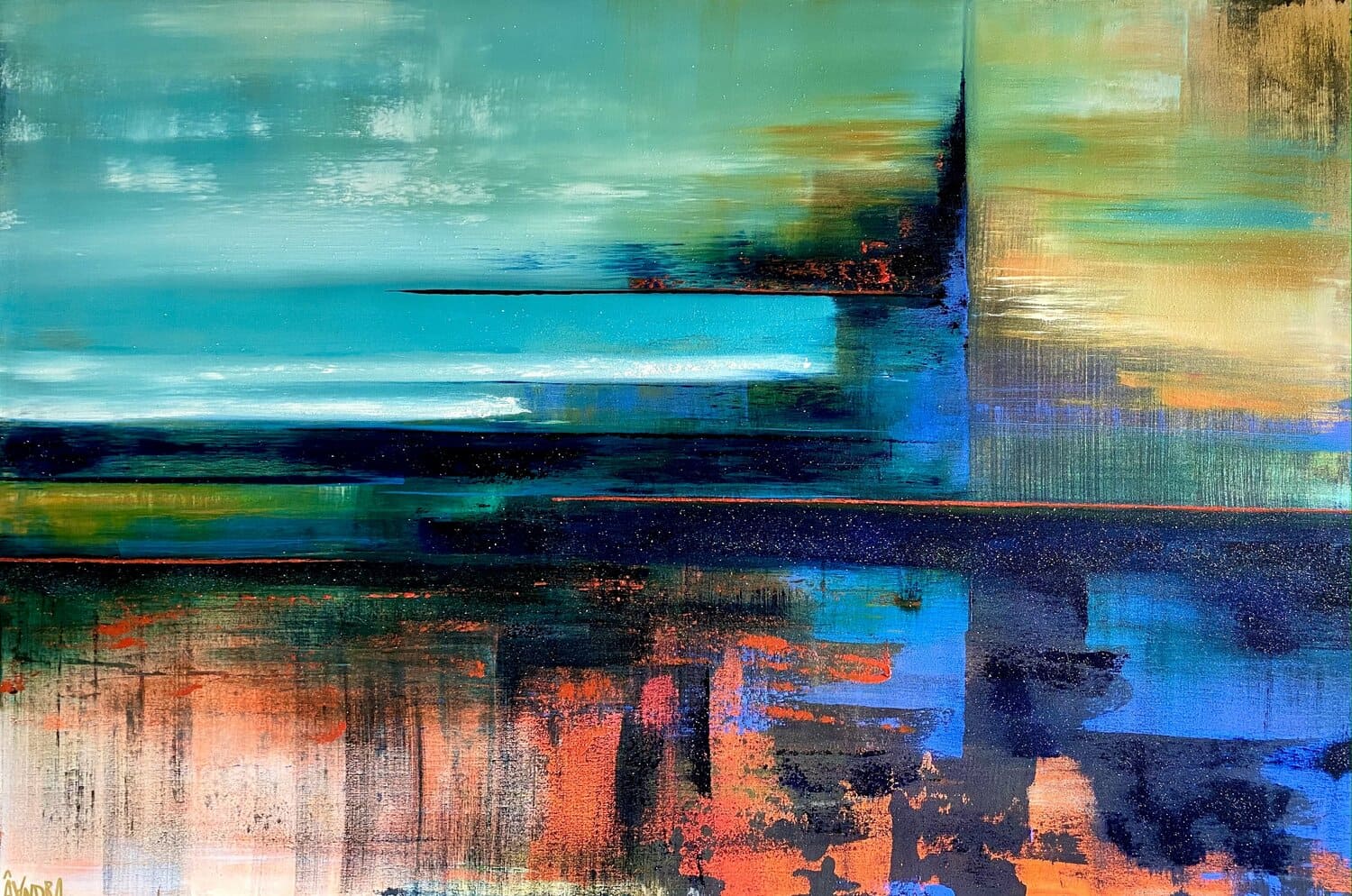
Key Takeaways for Paintings
Original paintings remain the most collected form of fine art, offering lasting aesthetic and cultural value. They enhance interiors, express identity, and can appreciate significantly over time.
Key Highlights:
- Oil, acrylic, and watercolor works each offer distinct character and presence.
- Strong resale and investment potential when selecting reputable or rising artists.
- Ideal for personal expression, home curation, and long-term portfolio building.
Paintings: A Foundational Pillar in Fine Art Collections
Paintings have long been the heart of fine art, capturing the essence of culture, human emotion, and individual expression. Whether it’s a bold abstract on canvas or a softly rendered landscape, paintings add narrative and nuance to every room they occupy. The emotional response they elicit is immediate—calm, inspiration, even intrigue—making them a compelling choice for both new collectors and seasoned investors.
Paintings: Mediums That Make a Statement
Oil paintings stand out for their rich textures, luminous colors, and remarkable longevity. These works age gracefully, often increasing in value over time. Acrylic paintings, meanwhile, are known for their vibrant pigments and adaptability, especially in modern and abstract compositions. Watercolors offer a more delicate, fluid appeal—perfect for intimate spaces and minimal interiors. Each medium has its own voice, and selecting the right one depends on personal style, lighting, and the desired atmosphere of the space.
Paintings: Value Beyond Aesthetics
Beyond beauty, original paintings can be significant financial assets. Limited editions, signed works, and pieces by emerging or established artists tend to retain or grow in value. As the global art market continues to expand, savvy buyers are seeking paintings that blend emotional resonance with investment potential. Museums, auctions, and art fairs are key indicators of trends, and works aligned with those movements often see increasing demand.
Choosing Paintings That Resonate
A well-chosen painting should reflect the buyer’s identity and vision. Genres like impressionism, surrealism, or cubism not only carry historical relevance but also have broad collector appeal. Buyers should consider the artist’s trajectory, critical reception, and exhibition history when making a selection. With the right piece, a painting becomes more than wall décor—it becomes a personal legacy, telling a story that evolves with its owner.
#2
Sculptures
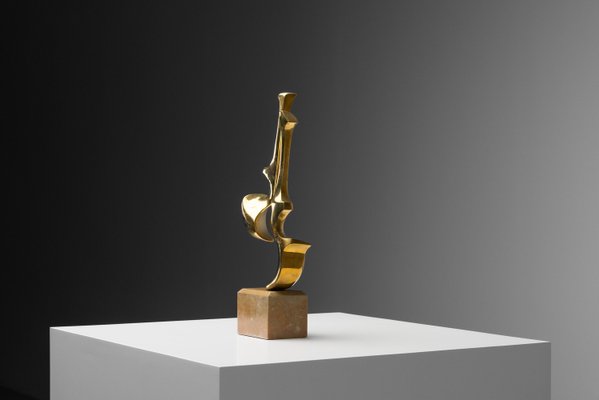
Key Takeaways for Sculptures
Sculptures introduce form, texture, and spatial depth into a collection, creating visual impact and elevated sophistication. Suitable for indoor galleries and architectural or garden display.
Key Highlights:
- Bronze and marble pieces are highly durable and collectible.
- Works exceptionally well as focal art in luxury residential and commercial interiors.
- Increasing demand for contemporary metal, glass, and mixed-material sculpture.
Sculptures: Adding Depth, Texture, and Presence
Sculpture is where fine art breaks out of the frame. It introduces form, movement, and shadow into a room, encouraging the viewer to engage from multiple angles. Whether placed in an entryway, garden, or minimalist living room, a sculpture draws attention and conveys taste in a way few other art forms can. It anchors a space while transforming it into a dynamic, curated environment.
Sculptures: Material Choices That Shape Style
Bronze sculptures are favored for their durability and timeless patina, often appearing in both classical and contemporary collections. Marble and stone pieces exude elegance and craftsmanship, ideal for collectors who admire historical or neoclassical aesthetics. Contemporary sculptures often explore mixed media, including glass, resin, and steel—expanding creative possibilities and fitting well with modern interiors. Each material speaks a different language, allowing collectors to express mood, movement, or message through structure.
Sculptures' Contemporary Appeal and Versatility
Today’s sculpture collectors value not just traditional mastery but also innovation. Minimalist forms, industrial materials, and large-scale installations have become increasingly popular in urban and luxury environments. Sculptures add architectural interest and often serve as focal points, especially in spaces with high ceilings or open layouts. Lighting and placement further enhance their impact, casting evolving shadows that add life to the piece throughout the day.
Sculptures: Art That Withstands Time
Sculptures have remarkable longevity—both physically and culturally. They resist environmental wear more than most artworks and retain relevance as trends shift. Whether it’s a hand-carved bust, an abstract steel installation, or a finely balanced mobile, sculpture offers collectors a way to showcase form in its purest expression. As part of a fine art collection, it brings dimension and weight—literally and metaphorically—that elevates the entire space.
#3
Photography

Key Takeaways for Photography
Fine art photography has become a major category for collectors seeking modern, emotional, and narrative-driven art. Limited-edition photo prints offer exclusivity and value stability.
Key Highlights:
- Edition size, print method, and artist reputation strongly influence value.
- Versatile fit for minimalist, contemporary, or gallery-style interiors.
- Ideal entry point for new collectors due to accessibility and scalable pricing.
Photography: Capturing Reality with Artistic Precision
Fine art photography has evolved into one of the most compelling and collectible art forms of the modern age. While once overlooked by traditionalists, it now commands attention in both galleries and auctions worldwide. Photographs have the power to freeze a moment in time, offering deep emotional resonance, sharp social commentary, or simply stunning aesthetics. From black-and-white film to vivid digital compositions, photography speaks a visual language that resonates with a wide audience.
Photography's Editions, Prints, and Collectibility
One of the key aspects of fine art photography is its limited-edition nature. Unlike mass-produced prints, limited editions are signed and numbered by the photographer, with strict control over how many are produced. This scarcity increases both the artistic value and market demand. First editions or early prints in a limited series often carry a premium, especially if the photographer gains acclaim or the work receives museum exposure. For buyers, understanding edition size and print quality is crucial to evaluating a piece’s long-term value.
Photography's Styles and Genres to Explore
Collectors can choose from a range of photographic styles—from classic portraiture and landscape to abstract minimalism and conceptual work. Documentary-style images that capture historical or cultural moments often hold lasting significance, while fine art nude, architectural, and nature photography appeal to specific collector tastes. Each genre offers unique storytelling potential, and a well-chosen photo can define the tone of a room or collection.
Displaying and Preserving Photography
Proper display is essential for preserving photographic prints. Archival framing, UV-protective glass, and controlled lighting help prevent fading and ensure the longevity of the work. Photography often suits modern spaces, and its sleek presentation fits seamlessly with minimalist or contemporary design. Whether mounted alone or as part of a gallery wall, a fine art photograph brings precision, emotion, and depth to any interior.
#4
Mixed Media and Contemporary Installations
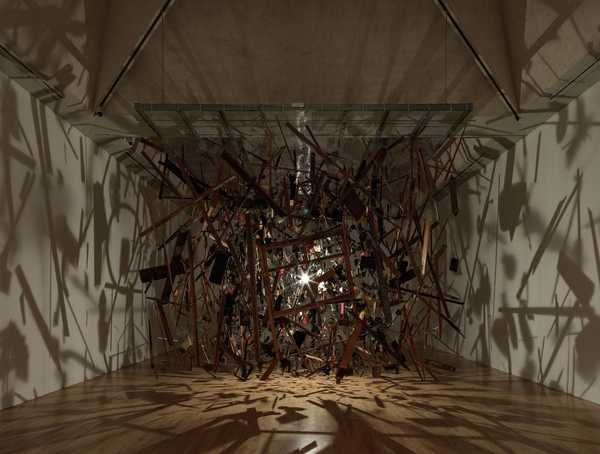
Key Takeaways for Mixed Media and Contemporary Installations
Mixed media and installation art push beyond traditional formats, blending materials and concepts to create immersive, statement-making experiences. These works often anchor modern collections.
Key Highlights:
- Highly expressive and often one-of-a-kind, offering strong collector uniqueness.
- Works especially well in open, architectural, or luxury-designed spaces.
- Increasing prominence in global contemporary art fairs and museum exhibitions.
Mixed Media and Contemporary Installations: Boundaries Reimagined
Mixed media and installation art push the boundaries of what fine art can be. Artists in this realm combine diverse materials—paint, metal, fabric, found objects, digital elements, and more—to create layered, multidimensional works. These pieces often transcend traditional formats, offering sensory and immersive experiences. By blending mediums, mixed media artists challenge convention and provoke deeper engagement from viewers.
Mixed Media Art and Installation Art: A Bold Choice for Modern Collectors
Collectors seeking to make bold, innovative statements are increasingly turning to mixed media art. These works are often one-of-a-kind, reflecting the artist’s experimental process and conceptual depth. Contemporary installations, in particular, are designed to alter the viewer’s perception of space. They often require thoughtful placement, with some pieces extending beyond walls to occupy entire rooms or outdoor environments. For buyers interested in living with art that continually surprises and challenges, this genre offers unmatched potential.
Mixed Media Art and Installation Art: Popular Forms and Themes
Mixed media ranges from small-scale collages and shadow boxes to room-sized installations involving light, video, or kinetic elements. Themes may address identity, consumerism, politics, or human emotion in abstract ways. Because this art form is so flexible, it can be deeply personal or universally powerful. Works by notable mixed media artists have gained significant attention in biennales and contemporary art fairs, signaling strong market interest.
Mixed Media Art and Installation Art: Care, Curation, and Presentation
Due to the complexity of materials used, mixed media artworks require specialized care. Humidity control, dust protection, and sometimes conservation expertise are necessary to maintain structural integrity. These works are best displayed in open, well-lit spaces where textures and layers can be appreciated fully. When curated effectively, mixed media and installations can become the centerpiece of a modern art collection—bridging the gap between object, experience, and storytelling.
Ultimate Fine Art Buying Guide Table
Your step-by-step roadmap to collecting fine art with confidence — learn how to choose, evaluate, invest, and preserve artworks like a seasoned collector.
Navigating the fine art market requires more than a keen eye—it takes planning, purpose, and precision. Whether you’re collecting for passion, investment, or interior design, this practical art buying checklist will guide you through every essential step.
From setting a budget to verifying authenticity and securing long-term preservation, these best practices will help you build a refined, valuable, and meaningful art collection while avoiding common pitfalls that cost beginners dearly.
| No. | Art Buying Step | Description | Tips for Success | Common Mistakes to Avoid |
|---|---|---|---|---|
| 1 | Define Purpose | Know why you're buying (passion, décor, investment) | Match purpose with style | Buying just for trends |
| 2 | Set a Budget | Consider artwork + hidden costs | Include framing and shipping | Overextending financially |
| 3 | Research the Artist | Understand their style, career, and collector interest | Use artist databases & gallery bios | Blind purchases without research |
| 4 | Verify Authenticity | Always get certificates and provenance docs | Ask galleries or artists directly | Ignoring documentation |
| 5 | Buy and Preserve Smartly | Choose platforms wisely; store or display with care | Get insurance & secure installations | Neglecting maintenance |
Key FAQs on the Ultimate Fine Art Buying Guide
How do I determine my purpose before buying fine art?
Begin by identifying whether you are buying fine art for personal enjoyment, interior décor, cultural significance, or long-term investment.
Collectors focused on lifestyle may prioritize visual harmony, while investors often evaluate resale value, artist reputation, and market performance. According to institutions like MoMA and Tate, defining intent early helps narrow mediums, styles, and budgets.
Clear purpose-driven buying reduces impulse decisions and creates a cohesive, meaningful collection over time. (Sources: Wikipedia – Art Collection, MoMA.org)
Why is defining intent important when collecting art?
Defining intent anchors every fine art decision, from budget allocation to artist selection and preservation planning.
Collectors with clear intent avoid trend-driven purchases and instead build collections aligned with personal taste, design goals, or financial strategy. Museums and curatorial bodies such as the Met emphasize intent as central to coherent collecting.
A defined purpose helps assess whether a work offers emotional resonance, aesthetic balance, or sustainable appreciation. (Sources: Wikipedia – Art Purpose, MetMuseum.org)
How should I set a realistic budget when buying fine art?
A realistic fine art budget begins with defining a maximum artwork price, then accounting for total ownership costs.
These include professional framing, insured shipping, installation, conservation, and climate-controlled storage. Auction houses like Sotheby’s advise budgeting beyond acquisition to protect long-term value.
Structured budgeting prevents overextension, supports smarter artist choices, and ensures sustainable collecting without compromising quality or preservation. (Sources: Sothebys.com, Wikipedia – Art Market)
What hidden costs should I expect when purchasing fine art?
Beyond the artwork price, buyers should expect costs such as framing, gallery commissions, international shipping, customs duties, insurance, and conservation.
Institutions like Christie’s note that long-term expenses, including storage and condition monitoring, significantly impact ownership.
Planning for these costs protects financial stability, prevents post-purchase surprises, and ensures the artwork remains properly preserved and insurable. (Sources: Christies.com, Wikipedia – Artwork Acquisition)
How do I research an artist before buying their artwork?
Researching an artist involves reviewing exhibition history, gallery representation, museum inclusion, critical reviews, and auction performance.
Platforms such as Artnet and institutions like MoMA provide insight into credibility, demand, and career trajectory.
Strong research helps collectors assess cultural relevance, market stability, and long-term appreciation potential before committing capital. (Sources: Wikipedia – Artist, Artnet.com, MoMA.org)
Why does artist reputation matter in fine art collecting?
Artist reputation directly influences demand, pricing, liquidity, and long-term value in the fine art market.
Artists supported by established galleries, museums, or auction houses tend to demonstrate stronger appreciation and collector confidence, according to Tate and Sotheby’s.
Reputation acts as a risk filter, helping buyers identify works with cultural relevance and sustained market desirability. (Sources: Wikipedia – Reputation, Tate.org, Sothebys.com)
How do I verify the authenticity of a piece of fine art?
Authenticity is verified through certificates of authenticity, provenance records, expert appraisals, and gallery or foundation confirmation.
Institutions such as the International Council of Museums emphasize documentation, signature verification, and exhibition history.
Proper authentication protects buyers from forgery, enables insurance coverage, and preserves resale eligibility in global art markets. (Sources: Wikipedia – Authentication, ICOM-CC.org)
What is provenance and why is it crucial for art buyers?
Provenance is the documented history of an artwork’s ownership, exhibitions, and publications.
Strong provenance, as recognized by museums and auction houses, enhances authenticity, valuation, and buyer confidence.
It is essential for resale, insurance approval, and institutional acceptance, transforming an artwork into a verified cultural asset. (Sources: Wikipedia – Provenance, MetMuseum.org)
How should I store and display fine art to protect it?
Fine art should be stored and displayed in climate-controlled environments with stable humidity and limited light exposure.
Museums such as the Met recommend archival framing, UV protection, and secure installation.
Professional preservation safeguards visual integrity, prevents deterioration, and protects long-term market value. (Sources: Wikipedia – Art Conservation, MetMuseum.org)
Does fine art need insurance?
Yes, fine art insurance is essential for protecting artworks against theft, damage, transit loss, fire, and environmental risks.
Specialized insurers assess authenticity, provenance, and condition before coverage, as advised by major auction houses.
Insurance preserves financial security and ensures responsible stewardship of valuable cultural assets. (Sources: Wikipedia – Insurance, Sothebys.com)
Key Factors to Consider Before Buying Art
Before you swipe your card or raise your paddle, keep these critical elements in mind. A smart purchase isn’t just about the “wow” factor—it’s about substance, context, and foresight.
Authenticity and Provenance
First and foremost, make sure the artwork is genuine. Always ask for a certificate of authenticity from the artist or gallery. Provenance—the documented history of the artwork—adds credibility and often value. It answers essential questions: Who created it? Who owned it previously? Has it been displayed in any major exhibitions? Was it ever sold at auction?
Think of provenance as the piece’s resume. The stronger the record, the more secure your investment.
Artist Reputation
The name behind the brushstroke matters—big time.
Well-known artists with established track records, gallery representation, or museum exhibits usually come with a higher price tag, but also a lower investment risk. That said, don’t overlook emerging artists. Buying early in their careers can lead to exponential appreciation in value if their star rises.
Research the artist’s background, exhibition history, awards, and critical acclaim. Google is your best friend—but so are gallery reps and art consultants.
Medium and Condition
Not all art mediums are created equal when it comes to value. Oil paintings typically command higher prices than acrylics or prints. Sculptures made from bronze or marble are valued differently than those in resin or ceramic. The rarity and durability of a medium often influence long-term appreciation.
Also, inspect the condition closely. Look for signs of wear, discoloration, cracks, or water damage. Restored art may still be worth buying, but make sure any restoration work is professionally documented.
Size, Space & Display Options
Let your walls talk—but make sure they have room to speak clearly.
A towering canvas might impress you in a gallery, but will it overpower your small apartment? Before buying, consider where the piece will live. Take measurements. Factor in lighting, wall color, furniture, and even temperature control. Art doesn’t just need space—it needs the right space.
Also, think about how you’ll frame and hang it. Some artworks come ready to install; others might need custom framing or professional mounting, which adds to the overall cost.
Where to Buy Fine Art
Art Galleries
Art galleries remain one of the most traditional and reliable places to purchase fine art. They offer a curated selection, ensuring that the works you see are of a certain standard. Galleries often represent specific artists, which means they have insider knowledge about the artist’s process, career path, and future prospects.
What makes galleries valuable is not just the art, but the expertise that comes with it. Gallery owners and curators can guide you through the buying process, answer your questions, and even help you discover new artists that match your taste and budget. Plus, galleries often host exhibitions and events—perfect opportunities to learn and network.
Art Fairs and Exhibitions
If you love variety, art fairs and exhibitions are goldmines. Events like Art Basel, The Armory Show, or local city fairs bring together dozens (sometimes hundreds) of galleries and independent artists under one roof. You get to see a wide spectrum of styles, mediums, and price ranges in a single visit.
Even better, many artists are present and open to talking about their work. This personal interaction can offer insight you’d never get online or in a catalog. Art fairs are fast-paced and exciting, and sometimes, if you spot a rising artist early, you might grab an undervalued gem before the buzz catches on.
Auction Houses
Auction houses are where the serious players shop, and where art history is often made. Major players like Christie’s, Sotheby’s, and Phillips are known for selling iconic, high-value works from names like Monet, Warhol, and Banksy. The auction process is thrilling but can also be intimidating. Bids escalate quickly, so it’s important to do your research beforehand, set a maximum budget, and understand the buyer’s premium—an extra fee added to your final bid. Auctions can also be a treasure trove for rare, secondary market pieces, especially if you’re hunting for a legacy acquisition.
Online Platforms
The digital art world has exploded in recent years. Websites like Artsy, Saatchi Art, 1stDibs, and even Instagram provide access to global artists and galleries. These platforms are especially great for discovering emerging talent and buying art at more accessible price points. Online shopping allows for convenient browsing, filtering by style or budget, and often comes with transparent pricing. However, it’s important to research both the platform and the seller. Look for verified accounts, check customer reviews, and always inquire about certificates of authenticity and return policies before making a purchase.
How to Evaluate Fine Art
Visual Appeal and Emotional Connection
Art is subjective—and that’s its magic. One of the most powerful ways to assess a piece is by listening to your gut. Does it move you? Do you keep coming back to look at it again and again? A piece that evokes an emotional response will likely continue to resonate with you over time. Whether it’s a surreal portrait that makes you feel something or a minimalist piece that calms your soul, emotional connection should never be underestimated. After all, you’re the one who’ll be living with it.
Historical and Cultural Significance
An artwork’s relevance to a particular moment, movement, or theme can greatly enhance its value—both emotionally and financially. Pieces tied to major art movements (like Abstract Expressionism, Cubism, or Dadaism) or historical events tend to attract long-term interest. Art that speaks to social, political, or cultural issues often carries added depth, making it more desirable to museums and serious collectors. The more context a piece has, the more it becomes part of a broader narrative, which helps preserve and grow its importance over time.
Market Trends and Artist Career Trajectory
This is where buying art becomes a bit like investing in stocks. Track the trajectory of the artist you’re interested in. Are they gaining recognition? Have they exhibited in respected galleries or museums? Are critics and curators talking about their work? Has their art sold well at previous auctions? These are all green flags. You can find this information through platforms like Artnet, Artprice, or gallery publications. Investing in artists with a strong upward trend can bring tremendous long-term returns—but only if you get in early.
Fine Art Pricing Explained
How Prices Are Set
Art pricing isn’t arbitrary, though it can sometimes feel that way. In general, prices are influenced by a combination of factors:
- Artist Reputation: Established artists demand higher prices.
- Medium: Oil paintings usually cost more than watercolors or prints.
- Size: Larger works tend to be more expensive.
- Provenance: A well-documented history boosts credibility and price.
- Demand: Hot trends or limited availability can drive up value.
You’ll also find a difference between primary market (sold directly by the artist or their representing gallery) and secondary market (resold at auction or by collectors). Secondary market pieces may carry historical value and often fetch higher prices.
Hidden Costs
The price tag you see isn’t always the final amount you pay. Many first-time buyers are surprised by the additional expenses that come with art ownership:
- Framing: Museum-quality framing can be costly.
- Shipping: Especially expensive for large or international orders.
- Insurance: Highly recommended for valuable works.
- Taxes & Customs: VAT or import duties may apply depending on your location.
Always factor in these extras before committing.
Negotiating Art Prices
Yes, you can negotiate—and you should, especially when dealing with emerging artists, smaller galleries, or purchasing multiple works. Negotiation isn’t rude; it’s part of the process. Start by asking politely if there’s any flexibility in pricing. A simple, respectful approach like, “Is this your best price?” can open the door. Galleries may offer discounts, waive shipping, or provide payment plans. Just don’t lowball—it’s art, not a flea market. Respect the time, talent, and value behind the work.
Art Investment Strategies
Buy What You Love vs. Buy to Sell
When it comes to investing in art, one golden rule stands out: buy what you love. Emotional connection is important—you’ll be living with the piece, after all. That said, it’s also wise to consider an artwork’s resale potential. Look for works by artists whose reputations are growing, or who are gaining recognition from galleries, curators, and critics. The best strategy blends passion with pragmatism: choose pieces that speak to your soul and have the potential to appreciate in value. This way, even if the market fluctuates, you’re never disappointed—you still own something you genuinely enjoy.
Building a Diversified Art Portfolio
Just like stocks or real estate, diversification is key in art investment. Don’t put all your resources into one medium, artist, or genre. Instead, build a collection that includes a mix of:
- Mediums (paintings, sculptures, photography)
- Artists (established and emerging)
- Periods (modern, contemporary, historical)
A diversified portfolio not only spreads risk but also keeps your collection interesting and dynamic. It increases the chances that at least part of your investment will grow in value, even if another part underperforms.
Art as a Hedge Against Inflation
In uncertain economic times, tangible assets like art can offer financial protection. Unlike stocks that can drop overnight or currency that can lose value due to inflation, art is a physical asset with long-term value. High-quality artwork often retains or increases in price, especially when markets are volatile. Collectors and investors often turn to art to store wealth—much like gold, but way more beautiful.
Legal Aspects of Art Buying
Contracts and Certificates of Authenticity
Always insist on formal documentation when buying art. A contract outlines the terms of the sale, including price, ownership transfer, and delivery details. A certificate of authenticity verifies that the artwork is original and legitimate—crucial for resale, insurance, or exhibition purposes. These documents not only protect you legally but also enhance the artwork’s provenance and market value. Without them, your investment could be seriously compromised.
Tax Implications and Inheritance Planning
Owning valuable art comes with certain tax responsibilities. In many countries, selling art at a profit can trigger capital gains tax. Additionally, high-value collections can impact estate taxes when passed down through inheritance. To avoid surprises, work with a qualified tax advisor or estate planner. They can help you understand how to structure ownership, use trusts or foundations, and plan for long-term succession. Smart planning today can save your heirs from complicated—and expensive—legal headaches down the road.
Preserving and Displaying Fine Art
Climate Control & Lighting
Environmental factors can be an artwork’s worst enemy. Exposure to UV light, humidity, and temperature fluctuations can cause irreversible damage—fading, warping, mold, or cracking. Use museum-quality, UV-filtering glass when framing, and install art in areas with stable humidity and indirect light. Consider using LED lights, which produce less heat and UV radiation. For more valuable works, climate-controlled rooms or storage may be necessary to ensure long-term preservation.
Security and Insurance
Protect your investment with a solid security setup. This can include alarm systems, surveillance cameras, and secure wall mounts or display cases. For high-value pieces, consider motion sensors or dedicated art safes. Just as important is insurance—make sure your art is appraised by a professional and covered under a policy that protects against theft, fire, flood, and accidental damage. Some collectors even use specialized art insurance providers for tailored coverage.
Professional Installation Tips
Even the most valuable artwork can be ruined by poor installation. Don’t risk hanging a heavy or fragile piece yourself. Hire a professional art installer who understands wall structures, anchor systems, and how to balance art at the perfect height and angle. Professionals also consider lighting placement, spacing between pieces, and room aesthetics—ensuring your art looks amazing and stays secure. It’s a small investment for the safety and beauty of your collection.
Common Mistakes to Avoid
Overlooking Provenance
Provenance is more than paperwork—it’s the documented journey of a piece of art. It shows who created it, who owned it, where it’s been exhibited, and how it changed hands over time. Think of it as the biography of the artwork. Without it, even the most visually stunning piece may struggle to retain or grow in value.
Galleries, auction houses, and serious collectors all demand strong provenance because it proves authenticity and increases credibility. If someone can’t show you where the art came from, that’s a red flag. Always ask for certificates, exhibition history, and previous sale records—don’t just take their word for it.
Ignoring Market Research
Buying art without understanding the market is like buying stock in a company you’ve never heard of. Sure, it might work out—but chances are, it won’t. Before committing to a piece, do your homework. Look up the artist’s career path, past sale prices, gallery affiliations, and public reception.
Check platforms like Artnet or Artprice for auction histories. Understanding trends—like rising art movements or popular mediums—can help you make more informed, strategic decisions. Blind purchases may lead to regret, while a little research can help you spot true value before others do.
Expert Tips from Art Collectors and Curators
What Experts Look for in Art
Top collectors and curators don’t just look at what’s trendy—they dig deeper. They seek originality, emotional resonance, and a narrative that evolves over time. A truly great piece speaks to something universal, yet personal. Experts also pay attention to the artist’s technical skill, consistency across their body of work, and whether the piece reflects broader cultural or historical themes.
Museum trends and academic recognition matter too—artists whose work is featured in institutional collections or cited in art literature tend to hold greater long-term value. Remember, collectors often buy into the artist’s journey, not just the piece itself.
How to Spot Emerging Artists
Some of the most rewarding investments come from identifying and supporting rising stars early in their careers. So, how do you spot them? Look for bold, distinctive styles that stand out from the crowd. Artists experimenting with new mediums, themes, or formats often catch the attention of galleries and critics.
Follow their exhibition schedules—if they’re consistently showing at reputable galleries or participating in juried shows, that’s a good sign. Also, follow online platforms and artist residencies—they’re often the first places where fresh talent emerges. The key is to trust your instincts while also observing how others in the art world are responding to their work.
Final Thoughts
Fine art buying is far more meaningful than simply choosing something “nice” to hang on a wall. It is a deeply personal journey that blends curiosity, refined taste, emotional connection, and long-term value. Whether you’re investing in original paintings, collectible sculptures, fine art photography, or contemporary mixed media works, building a collection allows you to curate your environment with intention and identity. The right piece of art brings atmosphere, memory, and meaning into your space — and can continue to appreciate in cultural and financial value over time.
Take the process slowly and enjoy it. Explore galleries, artist studios, exhibitions, and reputable online platforms. Learn about the artist’s vision, techniques, influences, and career trajectory. Trust your instincts when a work resonates with you. Ask questions, request documentation, and consider how each piece fits into your space and your evolving personal narrative.
Fine art is not just décor — it is an investment in beauty, heritage, creativity, and emotional resonance. The more you learn and engage with the art world, the more rewarding the experience becomes. Your perfect piece is not chosen by chance; it is discovered through exploration and connection.
Your masterpiece is already waiting. Now, go find it.
The Ultimate Fine Art Buying Guide Frequently Asked Questions (FAQs)
Begin with local galleries or online platforms. Attend art fairs and follow emerging artists to build taste and knowledge.
Yes, if you're cautious. Use trusted platforms, read reviews, and verify documentation before purchasing.
Absolutely. Negotiation is common, especially with newer or unrepresented artists. Just be respectful and informed.
Yes, original artworks—especially by emerging or well-established artists—can appreciate over time, offering both cultural value and financial return, particularly when chosen wisely.
The most popular fine art types include paintings, sculptures, photography, and mixed media. Each offers different aesthetic and investment appeal.
Proper display involves UV-protective glass, climate control, and professional framing or secure installations to preserve your artwork’s condition and value.
About the Author
This article was researched and prepared by the World Millions Editorial Team, specialists in global rankings, premium market analysis, structured comparisons, and high-value sector research across industries.
All content undergoes verification, editorial review, and periodic updates to ensure accuracy, clarity, and alignment with recognized industry standards, reliable institutional sources, and leading global authorities.
- Last Updated: March 27, 2026 by the World Millions Editorial Team
- Original Published Date: March 27, 2026
- View Our: Editorial Team | Sources | Disclaimer | Editorial Standards