- Home
- »
- Luxury Buying Guides
- »
- Best Luxury Assets Investment Buying Guide
Best Luxury Assets Investment
Buying Guide
The Best Luxury Assets Investment Buying Guide reveals the world’s most prestigious wealth-building opportunities across fine art, classic cars, rare wines and whiskeys, luxury watches, jewelry and precious gems, luxury real estate, and elite assets like yachts and private jets. These high-value investments combine rarity, craftsmanship, global demand, and historical significance, making them powerful tools for portfolio diversification and long-term capital preservation.
Discover the best luxury assets to invest in, carefully evaluated by market performance, scarcity, and collector demand. From blue-chip artworks and vintage Ferraris to investment-grade Bordeaux wines and iconic Rolex timepieces, this guide ranks the most sought-after luxury investments recognized worldwide by collectors, auction houses, and high-net-worth investors.
On This Page
Toggle- Updated 2026 by the World Millions Editorial Team: View Author Information
What Are Luxury Asset Investments?
Luxury asset investments refer to rare, premium-quality items that are not essential to daily life but hold—and often increase in—value over time. These assets derive their worth from scarcity, craftsmanship, brand legacy, and cultural or historical significance.
Think of owning a Picasso painting, a Rolex Daytona, a 1955 Mercedes-Benz 300 SL Gullwing, or a bottle of 1945 Château Mouton Rothschild. These aren’t just indulgent luxuries—they are appreciating financial instruments.
What makes them unique is that they combine emotional value with real-world returns. Each luxury asset has a story, a soul, and a market. When chosen wisely, they can become some of the most resilient parts of your portfolio.
Why Are Luxury Assets a Smart Hedge Against Inflation?
Traditional assets like fiat currencies and bonds often lose value during periods of high inflation. But luxury assets? They shine.
That’s because luxury goods are finite, globally in demand, and independent of government monetary policies. When the value of the dollar declines, the price of gold, fine art, vintage wines, and luxury real estate tends to rise or at least remain stable.
Let’s put it simply: you can’t print another Basquiat. You can’t mint more Château Lafite 1982. The rarity and global desirability of these assets make them powerful inflation hedges. For this reason, ultra-high-net-worth individuals and hedge funds are increasingly allocating capital to these alternative investments.
The Allure of Investing in Luxury
Tangible Beauty with Tangible Returns
One of the most exciting aspects of luxury investing is that your assets are visible, usable, and beautiful. Unlike paper stocks sitting in your digital portfolio, a luxury asset is something you can admire daily. Picture this:
- Sip a vintage Bordeaux you invested in ten years ago.
- Wear a Patek Philippe that not only turns heads but doubles in value.
- Drive a vintage Ferrari you bought for fun that’s now worth five times more.
- Live in a penthouse in Dubai that generates rental income while appreciating in value.
That’s the sweet spot—financial growth with lifestyle enjoyment.
Emotional and Status Value
Let’s not forget the prestige factor. Investing in luxury isn’t just about numbers—it’s about identity. Owning a rare art piece or one-of-a-kind timepiece connects you with a global network of elite collectors and enthusiasts.
Luxury assets reflect your taste, success, and foresight. There’s a deep emotional satisfaction in curating a collection that tells your story while quietly building your legacy.
This fusion of emotion, elegance, and earnings is what sets luxury asset investing apart—and why this Best Luxury Assets Investment Buying Guide will help you turn indulgence into intelligent wealth.
Top 7 Categories of Luxury Asset Investments
Luxury asset investments span across timeless categories known for their beauty, rarity, and lasting value. These high-end assets not only serve as symbols of prestige but also offer strong potential for capital appreciation when chosen wisely.
#1
Fine Art

Key Takeaways for Fine Art
Blue-Chip Art vs Emerging Artists
Blue-chip artists like Monet and Basquiat provide strong historical returns, while emerging artists offer higher risk but higher potential upside.
Auction Houses and Private Sales
Christie’s and Sotheby’s dominate the space, but private art dealers can offer off-market gems.
Fine Art: The Timeless Luxury Asset with High Investment Returns
Investing in fine art has long been the pursuit of collectors, connoisseurs, and the ultra-wealthy. But beyond its aesthetic appeal, fine art has emerged as one of the most lucrative alternative investments, often outperforming traditional markets in times of economic uncertainty. With masterpieces from artists like Picasso, Monet, Basquiat, and Banksy fetching millions at global auctions, the fine art market offers both prestige and profit potential.
Why Fine Art Holds Long-Term Value
Fine art maintains and increases in value due to its rarity, historical significance, and the growing global appetite for culturally significant assets. Unlike tech stocks or crypto, fine art is tangible and irreplaceable. The scarcity of original works by blue-chip artists ensures that demand consistently exceeds supply, particularly in the post-war and contemporary art segments. This enduring desirability makes art one of the most stable luxury asset classes for long-term capital appreciation.
Fine Art's High Return Potential in a Volatile Economy
Over the past two decades, the art market has shown a strong annual return—often between 10% and 15% for top-tier pieces. Even during periods of inflation or stock market volatility, high-end art tends to retain its value. According to Artprice and other auction analytics platforms, the global art market is worth over $65 billion, with consistent year-over-year growth fueled by ultra-high-net-worth individuals diversifying their portfolios with passion assets.
Fine Art's Entry Points for Aspiring Art Investors
While iconic pieces can sell for over $100 million, the fine art market also offers more accessible entry points. Emerging artists and limited-edition prints can be acquired for as little as $10,000. Art fairs like Art Basel, Frieze London, and The Armory Show provide opportunities to purchase vetted artworks with strong investment potential. Platforms like Masterworks are also making it easier for retail investors to buy shares in blue-chip paintings, bringing fractional ownership into the spotlight.
Fine Art: Provenance and Authentication Are Everything
When investing in fine art, authentication is critical. A well-documented provenance not only preserves value but also protects against the growing number of art forgeries in circulation. Buyers should always obtain certificates of authenticity and work with reputable galleries, dealers, or advisors. Investing in pieces with a clear exhibition history or auction record adds an extra layer of security and potential for appreciation.
Fine Art's Global Demand Continues to Surge
Fine art is increasingly being recognized as a global store of wealth. With growing interest from markets like Asia, the Middle East, and Latin America, international demand continues to drive prices upward. Museums, private collectors, and foundations are all competing for the best pieces, tightening supply and elevating the market value of curated collections.
For investors seeking long-term returns, portfolio diversification, and cultural value, fine art remains an unmatched luxury asset that offers both personal satisfaction and financial growth.
#2
Classic Cars
Key Takeaways for Classic Cars
What Makes a Car a Collectible?
Limited production, racing pedigree, and brand legacy play crucial roles. Think Ferrari 250 GTO or Aston Martin DB5.
Top Performing Vintage Models
Some classic cars have appreciated over 500% in the last two decades—outpacing stock markets and even gold.
Classic Cars: The Ultimate Vintage Investment for Collectors and Connoisseurs
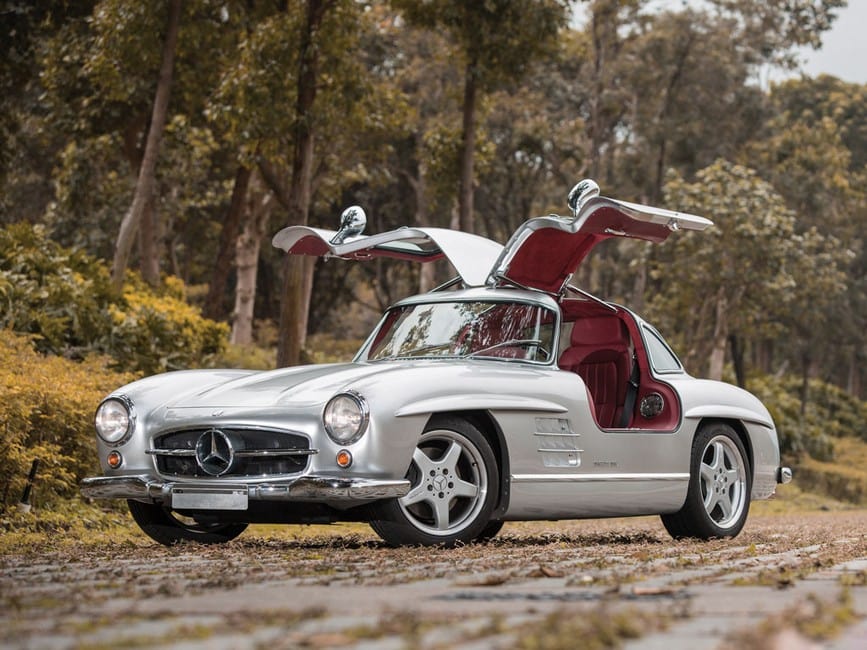
Classic cars are more than just beautiful machines—they are rolling pieces of history, engineering masterpieces, and highly appreciating luxury assets. With rare models fetching millions at prestigious auctions, vintage automobiles have firmly positioned themselves among the most rewarding alternative investments. Whether it’s a Ferrari 250 GTO, a Mercedes-Benz 300SL Gullwing, or a Shelby Cobra, the allure of classic cars continues to captivate collectors across generations.
Classic Cars' Timeless Appeal and Increasing Value
The appeal of classic cars lies in their rarity, craftsmanship, and storied past. Unlike modern vehicles that depreciate as soon as they leave the showroom, vintage automobiles often appreciate in value over time—especially those with low production numbers, iconic design, or significant motorsport heritage. A well-preserved or fully restored classic car can offer impressive returns, with top-tier models appreciating by over 300% in the past decade, according to global collector indices.
Collectors gravitate toward specific marques known for prestige and performance. Classic Porsches, vintage Jaguars, and early Lamborghinis have become blue-chip investments, regularly outperforming traditional asset classes during economic downturns. These vehicles are no longer just weekend cruisers—they’re legacy assets held in private collections, museums, and investment portfolios worldwide.
What Drives the Classic Car Market
Several factors fuel the strength of the vintage car market. Limited production, authentic restoration, documented provenance, and celebrity ownership significantly enhance a vehicle’s value. In recent years, auction houses such as RM Sotheby’s, Bonhams, and Gooding & Company have shattered price records for rare models, indicating surging demand among high-net-worth individuals.
Classic cars also offer emotional and experiential value. The visceral sound of a V12 engine, the leather-clad interiors, and the analog driving experience provide a nostalgic connection to a golden era of motoring. This deep personal enjoyment adds another dimension to owning vintage vehicles that goes beyond mere numbers.
Classic Cars: Accessible Entry Points and Maintenance Considerations
While some classics command seven-figure sums, there are accessible models with strong appreciation potential. Cars like the 1960s Ford Mustang Fastback, the Alfa Romeo Spider, and the BMW 2002 remain attainable for enthusiasts entering the collector scene. However, maintenance is crucial. Classic cars require specialized care, often needing rare parts and expert mechanics. Many owners opt to store their vehicles in climate-controlled garages and join classic car clubs to stay connected with the restoration community.
Classic Cars: Global Passion, Local Impact
The market for collectible cars is truly global, with emerging interest from Asia, the Middle East, and South America. Yet, local car shows, concours events, and classic rallies keep the culture vibrant and accessible. Enthusiasts gather at events like Pebble Beach Concours d’Elegance or the Mille Miglia not just to admire rare vehicles, but to celebrate automotive heritage.
In the world of tangible investments, few assets offer the prestige, passion, and potential upside of classic cars. For those with a keen eye and a love for automotive history, vintage vehicles remain a top-tier investment in both sentiment and strategy.
#3
Rare Wines & Whiskeys

Key Takeaways for Rare Wines & Whiskeys
Wine Investment Index
Indices like Liv-ex track investment-grade wine performance globally. Bordeaux and Burgundy still dominate.
Whiskey as a Booming Market
Limited-edition scotch, Japanese whisky, and single malts are increasingly popular among investors and collectors alike.
Rare Wines & Whiskeys: Liquid Gold for Savvy Investors
Among the most refined and rewarding luxury investments are rare wines and collectible whiskeys. These tangible, consumable assets offer a unique blend of prestige, scarcity, and appreciation potential that attracts both connoisseurs and seasoned investors.
Why Invest in Fine Wine and Aged Whiskey?
Rare wines and aged whiskeys have proven their resilience during economic downturns, often outperforming traditional markets. Fine Bordeaux, Burgundy, and cult California wines are known for consistent year-over-year gains. Likewise, limited-edition Scotch single malts and Japanese whiskeys such as Yamazaki 55 or Karuizawa are now commanding record-breaking auction prices.
The primary driver of value in this asset class is scarcity. As bottles are consumed, remaining stock becomes even more limited—creating a natural appreciation in value. Moreover, global demand, especially from Asia and the Middle East, has spurred tremendous growth in recent years.
Rare Wines & Whiskeys: Entry Point and Accessibility
You don’t need a sprawling cellar or a million-dollar budget to start. Entry-level investments can begin at just $5,000, especially through wine funds or fractional ownership platforms. These platforms store, insure, and manage the assets while offering access to curated collections.
Seasoned collectors may prefer direct acquisition from trusted merchants or vineyards, building a personalized portfolio of vintages with known provenance. For whiskey, distillery exclusives and rare barrel releases provide an excellent starting point with low holding costs.
Storage and Authentication: The Silent Game-Changers
Proper storage is not just about maintaining flavor—it protects and enhances asset value. Temperature-controlled, bonded storage facilities like London City Bond or Vinfolio ensure ideal aging conditions, minimizing risk. Any fluctuations in humidity or temperature can cause irreparable damage and drastically reduce resale potential.
Authentication is crucial in a market plagued by counterfeits. Reputable grading services, sealed provenance, and detailed bottling documentation are essential, particularly for investors eyeing future auctions or resale markets.
Rare Wines & Whiskeys: ROI Potential and Market Performance
Historically, top-tier wines have delivered annual returns of 10–15%. The Liv-ex Fine Wine 100 index, which tracks the performance of the most sought-after wines globally, has outperformed the S&P 500 over long horizons. Premium whiskeys, particularly single cask releases from renowned distilleries, have shown even greater spikes—sometimes appreciating 200% or more in just a few years.
With limited supply and rising global demand, the market for rare spirits and fine wines remains one of the most compelling in the luxury asset landscape.
Risks and Considerations
Liquidity is limited—selling may take time, especially for obscure vintages or bottles without provenance. Also, market preferences evolve: today’s blue-chip Bordeaux may not always command top dollar. Working with expert curators or investment-grade platforms can mitigate such risks and enhance overall portfolio resilience.
#4
Luxury Watches
Key Takeaways for Luxury Watches
Brands That Hold and Grow in Value
Rolex, Audemars Piguet, and Patek Philippe are the crown jewels. Their resale values often outperform traditional investments.
Limited Editions and Heritage Timepieces
Rarity, brand story, and condition are key factors in value appreciation.
Luxury Watches: Timeless Investments with Lasting Value
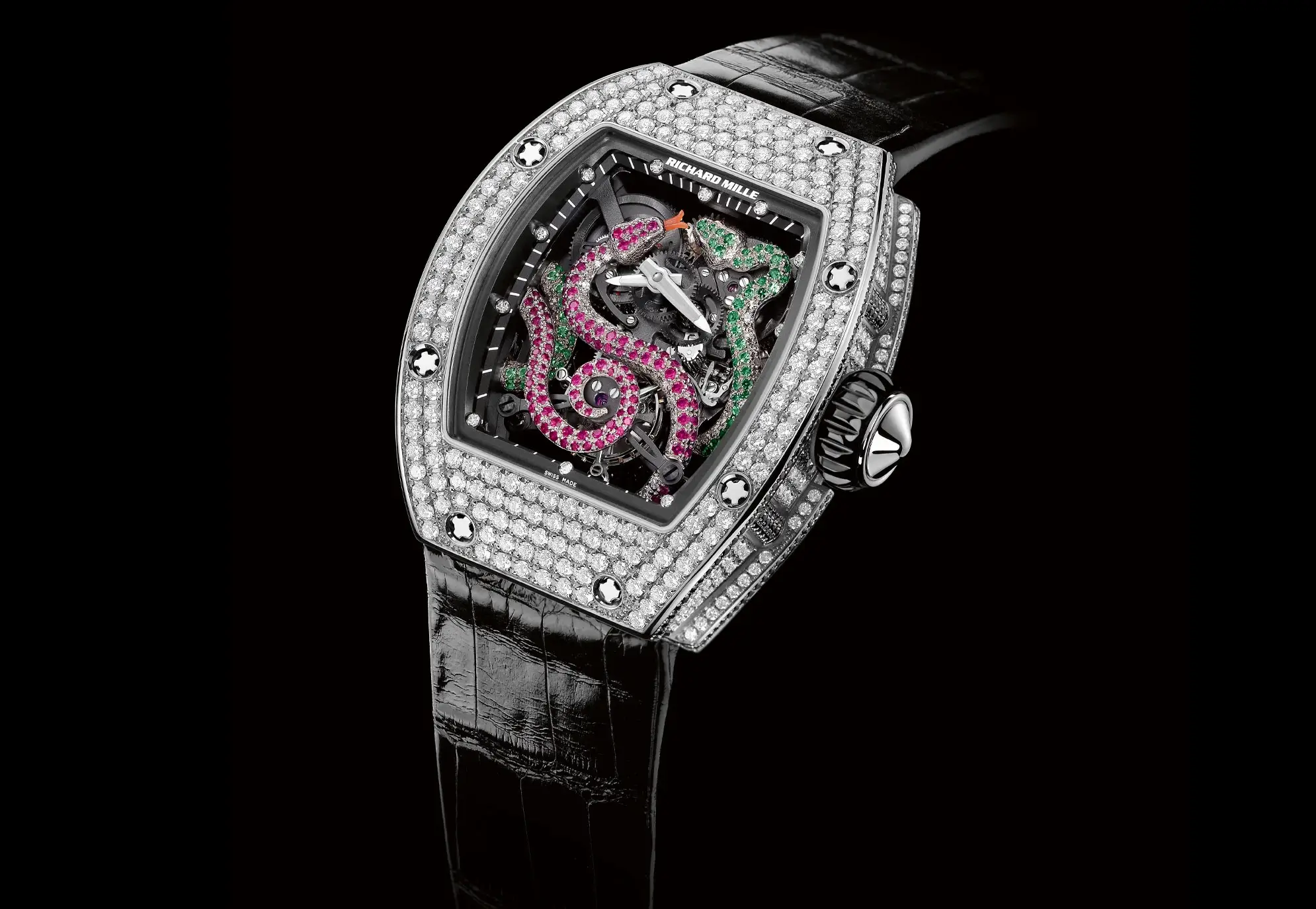
Luxury Watches, or High-end watches, are more than tools to measure time—they are works of art, marvels of engineering, and enduring symbols of prestige. Crafted by master horologists and luxury brands like Rolex, Patek Philippe, Audemars Piguet, and Richard Mille, these timepieces have captivated collectors and investors alike. Whether inherited, worn, or stored in safes, fine watches represent a category of tangible assets that combine emotional value with strong financial performance.
What Makes Luxury Watches a Smart Investment?
Luxury watches appreciate over time, especially limited editions, vintage models, and historically significant pieces. Certain Rolex and Patek Philippe models have seen annual value increases between 5% and 15%, often outperforming traditional investment assets. The rarity, condition, and provenance of a timepiece heavily influence its investment potential. For example, a stainless steel Rolex Daytona or a Patek Philippe Nautilus has become highly coveted in secondary markets, commanding prices many times their original retail.
Investors are drawn to the relatively low entry point—often starting around $10,000—compared to other luxury asset classes. Additionally, watches are highly portable, insurable, and liquid, with an active resale market that includes auction houses, online platforms, and boutique dealers.
Luxury Watches: Key Factors to Consider When Investing
Understanding brand prestige, model history, and market trends is critical. Limited production runs and discontinued models typically carry higher investment potential. Watch condition—referred to as “mint” or “new old stock”—is vital. Documentation such as original boxes, certificates, and service records can significantly enhance resale value.
The investment performance of watches is also influenced by global collector sentiment, pop culture visibility, and celebrity endorsements. A notable example is the surge in demand for the Omega Speedmaster following its reissue linked to the moon landing anniversary. Events like Geneva auctions and Baselworld also shape market dynamics and future valuations.
Luxury Watches' Long-Term Growth and Market Outlook
The global luxury watch market continues to grow, supported by rising affluence in emerging economies and a renewed appreciation for craftsmanship in a digital age. Collectors from the Middle East, Asia, and the United States are actively driving demand. As supply remains limited—particularly for hand-finished mechanical watches—long-term price appreciation looks promising.
Investing in high-end watches offers a unique combination of aesthetic pleasure and financial return. It’s an opportunity to own a piece of mechanical heritage while securing a future-facing asset that transcends short-term trends. Whether building a personal collection or focusing on high-value resale, luxury timepieces offer unmatched potential in the world of alternative investments.
#5
Luxury Real Estate

Key Takeaways for Luxury Real Estate
Global Property Hotspots
Invest in cities like London, New York, Monaco, and Dubai for stable growth and rental yield.
Rental Yield vs. Capital Appreciation
Short-term luxury rentals can deliver impressive income, while long-term holds offer capital gains.
Luxury Real Estate: The Foundation of Tangible Wealth
Luxury real estate continues to be one of the most powerful and resilient investment categories in the world. Whether it’s a waterfront mansion in Miami, a penthouse in Manhattan, a chateau in the French Riviera, or a modern villa in Dubai, ultra-prime real estate offers a unique combination of asset appreciation, lifestyle enhancement, and generational wealth transfer. High-net-worth individuals increasingly view luxury properties not only as homes or vacation retreats but as strategic wealth-building instruments.
What Defines a Luxury Property?
A luxury real estate asset is typically characterized by its location, architecture, amenities, exclusivity, and potential for long-term appreciation. Prime locations such as Beverly Hills, Monaco, London’s Mayfair, and Singapore’s Marina Bay are synonymous with high-value properties. These areas offer privacy, security, and prestige—features that make them magnets for global elites.
Architectural uniqueness, high-end finishes, state-of-the-art smart home systems, panoramic views, and amenities like private pools, spas, helipads, and wine cellars significantly contribute to the valuation of a luxury property. Buyers often seek turnkey residences that offer both opulence and efficiency, increasing demand for professionally designed, fully-furnished, move-in-ready estates.
Luxury Real Estate: Global Demand and Market Performance
Luxury real estate markets have shown remarkable resilience even during periods of economic downturn. With limited inventory in sought-after locations and growing global wealth, high-end properties continue to appreciate. In fact, cities like Dubai, Miami, and Lisbon have recently seen double-digit annual growth in ultra-luxury real estate prices.
Foreign investment plays a vital role in this segment. Investors from Asia, the Middle East, and North America often acquire properties in tax-friendly and politically stable jurisdictions as a means of asset protection and portfolio diversification. Citizenship-by-investment programs further boost demand for luxury real estate in countries like Portugal, Greece, and the Caribbean.
Luxury Real Estate: Rental Income and Capital Gains Potential
Apart from asset appreciation, luxury real estate offers excellent rental income opportunities. Exclusive properties in top-tier cities and resort destinations command premium rents, especially in the short-term vacation rental market. Platforms catering to affluent travelers, such as Airbnb Luxe and Vrbo, have expanded the revenue potential for property owners.
Investors also benefit from favorable long-term capital gains. Well-maintained properties in prestigious neighborhoods often appreciate faster than traditional real estate, making them ideal for legacy planning and intergenerational wealth transfer.
Final Thoughts on Real Estate as a Luxury Asset
Investing in luxury real estate is about more than square footage and finishes—it’s about location, prestige, and long-term financial strategy. With the right acquisition in the right market, investors gain not only a tangible asset but a foothold in some of the world’s most valuable and desirable places. As global demand for secure, high-quality property continues to rise, luxury real estate remains a cornerstone of any diversified high-value portfolio.
#6
Jewelry and Precious Gems
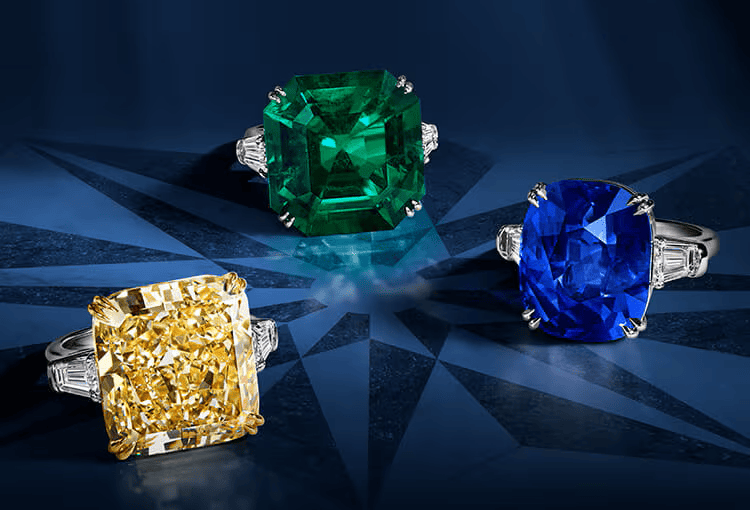
Key Takeaways for Jewelry and Precious Gems
Diamond Clarity, Cut, and Investment
Investment-grade diamonds (D color, flawless) can yield impressive long-term returns.
Colored Gemstones as Emerging Stars
Sapphires, emeralds, and rubies are gaining traction due to their growing rarity and beauty.
Jewelry and Precious Gems: Enduring Symbols of Wealth and Investment
Luxury jewelry and precious gemstones have long been associated with wealth, status, and cultural significance. From diamond necklaces to rare emerald rings, these tangible assets not only serve as wearable art but also retain—and often increase—in value over time. Iconic pieces from brands like Cartier, Van Cleef & Arpels, and Harry Winston are highly sought after in the global investment landscape, making jewelry one of the most stable and rewarding categories in alternative asset portfolios.
Diamonds, Emeralds, and Beyond: What Holds Value
The most valuable jewelry investments often feature rare gemstones, especially high-carat, flawless diamonds, untreated rubies, Burmese sapphires, and Colombian emeralds. Rarity, color, cut, and clarity all contribute to the value of a gemstone, with investment-grade stones appreciating significantly over the years. For example, natural fancy colored diamonds—particularly pink, blue, and yellow—have demonstrated exceptional performance at major auction houses like Sotheby’s and Christie’s.
High-value jewelry often includes custom-designed, one-of-a-kind pieces or vintage items with historical or celebrity provenance. These attributes elevate the desirability and marketability of the item, especially for investors who prioritize long-term capital preservation and appreciation.
Why Investors Turn to Fine Jewelry
Jewelry offers distinct advantages as an investment. It’s a portable, private, and discreet store of wealth, especially in regions where economic or political uncertainty drives interest in hard assets. Unlike stocks or digital assets, a well-maintained piece of jewelry can be enjoyed personally while its value appreciates.
Market data shows that fine jewelry has delivered consistent returns, with some gemstones appreciating at rates between 4% and 10% annually. The surge in interest for colored diamonds and vintage estate jewelry is also fueled by a new generation of collectors who view fine jewelry not just as fashion, but as financial security.
Jewelry and Precious Gems: Trends and Future Outlook
Luxury jewelry is gaining momentum as a preferred long-term investment, driven by global demand and limited natural supply. Sustainability and ethical sourcing are influencing modern purchasing decisions, increasing the appeal of lab-grown diamonds and conflict-free gems, although natural, untreated stones continue to dominate high-end auctions.
Collectors and investors are increasingly turning to appraised, certified pieces with documented histories. With advancements in gemstone authentication and global tracking, transparency in jewelry investment is stronger than ever. As wealth continues to shift toward younger generations, demand for unique, storied, and sustainable pieces is likely to grow.
In summary, investing in jewelry and precious gems offers the dual reward of beauty and financial growth. With proper selection, certification, and care, these assets can offer robust returns while serving as timeless treasures passed through generations.
- Sources Include / Discover More: Investing in high-grade gemstones and fine branded jewelry, acts as a portable, long-term, and tangible hedge against inflation
- Also Read: Best Personal Injury Lawyer Buying Guide
#7
Yachts and Private Jets
Key Takeaways for Yachts and Private Jets
Depreciating Asset or Elite Lifestyle?
While jets and yachts do depreciate, chartering them can offset costs and generate income.
Charter Opportunities and ROI
Luxury jet/yacht charters are booming, especially in the post-pandemic travel surge.
Yachts and Private Jets: The Ultimate Luxury Assets for the Ultra-Wealthy
For billionaires and elite entrepreneurs, ownership of a superyacht or private jet is not merely a symbol of success—it’s a functional asset that delivers time efficiency, privacy, exclusivity, and global mobility. These high-ticket purchases are increasingly viewed as strategic investments that align with luxury lifestyles and business needs. As global travel resumes and the demand for personalized, safe transport surges, more investors are acquiring private aviation and yachting assets as part of their diversified wealth portfolios.
Private Jet Ownership: Freedom, Efficiency, and Prestige
Owning a private jet eliminates the constraints of commercial airline schedules and offers unparalleled convenience. With the ability to take off on demand, access smaller airports, and travel internationally without delays, jet owners can drastically reduce transit times and maximize productivity. Business leaders, celebrities, and political figures rely on private aviation for time-sensitive meetings, discreet travel, and comfort.
Aircraft such as the Gulfstream G700, Bombardier Global 7500, and Dassault Falcon 10X represent the pinnacle of private aviation. These ultra-long-range jets come equipped with spacious cabins, in-flight entertainment, high-speed Wi-Fi, conference areas, and even private bedrooms. Jet customization—from cabin layouts to luxury finishes—enhances the value and personalization of the asset.
Fractional ownership, jet cards, and charter services are popular among those transitioning into full ownership. Pre-owned jets also provide entry points into the market, with high resale values maintained through consistent demand and limited manufacturing cycles.
The Rise of Superyacht Investment
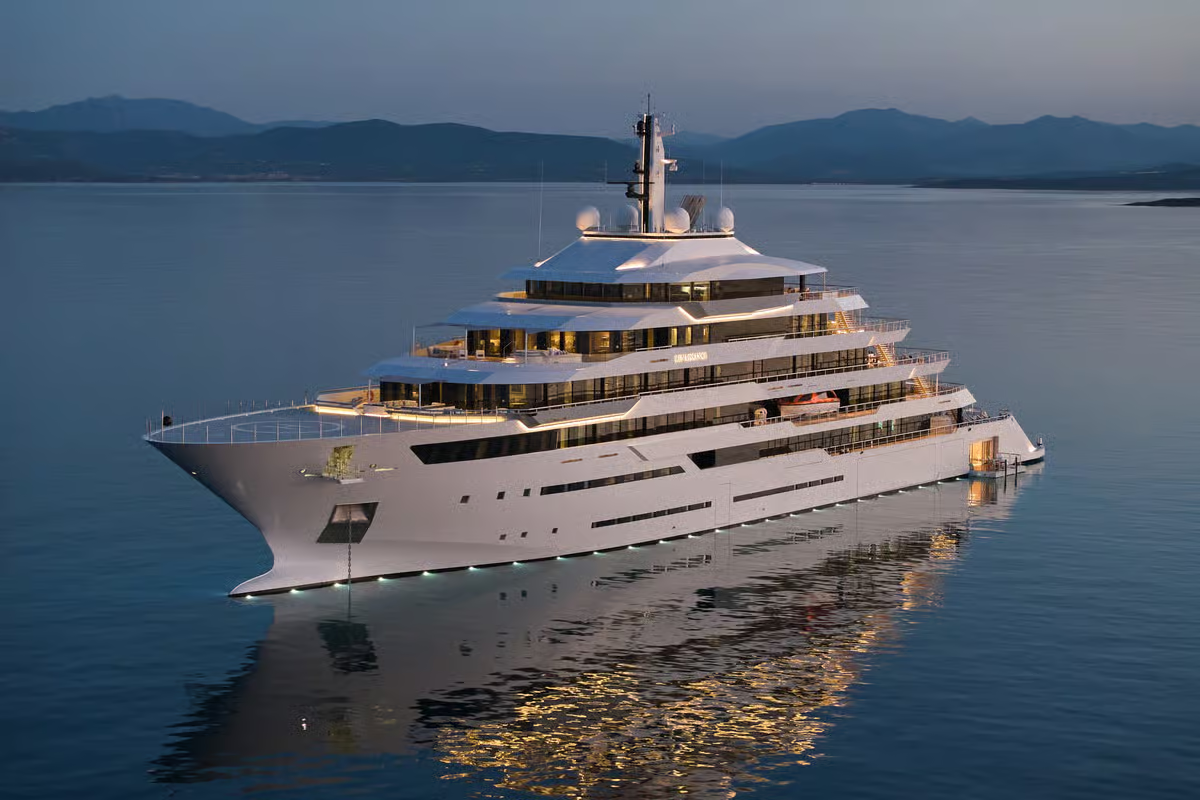
Luxury yachts, especially superyachts (over 100 feet) and megayachts (over 200 feet), offer a unique mix of recreation, privacy, and opulence. These floating palaces often feature infinity pools, spas, gyms, cinemas, helipads, and onboard staff including chefs and masseuses. Custom builds allow owners to personalize everything from the interior design to onboard water toys like submarines and jet skis.
Yachting hotspots such as Monaco, St. Barts, the Maldives, and Sardinia host elite regattas and offer exclusive docking privileges to superyacht owners. With the rising demand for bespoke seaborne vacations, many owners charter their yachts to generate income—often commanding six- or seven-figure weekly fees depending on size and amenities.
Like private jets, yachts require ongoing maintenance, crew management, and docking logistics. However, these costs are often offset by charter revenue, capital appreciation for limited-edition builds, and lifestyle benefits that extend beyond traditional financial returns.
Navigating Ownership and Tax Strategies
Acquiring a yacht or jet involves careful planning around international laws, tax jurisdictions, and ownership structures. Many high-net-worth individuals register their assets in favorable locations such as the Cayman Islands, Malta, or the Isle of Man to optimize tax efficiency and reduce liabilities. Working with specialized asset managers and maritime or aviation attorneys is essential to protect these investments and comply with regulatory frameworks.
In Summary: Status Meets Strategy
Yachts and private jets represent more than luxury—they embody freedom, strategic asset management, and global influence. Whether used for business, pleasure, or both, these high-value acquisitions enhance lifestyle while serving as mobile, appreciating assets in an elite financial portfolio. As personalized travel becomes increasingly desirable, the appeal of these luxury assets continues to surge among the world’s wealthiest individuals.
- Sources Include / Discover More: Yacht investments can yield significant returns by taking advantage of tax benefits, potential appreciation, and revenue generation opportunities
- Sources Include / Discover More: Private jet investments are best viewed as tools for time efficiency, business growth, and significant tax advantages
- Also Read: Ultimate Luxury Skincare Buying Guide
Best Luxury Assets Investment Buying Guide Table
Discover the Best Luxury Assets Investment Opportunities with High ROI — from Fine Art and Rare Wines to Yachts and Prime Real Estate — and build wealth that grows with elegance.
Looking to compare the top-performing luxury investments side by side? This expertly curated Best Luxury Assets Investment Buying Guide Table gives you a quick snapshot of the most profitable high-end assets to diversify your portfolio.
Whether you’re eyeing fine art, rare whiskeys, classic cars, or ultra-luxury yachts, this table highlights key investment metrics—ROI potential, entry price range, and risk levels—to help you make smarter, more strategic decisions in the booming luxury asset market. Ideal for collectors, investors, and wealth managers alike, this table is your essential shortcut to profitable, passion-driven investing.
| No. | Asset Type | ROI Potential | Entry Price Range | Risk Level |
|---|---|---|---|---|
| 1 | Fine Art | High (10–15%/year) | $10,000 – $10M+ | Medium |
| 2 | Classic Cars | Medium–High | $50,000 – $5M+ | Medium |
| 3 | Rare Wines/Whiskeys | Medium | $5,000 – $500,000 | Low–Medium |
| 4 | Luxury Watches | High | $10,000 – $1M+ | Low |
| 5 | Real Estate | High | $500,000 – $50M+ | Low–Medium |
| 6 | Jewelry and Precious Gems | Medium–High | $5,000 – $2M+ | Medium |
| 7 | Yachts and Private Jets | Medium | $1M – $100M+ | High |
Key FAQs on the Best Luxury Assets Investment Buying Guide
Why is fine art considered one of the best luxury asset investments in the world?
Fine art is considered one of the best luxury asset investments because it combines extreme scarcity, cultural importance, and long-term price resilience.
According to major auction houses like Christie’s and Sotheby’s, blue-chip artists such as Picasso, Monet, and Basquiat have historically generated annualized returns of 10–15%, outperforming inflation and many equity indices.
Fine art also enhances portfolio diversification, as its value is largely uncorrelated with stock markets and currency cycles.
What makes fine art a reliable store of wealth for investors?
Fine art functions as a reliable store of wealth because it holds intrinsic, cultural, and emotional value beyond financial systems.
Unlike fiat currencies, investment-grade artworks are not directly affected by interest rates or monetary policy, making them resilient during economic downturns.
Rising demand from global collectors, museums, and art investment funds further strengthens price stability and long-term capital preservation.
Why are classic cars becoming a top-performing alternative investment?
Classic cars have emerged as top-performing alternative investments due to rarity, heritage, and passionate global collector demand.
Models like the Ferrari 250 GTO, Aston Martin DB5, and Porsche 911 RS regularly achieve multi-million-dollar results at RM Sotheby’s and Gooding & Company auctions.
Limited production numbers, motorsport history, and originality allow select vehicles to outperform traditional assets during strong collector-market cycles.
What are the key factors to evaluate before buying an investment-grade classic car?
Key factors when buying an investment-grade classic car include originality, documented provenance, condition, and brand pedigree.
Vehicles retaining matching-numbers engines, factory specifications, and verified ownership history command premium valuations at elite auctions.
Cars restored to concours standards and supported by expert certification tend to deliver higher liquidity, stronger appreciation, and lower long-term investment risk.
Why are rare wines and whiskeys considered smart luxury investments?
Rare wines and collectible whiskeys are smart luxury investments because their value increases as supply naturally declines over time.
Investment-grade Bordeaux wines and limited-edition Macallan releases have recorded price growth exceeding 200% over ten years, according to Liv-ex and global auction data.
Strong international demand, finite production, and aging-driven scarcity make fine wines and whiskeys reliable tangible assets.
How can investors safely store and insure rare wine and whiskey collections?
Safe storage and insurance are essential for preserving the value of rare wine and whiskey investments.
Professional temperature-controlled wine vaults and bonded warehouses protect against heat, light, and humidity damage while maintaining provenance.
Specialized insurers cover theft, breakage, and spoilage, ensuring long-term asset protection and maximum resale value at international auctions.
What makes luxury watches one of the most profitable collectible assets?
Luxury watches are among the most profitable collectible assets due to limited production, mechanical craftsmanship, and global brand equity.
Timepieces from Rolex, Patek Philippe, and Audemars Piguet—such as the Daytona and Nautilus—have appreciated over 100% in secondary markets within five years.
High liquidity, portability, and strong auction demand make elite watches powerful alternative investments.
How can investors identify authentic investment-grade watches?
Authentic investment-grade watches are identified through verified serial numbers, original components, and documented service history.
Purchasing from authorized dealers or respected auction houses reduces counterfeiting risk and ensures provenance.
Original boxes, papers, and limited-edition references significantly enhance long-term value, resale demand, and investor confidence in luxury timepieces.
Why is luxury real estate a key pillar in ultra-high-net-worth portfolios?
Luxury real estate is a cornerstone of ultra-high-net-worth portfolios because it delivers stable appreciation, rental income, and geographic diversification.
Prime properties in Monaco, Dubai, London, and New York historically outperform broader property markets during economic cycles.
Tangible utility, legal ownership rights, and inflation protection make high-end real estate one of the most resilient luxury investments.
How do investors choose the right luxury property for investment?
Choosing the right luxury property requires evaluating location quality, legal stability, and long-term rental demand.
Properties with waterfront access, landmark views, or limited supply consistently achieve higher price growth.
Exclusive amenities, premium construction standards, and strong local governance significantly increase liquidity, capital appreciation, and investor confidence.
Why is fine jewelry considered a reliable luxury investment?
Fine jewelry is a reliable luxury investment due to craftsmanship, brand heritage, and gemstone rarity.
Pieces from Cartier, Van Cleef & Arpels, and Harry Winston retain strong resale value at international auctions.
High-quality diamonds and colored gemstones often outperform gold, offering portability, global liquidity, and long-term wealth preservation.
What are the most profitable gemstones for long-term investment?
The most profitable gemstones for long-term investment are natural, untreated colored stones.
Burmese rubies, Kashmir sapphires, and Colombian emeralds consistently achieve record prices due to extreme scarcity.
Independent gem certification, origin verification, and untreated status significantly enhance valuation, authenticity, and long-term investment performance.
Can yachts and private jets serve as appreciating luxury assets?
Yachts and private jets can function as appreciating luxury assets when managed strategically.
Limited production, rising global demand, and exclusivity support long-term resale value for premium models.
For ultra-high-net-worth individuals, these assets combine lifestyle benefits, mobility, and prestige with measurable financial retention.
How can owners generate income from yachts and private jets?
Owners generate income from yachts and private jets through charter and leasing programs.
Professional management firms oversee operations, regulatory compliance, and client acquisition.
Charter revenue offsets ownership costs while maintaining asset condition, improving cash flow, and preserving long-term resale value.
Key Factors to Consider Before Buying Luxury Assets
Before you pour your hard-earned money into rare watches, vintage cars, or collectible art, it’s essential to understand what you’re getting into. Luxury asset investment isn’t just about taste—it’s also about strategy, verification, and long-term vision. Here’s what you should always keep in mind:
Provenance and Authenticity
This is non-negotiable. Provenance refers to the asset’s origin and ownership history, which directly impacts its value. A Picasso painting with no documentation? Huge red flag. That rare Rolex? Make sure it has the original box, papers, and serial numbers.
Fakes and forgeries plague the luxury market, so always buy from reputable dealers, certified auction houses, or through professional advisors who conduct due diligence and appraisals. Authenticity isn’t just a buzzword—it’s the backbone of your investment’s value.
Market Liquidity
Unlike stocks or ETFs, luxury assets can’t always be sold instantly. That’s why market liquidity matters. Some items—like Rolex watches or fine art from big-name artists—have high resale demand, making them easier to offload when needed.
Others, like niche antiques or obscure jewelry, may take longer to sell or require niche buyers. So before investing, ask yourself: Can I sell this quickly if I need to? Who would buy it? And at what price?
Storage and Insurance
Let’s face it—stashing a million-dollar painting or vintage Ferrari in your garage or attic isn’t a great idea. Proper storage is critical not just for preserving value, but for safety and legal reasons.
- Wine needs temperature-controlled cellars.
- Jewelry and watches belong in secure vaults.
- Art should be stored or displayed under strict environmental controls.
Plus, don’t forget insurance. You’ll want specialty policies tailored for luxury assets—basic home or auto insurance won’t cover the full value of these items.
Tax Implications
Luxury investments can come with complex tax consequences, depending on your jurisdiction. For example:
- Selling art might trigger capital gains tax.
- Importing vintage cars could involve duties and VAT.
- Luxury real estate might incur inheritance or wealth taxes.
Consult a tax advisor who understands alternative investments to help structure your portfolio in a tax-efficient way. A smart strategy today can save you thousands—or even millions—down the line.
Portfolio Diversification
The goal of any good investment strategy is to spread risk and maximize return. That’s where luxury assets shine. When stocks drop, your blue-chip art or collectible timepiece might still hold—or even gain—value.
But don’t put all your eggs in one velvet-lined basket. Combine various asset types—like art, watches, cars, and property—for a well-balanced, inflation-resistant portfolio.
How to Get Started with Luxury Asset Investing
Dipping your toes into luxury asset investing can feel overwhelming at first, but it doesn’t have to be. Here are two of the smartest ways to get started—even if you’re not a billionaire.
Hire a Luxury Asset Advisor
Think of them as your personal investment concierge. A qualified luxury asset advisor does more than just give you tips—they:
- Help verify authenticity and provenance.
- Assist with fair market appraisals.
- Guide you toward pieces with long-term investment potential.
- Negotiate on your behalf with galleries, dealers, or auction houses.
They’re especially helpful if you’re just starting out or looking to invest in niche markets like wine, art, or classic cars.
Attend Global Auctions and Expos
If you want to spot trends, network with insiders, and see some jaw-dropping pieces up close—this is the way.
Here are a few can’t-miss global events:
- Art Basel – A hotspot for fine art investors and galleries worldwide.
- Pebble Beach Concours d’Elegance – Paradise for collectors of rare and classic cars.
- Sotheby’s & Christie’s Auctions – Where multimillion-dollar watches, art, and wine are bought and sold.
- Whisky Auctions – Perfect for rare Scotch and Japanese whiskey collectors.
These events not only let you access verified pieces but also teach you the pulse of the market—what’s hot, what’s timeless, and what’s worth your attention.
By keeping these key considerations in mind and taking smart first steps, you’ll be well on your way to building a diversified, durable, and downright luxurious investment portfolio.
Mistakes to Avoid in Luxury Asset Investing
Even the savviest investors can slip up when emotions, hype, or lack of research get in the way. Luxury assets are tempting, glamorous, and sometimes—deceptively risky. To protect your capital and grow your portfolio wisely, steer clear of these common pitfalls:
Overpaying Due to Brand Hype
Luxury doesn’t always equal investment-grade. Many high-end brands release “limited edition” items to create buzz and drive up retail prices. But just because something is marketed as rare or exclusive doesn’t mean it will appreciate in value.
Take the time to research historical resale data, auction results, and future market forecasts. For example, while a newly released luxury handbag may be trendy today, it may not hold long-term value like a vintage Hermès Birkin or a Rolex Daytona. Smart investors buy for value, not hype.
Neglecting Long-Term Maintenance
Luxury assets require more than just a big initial investment—they need ongoing care. A classic car left sitting in a garage without proper servicing? It could deteriorate fast. A valuable wine collection stored in the wrong temperature? Spoiled beyond repair.
From professional art conservation and jewelry cleaning to wine cellar management and luxury real estate upkeep, maintenance is non-negotiable. Think of it as protecting your ROI. Without proper care, your once-valuable asset could become a liability.
Future Trends in Luxury Asset Investment
The world of luxury investing is evolving rapidly. As technology, global culture, and values shift, so too do the ways we buy, sell, and value high-end assets. Staying ahead of the curve means recognizing the trends shaping the future of luxury asset investment.
Rise of Digital and Tokenized Luxury Assets
Thanks to platforms like Masterworks, Rally, and Courtyard, luxury assets are becoming more accessible through fractional ownership. You no longer need millions to invest in a Warhol painting or a Bugatti—just a fraction of the asset through a tokenized model.
Blockchain technology ensures transparency, traceability, and security, making luxury investments more liquid and available to a broader audience. This democratization is opening up the market to younger, tech-savvy investors looking to diversify with prestige pieces.
ESG and Sustainability in Collectibles
Modern investors care about more than just ROI—they care about impact. Ethical sourcing, sustainability, and responsible craftsmanship are becoming key factors in luxury purchases.
- Lab-grown diamonds are gaining favor for ethical reasons.
- Sustainable fashion and upcycled luxury are rising in popularity.
- Brands with clear ESG (Environmental, Social, Governance) practices are increasingly valued.
Collectors and investors alike are placing a premium on eco-conscious luxury, signaling a future where value isn’t just about price tags—but about purpose and principles.
Final Thoughts
Luxury asset investment is far more than the pursuit of opulence—it’s a strategic path to building long-term wealth, security, and legacy. The Best Luxury Assets Investment Buying Guide proves that investing in tangible, high-value assets like fine art, classic cars, rare wines and whiskeys, luxury watches, prime real estate, jewelry and precious gems, and yachts or private jets isn’t merely about status—it’s about smart diversification and resilience in a volatile economy.
These elite investment categories combine emotional satisfaction with financial intelligence, allowing you to enjoy your assets while they appreciate in value. From the precision of Swiss timepieces to the prestige of blue-chip artwork, luxury assets offer protection against inflation, portfolio balance, and tangible returns that digital investments can’t replicate.
Success in luxury investing lies in expertise, due diligence, and passion. Partner with trusted advisors, buy authenticated assets, and think long-term—because the best luxury portfolios are built not overnight, but over generations.
Ultimately, don’t just collect wealth—curate it. In the world of high-value investments, beauty and profitability coexist. Your next masterpiece, motorcar, or diamond could be more than a symbol of success—it could be the cornerstone of your financial legacy.
The Best Luxury Assets Investment Buying Guide Frequently Asked Questions (FAQs)
Luxury watches and real estate are considered relatively safer due to stable demand and predictable appreciation.
Start small with fractional platforms like Masterworks or Vinovest and gradually scale up as you gain knowledge.
Yes—real estate, yacht charters, and even art rentals can generate steady passive income streams.
No. Most luxury asset gains are subject to capital gains tax. Consult a tax advisor before making large investments.
Absolutely. Specialized insurers like Chubb and AXA Art offer coverage tailored to high-value items.
The Best Luxury Assets Investment Buying Guide helps high-net-worth individuals understand, compare, and invest in premium asset classes like fine art, classic cars, rare wines, high-end watches, and more for long-term wealth preservation and capital appreciation.
Top luxury asset investments include fine art, classic cars, rare wines and whiskeys, luxury watches, precious gems, luxury real estate, and private yachts or jets. These assets provide portfolio diversification and intrinsic long-term value.
Yes, luxury assets can serve as inflation hedges, tangible stores of value, and long-term capital growth vehicles—especially during economic uncertainty or fiat currency devaluation.
While some luxury assets are high-ticket, entry points exist in fractional art ownership, limited-edition watches, rare wines, and emerging market property, allowing more moderate investors access to luxury asset classes.
Trusted marketplaces include Sotheby’s for art, Bonhams for cars, Whisky Auctioneer for rare spirits, Chrono24 for watches, and Knight Frank for luxury properties. Always verify authenticity and provenance before purchase.
About the Author
This article was researched and prepared by the World Millions Editorial Team, specialists in global rankings, premium market analysis, structured comparisons, and high-value sector research across industries.
All content undergoes verification, editorial review, and periodic updates to ensure accuracy, clarity, and alignment with recognized industry standards, reliable institutional sources, and leading global authorities.
- Last Updated: March 27, 2026 by the World Millions Editorial Team
- Original Published Date: March 27, 2026
- View Our: Editorial Team | Sources | Disclaimer | Editorial Standards