- Home
- »
- World’s Most Expensive
- »
- 10 Most Expensive Legal Cases in the World
10 Most Expensive Legal Cases
in the world
The most expensive legal cases in the world represent monumental courtroom battles involving billions of dollars, global corporations, government regulators, and landmark legal precedents. From historic environmental disasters to massive financial fraud lawsuits and high-stakes intellectual property disputes, these cases reshaped industries and redefined corporate accountability worldwide.
Discover the 10 most expensive legal cases in the world, ranked by total settlements, fines, and litigation costs. From the Tobacco Master Settlement Agreement and BP Deepwater Horizon disaster to the Apple vs. Samsung patent wars, these historic lawsuits reveal how law, business, and global regulation collide in the costliest legal battles ever recorded.
On This Page
Toggle- Updated 2026 by the World Millions Editorial Team: View Author Information
Why Are Some Legal Cases So Expensive?
Ever wonder why some court cases cost more than entire national budgets? Well, a lot goes into that final bill. Think of it like a blockbuster movie—except instead of actors and directors, you’ve got teams of elite lawyers, expert witnesses, and years of pretrial motions.
International legal complexities, massive amounts of evidence, and relentless appeals can make a single lawsuit stretch over decades, racking up billions. Plus, when the case involves public interest or corporate scandals, things escalate fast.
Factors That Drive Legal Costs Sky High
Number of Parties Involved
The more entities involved, the messier it gets. When multiple corporations, governments, and third parties are tied to a single case, the legal process balloons in cost and complexity.
Duration of the Trial
Some of these cases have lasted over a decade. Every extra month means more billable hours, more resources, and more delays—all adding up to a staggering figure.
Use of Expert Witnesses and Evidence Gathering
Hiring the best expert witnesses, running forensics, managing international discovery—all of it adds to the bill. And none of it comes cheap.
Global Implications and Media Attention
When the eyes of the world are on a case, there’s added pressure for both sides to lawyer up with the best in the business. That means premium legal talent, and premium prices.
List of the Top 10 Most Expensive Legal Cases in the world
From corporate scandals to billion-dollar settlements, these 10 most expensive legal cases in the world reveal how power, greed, and justice collide in history’s biggest courtroom battles.
Explore the definitive list of the 10 Most Expensive Legal Cases in the World, where courtroom drama meets billion-dollar stakes. These landmark lawsuits have not only resulted in massive financial payouts but have also redefined laws, corporate strategies, and public policy across industries. From the record-breaking Tobacco Master Settlement Agreement to intense tech showdowns like Apple vs. Samsung, each case showcases how the intersection of law, money, and power can reshape global industries.
Whether driven by negligence, antitrust violations, patent wars, or regulatory breaches, these cases offer a fascinating glimpse into the high cost of legal conflict. The financial, reputational, and strategic aftershocks of these trials continue to influence companies and governments around the world.
| Rank | Legal Case | Estimated Cost | Key Parties Involved | Industry Impact |
|---|---|---|---|---|
| 1 | Tobacco Master Settlement Agreement (1998) | $206 Billion | U.S. States vs. Big Tobacco | Transformed tobacco advertising and industry regulations across the U.S. |
| 2 | BP Deepwater Horizon Oil Spill (2010) | $65 Billion | BP vs. U.S. Government | Redefined global oil spill regulations and environmental liability standards. |
| 3 | Bank of America – Mortgage Crisis Lawsuits | $50 Billion+ | Bank of America vs. U.S. Government | Led to sweeping financial reforms and tighter mortgage lending laws. |
| 4 | Volkswagen Emissions Scandal Legal Costs | $35 Billion+ | Volkswagen AG vs. Global Regulatory Bodies | Shook the auto industry, triggering stricter emission laws worldwide. |
| 5 | Enron Bankruptcy Litigation | $23 Billion | Enron Creditors vs. Executives | Prompted the Sarbanes-Oxley Act to improve corporate financial transparency. |
| 6 | World Trade Center Insurance Dispute | $17 Billion | WTC Leaseholder vs. Insurers | Reshaped commercial real estate insurance and terrorism risk assessment. |
| 7 | Exxon Valdez Oil Spill | $7 Billion | ExxonMobil vs. U.S. Government | Led to the Oil Pollution Act and stricter environmental response standards. |
| 8 | Microsoft Antitrust Case | $6 Billion+ | U.S. DOJ vs. Microsoft Corp. | Changed antitrust enforcement in the tech industry globally. |
| 9 | Oracle vs. Google (Java API Lawsuit) | $5 Billion+ | Oracle vs. Google | Set a precedent for software copyright and fair use in the tech sector. |
| 10 | Apple vs. Samsung (Patent Wars) | $1 Billion+ | Apple Inc. vs. Samsung Electronics | Rewrote the landscape for smartphone patents and innovation disputes. |
Discover the 10 Most Expensive Legal Cases in the World
Discover the 10 Most Expensive Legal Cases in the World, where corporate power, government regulation, and high-stakes courtroom drama collide. These landmark lawsuits reshaped industries, set global legal precedents, and resulted in some of the largest financial settlements and penalties in history. From environmental disasters to patent wars and market fraud, these cases reveal how costly accountability can become.
Whether driven by negligence, competition, or systemic misconduct, each of these legal battles left a lasting impact on business ethics, public policy, and corporate strategy. Understanding these cases helps us see how the law shapes economies, influences innovation, and protects society at scale.
#1
Master Settlement Agreement

Key Takeaways for Master Settlement Agreement
This case redefined corporate accountability in the United States. In 1998, four major tobacco companies reached a historic settlement with 46 U.S. states, agreeing to pay over $206 billion over 25 years.
- Why it cost so much: The sheer scale of public health damage, the number of plaintiffs, and decades of cigarette-related lawsuits all contributed.
- Outcome: Ongoing payments by tobacco companies and advertising restrictions.
Master Settlement Agreement: $206 Billion
The Tobacco Master Settlement Agreement (MSA) stands as the most expensive legal case in U.S. history and a landmark moment in the battle between public health advocates and Big Tobacco. Signed in 1998, this monumental legal agreement involved four of the largest cigarette manufacturers—Philip Morris, R.J. Reynolds, Lorillard, and Brown & Williamson—and 46 U.S. states.
This case didn’t just change the way tobacco companies operate; it redefined corporate accountability in the United States and set a precedent for future lawsuits involving public health and deceptive business practices.
Tobacco Master Settlement Agreement: The Background and Legal Build-Up
For decades, cigarette manufacturers denied links between smoking and serious health conditions like lung cancer, heart disease, and emphysema. However, mounting evidence and internal industry documents revealed that companies were aware of the dangers yet continued to market aggressively—particularly to younger audiences.
By the 1990s, U.S. states were overwhelmed by the financial burden of treating tobacco-related illnesses under Medicaid. Attorneys general from 46 states united to sue Big Tobacco, demanding reimbursement for decades of public healthcare costs.
Why This Legal Case Was So Expensive
The staggering $206 billion settlement wasn’t just a result of financial penalties. It was the culmination of:
- The enormous scale of public health damage, spanning decades and affecting millions of Americans.
- The sheer number of plaintiffs, with 46 states and multiple territories involved in litigation.
- Decades of ongoing cigarette-related lawsuits, which created a mountain of legal pressure.
- The cost of implementing the advertising restrictions and public health initiatives mandated by the agreement.
Tobacco companies agreed to pay the settlement over 25 years, with payments continuing to this day. The deal also included bans on advertising to youth, sponsorships, and misleading marketing tactics.
Tobacco MSA: Long-Term Impact on Public Health and Corporate Conduct
The Tobacco MSA didn’t just result in monetary penalties. It reshaped how businesses approach transparency, marketing ethics, and consumer protection. It empowered states to fund anti-smoking campaigns and gave the public access to previously hidden industry documents.
This case became a blueprint for future mass tort litigation and corporate settlements. It proved that even the most powerful industries can be held accountable when the stakes are public health and consumer trust.
- Sources Include / Discover More: The Master Settlement Agreement
- Also Read: Most Expensive Pens in the World
#2
BP Deepwater Horizon Oil Spill
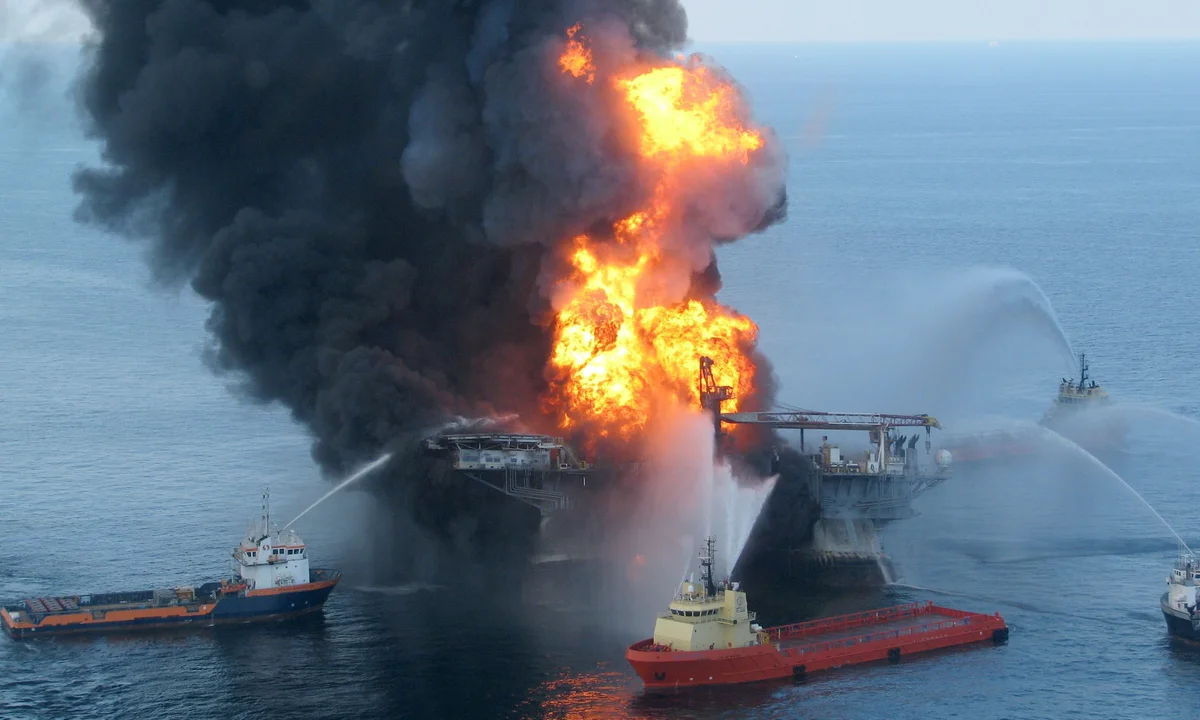
Key Takeaways for BP Deepwater Horizon Oil Spill
The 2010 Deepwater Horizon disaster off the Gulf of Mexico led to one of the largest environmental lawsuits in history.
- Key costs: Environmental damage, civil claims, criminal fines, and cleanup costs.
- Duration: Ongoing financial consequences for over a decade.
BP Deepwater Horizon Oil Spill: $65 Billion+
In April 2010, the Deepwater Horizon drilling rig, operated by BP, exploded in the Gulf of Mexico, resulting in one of the worst environmental disasters in global history. This catastrophic event claimed 11 lives and unleashed over 200 million gallons of crude oil into the ocean, devastating marine ecosystems and coastal communities for years to come.
What followed was an unprecedented legal reckoning, with BP facing billions in civil and criminal penalties, cleanup obligations, and private claims. The total financial toll exceeded $65 billion, making it one of the most expensive legal cases ever related to environmental damage.
Deepwater Horizon Oil Spill: Root Cause and Immediate Fallout
The disaster stemmed from a blowout preventer failure on the Macondo well, located 5,000 feet below the surface. The explosion and subsequent oil spill lasted for 87 days, contaminating over 1,300 miles of shoreline and killing thousands of marine species.
In the months that followed, BP faced lawsuits from the U.S. Department of Justice, individual Gulf Coast states, local governments, and private businesses affected by the spill. The company’s initial response was heavily criticized, compounding its legal exposure and public image crisis.
Horizon Oil Spill: Breakdown of Legal and Financial Costs
BP’s legal bill grew rapidly due to the multifaceted nature of the claims, which included:
- Environmental damage fines, including a record $5.5 billion Clean Water Act penalty.
- Civil litigation, such as the $20 billion settlement with the U.S. government and Gulf Coast states—the largest environmental settlement in American history.
- Criminal fines and charges, including 14 criminal counts and $4 billion in penalties.
- Economic and property damage claims, totaling billions in compensation for businesses and individuals.
- Cleanup and restoration efforts, which spanned over a decade and required significant investment in both oceanic and coastal recovery.
Deepwater Horizon: Long-Term Impact and Ongoing Consequences
More than a decade later, BP continues to feel the financial and reputational impact of the Deepwater Horizon disaster. The case transformed environmental regulation, drilling oversight, and corporate liability practices worldwide.
It became a cautionary tale for the oil and gas industry and set a new global benchmark for how environmental negligence can lead to astronomical legal consequences. This case remains a defining example of how environmental disasters can trigger long-term legal and financial repercussions.
- Sources Include / Discover More: The Deepwater Horizon Oil Spill
- Also Read: Most Expensive Health Insurance Plans
#3
Bank of America – Mortgage Crisis Lawsuits
Key Takeaways for Bank of America – Mortgage Crisis Lawsuits
Bank of America faced a mountain of litigation after the 2008 financial crisis, mostly over subprime mortgage practices.
- Reason for cost: Settlement with the DOJ, multiple class-action lawsuits, and penalties.
- Impact: Major shift in financial regulations and banking transparency.
Bank of America Mortgage Crisis Lawsuits: $50 Billion+
In the wake of the 2008 global financial meltdown, Bank of America became one of the most heavily penalized financial institutions involved in the subprime mortgage crisis. As a result of acquiring Countrywide Financial and Merrill Lynch—two firms deeply entangled in risky mortgage-backed securities—Bank of America inherited a flood of lawsuits, investigations, and regulatory scrutiny.
Over the years, the bank faced mounting legal expenses that ultimately exceeded $50 billion, making it one of the most expensive financial legal cases in U.S. history.
Subprime Mortgages: The Roots of the Mortgage Crisis Litigation
The crisis was largely triggered by widespread issuance of subprime mortgages, which were bundled into complex securities and sold to investors under misleading risk assessments. Countrywide, known for aggressive lending tactics, was at the center of the storm. When Bank of America acquired Countrywide in 2008, it also inherited its liabilities.
Soon after, federal and state regulators, institutional investors, and individual homeowners began filing lawsuits alleging fraud, misrepresentation, and negligence. The U.S. Department of Justice led the charge, accusing Bank of America of knowingly selling toxic mortgage securities that contributed to the collapse of the housing market.
Why the Subprime Legal Costs Reached Record Highs
The $50 billion in legal expenses stemmed from:
- A historic $16.65 billion settlement with the U.S. Department of Justice in 2014—the largest civil settlement with a single company related to the financial crisis.
- Multiple class-action lawsuits from shareholders and institutional investors claiming massive financial losses.
- Penalties and fines from state attorneys general and federal regulators over deceptive lending and foreclosure practices.
- Reparations to affected homeowners, including mortgage modifications and financial relief.
These costs weren’t just financial—they reshaped how banks handle mortgage underwriting, disclosure, and risk assessment.
Dodd-Frank Act: Long-Term Impact on the Banking Sector
Bank of America’s legal troubles significantly influenced the evolution of U.S. financial regulations, most notably the Dodd-Frank Act, which aimed to prevent future economic collapses caused by irresponsible banking practices.
The case highlighted the need for greater transparency, stricter regulatory compliance, and ethical lending standards. It also served as a warning to financial institutions that misconduct at scale can lead to unprecedented legal consequences and long-term reputational damage.
- Sources Include / Discover More: What the BoA Settlement Means for the Bank – and for Banking
- Also Read: Most Expensive Cities for Startups and Business
#4
Volkswagen Emissions Scandal
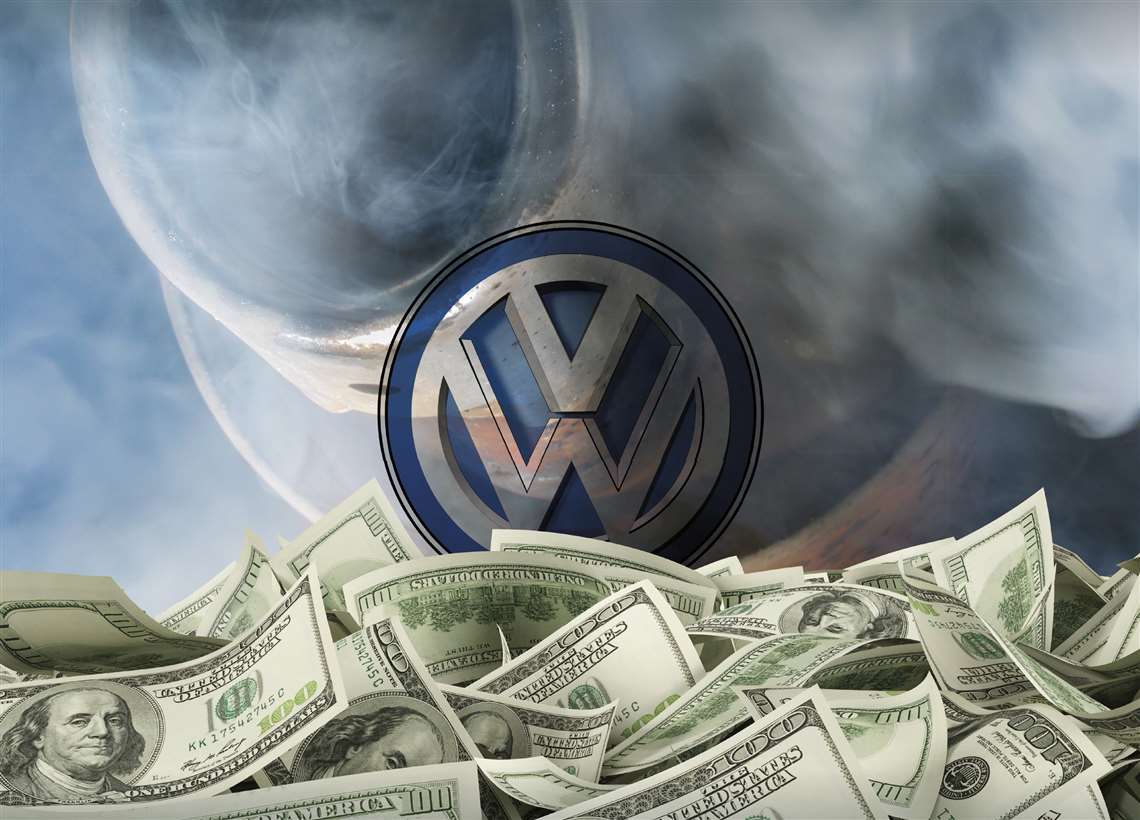
Key Takeaways for Volkswagen Emissions Scandal
The infamous “Dieselgate” scandal rocked the automotive world when Volkswagen was found guilty of manipulating emissions data. What followed was a legal and financial nightmare that spanned continents.
- Overview: In 2015, Volkswagen was exposed for using “defeat devices” to cheat emissions tests on diesel vehicles, triggering global outrage and regulatory action.
- Legal Impact: The scandal led to over $35 billion in fines, settlements, and vehicle buybacks, making it one of the costliest corporate legal battles in history.
Volkswagen Emissions Scandal: $35 Billion+
The Volkswagen Dieselgate scandal is one of the most shocking corporate deception cases in automotive history. In 2015, the German car manufacturer was caught installing illegal “defeat devices” in millions of diesel vehicles to manipulate emissions results during testing. These devices allowed cars to appear environmentally friendly while releasing up to 40 times the legal limit of nitrogen oxide during real-world driving conditions.
This scandal quickly escalated into a global legal crisis, resulting in over $35 billion in fines, settlements, regulatory penalties, and vehicle buybacks, placing Volkswagen at the center of one of the most expensive corporate legal cases of all time.
How the VW Emissions Scandal Unfolded
The scandal began when researchers at West Virginia University noticed discrepancies in diesel emissions between laboratory tests and real-world driving. Their findings prompted investigations by the U.S. Environmental Protection Agency (EPA), which eventually led to the discovery of sophisticated software embedded in VW’s engines.
Volkswagen initially denied the allegations but later admitted to installing the software in over 11 million vehicles worldwide, including nearly 600,000 in the United States. The admission triggered immediate regulatory action, lawsuits, and global media scrutiny.
Legal and Financial Fallout of Diesel Gate
The financial damage was staggering due to several contributing factors:
- Criminal charges: Volkswagen faced federal charges in the U.S., including wire fraud, conspiracy to defraud regulators, and obstruction of justice. Multiple executives were indicted and some imprisoned.
- Civil settlements and fines: The company agreed to a $14.7 billion settlement in the U.S. alone, covering environmental penalties, consumer compensation, and vehicle buybacks.
- Global litigation: Class-action lawsuits, investor claims, and regulatory penalties from Europe, Canada, and Asia added billions more to the total cost.
- Vehicle recalls and retrofits: VW was required to repair or buy back affected vehicles and provide compensation to customers, costing billions.
Dieselgate: Long-Term Repercussions for the Auto Industry
The Dieselgate scandal had far-reaching implications beyond Volkswagen. It led to tighter emissions regulations, a crackdown on diesel vehicles across Europe, and a major shift toward electric vehicle adoption. Consumer trust in diesel technology plummeted, and automakers worldwide were forced to reevaluate compliance strategies.
This case reshaped how governments and consumers view corporate responsibility and set a precedent for environmental accountability in the automotive industry.
- Sources Include / Discover More on BBC: Volkswagen, The scandal Explained
- Also Read: Most Expensive Life Insurance Policies
#5
Enron Scandal
Key Takeaways for Enron Scandal
The collapse of Enron was not just a business failure—it triggered an avalanche of lawsuits.
- Main issues: Fraud, accounting manipulation, and investor losses.
- Legal aftermath: Executives went to prison, and new laws (Sarbanes-Oxley Act) were enacted.
Enron Scandal and Legal Fallout: $23 Billion
The collapse of Enron Corporation stands as one of the most infamous corporate fraud cases in U.S. history. Once hailed as a Wall Street darling and a symbol of innovation in the energy sector, Enron’s fall in 2001 exposed a vast network of accounting fraud, corporate misconduct, and deceit. The consequences were catastrophic—wiping out billions in shareholder value, triggering mass layoffs, and shaking investor confidence around the globe.
With more than $23 billion in shareholder losses, countless lawsuits, and the conviction of top executives, the Enron scandal became a textbook example of corporate fraud and legal accountability.
Enron the Smartest Guys in the Room: How the Enron Fraud Was Engineered
At the heart of the scandal was a complex system of off-balance-sheet entities used to hide debt and inflate earnings. Enron executives, in collaboration with its accounting firm Arthur Andersen, created Special Purpose Entities (SPEs) to move liabilities off the books and deceive investors about the company’s true financial health.
The company reported soaring profits, earning accolades from analysts and investors. However, in reality, Enron was hemorrhaging money and falsifying financial reports to keep its stock price artificially high.
Enron: Legal Aftermath and Corporate Accountability
The unraveling of the fraud led to a wave of federal investigations, class-action lawsuits, and criminal charges. Key legal and regulatory consequences included:
- Criminal convictions: Former CEO Jeffrey Skilling and Chairman Kenneth Lay were both convicted. Skilling was sentenced to over 24 years in prison (later reduced), while Lay died before sentencing.
- Collapse of Arthur Andersen: The once-prestigious accounting firm was convicted of obstruction of justice for destroying Enron-related documents, leading to its dissolution.
- Investor lawsuits: Enron shareholders filed one of the largest class-action suits in U.S. history, resulting in billions in settlements from banks and advisors.
- Pension fund losses: Employees lost life savings as their retirement accounts were heavily invested in Enron stock.
Legacy: The Birth of the Sarbanes-Oxley Act
In response to the scandal, the U.S. government enacted the Sarbanes-Oxley Act (SOX) in 2002, revolutionizing corporate governance and financial reporting. The law introduced stricter internal controls, CEO accountability, and auditor independence, aiming to prevent future fraud.
The Enron scandal fundamentally changed how companies manage risk, compliance, and transparency in corporate reporting, making it one of the most influential legal cases in financial history.
- Sources Include / Discover More: The Enron Scandal and Accounting Fraud: What Happened?
- Also Read: Most Expensive Supercars in the World
#6
World Trade Center Insurance Dispute

Key Takeaways for World Trade Center Insurance Dispute
After the 9/11 attacks, legal battles raged over whether the destruction of the Twin Towers was one event or two, influencing insurance payouts.
- Cost complexities: Unique legal arguments around terrorism insurance.
- Result: Settlements and payouts ran into the billions.
9/11 Insurance Litigation: $17 Billion
The September 11, 2001 terrorist attacks devastated not only the nation but also triggered one of the most complex and expensive insurance litigations in U.S. history. After the collapse of the World Trade Center’s Twin Towers, intense legal debates arose over whether the destruction should be treated as a single insurable event or two separate ones, with billions of dollars hanging in the balance.
This legal dispute significantly impacted how terrorism-related insurance claims were interpreted, leading to a total payout of approximately $17 billion, making it one of the most costly insurance lawsuits in history.
World Trade Center Legal Question: One Event or Two?
At the core of this litigation was an unusual and highly technical legal question—did the two planes hitting each tower constitute one insurance incident or two? The answer had major financial implications because it would determine whether insurers owed double the policy limits or not.
The Port Authority of New York and developer Larry Silverstein, who held the lease on the World Trade Center, argued for two occurrences. Insurers pushed back, claiming the attacks were coordinated and therefore should count as one single insurable event.
What followed was a legal war involving over 20 insurance companies, top-tier litigation firms, and expert testimony from aviation, terrorism, and legal professionals.
WTC Financial and Legal Implications
The outcome of the litigation had far-reaching effects, including:
- Massive settlements: After years of court battles, a series of legal decisions led to billion-dollar settlements, with Silverstein eventually recovering around $4.6 billion in insurance payouts.
- Terrorism risk assessment: The case changed how terrorism insurance policies are written, leading to greater clarity in defining “occurrences” and boosting demand for specialized terrorism coverage.
- Impact on the insurance industry: Insurers revised risk models and policy language industry-wide, leading to stricter underwriting practices.
A Legal Legacy That Redefined Insurance Law
The 9/11 insurance litigation didn’t just resolve a payment dispute—it reshaped the global insurance industry, especially in the context of terrorism and catastrophe risk. Courts emphasized the importance of policy wording, and companies became far more cautious in how coverage was framed.
To this day, the case is cited as a landmark in insurance contract interpretation, symbolizing how legal nuance can shift the financial outcome of even the most catastrophic events.
- Sources Include / Discover More: The Dispute Over Whether the Attack on the World Trade Center Constituted One “Occurrence” or Two “Occurrences”
- Also Read: Most Expensive Paintings in the World
#7
Exxon Valdez Oil Spill
Key Takeaways for Exxon Valdez Oil Spill
One of the worst environmental disasters in U.S. history. The spill in Alaska led to years of litigation and cleanup costs.
- Legal legacy: Changed maritime law and corporate liability.
- Costs: Included punitive damages, cleanup, and civil settlements.
Exxon Valdez Oil Spill: $7 Billion+
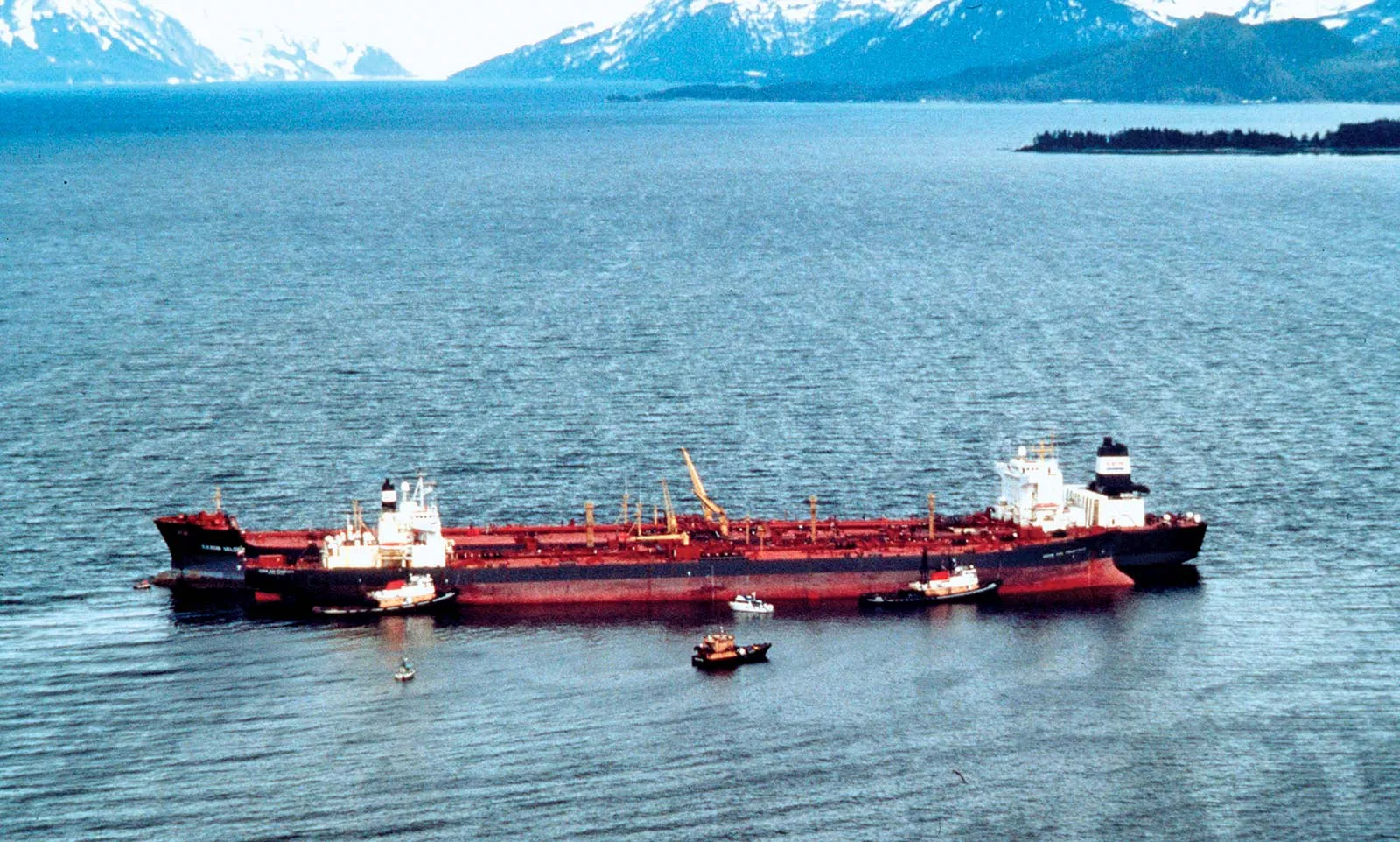
The Exxon Valdez oil spill remains one of the most devastating environmental disasters in U.S. history. On March 24, 1989, the Exxon Valdez oil tanker struck Bligh Reef in Alaska’s Prince William Sound, spilling over 11 million gallons of crude oil into the ocean. The spill contaminated more than 1,300 miles of pristine coastline, decimating wildlife populations and local economies.
The disaster sparked years of intense environmental litigation, corporate liability debates, and massive financial consequences, with Exxon eventually paying out more than $7 billion in cleanup costs, punitive damages, and settlements.
Exxon Valdez spill: The Legal Aftermath and Maritime Law Reforms
The Exxon Valdez catastrophe triggered a legal firestorm that transformed U.S. maritime and environmental law. Exxon faced lawsuits from the federal government, the State of Alaska, local fishermen, native communities, and environmental organizations. The central legal questions focused on:
- Negligence and liability: Whether Exxon had exercised due care in hiring and supervising the ship’s captain, who was reportedly intoxicated during the incident.
- Punitive damages: In 1994, a jury awarded $5 billion in punitive damages to affected plaintiffs. After multiple appeals and Supreme Court involvement, the amount was later reduced to $507.5 million.
These legal battles set precedents in corporate responsibility and maritime law, particularly in cases involving environmental damage due to oil transportation.
Exxon Oil Spill: Financial Impact on Exxon and the Oil Industry
The financial toll on Exxon included:
- Cleanup operations: Exxon spent more than $2 billion on environmental cleanup, deploying thousands of workers and equipment to scrub beaches and recover wildlife.
- Civil settlements: The company paid an additional $1 billion in civil claims to the U.S. and Alaska governments.
- Loss of reputation: Exxon faced public outrage, investor concerns, and long-term brand damage that took years to recover from.
These combined costs made the Exxon Valdez spill one of the most expensive environmental legal cases in history.
Exxon Valdez: A Turning Point in Environmental Accountability
The legal and environmental fallout from the Exxon Valdez disaster led to the passage of the Oil Pollution Act of 1990, which improved oil spill prevention, response protocols, and corporate liability standards for future incidents.
This landmark case reshaped how oil companies operate in U.S. waters and elevated the importance of environmental compliance, disaster preparedness, and legal transparency across the energy sector.
- Sources Include / Discover More: The Exxon Valdez Oil Spill
- Also Read: Most Expensive Diamonds in the World
#8
Microsoft Antitrust Case
Key Takeaways for Microsoft Antitrust Case
The U.S. government sued Microsoft in the late 1990s for antitrust violations. This landmark case reshaped how tech monopolies are regulated.
- Main issues: Bundling of software and anti-competitive practices.
- Aftershock: Microsoft agreed to share APIs and was restricted in business practices for years.
Microsoft Antitrust Case: $6 Billion+
The United States vs. Microsoft Corporation antitrust lawsuit, filed in 1998, became one of the most significant legal battles in tech history. The U.S. Department of Justice, along with 20 state attorneys general, accused Microsoft of abusing its monopoly power in the PC operating system market to suppress competition and stifle innovation. The case set the tone for future regulation of tech giants and redefined how governments approach monopoly practices in the digital era.
While Microsoft did not face multibillion-dollar fines, the costs of compliance, legal representation, public perception, and business restructuring added up to over $6 billion, making it one of the most influential and expensive tech lawsuits in history.
Microsoft: Key Legal Issues: Bundling and Market Domination
The case revolved around two core issues:
- Software bundling: Microsoft was accused of illegally bundling its Internet Explorer browser with the Windows operating system to crush rival browsers like Netscape Navigator. This tactic allegedly leveraged its OS dominance to monopolize the browser market, preventing fair competition.
- Anti-competitive behavior: The government alleged that Microsoft used its dominance to pressure PC manufacturers and software developers to exclude or limit competing software, further cementing its hold on the market.
These practices were seen as clear violations of the Sherman Antitrust Act, designed to prevent monopolies and maintain competitive markets.
Legal Outcome and Business Reforms
In 2000, the court initially ordered Microsoft to be split into two separate entities, one for the operating system and another for software products. However, this decision was overturned on appeal.
Ultimately, Microsoft reached a settlement in 2001, agreeing to:
- Share application programming interfaces (APIs) with third-party developers.
- Avoid exclusive deals that could block competition.
- Accept independent oversight of its business practices for several years.
Though not broken up, Microsoft was subjected to strict behavioral restrictions, fundamentally altering how it conducted business.
Microsoft Antitrust: Long-Term Impact on the Tech Industry
The Microsoft antitrust case is now regarded as a landmark in regulating tech monopolies. It curbed Microsoft’s aggressive market strategies and paved the way for emerging competitors like Google and Apple to thrive. The case also laid the groundwork for modern antitrust scrutiny of Big Tech, influencing ongoing investigations into Amazon, Meta, and Alphabet.
It remains a defining moment in U.S. legal and tech history—where law met innovation at the crossroads of regulation and corporate power.
- Sources Include / Discover More: The Microsoft Antitrust Case
- Also Read: Most Expensive Antiques in the World
#9
Oracle vs. Google
Key Takeaways for Oracle vs. Google
This tech case revolved around the use of Java APIs in Google’s Android system. It became one of the most important intellectual property battles ever.
- What was at stake: Billions in licensing and future software rights.
- Verdict: Initially found against Google, later overturned by the Supreme Court.
Google vs. Oracle: The Java API Copyright Battle, $5 Billion+
The Google vs. Oracle legal case is one of the most significant intellectual property battles in the tech world. It centered around whether Google’s use of Java APIs in its Android operating system violated Oracle’s copyright. This case raised critical questions about software development rights, API usage, and the future of open-source programming standards.
The legal dispute dragged on for over a decade, with billions of dollars and the fate of modern software development practices hanging in the balance. It became a landmark case in defining fair use in software and reshaping the rules around intellectual property in the tech industry.
Core Legal Dispute: Java APIs and Android Integration
At the heart of the conflict was Google’s decision to use 37 Java APIs from Oracle’s Java programming language in Android. Oracle, which acquired Sun Microsystems (Java’s original developer), argued that Google had copied the structure, sequence, and organization of the APIs without paying for a license.
Google countered that APIs are functional elements and not subject to copyright in the same way as creative works. They claimed their use fell under fair use, which allows limited use of copyrighted materials without permission.
This legal battle wasn’t just about Android—it had far-reaching implications for the entire software development industry, including how coders write, share, and implement functionality across systems.
Legal Outcome and Supreme Court Ruling
In the early rounds, courts ruled in favor of Oracle, including a $9 billion claim for damages. But Google appealed, and in 2021, the U.S. Supreme Court overturned the previous rulings, siding with Google and declaring its use of the Java APIs as fair use.
This final verdict was a massive win for developers and set a new legal precedent: software interfaces used to allow programs to work together are now considered fair use in many contexts, offering greater flexibility and innovation.
Google vs. Oracle: Long-Term Impact on Software and IP Law
The Google vs. Oracle case now serves as a benchmark for copyright in software, particularly regarding APIs. It provided clarity for tech companies, startups, and developers about what’s legally permissible when building platforms.
Its resolution ensured that innovation isn’t stifled by excessive copyright restrictions, making it a pivotal case in modern tech law and digital innovation policy.
- Sources Include / Discover More: The Google LLC v. Oracle America, Inc. Case
- Also Read: Most Expensive Cities in the World
#10
Apple vs. Samsung
Key Takeaways for Apple vs. Samsung
This was a tech war for the ages. Apple and Samsung clashed in courtrooms worldwide over smartphone patent violations.
- Cost drivers: Global legal filings, appeals, and competitive stakes.
- Endgame: Partial victories on both sides, with billions lost to legal costs.
Apple vs. Samsung: The Patent War, $1 Billion+
The Apple vs. Samsung patent lawsuit saga was a tech industry clash that defined the modern era of smartphone innovation and intellectual property protection. Beginning in 2011, Apple sued Samsung, claiming that the South Korean tech giant had infringed on key design and utility patents related to the iPhone. What followed was a decade-long series of courtroom showdowns across multiple continents.
With over $1 billion in legal costs, damages, and fines at stake, this legal conflict became one of the most high-profile corporate battles in tech history, reshaping the dynamics of competition and innovation in the smartphone market.
The Origins of the Dispute
Apple accused Samsung of copying the iPhone’s iconic design, including its rounded corners, bezel, and app icon layout. The initial lawsuit was filed in California, but quickly expanded to dozens of cases in Europe, Asia, and Australia. Apple’s legal team claimed that Samsung had violated multiple patents, including utility patents for touch-screen gestures and hardware design elements.
Samsung countered with its own lawsuits, alleging that Apple had infringed on its wireless technology patents. The global tech war turned into a chess match of cross-claims, countersuits, and appeals, with both companies seeking to protect their market dominance.
Why the Legal Costs Were Enormous
Several key factors drove the astronomical legal expenses:
- Extensive global litigation, with cases filed in over 10 countries across multiple jurisdictions.
- Ongoing appeals and retrials, including a landmark decision in the U.S. that was appealed all the way to the Supreme Court.
- Billions in potential damages, with Apple initially winning a $1.05 billion verdict (later reduced).
- The high cost of defending and prosecuting complex intellectual property cases, involving elite legal teams and technical expert witnesses.
This case was about more than just money—it was about controlling the future of smartphone innovation and user experience.
Apple vs. Samsung: Final Outcomes and Industry Implications
The battle ended in 2018 with a mutual settlement, but by then, both companies had spent years and billions on litigation. While Apple won several key victories in U.S. courts, Samsung scored wins elsewhere, resulting in a series of partial victories for both sides.
The Apple-Samsung patent war set a precedent for how tech giants protect intellectual property, and it forced companies worldwide to take patent strategy seriously. It became a defining moment in how legal systems handle technology-driven market disputes.
- Sources Include / Discover More: The Apple Inc. v. Samsung Electronics Co. Lawsuit
- Also Read: Most Expensive Chocolates in the World
Key FAQs on the 10 Most Expensive Legal Cases in the World
Why is the Tobacco Master Settlement Agreement considered the most expensive legal case in history?
The Tobacco Master Settlement Agreement of 1998 is the most expensive legal case ever, totaling more than $206 billion paid by major tobacco companies to 46 U.S. states.
The settlement resolved state lawsuits seeking reimbursement for smoking-related healthcare costs, supported by evidence from the CDC and U.S. Department of Justice.
It permanently restricted tobacco advertising, banned youth marketing, required public disclosure of industry documents, and reshaped global tobacco regulation and litigation standards.
Why was the BP Deepwater Horizon Oil Spill lawsuit so financially devastating?
The BP Deepwater Horizon Oil Spill lawsuit surpassed $65 billion following the 2010 Gulf of Mexico disaster, according to the U.S. Department of Justice and EPA findings.
BP faced civil penalties under the Clean Water Act, criminal fines, environmental restoration costs, and thousands of private claims.
The case redefined offshore drilling regulation, expanded corporate environmental liability, and remains the costliest environmental legal case in global history.
What made the Bank of America mortgage crisis lawsuits historic?
Bank of America’s mortgage crisis lawsuits exceeded $50 billion, stemming from the sale of toxic mortgage-backed securities before the 2008 financial collapse.
Federal regulators, including the SEC and U.S. Department of Justice, accused the bank of misleading investors and homeowners.
The settlements accelerated financial reforms, influenced the Dodd-Frank Act, and permanently strengthened disclosure, lending, and risk-management standards worldwide.
Why was Volkswagen’s emissions scandal one of the most expensive corporate cases?
Volkswagen’s emissions scandal, known as Dieselgate, cost more than $35 billion after regulators uncovered software designed to cheat diesel emissions tests.
According to the EPA and European authorities, penalties included fines, criminal settlements, vehicle buybacks, and global class-action lawsuits.
The case transformed emissions enforcement, accelerated electric vehicle adoption, and permanently reshaped compliance standards across the global automotive industry.
How did the Enron bankruptcy litigation change corporate accountability?
Enron’s $23 billion bankruptcy litigation exposed systemic accounting fraud and executive misconduct, making it one of history’s largest corporate collapses.
Investigations by the SEC and U.S. Department of Justice led to criminal convictions, investor losses, and sweeping regulatory scrutiny.
The scandal directly triggered the Sarbanes-Oxley Act, strengthening financial reporting, executive accountability, and auditor independence worldwide.
What was significant about the World Trade Center insurance dispute?
The World Trade Center insurance dispute exceeded $17 billion and focused on whether the September 11 attacks constituted one or two insured events.
Federal court rulings reshaped terrorism insurance interpretation, supported by risk assessments from global insurers and reinsurers.
The outcome permanently altered catastrophic risk modeling, commercial property coverage, and how insurers price terrorism-related financial exposure worldwide.
Why was the Exxon Valdez oil spill lawsuit so important?
The Exxon Valdez oil spill lawsuit resulted in over $7 billion in damages following the 1989 environmental disaster in Alaska.
Findings by U.S. courts and environmental agencies led to penalties, cleanup costs, and long-term ecological restoration obligations.
The case directly produced the Oil Pollution Act of 1990, strengthening tanker safety rules, spill prevention, and corporate environmental liability globally.
What was the outcome of the Microsoft antitrust case?
The Microsoft antitrust case cost more than $6 billion and challenged the company’s practice of bundling software with its Windows operating system.
Brought by the U.S. Department of Justice, the ruling expanded competition law enforcement in the technology sector.
It set global antitrust precedents and influenced regulatory scrutiny of dominant digital platforms, shaping modern competition policy worldwide.
Why was the Oracle vs. Google Java API lawsuit significant for the tech sector?
The Oracle vs. Google Java API lawsuit exceeded $5 billion and tested whether software APIs are protected by copyright law.
In a landmark U.S. Supreme Court decision, Google’s use was ruled fair use, citing innovation and interoperability benefits.
The verdict protects developer freedom, supports software compatibility, and reshaped intellectual property enforcement across the global technology industry.
How did the Apple vs. Samsung patent wars reshape smartphone innovation?
The Apple vs. Samsung patent wars surpassed $1 billion in global litigation over smartphone design and user interface patents.
Courts in the U.S., Europe, and Asia clarified the scope of design patent protection and damages calculations.
The rulings reshaped intellectual property enforcement, encouraged innovation-driven differentiation, and permanently influenced competition in the mobile technology market.
What We Can Learn From These Expensive Legal Battles
Corporate Accountability Is Non-Negotiable
No matter how powerful a company or individual is, they’re not above the law. These cases prove that the legal system can (eventually) catch up—even if it costs billions.
Prevention Is Cheaper Than Litigation
Whether it’s stronger ethics policies, clearer contracts, or better PR management, many of these lawsuits could have been avoided with foresight and responsibility
Long-Term Impact of These Legal Cases
The Ripple Effect on Industries
Each of these lawsuits didn’t just cost money—they changed entire industries. The tobacco case led to advertising bans. The tech battles changed how we look at software patents. Oil spills forced stricter environmental policies.
Legal Precedents and Reform
Many of these cases triggered new laws or altered the way old ones are enforced. The Enron scandal led to the Sarbanes-Oxley Act. The Microsoft trial still influences how regulators view big tech today.
Final Thoughts
The courtroom can be a place of justice—or a financial black hole. The 10 Most Expensive Legal Cases in the World offer a shocking look into how legal battles can spiral into multi-billion-dollar financial disasters. From corporate scandals to environmental catastrophes, these landmark lawsuits prove that when ambition, negligence, or corporate greed collide with the law, the price tag can be astronomical.
These cases didn’t just involve big payouts—they reshaped entire industries, set legal precedents, and became cautionary tales for businesses worldwide. Whether it’s the $206 billion Tobacco Master Settlement Agreement or the $65 billion BP Deepwater Horizon oil spill, each legal saga has its own legacy of litigation, regulation, and reform.
For business owners, attorneys, investors, or anyone fascinated by courtroom drama, these expensive legal battles are a reminder of the high stakes involved when the law steps in. One wrong decision can lead to years of litigation, loss of public trust, and devastating financial consequences.
Explore the most expensive legal settlements and judgments in history—and discover the true cost of being on the wrong side of the law.
The 10 Most Expensive Legal Cases Frequently Asked Questions (FAQs)
The Tobacco Master Settlement Agreement is the most expensive, costing over $206 billion.
Through a combination of legal fees, settlements, penalties, and prolonged court battles involving multiple parties.
Tech, energy, finance, healthcare, and media are most commonly hit with high-cost litigation.
Yes, through stricter compliance, transparent practices, and proactive risk management.
Industries like finance, technology, energy, pharmaceuticals, and automotive are often involved in billion-dollar legal battles due to the high stakes, complex regulations, and massive global operations that can lead to large-scale legal consequences.
The Tobacco Master Settlement Agreement and Enron scandal reshaped corporate accountability and led to new legislation.
About the Author
This article was researched and prepared by the World Millions Editorial Team, specialists in global rankings, premium market analysis, structured comparisons, and high-value sector research across industries.
All content undergoes verification, editorial review, and periodic updates to ensure accuracy, clarity, and alignment with recognized industry standards, reliable institutional sources, and leading global authorities.
- Last Updated: March 27, 2026 by the World Millions Editorial Team
- Original Published Date: March 27, 2026
- View Our: Editorial Team | Sources | Disclaimer | Editorial Standards