The top fitness trends in the world represent the cutting edge of health innovation, combining advanced technology, scientific training methods, and evolving wellness lifestyles. From hybrid fitness models and wearable fitness technology to VR workouts, functional strength training, and sustainable fitness practices, these trends are transforming how people exercise, recover, and maintain long-term health.
Discover the 10 Top Fitness Trends in the World, ranked by global popularity, technological integration, and long-term impact on the fitness industry. These influential workout movements are shaping modern training routines, helping individuals improve performance, optimize wellness, and embrace smarter, more effective fitness strategies worldwide.
On This Page
Toggle- Updated 2026 by the World Millions Editorial Team: View Author Information
The Global Fitness Industry: A Multi-Billion Dollar Movement
The fitness industry is booming worldwide, now valued at over $100 billion and growing rapidly with digital, tech-integrated, and wellness-driven approaches. From boutique gyms in New York to mobile fitness apps in India, health-conscious consumers are reshaping the market with demand for accessibility, personalization, and purpose. This global momentum is fueling the emergence of innovative trends that go beyond traditional workouts and prioritize total well-being.
Why Staying Updated with Fitness Trends Matters
Trends aren’t just fads. Many emerge from deep research, technological breakthroughs, or shifts in cultural values. Being in tune with these can help you train smarter, avoid injury, and stay motivated long-term. Plus, it’s a great way to spice up your routine!
How Global Wellness Culture is Evolving
Thanks to the pandemic, our relationship with health has completely shifted. Fitness is no longer about punishment—it’s about empowerment. We’ve gone digital, holistic, and even outdoors. Let’s break down the biggest waves reshaping the fitness landscape.
List of the 10 Top Fitness Trends in the World
Discover the hottest fitness movements currently—where innovation meets wellness and every workout trend helps you stay healthier, stronger, and more motivated.
The global fitness industry is evolving faster than ever, with technology, sustainability, and personalization driving a brand-new era of workouts. If you’ve ever wondered what’s next in health and wellness, our definitive guide to the Top 10 Fitness Trends in the World has you covered. From Hybrid Fitness Models that blend online and offline training, to Wearable Fitness Technology that tracks every heartbeat, these trends are transforming the way people exercise, recover, and stay fit.
This is the time of inclusivity—where workouts are designed for everyone, from busy professionals embracing HIIT with a Twist, to eco-conscious consumers choosing Sustainable Fitness Practices. Fitness isn’t just about sweat anymore; it’s about smarter training, deeper recovery, and community-driven motivation. Whether you’re curious about VR & AR Workouts, looking to build strength through Reimagined Strength Training, or seeking mindfulness with Mind-Body Workouts, this list highlights the innovations shaping the fitness world today.
Below, explore the Top 10 Fitness Trends in the World, complete with their descriptions, target audiences, and levels of tech integration, to help you decide which trend fits your lifestyle and fitness goals best.
| Rank | Fitness Trend | Description | Target Audience | Tech Integration |
|---|---|---|---|---|
| 1 | Hybrid Fitness | Combines online and offline workouts | Busy professionals | High |
| 2 | Wearable Fitness Technology | Tracks health metrics via smart devices | All demographics | Very High |
| 3 | Strength Training | Focus on functional, longevity-driven strength training | Adults & seniors | Moderate |
| 4 | VR & AR Workouts | Immersive, gamified fitness experiences | Gen Z, Millennials | Very High |
| 5 | Mind-Body Workouts | Fusion of fitness with mindfulness | Stressed professionals | Low |
| 6 | High-Intensity Interval Training (HIIT) | Shorter, more adaptive HIIT sessions | Time-crunched individuals | Moderate |
| 7 | Group Training | Social and energetic community workouts | Fitness lovers | Moderate |
| 8 | Biohacking & Recovery Tech | High-tech recovery tools and protocols | Tech-savvy fitness buffs | High |
| 9 | Outdoor Fitness | Nature-based, functional outdoor activities | Nature lovers | Low |
| 10 | Sustainable Fitness Practices | Eco-conscious equipment and facility design | Eco-aware consumers | Moderate |
Discover the 10 Top Fitness Trends in the World
Discover the 10 Top Fitness Trends in the World redefining health, performance, and wellness today. From Hybrid Fitness Models and Wearable Fitness Technology to VR Workouts and Biohacking Recovery Tech, these game-changing innovations are transforming how people train, recover, and stay fit globally.
Whether you’re a beginner, athlete, or fitness enthusiast, this complete guide reveals the latest breakthroughs in strength training, mind-body balance, and sustainable fitness practices. Explore how technology, mindfulness, and eco-consciousness are shaping the future of fitness—helping you achieve your goals smarter, faster, and greener than ever before.
#1
Hybrid Fitness
Key Takeaways for Hybrid Fitness
What Are Hybrid Fitness Models?
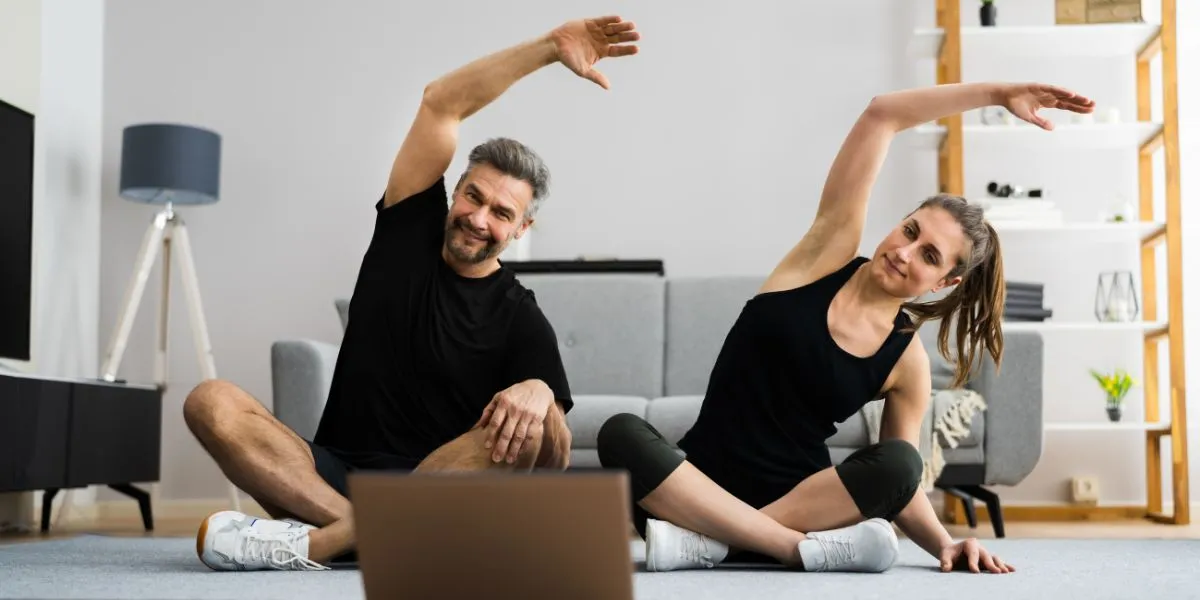
Think part Zoom, part spin class. Hybrid fitness combines virtual and physical workouts into one flexible format. Can’t make it to the gym? Stream the class. Prefer in-person interaction? Join the session live. You get the best of both worlds.
Online + In-Person: The New Normal
Hybrid models have become a staple for fitness brands like Peloton, Apple Fitness+, and ClassPass. It’s all about accessibility—whether you’re traveling or working late, your workouts stay on track.
Rise of Hybrid Fitness Models
As the fitness industry continues to evolve, one trend that’s gaining rapid momentum is the rise of hybrid fitness models. This approach blends the best of both worlds—virtual training sessions and traditional in-person workouts—creating a flexible, highly personalized experience that caters to modern lifestyles.
What is a Hybrid Fitness Model?
A hybrid fitness model integrates online and offline workout formats. Users can attend in-gym training sessions while also accessing live-streamed classes, on-demand video libraries, and digital coaching through apps or web platforms. It’s not just a temporary pandemic-era trend—it’s a long-term fitness revolution.
Why Hybrid Fitness is the Future
The global shift towards remote work and digital living has sparked demand for flexible fitness options. Hybrid training meets people where they are—at home, in the gym, or even on vacation. Whether someone is traveling or has a packed schedule, they can stay consistent with their workouts through mobile apps and live online classes.
Convenience is the biggest factor driving the growth of hybrid fitness. Clients are no longer limited by location or gym hours. They can fit in a 30-minute strength session from home or attend a yoga class in person on the weekend. This adaptability is crucial for maintaining long-term fitness goals.
Benefits of the Hybrid Workout Model
- Accessibility – Users can work out anytime, anywhere, removing common excuses.
- Personalization – Fitness apps often provide tailored plans, progress tracking, and dietary tips.
- Cost-Effectiveness – Online options can lower the overall cost of staying fit.
- Increased Engagement – Combining physical community and digital accountability enhances motivation.
Popular Examples of Hybrid Fitness in Action
Many leading fitness brands like Peloton, F45, and Orangetheory have embraced hybrid models. They offer seamless transitions between in-studio experiences and robust virtual platforms. Even local gyms are creating custom apps to retain members and add value.
- Sources Include / Discover More: The Hybrid Fitness Model is Here to Stay
- Also Read: Top Richest People in the World
#2
Wearable Fitness Technology
Key Takeaways for Wearable Fitness Technology
Smartwatches and Fitness Trackers
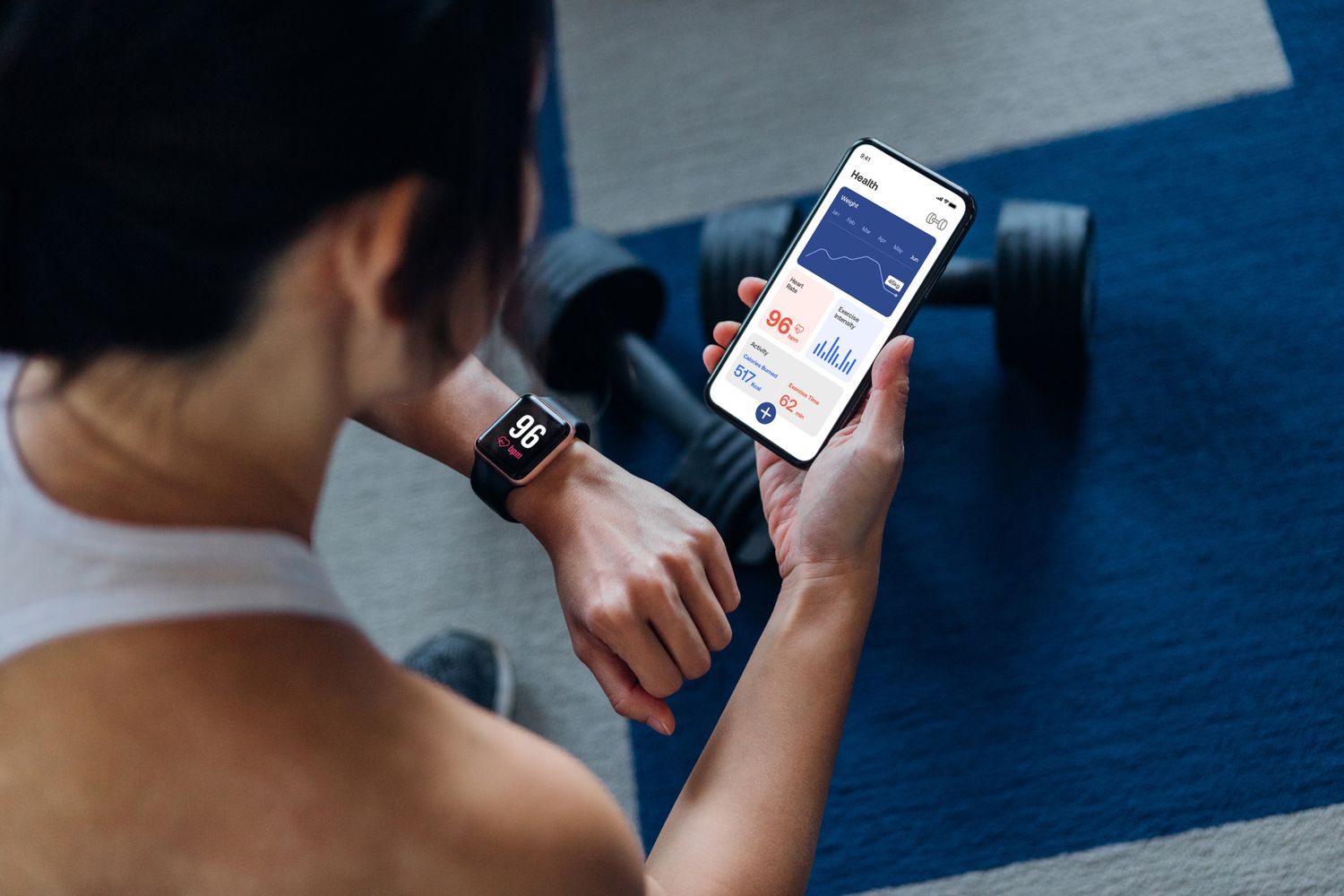
From Apple Watch to WHOOP and Garmin, wearable tech continues to dominate. These devices monitor heart rate, sleep cycles, step counts, and even stress levels. They’re not just tracking—they’re coaching.
How Tech is Personalizing Workouts
Today’s wearables provide tailored recommendations based on your recovery rate, HRV, and oxygen saturation. Fitness is becoming smarter and more data-driven than ever.
Wearable Fitness Technology
Wearable fitness technology has become a cornerstone of modern health and wellness. From smartwatches to fitness bands and biometric sensors, these devices are transforming how people track and manage their physical activity, sleep, heart rate, and overall health.
What Are Wearable Fitness Devices?
Wearable fitness devices are smart gadgets designed to be worn on the body—most commonly on the wrist. They collect real-time health data like step count, calories burned, heart rate, blood oxygen levels, and even stress levels. Some advanced wearables also provide ECG readings, sleep stage analysis, and hydration tracking.
Brands like Apple, Fitbit, Garmin, WHOOP, and Samsung have pioneered the wearable market, offering a wide range of products tailored to fitness enthusiasts, athletes, and casual users alike.
Fitness Tracker: Why Wearables Are Changing the Fitness Game
The demand for real-time health insights has skyrocketed in recent years. Wearable fitness technology gives users the power to monitor their performance, set goals, and make informed decisions about their physical routines. Whether someone is training for a marathon or trying to improve daily movement, wearables act as 24/7 fitness companions.
These gadgets also help prevent injury and overtraining by tracking exertion levels and recovery data. Many wearables sync with fitness apps or platforms, offering detailed analytics, daily activity summaries, and personalized coaching recommendations.
Benefits of Fitness Wearables
- Data-Driven Progress – Users can measure improvement over time with visual stats and trend reports.
- Accountability and Motivation – Daily reminders, goal streaks, and fitness challenges keep users engaged.
- Integration with Health Apps – Syncs with platforms like Apple Health, Google Fit, and MyFitnessPal for holistic tracking.
- Custom Alerts – Get notified about abnormal heart rates, sedentary time, or hydration needs.
- Sources Include / Discover More on Forbes: Wearable Tech Is Changing Fitness, Here’s How Studios Can Keep Up
- Also Read: Top Banks in the World
#3
Strength Training
Key Takeaways for Strength Training
Functional and Mobility-Driven Strength Workouts
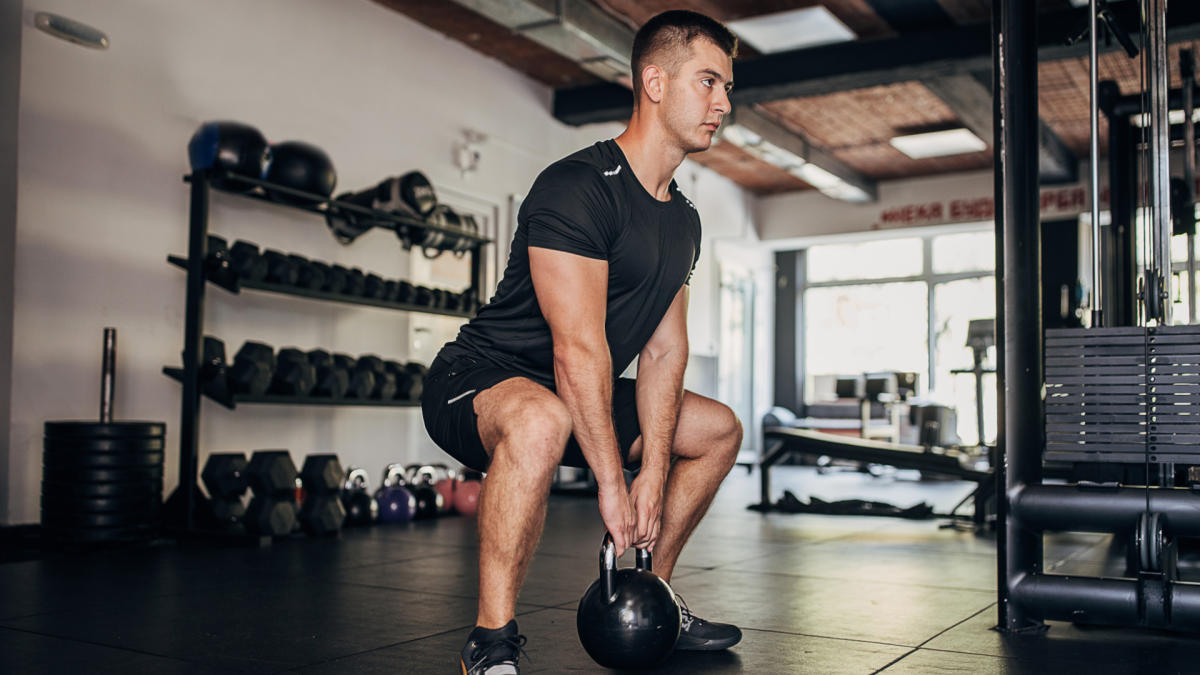
Forget bulky bodybuilding—Modern strength training focuses on longevity, flexibility, and core functionality. Think kettlebells, resistance bands, and bodyweight movements.
Lifting for Longevity and Health
People are lifting to feel younger, not just look it. Strength training helps combat aging, preserve muscle mass, and boost mental health. It’s a win-win.
Strength Training Reimagined
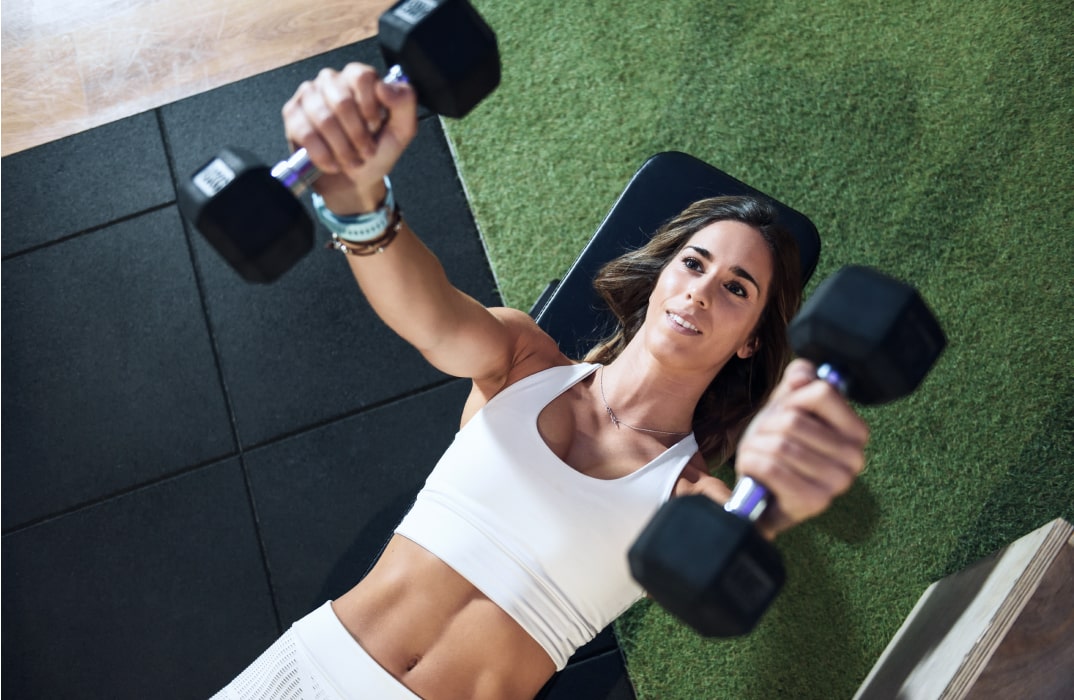
Gone are the days when strength training was only about lifting heavy weights in a gym. The modern approach—what many call “Strength Training Reimagined”—is focused on functionality, longevity, and total-body resilience. It’s a smarter, more inclusive way to build strength across all ages and fitness levels.
What Is Reimagined Strength Training?
Reimagined strength training emphasizes movements that mimic real-life activities and support better posture, mobility, and joint health. It often includes bodyweight exercises, resistance bands, kettlebells, dumbbells, suspension trainers, and compound lifts with a focus on core stability and flexibility rather than just muscle mass.
It’s also about training smarter, not harder. This modern method encourages better form, progressive overload, and balanced routines that avoid overuse injuries. Personal trainers and physical therapists are integrating mobility drills and corrective exercises into strength routines to promote long-term wellness.
Strength Training Program: Why It’s Gaining Popularity
This evolution of strength training is particularly appealing to adults over 35, seniors, and those recovering from injuries. Functional strength training improves daily movements—like lifting, bending, and reaching—making it essential for healthy aging. Athletes and fitness lovers also benefit, as the approach enhances performance while reducing injury risk.
Additionally, many programs are now offering strength workouts in digital formats, allowing users to follow guided strength sessions at home with minimal equipment. This has widened access and made strength training more approachable to beginners.
Strength Training: Benefits of Reimagined Strength Workouts
- Improved Daily Functionality – Builds strength for real-world tasks, not just gym performance.
- Injury Prevention – Focus on mobility, proper form, and muscle balance reduces the risk of strain.
- Better Posture and Joint Health – Incorporates mobility work and core engagement.
- Inclusive for All Ages – Adaptable for seniors, beginners, and advanced lifters alike.
- Sources Include / Discover More: Strength Training, Get Stronger, Leaner & Healthier
- Also Read: Top Countries in the World
#4
VR and AR Workouts
Key Takeaways for VR and AR Workouts
The Next Frontier in Interactive Fitness
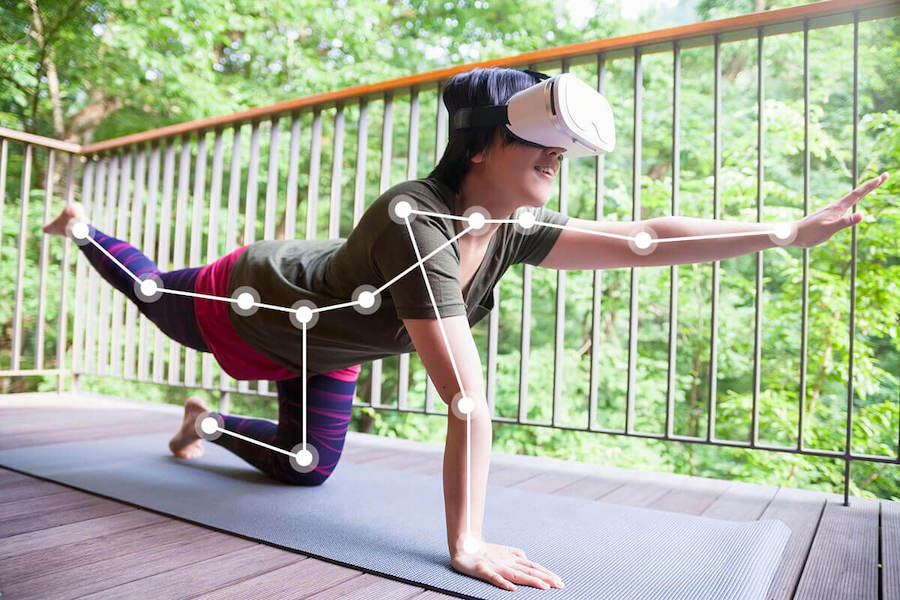
VR headsets like Meta Quest offer immersive workout experiences—box in a virtual ring, run on a fantasy trail, or meditate in a Zen garden. It’s next-level motivation.
From Boredom to Motivation
These tools make boring workouts a thing of the past. With gamification and immersive visuals, you’ll forget you’re even exercising.
Virtual Reality (VR) and Augmented Reality (AR) Workouts
Virtual Reality (VR) and Augmented Reality (AR) workouts are revolutionizing how people experience fitness. These cutting-edge technologies offer fully immersive, gamified, and interactive workout environments, turning boring routines into exciting challenges that keep users coming back for more.
Virtual Reality Fitness: What Are VR and AR Workouts?
VR workouts transport users into virtual fitness environments using a headset like Meta Quest or HTC Vive. Whether you’re boxing in a neon-lit arena, cycling through alien worlds, or dancing to heart-pounding beats, VR fitness creates a game-like atmosphere that blends cardio, strength, and fun.
AR workouts, on the other hand, layer digital elements over the real world using mobile screens or smart glasses. Think of an app that projects a virtual trainer into your living room or overlays your running path with checkpoints and challenges. AR keeps you rooted in reality while enhancing it with interactive elements.
VR Fitness: Why Immersive Workouts Are Exploding in Popularity
Immersive fitness taps into the psychology of motivation. These workouts are engaging, competitive, and entertainment-driven, making them ideal for people who get bored with traditional routines. They’re especially popular among Gen Z and Millennials, who are comfortable with gaming and digital experiences.
Plus, the calorie burn is real. Studies have shown that VR fitness games can rival moderate to high-intensity cardio sessions. Titles like Supernatural, Beat Saber, and Les Mills Bodycombat VR are not just fun—they’re effective.
Fitness VR: Benefits of VR and AR Fitness
- High Engagement – Keeps workouts fresh and fun, reducing burnout and workout fatigue.
- Personalization – Offers AI-driven feedback and adaptable difficulty levels.
- Convenience – No gym needed—just a headset or smartphone and a bit of space.
- Social Connectivity – Compete and train with others in real-time virtual classes.
- Sources Include / Discover More: How a Virtual Reality Workout Can Help you Stay Fit This Year
- Also Read: Top Luxury Brands in the World
#5
Mind-Body Workouts
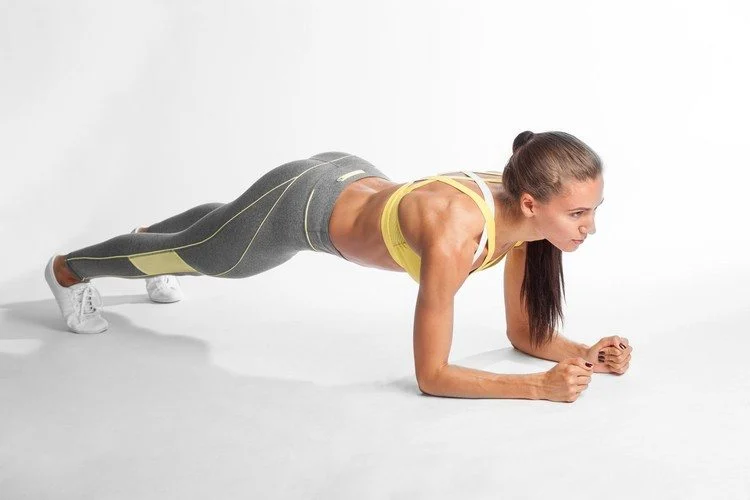
Key Takeaways for Mind-Body Workouts
Rise of Yoga, Tai Chi, and Meditation-Based Training
Mindfulness is going mainstream. People are merging movement with meditation to improve not just their bodies but their mental health too.
Mental Health + Fitness = Balance
This trend helps reduce stress, enhance focus, and create a deeper connection between body and mind. It’s holistic health, not just hard abs.
Mind-Body Workouts
In today’s fast-paced world, mind-body workouts have emerged as a powerful fitness trend that goes beyond physical results. These workouts emphasize the connection between mental clarity and physical strength, making them ideal for reducing stress, boosting mindfulness, and improving overall well-being.
What Are Mind-Body Workouts?
Mind-body workouts are exercises that blend physical movement with mental focus, breathing control, and inner awareness. Popular examples include yoga, Pilates, tai chi, qigong, and even mindful strength training. The goal is not just to move your body but to be present while doing it.
Unlike high-intensity workouts that prioritize speed and reps, mind-body fitness slows things down and encourages conscious breathing, proper alignment, and emotional balance. These sessions often include meditation, affirmations, or breathwork to complete the holistic experience.
Why Mind-Body Training Is Trending
With anxiety, burnout, and screen fatigue on the rise, people are looking for workouts that help them decompress both physically and mentally. Mind-body workouts offer an escape from chaos and a return to balance. They’re especially popular among professionals, caregivers, and anyone feeling overwhelmed by daily stress.
What’s more, fitness apps and platforms are now offering guided mind-body sessions that users can do at home. This makes it easier than ever to develop a consistent self-care routine without needing expensive studio memberships.
Benefits of Mind-Body Workouts
- Stress Reduction – Deep breathing and gentle movement help calm the nervous system.
- Improved Focus – Enhances mental clarity, emotional regulation, and body awareness.
- Low-Impact Strength – Builds lean muscle and flexibility without stressing the joints.
- Better Sleep and Recovery – Encourages relaxation and enhances post-workout recovery.
- Sources Include / Discover More: Effects of Mind–Body Exercise
Also Read: Top Calculators in the World
#6
High-Intensity Interval Training (HIIT)
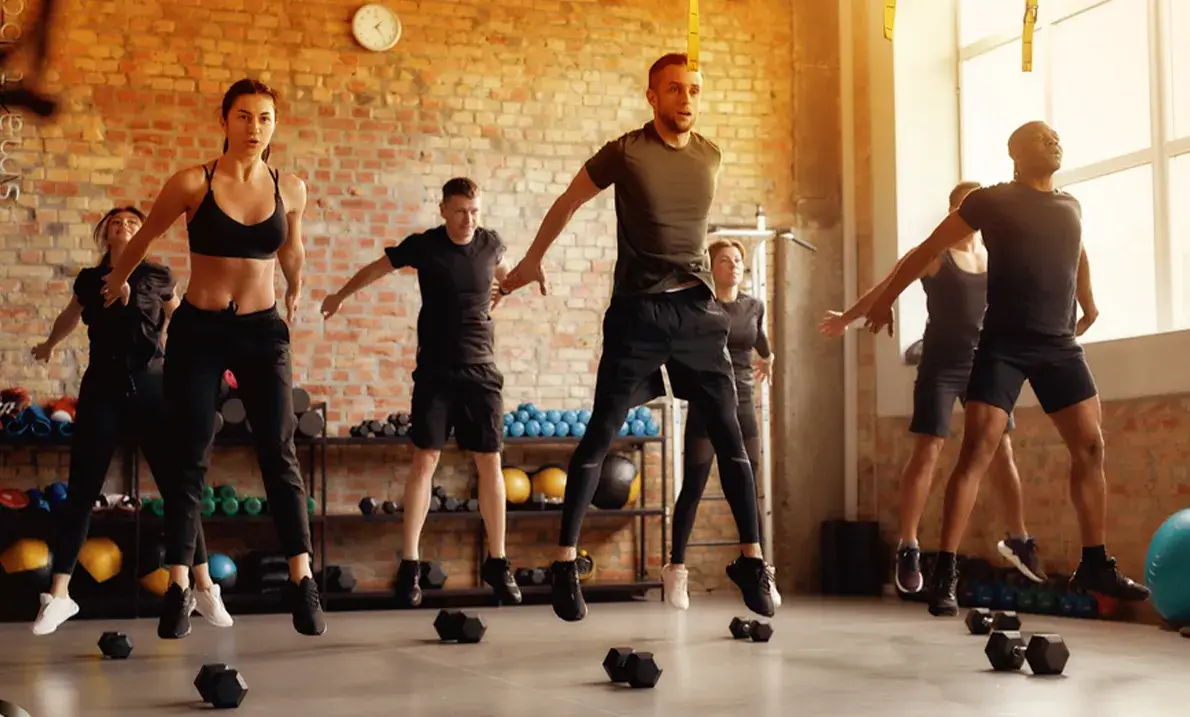
Key Takeaways for High-Intensity Interval Training (HIIT)
Micro-HIIT and Adaptive Formats
Don’t have 45 minutes? No problem. Micro-HIIT sessions as short as 7–10 minutes are trending. They’re intense, effective, and ideal for tight schedules.
Efficient Workouts for Busy Lifestyles
HIIT workouts are evolving with heart rate variability data and real-time intensity adjustments to keep them both safe and super effective.
High-Intensity Interval Training (HIIT) with a Twist
High-Intensity Interval Training (HIIT) has been a fitness staple for years—but it’s getting a makeover. Known for delivering maximum results in minimal time, HIIT is evolving to be more accessible, adaptive, and even enjoyable, making it one of the hottest modern fitness trends in the world.
HIIT Exercises: What’s the “Twist” in HIIT Today?
Traditional HIIT involves short, explosive bursts of exercise followed by brief recovery periods. Now, the “twist” is all about personalization, variety, and smart integration. Modern HIIT sessions are becoming shorter (sometimes under 15 minutes), more recovery-friendly, and easier on joints.
We’re also seeing fusion-style HIIT, where workouts combine cardio, strength training, mobility, and even mindfulness. Think “HIIT & Flow” (HIIT followed by yoga cooldown) or “Tabata Dance” (dance-style intervals set to music). These fresh approaches help users avoid burnout and boredom.
HIIT Workouts: Why It’s So Popular Today
With tighter schedules and shorter attention spans, time-efficient fitness is more valuable than ever. HIIT with a twist offers fast, effective workouts that don’t require a gym or fancy equipment. Many people are now turning to AI-powered fitness apps and smart devices that tailor HIIT sessions in real time based on performance data and recovery stats.
It’s also ideal for time-crunched individuals—like working parents, remote professionals, or students—who need powerful workouts that fit into busy lifestyles.
HIIT Training: Benefits of Modern HIIT
- Efficient Fat Burn: Boosts metabolism and burns calories in record time.
- Versatile & Fun: Dance, strength, cardio, yoga—everything fits in!
- Joint-Friendly Options: Low-impact variations are now widely available.
- Smart Tech Compatibility: Sync with fitness trackers for optimized results.
- Sources Include / Discover More on NYTimes: HIIT, One of the Most Efficient Forms of Exercise
- Also Read: Top Currency Converters in the World
#7
Group Training
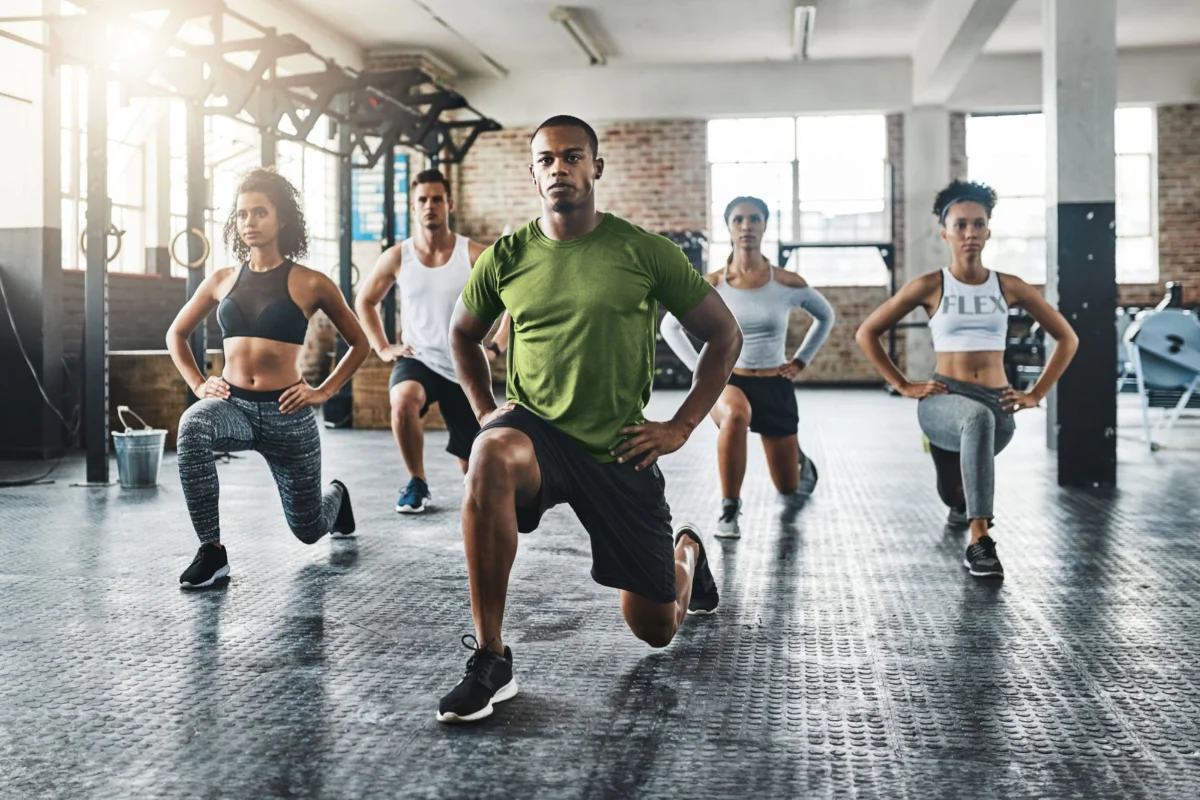
Key Takeaways for Group Training
From Bootcamps to Cycling Studios
After years of solo Zoom workouts, people are craving community. Group fitness is bouncing back with energy, competition, and motivation.
The Social Side of Sweating
There’s something magical about sweating it out in a room full of pumped-up people. It builds accountability and just feels… fun!
Group Training Comeback
After a few quiet years due to social distancing and lockdowns, group training is making a powerful comeback currently—and it’s more exciting, inclusive, and tech-savvy than ever. Whether it’s boot camps, spin classes, CrossFit, or dance fitness, group workouts are regaining momentum as people crave community, accountability, and energy in their fitness journeys.
Workout Classes: Why Group Workouts Are Trending Again
Let’s face it—working out alone can get boring. That’s why more fitness enthusiasts are returning to group training environments where camaraderie, competition, and motivation push everyone to perform their best. The social aspect of exercising in a group setting has proven benefits: higher adherence to workout routines, reduced stress, and improved mood.
Today, gyms and fitness studios are revamping group classes by offering hybrid setups, live streaming, and themed sessions (like 90s cardio parties or wellness Sundays). This makes it easier for people to join the vibe—whether they’re in-studio or at home.
Fitness Classes: What’s Different Now?
Today’s group training isn’t a one-size-fits-all model. It’s more personalized, data-driven, and flexible. Many classes use wearable fitness trackers and apps that display heart rate, performance metrics, or leaderboards in real time. Some group sessions also include individualized goals within a collective framework, making every participant feel seen and supported.
There’s also a bigger focus on inclusive fitness—programs designed for all ages, body types, and abilities. This shift ensures that more people feel welcomed, empowered, and motivated to join.
Key Benefits of Group Training Today
- Community Motivation – You’re more likely to show up when others are counting on you.
- Accountability – Consistency improves with a set schedule and peer support.
- Fun & Variety – Classes range from HIIT to yoga to team circuit training.
- Tech-Supported Progress – Smart wearables and apps keep you engaged and on track.
- Sources Include / Discover More: What Muscle Groups are Best to Work Out Together?
- Also Read: Top Online Learning Platforms
#8
Biohacking and Recovery Tech
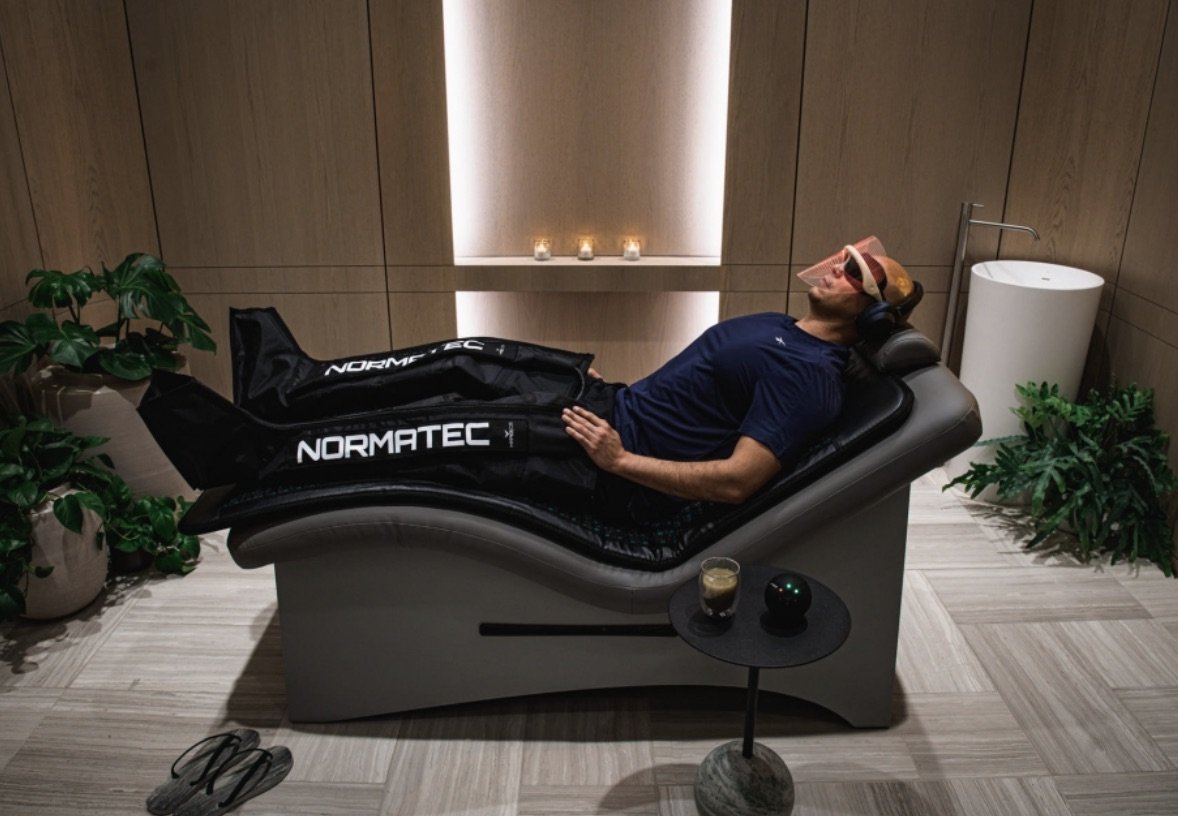
Key Takeaways for Biohacking and Recovery Tech
Cryotherapy, Infrared Saunas, and Sleep Optimization
Biohacking isn’t just for Silicon Valley anymore. Fitness enthusiasts everywhere are investing in cold plunges, massage guns, and red light therapy.
Recovery is the New Workout
Your body grows stronger during recovery, not the workout itself. So optimizing your downtime is key—and trendy.
Biohacking and Recovery Tech
Today, biohacking and recovery technology are no longer just buzzwords—they’re mainstream essentials for fitness enthusiasts, athletes, and even everyday wellness seekers. As people strive to optimize every aspect of their health and performance, the demand for smarter recovery tools and bio-optimization techniques is skyrocketing.
What is Biohacking in Fitness?
Biohacking refers to the science of upgrading your body and mind using data, technology, and lifestyle tweaks. In fitness, it means using tools like wearables, sleep trackers, infrared saunas, cold therapy, red light therapy, and even nootropics to accelerate recovery, improve muscle repair, enhance sleep, and reduce inflammation.
Currently, the fitness crowd isn’t just pushing limits—they’re optimizing how fast they bounce back. Recovery is the new hustle.
Next-Gen Recovery Tech Tools
The latest recovery tech devices are portable, user-friendly, and incredibly precise. Popular options include:
- Percussion massage guns for deep tissue recovery
- Compression boots that improve blood flow and reduce muscle soreness
- Cold plunge tubs and cryotherapy chambers for inflammation control
- Red light therapy panels that enhance cellular repair and boost recovery
- Smart sleep wearables that track REM cycles and optimize rest for muscle growth
These tools are now integrated into home fitness setups, elite gyms, and even corporate wellness programs, making them more accessible than ever.
Bio hacking: Why It’s So Popular Now
With fitness becoming more intense and personalized, recovery needs to keep up. Biohacking allows individuals to train smarter, not harder, by providing feedback and fine-tuning based on data. Professionals, athletes, and even weekend warriors are investing in recovery-as-a-service models, including guided programs, recovery lounges, and subscription-based tech access.
In a world where overtraining can backfire, recovery optimization is the new performance edge.
- Sources Include / Discover More: Types of Biohacking Technology to Transform Your Health
- Also Read: Top Health Supplements in the World
#9
Outdoor Fitness

Key Takeaways for Outdoor Fitness
Nature-Based Workouts Gaining Popularity
Post-lockdown life has sparked a love for the outdoors. People are ditching gyms for nature trails, parks, and beaches.
Hiking, Trail Runs, and Park Workouts
Breathing fresh air while working out feels like therapy. And it’s free. What’s not to love?
Outdoor Fitness and Adventure Training
The shift from gym walls to the great outdoors is stronger than ever. Outdoor fitness and adventure training have surged in popularity as more people seek fresh air, mental clarity, and full-body functional workouts that go beyond the treadmill.
This isn’t just a walk in the park—it’s a full-on movement combining nature, endurance, agility, and mental toughness in one adrenaline-fueled package.
Outdoor Gym: Why Outdoor Workouts Are on the Rise
After years of indoor routines and screen-based workouts, people are craving natural spaces and real-world movement. Outdoor fitness provides the perfect escape from digital fatigue and crowded gyms. Whether it’s trail running, beach boot camps, or hiking with weighted backpacks, these activities offer both physical challenge and emotional refreshment.
Adventure-style training, like rock climbing, obstacle course races, paddleboarding, and mountain biking, is also growing—particularly among millennials and Gen Z, who value experiential fitness and mental health benefits.
Benefits of Outdoor & Adventure Fitness
- Improved Mental Health – Natural environments reduce stress, anxiety, and depression.
- Functional Strength – Uneven terrain and real-world obstacles build true athleticism.
- Vitamin D Boost – Sunlight exposure supports immune function and bone health.
- Enhanced Cardiovascular Fitness – Elevation and terrain variation challenge the heart and lungs.
- Community & Connection – Group hikes, outdoor yoga, and boot camps build social bonds.
Many fitness instructors are now hosting pop-up classes in parks, beaches, or mountains, while apps are launching GPS-based workout routines tailored to local trails or outdoor spaces.
Tech Meets Nature
Outdoor fitness isn’t low-tech anymore. With fitness wearables, GPS-enabled apps, and AR trail guides, nature-based training is now fully connected. Participants can track pace, altitude, calories burned, and even recovery time—all while being miles away from civilization.
Even more, drone footage and social sharing platforms encourage users to document and share their fitness adventures, adding a social and gamified layer to outdoor workouts.
- Sources Include / Discover More: Outdoor Workout Ideas
- Also Read: Top Superfoods in the World
#10
Sustainable Fitness
Key Takeaways for Sustainable Fitness
Eco-Friendly Gyms and Low-Impact Gear
Gyms with solar panels, recycled rubber floors, and zero-plastic policies are in. So are bamboo yoga mats and refillable protein bottles.
Conscious Consumption in the Fitness World
Sustainability is becoming a key factor in where and how we train. It’s not just about personal health—it’s about planetary health too.
Sustainable Fitness Practices
As the world becomes more eco-conscious, fitness is evolving to match. Sustainable fitness practices are more than a trend—they’re a movement. Today’s health enthusiasts aren’t just sweating for gains—they’re doing it in a way that’s good for the planet too.
Whether it’s switching to green gym equipment, choosing eco-friendly activewear, or training in energy-efficient facilities, people are making choices that benefit both their bodies and the environment.
What Makes Fitness Sustainable?
Sustainable fitness focuses on minimizing environmental impact while promoting health. This includes:
- Eco-conscious gym designs powered by solar or kinetic energy
- Biodegradable yoga mats and gear made from natural rubber or cork
- Sustainable workout clothing made from recycled fabrics
- Digital fitness platforms that eliminate commute-related carbon emissions
- Minimal-equipment outdoor workouts using bodyweight and natural elements
In short, it’s fitness with a conscience.
Gyms Go Green
Leading fitness centers around the globe are now implementing sustainability goals. Think gyms that:
- Use renewable energy
- Have water-saving showers and fixtures
- Install energy-generating bikes and treadmills
- Encourage members to bring reusable water bottles
- Offer recycling stations for worn-out gear
Even smaller boutique studios are hopping on board, creating zero-waste environments and promoting community clean-up workout events.
Consumers Demand Eco-Friendly Workouts
Millennials and Gen Z—the largest fitness consumer base—are driving this trend. They prioritize brand ethics, transparency, and eco-responsibility. They’re choosing fitness brands with carbon-neutral policies, supporting environmentally friendly fitness influencers, and even subscribing to plant-based nutrition plans that align with their sustainability goals.
Additionally, virtual fitness plays a big role here. By reducing the need to drive to a gym or studio, home-based workouts cut down on emissions and promote green fitness habits.
- Sources Include / Discover More: Incorporating Eco-Friendly Practices into Your Fitness Routine
- Also Read: Top Software Companies in the World
Key FAQs on the 10 Top Fitness Trends in the World
What are Hybrid Fitness Models?
Hybrid Fitness Models combine digital fitness platforms with in-person gym or studio training, enabling seamless transitions between home workouts and physical locations.
According to industry reports from IHRSA and ClassPass, hybrid programs increase workout adherence by over 30%. These models integrate live-streamed classes, fitness apps, wearable data, and personal coaching.
Hybrid fitness supports personalization, accessibility, and global scalability while aligning with technology-driven wellness and modern lifestyle demands.
What is Wearable Fitness Technology?
Wearable Fitness Technology includes smartwatches, fitness trackers, and biometric rings that monitor heart rate, sleep cycles, calories, steps, and recovery metrics.
Research cited by the World Health Organization and Statista shows wearable adoption exceeding 1 billion devices globally. These tools use sensors and AI analytics to deliver real-time insights.
Wearables support preventive healthcare, personalized training, and long-term fitness optimization across all age groups.
What is Strength Training Reimagined?
Strength Training Reimagined prioritizes functional movement, joint stability, mobility, and longevity rather than muscle size alone.
According to Harvard Medical School and ACSM guidelines, functional resistance training reduces injury risk and improves daily performance. Programs use bodyweight exercises, resistance bands, and smart gym equipment.
This approach supports healthy aging, sustainable fitness habits, and science-backed strength development for adults and seniors.
What are VR & AR Workouts?
VR and AR Workouts use virtual reality headsets and augmented reality overlays to create immersive, gamified exercise environments.
Studies referenced by Stanford Virtual Human Interaction Lab show VR workouts can increase calorie burn by up to 25%. These experiences boost motivation and adherence.
Popular with Gen Z and Millennials, VR fitness blends technology, entertainment, and physical activity for engaging full-body training.
What are Mind-Body Workouts?
Mind-Body Workouts integrate physical movement with mindfulness, breathing, and mental focus techniques.
According to the National Institutes of Health, practices like yoga and Pilates reduce stress hormones and improve flexibility. These workouts enhance emotional wellbeing and mental clarity.
Widely adopted by professionals, mind-body fitness supports recovery, balance, and holistic health benefits with minimal technology reliance.
What is HIIT with a Twist?
HIIT with a Twist evolves traditional high-intensity interval training by incorporating adaptive pacing, low-impact modifications, and data-guided recovery periods.
According to the American College of Sports Medicine, modern HIIT formats improve cardiovascular health and fat loss in under 30 minutes. Wearable fitness technology often guides intensity.
This approach suits busy individuals seeking efficient, results-driven workouts with reduced injury risk and sustainable long-term performance.
What is Group Training?
Group Training features instructor-led workouts performed in a social setting, including bootcamps, spin classes, and functional strength circuits.
Research from Les Mills and IHRSA shows group workouts increase motivation and retention by over 40%. Social accountability improves consistency and enjoyment.
Experiencing a global resurgence, group fitness supports mental health, community connection, and structured programming for all fitness levels.
What is Biohacking & Recovery Tech?
Biohacking and Recovery Tech focuses on accelerating physical recovery using tools such as cryotherapy, compression boots, red light therapy, and biometric tracking.
Studies referenced by Cleveland Clinic indicate recovery technologies improve muscle repair and sleep quality. Athletes increasingly rely on data-driven recovery metrics.
This trend optimizes performance, reduces injury risk, and supports longevity through science-backed wellness and advanced fitness recovery systems.
What is Outdoor & Adventure Fitness?
Outdoor and Adventure Fitness includes physical training performed in natural environments such as hiking, trail running, rucking, and obstacle courses.
According to research from the National Institutes of Health, outdoor exercise improves mood, endurance, and mental resilience. Nature-based workouts enhance motivation.
Favored by adventure seekers, outdoor fitness supports functional conditioning, holistic wellbeing, and sustainable long-term exercise habits.
What are Sustainable Fitness Practices?
Sustainable Fitness Practices prioritize eco-friendly gyms, energy-efficient equipment, recycled materials, and low-impact workout methodologies.
According to the United Nations Environment Programme, sustainable fitness reduces carbon footprints while supporting community health. Green gyms increasingly adopt renewable energy solutions.
This trend aligns wellness with environmental responsibility, enabling conscious consumers to maintain performance-driven fitness without compromising sustainability goals.
Key Drivers Behind These Trends
Post-Pandemic Lifestyle Shifts
COVID-19 drastically reshaped how we view fitness. With more people working from home and becoming health-conscious, flexibility and holistic well-being are now top priorities.
Increased Health Awareness Globally
People are finally realizing that prevention is better than cure. Fitness is now an investment, not a luxury.
How to Choose the Right Trend for You
Match Trends with Your Lifestyle and Goals
Love tech? Go for wearables or VR workouts. Crave community? Try group training. Prefer peace? Mind-body workouts could be your thing.
Don’t Just Follow—Customize
Trends are tools—not rules. The best workout is the one you’ll actually do. Mix, match, and make it yours.
Final Thoughts
Fitness today is no longer about following one-size-fits-all workout routines—it’s about personalized, accessible, and engaging fitness solutions that adapt to your lifestyle. From AI-powered wearables that track every heartbeat and optimize recovery, to outdoor yoga sessions in tranquil forests that merge mindfulness with nature, today’s trends cater to every personality, fitness level, and goal.
The rise of virtual training platforms, biohacking recovery tools, and sustainable fitness practices ensures that health is no longer confined to a gym—it’s a global movement blending technology, adventure, and holistic wellness. Whether you’re into high-intensity interval training, functional strength workouts, or meditation-based recovery, there’s a fitness path that fits your unique needs.
The real secret to long-term success isn’t chasing every new craze—it’s choosing what resonates with your goals, keeps you motivated, and becomes a natural part of your daily routine. With so many innovative options, staying active, healthy, and inspired has never been easier. The future of fitness is flexible, inclusive, and built around you—so find your rhythm and make movement your lifestyle.
The 10 Top Fitness Trends Frequently Asked Questions (FAQs)
Hybrid fitness models top the list, offering unmatched flexibility and accessibility.
Technology has enabled personalized workouts, data tracking, and immersive training through wearables and VR platforms.
Yes, many trends like strength training, yoga, and wearables can be tailored for all age groups.
Home workouts are here to stay, but they’ll continue evolving with smarter tech and hybrid options.
Start by assessing your lifestyle, fitness goals, and preferences—then experiment until something clicks.
The Top 10 Fitness Trends in the World include hybrid fitness models, wearable fitness tech, VR workouts, group training, sustainable gyms, and more.
Wearable fitness technologies like smartwatches help users track health metrics, set goals, and personalize their fitness experience.
About the Author
This article was researched and prepared by the World Millions Editorial Team, specialists in global rankings, premium market analysis, structured comparisons, and high-value sector research across industries.
All content undergoes verification, editorial review, and periodic updates to ensure accuracy, clarity, and alignment with recognized industry standards, reliable institutional sources, and leading global authorities.
- Last Updated: March 27, 2026 by the World Millions Editorial Team
- Original Published Date: March 27, 2026
- View Our: Editorial Team | Sources | Disclaimer | Editorial Standards