- Home
- World’s Most Popular
- 10 Most Popular Languages in the World
10 Most Popular Languages
in the World
The most popular languages in the world represent the foundation of global communication, cultural identity, and international influence. From languages spoken by billions of people to those shaping global trade, diplomacy, and media, these linguistic powerhouses connect societies across continents and industries.
Discover the 10 Most Popular Languages in the World, ranked by total speakers, global reach, and cultural impact. From the worldwide dominance of English to the massive native-speaking population of Mandarin Chinese, these languages define how people communicate, do business, and share ideas in today’s interconnected world.
On This Page
Toggle- Updated 2026 by the World Millions Editorial Team: View Author Information
The Power of Languages
Influence of a Language on Global Economics
Languages aren’t just for conversation—they’re powerful tools for economic growth. English, for instance, is the primary language of international trade, aviation, and the tech industry. Mandarin dominates commerce across Asia and is key to doing business in the world’s second-largest economy—China.
Language and Internet Dominance
With over half the content on the internet written in English, digital dominance is a big factor. Languages like Spanish and Arabic are rapidly rising in online influence too, thanks to growing user bases and increased content creation in those regions.
Factors That Make a Language Popular
Native vs. Total Speakers
Popularity isn’t just about who was born speaking a language. While Mandarin has the most native speakers, English takes the crown when it comes to total speakers, due to its widespread adoption as a second language.
Official Status Across Countries
Languages like English, French, and Arabic enjoy official language status in multiple countries, boosting their global usage and appeal in everything from government affairs to education.
Usage in Education, Business, and Media
Languages gain more prominence when they’re used in schools, international business, pop culture, and mass media. That’s why languages like Hindi and Spanish, with huge entertainment industries, are climbing fast in popularity.
List of the Top 10 Most Popular Languages in the World
Discover the Top 10 Most Popular Languages in the World — ranked by total speakers, global influence, and cultural impact. See which languages dominate communication right now!
Language is the heartbeat of human connection, and in today’s globalized world, a few tongues shape communication, culture, and commerce more than any others. From the universal dominance of English to the economic might of Mandarin Chinese and the cultural richness of Hindi, Spanish, and Arabic, these are the languages driving international dialogue, trade, and digital innovation.
The following table showcases the 10 Most Popular Languages in the World based on total speakers, native usage, and geographical spread. Whether it’s French’s diplomatic charm, Bengali’s poetic elegance, Russian’s scientific strength, or Portuguese’s expansion across continents, each language plays a defining role in shaping global identity.
Explore how many people speak each language, where they’re primarily spoken, and why they matter in business, education, and culture. These aren’t just words—they’re bridges connecting billions of people worldwide.
Below is a detailed, data-driven overview of the world’s top 10 most spoken languages, ranked by total speakers and real-world influence today.
| No. | Language | Total Speakers | Primary Regions | Key Facts |
|---|---|---|---|---|
| 1 | English | 1.5+ billion | Worldwide | Language of global business, media, tech |
| 2 | Mandarin Chinese | 1.2+ billion | China, Taiwan, Singapore | Most native speakers globally |
| 3 | Hindi | 600+ million | India, Nepal | One of India's official languages |
| 4 | Spanish | 560+ million | Latin America, Spain, U.S. | Fastest-growing language in the U.S. |
| 5 | Arabic | 440+ million | Middle East, North Africa | Official in 25+ countries |
| 6 | French | 310+ million | France, Africa, Canada | Spoken on all continents |
| 7 | Bengali | 270+ million | Bangladesh, India | Rich literary history |
| 8 | Russian | 260+ million | Russia, Central Asia | Largest native language in Europe |
| 9 | Portuguese | 250+ million | Brazil, Portugal, Africa | Brazil's growing digital market |
| 10 | Urdu | 230+ million | Pakistan, India | Closely related to Hindi |
Discover the 10 Most Popular Languages in the World
Discover the 10 Most Popular Languages in the World, shaping global communication, culture, business, and digital influence. These languages connect billions of people across continents, driving international trade, education, media, and technology in today’s highly interconnected world.
Discover which languages hold the greatest impact today, from the global dominance of English and the economic power of Mandarin Chinese, to the cultural reach of Hindi, Spanish, Arabic, and beyond. Whether you’re exploring global trends or deciding which language to learn next, this guide reveals the linguistic forces defining our world’s future.
#1
English
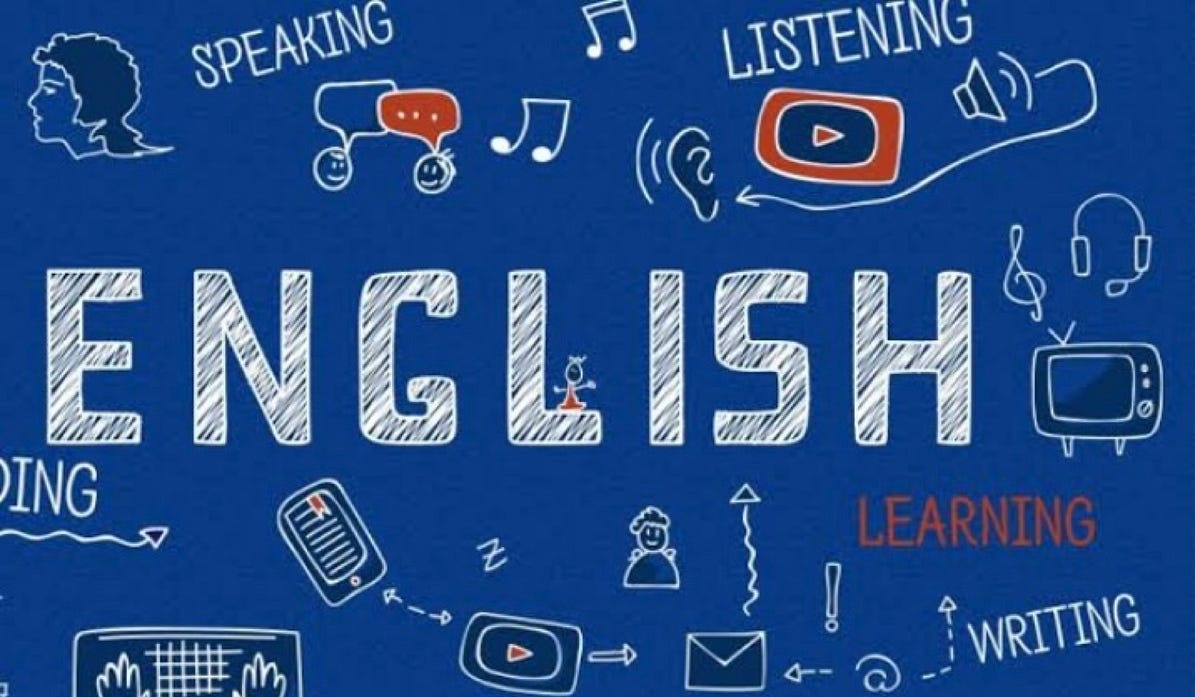
Key Takeaways for English: The Global Language of Communication
English is the most widely spoken and influential language in the world, with over 1.5 billion total speakers. It serves as the global lingua franca for international business, technology, education, and entertainment. Dominating the internet, academia, and diplomacy, English connects people across continents and cultures.
Key Highlights:
- Official or primary language in over 100 countries.
- Dominant in science, global media, and digital communication.
- Essential for international trade and higher education.
English: Global Dominance and Total Speakers
English is the most widely spoken language in the world, with over 1.5 billion total speakers, including both native and non-native users. It’s the primary language in countries like the United States, United Kingdom, Canada, Australia, and New Zealand, and an official or secondary language in over 70 countries. Due to its widespread use, English is often considered the global lingua franca, enabling communication across borders, industries, and cultures.
English in Business and Technology
When it comes to international business, English is the most in-demand language. It is the dominant language of global trade, international banking, aviation, and diplomacy. Top multinational corporations like Google, Amazon, Apple, and Microsoft use English as their working language. Moreover, over 90% of the content on the internet is either written or translated into English, making it a must-learn language for professionals and digital marketers. Being fluent in English unlocks access to a wider customer base, better job opportunities, and the chance to work with global teams.
English's Influence in Education and Science
English is the leading language of academia and scientific research. The majority of scholarly articles, technical manuals, and global university programs are written in English. Prestigious institutions like Harvard, Oxford, Stanford, and MIT conduct their lectures and publish their research in English. For students and scholars, mastering English is essential to access top-tier educational content, participate in international conferences, and publish academic work that reaches a global audience.
English's Cultural Impact and Global Reach
English also dominates the global entertainment industry. Hollywood movies, Netflix shows, bestselling books, and music from English-speaking artists enjoy global popularity. As a result, learning English helps people stay culturally connected and understand the latest trends, humor, and media. From social media influencers to YouTube creators, English remains the most-used language online, giving users global visibility.
Why English Still Reigns Supreme
English remains the world’s most popular and practical language due to its global utility, economic advantages, and cultural relevance. Whether you’re a student, traveler, entrepreneur, or job seeker, learning English is one of the smartest moves to stay globally relevant today and beyond.
- Sources Include / Discover More: English, The Primary Language of Several Countries and is Widely Spoken Worldwide
- Also Read: The Top Companies in the World
#2
Mandarin Chinese

Key Takeaways for Mandarin Chinese: The Language of the World’s Largest Population
Mandarin Chinese is the world’s most spoken native language, with over 1.1 billion speakers. As the official language of China and Taiwan, it plays a critical role in global trade, technology, and manufacturing. With China’s economic growth, Mandarin is becoming an increasingly valuable business and diplomatic language.
Key Highlights:
- Most native speakers worldwide.
- Key to doing business with China’s booming economy.
- Deep cultural and linguistic heritage spanning thousands of years.
Mandarin Chinese : Total Speakers and Global Spread
Mandarin Chinese is the second most spoken language in the world with over 1.2 billion speakers, making it the most spoken native language globally. It is the official language of China, Taiwan, and Singapore, and is increasingly taught across Asia, Europe, and North America. As China continues to expand its global influence, Mandarin is becoming a key language for international communication, especially in the fields of trade, manufacturing, and diplomacy.
Mandarin's Economic and Business Relevance
Mandarin is vital for anyone interested in doing business in China, the world’s second-largest economy and manufacturing powerhouse. Many global companies are seeking employees who can speak Mandarin to manage supply chains, communicate with Chinese partners, or tap into the vast Chinese consumer market. Understanding Mandarin is a major asset in industries like technology, e-commerce, logistics, international trade, and finance. Fluency in Mandarin can lead to high-paying roles and exclusive business opportunities across Asia.
Mandarin's Educational and Cultural Importance
Mandarin is deeply tied to one of the world’s oldest civilizations. Learning Mandarin offers access to ancient Chinese literature, Confucian philosophy, and classical poetry, as well as modern works from award-winning Chinese authors and filmmakers. Major universities around the globe offer Mandarin language programs, and many offer scholarships to attract international students to China. For anyone pursuing East Asian Studies, diplomacy, or global economics, Mandarin proficiency is a game-changer.
Mandarin in Global Communication
Though it’s primarily spoken in Asia, Mandarin’s influence is spreading fast. With the growth of China’s Belt and Road Initiative and global economic reach, Mandarin is now spoken by expatriates, diplomats, and international students across Africa, the Middle East, and the West. Apps like WeChat and Chinese social media platforms are encouraging non-native speakers to learn the language to better engage with digital Chinese communities.
Why Learn Mandarin Today
Learning Mandarin today is more than just a linguistic skill—it’s a strategic advantage. It opens doors to one of the largest markets in the world, strengthens cultural intelligence, and connects you with over a billion people. If you want to stay competitive in a globalized future, Mandarin is a language you can’t afford to ignore.
- Sources Include / Discover More: Mandarin, The Most Widely Spoken Chinese Dialect and is the Official Language of the People’s Republic of China
- Also Read: Most Popular Social Media Platforms
#3
Hindi
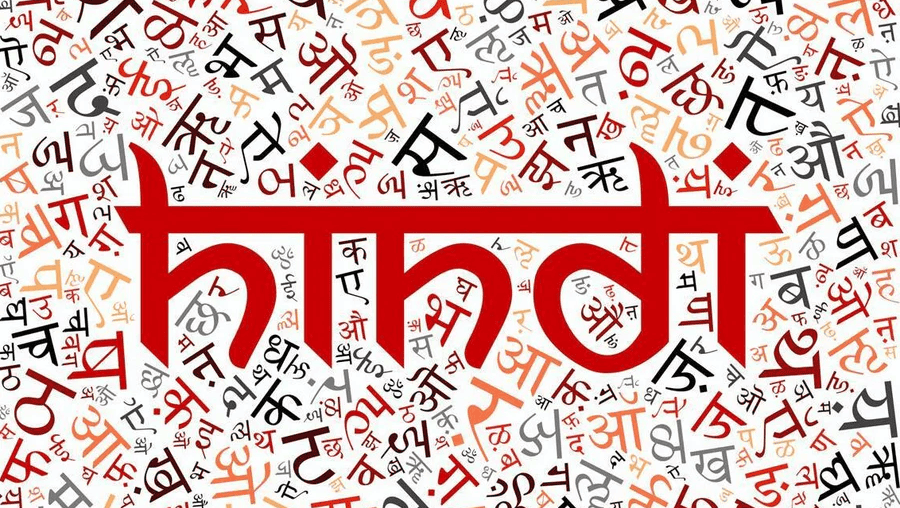
Key Takeaways for Hindi: The Voice of a Growing Superpower
Hindi is spoken by more than 600 million people and stands as India’s most widely spoken language. As a cornerstone of South Asia’s culture, Hindi drives Bollywood, media, and digital entertainment. Its influence extends globally through India’s massive diaspora and rapidly growing economy.
Key Highlights:
- Primary language of India and widely understood in South Asia.
- Prominent in global entertainment via Bollywood and music.
- Increasingly studied worldwide due to India’s global rise.
Hindi: Total Speakers and Geographic Reach
Hindi is spoken by over 600 million people globally, making it the third most spoken language in the world. It is the official language of India, a country with the largest population today, and is also widely understood in Nepal, Mauritius, Fiji, Trinidad & Tobago, and among Indian diaspora communities across the globe. As India rises as a global economic and technological power, Hindi is gaining importance as a language of international relevance.
Economic Power and Business Potential
India’s booming economy, driven by sectors like technology, pharmaceuticals, space research, and digital services, has turned Hindi into a key language for business expansion and outsourcing. Global corporations are investing in Indian markets, and knowing Hindi helps companies connect directly with India’s vast consumer base, especially in Tier II and Tier III cities. For entrepreneurs, marketers, and investors looking to enter or scale in the Indian market, Hindi proficiency is a competitive advantage.
Hindi's Cultural Influence and Media Dominance
Hindi is the heart of Bollywood, the world’s largest film industry by volume. Hindi movies, TV series, and music enjoy enormous popularity not just in India but across Asia, the Middle East, and Africa. Platforms like Netflix India, Amazon Prime Video, and YouTube have seen explosive growth in Hindi-language content, making it one of the most consumed languages in global entertainment. Learning Hindi allows you to fully immerse in India’s vibrant storytelling, music, spirituality, and traditions.
Hindi in Education and Global Diaspora
More and more international universities are offering Hindi language courses, especially in departments focusing on South Asian studies, international relations, and comparative literature. The global Indian diaspora, which spans the UK, USA, Canada, Australia, and the UAE, continues to use Hindi in family, community, and business settings. As India’s geopolitical role grows, Hindi is being promoted as a language of diplomacy, education, and soft power.
Why Hindi Matters Today
Hindi is not just a regional language—it’s a rising global force. Learning Hindi connects you to one of the world’s youngest populations, a fast-growing digital economy, and a culture rich in diversity and history. Today, Hindi is more than a language—it’s a bridge to one of the most dynamic nations on Earth.
- Sources Include / Discover More: Hindi, Belongs to the Indo-Aryan Branch of the Indo-European Family of Languages. It is the Preferred Official Language of India
- Also Read: Most Popular Brands in the World
#4
Spanish

Key Takeaways for Spanish: The Language of Two Continents
Spanish, with over 580 million speakers, is the primary language across Latin America, Spain, and much of the U.S. It’s one of the most important world languages for communication, business, and culture. Spanish media, film, and music have a massive international reach.
Key Highlights:
- Official in 20+ countries across Europe and the Americas.
- Second most studied language globally.
- Rapidly growing in the United States.
Spanish: Total Speakers and Worldwide Reach
Spanish is spoken by over 580 million people globally, making it the fourth most spoken language in the world by total number of speakers. It is the official language of 20 countries, including Spain, Mexico, Argentina, Colombia, and most of Central and South America. It’s also widely spoken in the United States, where it’s the second-most spoken language after English. Spanish is truly a global language, bridging Europe, the Americas, and beyond.
Business, Trade, and Economic Influence
Spanish plays a critical role in international business, especially across Latin America and the growing Hispanic market in the United States. The Latin American economy continues to expand, and businesses involved in import-export, tourism, agriculture, and manufacturing often require Spanish-speaking professionals. With the rise of U.S. Hispanic purchasing power—expected to exceed $2 trillion—fluency in Spanish is now a highly sought-after skill in marketing, customer service, healthcare, and legal services.
Spanish's Cultural Impact Through Entertainment and Media
Spanish dominates global pop culture through music, cinema, and literature. From international music icons like Shakira, Bad Bunny, and Rosalía to bestselling Spanish-language authors and Netflix hits like La Casa de Papel, the influence of Spanish in media is undeniable. Spanish-language content is in high demand across streaming platforms, and fluency allows for deeper enjoyment and understanding of this rich cultural output.
Education and Global Relevance
Spanish is the second most studied language in the world, taught in thousands of schools and universities across Asia, Europe, and the Americas. It’s considered one of the easiest languages for English speakers to learn, making it an ideal second or third language for both students and professionals. Institutions recognize Spanish as a valuable asset for international relations, journalism, and global development.
Why Spanish Is a Smart Choice
Learning Spanish today is a gateway to vast global opportunities. It offers access to two continents, enhances travel experiences, supports career growth, and connects you with a diverse, dynamic culture. Whether you’re expanding your business, building a personal brand, or just traveling, Spanish is a powerful tool for global communication and success.
- Sources Include / Discover More: Spanish (español), or Castilian, A Romance Language Originating in Spain’s Kingdom of Castile from Vulgar Latin
- Also Read: Most Popular Beverages in the World
#5
Arabic
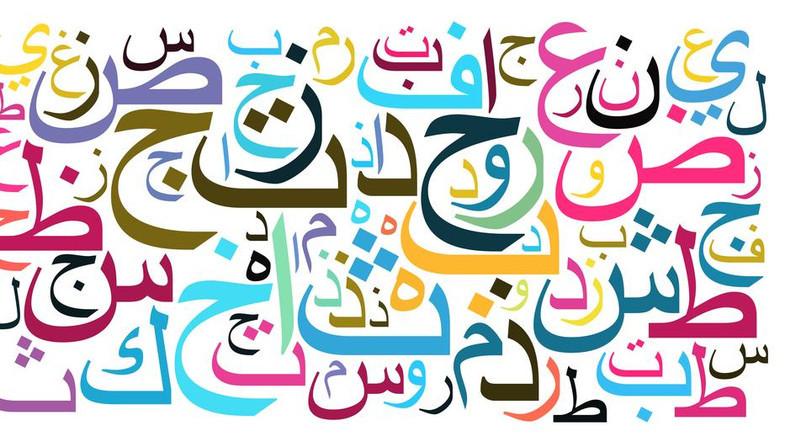
Key Takeaways for Arabic: The Language of Heritage, Power, and Global Influence
Arabic is spoken by more than 400 million people and is the official language of over 25 countries. It’s the sacred language of Islam and a key player in the global energy and trade sectors. From religion to business, Arabic remains a bridge across diverse cultures and continents.
Key Highlights:
- One of six official UN languages.
- Essential for diplomacy, oil trade, and Middle Eastern business.
- Rich in linguistic history and regional dialects.
Arabic: Total Speakers and Global Presence
Arabic is spoken by over 400 million people worldwide, making it one of the top five most spoken languages on the planet. It is the official language of 26 countries, spanning the Middle East, North Africa, and parts of the Horn of Africa. Arabic is also one of the six official languages of the United Nations, further cementing its importance in global diplomacy and international relations.
Business and Economic Significance
Arabic holds immense value in the world of global trade, energy, and finance. Many of the world’s leading oil-producing nations, including Saudi Arabia, the UAE, Qatar, and Kuwait, conduct business primarily in Arabic. As the Gulf Cooperation Council (GCC) countries diversify their economies beyond oil, sectors like tourism, construction, fintech, and green energy are booming—making Arabic fluency a major asset for investors, entrepreneurs, and professionals aiming to do business in the Arab world.
Arabic's Cultural, Historical, and Religious Importance
Arabic is the liturgical language of Islam, spoken in religious contexts by over 1.8 billion Muslims worldwide. It’s the language of the Quran, Islamic philosophy, and centuries of Golden Age scientific, literary, and mathematical texts. Learning Arabic provides unparalleled access to a rich cultural and historical legacy, from classical poetry and calligraphy to modern Arab cinema and music.
Arabic in Diplomacy and Global Affairs
Arabic plays a key role in international politics, especially in matters involving Middle Eastern affairs, global security, and humanitarian efforts. It’s a critical language in organizations like the United Nations, Red Cross, and international NGOs operating in Arabic-speaking regions. Proficiency in Arabic is highly valued in careers related to foreign service, journalism, intelligence, and global development.
Why Arabic Is Gaining Global Attention
Today, Arabic is more than a regional language—it’s a strategic global language with expanding influence in economics, culture, and international affairs. As the Arab world continues to evolve and assert itself on the global stage, learning Arabic opens doors to untapped markets, meaningful cultural experiences, and high-impact careers. For students, professionals, and global citizens alike, Arabic is a language of the future.
- Sources Include / Discover More: Arabic Language, A Pillar of the Cultural Diversity of Humanity. It is One of the Most Widely Spoken Languages in the World
- Also Read: Most Popular Apps in the World
#6
French
Key Takeaways for French: The Timeless Language of Diplomacy and Culture
French, spoken by more than 300 million people, is the language of diplomacy, art, and international relations. It’s an official language in 29 countries and widely used across Europe, Africa, and North America. French combines global influence with timeless elegance.
Key Highlights:
- Spoken on five continents.
- Official in key international organizations (UN, EU, WTO).
- Symbol of culture, cuisine, and education.
French: Total Speakers and Worldwide Reach
French is spoken by over 300 million people globally, making it one of the top 10 most spoken languages in the world. It is the official language in 29 countries across Europe, Africa, the Caribbean, and parts of Asia. As a truly international language, French is spoken on five continents and is projected to see even greater growth, especially in Africa, where populations are rapidly expanding.
A Key Language for Business and Global Trade
French is a major language in international business, diplomacy, and law. It plays a vital role in the European Union, United Nations, NATO, and WTO. Countries like France, Belgium, Switzerland, Canada, and several African nations have thriving economies where French is the primary or co-official language. For professionals working in international relations, global trade, or multinational corporations, fluency in French provides direct access to global markets and decision-makers.
French's Culture, Arts, and Global Influence
French is widely considered the language of art, cuisine, fashion, and literature. From the Paris Fashion Week to Michelin-starred gastronomy, French influence on global culture is immense. France has given the world iconic filmmakers, philosophers, poets, and painters whose works are best appreciated in their native tongue. Learning French allows you to experience the world’s richest literary and artistic heritage, from Victor Hugo to Édith Piaf.
French in Education, Science, and Diplomacy
French is the second most studied language in the world, and a staple in academic institutions from primary schools to global universities. It is one of the working languages of the UN, and heavily used in scientific research, legal documentation, and diplomatic discourse. Students aiming for scholarships, researchers collaborating internationally, or diplomats shaping policy find French to be a highly strategic language.
Why French Remains Globally Relevant
French is not just a historical language—it’s a living, growing global force. With expanding influence in Africa, major economic presence in Europe, and cultural dominance in the arts and diplomacy, French is a smart choice for learners looking to thrive in a globalized world. Today and beyond, speaking French offers a passport to global opportunities.
- Sources Include / Discover More: French, An Official Language of France, Either by Law or in Practice, 300 Million People Speak French Around the World, and in Nearly 30 Countries
- Also Read: Most Popular US Cities
#7
Bengali

Key Takeaways for Bengali: The Heartbeat of South Asia’s Cultural Powerhouse
Bengali (Bangla) is spoken by over 270 million people, mainly in Bangladesh and eastern India. Known for its poetic and literary richness, Bengali has produced Nobel laureates and influential writers. It’s one of Asia’s most expressive and culturally significant languages.
Key Highlights:
- Official language of Bangladesh.
- Deep literary tradition with global recognition.
- Rising in digital media and cultural exports.
Bengali: Total Speakers and Global Distribution
Bengali (also known as Bangla) is spoken by over 300 million people worldwide, making it the sixth most spoken language globally by total number of speakers. It is the official language of Bangladesh and one of the 22 scheduled languages of India, primarily spoken in the state of West Bengal, as well as in Tripura and Assam. Additionally, Bengali is widely used among diaspora communities in the United Kingdom, United States, Canada, and the Middle East.
Economic Importance and Emerging Markets
Bangladesh, where Bengali is the primary language, is one of Asia’s fastest-growing economies. With booming sectors like textiles, IT outsourcing, shipbuilding, and remittance services, businesses around the globe are increasingly engaging with Bengali-speaking professionals and consumers. In e-commerce, manufacturing, and service industries, knowledge of Bengali opens doors to untapped markets with massive growth potential. West Bengal’s capital, Kolkata, is also a major hub for finance, tech startups, and education in Eastern India.
Bengali's Rich Literary and Cultural Heritage
Bengali boasts a legendary literary tradition, enriched by global icons like Rabindranath Tagore, the first non-European Nobel laureate in Literature. The language is home to a rich legacy of poetry, cinema, theater, and music. Bengali films and songs dominate regional media, and platforms like Hoichoi and YouTube have made Bengali content globally accessible. Learning Bengali connects you with a culture known for its artistic depth, intellectual tradition, and progressive thought.
Bengali in Education and Diaspora Communities
Many prestigious universities across the world offer Bengali language programs as part of South Asian studies or language courses, making it an academic language of interest. Bengali is also a key language in UNESCO-recognized Intangible Cultural Heritage, such as International Mother Language Day, which originated in Bangladesh. Bengali-speaking diaspora communities continue to uphold the language through cultural festivals, religious celebrations, and educational institutions abroad.
Why Bengali Matters in Today’s World
Today, Bengali is more than a regional language—it’s a language of influence, resilience, and identity. Whether you’re exploring South Asia’s dynamic markets, pursuing a literary passion, or connecting with one of the largest linguistic populations in the world, Bengali offers both depth and opportunity.
- Sources Include / Discover More: Bengali, One of India’s Most Prominent Languages, Holds a Significant Place in the Cultural and Linguistic History of the Subcontinent
- Also Read: Most Popular Investment Options
#8
Russian
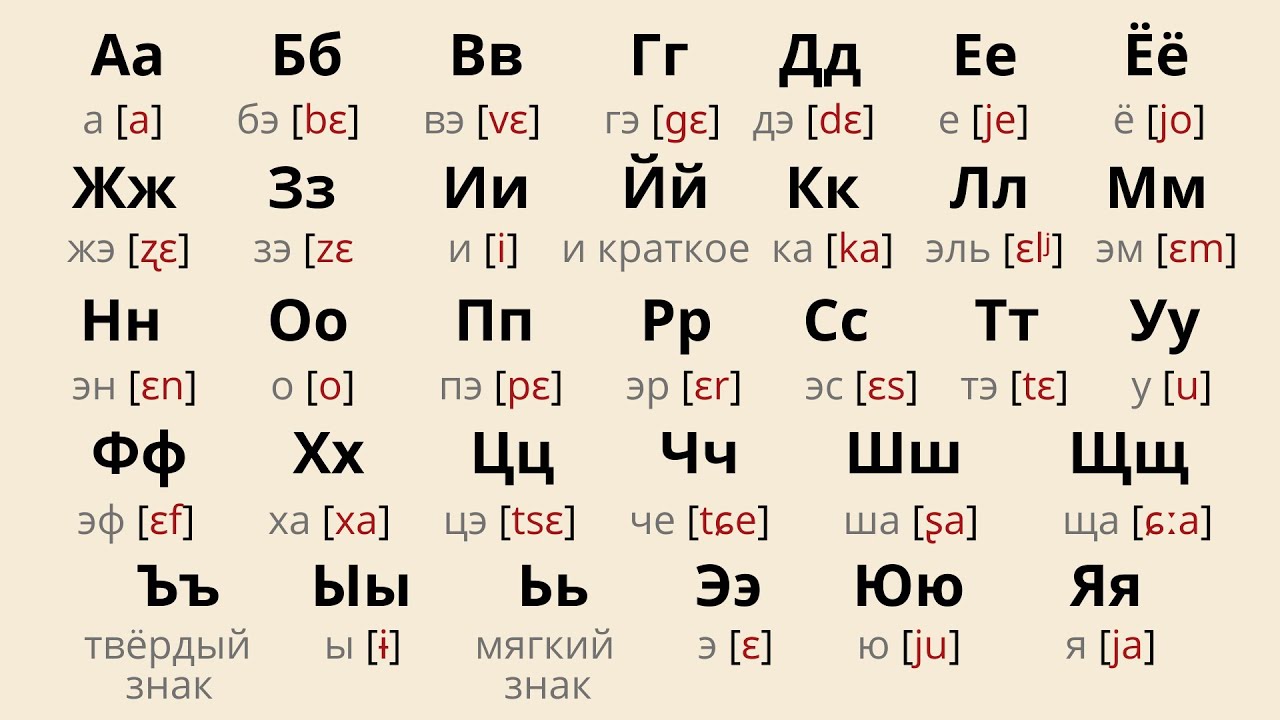
Key Takeaways for Russian: The Language of Strategy, Science, and Global Diplomacy
Russian is spoken by over 260 million people and is the largest native language in Europe. It’s a key language in science, politics, and global diplomacy. Russian literature, space exploration, and technology continue to shape global thought and innovation.
Key Highlights:
- One of six official UN languages.
- Widely spoken across Eastern Europe and Central Asia.
- Prominent in science, defense, and cultural heritage.
Russian: Total Speakers and Global Spread
Russian is spoken by over 260 million people worldwide, ranking it among the top 10 most spoken languages globally. It is the official language of Russia, and a co-official or widely spoken language in Belarus, Kazakhstan, Kyrgyzstan, and several other post-Soviet countries. Russian is also one of the six official languages of the United Nations, and a key language in international relations across Eastern Europe, Central Asia, and the Caucasus.
Russian's Economic and Geopolitical Importance
Despite geopolitical shifts, Russia remains an economic powerhouse in sectors such as energy, aerospace, metallurgy, defense, and IT. Russian is the working language in major corporations and state-run enterprises across Eastern Europe and Central Asia. Investors, diplomats, and multinational companies engaging in natural resources, military trade, cybersecurity, and regional logistics often require Russian fluency for success. As emerging economies in the Eurasian Economic Union expand, Russian continues to act as the lingua franca of trade and policy in the region.
Science, Engineering, and Education
Russian has a long-standing reputation in science, mathematics, engineering, and space technology. Russia produces world-class research and leads in fields like aerospace, robotics, nuclear science, and artificial intelligence. Many technical manuals, academic journals, and scientific publications are still published in Russian, particularly in STEM disciplines. For researchers and students in physics, chemistry, and computer science, Russian is a valuable language of academic exchange and innovation.
Russian's Rich Literary and Artistic Legacy
Russian literature is globally revered, with legendary authors such as Leo Tolstoy, Fyodor Dostoevsky, Anton Chekhov, and Vladimir Nabokov influencing generations of writers. Russian music, classical ballet, cinema, and theater also have a massive global footprint. Learning Russian offers direct access to this vast and profound cultural heritage, as well as a deeper understanding of Slavic traditions and history.
Why Russian Still Dominates Today
In a complex geopolitical landscape, Russian remains one of the world’s most strategic and intellectual languages. Whether you’re pursuing a career in international diplomacy, research, or expanding business into Eastern markets, Russian provides the cultural fluency and strategic leverage to thrive. Today, Russian is still a language of power, depth, and global opportunity.
- Sources Include / Discover More: Russian, An East Slavic Language Belonging to the Balto-Slavic Branch of the Indo-European Language Family
- Also Read: Most Popular Meditation Techniques
#9
Portuguese

Key Takeaways for Portuguese: The Global Language of Innovation and Culture
Portuguese, spoken by over 250 million people, is the official language of Brazil, Portugal, and several African nations. It’s a global language of innovation, culture, and emerging markets, connecting the Americas, Europe, and Africa.
Key Highlights:
- Brazil drives Portuguese-language influence worldwide.
- Increasingly vital in trade, tourism, and technology.
- Expanding Lusophone community across continents.
Portuguese: Total Speakers and International Presence
Portuguese is spoken by over 260 million people globally, making it the ninth most spoken language in the world. It is the official language of Portugal, Brazil, Angola, Mozambique, Cape Verde, Guinea-Bissau, São Tomé and Príncipe, and is also spoken in parts of India (Goa), East Timor, and Macau. Portuguese is the most spoken language in the Southern Hemisphere and is among the fastest-growing European languages in terms of global speakers.
Economic Power and Global Trade Opportunities
Portuguese has become increasingly vital in international trade, finance, and industry, particularly due to Brazil’s economic influence. As Latin America’s largest economy, Brazil leads in sectors such as agriculture, aviation, renewable energy, oil, and fintech. Portuguese is essential for anyone engaging with emerging markets across South America and Africa. Additionally, Lusophone Africa—Portuguese-speaking African nations—is gaining attention from global investors in natural resources, tech, and infrastructure development.
Portuguese's Cultural Depth and Global Media
Portuguese is the language of a vibrant, diverse culture known for its music, dance, cinema, literature, and sports. Brazil alone has a massive cultural footprint with global icons in football, carnival, samba, bossa nova, and Netflix-original series. Renowned authors like José Saramago (Nobel Prize winner) and Paulo Coelho have made Portuguese literature internationally acclaimed. Learning Portuguese allows deeper immersion into a culture rich with emotion, rhythm, and storytelling.
Education, Tourism, and Soft Power
Portuguese is increasingly being taught in universities and language institutes worldwide. As Brazil and Portugal continue to attract tourists, students, and professionals, demand for Portuguese fluency is on the rise. Portugal has become a hub for digital nomads and tech startups, while Brazil hosts major international conferences and sporting events. Lusophone countries are also shaping policy in international organizations like the Community of Portuguese Language Countries (CPLP).
Why Portuguese Is a Smart Global Choice
Today, Portuguese is more than a regional language—it’s a bridge to vibrant economies, rich cultures, and emerging global players. Whether you’re eyeing business in Brazil, investments in Africa, or lifestyle opportunities in Portugal, Portuguese offers global mobility and cultural connectivity. It’s a strategic, rewarding language for the future.
- Sources Include / Discover More: Portuguese, A Western Romance Language of the Indo-European Language Family Originating from the Iberian Peninsula of Europe
- Also Read: Most Popular Insurance Policies
#10
Urdu
Key Takeaways for Urdu: The Language of Poetry, Heritage, and South Asian Influence
Urdu, with over 230 million speakers, is the national language of Pakistan and widely used in India. Known for its poetic elegance, it holds a central place in South Asian culture, media, and literature. Urdu bridges diverse communities through its beauty and emotional depth.
Key Highlights:
- Linguistic sibling to Hindi with shared vocabulary.
- Prominent in poetry, film, and music.
- Spoken widely across Pakistan, India, and global diaspora.
Urdu: Total Speakers and Geographic Reach
Urdu is spoken by over 230 million people worldwide, making it one of the most widely spoken languages in South Asia. It is the national language and lingua franca of Pakistan, and one of the 22 official languages of India, where it’s widely spoken in states like Uttar Pradesh, Delhi, Telangana, and Bihar. Urdu also thrives in diaspora communities across the United Kingdom, Middle East, North America, and Australia.
Economic and Strategic Importance
Urdu plays a crucial role in the commerce, media, and education systems of Pakistan and parts of India. Pakistan, with its growing economy, offers opportunities in textiles, agriculture, real estate, fintech, and export-based industries. Urdu is widely used in news media, public communication, legal systems, and government operations, making it essential for business professionals, NGOs, and policymakers working in or with South Asia. Understanding Urdu opens the door to bilateral trade opportunities between South Asia and global markets.
Urdu's Cultural Influence Through Literature and Media
Urdu is celebrated as the language of poetry, emotion, and elegance. It has a literary legacy unmatched in richness, thanks to legendary poets like Mirza Ghalib, Allama Iqbal, Faiz Ahmed Faiz, and Parveen Shakir. Urdu literature spans ghazals, nazms, novels, and short stories, and continues to shape modern media through TV dramas, Bollywood films, and music. Streaming platforms like Netflix, Zee5, and YouTube are amplifying Urdu’s global presence. Learning Urdu gives direct access to this culturally immersive and artistically expressive world.
Urdu in Education and Global Communities
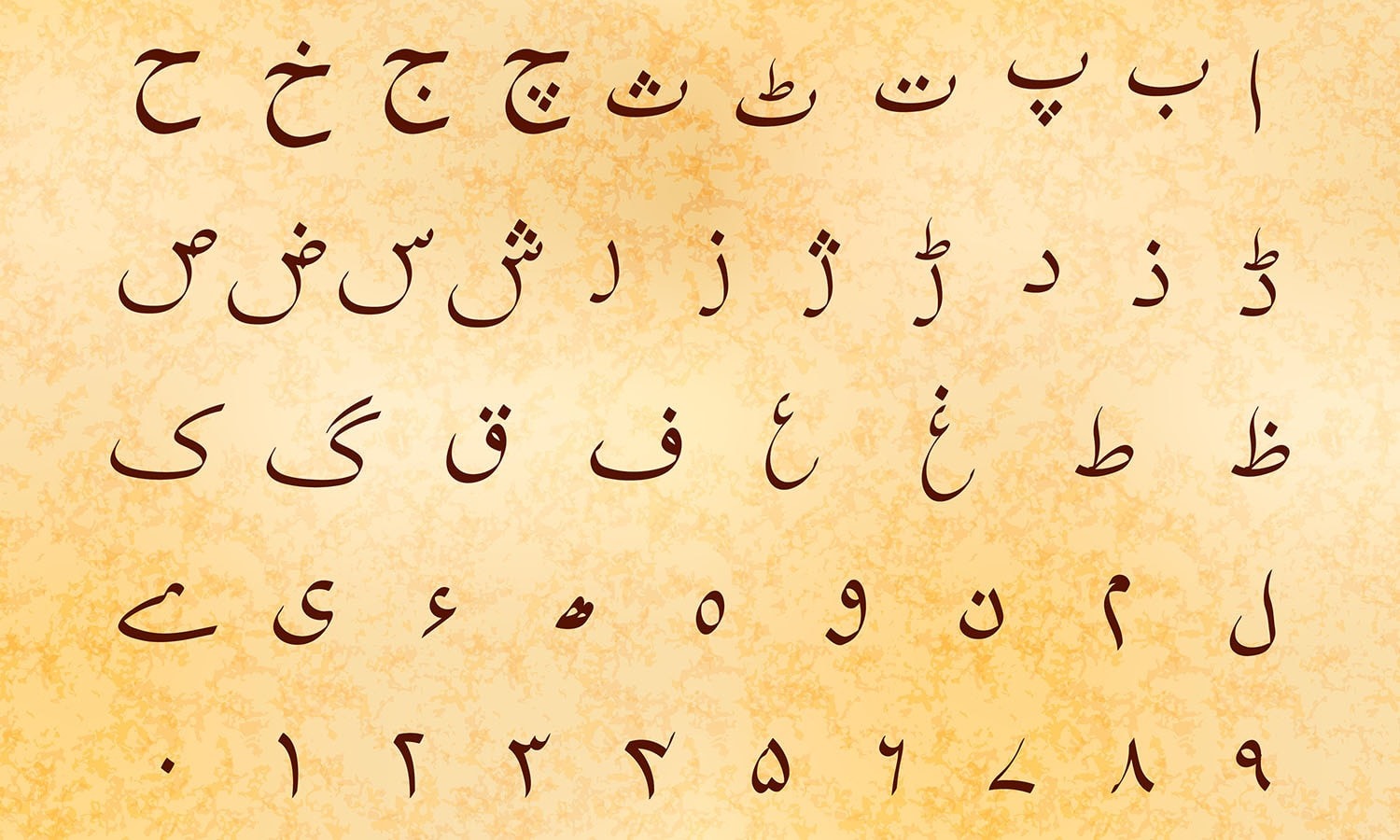
Universities worldwide offer Urdu as part of South Asian studies programs, and it’s also taught in mosques, community centers, and language schools globally. In many multilingual households and religious institutions, Urdu coexists with Arabic, Persian, and English, often used in Islamic scholarship, education, and cultural gatherings. Its script—Nastaliq—is also known for its calligraphic beauty.
Why Urdu Is Worth Learning Today
Urdu is a language that embodies tradition, beauty, and global relevance. As South Asia continues to grow in cultural and economic stature, Urdu remains a strategic and deeply expressive language for global citizens. Whether you’re engaging in diplomacy, exploring media, or appreciating rich literary traditions, Urdu offers unmatched depth and global connection.
- Sources Include / Discover More: Urdu (اُرْدُو), An Indo-Aryan Language Spoken Primarily in South Asia. It is the National Language and Lingua Franca of Pakistan
- Also Read: Most Popular Sports in the World
Key FAQs on the 10 Most Popular Languages in the World
Why is English considered the most spoken and influential language in the world?
English is spoken by over 1.5 billion people worldwide, combining native and non-native speakers, according to Ethnologue and UNESCO language data.
It dominates international business, science, aviation, higher education, and the internet, serving as the primary working language of global corporations and academic research.
Its influence is reinforced by the United States and United Kingdom’s historical, economic, and digital leadership, making English the most powerful global communication language today.
Why is Mandarin Chinese essential for global trade and economic growth?
Mandarin Chinese has over 1.2 billion native speakers, making it the most spoken first language globally, as reported by Ethnologue.
It is central to global manufacturing, supply chains, and trade due to China’s position as the world’s second-largest economy.
Mandarin is increasingly vital in diplomacy, technology, and international business, reinforcing its strategic importance in global economic growth.
What makes Hindi one of the fastest-growing languages in the world?
Hindi is spoken by more than 600 million people, primarily in India and South Asia, according to census and UNESCO data.
Its growth is driven by India’s expanding economy, massive digital population, and global cultural exports such as Bollywood and streaming media.
Hindi’s increasing online presence and diaspora usage make it one of the fastest-growing and most influential modern languages.
Why is Spanish one of the most valuable languages to learn globally?
Spanish is spoken by over 560 million people across Europe, Latin America, and the United States, according to Instituto Cervantes.
It is the second most studied language worldwide and a key language for international business, tourism, and media.
Spanish’s rapid growth in the U.S. and global markets makes it a highly valuable language for career and cultural expansion.
How does Arabic influence global culture and trade?
Arabic is spoken by over 440 million people and is an official language in more than 25 countries, according to the United Nations.
It plays a central role in religion, diplomacy, and global energy trade, especially across the Middle East and North Africa.
Arabic’s cultural depth and economic relevance make it one of the most influential languages worldwide.
Why is French called the language of diplomacy and global culture?
French is spoken by over 300 million people and is an official language of the United Nations, European Union, and UNESCO.
It is deeply embedded in diplomacy, international law, education, and global governance.
French also dominates art, fashion, cuisine, and literature, reinforcing its reputation as a global cultural and diplomatic language.
Why is Bengali known as one of the most beautiful and expressive languages?
Bengali is spoken by over 270 million people, primarily in Bangladesh and India, according to linguistic census data.
It is celebrated for its lyrical rhythm, emotional depth, and rich literary tradition.
As the language of Nobel laureate Rabindranath Tagore, Bengali holds exceptional cultural and poetic significance globally.
What makes Russian a vital language in science and global affairs?
Russian is spoken by over 260 million people and is the largest native language in Europe, according to Ethnologue.
It is widely used in science, engineering, aerospace, and international diplomacy.
Russian remains influential in global politics and literature, providing access to vast scientific and cultural resources.
Why is Portuguese considered a fast-growing global language?
Portuguese is spoken by more than 250 million people across South America, Europe, and Africa.
Brazil’s economic expansion and digital innovation significantly contribute to the language’s rapid global growth.
Portuguese is increasingly important for trade, tourism, and cultural exchange in emerging global markets.
What makes Urdu a culturally and emotionally rich language?
Urdu is spoken by over 230 million people and is deeply rooted in South Asian literary traditions.
It is renowned for its poetic elegance, expressive vocabulary, and emotional depth.
Urdu plays a vital role in poetry, cinema, and cultural identity, blending Persian, Arabic, and Indo-Aryan influences.
Importance of Learning Global Languages
Career and Business Growth
Knowing a popular global language like English, Spanish, or Mandarin can significantly boost your job opportunities. Multilingual professionals are in high demand across industries like business, tech, tourism, and healthcare, making language skills a smart career move.
Travel and Cultural Connection
Speaking the local language while traveling enhances your experience. It helps you connect with locals, understand cultures better, and navigate new places with ease—turning your trip into a truly immersive adventure.
Future Trends in Language Popularity
Tech-Driven Language Learning
Rising New Languages
Languages like Korean, Swahili, and Indonesian are gaining global attention due to pop culture, economic growth, and digital media—signaling a shift in future language trends.
Final Thoughts
Language is far more than a means of communication — it’s the foundation of identity, culture, and global connection. In an era driven by globalization, technology, and international collaboration, the 10 most popular languages in the world — including English, Mandarin Chinese, Hindi, Spanish, Arabic, French, Bengali, Russian, Portuguese, and Urdu — continue to shape global economies, education, and digital interaction.
From English dominating international business and the internet, to Mandarin powering Asia’s economic rise, and Spanish leading cross-continental communication, each language represents a unique sphere of global influence. Meanwhile, Arabic and French serve as cornerstones of diplomacy, Hindi and Urdu unite billions through culture and media, and Portuguese and Bengali are expanding their footprint through trade and literature.
Whether your goal is career advancement, cross-cultural understanding, or travel, learning one of these top world languages is an investment in global opportunity. As the world grows more interconnected, multilingualism is no longer optional—it’s essential. Embrace these powerful languages and open doors to communication, culture, and community on a truly global scale.
In short, the world speaks many tongues—but these ten define the language of the future.
The 10 Most Popular Languages Frequently Asked Questions (FAQs)
Mandarin Chinese has the most native speakers, while English has the most total speakers globally.
English is the most useful, followed by Spanish and French due to their global reach.
Mandarin is a dialect of Chinese and is the official language of China and Taiwan.
It’s the dominant language of business, tech, education, and global media.
They are mutually intelligible when spoken but differ in script and cultural nuances.
English is spoken in over 100 countries and is the official or primary language in many international institutions.
Languages like Hindi, Arabic, and Spanish are among the fastest-growing due to population growth and expanding cultural influence.
About the Author
This article was researched and prepared by the World Millions Editorial Team, specialists in global rankings, premium market analysis, structured comparisons, and high-value sector research across industries.
All content undergoes verification, editorial review, and periodic updates to ensure accuracy, clarity, and alignment with recognized industry standards, reliable institutional sources, and leading global authorities.
- Last Updated: March 27, 2026 by the World Millions Editorial Team
- Original Published Date: March 27, 2026
- View Our: Editorial Team | Sources | Disclaimer | Editorial Standards