- Home
- World’s Most Popular
- 10 Most Popular Cuisines in the World
10 Most Popular Cuisines
in the World
The most popular cuisines in the world represent the pinnacle of culinary heritage, global flavor traditions, and cultural influence. From centuries-old recipes to modern fusion dishes, these iconic food cultures have shaped how people cook, dine, and celebrate across continents. Their signature ingredients, cooking techniques, and unforgettable aromas make them staples in restaurants and homes worldwide.
Discover the 10 Most Popular Cuisines in the World, ranked by global popularity, cultural impact, and iconic dishes. From Italian pasta and Chinese dim sum to Indian curry and Japanese sushi, explore the legendary flavors, signature foods, and richtraditions that define the world’s most beloved cuisines.
On This Page
Toggle- Updated 2026 by the World Millions Editorial Team: View Author Information
The Cultural Power of Cuisine
Cuisine as Identity
From sushi in Japan to pizza in Italy, every dish tells a story. Cuisine reflects a nation’s geography, history, climate, and values. For many, food is a strong tie to home—comfort on a plate, or a bite of their roots.
Food as a Bridge Between Nations
Food often speaks louder than words. Sharing a meal or cooking a traditional dish becomes a universal language. It helps break barriers, promotes understanding, and cultivates appreciation for cultural diversity.
List of the Top 10 Most Popular Cuisines in the World
From Italian to Indian, explore the world’s most popular cuisines that define global taste, flavor, and food culture.
Food is the universal language that unites people, and the 10 Most Popular Cuisines in the World represent the ultimate celebration of global gastronomy. From the rich, creamy pastas of Italy to the spicy curries of India, and the flavorful street food of Mexico to the delicate artistry of Japanese sushi, every cuisine tells a story of culture, heritage, and taste evolution.
Each of these world-famous cuisines has shaped how we eat, celebrate, and connect. Whether it’s the Mediterranean diet’s health benefits, the bold spices of Thai cuisine, or the fine dining legacy of France, these food traditions transcend borders and continue to influence global dining trends.
In this table, you’ll find the top 10 most popular cuisines ranked by global influence, signature dishes, and cultural reach. Each entry highlights the origin country, iconic foods, and what makes these cuisines beloved worldwide.
So whether you’re a food traveler, a culinary enthusiast, or simply someone who loves good flavor, this list offers a delicious journey through the world’s finest and most-loved culinary treasures.
| Rank | Cuisine | Origin Country | Signature Dishes | Global Popularity Reason |
|---|---|---|---|---|
| 1 | Italian Cuisine | Italy | Pizza, Pasta, Risotto | Universal appeal, comforting flavors |
| 2 | Chinese Cuisine | China | Dim Sum, Sweet & Sour Chicken, Fried Rice | Rich diversity, strong diaspora influence |
| 3 | Indian Cuisine | India | Biryani, Butter Chicken, Samosa | Bold spices, vegetarian options |
| 4 | American Cuisine | USA | Burgers, Fried Chicken, BBQ | Media influence, fast food culture |
| 5 | Mexican Cuisine | Mexico | Tacos, Burritos, Enchiladas | Bold flavors, affordable ingredients |
| 6 | Thai Cuisine | Thailand | Pad Thai, Tom Yum, Green Curry | Balanced flavors, unique spices |
| 7 | French Cuisine | France | Croissants, Coq au Vin, Crème Brûlée | Culinary sophistication, fine dining |
| 8 | Japanese Cuisine | Japan | Sushi, Ramen, Tempura | Healthiness, visual appeal, umami taste |
| 9 | Spanish Cuisine | Spain | Paella, Tapas, Churros | Vibrant social food culture |
| 10 | Mediterranean Cuisine | Multiple (Greece, Turkey, Lebanon) | Hummus, Falafel, Grilled Fish | Health benefits, fresh ingredients |
Discover the 10 Most Popular Cuisines in the World
Discover the 10 Most Popular Cuisines in the World, celebrated for their flavor, heritage, and global influence. From creamy Italian pastas and aromatic Indian curries to fresh Japanese sushi and vibrant Mexican street food, each cuisine brings its own cultural story and signature taste to the global table.
These world-famous cuisines have shaped how we cook, dine, and connect across continents. Whether you’re exploring new flavors, planning your next meal, or deepening culinary knowledge, this guide highlights the iconic dishes, origins, and irresistible reasons these cuisines remain the world’s favorites.
#1
Italian Cuisine
Key Takeaways for Italian Cuisine
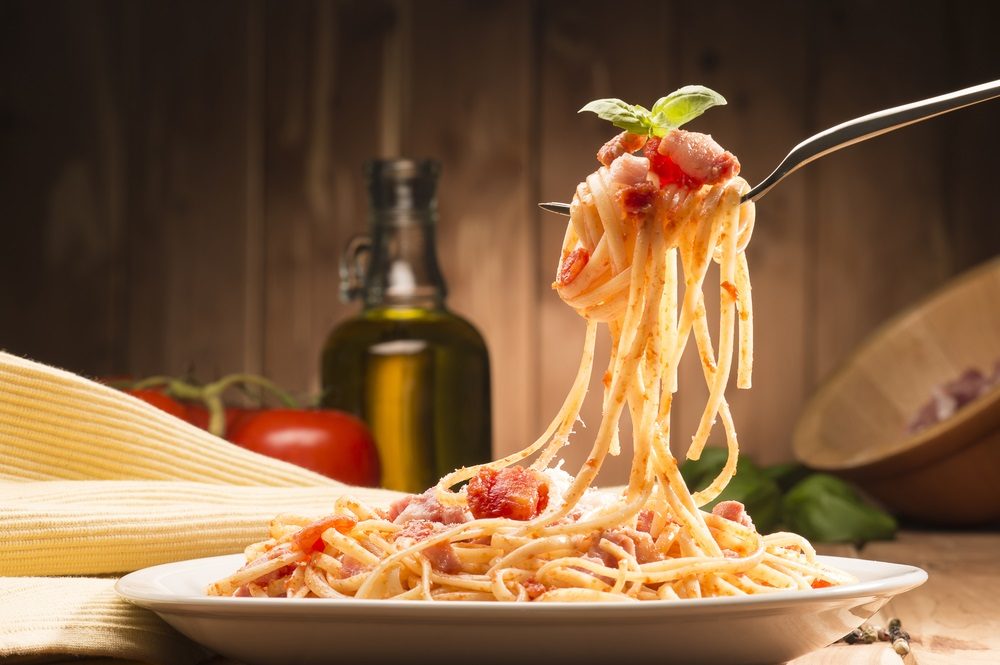
Italian cuisine tops the global charts for a reason. It’s warm, comforting, flavorful, and made with simple, quality ingredients. Whether it’s pasta cooked al dente, freshly baked pizza from a wood-fired oven, or rich risotto, Italy’s culinary heritage is universally loved.
Popular Italian Dishes
- Margherita Pizza
- Spaghetti Carbonara
- Lasagna
- Tiramisu
Italian food’s emotional appeal and widespread adaptability make it a favorite in nearly every country.
Italian Cuisine: A Timeless Global Favorite
Italian cuisine is arguably the most beloved and recognized food culture in the world. Rooted in centuries of tradition and known for its simplicity, Italian food has transcended borders, winning hearts across every continent. Whether you’re savoring a perfectly baked pizza or twirling creamy fettuccine alfredo, Italian cuisine delivers comfort, elegance, and authenticity in every bite.
The Origins and Heritage of Italian Food
Originating from the heart of Italy, this cuisine reflects a regional diversity that is as rich as its history. Northern Italy offers buttery risottos and meat-heavy dishes, while Southern Italy is known for its tomato-based sauces, olive oil, and fresh herbs. Traditional Italian cooking revolves around seasonal, high-quality ingredients—think sun-ripened tomatoes, fresh basil, extra virgin olive oil, and Parmigiano-Reggiano.
Italian food culture places strong emphasis on freshness and balance. Meals are often social events, with courses served in succession: antipasto (appetizer), primo (pasta or soup), secondo (meat or fish), contorno (side dish), and dolce (dessert).
Signature Italian Dishes Loved Worldwide
No mention of Italian cuisine is complete without highlighting its most iconic dishes:
- Pizza: Born in Naples, pizza is now a global staple. From thin-crust Margherita to deep-dish variations, pizza has endless forms, but its soul lies in simplicity—just dough, sauce, and cheese.
- Pasta: From spaghetti to lasagna, pasta is synonymous with Italy. Each region boasts its own specialty—Pesto Genovese from Liguria, Carbonara from Rome, and Ragu alla Bolognese from Emilia-Romagna.
- Risotto: A creamy rice dish cooked with broth, often infused with saffron, mushrooms, or seafood. Risotto exemplifies Italian culinary finesse.
Why Italian Cuisine is So Popular Globally
What makes Italian cuisine so popular around the world? It’s the irresistible combination of simple ingredients, bold yet comforting flavors, and ease of preparation. Italian dishes adapt well to various diets, including vegetarian, gluten-free, and even vegan, making them universally accessible.
Moreover, the rise of Italian restaurants, pizzerias, and fast-casual pasta bars globally has made Italian food omnipresent. Pop culture and media have also played a huge role, with Italian dishes frequently featured in movies, cooking shows, and celebrity kitchens.
Italian cuisine continues to evolve without losing its soul, making it not just food, but a lifestyle celebrated and loved worldwide.
- Sources Include / Discover More: Italian Cuisine, A Mediterranean Cuisine Consisting of the Ingredients, Recipes, and Cooking Techniques Developed in Italy Since Roman Times
- Also Read: Most Popular Sports in the World
#2
Chinese Cuisine
Key Takeaways for Chinese Cuisine
China’s vast geography means its cuisine is diverse and multi-layered. From the spicy delights of Sichuan to Cantonese dim sum, Chinese food is more than just takeout—it’s an art form.
Famous Chinese Foods
- Kung Pao Chicken
- Sweet and Sour Pork
- Chow Mein
- Hot Pot
Its strong cultural heritage, global diaspora, and mastery of wok cooking make Chinese cuisine a household name worldwide.
Chinese Cuisine: A Global Culinary Powerhouse
Chinese cuisine is one of the oldest, most diverse, and most widely consumed food cultures in the world. With its roots going back over 3,000 years, it has evolved into a sophisticated cuisine that balances flavor, color, texture, and nutrition. From bustling Beijing dumpling houses to late-night Chinese takeouts in New York, Chinese food has become a global phenomenon.
Chinese Food: Rich Culinary Traditions Across Regions
China’s vast geography gives birth to a variety of regional cuisines, each with its own distinctive flavors and cooking techniques. The Eight Culinary Traditions of China include:
- Sichuan Cuisine – Known for its bold, spicy flavors and liberal use of garlic, chili peppers, and Sichuan peppercorns.
- Cantonese Cuisine – Emphasizes freshness and subtlety, with popular dishes like dim sum, roasted duck, and steamed fish.
- Shandong Cuisine – Focuses on seafood and salty flavors with quick-fry techniques.
- Jiangsu and Zhejiang Cuisine – Delicate, slightly sweet, with intricate knife skills and artistic presentation.
Each of these cuisines contributes to the rich tapestry of Chinese food culture and provides endless variety for food lovers around the world.
Iconic Dishes That Define Chinese Food
Some of the most recognized and loved Chinese dishes globally include:
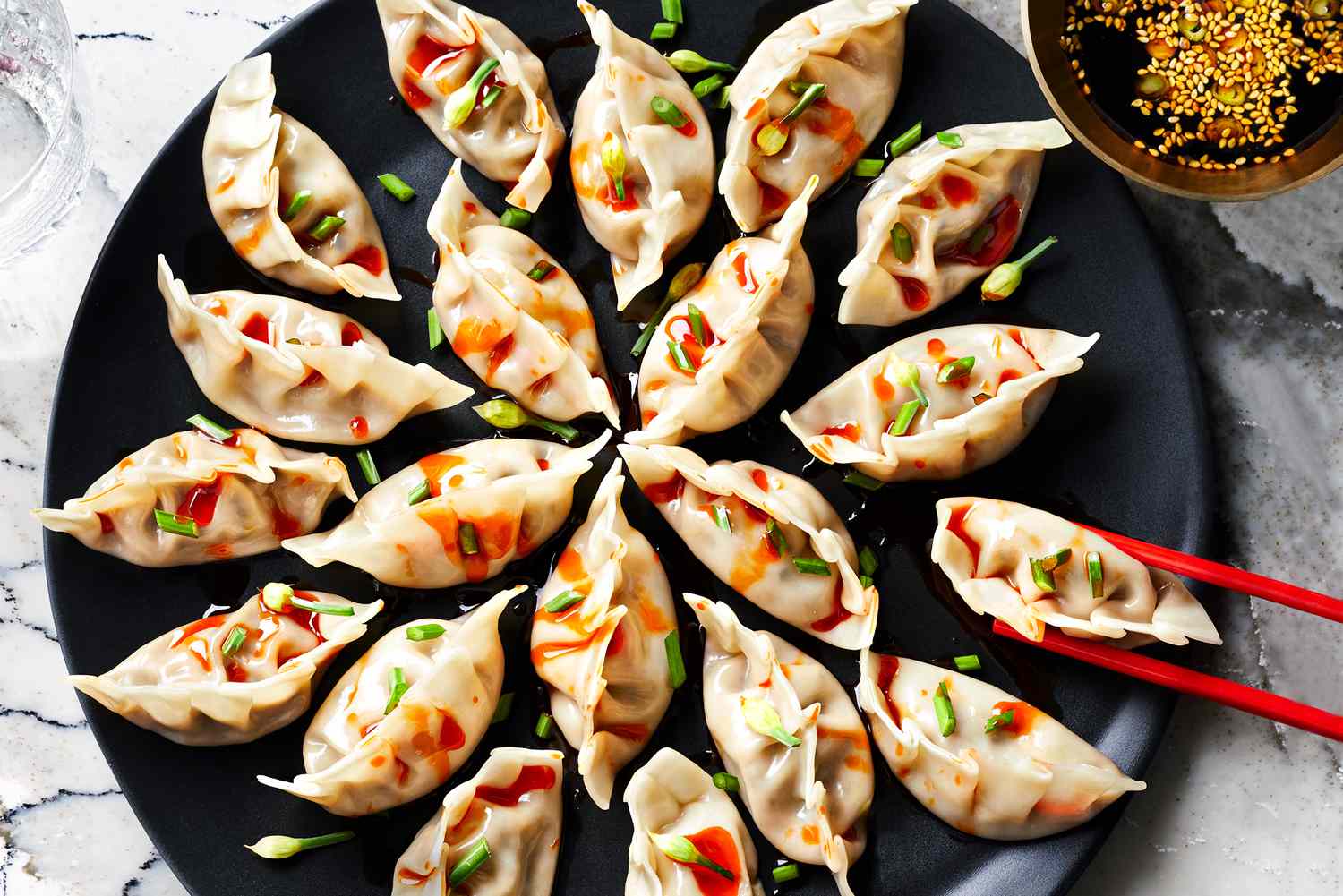
- Dim Sum: A collection of bite-sized steamed dumplings, buns, and pastries often enjoyed with tea.
- Sweet and Sour Chicken: A favorite in Western Chinese restaurants, featuring crispy chicken in a tangy, vibrant sauce.
- Fried Rice: A versatile staple dish made with day-old rice, scrambled eggs, vegetables, and choice of meat or tofu.
Other popular options include Kung Pao Chicken, Hot Pot, and Chow Mein—all showcasing unique flavor profiles and cooking techniques.
Why Chinese Cuisine Is So Popular Worldwide
The global appeal of Chinese cuisine lies in its adaptability, bold flavors, and affordability. Thanks to widespread Chinese diaspora communities, traditional Chinese food has found its way into every corner of the world, from Africa to the Americas.
Its dishes can be customized to suit local ingredients, spice levels, and dietary restrictions, making it incredibly flexible. Whether it’s a quick meal from a street vendor or a luxurious banquet, Chinese cuisine meets the needs of every dining occasion.
Chinese food’s visual appeal, balanced flavor principles (sweet, sour, salty, bitter, umami), and rich cultural significance make it not only delicious but also deeply meaningful around the world.
- Sources Include / Discover More: Chinese Cuisine, is One of the World’s Oldest and Most Diverse Cuisines, Comprising Foods Originating from China
- Also Read: Most Popular Streaming Services
#3
Indian Cuisine
Key Takeaways for Indian Cuisine
Indian food is a spice-laden journey of colors, textures, and aromas. It’s bold, fiery, and comforting all at once. The regional diversity, from North Indian curries to South Indian dosas, offers something for everyone.
Top Indian Dishes
- Chicken Tikka Masala
- Rogan Josh
- Masala Dosa
- Gulab Jamun
The global rise of vegetarianism has also helped push Indian cuisine to the forefront.
Indian Cuisine: A Symphony of Spices and Heritage
Indian cuisine is one of the most flavor-packed and culturally rich food traditions in the world. Known for its bold use of spices, regional diversity, and deep-rooted history, Indian food goes far beyond just curry. With its vibrant colors, aromatic flavors, and countless vegetarian options, Indian cuisine continues to gain popularity on every continent.
Indian Food: Deep Roots and Regional Variety
India’s food landscape is as diverse as its culture. Every state offers something unique:
- North Indian Cuisine: Features creamy gravies, tandoori items, and wheat-based staples like naan and roti. Dishes like Butter Chicken, Paneer Tikka, and Dal Makhani are iconic in this region.
- South Indian Cuisine: Known for rice-based dishes, tangy tamarind flavors, and coconut-infused curries. Must-try items include Dosa, Sambar, and Fish Curry.
- West Indian Cuisine: Offers a mix of sweet and spicy, with dishes like Dhokla, Pav Bhaji, and Goan Prawn Curry.
- East Indian Cuisine: Emphasizes mustard oil, fermented flavors, and seafood. Favorites include Macher Jhol and Momos from the Himalayan regions.
This incredible diversity ensures that Indian cuisine has something for everyone—whether you prefer spicy, sweet, sour, or savory.
Cuisine of India: Signature Dishes Loved Worldwide
Here are a few iconic Indian dishes that have earned global recognition:
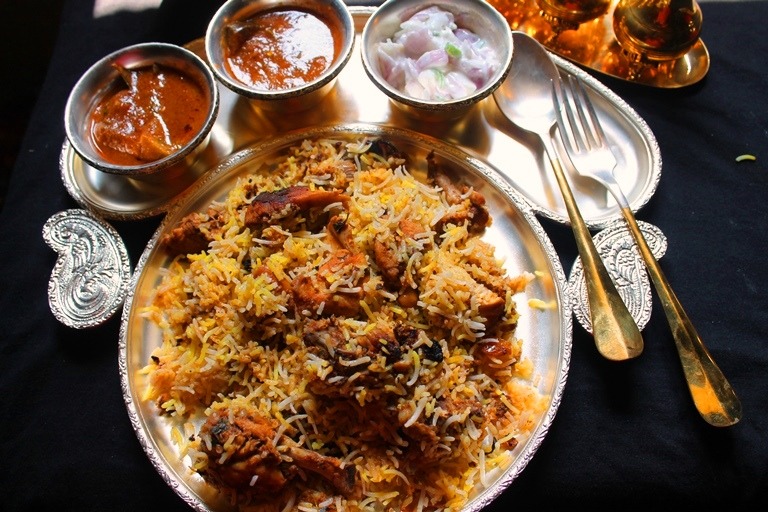
- Biryani: A fragrant rice dish layered with marinated meat or vegetables, slow-cooked to perfection.
- Butter Chicken: Tender chicken cooked in a creamy, spiced tomato sauce, usually enjoyed with naan.
- Samosa: A crispy, triangular pastry filled with spicy potatoes or minced meat, perfect as a snack or appetizer.
Other global hits include Tandoori Chicken, Chole Bhature, Rogan Josh, and Palak Paneer.
What Makes Indian Cuisine So Globally Popular?
Indian cuisine stands out for its complex layering of spices and flavors. Turmeric, cumin, coriander, garam masala, and cardamom form the backbone of many dishes, creating depth that appeals to a wide range of palates.
Vegetarians love Indian food for its vast meat-free options, while health-conscious diners appreciate the use of anti-inflammatory ingredients like ginger and turmeric. Additionally, Indian food is increasingly accessible, with Indian restaurants, food trucks, and fusion eateries appearing around the world.
Whether you’re craving street-style Chaat or a slow-cooked curry, Indian cuisine offers a satisfying culinary adventure that keeps people coming back for more.
- Sources Include / Discover More: Indian Cuisine, Consists of a Variety of Regional and Traditional Cuisines Native to the Indian Subcontinent
- Also Read: Most Popular Board Games in the World
#4
American Cuisine
Key Takeaways for American Cuisine
America is a melting pot, and its cuisine reflects just that. From deep-dish pizzas in Chicago to southern BBQ ribs, it’s bold, indulgent, and widely exported via fast food chains.
Signature American Dishes
- Hamburgers
- Hot Dogs
- Mac and Cheese
- Buffalo Wings
American food is embedded into pop culture, making it instantly recognizable and widely available.
American Cuisine: The Melting Pot of Global Flavors
American cuisine is a bold, ever-evolving fusion of global culinary influences. Shaped by immigrants, regional diversity, and innovation, it reflects the multicultural identity of the United States. From greasy spoons to gourmet diners, American food is accessible, indulgent, and rooted in a culture of convenience and creativity.
American Food: Regional Influence and Culinary Diversity
The beauty of American cuisine lies in its regional flavors and wide range of cooking styles:
- Southern Cuisine: Rich, comforting, and soulful. Signature dishes include fried chicken, cornbread, collard greens, and barbecue ribs.
- Northeastern Cuisine: Heavily influenced by European settlers, offering classics like clam chowder, lobster rolls, and bagels with lox.
- Midwestern Cuisine: Known as the “breadbasket of America,” featuring hearty meals like meatloaf, casseroles, and Chicago-style deep-dish pizza.
- West Coast Cuisine: Health-conscious and farm-to-table focused, showcasing dishes like avocado toast, fish tacos, and fusion-style Asian-American cuisine.
No matter the region, American food embraces creativity, large portions, and bold flavors.
Best-Known American Food Dishes Around the World
These iconic American food dishes have become staples not only in the U.S. but in countries worldwide:
- Burgers: Arguably the most recognizable American food, burgers have taken countless forms—from fast food to gourmet.
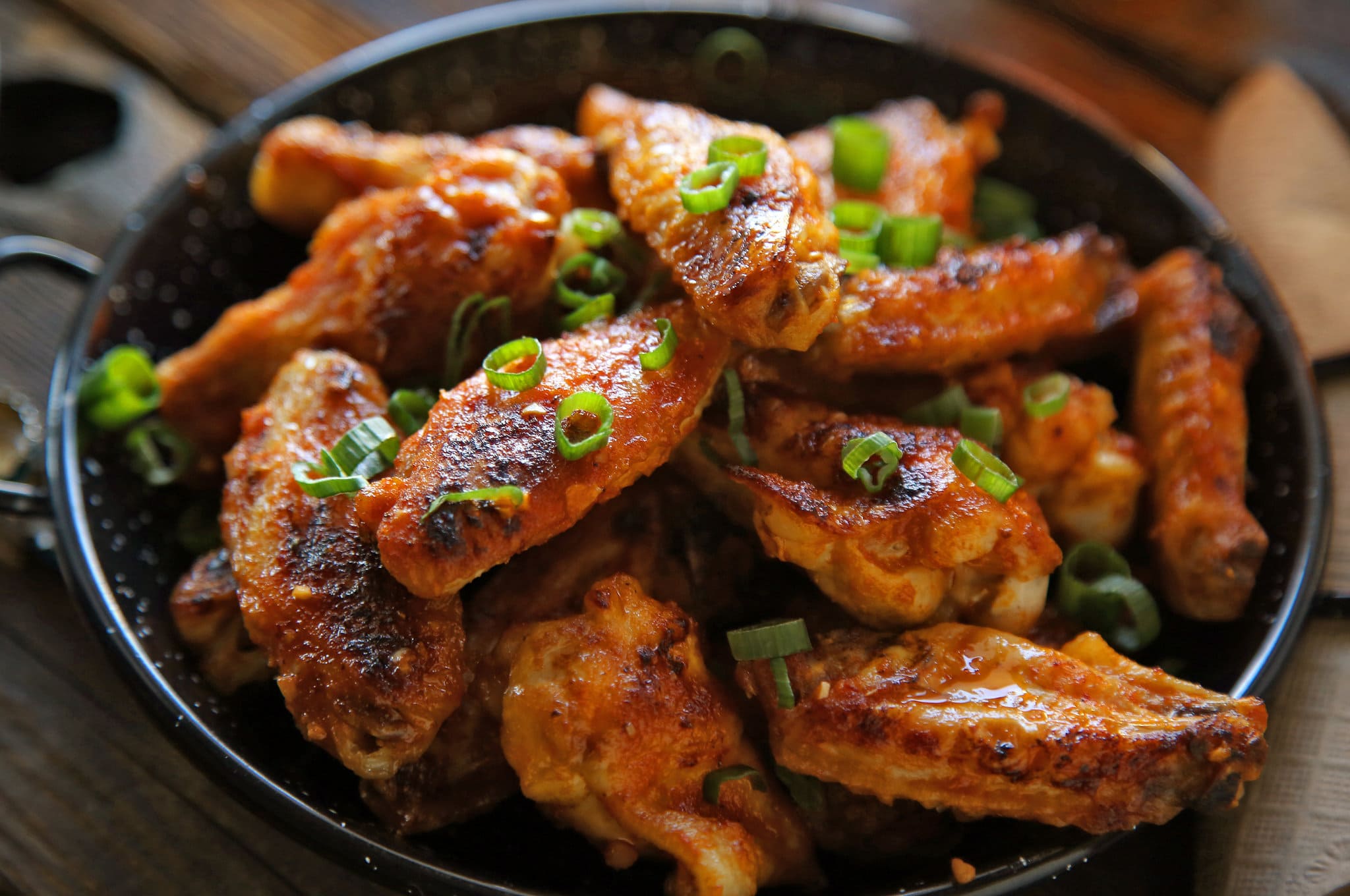
- Fried Chicken: Crispy, juicy, and seasoned to perfection, American fried chicken is a comfort food legend.
- BBQ: A cultural event in itself, American barbecue varies by region—Texas brisket, Carolina pulled pork, and Kansas City ribs each tell a different story.
Other popular options include hot dogs, mac and cheese, pancakes, and buffalo wings.
Why American Cuisine is Globally Popular
American cuisine has achieved international fame largely due to its globalized food industry and media presence. Hollywood movies, fast-food giants like McDonald’s and KFC, and celebrity chefs have broadcasted American food culture to the world.
It’s also incredibly adaptable. American food absorbs international flavors and repackages them for mass appeal—think Korean BBQ tacos, sushi burritos, or vegan burgers. The focus on indulgence, convenience, and presentation makes it appealing to people of all ages.
Whether you’re eating at a drive-thru or a high-end bistro, American cuisine offers familiarity with a side of innovation. It doesn’t just feed the appetite—it tells the story of a nation built on variety, experimentation, and boldness.
- Sources Include / Discover More: American Cuisine, blends Native American, European, African, and global influences to create diverse regional styles
- Also Read: Most Popular Social Media Platforms
#5
Mexican Cuisine
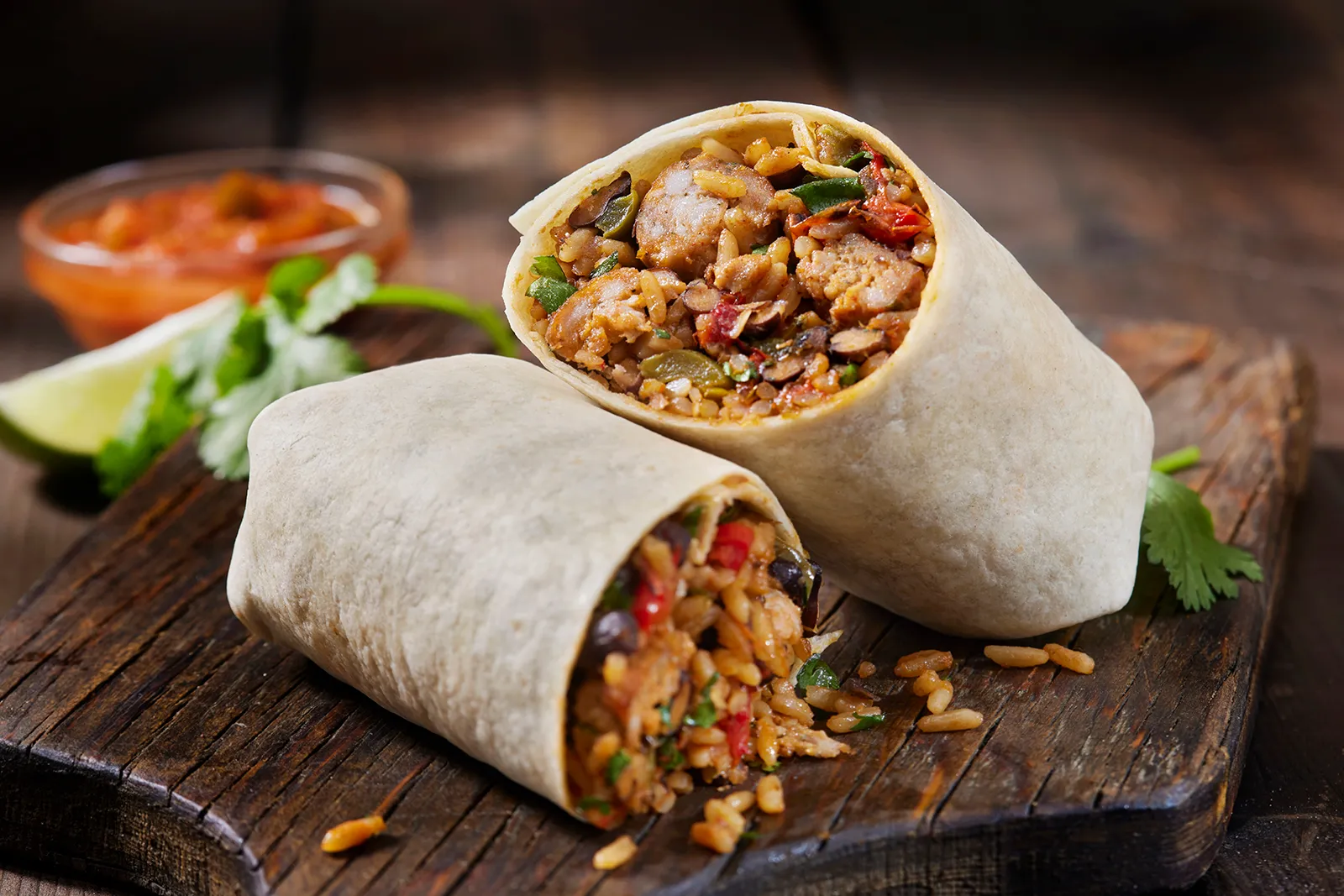
Key Takeaways for Mexican Cuisine
A fiesta of flavors, Mexican cuisine is rich in heritage and taste. It blends indigenous Mesoamerican ingredients with Spanish colonial influence.
Iconic Mexican Foods
- Tacos Al Pastor
- Quesadillas
- Tamales
- Churros
Mexican cuisine’s combination of spice, affordability, and fun factor makes it a universal hit.
Mexican Cuisine: A Flavorful Celebration of Culture
Mexican cuisine is a vibrant explosion of color, taste, and tradition. Fusing indigenous Mesoamerican roots with Spanish colonial influence, it offers an irresistible blend of spicy, savory, and tangy flavors. Recognized by UNESCO as an Intangible Cultural Heritage of Humanity, Mexican food is not just a cuisine—it’s a cultural celebration passed down through generations.
Mexican Food: Historical Roots and Regional Specialties
Mexican food is deeply rooted in ancient civilizations like the Aztecs and Mayans. Staples like corn, beans, and chili peppers date back thousands of years and continue to define the cuisine. When the Spanish arrived in the 16th century, they brought new ingredients such as rice, cheese, beef, and pork—fusing with native elements to create the bold dishes we love today.
Regional diversity plays a key role in shaping local favorites:
- Oaxaca: Known as the “Land of the Seven Moles,” it’s famous for rich, complex sauces made from chili, chocolate, and nuts.
- Yucatán: Features Mayan-inspired dishes like Cochinita Pibil (slow-roasted pork) and tropical flavors like sour orange and achiote.
- Mexico City: Offers a street food paradise, especially for tacos, tortas, and tamales.
Each region adds its own flair, making Mexican cuisine one of the most diverse and dynamic in the world.
Most Popular Foods in Mexico Globally
Some Foods in Mexico have achieved superstar status around the globe:
- Tacos: Soft or crunchy tortillas filled with everything from carnitas to grilled veggies. They’re endlessly customizable and always delicious.
- Burritos: A northern Mexican-American fusion dish that’s portable, filling, and packed with meat, rice, beans, and salsa.
- Enchiladas: Rolled tortillas drenched in chili sauce and cheese, often baked for extra flavor.
Other favorites include guacamole, quesadillas, nachos, tamales, and elote (grilled corn with mayo and chili).
Why Foods of Mexico is Universally Loved
Foods of Mexico is globally adored for its bold flavors, affordable ingredients, and adaptability. Whether you’re eating from a food truck or dining at a five-star restaurant, the heart of Mexican food remains the same: fresh ingredients, vibrant colors, and a punch of spice.
Its popularity also owes a lot to its street food culture, which has gone international. From LA to London, you’ll find taco trucks and taquerias feeding long lines of loyal fans.
Mexican food is festive, flavorful, and made for sharing—an experience that brings people together across cultures and continents.
- Sources Include / Discover More: Mexican Cuisine, Consists of the Cuisines and Associated Traditions of the Modern Country of Mexico
- Also Read: Most Popular Brands in the World
#6
Thai Cuisine
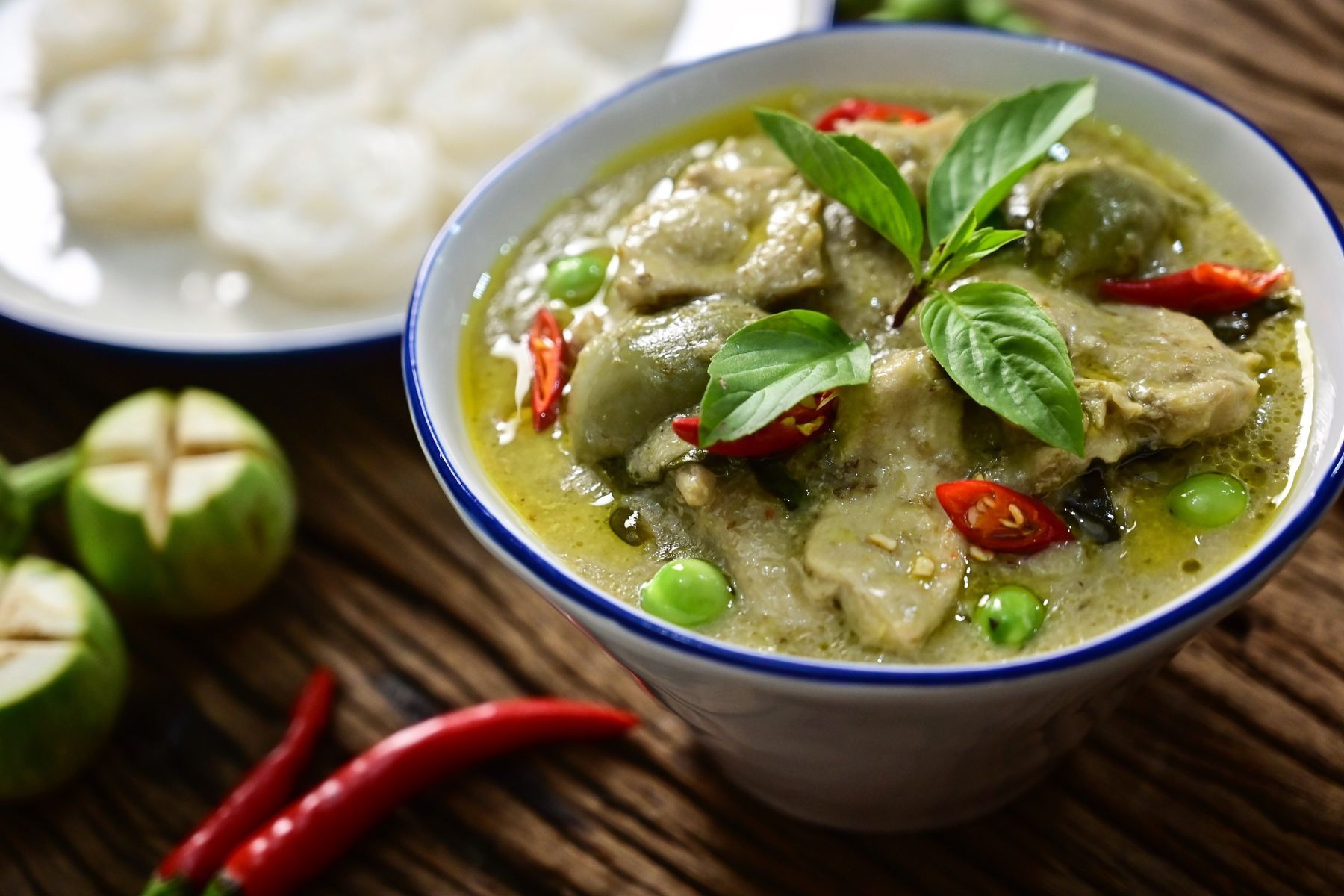
Key Takeaways for Thai Cuisine
Thai food is all about harmony—blending spicy, sweet, sour, salty, and bitter flavors in every bite. It’s aromatic, colorful, and unforgettable.
Famous Thai Dishes
- Pad Thai
- Green Curry
- Tom Yum Goong
- Mango Sticky Rice
Its exotic taste and health-conscious ingredients have helped Thai cuisine win over global audiences.
Thai Cuisine: A Perfect Balance of Sweet, Sour, Salty, and Spicy
Thai cuisine is globally renowned for its harmonious balance of flavors and aromatic ingredients. A single Thai dish often delivers a complex combination of sweet, sour, salty, bitter, and spicy—making every bite an exciting culinary journey. With its use of fresh herbs, bold spices, and colorful presentation, Thai food appeals to both the taste buds and the eyes.
Thai Food: Cultural Roots and Regional Flavors
Rooted in ancient Siamese traditions and influenced by Chinese, Indian, and Portuguese cuisines, Thai food is as diverse as the country’s landscapes. Each region of Thailand brings something unique to the table:
- Central Thailand: Known for its royal cuisine, featuring intricate dishes like Tom Yum Goong (spicy shrimp soup) and Pad Thai.
- Northeastern (Isan) Cuisine: Rustic and fiery, with dishes like Som Tum (papaya salad) and Larb (minced meat salad).
- Northern Thailand: Famous for milder, herbal flavors in dishes such as Khao Soi (coconut curry noodle soup).
- Southern Thailand: Rich and spicy, thanks to the use of turmeric and coconut milk. Curries like Gaeng Som and Massaman Curry are staples here.
Each area offers its own culinary signature, reflecting both geography and cultural influences.
Foods of Thailand: Signature Thai Dishes Loved Worldwide
Foods of Thailand is now a global staple, with several dishes achieving cult status:
- Pad Thai: Stir-fried rice noodles with tamarind, peanuts, tofu or shrimp, lime, and fresh herbs—a balanced crowd-pleaser.
- Tom Yum: A hot and sour soup with shrimp, lemongrass, galangal, and chili—both healing and invigorating.
- Green Curry (Gaeng Keow Wan): A spicy coconut milk-based curry filled with Thai basil, green chilies, and meat or tofu.
Other worldwide favorites include Massaman Curry, Thai fried rice, and mango sticky rice for dessert.
Why Food in Thailand is Globally Adored
The global popularity of Food in Thailand can be attributed to its perfect flavor balance, beautiful plating, and health-conscious ingredients. Thai dishes are often made with fresh vegetables, lean meats, aromatic herbs like lemongrass and kaffir lime leaves, and nutrient-rich spices such as turmeric and chili.
Additionally, the rise of Thai restaurants and street food stalls worldwide has made it easy for anyone to experience Thailand’s rich culinary heritage. Thai food isn’t just a meal—it’s a flavorful journey filled with cultural soul.
- Sources Include / Discover More: Thai cuisine, A Popular and Distinctive Style of Cooking that is Known for its Bold Flavors, Complex Spices, and use of Fresh Ingredients
- Also Read: Most Popular Beverages in the World
#7
French Cuisine
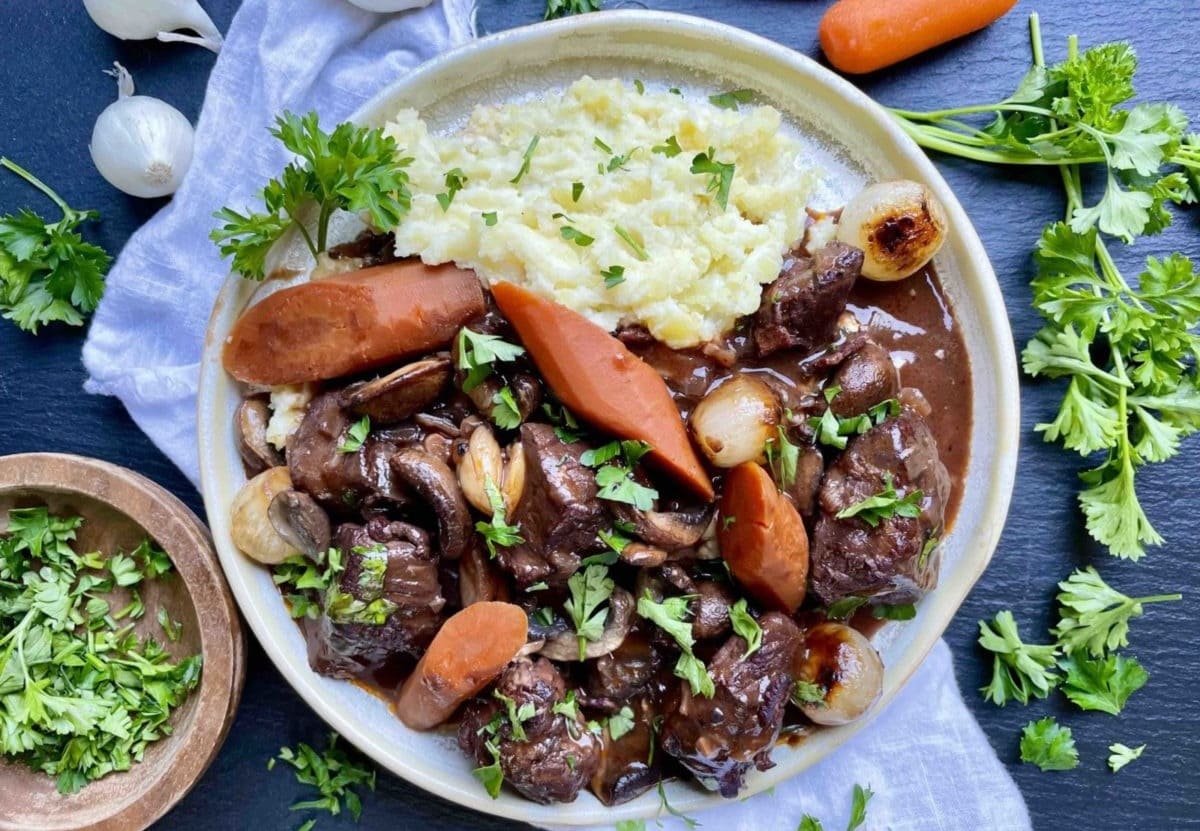
Key Takeaways for French Cuisine
French food is synonymous with elegance and finesse. It’s the foundation of classical culinary techniques and world-renowned pastries.
Top French Delicacies
- Boeuf Bourguignon
- Escargots
- Ratatouille
- Crêpes
With its focus on precision and presentation, French cuisine remains a gold standard in fine dining.
French Cuisine: The Gold Standard of Culinary Excellence
French cuisine is often seen as the pinnacle of fine dining, sophistication, and gourmet artistry. With centuries of influence on global gastronomy, it’s no surprise that France is home to some of the world’s most iconic dishes, top culinary schools, and prestigious Michelin-starred restaurants. But French food isn’t just about white tablecloths—it’s also about comfort, tradition, and technique.
French Food: A Culinary Heritage Rooted in Precision and Passion
France’s culinary roots trace back to the Middle Ages, but its global dominance began in the 17th century with the rise of haute cuisine. Chefs like Escoffier laid the foundation for classic techniques still used today, such as sautéing, braising, and flambéing.
French cuisine is regionally diverse and incredibly nuanced:
- Normandy & Brittany: Known for creamy sauces, cheeses, and seafood dishes like Moules Marinières.
- Provence: Offers Mediterranean-inspired cuisine rich in olive oil, garlic, tomatoes, and herbs—think Ratatouille and Bouillabaisse.
- Alsace: Influenced by German cooking, with hearty dishes like Choucroute Garnie and Flammekueche.
- Lyon: Considered the gastronomic capital of France, with a mix of rustic and refined plates.
Each region offers its own specialties, contributing to France’s culinary depth and diversity.
World-Famous French Food Dishes
French cuisine has given the world a long list of timeless classics:
- Croissant: A flaky, buttery pastry that’s now a breakfast staple around the globe.
- Coq au Vin: Chicken slowly braised in red wine with mushrooms, bacon, and herbs.
- Crème Brûlée: A rich custard topped with a layer of caramelized sugar—crack it with a spoon and fall in love.
Other French food dish essentials include Quiche Lorraine, Duck à l’Orange, Beef Bourguignon, and the ever-indulgent French onion soup.
Why Cuisine of France Has Global Appeal
French food continues to captivate international audiences due to its elegance, technique, and emphasis on high-quality ingredients. The French dining culture is not just about eating—it’s about experiencing. Meals are savored, wine is paired, and presentation is an art form.
French cooking techniques have also influenced nearly every Western cuisine, making culinary terms like sauté, roux, and julienne part of the universal kitchen vocabulary. Whether it’s a simple baguette or a multi-course meal, French cuisine celebrates food as an expression of life, love, and artistry.
- Sources Include / Discover More: French cuisine, The Cooking Taditions and Practices of France, The Origins go Back to the Middle Ages
- Also Read: Most Popular Apps in the World
#8
Japanese Cuisine
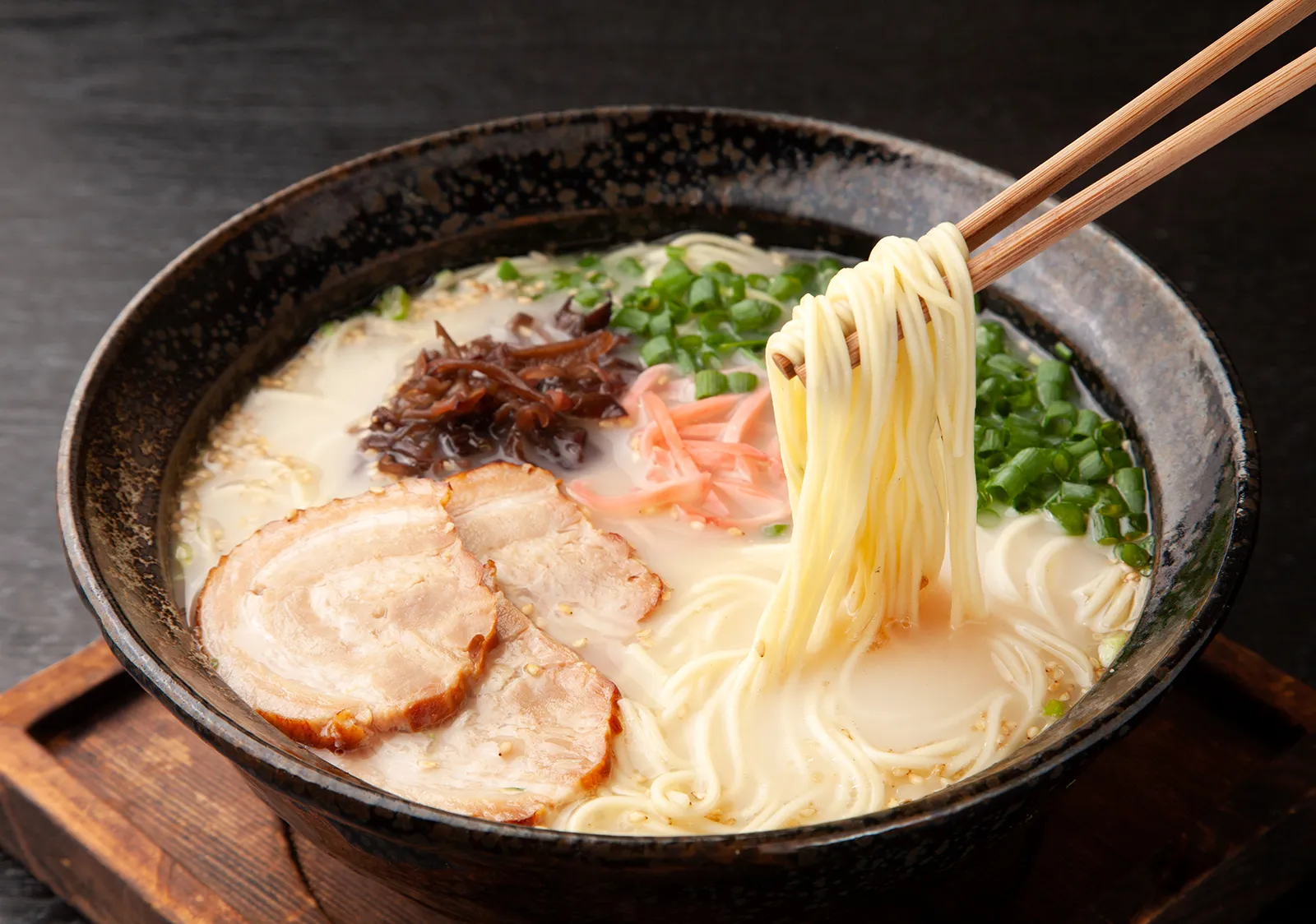
Key Takeaways for Japanese Cuisine
Minimalist yet complex, Japanese cuisine relies on seasonal ingredients and meticulous preparation. Its focus on aesthetics makes each meal an experience.
Popular Japanese Foods
- Sushi
- Sashimi
- Udon Noodles
- Matcha Desserts
The world’s fascination with sushi and ramen has turned Japanese cuisine into a lifestyle.
Japanese Cuisine: A Harmonious Blend of Simplicity, Freshness, and Elegance
Japanese cuisine is a masterclass in balance—between flavor, texture, and aesthetics. It focuses on fresh, seasonal ingredients and a philosophy of letting each element shine. Whether it’s a humble bowl of rice or a meticulously plated sushi platter, Japanese food emphasizes mindfulness, beauty, and purity.
Japanese Food: Culinary Philosophy and Traditional Roots
Deeply rooted in the principles of washoku (traditional Japanese food culture), Japanese cuisine is guided by respect for nature and the seasons. Dishes are designed not only to nourish but to reflect harmony between land, sea, and humanity. This culinary art earned UNESCO Intangible Cultural Heritage recognition in 2013.
Key ingredients like rice, soy sauce, miso, seaweed, and seafood form the foundation of countless meals, while preparation methods such as steaming, simmering, grilling, and raw presentation highlight simplicity over complexity.
Food in Japan: Regional Variety and Popular Dishes
Japan’s diverse geography gives rise to many regional specialties:
- Tokyo: Home to Edomae sushi, known for its minimalist style and vinegared rice.
- Osaka: Famous for street foods like Takoyaki (octopus balls) and Okonomiyaki (savory pancakes).
- Kyoto: Known for refined Kaiseki cuisine and matcha-based desserts.
- Hokkaido: Celebrated for its fresh seafood, miso ramen, and dairy products.
Signature Japanese dishes cherished worldwide include:
- Sushi: Raw fish or vegetables served on vinegared rice—simple, elegant, and globally loved.
- Ramen: A soul-warming noodle soup with rich broth, toppings like egg, pork, and seaweed.
- Tempura: Lightly battered and deep-fried vegetables or seafood, served crisp and golden.
Other global favorites include udon noodles, miso soup, gyoza (dumplings), and donburi rice bowls.
Why Japanese Cuisine is So Popular Worldwide
Japanese cuisine appeals to global audiences for its clean flavors, artful presentation, and perceived health benefits. It’s low in saturated fats, high in omega-3s, and rich in umami—a savory “fifth taste” found in ingredients like soy sauce, mushrooms, and bonito flakes.
Its rise in global popularity also stems from Japan’s cultural influence through anime, technology, and tourism. Sushi bars, ramen shops, and izakayas have sprung up in nearly every major city worldwide, catering to both casual diners and connoisseurs alike.
From elegant bento boxes to sizzling teppanyaki grills, Japanese food turns every meal into a tranquil, sensory-rich experience.
- Sources Include / Discover More: Japan cuisine (Japanese: washoku), Based on Rice with Miso Soup and Other Dishes with an Emphasis on Seasonal Ingredients
- Also Read: Most Popular US Cities
#9
Spanish Cuisine
Key Takeaways for Spanish Cuisine
Spanish food is communal, vibrant, and deeply satisfying. The tapas culture encourages shared meals and lively conversations.
Spanish Must-Eats
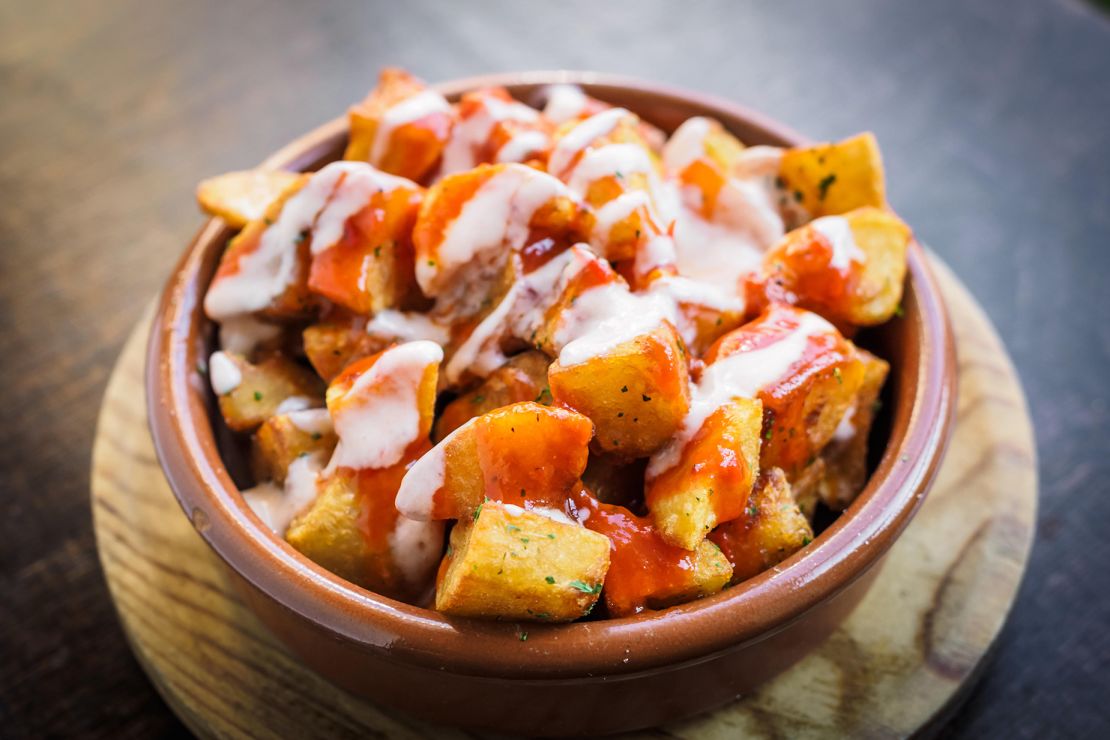
- Patatas Bravas
- Chorizo
- Gazpacho
- Paella Valenciana
It’s not just food—it’s an experience of culture, music, and tradition on a plate.
Spanish Cuisine: A Bold Fusion of Flavor, Tradition, and Festivity
Spanish cuisine is an energetic mix of Mediterranean freshness, Moorish influence, and hearty rural fare. Known for its rich regional diversity, vibrant social dining culture, and iconic ingredients like olive oil, paprika, and saffron, Spain’s food is all about celebrating life—bite by bite.
Whether you’re savoring smoky chorizo in the north or sampling seafood paella by the Mediterranean coast, Spanish dishes are bold, rustic, and deeply tied to local tradition.
Spanish Food: Regional Influences Across the Spanish Table
Every corner of Spain brings its own flavor and flair:
- Andalusia: The birthplace of tapas and gazpacho, with heavy Arab influence in spices and preparation.
- Valencia: The home of Paella Valenciana, a saffron-infused rice dish often made with rabbit, chicken, or seafood.
- Catalonia: A culinary mix of mountain and sea, with specialties like Escalivada (grilled vegetables) and Crema Catalana.
- Basque Country: Famous for pintxos (mini bar snacks), cod dishes, and Michelin-starred innovation.
Spanish food blends simplicity with bold ingredients, often prepared in ways that preserve natural flavors—grilled, roasted, or marinated.
Food of Spain: Most Beloved Spanish Dishes Around the World
Some dishes have become global staples, enjoyed from Barcelona to Buenos Aires:
- Paella: A colorful, saffron-tinted rice dish loaded with seafood, meats, or vegetables.
- Tapas: Small, shareable plates that include everything from patatas bravas to jamón ibérico—ideal for communal dining.
- Churros con Chocolate: Deep-fried dough sticks served with thick hot chocolate—a favorite breakfast or late-night treat.
Others include tortilla española (potato omelet), albondigas (meatballs), and fabada asturiana (bean stew).
Why Spanish Cuisine Has Won the World Over
What makes Spanish cuisine so universally loved? It’s the social dining culture, for one—meals are shared, unhurried, and often paired with wine or sangria. Tapas culture has revolutionized casual dining worldwide, encouraging variety and conversation.
Plus, its use of fresh produce, olive oil, legumes, and seafood makes it both flavorful and heart-healthy—closely aligned with the popular Mediterranean diet.
Spanish food is not just about ingredients—it’s about experience, connection, and a little bit of spice. Whether you’re enjoying rustic countryside cooking or avant-garde gastronomy in a Michelin-starred restaurant, Spain delivers food that’s as passionate as its people.
- Sources Include / Discover More: Spanish Cuisine, Consists of the Traditions and Practices of Spanish Cooking
- Also Read: Most Popular Investment Options
#10
Mediterranean Cuisine
Key Takeaways for Mediterranean Cuisine
Mediterranean cuisine isn’t from a single country—it’s a region. It represents a healthy, flavorful, and sustainable way of eating.
Staple Mediterranean Foods
- Grilled Vegetables
- Olive Oil & Feta
- Seafood Dishes
- Baklava
It’s celebrated for being heart-friendly and rich in nutrients, making it both delicious and guilt-free.
Mediterranean Cuisine: Fresh, Flavorful, and Heart-Healthy
Mediterranean cuisine is not just a diet—it’s a lifestyle. Celebrated worldwide for its health benefits, simple ingredients, and vibrant flavors, it draws culinary influences from countries like Greece, Turkey, Lebanon, Israel, and coastal parts of Italy and Spain. The result? A delicious blend of herbs, olive oil, grilled meats, legumes, and fresh produce that’s as nourishing as it is satisfying.
Mediterranean Food: Origins Across Borders
Unlike many cuisines tied to a single nation, Mediterranean cuisine spans multiple cultures along the Mediterranean Sea. Despite the regional differences, they all share core ingredients and cooking principles:
- Greece: Known for dishes like moussaka, tzatziki, and spanakopita, featuring feta cheese and olive oil.
- Turkey: Home to kebabs, dolmas (stuffed grape leaves), and rich dips like hummus and baba ganoush.
- Lebanon: Famous for tabbouleh, falafel, and the use of fresh parsley, mint, lemon, and tahini.
These Mediterranean food dishes embody the Mediterranean way of eating—light, flavorful, and designed for sharing.
Food in the Mediterranean: Must-Try Dishes That Captivate the Globe
Some Mediterranean staples have become fixtures in kitchens and restaurants worldwide:
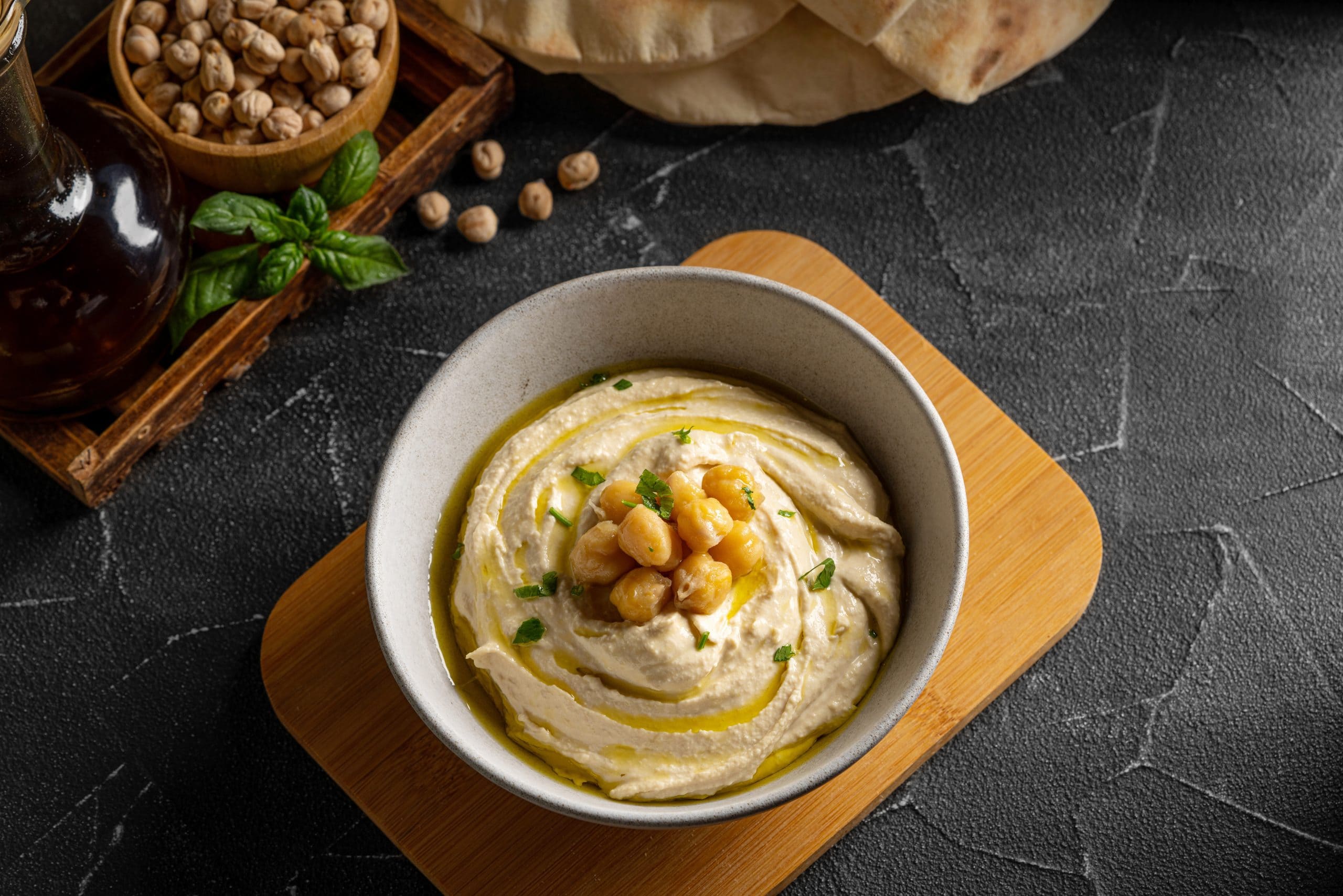
- Hummus: A creamy dip made from blended chickpeas, tahini, lemon, and garlic—perfect with pita bread.
- Falafel: Crispy, deep-fried balls made from ground chickpeas or fava beans, often served in wraps or bowls.
- Grilled Fish: Often marinated in olive oil, lemon, and herbs, and cooked simply to retain its natural flavor.
- Shawarma and Gyros: Thinly sliced, seasoned meat wrapped in flatbread, topped with salad and sauce.
Other beloved items include couscous, olives, baklava, and yogurt-based dips.
Why Cuisine of the Mediterranean is a Global Favorite
Cuisine of the Mediterranean continues to win hearts for several compelling reasons:
- Health Benefits: Rich in heart-healthy fats, lean proteins, fiber, and antioxidants, it’s a staple of longevity-focused diets.
- Flavorful and Balanced: Combining savory, tangy, and herbaceous notes without relying on heavy sauces or fried foods.
- Diet-Friendly Options: Naturally accommodates vegetarian, vegan, gluten-free, and low-carb lifestyles.
- Social and Cultural Appeal: Meals are often enjoyed communally, promoting social interaction and mindful eating.
From mezze platters to grilled meats and refreshing salads, Mediterranean cuisine is more than a trend—it’s a timeless way of eating that nourishes the body and delights the senses.
- Sources Include / Discover More: Mediterranean Cuisine, Made up of Plant Food and Minimally Processed Staples Where Herbs and Spices are Essential Ingredients
- Also Read: Most Popular Meditation Techniques
Key FAQs on the 10 Most Popular Cuisines in the World
Why is Italian cuisine considered the most popular cuisine in the world?
Italian cuisine is considered the most popular cuisine in the world because it combines simplicity, fresh ingredients, and universal comfort. Iconic dishes such as pizza, pasta, and risotto are easy to adapt globally while preserving authentic Italian culinary identity.
According to UNESCO and Mediterranean diet research cited by the World Health Organization, Italian food culture emphasizes olive oil, grains, and balance. Its emotional connection to family dining and regional tradition has made Italian cuisine the most widely adopted food culture worldwide.
What makes Chinese cuisine so popular around the world?
Chinese cuisine is popular worldwide due to its extraordinary regional diversity and balance of flavors. From Cantonese dim sum to Sichuan spicy dishes, Chinese food offers variety that appeals to different taste preferences across cultures.
According to food anthropology studies and FAO cultural food mapping, the global Chinese diaspora significantly expanded Chinese cuisine’s reach. Techniques like stir-frying and steaming, combined with centuries-old culinary philosophy, make Chinese cuisine one of the most internationally consumed food traditions.
Why is Indian food known for its bold and aromatic flavors?
Indian cuisine is famous for bold and aromatic flavors created through layered spice combinations such as turmeric, cumin, coriander, and cardamom. These spices are not only flavorful but historically linked to Ayurveda and traditional wellness practices.
According to culinary historians and nutrition research referenced by WHO, Indian food’s balance of spices and plant-based dishes supports both taste and health. Dishes like biryani and butter chicken reflect India’s deep regional and cultural diversity.
How has American cuisine influenced global food culture?
American cuisine has influenced global food culture through mass media, fast-food innovation, and cultural fusion. Burgers, fried chicken, and barbecue have become international staples due to scalability and branding.
According to global food trend studies and hospitality industry data, American food reflects multicultural influences and modern convenience. Its widespread presence in over 150 countries has shaped global dining habits and contemporary eating patterns.
What makes Mexican cuisine one of the most beloved in the world?
Mexican cuisine is beloved worldwide for its bold flavors, vibrant colors, and deep cultural roots. Staples such as tacos, enchiladas, corn, chili peppers, and beans reflect indigenous Mesoamerican heritage.
UNESCO recognizes Mexican cuisine as an Intangible Cultural Heritage, citing its traditional farming, cooking techniques, and communal food culture. Its affordability and street-food popularity have helped Mexican cuisine spread rapidly across global cities.
Why is Thai food considered one of the best-balanced cuisines in the world?
Thai cuisine is considered one of the world’s best-balanced cuisines because it harmonizes sweet, sour, salty, and spicy flavors in a single dish. Ingredients like lime, chili, fish sauce, and herbs create layered taste experiences.
According to Southeast Asian culinary studies, dishes such as Pad Thai and Tom Yum demonstrate Thailand’s mastery of flavor balance, making Thai food highly memorable and globally appealing.
Why is French cuisine known as the foundation of fine dining?
French cuisine is known as the foundation of fine dining because it established formal cooking techniques, culinary schools, and professional kitchen standards. Concepts such as sauces, plating, and course structure originated in France.
According to international culinary institutes, French gastronomy shaped modern restaurant culture worldwide. Iconic dishes like Coq au Vin and Crème Brûlée represent precision, elegance, and culinary discipline.
What makes Japanese cuisine one of the healthiest and most artistic in the world?
Japanese cuisine is considered both healthy and artistic due to its emphasis on seasonal ingredients, portion control, and visual presentation. Foods like sushi, ramen, and tempura focus on freshness and minimal processing.
According to UNESCO and nutrition studies, the Japanese dietary pattern supports longevity and balanced nutrition. The concept of umami further distinguishes Japanese cuisine globally.
Why is Spanish cuisine loved for its social and flavorful dining culture?
Spanish cuisine is loved for its social dining culture and vibrant Mediterranean flavors. Tapas, paella, and shared plates encourage communal eating and celebration.
According to Mediterranean diet research, Spanish food emphasizes olive oil, seafood, and fresh produce. This balance of flavor and social tradition makes Spanish cuisine globally appealing.
Why is Mediterranean cuisine considered one of the healthiest diets in the world?
Mediterranean cuisine is considered one of the healthiest diets due to its emphasis on olive oil, vegetables, legumes, seafood, and whole grains. It limits processed foods and unhealthy fats.
According to the World Health Organization and Harvard nutrition studies, the Mediterranean diet supports heart health and longevity. Its balance of taste and nutrition has made it globally influential.
Cuisine Trends and the Power of Social Media
In the age of Instagram, food is more than taste—it’s visual storytelling. Cuisines that look great on camera, like colorful Thai curries or sushi rolls, get massive engagement, influencing global trends and sparking viral food fads.
How Globalization Is Evolving Food Culture
Global travel, migration, and online food delivery apps have made trying global cuisines effortless. Fusion foods are on the rise, blending the best of various cultures into something new and exciting—think Korean Tacos or Butter Chicken Pizzas.
Final Thoughts
Food isn’t just about eating—it’s an expression of culture, creativity, and connection. The 10 Most Popular Cuisines in the World have each carved a timeless legacy, shaping how people across continents experience flavor, tradition, and togetherness. From the comforting warmth of Italian pasta and the aromatic richness of Indian curry, to the artistic precision of Japanese sushi and the fiery zest of Mexican tacos, these cuisines embody the essence of culinary diversity.
Each dish tells a story—of heritage, innovation, and passion. These global food cultures have not only influenced how we dine but have inspired chefs, restaurants, and food lovers worldwide to experiment, blend, and celebrate flavor without boundaries. Whether it’s the health-conscious Mediterranean diet, the balanced harmony of Thai flavors, or the sophisticated indulgence of French cuisine, every bite connects us to something universal: the joy of taste and the power of food to bring people together.
In a world united by flavor, these cuisines remind us that food is the true global language—one that nourishes, inspires, and unites us all.
The 10 Most Popular Cuisines Frequently Asked Questions (FAQs)
A global cuisine is one that is widely recognized and enjoyed across multiple countries and cultures, often influenced by migration, tourism, and media exposure.
India and Thailand are often regarded as having the spiciest cuisines, thanks to their liberal use of chilies and spices.
Japanese cuisine emphasizes minimalism, fresh ingredients, and presentation, often featuring raw fish and rice-based dishes, while Chinese cuisine is more diverse regionally, known for bold flavors, stir-frying, and a wide use of spices and sauces.
Mediterranean cuisine is widely recognized as one of the healthiest due to its reliance on vegetables, olive oil, fish, and whole grains.
Fast food isn't traditional, but it has become a defining feature of modern American cuisine and has influenced global food habits.
Greek food is a major component of Mediterranean cuisine, but Mediterranean food also includes dishes from other regions such as Italy, Spain, Lebanon, and North Africa, emphasizing olive oil, vegetables, grains, and lean proteins.
About the Author
This article was researched and prepared by the World Millions Editorial Team, specialists in global rankings, premium market analysis, structured comparisons, and high-value sector research across industries.
All content undergoes verification, editorial review, and periodic updates to ensure accuracy, clarity, and alignment with recognized industry standards, reliable institutional sources, and leading global authorities.
- Last Updated: March 27, 2026 by the World Millions Editorial Team
- Original Published Date: March 27, 2026
- View Our: Editorial Team | Sources | Disclaimer | Editorial Standards