- Home
- World’s Most Expensive
- 10 Most Expensive Stocks in the World
10 Most Expensive Stocks
in the World
Discover the 10 Most Expensive Stocks in the World, where elite companies command extraordinary share prices due to limited stock supply, decades of growth, and powerful global brands. From Berkshire Hathaway Inc. and Lindt & Sprüngli AG to technology giants like Amazon and Alphabet, these high-value equities represent the pinnacle of long-term investor confidence and disciplined corporate strategy.
These record-breaking stocks stand out for strong earnings, scarce share counts, and dominant positions across industries such as technology, travel, energy, and consumer markets. Explore the 10 most expensive stocks in the world, ranked by verified share prices, market influence, and global recognition among investors and financial analysts.
On This Page
Toggle- Updated 2026 by the World Millions Editorial Team: View Author Information
What Makes a Stock “Expensive”?
When we talk about the most expensive stocks, we’re not referring to their valuation metrics like P/E ratios or intrinsic value—just raw, sky-high share prices. Companies with expensive stocks are often well-established, with limited shares and consistent profits.
Why Do High-Value Stocks Attract Investors?
It’s not just a number—it’s a statement. When you see a company like Berkshire Hathaway trading at hundreds of thousands per share, it signals long-term success, low dilution, and unwavering investor confidence.
Understanding Stock Valuation
When diving into the world of expensive stocks, it’s crucial to understand the difference between stock price and actual value. Price tags can be deceiving if you don’t understand what’s behind them. A $3,000 stock isn’t always better than a $300 one—and sometimes, it’s just the opposite.
Price vs. Value – The Common Confusion
Let’s clear this up: stock price is what you pay; value is what you get.
A high stock price doesn’t automatically mean the stock is valuable or a good investment. For instance, Company A could have a stock price of $5,000 with just 1 million shares outstanding, while Company B has a $100 stock price with 1 billion shares. Guess which one’s worth more? (Hint: It’s not always the one with the higher price.)
Market capitalization—calculated as stock price × number of outstanding shares—is often a better indicator of a company’s total worth than stock price alone.
So next time you see a sky-high stock price, don’t just assume it’s a better company. Look deeper.
What Does a High Stock Price Indicate?
A high stock price usually points to a few key traits:
- Mature, stable company: These stocks typically belong to businesses with consistent profits, brand loyalty, and industry dominance.
- Low share count: Some companies purposely keep their share count low and avoid stock splits to maintain exclusivity (like Berkshire Hathaway).
- Long-term growth: A steadily rising price often reflects investor confidence over time, not just short-term hype.
That said, not all high prices are created equal. Some companies get overpriced due to speculation, hype, or temporary market fads—only to come crashing down later.
Factors Influencing Stock Price
Several things can influence how high (or low) a stock trades, including:
- Earnings & Revenue: Strong quarterly performance often boosts share prices.
- Industry Trends: Tech, AI, EVs, and other hot sectors tend to attract higher valuations.
- Company News & Announcements: New product launches, partnerships, or CEO changes can move markets quickly.
- Investor Sentiment: Sometimes, it’s all about perception. If the market thinks a stock will grow, it might buy in heavily, driving prices up.
- Macroeconomic Conditions: Interest rates, inflation, and geopolitical events all play into pricing.
- Stock Splits or Reverse Splits: These adjust the share price without changing the company’s actual value.
Understanding these variables helps you separate genuinely strong stocks from overpriced risks.
Benefits of Investing in High-Priced Stocks
High-priced stocks might seem intimidating at first glance, especially when a single share costs more than a used car. But there’s a reason investors—both individual and institutional—are drawn to them. These stocks often represent stable, trustworthy, and powerful companies that have weathered economic storms and come out stronger.
Let’s dive into the key benefits of putting your money into these market giants.
Strong Market Confidence
When a company’s stock trades at a sky-high price, it usually reflects massive investor confidence. These companies have proven themselves over time, delivering consistent performance, innovation, and returns.
Investors don’t just throw thousands of dollars at any company—high prices often indicate that the market believes in the company’s leadership, products, and long-term vision.
Stocks like Berkshire Hathaway and Lindt & Sprüngli didn’t get to their price points by accident. They earned it through decades of sound management, strategic moves, and relentless execution.
Consistent Growth Over Time
Many high-priced stocks are slow and steady climbers—and that’s a good thing. They’re not the kind of stocks that skyrocket overnight and then nosedive a week later.
Instead, these stocks represent companies with a proven growth model. They’ve likely seen:
- Solid revenue growth
- Sustainable profit margins
- Expanding market share
They may not deliver the thrill of short-term gains, but they build wealth gradually, which is exactly what long-term investors love. For instance, NVR Inc. has grown quietly over time without flashy headlines—just consistent execution and rising value.
Dividends and Long-Term Profit Potential
Some high-priced stocks also come with generous dividends, which means you’re not just waiting for the share price to increase—you’re actually getting paid along the way.
Dividends can be reinvested to buy more shares (even fractional ones), compounding your returns. Companies with expensive stocks often have strong cash flow and a shareholder-first mentality, meaning they can afford to reward investors year after year.
Even for companies that don’t offer dividends (like Amazon or Alphabet), the long-term growth potential is enormous. These companies reinvest profits into innovation and expansion, driving share price appreciation over the years.
Are Expensive Stocks Worth It?
It’s the big question—are these high-priced stocks really worth your money? Just because a stock trades at several thousand dollars per share doesn’t automatically make it a good investment. But in many cases, the high price reflects real value and solid performance. Still, there are pros and cons you need to weigh before diving in.
Entry Barriers and Risks
Let’s be real—not everyone can afford to drop $5,000+ on a single share. That’s one of the biggest hurdles when it comes to investing in expensive stocks. While fractional share investing has made access easier, the psychological barrier is still there.
Here are some risks and barriers to consider:
- Lack of Diversification: If a large portion of your portfolio is tied up in one expensive stock, you might be overexposed.
- Limited Flexibility: You can’t trade in and out as easily if the share price is high and your capital is limited.
- Market Volatility: Even blue-chip stocks aren’t immune to market swings. A bad earnings report or negative news can still hit hard—even for giants.
- Overvaluation Risk: Just because a stock is expensive doesn’t mean it’s not overvalued. Sometimes prices are inflated by hype or investor speculation.
In short, while these stocks can offer security and prestige, they’re not risk-free, and the cost of entry alone can be intimidating.
Historical Performance Insights
So, how have these expensive stocks actually performed over time?
In general, they’ve crushed it—but not overnight. Many of the world’s most expensive stocks have been on long, upward trends driven by:
- Strong fundamentals
- Market dominance
- Innovative strategies
- Resilient leadership
Take Berkshire Hathaway, for example. Its stock price was just around $19 in 1965. Today? Over $500,000. That’s the power of decades-long compounding and smart business decisions.
Similarly, Seaboard Corporation and NVR Inc. have shown remarkable long-term gains with minimal volatility. These companies aren’t media darlings—but their balance sheets speak volumes.
The bottom line? Historical data shows that expensive stocks often reward patience. They’re typically not for short-term traders but for long-haul investors who want their money in rock-solid businesses.
List of the Top 10 Most Expensive Stocks in the World
Discover the world’s highest-priced stocks — exclusive investments that define power, prestige, and performance in global markets.
The Top 10 Most Expensive Stocks in the World represent the pinnacle of global finance — where innovation, profitability, and prestige converge. These stocks are not just numbers on a ticker; they are symbols of long-term growth, corporate dominance, and investor trust. From Berkshire Hathaway’s $620,000 Class A shares to Chipotle Mexican Grill’s premium restaurant stock, each company listed below has carved its name into financial history through consistent performance, limited share supply, and strategic business excellence.
This comprehensive list includes iconic brands like Amazon, Alphabet (Google), Booking Holdings, and Lindt & Sprüngli, spanning industries such as technology, luxury goods, e-commerce, and energy. Each of these high-value stocks stands as a benchmark for stability and exclusivity in the stock market.
Whether you’re an investor seeking to understand what drives these record-breaking share prices or simply fascinated by the elite tier of publicly traded companies, this table provides all the key insights — from industry background to valuation factors.
Explore the table below to uncover what makes these high-priced stocks the most valuable investments on Earth — and why they continue to attract the world’s smartest investors.
| Rank | Company Name | Industry | Stock Price (Approx.) / Stock Ticker | Why the Stock Is Expensive |
|---|---|---|---|---|
| 1 | Berkshire Hathaway Inc. | Conglomerate | $700,000+ / BRK.A | Never split its stock; backed by Warren Buffett; holds diverse valuable assets globally. |
| 2 | Lindt & Sprüngli AG | Luxury Chocolates | $110,000+ / LISN.SW | Premium chocolate brand with low share float and global brand recognition. |
| 3 | NVR Inc. | Homebuilding | $6,500+ / NVR | Operates debt-free with consistent profits and a strict no-stock-split policy. |
| 4 | Seaboard Corporation | Food & Shipping | $5,000+ / SEB | Low public float, diversified operations, and limited analyst coverage. |
| 5 | Booking Holdings Inc. | Online Travel | $4,000+ / BKNG | Dominates the online travel industry with global brands and strong cash flow. |
| 6 | Amazon.com Inc. | Technology & E-commerce | $3,500+ / AMZN | Global e-commerce giant with high innovation rate and massive revenue base. |
| 7 | AutoZone Inc. | Retail (Auto Parts) | $3,200+ / AZO | Uses aggressive share buybacks, high profit margins, and strong retail dominance. |
| 8 | Alphabet Inc. (Class A) | Technology | $2,900+ / GOOGL | Parent of Google; leads in digital ads, AI, and cloud with high investor demand. |
| 9 | Texas Pacific Land Corporation | Oil & Gas Royalties | $2,700+ / TPL | Owns massive land and mineral rights in Texas; royalty income drives profits. |
| 10 | Chipotle Mexican Grill | Restaurant | $2,600+ / CMG | Strong brand loyalty, low share float, and premium positioning in fast-casual dining. |
Please note that financial figures are subject to change due to market dynamics and company performance.
Discover the 10 Most Expensive Stocks in the World
Discover the 10 Most Expensive Stocks in the World and what truly sets them apart in today’s global market. These ultra-premium shares aren’t just pricey—they represent unmatched financial strength, market influence, and long-term growth power.
From Berkshire Hathaway’s legendary no-split strategy to tech giants like Alphabet and Amazon shaping the future, these stocks are backed by brands with proven stability and investor confidence. Whether you’re exploring elite investment opportunities or studying market leaders, this list highlights the companies commanding the highest share prices and the reasons behind their extraordinary valuations.
#1
Berkshire Hathaway

Key Takeaways for Berkshire Hathaway: $700,000+
Berkshire Hathaway, BRK.A, is the world’s most expensive publicly traded stock, driven by Warren Buffett’s no-split policy and unmatched portfolio diversification. The conglomerate owns dozens of major companies across insurance, energy, railroads, and consumer goods.
Key Highlights:
- Led by legendary investor Warren Buffett.
- Never split its Class A shares, keeping value exclusive.
- Owns major brands like GEICO, Duracell, and BNSF Railway.
Berkshire Hathaway (BRK.A): The World’s Most Expensive Stock
Warren Buffett’s Berkshire Hathaway Inc. Class A shares (BRK.A) proudly hold the title of the most expensive publicly traded stock in the world, currently valued at over $700,000 per share. This iconic status isn’t accidental—it’s a reflection of decades of smart investing, compound growth, and a deliberate decision by Buffett to never split the stock.
BRK.A Stock: Why Berkshire Hathaway Has Never Split Its Stock
Many companies split their stock to make it more affordable to retail investors. But Warren Buffett has always taken a different route. His reasoning is simple: he wants shareholders who think long-term and are committed to value investing—not short-term traders chasing quick profits.
By not splitting BRK.A shares, Buffett ensures that only serious investors buy in. This strategy reduces market volatility and discourages speculative trading. It also cultivates a unique shareholder base—people who understand and believe in the long-term investment philosophy that Buffett champions.
Warren Buffett: The Prestige of Owning BRK.A Shares
Owning even a single share of BRK.A is more than just an investment—it’s a badge of honor. It’s like having a front-row seat in one of the world’s most elite financial clubs. Shareholders gain access to annual meetings in Omaha, where Warren Buffett and Charles Munger share wisdom and insights that attract global attention.
This exclusivity adds to BRK.A’s appeal. It’s not just the stock price that makes it expensive—it’s what it represents: consistency, integrity, and unmatched investing genius.
- Sources Include / Discover More: Berkshire Hathaway, An American Multinational Conglomerate Holding Company
- Also Read: Most Expensive Cities for Startups and Business
#2
Lindt & Sprüngli
Key Takeaways for Lindt & Sprüngli: $110,000+
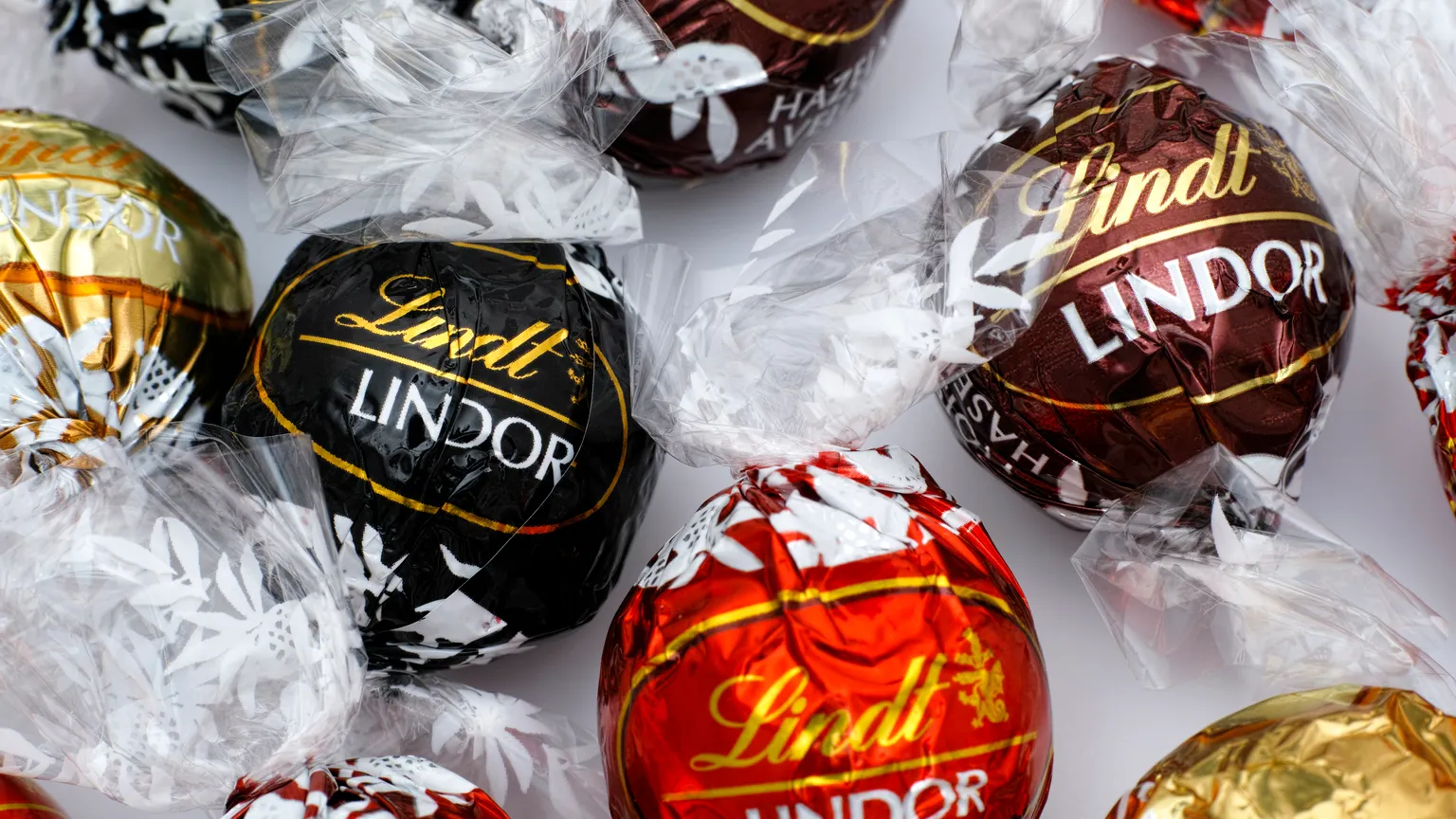
Lindt & Sprüngli AG represents Europe’s most luxurious and high-priced stock, symbolizing Swiss precision and chocolate craftsmanship. Its premium branding and low share float make it a rare investment gem.
Key Highlights:
- Global leader in luxury chocolate manufacturing.
- Maintains an extremely limited share float.
- Consistent demand from premium confectionery markets.
Lindt & Sprungli: Europe’s Most Expensive Stock
When it comes to luxury chocolate, Lindt & Sprüngli AG stands in a league of its own. Based in Switzerland, this iconic chocolatier has created more than just exquisite sweets—it’s also home to one of the most expensive stocks in Europe. With each share trading for over $110,000, Lindt’s stock is nearly as exclusive as its finest chocolate assortments.
Why Lindt & Sprüngli’s Stock Is So Expensive
Unlike most public companies, Lindt has never split its registered shares. This deliberate decision maintains a high price point, ensuring exclusivity and prestige in the European stock market. The limited number of outstanding shares contributes to the high valuation, and institutional investors dominate its shareholder list—further emphasizing its elite status.
The company’s strategy revolves around strong brand identity, global expansion, and meticulous quality control, which reinforces long-term investor confidence. Its premium pricing isn’t just for chocolate—it’s reflected in how it values its equity as well.
Lindt: A Luxury Brand with Financial Strength
Lindt’s strong financials are just as rich as its chocolate. The company boasts consistent revenue growth, robust margins, and a global footprint that spans high-end retail outlets, cafés, and seasonal gifting. This stability makes Lindt a preferred stock for conservative, long-term investors looking for solid returns with a touch of luxury.
Its presence in recession-resistant sectors like consumer staples and gifting also provides a safety net, which further supports its high market value.
- Sources Include / Discover More: Lindt & Sprüngli, The Lindt & Sprüngli AG Company
- Also Read: Most Expensive Life Insurance Policies
#3
NVR
Key Takeaways for NVR: $6,500+
NVR Inc. is a U.S. homebuilding giant known for its disciplined financial strategy and debt-free operations. Its high stock price reflects consistent profits and shareholder trust over decades.
Key Highlights:
- Operates under brands like Ryan Homes and NVHomes.
- Maintains a debt-free, asset-light business model.
- Strong financial stability with consistent returns.
NVR Inc.: The Hidden Giant of Homebuilding
NVR Inc. (NVR) may not be a household name like some of the bigger construction brands, but it’s quietly one of the most expensive stocks in the U.S. housing sector. With its share price consistently hovering above $6,500, NVR has gained the attention of serious investors—and for good reason.
Unlike high-profile competitors, NVR keeps things lean and focused. This strategy of operating under the radar has allowed the company to deliver strong returns without the volatility seen in other construction-related stocks.
NVR Stock: Why NVR's Stock Price Stays So High
One major reason for NVR’s lofty share price is its ultra-low share float. The company has chosen not to split its stock, which keeps the share count small and the price per share high. This creates scarcity, which increases the value and appeal of each individual share, particularly among long-term investors.
Additionally, NVR avoids land ownership, opting instead for an option-based model. This allows the company to remain agile and avoid unnecessary financial burdens, especially during market downturns.
A Model of Consistent Earnings and Controlled Growth
What sets NVR apart is its discipline in growth and profitability. Rather than chasing aggressive expansion, the company sticks to core markets where demand remains steady. This cautious approach ensures predictable earnings, solid margins, and resilience through economic cycles.
NVR’s brands—like Ryan Homes and NVHomes—serve a wide range of homebuyers, offering flexibility while maintaining a premium image in the marketplace.
- Sources Include / Discover More: NVR, One of America’s Leading Homebuilders
- Also Read: Most Expensive Supercars in the World
#4
Seaboard

Key Takeaways for Seaboard: $5,000+
Seaboard Corporation is a diversified powerhouse in food production, pork processing, commodity trading, and international shipping. Its low public float and consistent earnings make its stock one of the most expensive on Wall Street.
Key Highlights:
- Operates in agribusiness and shipping sectors.
- Limited analyst coverage enhances exclusivity.
- Global operations across more than 40 countries.
Seaboard Corporation: The Quiet Powerhouse of Agribusiness
Seaboard Corporation (SEB) is one of the most expensive stocks trading on the U.S. market, often surpassing $5,000 per share. Despite its high value, it remains largely under the radar—a hidden gem in the world of diversified industrial stocks. With operations in pork production, international commodity trading, and marine logistics, Seaboard delivers wide-reaching impact across global supply chains.
A Deeply Diversified Business Model
Seaboard isn’t your typical agriculture stock. The company’s structure includes five core segments: pork production, sugar and alcohol, marine transportation, commodity trading, and power generation. This multi-pronged business model offers built-in protection against sector-specific downturns and adds stability to earnings.
Its pork division—among the largest in the U.S.—is vertically integrated, meaning Seaboard controls everything from farm to processing. This efficiency boosts profitability and keeps margins steady. Meanwhile, its marine division plays a crucial role in trade across Latin America and the Caribbean, giving Seaboard a logistical edge in global shipping.
SEB stock: Why Seaboard’s Stock Price Remains High
Seaboard’s high stock price is driven by several key factors: low share float, strategic market positioning, and decades of consistent financial performance. The company doesn’t chase headlines—it quietly delivers results. Its refusal to split shares keeps ownership exclusive, appealing to serious long-term investors.
In addition, the family-owned nature of the business ensures a focus on sustainable growth over flashy expansion. With strong cash flows, minimal debt, and a conservative operating style, Seaboard continues to earn the respect of institutional investors.
- Sources Include / Discover More: Seaboard, A Diverse Multinational Agribusiness and Tansportation Conglomerate
- Also Read: Most Expensive Paintings in the World
#5
Booking Holdings

Key Takeaways for Booking Holdings: $4,000+
Booking Holdings dominates the online travel industry through major brands like Booking.com, Priceline, and Kayak. Its premium stock value reflects robust cash flow and strong global travel demand.
Key Highlights:
- World’s largest online travel booking platform.
- Diversified portfolio of global travel brands.
- High profitability and strong market leadership.
Booking Holdings Inc.: The King of Online Travel
Booking Holdings Inc. (BKNG) stands as one of the world’s most valuable travel companies, both in reputation and stock price. With shares often trading well over $4,000, it ranks among the most expensive tech and travel stocks globally. The company’s influence in the digital travel ecosystem makes it a go-to for investors seeking exposure to a high-margin, high-demand industry.
BKNG: Powerhouse Brands Under One Roof
Booking Holdings (BKNG) is the parent company behind a suite of travel tech giants including Booking.com, Priceline, Kayak, Agoda, Rentalcars.com, and OpenTable. This extensive portfolio allows the company to dominate various verticals within the travel sector—from hotel bookings to flight aggregation and restaurant reservations.
What sets it apart is its global reach and data-driven personalization. With millions of daily users, Booking.com alone offers accommodations in over 220 countries. The company’s ability to cross-sell services across platforms leads to increased revenue per user and higher customer retention.
BKNG stock: Why Booking’s Stock Price Remains So High
Booking Holdings has achieved massive scale while maintaining operational efficiency. Its high stock price reflects strong earnings, steady revenue growth, and long-term investor confidence. The company thrives on low overhead costs, relying heavily on digital infrastructure rather than physical assets.
Its business model is resilient and profitable, even during market fluctuations. With travel rebounding globally post-pandemic, Booking Holdings is uniquely positioned to benefit from surging travel demand and digital-first consumer behavior.
Additionally, the firm consistently invests in AI, mobile app development, and global marketing—keeping it ahead in the competitive travel tech space.
- Sources Include / Discover More: Booking Holdings, The world’s Leader in Online Travel
- Also Read: Most Expensive Diamonds in the World
#6
Amazon.com

Key Takeaways for Amazon.com: $3,500+
Amazon.com is a global technology and e-commerce titan, combining online retail, AWS cloud computing, and AI-driven services. Before its 2022 stock split, Amazon shares were north of $3,500. Its high stock price reflects innovation and long-term revenue growth.
Key Highlights:
- World’s largest e-commerce marketplace.
- Amazon Web Services (AWS) drives massive profits.
- Continuous expansion into AI, streaming, and logistics.
Amazon: A Tech Titan Rewriting the Rules of Modern Commerce
Even after its 20-for-1 stock split in 2022, Amazon (AMZN) remains one of the most influential and valuable tech stocks in the world. Prior to the split, shares traded above $3,500, reflecting investor confidence in Amazon’s unmatched dominance across multiple industries. Today, its post-split value still carries significant weight in global markets.
AMZN: Dominating E-Commerce, Cloud, and Beyond
Amazon (AMZN) is far more than just an online retailer. While it’s best known for revolutionizing e-commerce, its true power lies in diversification and innovation. Amazon Web Services (AWS), the company’s cloud division, is a global leader in cloud infrastructure, serving millions of businesses and governments.
Other powerful verticals include Amazon Prime, Amazon Alexa, Kindle, and its rapidly growing advertising business. This diverse revenue model makes Amazon uniquely positioned to thrive, even when one segment underperforms.
Amazon Stock: Why Amazon’s Pre-Split Stock Reached Over $3,500
Before the 2022 stock split, the Amazon stock price soared due to a combination of explosive growth, consistent earnings, and unmatched scalability. Its vertically integrated supply chain, from warehouse robotics to last-mile delivery, allowed the company to grow faster and more efficiently than traditional retailers.
Investor interest surged during the pandemic as e-commerce became essential. With AWS leading the cloud market and continuous investment in logistics, AI, and media streaming, Amazon proved it was more than just a store—it was the backbone of digital infrastructure.
Even post-split, Amazon remains a favorite among institutional investors due to its long-term potential and massive market footprint.
- Sources Include / Discover More: Amazon.com, A Global Technology Company
- Also Read: Most Expensive Antiques in the World
#7
AutoZone

Key Takeaways for AutoZone: $3,200+
AutoZone is the leading auto parts retailer in the U.S., boasting high margins and aggressive share buybacks. Its stock price reflects dominance and investor confidence in the retail auto sector.
Key Highlights:
- Over 7,000 retail locations across North America.
- Strong loyalty among DIY and commercial customers.
- Continuous share repurchase program boosts value.
AutoZone Inc.: Quiet Growth with High-Octane Returns
AutoZone Inc. (AZO) might not make the loudest headlines, but it quietly holds a position among the most expensive U.S. retail stocks, often trading above $3,200 per share. As the largest aftermarket auto parts retailer in the United States, AutoZone has built an empire of reliability and growth—earning investor trust and delivering exceptional returns over decades.
The Leader in Aftermarket Auto Parts
With over 7,000 stores across the U.S., Mexico, and Brazil, AutoZone provides everything from spark plugs to brake pads, both for DIY consumers and professional mechanics. Its supply chain efficiency, same-day delivery options, and robust inventory management give it a competitive edge in a sector where time and reliability matter.
What’s more, AutoZone’s commercial sales program—targeting professional repair shops—is growing rapidly, boosting its recurring revenue and expanding its customer base.
AZO stock: Why AutoZone’s Stock Price Keeps Climbing
AutoZone’s high stock price (AZO stock) reflects steady earnings growth, strong free cash flow, and aggressive share buybacks. Unlike many retailers, AutoZone avoids debt-heavy expansion and focuses on operational efficiency. The result? One of the most consistently appreciating stocks in the retail sector.
The company also benefits from the aging vehicle fleet in the U.S. As cars stay on the road longer, demand for parts and repairs increases—playing directly into AutoZone’s strengths. Plus, it’s largely insulated from e-commerce disruption, thanks to its same-day fulfillment model and hands-on customer service.
- Sources Include / Discover More: AutoZone, An American Retailer of Aftermarket Automotive Parts and Accessories
- Also Read: Most Expensive Cities in the World
#8
Alphabet

Key Takeaways for Alphabet: $2,900+
Alphabet Inc., parent of Google, is a global leader in technology, search, and digital advertising. Post-split, its class A and C shares are more accessible, but its historical price reflects its dominance. Its Class A shares command a premium due to innovation and diversified revenue streams.
Key Highlights:
- Dominates online search and digital advertising.
- Expanding in cloud computing and AI research.
- Owns YouTube, Waymo, and Google Cloud.
Alphabet Inc.: A Digital Powerhouse with a History of High-Priced Shares – GOOGL and GOOG
Alphabet Inc., the parent company of Google, is a foundational force in the digital world. Before its 20-for-1 stock split in July 2022, Alphabet’s shares regularly traded above $2,900, ranking it among the most expensive tech stocks in the world. Even after the split, Alphabet’s Class A (GOOGL) and Class C (GOOG) shares remain top-tier picks for long-term investors.
GOOGLE: Dominance in Search, Ads, and Artificial Intelligence
Alphabet’s influence spans multiple high-growth sectors. Google Search accounts for over 90% of global search engine traffic, making it a cornerstone of the internet. Google Ads, YouTube Ads, and AdSense generate billions in advertising revenue, allowing Alphabet to reinvest aggressively in emerging technologies.
In recent years, Alphabet has become a major player in artificial intelligence, machine learning, and cloud computing through Google Cloud and DeepMind. The company’s moonshot projects under its “Other Bets” category—like Waymo (autonomous driving) and Verily (health tech)—position it at the forefront of innovation.
Alphabet Stock: Why Alphabet’s High Price Was Justified
Before the 2022 stock split, Alphabet’s rising share price reflected explosive growth, unmatched market share, and relentless innovation. Its ability to generate consistent profits from multiple revenue streams gave it strong financial stability and investor trust.
The stock split made shares more accessible, but its pre-split value still serves as a symbol of the company’s market dominance and potential for exponential growth. Today, Alphabet continues to be one of the best tech stocks to invest in for the future.
- Sources Include / Discover More: An American Multinational Technology Conglomerate Holding Company
- Also Read: Most Expensive Chocolates in the World
#9
Texas Pacific Land Corporation

Key Takeaways for Texas Pacific Land Corporation: $2,700+
Texas Pacific Land is one of America’s largest private landowners, generating wealth from, oil, gas, water royalties, and real estate. Its low share count and high royalty revenues drive its premium valuation. TPL is a unique play for investors seeking exposure to natural resources with long-term appreciation potential.
Key Highlights:
- Owns millions of acres of mineral-rich Texas land.
- Generates income from oil, gas, and water rights.
- High profitability with minimal operational costs.
Texas Pacific Land Stock: High-Priced Stock Backed by Real Assets
Texas Pacific Land Corporation (TPL) is not your typical energy stock. As one of the largest private landowners in Texas, TPL owns approximately 880,000 acres across oil-rich regions of the Permian Basin. This unique positioning in natural resources—combined with an ultra-low share float—has made TPL one of the most expensive energy stocks on the market, often trading above $2,700 per share. Before its 3-for-1 stock split in January 2021, TPL’s shares traded at even higher levels, reinforcing its status among the most expensive U.S. energy stocks.
TPL: A Unique Blend of Land, Oil Royalties, and Water Rights
TPL’s business model is unlike most energy companies. Rather than drilling itself, it earns oil and gas royalties by leasing its land to energy giants. That means it benefits from energy booms without taking on exploration risk. TPL also profits from water services, licensing groundwater to oilfield operators in the region—an often overlooked but highly lucrative business.
In addition, TPL generates revenue from land sales, easements, and rights-of-way—especially valuable as infrastructure expands in West Texas. This diversified income model creates steady, scalable cash flow tied directly to real asset appreciation.
TPL Stock: Why it Remains Sky-High
A key reason for TPL’s high share price is its extremely low number of outstanding shares. Combined with its irreplaceable land assets, this scarcity drives demand among long-term, institutional investors.
As energy prices rise and demand for domestic production grows, TPL stands out as a top-performing energy stock with natural resource exposure. It offers a rare mix of land ownership, royalty income, and inflation-resistant assets—making it a smart, high-value investment for the long haul.
- Sources Include / Discover More: TPL, One of the Largest Landowners in the State of Texas
- Also Read: Most Expensive Handbags in the World
#10
Chipotle Mexican Grill

Key Takeaways for Chipotle Mexican Grill: $2,600+
Chipotle has carved out a premium space in the fast-casual dining market. With consistent revenue growth, strong brand loyalty, and a limited number of outstanding shares, CMG’s stock price continues to soar. Its digital innovation and sustainable sourcing also appeal to modern investors, making it a top-tier stock in the restaurant industry.
Key Highlights:
- Leader in healthy fast-casual dining.
- Strong digital ordering and delivery platforms.
- Expanding global footprint with loyal customer base.
Chipotle Mexican Grill Stock: A Premium Stock in Fast-Casual Dining
Chipotle Mexican Grill (CMG) has earned its place among the most valuable restaurant stocks in the world. Unlike traditional fast-food chains, Chipotle blends speed with quality, positioning itself as a leader in the fast-casual dining sector. Its share price consistently trades above $2,600, placing it among the most expensive food stocks on Wall Street. Before its 50-for-1 stock split in June 2024, Chipotle’s shares traded at significantly higher levels, reinforcing its status as one of the most expensive restaurant stocks globally.
CMG stock: Limited Shares, Unlimited Growth Potential
One of the driving factors behind CMG’s high stock price is its low number of outstanding shares. Rather than performing stock splits like many large-cap companies, Chipotle has opted to keep its share structure lean. This exclusivity, coupled with strong financial performance, has turned CMG into a sought-after asset for long-term restaurant stock investors.
The company continues to report consistent revenue and same-store sales growth, even in uncertain economic times. With new store openings and strong margins, Chipotle proves that premium ingredients and efficient operations can co-exist.
CMG: Innovation, Sustainability, and Brand Loyalty
Chipotle isn’t just about burritos. It’s leading the charge in digital transformation, with mobile ordering, delivery, and a user-friendly app driving a significant portion of revenue. In fact, its digital sales have more than doubled over the past few years.
Its commitment to sustainable sourcing, clean ingredients, and environmental transparency also resonates with millennial and Gen Z investors who prioritize ethical brands. With a strong ESG profile and a fiercely loyal customer base, CMG stands tall as a top restaurant stock to invest in.
- Sources Include / Discover More: An American Multinational Chain of Fast Casual Restaurants
- Also Read: Most Expensive Pens in the World
Key FAQs on the 10 Most Expensive Stocks in the World
Why is Berkshire Hathaway the most expensive stock in the world?
Berkshire Hathaway Inc. (BRK.A) is the most expensive stock in the world because Warren Buffett has never approved a stock split since 1965, intentionally preserving scarcity.
The company’s disciplined capital allocation, ownership of GEICO, BNSF Railway, and Apple shares, plus decades of compounded returns have driven its valuation.
According to Berkshire Hathaway annual reports and Forbes data, a market capitalization exceeding $1 trillion has pushed its per-share price beyond $700,000.
Why does Lindt & Sprüngli have such a high stock price?
Lindt & Sprüngli AG trades above $110,000 per share due to its extremely low free float and premium Swiss chocolate positioning.
Founded in 1845, Lindt dominates the global luxury confectionery market across Europe, North America, and Asia with strong pricing power.
According to Bloomberg and SIX Swiss Exchange data, disciplined equity management, high margins, and minimal dilution have made it Europe’s most expensive publicly traded stock.
Why is NVR one of the most expensive homebuilding stocks?
NVR Inc. ranks among the most expensive homebuilding stocks because it operates with zero corporate debt and has never split its shares.
The company’s land-light business model reduces risk while maintaining industry-leading margins across U.S. housing cycles.
Based on SEC filings and investor reports, consistent profitability and disciplined capital returns have driven NVR’s stock price beyond $6,500 per share.
Why is Seaboard Corporation’s stock so expensive?
Seaboard Corporation’s stock exceeds $5,000 due to an extremely limited public float and diversified global operations.
Founded in 1918, the company spans pork production, agribusiness, shipping, and commodity trading with minimal analyst coverage.
According to company filings and Bloomberg data, strong cash flows, conservative financial management, and equity scarcity support its sustained high valuation.
Why is Booking Holdings considered one of the most expensive stocks in the travel sector?
Booking Holdings Inc. trades above $4,000 per share because it controls dominant global travel platforms including Booking.com, Priceline, Agoda, and Kayak.
Its asset-light digital model generates billions in annual free cash flow and benefits directly from global tourism demand.
As reported by Statista and company earnings, strong margins and global brand leadership position it among the most valuable online travel stocks worldwide.
Why is Amazon stock among the most expensive tech shares?
Amazon.com Inc. reached stock prices above $3,500 before its split due to dominance in e-commerce and cloud computing through Amazon Web Services.
Founded by Jeff Bezos, Amazon generates hundreds of billions in annual revenue and leads in logistics, AI, and automation.
According to SEC filings and Bloomberg Intelligence, sustained reinvestment and scale have made Amazon one of history’s most influential technology companies.
Why does AutoZone maintain such a high stock price?
AutoZone Inc. maintains a stock price above $3,200 due to decades of aggressive share buybacks and strong cash generation.
Instead of stock splits, AutoZone consistently reduces outstanding shares, increasing per-share value over time.
Based on company filings and retail industry data, dominance in U.S. auto parts retail and long vehicle lifecycles support its premium valuation.
Why is Alphabet (Google) one of the most expensive stocks in the world?
Alphabet Inc., the parent company of Google, achieved stock prices near $2,900 by dominating digital advertising, search, AI, and cloud computing.
Founded by Larry Page and Sergey Brin, Alphabet generates massive free cash flow across its global data-driven ecosystem.
According to Alphabet investor reports and Statista, sustained innovation and advertising leadership support its premium Class A valuation.
Why is Texas Pacific Land Corporation so highly valued?
Texas Pacific Land Corporation is highly valued because it owns millions of acres of mineral-rich land in Texas.
The company earns royalty income from oil, gas, and water rights without operational drilling risk or high capital costs.
According to company disclosures and energy market data, minimal expenses, limited shares, and exposure to U.S. energy production support its premium stock price.
Why is Chipotle stock among the most expensive in the restaurant industry?
Chipotle Mexican Grill trades above $2,600 due to strong brand loyalty and limited share dilution.
The company benefits from consistent same-store sales growth, digital ordering expansion, and operational efficiency.
According to earnings reports and restaurant industry analysis, Chipotle’s leadership in fast-casual dining and premium positioning justify its high valuation.
Investing in High-Priced Stocks: Tips for Beginners
Fractional Shares – A Smart Entry Point
Don’t let price scare you away. With many brokers offering fractional shares, you can own a piece of any of these giants without needing five or six figures upfront.
Diversification is Still Key
Even if you’re drawn to expensive stocks, spreading your portfolio across sectors and price ranges reduces risk. Think of these stocks as the crown jewels in your broader collection.
Risks of Investing in High-Priced Stocks
Volatility and Market Trends
Just because a stock is expensive doesn’t mean it’s immune to dips. Market corrections, economic downturns, or bad PR can hit any stock—no matter the price tag.
Overvaluation and Economic Cycles
Sometimes, prices don’t match fundamentals. Always do your due diligence and avoid buying solely based on prestige.
Final Thoughts
The 10 most expensive stocks in the world aren’t just defined by their towering prices—they symbolize market dominance, investor confidence, and consistent performance. Companies like Berkshire Hathaway, Lindt & Sprüngli, and AutoZone reflect a legacy of growth, strategic decision-making, and solid fundamentals. These stocks often attract seasoned investors looking for long-term value, stability, and prestige in their portfolios.
However, it’s crucial to understand that a high stock price doesn’t automatically mean a good investment. Factors like earnings growth, industry positioning, valuation metrics, and future outlook matter just as much—if not more. Investing in high-priced stocks requires careful analysis, diversification, and a long-term mindset.
Whether you’re considering an iconic $700,000 share of Berkshire Hathaway or exploring growth potential in a $2,900 AutoZone stock, always base your decisions on solid research and financial goals. These premium equities may offer high rewards, but they also demand strategic entry points and risk assessment.
In the end, the most expensive stocks serve as aspirational benchmarks in the financial world—symbols of resilience and reliability. If chosen wisely, they can be powerful assets in your journey toward building lasting wealth.
The 10 Most Expensive Stocks in the World Frequently Asked Questions (FAQs)
Not always. A high stock price often reflects market confidence and strong fundamentals, but it’s important to evaluate valuation metrics like P/E ratio, revenue growth, and future outlook before investing.
Yes, many brokerages offer fractional share investing, allowing you to buy a portion of high-priced stocks like Amazon, Alphabet, or Chipotle even if you can’t afford a full share.
Market cap reflects total company value and is often more important than stock price alone.
Yes, if done wisely. Consider fractional shares and diversify your portfolio for balance.
Berkshire Hathaway Inc. holds the title for the most expensive stock in the world, with a Class A share (BRK.A) trading for over $500,000 due to its unique no-split policy and consistent long-term performance.
Stocks become expensive due to a combination of factors like strong financial performance, limited share splits, investor confidence, and long-term growth potential. Companies like NVR, AutoZone, and Lindt & Sprüngli rarely split their shares, which helps keep their price per share high.
Many of the most expensive stocks like Berkshire Hathaway, Alphabet, and Booking Holdings have a history of stable performance, strong financials, and market leadership, making them solid candidates for long-term portfolios.
About the Author
This article was researched and prepared by the World Millions Editorial Team, specialists in global rankings, premium market analysis, structured comparisons, and high-value sector research across industries.
All content undergoes verification, editorial review, and periodic updates to ensure accuracy, clarity, and alignment with recognized industry standards, reliable institutional sources, and leading global authorities.
- Last Updated: March 27, 2026 by the World Millions Editorial Team
- Original Published Date: March 27, 2026
- View Our: Editorial Team | Sources | Disclaimer | Editorial Standards