- Home
- World’s Most Expensive
- 10 Most Expensive Cities for Startups and Business
10 Most Expensive Cities for
Startups and Business
The most expensive cities for startups and business represent the epicenters of global innovation, venture capital, and high-value talent. From Silicon Valley’s powerful tech ecosystem to the financial dominance of New York and London, these metropolitan hubs command extraordinary costs for office space, skilled employees, and infrastructure.
Discover the 10 Most Expensive Cities for Startups and Business, ranked by verified data on commercial rents, workforce salaries, and global startup activity. These influential cities shape the world’s entrepreneurial landscape, attracting ambitious founders, venture investors, and multinational companies despite their exceptionally high operating expenses.
On This Page
Toggle- Updated 2026 by the World Millions Editorial Team: View Author Information
The High Stakes of Starting a Business in Costly Cities
Starting up in cities with astronomical price tags is not for the faint-hearted. It’s like entering a boxing ring where the gloves are made of gold—but they’re heavy, and they hit your budget hard.
Economic Implications
High costs often mean access to better infrastructure, talent pools, and exposure. But they also mean tighter margins, longer paths to profitability, and potentially higher burn rates. Founders must walk the fine line between opportunity and sustainability.
Infrastructure vs. Overhead
What Drives Business Costs in Global Cities?
Understanding why certain cities are so expensive for startups and business can help founders plan wisely—or rethink their location strategy altogether.
Office Rent and Commercial Real Estate
Urban sprawl may sound cool in theory, but when it translates into $100+ per square foot for office space, it’s less fun and more financial headache.
Employee Salaries and Benefits
Cities with high living costs naturally demand higher compensation. For instance, a software engineer in San Francisco might cost double what one would in Berlin or Lisbon.
Regulatory Environment and Taxes
Doing business in places with complex laws or stiff tax policies, like Paris or New York, increases legal and administrative costs. Licensing, compliance, and tax prep can eat up time and capital.
Cost of Living and Operational Expenses
You don’t just pay more for rent—you pay more for everything. From team lunches to transport to internet plans, it all adds up fast.
List of the Top 10 Most Expensive Cities for Startups and Business
Discover the Top 10 Most Expensive Cities for Startups and Business — where innovation meets investment, and high rewards come with premium costs.
The 10 Most Expensive Cities for Startups and Business reveal where innovation meets high operating costs. Entrepreneurs, investors, and global enterprises flock to these urban hubs for their unmatched access to talent, technology, and finance. But this comes at a premium—employee salaries and office rents soar far above global averages.
From San Francisco and New York City, where tech giants dominate, to Hong Kong, London, and Singapore, global finance and commerce thrive at a steep cost. Cities like Zurich, Tokyo, Paris, Sydney, and Dubai round out the list, combining world-class infrastructure with high living and business expenses.
The table below offers a clear comparison of average employee costs per year and office rental rates per month in these economic powerhouses. This data is vital for startups, scale-ups, and multinational companies evaluating where to set up or expand operations.
| Rank | City | Country | Avg. Employee Cost (USD/year) | Avg. Office Rent (USD/month) |
|---|---|---|---|---|
| 1 | San Francisco | USA | $130,000 | $120/sq ft |
| 2 | New York City | USA | $125,000 | $100/sq ft |
| 3 | Hong Kong | China | $85,000 | $90/sq ft |
| 4 | London | UK | $95,000 | $85/sq ft |
| 5 | Singapore | Singapore | $90,000 | $80/sq ft |
| 6 | Zurich | Switzerland | $115,000 | $75/sq ft |
| 7 | Tokyo | Japan | $100,000 | $70/sq ft |
| 8 | Paris | France | $88,000 | $68/sq ft |
| 9 | Sydney | Australia | $92,000 | $65/sq ft |
| 10 | Dubai | UAE | $80,000 | $60/sq ft |
Discover the 10 Most Expensive Cities for Startups and Business
Discover the 10 Most Expensive Cities for Startups and Business, where ambition meets premium investment. These global power centers attract entrepreneurs with world-class infrastructure, elite talent pools, and unparalleled access to venture capital. Yet, high salaries, competitive markets, and soaring commercial real estate costs make them some of the toughest environments for business growth.
From Silicon Valley tech giants to Asia-Pacific financial hubs, these cities reward bold founders ready to scale fast and compete globally. Understanding the cost landscape is the first step to launching successfully in these innovation-driven urban economies.
#1
San Francisco, USA

Key Takeaways for San Francisco
San Francisco remains the global capital for startups and innovation, fueled by Silicon Valley‘s dynamic tech ecosystem. However, it’s also the most expensive city for entrepreneurs, with record-breaking rent and talent costs.
Key Highlights:
- Global epicenter for venture capital and technology startups.
- Average employee salary of $130,000 per year.
- Office rent averaging $120 per sq ft monthly.
- Unmatched access to investors, accelerators, and innovation networks.
San Francisco: Silicon Valley's Backyard Means Massive Opportunity
San Francisco has earned its reputation as the undisputed king of startup ecosystems, and it’s easy to see why. Nestled next to Silicon Valley—the birthplace of tech giants like Google, Apple, and Meta—the city offers startups direct access to a dense network of venture capital firms, incubators, accelerators, and world-class talent. For any tech entrepreneur dreaming of building the next unicorn, San Francisco is still the gold standard.
But this prestige doesn’t come cheap. In fact, the cost of starting and scaling a business in San Francisco is among the highest globally. From real estate to recruitment, every aspect of operations demands a bigger budget compared to other startup hubs.
Office Rent in San Francisco: Paying the Price for Proximity
With limited space and high demand, commercial real estate in San Francisco is notoriously expensive. The average office rent exceeds $120 per square foot annually, and that figure continues to rise as demand surges. Prime neighborhoods like SoMa, the Financial District, and Mission Bay offer cutting-edge facilities—but at sky-high rates.
Startups seeking to attract investor attention or talent often find themselves pressured to lease in these prime areas, despite the financial burden. As a result, many early-stage companies turn to co-working spaces like WeWork, Industrious, or bespoke tech campuses to get started while conserving capital.
The Talent Game: High Salaries in a Hyper-Competitive Market
One of San Francisco’s biggest draws—and challenges—is its highly competitive talent market. Engineers, developers, product managers, and data scientists command premium salaries due to the intense demand from both startups and established tech giants. On average, employee costs in the city exceed $130,000 per year, making it the most expensive city globally for hiring tech professionals.
To secure top-tier talent, startups often need to offer not just market-rate salaries, but also generous equity packages, flexible work options, and top-notch benefits. The cost of employee acquisition and retention can drain budgets quickly, even for well-funded startups.
San Francisco Startups: Bottom Line: High Risk, High Reward
If you’re entering the startup arena and aiming big, San Francisco offers unparalleled resources, exposure, and investment opportunities. But it demands equally massive financial commitment. Without careful financial planning, the high costs can burn through capital fast—so success in this ecosystem requires more than just innovation; it requires resilience and deep pockets.
- Sources Include / Discover More: San Francisco Startup Scene
- Also Read: Most Expensive Gym Memberships
#2
New York City, USA

Key Takeaways for New York City
New York City combines financial power with a booming startup culture, making it a magnet for global entrepreneurs. The costs, however, are among the highest in the world, especially in Manhattan and Brooklyn.
Key Highlights:
- Home to Wall Street, fintech, and creative industries.
- Average employee cost of $125,000 per year.
- Office rent reaching $100 per sq ft monthly.
- Strategic location connecting North America and Europe.
New York City: The Business Capital of the World
New York City isn’t just a city—it’s a global business powerhouse. Known as the financial capital of the world, NYC offers unmatched access to international markets, top-tier investors, and Fortune 500 headquarters. From Wall Street’s stock trading floors to Madison Avenue’s ad empires, the city is a magnet for high-impact entrepreneurship.
For startups, New York offers scale and diversity that few cities can match. Whether you’re building a fintech platform, launching a fashion-tech brand, or entering media, NYC provides unparalleled networking, brand visibility, and investor access. But with that prestige comes a hefty price tag—and it starts with the overhead costs.
Real Estate in the Sky: Office Space Doesn’t Come Cheap
In NYC, skyscrapers are the norm, not the exception. The demand for prime commercial real estate in Midtown, SoHo, or the Financial District makes New York one of the most expensive cities for office space. On average, startups can expect to pay around $100 per square foot annually, with premium spaces reaching much higher.
To offset these costs, many startups opt for shared office environments or hot-desking in co-working spaces like Industrious, Knotel, or The Wing. Even so, setting up a physical presence in New York requires a significant upfront investment, especially if brand image and location are crucial to your operations.
Workforce Costs: Wall Street Salaries, Tech Startup Hustle
The cost of hiring talent in NYC rivals that of San Francisco. Employee compensation in New York averages around $125,000 per year, especially for finance professionals, software developers, and experienced marketers. And unlike the startup-friendly vibes of other cities, New York talent often comes with corporate experience and premium salary expectations.
Startups need to offer more than just a cool product—they must provide compelling compensation packages, stock options, and a work-life balance that can compete with the perks of established companies.
New York City Startups: High Stakes, Massive Payoff
Launching a startup in New York City is not for the faint-hearted. It’s fast, expensive, and fiercely competitive. But if you can survive the hustle, the payoff is enormous. You’ll gain access to the world’s most powerful business networks, press coverage, and investors—all within a subway ride. Just make sure you budget for everything, even the $17 salad lunches.
- Sources Include / Discover More: Why NYC?
- Also Read: Most Expensive Mortgages in the World
#3
Hong Kong

Key Takeaways for Hong Kong
Hong Kong stands as Asia’s financial gateway, offering unmatched access to China and global trade. Yet, its limited space and high demand make it one of the costliest cities for doing business.
Key Highlights:
- Global financial and logistics hub in East Asia.
- Office rent averaging $90 per sq ft monthly.
- Annual employee salaries around $85,000.
- Tax-friendly system ideal for international startups.
Hong Kong: The Strategic Gateway to China’s Booming Economy
Hong Kong has long been regarded as a premier business destination in Asia, especially for entrepreneurs and startups seeking entry into the Chinese market. Its world-class infrastructure, low taxation, and business-friendly regulations have made it a strategic hub for international trade, finance, and logistics.
Startups benefit from Hong Kong’s geographical advantage—situated right at the doorstep of mainland China. It offers an efficient launchpad for foreign companies aiming to expand operations across Asia. With its English-speaking workforce, international legal framework, and world-renowned financial services, Hong Kong remains a top-tier location for doing business in Asia.
Skyrocketing Office Rent in a Tight Market
However, the cost of doing business in Hong Kong has surged in recent years, especially when it comes to real estate. Office space in Central and Admiralty districts often costs over $90 per square foot annually, making it one of the most expensive cities globally for commercial property. For startups and small businesses, these costs can be unsustainable without significant venture capital or revenue streams.
While co-working spaces and satellite offices in emerging districts like Kowloon and Wong Chuk Hang offer temporary relief, they may lack the prestige and visibility that Central provides. For any startup targeting high-end clients or investors, having a central address in Hong Kong is still a competitive advantage, albeit a costly one.
Political Tensions: A New Layer of Risk
In recent years, political tensions between Hong Kong and mainland China have introduced new challenges for startups and international businesses. Changes in the legal system, data privacy concerns, and increased regulatory oversight have made some entrepreneurs rethink long-term operations in the city.
Despite these uncertainties, venture capital firms, hedge funds, and multinational corporations still maintain a strong presence in Hong Kong. However, startups need to weigh the benefits of market access against the risks of political volatility and economic uncertainty.
Hong Kong Startups: Is Hong Kong Still Worth It for Startups?
If your goal is to penetrate the Chinese or broader Asian markets, Hong Kong still holds enormous strategic value. But it’s no longer the budget-friendly startup paradise it once was. High costs and shifting regulations mean founders must plan cautiously, stay agile, and have strong legal and financial frameworks in place to succeed in this evolving landscape.
- Sources Include / Discover More: Hong Kong as an International Financial Centre
- Also Read: Most Expensive Real Estate in the World
#4
London, UK

Key Takeaways for London
London remains Europe’s business powerhouse despite Brexit challenges. Its diverse economy and global connectivity make it an attractive yet expensive destination for entrepreneurs.
Key Highlights:
- Leading European center for finance, tech, and media.
- Average office rent at $85 per sq ft monthly.
- Employee salaries averaging $95,000 annually.
- Access to world-class investors and international talent.
London: The High Cost of Doing Business in London
Despite the initial hope that Brexit would reduce bureaucratic red tape, the opposite happened—UK regulations became even more complex for startups and foreign investors. However, London remains one of the most attractive cities for startups and business ventures, thanks to its global influence in finance, technology, and international trade.
London’s position as a financial epicenter isn’t just historic—it’s still home to world-leading institutions like the London Stock Exchange, HSBC, and a bustling fintech scene. But success in this city doesn’t come cheap. Businesses looking to establish themselves in the British capital need to be prepared for sky-high commercial real estate costs and one of the most expensive labor markets in Europe.
Premium Office Spaces and Skyrocketing Rents
In London, location is everything. Areas like Shoreditch, Canary Wharf, and the City of London offer proximity to capital, talent, and innovation—but at a steep cost. Office rent in prime locations averages around $85 per square foot, placing London near the top among the most expensive startup cities globally.
The demand for Grade A office space, modern co-working hubs, and corporate suites continues to push prices upward. For startups, especially those in tech or creative industries, this means tighter budget constraints unless funding is substantial. Many early-stage companies opt for flexible lease terms in shared office environments just to gain a foothold in this lucrative but costly market.
The Cost of Hiring Top Talent in the UK
London’s talent pool is second to none in Europe. From software engineers and data analysts to financial consultants and creative professionals, the city draws top minds from all over the world. However, average employee costs in London are now upwards of $95,000 per year, including national insurance, pension contributions, and other mandatory benefits.
The competition for skilled workers in London also drives salaries up—especially in sectors like fintech, cybersecurity, and artificial intelligence. For startups, this means you’ll not only need to offer competitive compensation packages but also perks like remote flexibility, equity, and wellness benefits just to attract and retain talent.
London Startups: Final Thoughts on London's Startup Scene
London still commands global respect and attention in the business world. But for startups, it’s a double-edged sword. You’ll gain access to capital, innovation, and credibility—but only if you’re prepared to invest heavily. Understanding these costs and planning strategically can make the difference between thriving and merely surviving in one of the most expensive cities for startups in the world.
- Sources Include / Discover More on FT: London, A Financial Powerhouse
- Also Read: Most Expensive Private Jets in the World
#5
Singapore

Key Takeaways for Singapore
Singapore offers a perfect blend of efficiency, innovation, and business freedom. Known for its stable governance and pro-business policies, it’s a costly but highly strategic base for startups in Asia.
Key Highlights:
- Southeast Asia’s most business-friendly nation.
- Office rent averaging $80 per sq ft monthly.
- Employee salaries at $90,000 per year.
- Low corporate tax rates and robust financial infrastructure.
Singapore: A Pro-Business, High-Tech Launchpad
Singapore is one of the most strategically located cities in the world, making it a prime launchpad for startups looking to access Southeast Asian markets. Known for its political stability, ultra-modern infrastructure, and ease of doing business, Singapore consistently ranks among the top destinations for entrepreneurship and global commerce.
The Singaporean government actively supports innovation through grants, accelerator programs, and tax incentives, especially for startups in sectors like fintech, biotech, sustainability, and AI. With clear regulatory frameworks and a transparent legal system, setting up a startup in Singapore is fast, efficient, and reliable—though certainly not cheap.
High Real Estate Costs in a Compact Market
While Singapore offers exceptional infrastructure, it comes at a price. Office space in key areas such as Marina Bay, Raffles Place, and Orchard Road is among the most expensive in Southeast Asia. Businesses can expect to pay around $85–$110 per square foot annually for commercial properties in central business districts.
Due to limited land, high demand, and tight zoning laws, startup founders often face a dilemma: pay a premium for central visibility or settle for suburban tech parks. Co-working spaces such as JustCo, The Hive, and WeWork are common solutions, offering flexibility and scalability without long-term leases.
Access to World-Class Talent—At a Premium
Singapore boasts one of the most educated, tech-savvy, and multicultural workforces in Asia. With a focus on innovation and digital transformation, the city-state attracts top-tier professionals in finance, cybersecurity, AI, and life sciences. However, this abundance of talent also drives up labor costs.
On average, hiring a skilled employee in Singapore can cost between $80,000 and $110,000 per year, factoring in CPF contributions, insurance, and benefits. The hiring landscape is competitive, particularly for tech and managerial roles. Startups must compete with multinational corporations and government-backed enterprises for the same talent pool.
Singapore Startups: The Verdict: High Cost, High Efficiency
Singapore remains an attractive yet expensive choice for startups. Its location, infrastructure, and business-friendly environment make it ideal for companies aiming to scale across ASEAN markets. However, success here requires not only a solid product and market fit, but also the financial readiness to tackle steep real estate and workforce expenses. Careful planning and strategic execution are essential to thrive in this elite ecosystem.
- Sources Include / Discover More: Singapore is Perfect for Startups
- Also Read: Most Expensive Hotels in the World
#6
Zurich, Switzerland
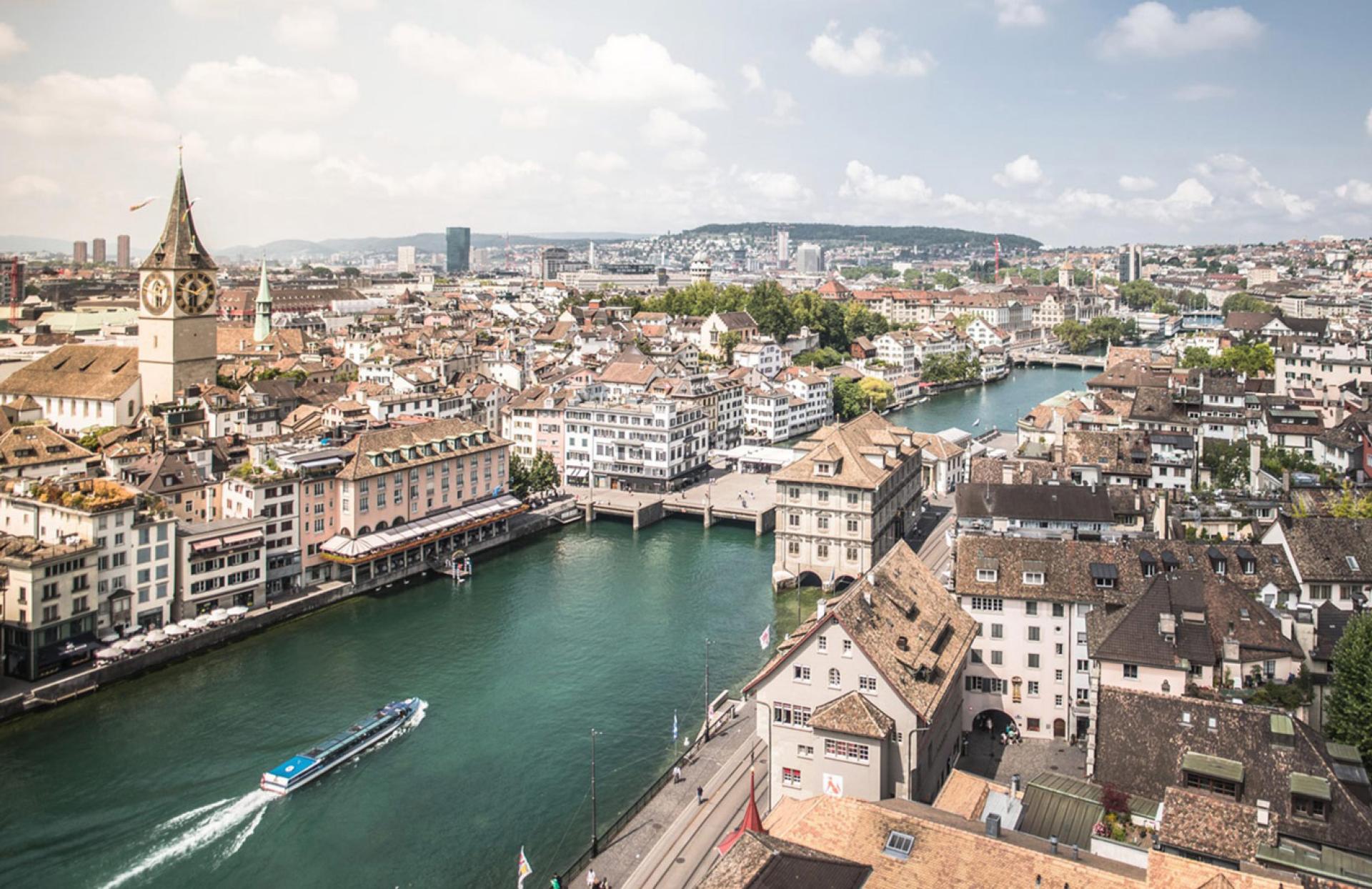
Key Takeaways for Zurich
Zurich represents stability, precision, and premium business standards. While it boasts world-class infrastructure, the high wages and operating costs make it one of the priciest cities for startups.
Key Highlights:
- Switzerland’s top city for banking and fintech.
- Office rent averaging $75 per sq ft monthly.
- Employee costs reaching $115,000 annually.
- Political neutrality and strong economic security.
Zurich: A Safe Haven for Fintech and Financial Startups
Zurich has built a global reputation for economic stability, rule of law, and world-class banking. As the financial heart of Switzerland, it’s one of the most attractive destinations in Europe for fintech startups and high-trust ventures. Zurich offers a business environment rooted in privacy, precision, and security—qualities that make it a magnet for companies working in blockchain, digital banking, asset management, and wealth tech.
Startups operating here benefit from a reliable regulatory landscape, exceptional digital infrastructure, and close proximity to high-net-worth individuals and investors. Zurich is also home to major financial institutions, venture capital firms, and fintech accelerators, offering deep industry connections for founders who want to scale quickly and securely.
Swiss Real Estate and Tax: Efficient but Expensive
Zurich’s real estate market reflects its reputation—clean, modern, and highly regulated, but also extremely costly. Office space in key business areas such as Bahnhofstrasse or Zürich West can range from $75 to $120 per square foot annually. Space is limited, and the demand for premium locations remains high, especially among finance and technology companies.
Corporate taxes in Zurich are comparatively higher than in some startup-friendly regions, but Switzerland’s double taxation treaties and clear frameworks offset some of the burden. Still, startups must plan for substantial fixed costs, including VAT, rent, utilities, and compliance fees.
High Salaries for Highly Skilled Talent
Zurich consistently ranks among the world’s highest-paying cities, which can be both an opportunity and a challenge. Hiring tech-savvy professionals, developers, data scientists, and finance experts requires competitive compensation, with average salaries ranging from $90,000 to $150,000 per year depending on skill level.
That said, Zurich’s talent pool is exceptionally well-educated, multilingual, and experienced. The local universities, such as ETH Zurich, provide a steady pipeline of innovators. However, the strong currency (Swiss franc) and high cost of living mean employee expectations are elevated, and startups must offer strong value propositions and benefits to attract top performers.
Zurich Startups: Is Zurich Worth the Price for Startups?
For fintech entrepreneurs and global investors, Zurich offers an unbeatable mix of regulatory safety, innovation potential, and business precision. But it’s a city for startups with solid funding and a long-term vision. If you’re ready to pay Swiss prices for Swiss quality, Zurich can deliver world-class opportunities in return.
- Sources Include / Discover More: The Hottest Startups in Zurich
- Also Read: Most Expensive Shoes in the World
#7
Tokyo, Japan

Key Takeaways for Tokyo
Tokyo offers a unique mix of tradition and innovation, serving as Japan’s economic and technological core. The high cost of living translates into significant startup expenses, but the market potential is massive.
Key Highlights:
- Asia’s largest metropolitan economy and tech hub.
- Office rent averaging $70 per sq ft monthly.
- Employee salaries around $100,000 per year.
- Access to global investors and advanced infrastructure.
Tokyo: A Global Leader in Technology and Innovation
Tokyo stands tall as one of the most technologically advanced cities in the world. Known for its thriving electronics, robotics, and AI sectors, Tokyo offers a vibrant ecosystem for tech startups, hardware companies, and digital innovation ventures. It is home to a strong network of incubators, accelerators, and global corporations that actively collaborate with startups to bring cutting-edge solutions to market.
Entrepreneurs entering Tokyo’s market can leverage the city’s strong infrastructure, access to R&D resources, and a massive, tech-savvy consumer base. For startups in automation, IoT, and smart mobility, Tokyo offers unmatched opportunities, especially with Japan’s push toward digital transformation and sustainable innovation.
Language and Culture: Hidden Barriers to Entry
Despite its futuristic appeal, Tokyo presents a unique set of challenges for foreign entrepreneurs. The language barrier is one of the most immediate obstacles. While English proficiency is growing, business dealings in Tokyo still heavily rely on Japanese fluency, written communication, and etiquette. Missteps in protocol can hinder partnerships and investor relations.
Cultural nuances, such as indirect negotiation styles, group consensus decision-making, and formal hierarchies, require a steep learning curve. Foreign founders must either immerse themselves in Japanese business culture or hire local consultants and bilingual staff to navigate the landscape effectively.
High Operating Costs in the Heart of Japan
Tokyo’s status as a global capital comes with a premium. Office space in key districts like Shibuya, Marunouchi, and Roppongi averages between $70–$100 per square foot annually. Co-working spaces like WeWork Tokyo and FabCafe offer more flexible options, but still come at a cost.
Hiring local talent is equally expensive, with top developers, UX designers, and project managers commanding salaries that rival those in Silicon Valley. Social security contributions, housing allowances, and bonuses are often expected, adding layers to your cost structure.
Tokyo Startups: Should You Launch Your Startup in Tokyo?
If your startup thrives on innovation, advanced tech, and disciplined execution, Tokyo is a city that can elevate your business—provided you’re prepared for its complexities. Success here demands more than a great product; it requires cultural fluency, financial strength, and strategic partnerships. For startups that can master the maze, Tokyo offers deep rewards and long-term market potential in one of Asia’s most influential economies.
- Sources Include / Discover More on BBC: Building a Thriving Tokyo
- Also Read: Most Expensive Wines in the World
#8
Paris, France

Key Takeaways for Paris
Paris blends luxury, culture, and commerce, making it a key destination for startups across Europe. High costs are balanced by government incentives and a growing technology ecosystem.
Key Highlights:
- France’s economic and innovation capital.
- Office rent averaging $68 per sq ft monthly.
- Annual employee costs near $88,000.
- Strong presence in fashion, AI, and sustainability sectors.
Paris: A Magnet for Creativity, Fashion, and Innovation
Paris is globally recognized for its style, sophistication, and cultural appeal—but it’s also an increasingly popular city for startups in fashion tech, AI, sustainability, and creative industries. The city has seen a wave of innovation, supported by France’s government-backed programs like La French Tech and Station F—the largest startup campus in the world.
Entrepreneurs benefit from access to well-educated talent from institutions like HEC Paris and École Polytechnique, along with a growing ecosystem of VCs and incubators. The city’s connectivity across the European Union adds another strategic edge for startups looking to scale regionally.
Bureaucracy and Taxes: The French Business Puzzle
Despite its startup-friendly initiatives, France’s tax system and administrative procedures remain a major hurdle. Setting up a company in Paris involves navigating layers of paperwork, legal compliance, and changing labor laws. From VAT registration to social charges and reporting duties, the system is dense and time-consuming.
Startups must deal with high corporate taxes, complex payroll systems, and stringent labor protections. Hiring and firing staff involves regulatory steps that can discourage fast pivots. Having a legal advisor or local partner fluent in French law is not optional—it’s essential for survival and growth.
Skilled Talent in a Competitive Market
Paris is home to a deep pool of professionals across fields like engineering, design, finance, and marketing. Talent is not hard to find, but competition is stiff—particularly in emerging tech. Salaries are more moderate than in London or San Francisco, but social contributions from employers significantly inflate total labor costs.
The French tech scene is especially attractive for AI researchers, developers, and creative professionals, making it a strong choice for startups in digital, e-commerce, and green innovation. Still, navigating employment contracts, benefits, and workplace laws requires experienced HR planning.
Paris Startups: Is Paris Worth It for Startups?
Paris is an ideal location for startups with a strong brand vision and access to legal and financial support. While the bureaucratic framework can slow down decision-making, the city offers rich opportunities, investor access, and global visibility. If you can handle the paperwork, Paris rewards persistence with access to one of Europe’s most vibrant and resource-rich startup ecosystems.
- Sources Include / Discover More: Best Startups in Paris to Watch
- Also Read: Most Expensive Jewelry in the World
#9
Sydney, Australia

Key Takeaways for Sydney
Sydney shines with a thriving economy and unmatched quality of life. Its high wages and expensive office spaces make it a premium choice for startups seeking exposure to the Asia-Pacific market.
Key Highlights:
- Australia’s financial and innovation center.
- Office rent averaging $65 per sq ft monthly.
- Average employee salary of $92,000 per year.
- Ideal launchpad for Asia-Pacific expansion.
Sydney: A Startup Scene Set Against World-Class Quality of Life
Sydney is more than just a stunning coastal city—it’s also a growing tech and business hub in the Asia-Pacific region. With strong economic stability, high internet penetration, and government-backed innovation programs, Sydney has become an attractive destination for startups, especially in fintech, healthtech, edtech, and sustainability.
Initiatives like the NSW Innovation and Productivity Council and the Tech Central precinct offer infrastructure and funding support for emerging ventures. Add to that a multicultural population and access to Asian markets, and Sydney becomes a compelling entry point into the broader APAC startup ecosystem.
High Operating Costs and Labor Regulations
Launching a startup in Sydney means preparing for premium overheads. From renting office space in the Central Business District to securing licenses and permits, operational costs can escalate quickly. Average commercial rent can exceed $60–$100 per square foot annually, particularly in hotspots like Barangaroo and Surry Hills.
Labor costs are among the highest in the world, driven by Australia’s strong workers’ rights laws and high minimum wage standards. Employers are required to contribute to superannuation funds, provide paid leave, and adhere to rigid employment contracts. Strict labor laws in Sydney can limit flexibility, especially for startups in their early growth stages.
A Skilled Yet Costly Talent Pool
Sydney boasts a highly educated workforce, with talent emerging from institutions like the University of Sydney and UNSW. The city attracts professionals in software development, digital marketing, cybersecurity, and AI. However, hiring top talent in Sydney comes with a steep price tag. Salaries for skilled tech workers can range from $80,000 to $140,000 annually.
Workplace culture in Sydney values work-life balance, which aligns with its lifestyle appeal—but this can sometimes conflict with the high-intensity demands of startup life. Startups must offer competitive pay, flexible working conditions, and growth opportunities to retain talent in this saturated market.
Sydney Startups: Is Sydney the Right Fit for Your Startup?
If you’re looking to build a business in a city that offers economic stability, global access, and exceptional quality of life, Sydney is a strong contender. But it’s best suited for well-funded startups that can absorb its high wages, regulatory hurdles, and overheads. With the right resources and strategic planning, Sydney delivers lifestyle and opportunity in equal measure.
- Sources Include / Discover More: Sydney Startup Hub
- Also Read: Most Expensive Travel Destinations
#10
Dubai, UAE

Key Takeaways for Dubai
Dubai has evolved into a luxurious yet strategic global business hub. With zero income tax and modern infrastructure, it attracts ambitious entrepreneurs despite its elevated costs.
Key Highlights:
- Middle East’s leading financial and startup hub.
- Office rent averaging $60 per sq ft monthly.
- Employee costs around $80,000 annually.
- Tax-free incentives and global trade connectivity.
Dubai: A Growing Hub for Technology and Finance
Dubai has rapidly transformed into one of the world’s leading hubs for both tech startups and financial institutions. With its strategic location between Europe, Asia, and Africa, it has become a crossroads for global trade and investment. The city is home to innovation-driven initiatives such as Dubai Internet City and Dubai Silicon Oasis, which provide an ideal environment for fintech, blockchain, and AI companies.
Startups in Dubai can benefit from a thriving ecosystem that includes access to venture capital, networking opportunities, and strategic partnerships with multinational corporations. Dubai’s forward-thinking policies, including investment in smart city initiatives and AI technology, create ample room for growth and scalability for tech companies looking to expand in the Middle East.
Luxurious Lifestyle and High Living Costs
Despite its appeal to businesses, Dubai is known for its luxurious lifestyle and high cost of living. Expatriates and business owners alike must contend with significant expenses such as renting high-end office spaces in downtown districts like Business Bay and DIFC, where office space can cost upwards of $90–$150 per square foot annually.
Living in Dubai also comes at a premium, especially for expatriates, with high-quality housing, schooling, and healthcare costs inflating daily expenses. While the luxurious lifestyle might be appealing to some, it contributes to the overall high overheads for businesses, particularly those looking to attract international talent who may demand higher compensation packages to cover these costs.
Tax Incentives: Sweetening the Deal for Startups
One of the major advantages of doing business in Dubai is its favorable tax environment. The UAE offers no personal income tax, and businesses in free zones can benefit from tax exemptions for up to 50 years. This makes Dubai an attractive location for entrepreneurs looking to minimize tax liabilities and reinvest more into their businesses.
Additionally, the introduction of the VAT system (5%) in recent years has had minimal impact compared to other global markets. These tax breaks help cushion the blow of high operating costs, making Dubai an appealing destination for investors seeking to benefit from both tax incentives and the vibrant business ecosystem.
Dubai Startups: Is Dubai the Right Place for Your Startup?
Dubai provides an unparalleled business environment for tech, finance, and innovation-driven startups, but the cost of living and high operational expenses cannot be ignored. It is an ideal destination for well-funded businesses seeking to leverage tax breaks, global connectivity, and growth opportunities. For startups with the financial backing to manage the high costs, Dubai offers a wealth of benefits that can accelerate business success in the Middle East and beyond.
- Sources Include / Discover More: Dubai Startup Support
- Also Read: Most Expensive Weddings in the World
Key FAQs on the 10 Most Expensive Cities for Startups and Business
Why is San Francisco so expensive for startups?
San Francisco is the most expensive city for startups due to extreme commercial real estate prices averaging $120 per square foot monthly and annual employee compensation exceeding $130,000.
As the core of Silicon Valley, it concentrates venture capital firms, elite engineering talent, and global tech headquarters.
According to CBRE and PitchBook data, intense competition for office space and skilled workers consistently drives operating costs higher than any other startup ecosystem worldwide.
What makes New York City a costly place to run a business?
New York City is costly for businesses because average office rents reach $100 per square foot per month, while employee salaries approach $125,000 annually.
As a global financial and corporate hub anchored by Wall Street, NYC attracts finance, media, and enterprise startups.
Reports from Cushman & Wakefield highlight persistent demand for premium office locations and executive talent, making operational expenses among the highest in the world.
Is Hong Kong affordable for entrepreneurs?
Hong Kong is not affordable for most entrepreneurs, with office rents averaging $90 per square foot monthly and employee costs near $85,000 per year.
As Asia’s major financial gateway and international trade center, limited land supply and dense commercial demand drive costs upward.
According to Savills and JLL, Hong Kong consistently ranks among the world’s most expensive business locations for startups and multinational firms alike.
Why is London among the top 10 expensive cities for business?
London ranks among the most expensive cities for startups due to office rents averaging $85 per square foot per month and annual employee costs around $95,000.
As Europe’s leading financial, legal, and fintech hub, London attracts global talent and multinational headquarters.
Data from Knight Frank shows sustained demand across the City of London and Canary Wharf, significantly increasing startup operating expenses.
What is the cost of doing business in Singapore?
The cost of doing business in Singapore is high, with office rents averaging $80 per square foot monthly and employee salaries around $90,000 per year.
As Southeast Asia’s leading startup and fintech hub, Singapore offers strong infrastructure, political stability, and global market access.
According to World Bank and JLL reports, these advantages consistently push operational costs above regional competitors.
Is Zurich expensive for startups?
Zurich is expensive for startups due to high employee compensation averaging $115,000 annually and office rents near $75 per square foot per month.
As Switzerland’s financial and banking center, Zurich attracts premium talent in finance, fintech, and blockchain.
UBS and PwC reports confirm that strong currency valuation and high living standards directly contribute to elevated business operating costs.
What makes Tokyo a costly city for business?
Tokyo is a costly city for business, with office rents averaging $70 per square foot monthly and employee salaries close to $100,000 per year.
As Japan’s primary technology, manufacturing, and corporate hub, Tokyo hosts major global firms and innovation centers.
According to Nikkei Asia and CBRE, dense demand for premium office districts sustains consistently high startup expenses.
Why is Paris challenging for startups?
Paris is challenging for startups due to average employee costs of $88,000 annually and office rents around $68 per square foot per month.
As France’s economic and luxury business capital, Paris attracts creative, fashion, and technology firms.
Data from BNP Paribas Real Estate shows strong demand in La Défense and central districts, keeping startup operating costs elevated.
Is Sydney expensive for entrepreneurs?
Sydney is expensive for entrepreneurs, with average employee salaries around $92,000 per year and office rents near $65 per square foot monthly.
As Australia’s leading financial and startup hub, Sydney benefits from strong global connectivity and Asia-Pacific trade access.
According to CoreLogic and Deloitte, sustained demand for premium commercial space drives consistently high business costs.
What are Dubai’s business costs?
Dubai’s business costs include average employee salaries of $80,000 annually and office rents of approximately $60 per square foot per month.
As the Middle East’s leading startup and trade hub, Dubai offers tax incentives, free zones, and global connectivity.
Reports from KPMG and JLL indicate that despite lower rents than Western hubs, premium talent and infrastructure still drive significant expenses.
Strategic Advantages Despite High Costs
So why even bother with expensive cities? Simple: they’re business magnets for a reason.
Talent and Innovation Hubs
Big cities attract big thinkers. Whether you’re hiring top engineers or marketing gurus, the talent pool is deeper and more diverse.
Access to Capital and Investors
Money talks—and in these cities, it shouts. From VC firms to angel networks, funding opportunities are vast and accessible if you know where to knock.
How Startups Can Thrive in Expensive Cities
Being in an expensive city doesn’t mean burning cash. Smart founders know how to stretch every dollar.
Lean Operations and Remote Teams
Adopt hybrid models. Base your HQ in NYC but let your dev team live in Mexico City. Use co-working spaces instead of signing long leases.
Government Incentives and Accelerators
Many of these pricey places offer grants, incentives, and tax breaks to attract startups. Tap into local startup accelerators that provide mentorship, funding, and office space.
Final Thoughts
Launching a business in one of the world’s most expensive cities is a bold yet strategic move that can yield tremendous rewards. These urban powerhouses—be it San Francisco, Singapore, or Dubai—offer unparalleled access to venture capital, top-tier talent, and world-class infrastructure. Their thriving startup ecosystems and global connectivity attract ambitious founders aiming to scale fast and far.
However, the prestige and opportunities come with hefty costs. From sky-high office rent and premium employee wages to regulatory complexities and high living expenses, the barriers to entry can be daunting. But for entrepreneurs who plan strategically, operate lean, and tap into government support, local accelerators, or investor networks, these hurdles can be transformed into competitive advantages.
Success in these elite startup cities requires more than just capital—it demands vision, adaptability, and informed decision-making. By understanding the financial landscape, prioritizing essential investments, and building resilient business models, startups can not only survive but thrive.
In the end, these cities reward risk-takers who are ready to pay the price for access to innovation hubs, market leadership, and long-term growth. For those with the courage to take the leap, the payoff can be exponential.
The 10 Most Expensive Cities for Startups and Business Frequently Asked Questions (FAQs)
San Francisco tops the list due to high rent, employee salaries, and operational costs.
They increase burn rate, reduce runway, and demand faster growth to survive. But they also push innovation and execution speed.
It can be, especially if your target market, investors, or partners are based there. It’s about trade-offs and strategy.
Cities like Berlin, Lisbon, and Austin offer lower costs and growing ecosystems. They’re worth exploring if budget is a concern.
Yes! From Singapore to Paris, governments often offer startup grants, tax incentives, and accelerator programs.
The list includes San Francisco, Zurich, New York City, London, Tokyo, Singapore, Hong Kong, Paris, Dubai, and Sydney based on startup costs, rent, and salaries.
Singapore and Tokyo lead in Asia for startup infrastructure, with Singapore offering pro-business policies and Tokyo boasting tech innovation and talent.
About the Author
This article was researched and prepared by the World Millions Editorial Team, specialists in global rankings, premium market analysis, structured comparisons, and high-value sector research across industries.
All content undergoes verification, editorial review, and periodic updates to ensure accuracy, clarity, and alignment with recognized industry standards, reliable institutional sources, and leading global authorities.
- Last Updated: March 27, 2026 by the World Millions Editorial Team
- Original Published Date: March 27, 2026
- View Our: Editorial Team | Sources | Disclaimer | Editorial Standards