The 10 Best Museums in the World represent the pinnacle of global culture, art history, and human civilization. From iconic masterpieces like the Mona Lisa at the Louvre to ancient treasures such as the Rosetta Stone at the British Museum, these legendary institutions preserve humanity’s most valuable artistic and historical achievements.
Discover the 10 Best Museums in the World, ranked by global reputation, visitor numbers, historic significance, and extraordinary collections. From Paris and London to New York, Florence, and Beijing, these world-class museums showcase priceless masterpieces, ancient artifacts, and cultural treasures that inspire millions of travelers, historians, and art lovers every year.
On This Page
Toggle- Updated 2026 by the World Millions Editorial Team: View Author Information
Why Museums Still Matter Today
In a digital world overflowing with information, museums remain the guardians of truth, creativity, and human achievement. They connect us with the past, inspire the present, and shape the future. They’re not just buildings filled with objects—they’re storytelling temples that allow us to see how civilizations rise, fall, and leave legacies behind.
How We Chose the Top 10 Museums
Our list was curated based on global visitor statistics, historical significance, art and artifact quality, cultural influence, and user reviews. From the grandeur of European icons to innovative spaces in Asia and America, these museums rank among the most celebrated cultural landmarks on the planet.
List of the 10 Best Museums in the World
Uncover the world’s most breathtaking cultural landmarks — from Paris to Beijing — in this ultimate guide to the 10 Best Museums in the World, where timeless art, history, and human creativity come alive.
Discover the 10 Best Museums in the World through this detailed table highlighting their locations, iconic masterpieces, and entry fees. From the Louvre in Paris, home to the timeless Mona Lisa, to the British Museum in London showcasing the legendary Rosetta Stone, each destination offers a journey into art, history, and culture.
Explore the Met in New York with its vast global collections, marvel at Michelangelo’s Sistine Chapel inside the Vatican Museums, or admire Velázquez’s Las Meninas at Madrid’s Prado Museum. You can also uncover the treasures of Russia’s State Hermitage, witness Rembrandt’s The Night Watch at the Rijksmuseum in Amsterdam, and embrace Renaissance brilliance at Florence’s Uffizi Gallery.
For modern art lovers, MoMA in New York presents Van Gogh’s Starry Night, while the National Museum of China in Beijing reveals millennia of heritage. Perfect for travelers, art lovers, and cultural enthusiasts, this curated list makes it simple to compare highlights, plan visits, and experience the world’s most prestigious museums all in one place.
| Rank | Museum | Location | Key Attraction | Entry Fee |
|---|---|---|---|---|
| 1 | Louvre Museum | Paris, France | Mona Lisa | €17 |
| 2 | The British Museum | London, UK | Rosetta Stone | Free |
| 3 | The Met | New York, USA | Temple of Dendur | $30 |
| 4 | Vatican Museums | Vatican City | Sistine Chapel | €17 |
| 5 | Prado Museum | Madrid, Spain | Las Meninas | €15 |
| 6 | State Hermitage Museum | St. Petersburg, Russia | Peacock Clock | ₽800 |
| 7 | Rijksmuseum | Amsterdam, Netherlands | The Night Watch | €20 |
| 8 | Uffizi Gallery | Florence, Italy | Birth of Venus | €12 |
| 9 | MoMA | New York, USA | Starry Night | $25 |
| 10 | National Museum of China | Beijing, China | Bronze Age Collections | Free |
Discover the 10 Best Museums in the World
Discover the 10 Best Museums in the World that define art, culture, and history on a global scale. From Paris to Beijing, these legendary institutions preserve humanity’s most precious masterpieces — from the Mona Lisa at The Louvre to the Rosetta Stone at The British Museum — offering unforgettable cultural journeys for travelers and art lovers alike.
Explore this exclusive guide of world-class museums celebrated for their architecture, collections, and influence on civilization. Whether you’re passionate about Renaissance art, ancient history, or modern creativity, these top museums promise inspiration, education, and a deeper appreciation of global heritage.
#1
Louvre Museum

Key Takeaways for the Louvre Museum: Paris, France
Cultural Grandeur & Artistic Legacy
The Louvre is the most famous museum in the world, located in Paris and home to Leonardo da Vinci’s legendary Mona Lisa. A symbol of artistic excellence and French heritage, it houses over 35,000 masterpieces spanning from ancient civilizations to modern art. The Louvre’s glass pyramid entrance has become an architectural icon, attracting millions of visitors every year.
Key Highlights:
- Home to the Mona Lisa, Venus de Milo, and Winged Victory of Samothrace.
- The world’s largest art museum and top cultural landmark.
- Blends French history, architecture, and art mastery.
- A must-visit destination for art enthusiasts and travelers.
Louvre Museum: A Timeless Icon of Art and Culture
The Louvre Museum in Paris, France, is not just the most visited museum in the world—it’s a symbol of human creativity and cultural heritage. Located in the heart of Paris along the Seine River, this legendary museum is housed in a historic palace dating back to the 12th century. With over 35,000 works of art displayed across 650,000 square feet, the Louvre offers an unmatched experience for art lovers and tourists alike.
Mona Lisa: Home of the Mona Lisa and Timeless Masterpieces
The museum’s most famous resident is Leonardo da Vinci’s Mona Lisa, drawing millions of visitors every year. But beyond this iconic portrait, the Louvre houses a vast collection of priceless artifacts and masterpieces including the Venus de Milo, Winged Victory of Samothrace, and Liberty Leading the People by Eugène Delacroix.
From Ancient Egyptian sarcophagi to Renaissance paintings and classical Greek sculptures, the Louvre Museum represents every era and style imaginable. Whether you’re a history buff or an art student, the range of the museum’s exhibits ensures something for everyone.
Louvre Tickets & Museum Hours: Practical Visitor Information and Tips
The Louvre Museum is open every day except Tuesdays, with extended hours on Wednesdays and Fridays. General admission is €17 when booked online and free for EU residents under 26. To avoid long lines, it’s best to visit early in the morning or late in the evening.
The museum is easily accessible by metro (Palais Royal – Musée du Louvre station) and offers guided tours, audio guides, and multilingual signage to help navigate its expansive wings: Denon, Sully, and Richelieu.
Why the Louvre Is a Must-Visit Destination
If you’re planning a cultural trip to Europe, the Louvre Museum should be at the top of your itinerary. It’s more than just an art gallery—it’s a journey through the evolution of civilization, told through masterpieces that have shaped the world. A visit to the Louvre is a true bucket-list experience that every traveler should enjoy at least once in their lifetime.
- Sources Include / Discover More: Louvre or the Louvre Museum, A National Art Museum in Paris
- Also Read: Best Home Insurance Companies
#2
The British Museum
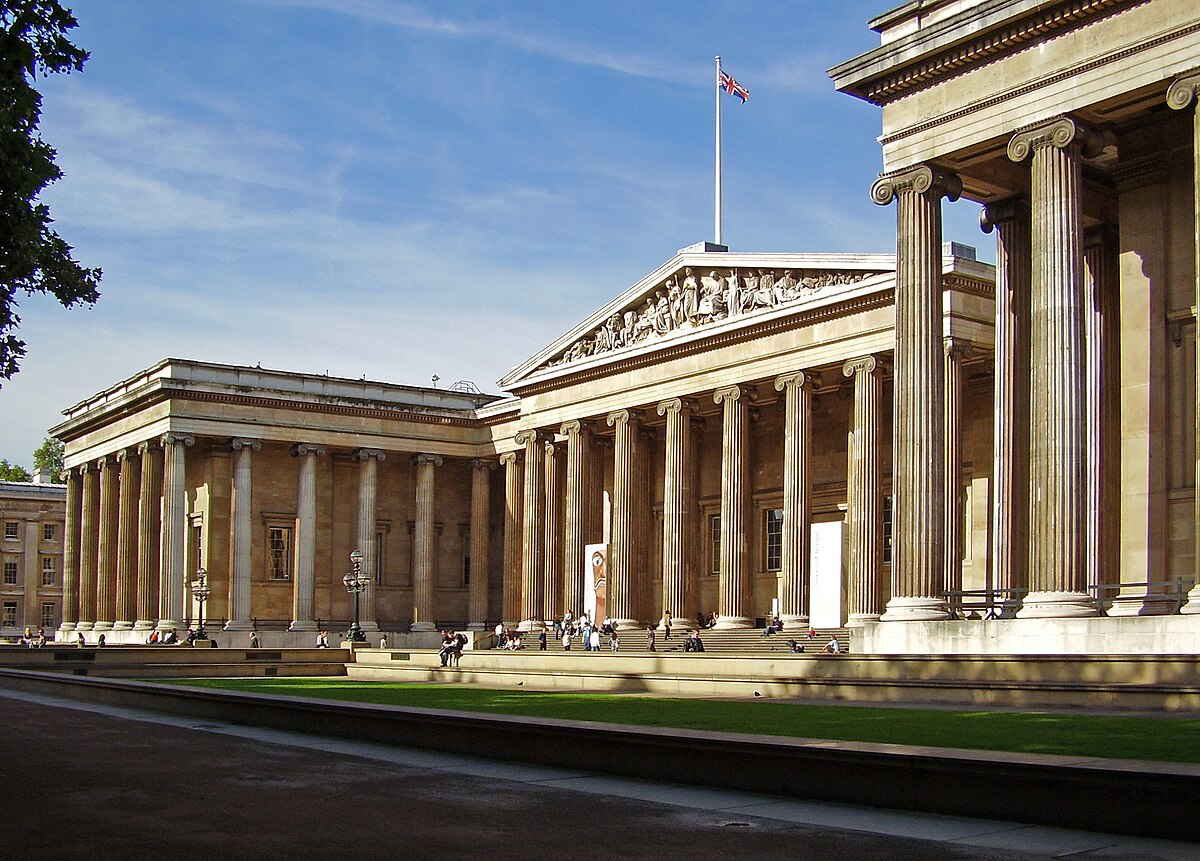
Key Takeaways for The British Museum: London, UK
Global Heritage & Free Access to History
The British Museum in London stands as one of the world’s greatest cultural institutions, renowned for its vast collection of artifacts from every corner of human history. With treasures like the Rosetta Stone and Egyptian mummies, it offers a journey through 2 million years of civilization—all for free.
Key Highlights:
- Features the Rosetta Stone, Parthenon Marbles, and Egyptian Mummies.
- Free entry makes it one of the most accessible global museums.
- Represents the evolution of human civilization and cultural diversity.
- Perfect for history lovers and educational exploration.
The British Museum: A Journey Through Global Civilizations
The British Museum in London is one of the most iconic and historic museums in the world. Founded in 1753, it was the first national public museum to offer free admission to all “studious and curious persons.” Today, it houses over 8 million artifacts from every continent, showcasing the breadth of human history, culture, and innovation.
Located in the Bloomsbury district, this neoclassical marvel attracts over 6 million visitors annually and is a top destination for both tourists and academics. Its grand architecture, world-famous exhibitions, and educational resources make it a must-visit attraction in London.
Home of the Rosetta Stone, Elgin Marbles and Global Treasures
The British Museum is globally renowned for the Rosetta Stone, the key to deciphering Egyptian hieroglyphs. But that’s just one piece of a colossal collection. You’ll find the Elgin Marbles from the Parthenon in Athens, the Egyptian mummies, the Assyrian Lion Hunt reliefs, the Lewis Chessmen, and ancient Chinese ceramics.
The museum spans multiple departments, including Africa, the Americas, Asia, Europe, and the Middle East. Whether you’re exploring Mesopotamian tablets or marveling at Roman sculptures, the British Museum takes you on a profound journey through time.
British Museum UK: Visitor Info, Entry, and Insider Tips
The British Museum is completely free to enter, making it one of the best value cultural experiences in the UK. It is open daily from 10 AM to 5 PM, with late-night openings on Fridays. The museum is easily accessible by London Underground, with the nearest station being Tottenham Court Road.
To avoid crowds, early morning or weekday visits are recommended. There are guided tours, audio guides, and free exhibits that rotate seasonally. Make sure to check out the Great Court, the largest covered public square in Europe, with its breathtaking glass roof.
British Museum: Why It’s One of the World’s Best Museums
The British Museum isn’t just about preserving the past—it’s about understanding how our world evolved. It offers an educational yet exciting experience for visitors of all ages and interests. Whether you’re into archaeology, art, or ancient history, the British Museum is a treasure trove you can explore for hours on end.
- Sources Include / Discover More: The British Museum, A Public Museum Dedicated to Human History, Art and Culture
- Also Read: Best Pet Insurance Companies
#3
The Metropolitan Museum of Art

Key Takeaways for The Metropolitan Museum of Art: New York, USA
Art Through the Ages in America’s Cultural Heart
The Metropolitan Museum of Art (The Met) in New York City showcases over 5,000 years of global art, from ancient Egypt to modern America. With its iconic steps and expansive galleries, The Met is a cultural beacon where art, fashion, and history intersect.
Key Highlights:
- Home to the Temple of Dendur, European masters, and American art.
- One of the most visited museums in the USA.
- Hosts the world-famous Met Gala.
- A blend of art, fashion, architecture, and heritage in one destination.
Metropolitan Museum of Art: The Heart of Art and History in the Big Apple
The Metropolitan Museum of Art, affectionately known as “The Met,” is the largest and most prestigious art museum in the United States. Situated on Fifth Avenue along the eastern edge of Central Park, The Met has become a cornerstone of New York City’s cultural identity. With over 2 million works in its collection, it offers an unparalleled look into 5,000 years of human creativity from every corner of the world.
Founded in 1870, The Met is more than just a museum—it’s a global institution that merges the past, present, and future of art under one roof. Whether you’re a first-time visitor or a seasoned art lover, The Met delivers an immersive, educational, and awe-inspiring experience.
Met Museum: Iconic Masterpieces and Cultural Highlights
One of the Met Museum’s most iconic exhibits is the Temple of Dendur, an ancient Egyptian structure dating back to 15 B.C., dramatically displayed in a glass-walled gallery overlooking Central Park. Visitors are also drawn to its comprehensive European paintings section, which includes works by Van Gogh, Rembrandt, Monet, and Vermeer.
From Islamic art and arms and armor to African sculptures and American decorative arts, The Met’s galleries are packed with artistic treasures. The Costume Institute, famously associated with the Met Gala, is a highlight for fashion enthusiasts.
Visiting The Met: Tickets, Hours, and Tips
The Met is open six days a week and closed on Wednesdays. General admission is $30 for adults, though residents of New York State and students from NY, NJ, and CT can pay what they wish. With three locations (The Met Fifth Avenue, The Met Breuer, and The Met Cloisters), it’s wise to plan ahead for a full-day visit.
You can purchase tickets online, and guided tours or audio apps are available to enhance your visit. Don’t miss the Rooftop Garden, which offers seasonal art installations and panoramic views of the Manhattan skyline.
Why The Met Ranks Among the World’s Best
The Metropolitan Museum of Art embodies the richness of human culture. Its breadth, depth, and curatorial excellence make it not just a museum but a pilgrimage site for art lovers. From ancient civilizations to modern masterpieces, The Met is a timeless celebration of the human spirit and one of the best museums in the world.
- Sources Include / Discover More: The Metropolitan Museum of Art, An Encyclopedic Art Museum in New York City
- Also Read: Best Exclusive Credit Cards
#4
Vatican Museums

Key Takeaways for the Vatican Museums: Vatican City
Spiritual Art & Renaissance Masterpieces
The Vatican Museums in Vatican City are home to the world’s most sacred artistic treasures, including Michelangelo’s Sistine Chapel ceiling and Raphael’s frescoes. A cornerstone of Renaissance art and Christian history, this museum complex reflects divine beauty and human creativity.
Key Highlights:
- Features Michelangelo’s Sistine Chapel and Raphael Rooms.
- Over 20,000 priceless artworks and religious artifacts.
- A spiritual and artistic journey through the Renaissance.
- A pilgrimage site for art lovers and believers alike.
Vatican Museums: A Divine Journey Through Art and Faith
The Vatican Museums, located within the spiritual heart of the Catholic Church, are not only among the best museums in the world but also one of the most sacred and awe-inspiring. Founded by Pope Julius II in the early 16th century, the Vatican Museums house an extraordinary collection of art, artifacts, and historical treasures amassed by the popes over centuries. Every corridor, gallery, and ceiling whispers the story of human history intertwined with divine inspiration.
Situated in the world’s smallest country, Vatican City, these museums attract over 6 million visitors annually, all eager to witness the breathtaking splendor that spans civilizations and continents.
The Sistine Chapel, Raphael Rooms and Other Unmissable Highlights
The crown jewel of the Vatican Museums is undoubtedly the Sistine Chapel, adorned with Michelangelo’s iconic ceiling frescoes and his dramatic Last Judgment behind the altar. This sacred space, still used today for papal conclaves, leaves every visitor speechless with its divine beauty and masterful execution.
Beyond the Sistine Chapel, the Raphael Rooms are another major draw. These papal apartments showcase the genius of Raphael in full bloom, especially the famous fresco “The School of Athens.” The museum complex also features the Gallery of Maps, an enchanting corridor lined with 16th-century geographical depictions of Italy, and the Pio-Clementine Museum, rich in classical Roman and Greek sculptures.
Vatican Tickets, Visitor Info & Tips for the Best Experience
Entry to the Vatican Museums is €17 per adult. To avoid long queues, especially during peak tourist seasons, booking tickets online in advance is highly recommended. Visiting early in the morning or later in the afternoon offers a more peaceful experience.
Modest dress is required due to the sacred nature of the site—shoulders and knees should be covered. Audio guides and guided tours are available and enhance your understanding of the museum’s treasures. Allocate at least 3 to 4 hours for a comprehensive visit.
Vatican Museums: A Holy Experience of Art and Eternity
The Vatican Museums transcend the typical museum experience. Here, divine artistry meets historical grandeur, creating a journey that is both spiritually uplifting and artistically profound. Whether you’re religious or not, the Vatican Museums offer a once-in-a-lifetime immersion into the pinnacle of Renaissance art and sacred history.
- Sources Include / Discover More: The Vatican Museums, The Public Museums of the Vatican City
- Also Read: Best Online Colleges in the World
#5
Prado Museum

Key Takeaways for the Prado Museum: Madrid, Spain
Spanish Royal Heritage & Masterful Art
The Prado Museum in Madrid is Spain’s premier art museum, famed for housing masterpieces by Velázquez, Goya, and El Greco. Representing the golden age of Spanish painting, it offers an immersive look into Europe’s artistic brilliance and royal patronage.
Key Highlights:
- Features Las Meninas by Velázquez and Goya’s The Third of May 1808.
- One of Europe’s most prestigious art collections.
- Deeply tied to Spain’s royal history and culture.
- A top attraction for art and history lovers in Madrid.
Prado Museum: Spain’s Artistic Treasure Trove
Nestled in the heart of Madrid, the Prado Museum (Museo del Prado) stands as one of the most prestigious and best museums in the world. Established in 1819, this museum is a monumental symbol of Spanish culture, housing one of the finest collections of European art dating from the 12th to the early 20th century. Whether you’re an art connoisseur or a casual traveler, visiting the Prado is an unmissable cultural experience.
Located along the iconic Paseo del Prado, the museum boasts over 8,000 paintings and thousands of sculptures, prints, and drawings. It’s not just a museum—it’s a deep dive into the soul of Spanish and European history.
Las Meninas and the Spanish Masters
The centerpiece of the Prado’s collection is “Las Meninas” by Diego Velázquez, one of the most analyzed and revered paintings in Western art. Velázquez, who served as court painter to King Philip IV, captures a complex and innovative perspective of royal life that continues to intrigue art scholars and visitors alike.
In addition to Velázquez, the Prado showcases masterpieces from Francisco Goya, whose deeply emotional works like “The Third of May 1808” and the haunting “Black Paintings” series offer a window into Spain’s turbulent past. The museum also hosts significant works by El Greco, Titian, Rubens, Bosch, and Murillo, making it a haven for fans of classical European art.
Prado Museum Tickets Info, Tips & Best Times to Visit
General admission to the Prado Museum is €15. Entry is free during the last two hours of each day, but it’s best to arrive early if you want to explore at your own pace without crowds. Audio guides and expert-led tours are available for a richer experience.
The museum is closed on major holidays and tends to be busiest on weekends. Photography is restricted in most galleries, so make sure to soak in the visuals in the moment.
The Prado Museum: A Spanish Journey Through Time and Genius
From royal portraits to scenes of rebellion and religious mysticism, the Prado Museum is more than just an art gallery—it’s a powerful narrative of Europe told through paint and canvas. It rightfully earns its place as one of the top 10 museums in the world, and no cultural tour of Madrid is complete without stepping through its majestic halls.
- Sources Include / Discover More: Prado Museum, The Main Spanish National Art Museum, Located in Central Madrid
- Also Read: Best Food Dishes in the World
#6
State Hermitage Museum

Key Takeaways for the State Hermitage Museum: St. Petersburg, Russia
Imperial Splendor & Global Art Collections
The State Hermitage Museum in St. Petersburg, Russia, is one of the largest and oldest museums in the world. Founded by Catherine the Great, it holds over three million items, from Da Vinci to Rembrandt, displayed in the majestic Winter Palace.
Key Highlights:
- Houses Da Vinci’s Madonna Litta and the Peacock Clock.
- A UNESCO World Heritage Site and architectural masterpiece.
- Symbolizes Russia’s imperial grandeur and artistic wealth.
- One of the world’s most extensive art collections.
State Hermitage Museum: A Winter Palace of Wonders
The State Hermitage Museum in St. Petersburg, Russia, is not only one of the largest and oldest museums in the world but also among the most majestic. Founded in 1764 by Catherine the Great, this world-renowned institution spans over six historic buildings, including the opulent Winter Palace—once the residence of Russian emperors.
Home to over 3 million artifacts, including paintings, sculptures, decorative art, archaeological finds, and cultural treasures, the Hermitage is a true encyclopedia of human creativity. It’s no wonder it ranks among the 10 best museums in the world for art lovers and history enthusiasts alike.
From Da Vinci to Rembrandt: Art Royalty
The Hermitage boasts one of the finest collections of Western European art, featuring iconic works by Leonardo da Vinci, Rembrandt, Michelangelo, Raphael, and Caravaggio. Its gallery of Impressionists and Post-Impressionists, including Monet, Van Gogh, and Cézanne, is equally breathtaking.
One of the most famous attractions is the Peacock Clock, an 18th-century mechanical masterpiece that still captivates visitors with its lifelike movements. In addition to paintings, the museum holds ancient Greek and Roman sculptures, Fabergé eggs, Oriental art, and more.
The Hermitage: Practical Info for Visitors
Admission to The Hermitage is ₽800 (around €8), making it a surprisingly affordable experience given its size and stature. Entry is free on the first Thursday of every month and on December 7, Hermitage Day. Be prepared to walk—a full visit could take multiple days, so plan accordingly.
The museum is busiest during summer and Russian national holidays. Guided tours in multiple languages are highly recommended for first-time visitors, as the scale and depth of the collection can be overwhelming.
Hermitage Museum: A Jewel of Russian Heritage
The Hermitage Museum is more than just a place to view art—it’s a journey through centuries of human expression, housed in palatial splendor. From imperial halls to priceless masterpieces, it represents Russia’s cultural soul and global artistic influence, making it a must-visit destination for any serious traveler.
- Sources Include / Discover More: State Hermitage Museum, A Museum of Art and Culture in Saint Petersburg, Russia
- Also Read: Best Fashion Brands in the World
#7
Rijksmuseum

Key Takeaways for the Rijksmuseum: Amsterdam, Netherlands
Dutch Mastery & Golden Age Art
The Rijksmuseum in Amsterdam celebrates Dutch heritage through over 8,000 artworks, including Rembrandt’s The Night Watch and Vermeer’s The Milkmaid. This museum represents the essence of the Netherlands’ Golden Age and its artistic innovation.
Key Highlights:
- Home to The Night Watch and masterpieces by Vermeer and Hals.
- Blends art, history, and design in a grand architectural setting.
- Focused on Dutch culture and the Golden Age legacy.
- One of Europe’s most photographed and visited museums.
Rijksmuseum: The Crown Jewel of Dutch Heritage
The Rijksmuseum in Amsterdam is a national treasure and one of the most iconic art museums in the world. With over 8,000 objects on display from a collection of more than 1 million works, this grand institution proudly showcases Dutch Golden Age masterpieces, making it a top destination for art lovers and culture seekers visiting the Netherlands.
Nestled in the heart of Museumplein, the Rijksmuseum combines awe-inspiring architecture with rich cultural history. It’s not just one of the best museums in the world, but a true celebration of Dutch identity, creativity, and innovation.
Home to The Night Watch and Much More
The museum’s most celebrated piece is Rembrandt’s “The Night Watch”, a colossal and vivid portrayal of a city militia that’s regarded as one of the greatest paintings ever created. The Rijksmuseum also houses works by other Dutch masters such as Vermeer, Frans Hals, and Jan Steen, offering visitors a deep dive into the nation’s artistic golden era.
Beyond paintings, you’ll find an extensive collection of historical objects, weaponry, sculptures, fashion, and decorative arts. From model ships to Delftware pottery, every room reveals another fascinating layer of Dutch and global history.
Rijksmuseum Tickets: Visiting Details and Tips
The entry fee to the Rijksmuseum is €20, and children under 18 enjoy free admission. Open daily from 9 AM to 5 PM, it’s best visited early in the morning to avoid crowds—especially near Rembrandt’s gallery.
Audio guides and guided tours in multiple languages are available, helping you make the most of the massive yet well-organized exhibits. Don’t miss the library—a quiet, breathtaking reading room that feels like stepping into a different century.
Why the Rijksmuseum Deserves the Hype
The Rijksmuseum is more than a collection of art; it’s a visual narrative of Dutch pride, resilience, and ingenuity. Whether you’re admiring a Rembrandt up close or learning about Dutch colonial history, every moment spent here is both enriching and unforgettable.
- Sources Include / Discover More: Rijksmuseum, The National Museum of the Netherlands, Located in Amsterdam
- Also Read: Best Real Estate in the World
#8
Uffizi Gallery

Key Takeaways for the Uffizi Gallery: Florence, Italy
Renaissance Brilliance & Italian Beauty
The Uffizi Gallery in Florence is a Renaissance jewel housing Botticelli’s Birth of Venus and da Vinci’s early works. It’s one of the oldest art galleries in the world and a tribute to Italy’s artistic revolution and Medici patronage.
Key Highlights:
- Features Botticelli’s Birth of Venus and Primavera.
- A historic treasure of Renaissance art and sculpture.
- Located in the heart of Florence’s cultural hub.
- A pilgrimage site for art and history enthusiasts.
Uffizi: A Renaissance Treasure in the Heart of Florence
The Uffizi Gallery is a world-renowned art museum located in the historic center of Florence, Italy. Famed for its breathtaking collection of Renaissance masterpieces, it is one of the most visited museums in Italy and a must-see for anyone exploring the cultural depths of Europe.
Built in the 16th century by Giorgio Vasari for the powerful Medici family, the Uffizi is more than a museum—it’s an architectural marvel and a living testament to Florence’s artistic legacy. Its corridors echo with history, creativity, and the soul of the Italian Renaissance.
Botticelli: The Birth of Venus, Primavera, and Birthplace of Other Iconic Masterpieces
The Uffizi is home to some of the most famous artworks in the world, including “The Birth of Venus” and “Primavera” by Sandro Botticelli. These ethereal paintings epitomize the elegance and humanistic beauty of the Renaissance period. Visitors can also marvel at masterpieces by Leonardo da Vinci, Michelangelo, Raphael, and Caravaggio—a lineup that reads like the all-stars of Western art.
With over 100 rooms filled with paintings, sculptures, and ancient artifacts, the museum provides a comprehensive look into the evolution of Italian and European art from the 13th to the 18th centuries.
Uffizi Tickets: Visiting Essentials and Experience Tips
The Uffizi Gallery has an entry fee of €12, which can vary depending on seasonal exhibits. To avoid the often long lines, booking tickets online in advance is highly recommended. The museum is open Tuesday through Sunday from 8:15 AM to 6:30 PM.
Consider joining a guided tour to get in-depth insights into the stories behind each masterpiece. And don’t forget to pause at the panoramic windows for stunning views of the Arno River and Ponte Vecchio.
Uffizi Museum: Why the Uffizi Is a Must-Visit
The Uffizi Gallery (Museum) offers more than just beautiful artwork—it’s a spiritual and visual journey through centuries of human expression. Whether you’re an art history buff or a curious traveler, this museum will leave you awestruck and inspired.
- Sources Include / Discover More: Uffizi Gallery, A Prominent Art Museum in the Historic Centre of Florence in the region of Tuscany, Italy
- Also Read: Best Restaurants in the World
#9
The Museum of Modern Art (MoMA)

Key Takeaways for the Museum of Modern Art (MoMA): New York, USA
Modern Innovation & Artistic Evolution
The Museum of Modern Art (MoMA) in New York redefines creativity through modern and contemporary art. Featuring Van Gogh’s Starry Night, Picasso’s Les Demoiselles d’Avignon, and Warhol’s pop art, MoMA inspires the world of design and innovation.
Key Highlights:
- Exhibits Van Gogh, Picasso, Warhol, and Dali.
- The world’s leading museum of modern art.
- Highlights design, photography, and film collections.
- A creative hub shaping contemporary culture.
Museum of Modern Art: The Modern Art Powerhouse of Manhattan
The Museum of Modern Art (MoMA) in New York City stands as a global beacon for modern and contemporary art. Located in Midtown Manhattan, this iconic institution is not just a museum—it’s a cultural epicenter where creativity meets innovation. With a mission to help people understand and enjoy the art of our time, MoMA is a must-visit destination for art enthusiasts and curious travelers alike.
The MoMa Museum: Home to Extraordinary Masterpieces
The MoMa Museum boasts an extraordinary collection that spans painting, sculpture, photography, film, design, and performance art. It houses some of the most recognizable works of modern art in the world, including Vincent van Gogh’s “The Starry Night”, Pablo Picasso’s “Les Demoiselles d’Avignon”, and Salvador Dalí’s “The Persistence of Memory.”
The museum is also a hub for contemporary artists, featuring cutting-edge exhibitions that challenge conventional thinking and celebrate artistic experimentation. From Andy Warhol’s pop art to the immersive installations of Yayoi Kusama, MoMA continues to redefine what art can be.
The MoMa Tickets & Visitor Information and Experience
MoMA is open daily and has a general admission fee of $25 for adults, with discounts available for seniors, students, and free access for children under 16. Advance online booking is recommended to skip the lines, especially on weekends.
In addition to its permanent galleries, MoMA features a sculpture garden, interactive spaces, a design store, and multiple cafes and restaurants for a complete cultural experience. Don’t miss the MoMA PS1 in Queens—a contemporary art extension that focuses on experimental works and new artists.
Why MoMA Should Be on Your Itinerary
MoMA isn’t just a museum—it’s a dynamic space that reflects the ever-evolving spirit of modernity. Whether you’re intrigued by classic modernist works or excited by the avant-garde, MoMA offers a journey through the most important art movements of the 20th and 21st centuries.
- Sources Include / Discover More: The Museum of Modern Art (MoMA), An Art Museum Located in Midtown Manhattan, New York City
- Also Read: Best Luxury SUVs in the World
#10
National Museum of China

Key Takeaways for the National Museum of China: Beijing, China
Ancient Civilization & Cultural Pride
The National Museum of China in Beijing is among the largest museums on Earth, showcasing over a million relics spanning 5,000 years of Chinese civilization. From ancient bronzes to revolutionary artifacts, it offers an unparalleled cultural experience.
Key Highlights:
- Houses Bronze Age artifacts and dynastic treasures.
- Chronicles China’s cultural and political evolution.
- A fusion of history, art, and national identity.
- One of the most visited museums in the world.
National Museum of China: A Monument to Chinese Civilization
The National Museum of China in Beijing is one of the largest and most visited museums in the world. Located on the eastern side of Tiananmen Square, this monumental institution is dedicated to showcasing the rich cultural history of China, from ancient dynasties to the modern era. It seamlessly combines two former institutions—the Museum of the Chinese Revolution and the National Museum of Chinese History—into one unified powerhouse of knowledge and heritage.
China Dynasties: Over a Million Artifacts From 5,000 Years of History
Home to over 1.4 million artifacts, the museum offers a deep dive into China’s 5,000-year-old civilization. From prehistoric relics to imperial treasures and revolutionary memorabilia, the museum’s vast galleries explore the rise of dynasties like the Han, Tang, and Qing. The most captivating sections include the Bronze Age collections, terracotta sculptures, ancient pottery, jade carvings, calligraphy, and paintings.
Visitors are especially drawn to the Simuwu Ding—the largest bronze vessel ever found—and the exquisite Tang Dynasty tri-colored glazed figurines. Each exhibit is a powerful reminder of China’s legacy as one of the world’s oldest continuous cultures.
Free Entry and World-Class Facilities
One of the most appealing aspects of the National Museum of China is that entry is free, making it accessible to all. While admission is complimentary, it’s best to book tickets in advance online due to the high number of daily visitors.
The museum offers bilingual displays in both Mandarin and English, ensuring international visitors can engage fully with the content. State-of-the-art galleries, climate-controlled halls, digital kiosks, and audio guides enhance the experience, while multiple gift shops and cafes make for a convenient and enjoyable visit.
Why Visit the National Museum of China?
Whether you’re a history buff, art lover, or curious traveler, the National Museum of China offers an immersive experience that brings ancient tales and modern transformations to life. It’s more than just a museum—it’s a testament to China’s enduring influence on world culture.
- Sources Include / Discover More: National Museum of China, An Art and History Museum located in Tiananmen Square, Beijing
- Also Read: Best Universities in the World
Key FAQs on the 10 Best Museums in the World
Which is the best museum in the world to visit first?
The Louvre Museum in Paris is widely regarded as the best museum in the world and the most visited cultural attraction globally. Home to over 35,000 artworks, it houses legendary masterpieces such as Leonardo da Vinci’s Mona Lisa and the Venus de Milo.
Originally a royal palace, the Louvre represents centuries of European art, history, and cultural heritage. According to the Louvre official site and Wikipedia, it attracts millions of visitors annually.
Is the British Museum free to enter?
Yes, the British Museum in London offers free general admission, making it one of the most accessible world-class museums globally. It preserves over eight million artifacts, including the Rosetta Stone and extensive Egyptian, Greek, and Roman collections.
Founded in 1753, the museum reflects global human history and civilization. As documented by the British Museum and Wikipedia, it is consistently ranked among the most visited museums worldwide.
What is the main highlight of the Metropolitan Museum of Art?
The Temple of Dendur is the most iconic highlight of The Metropolitan Museum of Art in New York City. This fully reconstructed ancient Egyptian temple is displayed inside a glass atrium overlooking Central Park.
The Met holds over two million works spanning 5,000 years of global art history. According to the Met Museum and Wikipedia, it is the largest art museum in the United States.
Why are the Vatican Museums famous?
The Vatican Museums are world-famous for their unparalleled Renaissance art collections, including Michelangelo’s Sistine Chapel ceiling and Raphael’s Rooms. These masterpieces represent the height of artistic achievement during the Renaissance.
Located within Vatican City, the museums showcase centuries of papal patronage. According to the Vatican Museums official site and Wikipedia, they rank among the most important cultural institutions globally.
What is the most famous painting in the Prado Museum?
Las Meninas by Diego Velázquez is the most famous painting in the Prado Museum and one of the most studied artworks in Western art history. The painting is celebrated for its complex composition and revolutionary perspective.
The Prado Museum specializes in Spanish royal collections from the 12th to 19th centuries. According to Museo del Prado and Wikipedia, it is Spain’s most prestigious art museum.
Why is the State Hermitage Museum important?
The State Hermitage Museum in St. Petersburg is one of the largest and oldest museums in the world, founded in 1764 by Empress Catherine the Great. It houses over three million works of art.
Located within the Winter Palace, the Hermitage features masterpieces by Rembrandt, Leonardo da Vinci, and Michelangelo. According to the Hermitage Museum and Wikipedia, it is a cornerstone of Russian cultural heritage.
What is special about the Rijksmuseum in Amsterdam?
The Rijksmuseum is special for its unrivaled collection of Dutch Golden Age masterpieces, including Rembrandt’s The Night Watch and works by Johannes Vermeer. It represents the artistic peak of the Netherlands.
As the national museum of the Netherlands, it chronicles 800 years of Dutch history. According to the Rijksmuseum official site and Wikipedia, it is one of Europe’s most important cultural landmarks.
Why visit the Uffizi Gallery in Florence?
The Uffizi Gallery in Florence is renowned for its extraordinary collection of Italian Renaissance art, including Botticelli’s Birth of Venus and Primavera. It also features early works by Leonardo da Vinci and Michelangelo.
Originally built for the Medici family, the Uffizi reflects Florence’s cultural dominance during the Renaissance. According to Uffizi Galleries and Wikipedia, it is one of the world’s most visited art museums.
What makes MoMA in New York unique?
MoMA is unique for its exclusive focus on modern and contemporary art, showcasing revolutionary works such as Van Gogh’s Starry Night, Picasso’s Les Demoiselles d’Avignon, and Andy Warhol’s pop art.
Located in New York City, MoMA shaped modern art movements worldwide. According to the Museum of Modern Art and Wikipedia, it is the most influential modern art museum globally.
Is the National Museum of China worth visiting?
Yes, the National Museum of China in Beijing is absolutely worth visiting for its vast collection exceeding one million cultural relics. These artifacts span over 5,000 years of Chinese civilization, including Bronze Age treasures.
Situated on Tiananmen Square, it is one of the world’s largest museums by floor space. According to the National Museum of China and Wikipedia, it represents China’s historical and cultural legacy.
Hidden Gems in These Museums You Probably Missed
- Louvre’s Islamic Art Pavilion – Often skipped but incredibly detailed.
- British Museum’s Enlightenment Gallery – A mini-museum within a museum.
- The Met’s Costume Institute – A stunning fusion of fashion and history.
Tips for Visiting World-Class Museums Like a Pro
- Go Early or Late: Avoid crowds by choosing off-peak hours.
- Use Audio Guides or Apps: Deepen your understanding with context.
- Focus Your Visit: Don’t try to see everything. Pick your must-sees and savor them.
Final Thoughts
Museums are far more than tourist attractions—they are living treasure chests of art, culture, history, and human innovation. Each visit offers a chance to step into the past, connect with creativity, and witness the masterpieces that have shaped civilizations. From iconic works like the Mona Lisa at the Louvre and the Rosetta Stone at the British Museum to the spiritual grandeur of Michelangelo’s Sistine Chapel in the Vatican Museums, these institutions preserve humanity’s most remarkable achievements.
Exploring the 10 Best Museums in the World is not just about admiring art—it’s about understanding different cultures, celebrating human creativity, and expanding your perspective. Whether you are drawn to Renaissance masterpieces in Florence’s Uffizi Gallery, modern brilliance at New York’s MoMA, or the vast historical treasures inside Beijing’s National Museum of China, each museum tells a story that resonates across time and borders.
For travelers, history lovers, and art enthusiasts alike, these world-class museums offer unforgettable experiences that educate, inspire, and spark curiosity. If you’re ready to fuel your wanderlust and deepen your appreciation of global heritage, start planning your journey to one—or all—of the 10 best museums in the world today.
The 10 Best Museums Frequently Asked Questions (FAQs)
The Louvre in Paris holds the title with millions of visitors each year.
Look for online deals, student discounts, or free entry days on the museum’s official site.
Yes! They offer a great preview or alternative if you can’t travel.
The Hermitage in Russia has over 3 million pieces—massive by any standard.
The Capitoline Museums in Rome, dating back to 1471, are often considered the oldest public museum.
About the Author
This article was researched and prepared by the World Millions Editorial Team, specialists in global rankings, premium market analysis, structured comparisons, and high-value sector research across industries.
All content undergoes verification, editorial review, and periodic updates to ensure accuracy, clarity, and alignment with recognized industry standards, reliable institutional sources, and leading global authorities.
- Last Updated: March 27, 2026 by the World Millions Editorial Team
- Original Published Date: March 27, 2026
- View Our: Editorial Team | Sources | Disclaimer | Editorial Standards