The best food brands in the world represent the pinnacle of global food innovation, trusted quality, and iconic culinary influence. From multinational giants to heritage companies, these leading food brands shape everyday dining with bestselling products, cutting-edge nutrition research, and worldwide distribution networks.
Discover the 10 Best Food Brands in the World, ranked by global presence, brand reputation, and industry impact. Featuring household names like Nestlé, PepsiCo, and The Coca-Cola Company, these top global food companies dominate supermarkets, restaurants, and kitchens across more than 100 countries.
On This Page
Toggle- Updated 2026 by the World Millions Editorial Team: View Author Information
What Makes a Food Brand the Best?
Quality, Consistency, and Trust
We’re all creatures of habit when it comes to food. Once we find a brand we trust, we stick with it. The world’s top food brands have earned that loyalty by maintaining exceptional quality across their products—regardless of where you are on the globe. Consistency is king, and these companies deliver.
Global Reach and Local Appeal
Another key factor? Reach. The best food brands have a presence in multiple continents and often tailor their offerings to suit local tastes. It’s this unique balance of global strength and local sensitivity that sets them apart from the competition.
The Evolution of Global Food Brands
From Small Shops to Superpowers
Many of the giants we know today—like Nestlé and Coca-Cola—started small. Some were even local family-run businesses. But innovation, strategic marketing, and a knack for adapting to changing trends turned them into the mega-brands they are today.
Innovation as a Brand Builder
Food brands that stand the test of time are the ones that aren’t afraid to change. Whether it’s introducing plant-based alternatives, reducing sugar content, or launching entirely new snack lines, staying ahead of the curve is part of the recipe for long-term success.
List of the 10 Best Food Brands in the World
Discover the 10 Best Food Brands in the World — top global food companies, iconic products, and sustainable innovations millions trust.
When it comes to leading food brands, only a select few have managed to dominate shelves and dining tables across the globe. These global food companies have built trust through decades of innovation, consistent quality, and the ability to adapt to changing consumer demands. From iconic beverages and snacks to dairy, confectionery, and packaged meals, the top food brands worldwide continue to shape how we eat and live every day.
The table below highlights the 10 best food brands in the world, including Nestlé, PepsiCo, Unilever, The Coca-Cola Company, Kraft Heinz, Mondelez International, General Mills, Danone, Mars Inc., and Tyson Foods. Each entry showcases their headquarters, founding year, signature products, and global reach—making it easier to see why these companies are considered the biggest and most influential names in the food industry.
Whether you’re curious about their history, international presence, or most popular products, this detailed list provides a clear look at the world’s top food brands that continue to define the future of the food and beverage market.
| No. | Brand Name | Headquarters | Year Established | Notable Products | Global Presence |
|---|---|---|---|---|---|
| 1 | Nestlé | Vevey, Switzerland | 1866 | Nescafé, KitKat, Maggi | 180+ countries |
| 2 | PepsiCo | Purchase, USA | 1965 | Pepsi, Lays, Quaker | 200+ countries |
| 3 | Unilever | London/Rotterdam | 1929 | Knorr, Hellmann’s, Ben & Jerry’s | 190+ countries |
| 4 | The Coca-Cola Co. | Atlanta, USA | 1886 | Coca-Cola, Sprite, Minute Maid | 200+ countries |
| 5 | Kraft Heinz | Chicago/Pittsburgh | 2015 (merger) | Heinz Ketchup, Kraft Mac & Cheese | 40+ countries |
| 6 | Mondelez Intl. | Chicago, USA | 2012 | Oreo, Cadbury, Toblerone | 160+ countries |
| 7 | General Mills | Minneapolis, USA | 1928 | Cheerios, Yoplait, Betty Crocker | 100+ countries |
| 8 | Danone | Paris, France | 1919 | Activia, Evian, Nutricia | 120+ countries |
| 9 | Mars Inc. | McLean, USA | 1911 | M&M’s, Snickers, Uncle Ben’s | 80+ countries |
| 10 | Tyson Foods | Springdale, USA | 1935 | Tyson Chicken, Hillshire Farm | 100+ countries |
Discover the 10 Best Food Brands in the World
Discover the 10 Best Food Brands in the World that have redefined global taste, quality, and innovation. From household names like Nestlé and PepsiCo to powerhouses like The Coca-Cola Company and Unilever, these leading food brands have built trust across generations with their commitment to excellence, nutrition, and sustainability.
These top global food companies dominate the industry through iconic products, cutting-edge research, and unmatched consumer reach. Whether it’s refreshing beverages, indulgent snacks, or nutritious essentials, these world’s best food brands continue to shape the future of dining and inspire millions of people around the globe every single day.
#1
Nestlé
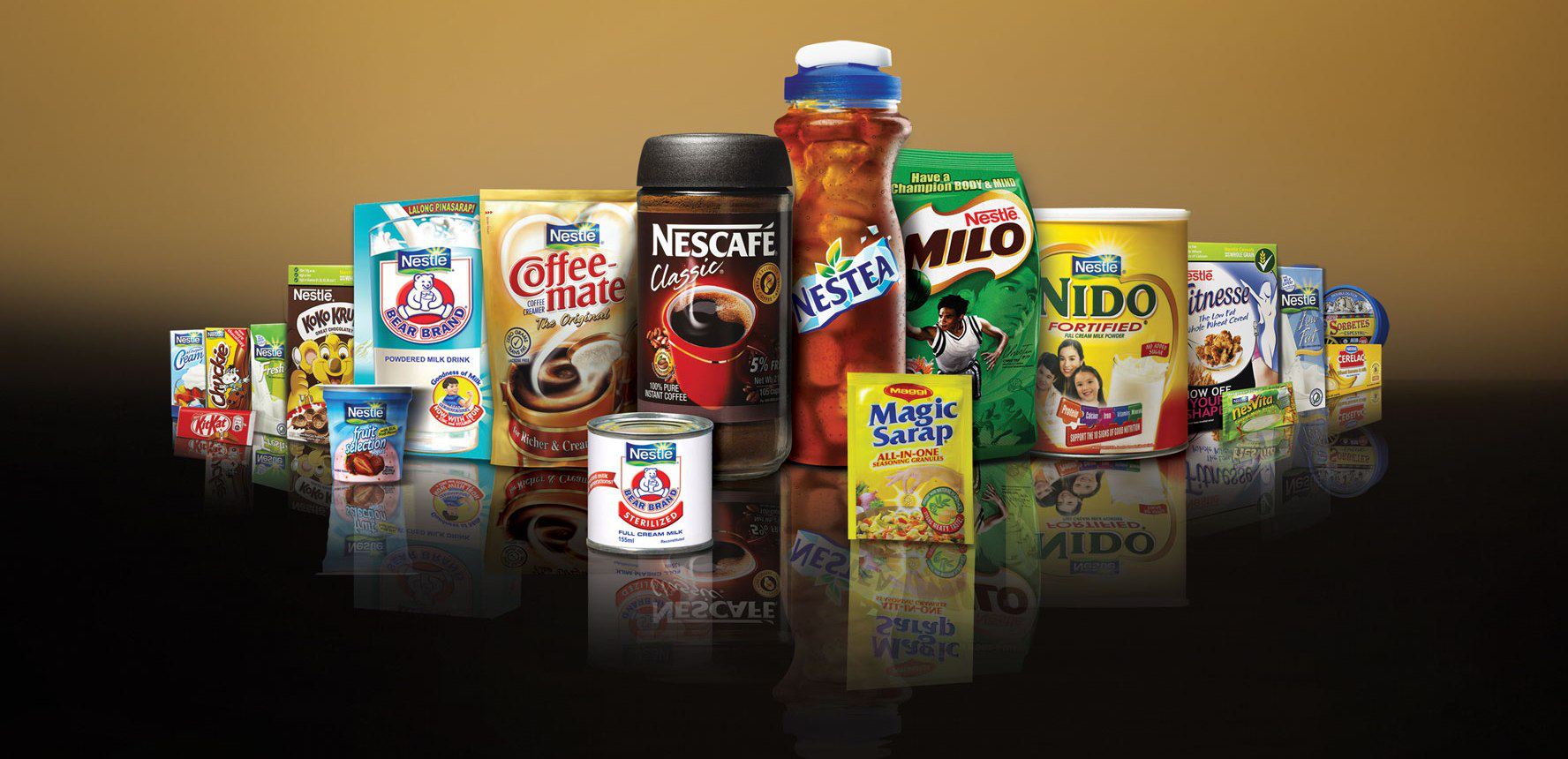
Key Takeaways for Nestlé
Global Leadership & Trusted Nutrition
Nestlé is the world’s largest food and beverage company, recognized for its innovation in nutrition, health, and wellness. Founded in 1866 in Switzerland, Nestlé’s portfolio includes global favorites like Nescafé, KitKat, and Maggi. With operations in 180+ countries, it’s a pioneer in sustainability and consumer trust.
Key Highlights:
- World’s leading food and beverage brand.
- Portfolio includes Nescafé, KitKat, and Maggi.
- Focused on nutrition, health, and sustainable innovation.
- Strong global presence and brand trust.
Nestlé: The Undisputed Giant
Nestlé stands tall as the world’s largest food and beverage company, with a legacy that spans over 150 years. Headquartered in Vevey, Switzerland, this global titan has become a household name across continents, trusted by millions for its consistency, quality, and innovation. From baby food and bottled water to coffee, cereals, and pet care, Nestlé dominates nearly every food and nutrition category.
Nestle Brand That Grew with the World
What started as a small company offering infant formula in the 19th century quickly transformed into a multinational brand with a presence in over 180 countries. Nestlé’s ability to evolve with changing consumer preferences has played a huge role in its global dominance. While some companies stick to their core products, Nestlé has consistently expanded its range, acquiring beloved brands and launching new ones to meet growing demand for health, wellness, and convenience.
Popular products like Nescafé, KitKat, Maggi, and Purina have cemented Nestlé’s reputation for quality and innovation. The company doesn’t just feed people—it influences how they eat, what they value, and what they expect from the brands they trust. Its products cater to all age groups, lifestyles, and cultural preferences, making it incredibly adaptive to both developed and emerging markets.
Nestle Company: Leading with Responsibility and Purpose
In today’s competitive landscape, Nestlé’s leadership extends far beyond profits. The company is deeply committed to sustainability, community development, and responsible sourcing. Through its “Creating Shared Value” initiative, Nestlé focuses on nutrition, water conservation, rural development, and reducing its environmental footprint.
It has also embraced digital transformation, using cutting-edge technology to track ingredients, reduce waste, and offer healthier product options. Nestlé’s investment in plant-based foods and reduced-sugar alternatives shows a clear commitment to healthier living, aligning with growing consumer awareness around diet and wellness.
Whether it’s pioneering innovations in food science or supporting global health initiatives, Nestlé continues to set the gold standard in the global food industry. Its influence is more than financial—it’s cultural, societal, and even emotional, as many people around the world grow up with Nestlé products woven into the fabric of their daily lives.
- Sources Include / Discover More: Nestlé, The World’s Largest Food and Beverage Company
- Also Read: Best Cybersecurity Companies
#2
PepsiCo
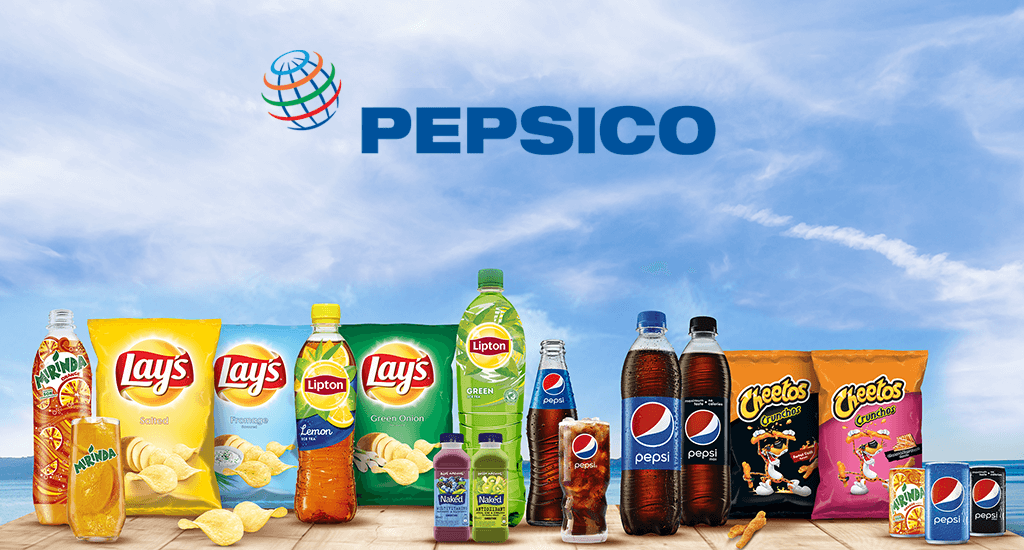
Key Takeaways for PepsiCo
Innovation & Global Brand Dominance
PepsiCo is a global food and beverage powerhouse known for its dynamic range of snacks and drinks. Founded in 1965, it owns iconic brands like Pepsi, Lay’s, Quaker, and Gatorade. With a presence in over 200 countries, PepsiCo combines innovation, marketing brilliance, and consistent quality.
Key Highlights:
- Home to Pepsi, Lay’s, and Quaker brands.
- Operates in 200+ countries worldwide.
- Industry leader in snacks and beverages.
- Known for strong sustainability and consumer engagement.
PepsiCo: The Powerhouse of Food and Beverages
PepsiCo is one of the most recognized food and beverage giants in the world, headquartered in Purchase, New York. Founded in 1965 through the merger of Pepsi-Cola and Frito-Lay, the company has since built a powerhouse portfolio that stretches across snacks, beverages, and packaged foods. With operations in more than 200 countries and territories, PepsiCo serves over a billion consumers every day with its iconic brands.
PepsiCo's Iconic Brands and Global Reach
PepsiCo owns a massive list of household favorites, including Pepsi, Lays, Gatorade, Tropicana, Doritos, Quaker Oats, and Mountain Dew. Each of these products has become a global sensation in its own right. Whether you’re reaching for a cold soda, a quick energy drink, or a savory snack, chances are you’re picking something from the PepsiCo family.
Its balanced mix of snack foods and beverages allows the company to thrive in nearly every market, from fast-paced urban centers to rural towns. PepsiCo’s strength lies in its diverse product offerings and adaptability to local tastes—offering spicy Lays in India, fruit-flavored sodas in Latin America, and health-focused granola bars in the U.S. and Europe.
Innovation, Sustainability, and Consumer Focus
What keeps PepsiCo ahead isn’t just its popular products—it’s the way the company constantly reinvents itself. PepsiCo invests heavily in R&D to explore healthier, low-calorie, and functional food options in response to growing health consciousness among consumers. The launch of low-sugar beverages and plant-based snacks proves its commitment to long-term sustainability and public health.
Sustainability is a cornerstone of PepsiCo’s mission. Through its “Pep+” (PepsiCo Positive) strategy, the company has set bold goals to reduce carbon emissions, cut down on plastic use, and promote regenerative agriculture. PepsiCo also works closely with farmers, suppliers, and communities to ensure ethical sourcing and reduce environmental impact throughout its value chain.
As one of the best food brands in the world, PepsiCo isn’t just selling products—it’s shaping lifestyles. Its ability to combine fun, flavor, and future-focused values has made it a permanent fixture in pantries across the globe.
- Sources Include / Discover More: PepsiCo, An American Multinational Food, Snack, and Beverage Corporation
- Also Read: Best Home Insurance Companies
#3
Unilever
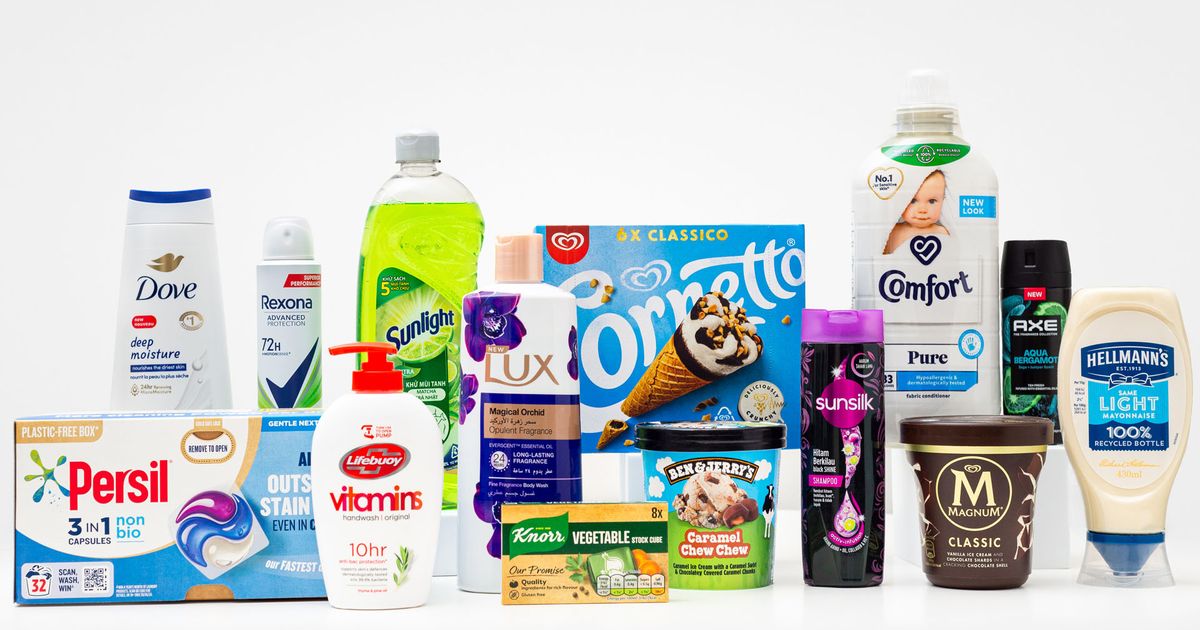
Key Takeaways for Unilever
Sustainable Growth & Global Trust
Unilever is one of the world’s most respected consumer goods and food companies. Founded in 1929, it manages brands like Knorr, Hellmann’s, and Ben & Jerry’s. With a focus on sustainability and social responsibility, Unilever shapes the future of global nutrition.
Key Highlights:
- Trusted food and FMCG multinational.
- Focus on sustainability and ethical sourcing.
- Portfolio includes Knorr, Hellmann’s, and Ben & Jerry’s.
- Operates in over 190 countries worldwide.
Unilever: The Global Force Behind Everyday Essentials
Unilever is one of the world’s most influential food and consumer goods companies, with a vast portfolio that touches nearly every home across the globe. Headquartered in London and Rotterdam, Unilever was formed in 1929 from the merger of a Dutch margarine company and a British soapmaker. Today, it operates in over 190 countries and is known not just for its scale, but for its powerful mix of trusted brands and ethical values.
Unilever Brands: A Portfolio Built on Trust and Variety
Unilever’s food division is home to some of the most recognizable names in the global market. From Knorr’s rich soups and bouillons to the indulgent sweetness of Ben & Jerry’s and the creamy delights of Hellmann’s mayonnaise, Unilever covers a full spectrum of taste and culinary convenience.
What makes Unilever’s food brands stand out is their adaptability. The company tailors its offerings to suit regional palettes, nutritional preferences, and cultural tastes. Whether it’s introducing vegetarian options in India or sustainably sourced ingredients in Europe, Unilever is constantly evolving to meet consumer demand.
Innovation with Purpose
Unilever is at the forefront of purpose-driven branding. The company’s “Future Foods” initiative commits to doubling the number of products that deliver positive nutrition and reducing food waste across its supply chain. They also aim to transition toward plant-based alternatives to support a more sustainable global food system.
Unilever is deeply invested in health, nutrition, and climate-conscious innovation. Their reformulated recipes include less salt, sugar, and saturated fat, while still maintaining the flavor consumers love. This innovation has helped the company maintain brand loyalty in an age of rising wellness awareness.
Unilever's Sustainability and Social Impact
Unilever’s leadership in sustainability is second to none. The company champions ethical sourcing, fair trade practices, and environmental stewardship through programs like the Unilever Sustainable Living Plan. They work with thousands of farmers to ensure ingredients are grown responsibly, water is conserved, and waste is minimized.
Unilever has redefined what it means to be a food brand in the 21st century. It’s not just about what people eat, but how that food impacts communities, health, and the planet. That commitment has helped Unilever remain a global leader in both market share and consumer trust.
- Sources Include / Discover More: Unilever PLC, A British Multinational Consumer Packaged Goods Company
- Also Read: Best Pet Insurance Companies
#4
Coca-Cola Company
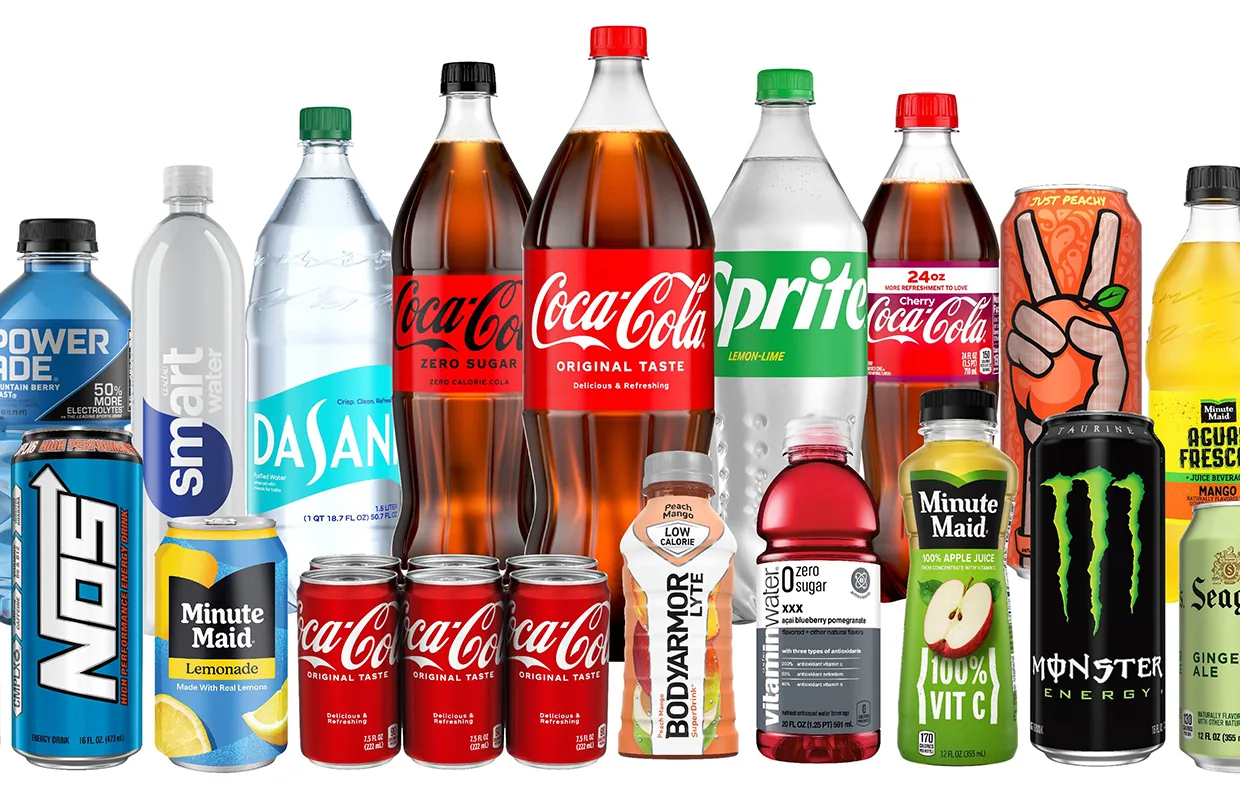
Key Takeaways for The Coca-Cola Company
Iconic Beverages & Timeless Brand Value
The Coca-Cola Company is a global beverage leader synonymous with refreshment and happiness. Founded in 1886 in Atlanta, USA, Coca-Cola’s portfolio includes Fanta, Sprite, and Minute Maid. Its unmatched marketing, global reach, and iconic taste define its legacy.
Key Highlights:
- Creator of the world’s most recognized beverage brand.
- Operates in 200+ countries.
- Portfolio includes Coca-Cola, Fanta, and Sprite.
- Global leader in marketing and brand influence.
The Coca-Cola Company: The World’s Beverage Icon
The Coca-Cola Company is arguably the most iconic beverage brand in history. Founded in 1886 in Atlanta, Georgia, Coca-Cola has grown from a single soda fountain product into a global beverage empire. Today, it operates in over 200 countries and boasts a portfolio of more than 200 brands across various drink categories—from soft drinks and fruit juices to sports beverages, teas, and bottled water.
Coca-Cola Brands: A Legendary Brand with Universal Appeal
Coca-Cola’s flagship product—Coca-Cola Classic—is a cultural symbol recognized on every continent. But the company’s reach goes far beyond the red-and-white label. It owns beloved global brands such as Sprite, Fanta, Minute Maid, Dasani, Powerade, and Simply, offering something for every taste and lifestyle.
The Coca-Cola Company is known for creating beverages that transcend generations. Whether it’s a can of Coke during a family BBQ or a bottle of Powerade after a workout, their products are woven into everyday moments around the world. This emotional connection gives Coca-Cola a competitive edge few can match.
Coca-Cola Company: Innovation That Leads the Industry
Coca-Cola is constantly adapting to global trends, especially the growing demand for health-conscious options. The company has expanded its product lines to include zero-calorie sodas, low-sugar fruit juices, enhanced hydration drinks, and plant-based beverages. Through brands like Coca-Cola Zero Sugar and Smartwater, the company balances indulgence with wellness.
In addition to product innovation, Coca-Cola invests in digital transformation, data-driven marketing, and intelligent distribution systems. These advancements allow the brand to stay relevant and connected with modern consumers, both online and in-store.
Coca-Cola's Sustainability and Corporate Responsibility
Coca-Cola is also serious about sustainability. Its “World Without Waste” initiative focuses on creating 100% recyclable packaging, recovering every bottle sold, and using more sustainable materials. The company has also taken steps to improve water stewardship, reduce carbon emissions, and support recycling programs across the globe.
Corporate social responsibility is a cornerstone of Coca-Cola’s brand. From disaster relief to community development and youth empowerment, Coca-Cola is more than a beverage company—it’s a global citizen committed to positive impact.
The Coca-Cola Company has maintained its leadership in the food and beverage industry not only through timeless branding but by consistently evolving with purpose, innovation, and responsibility.
- Sources Include / Discover More: The Coca-Cola Company, An American Multinational Corporation Founded in 1892
- Also Read: Best Exclusive Credit Cards
#5
Kraft Heinz
Key Takeaways for Kraft Heinz
Heritage & Packaged Food Excellence
Kraft Heinz is a global leader in packaged foods, created by the merger of Kraft and Heinz in 2015. Known for Heinz Ketchup and Kraft Mac & Cheese, it delivers trusted quality and nostalgic flavor to millions of households.
Key Highlights:
- Iconic packaged food multinational.
- Known for Heinz Ketchup and Kraft Mac & Cheese.
- Operates in 40+ countries globally.
- Focused on innovation and brand heritage.
Kraft Heinz: Powerhouse of Pantry Staples
The Kraft Heinz Company is one of the most well-known names in the global food industry, formed in 2015 through the historic merger of Kraft Foods Group and H.J. Heinz Company. Headquartered in both Chicago and Pittsburgh, this American giant has become synonymous with comfort food, convenience, and culinary nostalgia.
With a presence in over 40 countries, Kraft Heinz is a key player in both the North American and international food markets. Despite its relatively recent formation, its legacy spans more than a century, thanks to the deep roots of its founding brands.
Kraft Heinz Brands: A Heritage of Household Favorites
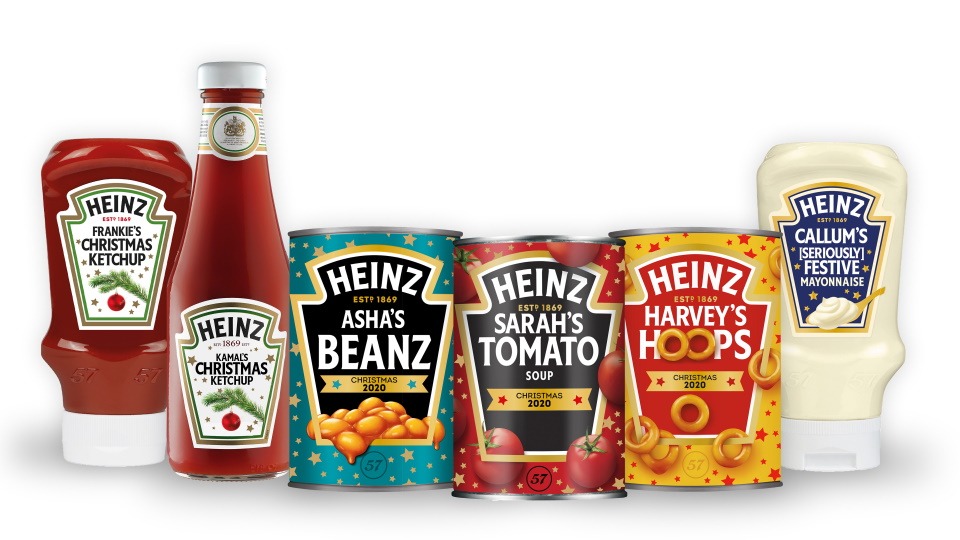
When you think of pantry staples, Kraft Heinz likely dominates your mental grocery list. The company’s product portfolio is filled with iconic names such as Heinz Ketchup, Kraft Mac & Cheese, Velveeta, Philadelphia Cream Cheese, and Capri Sun.
These products aren’t just top-sellers—they’re cultural mainstays. Heinz Ketchup, for instance, is the gold standard of condiments in many households worldwide, while Kraft Mac & Cheese is a go-to comfort dish for millions. The familiarity and trust that these brands evoke make Kraft Heinz a leader in consumer loyalty.
Adapting to Modern Consumer Demands
Kraft Heinz has made major strides in meeting modern dietary and lifestyle preferences. The company is actively reformulating its products to offer organic, gluten-free, reduced-sodium, and plant-based alternatives. Their investment in innovation and R&D is evident in new launches that cater to millennials, health-conscious buyers, and convenience-driven consumers.
Moreover, Kraft Heinz leverages digital insights and AI-powered consumer analytics to optimize its product development and marketing strategies, keeping its offerings aligned with current trends.
Kraft Heinz: Focused on Sustainability and Growth
Sustainability is a growing focus for Kraft Heinz. The company has committed to reducing its carbon footprint, improving packaging recyclability, and sourcing ingredients responsibly. Its “Sustainable Agricultural Practices” program works directly with farmers to ensure ethical and eco-friendly farming.
Additionally, Kraft Heinz is expanding into emerging markets while strengthening its e-commerce footprint. Through partnerships with food delivery services and online retailers, the company ensures its products are just a click away for consumers around the globe.
Kraft Heinz has successfully blended timeless tradition with forward-thinking innovation, securing its spot as one of the most influential and trusted food brands in the world.
- Sources Include / Discover More: Kraft Heinz, An American Multinational Food Company
- Also Read: Best Online Colleges in the World
#6
Mondelez International
Key Takeaways for Mondelez International
Snacking Powerhouse & Global Sweetness
Mondelez International dominates the global snack and confectionery industry with beloved brands like Oreo, Cadbury, and Toblerone. Founded in 2012, Mondelez continues to drive innovation in sustainable snacking and global taste experiences.
Key Highlights:
- Home to Oreo, Cadbury, and
- Leading global snack and confectionery company.
- Focused on sustainable sourcing and innovation.
- Operates in 160+ countries worldwide.
Mondelez International: The King of Global Snacking
Mondelez International is a snacking powerhouse that dominates the global market with some of the most beloved and trusted treats on the planet. Headquartered in Chicago, USA, and established in 2012 as a spin-off from Kraft Foods, Mondelez quickly positioned itself as a global leader in the confectionery, biscuit, gum, and snack food industries.
Operating in over 160 countries, Mondelez’s success lies in its ability to combine timeless favorites with dynamic innovation. The brand’s commitment to quality, taste, and convenience makes it a go-to choice for consumers craving indulgent snacks and sweet moments worldwide.
A Portfolio of Iconic Brands
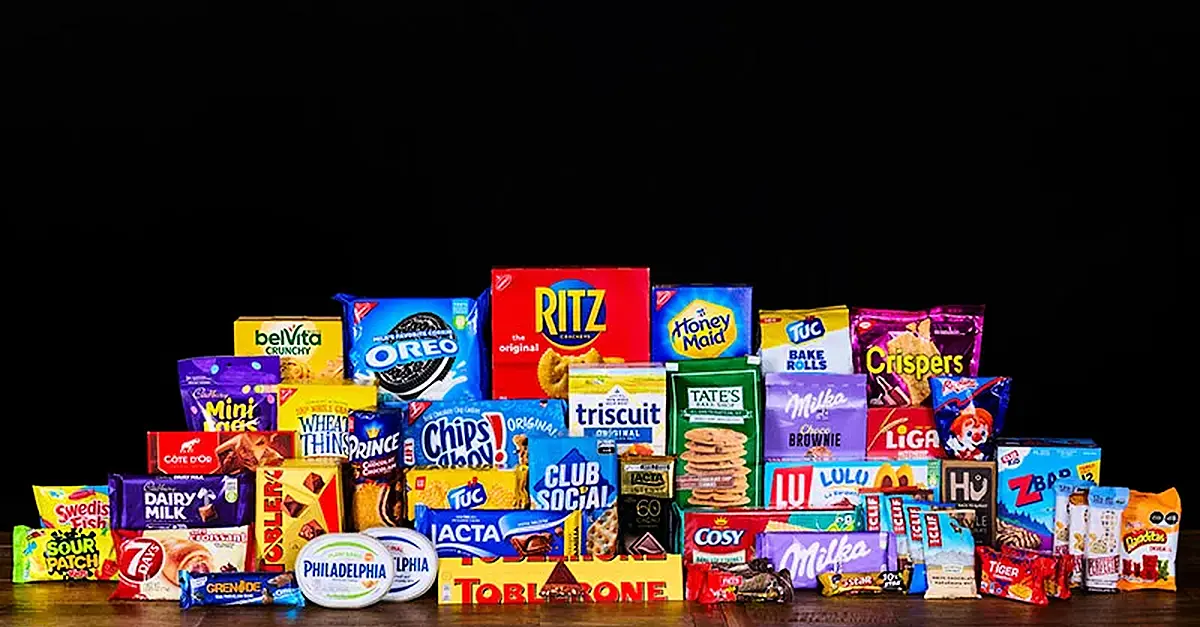
Mondelez owns some of the most recognizable snack and chocolate brands ever created. Household names like Oreo, Cadbury, Toblerone, BelVita, Chips Ahoy!, Trident, and Ritz fill shelves in supermarkets across continents.
Oreo alone is the world’s best-selling cookie, adored for its classic cream-filled crunch and the brand’s continual reinvention through limited editions and flavor variations. Similarly, Cadbury and Toblerone are pillars of the premium chocolate segment, loved for their rich taste and brand heritage.
These products are more than just snacks—they are cultural staples that have been enjoyed across generations and borders.
Mondelez’s Innovation and Consumer-Centric Strategy
Mondelez’s growth strategy revolves around constant innovation and deep consumer understanding. The brand invests heavily in research and development to craft new flavors, improve nutritional content, and create healthier snacking options—such as reduced sugar, high-protein, and portion-controlled offerings.
Their “Snacking Made Right” initiative reflects this mission by promoting mindful snacking without compromising taste. Mondelez also tailors its products to regional preferences, ensuring cultural relevance and maximum appeal in diverse markets.
The company leverages cutting-edge technology, digital marketing, and omnichannel sales strategies to stay relevant in an increasingly competitive landscape.
Mondelez: Sustainability with a Sweet Touch
Sustainability is at the heart of Mondelez International’s long-term vision. Through its Cocoa Life and Harmony Wheat programs, the company supports responsible sourcing, better farmer livelihoods, and environmentally friendly farming methods.
Additionally, Mondelez is committed to reducing plastic waste by ensuring 100% of its packaging is recyclable by 2026. This proactive approach resonates with eco-conscious consumers and reinforces the brand’s role as a responsible industry leader.
With its winning blend of tradition, taste, and innovation, Mondelez International remains a top contender in the global food landscape—setting the standard for what great snacking looks and feels like.
- Sources Include / Discover More: Mondelez International, An American Multinational Company
- Also Read: Best Food Dishes in the World
#7
General Mills
Key Takeaways for General Mills
Family Favorites & Global Reliability
General Mills is one of the most trusted food brands worldwide, known for household staples like Cheerios, Yoplait, and Betty Crocker. Founded in 1928, it continues to shape breakfast and family dining experiences across the globe.
Key Highlights:
- Known for Cheerios, Yoplait, and Pillsbury.
- Trusted name in family foods and cereals.
- Global operations in over 100 countries.
- Emphasis on quality, nutrition, and innovation.
General Mills: Innovating Everyday Food Staples
General Mills is a globally respected food brand that has become synonymous with household staples and timeless favorites. Founded in 1928 and headquartered in Minneapolis, USA, the company has built a stellar reputation for delivering high-quality cereals, baking products, dairy, and convenient meal solutions. With a presence in over 100 countries, General Mills has secured its place among the most trusted food manufacturers in the world.
Its brand legacy is deeply rooted in American kitchens and extends far beyond, touching millions of families across continents who rely on its products for nutrition, comfort, and taste.
General Mills' Iconic Brands That Define Mornings
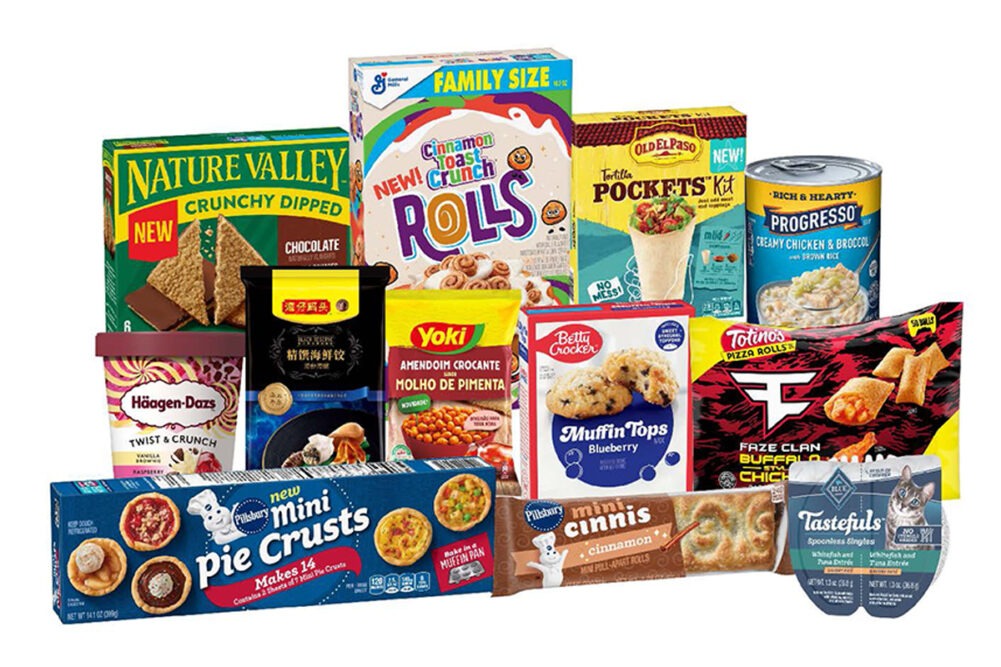
General Mills is best known for its powerful lineup of breakfast cereals, including Cheerios, Wheaties, Cinnamon Toast Crunch, and Lucky Charms. These iconic products are more than just cereals—they’re a part of cultural memory and everyday life for countless consumers.
Cheerios, for instance, is marketed as a heart-healthy option and has been a breakfast favorite for decades. Lucky Charms blends nostalgia and flavor, captivating both kids and adults with its colorful marshmallows and fun branding.
Beyond breakfast, General Mills also owns Yoplait (a leading yogurt brand), Betty Crocker (famous for baking mixes and cooking aids), and Pillsbury (renowned for doughs and pastries). Each brand serves a specific niche while contributing to the company’s massive global footprint.
Strategy Focused on Innovation and Wellness
To stay competitive and relevant, General Mills continually innovates. It emphasizes health-focused trends like organic ingredients, gluten-free options, low-sugar recipes, and plant-based alternatives. Their acquisition of Annie’s—a popular organic and natural food brand—demonstrates this shift toward clean-label offerings.
In addition, General Mills invests in digital transformation, e-commerce expansion, and AI-powered demand forecasting to streamline operations and enhance customer engagement.
Its proactive efforts in reformulating products with better nutrition profiles have strengthened its appeal to health-conscious consumers worldwide.
General Mills' Sustainability and Social Impact
General Mills is also deeply committed to sustainability and ethical practices. Through regenerative agriculture initiatives, the company supports soil health, water conservation, and biodiversity. It also aims to reduce greenhouse gas emissions and improve packaging sustainability by 2030.
Their social responsibility programs focus on community development, hunger relief, and improving access to nutritious food. These actions not only align with global sustainability goals but also foster long-term consumer trust.
General Mills proves that a legacy brand can evolve with the times—balancing taste, health, and responsibility with exceptional results.
- Sources Include / Discover More: General Mills, An American Multinational Manufacturer and Marketer of Branded Consumer Foods
- Also Read: Best Fashion Brands in the World
#8
Danone
Key Takeaways for Danone
Health & Sustainability Leadership
Danone is a global leader in health-focused food and beverage solutions. Founded in 1919 in Paris, Danone’s top brands—Activia, Evian, and Nutricia—reflect its mission to bring health through food to as many people as possible.
Key Highlights:
- Global leader in dairy, water, and nutrition.
- Focused on sustainability and health innovation.
- Brands include Activia, Evian, and Nutricia.
- Presence in 120+ countries worldwide.
Danone: Pioneering Health-Focused Nutrition
Danone, headquartered in Paris, France, is one of the world’s leading food and beverage companies with a strong emphasis on health, wellness, and sustainability. Founded in 1919, Danone has evolved from a small yogurt business into a global powerhouse present in over 120 countries. Its mission, “Bringing health through food to as many people as possible,” shapes every product and initiative.
With a powerful brand portfolio and a deep commitment to innovation, Danone continues to redefine what modern consumers expect from food companies—nutritional value, trust, and impact.
Danone’s Health-Centric Product Portfolio
Danone’s products are strategically divided into four major segments: Essential Dairy and Plant-Based Products, Waters, Specialized Nutrition (including medical and infant nutrition), and Early Life Nutrition.
Among its flagship brands are:
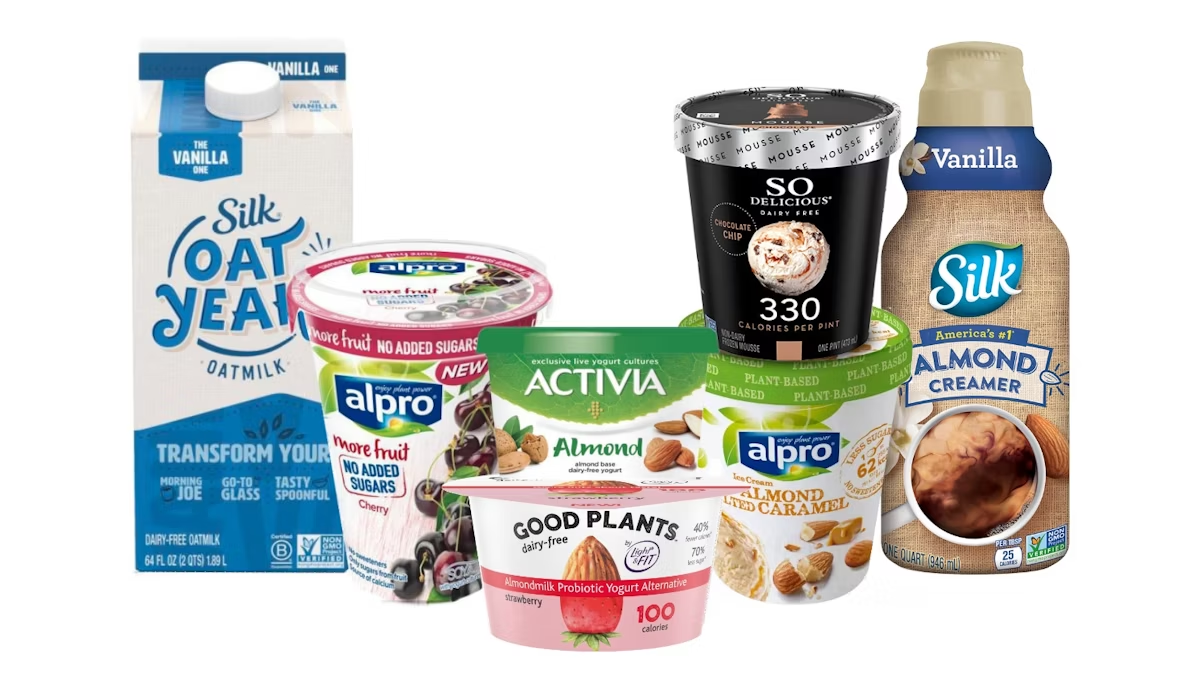
- Activia – a probiotic-rich yogurt aimed at improving digestive health.
- Evian – premium natural spring water sourced from the French Alps.
- Alpro – a leader in plant-based alternatives like almond, soy, and oat milk.
- Nutricia – a pioneer in medical nutrition and infant formula.
Each brand under Danone emphasizes health benefits, clean ingredients, and sustainability—appealing to modern consumers who care about what they consume and where it comes from.
Innovation with Purpose
Danone leads the industry in nutritional science and sustainable agriculture. The company invests heavily in R&D, focusing on probiotics, immunity-boosting foods, and plant-based nutrition.
As part of its “One Planet. One Health” vision, Danone has embraced a dual commitment to both business success and social responsibility. Its introduction of plant-based innovations like the Danone North America portfolio reflects the growing demand for dairy-free and vegan-friendly options.
Danone also uses AI and big data to track changing consumer preferences, which helps them stay ahead in product development and marketing strategy.
Danone’s Sustainability and Ethical Leadership
Danone is a certified B Corp in multiple countries, showcasing its dedication to ethical sourcing, reducing carbon emissions, and transparent supply chains. It aims to become fully carbon neutral by 2050 and is already making strides in reducing plastic use and switching to recyclable packaging.
Through programs like regenerative farming and clean water initiatives, Danone proves that profitability and purpose can go hand-in-hand. This commitment not only strengthens its global brand reputation but also resonates strongly with environmentally conscious consumers.
- Sources Include / Discover More: Danone, A French Multinational Food-Products Corporation Based in Paris
- Also Read: Best Real Estate in the World
#9
Mars Inc.
Key Takeaways for Mars Inc.
Confectionery Excellence & Global Reach
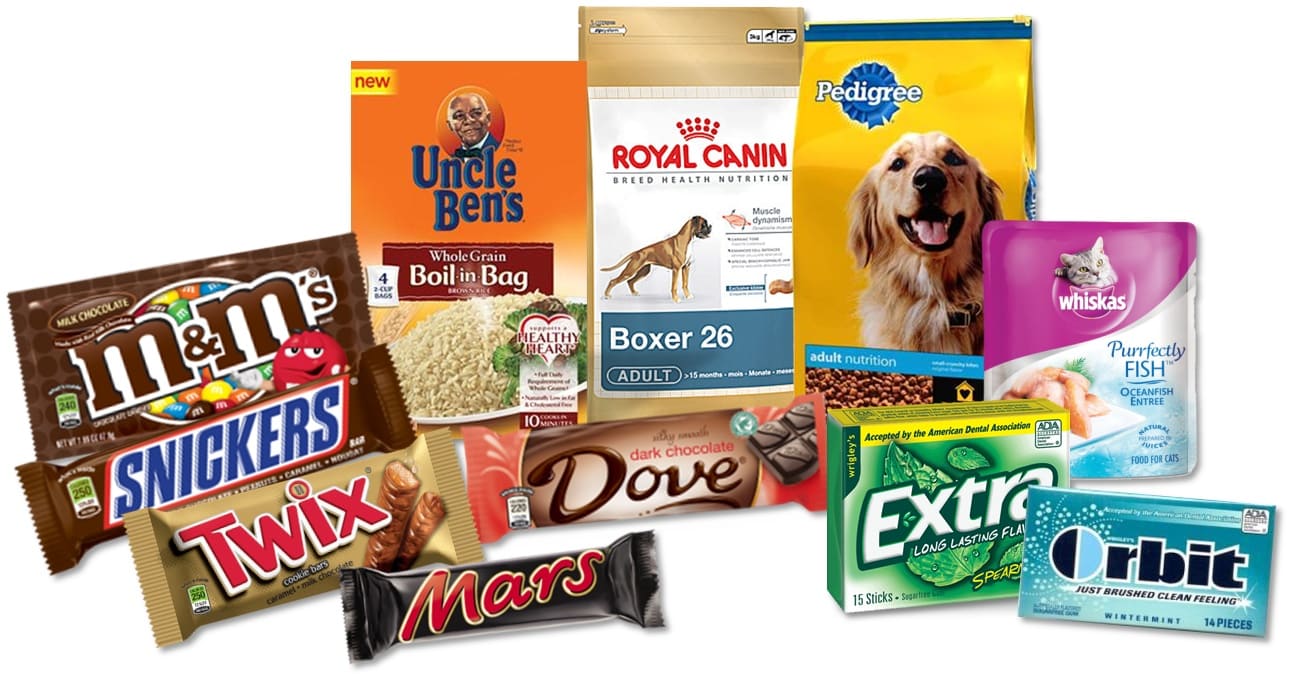
Mars Inc. is one of the world’s most iconic confectionery and food companies. Founded in 1911, it owns M&M’s, Snickers, and Mars bars, along with pet care and food divisions, combining heritage and modern innovation.
Key Highlights:
- Famous for M&M’s, Snickers, and Mars bars.
- Family-owned global food and confectionery leader.
- Operates in 80+ countries.
- Strong legacy in innovation and brand loyalty.
Mars Inc.: A Legacy of Sweet Success and Innovation
Mars Inc., based in McLean, Virginia, is a privately-owned, family-run food giant renowned globally for its iconic confectionery, pet care, and food products. Founded in 1911 by Frank C. Mars, this American brand has grown into one of the most trusted and beloved names in the food industry, with a presence in over 80 countries.
With annual revenues exceeding $45 billion, Mars Inc. stands out not only for its mouthwatering candy but also for its strategic diversification and commitment to quality, sustainability, and innovation.
Mars Brands: World-Famous Brands Loved by All Ages
Mars is best known for its confectionery products, with legendary brands that have become household staples:
- M&M’s – colorful chocolate buttons enjoyed by millions worldwide.
- Snickers – the world’s best-selling candy bar, packed with peanuts and caramel.
- Twix – crunchy biscuit sticks layered with caramel and coated in chocolate.
- Mars Bar – the original classic that launched the company’s global journey.
Beyond chocolate, Mars Inc. has expanded into:
- Pet Care – owning leading brands like Pedigree, Whiskas, Royal Canin, and Banfield Pet Hospitals.
- Food Products – including Uncle Ben’s (now Ben’s Original), a top choice in ready-to-serve rice and sauces.
This broad portfolio allows Mars to dominate multiple food and non-food sectors, creating brand loyalty across generations.
Innovation and Consumer Trust
One of Mars Inc.’s defining traits is its relentless focus on product consistency and innovation. Whether it’s creating fun limited-edition M&M flavors or enhancing pet food with advanced nutrition, Mars listens to its global consumers.
The company also invests heavily in food safety, supply chain transparency, and R&D to maintain top-tier quality standards. This dedication has helped it build lasting trust and strong brand equity in competitive markets.
Mars' Commitment to Sustainability and Responsibility
Mars Inc. is serious about sustainability and ethical sourcing. Through its “Sustainable in a Generation” plan, it is working to reduce greenhouse gas emissions, source cocoa responsibly, and ensure better wages for smallholder farmers.
Mars also engages in plastic reduction initiatives and promotes animal welfare across its pet care brands. As a result, Mars Inc. is increasingly recognized not just for flavor, but for integrity and environmental responsibility.
With its perfect blend of nostalgia, innovation, and ethics, Mars Inc. continues to be a global leader in both hearts and markets.
- Sources Include / Discover More: Mars Inc., A Privately-Owned, Family-Run Food Giant
- Also Read: Best Restaurants in the World
#10
Tyson Foods
Key Takeaways for Tyson Foods
Protein Leadership & Sustainable Growth
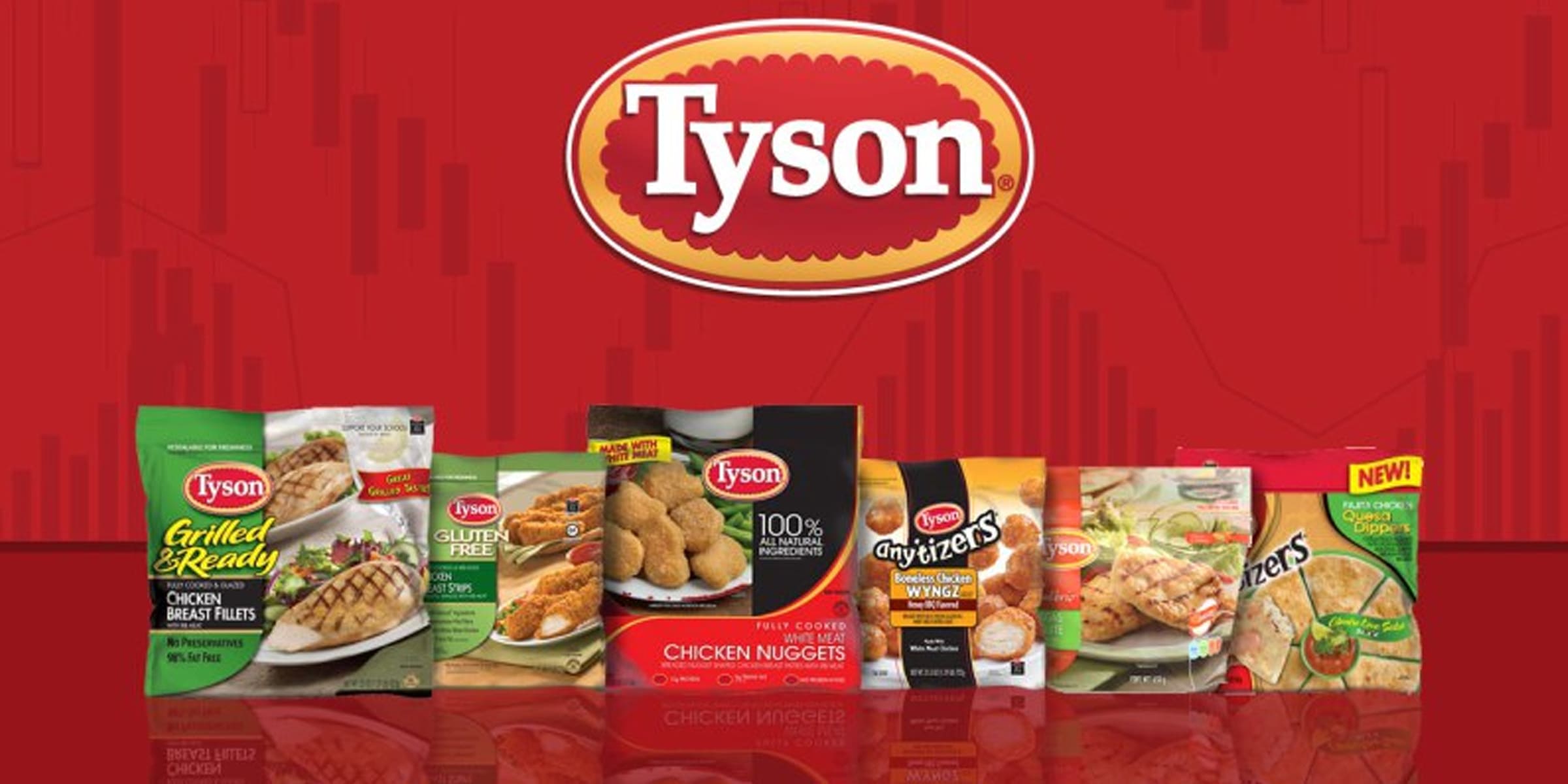
Tyson Foods is a global protein powerhouse and one of the largest meat producers in the world. Established in 1935 in the USA, Tyson’s portfolio includes Tyson Chicken, Hillshire Farm, and Jimmy Dean, feeding millions daily.
Key Highlights:
- Global leader in protein and meat production.
- Known for Tyson Chicken and Hillshire Farm.
- Operates in 100+ countries.
- Focused on innovation and sustainability in food production.
Tyson Foods: The Powerhouse of Protein
Tyson Foods, headquartered in Springdale, Arkansas, USA, is one of the world’s largest producers of meat and prepared foods. Founded in 1935 by John W. Tyson, the company has grown into a global leader in protein production, supplying consumers with high-quality poultry, beef, and pork products. Tyson’s footprint now spans over 100 countries, making it a cornerstone of the global food industry.
Tyson Foods: Comprehensive Product Range and Market Reach
Tyson Foods is synonymous with fresh, frozen, and value-added meat products. Its extensive portfolio includes:
- Tyson Chicken – the flagship brand known for fresh chicken breasts, wings, and ready-to-cook items.
- Hillshire Farm – famous for smoked sausages, deli meats, and lunchbox favorites.
- Jimmy Dean – a trusted name in breakfast sausages and prepared foods.
- Ball Park – renowned for premium hot dogs and sausages.
The company also offers a variety of plant-based protein products under its “Raised & Rooted” line, reflecting consumer shifts toward alternative proteins.
Tyson Foods serves retail grocery chains, foodservice providers, and international markets, leveraging a robust supply chain and advanced processing facilities to meet growing protein demands worldwide.
Innovation in Food Safety and Quality
Tyson Foods has invested heavily in technology to ensure the highest food safety standards. Their state-of-the-art processing plants use cutting-edge automation, traceability systems, and strict quality controls to guarantee product consistency and safety.
The company is also focused on transparency, providing consumers with clear labeling and sourcing information to build trust in an increasingly health-conscious market.
Tyson Foods' Commitment to Sustainability and Animal Welfare
Tyson Foods is committed to reducing its environmental impact through initiatives such as water conservation, waste reduction, and lowering greenhouse gas emissions. The company has set ambitious goals to improve sustainable farming practices and enhance animal welfare standards across its supply chain.
Tyson’s partnerships with farmers and communities aim to promote responsible agriculture, ensuring the sustainability of protein sources for future generations.
- Sources Include / Discover More: Tyson Foods, Inc., An American Multinational Food Corporation Based in Springdale, Arkansas
- Also Read: Best Luxury SUVs in the World
Key FAQs on the 10 Best Food Brands in the World
Why is Nestlé considered the number one food brand in the world?
Nestlé is considered the number one food brand in the world due to its unmatched global scale, diversified portfolio, and scientific focus on nutrition and health.
Founded in 1866 in Vevey, Switzerland, Nestlé operates in over 180 countries with iconic brands such as Nescafé, KitKat, and Maggi generating billions in annual revenue.
According to Wikipedia, Statista, and Nestlé annual reports, it is the world’s largest food and beverage company by sales.
What makes PepsiCo one of the best global food and drink brands?
PepsiCo ranks among the best global food and beverage brands due to its dominance in both snacks and drinks.
Founded in 1965 and headquartered in the United States, PepsiCo owns market leaders like Pepsi, Lay’s, Quaker, Doritos, and Gatorade, serving consumers in over 200 countries.
As reported by Statista, Forbes, and PepsiCo investor data, its diversified portfolio and sustainable Pep+ strategy drive long-term global growth.
Why is Unilever ranked among the best food brands in the world?
Unilever is ranked among the world’s best food brands due to its massive global reach and trusted household products.
Founded in 1929, Unilever sells food brands like Knorr, Hellmann’s, and Ben & Jerry’s across more than 190 countries.
According to Wikipedia, Unilever sustainability reports, and global FMCG rankings, its commitment to ethical sourcing, nutrition, and innovation strengthens long-term consumer trust worldwide.
Why is The Coca-Cola Company one of the top food and beverage brands worldwide?
The Coca-Cola Company is one of the top food and beverage brands due to its unmatched brand recognition and global distribution.
Founded in 1886, Coca-Cola sells beverages like Coca-Cola, Sprite, Fanta, and Minute Maid in over 200 countries.
According to Interbrand rankings, Wikipedia, and Coca-Cola investor data, it remains one of the most valuable and influential consumer brands in history.
What makes Kraft Heinz one of the leading packaged food brands?
Kraft Heinz is a leading packaged food brand because of its iconic legacy products and global consumer trust.
Formed in 2015, the company owns Heinz Ketchup, Kraft Mac & Cheese, and Philadelphia Cream Cheese, operating across 40+ countries.
According to company filings, Wikipedia, and global food rankings, its scale, affordability, and brand recognition secure its place among top food companies.
Why is Mondelez International ranked among the best food companies?
Mondelez International is ranked among the best food companies for its dominance in global snacks and confectionery.
Founded in 2012, Mondelez owns Oreo, Cadbury, Toblerone, and Ritz, serving consumers in over 160 countries.
According to Statista, Wikipedia, and Mondelez annual reports, it is one of the world’s largest snack food companies by revenue.
What makes General Mills a leading food brand worldwide?
General Mills is a leading food brand due to its strength in breakfast cereals and packaged foods.
Founded in 1928, it owns Cheerios, Betty Crocker, Pillsbury, and Yoplait, with operations spanning over 100 countries.
According to company data, Wikipedia, and global food rankings, General Mills remains a trusted staple in millions of households worldwide.
Why is Danone one of the best food and beverage brands?
Danone is one of the best food and beverage brands because of its focus on health, nutrition, and science-based products.
Founded in 1919, Danone owns Activia, Evian, Nutricia, and Alpro, operating in over 120 countries.
According to FAO reports, Wikipedia, and Danone sustainability disclosures, it is a global leader in probiotics and medical nutrition.
Why is Mars Inc. one of the best food and beverage brands?
Mars Inc. is considered one of the best food and beverage brands due to its diversified portfolio across confectionery, pet care, and food.
Founded in 1911, Mars owns M&M’s, Snickers, Pedigree, Whiskas, and Ben’s Original, operating in over 80 countries.
According to Wikipedia and company disclosures, Mars is one of the world’s largest privately held food companies.
Why is Tyson Foods one of the best food and beverage brands?
Tyson Foods is one of the best food and beverage brands because of its leadership in global protein production.
Founded in 1935, Tyson is among the world’s largest producers of chicken, beef, and pork, supplying over 100 countries.
According to FAO data, Wikipedia, and Tyson Foods reports, it plays a critical role in global food security and protein supply.
The Impact of These Brands on Global Food Trends
From promoting plant-based diets to revolutionizing packaging, these companies are shaping what we eat and how we think about food. They’re often the first to invest in new food tech and champion responsible sourcing.
The Future of the Global Food Industry
With AI-driven farming, blockchain traceability, and lab-grown meat on the rise, these food giants are not just keeping pace—they’re leading the charge. The focus on sustainability, health, and transparency will only intensify in the coming decade.
Final Thoughts
From household staples to international icons, the 10 best food brands worldwide have built their reputations through relentless innovation, consistent quality, and global consumer trust. These leading food brands did not achieve success by accident—they rose to the top by balancing tradition with modern demands, making them some of the most respected global food companies in the industry.
As the food and beverage sector continues to evolve, consumer expectations increasingly focus on healthier choices, sustainable practices, and eco-friendly products. Major players like Nestlé, PepsiCo, and Tyson Foods are expanding into plant-based innovations, while Danone and Mars Inc. emphasize nutrition, transparency, and sustainability to strengthen their positions as top food brands in the world.
What sets these companies apart is their ability to adapt to changing market trends while maintaining brand authenticity. Whether it’s offering nutritious foods, indulgent treats, or pioneering new food technologies, these global food leaders continue to shape the way the world eats. With sustainability, innovation, and consumer satisfaction driving their growth, the best food brands worldwide are set to influence the future of dining—feeding generations to come, one bite at a time.
The 10 Best Food Brands Frequently Asked Questions (FAQs)
Nestlé is often ranked as the most valuable food brand globally, thanks to its vast product range and deep market penetration.
Yes, all brands on the list operate on a global scale and their products are available in supermarkets and online platforms worldwide.
Brands like Unilever and Danone focus on ethical sourcing, reducing carbon footprints, recyclable packaging, and community-driven initiatives.
Danone and General Mills have extensive health-conscious lines, including probiotic yogurts and whole-grain cereals.
They conduct regional taste tests, adjust ingredients, and collaborate with local partners to ensure their offerings resonate locally.
The 10 Best Food Brands in the World include Nestlé, PepsiCo, Unilever, Coca-Cola, Kraft Heinz, Mondelez, General Mills, Danone, Mars Inc., and Tyson Foods.
Factors include product quality, global distribution, brand trust, innovation, and sustainability practices.
About the Author
This article was researched and prepared by the World Millions Editorial Team, specialists in global rankings, premium market analysis, structured comparisons, and high-value sector research across industries.
All content undergoes verification, editorial review, and periodic updates to ensure accuracy, clarity, and alignment with recognized industry standards, reliable institutional sources, and leading global authorities.
- Last Updated: March 27, 2026 by the World Millions Editorial Team
- Original Published Date: March 27, 2026
- View Our: Editorial Team | Sources | Disclaimer | Editorial Standards