The best gourmet food buying guide represents the gateway to the world’s finest culinary treasures, where heritage craftsmanship, rare ingredients, and regional authenticity define true quality. From aged cheeses and luxury caviar to single-origin chocolate and precious saffron, these gourmet foods embody centuries of tradition, expert techniques, and exceptional flavor complexity sought by chefs and food connoisseurs worldwide.
Discover the best gourmet foods to buy, carefully selected for their authenticity, production methods, and global reputation. This guide explores premium categories such as charcuterie, olive oil, truffles, artisan breads, and luxury desserts—helping you identify authentic gourmet products, understand their origins, and experience the highest standards of global gastronomy.
On This Page
Toggle- Updated 2026 by the World Millions Editorial Team: View Author Information
What Makes Food “Gourmet”?
The word “gourmet” evokes images of elegance and indulgence—but what does it really mean? At its core, gourmet food is defined by superior ingredients, artisanal techniques, and cultural authenticity. It’s the opposite of fast food—it’s slow-crafted, detail-focused, and often passed down through generations.
Some examples?
- Handcrafted cheeses aged in caves for months.
- Ethically sourced caviar hand-harvested from pristine waters.
- Cold-pressed olive oil from sun-drenched groves in Tuscany.
- Single-origin chocolates with tasting notes as rich as wine.
Key Characteristics of Gourmet Food:
- Artisan Preparation: Carefully crafted in small batches by skilled makers.
- Rare or Limited-Availability Ingredients: Such as black truffles, saffron, or Wagyu beef.
- Time-Intensive Processes: Think slow aging, fermenting, or curing.
- Strict Quality Standards: Often certified by regional or international food authorities.
Gourmet food isn’t about quantity—it’s about refined quality. Each item tells a story of heritage, care, and unparalleled taste.
The Rise of Gourmet Culture Worldwide
Gone are the days when gourmet food was only for aristocrats and Michelin-starred restaurants. Today, the gourmet food scene is booming worldwide. Thanks to global travel, celebrity chefs, and online gourmet delivery platforms, anyone can now explore fine ingredients from every corner of the globe.
This foodie revolution has turned everyday people into curious, conscious consumers. Home cooks, Instagram foodies, and hobby chefs are prioritizing quality, authenticity, and experience over convenience and mass production.
In fact, the global gourmet food industry has grown into a $200+ billion market, and it’s not slowing down. With increasing demand for local, organic, sustainable, and ethically sourced food, gourmet culture is more accessible—and more essential—than ever before.
Key Things to Consider When Buying Gourmet Food
If you’re new to gourmet shopping, don’t worry—we’ve all been there. Knowing what to look for can help you make smarter choices and avoid overpaying for items that don’t live up to the “gourmet” label.
Origin and Authenticity
When it comes to gourmet, where a product comes from matters a lot. Authenticity is key.
- Parmigiano-Reggiano? Only from specific provinces in Italy.
- Champagne? Must be from the Champagne region of France.
- Prosciutto di Parma? Look for the official seal of origin.
Always check for geographical indications like PDO (Protected Designation of Origin) or PGI (Protected Geographical Indication). These certifications guarantee that what you’re buying is the real deal.
Freshness and Expiration Dates
Many gourmet foods—especially cheeses, cured meats, or seafood—have shorter shelf lives than their grocery-store counterparts. Always:
- Check packaging and expiration dates.
- Ask about when the product was made or imported.
- Follow storage instructions religiously to preserve quality and safety.
Organic, Artisanal, or Mass-Produced?
Not everything labeled “gourmet” is worth your money. Here’s how to spot the difference:
- Artisan: Handcrafted in small batches, usually with traditional methods.
- Organic: Grown or produced without synthetic chemicals, often certified by USDA or EU Organic standards.
- Mass-Produced: May use shortcuts or artificial ingredients but still carry a premium label.
A product can be gourmet without being organic, and vice versa. Don’t be swayed by buzzwords—read the ingredients, research the brand, and trust your taste.
Top Categories of Gourmet Food
Gourmet food spans a wide range of luxurious, high-quality categories, each offering unique flavors, textures, and cultural heritage. From artisanal cheeses and rare spices to fine meats and indulgent sweets, these top categories represent the cornerstone of every premium culinary experience.
#1
Cheese and Dairy
Key Takeaways for Cheese and Dairy
Cheese and Dairy – Artisanal Craftsmanship & Culinary Luxury
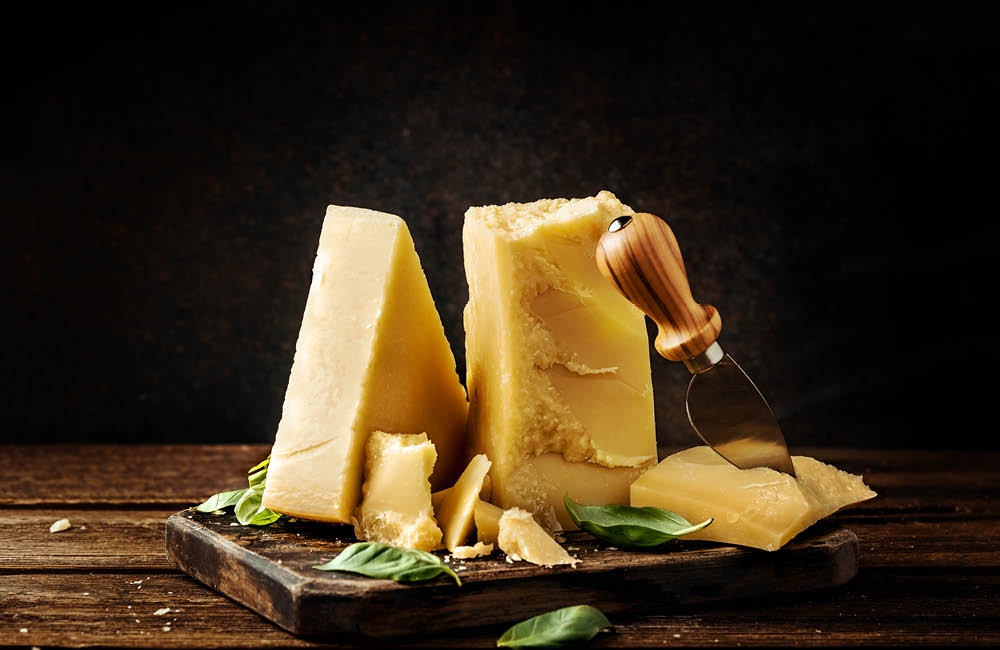
Cheese and dairy represent the soul of gourmet indulgence, offering a symphony of texture, taste, and terroir. From creamy French Brie and Italian Parmigiano-Reggiano to aged cheddar and handcrafted butter, every variety reflects heritage craftsmanship and natural richness. Premium dairy products elevate every dish — from simple breakfasts to elaborate fine dining creations.
Key Highlights:
- Features artisan cheeses like Brie, Gouda, and Blue Stilton.
- Handcrafted from grass-fed milk for superior flavor and nutrition.
- Perfect for charcuterie boards, wine pairings, and gourmet cooking.
- Represents the pinnacle of European and global dairy excellence.
Cheese and Dairy: A Gourmet Essential
Cheese and dairy products form the cornerstone of the gourmet food world, celebrated for their complexity, craftsmanship, and centuries-old traditions. From silky soft brie to hard-aged Parmigiano-Reggiano, gourmet cheeses are defined by their origin, technique, and maturation. This category is a must for anyone seeking depth of flavor, texture variation, and elevated culinary experiences.
Artisan Cheese: Tradition Meets Taste
True gourmet cheese is handmade, often in small batches, using milk from grass-fed animals or specific regional herds. Parmigiano-Reggiano, known as the “King of Cheeses,” is one such example. Produced in northern Italy and aged for a minimum of 24 months, it offers a nutty, crystalline bite that enhances pastas, risottos, and antipasto platters.
Soft cheeses like Brie de Meaux from France or burrata from Puglia bring creamy richness to charcuterie boards and salads. Washed-rind varieties such as Époisses or Taleggio offer pungent, earthy flavors for adventurous palates.
Look for PDO (Protected Designation of Origin) or AOC (Appellation d’Origine Contrôlée) labeling to ensure authenticity. These certifications confirm the cheese was made following traditional methods in a specific geographical region.
Butter, Cream, and Specialty Dairy
Beyond cheese, gourmet dairy includes high-fat cultured butter, crème fraîche, and thick yogurt from regions known for their dairy heritage. French cultured butter, especially varieties with sea salt crystals, delivers superior spreadability and depth for baking or finishing steaks.
Crème fraîche, with its mild tang and thick consistency, elevates sauces and desserts. It doesn’t curdle when heated, making it ideal for creamy pan sauces or dollops atop fruit compotes.
Look for dairy from grass-fed cows, free-range herds, or organic certifications for the highest quality. These products not only taste better but also support more sustainable farming practices.
Cheese and Dairy: Pairing and Serving Ideas
Serve gourmet cheese with raw honey, fig jam, or aged balsamic vinegar to enhance complexity. Accompany dairy-rich dishes with crusty bread, dried fruits, or fine wines. Temperature matters—most cheeses should be served at room temp to unlock their full bouquet and mouthfeel.
Cheese and dairy are more than ingredients—they’re conversation pieces, capable of turning simple dishes into memorable experiences.
- Sources Include / Discover More on Harvard: Cheese is a type of dairy product produced in a range of flavors, textures, and forms by coagulation of the milk protein casein
- Sources Include / Discover More on Harvard: Dairy products or milk products are food products made from (or containing) milk. The most common dairy animals are cow, water buffalo, goat, and sheep
- Also Read: Complete Luxury Furniture Buying Guide
#2
Meats and Charcuterie

Key Takeaways for Meats and Charcuterie
Meats and Charcuterie – Gourmet Indulgence & Savory Perfection
Meats and charcuterie are the cornerstone of fine dining — celebrating rich flavors, traditional curing techniques, and masterful preparation. From dry-aged Wagyu beef and Iberico ham to duck pâté and prosciutto di Parma, these delicacies deliver depth, aroma, and luxury to any culinary experience.
Key Highlights:
- Includes prosciutto, chorizo, pâté, and Wagyu beef.
- Crafted using age-old European curing traditions.
- Ideal for charcuterie boards, luxury entertaining, and fine dining.
- A perfect balance of texture, flavor, and gastronomic prestige.
Meats and Charcuterie: A Luxurious Gourmet Experience
Premium meats and charcuterie are at the heart of gourmet dining, prized for their rich flavor, precise curing techniques, and regional authenticity. Whether it’s silky Jamón Ibérico from Spain or hand-tied French saucisson, these delicacies bring unmatched depth to any culinary setting, from sophisticated grazing boards to high-end entrees.
Dry-Cured Meats: Time-Honored Craftsmanship
Dry-cured meats are a staple in the gourmet world, offering bold, complex flavors developed through months—or even years—of aging. Jamón Ibérico de Bellota, made from acorn-fed pigs in Spain, is considered one of the finest hams globally. Its marbled fat melts on the tongue, releasing nutty, umami-rich flavors that are both luxurious and unforgettable.
Italian prosciutto, particularly Prosciutto di Parma, delivers a delicate balance of saltiness and sweetness, aged up to 24 months. French saucisson sec, made with pork and spices, adds a rustic touch to charcuterie platters, while German speck and Hungarian salami offer regional flair and spice diversity.
When selecting dry-cured meats, always check for protected designations such as DOP or PGI, which guarantee traditional methods and origin-specific production.
Fresh and Aged Gourmet Cuts
Beyond cured selections, gourmet meats also include premium cuts like Japanese Wagyu, dry-aged ribeye, and organic lamb. Wagyu beef, especially A5-grade from Japan, is renowned for its incredible marbling and buttery texture. A small portion delivers immense flavor, making it a favorite among fine dining enthusiasts.
Dry-aged steaks, aged in humidity-controlled environments for 30 to 60 days, develop a bold, concentrated flavor and tender consistency. These cuts are ideal for special occasions and pair beautifully with full-bodied red wines or truffle-infused side dishes.
Meats and Charcuterie: Pairings and Presentation Tips
For an elevated charcuterie experience, combine meats with aged cheeses, cornichons, mustards, olives, and artisanal crackers. Add fresh herbs, roasted nuts, and dried fruits for texture and color contrast. Serve meats thinly sliced at room temperature to allow their full flavor to develop.
High-quality meats and charcuterie offer more than nourishment—they represent history, tradition, and a commitment to excellence. Incorporating these into your gourmet lifestyle is a celebration of slow food, craftsmanship, and global flavor heritage.
- Sources Include / Discover More: Meat is animal tissue, mostly muscle, that is eaten as food. Humans have hunted and farmed other animals for meat since prehistory
- Sources Include / Discover More: Charcuterie is the French culinary art of preparing and assembling cured meats—such as salami, prosciutto, and pâté—often paired with cheeses, fruits, crackers, and spreads on a board
- Also Read: Best High-End Treadmill Buying Guide
#3
Chocolates and Confections
Key Takeaways for Chocolates and Confections
Chocolates and Confections – Decadent Luxury & Sensory Delight
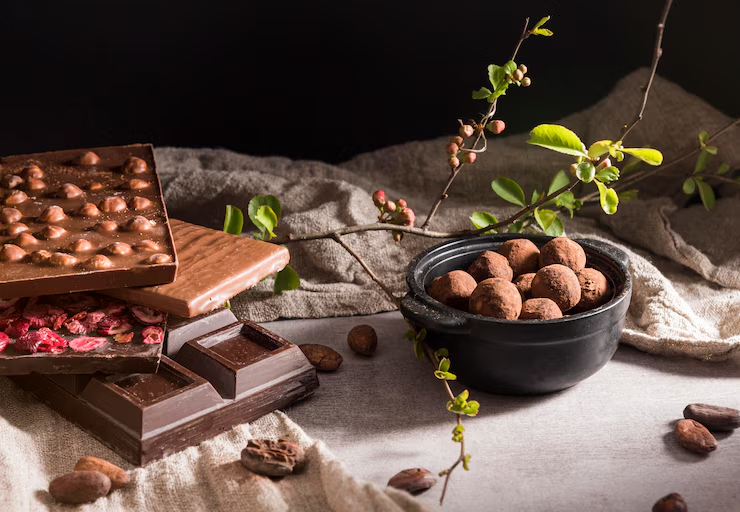
Chocolates and confections define the art of indulgence, blending premium cocoa with master craftsmanship to create melt-in-your-mouth experiences. From Belgian pralines and French truffles to bean-to-bar dark chocolates, each creation evokes sophistication, romance, and sweet perfection.
Key Highlights:
- Made from single-origin cocoa and premium ingredients.
- Includes pralines, ganache, truffles, and hand-painted bonbons.
- A must for luxury gifting, gourmet desserts, and celebrations.
- Symbolizes fine craftsmanship and pure sensory pleasure.
Chocolates and Confections: Indulgence in Every Bite
Chocolates and confections hold a special place in the world of gourmet food, combining artisan craftsmanship with rare ingredients and refined techniques. From single-origin dark chocolate bars to hand-pulled nougat and delicate pralines, these sweet creations are crafted to satisfy the most discerning palates and elevate dessert tables with elegance and flavor.
Single-Origin and Bean-to-Bar Chocolate
True gourmet chocolate starts with high-quality cacao beans sourced from distinct regions like Ecuador, Madagascar, or Venezuela. These single-origin chocolates reflect the terroir of their environment, much like fine wine or coffee. A bar made from Madagascan cacao might reveal bright, fruity notes, while Venezuelan cacao offers deep, earthy tones.
Bean-to-bar producers control every step of the chocolate-making process, from roasting to tempering, ensuring full flavor development and transparency in sourcing. Look for bars with a cacao content of 70% or higher for a rich, intense taste. Packaging often highlights origin, flavor notes, and the artisan maker, offering insight into the product’s story and craftsmanship.
Artisan Confections: Handcrafted Luxury
Beyond chocolate bars, gourmet confections span a wide range of delicate treats—each made with precision and artistry. French truffles, filled with ganache and dusted with cocoa, melt in the mouth with luxurious smoothness. Italian torrone, a nougat made with honey, nuts, and egg whites, adds a chewy, nutty contrast.
Other standouts include Japanese mochi with matcha filling, Belgian pralines filled with hazelnut paste or fruit cream, and Turkish delights perfumed with rose water or pistachio. These handcrafted sweets are perfect for gifting, special occasions, or elevating your own dessert experience.
Chocolates and Confections : How to Choose and Enjoy
When selecting gourmet chocolate or confections, pay attention to ingredient quality—real vanilla, cocoa butter, natural flavorings, and minimal preservatives are hallmarks of authenticity. Avoid chocolates that list vegetable oils or artificial flavors, as they compromise both taste and texture.
Serve chocolates at room temperature to enhance their aroma and mouthfeel. Pair dark chocolate with red wine, espresso, or aged rum, while milk chocolate goes beautifully with port or creamy liqueurs.
Chocolates and confections aren’t just treats—they’re a celebration of heritage, indulgence, and artistry. Incorporating them into your gourmet lifestyle turns any moment into a luxurious experience.
- Sources Include / Discover More: Chocolate is a food made from roasted and ground cocoa beans that can be a liquid, solid, or paste, either by itself or to flavor other foods
- Sources Include / Discover More: Confections are food items with a high sugar content, including candy, chocolate, candied fruits, and sometimes baked goods
- Also Read: Best Designer Handbags Buying Guide
#4
Oils and Vinegars

Key Takeaways for Oils and Vinegars
Oils and Vinegars – Refined Flavors & Culinary Versatility
Oils and vinegars elevate every dish, offering complex flavor notes and nutritional excellence. From cold-pressed extra virgin olive oils to aged balsamic vinegars from Modena, these gourmet essentials transform everyday cooking into an art form. Their quality defines true culinary sophistication and balance.
Key Highlights:
- Includes premium olive oils, truffle oils, and aged balsamic vinegar.
- Sourced from Mediterranean estates and heritage producers.
- Essential for dressings, marinades, and gourmet finishing touches.
- Combines rich taste profiles with healthful benefits.
Oils and Vinegars: Liquid Gold in the Gourmet World
Few pantry staples carry the weight of flavor, history, and quality like premium oils and vinegars. These essential ingredients are the foundation of gourmet cooking, offering complexity, richness, and depth with just a few drops. Whether it’s a cold-pressed extra virgin olive oil from Tuscany or a barrel-aged balsamic vinegar from Modena, these products transform everyday meals into memorable culinary moments.
Extra Virgin Olive Oil: Flavor from the First Press
Cold-pressed extra virgin olive oil is a must-have in any gourmet kitchen. Unlike refined oils, extra virgin olive oil is extracted without heat or chemicals, preserving antioxidants, polyphenols, and natural flavor compounds. The result is a fruity, peppery oil ideal for finishing dishes, drizzling over salads, or pairing with artisan bread.
Regions like Tuscany, Crete, and Andalusia are known for producing top-tier olive oils, often with DOP (Protected Designation of Origin) labeling. Look for oils stored in dark glass bottles to protect them from light damage, and always choose oils with harvest dates for guaranteed freshness.
Flavored varieties—such as truffle-infused or lemon-pressed olive oil—offer an aromatic twist, making them ideal for specialty dishes or gourmet gifts.
Balsamic Vinegar: Sweet, Aged Perfection
True balsamic vinegar is a product of patience and tradition. Made from grape must and aged in wooden barrels for years, traditional balsamic vinegar of Modena or Reggio Emilia is thick, syrupy, and complex. It brings a balance of sweetness and acidity that enhances everything from grilled meats to fresh strawberries.
Unlike commercial vinegars, authentic balsamic is labeled as “Aceto Balsamico Tradizionale” and often aged 12, 18, or even 25 years. Each year of aging adds depth and smoothness, making it a prized condiment in gourmet kitchens.
For everyday use, choose high-quality IGP-certified balsamic vinegars, which offer excellent flavor at a more accessible price point. These are perfect for vinaigrettes, marinades, or reductions.
Oils and Vinegars: Usage and Storage Tips
Always store oils and vinegars in a cool, dark place to preserve their taste and nutritional value. Use olive oil within 12–18 months of harvest, and balsamic within three years of opening.
Oils and vinegars are more than kitchen staples—they’re powerful flavor enhancers that define gourmet cuisine. Choosing well-crafted varieties ensures every dish starts—and ends—on a high note.
- Sources Include / Discover More: Gourmet oils and vinegars are high-quality, often artisan-produced ingredients designed to elevate dishes with complex flavors, typically featuring extra virgin olive oils, infused nut/seed oils, and long-aged balsamic or specialty fruit vinegars
- Also Read: Complete Luxury Car Buying Guide
#5
Spices and Seasonings
Key Takeaways for Spices and Seasonings
Spices and Seasonings – Global Aromas & Flavor Mastery
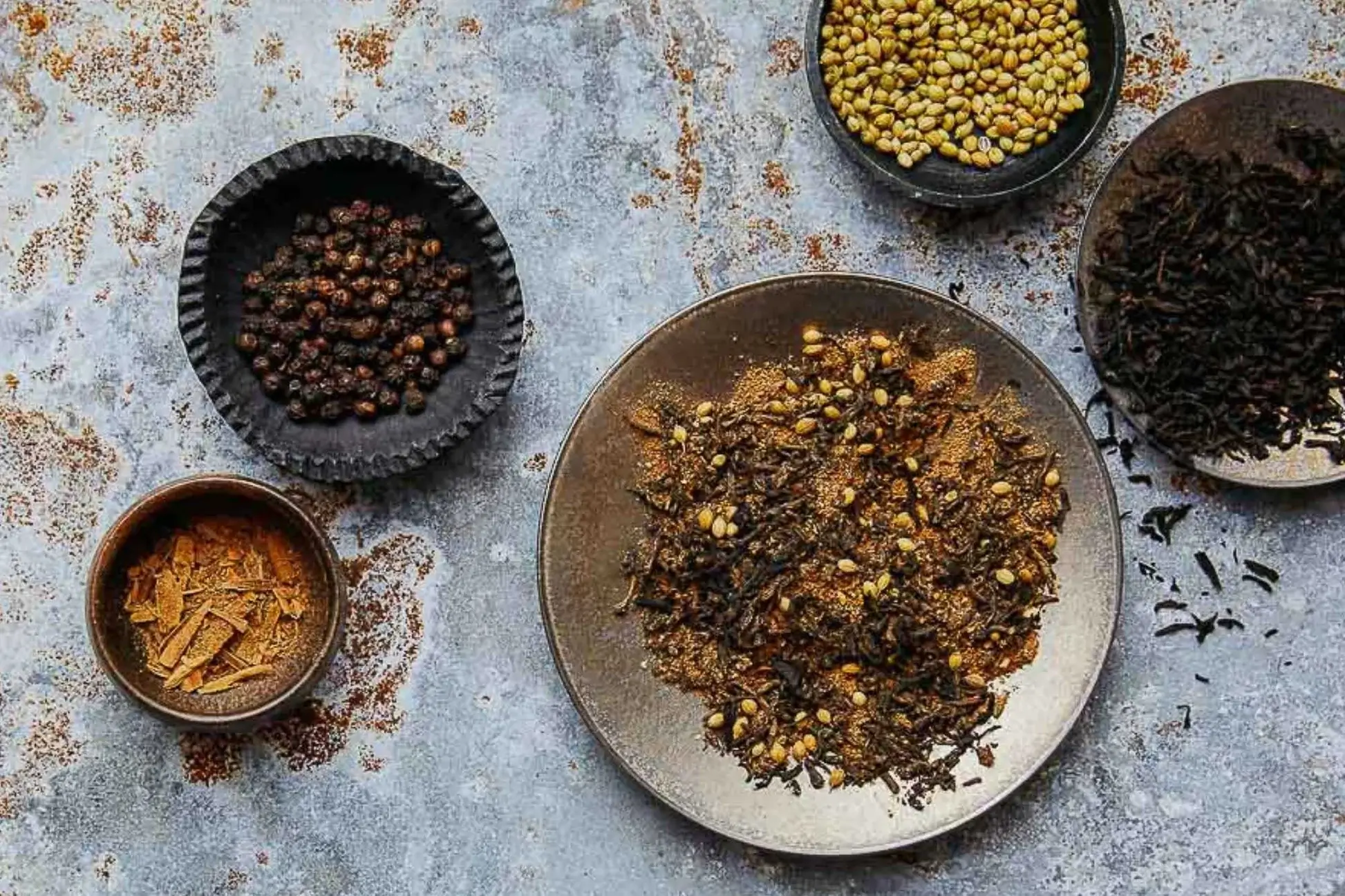
Spices and seasonings are the essence of global gastronomy — transforming ordinary meals into extraordinary culinary experiences. From saffron and black truffle salt to smoked paprika and exotic peppercorns, these ingredients add character, color, and aromatic depth to every recipe.
Key Highlights:
- Features rare spices sourced from India, Morocco, and the Middle East.
- Includes saffron, Himalayan salt, truffle powder, and cumin.
- Adds complexity, aroma, and authenticity to gourmet cuisine.
- Represents global culinary heritage and refined taste.
Spices and Seasonings: Elevating Every Gourmet Creation
Spices and seasonings are the unsung heroes of the gourmet kitchen, capable of transforming simple ingredients into extraordinary culinary experiences. Sourced from specific regions and often harvested by hand, the finest spices bring not only bold, aromatic flavors but also history, tradition, and exceptional quality to every dish. Investing in premium spices ensures your gourmet meals are infused with authentic taste and elevated depth.
Rare and Premium Spices Worth Sourcing
Among the most prized gourmet spices is Persian saffron, known for its vivid red threads and complex aroma. Harvested by hand from crocus flowers and requiring thousands of blossoms for a single ounce, saffron lends a luxurious, earthy sweetness to risottos, bouillabaisse, and baked desserts. For the best quality, choose saffron labeled as “Grade A” or “Super Negin.”
Madagascar vanilla beans are another gourmet staple. These long, plump pods are rich in vanillin and offer far more depth than artificial extracts. Whether used in pastry cream, ice cream, or sauces, real vanilla beans bring warmth and complexity unmatched by substitutes.
Other premium options include Tellicherry black pepper, which is larger and more aromatic than standard peppercorns; wild-foraged sumac with its lemony tang; and Himalayan pink salt, appreciated for its mineral-rich profile and subtle crunch.
Blends and Global Seasoning Traditions
Gourmet cooking also embraces spice blends from around the world. Ras el hanout from Morocco, za’atar from the Middle East, and garam masala from India each offer bold, nuanced flavor combinations curated over generations.
Freshly ground spice blends elevate meats, vegetables, and grains, allowing you to replicate global dishes with authenticity. Many artisanal spice companies create small-batch blends that are fresher and more balanced than mass-produced versions.
Spices and Seasonings: How to Store and Use Effectively
Proper storage is key to maintaining spice potency. Keep your seasonings in airtight containers, away from light and heat. Whole spices like cloves, cardamom, and cinnamon sticks retain flavor longer than ground forms and can be freshly ground as needed for maximum impact.
Using the right spices in the right way transforms cooking from routine to remarkable. Whether it’s a dash of Spanish smoked paprika on grilled shrimp or a sprinkle of fennel pollen on roasted vegetables, high-quality seasonings are essential tools for any gourmet chef.
Best Gourmet Food Buying Guide – Comparison Table
Ultimate Gourmet Food Buying Guide — Top 14 Must-Have Luxuries for Food Connoisseurs
Looking to upgrade your pantry with the finest ingredients the world has to offer? This Best Gourmet Food Buying Guide is designed for serious foodies, culinary explorers, and gourmet gift shoppers alike. Whether you’re building the perfect charcuterie board, crafting restaurant-quality meals at home, or selecting gourmet gifts for the holidays, this curated list highlights premium gourmet items that deliver unmatched flavor, authenticity, and craftsmanship.
From PDO-certified Parmigiano-Reggiano to Italian white truffles, every item listed below is a staple in luxury kitchens and Michelin-starred menus. Discover what makes each product special, where it comes from, and how much you should expect to invest for quality. These carefully selected ingredients are not only delicious—they’re also conversation starters that elevate any meal or occasion.
Use this expert-approved gourmet checklist to shop smart, cook better, and eat with elevated taste.
| No. | Food Category | Best Item to Buy | Key Feature | Approx. Price Range |
|---|---|---|---|---|
| 1 | Cheese | Parmigiano-Reggiano | Aged 24+ months, PDO-certified | $20–$40/lb |
| 2 | Charcuterie | Jamón Ibérico de Bellota | Acorn-fed pigs, cured 36 months | $80–$150/lb |
| 3 | Chocolate | Single-Origin Dark Chocolate | 70%+ cacao, bean-to-bar crafted | $8–$25/bar |
| 4 | Olive Oil | Cold-Pressed Extra Virgin | First press, from Tuscany or Crete | $15–$40/bottle |
| 5 | Spices | Persian Saffron | Deep red threads, highly aromatic | $10–$25/gram |
| 6 | Caviar | Beluga or Osetra Caviar | Hand-harvested, sustainably farmed | $100–$500/oz |
| 7 | Balsamic Vinegar | Traditional Balsamic di Modena | Aged 12+ years, DOP-certified | $50–$150/bottle |
| 8 | Truffles | Fresh Italian White Truffles | Foraged seasonally, intense aroma | $2000–$4000/lb |
| 9 | Seafood | Wild-Caught Alaskan King Crab | Sweet, rich meat; flash-frozen at sea | $40–$70/lb |
| 10 | Bread & Crackers | Artisan Sourdough or Lavash | Small-batch, long fermentation | $6–$15/loaf or pack |
| 11 | Gourmet Coffee & Tea | Jamaican Blue Mountain Coffee / Gyokuro Green Tea | Single-origin, hand-harvested, limited yield | $30–$120/pack |
| 12 | Artisan Pastries | French Croissants / Italian Cannoli | Hand-laminated dough, baked fresh daily | $5–$15/piece |
| 13 | Condiments & Sauces | Black Truffle Aioli / Aged Soy Sauce | Small-batch, gourmet umami flavor profiles | $20–$60/jar |
| 14 | Luxury Desserts | Macarons / Gold-Dusted Éclairs | Premium ingredients, artistic presentation | $10–$50/box |
Key FAQs on the Best Gourmet Food Buying Guide
Why is Parmigiano-Reggiano considered the finest cheese in the world?
Parmigiano-Reggiano is considered the world’s finest cheese due to its legally protected PDO status, enforced by the Consorzio del Formaggio Parmigiano-Reggiano and recognized across the European Union.
It must be produced exclusively in Italy’s Emilia-Romagna region and aged a minimum of 24 months, developing its signature crystalline structure and intense umami depth.
According to documented production standards and historical records referenced by Wikipedia and Italian food authorities, no additives or preservatives are permitted.
What makes Jamón Ibérico de Bellota the most prized cured meat in the world?
Jamón Ibérico de Bellota is the most prized cured meat because it comes from purebred Iberian pigs raised on a natural acorn diet during the montanera season.
The ham undergoes a minimum 36-month curing process, regulated under Spain’s Denominación de Origen system, resulting in exceptional marbling and nutty complexity.
Spanish regulatory councils and culinary institutions consistently rank Bellota as the highest grade of Iberian ham, supported by long-standing gastronomic documentation.
Why is single-origin dark chocolate superior to regular chocolate?
Single-origin dark chocolate is superior because it is crafted from cacao sourced from one specific geographic region, allowing terroir-driven flavor profiles to emerge.
Bean-to-bar production methods preserve cacao integrity, typically using 70–85% cacao with minimal ingredients and controlled fermentation.
Chocolate authorities and International Chocolate Awards data, widely cited by Wikipedia and industry bodies, confirm its higher purity, traceability, and sensory complexity.
Why is cold-pressed extra virgin olive oil the healthiest gourmet oil?
Cold-pressed extra virgin olive oil is considered the healthiest gourmet oil because it is mechanically extracted below 27°C without chemical refinement.
This process preserves antioxidants, polyphenols, and monounsaturated fats linked to cardiovascular health and Mediterranean dietary patterns.
Health institutions and olive oil councils referenced in scientific literature and Wikipedia consistently confirm its superior nutritional profile compared to refined oils.
Why is Persian saffron the most expensive spice on earth?
Persian saffron is the most expensive spice on earth due to its extremely labor-intensive harvesting process and limited yield per flower.
Each crocus produces only three stigmas, requiring approximately 75,000 flowers to yield one pound of saffron, all hand-picked and sun-dried.
ISO 3632 grading standards and historical trade records documented by UNESCO and Wikipedia confirm Iran as the world’s primary producer of Grade 1 saffron.
Why is Beluga and Osetra caviar considered the ultimate gourmet delicacy?
Beluga and Osetra caviar are considered the ultimate gourmet delicacies because of their rarity, texture, and refined marine flavor.
Harvested from sturgeon species under strict CITES regulations, these caviars feature large, silky roe with delicate salinity.
International seafood authorities and culinary institutions referenced by Wikipedia recognize Beluga and Osetra as the highest benchmarks in luxury seafood.
What makes traditional balsamic vinegar from Modena so rare and valuable?
Traditional balsamic vinegar from Modena is rare and valuable due to its legally protected DOP status and time-intensive aging process.
It is produced exclusively from cooked grape must and aged for a minimum of 12 years in progressively smaller wooden barrels.
Italian consortium regulations and historical food records cited by Wikipedia confirm that no additives, caramel, or vinegar are permitted in authentic versions.
Why are Italian white truffles the most expensive mushrooms in the world?
Italian white truffles are the most expensive mushrooms in the world because they cannot be cultivated and are available only seasonally.
They are wild-foraged in specific regions of Piedmont using trained dogs, with harvest periods tightly regulated by Italian law.
Culinary historians and scientific sources referenced by Wikipedia cite their intense aroma, scarcity, and ecological dependence as key value drivers.
Why is Alaskan king crab considered the finest premium seafood in the world?
Alaskan king crab is considered the finest premium seafood due to its wild-caught origin and naturally sweet, firm meat.
Harvested from icy North Pacific waters under strict U.S. sustainability quotas, it is flash-frozen at sea to preserve freshness.
Marine conservation bodies and seafood authorities cited by Wikipedia recognize Alaskan king crab as a benchmark for quality and sustainability.
What makes artisan sourdough and lavash superior to commercial bread?
Artisan sourdough and lavash are superior to commercial bread because they rely on natural fermentation and traditional baking methods.
Long fermentation improves digestibility, flavor complexity, and nutrient absorption while avoiding industrial additives.
Food historians and baking science sources referenced by Wikipedia consistently document sourdough as one of the oldest and most refined bread-making techniques.
Why are Jamaican Blue Mountain coffee and Gyokuro tea considered luxury beverages?
Jamaican Blue Mountain coffee and Gyokuro tea are luxury beverages due to their limited production and meticulous cultivation standards.
Both are hand-harvested, region-specific, and subject to strict quality controls that restrict global supply.
Specialty Coffee Association data and Japanese agricultural records, widely cited by Wikipedia, confirm their exceptional smoothness and rarity.
Why are artisan pastries considered gourmet bakery masterpieces?
Artisan pastries are considered gourmet bakery masterpieces because they rely on precise hand-crafted techniques and premium ingredients.
Laminated doughs, cultured butter, and heritage recipes require advanced skill and daily preparation.
Culinary institutions and pastry certifications such as Meilleur Ouvrier de France, documented by Wikipedia, define global standards for artisan baking excellence.
Why are gourmet condiments like truffle aioli and aged soy sauce so valuable?
Gourmet condiments like truffle aioli and aged soy sauce are valuable due to rare ingredients and extended fermentation processes.
These methods create deep umami complexity and layered flavor profiles unattainable through mass production.
Food science literature and international taste institutes referenced by Wikipedia recognize fermentation as a cornerstone of premium condiment craftsmanship.
Why are luxury desserts like macarons and gold-dusted éclairs so premium?
Luxury desserts such as macarons and gold-dusted éclairs are premium because they combine rare ingredients with precision pastry techniques.
Artistic presentation, controlled textures, and exact temperature execution define high-end patisserie standards.
Culinary academies and global pastry competitions cited by Wikipedia recognize these desserts as symbols of elite craftsmanship and indulgence.
Where to Buy the Best Gourmet Food
Finding truly exceptional gourmet food requires knowing where to shop. While some options are obvious, others are hidden gems waiting to be explored.
Specialty Stores and Boutiques
These are the treasure troves for serious food lovers. Gourmet stores in upscale neighborhoods, luxury department stores, and curated food halls often stock hand-selected, imported items that you won’t find in mainstream supermarkets.
You’ll discover:
- Rare truffle oils from Italy
- Aged balsamic vinegars from Modena
- Raw milk cheeses flown in weekly
- Premium smoked salmon from Nordic producers
Staff at these shops are usually well-trained and happy to share tips on storage, pairing, or cooking ideas. Think of them as your personal food curators.
Online Gourmet Food Markets
Shopping online opens the doors to a global pantry. Whether you’re craving handcrafted Spanish chorizo or Japanese matcha sweets, online gourmet markets deliver straight to your doorstep—often with premium packaging and freshness guarantees.
Top trusted platforms include:
- Goldbelly – Regional delicacies from across the U.S.
- Mouth.com – Artisanal American small-batch treats
- La Tienda – A haven for authentic Spanish cuisine
- Eataly – Italian gourmet essentials like olive oil and pasta
- Williams Sonoma – Upscale, curated food collections and gifts
Many of these sites also offer gift boxes, cooking kits, and seasonal bundles—perfect for the holidays or foodie friends.
Farmers’ Markets and Local Artisans
Don’t overlook what’s growing and cooking in your own backyard.
Farmers’ markets are brimming with locally made jams, handcrafted cheeses, organic herbs, and small-batch sauces that rival even the finest imports.
Supporting local artisans not only gets you fresher and more affordable gourmet food, but also helps sustain small producers and reduce your carbon footprint. Plus, you can often taste before you buy—a luxury online shopping can’t offer.
Gourmet Food for Different Occasions
Gourmet food isn’t just about everyday meals—it shines brightest during special moments. Whether you’re hosting a dinner party or giving someone a luxurious gift, the right gourmet selection can elevate any event.
Hosting Elegant Dinners
When you want to impress your guests, skip the buffet and focus on small, exquisite dishes with bold flavors.
Ideas include:
- A cheese and charcuterie board with fig jam, marcona almonds, and truffle honey
- Risotto with wild porcini mushrooms and shaved Parmigiano-Reggiano
- Fresh oysters with mignonette or gourmet caviar served on blinis
Pair each course with the right wine or champagne, and you’ll have a night to remember.
Romantic Gourmet Gifts
Forget generic chocolates—a gourmet food basket is far more memorable. Whether it’s for Valentine’s Day, an anniversary, or a “just because” surprise, consider including:
- A bottle of aged red wine or Champagne
- Single-origin chocolates or chocolate-covered figs
- Imported cheeses with gourmet crackers
- Fine olive oil or truffle-infused condiments
Presentation matters—wrap it in a wooden box or elegant basket for a true wow factor.
Gourmet Food for Holidays and Celebrations
Special occasions call for food that’s as festive as the moment itself.
- New Year’s Eve: Toast with Champagne and caviar on blinis.
- Christmas Dinner: Serve a show-stopping roast like Wagyu ribeye or herb-crusted lamb.
- Easter or Spring Celebrations: Include fresh, seasonal fare like white asparagus, gourmet deviled eggs, or stollen bread with marzipan.
Hosting a gourmet feast makes every holiday feel grand.
How to Read and Understand Gourmet Food Labels
When you’re spending good money on gourmet food, understanding the label is essential. It helps separate true quality from clever marketing.
Labels to Trust (PDO, PGI, USDA Organic)
Here are the seals that actually matter:
- PDO (Protected Designation of Origin): Guarantees a product comes from a specific place and follows traditional methods. Example: Parmigiano-Reggiano from Italy.
- PGI (Protected Geographical Indication): Slightly broader than PDO but still ensures regional authenticity. Example: Jamón Serrano from Spain.
- USDA Organic: In the U.S., this means the product was grown or produced without synthetic chemicals, pesticides, or GMOs.
These certifications are your assurance that the product is both authentic and high-quality.
Avoiding Misleading Terms
Some terms may sound fancy but don’t always mean what you think:
- “Natural”: Not regulated. It could still include preservatives or artificial flavoring.
- “Gourmet-style”: Sounds impressive but is usually meaningless.
- “Premium”: Purely marketing unless backed by certifications or ingredient transparency.
Pro tip: Always read the ingredients list and country of origin. A truly gourmet product will usually have fewer ingredients, more transparency, and a clear story.
Budgeting for Gourmet Food
Gourmet doesn’t always have to mean overpriced. If you’re smart about your choices, you can enjoy world-class flavors without draining your wallet. It’s all about knowing when to splurge and where you can save without sacrificing the experience.
Where to Splurge and Where to Save
Not every gourmet item deserves a premium price tag. Some ingredients truly benefit from top-tier sourcing, while others can be more forgiving.
Splurge On:
- Artisan Cheeses – Aging, milk quality, and regional techniques make a massive difference in taste and texture.
- Cured Meats & Charcuterie – Whether it’s prosciutto, jamón Ibérico, or truffle salami, quality matters.
- Single-Origin Chocolates – Higher cacao content, small-batch production, and origin control make these worth every penny.
- Cold-Pressed or Infused Oils – Better oils deliver depth of flavor and health benefits.
Save On:
- Pasta – Even standard dried pasta can shine with a gourmet sauce.
- Jams & Preserves – Many local artisans offer excellent quality at a lower price than imported brands.
- Crackers & Breadsticks – Let the toppings shine; the base can be budget-friendly.
Getting Value Without Compromising Quality
- Buy in small quantities. Gourmet items are rich—so a little goes a long way.
- Shop seasonally. Fresh truffles and produce-based items are often cheaper and tastier in-season.
- Subscribe to gourmet boxes. They’re curated for value and help you explore new products without large commitments.
- Wait for deals. Specialty shops often offer discounts during holidays or clearance events.
The trick is to mix and match luxury with practicality, crafting an indulgent experience without overspending.
Best Gourmet Food Subscription Boxes
If you love surprises and trying new flavors, subscription boxes are a fun, cost-effective way to experience gourmet food regularly. They’re curated by experts and delivered right to your door—often with tasting notes and pairing suggestions.
Monthly Curated Boxes Worth Trying
Here are a few standout gourmet food boxes for all tastes:
- Try The World: Explore different countries through food each month—includes snacks, sauces, and recipes from global artisans.
- Murray’s Cheese Box: A dream for cheese lovers. Features curated selections of gourmet cheese with tasting guides and pairing ideas.
- SnackCrate: Perfect for adventurous snackers. Discover gourmet snacks and treats from a new country every month.
These boxes are a great way to sample rare or hard-to-find items, making gourmet exploration both easy and exciting.
Ideal Subscriptions for Foodies
Gourmet boxes also make fantastic gifts for foodies, hosts, or corporate clients. They’re thoughtful, practical, and show you care about quality.
Plus, they save time and energy by removing the guesswork—especially helpful if you’re new to gourmet shopping or just want to broaden your culinary horizons without feeling overwhelmed.
Tips to Store and Preserve Gourmet Food
Once you’ve invested in high-quality gourmet food, the last thing you want is for it to spoil prematurely. Proper storage is essential for maintaining freshness, flavor, and safety.
Refrigeration vs. Pantry Storage
Each type of gourmet food has its own storage preferences:
- Cheeses: Avoid suffocating your cheese in plastic wrap. Instead, use parchment or wax paper, followed by a loose layer of foil or cheese paper. Store in the warmest part of the fridge.
- Cured Meats: For unopened vacuum-sealed meats, refrigeration is fine. Once opened, vacuum-seal or tightly wrap and freeze for longer shelf life without flavor loss.
- Oils: Keep oils—especially olive and truffle oils—in dark glass bottles and store them in a cool, dry place away from sunlight and heat. Light and heat break down flavor and nutritional value.
Shelf Life and Packaging Importance
Packaging plays a major role in preserving gourmet items:
- Choose products with air-tight, UV-protective, or resealable packaging.
- Always follow the “best before” or “consume within” guidelines.
- Consider transferring delicate items like spices, nuts, or loose tea into airtight jars for better preservation.
- Once opened, many items require refrigeration—even those originally stored at room temperature.
Taking the time to store your gourmet finds properly maximizes flavor and minimizes waste, helping you enjoy every bite as it was intended.
Exploring International Gourmet Food
One of the most exciting parts of diving into gourmet cuisine is discovering the incredible variety of flavors that come from different corners of the world. Each region has its own proud culinary traditions, ingredients, and preparation styles that have evolved over centuries—often with strict cultural rituals that make the food even more special.
🇫🇷 France
French cuisine is practically synonymous with gourmet. Whether it’s the decadent foie gras, rich and creamy Brie, or elegant Burgundy wines, France is known for taking food to an art form. Look for labels like AOC (Appellation d’Origine Contrôlée) to ensure authenticity.
🇮🇹 Italy
Italy’s gourmet strengths lie in simplicity done right. A wedge of aged Parmigiano-Reggiano, a few slices of Prosciutto di Parma, and a drizzle of Modena’s traditional balsamic vinegar—that’s all you need for perfection. Italian cuisine is all about letting quality ingredients shine.
🇯🇵 Japan
Japanese gourmet food emphasizes purity, technique, and presentation. Think A5-grade Wagyu beef, handmade matcha confections, and yuzu-based sauces that add citrusy depth to any dish. Japanese food artisans value precision and refinement, often elevating everyday ingredients into gourmet expressions.
🇪🇸 Spain
From vibrant tapas spreads to deeply flavorful saffron-laced paella, Spain is a haven for bold, rustic gourmet experiences. Jamón Ibérico, especially the acorn-fed “de bellota” variety, is considered one of the finest cured meats in the world. Spanish olive oils, cheeses, and wines also hold their own on the global stage.
Each of these countries contributes something unique to the global gourmet scene, and exploring their foods is like traveling through taste.
Sustainability and Ethical Considerations
Gourmet food isn’t just about flavor and luxury anymore—it’s also about responsibility and awareness. More food lovers today are choosing to support brands and producers that care about people and the planet.
Ethical Sourcing and Fair Trade
When you buy gourmet items, ask:
- Was this chocolate bar made with fair-trade cacao?
- Was this coffee sourced from farmers who were paid fairly?
- Were sustainable practices used in fishing, farming, or production?
Supporting brands with fair trade certification or transparent sourcing practices helps promote a more equitable food system—one where quality and conscience go hand in hand.
Eco-Friendly Packaging
Packaging is just as important as what’s inside. Gourmet brands that use glass jars, metal tins, or recycled paperboard are making an effort to reduce their environmental footprint. Avoid plastic-heavy items when possible, and look for compostable or reusable options.
By making conscious choices, you can indulge in gourmet experiences while also helping protect the environment.
In Summary and Expert Recommendations
At its core, gourmet food is about experiencing joy through quality. It’s about slowing down to appreciate the story behind each product, the hands that made it, and the flavors they’ve crafted.
Whether you’re shopping for a luxurious dinner party or simply elevating your Tuesday-night pasta, treat gourmet food like you would fine art or music:
Explore it. Savor it. Learn from it. Share it.
And remember—your taste buds are your best guide. Don’t be afraid to try new things, ask questions, or splurge when it counts. Because the right gourmet choice isn’t just delicious—it’s deeply satisfying.
Final Thoughts
Gourmet food is far more than indulgence—it represents heritage, artistry, and mindful appreciation of the world’s finest ingredients. Each delicacy, from Parmigiano-Reggiano aged in the valleys of Emilia-Romagna to Persian saffron hand-harvested under the desert sun, tells a story of passion and perfection. This is what makes gourmet cuisine timeless—where flavor meets craftsmanship and sustainability meets luxury.
Through this Best Gourmet Food Buying Guide, you now have the insight to recognize true culinary excellence and make informed choices when purchasing authentic gourmet products. Whether you’re savoring rich truffles, selecting cold-pressed olive oils, exploring exotic teas, or curating a gift basket filled with global delicacies, every decision adds richness to your lifestyle and sophistication to your table.
Gourmet living isn’t just about premium ingredients—it’s about celebrating the journey behind them. By choosing thoughtfully sourced, artisan-crafted foods, you’re supporting tradition, taste, and sustainability all at once.
So elevate your everyday meals, host with flair, or simply indulge your senses. With knowledge, taste, and authenticity as your guide, your journey into the world of gourmet excellence begins here—where every bite tells a story, and every flavor is a masterpiece.
The Best Gourmet Food Buying Guide Frequently Asked Questions (FAQs)
Gourmet food typically includes high-quality ingredients, artisanal methods, and premium presentation—often with a strong cultural or regional identity.
Not always. While many gourmet products are pricier due to quality and rarity, some can be found affordably, especially when bought directly from artisans or in smaller quantities.
Trusted sites include Goldbelly, Mouth.com, Eataly, and La Tienda. These sites specialize in curated, verified gourmet selections.
Yes, if you love discovering new flavors and want convenience, gourmet subscription boxes offer curated, high-quality items at reasonable value.
Key gourmet food categories include cheese and dairy, meats and charcuterie, chocolates and confections, oils and vinegars, and exotic spices.
Check for sourcing details, artisan production methods, certifications like PDO or organic, and expert reviews or awards.
Yes. Gourmet ingredients often offer superior taste, better nutrition, and enhanced culinary experiences, justifying their premium.
Gourmet food stands out for its exceptional ingredients, craftsmanship, and presentation. It’s often made in small batches, using premium, ethically sourced ingredients like truffles, saffron, or aged cheeses. The attention to flavor balance, texture, and authenticity makes gourmet food a luxurious and sensory dining experience.
To identify genuine gourmet products, always look for authenticity certifications like PDO, DOP, or AOC. Choose brands that disclose sourcing regions, ingredients, and aging processes. Avoid mass-produced options and prioritize artisanal makers known for transparency, heritage, and sustainable farming practices.
Not necessarily. While price often reflects rarity and craftsmanship, true gourmet quality depends on freshness, source, and authenticity. For instance, a locally made artisan cheese or small-batch olive oil can outperform a costly mass-market brand when it comes to taste and purity.
Classic gourmet pairings include Parmigiano-Reggiano with aged balsamic vinegar, Jamón Ibérico with Manchego cheese, and dark chocolate with red wine or espresso. For a refined touch, try truffle oil over risotto or saffron-infused seafood for elevated flavor harmony.
Sustainability ensures that gourmet ingredients are ethically sourced without harming the environment or communities. Choosing certified organic, fair-trade, or sustainably farmed products supports biodiversity and guarantees fresher, cleaner flavors with a positive global impact.
Store truffles in airtight containers wrapped in paper towels, replace daily, and refrigerate. Keep cheese in breathable wax paper at 4–8°C, and store caviar unopened in the coldest part of the fridge. Proper storage maintains flavor integrity and prevents spoilage.
Premium gift options include curated gourmet hampers featuring aged cheese, truffle oil, dark chocolate, and fine tea. Brands offering limited-edition or customizable packaging enhance the gifting experience, making them ideal for festive or corporate occasions.
About the Author
This article was researched and prepared by the World Millions Editorial Team, specialists in global rankings, premium market analysis, structured comparisons, and high-value sector research across industries.
All content undergoes verification, editorial review, and periodic updates to ensure accuracy, clarity, and alignment with recognized industry standards, reliable institutional sources, and leading global authorities.
- Last Updated: March 27, 2026 by the World Millions Editorial Team
- Original Published Date: March 27, 2026
- View Our: Editorial Team | Sources | Disclaimer | Editorial Standards