- Home
- »
- Luxury Buying Guides
- »
- World’s Best Universities Buying Guide
World's Best Universities
Buying Guide
The world’s best universities represent the pinnacle of academic excellence, groundbreaking research, and global intellectual leadership. From historic institutions shaping centuries of scholarship to modern innovation hubs driving artificial intelligence, biotechnology, and entrepreneurship, these universities consistently influence global education rankings, industry breakthroughs, and future leaders.
Discover the institutions featured in this World’s Best Universities Buying Guide, ranked by academic reputation, research impact, tuition value, and international prestige. This guide explores the top universities in the world—including MIT, Stanford, Oxford, Harvard, and NUS—helping students compare programs, opportunities, and long-term career advantages before choosing the right global university.
On This Page
Toggle- Updated 2026 by the World Millions Editorial Team: View Author Information
Why Choosing the Right University Matters
Let’s face it—university is one of the most expensive and time-consuming investments you’ll ever make. We’re talking tens of thousands of dollars, years of study, and countless hours of effort. So, wouldn’t you want to get the absolute best return on that investment?
The right university does more than offer a degree—it sets the foundation for your entire career. It can connect you with world-class professors, global internship opportunities, powerful alumni networks, and innovative research projects. A top university doesn’t just educate you; it elevates you.
And it’s not just about prestige. It’s about finding the place where you’ll thrive—where your interests are nurtured, your talents are challenged, and your dreams are taken seriously.
What Is the "World's Best Universities Buying Guide"?
No, you’re not adding Oxford or Stanford to your Amazon cart—but in a way, choosing a university really is like making a major purchase. You’re weighing costs, features, benefits, and future value. That’s exactly what a “buying guide” helps with.
This World’s Best Universities Buying Guide gives you a clear, side-by-side look at the most prestigious and high-performing universities worldwide. From tuition fees and global rankings to program strengths and campus life, we’re laying it all out so you can make an informed, confident decision. Whether you’re after cutting-edge tech, classic liberal arts, or international exposure, this guide helps you align your academic dreams with the right institution.
Think of it like test-driving your future—before you make the leap.
Understanding Your Educational Goals
Before diving into rankings and tuition comparisons, take a step back and get clear on why you’re going to university in the first place. Defining your academic goals is the first—and arguably most important—step in choosing the right school.
Undergraduate vs. Graduate Studies
Are you just getting started with your educational journey, or are you advancing your career with a graduate degree? Your stage in life drastically influences what kind of university will best serve you.
- Undergraduate Programs focus on foundational knowledge and often offer a broad range of general education courses. Universities like MIT and UC Berkeley are fantastic for undergrad students, especially in science and engineering fields.
- Graduate Studies—master’s, Ph.D., or postdoctoral research—are more specialized and research-intensive. Think of places like Harvard Business School for MBAs or Oxford’s Philosophy DPhil program.
Different universities excel at different levels, so make sure you’re applying to schools known for your intended level of study.
Research-Focused vs. Career-Oriented Programs
Another key factor? Your long-term goals. Are you aiming for academia and publishing? Or are you more excited about real-world experience and job readiness?
- Research-Intensive Universities like Caltech, Cambridge, and ETH Zurich focus on groundbreaking studies, lab work, and high-impact academic projects. These are great for students who want to pursue a Ph.D. or become subject-matter experts.
- Career-Oriented Institutions like Georgia Tech or the University of Melbourne often provide hands-on internships, industry partnerships, and training that leads straight into the workforce.
Knowing whether you want to dive deep into theory or gain practical, market-ready skills will help narrow your list significantly.
Detailed Reviews of the Top 5 World's Best Universities
If you’re aiming for the pinnacle of global education, these five institutions consistently top the charts for academic excellence, research output, and global employability. Below, we’ve compiled concise, reviews of the Top 5 World’s Best Universities to help you make the most informed decision for your academic journey.
#1
Massachusetts Institute of Technology (MIT), USA
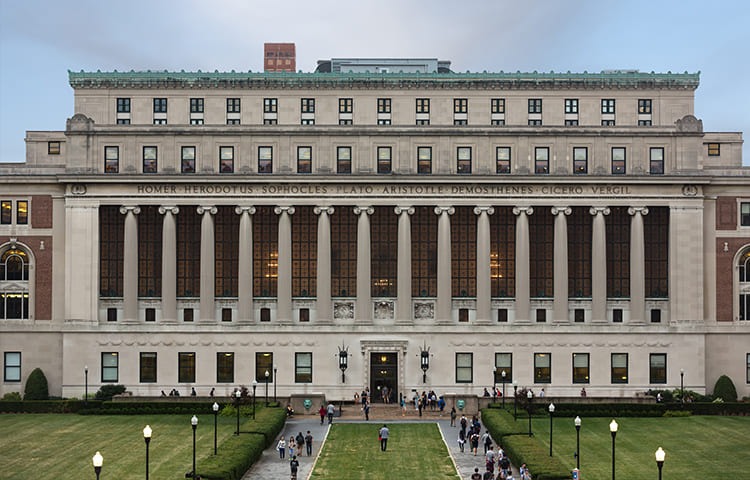
Key Takeaways for Massachusetts Institute of Technology (MIT), USA
Innovation, Engineering Excellence & Future-Shaping Research
MIT stands at the forefront of global innovation, known for transforming bold ideas into world-changing technologies. From artificial intelligence and robotics to space engineering and biotech breakthroughs, MIT’s culture encourages experimentation, entrepreneurship, and real-world problem solving. Its ecosystem of labs, research centers, and startup accelerators fuels some of the most influential companies of the century.
Key Highlights:
- Globally top-ranked for engineering, computer science, and technology.
- Home to world-leading research labs and innovation hubs.
- Strong entrepreneurial environment with high startup success rates.
- Ideal for students looking to shape the future of science and innovation.
Massachusetts Institute of Technology (MIT): Global Reputation and Academic Excellence
Located in Cambridge, Massachusetts, MIT has established itself as a global leader in science, technology, and engineering education. It’s consistently ranked among the best universities in the world thanks to its rigorous academic programs, research intensity, and cutting-edge innovation. Students from over 120 countries choose MIT for its dynamic curriculum and the chance to learn from pioneering experts in fields like robotics, artificial intelligence, and quantum computing.
MIT's Innovative Programs and Research Opportunities
MIT is well-known for its interdisciplinary approach. Programs like Computer Science and Electrical Engineering, Mechanical Engineering, and Biological Sciences are world-renowned. Students have access to the Media Lab, the Computer Science and Artificial Intelligence Laboratory (CSAIL), and various research centers that collaborate directly with NASA, Google, and the U.S. Department of Defense. Undergraduate research is strongly supported through initiatives like the UROP (Undergraduate Research Opportunities Program), giving students hands-on experience early in their academic journey.
MIT: Career Prospects and Industry Impact
Graduating from MIT opens doors across the globe. With strong ties to Silicon Valley and the startup ecosystem, MIT alumni have founded or co-founded thousands of companies, including Dropbox, Bose, and Qualcomm. Career placement services are top-tier, and most students secure positions in high-paying tech, engineering, or consulting roles shortly after graduation—or launch their own ventures with funding from the university’s innovation ecosystem.
MIT: Campus Life and Community
Though heavily focused on academics, MIT also promotes a collaborative and vibrant student culture. The campus offers everything from cultural clubs and maker spaces to innovation competitions like the $100K Entrepreneurship Challenge. Housing, counseling, and wellness programs are robust, helping students balance their academic and personal growth.
- Sources Include / Discover More: The Massachusetts Institute of Technology (MIT) is a world-renowned, private research university in Cambridge, Massachusetts
- Also Read: Best Online Education Buying Guide
#2
Stanford University, USA
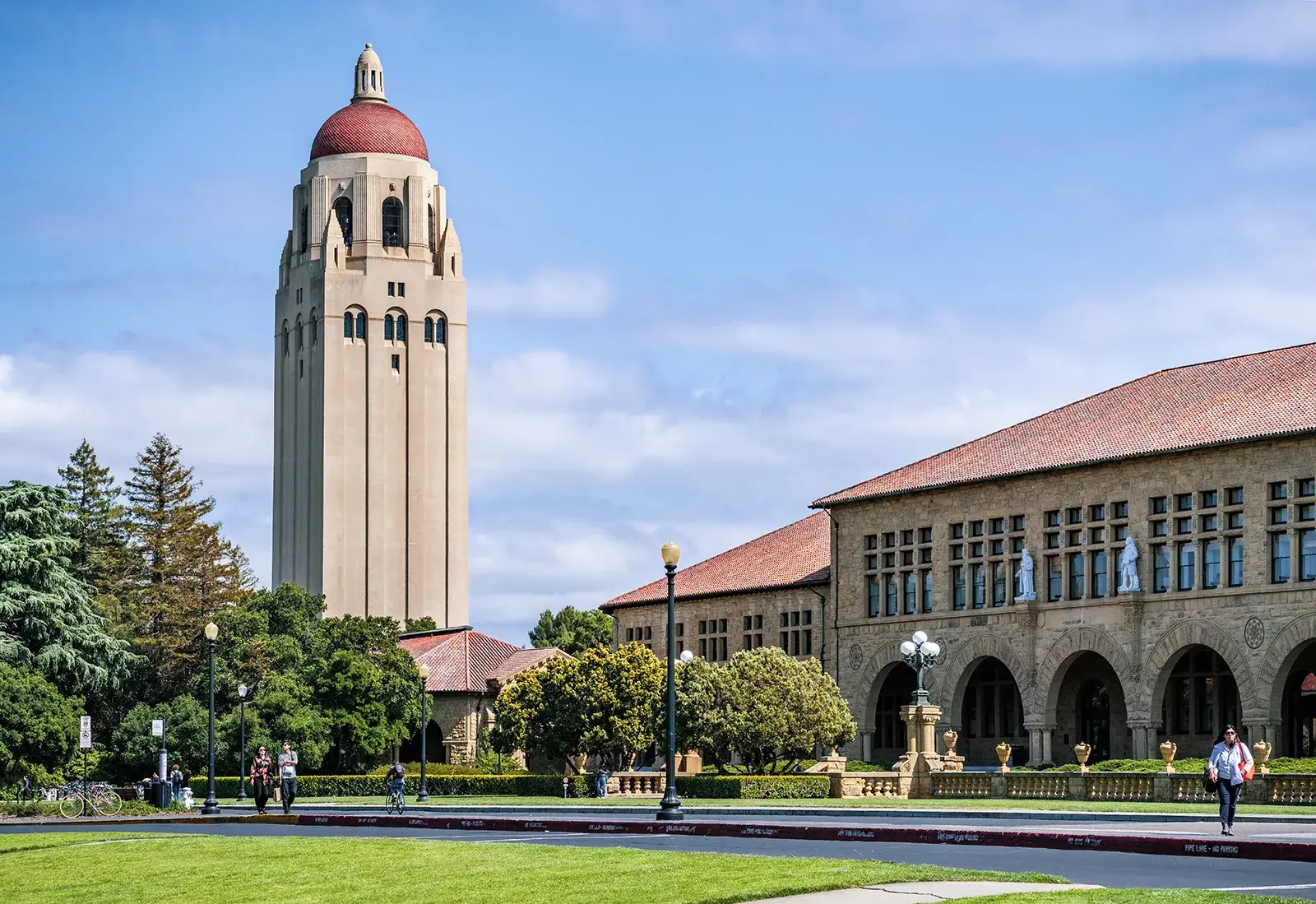
Key Takeaways for Stanford University, USA
Silicon Valley Powerhouse & Startup Launchpad
Located in the heart of Silicon Valley, Stanford is synonymous with entrepreneurship, disruptive technology, and industry-shaping research. It serves as the launchpad for iconic tech giants, unicorn startups, and Nobel Prize-winning discoveries. Students learn in an environment where innovation feels natural, networking happens everywhere, and the future is being built right next door.
Key Highlights:
- Strong ties with major tech companies and venture capital networks.
- Known for computer science, business, engineering, and design innovation.
- Campus culture promotes creativity, collaboration, and leadership.
- Ideal for students who want to build companies, products, and movements.
Stanford University: Academic Prestige and West Coast Innovation
Nestled in the heart of Silicon Valley, Stanford University offers the perfect blend of academic rigor and entrepreneurial energy. It’s internationally respected for its programs in engineering, computer science, business, and medicine. The university is often ranked in the global top five, thanks to a strong focus on research, creativity, and interdisciplinary collaboration.
Stanford's Cutting-Edge Programs and Faculty Excellence
Stanford’s curriculum is designed to encourage intellectual freedom and innovation. The School of Engineering, Graduate School of Business, and School of Medicine are frequently cited among the best in the world. Students can tailor their studies across fields like data science, design thinking, and sustainability. Faculty include Nobel Laureates, tech pioneers, and leading scholars who bring real-world expertise into every lecture and lab.
Stanford: Startup Culture and Career Success
Stanford is known as the launchpad of some of the most successful startups in history, including Google, LinkedIn, and Instagram. The university’s ties to venture capital and major tech firms make it a dream destination for future entrepreneurs and engineers. The Career Development Center and industry partnerships ensure that students are not just prepared for the workforce—they’re shaping its future.
Stanford's Student Life and Campus Experience
Beyond academics, Stanford’s campus life is diverse, inclusive, and community-driven. The expansive California campus offers state-of-the-art sports facilities, arts centers, and green spaces. Students have access to leadership programs, global fellowships, and countless clubs, making it easy to build friendships and networks that last a lifetime.
- Sources Include / Discover More: Stanford University, founded in 1885 and located in the heart of Silicon Valley, California, is a top-ranked, private research institution
- Also Read: Ultimate Luxury Fashion Buying Guide
#3
University of Oxford, UK
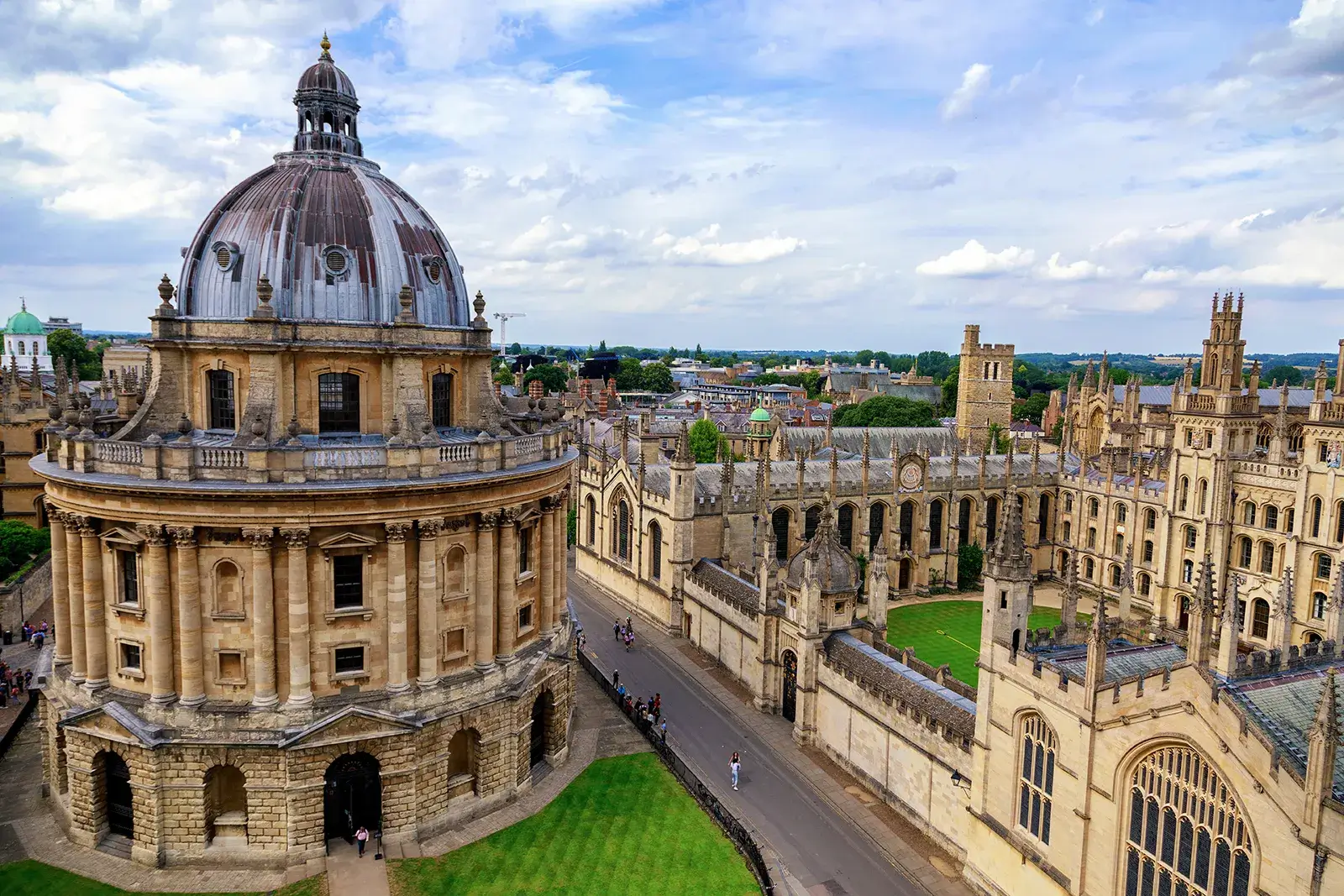
Key Takeaways for University of Oxford, UK
Prestigious Academic Legacy & Intellectual Depth
Oxford blends centuries of scholarly tradition with cutting-edge research and global academic influence. Known for its tutorial-based learning system and elite faculty, Oxford emphasizes critical thinking, deep analysis, and mastery of subject knowledge. The university’s historic architecture and intellectual culture make it one of the most respected academic destinations in the world.
Key Highlights:
- Oldest English-speaking university with unparalleled academic heritage.
- Exceptional programs in humanities, social sciences, law, and philosophy.
- Tutorial system fosters personalized mentorship and academic depth.
- Global network of influential alumni across government, academia, and business.
University of Oxford: Heritage, Prestige, and Academic Depth
With a legacy dating back over 900 years, the University of Oxford is a symbol of academic tradition and excellence. Located in Oxford, England, it consistently ranks among the top global institutions. Oxford is especially renowned for disciplines like philosophy, history, law, and medicine, offering rigorous intellectual challenges and one-on-one tutorials that sharpen critical thinking.
Oxford: Program Flexibility and Scholarly Excellence
Oxford’s tutorial system is one of its most defining features, offering highly personalized learning with world-class scholars. Whether studying PPE (Philosophy, Politics, and Economics) or Biomedical Sciences, students are immersed in rich academic dialogue. The university is home to numerous specialized research centers and over 100 libraries, including the famed Bodleian Library.
Oxford: Global Opportunities and Graduate Outcomes
Oxford graduates are in high demand across industries. Employers in government, finance, academia, and media actively recruit Oxford alumni for their analytical skills and academic rigor. International partnerships and Rhodes Scholarships expand student horizons, making it one of the most globally influential universities.
Life at Oxford
The collegiate system creates a tight-knit community, where students live, study, and socialize within their assigned college. From formal dinners to rowing clubs, traditions blend with modern student life. With vibrant arts scenes, academic societies, and global diversity, life at Oxford offers both prestige and personal growth.
- Sources Include / Discover More: The University of Oxford, located in England, is the oldest university in the English-speaking world, with over 900 years of history
- Also Read: Ultimate Luxury Hotels Buying Guide
#4
Harvard University, USA
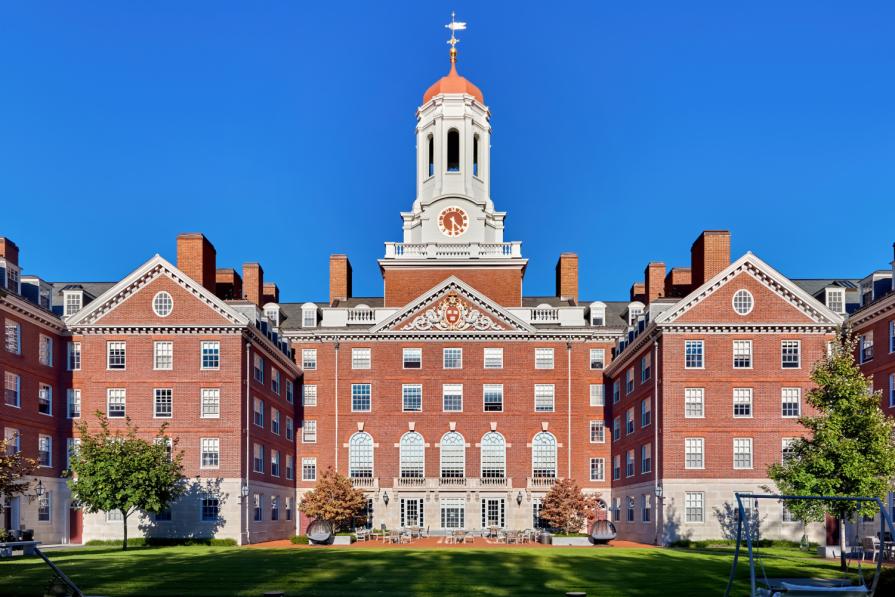
Key Takeaways for Harvard University, USA
Leadership, Global Influence & Interdisciplinary Strength
Harvard is internationally recognized for producing world leaders, Nobel laureates, and industry pioneers. Its curriculum, research institutions, and professional schools offer unmatched interdisciplinary opportunities. Harvard’s global reputation opens doors worldwide, making it a powerful launchpad for careers in business, law, medicine, science, public policy, and beyond.
Key Highlights:
- Elite programs in law, business, medicine, public policy, and sciences.
- Extensive financial aid, global research networks, and academic resources.
- Known for shaping global change-makers and thought leaders.
- Influential alumni network across government, finance, tech, and culture.
Harvard University: World-Class Academics and Global Influence
Harvard University, based in Cambridge, Massachusetts, is one of the most recognized names in global education. As the oldest higher education institution in the U.S., Harvard has an unmatched legacy in producing leaders in business, politics, science, and the arts. Its reputation for academic excellence spans disciplines from law and medicine to computer science and economics.
Harvard's Comprehensive Programs and Research Depth
Harvard offers over 50 undergraduate concentrations and a wide array of graduate and professional programs. Its research output is among the highest globally, with more than 100 research centers supporting advancements in public health, AI, climate change, and more. The Harvard Library, the largest academic library in the world, provides access to unparalleled resources.
Harvard: Elite Career Pathways and Networking Power
Harvard graduates enjoy one of the strongest alumni networks in existence. Whether entering Wall Street, academia, or public service, students benefit from deep-rooted connections and mentorship. Career support services, global internships, and access to industry leaders make Harvard a powerful launchpad for any career.
Harvard's Diverse Student Life and Campus Resources
Harvard’s student body is both diverse and dynamic, with learners from every continent. Cultural events, innovation labs, community service, and over 400 student organizations ensure there’s always something happening on campus. Residential houses foster a sense of belonging, and resources for wellness and inclusion ensure every student thrives academically and personally.
- Sources Include / Discover More: Founded in 1636, Harvard University is the oldest institution of higher education in the U.S., located in Cambridge, Massachusetts
- Also Read: Complete Luxury Pens Buying Guide
#5
National University of Singapore (NUS), Singapore

Key Takeaways for National University of Singapore (NUS), Singapore
Asia’s Global Education Hub & Research Powerhouse
NUS stands at the forefront of Asia’s rise in higher education, offering world-class programs that bridge Eastern and Western academic perspectives. The university is known for research excellence, sustainable innovation, and strong industry partnerships across Asia and the global economy. Its strategic location in Singapore provides unmatched access to growing markets and international opportunities.
Key Highlights:
- Top-ranked university in Asia with global academic recognition.
- Strengths in engineering, business, computing, innovation, and sustainability.
- Offers access to one of the world’s most dynamic economic regions.
- Ideal for students seeking global perspectives and future-ready careers.
National University of Singapore (NUS): Asia’s Academic Powerhouse
The National University of Singapore is consistently ranked among the top universities in Asia and globally. Strategically located in a global business hub, NUS combines Western academic frameworks with Eastern perspectives, making it an attractive destination for students seeking a multicultural education grounded in global relevance.
NUS: Innovative Education and Research Strength
NUS offers a broad spectrum of programs in disciplines like engineering, computer science, business, life sciences, and international relations. Its multidisciplinary approach includes double degrees, special programs with partner universities, and access to the NUS Overseas Colleges (NOC), which immerse students in entrepreneurial ecosystems across the world.
NUS: Global Employability and Industry Collaboration
NUS has strong ties to multinational corporations and regional governments, offering excellent placement opportunities and internships. Graduates are highly sought after in fields like tech, finance, and public policy. With strong QS employability rankings, it’s one of the best choices for those aiming to work in Asia or beyond.
NUS: Student Experience and Campus Excellence
The NUS campus is a modern, green city within a city, featuring advanced labs, student housing, and cultural spaces. A wide range of clubs, mentorship programs, and entrepreneurial competitions enrich student life. With a strong focus on sustainability and digital transformation, NUS offers a future-forward educational experience that’s deeply connected to real-world progress.
- Sources Include / Discover More: Founded in 1905, the National University of Singapore (NUS) is Singapore’s flagship, top-ranked comprehensive research university
- Also Read: Best High-Limit Life Insurance Buying Guide
Key Factors to Consider When Selecting a University
Choosing a university isn’t just a box-ticking exercise—it’s about aligning your personal, academic, and professional needs with the strengths of the institution. To help you navigate this major decision, here are the key factors you should always evaluate:
Academic Reputation and Rankings
University rankings can be a helpful starting point. Institutions like MIT, Stanford, and Oxford consistently top global rankings due to their academic rigor, groundbreaking research, and stellar faculty. These rankings consider various factors such as student satisfaction, faculty achievements, and global influence.
However, don’t get tunnel vision. A high-ranking university might not be the best fit for your specific field or learning style. Dig deeper beyond the overall rank—look at subject-specific rankings, reputation within your major, and faculty credentials.
Program Specializations and Faculty
Just because a university is globally renowned doesn’t mean it excels in your area of interest. For instance, Caltech is amazing for physics, but it won’t be your first pick for philosophy.
Always explore:
- Department rankings within your field
- Course curriculum
- Research centers and labs
- Faculty profiles and published work
A school with leading experts in your field can open doors to mentorship, cutting-edge projects, and industry connections.
Campus Life and Student Support Services
University isn’t just about lectures and exams—it’s about the overall student experience. From sports clubs and international societies to mental health support and dorm options, the campus environment plays a big role in your happiness and success.
Ask yourself:
- Does the university have a vibrant student community?
- Are there dedicated offices for international students?
- What kind of wellness and academic support services are offered?
These extras may not appear on ranking charts, but they’re often what make your university years truly unforgettable.
Tuition Costs and Scholarships
Education can be expensive, but it doesn’t have to break the bank. American Ivy Leagues can cost $70,000+ annually, while elite European universities like ETH Zurich or TU Munich offer top-tier education at minimal or even no tuition fees.
Always evaluate:
- Total cost of attendance (tuition + living expenses)
- Availability of need-based or merit-based scholarships
- Work-study programs or assistantships for graduate students
With the right financial planning and scholarship opportunities, even the world’s top universities can be within reach.
Location and Climate
It might sound trivial—but trust us, location matters. Studying in downtown London versus a quiet college town in Canada offers totally different vibes. Think about:
- Climate: Can you handle extreme winters or hot humid summers?
- Culture and language: Are you comfortable adapting?
- Proximity to home: Are you okay being halfway across the world?
Beyond personal comfort, location also affects cost of living, job opportunities, and lifestyle options.
Alumni Network and Career Outcomes
A strong alumni network is one of the most underrated factors in picking a university. These are the people who can help you land internships, refer you to top firms, or even become your future co-founders.
Before committing, look into:
- Graduate employment rates
- Popular industries hiring from that university
- Alumni success stories and mentorship programs
Elite institutions often have career centers and alumni offices that actively connect students with real-world opportunities.
Top 10 World's Best Universities Overview
Now that you know what to look for, let’s explore who stands out on the global stage. These top universities didn’t earn their place by accident—they consistently deliver academic excellence, research innovation, and career success for their graduates.
How Rankings Are Determined
Global university rankings like QS World University Rankings, Times Higher Education, and U.S. News & World Report use a multi-layered scoring system. While each has its own formula, most focus on the following core factors:
- Academic Reputation: How well the institution is regarded globally by academics.
- Faculty/Student Ratio: Smaller classes usually mean more individual attention.
- Citations per Faculty: A proxy for research impact—how often faculty work is cited.
- Employer Reputation: How companies view the graduates of that university.
- International Diversity: The mix of international faculty and students indicates global appeal.
These metrics combine to offer a balanced picture of each school’s strengths, though they shouldn’t be the only consideration in your decision-making process.
Comparing Based on Programs and Global Reach
Not all top universities shine in every discipline. That’s why it’s crucial to match your academic goals with each university’s area of excellence.
- Stanford: Dominates in engineering, AI, and tech entrepreneurship.
- Harvard: Known for its powerhouse law, business, and medical schools.
- Oxford & Cambridge: Unmatched in humanities, politics, and historical studies.
- MIT: A mecca for innovation in robotics, architecture, and data science.
- ETH Zurich: A European gem in mechanical and civil engineering.
- National University of Singapore (NUS): Leading in biotech and regional policy.
Instead of just chasing a brand name, align yourself with universities that are top-ranked within your field. That’s where you’ll find the best professors, funding opportunities, and peer community to grow with.
World's Best Universities Buying Guide Table
Compare Tuition, Rankings, Global Reputation & Career Outcomes at the World’s Top Universities.
If you’re searching for a clear, side-by-side comparison of the world’s best universities, look no further. This comprehensive table showcases top-ranked institutions across the globe—featuring their locations, average tuition fees, and standout highlights—to help you make an informed, strategic decision. Whether you’re aiming to study in the USA, UK, Europe, Asia, or Australia, this chart will serve as your go-to reference for identifying elite academic destinations.
From Ivy League excellence to cutting-edge innovation hubs, this snapshot covers the best of the best in higher education. Use this World’s Best Universities Buying Guide table to compare global leaders like MIT, Oxford, Stanford, and NUS, and find out which university aligns best with your goals, budget, and academic focus.
| No. | University Name | Location | Average Tuition (USD) | Key Highlights |
|---|---|---|---|---|
| 1 | Massachusetts Institute of Technology (MIT) | USA | $55,000–$60,000 | Top-ranked STEM programs, innovation hub |
| 2 | Stanford University | USA | $56,000–$62,000 | Silicon Valley connections, tech and entrepreneurship |
| 3 | University of Oxford | UK | $45,000–$50,000 | Historic prestige, humanities and sciences leader |
| 4 | Harvard University | USA | $50,000–$70,000 | Elite law, business, medicine programs |
| 5 | National University of Singapore (NUS) | Singapore | $25,000–$35,000 | Best in Asia, biotech and innovation-focused |
| 6 | ETH Zurich | Switzerland | $1,500–$2,000 | Low tuition, excellence in engineering |
| 7 | University of Cambridge | UK | $40,000–$50,000 | Oldest and most respected global institution |
| 8 | California Institute of Technology (Caltech) | USA | $55,000–$60,000 | Small student body, STEM-intensive research |
| 9 | University of Tokyo | Japan | $6,000–$9,000 | Top Asian institution, multilingual programs |
| 10 | University of Melbourne | Australia | $30,000–$45,000 | Global student body, top in Asia-Pacific |
Key FAQs on the World's Best Universities Buying Guide
Why is the Massachusetts Institute of Technology (MIT) considered the best STEM university in the world?
MIT is widely regarded as the world’s leading STEM university due to its unmatched research output, innovation culture, and industry integration. Ranked #1 globally by QS World University Rankings 2025, MIT leads in engineering, computer science, AI, robotics, and aerospace, producing over 30,000 active startups worldwide.
With 100+ Nobel laureates and over $1.7 billion in annual research funding (MIT Facts), MIT’s ecosystem combines academic rigor with real-world problem solving, making it the global benchmark for technology-driven education and entrepreneurship.
How does Stanford University support entrepreneurship and startup success?
Stanford University thrives at the heart of Silicon Valley, directly powering the global startup and venture capital ecosystem. Stanford alumni have founded companies generating over $2.7 trillion in annual revenue, including Google, Netflix, NVIDIA, and LinkedIn, according to Stanford Innovation Index data.
Consistently ranked among the top three universities worldwide by Times Higher Education, Stanford integrates entrepreneurship, AI research, and venture funding into its academic model, making it the world’s most influential university for technology leadership and startup success.
What makes the University of Oxford one of the most respected academic institutions in the world?
The University of Oxford is one of the most respected academic institutions globally due to its 900-year legacy, tutorial-based learning system, and exceptional research influence. Ranked #1 globally by Times Higher Education in recent years, Oxford excels across humanities, medicine, philosophy, and sciences.
With more than 70 Nobel Prize affiliates and alumni including world leaders and scholars, Oxford combines historic academic tradition with cutting-edge global research impact across policy, health, and innovation.
Why is Harvard University regarded as a top global institution for business, law, and medicine?
Harvard University is globally regarded as the gold standard for education in business, law, medicine, and public policy. Home to Harvard Business School, Harvard Law School, and Harvard Medical School, it consistently ranks among the top five universities worldwide by QS and THE.
Backed by the world’s largest academic endowment and a global alumni network spanning governments, Fortune 500 companies, and research institutions, Harvard shapes global leadership through interdisciplinary education and policy-driven research excellence.
What makes the National University of Singapore (NUS) the top-ranked university in Asia?
The National University of Singapore is Asia’s top-ranked university, recognized for its research intensity, global partnerships, and innovation-driven education. Ranked #1 in Asia by QS Asia University Rankings, NUS leads in biotechnology, engineering, sustainability, and digital transformation.
With strategic collaborations involving MIT, Duke, and leading global industries, NUS attracts students from over 120 countries and serves as Asia’s premier hub for future-focused research and global academic mobility.
Why is ETH Zurich considered one of the best engineering universities in the world?
ETH Zurich is one of the world’s leading engineering and applied sciences universities, consistently ranked #1 in Europe for engineering and technology by QS Rankings. Known as the academic home of Albert Einstein, ETH excels in robotics, AI, physics, and sustainable engineering.
With strong ties to CERN and European research institutions, ETH Zurich combines low tuition with world-class research funding, making it a top destination for high-impact STEM education and innovation leadership.
How does the University of Cambridge maintain its reputation as a world-leading academic institution?
The University of Cambridge maintains its global academic leadership through rigorous scholarship, pioneering discoveries, and an elite collegiate teaching system. Ranked among the top three universities worldwide by QS Rankings 2025, Cambridge leads in mathematics, physics, life sciences, and humanities.
Home to over 120 Nobel Prize affiliates, Cambridge’s supervision model and global research network consistently produce transformative scientific breakthroughs and intellectual leadership across generations.
What makes the California Institute of Technology (Caltech) unique compared to larger universities?
Caltech stands apart as one of the smallest yet most research-intensive universities in the world. With a student-to-faculty ratio under 3:1, Caltech ranks #1 globally for physical sciences by QS Rankings, specializing in physics, aerospace, chemistry, and earth sciences.
Its close partnership with NASA’s Jet Propulsion Laboratory enables pioneering space missions and planetary research, positioning Caltech as a global epicenter for high-impact scientific discovery.
Why is the University of Tokyo considered the leading university in Japan and Asia?
The University of Tokyo is Japan’s premier research university and a leading academic institution in Asia. Ranked among the top Asian universities by QS and THE, it excels in robotics, engineering, medicine, and public policy.
As Japan’s oldest national university, UTokyo maintains deep industry ties and multilingual programs, attracting international researchers seeking advanced scientific infrastructure and globally competitive research opportunities in the Asia-Pacific region.
What makes the University of Melbourne a top destination for international students?
The University of Melbourne is a top-ranked global university and a leading academic hub in the Asia-Pacific region. Ranked #1 in Australia by US News Global Universities, it is renowned for excellence in business, medicine, arts, and interdisciplinary research.
With one of the world’s most diverse student populations and strong global partnerships, Melbourne offers industry-aligned education, robust research funding, and exceptional international career pathways for students worldwide.
Ivy League vs. Global Leaders
When it comes to elite universities, the Ivy League often dominates conversations. But in today’s increasingly globalized academic landscape, several international institutions are stepping up and delivering education that rivals, or even exceeds, their American counterparts.
What Makes Ivy League Special?
The Ivy League—comprising eight prestigious U.S. universities like Harvard, Yale, Princeton, and Columbia—is synonymous with academic excellence, historical legacy, and powerful alumni networks. These institutions boast centuries-old traditions, billion-dollar endowments, and unmatched influence in politics, business, law, and academia.
But what really sets them apart? It’s their selective admissions, low student-to-faculty ratios, and massive funding that fuels world-class research and campus facilities. Graduating from an Ivy League school also carries a certain prestige that can open doors globally.
However, competition is fierce, tuition is high, and the pressure can be intense. It’s not the only path to success, but for many, it’s the ultimate academic aspiration.
Rising Global Stars in Asia and Europe
While the Ivy League still holds clout, universities across Asia and Europe have surged ahead in recent years, thanks to increased funding, English-taught programs, and international partnerships.
- National University of Singapore (NUS) and Tsinghua University in China are now top destinations for STEM and business students.
- ETH Zurich and LMU Munich offer world-class education with minimal tuition fees—even for international students.
- The University of Oxford and Cambridge continue to maintain a stronghold in global rankings with their centuries-old academic traditions.
These rising stars often provide high-quality education, strong global employability, and a more affordable price tag—making them attractive alternatives to Ivy League schools.
Public vs. Private Institutions
When choosing between a public or private university, it’s not about which one is better overall—but rather which one aligns best with your academic and financial goals.
Pros and Cons of Each
Public Universities are typically government-funded and cater to larger populations, especially local or in-state students. The biggest advantage? Lower tuition costs, especially for domestic applicants. These institutions also offer a vibrant and diverse campus culture, with students from a variety of economic and cultural backgrounds. However, due to their size, personalized attention may be limited and navigating administration can be slower.
Private Universities, on the other hand, often come with a higher price tag—but that money goes toward smaller class sizes, better faculty-student ratios, and more tailored academic experiences. They usually have stronger alumni networks, top-tier facilities, and more generous research grants or funding. Private institutions also tend to be more selective, and their brand prestige can sometimes carry more weight in niche industries or elite graduate schools.
Which Offers Better ROI?
Return on investment (ROI) isn’t just about salary after graduation—it includes career advancement, networking opportunities, and personal growth. Public universities tend to offer the best ROI for undergraduates, particularly in STEM or liberal arts, thanks to affordable tuition and reputable programs.
Private universities may shine when it comes to graduate studies or professional degrees, where the strength of alumni networks, internship pipelines, and industry prestige often translate into higher-paying roles and faster career mobility.
So, ask yourself: Are you looking for affordability and scale? Or elite access and tailored experiences? That answer will guide your best-fit choice.
Online vs. On-Campus Learning in Top Universities
Technology has reshaped education. Once considered supplementary, online learning is now a core offering at many of the world’s best universities. But how does it stack up against traditional, on-campus experiences?
Flexibility vs. Immersive Experience
Online learning offers unparalleled flexibility. You can attend lectures, submit assignments, and even collaborate with classmates—all from the comfort of your home. This is especially valuable for working professionals, parents, or international students unable to relocate.
But there’s a trade-off. You miss out on:
- In-person interactions with professors
- Campus networking events
- Lab-based research opportunities
- Study abroad or cultural immersion
On-campus programs, meanwhile, offer a rich, immersive environment where students benefit from face-to-face mentoring, spontaneous discussions, and physical access to libraries, labs, and social life.
Choosing between the two depends on your lifestyle, learning preferences, and goals.
Online Offerings from Leading Schools
Top universities have embraced online learning in a big way:
- Harvard, MIT, and Stanford offer courses via platforms like edX and Coursera
- Oxford and Cambridge run part-time, hybrid, and distance learning postgraduate programs
- University of Illinois, Georgia Tech, and Imperial College London offer full degrees online, including MBAs and engineering programs
These programs come with rigorous standards, respected faculty, and recognized degrees—proving that online doesn’t mean “less than” anymore.
Application Strategy for Top Universities
Getting into one of the world’s best universities is a competitive journey—and it goes far beyond just top grades.
How to Build a Competitive Application
Yes, academic performance matters. But top schools are looking for well-rounded, high-impact individuals who can bring something unique to their campus.
- Leadership and Initiative: Whether you’ve launched a nonprofit, led a debate team, or founded a school club, admissions officers love applicants who start things and inspire others.
- Extracurriculars: Involvement in sports, music, art, or volunteering shows character and time management skills.
- Community Impact: Have you made a difference in your community or school? Share it. Admissions teams are drawn to students who care about more than themselves.
- Passion and Purpose: Tell your story. Why this university? Why this field? What do you hope to change or achieve? The more authentic and focused your answers, the more memorable your application will be.
Deadlines, Tests, and Essays to Prepare For
Applying to top-tier universities means navigating a maze of requirements. Here’s what to keep on your radar:
- Standardized Tests: Most U.S. schools require the SAT or ACT for undergrads. Grad schools often expect the GRE, while international students may need the TOEFL or IELTS to prove English proficiency.
- Deadlines: Application deadlines vary by region and program but generally fall between October and January for most fall intakes. Some programs have rolling admissions, so apply early.
- Essays & Personal Statements: This is your chance to shine beyond the numbers. Write multiple drafts. Get feedback. Speak from the heart. Authenticity and clarity will set you apart.
Pro Tip: Don’t wait until the last minute. Start preparing at least 6–12 months in advance to perfect your materials and stay ahead of deadlines.
Scholarships and Financial Aid
Getting into a top university is only half the challenge—the other half is paying for it. Fortunately, many of the world’s best universities offer scholarships and financial aid that make education more accessible than ever.
Need-Based vs. Merit-Based
There are two main types of financial aid:
- Need-Based Aid: Designed for students who cannot afford the full cost of attendance. Institutions like Harvard and Yale meet 100% of demonstrated financial need—even for international students.
- Merit-Based Scholarships: Awarded based on academic achievement, leadership, sports, or artistic talent. These are often competitive but can cover full tuition or more.
Understanding which one you qualify for—and applying early—is key to reducing financial stress.
Best Financial Aid Programs at Leading Schools
Some of the most generous and well-known financial aid programs include:
- Harvard University: Offers free tuition to families earning under $85,000/year.
- Stanford University: Covers tuition for students from families earning less than $100,000.
- ETH Zurich and TU Munich: While tuition is low, they also offer scholarships for living expenses.
- Sciences Po (France) and University of Toronto (Canada): Provide numerous international scholarships for undergrad and graduate students.
Pro tip: Don’t just look at the sticker price. With the right scholarship or grant, even elite universities can become surprisingly affordable.
Visa and International Student Support
Choosing to study abroad is exciting—but navigating the logistics can be daunting. One of the most important steps for international students is securing a student visa and ensuring there’s support when you arrive.
Navigating Student Visa Processes
Each country has its own visa requirements, timelines, and application procedures. For instance:
- U.S. students typically require an F-1 visa
- UK students need a Tier 4 (Student) visa
- Canada issues study permits
- Australia provides Subclass 500 student visas
To avoid delays or rejections:
- Apply as soon as you receive your university acceptance
- Prepare documents like bank statements, letters of intent, passport copies, and medical exams
- Schedule your embassy appointment early
Many top universities offer visa counseling services to help guide you through the entire process—don’t hesitate to use them.
Support Services for International Students
Once accepted, your journey is just beginning. Thankfully, leading universities provide a wealth of resources specifically for international students, including:
- Arrival orientation programs
- Visa and immigration advice
- Academic writing support and ESL services
- Counseling and cultural adjustment assistance
- Student societies based on nationality or interests
Schools like University of Toronto, NUS, and Oxford have full-fledged international offices to help you transition smoothly into your new academic and cultural environment.
Visiting the Campus – Virtual or In-Person
Seeing is believing. Whether it’s strolling through Harvard Yard or virtually exploring ETH Zurich, campus visits offer a real-world feel that no brochure or website can replicate.
Why Campus Visits Matter
Visiting a campus gives you a front-row seat to daily student life. You get to:
- Experience the atmosphere and energy
- Meet current students and ask candid questions
- Check out dorms, classrooms, cafeterias, and libraries
- Gauge whether the university “feels right” for you
Even if you’ve researched everything online, an in-person visit can provide that gut-level clarity you need before committing.
How to Make the Most of Virtual Tours
Can’t travel? No problem—virtual campus tours have come a long way. Most top universities now offer:
- 360° campus walkthroughs
- Live Q&A sessions with students and faculty
- Virtual info sessions on admissions and financial aid
When attending a virtual tour:
- Take notes and screenshots
- Ask real-time questions via chat
- Attend with your family or mentor for a second opinion
Virtual tours won’t replicate the full in-person experience, but they’re a smart, accessible alternative—especially for international applicants.
Latest Trends in Higher Education
Higher education is evolving rapidly, with universities adapting to societal shifts, student expectations, and global challenges. Let’s explore some of the biggest trends shaping the future of top institutions.
Interdisciplinary Studies
Today’s problems don’t fit neatly into one academic box—so neither should your education. Universities are increasingly offering interdisciplinary programs that blend fields like:
- AI + Ethics
- Environmental Science + Policy
- Business + Data Analytics
This approach fosters creative problem-solving and prepares students for complex, real-world careers. Schools like Stanford, MIT, and University of Melbourne lead in offering flexible degree combinations.
Sustainability and Innovation on Campus
Sustainability is no longer just a buzzword—it’s a benchmark. The world’s best universities are integrating eco-conscious practices into:
- Campus architecture (green buildings, solar panels)
- Research funding for renewable energy and climate science
- Curriculums focused on sustainability and global impact
Innovation isn’t just happening in labs—it’s embedded in how universities operate and teach. Expect more smart campuses, digital classrooms, and carbon-neutral goals from institutions aiming to shape the future responsibly.
Red Flags to Avoid in University Selection
When choosing a university, knowing what not to fall for is just as important as knowing what to look for. Here are the biggest red flags to watch out for during your selection process.
Accreditation Issues
One of the most critical red flags is lack of accreditation or recognition by official academic bodies. Accreditation ensures that the institution meets certain academic standards. Without it, your degree might be worthless in the job market or ineligible for transfer credits and postgraduate programs.
Always double-check:
- Whether the university is accredited by national or international bodies
- If your specific program has industry recognition (especially important in fields like law, medicine, or engineering)
Avoid “degree mills” or institutions that seem too good to be true—they often are.
Hidden Fees and Misleading Rankings
Another common pitfall? Unexpected costs. Some universities advertise low tuition but sneak in mandatory fees for labs, administration, international processing, housing, or insurance.
Also, beware of misleading rankings. Not all rankings are created equal—some are pay-to-play or use vague, inconsistent metrics. Rely on trusted sources like QS Rankings, Times Higher Education, or U.S. News & World Report.
When comparing schools, ask for a complete fee structure, and verify rankings from multiple reliable sources.
To Sum Up Before You Choose
After all the research, data comparison, and application prep, there comes a moment of personal decision-making. Here’s how to finalize your choice with confidence.
Gut Feeling vs. Data
Yes, numbers matter—rankings, tuition, acceptance rates, ROI, and so on. But don’t ignore your gut feeling. That instinctual pull toward a certain campus, city, or culture could be telling you something important about where you’ll thrive.
Visit (virtually or in person), talk to current students, and picture yourself there. If it feels right and checks the important boxes, it might just be your ideal fit.
Checklist Recap
Before hitting that “apply” button, make sure you’ve covered this checklist:
✅ Defined your academic goals (undergrad vs. grad, research vs. career focus)
✅ Compared global and field-specific rankings
✅ Considered cost, scholarships, and ROI
✅ Evaluated campus life and international student support
✅ Checked visa requirements and deadlines
✅ Watched virtual tours or visited in person
✅ Verified accreditation and hidden costs
If most of these align, you’re well on your way to making a smart, life-changing choice.
Final Thoughts
Choosing the right university is more than an admissions task; it’s a defining life journey that shapes your personal growth, professional pathway, global network, and long-term opportunities. Around the world, institutions like MIT, Stanford, Oxford, Harvard, NUS, and others have built reputations for academic excellence, cutting-edge research, and influential alumni networks that open doors in every industry. Yet the “best” university is not universal—it’s the one that aligns with your ambitions, learning style, career goals, cultural preferences, and financial plan.
Use this World’s Best Universities Buying Guide as a strategic foundation to compare tuition fees, global rankings, campus environment, academic specializations, and career support systems. Look beyond the prestige of well-known names and focus on where you will thrive intellectually, socially, and professionally. Consider your passion fields, internship access, scholarship opportunities, and real-world project exposure.
When you choose a university, you’re not just selecting classrooms or degrees—you’re choosing the environment that will shape your voice, your confidence, and your future legacy. Make the decision with clarity, curiosity, and bold vision. The right choice can become the launchpad for the most transformative chapter of your life.
The World's Best Universities Buying Guide Frequently Asked Questions (FAQs)
You can check accreditation through official government education websites or by consulting recognized accreditation bodies like CHEA (U.S.), QAA (UK), or ENQA (Europe). Always verify before applying.
Absolutely! Most Ivy League universities offer generous need-based financial aid and even full scholarships to international students with exceptional academic profiles.
Yes, many online programs from top schools like MIT, Stanford, and Imperial College offer the same curriculum, faculty, and degree accreditation as their on-campus counterparts.
Focusing solely on rankings and prestige without considering fit, cost, support services, and academic strengths specific to their field of interest.
Aim for 5–8 universities: a mix of reach, match, and safety schools. Make sure each one aligns with your academic goals and personal preferences.
Massachusetts Institute of Technology (MIT) consistently ranks as the best university for engineering, computer science, and technology innovation.
Oxford and Harvard are both world-class institutions. Oxford excels in humanities and research tradition, while Harvard leads in global leadership, law, and business education.
The National University of Singapore (NUS) is widely recognized as Asia’s top university, with strengths in research, global partnerships, and academic excellence.
University rankings are based on metrics like academic reputation, employer reputation, faculty/student ratio, research output, international outlook, and citations.
About the Author
This article was researched and prepared by the World Millions Editorial Team, specialists in global rankings, premium market analysis, structured comparisons, and high-value sector research across industries.
All content undergoes verification, editorial review, and periodic updates to ensure accuracy, clarity, and alignment with recognized industry standards, reliable institutional sources, and leading global authorities.
- Last Updated: March 27, 2026 by the World Millions Editorial Team
- Original Published Date: March 27, 2026
- View Our: Editorial Team | Sources | Disclaimer | Editorial Standards