- Home
- »
- Luxury Buying Guides
- »
- Luxury Fine Wines and Spirits Buying Guide
Luxury Fine Wines and Spirits Buying Guide
Luxury fine wines and spirits represent the pinnacle of heritage craftsmanship, exceptional terroir, and time-honored distillation mastery. From legendary Burgundy vineyards and Bordeaux First Growth estates to ultra-aged Scotch whiskies and century-old cognacs, these rare bottles command extraordinary prestige and auction prices. Collectors, investors, and connoisseurs prize them for their rarity, provenance, aging potential, and global recognition in the world of fine dining and luxury lifestyle.
Explore this Luxury Fine Wines and Spirits Buying Guide to discover the world’s most coveted bottles, iconic producers, and timeless pairings. From Domaine de la Romanée-Conti and Screaming Eagle Cabernet to Macallan Fine & Rare and Louis XIII cognac, this guide reveals the elite selections that define collectible wines and investment-grade spirits worldwide.
- Updated 2026 by the World Millions Editorial Team: View Author Information
Why This Market is Booming
The global market for luxury wines and spirits is not just thriving—it’s exploding. Forecasts show that the industry is set to surpass $120 billion by 2030, driven by a growing class of high-net-worth individuals and an appetite for rare, tangible assets.
But why is luxury alcohol so hot right now?
On This Page
ToggleFor starters, it’s becoming a legitimate investment class. Over the past decade, rare whiskies have consistently outperformed traditional assets like gold and stocks. Bottles from brands like Macallan or Yamazaki are fetching six to seven figures at auctions. On the wine front, prestigious estates in Bordeaux, Burgundy, and Napa Valley continue to see year-over-year appreciation, making them attractive to collectors and portfolio managers alike.
Additionally, there’s an emotional pull. Luxury spirits and wines offer experience, legacy, and exclusivity. It’s not just about what’s in the bottle—it’s about the story behind it, the rarity, the craftsmanship, and the bragging rights. As more people shift from material goods to experiential luxury, high-end alcohol fits perfectly into this narrative.
Who Buys Luxury Wines & Spirits?
The answer? A diverse and growing audience.
- Collectors chase after rare vintages and limited-edition releases to build enviable cellars.
- Investors treat ultra-premium spirits like Macallan 1926 or Domaine de la Romanée-Conti as appreciating assets.
- Gourmets seek the ultimate flavor experience from elite producers.
- Corporations gift them as high-impact tokens of appreciation or status.
- Celebrities and influencers collect and even launch their own lines of premium spirits.
But it doesn’t stop there. The demographic is expanding, with millennials and Gen Z entering the market with a fresh perspective. They’re often drawn to bottles that offer personalization, sustainability, or a powerful origin story—making the sector not only luxurious but also culturally relevant.
From Wall Street bankers to Silicon Valley techies, from art collectors to global travelers—luxury wines and spirits are becoming the go-to symbols of taste, sophistication, and smart investing.
Understanding the Categories
When it comes to luxury alcohol, not all bottles are created equal. From distinguished vintages to collector’s edition spirits, each type holds its own charm, complexity, and cultural prestige. To navigate the landscape effectively, it’s essential to understand the key categories that define luxury in this space.
Fine Wines vs. Spirits – What's the Difference?
Although both fine wines and luxury spirits belong in the high-end category, their origins, production methods, and consumption rituals differ greatly.
Fine wines are made from grapes cultivated in specific, often legendary, regions such as Bordeaux, Burgundy, Tuscany, or Napa Valley. The concept of terroir—the unique combination of soil, climate, and geography—plays a crucial role in defining the quality and character of the wine. These wines are fermented, sometimes aged in oak barrels, and often improve with age, developing more complex aromas and flavors over time. They are traditionally paired with meals and enjoyed in a refined setting.
Luxury spirits, on the other hand, are distilled beverages such as whisky, cognac, vodka, gin, and rum. Unlike wine, which continues to evolve in the bottle, spirits stop aging once bottled. However, before that, they may spend 15 to 50+ years aging in barrels, absorbing character from wood and the environment. Spirits can be single malt, small batch, or blended—and are usually enjoyed neat or with minimal mixers to preserve their depth and character.
Both categories can reach astronomical prices, especially when they are rare, vintage, or tied to iconic producers. However, their journey from production to table is quite different, which is why understanding both is vital before making a purchase.
Vintage, Rare, and Limited Editions Explained
Not every expensive bottle is vintage or rare. The world of fine alcohol distinguishes between vintage, rare, and limited edition offerings—each with its own value proposition.
- Vintage Wines: A vintage wine is produced using grapes harvested in a single year, often from a particularly good harvest. These wines reflect the climate and growing conditions of that year, which significantly influence taste and quality. For example, a 1982 Château Lafite Rothschild is considered exceptional because of the conditions that year in Bordeaux.
- Rare Wines & Spirits: “Rare” refers to bottles that are difficult to obtain due to discontinued production, extremely small batch sizes, or limited geographic distribution. These bottles may come from boutique wineries, closed distilleries, or lost casks discovered years after they were forgotten. The rarity adds significant collector and investment appeal.
- Limited Editions: Limited editions are often released to commemorate milestones, anniversaries, or partnerships. These are produced in small quantities—sometimes just a few hundred or thousand bottles. They often feature luxury packaging, serial numbers, and certificates of authenticity, making them highly sought after among collectors and gift-givers.
What Makes a Wine "Fine"?
Fine wine isn’t just about taste—it’s a combination of origin, production, and prestige. Here are the essential qualities that make a wine truly “fine”:
- Prestigious Terroirs: Grown in world-renowned regions like Bordeaux, Napa Valley, Rioja, or Barossa Valley, where the terroir naturally enhances grape quality.
- Proper Aging: Many fine wines are aged for several years before release and continue to mature in the bottle, improving with time.
- Winemaker Credibility: Crafted by highly regarded winemakers or wineries known for exceptional standards and consistency.
- Provenance: A documented history of the bottle’s journey—from vineyard to table—ensuring authenticity and storage integrity.
- Critical Acclaim: Reviewed and scored highly (usually 90+ points) by trusted sommeliers, wine critics, and institutions such as Wine Spectator or Robert Parker.
Fine wines are not just about flavor—they are about prestige, legacy, and long-term enjoyment or investment potential.
What Defines a Luxury Spirit?
Luxury spirits are a league above everyday liquor, defined by exceptional quality, artistry, and heritage. Here’s what sets them apart:
- Long Barrel Aging: Many high-end spirits, especially whiskies and cognacs, are aged for decades, sometimes over 50 years. This long maturation imparts deep, layered flavors and aromas.
- Small Batch or Single Barrel: Rather than being mass-produced, luxury spirits are often crafted in limited quantities, with each barrel contributing unique notes, making every bottle distinct.
- Premium Presentation: These bottles come encased in hand-blown glass, crystal decanters, or collector’s packaging that doubles as artwork—adding to their luxury appeal.
- Heritage Brands: Most luxury spirits are produced by distilleries with centuries-old legacies, often using traditional methods that have been passed down through generations.
- Flavor Complexity: Expect intricate layers—smokiness, spice, vanilla, caramel, leather, even floral or earthy notes—that evolve with each sip.
In essence, a luxury spirit is more than just a drink—it’s a masterpiece of time, technique, and tradition.
Key Elements That Define Luxury
When you step into the world of premium wines and spirits, you’re not just buying a bottle—you’re investing in a story of origin, craftsmanship, and exclusivity. These elements are what elevate a drink from ordinary to extraordinary.
Terroir and Craftsmanship
In the realm of fine alcohol, terroir is everything. It’s the combination of geography, climate, soil composition, and local winemaking or distilling techniques that influence the final taste and character of the product. A vineyard on a limestone hill in Burgundy will yield grapes vastly different from those grown in California’s sun-drenched valleys. Likewise, a whisky distilled in the cool, peaty regions of Islay, Scotland, will carry entirely distinct notes compared to one from the Japanese Alps.
Beyond terroir lies craftsmanship—the traditional, often manual methods passed down through generations. From hand-harvested grapes to slow fermentation in wooden vats, these meticulous techniques ensure that every bottle is a reflection of artistry and tradition.
Barrel Aging and Distillation Process
A defining trait of luxury wines and spirits is time—specifically, the time spent aging and refining. Fine wines are often matured in oak barrels that impart unique flavors like vanilla, spice, or smoke. Similarly, whiskies and cognacs aged in sherry, bourbon, or wine casks develop deeper complexity the longer they rest.
Luxury spirits typically undergo specialized processes like triple distillation, charcoal filtering, or small-batch blending. These steps remove impurities and enhance clarity, resulting in a smoother, more refined drinking experience that lingers on the palate long after the last sip.
Branding, Legacy & Packaging
Luxury isn’t just in what you drink—it’s how it’s presented. From hand-etched crystal decanters to gold-foiled labels, premium alcohols are often wrapped in prestige. Many brands collaborate with famed designers or glassmakers to craft collectible bottles that look as impressive as the liquid inside tastes.
Brand legacy also plays a crucial role. Names like Macallan, Château Lafite Rothschild, or Louis XIII evoke centuries of heritage and trust, giving you confidence in the quality you’re buying. The attention to detail in branding, storytelling, and design can elevate a bottle from simply luxurious to utterly iconic.
Popular Pairings with Fine Wines & Spirits
Pairing the right food with luxury wines and premium spirits elevates the entire tasting experience. Whether you’re hosting a soirée or savoring solo, these classic pairings bring out the best in every sip and bite. Here are the most exquisite matches every connoisseur should know.
#1
Red Wine + Steak or Lamb
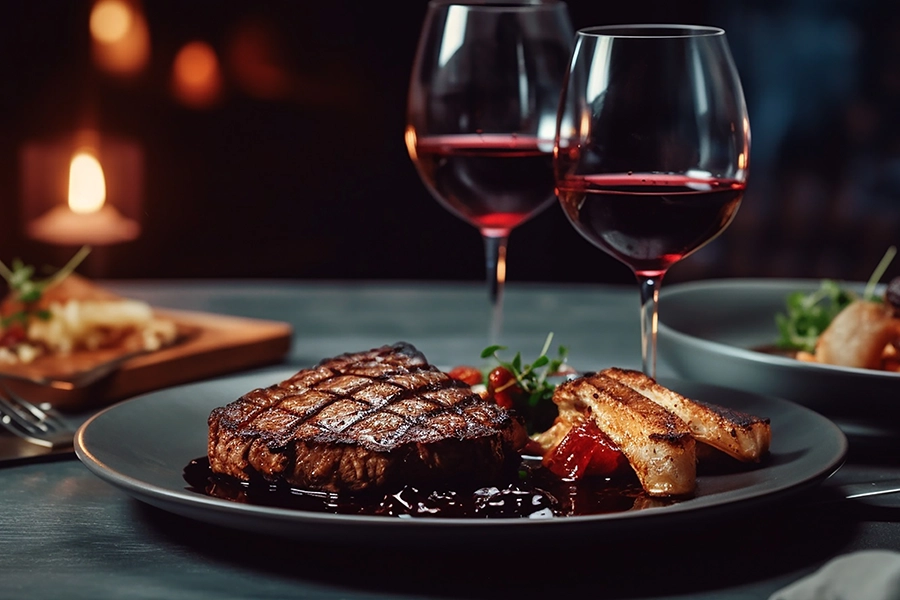
Key Takeaways for Red Wine + Steak or Lamb
This pairing delivers depth, warmth, and balance, elevating classic fine dining. Rich tannins in red wine soften when paired with juicy, savory red meats, creating a smooth, luxurious mouthfeel.
Key Highlights:
- Ideal with Cabernet Sauvignon, Merlot, Syrah, or Bordeaux blends.
- Enhances umami and grilled or roasted meat flavors.
- Perfect choice for elegant dinners, celebrations, and wine-led dining experiences.
Red Wine + Steak or Lamb: A Classic Culinary Match
Few culinary experiences are as satisfying as pairing red wine with a perfectly cooked steak or tender lamb chop. This iconic duo has stood the test of time for good reason. The rich, juicy flavors of red meat find balance with the tannic structure of full-bodied red wines, creating a harmony that excites the palate and elevates even the simplest dish into a fine dining experience.
Why It Works So Well
The proteins and fats in steak or lamb bind with the tannins in red wine, especially varieties like Cabernet Sauvignon, Bordeaux blends, or Syrah. This softens the wine’s astringency while enhancing the meat’s succulence. The result is a smoother, rounder mouthfeel and a layered taste profile that allows the wine’s dark fruit, earthy notes, and subtle spice to shine.
For lamb, which tends to be more delicate than beef but rich in flavor, a well-aged Pinot Noir or a structured Rioja complements its gamier notes without overwhelming the dish. The wine’s acidity cuts through the fat while enhancing herbal marinades or garlic-infused sauces often used in lamb recipes.
Best Wine Styles for Steak and Lamb
For a grilled ribeye, opt for a Napa Valley Cabernet or a bold Malbec from Argentina—wines known for their deep berry notes and firm structure. With lamb, especially roast leg or lamb chops, go for a Bordeaux or a Côtes du Rhône, which offer both power and finesse.
Dry-aged steaks pair beautifully with mature wines, where tertiary notes like leather, tobacco, and forest floor emerge, echoing the complexity of aged beef.
Serving Tips to Elevate the Experience
Serve red wine slightly below room temperature, around 16–18°C (60–65°F), to keep alcohol levels in check and let the fruit character flourish. Decanting younger wines for 30–60 minutes can also help mellow tannins and open up aromatics.
Whether it’s for a formal dinner or an intimate weekend meal, pairing red wine with steak or lamb is a guaranteed way to turn a great meal into a memorable one.
#2
White Wine + Shellfish or Brie
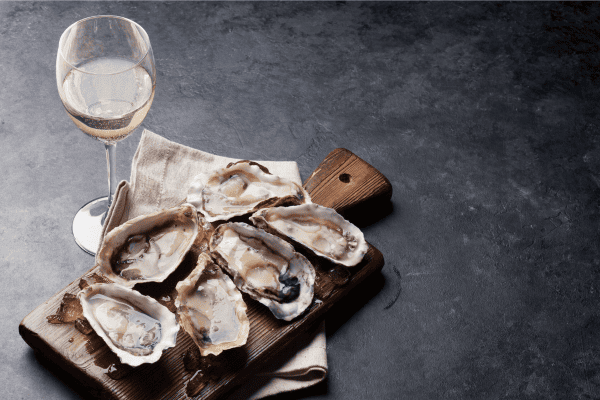
Key Takeaways for White Wine + Shellfish or Brie
This pairing emphasizes freshness and refinement. Crisp white wines brighten delicate seafood flavors and cut through the creamy texture of Brie cheese without overpowering either element.
Key Highlights:
- Works beautifully with Sauvignon Blanc, Chablis, Champagne, and Chardonnay.
- Enhances sweet, briny, and buttery flavor notes in seafood and soft cheeses.
- Stylish choice for brunches, coastal cuisine, and appetizer boards.
White Wine + Shellfish or Brie: The Beauty of Elegance and Balance
White wine’s bright acidity and refreshing minerality make it the perfect partner for delicate foods like shellfish and creamy cheeses. Whether you’re enjoying oysters by the sea or indulging in a wedge of Brie with freshly baked bread, the right white wine enhances the texture and flavor of every bite without overpowering it.
Ideal Pairing Dynamics
Shellfish—think shrimp, crab, scallops, or clams—offers sweet, subtle flavors that pair wonderfully with crisp, high-acid wines. Sauvignon Blanc, Chablis, and Albariño are especially good choices. These wines offer zesty citrus, green apple, and saline notes that match the natural brininess of seafood. A glass of Chablis with freshly shucked oysters is a classic example of oceanic elegance in harmony.
Brie, a soft-ripened cheese known for its rich and buttery profile, is lifted by white wines that can cut through its creaminess. A lightly oaked Chardonnay or a dry Chenin Blanc balances the cheese’s texture with acidity and subtle fruit. The pairing highlights Brie’s mild nuttiness and enhances its velvety mouthfeel.
Recommended Wine Profiles
For seafood lovers, Muscadet from the Loire Valley is a stellar match for mussels or clams, while Italian Vermentino brings herbal brightness to grilled prawns or lobster tails. For cheese pairings, try a white Burgundy with triple-cream Brie for a luxurious flavor fusion.
Avoid sweet or overly complex whites with shellfish—they may overwhelm the dish. Stick with wines that are clean, mineral-driven, and vibrant.
Tasting and Presentation Tips
Serve white wine well chilled, around 8–12°C (46–54°F), to preserve its freshness and structure. Consider using wide-bowled glasses for oaked whites and narrow ones for aromatic, unoaked varieties. Pair your wine with simple preparations—steamed shellfish or fresh Brie on a baguette—to allow the ingredients and wine to shine.
White wine with shellfish or Brie is more than a meal—it’s an experience of finesse and balance, ideal for summer gatherings or sophisticated aperitifs.
- Sources Include / Discover More: White wine pairs best with shellfish or Brie using high-acidity, crisp options like Sauvignon Blanc, or Chablis
- Also Read: World’s Best Universities Buying Guide
#3
Cognac + Dark Chocolate or Cigar
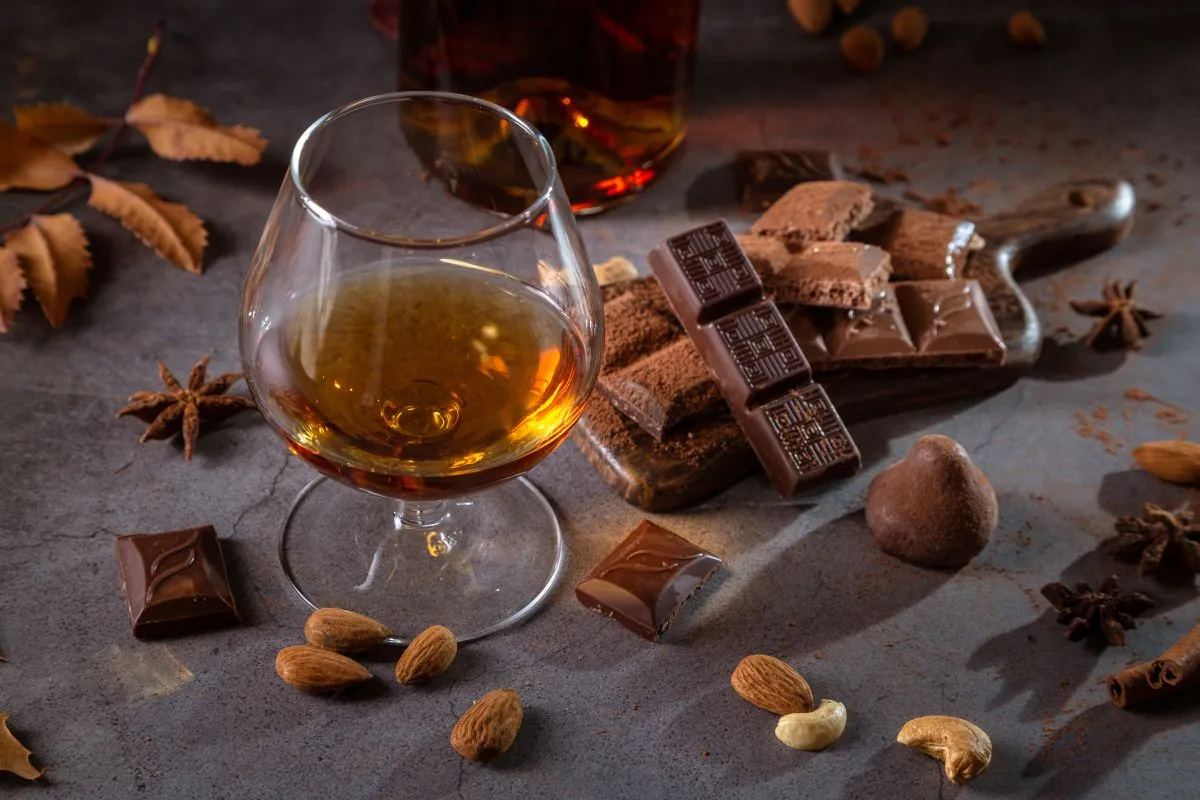
Key Takeaways for Cognac + Dark Chocolate or Cigar
This pairing delivers indulgence and sophistication. Cognac’s warm spice, honeyed fruit, and oak character enhances the bitter-sweet depth of dark chocolate and complements the slow burn of a luxury cigar.
Key Highlights:
- XO and VSOP Cognacs work best due to longer aging and layered flavor.
- Ideal for after-dinner tasting experiences and luxury lounges.
- A sensory pairing associated with prestige, reflection, and slow enjoyment.
Cognac + Dark Chocolate or Cigar: A Sensory Symphony of Sophistication
Cognac, with its layers of dried fruit, spice, and vanilla, offers an opulent sipping experience that becomes even more profound when paired with either premium dark chocolate or a well-aged cigar. This combination appeals to those who seek depth, warmth, and a long-lasting finish in both flavor and aroma.
The Allure of Cognac and Dark Chocolate
When enjoyed together, dark chocolate and Cognac create a luxurious contrast and complement. The high cocoa content in dark chocolate—ideally 70% or above—brings out the Cognac’s toasted oak, nutty undertones, and hints of fig or plum. The bitterness of the chocolate softens Cognac’s sweetness, while its rich texture enhances the spirit’s velvety body. XO or Hors d’Age Cognacs are best for this pairing, as their extended aging results in complex aromas that linger beautifully alongside chocolate’s earthiness.
Try this pairing with small squares of single-origin chocolate, letting each melt slowly on the tongue before a gentle sip of Cognac. This sequence unlocks a crescendo of sensory richness.
The Ritual of Cognac and Cigars
Pairing Cognac with a cigar is a classic after-dinner ritual rooted in tradition. The warmth of a finely aged Cognac opens up smoky, leathery, and peppery nuances that mirror the cigar’s depth. Choose medium to full-bodied cigars, such as Cohiba or Montecristo, to match the intensity of a VSOP or XO Cognac. The shared flavors of spice, wood, and dried fruits evolve as you alternate between sip and draw.
This pairing is not only about taste but atmosphere. Dim lighting, crystal glassware, and a quiet setting turn a simple drink and smoke into an elegant ceremony of indulgence.
A Perfect Ending to Any Evening
Whether you favor chocolate or cigars, Cognac elevates the experience. Its warming complexity and aristocratic profile make it a favored choice for discerning palates looking to unwind in style. Rich, timeless, and multisensory, this pairing belongs in every connoisseur’s repertoire.
- Sources Include / Discover More: Cognac pairs exceptionally well with dark chocolate and cigars, often elevating notes of oak, dried fruit, and cocoa
- Also Read: Ultimate Luxury Jewelry Buying Guide
#4
Whisky + Roquefort Cheese or Grilled Meats
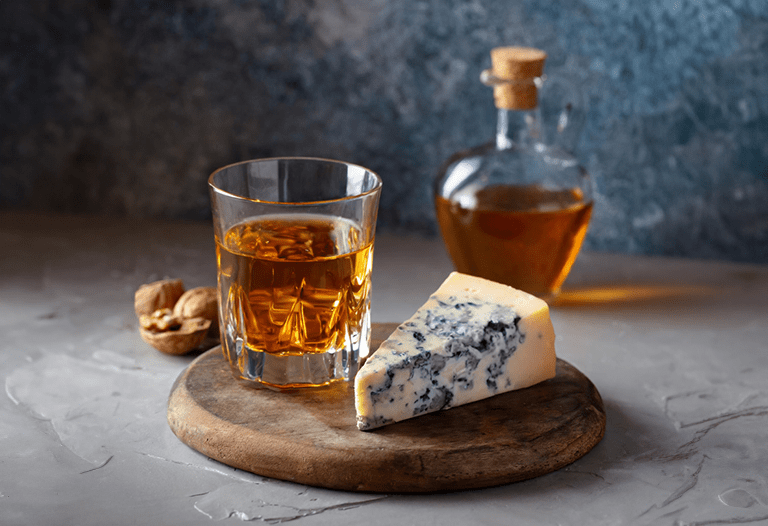
Key Takeaways for Whisky + Roquefort Cheese or Grilled Meats
This pairing highlights boldness and contrast. Whisky’s smoke, caramel, and malt profile harmonizes with the sharp punch of Roquefort or the char richness of grilled meats.
Key Highlights:
- Best with single malt Scotch, Peated whisky, or full-bodied bourbon.
- Intensifies smoky, savory, and earthy tasting notes.
- A powerful, memorable pairing for connoisseurs and tasting-focused events.
Whisky + Roquefort Cheese or Grilled Meats: Bold Flavors, Perfectly Balanced
Whisky’s complexity makes it an excellent partner for robust, umami-packed foods like Roquefort cheese or grilled meats. This isn’t a light pairing—it’s a deep dive into intense flavor profiles where smoky, spicy, and savory notes collide in harmony.
Whisky Meets Blue Cheese Brilliance
Roquefort cheese, with its sharp, salty character and creamy texture, stands up impressively to the bold presence of whisky. Peated Scotch from Islay, with its maritime notes of seaweed, smoke, and iodine, contrasts beautifully with the pungency of blue cheese. Meanwhile, a Sherried Speyside whisky highlights the cheese’s sweet and nutty tones, creating a layered and luxurious flavor journey.
Serve Roquefort slightly chilled with a neat pour of aged whisky—preferably 15 years or older. Let the whisky sit for a few minutes to breathe, just as the cheese softens. The interplay between creamy texture and fiery spirit delivers a truly gourmet moment.
Char Meets Character: Grilled Meats and Whisky
Whisky’s smoky, oak-kissed personality is an ideal match for flame-grilled or charcoal-seared meats. Whether it’s lamb skewers, marinated ribs, or a thick-cut porterhouse, grilled meats absorb the deep flavors of the fire, which whisky reflects and enhances. Bourbon works well here too—its caramelized vanilla notes complement the charred crust of meats seasoned with bold rubs or glazes.
Whisky with grilled food doesn’t need to be reserved for cold nights—it shines in outdoor settings, barbecues, and summer evenings, offering a rustic yet refined dining experience.
Crafting the Experience
Serve whisky neat or with a splash of water to unlock the full spectrum of aromas. Pair with freshly cracked black pepper, grilled onions, or smoked salts to further draw out the depth in both the spirit and the dish. Whether served with cheese or meat, whisky delivers an unforgettable pairing that speaks to tradition, richness, and flavor mastery.
- Sources Include / Discover More: Whisky pairs exceptionally well with Roquefort cheese and grilled meats by balancing, contrasting, or enhancing flavors
- Also Read: Complete Luxury Perfumes Buying Guide
Luxury Fine Wines and Spirits Buying Guide Table
Explore the world’s most exclusive wines and rarest spirits—discover iconic vintages, aged whiskies, and collectible bottles that define true luxury.
When it comes to the finest luxury wines and premium spirits, certain names reign supreme. These ultra-rare bottles represent the pinnacle of craftsmanship, heritage, and global prestige.
From the legendary Domaine de la Romanée-Conti to the exquisitely aged Yamazaki 55-Year-Old whisky, each entry in this elite list is a collector’s dream and a true testament to liquid artistry. If you’re seeking the most sought-after bottles for investment, gifting, or indulgent enjoyment, this table is your definitive guide to the world’s most exclusive luxury wines and spirits.
| No. | Name | Type | Price Range | Notable Feature |
|---|---|---|---|---|
| 1 | Domaine de la Romanée-Conti | Wine | $20,000 – $100,000+ | World’s most collectible Pinot Noir |
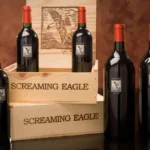
| 2 | Screaming Eagle Cabernet Sauvignon | Wine | $3,000 – $15,000 | Napa’s cult wine with ultra-low production |
| 3 | Château Margaux | Wine | $1,500 – $10,000+ | Iconic Bordeaux estate |
| 4 | Macallan Fine & Rare | Whisky | $15,000 – $1M+ | Ultra-aged and historic editions |
| 5 | Pappy Van Winkle’s Family Reserve | Bourbon | $3,000 – $25,000 | America’s most coveted bourbon |
| 6 | Louis XIII by Rémy Martin | Cognac | $4,000 – $40,000 | Aged up to 100 years in tierçon barrels |
| 7 | Yamazaki 55-Year-Old | Japanese Whisky | $100,000 – $800,000 | Rare and meticulously aged whisky |
| 8 | Hennessy Richard | Cognac | $4,500 – $15,000 | Blend of 100+ eaux-de-vie |
| 9 | Château d’Yquem | Sauternes Wine | $500 – $6,000 | The king of sweet white wines |
| 10 | Glenfiddich 50-Year-Old | Scotch | $30,000 – $100,000 | Ultra-premium aged Highland scotch |
Key FAQs on the Luxury Fine Wines and Spirits Buying Guide
Why is Domaine de la Romanée-Conti considered the pinnacle of luxury fine wines?
Domaine de la Romanée-Conti is widely regarded as the most prestigious fine wine producer due to its microscopic vineyard size, centuries-old Burgundian heritage, and singular Pinot Noir terroir in Vosne-Romanée.
Annual production is often under 6,000 bottles, driving extreme scarcity and auction demand. According to global wine investment indices and Burgundy classifications documented by Wikipedia and leading auction houses, DRC consistently ranks as the world’s most valuable and collectible wine.
Its unmatched provenance, historical continuity, and proven long-term appreciation define true luxury wine ownership.
What makes Screaming Eagle Cabernet Sauvignon so rare and valuable?
Screaming Eagle Cabernet Sauvignon is rare because of its extremely limited production, private mailing list allocations, and consistently high critic scores since its founding in the 1990s.
Fewer than 1,000 cases are produced annually, creating persistent global demand. As noted in Napa Valley wine records and Wikipedia references on cult wines, Screaming Eagle regularly achieves five-figure auction prices.
Its combination of scarcity, flawless provenance, and investment-grade performance makes it one of the most valuable modern luxury wines.
Why is Château Margaux considered a symbol of French wine excellence?
Château Margaux symbolizes French wine excellence as one of Bordeaux’s original First Growth estates classified in 1855, a designation recognized globally.
Its wines are known for aromatic complexity, structural finesse, and exceptional aging potential, often maturing gracefully for 40–60 years. Historical records and Bordeaux classifications cited by Wikipedia confirm its enduring prestige.
This balance of power, elegance, and historical continuity secures Château Margaux’s place in elite cellars and long-term wine investment portfolios.
What sets the Macallan Fine & Rare collection apart in the luxury whisky market?
The Macallan Fine & Rare collection stands apart due to its documented vintage releases, extreme aging periods, and verified cask provenance dating back to the 1920s.
Many expressions exceed 60 years of maturation and are bottled in tiny quantities. According to Scotch whisky records and auction data referenced by Wikipedia, several Fine & Rare bottles have surpassed million-dollar sales.
This blend of rarity, traceability, and global collector demand defines Macallan as the benchmark for luxury whisky.
Why is Pappy Van Winkle’s Family Reserve so difficult to purchase?
Pappy Van Winkle’s Family Reserve is difficult to purchase due to its exceptionally long aging—often 15 to 23 years—and extremely limited annual release volumes.
Unlike mass-market bourbons, production is constrained by aging inventory rather than demand. Wikipedia and bourbon industry sources confirm its cult following and secondary market premiums.
This combination of scarcity, deep flavor complexity, and American whiskey heritage makes Pappy Van Winkle one of the world’s most collectible bourbons.
What makes Louis XIII by Rémy Martin one of the world’s most luxurious cognacs?
Louis XIII by Rémy Martin is luxurious because it blends eaux-de-vie aged between 40 and 100 years, sourced exclusively from Grande Champagne vineyards.
Each decanter is hand-crafted crystal, reinforcing its ceremonial status. Cognac production records and Wikipedia documentation highlight its unparalleled aging process.
This fusion of time, craftsmanship, and heritage elevates Louis XIII beyond a spirit into a symbol of generational luxury and refined taste.
Why is the Yamazaki 55-Year-Old considered a historic Japanese whisky?
The Yamazaki 55-Year-Old is historic as the oldest officially released Japanese whisky, drawn from casks filled in the 1960s.
Its release marked a milestone in Japanese whisky maturation and global recognition. According to Suntory archives and Wikipedia references, fewer than 200 bottles exist worldwide.
This extreme rarity, cultural significance, and record-breaking auction performance position Yamazaki 55 as a pinnacle collectible whisky.
What distinguishes Hennessy Richard from other premium cognacs?
Hennessy Richard is distinguished by its blend of more than 100 eaux-de-vie, many aged for multiple decades before blending.
This depth creates layered aromas and a long, refined finish. Cognac blending traditions documented by Wikipedia and Hennessy archives reinforce its uniqueness.
Its limited production, artistic decanter, and historic lineage make Hennessy Richard one of the most sophisticated and collectible luxury cognacs available.
Why is Château d’Yquem referred to as the king of sweet wines?
Château d’Yquem is called the king of sweet wines due to its unique classification as the only Premier Cru Supérieur in Sauternes.
Produced from botrytized grapes, it combines sweetness with extraordinary acidity, enabling century-long aging. Wine classifications and Wikipedia records confirm its unmatched longevity.
This balance of rarity, complexity, and historical prestige places d’Yquem at the apex of collectible dessert wines.
What makes Glenfiddich 50-Year-Old one of the most collectible Scotch whiskies?
Glenfiddich 50-Year-Old is collectible due to its half-century maturation, annual releases of fewer than 50 bottles, and Speyside distillery heritage.
Extended oak aging develops deep complexity rarely achieved in Scotch whisky. According to Scotch whisky records and Wikipedia references, its scarcity drives strong auction demand.
This combination of age, craftsmanship, and brand legacy secures its status as a premier investment-grade single malt.
How to Choose the Right Bottle
Choosing the right luxury bottle depends largely on your intention—are you buying to drink, gift, or invest? Each scenario demands a different mindset and set of criteria.
For Personal Enjoyment
When you’re buying for yourself, the most important factor is personal taste. Do you enjoy bold, smoky notes? Try an Islay single malt whisky or a Napa Valley Cabernet Sauvignon. Prefer something softer and elegant? A vintage Burgundy or aged Japanese whisky might be more your style.
Consider your mood, food pairings, and even season—crisp white wines are great for summer, while rich, full-bodied reds or aged Scotch whiskies are perfect for winter evenings by the fire.
For Gifting
Luxury alcohol makes for an unforgettable gift, especially when you choose a bottle that combines aesthetics with prestige. Look for bottles that come in beautiful packaging, have strong brand recognition, and offer broad appeal in flavor.
Limited editions or seasonal releases are excellent choices—they often come with commemorative packaging and hold a higher perceived value. Whether it’s for a wedding, milestone birthday, or corporate gift, a well-chosen luxury bottle always makes a bold impression.
For Collecting or Investment
If your goal is to build a collection or earn a return, you’ll need to be more analytical. Focus on bottles that:
- Come with complete documentation and proof of provenance
- Are produced by reputable, well-established brands known for consistency and value appreciation
- Have received high ratings from professional critics, sommeliers, or expert panels
- Possess strong aging potential, meaning they’ll increase in quality and value over time
Look for investment-grade wines from Bordeaux or Burgundy, and rare whiskies from closed or legendary distilleries. The rarer and more storied the bottle, the more likely it is to appreciate in value.
Wine & Spirit Tasting Tips
Tasting luxury wines and spirits is an experience that goes far beyond simply drinking. It’s a sensory journey that involves sight, smell, taste, and even sound—the gentle pop of a cork, the swirl of liquid in a crystal glass. To fully appreciate the depth and character of a premium bottle, it helps to follow a few key techniques.
Aroma, Body & Finish
Before you take a sip, take a moment to observe and inhale. Start by swirling the glass gently to release the aromas—this is where your journey begins. In fine wines, you may detect notes of berries, dried fruits, leather, oak, tobacco, or earthy tones, depending on the grape variety and aging process.
Spirits, especially aged whiskies and cognacs, often reveal layers of caramel, vanilla, peat smoke, spices, and dried fruits. The body of the drink refers to its weight and mouthfeel—luxury drinks are typically well-balanced and rich without being overpowering.
Finally, the finish is the lingering aftertaste that stays with you. A long, smooth, complex finish is the hallmark of a high-quality wine or spirit. If you’re still enjoying the nuanced flavors 30 seconds after swallowing, you’re drinking something truly exceptional.
Decanting and Serving Temperatures
Serving luxury alcohol at the correct temperature is crucial for unlocking its full bouquet of flavors and aromas. Too warm, and alcohol overwhelms the palate; too cold, and subtleties are lost.
- Red wines (especially aged Bordeaux, Cabernet, or Syrah): Serve at 16–18°C (60–65°F) to enhance structure and complexity. Use a decanter to aerate older vintages.
- White wines (like Chardonnay, Riesling, or Sauvignon Blanc): Best served chilled at 8–12°C (46–54°F) to preserve crispness and acidity.
- Whisky & Cognac: Serve at room temperature (about 18–22°C or 64–72°F). Avoid ice during tasting, as it mutes delicate flavors—opt instead for a few drops of water to open up the spirit if desired.
Older red wines benefit from decanting, which allows sediment to settle and flavors to breathe. Similarly, letting a spirit rest for 10–20 minutes in the glass before sipping can dramatically enhance its nose and mouthfeel.
Where to Buy Luxury Wines & Spirits
Acquiring luxury wines and spirits isn’t like picking up a bottle from the local liquor store. To get your hands on rare vintages, limited editions, and collector-level bottles, you need to know where to look—and whom to trust.
Reputable Retailers & Online Platforms
Several prestigious online platforms and retail stores specialize in sourcing, verifying, and shipping high-end wines and spirits globally. These sellers not only offer quality assurance but often include tasting notes, provenance records, and investment insights:
- Sotheby’s Wine – Known for its premium selection and exclusive auctions.
- The Whisky Exchange – A haven for whisky lovers, offering rare single malts, limited editions, and curated collections.
- Vinfolio – Specializes in investment-grade wines and provides cellar management services.
- Berry Bros. & Rudd – One of Britain’s oldest wine and spirit merchants, with centuries of heritage and expert selections.
- Master of Malt – A user-friendly site with a wide range of rare and luxury spirits, along with detailed tasting notes.
Shopping from these retailers ensures authenticity, secure packaging, and reliable delivery—essential when investing thousands into a single bottle.
Auctions and Private Collections
For ultra-rare or discontinued bottles, auctions and private networks offer some of the most exclusive access points. Esteemed auction houses like:
- Christie’s
- Bonhams
- Zachys
- Skinner Auctioneers
frequently host sales featuring historic vintages, vertical collections, and iconic bottles that are hard to find anywhere else. These auctions are often attended by serious collectors, investors, and connoisseurs looking to acquire showstopping pieces.
Beyond public sales, private dealers and invitation-only tasting events can provide access to bottles not listed anywhere online. Building a relationship with a trusted dealer or joining exclusive wine and whisky clubs can open doors to hidden gems before they hit the market.
Storage and Cellaring Tips
Proper storage is essential when it comes to preserving the flavor, value, and longevity of luxury wines and spirits. Even the finest bottle can degrade if kept under poor conditions. Whether you’re aging wines for decades or preserving a rare spirit, following best practices is non-negotiable.
Ideal Conditions for Aging
Fine wines are living, evolving products that continue to mature in the bottle. To maintain their integrity and allow flavors to develop gracefully, it’s important to replicate the conditions of a professional wine cellar:
- Temperature: Keep bottles at a consistent 12–15°C (53–59°F). Temperature fluctuations can cause the cork to expand and contract, allowing air inside.
- Humidity: Aim for around 70% humidity to prevent corks from drying out and allowing oxidation.
- Light: Store bottles away from direct sunlight or bright indoor lights, which can break down delicate compounds and spoil the wine.
- Vibration: Minimize movement. Vibrations can disrupt the wine’s aging process and stir up sediment.
- Bottle Position: Store wine horizontally to keep corks moist and prevent air seepage.
Investing in a wine fridge or climate-controlled cellar is highly recommended for serious collectors.
Storing Spirits vs. Storing Wines
While spirits like whisky, rum, and cognac don’t evolve in the bottle the way wine does, they still require thoughtful storage to maintain quality over time.
- Spirits should be stored upright to prevent alcohol from degrading the cork.
- Keep bottles in a cool, dark place, ideally below 22°C (72°F).
- Ensure they are sealed tightly. Oxidation can dull flavors and reduce quality, especially if the bottle is partially full.
- Avoid display near windows or radiators—light and heat are the enemies of longevity.
Unlike wines, spirits don’t need to age post-bottling, but proper storage can preserve their peak quality for decades.
Legal and Ethical Considerations
Counterfeit Detection
The rise in demand for rare wines and spirits has unfortunately led to a surge in counterfeit bottles. Fakes can be incredibly convincing—sometimes even using real vintage corks and labels.
To protect your investment:
- Always request provenance papers (documents tracing the bottle’s ownership and storage history).
- Examine labels and corks for signs of tampering or printing inconsistencies.
- Check for serial numbers or security holograms, especially with limited-edition releases.
- Buy only from verified sellers, auction houses, or platforms that offer authenticity guarantees.
Being diligent can save you from losing thousands—or ending up with a pretty bottle of worthless liquid.
Taxation and Import Duties
Luxury wines and spirits often come with steep taxes, tariffs, and shipping restrictions, especially when crossing borders.
- Always check local laws regarding alcohol importation, especially for large purchases or gifts.
- Some countries impose high excise duties or require additional documentation for expensive bottles.
- When gifting across borders, be aware that the recipient might need to pay VAT or customs duties.
Being informed ensures a smooth, legal transaction and avoids unwanted surprises at customs.
Trends in the Luxury Alcohol Market
The luxury alcohol industry is evolving rapidly, driven by consumer awareness, digital innovation, and sustainability demands. Here are two key trends reshaping the future of fine wines and spirits:
Sustainability and Organic Labels
Today’s consumers aren’t just looking for luxury—they’re also looking for ethical and environmentally conscious choices.
- Organic wines and spirits are made without synthetic fertilizers or chemicals.
- Biodynamic vineyards use holistic farming practices aligned with lunar cycles.
- Sustainable distilleries focus on low-carbon footprints, recyclable packaging, and water conservation.
Brands embracing these values are not only protecting the planet but also attracting a new generation of mindful buyers who demand transparency and integrity from their luxury purchases.
NFTs and Blockchain Authentication
Tech is transforming the way we buy, sell, and verify luxury alcohol. Some high-end producers are now offering:
- NFTs (Non-Fungible Tokens) that represent ownership of physical bottles, often paired with a digital certificate of authenticity.
- Blockchain-based tracking systems that provide a transparent record of a bottle’s origin, chain of custody, and even storage conditions.
These tools offer unprecedented security and transparency, making it easier than ever to prove authenticity and prevent fraud in high-value transactions.
Mistakes to Avoid
Even seasoned collectors can fall into common traps when navigating the luxury alcohol world. These bottles come with hefty price tags, so every decision should be well-informed and intentional.
Rushing a Purchase
One of the biggest mistakes buyers make is acting on impulse. A beautiful label or limited release doesn’t automatically mean quality or investment value.
Always take time to:
- Research the producer, vintage, and market value
- Read expert reviews and tasting notes
- Compare prices across retailers and past auction data
Marketing hype can be powerful, but real luxury is backed by heritage, craftsmanship, and critical acclaim. Be patient—it’s better to wait for the right bottle than regret a rushed decision.
Ignoring Provenance and Documentation
In the world of fine wines and spirits, provenance is everything. Without verified documentation, a $5,000 bottle is just an expensive gamble.
You should always:
- Demand authenticity certificates or provenance papers
- Inspect bottle conditions, cork integrity, and labels
- Request seller credentials or references, especially for private sales
Skipping these checks increases the risk of falling prey to counterfeit bottles, which are unfortunately common in the luxury space.
In Summary & Recommendations
Luxury wines and spirits aren’t just beverages—they’re a celebration of heritage, craft, and timeless indulgence. Whether you’re sipping a 50-year-old Scotch or uncorking a rare Bordeaux, you’re experiencing decades of tradition in a single glass.
If you’re new to the scene, don’t feel intimidated. Start with one exceptional bottle—something well-reviewed, from a reputable region or distillery—and learn from the experience. Take notes, compare vintages, and develop your own preferences.
For seasoned collectors, this guide should serve as a refreshing checklist and roadmap for future acquisitions. Keep exploring, stay informed, and never stop appreciating the artistry behind every drop.
Final Thoughts
Entering the world of luxury fine wines and spirits is like stepping inside a curated gallery of flavor, heritage, and craftsmanship. Every bottle tells a story: the soil it grew from, the hands that shaped it, the decades it spent aging in quiet darkness. This is not just alcohol—it is culture in a glass, memory in a bottle, and legacy sealed under cork or crystal stopper.
By understanding terroir, vintages, distillation methods, cellar storage, tasting etiquette, and investment value, you now hold the core knowledge needed to make informed, confident buying decisions. Whether you’re exploring renowned Bordeaux estates, rare Japanese whisky expressions, aged cognacs, or limited-edition bourbons, you’re participating in a tradition that spans centuries and continents.
And remember, the true beauty of luxury wines and spirits lies not only in rarity or price, but in the experience they create: quiet celebration, meaningful gifting, refined hosting, or the personal joy found in savoring a perfectly balanced pour.
So whether your goal is pleasure, prestige, or portfolio building, approach each bottle with curiosity and appreciation. The finest wines and spirits aren’t rushed; they are enjoyed, shared, remembered, and often passed down like heirlooms.
Cheers to your journey into the finer side of life.
The Luxury Fine Wines and Spirits Buying Guide Frequently Asked Questions (FAQs)
Look for official documentation, check serial numbers, and buy only from reputable sellers or auction houses.
Yes. Certain whiskies and cognacs have seen massive appreciation over time, often outperforming gold and stocks.
While wine continues to mature in the bottle, most spirits stop aging after bottling. However, pre-bottling aging still matters a lot.
Start small. Focus on 3–5 bottles from top estates, ensure proper storage, and keep all documentation.
Yes, if purchased from verified platforms or direct distilleries with secure shipping and insurance.
Red wine pairs beautifully with rich, red meats like steak and lamb due to its bold tannins and deep flavor profiles.
White wine complements light dishes such as shellfish, seafood, and soft cheeses like Brie, thanks to its crisp and fresh notes.
Cognac pairs elegantly with dark chocolate, enhancing the bitter-sweet complexity, or with cigars for a luxurious after-dinner experience.
Yes. Strong cheeses like Roquefort or sharp cheddar balance the intensity of whisky, especially smoky or peaty styles.
Start by matching intensity—bold wines with hearty dishes and lighter spirits with delicate flavors. Experiment with complementary and contrasting notes.
About the Author
This article was researched and prepared by the World Millions Editorial Team, specialists in global rankings, premium market analysis, structured comparisons, and high-value sector research across industries.
All content undergoes verification, editorial review, and periodic updates to ensure accuracy, clarity, and alignment with recognized industry standards, reliable institutional sources, and leading global authorities.
- Last Updated: March 27, 2026 by the World Millions Editorial Team
- Original Published Date: March 27, 2026
- View Our: Editorial Team | Sources | Disclaimer | Editorial Standards