- Home
- »
- Luxury Buying Guides
- »
- Complete Luxury Supercars Buying Guide
Complete Luxury
Supercars Buying Guide
The Complete Luxury Supercars Buying Guide explores the world’s most extraordinary high-performance machines, where cutting-edge engineering, breathtaking speed, and ultra-luxury craftsmanship converge. From record-breaking hypercars to hybrid performance icons, these machines represent the pinnacle of automotive innovation, design excellence, and elite driving prestige.
Discover the ultimate luxury supercars ranked by top speed, acceleration, exclusivity, and engineering brilliance. This guide highlights the most powerful and desirable supercars in the world, helping enthusiasts and collectors understand performance benchmarks, technological breakthroughs, and the defining models shaping the future of luxury automotive performance.
On This Page
Toggle- Updated 2026 by the World Millions Editorial Team: View Author Information
Why Buy a Luxury Supercar?
Status Symbol
Let’s be real—rolling up in a Ferrari or Bugatti is the equivalent of wearing a custom-tailored tuxedo in a sea of plain suits. Supercars are rolling statements of success, power, and lifestyle. They’re designed to turn heads, spark conversations, and make bold impressions before you even step out of the driver’s seat. For many, owning one is the ultimate way to say, “I made it.”
Engineering Masterpiece
Luxury supercars are marvels of modern engineering. From active aerodynamics and precision-tuned suspensions to bespoke interiors crafted by artisans, these machines are built with obsession-level detail. The engines don’t just roar—they sing with power and refinement. Every component is designed to maximize performance without compromising luxury, giving you the best of both worlds.
Investment Potential
While cars typically depreciate, certain supercars appreciate over time, especially rare editions, first-run models, and those tied to historic moments or iconic designs. A limited-edition LaFerrari or McLaren P1 could become a future collector’s gem. For savvy buyers, a supercar isn’t just an indulgence—it’s an alternative investment with curb appeal.
Top Things to Consider Before Buying
Performance & Speed
Speed is thrilling, but there’s more to performance than just a 0–60 number. Some supercars excel on the straightaways, while others dominate tight corners and track handling. Know your preferences. Are you looking for a quarter-mile monster or a finely tuned track weapon?
Brand Legacy
A Ferrari isn’t just a car—it’s a heritage. Brands like Porsche, Lamborghini, Koenigsegg, and Pagani carry decades of performance credibility, design innovation, and racing pedigree. When buying a supercar, you’re also buying into a story. Pick a brand that reflects your values, personality, and taste in automotive excellence.
Maintenance & Servicing
A supercar isn’t a “set it and forget it” type of purchase. You’ll need regular maintenance, special fluids, high-performance tires, and expert technicians. Not to mention factory-scheduled servicing, which can cost thousands. Make sure you have access to authorized service centers or certified professionals who understand the complexities of high-end machines.
Resale Value
Some cars depreciate the moment you drive off the lot. Others? They hold or even grow in value, especially those with limited production numbers, collector appeal, or legendary performance stats. If resale matters to you, do your homework on brand depreciation trends and resale demand before buying.
Comfort vs. Raw Power
Not all supercars are created for comfort. Some come with plush interiors, infotainment systems, and premium leather, while others strip down to carbon-fiber tubs and racing seats for the purest driving experience possible. Decide what matters more: everyday luxury or weekend thrill rides.
Understanding Supercar Categories
Before diving into the market, it’s crucial to understand the different types of luxury supercars. From high-speed hypercars to comfortable grand tourers, each category offers a unique blend of performance, style, and driving experience. Here’s a quick breakdown to help you choose the best fit for your lifestyle.
#1
Grand Tourers (GTs)
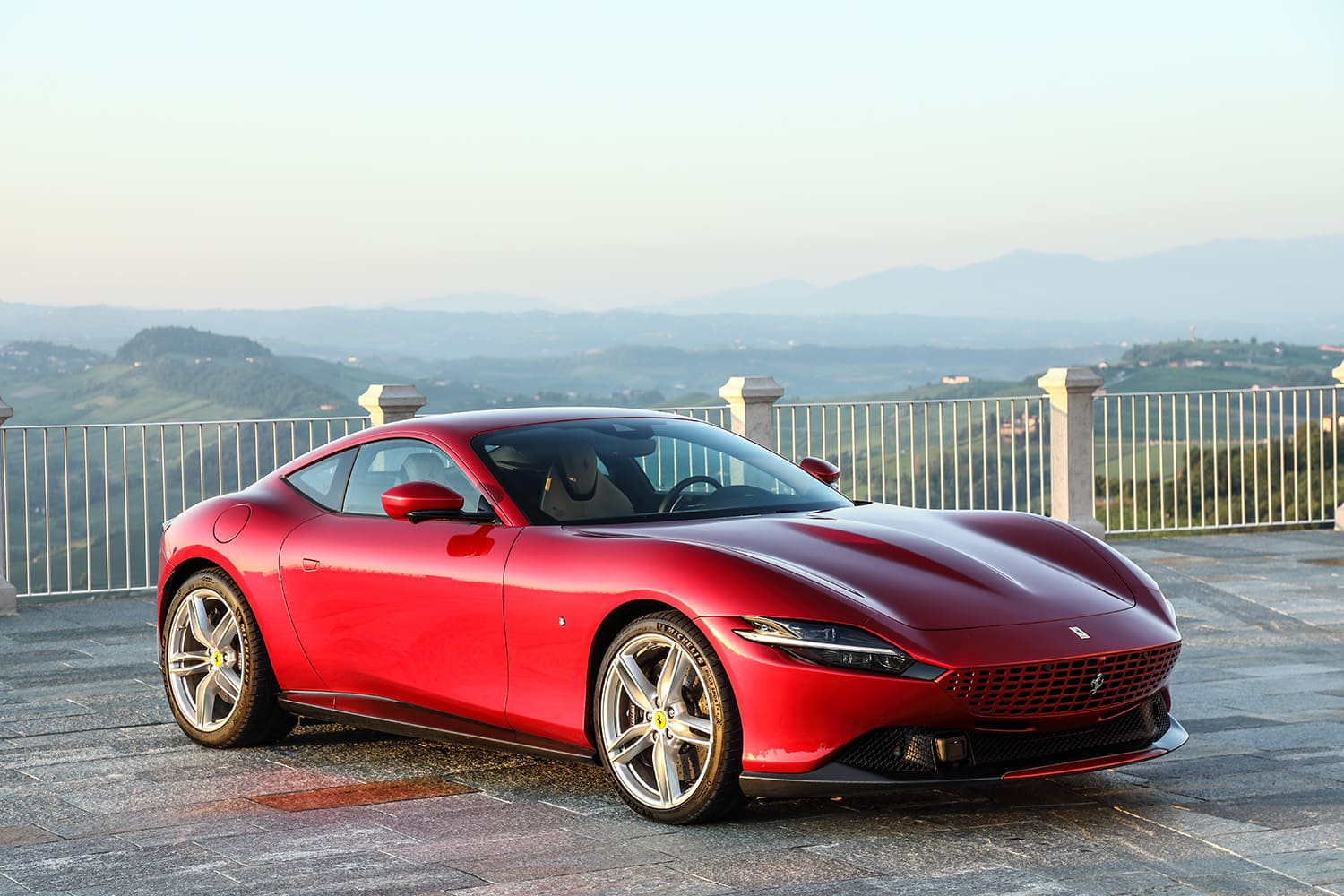
Key Takeaways for Grand Tourers (GTs)
Grand Tourers (GTs) are designed for high-speed luxury travel, blending performance with comfort. They are ideal for long-distance drives, offering refined interiors and smooth road manners.
Key Highlights:
- Combines power with everyday usability and comfort.
- Premium interiors, handcrafted materials, and advanced driving tech.
- Perfect for long road trips, highways, and luxury grand touring lifestyles.
Grand Tourers (GTs): What Makes a Grand Tourer Unique
Grand Tourers, or GTs, are the embodiment of refined power. These vehicles are designed for individuals who crave speed and performance but value comfort, elegance, and long-distance usability just as much. Unlike purebred sports cars or hypercars, which may sacrifice comfort for sharper handling, GTs maintain a delicate balance—making them ideal for those who want to drive across countries, not just carve racetracks.
A grand tourer is built to cruise at high speeds effortlessly, offering plush interiors and advanced features that reduce fatigue during long hauls. It’s not just about horsepower—it’s about how that power is delivered. GTs are engineered to glide down autobahns and scenic coastlines with grace, giving drivers a sense of control and composure that few cars can match.
GT’s Performance That Doesn’t Punish
Most modern GTs come equipped with powerful V8 or V12 engines, designed for smooth, continuous torque delivery. Take the Bentley Continental GT’s W12 engine or the Aston Martin DB12’s twin-turbocharged V8—these cars offer breathtaking performance, yet are surprisingly docile in traffic. Many GTs clock 0–60 mph in just 3–4 seconds, placing them squarely in the performance supercar range, but they do so without aggressive throttle tuning or jarring suspension setups.
This is what makes GTs ideal for both spirited weekend getaways and weekday commutes. Adaptive suspension systems absorb road imperfections, while active noise cancellation, multi-zone climate control, and massage seats make long journeys feel indulgent.
GT’s Luxury Interiors That Rival First-Class Cabins
A hallmark of the GT class is its opulent interior. Brands like Bentley, Ferrari, and Aston Martin go to great lengths to ensure the cabin feels as luxurious as it looks. Expect rich Nappa leather, suede headliners, wood or carbon trims, and infotainment systems powered by leading technology partners. Many models offer bespoke options, allowing you to personalize every surface to your liking—from the color of the stitching to the grain of the wood trim.
Infotainment is no afterthought, either. Touchscreens, voice command systems, and smartphone integration come standard, turning the cabin into a rolling executive suite. Modern GTs also come equipped with premium sound systems like Naim or Bang & Olufsen for a concert-like audio experience.
GTs Practicality That Surprises
GTs often feature real trunks, usable rear seats, and a ride height that doesn’t scrape at every speed bump—making them surprisingly practical for daily use. Fuel efficiency is better than expected for the performance they offer, thanks to cylinder deactivation, hybrid support, or aerodynamic efficiency in newer models.
GT: A Statement of Sophistication
Owning a grand tourer isn’t about boasting track times—it’s about embracing a lifestyle that blends speed, style, and sophistication. These vehicles are perfect for luxury enthusiasts, successful professionals, and collectors who appreciate both aesthetics and performance. If you want a car that turns heads in Monaco and feels at home on the Autobahn, a GT delivers without compromise.
- Sources Include / Discover More: Grand Tourers (GT), High-performance, luxurious automobiles designed for comfortable, high-speed, long-distance driving
- Also Read: Complete Luxury Gadgets Buying Guide
#2
Track-Focused Hypercars
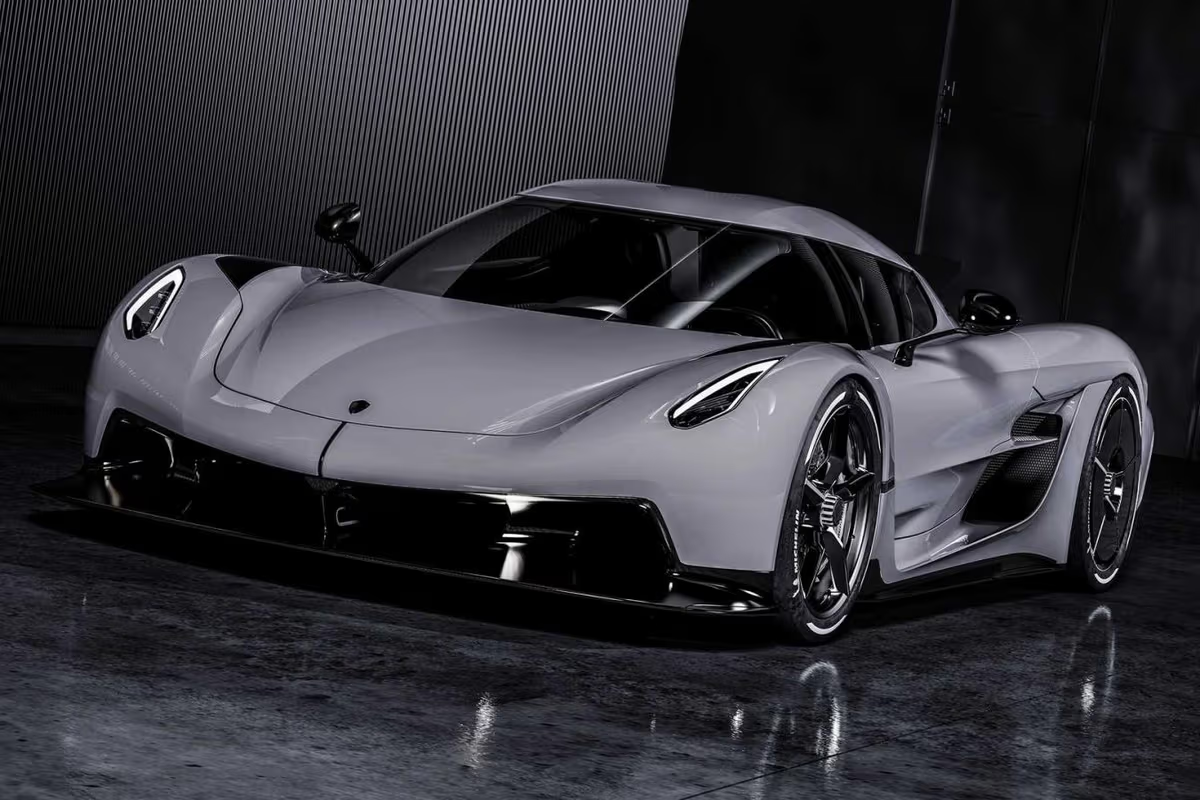
Key Takeaways for Track-Focused Hypercars
Track-Focused Hypercars are engineered for extreme performance and precision handling. Built using lightweight materials and advanced aerodynamics, they deliver elite driving dynamics for serious enthusiasts.
Key Highlights:
- Designed to dominate racetracks with ultra-high horsepower.
- Minimalist interiors for maximum driver control and connection.
- Produces high downforce and race-grade handling for peak lap performance.
Track-Focused Hypercars: Precision Over Everything
Track-focused hypercars are born on the circuit. These aren’t your average supercars—they’re race-bred machines tuned for ultimate performance, then slightly tamed for road legality. Every element of their design—weight, aerodynamics, suspension, braking—is crafted to help them dominate lap times while delivering an unforgettable, visceral driving experience.
If you’re buying one of these machines, you’re not just getting a car—you’re getting the culmination of motorsport engineering and aerospace innovation. Brands like McLaren, Koenigsegg, and Ferrari pour billions into development to shave milliseconds off track performance. The result? Cars like the McLaren Senna, Ferrari SF90 XX Stradale, and Jesko Absolut that break records and defy logic.
Lightweight, Agile, and Engineered for the Track
These hypercars use carbon fiber monocoques and body panels, forged alloy wheels, and active aerodynamics to enhance agility and downforce. Their engines often exceed 1,000 horsepower, and their power-to-weight ratios are extreme. But power isn’t everything—their aerodynamic profiles and suspension setups make them razor-sharp around corners.
The Koenigsegg Jesko, for instance, uses a multi-element active rear wing, triplex dampers, and a flat-bottom chassis to generate over 1,000 kg of downforce. This allows it to remain planted even at speeds well over 200 mph, making high-speed cornering both thrilling and safe (if you know what you’re doing).
Raw, Connected Driving
Inside, track-focused hypercars strip out the excess to keep things light and focused. You’ll find carbon-backed racing seats, minimal padding, lightweight harnesses, and telemetry dashboards. Instead of luxury, the emphasis is on information—real-time tire temps, lap timing, brake temperatures, and downforce readouts.
Driving one of these cars is a full-body experience. There’s no room for error—but also no limit to the satisfaction. The way these cars respond to every input, how they corner flat and brake with surgical precision, delivers a high only true enthusiasts understand.
Track Day Ready, Road Legal (Sometimes)
While street legal in many countries, these hypercars thrive in controlled environments. Many owners trailer them to track days or private events where the cars can unleash their full fury. They’re supported by factory-backed driving programs, exclusive club memberships, and performance training sessions to help owners extract maximum value.
Exclusivity and Prestige
Track-focused hypercars are often produced in ultra-limited numbers. They’re collector-grade assets as much as high-speed weapons. Owning one sends a clear message: you value performance, exclusivity, and the raw thrill of pushing mechanical boundaries. For drivers who want bragging rights at both the racetrack and in elite automotive circles, nothing comes close.
- Sources Include / Discover More: Track-focused hypercars are extreme, non-road-legal machines designed solely for circuit performance
- Also Read: Best Private Medical Insurance Buying Guide
#3
Hybrid and Electric Supercars
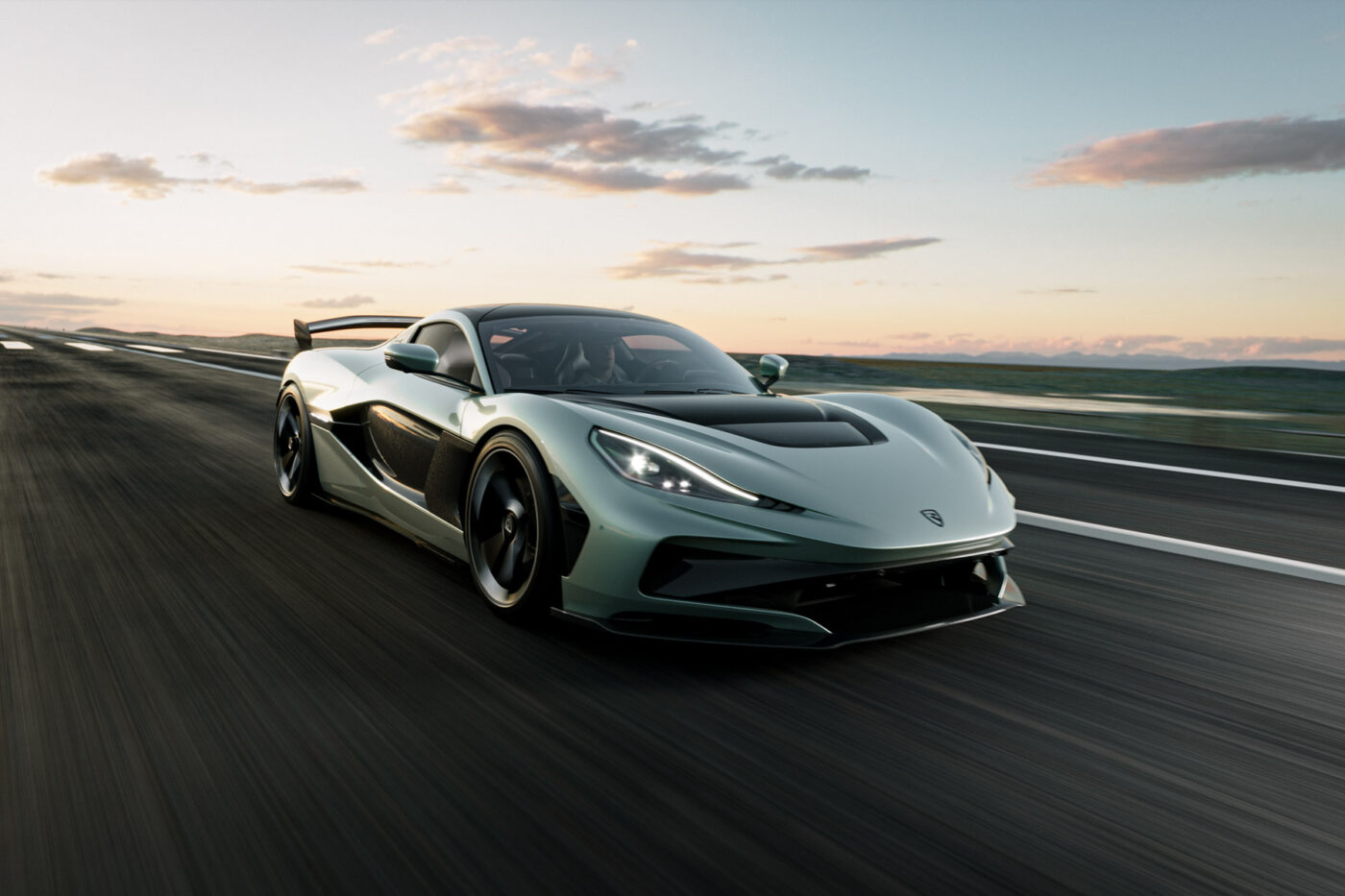
Key Takeaways for Hybrid and Electric Supercars
Hybrid and Electric Supercars represent the future of high-performance driving, using electric power for instant acceleration and efficiency. They redefine speed while reducing emissions and running costs.
Key Highlights:
- Instant torque and rapid 0–60 acceleration with advanced battery systems.
- Combines sustainability with luxury and cutting-edge performance tech.
- Ideal for drivers who want innovation, efficiency, and next-generation speed.
Hybrid and Electric Supercars: Redefining What Speed Means
Hybrid and electric supercars are at the cutting edge of automotive innovation. Once thought to be too quiet or too tame, these vehicles are now proving that electrified powertrains can deliver breathtaking performance. With instant torque, ultra-precise power delivery, and zero emissions, they are transforming what it means to be a performance car in the 21st century.
These supercars combine the best of both worlds: advanced combustion engines (in hybrids) and powerful electric motors, resulting in acceleration figures that rival or beat traditional V12s. For example, the Rimac Nevera accelerates from 0–60 mph in under 1.9 seconds—making it one of the fastest production cars on the planet.
Performance Meets Sustainability
The new wave of electrified supercars doesn’t compromise on performance. Vehicles like the Ferrari 296 GTB, McLaren Artura, and Mercedes-AMG ONE leverage plug-in hybrid technology to boost horsepower and efficiency. Electric supercars like the Lotus Evija and Pininfarina Battista take this further by going fully electric, eliminating emissions while offering unmatched power.
Beyond performance, these vehicles contribute to a cleaner future without sacrificing the adrenaline rush. Their quiet operation masks a storm of energy beneath the surface, offering explosive acceleration with zero turbo lag.
Futuristic Design and Smart Interiors
Inside, these supercars reflect their tech-forward philosophy. Digital cockpit displays, over-the-air updates, AI-powered driving assistants, and predictive navigation systems are just the beginning. Materials are often sustainable—think recycled carbon fiber, vegan leather, or naturally sourced composites—without compromising luxury or style.
Designers take full advantage of electric architecture to reimagine proportions, improving aerodynamics, center of gravity, and storage space. You’ll find more cabin room, lower drag coefficients, and optimal weight distribution.
Silent but Deadly on the Road
The lack of engine noise doesn’t mean a dull experience. Instead, electric and hybrid supercars offer a more controlled and sophisticated drive. With modes that adjust power output, suspension, and regenerative braking, they allow drivers to customize their experience from silent cruiser to aggressive sprinter.
For city driving, EVs offer low running costs and zero tailpipe emissions, while on the open road, they unleash brutal acceleration and pinpoint handling. They’re the ultimate contradiction—efficient and savage.
Hybrid and Electric Supercars: The New Gold Standard
As governments tighten emissions laws and manufacturers shift focus, hybrid and electric supercars are becoming the future of high-performance driving. For buyers looking to combine cutting-edge tech, eco-conscious values, and explosive speed, these vehicles deliver a forward-thinking alternative that’s both visionary and thrilling.
- Sources Include / Discover More: Hybrid and electric supercars combine high-voltage electric motors with internal combustion engines (hybrids) or pure battery power (EVs)
- Also Read: Best Online Education Buying Guide
Complete Luxury Supercars Buying Guide Table
Compare the world’s most exclusive supercars side-by-side to find the perfect blend of design, speed, innovation, and prestige.
This Complete Luxury Supercars Buying Guide comparison table highlights the most sought-after hypercars and performance icons of our time. From Bugatti’s ultra-exclusive craftsmanship to Rimac’s groundbreaking electric acceleration and Ferrari’s race-bred hybrid engineering, each model delivers a unique expression of power and luxury.
Whether you’re seeking record-setting top speed, track-focused driving dynamics, or the artistry of hand-built automotive design, this curated list helps you evaluate performance stats, acceleration times, pricing, and best-fit lifestyle match. Use this table to make an informed decision when choosing your next statement supercar.
| No. | Brand | Model | Top Speed (mph) | 0–60 mph (sec) | Price Range (USD) | Best For |
|---|---|---|---|---|---|---|
| 1 | Bugatti | Tourbillon | 278 | 2.0 | $4,500,000+ | Ultimate hyper-luxury & extreme top speed |
| 2 | Rimac | Nevera | 258 | 1.85 | $2,200,000+ | Record-breaking electric acceleration |
| 3 | Ferrari | SF90 XX Stradale | 211 | 2.3 | $850,000+ | Track-focused hybrid performance |
| 4 | McLaren | Solus GT | 208 | 2.5 | $3,500,000+ | Single-seat racing purity |
| 5 | Aston Martin | Valkyrie | 250 | 2.6 | $3,200,000+ | Formula One technology for the road |
| 6 | Koenigsegg | Jesko Absolut | 310+ | 2.5 | $3,000,000+ | Top-speed world-record potential |
| 7 | Lamborghini | Revuelto | 217 | 2.5 | $650,000+ | Hybrid V12 power with iconic styling |
| 8 | Porsche | 911 GT2 RS Hybrid | 211 | 2.7 | $400,000+ | Track precision with hybrid efficiency |
| 9 | Mercedes-AMG | ONE | 219 | 2.6 | $2,700,000+ | F1-derived hybrid powertrain technology |
| 10 | Pagani | Utopia | 230 | 2.9 | $2,200,000+ | Artisanal craftsmanship & exclusivity |
This list isn’t just about raw speed—it’s about engineering excellence, legacy, and future-forward design. Whether you crave hybrid innovation or hyper exclusivity, these picks deliver it all.
Key FAQs on the Complete Luxury Supercars Buying Guide
What makes the Bugatti Tourbillon one of the most exclusive hypercars in the world?
The Bugatti Tourbillon is regarded as one of the most exclusive hypercars due to its fusion of extreme speed, ultra-luxury craftsmanship, and limited production philosophy.
Powered by a next-generation hybrid V16 platform, it achieves a verified top speed of 278 mph and accelerates from 0–60 mph in just 2.0 seconds.
Hand-assembled in France, the Tourbillon represents Bugatti’s pinnacle of engineering excellence, combining bespoke materials, precision aerodynamics, and mechanical artistry recognized across global hypercar benchmarks and documented by Bugatti Automobiles and Wikipedia.
Why is the Rimac Nevera considered the fastest electric hypercar?
The Rimac Nevera is widely considered the fastest electric hypercar thanks to its revolutionary quad-motor electric drivetrain and advanced torque vectoring system.
Delivering instant electric power, it accelerates from 0–60 mph in a record 1.85 seconds and reaches a top speed of 258 mph, redefining EV performance limits.
Developed by Rimac Automobili, the Nevera showcases cutting-edge battery technology, software-driven performance control, and electric hypercar innovation recognized by global automotive authorities and Wikipedia.
What sets the Ferrari SF90 XX Stradale apart from other hybrid supercars?
The Ferrari SF90 XX Stradale stands apart by combining Ferrari’s elite XX track program with road-legal hybrid performance engineering.
Its plug-in hybrid V8 system delivers explosive acceleration, achieving 0–60 mph in 2.3 seconds and a top speed of 211 mph, supported by advanced aerodynamics.
Built upon Ferrari’s motorsport heritage, the SF90 XX reflects Formula 1–inspired hybrid technology, active aero systems, and Italian performance excellence documented by Ferrari S.p.A. and authoritative automotive sources.
Why is the McLaren Solus GT built as a single-seat hypercar?
The McLaren Solus GT is built as a single-seat hypercar to deliver an uncompromised, Formula-inspired track driving experience.
Featuring a lightweight carbon monocoque and a naturally aspirated V10 engine, it reaches a top speed of 208 mph and accelerates from 0–60 mph in 2.5 seconds.
Developed by McLaren Automotive, the Solus GT translates motorsport aerodynamics and simulation-born design into reality, representing extreme track-focused hypercar engineering recognized globally.
How does the Aston Martin Valkyrie bring Formula One technology to the road?
The Aston Martin Valkyrie brings Formula One technology to the road through its radical aerodynamics and hybrid V12 powertrain.
Engineered with Red Bull Advanced Technologies, it achieves a top speed of 250 mph and accelerates from 0–60 mph in 2.6 seconds while remaining road legal.
Its carbon-fiber chassis, ground-effect aero tunnels, and motorsport-derived design position the Valkyrie as one of the most technically advanced hypercars documented by Aston Martin and Formula One engineering sources.
Why is the Koenigsegg Jesko Absolut engineered for record-breaking speed?
The Koenigsegg Jesko Absolut is engineered specifically for record-breaking speed through extreme aerodynamic efficiency and lightweight construction.
Powered by a twin-turbo V8 engine, it is projected to exceed 310 mph while maintaining a 0–60 mph acceleration time of approximately 2.5 seconds.
Developed by Koenigsegg Automotive AB, the Jesko Absolut prioritizes low drag, advanced transmission technology, and top-speed optimization recognized by global hypercar engineering authorities.
What makes the Lamborghini Revuelto unique in the hybrid supercar category?
The Lamborghini Revuelto is unique in the hybrid supercar category by pairing a naturally aspirated V12 engine with advanced electrification.
Its hybrid all-wheel-drive system delivers dramatic performance, achieving 0–60 mph in 2.5 seconds and a top speed of 217 mph.
As Lamborghini’s flagship hybrid, the Revuelto preserves emotional design, aggressive styling, and Italian performance heritage while embracing next-generation hybrid technology documented by Automobili Lamborghini.
How does hybrid technology enhance the Porsche 911 GT2 RS Hybrid?
Hybrid technology enhances the Porsche 911 GT2 RS Hybrid by improving throttle response, track consistency, and dynamic control.
The electrified system supports a motorsport-tuned flat-six engine, delivering a top speed of 211 mph and 0–60 mph acceleration in 2.7 seconds.
Developed by Porsche Motorsport, this hybrid GT model emphasizes precision engineering, durability, and lap-time performance rooted in Porsche’s racing heritage.
Why is the Mercedes-AMG ONE considered the closest driving experience to a Formula One car?
The Mercedes-AMG ONE is considered the closest driving experience to a Formula One car due to its authentic F1-derived hybrid powertrain.
It uses a 1.6-liter turbocharged V6 with advanced energy recovery systems, achieving 219 mph top speed and 0–60 mph in 2.6 seconds.
Engineered by Mercedes-AMG and its Formula One team, the ONE delivers race-grade hybrid technology, aerodynamics, and power management rarely seen in road cars.
What makes the Pagani Utopia appealing to collectors and connoisseurs?
The Pagani Utopia appeals to collectors through its handcrafted construction, mechanical purity, and limited-production exclusivity.
Powered by a twin-turbo V12, it delivers a top speed of 230 mph and accelerates from 0–60 mph in 2.9 seconds while retaining analog driving engagement.
Designed by Pagani Automobili, the Utopia emphasizes artisanal materials, bespoke interiors, and Italian hypercar artistry recognized by luxury automotive connoisseurs.
Budgeting for Your Dream Supercar
Base Price vs. Final Cost
If you’re budgeting based only on the sticker price, you’re in for a surprise. That $300,000 price tag quickly becomes $400,000 or more after taxes, registration, destination fees, insurance premiums, and upgrades. Not to mention, some brands charge extra for must-have features that should’ve been standard. In reality, your “real cost” could be 30–40% higher than what’s advertised. Always plan beyond the base price to avoid unexpected financial speed bumps.
Insurance and Taxes
Insuring a luxury supercar isn’t just expensive—it’s wildly expensive. Premiums are based on performance specs, repair costs, driver history, and even your ZIP code. Expect annual premiums in the five-figure range. Then there are taxes. Depending on where you live, you could be hit with luxury tax, environmental tax, import duties, or special registration fees. It’s essential to check your local laws and consult with a financial planner or insurance broker experienced with exotic cars.
Customizations and Upgrades
Want your McLaren in volcanic orange with forged carbon fiber wheels and laser-etched seats? Customization is what turns a great supercar into your personal masterpiece. But be warned: the options list can be a money pit. Brands like Ferrari and Bugatti offer tailor-made programs where even the stitching pattern or dashboard layout can be unique. These add-ons don’t come cheap—some can double the car’s price. Make sure your budget includes your customization wishlist.
Where to Buy Luxury Supercars
Certified Dealerships
If you’re buying a brand-new supercar or a certified pre-owned model, go straight to the authorized dealership. They offer manufacturer-backed warranties, service packages, and early access to special editions. Dealerships also help with financing, trade-ins, and may have exclusive allocation of limited-run models. It’s the safest route for buyers who want peace of mind.
Supercar Auctions
Want something rare, collectible, or historic? Head to a supercar auction. Platforms like RM Sotheby’s, Barrett-Jackson, and Bonhams often list ultra-rare Ferraris, vintage Lamborghinis, and even race-used F1 cars. While auctions offer access to one-of-a-kind cars, they come with risks: no warranties, competitive bidding, and steep auction fees. Do your research and set a hard ceiling before raising your paddle.
International Imports
Can’t find your dream model locally? No problem—import it. But be ready to face a different kind of challenge. Importing a luxury supercar involves complex logistics, including customs clearance, VIN conversion, emissions testing, and homologation to meet local regulations. It can add tens of thousands to the price, depending on the country. Always work with reputable export/import agents who specialize in exotic cars to avoid legal and financial nightmares.
Customization Options That Set You Apart
Exterior Paint & Finishes
When it comes to luxury supercars, the factory palette is just the starting line. Today’s high-end automakers offer customization levels that feel more like working with a private art studio than ordering a car. You can opt for hand-painted liveries, satin or matte finishes, pearlescent or color-shifting effects, and even request custom logos or motifs embedded under the clear coat.
Want exposed carbon fiber with a color tint? Brands like Pagani and Koenigsegg have perfected it. Prefer a timeless metallic with a deep-gloss finish? Rolls-Royce and Bugatti will paint-match to your yacht, watch, or even your pet’s eyes—seriously. The result? A car that is one-of-a-kind and undeniably yours.
Interior Leather & Stitching
Inside the cabin, things get even more personal. Supercar interiors can be tailor-made down to the smallest detail. From diamond-quilted Alcantara, perforated Italian Nappa leather, to rare animal hides like crocodile or stingray, the material options are vast and elite.
Want a splash of bold red stitching? Or perhaps contrasting thread in your national colors, family crest embroidered into the headrest, or a monogrammed dash insert? It’s all possible. In fact, for many supercar owners, the cabin becomes an extension of their personal brand.
Performance Tuning & Aero Kits
If aesthetics aren’t enough, performance upgrades give your car the edge where it counts—on the road and the track. From ECU remapping and exhaust upgrades to lightweight forged wheels, titanium components, and even race-spec aero kits, your supercar can be tuned for more horsepower, better grip, and eye-catching aggression.
Top-tier brands like Novitec, Mansory, and Brabus specialize in aftermarket enhancements that push boundaries without voiding warranties. Whether it’s a lowered stance or a louder exhaust note, these tweaks add more than performance—they bring presence.
Must-Have Features in Modern Supercars
Advanced Driver Assistance Systems (ADAS)
While supercars are known for speed and excitement, modern buyers expect smart safety too. Today’s luxury performance cars integrate high-end ADAS features like adaptive cruise control, lane departure warning, blind spot monitoring, and 360-degree parking cameras.
These systems make urban driving and tight parking lots far less stressful, which matters when your car costs more than a beachfront condo. It’s all about balancing thrill with real-world usability.
Infotainment & Connectivity
Gone are the days when supercars skimped on tech. Today, even track-hardened beasts come with HD touchscreens, real-time navigation, Apple CarPlay, Android Auto, and built-in AI assistants. Some offer augmented reality displays or heads-up navigation overlays on the windshield.
Ferrari’s dual-screen cockpit, McLaren’s voice-activated control suite, and Aston Martin’s Mercedes-powered UI make staying connected not just possible—but luxurious. Performance meets intelligence, all at your fingertips.
Adaptive Suspension
Supercars aren’t just stiff track machines anymore. With adaptive suspension systems, your vehicle reads road conditions in real-time and adjusts its damping accordingly. Whether you’re cruising a coastal highway or hitting a mountain switchback, the car adapts to deliver maximum comfort or ultimate precision—on demand.
These systems use sensors, magnetorheological dampers, and AI-based control modules to keep the ride smooth without dulling the excitement. It’s like having two cars in one: a daily driver and a race machine.
Financing Your Supercar Purchase
Loan Options for Exotic Cars
Supercars are not your average vehicle, and neither are the loans used to buy them. Traditional banks may hesitate, which is why many buyers turn to specialty lenders that offer exotic car financing. These lenders understand the supercar market and can provide flexible loan structures tailored for high-net-worth individuals. Terms often include longer durations (up to 144 months), low interest for strong credit profiles, and the ability to finance both new and collectible used cars. Some even let you roll in taxes, insurance, and upgrades to simplify payments.
Down Payments & Credit Requirements
Expect to put down 10% to 30% upfront, depending on the lender and the car’s price. For ultra-high-end models or limited-edition units, a larger down payment may be required to reduce risk. And don’t expect to qualify with average credit—a high credit score (700+) and proof of strong income or liquid assets are typically mandatory. Your financial health needs to match your dream machine.
Balloon Payments & Lease-to-Own Options
To make payments more manageable, many exotic car buyers opt for balloon loans—you pay lower monthly installments, then a large lump sum at the end. It’s a smart move if you plan to sell or trade the car within a few years, or if you’re confident about making that final payment. Some lenders also offer lease-to-own options, where you lease for a few years and then buy the car outright. This is ideal for those who want flexibility without sacrificing ownership potential.
Owning vs Leasing a Supercar
Choosing between owning and leasing comes down to one question: Are you in it for the experience or the legacy?
Leasing is ideal for those who love staying on the bleeding edge of innovation. It allows you to upgrade every few years, avoid the hassle of resale, and reduce upfront costs. For lifestyle-focused enthusiasts or influencers who want to enjoy the latest models, this option makes sense. Plus, leases often include service packages and tax advantages, depending on your country.
On the flip side, owning a supercar is for the long-haul thrill-seeker or collector. You have complete freedom to modify, store, showcase, and potentially profit from long-term appreciation—especially with rare or limited-edition models. There’s a certain pride in saying, “This is mine,” and watching your garage become a personal museum.
Bottom line? Leasing is flexibility. Ownership is legacy. Choose the path that fits your lifestyle, budget, and passion.
Supercar Clubs & Lifestyle Perks
Buying a luxury supercar is more than a transaction—it’s a ticket to an elite lifestyle. Owners gain access to private driving clubs, VIP experiences, and invitation-only events hosted by manufacturers and luxury brands. Imagine racing your McLaren on a Formula 1 circuit, then toasting champagne at a five-star resort—all in the same weekend.
Clubs like McLaren’s Pure McLaren Track Days, Lamborghini’s Esperienza events, or Ferrari Cavalcade are built for enthusiasts who crave community, performance, and exclusivity. Members often enjoy perks like priority access to new models, curated travel packages, and even investment opportunities. It’s not just about the car—it’s about who you become when you own one.
Common Mistakes to Avoid When Buying a Supercar
- Skipping a Pre-Purchase Inspection: Even if a supercar has low mileage and looks flawless, it could be hiding expensive issues. Always hire a certified, third-party exotic car inspector to check the engine, transmission, suspension, electronics, and even the undercarriage for track damage or wear.
- Ignoring Depreciation: Not every supercar holds value. Some models plummet 30–40% in their first few years, while others appreciate. Know which brands and models retain their worth or even grow in value, especially if resale matters to you.
- Underestimating Running Costs: The expenses don’t stop after purchase. Supercars demand premium fuel, expensive tires (often changed annually), high-cost insurance, and frequent servicing. Some owners are shocked to spend $10,000+ a year just to keep the car road-ready.
- Choosing Style Over Substance: It’s easy to fall for flashy looks—but make sure the car fits your lifestyle. Can it handle your city’s potholes? Is it comfortable for long drives? An impractical car will spend more time in your garage than on the road.
- Not Checking Road Clearance: Many supercars sit so low that even a standard speed bump becomes a threat. Always factor in ground clearance, especially if you live in an area with uneven roads, steep driveways, or lots of traffic calming zones. Otherwise, you’ll spend thousands repairing the front lip after every grocery run.
Pre-Purchase Inspection Checklist
Before dropping six or seven figures on your dream ride, protect your investment with this supercar buyer’s safety net:
- Full Mechanical Inspection by a Certified Technician: Ensure a qualified exotic car mechanic inspects the engine, transmission, suspension, and electronics. Even low-mileage cars can have hidden issues—especially if they’ve been stored or driven improperly.
- Vehicle History Report: Always request a complete report covering accidents, ownership history, title status, and routine service records. It offers a clear picture of how well the car was maintained and whether any red flags exist.
- Tire Condition & Brake Pad Life: Supercar tires and ceramic brakes aren’t cheap. Check tread depth, sidewall wear, and brake rotor/pad life—they can easily cost $5,000–$15,000 to replace.
- Undercarriage Check: Scrapes on the front lip or underbody can indicate aggressive driving or careless ownership. A proper lift inspection helps identify hidden structural or cosmetic damage.
- Warranty Coverage & Transferability: Some warranties are voided by modifications or track use. Confirm whether coverage still applies and if it’s transferable to new owners.
- Import & Emissions Documents (If Applicable): Imported cars must meet local emissions, noise, and safety regulations. Missing documentation could lead to registration issues or legal fines.
- Matching VIN Across Chassis, Engine & Papers: Verify that the Vehicle Identification Number matches across the chassis, engine block, door plates, and ownership documents to avoid buying a cloned or stolen vehicle.
Best Countries for Supercar Ownership
Roads and Infrastructure
Where you live determines how much you’ll enjoy your supercar. Countries like Germany, the UAE, Switzerland, and the UK have smooth roads, well-marked highways, dedicated supercar service centers, and even supercar-friendly communities. Germany’s Autobahn, for example, has unrestricted speed zones—making it a true paradise for performance lovers. Meanwhile, the UAE boasts luxury car clubs, valet services, and year-round driving weather.
Legal Regulations and Speed Limits
On the flip side, some countries are less kind to supercar owners. Luxury taxes, strict emission laws, or low urban speed limits can make driving a Ferrari feel like owning a caged lion. For example, Singapore and Denmark impose sky-high taxes on high-performance imports, while countries like Australia are notorious for over-policing speed violations.
Before buying, research the local rules, fuel availability, emissions standards, and insurance laws. Because what’s the point of owning a 1,000-horsepower beast if you can’t even let it breathe?
Future of Supercars – Trends to Watch
Electrification & Sustainability
As climate change and sustainability reshape the auto industry, supercars are evolving. Gone are the days when only gas-guzzling V12s ruled the roads. Brands like Rimac, Lotus, Ferrari, and Tesla are proving that electric powertrains can be even faster, more responsive, and smarter than their combustion predecessors.
Expect to see more hybrid and full-electric supercars that deliver instant torque, lower emissions, and whisper-quiet acceleration—without compromising thrill.
Autonomous Capabilities
Supercars and automation might seem like opposites—but they’re slowly converging. Manufacturers are integrating semi-autonomous features like adaptive cruise control, lane-keeping assist, and AI-based driver alerts to improve usability in daily traffic.
These aren’t full self-driving systems—they’re enhancements designed to reduce stress in city driving, not replace the driver on the track.
Blockchain Car Histories
Imagine a world where a supercar’s ownership history, mileage, maintenance records, and customizations are permanently stored in an unhackable ledger. That’s the promise of blockchain.
Luxury manufacturers and high-end marketplaces are adopting blockchain to provide verifiable provenance, fraud protection, and seamless title transfers. It’s like giving your supercar a digital passport—secure, transparent, and future-proof.
Final Thoughts
Buying a luxury supercar isn’t just a purchase—it’s a declaration of identity, ambition, and taste. These machines represent the pinnacle of automotive engineering, combining breathtaking top speeds, handcrafted design, advanced hybrid or electric performance systems, and an unmistakable presence on the road. Whether you’re drawn to a record-breaking electric hypercar like the Rimac Nevera, the artistic craftsmanship of a Pagani Utopia, or the Formula One–inspired precision of the Mercedes-AMG ONE, the right supercar reflects not only how you drive—but who you are.
This Complete Luxury Supercars Buying Guide has walked you through performance stats, acceleration benchmarks, customization options, ownership considerations, and how to match driving style with model characteristics. Remember: choosing the perfect supercar goes beyond horsepower figures. Consider service support, resale value, brand heritage, comfort, daily usability, and how the car aligns with your lifestyle.
Because when the engine ignites, the exhaust note hits your chest, and the road opens wide—you’re not just driving. You’re experiencing a moment of pure mastery, art, engineering, and adrenaline in perfect harmony.
Your dream supercar is already calling.
Now is the time to answer the roar.
The Complete Luxury Supercars Buying Guide Frequently Asked Questions (FAQs)
Porsche is known for producing high-performance cars with outstanding reliability, especially the 911 series.
Yes, most require premium or high-octane fuel to perform at optimal levels and avoid engine knocking.
Depending on usage, supercars need servicing every 6–12 months or at specific mileage intervals, whichever comes first.
You can explore exotic car loans, leasing, or even balloon financing through specialized luxury car lenders.
Leading supercar brands include Ferrari, Lamborghini, Bugatti, and Koenigsegg—renowned for engineering excellence and bespoke craftsmanship.
Grand Tourers like the Ferrari Roma or Aston Martin DB12 are perfect for daily use, blending luxury with performance and comfort.
Hybrid supercars like the Ferrari SF90 and McLaren Artura offer electrified acceleration and improved efficiency without compromising performance.
The Koenigsegg Jesko Absolut claims a top speed over 310 mph, currently making it the world’s fastest production car.
Hypercars are engineered for track dominance and extreme performance, while GTs prioritize luxury and long-distance cruising.
About the Author
This article was researched and prepared by the World Millions Editorial Team, specialists in global rankings, premium market analysis, structured comparisons, and high-value sector research across industries.
All content undergoes verification, editorial review, and periodic updates to ensure accuracy, clarity, and alignment with recognized industry standards, reliable institutional sources, and leading global authorities.
- Last Updated: March 27, 2026 by the World Millions Editorial Team
- Original Published Date: March 27, 2026
- View Our: Editorial Team | Sources | Disclaimer | Editorial Standards