- Home
- »
- Luxury Buying Guides
- »
- Complete Luxury Private Jet Buying Guide
Complete Luxury
Private Jet Buying Guide
Luxury private jets represent the pinnacle of modern aviation, combining cutting-edge engineering, elite craftsmanship, and unparalleled global mobility. From efficient light jets to ultra-long-range aircraft capable of flying nonstop across continents, these remarkable machines redefine business travel, privacy, and convenience for executives, entrepreneurs, and ultra-high-net-worth individuals worldwide.
Discover the Complete Luxury Private Jet Buying Guide, covering everything from jet categories and passenger capacity to range, pricing, and ownership considerations. This expert guide explores the most important aircraft classes—including light jets, midsize jets, heavy jets, ultra-long-range jets, and custom VIP airliners—helping buyers compare performance, comfort, and investment value in the world of private aviation.
Ready to fly smarter? Let’s dive in.
On This Page
Toggle- Updated 2026 by the World Millions Editorial Team: View Author Information
Why Buy a Private Jet?
Buying a private jet goes beyond prestige—it’s about creating a lifestyle centered on convenience, privacy, and unparalleled luxury.
Privacy and Personalization
Let’s face it—privacy is more than a perk; it’s a necessity for many high-profile individuals. When you own a private jet, your schedule, your guest list, and your travel habits stay under wraps. No security lines, no paparazzi, no cramped seating.
Plus, you’re in charge of the space. Want a plush bedroom for transatlantic naps? A conference room to close deals at 40,000 feet? Or a lounge with high-speed Wi-Fi and cinema-quality entertainment? Done. Your aircraft is a flying extension of your home or office, tailored to your every need.
Time-Saving and Efficiency
Time is the most valuable currency for entrepreneurs, executives, and global nomads. Private jets eliminate long layovers, unpredictable delays, and the exhausting ritual of early airport check-ins. With direct access to thousands of private airports, you can land closer to your final destination, cutting down ground travel.
Business trip in three cities across two continents in one day? Only possible with a jet. Flying private doesn’t just save time—it gives you back control over your schedule.
Different Types of Private Jets
Private jets come in all shapes and sizes—literally. Depending on your budget, travel range, passenger count, and comfort level, you’ll need to pick the right jet category. Here’s a breakdown of the most popular types:
Light Jets
Perfect for short-haul flights, light jets are compact, economical, and efficient. They typically seat 4 to 7 passengers and are great for business trips, quick weekend getaways, or hopping between cities. Despite their smaller size, many offer luxurious finishes and Wi-Fi connectivity.
Example: Embraer Phenom 300
Range: Approx. 1,800–2,000 nautical miles
Midsize Jets
Midsize jets offer more cabin space and storage, making them ideal for regional travel or flights up to 5 hours. These jets comfortably seat 7 to 9 passengers and often come equipped with lavatories, galley space, and enhanced cabin height for ease of movement.
Example: Cessna Citation XLS+
Range: Approx. 2,000–3,200 nautical miles
Heavy Jets
When you need long-range travel with large groups—think coast-to-coast or international trips—heavy jets deliver. These jets accommodate 10 to 16 passengers with amenities like lie-flat seating, dedicated bedrooms, full-service galleys, and stand-up cabins.
Example: Bombardier Challenger 650
Range: Approx. 4,000–4,500 nautical miles
Ultra-Long-Range Jets
Welcome to the ultimate in luxury air travel. These aircraft are designed for ultra-long-range missions—nonstop global flights of over 7,000 nautical miles. Seating 16+ passengers in absolute comfort, they often include master suites, spa-style bathrooms, private offices, and top-tier entertainment systems.
Example: Gulfstream G700, Dassault Falcon 10X
Range: 7,000+ nautical miles
Each jet class offers unique advantages depending on how, when, and why you fly. The key is finding the perfect balance between performance, range, luxury, and cost.
New vs. Pre-Owned Private Jets
When buying a luxury jet, one of the first decisions you’ll need to make is whether to go brand-new or opt for a pre-owned aircraft. Each path has its own perks and pitfalls.
Benefits of Buying New
Buying a factory-fresh jet means you’re getting the latest and greatest in aviation technology. From state-of-the-art avionics and cutting-edge fuel efficiency to noise-reducing cabins and next-gen inflight entertainment, new jets offer the best performance and comfort features available.
- Latest Technology: Enjoy modern navigation systems, improved fuel economy, and advanced safety features right out of the box.
- Full Warranty: New aircraft come with manufacturer warranties, which protect your investment and reduce surprise costs in the early years.
- Custom-Built Interiors: You get to design the layout and choose everything—from the flooring and seat materials to the lighting ambiance and entertainment systems. It’s like commissioning your own flying penthouse.
Pros and Cons of Pre-Owned Jets
Buying a pre-owned jet can be an excellent value—especially for first-time buyers or those looking for faster acquisition.
Pros:
- Lower Upfront Cost: Pre-owned jets typically cost 30–50% less than new ones, even if they’re only a few years old.
- Immediate Availability: Skip the manufacturing queue. Many used jets can be delivered within weeks after inspection and paperwork.
Cons:
- Shorter Remaining Lifespan: Even well-maintained jets have wear and tear. Depending on its age and usage, you may face more frequent refurbishments or upgrades.
- Higher Maintenance Needs: Older aircraft often require more frequent inspections, part replacements, and potentially costly overhauls, especially if maintenance was deferred by the previous owner.
Key Factors to Consider Before Buying
Choosing the right jet isn’t just about looks or speed—it’s a careful blend of practicality and luxury. Here’s what you need to consider:
Range and Capacity
Think about your most common travel routes. Are you jetting between cities, or hopping continents? Your typical destination range will determine the jet class you need. Capacity also matters—are you flying solo, with a small team, or a larger group of friends, family, or associates?
- A light jet may be enough for regional trips with 4–6 passengers.
- For international travel or large groups, a heavy or ultra-long-range jet is ideal.
Operating Costs
Private jets aren’t just expensive to buy—they’re expensive to run. Think beyond the purchase price and look at what it costs to fly and maintain your aircraft annually.
- Fixed Costs: Salaries for pilots and crew, hangar storage, insurance, and mandatory inspections.
- Variable Costs: Fuel, catering, ground handling fees, landing fees, and flight hours.
Being realistic with your operating budget can help prevent unpleasant surprises later.
Maintenance and Support
Luxury jets need regular servicing to stay safe and airworthy. Some models—especially newer ones—come with better manufacturer support, parts availability, and streamlined service networks.
Before buying, ask:
- How available are parts for this model?
- Does the brand have strong support infrastructure near your base?
- What are the annual maintenance costs?
Resale Value
Not all jets are created equal when it comes to holding their value. Resale value is influenced by brand reputation, market demand, cabin condition, and engine usage.
Brands like Gulfstream, Dassault Falcon, and Bombardier tend to perform better in the resale market due to their reliability, strong after-sales support, and global brand equity. So even if you don’t plan to sell anytime soon, it’s wise to keep this in mind.
Understanding Jet Ownership Costs
Buying a jet is just the beginning. The real challenge (and cost) lies in owning and operating it responsibly. Here’s how ownership expenses break down:
Fixed Costs
These are expenses you’ll incur no matter how often you fly.
- Hangar Rental: Your aircraft needs a safe, secure place to live. Renting a hangar in a private or commercial airport can range from $50,000 to over $200,000 per year, depending on location and jet size.
- Salaries (Pilots & Crew): A skilled team is non-negotiable. This includes salaries, training, benefits, and sometimes accommodations for your pilots and flight attendants. Expect to pay anywhere from $150,000–$300,000 annually for a top-tier team.
- Insurance: Aviation insurance covers hull damage, liability, and crew. Premiums vary based on jet type, usage, and location, typically running $30,000–$500,000 per year.
- Annual Maintenance: Scheduled inspections and preventive maintenance are vital to keep your jet airworthy and legally compliant. Even basic annual maintenance can exceed six figures.
Variable Costs
These depend on how often and where you fly.
- Fuel: The biggest day-to-day expense. Jet fuel costs around $4–$8 per gallon, and large jets can burn hundreds of gallons per hour.
- Catering: Want gourmet meals, Champagne, or fine caviar onboard? Luxury inflight catering isn’t cheap and often starts at $300 per person.
- Landing/Handling Fees: Airports charge for landing, parking, and ground services. These vary by airport class and country—budget a few hundred to a few thousand dollars per stop.
- Unexpected Maintenance: Parts wear out. Systems break. These surprise expenses can cost anywhere from $10,000 to over $1 million depending on severity.
Bottom line? Jet ownership is a serious financial commitment. If you’re not flying at least 200–300 hours a year, you might want to explore alternatives like fractional ownership or chartering.
Top Luxury Private Jet Manufacturers
When it comes to investing in a private jet, choosing the right manufacturer is just as important as choosing the right aircraft. The world’s top luxury private jet brands deliver unmatched craftsmanship, cutting-edge technology, and elite performance. Below are the most prestigious names in the business—each known for their innovation, comfort, and commitment to excellence in private aviation.
#1
Gulfstream
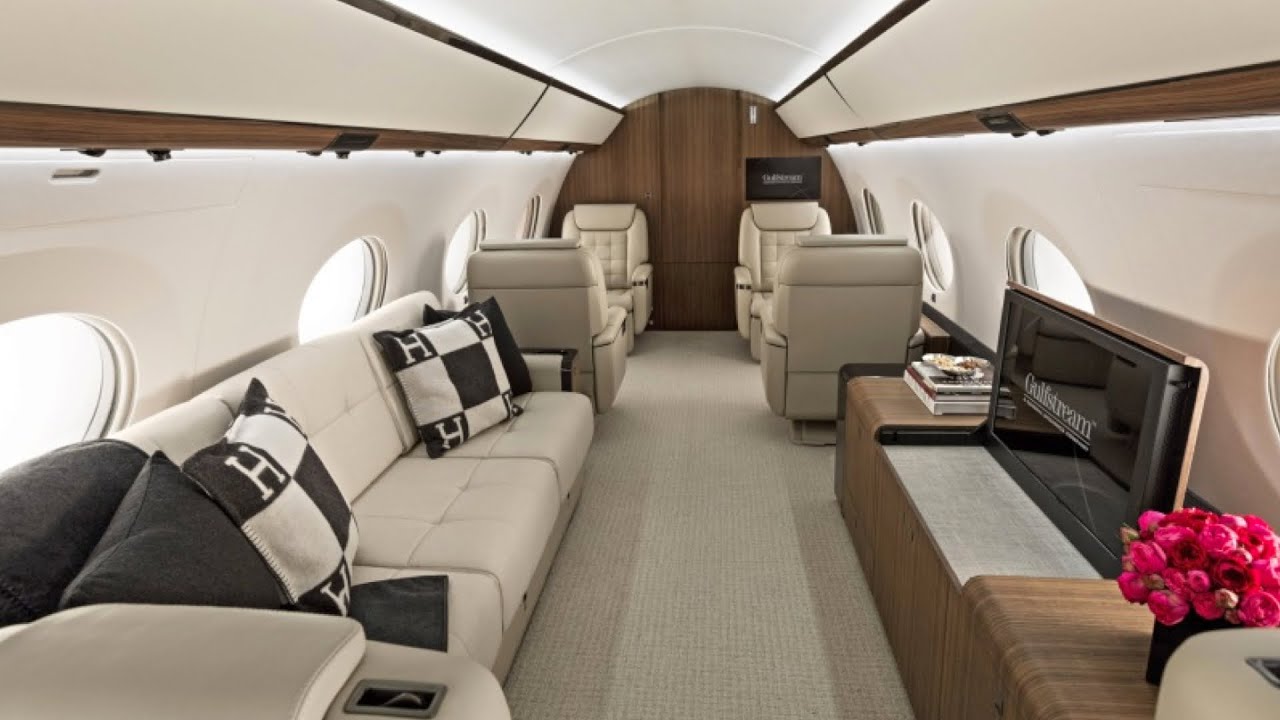
Key Takeaways for Gulfstream
Gulfstream is a world leader in ultra-long-range private jets, known for unmatched cabin comfort, advanced avionics, and global nonstop flight capability. Preferred by CEOs, executives, and private jet owners who value performance and prestige.
Key Highlights:
- Exceptional range for intercontinental, nonstop travel.
- Luxurious multi-zone cabins with ultra-low cabin altitude.
- Industry-leading technology such as the Symmetry Flight Deck.
Gulfstream: Unrivaled Performance and Prestige
Gulfstream Aerospace has long been synonymous with elite private aviation. The brand’s reputation rests not just on sleek design but on delivering aircraft with impressive long-range capabilities and unmatched cabin luxury. Jets like the Gulfstream G700 and G800 are engineered for ultra-long-haul travel, flying intercontinental routes nonstop while maintaining exceptional speed, stability, and fuel efficiency. These aircraft are equipped with next-gen Rolls-Royce engines, allowing for smoother climbs, reduced cabin noise, and optimal cruise performance.
Gulfstream's Cabin Comfort and Customization
Where Gulfstream truly excels is in creating bespoke flying environments. Each aircraft offers a wide-body cabin with generous headroom, natural lighting via panoramic oval windows, and layouts that accommodate everything from plush bedrooms and lounges to boardroom-style meeting spaces. Clients have the freedom to personalize every detail—from handcrafted furnishings to advanced air purification systems that refresh the cabin air every two to three minutes.
The G700, for instance, boasts the longest, widest, and tallest cabin in its class, offering four distinct living areas. Travelers enjoy ultra-quiet interiors, circadian lighting to combat jet lag, and award-winning connectivity options, ensuring productivity and relaxation even at 51,000 feet.
Gulfstream's Cutting-Edge Technology and Safety
Safety is woven into every Gulfstream jet through advanced avionics systems like Symmetry Flight Deck™, which features touchscreen controls and active control sidesticks—enhancing pilot performance and situational awareness. Real-time weather mapping, predictive landing systems, and automated engine monitoring further reinforce Gulfstream’s commitment to operational reliability.
Gulfstream’s partnership with sustainable aviation initiatives also places it at the forefront of eco-conscious travel. Many of its jets are certified to operate with sustainable aviation fuel, helping to lower emissions without compromising performance.
Gulfstream: A Benchmark in Business Aviation
From executive boardrooms to Hollywood elites, Gulfstream is the trusted name in private aviation. Its aircraft not only redefine comfort and performance but also elevate the very concept of personal air travel. For those seeking a combination of range, luxury, and technical sophistication, Gulfstream remains the definitive choice in the sky.
- Sources Include / Discover More: Gulfstream Aerospace Corporation, based in Savannah, is a wholly owned subsidiary of General Dynamics
- Also Read: Ultimate Fine Art Buying Guide
#2
Bombardier
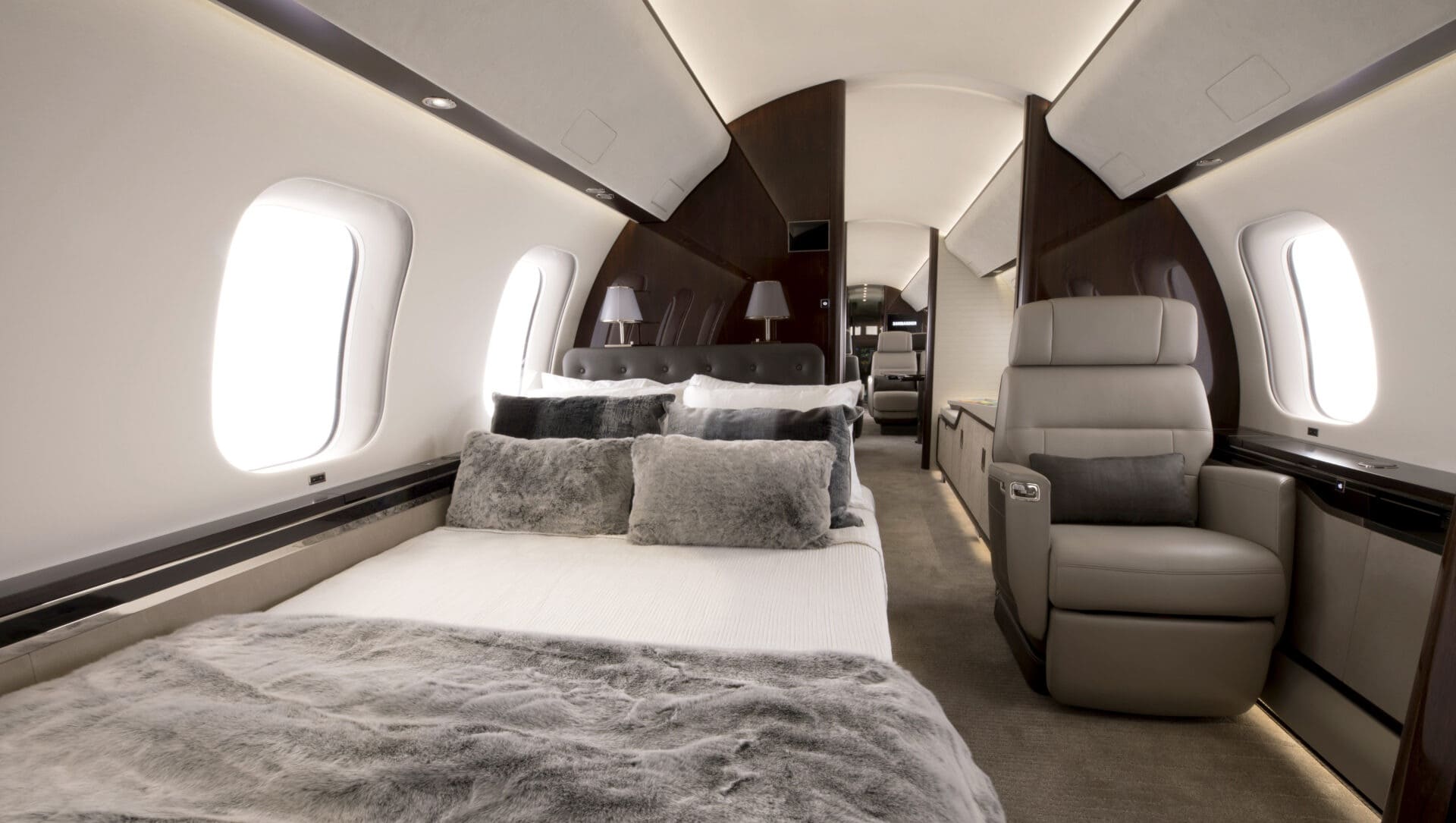
Key Takeaways for Bombardier
Bombardier specializes in long-range business jets designed for smooth ride performance, high efficiency, and refined comfort. The Global and Challenger series are trusted for business aviation worldwide.
Key Highlights:
- Signature Global 7500 delivers one of the longest ranges in private aviation.
- Smooth ride technology provides quiet, stable flights.
- Designed for productivity with full-size galleys and private suites.
Bombardier: Global Reach with Iconic Design
Bombardier has carved a commanding presence in the world of long-range private jets. Known for the Global and Challenger series, Bombardier jets are a favorite among discerning travelers who demand uncompromised range, cabin comfort, and operational versatility. The flagship Global 7500 is a masterpiece in the skies, offering a nonstop range of over 7,700 nautical miles—easily connecting cities like New York to Hong Kong or Singapore to San Francisco without refueling.
With superior short-field capabilities and a smooth ride system, Bombardier aircraft deliver seamless takeoffs and landings, even in challenging weather or smaller airports. This versatility makes them ideal for both transcontinental and remote destination travel.
Bombardier's Refined Cabin Experience
Inside every Bombardier jet lies a world-class interior designed for long-haul comfort. Spacious layouts feature dedicated suites for sleeping, dining, and working, complete with elegant finishes and customizable options. The Global 7500, for example, includes a full-size kitchen and a permanent bedroom—transforming business travel into a five-star airborne retreat.
Bombardier also prioritizes health and well-being. Their Pũr Air system provides HEPA-filtered fresh air, reducing airborne particles and refreshing the cabin every 90 seconds. Combined with low cabin altitude and whisper-quiet acoustics, passengers arrive refreshed and jet-lag-free.
Bombardier's Advanced Technology and Safety Standards
Pilots benefit from the cutting-edge Bombardier Vision flight deck, which integrates intuitive displays, synthetic vision, and advanced navigation tools. Enhanced situational awareness and fly-by-wire technology ensure a smooth and secure journey, while proactive maintenance systems alert ground teams before issues arise—minimizing downtime and ensuring aircraft readiness.
Bombardier is also pioneering sustainable aviation efforts. The company’s recent innovations include reduced-emissions engines and compatibility with SAF, allowing owners to travel in a more environmentally conscious way.
Bombardier: Trusted by Business and World Leaders
From billionaires to global executives, Bombardier jets are preferred for their spacious interiors, high-altitude efficiency, and trusted reliability. Every detail—inside and out—is built around enhancing the travel experience. For those who value distance, luxury, and dependability, Bombardier offers a jet that truly rises above the rest.
- Sources Include / Discover More: Bombardier Inc. is a Canadian aerospace manufacturer which produces business jets
- Also Read: Luxury Fine Wines and Spirits Buying Guide
#3
Dassault Falcon
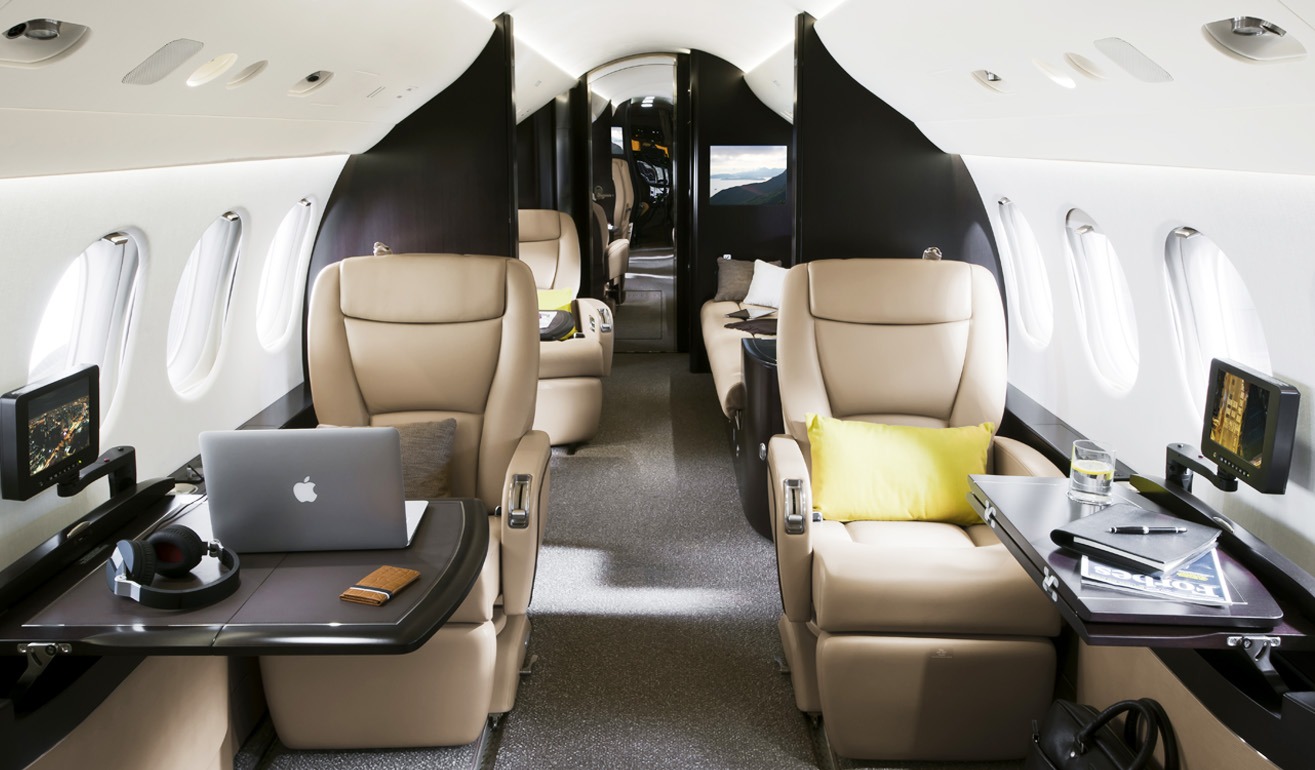
Key Takeaways for Dassault Falcon
Dassault Falcon blends French luxury design with advanced aeronautical engineering. Their aviation heritage enables exceptional efficiency, short runway performance, and sleek, refined cabin environments.
Key Highlights:
- Trijet efficiency and flexibility for remote airport access.
- Stylish, quiet cabins with customizable layouts.
- Fly-by-wire technology adapted from military aviation.
Dassault Falcon: European Craftsmanship with Military DNA
Dassault Falcon jets blend French craftsmanship with advanced aerospace engineering, thanks to Dassault Aviation’s deep roots in military aviation. Known for precision, efficiency, and aerodynamic superiority, Falcon jets are prized for their ability to perform in demanding conditions while maintaining refined comfort. With models like the Falcon 8X and the upcoming Falcon 10X, Dassault offers a range of aircraft tailored to executives who need both endurance and elegance in flight.
Unlike many competitors, Dassault’s aircraft are built to operate from short and challenging runways, providing direct access to remote destinations without compromising safety or fuel efficiency. Their trijet configuration, a hallmark of Falcon design, offers extra safety and the flexibility to reach airports inaccessible to twin-engine jets.
Falcon's Luxurious Cabins with Quiet Sophistication
Falcon interiors exude understated elegance. Designed for long-range journeys, these cabins prioritize both aesthetics and acoustics. Advanced noise-reduction systems and seamless floorplans allow for productive work and restful sleep. The Falcon 8X features three distinct living areas, including an optional shower and a full-sized galley, catering to the needs of global travelers.
Customization is where Dassault truly shines. Clients can select from a broad palette of fine woods, leathers, and textiles to personalize their jet. Ambient lighting, pressurized cabins with lower altitude settings, and HEPA-filtered air systems ensure that every journey is not just comfortable—but rejuvenating.
Falcon's Advanced Avionics and Fuel Efficiency
Falcon jets are equipped with the EASy flight deck, co-developed with Honeywell, offering intuitive navigation and situational awareness. These jets also benefit from fly-by-wire technology, originally developed for fighter jets, which ensures smoother handling and superior control.
Fuel economy is a significant advantage. Falcon aircraft are among the most efficient in their class, reducing operational costs and carbon footprint. The company’s investment in sustainable aviation technology, including support for SAF and aerodynamic refinements, reflects its forward-thinking approach.
Dassault Falcon: A Legacy of Trust and Innovation
Dassault Falcon jets are trusted by Fortune 500 CEOs, governments, and private owners around the world. They offer a unique combination of performance, comfort, and operational versatility. For buyers seeking a balance of European luxury and top-tier flight capabilities, Dassault delivers a flying experience that is as refined as it is reliable.
#4
Embraer
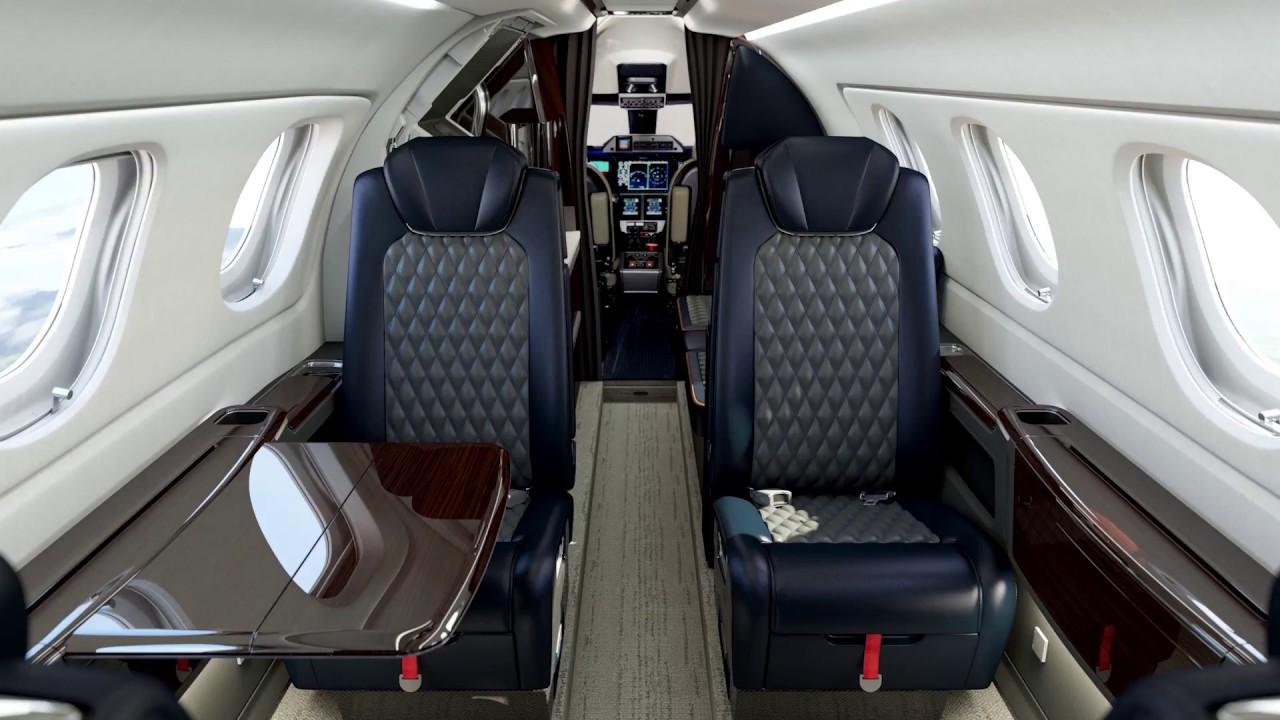
Key Takeaways for Embraer
Embraer offers modern, efficient, and cost-friendly executive jets, especially popular among new private jet owners and frequent business travelers. The Phenom and Praetor series combine performance with sleek design.
Key Highlights:
- Spacious cabins engineered for comfort in light and midsize jets.
- Competitive operating costs with strong reliability.
- Advanced flight deck technology simplifying pilot workload.
Embraer: Smart Design with Brazilian Flair
Embraer Executive Jets has earned a strong reputation in the private aviation space by delivering aircraft that are sleek, cost-effective, and technologically advanced. Based in Brazil, Embraer stands out for its modern, clean-sheet designs tailored to the light and midsize jet markets. Models like the Phenom 300E and Praetor 600 are celebrated for combining value with a cabin experience that rivals larger aircraft.
Embraer’s jets are ideal for business professionals and entrepreneurs who want speed, range, and comfort in a compact footprint. The Phenom 300E, for instance, is one of the best-selling light jets in the world, capable of flying nonstop from Miami to New York or London to Moscow with style and efficiency.
Embraer's Spacious Interiors with Attention to Detail
While Embraer focuses on smaller jets, it doesn’t compromise on interior quality. Passengers are often surprised by the spaciousness and intelligent design of the cabins. The Praetor series, for example, offers full flat-bed seating, stone flooring options, and ultra-quiet environments that rival those of heavy jets.
Embraer jets also feature large baggage compartments and fully enclosed lavatories, making them ideal for extended use. Their cabins are fitted with advanced connectivity, touchscreen controls, and customizable lighting to ensure both productivity and relaxation onboard.
Embraer's Technology-Driven Flight Experience
The flight deck on Embraer jets is designed for ease and efficiency. The Prodigy Touch system (based on Garmin G3000) is intuitive, reducing pilot workload and increasing safety. Fly-by-wire controls in the Praetor series provide smooth handling and increased fuel efficiency.
These aircraft are also engineered for lower operating costs. With competitive maintenance schedules and excellent dispatch reliability, Embraer jets appeal to cost-conscious owners who still demand high-end travel experiences.
Embraer: A Growing Global Presence
Embraer’s growing network of service centers, strong resale value, and global support have made it a go-to choice for first-time buyers and seasoned travelers alike. The brand’s ability to deliver big-jet comfort in a smaller, more accessible package continues to disrupt the private jet market. For owners who value efficiency without sacrificing style, Embraer offers a compelling and reliable solution.
Complete Luxury Private Jet Buying Guide Table
Compare private jet types side-by-side — capacity, range, pricing, and luxury features to help you choose the perfect aircraft for your lifestyle and travel needs.
If you’re serious about purchasing a private jet, understanding your options is essential. This luxury private jet comparison table outlines the top aircraft categories, helping you compare jet type, passenger capacity, travel range, and pricing—all in one place. Whether you’re looking for a nimble light jet for short business trips or a fully customized VIP airliner for global luxury travel, this table gives you a crystal-clear overview to make the smartest investment in the sky.
Each aircraft listed represents a different segment of private aviation—offering various levels of comfort, range, and cost—to suit your lifestyle and travel requirements. Bookmark this data-driven table to guide your private jet buying journey with precision and confidence.
| No. | Jet Type | Passenger Capacity | Range (in NM) | Estimated Price (USD) |
|---|---|---|---|---|
| 1 | Light Jet | 4–7 | 1,500–2,000 | $3M–$9M |
| 2 | Midsize Jet | 7–9 | 2,000–3,200 | $9M–$16M |
| 3 | Heavy Jet | 10–16 | 3,000–4,500 | $16M–$35M |
| 4 | Ultra-Long-Range Jet | 16+ | 6,000–7,700 | $50M–$95M+ |
| 5 | Custom VIP Airliner | 20+ | 6,000–9,000 | $100M–$500M+ (Fully Outfitted) |
Key FAQs on the Complete Luxury Private Jet Buying Guide
What is a Light Jet and who is it best suited for?
A Light Jet is a compact private aircraft typically seating 4–7 passengers with an average range of 1,500–2,000 nautical miles.
Light jets are optimized for short-haul business travel, offering access to smaller regional airports, lower operating costs, and faster point-to-point travel compared to larger jets.
They are widely used by executives, entrepreneurs, and regional travelers seeking efficiency, flexibility, and affordability in private aviation (Source: Wikipedia, Cessna, Embraer).
Why are Midsize Jets popular among corporate travelers?
Midsize Jets are favored by corporate travelers for their balance of range, comfort, and operational efficiency, typically seating 7–9 passengers with ranges between 2,000 and 3,200 nautical miles.
These aircraft feature stand-up cabins, work-friendly layouts, and quiet interiors, supporting productivity during cross-country flights.
They are widely used for executive travel across major business hubs and regional markets (Source: Wikipedia, Cessna Citation, Hawker Aviation).
What makes Heavy Jets ideal for international private travel?
Heavy Jets are designed for long-distance international travel, offering seating for 10–16 passengers and nonstop ranges of approximately 3,000–4,500 nautical miles.
They provide stand-up cabins, private sleeping areas, full galleys, and advanced inflight systems, making them suitable for overnight and transcontinental missions.
Heavy jets are commonly used by multinational corporations and global executives (Source: Wikipedia, Bombardier, Gulfstream Aerospace).
How far can an Ultra-Long-Range Jet fly without refueling?
Ultra-Long-Range Jets can fly nonstop between 6,000 and 7,700+ nautical miles, enabling direct routes such as New York to Dubai or Los Angeles to Tokyo.
These jets feature multi-zone cabins, private bedrooms, high-speed satellite connectivity, and advanced cabin pressurization for long-haul comfort.
They are used by global CEOs and ultra-high-net-worth individuals requiring uninterrupted international mobility (Source: Wikipedia, Bombardier, Gulfstream).
What is a Custom VIP Airliner and who typically uses one?
A Custom VIP Airliner is a commercial aircraft converted into a private flying residence, typically accommodating 20+ passengers with ranges of 6,000–9,000 nautical miles.
These aircraft feature bespoke interiors including private suites, dining salons, conference rooms, and medical or security areas.
They are primarily operated by heads of state, royalty, and ultra-high-net-worth families (Source: Wikipedia, Boeing Business Jet, Airbus Corporate Jet).
Customization and Interiors
One of the biggest perks of owning a private jet? Making it uniquely yours. Luxury customization turns a standard aircraft into your personal sky palace.
Cabin Layouts
Depending on jet size, you can design layouts that fit your lifestyle. Want a space for work, play, or rest? You’ve got options:
- Lounge Areas: Recliners, couches, and ottomans—perfect for unwinding at 40,000 feet.
- Master Bedrooms: Sleep like royalty on long-haul flights in a full-size bed with premium linens.
- Showers: Yes, you can freshen up mid-flight in a full private shower.
- Conference Room: Conduct board meetings in a soundproof cabin with high-speed connectivity and video conferencing.
Luxury Amenities
These features redefine what it means to “travel in style”:
- Inflight Wi-Fi: Stay connected with high-speed internet powered by satellite or ground-based systems.
- 4K Entertainment Systems: Watch the latest movies or sports in cinematic quality with surround sound.
- Mood Lighting: Create the perfect ambiance with programmable LED lighting schemes—think “sunset” or “spa retreat.”
- Gourmet Kitchens: Full galleys with ovens, espresso machines, and wine chillers—your favorite chef can fly with you.
Your jet, your rules. Customization lets you design a sky experience that reflects your taste, needs, and lifestyle.
Financing a Private Jet Purchase
Let’s face it—dropping $50 million in one shot isn’t for everyone. That’s where financing options step in to make jet ownership more accessible and manageable.
Leasing vs. Buying
- Leasing: This route gives you access to a jet for a fixed term—usually 3 to 5 years—at a lower monthly rate than buying. You don’t own the aircraft, but you avoid large upfront payments and can switch jets more easily. Ideal for short-term needs or fluctuating travel schedules.
- Buying: A major investment, but one that gives you full control and equity. You get long-term value, full customization, and a hard asset. Best for frequent flyers who want ultimate ownership and personalization.
Loan Options
Specialized aviation lenders offer tailored loan packages that make jet buying more approachable:
- Financing Up to 85%: Most lenders cover a large percentage of the aircraft’s purchase price.
- Flexible Terms: Repayment periods typically range from 5 to 15 years.
- Competitive Rates: Based on your credit, usage, and aircraft value, interest rates can be as low as 4%–6%.
Pro Tip: Work with lenders who understand aviation—they’ll offer better terms and guidance than a traditional bank.
Legal and Regulatory Considerations
Buying and operating a private jet comes with a checklist of legal obligations. You’re not just acquiring a luxury toy—you’re acquiring a flying asset that crosses international borders, uses regulated airspace, and must meet strict safety and compliance standards.
Registration and Compliance
Before taking off, your aircraft needs to be registered with a civil aviation authority—like the FAA (Federal Aviation Administration) in the U.S. or EASA (European Union Aviation Safety Agency) in Europe. This process confirms your jet is airworthy, insured, and legally fit to fly.
You’ll also want to register in a jurisdiction that aligns with your goals—some countries offer favorable tax laws, looser ownership restrictions, or more accessible maintenance hubs. Popular choices include:
- Isle of Man (M-register)
- Cayman Islands
- Bermuda
- San Marino
- USA (N-registered aircraft)
Each comes with trade-offs, so consult an aviation legal expert to choose the right fit.
Tip: Jurisdiction affects more than taxes—it impacts resale value, operational limits, and inspection schedules too.
International Aviation Laws
Planning to fly globally? You’ll need to comply with international rules that differ between countries:
- Overflight Permits: Required to legally pass over many countries’ airspace—even if you’re not landing.
- Landing Rights: Permission must be secured ahead of time, especially in regulated or congested regions like China, Russia, or the Middle East.
- Customs & Immigration: You must pre-file passenger manifests and follow security protocols, even at private terminals.
Failure to comply could result in delays, detainment, or heavy fines. That’s why having expert support is critical for smooth, stress-free global travel.
Aircraft Management Services
Not planning to become your own flight operator? Good call. Managing a private jet is a full-time job—and not one you want to take on solo.
Enter: Aircraft Management Companies.
These firms take the hassle off your plate by handling the day-to-day operations of your jet. Their services typically include:
- Hiring & Training Crew: From pilots to flight attendants, they source top talent and manage ongoing certifications.
- Scheduling & Dispatch: They coordinate your flights, slot approvals, and air traffic requirements.
- Maintenance Oversight: Ensure your aircraft stays airworthy with timely inspections and service.
- Regulatory Compliance: They keep you aligned with international aviation standards.
- Expense Management: From fuel to catering, they track and optimize your operational costs.
Many also offer charter services, allowing you to lease your jet when you’re not using it—offsetting some ownership costs.
Bonus: You gain peace of mind while ensuring your jet runs like a 5-star flying hotel, 24/7.
The Role of a Jet Broker
Unless you’re an aviation expert yourself, don’t go at it alone. A jet broker is your behind-the-scenes superhero during the buying process.
Think of them as your aviation real estate agent—only with more altitude.
Here’s how they help:
- Aircraft Selection: Based on your needs, they narrow down the right models and manufacturers.
- Market Access: Brokers often have access to off-market listings that never get advertised publicly.
- Negotiation: From price to terms, they fight to get you the best possible deal.
- Due Diligence: They help inspect aircraft, verify maintenance logs, and ensure no skeletons are hiding in the logbooks.
- Legal & Regulatory Guidance: They work alongside your legal team to handle registrations, escrow accounts, taxes, and more.
In short? A seasoned broker can save you millions, months of stress, and help you avoid costly mistakes—especially in the complex, fast-moving world of private aviation.
Innovations in the Luxury Jet Industry
The world of private aviation is evolving fast. And while luxury and performance are still top priorities, the industry is now placing more focus on sustainability and smart tech than ever before.
Sustainable Jet Technologies
Eco-consciousness isn’t just a trend—it’s reshaping the future of luxury aviation. Today’s jet owners want speed, style, and a smaller carbon footprint.
- Electric Propulsion: Although full-scale electric jets are still in development, hybrid propulsion systems are gaining traction. Companies like Eviation and Lilium are pushing boundaries, aiming to create silent, efficient, short-range aircraft with zero emissions.
- Sustainable Aviation Fuel (SAF): SAF is the game-changer of the moment. Made from renewable resources like algae, plant oils, or even municipal waste, SAF can cut carbon emissions by up to 80%. Major manufacturers like Gulfstream and Bombardier are already testing and certifying their jets to run on SAF blends.
Owning a private jet doesn’t have to mean sacrificing your environmental values.
AI and Smart Cabins
Private jets are now becoming as intelligent as they are luxurious. AI is transforming the inflight experience with features that anticipate passenger needs and enhance comfort.
- Voice-Controlled Cabins: Adjust lighting, temperature, window shades, and entertainment using voice commands—like having Alexa at 45,000 feet.
- Biometric Security Systems: Facial recognition or fingerprint access allows for safer, more personalized boarding and onboard functions.
- Smart Seats & Lighting: AI-driven seats adjust posture based on your body’s position. LED mood lighting adapts automatically to time zones, helping fight jet lag.
The jet of the future isn’t just fast—it’s smart, sustainable, and deeply personalized.
Tips for First-Time Jet Buyers
Buying your first private jet is a thrilling step—but it’s easy to get lost in the luxury and overlook the fine print. Here are smart tips to help you fly with confidence and avoid costly mistakes.
Set a Realistic Budget (Beyond the Sticker Price)
A $15 million jet might sound like a splurge, but the real costs are in ownership. Maintenance, crew salaries, hangar fees, insurance, upgrades, and fuel add up—often exceeding $1–3 million annually. Plan ahead so you’re not caught off guard.
Always Inspect the Aircraft Thoroughly
Whether you’re buying new or pre-owned, inspections are a must. Hire a trusted third-party aviation technician to conduct a full pre-buy inspection—checking the engines, avionics, airframe, and maintenance logs. This step alone can save you millions in hidden repairs.
Hire Experienced Aviation Lawyers and Brokers
This isn’t your average vehicle purchase. Aviation law and international regulations are complex. Work with specialized lawyers and a reputable broker to guide you through contracts, registration, taxes, and ownership structures.
Consider Fractional Ownership if You’re Unsure
Don’t fly more than 100 hours a year? A fractional ownership program (like NetJets or Flexjet) might be a smarter, more cost-effective entry into private aviation. You get access to a fleet without full ownership headaches.
Think Long-Term: Fuel, Maintenance, and Upgrades
Jets aren’t just one-time purchases—they’re long-term commitments. Consider how the model you choose will hold its value, what kind of upgrade paths it has (interior refurbishments, avionics, etc.), and how expensive it will be to maintain over 10–20 years.
Final Thoughts
Owning a luxury private jet is no longer just an indulgence reserved for heads of state or billionaires—it has become a strategic advantage for entrepreneurs, global executives, and travelers who value efficiency, privacy, and personal control. A private jet doesn’t simply get you from point A to point B; it transforms how you experience time, productivity, and peace of mind. The ability to fly on your schedule, avoid airport delays, reach private and remote airports, and create a customized inflight environment makes private jet ownership a lifestyle investment with long-term value.
Whether you choose a light jet for regional trips, a midsize or heavy jet for corporate travel, or an ultra-long-range aircraft for global mobility, the right jet should align with your travel patterns, comfort expectations, and operating budget. Work with experienced aviation advisors, conduct pre-purchase inspections, and compare management programs to ensure a seamless ownership experience.
Because once you’re in the air, one truth becomes clear: the sky isn’t the limit—it’s your runway.
The Complete Luxury Private Jet Buying Guide Frequently Asked Questions (FAQs)
It ranges from $3 million for a light jet to over $100 million for a fully customized VIP airliner.
Yes, many owners offset costs by chartering their jets through management companies.
A new jet takes 12–24 months, while a used jet can be delivered in 2–6 weeks depending on inspection and paperwork.
Yes, depending on jurisdiction. Sales tax, import duties, and use tax may apply.
If you fly over 300 hours annually, buying is typically more cost-effective. Leasing offers flexibility with lower commitment.
Top luxury private jet brands include Gulfstream, Bombardier, Dassault Falcon, and Embraer—renowned for exceptional performance, cabin comfort, and technology.
Gulfstream jets are known for their ultra-long-range capabilities, bespoke interiors, and industry-leading safety and performance standards.
The Bombardier Global 7500 and Gulfstream G800 are among the longest-range private jets, capable of flying over 7,700 nautical miles nonstop.
Dassault Falcon jets are built with trijet configurations, allowing short runway performance and enhanced safety, paired with luxurious, quiet cabins.
Yes, Embraer jets like the Phenom 300E and Praetor 600 offer cost-efficient ownership, spacious cabins, and impressive range, ideal for entry-level buyers.
About the Author
This article was researched and prepared by the World Millions Editorial Team, specialists in global rankings, premium market analysis, structured comparisons, and high-value sector research across industries.
All content undergoes verification, editorial review, and periodic updates to ensure accuracy, clarity, and alignment with recognized industry standards, reliable institutional sources, and leading global authorities.
- Last Updated: March 27, 2026 by the World Millions Editorial Team
- Original Published Date: March 27, 2026
- View Our: Editorial Team | Sources | Disclaimer | Editorial Standards