- Home
- »
- Luxury Buying Guides
- »
- Ultimate Luxury Hotels Buying Guide
Ultimate Luxury
Hotels Buying Guide
The world’s most luxurious hotels represent the pinnacle of five-star hospitality, architectural elegance, and unforgettable travel experiences. From iconic skyline landmarks and historic palace hotels to secluded island resorts and eco-luxury retreats, these extraordinary properties redefine comfort, service, and prestige for elite travelers around the globe.
Discover the Ultimate Luxury Hotels Buying Guide, featuring ten of the world’s most celebrated luxury hotels, ranked by reputation, location prestige, guest experience, and global recognition. This curated guide explores iconic destinations, hospitality excellence, and the defining characteristics that make these hotels benchmarks of modern luxury travel.
On This Page
Toggle- Updated 2026 by the World Millions Editorial Team: View Author Information
What Defines a Luxury Hotel?
Luxury hotels aren’t just about five-star ratings—they’re about five-star experiences. They offer a curated world of comfort, sophistication, and exceptional service that makes guests feel like royalty. These properties are designed to pamper and impress, catering to travelers who expect nothing but the best.
Key Features to Look For
Here’s what typically separates a true luxury hotel from a regular high-end property:
- Five-Star Service – Staff that anticipates guests’ needs, remembers their names, and treats them like VIPs from check-in to checkout.
- Premium Architecture & Interior Design – Think sweeping staircases, custom furnishings, and immersive aesthetics.
- Gourmet Restaurants – Michelin-starred chefs, organic ingredients, and exclusive wine cellars.
- Personalized Concierge Services – Private yacht bookings, helicopter tours, bespoke city experiences—done at the snap of a finger.
- Spa & Wellness Centers – Onsite holistic spas, saunas, yoga retreats, and personal trainers.
- Exclusive Amenities – Infinity pools, rooftop lounges, designer boutiques, and private butlers.
- Smart Technology & Sustainability – Touchless check-ins, AI-powered room controls, solar panels, and zero-waste initiatives.
Luxury hotels don’t just host guests—they curate experiences tailored to their elite clientele’s expectations.
Difference Between Luxury and Boutique Hotels
Although both luxury and boutique hotels serve upscale markets, they offer distinctly different experiences:
- Luxury Hotels aim for scale and international prestige. They often belong to well-known global brands and attract high-end clientele across various travel categories—corporate, leisure, and VIP.
- Boutique Hotels focus on individuality and intimacy. They are smaller, often independently owned, and known for unique decor or thematic experiences.
If your goal is to capture global attention, deliver elite service at scale, and maximize long-term returns, then investing in a luxury hotel is the smart move.
Top Considerations Before Buying a Luxury Hotel
Purchasing a luxury hotel is not just a business decision—it’s a lifestyle investment. Here’s what you must evaluate carefully before making your move:
Location and Accessibility
In real estate, location is everything—and it’s doubly true in hospitality. A luxury hotel’s location not only defines its brand and clientele but also determines its pricing power.
Ask yourself:
- Is the property situated in a top travel destination?
- How close is it to airports, luxury shopping, cultural landmarks, or natural wonders?
- Does it offer scenic views—beachfront, mountain, or skyline?
Guests paying a premium expect convenience, beauty, and prestige in equal measure. A poorly located hotel, no matter how stunning, will struggle to command high rates or attract consistent bookings.
Target Market and Demographics
Not all luxury travelers are the same. Some crave adventure; others seek tranquility. Your investment must align with your target demographic’s preferences:
- Retirees may want wellness, ease of access, and tranquility.
- Honeymooners will prioritize privacy, romantic packages, and Instagram-worthy backdrops.
- Business travelers need efficiency, meeting facilities, and central urban locations.
- Luxury families may seek spacious suites, entertainment options, and kid-friendly luxury services.
Knowing your market helps define everything from room design to service offerings and marketing strategies.
Competition and Nearby Attractions
Conduct a deep dive into the competitive landscape:
- Are there other five-star hotels nearby?
- What niche or gap can your hotel fill?
- Are there attractions (beaches, festivals, nightlife, ski resorts) that drive demand?
A saturated market isn’t a deal-breaker if you bring a clear differentiator—whether it’s a themed spa, historical setting, or sustainability-first experience.
Also, consider the seasonality of the destination—can your hotel thrive year-round, or will it rely on peak seasons?
Types of Luxury Hotels
Luxury hotels come in many forms, each crafted to serve a specific lifestyle, environment, and travel expectation. From tropical beachfront escapes to skyline sanctuaries in global capitals, understanding the different types of luxury hotels helps investors and travelers alike choose the perfect fit. Below are the most sought-after categories in the luxury hospitality space.
#1
Resort-Style Hotels
Key Takeaways for Resort-Style Hotels
Seamless Escape & Full-Service Luxury
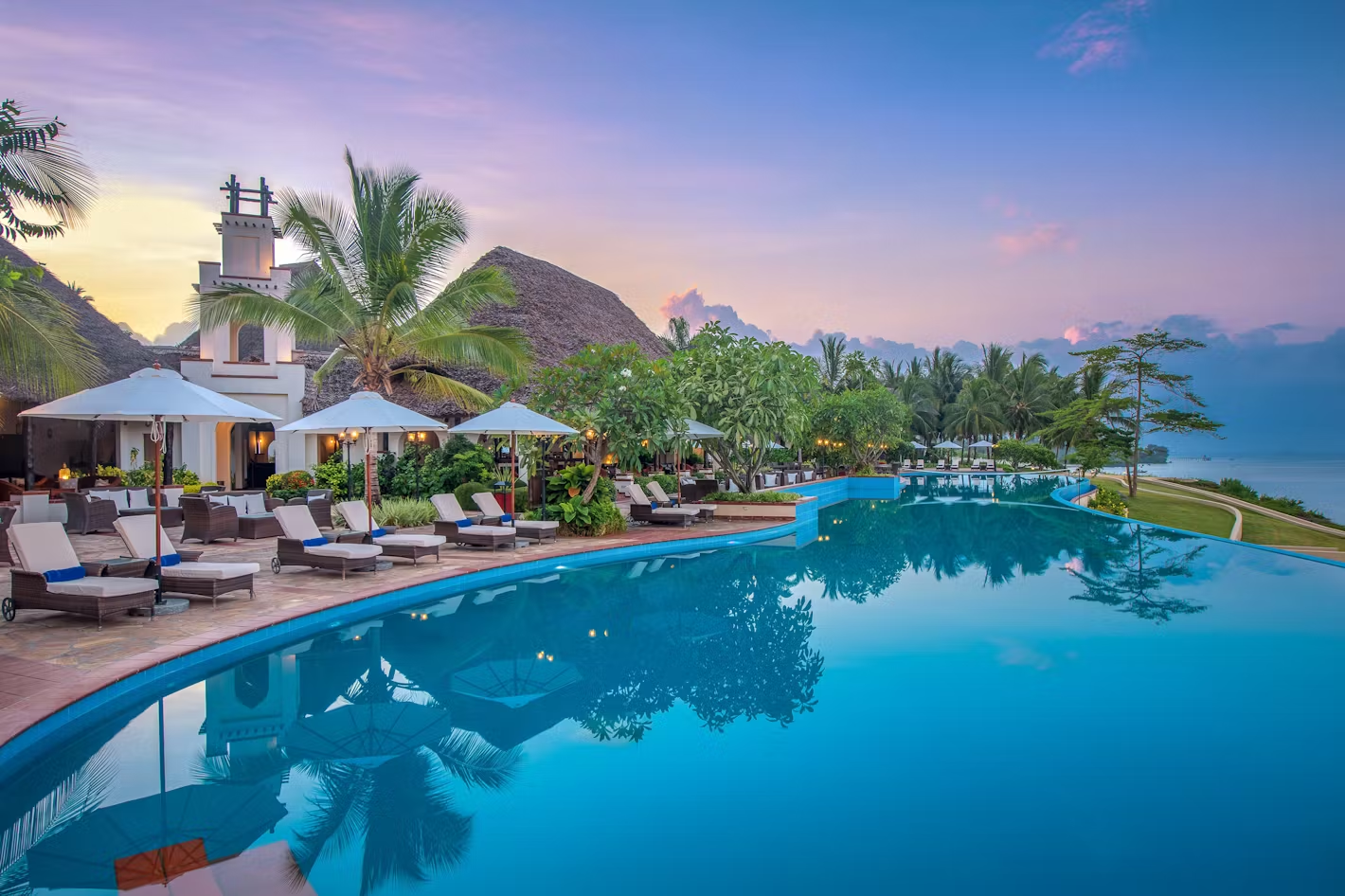
Resort-style hotels are designed for travelers seeking total relaxation, offering immersive stays in beachfront, island, and nature-rich destinations. These properties deliver a self-contained luxury world, featuring private villas, spa retreats, gourmet dining, and curated experiences tailored for leisure-focused guests. Ideal for honeymoons, wellness travel, and extended stays, resort-style hotels offer the perfect blend of exclusivity and comfort.
Key Highlights:
- Immersive getaway experiences in scenic and tropical destinations.
- All-inclusive luxury featuring spas, private suites, and curated excursions.
- Strong appeal for leisure travelers and honeymooners.
- High occupancy potential with strong emotional and lifestyle demand.
Resort-Style Hotels: Escapism Redefined by Luxury
Designed as full-service destinations, resort-style hotels offer immersive experiences in nature-centric or waterfront settings. These properties blend high-end leisure with personalized service, making them ideal for relaxation-focused travelers seeking escape and indulgence. Often located in tropical or coastal locations, luxury resorts are perfect for honeymoons, family getaways, and wellness retreats. These resorts provide everything from spa sanctuaries to private villas and curated dining—all under one idyllic setting.
Beachfront Resorts
Beachfront resorts cater to guests who crave sun-soaked holidays with direct access to pristine shores. These hotels often include private cabanas, infinity pools, water sports, and fine seafood dining. Top examples can be found in the Maldives, Bora Bora, and Phuket, where turquoise waters and white sands heighten the sense of serenity. Buyers should look for beachfront resorts with exclusive villas and overwater suites, as they command premium rates and year-round bookings.
Mountain & Nature Retreats
Nestled in scenic landscapes, mountain resorts and jungle retreats attract wellness travelers and adventure seekers alike. These hotels often offer luxury cabins, eco-conscious architecture, and activities like guided hikes, hot springs, and stargazing lounges. Resorts in the Alps, Patagonia, and Costa Rica lead this segment, appealing to those looking for reconnection with nature in a luxury setting.
Golf & Spa Resorts
Golf and spa resorts combine sport, wellness, and fine living in a seamless environment. With world-class golf courses, award-winning spas, and gourmet cuisine, these resorts cater to affluent couples and retirees. Destinations like Scottsdale, Tuscany, and Bali are known for this hybrid format. From Ayurvedic treatments to championship fairways, they offer amenities that create loyal returning guests and generate diversified income streams.
All-Inclusive Luxury Resorts
Modern all-inclusive luxury resorts redefine the category by offering tailored packages without compromising exclusivity. Think unlimited champagne, private chefs, curated excursions, and helicopter transfers. Locations like St. Barts and Cabo San Lucas are prime examples, where ultra-luxury all-inclusives are now commanding the highest ADRs in the region.
- Sources Include / Discover More: A resort hotel is a hotel which often contains full-sized resort facilities with full-service accommodations and luxury amenities
- Also Read: Ultimate Luxury Yacht Buying Guide
#2
Urban Luxury Hotels
Key Takeaways for Urban Luxury Hotels
Prestige in the Heart of the City
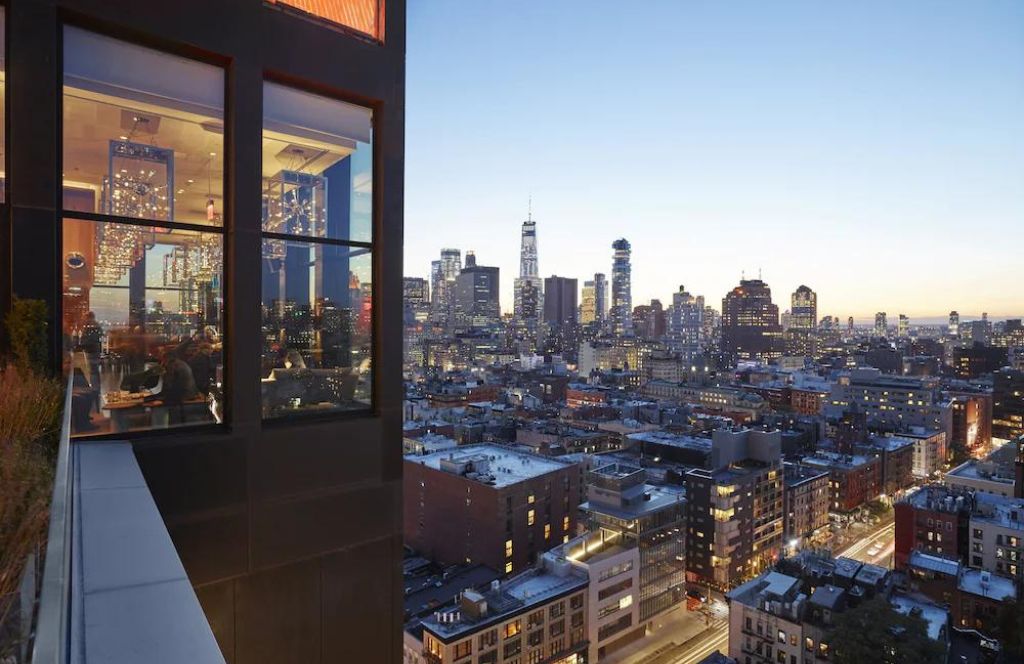
Urban luxury hotels provide elevated comfort and convenience in world-class city centers. These properties cater to business elites, international travelers, and cultural enthusiasts seeking refined living with quick access to corporate districts, designer shopping, and fine dining. With skyline views, executive lounges, and cutting-edge services, urban luxury hotels offer sophistication and efficiency in equal measure.
Key Highlights:
- Prime city locations near business, cultural, and entertainment hubs.
- Designed for executives, luxury tourists, and global jet-setters.
- Rooftop bars, high-floor suites, and 24/7 concierge services.
- Strong year-round occupancy from both business and leisure travel.
Urban Luxury Hotels: Elevated Comfort in the City Core
Urban luxury hotels are strategically positioned in major cities, offering a refined sanctuary amidst the hustle. These properties attract business elites, cultural tourists, and international jet-setters who expect high-end comfort with metropolitan convenience. Think panoramic city views, high-end shopping districts, rooftop bars, and executive suites with seamless service. These hotels are perfect for investors looking to tap into consistent corporate travel demand and affluent global travelers.
Skyline Towers & Landmark Buildings
High-rise luxury hotels with panoramic city views define urban opulence. Whether it’s overlooking Central Park or the Tokyo skyline, these towers often feature floor-to-ceiling glass suites, rooftop lounges, and Michelin-starred dining. Buildings like The Peninsula New York or Shangri-La The Shard in London cater to travelers who expect visual spectacle, central location, and world-class amenities all in one vertical space.
Historic Urban Estates
In many heritage-rich cities, luxury hotels occupy repurposed palaces, mansions, or historic landmarks. These properties blend classical architecture with modern service, creating an atmosphere of timeless elegance. Think Parisian townhouses, Venetian villas, or 19th-century New Delhi haveli hotels. They appeal to affluent guests who value culture, authenticity, and charm wrapped in five-star standards.
Boutique Luxury in the City
Some urban luxury hotels are smaller, but no less sophisticated. Boutique-style luxury properties in cities like Copenhagen, Amsterdam, or Barcelona provide intimate, design-forward stays that emphasize originality. From curated local art collections to private courtyard gardens, these spaces cater to design enthusiasts, solo travelers, and celebrities seeking anonymity and style in equal measure.
Business-Class Elegance
Many global cities offer luxury hotels tailored specifically for corporate travelers. Located near financial hubs, airports, or embassies, these properties feature executive lounges, multi-language concierge teams, and ultra-secure facilities. Hotels like Four Seasons Hong Kong or Rosewood Washington D.C. master the art of merging efficiency with extravagance—ideal for executives who demand seamless luxury even on a tight schedule.
#3
Heritage and Historic Hotels
Key Takeaways for Heritage and Historic Hotels
Cultural Grandeur & Storytelling Luxury
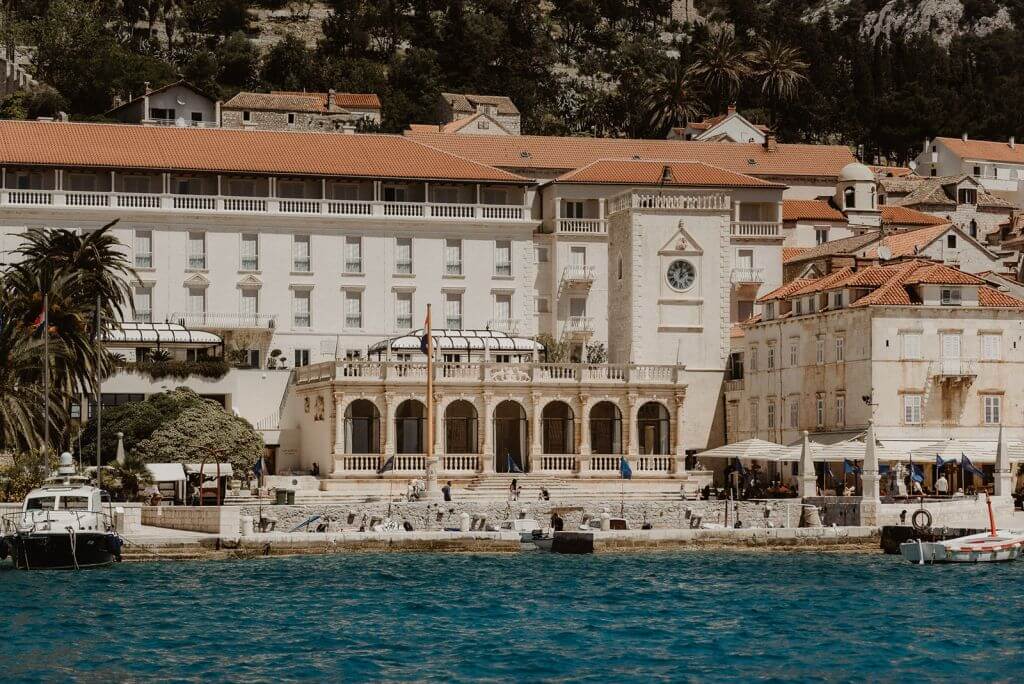
Heritage and historic hotels reflect centuries of artistry, architectural splendor, and cultural legacy. Often housed in restored palaces, castles, and mansions, these properties blend historical character with modern refinement. Guests are drawn to their emotional resonance, authenticity, and sense of timeless elegance—making every stay feel meaningful and memorable.
Key Highlights:
- Located in castles, palaces, and landmark estates.
- Authentic cultural experiences with historical significance.
- Strong destination wedding and luxury tourism appeal.
- Distinct storytelling advantage and prestige-driven desirability.
Heritage and Historic Hotels: Living History Meets Modern Comfort
Stepping into a heritage or historic hotel is like walking through a chapter of history—where every architectural detail whispers stories of past grandeur. These luxury properties often inhabit former palaces, castles, manors, or colonial-era buildings, offering guests a unique blend of authenticity and refined hospitality.
A Sense of Place and Timeless Elegance
From Europe’s countryside to Asia’s ancient cities, heritage hotels evoke a timeless charm. Locations like Rajasthan, Tuscany, or Prague are famous for historic luxury stays in intricately restored havelis, monasteries, or royal estates. Guests are greeted with hand-carved doors, antique furnishings, domed ceilings, and original frescoes—all complemented by discreet modern upgrades like heated floors, rain showers, and spa services.
Immersive Cultural Luxury
Travelers choosing historic hotels are often drawn by cultural immersion. These properties are frequently located near iconic heritage landmarks, city centers, or UNESCO World Heritage Sites, offering more than just a stay—they offer a story. Imagine enjoying breakfast on a marble terrace once reserved for royalty or sipping wine in a cellar that dates back centuries.
A Distinct Edge in the Market
Heritage hotels appeal to niche markets such as destination weddings, high-end cultural tourism, and luxury travelers seeking unique experiences. Their marketability is strengthened by deep storytelling potential and historical branding—factors that elevate prestige and guest loyalty. Whether it’s a palace linked to nobility or a villa with literary roots, the narrative becomes part of the guest journey.
- Sources Include / Discover More: Heritage and historic hotels are accommodations located in buildings with significant architectural, cultural, or historical value
- Also Read: Best Luxury Wellness Retreats Buying Guide
#4
Eco-Friendly Luxury Hotels
Key Takeaways for Eco-Friendly Luxury Hotels
Sustainable Serenity & Ethical Indulgence
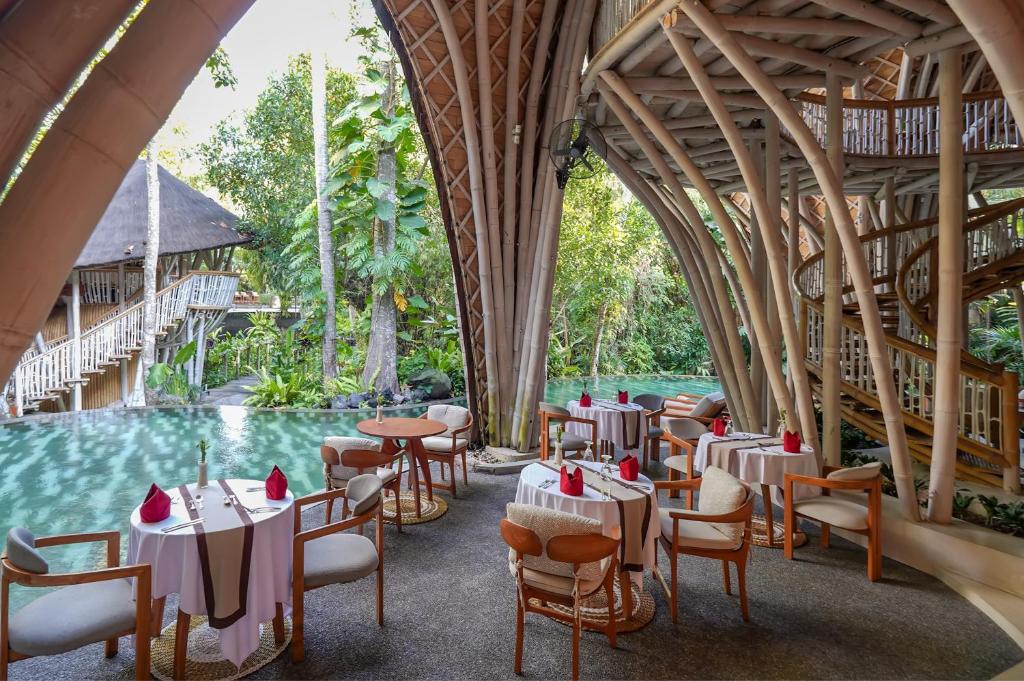
Eco-friendly luxury hotels redefine premium travel through sustainability, wellness, and deep connection to nature. Featuring organic architecture, renewable energy systems, and low-impact operations, these properties offer upscale comfort while protecting the environment. Guests seek these hotels for mindful relaxation, privacy, and holistic wellness experiences rooted in natural beauty.
Key Highlights:
- Prioritize renewable energy, natural materials, and conservation efforts.
- Located in rainforests, mountains, islands, and protected natural zones.
- Ideal for wellness travelers, nature lovers, and conscious luxury seekers.
- Rising demand and strong future-proof investment value.
Eco-Friendly Luxury Hotels: Where Sustainability Meets Sophistication
Eco-friendly luxury hotels are redefining modern opulence. These properties prioritize environmental harmony without sacrificing comfort, attracting travelers who value sustainability as much as seclusion and service. Built with green materials and powered by renewable energy, they deliver luxury that feels as good as it looks.
Nature-First Design Philosophy
Whether nestled in a Balinese rainforest, perched on a cliff in Costa Rica, or floating off-grid in the Maldives, eco-luxury hotels bring guests closer to nature. Expect bamboo structures, reclaimed wood interiors, and low-impact layouts designed to preserve the landscape. Suites often feature solar panels, organic textiles, and rainwater harvesting systems.
Sustainable Experiences with High-End Appeal
Guests enjoy farm-to-table dining, wildlife safaris with conservationists, eco-friendly spas, and educational workshops that reflect local cultures. These experiences go beyond relaxation—they provide a sense of purpose and connection.
A Profitable Path to Conscious Luxury
For investors and developers, eco-friendly luxury hotels represent an opportunity to lead in the evolving travel landscape. As affluent travelers increasingly seek responsible tourism, these properties stand out for combining environmental integrity with world-class hospitality.
Evaluating the Financial Aspects
Buying a luxury hotel is not just a glamorous venture—it’s a major financial undertaking. From acquiring the property to running day-to-day operations, you need a clear financial blueprint to ensure your investment is both profitable and sustainable.
Initial Investment & Capital Costs
Let’s get real—luxury doesn’t come cheap. The initial capital outlay can range anywhere from a few million to over a billion dollars depending on the hotel’s size, brand, and location. This budget typically includes:
- Property acquisition or lease
- Architectural redesign or renovation
- Interior design and furnishing (often custom)
- Technology upgrades and infrastructure
- Legal fees, licensing, and compliance costs
- Pre-launch marketing and branding
- Initial hiring and training of elite staff
Don’t forget contingency funds—you’ll need at least 10-15% set aside for unforeseen costs.
ROI and Break-Even Analysis
Luxury hotels generally require a longer break-even window compared to mid-range or budget properties—often 3 to 7 years, depending on location, brand strength, and operational efficiency.
However, if managed properly, the return on investment (ROI) is significantly higher thanks to:
- Premium room rates
- Event and banquet services
- Spa and wellness revenue
- Upscale dining and bar profits
- Affiliate partnerships and high-end clientele loyalty
Be sure to conduct a comprehensive financial projection, including multiple scenarios for high and low occupancy seasons.
Ongoing Operational Costs
Running a luxury hotel isn’t a one-time investment—it’s a continuous financial commitment. Monthly and annual expenses include:
- Staff salaries – Luxury properties require a high staff-to-guest ratio, and trained professionals don’t come cheap.
- Utilities – Heating, cooling, lighting, pool systems, and spa operations rack up massive energy bills.
- Maintenance – Regular upgrades, repairs, and upkeep of both public and private areas.
- Marketing and Advertising – SEO campaigns, PR events, influencer partnerships, and booking platform commissions.
- Technology Updates – AI-driven services, app integrations, cybersecurity, and smart-room features require ongoing investment.
Be proactive: budgeting for the long haul can make the difference between thriving and barely surviving.
Legal and Regulatory Checks
Before you pop the champagne and sign on the dotted line, you’ll want to ensure your dream property won’t turn into a legal nightmare. Luxury hotel deals involve multiple layers of legal, municipal, and international compliance.
Zoning and Licensing Requirements
Your chosen property must be legally zoned for commercial hotel use. This includes:
- Hospitality licensing for guest accommodation
- Food and beverage permits for restaurants, bars, or catering
- Liquor licenses
- Health and safety compliance for pools, spas, and gyms
- Fire and emergency protocols
- Accessibility and environmental regulations
Zoning laws also dictate whether you can expand or renovate in the future, which is crucial for scaling operations.
Property Due Diligence
This is where things get technical—but also essential. Bring in certified professionals (real estate attorneys, structural engineers, hospitality consultants) to verify:
- Title clarity – No hidden liens, debts, or ownership disputes
- Building condition – Plumbing, wiring, foundation, HVAC, roofing, and fire systems
- Environmental checks – Asbestos, mold, or contamination that could affect guests or future construction
Think of this like checking under the hood of a Ferrari before you hit the gas—don’t skip it, or you’ll regret it.
International Buyers and Restrictions
Planning to buy a luxury hotel overseas? Tread carefully. Many countries have:
- Restrictions on foreign ownership
- Mandatory local business partners
- High property transfer taxes
- Currency exchange barriers or repatriation limitations
Always consult a legal expert familiar with local property laws and real estate taxation before investing abroad.
Ultimate Luxury Hotels Buying Guide Table
Discover the world’s most prestigious luxury hotels, ranked by exclusivity, location appeal, and long-term investment value.
This curated Ultimate Luxury Hotels Buying Guide showcases the finest high-end properties across the globe, from iconic city landmarks to secluded eco-island retreats. Each hotel listed below reflects exceptional architecture, world-class service, elite guest appeal, and strong market positioning.
Whether you’re an investor evaluating hospitality assets or a luxury traveler seeking unforgettable stays, this comparison table highlights the strategic advantages, brand influence, and revenue potential behind the world’s most celebrated luxury hotels. Use this guide to compare purpose, experience, and long-term investment insight at a glance.
| # | Hotel Name | Location | Type | Investment Insights |
|---|---|---|---|---|
| 1 | Aman Tokyo | Tokyo, Japan | Urban Luxury | Ideal for investors targeting premium business travelers |
| 2 | Hotel du Cap-Eden-Roc | Antibes, France | Seaside Heritage | A legacy destination with strong seasonal high demand |
| 3 | Four Seasons Maui | Hawaii, USA | Resort | Proven performer with top-tier resort ROI potential |
| 4 | Six Senses Zighy Bay | Oman | Eco-Resort | Eco-luxury with exclusive clientele in high-growth region |
| 5 | The Ritz London | London, UK | Historic Luxury | Iconic property with royal branding and timeless appeal |
| 6 | Burj Al Arab | Dubai, UAE | Iconic Landmark | Signature hotel with global recognition and exclusivity |
| 7 | Mandarin Oriental Bangkok | Bangkok, Thailand | Urban Heritage | City-center heritage hotel favored by elite travelers |
| 8 | Rosewood Castiglion del Bosco | Tuscany, Italy | Vineyard Resort | Estate-style resort ideal for luxury lifestyle branding |
| 9 | The Brando | Tetiaroa, Polynesia | Eco-Private Island | Private island getaway with high eco-luxury returns |
| 10 | The Peninsula New York | New York, USA | Urban Luxury | Prime Fifth Avenue location with steady urban demand |
Key FAQs on the Ultimate Luxury Hotels Buying Guide
What makes Aman Tokyo one of the best luxury hotels in Tokyo?
Aman Tokyo is widely recognized as one of the best luxury hotels in Tokyo for its serene blend of Japanese minimalism and contemporary urban design. Located in the Otemachi Tower, it offers sweeping skyline views, expansive suites, and a tranquil onsen-style spa rarely found in city hotels.
Frequently highlighted by Forbes Travel Guide and Condé Nast Traveler, Aman Tokyo is favored by global executives seeking privacy, refined service, and calm sophistication in Japan’s financial district.
Why is Hotel du Cap-Eden-Roc considered an iconic luxury destination?
Hotel du Cap-Eden-Roc is considered an iconic luxury destination due to its legendary French Riviera location, historic prestige, and elite seaside privacy. Set on the Cap d’Antibes, the hotel features private coastal access, manicured gardens, and a cliffside saltwater pool overlooking the Mediterranean.
Regularly ranked by Travel + Leisure and Condé Nast Traveler, it has hosted royalty, Hollywood icons, and global elites, reinforcing its reputation as one of Europe’s most exclusive heritage luxury hotels.
What sets Four Seasons Maui apart from other Hawaiian luxury resorts?
Four Seasons Resort Maui at Wailea stands apart for its prime oceanfront location, exceptional service standards, and resort-style luxury tailored to affluent leisure travelers. The property offers expansive beachfront suites, award-winning dining, adults-only serenity pools, and curated cultural experiences.
Consistently rated by Forbes Travel Guide and AAA Five Diamond, Four Seasons Maui is a top choice for honeymoons, milestone vacations, and high-end Hawaiian resort stays.
Why do luxury travelers choose Six Senses Zighy Bay for sustainable travel?
Six Senses Zighy Bay is chosen by luxury travelers for its rare combination of eco-conscious design and dramatic natural surroundings. Nestled between rugged mountains and a secluded Omani beach, the resort features private pool villas, wellness-focused programming, and sustainable architecture.
Recognized by World Travel Awards and Green Globe Certification, it appeals to high-net-worth guests seeking privacy, wellness, and environmentally responsible luxury travel experiences.
What makes The Ritz London a symbol of classic British luxury?
The Ritz London symbolizes classic British luxury through its opulent interiors, historic grandeur, and enduring royal associations. Located on Piccadilly, the hotel is renowned for its formal afternoon tea, Michelin-starred dining, and Edwardian elegance.
Frequently cited by Forbes Travel Guide and Travel + Leisure, The Ritz London remains a benchmark for heritage hospitality, attracting discerning guests seeking tradition, prestige, and refined service in central London.
Why is Burj Al Arab often called the most luxurious hotel in the world?
Burj Al Arab is often called the world’s most luxurious hotel due to its iconic sail-shaped design, ultra-exclusive service model, and lavish duplex suites. Each stay includes private butler service, chauffeur-driven transfers, and access to signature dining experiences.
Recognized globally by Forbes Travel Guide and World Travel Awards, Burj Al Arab represents Dubai’s ambition and remains a defining symbol of modern ultra-luxury hospitality.
What makes Mandarin Oriental Bangkok a favorite among luxury travelers?
Mandarin Oriental Bangkok is favored by luxury travelers for its legendary service, riverside heritage setting, and refined cultural elegance. Situated along the Chao Phraya River, the hotel blends historic charm with contemporary luxury accommodations.
Consistently featured on Condé Nast Traveler Gold Lists and Travel + Leisure rankings, it is celebrated for its world-class spa, culinary excellence, and long-standing reputation as Asia’s most storied luxury hotel.
Why is Rosewood Castiglion del Bosco ideal for luxury lifestyle travel?
Rosewood Castiglion del Bosco is ideal for luxury lifestyle travel due to its private vineyard estate setting in the heart of Tuscany. Guests enjoy restored farmhouses, panoramic countryside views, exclusive wine experiences, and immersive Italian heritage living.
Recognized by Travel + Leisure and Condé Nast Traveler, the resort attracts affluent travelers seeking slow luxury, privacy, and authentic estate-style experiences within a UNESCO-protected landscape.
What makes The Brando one of the most exclusive island resorts in the world?
The Brando stands among the world’s most exclusive island resorts for its total privacy, sustainability leadership, and pristine natural environment. Located on the private island of Tetiaroa, it offers beachfront villas, zero-carbon design, and conservation-driven luxury.
Praised by National Geographic and Condé Nast Traveler, The Brando appeals to high-profile guests seeking eco-luxury, discretion, and unparalleled island seclusion.
Why is The Peninsula New York considered a premier Manhattan luxury stay?
The Peninsula New York is considered a premier Manhattan luxury hotel for its Fifth Avenue location, refined suites, and elevated service standards. The hotel combines classic elegance with modern amenities, including a rooftop lounge and full-service spa.
Frequently ranked by Forbes Travel Guide and Travel + Leisure, it attracts business leaders and leisure travelers seeking discreet luxury, prime location, and world-class hospitality in New York City.
Working with Real Estate Agents & Brokers
If you’re new to the luxury hotel market, trying to go solo is a rookie mistake. A seasoned luxury hotel real estate broker is your most valuable ally in this journey.
Choosing the Right Luxury Hotel Broker
Not all real estate agents are equipped to handle multimillion-dollar luxury hotel deals. Here’s what to look for:
- Specialization in luxury hospitality – They should have a portfolio of previously handled hotel transactions.
- Strong international network – Especially important if you’re exploring overseas options.
- Access to off-market deals – The most desirable properties are often sold quietly before they hit public listings.
- Knowledge of hospitality ROI metrics – They should understand operational margins, occupancy rates, RevPAR, and ADR inside out.
A great broker is more than a middleman—they’re a guide, negotiator, and strategic advisor all in one.
Questions to Ask Before Signing
Before signing an agreement, don’t shy away from asking pointed questions:
- “What’s your track record with luxury hotel sales?”: Experience in hospitality matters more than general real estate.
- “Do you offer end-to-end support?”: Some brokers provide post-sale services like staffing assistance, management partnerships, or renovation consultations.
- “What are your commission fees and payment terms?”: Be upfront to avoid surprises. Some brokers charge a flat rate, while others take a percentage of the sale.
- “Can you provide client references?”: Talking to past clients can give you insight into how the broker handles complex negotiations and unexpected hurdles.
Choosing the right broker can save you millions, shorten the buying timeline, and help you avoid hidden traps.
Branding and Management Options
Franchise vs Independent Ownership
When purchasing a luxury hotel, one of the most crucial decisions you’ll face is whether to go the franchise route or fly solo as an independent owner. Each option comes with its own pros and cons.
Franchising means partnering with an established hotel chain like The Ritz-Carlton, Four Seasons, or Waldorf Astoria. The biggest perk? Instant brand recognition and credibility. Guests are more likely to book when they recognize and trust the name. You also get access to:
- Global reservation systems
- Staff training programs
- Loyalty membership networks
- Proven operational procedures
But this power comes at a price. Franchise fees, royalty payments, and brand compliance regulations can eat into your profit margins. Plus, you’ll have limited creative control over design, marketing, and service protocols.
Independent ownership, on the other hand, gives you full control. You can create a unique brand identity, handpick your amenities, and implement bold, outside-the-box ideas. However, you’ll need a killer marketing plan and a strong management team to stand out in a saturated luxury market.
Pro Tip: If you’re a first-time luxury hotel buyer, starting with a soft brand (like Marriott’s Autograph Collection or Hilton’s Curio Collection) might give you the best of both worlds.
Working with a Luxury Hotel Brand
Want the prestige of a world-renowned name without handing over the reins entirely? Consider partnering with a luxury hotel brand under a management contract or joint venture.
These arrangements allow you to retain ownership while the brand handles day-to-day operations, guest experience, and marketing. The benefits include:
- Global exposure
- Immediate trust and loyalty from affluent guests
- Access to brand-exclusive systems and supply chains
- Higher average daily rates (ADR) and occupancy rates
For example, aligning with brands like Aman, Banyan Tree, or Rosewood elevates your hotel’s reputation overnight. It’s like adding a luxury stamp of approval that makes travelers swipe right instantly.
Renovation and Design Upgrades
How to Modernize Old Properties
Breathtaking as some older hotels may be, many require a serious makeover to meet today’s luxury standards. But don’t just renovate—reinvent.
Here’s how to strike the perfect balance between timeless charm and modern indulgence:
- Swap out old carpets for marble or hardwood flooring to add sophistication and hygiene.
- Install floor-to-ceiling glass windows for better light, views, and an open-air feel.
- Upgrade bathrooms with rainfall showers, touchless faucets, and smart mirrors.
- Reconfigure room layouts to maximize usable space and improve flow.
- Invest in acoustics and lighting to create tranquil, immersive environments.
Design isn’t just about aesthetics anymore—it’s about emotional impact. Your hotel should wow at first glance and relax at first step.
Tech Integration and Smart Amenities
Today’s travelers expect their luxury experience to include the latest technology. In fact, tech-savvy service is now a defining trait of top-tier hotels.
Modern guests look for:
- Facial recognition entry systems
- AI-powered concierge apps that provide 24/7 recommendations and booking assistance
- Voice-controlled room features (lighting, temperature, TV)
- Automated check-in/out kiosks for seamless arrival and departure
- Smart minibars and keyless mobile room access
These features not only enhance guest satisfaction but also streamline operations and reduce staffing costs. If you’re not leveraging tech, you’re leaving money—and customer loyalty—on the table.
Marketing Your Luxury Hotel
Building a High-End Brand Identity
A luxury hotel isn’t just a place—it’s a brand. Every detail should speak to exclusivity and elegance, from the website to the welcome cocktail.
Elements of a powerful brand identity include:
- A memorable logo and refined color palette
- Stylish uniforms for staff
- Signature scents in public spaces
- Customized playlists that match the vibe of your property
- Premium packaging for toiletries and in-room products
Don’t underestimate sensory branding—sight, sound, scent, and touch all contribute to your hotel’s luxurious ambiance and make a lasting impression.
SEO & Digital Marketing for Hotels
In the age of Google, TripAdvisor, and Instagram, visibility is everything. You must have a digital strategy that ensures your hotel is found first—and booked fast.
Key steps include:
- Optimizing your website with targeted, high-intent keywords
- Creating a blog with travel tips, local guides, and behind-the-scenes hotel stories
- Collaborating with luxury travel influencers and bloggers for authentic exposure
- Running PPC campaigns and retargeting ads to stay top-of-mind
- Listing on premium booking sites like Virtuoso, Tablet Hotels, and Mr & Mrs Smith
Also, don’t forget reputation management—promptly respond to reviews and always maintain your brand voice online.
Case Study: Successful Luxury Hotel Acquisitions
Let’s look at a real-world example that proves how smart branding and operational upgrades can supercharge profitability.
Case Study: Rosewood Hotels & Castiglion del Bosco, Tuscany
In 2015, the Rosewood Hotel Group acquired Castiglion del Bosco, a 5,000-acre estate in Tuscany that includes a luxury hotel, vineyards, and a private golf course. While the location was already stunning, it lacked the prestige and finesse to attract ultra-wealthy global travelers.
Rosewood executed a brilliant strategy:
- Revamped the design to blend rustic charm with modern comfort
- Introduced Michelin-star dining and spa services
- Leveraged elite brand partnerships with Ferrari and Brunello wine producers
- Invested in SEO and exclusive travel listings to reach their luxury audience
The result? Within two years, Castiglion del Bosco saw a 70% increase in bookings, a doubling of average daily rates, and global recognition as one of the top resorts in Europe.
The lesson here: A strong brand plus thoughtful upgrades equals massive returns.
Trends Shaping the Luxury Hotel Market Today
The luxury hospitality industry continues to evolve rapidly, driven by changing guest expectations and global shifts. Here are the top trends redefining the luxury hotel market today:
- AI-Powered Personalization: Forget generic greetings—guests now expect tailored experiences. Hotels are leveraging AI and machine learning to anticipate guest needs, suggest personalized itineraries, and even remember pillow preferences. Personalized stays aren’t just convenient—they’re the new gold standard.
- Hyper-Local Experiences: Travelers today crave authenticity over opulence. That means local art, culture, cuisine, and community interactions. The best luxury hotels now offer curated tours, artisan workshops, and farm-to-table dining experiences that reflect the spirit of the destination.
- Wellness-Focused Retreats: The wellness travel market is booming. Modern luxury hotels are investing in holistic spas, mental health programs, yoga sanctuaries, and biohacking amenities to cater to health-conscious travelers. Wellness is no longer a luxury—it’s an expectation.
- Remote Work + Luxury Packages: Thanks to the remote work revolution, many high-income professionals are mixing business with leisure. Enter the “workation” package—luxury suites with private offices, ultra-fast Wi-Fi, ergonomic furniture, and 24/7 concierge support for remote professionals.
- Net-Zero Carbon Properties: Sustainability is no longer optional—it’s essential. Luxury hotels are racing to become net-zero carbon emitters by installing solar panels, using recycled water systems, and adopting zero-plastic policies. Green is the new gold.
Common Pitfalls to Avoid When Buying a Luxury Hotel
Even the most glamorous purchase can go sideways without proper planning. Here are the most common mistakes luxury hotel buyers make—and how to avoid them:
- Skipping Due Diligence: This is the #1 error. Skipping legal checks, structural inspections, or financial audits can result in legal entanglements, costly repairs, or zoning violations. Always do your homework with the help of professionals.
- Underestimating Operating Costs: Luxury hotels are expensive to run. From 24/7 staff to high-end utilities, your monthly burn rate can be enormous. Misjudging this could lead to cash flow nightmares.
- Choosing the Wrong Location: Even the most opulent hotel will struggle if it’s in the wrong place. Avoid areas with low tourist footfall, poor connectivity, or excessive competition without demand.
- Ignoring the Target Market: You can’t please everyone. Know exactly who your ideal guest is and tailor the property, branding, and experience to match their preferences.
- Poor Staff Management: Your team defines your hotel. Hiring under-qualified staff or not investing in training leads to poor guest reviews and high turnover, both of which kill profitability and brand reputation.
Final Tips for Future Luxury Hotel Owners
Owning a luxury hotel can be a dream come true—but only if you’re strategic. Here are five essential tips to keep you grounded and profitable:
- Always Visit the Property in Person: Pictures and video tours can be deceiving. A site visit gives you insight into the energy, neighborhood, and possible red flags.
- Hire an Experienced Hospitality Consultant: Their expertise can help with design, branding, staffing, and compliance—saving you time, money, and stress.
- Don’t Underestimate the Power of Good Branding: Your logo, website, and brand identity should scream elegance and exclusivity from the first glance.
- Stay Ahead with Tech and Trends: Whether it’s AI concierge apps or eco-certifications, being future-ready gives you a lasting edge.
- Remember: Luxury is a Feeling, Not Just a Product: It’s not just about marble floors or gourmet meals—it’s how your guests feel when they stay with you that truly defines luxury.
Final Thoughts
Entering the world of luxury hotel ownership is far more than acquiring real estate—it’s stepping into a realm where prestige, hospitality excellence, and strategic wealth-building intersect. As highlighted throughout this Ultimate Luxury Hotels Buying Guide, a successful luxury hotel investment depends on aligning brand identity, guest experience, and market positioning with clear long-term financial strategy. When chosen wisely, a luxury hotel can generate premium nightly rates, high occupancy consistency, global brand equity, and substantial resale value.
Today’s affluent travelers seek immersive experiences, exceptional service, environmental mindfulness, and architectural beauty, giving investors countless opportunities to differentiate and lead in the ultra-luxury space. Whether your vision leans toward urban penthouse sophistication, heritage estate restoration, coastal resort elegance, or eco-private island exclusivity, the key is designing a property that speaks to emotion as much as luxury.
Buying a luxury hotel is not just a business move—it’s an expression of taste, legacy, and cultural influence. With the insights, frameworks, and evaluation criteria in this guide, you’re equipped to navigate this high-value market with clarity and confidence.
Welcome to the space where elegance becomes enterprise—and where your investment becomes an unforgettable destination.
The Ultimate Luxury Hotels Buying Guide Frequently Asked Questions (FAQs)
The average ROI ranges from 8% to 15% annually, depending on location, branding, and management.
Branded hotels offer instant recognition and support, while independent hotels allow more creative control and potentially higher profits.
Specialized luxury hotel brokers, commercial real estate platforms, and off-market deals through networks are the best sources.
Resort-style and urban luxury hotels in high-traffic destinations generally yield the highest returns.
Absolutely! They're growing in demand among younger, affluent travelers looking for sustainable travel options.
The main types include Resort-Style Hotels, Urban Luxury Hotels, Heritage and Historic Hotels, and Eco-Friendly Luxury Hotels.
Exceptional service, high-end architecture, personalized concierge, wellness amenities, and curated dining define true luxury.
Eco-luxury hotels combine premium comfort with sustainable design, renewable energy, and low-impact operations in natural settings.
Yes. With the right location, brand, and amenities, luxury hotels offer strong ROI, prestige, and consistent high-end demand.
Boutique hotels are smaller and niche-focused, while luxury hotels offer scale, grandeur, and wider international recognition.
About the Author
This article was researched and prepared by the World Millions Editorial Team, specialists in global rankings, premium market analysis, structured comparisons, and high-value sector research across industries.
All content undergoes verification, editorial review, and periodic updates to ensure accuracy, clarity, and alignment with recognized industry standards, reliable institutional sources, and leading global authorities.
- Last Updated: March 27, 2026 by the World Millions Editorial Team
- Original Published Date: March 27, 2026
- View Our: Editorial Team | Sources | Disclaimer | Editorial Standards