
- Home
- »
- World’s Most Popular
- »
- 10 Most Popular Mental Health Practices
10 Most Popular
Mental Health Practices
The most popular mental health practices in the world represent the foundation of modern emotional well-being, combining evidence-based psychology, holistic wellness, and lifestyle science. From psychotherapy and medication management to mindfulness meditation, exercise, and healthy sleep habits, these powerful strategies help millions of people reduce stress, overcome anxiety, and build lasting mental resilience.
Discover the 10 Most Popular Mental Health Practices, ranked by global adoption, scientific research, and real-world effectiveness. These widely recommended methods—including social support, creative expression, nutrition, and nature therapy—play a vital role in improving mental clarity, emotional balance, and overall psychological health today.
On This Page
Toggle- Updated 2026 by the World Millions Editorial Team: View Author Information
The Global Rise in Mental Health Awareness
In recent years, there’s been a seismic shift in how society views mental health. What was once taboo is now talked about openly on social media, in schools, workplaces, and even government policy. Mental wellness is no longer a luxury—it’s a global priority.
The COVID-19 pandemic especially accelerated this shift, with mental health issues spiking across all age groups. As a result, people began exploring solutions that are accessible, flexible, and effective. The rise of therapy apps, mindfulness platforms, and well-being communities is evidence that the world is collectively investing in better mental health.
The Growing Importance of Mental Wellness
Global Mental Health Statistics
- Over 1 in 4 people globally experience a mental disorder at some point.
- Depression is now the leading cause of disability worldwide.
- Suicide is among the top 10 causes of death, particularly in young adults.
These numbers are more than statistics—they’re a wake-up call. Mental health is not a luxury; it’s essential.
Impact of Lifestyle on Mental Health
Lack of sleep, poor diet, social isolation, and digital overload can take a serious toll on your brain. Thankfully, mental health practices are evolving to counteract this.
How Cultural Influences Shape Mental Health Practices
East vs. West Approaches
In the East, practices like meditation, yoga, and Ayurveda have been around for thousands of years. In the West, talk therapy and clinical psychology have dominated. Today, we’re witnessing a beautiful fusion of both.
Traditional vs. Modern Therapies
Some people still swear by spiritual guidance or herbal remedies, while others prefer science-backed methods like CBT or psychiatric medication. The blend of both is creating holistic paths to healing.
Why Prioritizing Mental Health is Essential
Ignoring mental health is like driving with a cracked windshield—you might keep going, but the risk only increases. Poor mental health can lead to chronic stress, sleep disturbances, weakened immune systems, and even severe conditions like depression and anxiety disorders.
Taking proactive steps to nurture your mental health can:
- Boost emotional resilience
- Improve focus and decision-making
- Enhance relationships and social interaction
- Prevent burnout and emotional fatigue
- Improve your overall quality of life
Whether it’s through daily rituals, professional help, or lifestyle adjustments, the path to better mental health starts with awareness and action.
List of the Top 10 Most Popular Mental Health Practices in the World
Discover the Top 10 Most Popular Mental Health Practices in the World — Proven Methods to Reduce Stress, Boost Happiness, and Strengthen Emotional Well-Being.
In today’s fast-paced and hyperconnected world, taking care of your mental health is no longer optional—it’s essential for balanced living. From ancient healing techniques to modern psychology, the world has embraced a wide range of scientifically proven mental health practices that promote emotional stability, mindfulness, and holistic wellness.
Below, you’ll find a comprehensive table of the Top 10 Most Popular Mental Health Practices in the World, featuring globally recognized methods such as Psychotherapy (Talk Therapy), Mindfulness and Meditation, Exercise, Medication Management, and Stress-Relief Techniques. Each of these practices has been carefully designed to help manage anxiety, depression, burnout, and emotional fatigue while fostering resilience and inner peace.
Whether you’re seeking natural approaches like yoga, journaling, and nature therapy or clinical interventions like CBT and medication management, this guide outlines the best options to support your journey toward better mental health. These time-tested, research-backed practices continue to shape the way millions around the world achieve calm, clarity, and long-term emotional well-being.
| No. | Mental Health Practice | Description | Best For | Common Tools/Techniques |
|---|---|---|---|---|
| 1 | Psychotherapy (Talk Therapy) | Talking with a licensed therapist to resolve issues | Anxiety, Depression, Trauma | CBT, DBT, EMDR, Counseling |
| 2 | Medication Management | Use of psychiatric meds under medical supervision | Bipolar Disorder, Depression | Antidepressants, Mood Stabilizers |
| 3 | Mindfulness and Meditation | Being present and calm through focused awareness | Stress, Anxiety, Emotional Balance | Headspace, Calm, Breathing apps |
| 4 | Exercise | Physical activity to boost brain chemicals | Depression, Energy Levels | Gym, Walking, Yoga, Cardio |
| 5 | Social Support | Connection with friends, family, or groups | Isolation, Grief, Stress | Group Therapy, Peer Networks |
| 6 | Healthy Diet | Nutritious eating to support brain and mood health | Fatigue, Mood Swings | Omega-3, Fruits, Low Sugar Diet |
| 7 | Sufficient Sleep | Consistent, quality rest for brain recovery | Irritability, Focus, Anxiety | Sleep Hygiene, Melatonin, Apps |
| 8 | Stress Management Techniques | Strategies to cope with daily life stress | Burnout, Overthinking | Deep Breathing, Journaling |
| 9 | Creative Activities | Using art, music, or writing as emotional outlets | Trauma, Expression, Joy | Painting, Music, Storytelling |
| 10 | Spending Time in Nature | Reconnecting with the natural world | Burnout, Digital Fatigue | Hiking, Gardening, Beach Walks |
Discover the 10 Most Popular Mental Health Practices
Discover the 10 Most Popular Mental Health Practices in the World that people everywhere are using to reduce stress, boost happiness, and improve emotional well-being. From evidence-based therapies to holistic wellness habits, these practices support a balanced mind and a healthier daily life.
Whether you’re managing anxiety, seeking inner peace, or simply trying to feel more grounded, these mental health methods offer powerful, practical strategies you can start using today. Explore how psychotherapy, meditation, exercise, nutrition, sleep, stress relief, creativity, and nature can work together to strengthen mental resilience and transform your overall well-being.
#1
Psychotherapy (Talk Therapy)

Key Takeaways for Psychotherapy (Talk Therapy)
When you need to untangle your thoughts or heal from emotional wounds, talking helps. Psychotherapy is a scientifically-backed method where you work with a therapist to understand and change thought patterns, behaviors, and emotions. Popular forms include:
- Cognitive Behavioral Therapy (CBT) – focuses on identifying and changing negative thought patterns.
- Dialectical Behavioral Therapy (DBT) – combines CBT with mindfulness for emotional regulation.
- EMDR – effective for trauma and PTSD.
The beauty of therapy is that it’s personalized—you grow at your own pace with a guide who supports you.
Psychotherapy (Talk Therapy): Unlocking Mental Wellness Through Guided Conversations
Psychotherapy, commonly known as talk therapy, is one of the most effective and widely used mental health practices in the world. Rooted in open dialogue between a trained therapist and the individual, psychotherapy helps people explore their emotions, resolve inner conflicts, and develop healthier coping strategies.
Whether you’re dealing with anxiety, depression, trauma, grief, or life transitions, psychotherapy provides a safe, confidential space to unpack your thoughts and gain clarity.
What is Psychotherapy and How Does It Work?
At its core, psychotherapy involves structured sessions where individuals speak openly with a licensed psychologist, counselor, or psychiatrist. Through verbal interaction, the therapist helps the client identify problematic behaviors, thought patterns, and emotional responses.
There are many types of psychotherapy, including:
- Cognitive Behavioral Therapy (CBT) – focuses on modifying distorted thoughts and behaviors.
- Psychodynamic Therapy – explores how past experiences influence current behavior.
- Dialectical Behavior Therapy (DBT) – combines mindfulness with emotional regulation techniques.
- Humanistic Therapy – emphasizes personal growth and self-awareness.
Each approach is tailored to meet the client’s unique mental health needs and therapy goals.
Key Benefits of Talk Therapy
One of the most powerful aspects of talk therapy is its ability to offer long-term emotional relief. Here are some core benefits:
- Helps reduce symptoms of anxiety and depression
- Improves communication and interpersonal skills
- Enhances self-esteem and self-understanding
- Aids in trauma recovery and stress management
- Encourages healthy behavioral changes
By talking through thoughts with a non-judgmental professional, individuals often gain insights that lead to emotional breakthroughs.
Who Should Consider Psychotherapy?
Psychotherapy is not just for people in crisis. It’s ideal for:
- Individuals struggling with daily stress or burnout
- Those dealing with relationship issues
- People managing chronic illness or loss
- Anyone seeking emotional clarity or self-growth
Even high-performing professionals and students benefit from talk therapy as a proactive tool for maintaining mental health.
Psychotherapy : How to Start Therapy
To begin, look for a licensed therapist who specializes in your specific concerns. Most therapists now offer online therapy options, making it easier to attend regular sessions from home.
With consistent effort, psychotherapy can dramatically improve your quality of life. It’s not just a treatment—it’s a transformation.
- Sources Include / Discover More on NIMH: Psychotherapy, An Approach for Treating Mental Health Issues by Talking with a Psychologist, Psychiatrist or Another Mental Health Provider
- Also Read: Most Popular Insurance Policies
#2
Medication Management

Key Takeaways for Medication Management
Imagine restoring balance to your mind with the right support — that’s the essence of Medication Management. This practice, guided by licensed psychiatrists, focuses on using the right medications to help stabilize mood, reduce anxiety, and regulate brain chemistry effectively.
Medications like antidepressants, mood stabilizers, and anti-anxiety drugs are prescribed carefully to ensure long-term balance. Benefits include:
- Stabilized mood and emotions
- Reduced symptoms of depression and anxiety
- Improved focus and daily functioning
Think of it as fine-tuning your brain’s chemistry — helping you function clearly, calmly, and confidently every day.
Medication Management: Safe, Effective, and Personalized Mental Health Treatment
Medication management is a critical mental health practice designed to ensure that individuals receive the right psychiatric medications at the right doses for the best therapeutic outcomes. It’s not just about prescribing pills—it’s a comprehensive approach that involves regular monitoring, dosage adjustments, and patient education.
When combined with other treatments like psychotherapy, medication management plays a vital role in stabilizing mood disorders, reducing anxiety, managing psychosis, and helping people live more functional, fulfilling lives.
What is Medication Management in Mental Health?
Medication management is a collaborative process led by psychiatrists, psychiatric nurse practitioners, or other licensed medical professionals. It starts with a full mental health assessment and a personalized treatment plan. From there, the clinician selects medications based on the individual’s symptoms, medical history, lifestyle, and other medications they may be taking.
Common psychiatric conditions treated through medication management include:
- Depression
- Anxiety disorders
- Bipolar disorder
- Schizophrenia
- ADHD
- PTSD and OCD
Each medication comes with specific benefits and potential side effects, so careful monitoring is essential for safety and effectiveness.
Why Medication Management is Important
Effective medication management can mean the difference between ongoing suffering and sustained stability. Some of the top benefits include:
- Reduced risk of adverse side effects
- Improved medication adherence
- Better symptom control and mood stabilization
- Enhanced quality of life
- Early identification of drug interactions or tolerance issues
By working closely with a provider, individuals are more likely to stay on track, feel supported, and achieve long-term mental wellness.
Who Should Consider Psychiatric Medication Management?
If you’re struggling with mental health symptoms that don’t improve with therapy alone, or if you’ve been prescribed psychiatric medications in the past but experienced side effects, medication management is for you.
It is especially ideal for:
- Individuals starting psychiatric medication for the first time
- People with co-occurring physical and mental health conditions
- Patients with a history of medication resistance or poor compliance
How to Begin Medication Management
To start, schedule an evaluation with a psychiatrist or licensed mental health provider who can prescribe medication. During follow-up appointments, they’ll monitor your response, make necessary adjustments, and offer education on how to use medications correctly.
In the journey toward better mental health, medication management ensures you’re never navigating treatment alone.
- Sources Include / Discover More on NIMH: Medication Management, A Level of Outpatient Treatment that Involves the Initial Evaluation of the Patient’s Need for Psychotropic Medications
- Also Read: Most Popular Sports in the World
#3
Mindfulness and Meditation
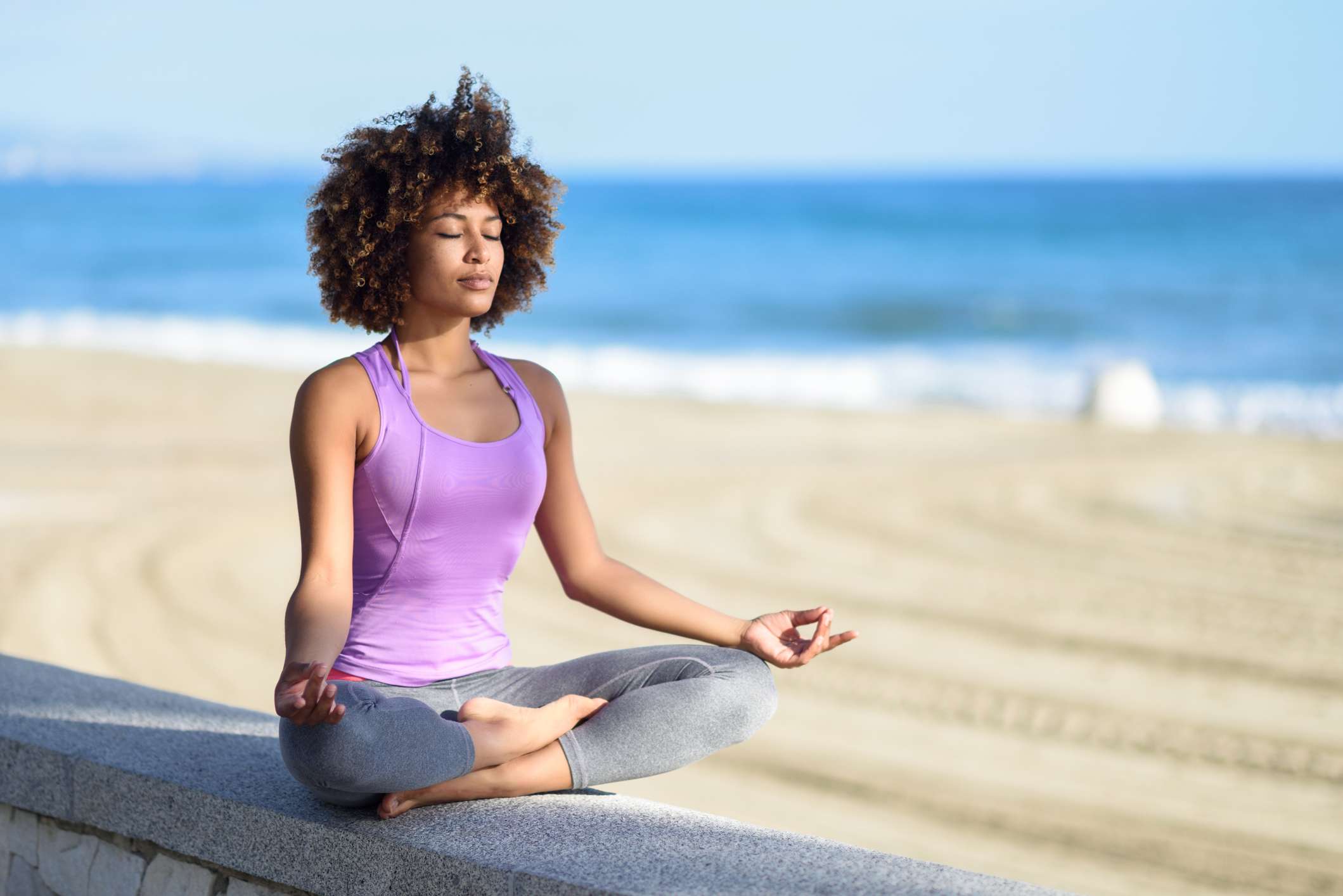
Key Takeaways for Mindfulness and Meditation
Imagine giving your brain a moment to breathe. That’s the power of mindfulness. This practice, rooted in Eastern philosophy, is about staying present and observing your thoughts without judgment.
Apps like Calm, Headspace, and Insight Timer offer guided sessions for beginners. Benefits include:
- Reduced anxiety and stress
- Improved emotional regulation
- Better sleep and focus
Try starting with just 5 minutes a day. It’s the mental equivalent of brushing your teeth.
Mindfulness and Meditation: Ancient Practices for Modern Mental Wellness
Mindfulness and meditation are among the most popular and effective techniques for managing stress, anxiety, depression, and even chronic pain. These mental health practices focus on bringing your awareness to the present moment, promoting calm, clarity, and emotional resilience.
As modern life becomes increasingly fast-paced, mindfulness and meditation offer a way to pause, reset, and reconnect with yourself—without the need for medication or complex therapy structures.
What is Mindfulness and How is it Different from Meditation?
Mindfulness is the act of being fully present in the moment—aware of your thoughts, feelings, bodily sensations, and surroundings without judgment. Meditation, on the other hand, is a more structured practice that often incorporates mindfulness as a technique.
There are various forms of meditation, such as:
- Mindfulness Meditation – focusing on the breath and present thoughts
- Guided Meditation – led by a narrator or teacher
- Body Scan Meditation – tuning in to physical sensations
- Mantra Meditation – repeating words or phrases to gain focus
These practices can be done sitting, walking, or even while doing daily activities.
Key Mental Health Benefits of Mindfulness and Meditation
Scientific studies have shown that regular meditation and mindfulness practice lead to significant improvements in mental health. Core benefits include:
- Lower levels of cortisol (stress hormone)
- Reduced anxiety and depressive symptoms
- Improved emotional regulation and self-awareness
- Better focus, memory, and cognitive function
- Enhanced sense of peace, gratitude, and life satisfaction
Even just 10 minutes a day can yield noticeable results over time.
Who Should Practice Mindfulness and Meditation?
Mindfulness and meditation are universal tools suitable for all ages and backgrounds. They are especially beneficial for:
- People dealing with high stress or burnout
- Individuals with anxiety or panic disorders
- Those recovering from trauma or grief
- Students and professionals seeking mental clarity and focus
You don’t need special equipment or a specific belief system—just a few quiet minutes and an open mind.
How to Start Practicing Mindfulness and Meditation
Start with a short 5-minute session using free apps like Headspace, Calm, or Insight Timer. Focus on your breathing, observe your thoughts without reacting, and gently bring your mind back when it wanders.
Consistency is key. Over time, mindfulness becomes less of a technique and more of a way of life—grounding you in calm, awareness, and emotional strength.
- Sources Include / Discover More on NCCIH: Mindfulness, A State of Being Mindful and Aware of the Present Moment. It is a Type of Meditation Which You Focus on Your Thoughts, Feelings, Body and Surroundings
- Also Read: Most Popular Streaming Services
#4
Exercise

Key Takeaways for Exercise
Want a natural antidepressant? Move your body. Physical activity increases dopamine, serotonin, and endorphins—your brain’s “feel good” chemicals.
You don’t need to be a gym rat. Walking, dancing, swimming, and even house chores can get your blood flowing and your mood lifted.
Regular exercise can:
- Decrease anxiety and depressive symptoms
- Improve sleep
- Boost self-esteem
Exercise: The Ultimate Natural Therapy for Mental and Physical Health
When it comes to improving mental health, few practices are as powerful and accessible as regular exercise. Physical activity isn’t just about weight loss or building muscle—it’s a science-backed method to enhance your mood, reduce anxiety, and combat depression naturally.
Exercise triggers the release of endorphins, dopamine, and serotonin—the brain’s feel-good chemicals. These neurochemicals help regulate emotions, reduce stress levels, and increase overall feelings of well-being. In short, exercise is nature’s antidepressant.
How Exercise Affects Mental Health
Multiple studies confirm that regular physical activity can significantly reduce symptoms of depression and anxiety. Here’s how it works:
- Boosts brain function: Exercise increases blood flow to the brain, enhancing memory, focus, and cognition.
- Reduces stress: Movement helps reduce cortisol, the body’s main stress hormone.
- Improves sleep: Consistent workouts help regulate circadian rhythms and reduce insomnia.
- Enhances self-esteem: Achieving fitness goals boosts confidence and body image.
Whether it’s a brisk walk, strength training, or a dance session, moving your body helps shift your mental state in a positive direction.
Best Types of Exercise for Mental Health
The beauty of exercise is that there’s something for everyone. Here are a few top-rated workouts for boosting mental health:
- Aerobic Exercise (Cardio): Walking, running, swimming, or cycling elevate mood and energy.
- Strength Training: Weightlifting or resistance workouts improve confidence and mental resilience.
- Yoga: Combines movement with breath and mindfulness, ideal for reducing anxiety and promoting relaxation.
- Dance or Zumba: Fun, rhythmic movement releases endorphins and reduces tension.
The key is consistency—not intensity. Even 20–30 minutes of moderate activity, 3–5 times a week, can produce long-lasting mental health benefits.
Who Should Incorporate Exercise?
Everyone. Exercise is for:
- Adults dealing with chronic stress or mood disorders
- Teens struggling with anxiety or self-esteem
- Seniors aiming to boost brain health and mobility
- Busy professionals needing a mental reset
No gym? No problem. Bodyweight workouts, walking outside, or even home dance routines work wonders.
Exercise: Getting Started with a Routine
Begin with small, achievable goals. Choose an activity you enjoy and make it part of your daily or weekly schedule. Use fitness apps like Nike Training Club or MyFitnessPal to track progress and stay motivated.
Ultimately, exercise is not just a physical endeavor—it’s a mental health powerhouse.
- Sources Include / Discover More on Mayo Clinic: Exercise or Working Out, A Physical Activity that Enhances or Maintains Fitness and Overall Health
- Also Read: Most Popular Board Games in the World
#6
Healthy Diet

Key Takeaways for Healthy Diet
The brain needs fuel—and junk food won’t cut it. A diet rich in whole grains, fruits, vegetables, omega-3 fatty acids, and probiotics supports mental clarity and emotional balance.
Did you know your gut is often called your “second brain”? That’s because your gut health directly affects your mood and cognitive function.
Tips:
- Avoid processed sugars
- Stay hydrated
- Include B vitamins and magnesium-rich foods
Healthy Diet: Fueling Mental and Emotional Balance from Within
A healthy diet isn’t just about maintaining a fit physique—it’s a vital pillar of mental health. What you eat directly impacts brain chemistry, mood stability, energy levels, and emotional resilience. In fact, emerging research in nutritional psychiatry shows strong links between diet and mental well-being.
The right foods can help reduce anxiety, combat depression, boost focus, and even protect against cognitive decline. So, if you’re struggling with your mental health, your grocery list might be a good place to start.
How Nutrition Affects Mental Health
The brain requires a constant supply of nutrients to function optimally. Vitamins, minerals, antioxidants, amino acids, and healthy fats all play roles in neurotransmitter production, inflammation control, and overall brain health.
Key diet-mental health connections include:
- Omega-3 fatty acids (found in fish, flaxseeds, walnuts): support mood regulation and reduce depressive symptoms.
- B-vitamins (especially B6, B9/folate, B12): aid in serotonin and dopamine production.
- Magnesium and zinc: known to reduce stress and improve sleep quality.
- Probiotics (yogurt, kimchi, kefir): improve gut-brain axis and reduce anxiety.
On the flip side, processed foods, refined sugars, and trans fats can contribute to mood swings, fatigue, and even inflammation in the brain.
Best Foods for Mental Health
Incorporate these nutrient-rich foods into your daily routine to support mental wellness:
- Leafy greens (spinach, kale, arugula)
- Fatty fish (salmon, mackerel, sardines)
- Berries (blueberries, strawberries)
- Whole grains (quinoa, brown rice, oats)
- Nuts and seeds (almonds, chia, sunflower seeds)
- Fermented foods (sauerkraut, kombucha)
- Dark chocolate (in moderation)
A Mediterranean-style or whole-foods-based diet has consistently shown the strongest mental health benefits.
Who Benefits from a Healthy Diet?
Everyone! But it’s especially helpful for:
- Individuals experiencing depression, anxiety, or fatigue
- Children and teens with ADHD or mood instability
- Adults under chronic stress or poor sleep patterns
- Elderly individuals at risk of cognitive decline
Even small dietary changes can lead to big shifts in mental clarity, emotional stability, and energy levels.
How to Get Started with Healthier Eating
Begin with gradual swaps: replace sugary snacks with fruits, opt for whole grains instead of white carbs, and cook more meals at home. Stay hydrated, limit caffeine, and reduce alcohol intake.
Remember, food is more than fuel—it’s brain medicine.
- Sources Include / Discover More on WHO: Healthy Diet, Plays a Critical Role in Shaping the Health and Well-Being of Both Individuals and Populations
- Also Read: Most Popular Brands in the World
#7
Sufficient Sleep

Key Takeaways for Sufficient Sleep
Poor sleep can mess with your memory, concentration, and emotional stability. Adults need 7–9 hours of quality sleep per night.
Tips for better sleep:
- Keep a consistent schedule
- Avoid screens 1 hour before bed
- Use calming routines like chamomile tea or white noise
Sleep is recovery time for your brain—don’t skip it.
Sufficient Sleep: The Underrated Pillar of Mental and Emotional Health
Sufficient sleep is one of the most powerful yet overlooked mental health practices. While diet and exercise often steal the spotlight, quality sleep is the foundation upon which emotional stability, focus, and overall well-being are built. Without it, your brain can’t function properly—leading to increased anxiety, depression, irritability, and cognitive fog.
Getting enough rest isn’t a luxury—it’s a non-negotiable for mental health.
Why Sleep Matters for Your Mental Health
During sleep, the brain undergoes vital processes that impact your emotional and psychological state:
- Neurochemical restoration: Balances neurotransmitters like serotonin and dopamine.
- Memory consolidation: Processes and stores emotional memories.
- Emotional regulation: Helps you respond to stress with more resilience and less reactivity.
- Brain detoxification: Removes metabolic waste that may lead to cognitive decline.
Sleep deprivation, even for just a few nights, increases the risk of mood disorders, poor decision-making, and burnout.
Recommended Sleep Duration by Age
The ideal amount of sleep varies with age, but for adults, 7 to 9 hours per night is optimal. Teens need even more (8–10 hours), while younger children may need up to 12 hours.
Quality is just as important as quantity. Interrupted or restless sleep can be as harmful as not sleeping enough.
Mental Health Conditions Tied to Sleep Problems
Many mental health issues are directly linked to sleep disturbances:
- Anxiety: Often leads to insomnia and restless nights.
- Depression: Can cause both oversleeping and chronic fatigue.
- Bipolar disorder: Sleep disruption can trigger mood episodes.
- PTSD: Nightmares and hyperarousal disrupt deep sleep cycles.
Sleep issues can be both a symptom and a contributing factor, creating a vicious cycle that’s hard to break without intervention.
How to Improve Sleep Naturally
If you struggle to sleep, try these science-backed strategies:
- Establish a consistent sleep schedule—even on weekends
- Avoid screens 1–2 hours before bedtime
- Keep your bedroom cool, quiet, and dark
- Avoid caffeine and alcohol before sleep
- Practice relaxation techniques like deep breathing, meditation, or progressive muscle relaxation
Apps like Calm, Headspace, or Sleep Cycle can guide you into restful sleep routines and track your sleep patterns.
A well-rested mind is sharper, calmer, and better equipped to handle life’s challenges. Prioritize sleep—it’s the most natural therapy your brain can get.
- Sources Include / Discover More on NIH: Sufficient Sleep, Improves Your Brain Performance, Mood, and Health. Not Getting Enough Quality Seep Regularly Raises the Risk of Many Diseases and Disorders
- Also Read: Most Popular Beverages in the World
#8
Stress Management Techniques

Key Takeaways for Stress Management Techniques
Life throws curveballs, but how you respond matters more than the curveballs themselves. Learning techniques to manage stress can make a huge difference in mental clarity.
Popular methods include:
- Breathwork (4-7-8 method)
- Progressive muscle relaxation
- Time blocking and organization
- Journaling thoughts and gratitude
Just 10 minutes a day of conscious stress relief can shift your mood dramatically.
Stress Management Techniques: Mastering Calm in a Chaotic World
In today’s fast-paced society, stress is practically unavoidable—but it doesn’t have to control your life. Effective stress management techniques help you reduce tension, regulate emotions, and prevent chronic burnout. The goal isn’t to eliminate stress completely (that’s impossible), but to manage it in a way that keeps your body and mind balanced.
Chronic stress can trigger or worsen mental health conditions like anxiety, depression, insomnia, and even heart disease. That’s why learning how to manage stress is a non-negotiable skill for modern living.
Why Stress Management Matters for Mental Health
When you’re under pressure, your body enters “fight-or-flight” mode, releasing cortisol and adrenaline. While this response is helpful in emergencies, prolonged stress can damage your immune system, disrupt sleep, impair memory, and reduce emotional control.
Mental wellness hinges on your ability to respond calmly and consciously to life’s stressors. That’s where stress reduction strategies come into play.
Proven Stress Management Techniques That Work
Here are some of the most effective, science-backed stress relief techniques you can start using today:
- Deep Breathing Exercises: Slow, diaphragmatic breathing helps lower heart rate and relaxes the nervous system.
- Progressive Muscle Relaxation (PMR): Involves tensing and releasing muscle groups to reduce physical tension.
- Mindfulness Meditation: Anchors your attention to the present moment, reducing mental overactivity.
- Journaling: Writing down your thoughts and emotions helps process and release internal tension.
- Physical Activity: Exercise, especially aerobic workouts, helps release endorphins—your body’s natural stress fighters.
- Time Management: Prioritizing tasks and setting realistic goals prevents overwhelm and promotes clarity.
- Laughter Therapy: Watching something funny or engaging in playful activities decreases cortisol and boosts mood.
Who Can Benefit from Stress Management Techniques?
Everyone—students, professionals, parents, retirees. But these tools are especially vital for:
- Individuals facing high-pressure work or academic environments
- People recovering from trauma or life changes
- Those managing anxiety or depression symptoms
- Caregivers and healthcare workers experiencing emotional fatigue
Even practicing just one or two of these techniques consistently can drastically improve how you feel, think, and perform daily.
Getting Started
Choose one method that feels manageable—like five minutes of deep breathing in the morning. Build from there. Combine strategies for a holistic routine.
Managing stress isn’t about escaping life’s pressures—it’s about becoming strong enough to meet them with calm, confidence, and clarity.
- Sources Include / Discover More on CDC: Stress Management, Involves Using Various Techniques and Coping Strategies to Manage Your Overall Stress Level
- Also Read: Most Popular Apps in the World
#9
Creative Activities

Key Takeaways for Creative Activities
Art heals. Expressing yourself through music, painting, dance, or creative writing allows your emotions to flow in a healthy way.
Benefits include:
- Lowered cortisol levels (stress hormone)
- Enhanced self-awareness
- Emotional release without judgment
No need to be “talented”—the goal is expression, not perfection.
Creative Activities: Unlocking Emotional Healing Through Expression
Creative activities aren’t just for artists—they’re powerful mental health tools that can enhance emotional well-being, reduce stress, and improve cognitive function. Whether you’re painting, writing, playing music, or crafting, engaging in creativity allows you to process emotions, express thoughts, and find joy in the present moment.
Research in art therapy and psychology consistently shows that creative outlets help regulate mood, lower anxiety levels, and even reduce symptoms of depression. In short, creativity is a form of therapy that speaks when words fall short.
Why Creative Expression Boosts Mental Health
Creative activities provide a safe space to explore feelings and experiences without judgment. Unlike talk therapy, where language is essential, art and creativity tap into the subconscious mind. They promote mindfulness, increase dopamine levels (the “feel-good” hormone), and allow for emotional release.
Benefits include:
- Reduced stress and anxiety
- Enhanced self-esteem and confidence
- Improved focus and problem-solving skills
- Emotional catharsis and healing
- Stronger sense of purpose and self-expression
Creative tasks also promote a state of “flow,” where your brain becomes fully immersed in the activity—similar to meditation.
Types of Creative Activities That Support Mental Wellness
You don’t need to be a professional artist to experience the benefits. Here are a few highly effective creative outlets:
- Drawing or painting: Visually express emotions and calm the mind.
- Creative writing or journaling: Explore thoughts, memories, and dreams.
- Playing a musical instrument or singing: Channel emotions through rhythm and melody.
- Crafting or DIY projects: Use your hands to build, repurpose, or design.
- Dance or movement art: Release stress and reconnect with your body.
Even simple coloring books or digital design apps can provide therapeutic value.
Who Should Try Creative Activities?
Creative expression is helpful for everyone, but especially for:
- People who find verbal communication difficult
- Individuals recovering from trauma or grief
- Teens and children coping with anxiety or school stress
- Adults managing burnout or emotional numbness
Creative activities are particularly useful when paired with other mental health practices like mindfulness or therapy.
How to Begin with Creative Healing
Start small. Set aside 10–15 minutes a day for a creative outlet. Don’t worry about skill or results—focus on the process. The goal is expression, not perfection.
Remember: when you can’t say how you feel, you can paint it, write it, dance it, or sing it. Creativity heals in colors, sounds, and motion.
- Sources Include / Discover More on NIH: Creative Activities, Regularly Engaging in Creative Activities can Enhance Mental Agility and Cognitive Flexibility, Skills that are Beneficial in all Areas of Life
- Also Read: Most Popular US Cities
#10
Spending Time in Nature

Key Takeaways for Spending Time in Nature
When’s the last time you watched a sunset or listened to birds chirp? Nature has a calming, grounding effect that re-centers your nervous system.
Activities like:
- Forest bathing
- Beach walks
- Gardening
- Picnics in the park
All of these reduce anxiety, lift your mood, and remind you of life’s simple pleasures.
Spending Time in Nature: A Natural Prescription for Mental Clarity and Calm
Spending time in nature is one of the most effective, science-backed ways to boost your mental health—no medication required. Whether it’s a walk in the park, hiking through the woods, or simply sitting by a lake, connecting with the natural world reduces stress, enhances mood, and restores emotional balance.
Nature therapy, also known as ecotherapy, has gained popularity in recent years because of its powerful impact on reducing anxiety, depression, and burnout. It reconnects us to a slower, more mindful rhythm—something our tech-driven lives often lack.
How Nature Affects Mental Health
Nature offers a multi-sensory experience that soothes the mind. Here’s how:
- Reduces cortisol levels (the stress hormone)
- Lowers blood pressure and heart rate
- Improves mood and reduces symptoms of depression
- Enhances focus and creativity (especially for those with ADHD)
- Promotes mindfulness and emotional grounding
Even a short daily exposure—just 20 minutes—can yield measurable improvements in mental clarity and well-being.
Best Ways to Incorporate Nature into Your Routine
You don’t need to live in the mountains to enjoy the benefits of nature. Here are simple, accessible ways to make nature part of your mental health routine:
- Morning walks in a park or garden
- Weekend hikes or beach visits
- Outdoor yoga or meditation
- Gardening at home
- Reading or journaling under a tree
Even adding indoor plants or nature sounds (like ocean waves or birdsong) can mimic some of the calming effects of outdoor exposure.
Who Benefits Most from Nature-Based Therapy?
Spending time in nature is especially beneficial for:
- Individuals with anxiety, depression, or PTSD
- Urban dwellers experiencing overstimulation or isolation
- Children and teens with attention or behavioral issues
- Adults seeking stress relief or mental reset
Nature provides a non-judgmental space for reflection and emotional release—no appointments, no screens, no expectations.
Tips to Get Started
- Start small: a 10-minute walk in the sunlight can do wonders.
- Go tech-free: leave your phone behind or switch to airplane mode.
- Observe: notice sounds, colors, textures, and smells.
- Be consistent: aim for a few nature sessions per week.
When life feels overwhelming, step outside. Let the sky, trees, and fresh air remind you: healing is all around you.
- Sources Include / Discover More on Harvard: Spending Time in Nature, Can Help Relieve Stress and Anxiety, Improve Your Mood and Boost Feelings of Happiness and Well-Being
- Also Read: Most Popular Investment Options
Key FAQs on the 10 Most Popular Mental Health Practices
Why is Psychotherapy (Talk Therapy) considered one of the most effective mental health treatments?
Psychotherapy, also known as Talk Therapy, is considered one of the most effective mental health treatments because it directly addresses the root causes of anxiety, depression, and trauma through structured professional guidance.
Evidence-based approaches such as Cognitive Behavioral Therapy (CBT), Dialectical Behavior Therapy (DBT), and EMDR are endorsed by the American Psychological Association and NHS for improving emotional regulation and long-term resilience.
Clinical studies consistently show psychotherapy delivers measurable improvements in mental health outcomes.
What makes Medication Management essential in mental health care?
Medication Management is essential because it ensures psychiatric medications are prescribed, adjusted, and monitored safely by qualified medical professionals.
According to the World Health Organization and National Institute of Mental Health, antidepressants and mood stabilizers significantly reduce symptoms of depression and bipolar disorder when clinically supervised.
Regular medication reviews minimize side effects, improve treatment adherence, and support long-term emotional stability.
How do Mindfulness and Meditation improve stress management and emotional balance?
Mindfulness and Meditation improve emotional balance by training the brain to remain present, reducing overthinking and stress reactivity.
Harvard Medical School research confirms mindfulness lowers cortisol levels and improves focus, sleep quality, and anxiety control.
Guided meditation platforms like Headspace and Calm help users build consistent habits that support long-term mental wellness.
How does regular Exercise contribute to better mental health?
Regular exercise improves mental health by increasing serotonin, dopamine, and endorphin production, which naturally elevates mood.
According to the Mayo Clinic and CDC, physical activity significantly reduces symptoms of anxiety and depression.
Activities like walking, yoga, and cardio enhance cognitive function, emotional resilience, and long-term psychological well-being.
Why is Social Support vital for emotional and psychological well-being?
Social Support is vital because strong relationships provide emotional safety, validation, and psychological stability.
Research from the World Health Organization links social connection to lower depression rates and improved stress resilience.
Family bonds, peer groups, and community support networks significantly reduce loneliness and improve long-term mental health outcomes.
How does a Healthy Diet influence mood and brain health?
A Healthy Diet supports mental wellness by providing essential nutrients that regulate neurotransmitters and brain chemistry.
Harvard Health and NIH studies show omega-3 fatty acids and antioxidants improve mood and cognitive function.
Balanced nutrition reduces inflammation, stabilizes energy levels, and enhances emotional resilience.
Why is Sufficient Sleep critical for mental health recovery?
Sufficient sleep is critical for mental health because it allows the brain to regulate emotions and repair neural pathways.
The National Sleep Foundation links sleep deprivation to anxiety, depression, and impaired focus.
Consistent sleep schedules improve memory, emotional control, and psychological recovery.
What are the most effective Stress Management Techniques for busy lifestyles?
Effective stress management techniques include deep breathing, mindfulness, journaling, and time management.
According to the American Institute of Stress, these practices lower cortisol levels and prevent burnout.
Daily stress control improves focus, emotional balance, and long-term mental resilience.
How do Creative Activities support mental wellness and emotional healing?
Creative activities support emotional healing by allowing non-verbal expression of thoughts and feelings.
Studies from the American Art Therapy Association show reduced stress and improved emotional clarity.
Art, music, and writing enhance self-awareness and psychological recovery.
Why is Spending Time in Nature one of the best ways to improve mental health?
Spending time in nature improves mental health by lowering stress hormones and restoring cognitive focus.
Research from Stanford University links outdoor exposure to reduced anxiety and improved mood.
Activities like hiking, gardening, and forest bathing promote natural emotional balance.
Customizing a Personal Mental Health Plan
There’s no one-size-fits-all approach to mental wellness. The best results come when you mix and match these practices based on your needs, time, personality, and resources.
Try combining:
- Mindfulness + Nature Walks + Stress Management
- Therapy + Exercise + Healthy Diet
- Sleep Hygiene + Creative Arts + Peer Support
Experiment, track what works, and build your own mental health toolkit.
The Role of Technology in Mental Health
Thanks to innovation, digital tools are transforming mental health care. From on-demand therapy to AI mood check-ins, technology makes support more accessible than ever.
Popular tools include:
- Therapy platforms: BetterHelp, Talkspace
- Mood tracking apps: Moodfit, Daylio
- Meditation apps: Calm, Insight Timer
These platforms provide daily accountability, progress tracking, and immediate support—especially for those with limited in-person options.
Final Thoughts
Mental health is not a one-time achievement—it’s a lifelong journey of self-awareness, healing, and balance. The 10 Most Popular Mental Health Practices in the World—from Psychotherapy (Talk Therapy) and Medication Management to Mindfulness, Meditation, Exercise, and Stress-Relief Techniques—are proven, science-backed strategies designed to nurture emotional resilience and mental strength.
Incorporating these mental wellness practices into your daily routine helps you manage stress, anxiety, depression, and burnout more effectively while improving your focus, relationships, and overall happiness. You don’t need to make drastic changes—start small. Five minutes of meditation, a short walk in nature, or a meaningful conversation can spark powerful transformation.
Consistency and self-compassion are the true pillars of mental health. Healing takes time, patience, and persistence. Each mindful choice—whether it’s getting sufficient sleep, maintaining a healthy diet, or seeking professional therapy—moves you closer to emotional stability and inner peace.
Empower yourself by prioritizing your mental health and well-being every day. When your mind, body, and soul are in harmony, everything else in life begins to align naturally.
The 10 Most Popular Mental Health Practices Frequently Asked Questions (FAQs)
Mindfulness or exercise is a great starting point—easy to access, no cost, and highly effective.
Absolutely! Many people benefit most from combining 2–3 methods consistently.
If your symptoms interfere with daily life, relationships, or work, it’s a good idea to speak to a therapist or doctor.
Yes, many are built by professionals and backed by research. Just ensure the app is reputable and transparent about its data use.
Mindfulness and meditation are highly recommended for stress relief, helping individuals stay present, reduce anxiety, and improve emotional regulation.
Digital mental health apps like Calm, Headspace, and BetterHelp offer accessible and affordable support through meditation guides, therapy chats, and tracking tools.
About the Author
This article was researched and prepared by the World Millions Editorial Team, specialists in global rankings, premium market analysis, structured comparisons, and high-value sector research across industries.
All content undergoes verification, editorial review, and periodic updates to ensure accuracy, clarity, and alignment with recognized industry standards, reliable institutional sources, and leading global authorities.
- Last Updated: March 27, 2026 by the World Millions Editorial Team
- Original Published Date: March 27, 2026
- View Our: Editorial Team | Sources | Disclaimer | Editorial Standards













































































































































#5
Social Support
Key Takeaways for Social Support
We are social beings. Talking to a friend, hugging a loved one, or even joining an online support group can significantly improve mental health.
Support systems provide:
Don’t underestimate the power of a heartfelt conversation—it could be someone’s lifeline.
Social Support: The Emotional Anchor for Strong Mental Health
Social support plays a crucial role in maintaining mental health, emotional resilience, and overall well-being. It refers to the network of friends, family, peers, and professionals who provide emotional encouragement, practical help, and a sense of belonging. Whether you’re going through a mental health challenge or navigating everyday stress, having a strong support system can make all the difference.
In fact, numerous studies show that people with solid social support are less likely to suffer from depression, anxiety, or stress-related disorders. Human connection is not just beneficial—it’s essential.
What is Social Support in Mental Health?
Social support can take many forms, including:
This network may include family members, close friends, coworkers, support groups, mentors, or even therapists.
Benefits of Strong Social Support Networks
Having reliable social support offers a wide range of mental health benefits, including:
Simply talking about your problems with someone who genuinely cares can lower stress hormones and provide a fresh perspective.
Who Needs Social Support?
Everyone can benefit from social support, but it’s especially vital for:
A lack of social interaction has been linked to higher levels of depression and even physical health issues like weakened immunity and heart disease.
How to Build and Strengthen Social Support
If you feel isolated or unsupported, take small steps:
Apps like Meetup, Facebook Groups, or Bumble BFF can also help build social connections, especially in new cities or life stages.
In the journey of mental health, social support isn’t just a soft skill—it’s a survival tool.