- Home
- »
- World’s Most Popular
- »
- 10 Most Popular Personal Finance Basics
10 Most Popular
Personal Finance Basics
The most popular personal finance basics in the world represent the foundation of smart money management, financial stability, and long-term wealth creation. From budgeting and saving to investing and retirement planning, these essential financial principles help individuals control spending, reduce debt, grow assets, and protect their financial future.
Discover the 10 Most Popular Personal Finance Basics, ranked by global relevance, financial impact, and widespread adoption. These timeless strategies—including credit management, tax planning, emergency funds, and financial goal setting—form the core framework used by millions worldwide to achieve financial independence and lasting prosperity.
On This Page
Toggle- Updated 2026 by the World Millions Editorial Team: View Author Information
Understanding the Concept of Personal Finance
Personal finance refers to managing your money, including saving, investing, budgeting, and planning for retirement. It encompasses everything from daily expenses to long-term financial goals. When you understand how money flows in and out of your life, you’re better equipped to make informed decisions that support your financial wellbeing.
But here’s the truth: personal finance isn’t taught in most schools. Yet it’s one of the most essential life skills. Knowing how to manage your money means you’re not just surviving—you’re thriving.
The Power of Financial Literacy
Financial literacy is the ability to understand and use financial knowledge to make better money decisions. It includes understanding concepts like interest rates, inflation, credit scores, taxes, debt repayment strategies, and investing. People with strong financial literacy are better at budgeting, saving, and avoiding high-interest debt traps.
Why It Matters:
- Helps avoid financial pitfalls like credit card debt and overspending
- Enables smarter investment decisions
- Reduces stress related to money problems
- Empowers financial independence
List of the Top 10 Most Popular Personal Finance Basics in the World
Unlock the secrets to smart money management with the Top 10 Most Popular Personal Finance Basics — your roadmap to wealth, savings, and financial freedom.
Personal finance is more than just earning money—it’s about managing it wisely to build lasting wealth and financial independence. The 10 Most Popular Personal Finance Basics in the World serve as the ultimate foundation for mastering money management today and beyond.
From budgeting and saving to investing and retirement planning, these essentials empower individuals to control their finances, eliminate debt, and secure their financial future. Understanding key areas like credit management, tax planning, and insurance ensures financial stability while preparing for life’s uncertainties.
Whether you’re a beginner learning how to save smarter or a professional refining your investment strategy, these ten financial pillars will guide you toward long-term prosperity. Each concept in the list below combines proven financial wisdom with modern tools like YNAB, Mint, TurboTax, Vanguard, and Fidelity — ensuring you make data-driven, confident financial decisions.
Explore the detailed table below to discover the most impactful personal finance principles, their benefits, and the best platforms to help you take charge of your money today.
| No. | Personal Finance Basic | Description | Benefits | Tools & Platforms | Popularity Level |
|---|---|---|---|---|---|
| 1 | Budgeting | Creating a plan for spending and saving money | Helps control spending, increases savings | YNAB, Mint, Google Sheets | Very High |
| 2 | Saving | Putting money aside for future use | Builds emergency fund, supports future goals | High-Yield Savings Accounts | Very High |
| 3 | Credit Management | Understanding and improving credit scores | Enables loan approvals, lowers interest rates | Credit Karma, Experian | High |
| 4 | Debt Reduction | Paying off outstanding loans effectively | Lowers financial burden, improves creditworthiness | Snowball/Avalanche Methods | High |
| 5 | Investing | Growing wealth through financial assets like stocks, ETFs, real estate | Increases long-term wealth, beats inflation | Robinhood, Vanguard, Fidelity | Very High |
| 6 | Retirement Planning | Planning finances for life post-employment | Ensures stable income post-retirement | 401(k), IRA, Pension Plans | High |
| 7 | Insurance | Protection from unforeseen events | Prevents financial loss from health, accident, etc. | Life, Health, Auto Insurance | Medium |
| 8 | Tax Planning | Legally reducing tax liabilities | Saves money through deductions and credits | TurboTax, QuickBooks | Medium |
| 9 | Emergency Fund | Money set aside for unexpected expenses | Prevents debt during emergencies | Separate Savings Account | Medium |
| 10 | Financial Goal Setting | Defining short- and long-term financial objectives | Provides direction and motivation | SMART Goal Templates, Notion | High |
Discover the 10 Most Popular Personal Finance Basics
Discover the 10 Most Popular Personal Finance Basics that shape smart money decisions, financial stability, and long-term wealth. These foundational principles guide how you budget, save, invest, build credit, reduce debt, and prepare for the future. Whether you’re just starting or leveling up your financial game, mastering these essentials can transform your financial life.
From creating a realistic budget to establishing an emergency fund and planning for retirement, each step strengthens your financial confidence and independence. Understanding these basics is the key to gaining control of your money instead of letting money control you.
#1
Budgeting
Key Takeaways for Budgeting
Zero-Based Budgeting
Every dollar should have a job. Zero-based budgeting ensures your income minus your expenses equals zero. This doesn’t mean spending all your money—it means assigning it responsibly.
The 50/30/20 Rule
This simple formula divides your after-tax income into:
- 50% needs (housing, food)
- 30% wants (entertainment, travel)
- 20% savings & debt repayment
It’s flexible and easy to implement, making it a favorite for beginners.
Budgeting: The Cornerstone of Smart Money Management
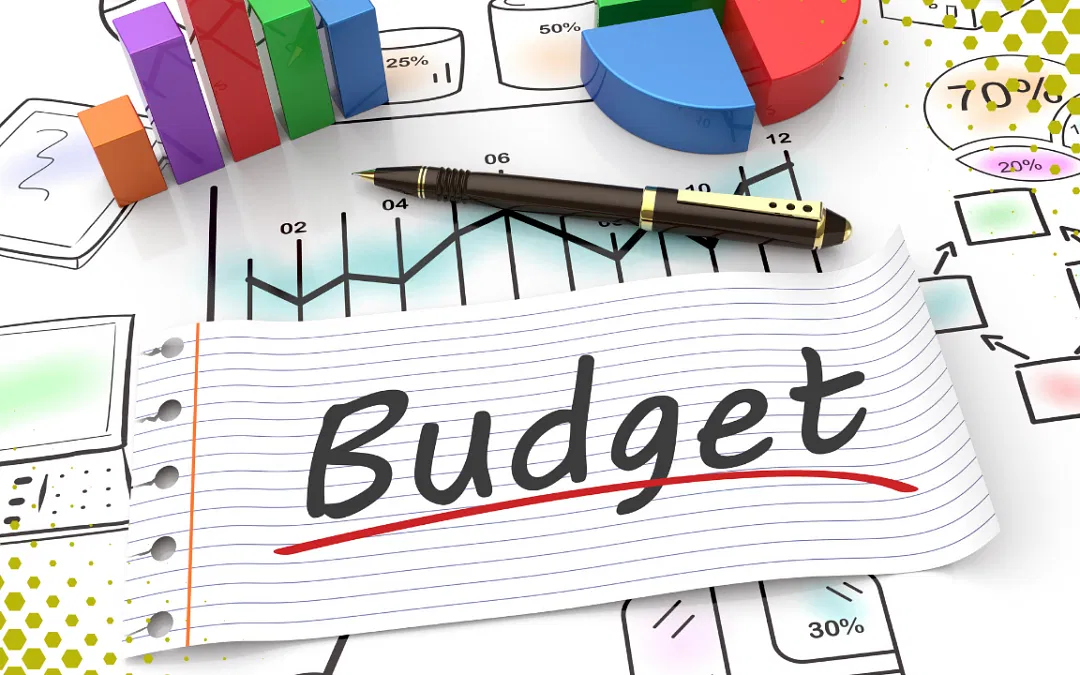
Budgeting is the foundation of all personal finance success. Whether you’re aiming to save more, eliminate debt, or achieve long-term financial goals, a well-crafted budget helps you control where your money goes instead of wondering where it went. This essential money management skill puts you in the driver’s seat of your financial future.
What is a Budget and Why is It Important?
A budget is a monthly spending plan based on your income and expenses. It ensures you’re not spending more than you earn and guides your financial decisions. Budgeting promotes discipline, prevents overspending, and aligns your spending with your priorities.
People who follow a personal budget are more likely to save consistently, avoid unnecessary debt, and build wealth over time. With inflation and cost-of-living increases, budgeting is more important than ever for maintaining financial stability.
Different Types of Budgeting Methods
There are several budgeting techniques, each designed to suit different lifestyles and goals:
Zero-Based Budgeting: Every dollar of income is assigned a purpose. Your income minus expenses equals zero. This method is ideal for those who want total control of their finances and track every transaction.
50/30/20 Budget Rule: This method divides your after-tax income as follows:
- 50% for needs (rent, groceries, bills)
- 30% for wants (entertainment, dining out)
- 20% for savings and debt repayment
It’s perfect for beginners who want a simplified structure.
Envelope System: Allocate cash into physical envelopes for categories like groceries, gas, and dining. When the envelope is empty, spending in that category stops. This is especially effective for curbing impulse spending.
Best Budgeting Tools and Apps
Using budgeting apps can streamline the process:
- YNAB (You Need A Budget): Ideal for zero-based budgeting and long-term planning
- Mint: Automatically tracks expenses and sets category limits
- Google Sheets or Excel: Customizable and free for DIY budgeters
These tools help track real-time expenses, set alerts, and offer insights into spending habits.
Budgeting: In Summary
A solid personal budgeting strategy is the key to achieving financial freedom. It helps reduce stress, build savings, and ensure you live within your means. No matter your income level, consistent budgeting builds the habits that lead to long-term wealth.
- Sources Include / Discover More: Budgeting, The Process of Tracking Income and Expenses and Deciding How to Use Your Money Wisely
- Also Read: Most Popular Investment Options
#2
Saving Strategies

Key Takeaways for Saving Strategies
Saving money might seem boring, but it’s the ultimate form of self-care. It prepares you for emergencies and enables future investments.
Types of Savings:
- Emergency Fund: For unexpected expenses like car repairs, job loss, or medical emergencies.
- Short-Term Savings: For goals like vacations or new gadgets.
- Long-Term Savings: For buying a house, car, or other big-ticket items.
Pro tip: Automate your savings. Let a portion of your income be transferred directly to your savings account each month.
Saving Strategies: How to Build a Financial Safety Net
Saving money is one of the most important personal finance basics that can help you weather financial storms, achieve goals, and grow wealth over time. A solid saving strategy offers security, flexibility, and peace of mind. Whether you’re preparing for emergencies or planning for the future, understanding how to save effectively is essential for financial success.
Why Saving Money is a Non-Negotiable Habit
Having a reliable savings plan ensures you’re not financially vulnerable during unexpected events. Without savings, even minor disruptions like a medical bill or car repair can throw off your budget or push you into debt.
Saving money also empowers you to seize opportunities—like investing, starting a business, or making a down payment on a home—without relying on credit.
The Power of Emergency Funds
An emergency fund is a cash reserve set aside specifically for financial surprises. Experts recommend saving at least three to six months’ worth of living expenses in a separate, easily accessible account.
Key situations where an emergency fund proves invaluable:
- Job loss or reduced income
- Unexpected medical expenses
- Major car or home repairs
Keeping your emergency fund in a high-yield savings account ensures it earns interest while remaining liquid.
Short-Term vs. Long-Term Savings Goals
Understanding the difference between short-term and long-term savings goals helps you prioritize and organize your financial planning.
Short-term goals (within 1–3 years):
Long-term goals (3+ years):
- Buying a house
- Child’s education
- Retirement savings
Use multiple savings accounts to track and manage each goal effectively. Label them according to purpose to avoid mixing funds.
Best Tools and Accounts for Saving
Choosing the right savings account or tool can boost your saving potential. Here are the top options:
- High-yield savings accounts: Offer better interest rates than traditional savings
- Certificates of Deposit (CDs): Fixed-term savings with higher returns
- Automatic transfers: Set up scheduled transfers from checking to savings
Apps like Chime, Ally, or Digit automate savings and encourage consistent contributions.
Saving Strategies: In Summary
Smart saving habits are the backbone of financial resilience. By setting clear goals, automating contributions, and using high-yield savings tools, you can build a strong financial cushion that supports both your needs and dreams.
#3
Credit Management
Key Takeaways for Credit Management
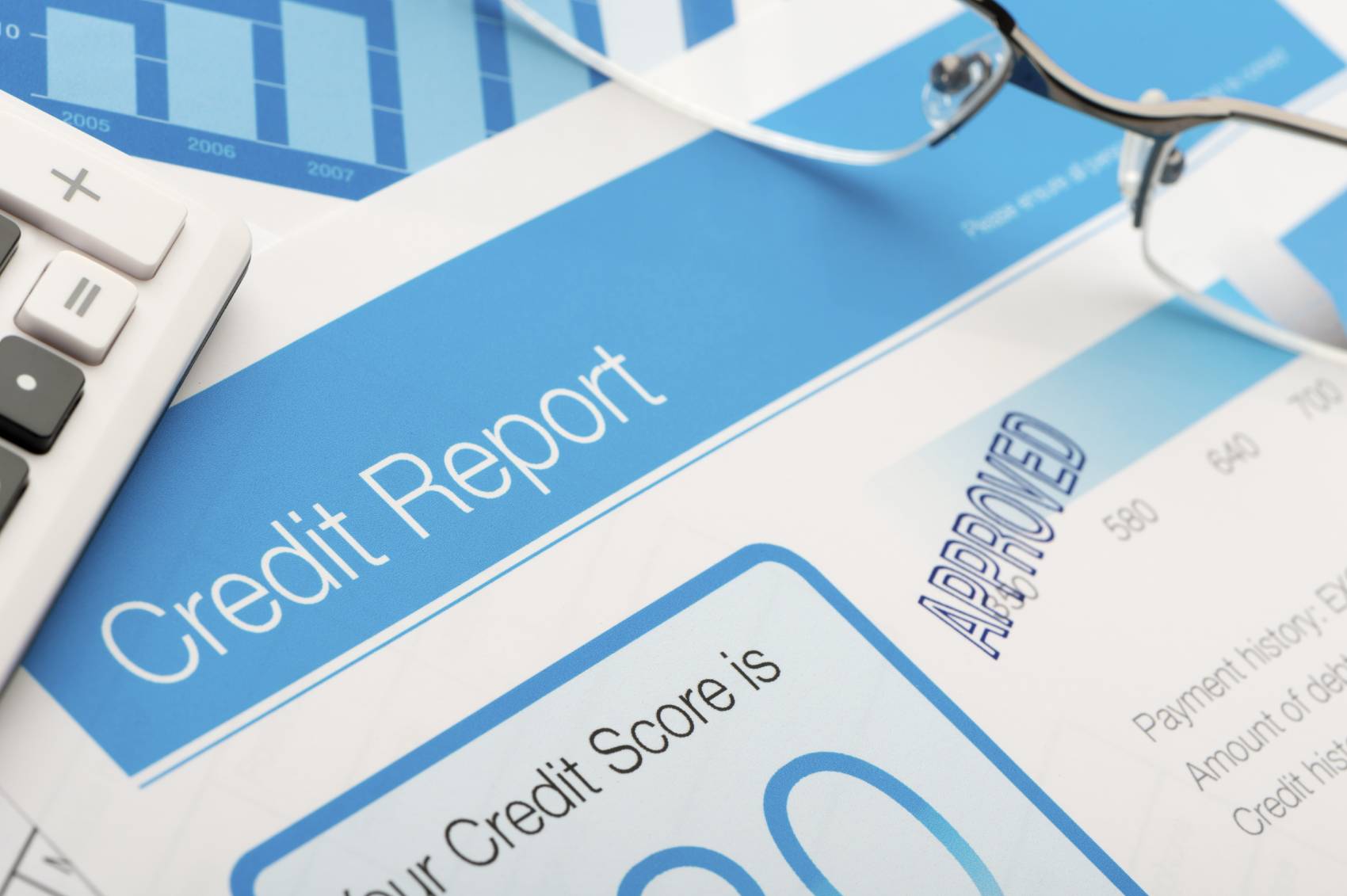
Your credit score is like a financial report card. It affects your ability to rent a home, get a loan, or even land a job.
Tips to Build and Maintain Good Credit:
- Always pay your bills on time
- Keep credit utilization below 30%
- Don’t close old accounts unless necessary
- Check your credit reports for errors
High credit scores mean better interest rates and more negotiating power.
Credit Management: Mastering the Key to Financial Flexibility
Credit management is one of the most critical aspects of personal finance. It influences your ability to get approved for loans, rent a home, buy a car, or even land a job. Managing credit wisely improves your financial reputation and unlocks better interest rates, higher credit limits, and long-term financial freedom.
What is Credit and Why Does It Matter?
Credit refers to your ability to borrow money and repay it later, based on the trust that you will meet your obligations. Lenders assess this trust using your credit report and credit score.
A strong credit profile shows that you’re financially responsible, increasing your chances of loan approvals and decreasing the cost of borrowing.
Understanding Credit Scores
Your credit score is a three-digit number, typically ranging from 300 to 850, used by banks and lenders to determine your creditworthiness.
Key factors that affect your credit score:
- Payment history (35%)
- Credit utilization ratio (30%)
- Length of credit history (15%)
- Credit mix (10%)
- New credit inquiries (10%)
The higher your score, the more financially trustworthy you appear to lenders. A score above 750 is considered excellent in most regions.
Smart Ways to Build and Maintain Good Credit
Improving and maintaining your credit score takes consistency and smart habits. Here’s how:
- Always pay bills on time—late payments can significantly damage your score.
- Keep your credit utilization below 30% of your total available limit.
- Don’t apply for too many credit accounts in a short span.
- Keep old credit accounts open to increase your average credit age.
- Regularly monitor your credit report for errors or fraudulent activity.
You can use platforms like Credit Karma, Experian, or Equifax to track your credit for free.
Best Tools for Credit Monitoring and Improvement
Modern credit apps help you stay informed and in control:
- CreditWise by Capital One: Offers free credit score tracking and insights
- Experian Boost: Lets you improve your credit score by reporting utility and streaming payments
- MyFICO: Provides advanced monitoring and credit education resources
Credit Management: In Summary
Managing credit effectively is essential for long-term financial health. A good credit score opens doors to better loan terms, lower interest rates, and financial peace of mind. By understanding how credit works and using the right tools, you can take full control of your financial future.
- Sources Include / Discover More: Credit Management, The Process of Deciding which Customers to Extend Credit to and Evaluating Those Customers’ Creditworthiness Over Time
- Also Read: Most Popular Insurance Policies
#4
Debt Management
Key Takeaways for Debt Management
Debt isn’t always a villain. Used strategically, it can help you grow your credit or invest in your education. But unmanaged debt? That’s where problems begin.
Strategies to Crush Debt:
- Debt Snowball: Pay off the smallest balances first to gain momentum.
- Debt Avalanche: Pay off the highest interest rate debt first to save more money in the long run.
Choose a method that keeps you motivated and consistent.
Debt Management: How to Eliminate Debt and Regain Financial Control
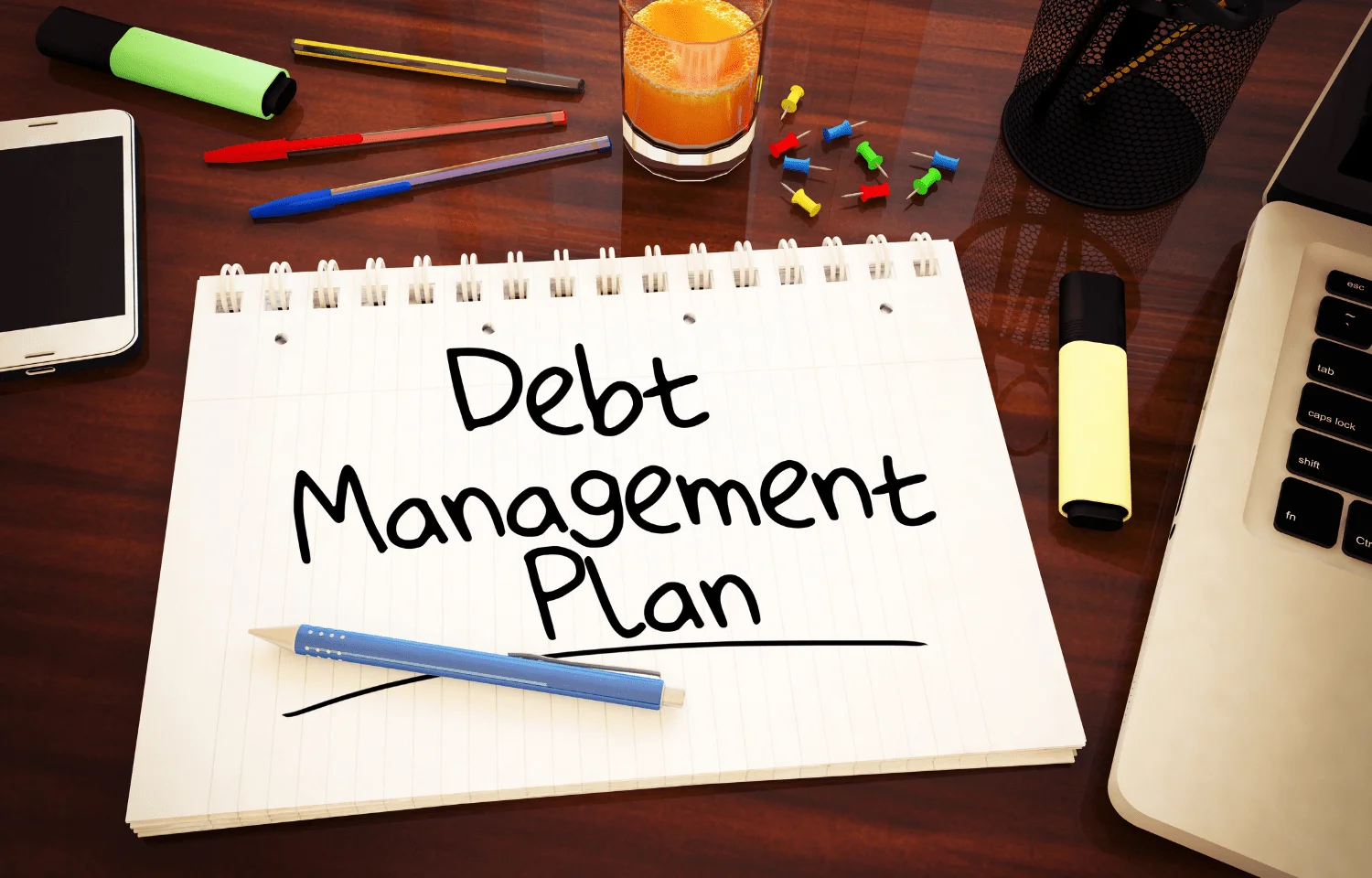
Debt management is a fundamental part of personal finance. Whether it’s credit card debt, student loans, personal loans, or mortgages, how you handle debt can make or break your financial stability. Effective debt management strategies help you reduce interest payments, avoid default, and improve your credit score, leading to long-term financial health.
Understanding Different Types of Debt
Not all debt is created equal. Recognizing the types of debt you carry can help you manage them more effectively.
- Credit card debt: High-interest, revolving debt that can quickly become overwhelming if not managed.
- Student loans: Generally lower-interest debt, often with flexible repayment options.
- Personal loans: Fixed-rate loans for large expenses, which can be useful if handled responsibly.
- Mortgages: Long-term secured loans with lower interest rates, typically considered good debt.
Knowing which debts are urgent and high-interest helps you prioritize repayment.
Proven Strategies to Pay Off Debt Faster
Effective debt payoff strategies are key to financial freedom. Here are two of the most widely used methods:
- Debt Snowball Method: Pay off the smallest balance first while making minimum payments on other debts. As you eliminate each small debt, you gain motivation and momentum.
- Debt Avalanche Method: Focus on paying off the debt with the highest interest rate first, which saves the most money over time.
Choose the strategy that aligns with your personality—some people need psychological wins (snowball), while others prefer maximizing financial savings (avalanche).
Consolidation and Refinancing Options
Debt consolidation involves combining multiple debts into a single monthly payment, often with a lower interest rate. This simplifies your repayment and can save you money in the long run.
Refinancing loans, especially student loans or mortgages, can also reduce your interest rate and shorten the loan term.
Popular tools for consolidation:
- Balance transfer credit cards
- Personal debt consolidation loans
- Peer-to-peer lending platforms
Managing Debt Wisely: In Summary
Mastering debt management is essential for building financial stability. By understanding your debt, choosing a repayment strategy, and exploring consolidation options, you can take control of your finances and move toward a debt-free life. The key is consistency, awareness, and proactive planning.
- Sources Include / Discover More: Debt Management, A Structured Way of Organizing Your Debt and Payments into a More Manageable Repayment Plan that Allows You to Become Debt-Free
- Also Read: Most Popular Sports in the World
#5
Investing

Key Takeaways for Investing
Investing isn’t just for the rich. It’s for anyone who wants their money to grow over time.
Beginner-Friendly Investments:
- Index Funds & ETFs: Low-cost, diversified options perfect for beginners
- Stocks & Bonds: Higher risk but potentially higher returns
- Mutual Funds: Professionally managed portfolios
Start with small amounts and increase as you learn. The earlier you start, the more compound interest works in your favor.
Investing: Grow Your Wealth and Secure Your Financial Future
Investing is one of the most powerful personal finance tools to build long-term wealth and beat inflation. By putting your money into assets like stocks, real estate, mutual funds, or ETFs, you create opportunities for your savings to grow significantly over time. Whether you’re a beginner or looking to expand your portfolio, understanding how to invest wisely is essential for achieving financial independence.
Why Investing is Essential for Wealth Building
While saving money protects your future, investing accelerates your ability to reach financial goals. Savings accounts offer safety but low returns. In contrast, investments offer higher potential returns that outpace inflation and grow your net worth.
Investing also creates passive income streams, which reduce reliance on a single salary. This financial diversification is a key strategy used by wealthy individuals globally.
Popular Types of Investments for Beginners
If you’re just starting, it’s crucial to choose investment options that align with your risk tolerance and time horizon. Here are some of the best entry-level options:
- Index funds and ETFs: These offer low fees, broad market exposure, and lower risk through diversification.
- Stocks: Investing in individual companies can bring high returns, but it comes with higher volatility.
- Mutual funds: Professionally managed funds that pool money from multiple investors.
- Bonds: Fixed-income investments that offer stable, low-risk returns.
- Real estate: Buying property to earn rental income or capital appreciation.
Each investment type has pros and cons, so it’s best to start small and build knowledge over time.
Tools and Platforms to Start Investing
Today, investing is more accessible than ever. You don’t need thousands of dollars to begin. Several platforms allow you to invest with as little as $10.
Top platforms to consider:
- Robinhood: Commission-free stock and ETF trading
- Vanguard: Best for long-term, low-cost index investing
- Fidelity: Comprehensive platform with expert tools
- Acorns: Great for beginners using round-up investing
These apps provide user-friendly interfaces, automated portfolios, and educational resources.
Smart Investing: In Summary
Smart investing is about consistency, research, and long-term thinking. Whether your goal is retirement, financial freedom, or passive income, investing is the most effective way to make your money work for you. Start early, stay patient, and diversify your portfolio to reduce risk while maximizing growth potential.
- Sources Include / Discover More: Investing, Traditionally Defined as the Commitment of Resources into Something Expected to Gain Value Over Time
- Also Read: Most Popular Streaming Services
#6
Retirement Planning

Key Takeaways for Retirement Planning
Time is your best friend when it comes to retirement planning. Thanks to compound growth, starting early—even with a small amount—can lead to substantial retirement savings.
Retirement Tools:
- 401(k) or Pension Plans: Employer-sponsored, often with contribution matches
- IRA (Individual Retirement Account): Tax-advantaged savings for the self-employed or freelancers
Calculate how much you’ll need and work backward from there. Aim to replace at least 70-80% of your pre-retirement income.
Retirement Planning: Secure Your Future with Smart Financial Decisions
Retirement planning is a vital part of personal finance that ensures you maintain your lifestyle and financial independence long after you stop working. The earlier you begin planning for retirement, the greater the financial security you’ll enjoy in your later years. Whether you’re in your 20s or nearing 60, understanding how to plan for retirement is crucial to avoid running out of money in your golden years.
Why Retirement Planning Matters at Every Age
Many people underestimate how much money they’ll need in retirement. With rising life expectancy and healthcare costs, relying solely on a pension or government benefits is no longer enough. A well-structured retirement plan ensures you can cover your living expenses, medical needs, and leisure without financial stress.
Starting early allows you to take advantage of compound interest, which helps small contributions grow into significant savings over time.
Best Retirement Savings Options
There are several investment tools and retirement accounts designed to help you build a secure future:
- 401(k): Employer-sponsored plan in the U.S. with tax benefits and potential employer matches
- IRA (Individual Retirement Account): Ideal for self-employed or those seeking tax-advantaged growth
- Roth IRA: Contributions are taxed, but withdrawals during retirement are tax-free
- Pension plans: Typically offered by government or legacy companies with fixed payouts
In other markets, instruments like PPF (Public Provident Fund), EPF (Employees’ Provident Fund), and NPS (National Pension System) are excellent long-term options.
How Much Should You Save for Retirement?
A common rule is to aim for 70–80% of your pre-retirement income annually during retirement. To reach this goal, experts suggest saving at least 15% of your income starting in your 20s. If you’re starting late, increase your savings rate and adjust your investment strategy to match your target retirement age.
Use retirement calculators to project future expenses, inflation impact, and required savings contributions.
Retirement Planning: In Summary
Effective retirement planning is more than just saving—it’s about setting clear goals, choosing the right financial instruments, and reviewing your plan regularly. By starting early and staying consistent, you can enjoy a comfortable, financially secure retirement without the worry of outliving your savings.
#7
Insurance

Key Takeaways for Insurance
Nobody likes talking about insurance—but ignoring it is like driving without a seatbelt.
Must-Have Insurance Policies:
- Health Insurance – Covers medical expenses
- Life Insurance – Protects your family financially
- Auto & Home Insurance – Guards against property damage or accidents
It’s not just protection—it’s peace of mind.
Insurance: Protect Your Wealth and Peace of Mind
Insurance is a critical component of personal finance that provides financial protection against life’s unexpected events. Whether it’s a medical emergency, car accident, or property damage, having the right insurance coverage ensures you don’t drain your savings or go into debt. It acts as a safety net, giving you the confidence to face life’s uncertainties without financial panic.
Why Insurance is Non-Negotiable in Personal Finance
Many people overlook insurance until it’s too late. But skipping insurance can lead to massive financial setbacks. Just one medical emergency, natural disaster, or accident can cost thousands—or even millions—if you’re uninsured.
The right insurance coverage reduces risk and allows you to focus on building wealth without fear of losing it all to unexpected expenses. It’s not just about coverage—it’s about long-term financial security.
Must-Have Types of Insurance Everyone Needs
Understanding the different types of insurance and what they cover is essential for comprehensive financial protection:
- Health insurance: Covers medical treatments, hospitalization, prescriptions, and preventive care. Essential to avoid massive hospital bills.
- Life insurance: Provides financial support to your dependents in the event of your death. Crucial if you have children, a spouse, or loans.
- Auto insurance: Legally required in most countries. Covers vehicle damage, theft, and liability in case of accidents.
- Homeowners or renters insurance: Protects against property damage, theft, or disasters like fire or flooding.
- Disability insurance: Replaces a portion of your income if you’re unable to work due to illness or injury.
Choosing the right insurance policy depends on your lifestyle, income level, and dependents. It’s important to review coverage annually to make sure it meets your current needs.
Best Insurance Providers and Tools
Top insurance platforms make comparing and buying policies easier than ever:
- Lemonade
- Acko
- Geico
- Allstate
Use online insurance calculators to estimate your ideal coverage and premiums. Look for providers with strong customer service and high claim settlement ratios.
Insurance Planning: In Summary
Insurance isn’t just a monthly expense—it’s an investment in your financial resilience. By securing proper coverage for health, life, and assets, you protect everything you’ve worked hard to build. Make insurance an integral part of your financial strategy and enjoy true peace of mind.
#8
Tax Planning

Key Takeaways for Tax Planning
Nobody enjoys dealing with taxes—but ignoring them is like handing over free money to the government.
Must-Know Tax Strategies:
- Deductions – Reduce your taxable income (e.g., mortgage interest, student loan interest)
- Credits – Directly reduce your tax bill (e.g., Earned Income Tax Credit, Child Tax Credit)
- Tax-Advantaged Accounts – Help grow wealth while legally lowering tax liabilities (e.g., 401(k), IRA, HSA)
It’s not just about paying less—it’s about keeping more of what you earn.
Tax Planning: Legally Minimize Taxes and Maximize Savings
Tax planning is a core element of personal finance that helps you reduce your legal tax liability and keep more of your hard-earned money. By strategically organizing your finances, income, investments, and expenses, you can optimize tax benefits and avoid costly mistakes. Whether you’re a salaried employee, freelancer, or business owner, effective tax planning is essential for maximizing savings and improving financial efficiency.
Why Tax Planning Is Important for Financial Growth
Taxes are often one of the largest annual expenses. Without a tax-saving strategy, you might be overpaying the government and missing out on available deductions, exemptions, and credits. Smart tax planning ensures that you:
- Comply with tax regulations
- Pay the least amount legally required
- Invest in tax-advantaged accounts
- Boost your long-term wealth
Proper planning helps you avoid last-minute stress during tax season and improves overall financial health.
Key Tax Planning Strategies Everyone Should Know
To reduce taxable income and increase take-home pay, use these effective strategies:
Use tax-saving investment options: In the U.S., invest in 401(k), IRA, or Roth IRA
Claim all eligible deductions: Standard deduction, home loan interest, health insurance premiums, and education expenses
Utilize tax credits: Earned Income Tax Credit, Child Tax Credit (U.S.)
Plan capital gains wisely:
- Hold investments for long-term to benefit from lower tax rates
- Use tax-loss harvesting to offset gains
Structure salary components: Break down salary into HRA, LTA, and other tax-friendly elements
Best Tax Planning Tools and Platforms
Modern tools simplify tax filing and strategy implementation:
- TurboTax and H&R Block (U.S.)
- QuickBooks for freelancers and small businesses
- Government portals for filing returns and viewing tax credit statements
Use calculators to estimate refunds, optimize withholdings, and plan deductions.
Tax Planning: In Summary
Tax planning isn’t just for the wealthy—it’s a vital habit for anyone looking to improve financial outcomes. By using deductions, credits, and tax-saving investments strategically, you can reduce your tax burden and increase your savings. Plan ahead, stay informed, and make taxes work in your favor.
#9
Emergency Fund

Key Takeaways for Emergency Fund
Nobody expects emergencies—but not having a safety net is like skydiving without a parachute.
Must-Have Emergency Fund Uses:
- Job Loss – Covers essential expenses during unemployment
- Medical Emergencies – Handles unexpected health costs not covered by insurance
- Unexpected Repairs – Pays for urgent car or home fixes without going into debt
It’s not just a cushion—it’s your financial airbag.
Emergency Fund: Your Financial Lifeline in Times of Crisis
An emergency fund is the foundation of any strong financial plan. It acts as a financial safety net, helping you cover unexpected expenses without dipping into credit cards or long-term savings. Whether it’s a medical emergency, sudden job loss, or urgent home repair, having quick access to emergency cash can prevent financial disaster and reduce stress.
Why You Need an Emergency Fund Now
Life is unpredictable. Even the most organized budget can’t foresee a job layoff, hospital bill, or major car breakdown. Without an emergency fund, you risk falling into debt or delaying important financial goals.
A well-built emergency fund ensures:
- Protection against financial shocks
- Reduced dependence on loans or credit cards
- Peace of mind knowing you’re financially prepared
It helps you stay afloat without derailing your long-term financial strategy.
How Much Should You Save in an Emergency Fund?
Financial experts recommend saving at least 3 to 6 months’ worth of essential living expenses. If your job is unstable or you’re self-employed, aiming for 6–12 months of expenses is ideal.
Start small with a goal of saving $1,000 as a mini emergency fund. Gradually build it over time using a percentage of your monthly income until you hit your target amount.
Track key expenses like:
- Rent or mortgage
- Groceries and utilities
- Insurance premiums
- Minimum debt payments
- Transportation costs
Where to Keep Your Emergency Fund
Accessibility is key when choosing where to store your emergency savings. Ideal accounts should be liquid, safe, and separate from your everyday spending.
Top options include:
- High-yield savings accounts
- Money market accounts
- Dedicated emergency fund accounts at your bank
Avoid investing your emergency fund in volatile assets like stocks, as the money needs to be available immediately when needed.
Emergency Fund Planning: In Summary
Building an emergency fund may take time, but it’s one of the smartest financial decisions you can make. It provides stability, confidence, and resilience in the face of life’s uncertainties. Start today—even small, consistent contributions can protect your financial future when the unexpected strikes.
- Sources Include / Discover More: Emergency Fund, A Cash Reserve that’s Specifically Set Aside for Unplanned Expenses or Financial Emergencies
- Also Read: Most Popular Beverages in the World
#10
Financial Goal Setting

Key Takeaways for Financial Goal Setting
SMART Financial Goals
Make your goals:
- Specific
- Measurable
- Achievable
- Realistic
- Time-bound
Instead of “save money,” try “save $10,000 in 3 months.”
Short-Term vs. Long-Term Goals
- Short-term: Save for a vacation.
- Long-term: Buy a house or retire early.
Both are essential for a balanced plan.
Financial Goal Setting: The Blueprint for Wealth and Success
Financial goal setting is one of the most essential steps toward achieving personal financial freedom. Without clear financial goals, it’s easy to drift through life without saving enough, overspending, or falling short of your dreams. Whether it’s buying a home, paying off debt, saving for your child’s education, or retiring early, setting financial goals provides direction, motivation, and accountability.
Why Setting Financial Goals Matters
Setting specific financial goals helps you align your spending, saving, and investing habits with your long-term vision. It transforms vague dreams into actionable plans.
Benefits of setting financial goals:
- Enhances focus and prioritization
- Encourages disciplined saving and budgeting
- Reduces financial stress through structured planning
- Builds a sense of progress and accomplishment
Clear goals also keep you motivated during setbacks or challenges.
Short-Term, Medium-Term, and Long-Term Goals
To effectively manage your finances, divide your goals by time frame:
Short-term goals (under 1 year):
- Build an emergency fund
- Pay off a credit card
- Save for a vacation or new gadget
Medium-term goals (1–5 years):
- Save for a down payment
- Buy a car
- Start a small business
Long-term goals (5+ years):
- Retirement planning
- Child’s higher education
- Financial independence
Each goal type requires different planning, budgeting, and investing approaches.
Use the SMART Framework for Clarity
Financial goals should be SMART:
- Specific: Clearly define what you want
- Measurable: Know how much money is needed
- Achievable: Set realistic targets
- Relevant: Align with your personal values and life plans
- Time-bound: Set a deadline for achievement
For example, “Save $10,000 in 12 months for a home down payment” is a SMART goal.
Financial Goal Setting: In Summary
Setting and tracking financial goals is a critical habit for long-term wealth and money management success. By breaking down your dreams into actionable steps and monitoring progress consistently, you can take control of your financial future. Start with one clear goal, commit to it, and watch how your financial life transforms.
- Sources Include / Discover More: Financial Goal Setting, Setting Financial Goals is an Effective Way to Stay Focused on Your Priorities and Avoid Financial Distractions
- Also Read: Most Popular Apps in the World
Key FAQs on the 10 Most Popular Personal Finance Basics
Why is budgeting important for financial success?
Budgeting is essential for financial success because it provides a clear framework for managing income, expenses, and savings.
By tracking spending patterns, individuals can reduce unnecessary costs, improve cash flow, and consistently save for future goals.
According to Investopedia and Wikipedia, budgeting is the foundation of debt control, emergency preparedness, and long-term wealth building.
Why is saving money essential for long-term financial success?
Saving money is critical for long-term financial stability because it creates a buffer against emergencies and future uncertainties.
Regular savings support goals like home ownership, education, and retirement without relying on high-interest debt.
Financial institutions and the CFPB emphasize saving as a core pillar of financial independence and stress-free money management.
How does credit management impact your financial health?
Credit management directly affects loan approvals, interest rates, and overall financial credibility.
Maintaining a strong credit score lowers borrowing costs and improves access to mortgages, credit cards, and rental housing.
According to Experian and Wikipedia, responsible credit usage signals financial reliability to lenders and institutions worldwide.
What are the best strategies to pay off debt faster?
The snowball and avalanche methods are two proven strategies for eliminating debt efficiently.
The snowball method builds motivation by clearing small balances first, while the avalanche method minimizes interest costs.
Financial experts at Investopedia confirm that disciplined debt repayment accelerates financial freedom and credit recovery.
Why is investing essential for achieving financial independence?
Investing is essential because it allows money to grow through compound interest and asset appreciation.
Long-term investments in stocks, bonds, and funds outpace inflation and increase purchasing power.
According to Vanguard and Wikipedia, investing is the primary driver of wealth creation and early financial independence.
Why is retirement planning crucial for long-term financial stability?
Retirement planning ensures income security when employment earnings end.
Early contributions to retirement accounts like 401(k)s and IRAs benefit from decades of compound growth.
The IRS and financial planners agree that proactive retirement planning prevents dependency and protects long-term lifestyle quality.
Why is insurance an essential part of personal finance planning?
Insurance protects individuals from major financial losses caused by health emergencies, accidents, or property damage.
It transfers financial risk to insurers while safeguarding income and family stability.
According to Investopedia, insurance is a cornerstone of responsible wealth protection and financial risk management.
Why is tax planning critical for personal finance management?
Tax planning reduces liabilities by legally using deductions, credits, and tax-advantaged accounts.
It increases disposable income and accelerates wealth accumulation.
The IRS and financial advisors confirm that strategic tax planning is essential for efficient long-term financial management.
Why is an emergency fund important for financial security?
An emergency fund protects against unexpected expenses like medical bills or job loss.
It prevents reliance on high-interest debt during financial shocks.
Experts recommend saving three to six months of expenses, as supported by CFPB and Investopedia guidance.
Why is setting financial goals essential for wealth creation?
Financial goal setting provides clarity, focus, and measurable milestones for wealth creation.
It aligns spending, saving, and investing decisions with long-term priorities.
According to financial planners and Wikipedia, goal-driven planning increases discipline and accelerates financial success.
Common Mistakes to Avoid
- Living paycheck to paycheck without a budget
- Using credit as a substitute for income
- Ignoring emergency savings
- Delaying retirement contributions
- Investing without research or risk awareness
Avoiding these can fast-track your financial progress and protect your future.
Creating Multiple Income Streams
Relying on a single income source is risky. More and more people are building wealth by diversifying income.
Ideas to Explore:
- Side Hustles: Freelance writing, tutoring, graphic design
- Passive Income: Real estate, dividend stocks, digital products
- Online Businesses: E-commerce, blogging, affiliate marketing
The goal? Income security and faster wealth generation.
Teaching Financial Habits to Kids
Start young. Teaching children about money builds healthy financial behavior early in life.
How to Teach:
- Use piggy banks and allowances
- Open a savings account in their name
- Include them in budgeting grocery shopping
Use age-appropriate language, and make it fun and relatable.
Final Thoughts
Achieving true financial freedom begins with mastering the 10 Most Popular Personal Finance Basics—the timeless pillars that build wealth, stability, and long-term success. Whether it’s budgeting to track expenses, saving consistently, managing credit responsibly, or investing for growth, every financial habit you adopt brings you one step closer to independence.
Financial mastery doesn’t happen overnight—it’s a journey fueled by consistency, smart choices, and continuous learning. Building an emergency fund, focusing on debt reduction, and planning for retirement ensures your future remains secure, while insurance and tax planning protect and optimize your wealth along the way.
Remember, financial success isn’t just about how much you earn—it’s about how effectively you manage, save, and multiply it. By following these core personal finance principles, you can take control of your money, make informed decisions, and create a lifestyle of financial stability and abundance.
Start today. Create a budget, set clear financial goals, and let your money work for you. Your path to financial independence, wealth creation, and lifelong security begins right here—with the ten foundational principles that empower millions worldwide.
The 10 Most Popular Personal Finance Basics Frequently Asked Questions (FAQs)
Start by tracking your income and expenses to understand where your money goes.
Experts recommend keeping 3 to 6 months’ worth of living expenses in an emergency fund for unexpected situations.
Yes, if it's “good debt” like education or a mortgage. But always manage it wisely.
The earlier, the better. Time is your biggest ally thanks to compound interest.
Absolutely! There are countless free books, courses, and tools available online.
Financial experts often recommend saving at least 20% of your monthly income, using the 50/30/20 budgeting rule.
Popular methods like the snowball and avalanche strategies are effective ways to reduce debt quickly and stay motivated.
About the Author
This article was researched and prepared by the World Millions Editorial Team, specialists in global rankings, premium market analysis, structured comparisons, and high-value sector research across industries.
All content undergoes verification, editorial review, and periodic updates to ensure accuracy, clarity, and alignment with recognized industry standards, reliable institutional sources, and leading global authorities.
- Last Updated: March 27, 2026 by the World Millions Editorial Team
- Original Published Date: March 27, 2026
- View Our: Editorial Team | Sources | Disclaimer | Editorial Standards