- Home
- »
- World’s Most Popular
- »
- 10 Most Popular Beverages in the World
10 Most Popular Beverages
in the World
The most popular beverages in the world represent the heart of global culture, hydration, and everyday enjoyment. From essential drinks like water and tea to energizing favorites such as coffee and soft drinks, these beverages are consumed by billions of people across continents and generations.
Discover the 10 most popular beverages in the world, ranked by global consumption, cultural influence, and nutritional impact. From ancient classics like beer and wine to modern favorites like energy drinks and coconut water, these iconic drinks shape daily routines, social traditions, and the worldwide beverage industry.
On This Page
Toggle- Updated 2026 by the World Millions Editorial Team: View Author Information
Why Beverages Matter Across Cultures
Hydration and Health Benefits
Let’s face it, we can’t survive without liquids. From the scientifically essential H₂O to drinks that boost energy or digestion, beverages play a critical role in maintaining our health. Some hydrate, some detox, and others pack essential nutrients. For instance, coconut water is naturally rich in electrolytes—perfect after a sweaty gym session.
Social Bonding and Rituals
Think about it. How many times have you met a friend for “coffee” or enjoyed “drinks” at a celebration? Beverages bring people together. In many cultures, offering tea or water is a symbol of hospitality. Whether it’s wine at an Italian dinner or green tea during a Japanese tea ceremony, drinks often serve as bridges between people and traditions.
The Evolution of Beverages
From Ancient Elixirs to Modern-Day Drinks
Our ancestors weren’t just drinking plain water. Historical records show that Egyptians sipped on fermented barley (early beer), and Chinese dynasties brewed herbal teas as medicine. Fast forward to today, and we have a world of choices: kombucha, oat milk lattes, energy drinks with ginseng—you name it.
Globalization and Beverage Diversity
Thanks to trade, media, and migration, we now enjoy a melting pot of beverages from all corners of the globe. Matcha from Japan, espresso from Italy, or boba tea from Taiwan—modern beverage culture is truly global. And let’s not forget how brands like Starbucks and Coca-Cola turned beverages into global icons.
List of the Top 10 Most Popular Beverages in the World
Discover the world’s favorite drinks — from ancient brews to modern refreshments — ranked by taste, tradition, and global popularity.
The beverage industry is one of the most diverse and influential sectors in the world, shaping cultures, traditions, and lifestyles across continents. From the life-sustaining purity of water to the aromatic allure of tea and coffee, every drink tells a story of flavor, history, and human connection. Whether it’s the refreshing fizz of soft drinks, the smooth sophistication of wine, or the revitalizing punch of energy drinks, these beverages dominate global consumption charts year after year.
In this curated list of the Top 10 Most Popular Beverages in the World, we explore drinks that have transcended borders and defined generations. Each beverage—be it milk for nutrition, orange juice for vitality, or beer for celebration—represents a unique blend of taste, culture, and health benefits. These global favorites are more than refreshments; they are cultural icons enjoyed by billions daily.
Explore the full table below to discover where your favorite drink ranks among the world’s most consumed and loved beverages.
| Rank | Beverage | Country of Origin | Type | Key Ingredients |
|---|---|---|---|---|
| 1 | Water | Global | Natural | H₂O |
| 2 | Tea | China | Hot/Cool Brewed | Tea leaves, water |
| 3 | Coffee | Ethiopia | Hot/Cool Brewed | Coffee beans, water |
| 4 | Soft Drinks | USA | Carbonated | Water, sugar, flavorings |
| 5 | Beer | Mesopotamia | Alcoholic | Barley, hops, yeast, water |
| 6 | Wine | Georgia | Alcoholic | Grapes |
| 7 | Milk | Global | Dairy/Alt Dairy | Cow/plant milk |
| 8 | Orange Juice | Spain | Juice | Oranges |
| 9 | Energy Drinks | Austria | Carbonated | Caffeine, sugar, taurine |
| 10 | Coconut Water | Southeast Asia | Natural | Coconut water |
Discover the 10 Most Popular Beverages in the World
Discover the 10 Most Popular Beverages in the World, celebrated for their cultural importance, refreshing taste, and daily presence in billions of lives. These drinks shape traditions, fuel energy, and bring comfort across every continent, from ancient brews to modern global favorites.
Whether it’s the simplicity of water, the calming warmth of tea, the energizing aroma of coffee, or the celebratory charm of wine and beer, each beverage carries a story of flavor and heritage. This list highlights the drinks that define how the world hydrates, socializes, and celebrates every single day.
#1
Water

Key Takeaways for Water
Water is the most consumed beverage in the world, essential for hydration, health, and life itself. As the foundation of all other drinks, it supports bodily functions, detoxification, and energy balance. From natural spring water to purified bottled options, water remains the gold standard of refreshment and wellness.
Key Highlights:
- Vital for hydration and overall health.
- Available in natural, mineral, and purified forms.
- Zero calories, sugar-free, and universally accessible.
Water: The Most Popular and Essential Beverage in the World
Water is universally recognized as the most consumed beverage in the world, and for good reason. It is vital for human survival, involved in nearly every function of the body, and completely calorie-free. With no additives or preservatives, pure drinking water remains the healthiest, most natural choice for hydration globally.
The Global Importance of Water
Water plays an irreplaceable role in human health. From regulating body temperature and maintaining healthy skin to aiding digestion and flushing out toxins, the benefits of drinking water daily are immense. According to health authorities, the average adult should consume at least 2 to 3 liters of water per day to stay hydrated and support optimal body functions.
In both developed and developing nations, water consumption is a key indicator of health. While access to clean drinking water remains a challenge in some regions, global efforts have improved infrastructure and education around safe water consumption.
Health Benefits of Drinking Water
Drinking adequate amounts of water each day contributes to numerous health benefits. It helps with:
- Enhancing brain function and mental clarity
- Promoting healthy metabolism and weight loss
- Preventing kidney stones and urinary infections
- Supporting cardiovascular health
For those looking for natural detox drinks, nothing compares to water. It can be infused with lemon, cucumber, or mint for added flavor and nutrients, without compromising its calorie-free nature.
Bottled Water vs. Tap Water
The choice between bottled water and tap water depends largely on accessibility and trust in water quality. While tap water is regulated in many countries, bottled water offers convenience and peace of mind where filtration or treatment may be questionable.
Eco-conscious consumers are now leaning towards filtered tap water and reusable bottles to reduce plastic waste and environmental impact, further contributing to sustainable beverage trends.
The Future of Water as a Beverage
As the world grows more health-conscious, water continues to dominate as the best beverage for hydration. With rising awareness about sugary drink alternatives, more people are turning back to this age-old, life-sustaining beverage.
From luxury mineral water brands to innovative packaging and alkaline water options, water remains the king of beverages—timeless, essential, and universally respected.
- Sources Include / Discover More: Water, An inorganic compound with the chemical Formula H₂O. It is Transparent, Tasteless, Odorless, and Nearly Colorless
- Also Read: Most Popular Airlines in the World
#2
Tea
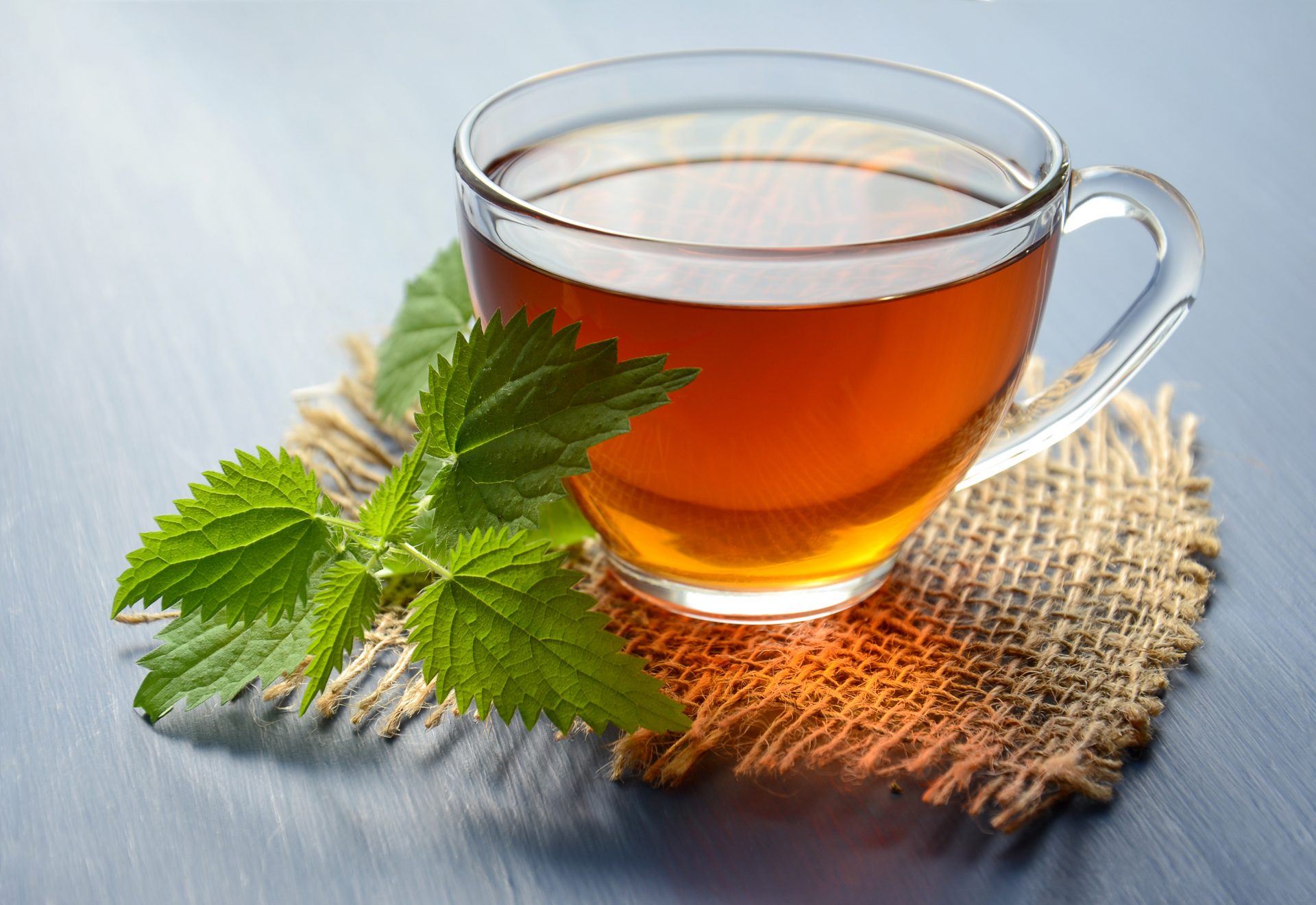
Key Takeaways for Tea
Tea is one of the world’s oldest and most popular beverages, originating from China and cherished globally. Known for its rich antioxidants and soothing flavors, tea varieties like green, black, oolong, and herbal promote relaxation, digestion, and heart health.
Key Highlights:
- Rich in antioxidants and catechins.
- Supports relaxation and digestion.
- Enjoyed hot or iced in countless regional styles.
Tea: The World’s Second Most Popular Beverage After Water
Tea is more than just a beverage—it’s a global cultural phenomenon. Consumed by billions daily, tea is the second most popular drink in the world. Its roots trace back to ancient China, where it was originally used for medicinal purposes. Today, tea is a staple in homes, cafés, and ceremonies across Asia, Europe, and beyond.
The Origins and Global Spread of Tea
Tea originated over 5,000 years ago in China, with the legend of Emperor Shen Nong discovering it by accident. From there, tea culture spread across Asia, eventually making its way to Europe via trade routes. By the 17th century, tea drinking in Britain had become fashionable, and it later expanded globally through colonization and trade.
Countries like China, India, Japan, and the UK are especially known for their tea traditions. Whether it’s Chinese green tea, Indian masala chai, or British black tea with milk, each culture has crafted its own unique take on this beloved drink.
Health Benefits of Drinking Tea
One of the key reasons for tea’s popularity is its wide range of health benefits. Rich in antioxidants, flavonoids, and polyphenols, tea is known to:
- Boost immunity and fight inflammation
- Improve heart health and reduce cholesterol
- Aid digestion and metabolism
- Enhance mental clarity and reduce stress
Green tea in particular is praised for its metabolism-boosting properties and is often included in weight loss diets. Herbal teas like chamomile or peppermint offer calming effects and digestive support, making them popular evening choices.
Camellia Sinensis: Types of Tea and Their Appeal
There are four main types of tea derived from the Camellia sinensis plant: black, green, oolong, and white tea. Each type undergoes a different oxidation process, affecting flavor, strength, and caffeine levels. Additionally, herbal teas, though not technically “tea,” are brewed from fruits, herbs, and flowers and offer diverse flavors and benefits.
Modern consumers also enjoy iced teas, bubble tea (boba), and flavored tea infusions, which add to its versatility and market growth.
Brew or Chai: Tea’s Role in Daily Life and Culture
Tea is deeply woven into social rituals. In countries like Japan, the traditional tea ceremony is an art form. In India, chai is a daily ritual served on every street corner. Meanwhile, afternoon tea, or brew, in England is a symbol of elegance and hospitality.
From its healing history to its modern versatility, tea remains a timeless, healthful, and soul-soothing beverage that continues to unite people worldwide.
- Sources Include / Discover More: Tea, An Aromatic Beverage Prepared by Pouring Hot or Boiling Water Over Cured or Fresh Leaves of Camellia sinensis
- Also Read: Most Popular Private Jet Charters
#3
Coffee

Key Takeaways for Coffee
Coffee is a global favorite known for its bold flavor and energizing caffeine kick. Originating from Ethiopia, it has become a cultural staple worldwide, fueling productivity and social connection. Whether brewed, espresso, or cold, coffee blends taste with mental alertness.
Key Highlights:
- Natural caffeine booster enhancing focus.
- Diverse brewing styles: espresso, latte, cappuccino.
- Key source of antioxidants and energy.
Coffee: The World’s Most Loved Caffeinated Beverage
Coffee is the go-to beverage for millions of people each morning. From bustling cafés in Europe to home brews in the Americas and Asia, coffee is a global obsession. As the third most consumed drink worldwide, coffee is more than just a morning ritual—it’s a cultural experience and a multi-billion-dollar industry.
Origins and Global Rise of Coffee
Coffee traces its roots to the highlands of Ethiopia, where legend says a goat herder noticed his animals became energetic after eating coffee berries. By the 15th century, coffee cultivation and trade began in the Arab world, spreading through Turkey and into Europe by the 17th century.
Today, countries like Brazil, Vietnam, and Colombia are top producers, while the United States, Europe, and Asia are the largest consumers. Coffee has become an essential part of modern lifestyles and social interactions across continents.
Health Benefits of Coffee Consumption
Coffee is not only loved for its taste and aroma but also for its health benefits when consumed in moderation. Rich in antioxidants and natural stimulants like caffeine, coffee is known to:
- Improve mental alertness and focus
- Enhance physical performance
- Lower risk of certain diseases like Parkinson’s and Type 2 diabetes
- Support heart health when consumed without excessive sugar or cream
Caffeine stimulates the central nervous system, making coffee the most effective natural energy booster. Decaffeinated coffee is also popular among those who enjoy the flavor without the kick.
Popular Coffee Types and Brewing Styles
From a quick espresso shot to a creamy cappuccino or iced latte, coffee comes in a variety of forms. Common brewing methods include:
- Drip or filter coffee
- French press
- Espresso machine
- Cold brew and nitro cold brew
Each style delivers a different flavor profile and caffeine content, catering to a wide range of taste preferences. Specialty coffee shops have turned coffee brewing into a science, with single-origin beans, roast levels, and brewing precision becoming key factors.
Coffee Culture and Social Influence
Coffee has a massive cultural footprint. In Italy, espresso is part of daily life. In Sweden, the tradition of “fika” involves coffee and conversation. In America, grabbing a cup of coffee has become synonymous with productivity and hustle.
With rising demand for ethically sourced, organic, and gourmet blends, coffee remains one of the most dynamic and enduring beverages in the world.
- Sources Include / Discover More: Coffee, A Beverage Brewed from Roasted, Ground Coffee Beans of the Tropical Evergreen Coffee Plant of African Origin
- Also Read: Most Popular Job Portals and Recruitment
#4
Soft Drinks (Soda)
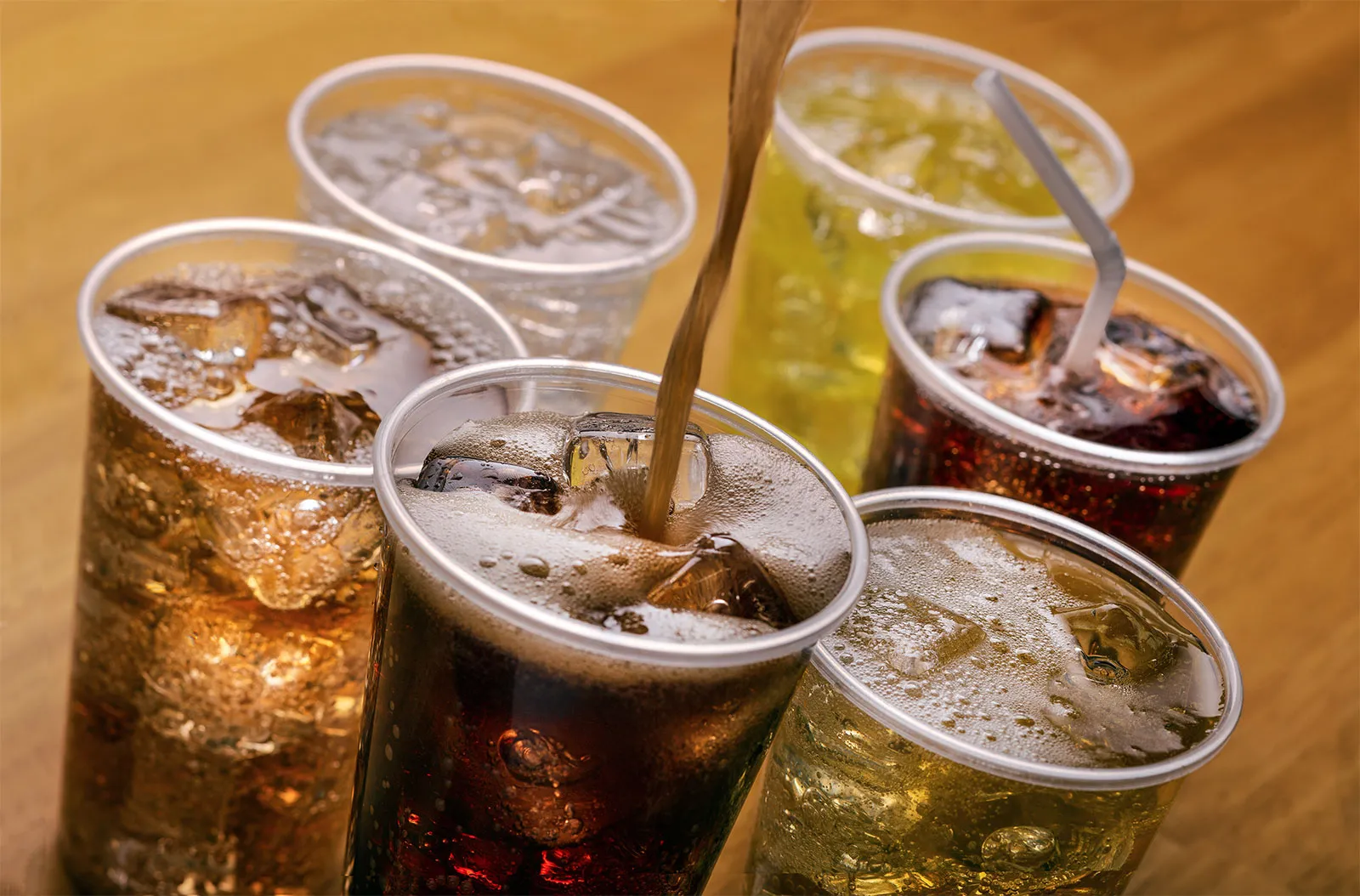
Key Takeaways for Soft Drinks (Soda)
Soft drinks are carbonated beverages enjoyed worldwide for their sweetness and fizz. From colas to flavored sodas, they dominate the beverage market, especially among younger consumers. Although sugary, low-calorie and diet alternatives have gained popularity.
Key Highlights:
- Refreshing carbonated flavors for all ages.
- Huge global beverage market share.
- Increasing demand for sugar-free and zero-calorie options.
Soft Drinks: The World’s Most Popular Carbonated Beverage
Soft drinks, often referred to as soda, are among the most widely consumed beverages worldwide. With their fizzy texture, sweet taste, and colorful branding, soft drinks have become a cultural staple across generations. From birthday parties to fast food combos, these carbonated beverages have earned a permanent spot in global beverage culture.
Sodas and The History and Evolution of Soft Drinks
The story of soft drinks began in the 18th century when sparkling mineral water was first bottled and sold. However, it wasn’t until the late 19th century that modern sodas like Coca-Cola and Pepsi entered the scene. These sugary, carbonated beverages quickly gained popularity in the United States and spread internationally through mass production and clever marketing.
Today, soft drinks are a multibillion-dollar industry, with brands constantly innovating flavors, packaging, and marketing strategies to stay relevant. From colas and citrus sodas to fruit punches and flavored seltzers, the category continues to evolve.
Types and Flavors of Soft Drinks
Soft drinks come in a wide variety of flavors and formulations to cater to different tastes and preferences. Popular types include:
- Cola-based drinks (Coca-Cola, Pepsi)
- Lemon-lime sodas (Sprite, 7UP)
- Root beer and cream soda
- Fruit-flavored sodas (Fanta, Crush)
- Energy-infused or vitamin-fortified soft drinks
- Zero-sugar and diet sodas
In recent years, the industry has seen a surge in low-calorie and sugar-free sodas to align with growing consumer demand for healthier beverage choices.
Soda: Health Concerns and Changing Perceptions
Despite their popularity, soft drinks have come under scrutiny for their high sugar and calorie content. Studies have linked excessive soda consumption to health issues like obesity, diabetes, and tooth decay. This has led to a push for health-conscious alternatives and clearer nutritional labeling.
Many countries have introduced sugar taxes to curb overconsumption, while major beverage companies have begun investing in healthier soda lines and reduced-sugar recipes.
Soft Drinks' Global Popularity and Consumption Trends
Soft drinks are especially popular in North America, Latin America, and parts of Asia. In the U.S., soda consumption has historically outpaced all other drinks except water. Brands like Coca-Cola and Pepsi have become global icons, recognized in virtually every corner of the world.
Whether enjoyed as a treat, mixer, or part of a meal, soft drinks continue to dominate the beverage market with their irresistible combination of taste, fizz, and nostalgia.
- Sources Include / Discover More: Soft Drink, A Class of Drink Containing no Alcohol, Usually Carbonated, and Typically Including Added Sweetener
- Also Read: Most Popular AI Tools in the World
#5
Beer

Key Takeaways for Beer
Beer is one of humanity’s oldest and most beloved alcoholic beverages, crafted from barley, hops, and yeast. With countless styles — lagers, ales, and stouts — beer culture thrives worldwide. It’s a social drink synonymous with celebration, tradition, and craftsmanship.
Key Highlights:
- Brewed from grains, hops, and yeast.
- Massive cultural and social significance.
- Booming craft beer and microbrewery industry.
Beer: The World's Most Popular Alcoholic Beverage
Beer is one of the oldest and most widely consumed alcoholic beverages in the world. With its deep historical roots, diverse flavor profiles, and massive cultural significance, beer stands tall as a staple drink in countless countries. From craft brews to mass-produced lagers, beer unites people across continents through social gatherings, celebrations, and daily relaxation.
Origins and Global History of Beer
Beer dates back to ancient Mesopotamia around 5,000 BCE, where early civilizations fermented grains to produce a mildly alcoholic drink. It was not just a beverage but a key part of rituals, nutrition, and even wages. The art of brewing later spread to Egypt, Europe, and eventually around the globe.
Over centuries, brewing techniques advanced, especially in Germany, Belgium, and the Czech Republic—regions known for their rich beer culture. Today, beer is brewed in nearly every country, with Germany’s Reinheitsgebot (Purity Law) and Belgian Trappist beers serving as legendary benchmarks.
Types and Styles of Beer
Beer is typically made from four key ingredients: water, malted barley, hops, and yeast. However, variations in ingredients, fermentation processes, and brewing styles create a vast array of beer types, including:
- Lager – light, crisp, and widely consumed
- Ale – richer and more complex, includes pale ales and IPAs
- Stout – dark, creamy beers like Guinness
- Pilsner – a light-bodied, highly carbonated lager
- Wheat beer – brewed with a high percentage of wheat for a smooth taste
- Craft beer – small-batch, often experimental and bold in flavor
Each type has a unique taste, aroma, and alcohol content, making beer a versatile choice for different palates.
Beer's Cultural Impact and Social Consumption
Beer is more than just a drink—it’s a cultural symbol. From Oktoberfest in Germany to American Super Bowl parties, beer plays a key role in social events. In countries like Ireland, the Czech Republic, and Belgium, beer is an essential part of national identity.
Pubs, breweries, and beer gardens have become social hubs, fostering connections and local economies. The craft beer movement has revitalized interest in locally brewed and artisanal options, appealing to younger, quality-conscious consumers.
Health and Market Trends
Moderate beer consumption has been linked to potential health benefits, such as improved heart health and reduced risk of kidney stones. However, overconsumption poses health risks, leading to increased demand for low-alcohol and non-alcoholic beer alternatives.
With global beer sales consistently strong and innovation driving new flavors and experiences, beer remains a timeless favorite in the beverage world.
- Sources Include / Discover More: Beer, An Alcoholic Beverage Produced by the Brewing and Fermentation of Starches from Malted Barley Most Commonly
- Also Read: Most Popular Fitness Apps in the World
#6
Wine

Key Takeaways for Wine
Wine, made from fermented grapes, symbolizes sophistication and pleasure. From red and white to rosé and sparkling, each variety offers unique aromas and flavors. Beyond taste, moderate wine consumption is often linked to heart health and wellness benefits.
Key Highlights:
- Crafted from fermented grapes or fruits.
- Deep cultural and historical heritage.
- Known for antioxidants and potential heart health benefits.
Wine: The World's Most Elegant and Timeless Alcoholic Beverage
Wine is one of the most iconic and celebrated beverages in human history. Known for its sophistication, rich cultural roots, and complex flavor profiles, wine has long been associated with elegance, celebration, and tradition. As one of the most popular alcoholic beverages in the world, wine holds a unique place in both everyday life and special occasions.
The Ancient Origins and Global Journey of Wine
Wine’s history stretches back over 8,000 years, originating in the country of Georgia, where grape fermentation began. It was widely embraced by the Egyptians, Greeks, and Romans, who helped spread winemaking across Europe. By the Middle Ages, vineyards flourished in France, Italy, and Spain, becoming the cornerstone of modern wine culture.
Today, wine is produced on every continent except Antarctica. The top wine-producing countries include France, Italy, Spain, the United States, and Australia, each offering distinct styles influenced by climate, soil, and winemaking tradition.
Types of Wine and Their Characteristics
Wine is primarily made by fermenting grapes, though other fruits can also be used. The main types of wine include:
- Red Wine – made from dark grapes; bold, rich, and tannic
- White Wine – made from green or light-colored grapes; crisp and refreshing
- Rosé – partially fermented with grape skins; light and fruity
- Sparkling Wine – carbonated; includes Champagne and Prosecco
- Dessert Wine – sweet and often fortified; pairs well with sweets
Each type has a unique aroma, taste, and body, making wine incredibly versatile. Wine lovers often enjoy discovering new wine varietals, such as Merlot, Pinot Noir, Chardonnay, and Sauvignon Blanc.
Wine's Cultural Significance and Lifestyle Appeal
Wine is deeply rooted in culture and social customs. From romantic dinners and formal events to religious ceremonies and family gatherings, wine is often a symbol of connection and refinement. The global wine tourism industry, with popular destinations like Napa Valley and Bordeaux, continues to attract millions of enthusiasts.
Drinking wine has also become part of modern lifestyle trends, with organic, biodynamic, and vegan wines gaining popularity among health-conscious consumers.
Wine's Health Benefits and Responsible Drinking
Moderate wine consumption, especially red wine, has been associated with certain health benefits. Rich in antioxidants like resveratrol, red wine may promote heart health and longevity. However, overconsumption can negate these benefits, so balance is key.
With its deep history, variety, and cultural impact, wine remains a timeless beverage, appealing to casual drinkers and connoisseurs alike.
- Sources Include / Discover More: Wine, An Alcoholic Drink Made from Fermented Grape Juice. Wine has Been Produced for Thousands of Years
- Also Read: Most Popular Countries in the World
#7
Milk
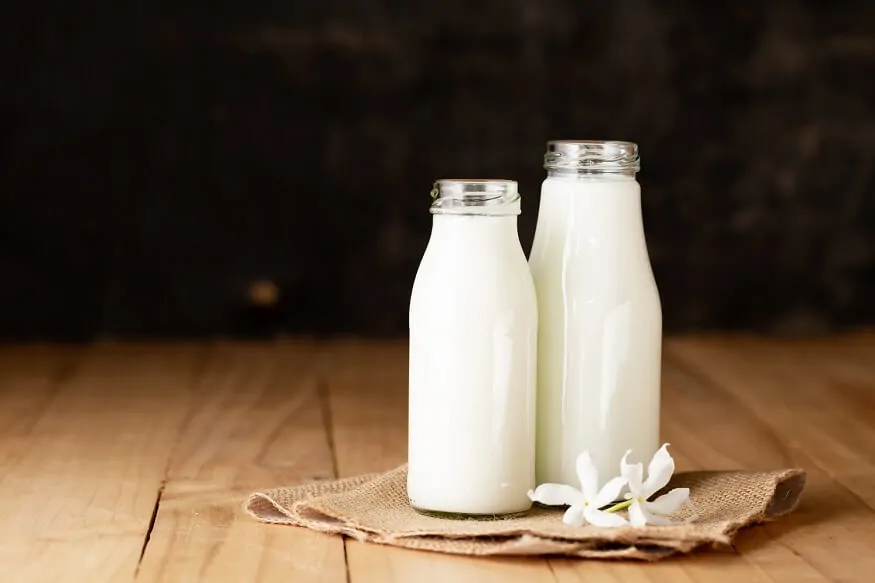
Key Takeaways for Milk
Milk is a nutrient-rich beverage providing calcium, protein, and vitamins vital for growth and bone health. Consumed globally in dairy and plant-based forms, it’s a dietary staple for all ages. Alternatives like almond and oat milk make it versatile and inclusive.
Key Highlights:
- Excellent source of calcium and protein.
- Essential for bone and muscle health.
- Expanding plant-based milk alternatives market.
Milk: The World’s Most Nutritious and Versatile Beverage
Milk is one of the most widely consumed and nutritionally rich beverages on the planet. It plays a vital role in human diets across all age groups and cultures. From cow’s milk to plant-based milk alternatives, this beverage remains a daily staple in millions of households and a key ingredient in countless recipes.
The Global Popularity and History of Milk
Milk has been part of the human diet for over 10,000 years. Early agricultural societies in regions like the Middle East and Central Asia were among the first to domesticate animals such as cows, goats, and sheep for milk. Today, cow’s milk is the most consumed type, though buffalo, camel, and goat milk are also popular in various parts of the world.
The rise of dairy farming has made milk accessible globally, and innovations in packaging, refrigeration, and pasteurization have extended its shelf life and safety.
Nutritional Benefits of Milk
Milk is often referred to as a complete food because it offers a powerful mix of essential nutrients. It is naturally rich in:
- Calcium – supports bone strength and development
- Protein – builds muscle and tissue
- Vitamin D – aids in calcium absorption
- Vitamin B12 – essential for red blood cell production
- Potassium – helps regulate blood pressure
Due to its nutrient density, milk is especially recommended for growing children, athletes, and the elderly. It also plays a central role in bone health and the prevention of osteoporosis.
The Rise of Plant-Based Milk Alternatives
In recent years, plant-based milk options have surged in popularity. These include:
- Almond milk
- Soy milk
- Oat milk
- Coconut milk
- Rice milk
These alternatives are often lactose-free, vegan, and lower in calories, making them suitable for people with dietary restrictions or health concerns. Fortified versions provide comparable nutrients to dairy milk and are widely used in coffee, smoothies, and cereals.
Milk in Daily Life and Culinary Uses
Milk is more than just a drink. It’s a crucial ingredient in cooking and baking. From cheese, butter, and yogurt to sauces, desserts, and beverages like milkshakes and lattes, milk is indispensable in kitchens worldwide.
Whether you prefer traditional dairy or plant-based options, milk continues to be one of the most versatile and essential beverages, meeting both nutritional and lifestyle needs in a changing world.
- Sources Include / Discover More on Harvard Health: Milk, A White Liquid Food Produced by the Mammary Glands of Lactating Mammals
- Also Read: Most Popular Online Shopping Sites
#8
Orange Juice

Key Takeaways for Orange Juice
Orange juice is a breakfast essential packed with vitamin C and immune-boosting nutrients. Freshly squeezed or bottled, it delivers a perfect balance of sweetness and tanginess. It’s one of the most popular fruit juices worldwide for its taste and health benefits.
Key Highlights:
- Rich in vitamin C and antioxidants.
- Boosts immunity and hydration.
- Fresh, pulpy, or bottled varieties available globally.
Orange Juice: The World’s Favorite Breakfast Beverage
Orange juice is one of the most popular fruit juices in the world, often associated with a fresh start to the day. Packed with vitamin C, antioxidants, and natural sweetness, orange juice has earned its place at breakfast tables and in refrigerators across the globe. Loved for its vibrant flavor and health benefits, it remains a top choice in the global juice market.
The Origins and Global Reach of Orange Juice
While oranges originated in Southeast Asia, they found their way to Europe and the Americas via trade routes and colonial expansion. The commercialization of orange juice began in the early 20th century, especially in the United States, where Florida became a major producer.
Today, orange juice is enjoyed worldwide, with the largest markets in North America, Europe, and parts of Asia. Brazil and the U.S. are the leading producers, supplying fresh and concentrated orange juice to global consumers.
Orange's Nutritional Value and Health Benefits
One of the key reasons for orange juice’s enduring popularity is its exceptional nutritional profile. A single glass of orange juice typically provides:
- 100% of the recommended daily intake of vitamin C
- Folate, which supports cell growth and metabolism
- Potassium, important for heart and muscle function
- Antioxidants like flavonoids and carotenoids
Orange juice is also known to strengthen the immune system, aid in iron absorption, and promote skin health. However, nutritionists recommend consuming 100% pure orange juice without added sugars to maximize health benefits.
Fresh-Squeezed vs. Packaged Orange Juice
There are two main types of orange juice available on the market:
- Fresh-squeezed orange juice – made at home or sold fresh in stores, typically unpasteurized with no preservatives. It offers the purest taste and most nutrients.
- Packaged orange juice – includes pasteurized and sometimes concentrated options, with extended shelf life and mass-market availability.
While both offer essential nutrients, fresh juice is generally preferred for its taste and minimal processing.
Orange Juice in Modern Diets
Orange juice continues to adapt to modern dietary trends. Low-sugar, pulp-free, organic, and calcium-fortified versions are now widely available. It’s also used in smoothies, cocktails, marinades, and desserts, making it a versatile beverage beyond breakfast.
With its tangy-sweet flavor, immunity-boosting properties, and cultural presence, orange juice remains a refreshing and healthy beverage enjoyed by people of all ages.
- Sources Include / Discover More on Healthline: Orange juice, A Liquid Extract of the Orange Tree Fruit, Produced by Squeezing or Reaming Oranges
- Also Read: Most Popular Smartphone Brands
#9
Energy Drinks
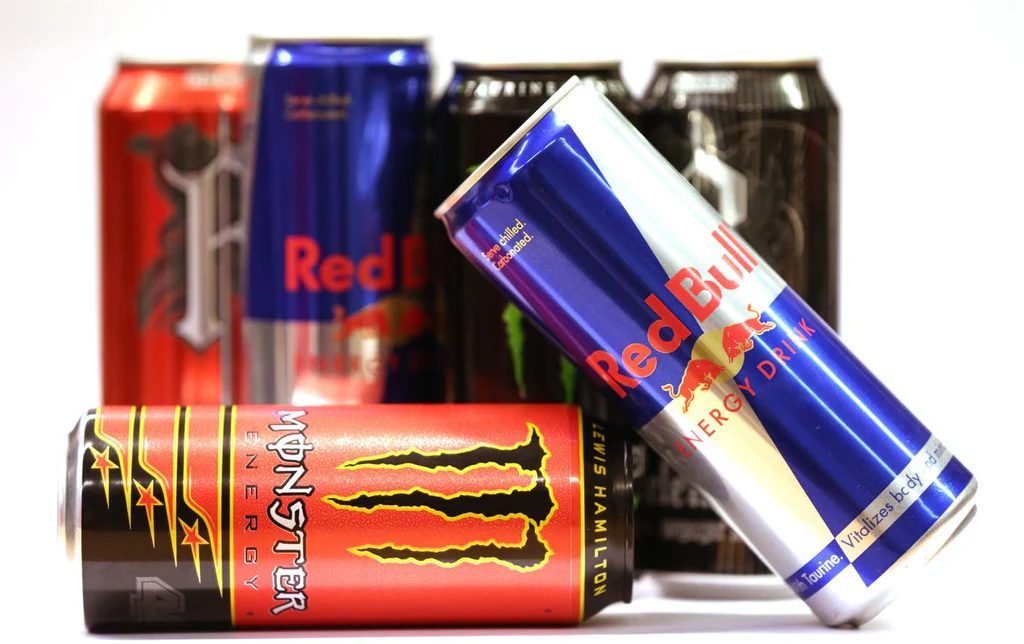
Key Takeaways for Energy Drinks
Energy drinks are performance-boosting beverages formulated with caffeine, taurine, and B vitamins. Popular among athletes and professionals, they provide instant energy and focus. Brands like Red Bull and Monster dominate this high-demand, youth-driven market.
Key Highlights:
- Formulated for energy and mental alertness.
- Contains caffeine, taurine, and vitamins.
- Fast-growing global market among young consumers.
Energy Drinks: The Go-To Beverage for Instant Energy and Performance
Energy drinks have exploded in popularity over the past two decades, especially among young adults, athletes, and working professionals. Known for their stimulating effects, these beverages are designed to boost alertness, focus, and physical energy. With bold branding and aggressive marketing, energy drinks have become a dominant force in the global beverage industry.
What Are Energy Drinks?
Energy drinks are functional beverages that typically contain a mix of caffeine, sugar, taurine, B vitamins, and herbal extracts like guarana or ginseng. These ingredients work synergistically to enhance mental and physical performance, making them popular for workouts, late-night studying, gaming, and long shifts at work.
The most recognized energy drink brands include:
- Red Bull (Austria)
- Monster Energy
- Rockstar
- Bang Energy
- 5-Hour Energy (in shot form)
Each brand has its own proprietary formula, with varying caffeine levels and added stimulants.
Energy Drinks: Key Ingredients and Their Effects
The primary ingredient in most energy drinks is caffeine, often ranging from 80 mg to over 300 mg per serving. Caffeine stimulates the central nervous system, promoting wakefulness and reducing fatigue.
Other common components include:
- Taurine – an amino acid that supports neurological development and may enhance athletic performance
- B vitamins – help convert food into energy
- Sugars or artificial sweeteners – provide quick energy or a sugar-free alternative
- Herbal extracts – such as ginseng or guarana for additional stimulation
Some energy drinks are also fortified with electrolytes, appealing to fitness-focused consumers.
Health Considerations and Consumption Trends
While energy drinks are effective in providing short-term energy, excessive intake can pose health risks. High caffeine content may lead to:
- Insomnia
- Increased heart rate
- High blood pressure
- Anxiety or jitteriness
As a result, health experts recommend moderation and awareness, particularly for teenagers and individuals with cardiovascular conditions.
To meet evolving consumer preferences, many companies now offer low-calorie, sugar-free, and organic energy drinks, targeting health-conscious buyers.
Energy Drinks in Modern Lifestyles
Energy drinks are now a staple in sports, nightlife, and gaming culture. They’re often used as pre-workout drinks or mixers in cocktails. With rising global demand and ongoing product innovation, energy drinks continue to shape the future of performance-focused beverages.
Whether you need a mental edge or a physical boost, energy drinks offer a fast and convenient solution—just be sure to use them wisely.
- Sources Include / Discover More: Energy Drink, A Type of Non-Alcoholic Psychoactive Functional Beverage Containing Stimulant Compounds
- Also Read: Most Popular Hobbies in the World
#10
Coconut Water
Key Takeaways for Coconut Water
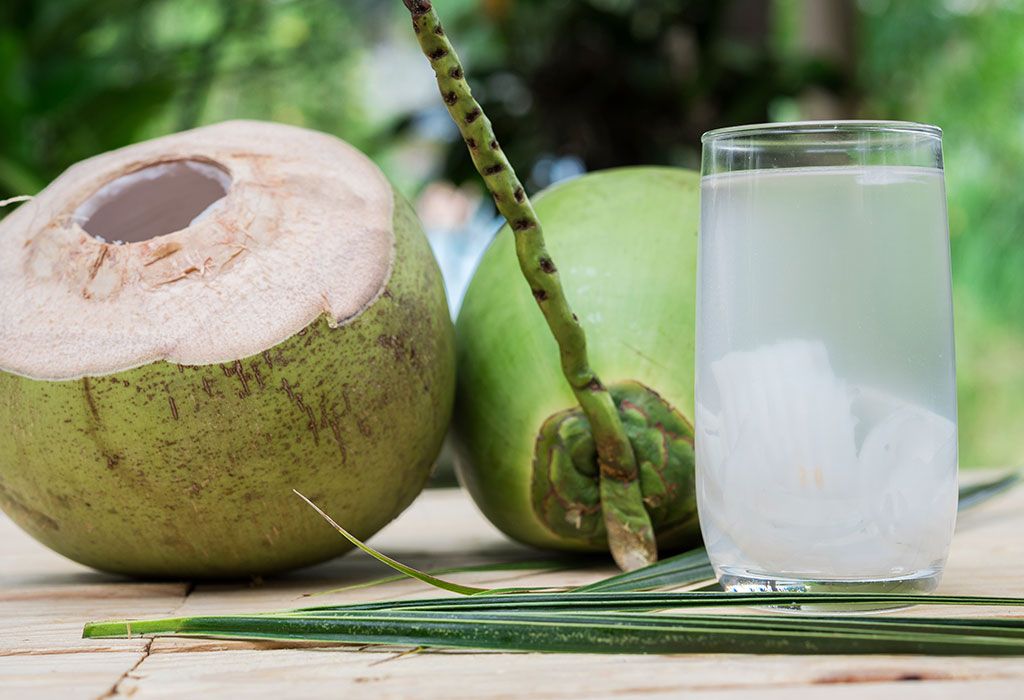
Coconut water is a natural electrolyte drink sourced from young coconuts. Known for its hydrating properties, it’s rich in potassium, magnesium, and antioxidants. Favored as a natural sports drink, it’s gaining traction in the global health and wellness market.
Key Highlights:
- Natural source of electrolytes and hydration.
- Low in calories, fat-free, and refreshing.
- Popular in fitness and tropical wellness diets.
Coconut Water: Nature’s Ultimate Hydration Drink
Coconut water, often referred to as “nature’s sports drink,” is a clear, refreshing liquid found inside young, green coconuts. Naturally rich in electrolytes, vitamins, and minerals, it has become a global favorite among health-conscious consumers. As demand for natural, low-calorie beverages grows, coconut water has secured its place as a go-to drink for hydration and wellness.
The Origins and Global Rise of Coconut Water
Coconut water has been consumed for centuries in tropical regions such as Southeast Asia, the Caribbean, and India. Traditionally enjoyed straight from the coconut, it is now bottled and distributed worldwide, making its way into supermarkets, gyms, yoga studios, and fitness centers.
Top producers include Thailand, Indonesia, the Philippines, Brazil, and India, with global brands like Vita Coco, ZICO, and Harmless Harvest leading the commercial market.
Coconut's Nutritional Profile and Health Benefits
Coconut water is packed with natural electrolytes like potassium, magnesium, sodium, and calcium, making it an excellent post-workout drink and natural rehydration solution. On average, one cup (240 ml) of coconut water contains:
- 600 mg of potassium – more than a banana
- 15% of daily magnesium intake
- Just 45-60 calories
- Zero fat and low sugar (in natural form)
Health benefits of coconut water include:
- Promoting hydration and electrolyte balance
- Supporting heart health and blood pressure regulation
- Helping with digestion and metabolism
- Acting as a natural diuretic and kidney detoxifier
Due to its low acidity and high nutrient content, coconut water is also gentle on the stomach, making it ideal for those recovering from illness or dehydration.
Fresh vs. Packaged Coconut Water
While fresh coconut water offers the best taste and nutrition, packaged coconut water is convenient and widely available. Look for options labeled 100% pure coconut water with no added sugars, preservatives, or flavorings to get the most health benefits.
Organic and cold-pressed variants are now popular among premium buyers, while flavored versions (like mango or pineapple-infused) cater to those looking for a taste twist.
A Versatile and Trendy Beverage Choice
Coconut water is not only a drink—it’s also used in smoothies, protein shakes, and mocktails. As a natural, vegan, gluten-free beverage, it appeals to a wide range of dietary preferences.
With its rising popularity in health and wellness communities, coconut water stands out as one of the most refreshing and beneficial beverages on the global market today.
- Sources Include / Discover More WebMD: Coconut Water, The Clear Refreshing Liquid Found Inside Young, Green Coconuts
- Also Read: Most Popular Search Engines
Key FAQs on the 10 Most Popular Beverages in the World
Why is water considered the most popular beverage in the world?
Water is the most popular beverage in the world because it is biologically essential for human survival and optimal health.
According to the World Health Organization, the human body is approximately 60% water, and even mild dehydration impacts energy, digestion, and cognition.
As a calorie-free, universally available drink consumed daily across every culture and climate, water remains the foundation of global hydration and wellness. Source: WHO, Harvard Health.
What makes tea one of the most popular beverages worldwide?
Tea is one of the most consumed beverages globally due to its health benefits, cultural heritage, and versatility.
Originating in China over 5,000 years ago, tea varieties such as green, black, and oolong are rich in antioxidants linked to heart health and metabolism.
The Food and Agriculture Organization reports tea as the second most consumed drink after water, reinforcing its global popularity. Source: FAO, NIH.
Why is coffee one of the world’s most consumed drinks?
Coffee ranks among the world’s most popular beverages due to its caffeine-driven energy boost and deep cultural integration.
First discovered in Ethiopia, coffee enhances alertness, focus, and productivity, with studies showing improved cognitive performance.
Over 2 billion cups are consumed daily worldwide, making coffee a cornerstone of global routines and café culture. Source: National Coffee Association, Harvard Medical School.
What makes soft drinks so popular around the world?
Soft drinks are globally popular due to their carbonation, sweetness, and powerful brand recognition.
Originating in the United States, sodas such as cola and lemon-lime drinks offer instant refreshment and wide availability.
The global soft drink market exceeds hundreds of billions of dollars annually, highlighting their mass appeal despite rising health awareness. Source: Statista, CDC.
Why is beer considered one of the most popular beverages worldwide?
Beer is the most popular alcoholic beverage globally due to its long history and social significance.
Dating back to ancient Mesopotamia, beer is brewed from barley, hops, yeast, and water, offering diverse styles worldwide.
It remains central to social gatherings and cultural traditions, with global consumption surpassing wine and spirits combined. Source: Britannica, WHO.
What makes wine one of the most loved beverages in the world?
Wine is globally admired for its craftsmanship, complexity, and cultural prestige.
Produced from fermented grapes, wine has been consumed for over 8,000 years and is closely tied to Mediterranean traditions.
Moderate wine consumption, particularly red wine, is associated with antioxidants like resveratrol that support heart health. Source: Harvard Health, FAO.
Why is milk one of the most essential and consumed beverages worldwide?
Milk is one of the most consumed beverages due to its high nutritional value and accessibility.
Rich in calcium, protein, and vitamin D, milk supports bone density and muscle development across all age groups.
Both dairy and plant-based milk alternatives contribute significantly to global nutrition and daily dietary intake. Source: FAO, National Institutes of Health.
Why is orange juice one of the most popular breakfast beverages?
Orange juice is widely consumed at breakfast due to its high vitamin C content and refreshing taste.
A single serving can provide over 100% of daily vitamin C needs, supporting immunity and skin health.
Its natural sugars and antioxidants make orange juice a globally preferred morning beverage. Source: USDA, Cleveland Clinic.
What makes energy drinks one of the fastest-growing beverages globally?
Energy drinks are growing rapidly due to demand for quick mental and physical performance boosts.
Formulated with caffeine, taurine, and B vitamins, they enhance alertness and endurance.
The global energy drink market continues expanding, driven by athletes, professionals, and students seeking productivity support. Source: Statista, Mayo Clinic.
Why is coconut water known as the best natural hydration beverage?
Coconut water is considered a top natural hydration drink due to its electrolyte balance.
Rich in potassium, magnesium, and sodium, it supports fluid replenishment after exercise or illness.
Originating in tropical regions, coconut water is widely recommended for natural hydration and wellness. Source: Harvard Health, NIH.
Beverage Consumption by Region
Asia’s Tea Obsession
In Asia, tea isn’t just a beverage—it’s a tradition. From China’s centuries-old tea ceremonies to India’s spicy chai and Japan’s powdered matcha, tea holds a sacred spot in daily life. Green tea dominates in Japan, while India’s chai is rich and spiced with cardamom and cloves.
Western Coffee Culture
Meanwhile, the West runs on coffee. The U.S. popularized the “coffee to go” culture, while European countries like Italy and France prefer savoring espresso at a café. In Nordic countries, people consume more coffee per capita than anywhere else.
Beverage Industry Trends
Health-Conscious Innovations
Consumers today care more than ever about what’s in their drinks. This has led to a surge in sugar-free sodas, kombucha, plant-based milks, and adaptogenic teas. Functional beverages that boost immunity, energy, and focus are in high demand.
Sustainability in Packaging
With rising concerns about plastic waste, brands are turning to eco-friendly packaging. Think aluminum cans, glass bottles, and recyclable cartons. Plus, many companies now emphasize fair trade and organic sourcing.
Final Thoughts
From the pure simplicity of water to the refined indulgence of wine, the 10 most popular beverages in the world represent far more than just drinks — they symbolize culture, connection, and shared human experience. Each beverage tells a story: tea evokes tranquility and tradition, coffee powers productivity, milk nourishes families, while beer and wine bring people together in celebration.
Across continents, beverages define daily rituals and global lifestyles. Whether it’s orange juice fueling your morning, soft drinks refreshing an afternoon, or energy drinks boosting your performance, every sip reflects the world’s evolving tastes and needs. From ancient roots in Mesopotamia and China to today’s bustling cafés and global brands, these drinks continue to unite generations through comfort, flavor, and heritage.
So, whether you’re savoring green tea in Tokyo, a latte in New York, or coconut water on a tropical beach, remember — you’re part of a timeless global tradition. Cheers to the universal power of beverages — the world’s most refreshing bridge between people, culture, and celebration.
The 10 Most Popular Beverages Frequently Asked Questions (FAQs)
Water tops the list as it’s essential for life and universally consumed.
In countries like China and India, tea is deeply embedded in cultural rituals and is often preferred for its variety and health benefits.
Most health experts recommend limiting energy drinks due to their high caffeine and sugar content.
Water is the healthiest, followed by tea and coconut water due to their natural benefits and low-calorie content.
There's a growing demand for health-focused, low-sugar, and eco-friendly drink options worldwide.
Tea, originating in China, is a beloved global beverage enjoyed in various forms like green, black, and oolong.
Coffee, first discovered in Ethiopia, is a globally popular caffeine-rich drink consumed hot or iced.
Soft drinks, including sodas, are carbonated beverages typically sweetened and flavored.
Coconut water is a naturally refreshing drink sourced from young green coconuts, rich in electrolytes.
About the Author
This article was researched and prepared by the World Millions Editorial Team, specialists in global rankings, premium market analysis, structured comparisons, and high-value sector research across industries.
All content undergoes verification, editorial review, and periodic updates to ensure accuracy, clarity, and alignment with recognized industry standards, reliable institutional sources, and leading global authorities.
- Last Updated: March 27, 2026 by the World Millions Editorial Team
- Original Published Date: March 27, 2026
- View Our: Editorial Team | Sources | Disclaimer | Editorial Standards