- Home
- »
- World’s Most Popular
- »
- 10 Most Popular Brands in the World
10 Most Popular Brands
in the World
The most popular brands in the world represent the pinnacle of global influence, consumer trust, and market dominance across technology, retail, automotive, sportswear, and food industries. From innovation-driven tech giants to iconic lifestyle companies, these brands shape everyday life for billions of people worldwide.
Discover the 10 Most Popular Brands in the World, ranked by global recognition, brand value, customer loyalty, and cultural impact. From Apple and Amazon to Nike and Coca-Cola, these powerhouse brands continue to lead global markets through innovation, powerful branding, and worldwide consumer appeal.
On This Page
Toggle- Updated 2026 by the World Millions Editorial Team: View Author Information
Why Brand Popularity Matters
Think about it: when you’re thirsty, you probably crave a Coke. When you need to buy something, you head to Amazon. When your phone dies, you look for the Apple logo. That’s the power of brand popularity—it influences habits, emotions, and even social status.
Brands with global recognition don’t just dominate sales. They build trust, loyalty, and a strong sense of identity. Popularity translates into revenue, resilience, and relevance in an ever-evolving world.
What Defines a “Popular” Brand?
Popularity isn’t just about being big—it’s about being everywhere and being loved. A truly popular brand is:
- Instantly recognizable
- Trusted by millions
- Frequently used or consumed
- Talked about online and offline
- Admired for its consistency, innovation, or emotional appeal
Key Factors Behind Global Brand Popularity
Brand Recognition and Recall
A brand becomes popular when people can recognize its logo, slogan, or products instantly. Think of the bitten Apple logo or Nike’s swoosh—these images are etched in our brains. Strong visual identity and consistent branding across all platforms help make brands unforgettable.
Consistent Product Quality
No matter how great the marketing is, if the product doesn’t deliver, the brand won’t last. Global giants like Toyota and Coca-Cola have earned their reputations by offering dependable, high-quality products over decades. Consumers return to brands they trust to meet or exceed expectations every time.
Marketing & Social Media Presence
In the digital age, marketing isn’t just about TV ads—it’s about being where your audience is. Brands like Nike and Meta master social media with viral campaigns, influencer collaborations, and community engagement. Strong online visibility boosts brand relevance, especially with younger audiences.
List of the Top 10 Most Popular Brands in the World
Discover the world’s most powerful and popular brands dominating global markets through innovation, trust, and unmatched brand value.
In today’s competitive global economy, brand power defines success. The 10 Most Popular Brands in the World stand as the ultimate benchmarks of excellence, innovation, and consumer trust. These world-famous companies have mastered the art of influence—shaping industries, creating trends, and setting new standards in quality, technology, and customer experience.
From tech leaders like Apple, Google, and Microsoft to lifestyle giants like Nike, Coca-Cola, and McDonald’s, each of these global brands has built an empire of loyalty and recognition. Their influence extends far beyond products—they represent aspiration, identity, and reliability for billions of consumers worldwide.
This table provides a detailed overview of the top global brands, showcasing their industry, headquarters, and core strengths that drive continued success. Whether it’s Amazon’s e-commerce dominance, Toyota’s reliability, or Samsung’s innovation, these brands have proven why they’re trusted and loved across continents.
Explore the list below to discover which brands lead the world in brand value, reputation, and global impact—and what makes them the true titans of modern business.
| No. | Brand Name | Industry | Headquarters | Key Strength |
|---|---|---|---|---|
| 1 | Apple | Technology | Cupertino, USA | Innovation, Design |
| 2 | Amazon | E-Commerce, Cloud | Seattle, USA | Customer Service, Logistics |
| 3 | Technology, Internet | Mountain View, USA | Search Engine Dominance | |
| 4 | Microsoft | Software, Cloud | Redmond, USA | Enterprise Tools, OS Dominance |
| 5 | Samsung | Electronics | Seoul, South Korea | Versatile Product Ecosystem |
| 6 | Coca-Cola | Food & Beverage | Atlanta, USA | Global Distribution, Taste |
| 7 | Nike | Sportswear | Beaverton, USA | Branding, Athlete Endorsements |
| 8 | Toyota | Automotive | Toyota City, Japan | Reliability, Fuel Efficiency |
| 9 | Facebook (Meta) | Social Media | Menlo Park, USA | Social Connectivity |
| 10 | McDonald’s | Fast Food | Chicago, USA | Affordability, Global Presence |
Discover the 10 Most Popular Brands in the World
Discover the world’s most influential companies shaping culture, technology, lifestyle, and everyday choices. The 10 Most Popular Brands in the World represent unparalleled global recognition, consumer trust, and market leadership across industries like tech, retail, automotive, beverages, sportswear, and fast food.
From Apple’s design-driven innovation to Amazon’s e-commerce dominance, Google’s search power, Coca-Cola’s timeless branding, and Toyota’s reputation for reliability—these brands have achieved more than commercial success; they’ve become cultural icons. Explore what makes these global giants stand out and how they continue to lead the world in value, influence, and customer loyalty.
#1
Apple
Key Takeaways Apple: The Innovation Icon
Apple is the world’s leading technology brand, renowned for innovation, design excellence, and unmatched product quality. Headquartered in Cupertino, California, Apple has revolutionized personal technology with devices like the iPhone, MacBook, iPad, and Apple Watch. Its powerful ecosystem, including iCloud, Apple Music, and the App Store, has redefined modern digital experiences and customer loyalty.
Key Highlights:
- Global leader in smartphones, wearables, and laptops.
- Unmatched brand loyalty and premium user experience.
- Consistent innovation in design, software, and sustainability.
Apple: Global Leader in Technology and Innovation
Apple is more than just a tech company—it’s a global symbol of cutting-edge innovation, design excellence, and user-focused technology. As the most valuable brand in the world, Apple continues to set industry benchmarks with every product release. From the iPhone to the MacBook and Apple Watch, each product launch dominates headlines and sparks global consumer interest.
Apple’s success is deeply rooted in its ability to seamlessly integrate hardware, software, and services. This integrated ecosystem not only enhances user experience but also ensures long-term brand loyalty. Whether you’re using an iPhone, iPad, or Apple TV, the transition between devices is smooth, intuitive, and efficient.
Apple's Innovation That Sets the Standard
What separates Apple from its competitors is its relentless focus on innovation. The company invests billions in research and development annually, which fuels its ability to introduce revolutionary products and features. Features like Face ID, Retina displays, the M-series chipsets, and spatial audio are just a few examples of how Apple continually pushes the boundaries of what’s possible.
Apple’s proprietary silicon chips have significantly boosted the performance of its devices while reducing power consumption—making its laptops and tablets faster, cooler, and longer-lasting. These innovations not only enhance user experience but also position Apple as the front-runner in sustainable and energy-efficient tech.
Apple: User-Centric Design and Premium Experience
Apple has mastered the art of minimalistic, intuitive design. Its devices are known for their premium build, sleek aesthetics, and user-friendly interfaces. The consistency across all Apple products makes the user experience almost addictive. The design language is not only visually appealing but functionally superior, ensuring that even non-tech-savvy users can easily operate their devices.
In addition, Apple’s brand is built on emotional appeal—customers feel a personal connection with the brand, often identifying it as a lifestyle choice rather than just a product purchase. This emotional branding has helped Apple create one of the most loyal customer bases in the world.
Apple’s Influence on Global Consumer Behavior
Apple doesn’t just follow trends—it creates them. Whether it’s removing the headphone jack, introducing MagSafe charging, or launching AR/VR technologies, Apple redefines how consumers interact with technology. Its global influence extends far beyond sales figures, making it the innovation icon of the 21st century.
- Sources Include / Discover More: Apple Inc., An American Multinational Technology Company Headquartered in Cupertino, California, in Silicon Valley
- Also Read: Most Popular Cocktails in the World
#2
Amazon
Key Takeaways for Amazon: The E-Commerce Giant
Amazon is the global e-commerce and cloud computing powerhouse, known for transforming online shopping and customer convenience. Founded by Jeff Bezos, Amazon dominates global retail through its vast product selection, efficient logistics, and Amazon Prime ecosystem. Its cloud division, AWS, is a market leader in scalable digital infrastructure.
Key Highlights:
- World’s largest online marketplace.
- Dominant player in cloud computing with AWS.
- Focus on speed, customer satisfaction, and innovation.
Amazon: The World’s Largest Online Marketplace
Amazon is the undisputed leader in global e-commerce, transforming how people shop across continents. Founded by Jeff Bezos in 1994 as an online bookstore, Amazon has grown into the most powerful online retail platform, offering everything from electronics and clothing to groceries and cloud computing services. With over 300 million active customer accounts, Amazon has become synonymous with online shopping worldwide.
Its dominance is driven by an unmatched selection of products, competitive pricing, and the convenience of fast delivery. Amazon’s Prime membership, which includes free shipping, video streaming, and exclusive deals, is a key driver of customer loyalty, with over 200 million members globally.
E-Commerce: Unrivaled Logistics and Fulfillment Network
What makes Amazon so powerful in the e-commerce space is its sophisticated logistics network. Through a combination of high-tech warehouses, advanced robotics, and delivery hubs, Amazon has optimized the supply chain to offer one-day or even same-day shipping in many regions. Its Fulfillment by Amazon (FBA) program allows third-party sellers to leverage this infrastructure, further expanding product availability and enhancing customer experience.
The company’s investment in automation, drone delivery, and last-mile innovations keeps it ahead of competitors in terms of speed, efficiency, and reliability.
Amazon's Innovation Through Technology and AI
Beyond being a shopping platform, Amazon is a tech powerhouse. Its recommendation engine, powered by artificial intelligence and machine learning, personalizes the shopping experience to each user’s browsing habits and preferences. This not only improves sales but also keeps users engaged for longer periods.
Amazon also leads in voice commerce through its Alexa-enabled Echo devices, bringing hands-free shopping and smart home integration to millions of households. The introduction of cashier-less Amazon Go stores and automated checkouts further illustrates how Amazon is reshaping the future of retail.
Cloud Dominance with AWS
While most consumers associate Amazon with retail, Amazon Web Services (AWS) is a major contributor to its revenue and global impact. AWS powers much of the modern internet, offering cloud infrastructure to companies like Netflix, Airbnb, and NASA. Its reliability, scalability, and innovation make it the most trusted cloud platform in the world.
Amazon’s combination of relentless customer focus, cutting-edge technology, and logistical excellence secures its position as the true e-commerce giant of the digital age.
- Sources Include / Discover More: Amazon, A Prominent American Technology and Retail Company Founded in 1994 by Jeff Bezos in Seattle, Washington
- Also Read: Most Popular Airlines in the World
#3
Google
Key Takeaways for Google: The Search Engine Powerhouse
Google is the most visited website and the world’s top search engine, offering users fast, accurate, and data-driven results. Beyond search, Google powers everyday life through Android, YouTube, Gmail, Google Maps, and AI-driven services. The company continues to shape the digital era through constant innovation and smart technology.
Key Highlights:
- Commands over 90% of global search traffic.
- Leading force in artificial intelligence and automation.
- Owns top platforms like YouTube and Android OS.
Google: The Gateway to the Internet
When it comes to online visibility, no brand is more synonymous with the internet than Google. With over 90% of the global search engine market share, Google is the go-to platform for billions seeking answers, products, services, and entertainment. The term “Google it” has become part of everyday language—a testament to the brand’s dominance in digital search.
Founded in 1998 by Larry Page and Sergey Brin, Google revolutionized how people access information. Its powerful algorithms, accurate results, and user-friendly interface make it the most trusted search engine globally. Whether you’re looking for news, images, directions, or local businesses, Google delivers precise results within milliseconds.
Google’s Innovation Beyond Search
Although search is Google’s core, the brand’s reach extends far beyond. Products like Gmail, Google Maps, Google Photos, Google Drive, and the Android operating system are integral to modern digital life. With over 3 billion active Android devices globally, Google controls the world’s most popular mobile operating system.
Google’s Chrome browser and YouTube platform are also market leaders, each boasting billions of active users. These platforms ensure that Google stays embedded in daily routines—whether users are watching videos, navigating cities, or managing their digital calendars.
Google’s Artificial Intelligence and Smart Technology
Google is at the forefront of AI innovation. Through Google Assistant, users can control smart devices, perform hands-free searches, and automate daily tasks. Its AI models, like Bard and Gemini, are redefining how we interact with technology through natural language processing and machine learning.
Google’s advancements in AI also power real-time language translation, facial recognition, personalized search, and predictive typing—making the platform smarter and more intuitive over time.
Google: Advertising Powerhouse with Google Ads
Google Ads fuels much of the brand’s revenue, helping millions of businesses drive visibility and conversions through targeted digital advertising. Its ad ecosystem is one of the most effective platforms for marketers, providing unmatched reach, analytics, and ROI.
With Google Search, Google Ads, and the entire Google Workspace ecosystem, the company continues to set the gold standard for digital innovation. Its commitment to improving information access, personalized experiences, and seamless integration ensures Google remains the search engine powerhouse—and one of the most influential brands on the planet.
- Sources Include / Discover More: Google, A US Multinational Tech Giant, a Subsidiary of Alphabet Inc.
- Also Read: Most Popular Private Jet Charters
#4
Microsoft
Key Takeaways for Microsoft: The Tech Backbone
Microsoft is the technology backbone of the modern world, delivering reliable software, cloud, and productivity solutions. Its Windows OS and Office suite dominate global enterprise and consumer markets, while Azure drives innovation in cloud computing. Microsoft also leads in AI, gaming (Xbox), and workplace collaboration tools.
Key Highlights:
- Global leader in enterprise and productivity software.
- Expanding influence in AI, gaming, and cloud computing.
- Trusted brand for digital transformation and innovation.
Microsoft: Powering the Digital World
Microsoft is one of the most influential and widely used technology companies on the planet. Established in 1975 by Bill Gates and Paul Allen, Microsoft has played a crucial role in shaping the digital age. Its flagship product, the Windows operating system, powers over 70% of the world’s desktop computers, making it a cornerstone of modern computing.
From personal PCs to enterprise-level infrastructure, Microsoft’s ecosystem supports both individual productivity and global business operations. Its consistent focus on usability, compatibility, and performance makes it indispensable in offices, schools, and homes worldwide.
Microsoft Office, Microsoft 365 and Microsoft Teams: A Business Software Giant
Microsoft Office—comprising Word, Excel, PowerPoint, and Outlook—has become the universal standard for productivity tools. With Microsoft 365, the company has evolved into a cloud-first platform, offering real-time collaboration, secure cloud storage, and seamless integration across devices.
Businesses of all sizes rely on Microsoft’s tools to communicate, plan, and operate efficiently. Microsoft Teams, in particular, has seen explosive growth, becoming a central hub for virtual meetings, chats, and collaboration, especially in remote and hybrid work environments.
Azure: Leading the Cloud Computing Revolution
Microsoft is also a dominant force in cloud computing through its Azure platform. Competing directly with Amazon Web Services, Azure offers a comprehensive suite of services including virtual machines, AI, analytics, IoT, and cybersecurity solutions. Azure’s scalability, reliability, and enterprise-grade security have made it the cloud platform of choice for many Fortune 500 companies.
Microsoft’s hybrid cloud strategy gives it a unique edge, allowing organizations to move workloads between on-premises and cloud environments without disrupting operations.
Microsoft's Gaming, AI, and Future Technologies
Beyond productivity and enterprise, Microsoft is a major player in gaming through Xbox and its recent acquisition of Activision Blizzard. The company is also heavily invested in artificial intelligence, partnering with OpenAI to integrate AI into products like Bing and Microsoft Copilot—bringing advanced features directly to users through familiar interfaces.
These innovations are not just enhancing performance—they’re redefining how people interact with technology. Microsoft’s commitment to ethical AI development, data security, and sustainability further solidifies its position as a forward-thinking tech leader.
With its unmatched blend of legacy, innovation, and enterprise trust, Microsoft continues to serve as the technological backbone of the modern world—quietly empowering millions every day through software, cloud, and intelligent solutions.
- Sources Include / Discover More: Microsoft Corporation, An American Multinational Technology Conglomerate Headquartered in Redmond, Washington
- Also Read: Most Popular Job Portals and Recruitment
#5
Samsung
Key Takeaways for Samsung: The Electronics Powerhouse
Samsung is a global electronics giant known for its diverse product range, including smartphones, TVs, home appliances, and semiconductors. Headquartered in Seoul, South Korea, Samsung continues to push boundaries in display technology, smart devices, and innovation. Its Galaxy series has redefined mobile experiences worldwide.
Key Highlights:
- Market leader in mobile phones and smart TVs.
- Pioneer in semiconductor and display technologies.
- Strong global presence across 190+ countries.
Samsung: A Global Leader in Consumer Electronics
Samsung is one of the most recognized and trusted electronics brands in the world. Headquartered in Seoul, South Korea, Samsung has built a massive global presence through innovation, quality, and a diverse product portfolio. From smartphones and televisions to semiconductors and home appliances, Samsung dominates nearly every segment of the electronics industry.
With distribution in over 190 countries, Samsung has earned a reputation for reliability, cutting-edge design, and performance. Its ability to serve both budget-conscious consumers and premium customers makes it one of the most versatile and accessible brands on the planet.
Samsung's Smartphone Supremacy with Galaxy Series
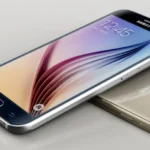
Samsung is perhaps best known for its Galaxy smartphones, which consistently rank among the top-selling mobile devices globally. From the flagship Galaxy S and Note series to the innovative Galaxy Z Fold and Flip, Samsung pushes the envelope in mobile design and technology.
The company leads the Android smartphone market with high-resolution displays, pro-grade cameras, fast processors, and unique features like stylus support and foldable screens. Its One UI interface enhances user experience and reflects Samsung’s focus on seamless functionality and customization.
Samsung's Innovation in Televisions and Smart Appliances
Samsung is also the world’s leading manufacturer of televisions. It pioneered the development of QLED and 8K TVs, offering viewers stunning visuals and immersive audio experiences. Its smart TVs come equipped with intuitive interfaces, voice assistants, and app ecosystems that make streaming and browsing effortless.
In the smart home space, Samsung appliances—like refrigerators, washing machines, and air conditioners—are designed with intelligent technology, connectivity, and energy efficiency in mind. Its SmartThings ecosystem allows users to control and automate their home environments with ease.
Samsung: Strength in Semiconductors and Display Tech
Behind the scenes, Samsung is also a global powerhouse in semiconductors and display panels. It supplies memory chips, OLED displays, and processors not only for its own devices but also for other tech giants, including Apple. This B2B strength gives Samsung massive influence in the global supply chain.
Samsung’s investment in research and development keeps it at the forefront of innovation. Whether it’s 5G technology, artificial intelligence, or eco-friendly manufacturing, Samsung continues to evolve rapidly.
Through a combination of technological leadership, wide-ranging product offerings, and a customer-first approach, Samsung remains one of the most powerful electronics brands shaping the digital future.
- Sources Include / Discover More: Samsung, A South Korean Multinational Manufacturing Conglomerate Headquartered in Seoul
- Also Read: Most Popular AI Tools in the World
#6
Coca-Cola
Key Takeaways for Coca-Cola: The Beverage Titan
Coca-Cola is the world’s most iconic beverage brand, symbolizing refreshment, happiness, and global unity. Founded in 1886, it dominates the soft drink market with timeless products like Coca-Cola Classic, Diet Coke, and Sprite. With operations in more than 200 countries, Coca-Cola’s marketing and brand power remain unmatched.
Key Highlights:
- Available in over 200 global markets.
- World leader in non-alcoholic beverages.
- Iconic brand identity and emotional marketing.
Coca-Cola: A Symbol of Refreshment Worldwide
Coca-Cola is more than just a soft drink—it’s a cultural icon. As the world’s most recognizable beverage brand, Coca-Cola has built an emotional connection with consumers for over 135 years. Available in over 200 countries and consumed more than 1.9 billion times per day, it has achieved true global reach.
Founded in 1886 in Atlanta, Georgia, Coca-Cola became a symbol of refreshment, happiness, and celebration. From its timeless red and white branding to the signature contour bottle, Coca-Cola is instantly recognizable and widely loved across all generations.
Coca-Cola’s Masterclass in Global Marketing
One of Coca-Cola’s greatest strengths is its branding and advertising. Iconic campaigns like “Open Happiness,” “Taste the Feeling,” and the holiday-themed “Share a Coke” have cemented its place in consumer memory. The company expertly blends nostalgia, emotion, and storytelling to create powerful marketing messages that resonate worldwide.
Coca-Cola’s presence at major global sport events—like the Olympics, FIFA World Cup, and Super Bowl—has also contributed to its brand supremacy. Its marketing strategy adapts seamlessly to different cultures and regions, making the product feel both globally unified and locally relevant.
Coca-Cola: Diversification and Product Innovation
While Coca-Cola’s flagship cola remains a top-seller, the company has smartly diversified its portfolio to include over 500 brands. This includes Diet Coke, Coca-Cola Zero Sugar, Sprite, Fanta, Minute Maid, Dasani, Powerade, and Costa Coffee.
In response to growing health consciousness, Coca-Cola has invested heavily in zero-sugar variants, smaller portion sizes, and beverages enriched with vitamins and minerals. It’s also making strides in plant-based drinks, teas, and hydration products to stay relevant in the changing market.
Coca-Cola’s Commitment to Sustainability and Community
Coca-Cola is increasingly focused on sustainability and corporate responsibility. Its “World Without Waste” initiative aims to make all packaging recyclable by 2025 and recover every bottle or can it sells by 2030. The company is also investing in water conservation, renewable energy, and community development programs around the globe.
Coca-Cola’s long-standing success is not just about taste—it’s about consistency, adaptability, and emotional appeal. Whether it’s a family dinner, a party, or a major global celebration, Coca-Cola continues to be the beverage people reach for first.
With unbeatable brand recognition, strategic innovation, and a strong global footprint, Coca-Cola remains the beverage titan of the world.
- Sources Include / Discover More: Coca-Cola, or Coke, A Cola Soft Drink Manufactured by the Coca-Cola Company
- Also Read: Most Popular Fitness Apps in the World
#7
Nike

Key Takeaways for Nike: The Sportswear King
Nike is the global leader in athletic footwear, apparel, and sports innovation. Famous for its “Just Do It” slogan, Nike blends performance technology with bold design and cultural influence. Endorsed by top athletes and icons, the brand drives inspiration and excellence in both sports and lifestyle fashion.
Key Highlights:
- Strong athlete partnerships and sports endorsements.
- Market dominance in footwear and activewear.
- Focused on sustainability and performance innovation.
Nike: Global Icon of Sports and Style
Nike is the most powerful and recognizable sportswear brand in the world. Headquartered in Beaverton, Oregon, Nike dominates the athletic footwear, apparel, and equipment market with a bold blend of innovation, design, and emotional branding. Known for its legendary slogan “Just Do It” and iconic swoosh logo, Nike goes beyond sportswear—it inspires ambition, performance, and self-expression.
With a presence in over 190 countries and billions in annual revenue, Nike has built a loyal global following that spans athletes, fitness enthusiasts, and fashion-conscious consumers alike.
Nike's Athlete Endorsements and Cultural Influence
A major part of Nike’s success lies in its strategic athlete partnerships. From Michael Jordan and Serena Williams to Cristiano Ronaldo and LeBron James, Nike signs top athletes who embody performance and excellence. These endorsements help shape public perception, inspire fans, and create cultural moments that drive global attention.
The Air Jordan line, in particular, revolutionized sports marketing. It became a billion-dollar sub-brand and transformed sneakers into fashion icons, influencing streetwear and pop culture on a massive scale.
Nike's Innovation in Performance and Design
Nike continues to lead in product innovation with advanced technologies like Nike Air, Flyknit, React foam, and Dri-FIT fabric. These enhancements not only improve athletic performance but also offer comfort and style for everyday wear. Nike’s constant R&D investments keep it ahead of competitors in delivering cutting-edge gear that meets the needs of both elite athletes and casual users.
From sustainable shoes made from recycled materials to smart sneakers with self-lacing tech, Nike is constantly reinventing the future of sportswear.
Nike: A Digital Powerhouse and Direct-to-Consumer Leader
Nike has also embraced digital transformation. Through its Nike App, SNKRS platform, and fitness integrations, it offers personalized experiences and exclusive drops that build deeper connections with customers. Its direct-to-consumer model has grown rapidly, increasing both revenue and customer loyalty.
Nike’s social media campaigns and inclusive messaging—often tackling real-world issues like equality, diversity, and mental health—set it apart as a purpose-driven brand.
Whether it’s breaking world records, launching viral sneaker releases, or redefining activewear fashion, Nike’s global influence remains unmatched. With innovation at its core and inspiration as its fuel, Nike continues to run far ahead of the competition as the undisputed sportswear king.
- Sources Include / Discover More: Nike, Inc., An American Athletic Footwear and Apparel Corporation Headquartered Near Beaverton, Oregon
- Also Read: Most Popular Countries in the World
#8
Toyota
Key Takeaways for Toyota: The Reliable Automaker
Toyota is one of the world’s most trusted automotive brands, known for its reliability, fuel efficiency, and hybrid technology leadership. Headquartered in Japan, Toyota produces top-selling vehicles like the Corolla, Camry, and RAV4. Its commitment to safety, quality, and innovation defines the future of mobility.
Key Highlights:
- World’s top-selling car manufacturer.
- Pioneer in hybrid and electric vehicle technology.
- Consistent reputation for durability and safety.
Toyota: World Leader in Automotive Reliability
Toyota is one of the most trusted and respected automotive brands in the world. Headquartered in Toyota City, Japan, the company has earned a reputation for building vehicles that combine quality, durability, and long-term value. With operations in over 170 countries and regions, Toyota’s global reach and manufacturing efficiency have made it a leader in the auto industry for decades.
From compact sedans to SUVs, hybrids, and trucks, Toyota vehicles are known for their fuel efficiency, low maintenance costs, and exceptional safety. The brand’s reputation for reliability is one of its strongest competitive advantages, making it a favorite among families, first-time buyers, and commercial fleets.
Toyota's Pioneering Hybrid Technology
Toyota revolutionized the automotive world with the launch of the Prius in 1997—the world’s first mass-produced hybrid car. This innovation cemented Toyota’s position as a pioneer in eco-friendly transportation. Today, Toyota offers one of the broadest hybrid lineups in the world, including popular models like the Camry Hybrid, Corolla Hybrid, RAV4 Hybrid, and Highlander Hybrid.
The company is also investing heavily in hydrogen fuel cell and battery electric vehicle (EV) technologies. With its commitment to reducing carbon emissions, Toyota is aiming to achieve carbon neutrality across its operations and vehicle lineup by 2050.
Toyota Corolla, Toyota Camry and RAV4: Best-Selling Models and Global Success
Toyota has some of the world’s best-selling and most loved models. The Toyota Corolla, for example, is the best-selling car of all time with over 50 million units sold globally. The Toyota Camry continues to dominate the midsize sedan segment, while the RAV4 is a top choice in the compact SUV market.
Toyota’s global success is built on a philosophy of kaizen—continuous improvement. This approach drives innovation in design, production, and customer experience while maintaining the brand’s legendary standards of quality.
Toyota: Safety, Affordability, and Longevity
One of the key reasons consumers love Toyota is peace of mind. Features like Toyota Safety Sense, a suite of advanced driver-assist technologies, help prevent accidents and protect passengers. Combined with strong resale value and low cost of ownership, Toyota cars offer long-term savings and satisfaction.
With its blend of reliability, innovation, and sustainability, Toyota remains the go-to automaker for millions around the world. Whether for daily commuting or long-distance driving, Toyota delivers performance you can count on—every time.
- Sources Include / Discover More: Toyota Motor Corporation, A Japanese Multinational Automotive Manufacturer Headquartered in Toyota City, Aichi, Japan
- Also Read: Most Popular Online Shopping Sites
#9
Facebook (Meta)

Key Takeaways for Facebook (Meta): The Social Media Dominator
Facebook (Meta) is the world’s largest social media company, connecting over 3 billion users through Facebook, Instagram, WhatsApp, and Messenger. Under the Meta brand, it’s shaping the next generation of online interaction through virtual and augmented reality in the Metaverse.
Key Highlights:
- Dominant social media and messaging ecosystem.
- Innovating through AI, VR, and AR technologies.
- Building the Metaverse for future digital engagement.
Facebook (Meta): Connecting Billions Around the Globe
Facebook, now officially operating under its parent company Meta Platforms Inc., is the most influential social media network in history. With over 3 billion active monthly users, it has redefined how people connect, communicate, and share content. Founded in 2004 by Mark Zuckerberg, Facebook started as a college networking tool and quickly evolved into a global communication powerhouse.
Facebook’s ecosystem now includes Facebook, Instagram, WhatsApp, and Messenger—each with its own massive user base. Together, these platforms dominate the digital landscape, making Meta the central hub for personal interaction, business marketing, and online communities.
Facebook's Social Media Innovation and Engagement
Facebook’s continued success is driven by its constant innovation in social features. From the iconic “Like” button to News Feed personalization and Groups, the platform focuses on keeping users engaged. Features like Facebook Live, Stories, Marketplace, and Reels ensure users stay on the app longer while providing new avenues for content creators and businesses.
The platform also leverages advanced algorithms and artificial intelligence to curate personalized content, showing users the most relevant posts, ads, and interactions based on behavior and interests.
Facebook Business and Facebook Ads: Business Tools and Advertising Power
One of Facebook’s greatest strengths is its advertising infrastructure. With Facebook Ads Manager, businesses—big or small—can reach targeted audiences with precision. The platform’s robust analytics, custom audience creation, and A/B testing features make it a goldmine for digital marketers.
Meta generates billions in ad revenue annually, as companies use its platforms to build brand awareness, drive traffic, and convert leads into customers. Facebook Business Suite offers integrated tools for managing pages, running promotions, and engaging customers all in one place.
Facebook: The Future with the Metaverse and Web3
In 2021, the company rebranded as Meta to reflect its long-term vision of building the Metaverse—a virtual world where people can interact in immersive digital spaces using VR and AR. Through technologies like Oculus headsets and Horizon Worlds, Meta is pioneering the next phase of the internet, known as Web3.
This bold shift signals Meta’s commitment to leading not only social media but also the future of digital interaction, virtual commerce, and immersive experiences.
With unmatched user numbers, continuous innovation, and a bold future vision, Facebook (Meta) remains the dominant force in social media, shaping how the world stays connected every day.
- Sources Include / Discover More: Facebook, An American Made Social Networking Service Owned by the American Technology Conglomerate Meta
- Also Read: Most Popular Smartphone Brands
#10
McDonald’s
Key Takeaways for McDonald’s: The Fast-Food Legend
McDonald’s is the most recognizable fast food brand in the world, serving affordable and consistent meals across 40,000+ locations. Known for the Big Mac, fries, and golden arches, McDonald’s combines global scale with local adaptation to satisfy diverse tastes.
Key Highlights:
- Operates in over 100 countries worldwide.
- Focused on speed, convenience, and affordability.
- Leader in digital ordering and sustainable packaging.
McDonald’s: The Golden Arches Known Around the World
McDonald’s is the undisputed leader in the global fast food industry. With its iconic golden arches and famous menu, McDonald’s has become a symbol of consistency, convenience, and affordability. Founded in 1940 in San Bernardino, California, McDonald’s now operates over 40,000 restaurants in more than 100 countries, serving nearly 70 million customers every day.
Whether you’re in New York, Tokyo, or Paris, walking into a McDonald’s offers a familiar experience. This global consistency has made it one of the most recognized and trusted restaurant brands in the world.
McDonald’s: Affordable Food with Fast Service
What sets McDonald’s apart is its ability to serve quality meals quickly and at low prices. The brand’s core menu—featuring staples like the Big Mac, McChicken, French fries, and McFlurry—is beloved by people of all ages. The introduction of all-day breakfast, value menus, and regional items tailored to local tastes helps McDonald’s cater to diverse markets.
Speed, convenience, and affordability are central to McDonald’s appeal. Drive-thru lanes, mobile ordering, and self-service kiosks have enhanced the customer experience and shortened wait times.
McDonald’s Innovation and Digital Transformation
While known for tradition, McDonald’s is also embracing innovation. Through its mobile app and digital loyalty programs, the company offers personalized deals, rewards, and contactless payments. McDelivery, in partnership with services like Uber Eats and DoorDash, has made getting your favorite meal easier than ever.
The brand is also investing in AI and machine learning to optimize order-taking, kitchen operations, and customer recommendations. Smart drive-thrus and automated systems are being rolled out across markets to enhance service speed and accuracy.
McDonald’s Global Adaptation and Cultural Reach
A key to McDonald’s global success is localization. Menus vary by country—serving McAloo Tikki in India, Teriyaki Burgers in Japan, and Poutine in Canada. This adaptability keeps McDonald’s culturally relevant while still delivering the signature experience.
McDonald’s also maintains a strong presence in pop culture, from movie references to high-profile celebrity meal collaborations. Its influence stretches far beyond food—it’s a brand that’s become part of everyday life.
By blending affordability, innovation, and cultural flexibility, McDonald’s remains the world’s favorite fast food brand. With its iconic status and forward-looking strategies, the fast food giant continues to shape the future of quick-service dining globally.
- Sources Include / Discover More: McDonald’s, An American Multinational Fast Food Restaurant Chain
- Also Read: Most Popular Hobbies in the World
Key FAQs on the 10 Most Popular Brands in the World
Why is Apple considered the most popular brand in the world?
Apple is widely regarded as the world’s most popular and valuable brand, consistently ranking #1 in global brand valuation reports by Interbrand and Brand Finance. Its success is driven by premium design, ecosystem integration, and industry-leading products such as the iPhone, MacBook, and Apple Watch.
With over one billion active iPhone users worldwide and unmatched customer loyalty, Apple combines hardware, software, and services into a seamless experience. This strategy has positioned Apple as a dominant force in global consumer technology and digital innovation.
What makes Amazon one of the most successful brands globally?
Amazon is one of the world’s most successful brands due to its dominance in e-commerce, cloud computing, and logistics. Serving hundreds of millions of customers globally, Amazon combines fast delivery, vast product selection, and customer-first innovation.
Amazon Web Services (AWS) leads the global cloud market, powering businesses worldwide. According to Statista and company reports, Amazon’s scale, Prime ecosystem, and logistics infrastructure make it one of the most trusted and influential global brands.
Why does Google remain the most popular search engine in the world?
Google remains the world’s most popular search engine, handling over 90% of global search queries according to StatCounter data. Its speed, relevance, and advanced algorithms make it the default gateway to information worldwide.
Beyond search, Google powers digital life through YouTube, Android, Google Maps, and AI-driven services. This ecosystem dominance positions Google as a foundational brand in global technology, online advertising, and digital innovation.
How has Microsoft maintained its leadership in the technology industry?
Microsoft has maintained global leadership by evolving from a software company into a cloud and AI powerhouse. Products like Windows, Office 365, and Azure remain core tools for businesses and individuals worldwide.
Azure is now one of the top cloud platforms globally, while Microsoft’s AI integration across productivity tools strengthens its enterprise dominance. According to Brand Finance, Microsoft consistently ranks among the world’s most valuable and trusted brands.
What makes Samsung one of the most popular electronics brands?
Samsung is one of the most popular electronics brands due to its innovation across smartphones, semiconductors, displays, and home appliances. The Galaxy smartphone series consistently ranks among the world’s top-selling devices.
Samsung also leads global chip manufacturing and display technology, supplying components to multiple tech giants. According to industry reports, this diversified innovation strategy makes Samsung a cornerstone of the global consumer electronics market.
Why is Coca-Cola one of the most recognized brands worldwide?
Coca-Cola is one of the most recognized brands in the world, available in more than 200 countries and consumed billions of times daily. Its signature taste, red branding, and emotional marketing campaigns drive global appeal.
The Coca-Cola Company’s diverse beverage portfolio, including Sprite and Fanta, reinforces its dominance. Brand Finance consistently ranks Coca-Cola among the strongest global consumer brands.
How has Nike become the world’s top sportswear brand?
Nike became the world’s top sportswear brand through performance innovation, iconic branding, and elite athlete endorsements. Its footwear and apparel dominate both professional sports and everyday fashion.
Products like Air Jordan and Nike Air Max, combined with digital fitness platforms, reinforce loyalty. According to Statista, Nike leads global sportswear market share, making it a cultural and commercial powerhouse.
Why is Toyota considered one of the most reliable car brands?
Toyota is considered one of the most reliable car brands due to its engineering discipline, quality control, and long vehicle lifespans. Models like Corolla, Camry, and Prius consistently score high in reliability studies.
Toyota also pioneered hybrid technology, shaping sustainable mobility. According to Consumer Reports and industry data, Toyota remains a global benchmark for automotive durability and trust.
What makes Facebook (Meta) one of the most influential tech brands?
Facebook (Meta) is one of the most influential tech brands, connecting over 3 billion users monthly across Facebook, Instagram, and WhatsApp. It shapes global communication, digital advertising, and social interaction.
Meta’s investments in AI, virtual reality, and the Metaverse position it at the forefront of future digital experiences. Industry analysts consistently rank Meta among the most impactful global technology companies.
Why is McDonald’s the most popular fast food brand in the world?
McDonald’s is the world’s most popular fast food brand, operating over 40,000 restaurants across more than 100 countries. Its success comes from affordability, operational efficiency, and consistent menu offerings.
Iconic items like the Big Mac, combined with digital ordering and localization strategies, strengthen global appeal. According to industry data, McDonald’s leads the quick-service restaurant sector worldwide.
How These Brands Maintain Their Popularity
Emotional Branding
These brands master the art of emotional connection. Apple inspires creativity. Nike fuels ambition. Coca-Cola sells happiness in a bottle.
Innovation and Customer Focus
They don’t just react to trends—they set them. Constant upgrades, tailored services, and tech integration keep customers coming back.
Future of Global Brand Popularity
Emerging Challengers
New players like Tesla, TikTok, and Shein are rising rapidly. While they’re not yet in the top 10, their disruptive models could shake the future of global branding.
Sustainability as a Brand Value
Consumers today care about eco-consciousness. Brands like Apple, Toyota, and Coca-Cola are investing heavily in green practices to stay loved and relevant.
Final Thoughts
Becoming one of the most popular brands in the world is not a matter of luck—it’s the result of decades of innovation, trust-building, and visionary leadership. The top 10 global brands—Apple, Amazon, Google, Microsoft, Samsung, Coca-Cola, Nike, Toyota, Facebook (Meta), and McDonald’s—have each mastered the art of combining technology, creativity, and emotional connection to dominate their industries.
These powerhouse companies continue to influence the way the world shops, communicates, eats, drives, and interacts. Their success lies in brand consistency, customer loyalty, and an unwavering focus on delivering quality and value. From Apple’s design-driven ecosystem to Toyota’s reliability and Coca-Cola’s emotional storytelling, each brand represents excellence and global recognition.
As digital transformation, sustainability, and artificial intelligence reshape global business, new challengers may rise—but these top brands have built legacies that go far beyond market trends. They’ve become symbols of progress, trust, and cultural relevance.
In an ever-changing marketplace, these top 10 most popular global brands remain the gold standard of success—continuing to inspire millions while redefining what it means to be truly world-class in brand reputation, customer experience, and innovation.
The 10 Most Popular Brands Frequently Asked Questions (FAQs)
Apple currently ranks as the world’s most popular brand, recognized for its innovation, design, and massive global following.
Brand popularity is typically measured using brand value, global reach, consumer trust, market share, social media presence, and financial performance.
Not always. While many top brands maintain high quality, popularity can also stem from strong marketing, accessibility, and emotional connection.
Tesla, TikTok, Shein, and Netflix are strong contenders due to their rapid growth, innovation, and strong global appeal.
By embracing innovation, listening to customer feedback, adopting sustainability, and maintaining authentic, meaningful marketing strategies.
Yes, brands like Coca‑Cola, Nike, and McDonald’s maintain global consistency while also offering localized products and campaigns.
The list is updated annually to reflect changes in brand value, recognition, consumer sentiment, and market dynamics.
About the Author
This article was researched and prepared by the World Millions Editorial Team, specialists in global rankings, premium market analysis, structured comparisons, and high-value sector research across industries.
All content undergoes verification, editorial review, and periodic updates to ensure accuracy, clarity, and alignment with recognized industry standards, reliable institutional sources, and leading global authorities.
- Last Updated: March 27, 2026 by the World Millions Editorial Team
- Original Published Date: March 27, 2026
- View Our: Editorial Team | Sources | Disclaimer | Editorial Standards