- Home
- »
- World’s Most Popular
- »
- 10 Most Popular Board Games in the World
10 Most Popular Board Games
in the World
The most popular board games in the world represent the perfect blend of strategy, creativity, and timeless entertainment. From ancient classics that sharpen the mind to modern tabletop favorites enjoyed by families and competitive players alike, these games have shaped global gaming culture for centuries.
Discover the 10 Most Popular Board Games in the World, ranked by historical significance, worldwide player base, and cultural impact. From legendary strategy games like Chess and Checkers to modern hits such as Catan and Ticket to Ride, these iconic board games continue to bring millions of players together across generations.
On This Page
Toggle- Updated 2026 by the World Millions Editorial Team: View Author Information
The Timeless Charm of Board Games
Board games are more than just a way to kill time—they’re a universal language of fun, challenge, and bonding. Whether it’s an intense match of Chess or a chaotic game of Monopoly, board games bring people together across ages and cultures. They’re the great equalizer—no matter where you’re from or how old you are, the board is always a level playing field.
Why Board Games Are More Popular Than Ever
In the era of smartphones and streaming, you’d think board games would be a relic of the past. Think again! Board game cafés are booming, new titles are breaking Kickstarter records, and even families are choosing game nights over Netflix. Board games have made a thunderous comeback—and they’re here to stay.
The Evolution of Board Games
From Ancient Egypt to Modern Living Rooms
Did you know that board games date back over 5,000 years? Games like Senet were played by the pharaohs of Egypt. Fast-forward to today, and we’ve got 3D boards, apps to track scores, and competitive world championships.
The Digital Renaissance of Tabletop Games
Modern board games now come with mobile companion apps, digital versions, and online multiplayer modes. They’ve evolved into hybrid experiences, combining the best of analog and digital worlds.
How We Ranked the Most Popular Board Games
Metrics Used: Sales, Influence, and Popularity
We looked at:
- Global sales (units and revenue)
- Number of editions and translations
- Player base and community support
- Cultural impact and historical significance
Global Community & Legacy Value
Some games didn’t just entertain—they built communities and became part of global culture. That’s the kind of impact we factored into our rankings.
List of the Top 10 Most Popular Board Games in the World
Discover the Top 10 Most Popular Board Games in the World — from timeless classics like Chess and Monopoly to modern icons like Catan and Ticket to Ride, ranked by players, strategy, and global appeal.
Board games have transcended generations, cultures, and continents — uniting families, friends, and even rivals in the spirit of competition, creativity, and strategy. From ancient masterpieces like Chess and Checkers to contemporary favorites like Catan and Ticket to Ride, these games have captured hearts and minds across the globe. The following list reveals the 10 Most Popular Board Games in the World, ranked by their global player base, longevity, and cultural impact.
Each of these iconic titles offers something unique — whether it’s the intellectual depth of Chess, the wordplay brilliance of Scrabble, the financial thrill of Monopoly, or the colorful chaos of Uno. Collectively, they’ve sold billions of copies, inspired digital versions, and established competitive communities that span every corner of the planet.
In this curated table, you’ll find essential details about each game — including release year, estimated global players, and their key standout features. Whether you’re a casual player, a collector, or a strategy enthusiast, these board games represent the very best of interactive entertainment and human ingenuity.
| No. | Board Game | Release Year | Estimated Players Worldwide | Key Feature |
|---|---|---|---|---|
| 1 | Chess | 6th Century | >600 Million | Deep strategy and history |
| 2 | Monopoly | 1935 | >500 Million | Real estate trading and auctions |
| 3 | Scrabble | 1938 | >150 Million | Word creation with letter tiles |
| 4 | Catan | 1995 | >35 Million | Resource trading and building |
| 5 | Risk | 1957 | >100 Million | World conquest strategy |
| 6 | Clue (Cluedo) | 1949 | >120 Million | Murder mystery deduction |
| 7 | Ticket to Ride | 2004 | >12 Million | Route-building with trains |
| 8 | Battleship | 1931 (Modern: 1967) | >100 Million | Grid-based naval combat |
| 9 | Checkers | 3000 BC | >300 Million | Simple tactics, broad appeal |
| 10 | Uno | 1971 | >500 Million | Color-matching card chaos |
Discover the 10 Most Popular Board Games in the World
Discover the 10 Most Popular Board Games in the World that continue to entertain families, friends, and strategy lovers across every generation. These globally beloved board games are more than just pastimes — they encourage problem-solving, strategic thinking, creativity, and quality time away from screens.
From the timeless strategy of Chess and the competitive fun of Monopoly, to the linguistic challenge of Scrabble and the immersive world-building of Catan, this complete guide highlights board games that have shaped play culture worldwide. Whether you’re hosting a game night or exploring classic entertainment, these top board games deliver unforgettable experiences.
#1
Chess
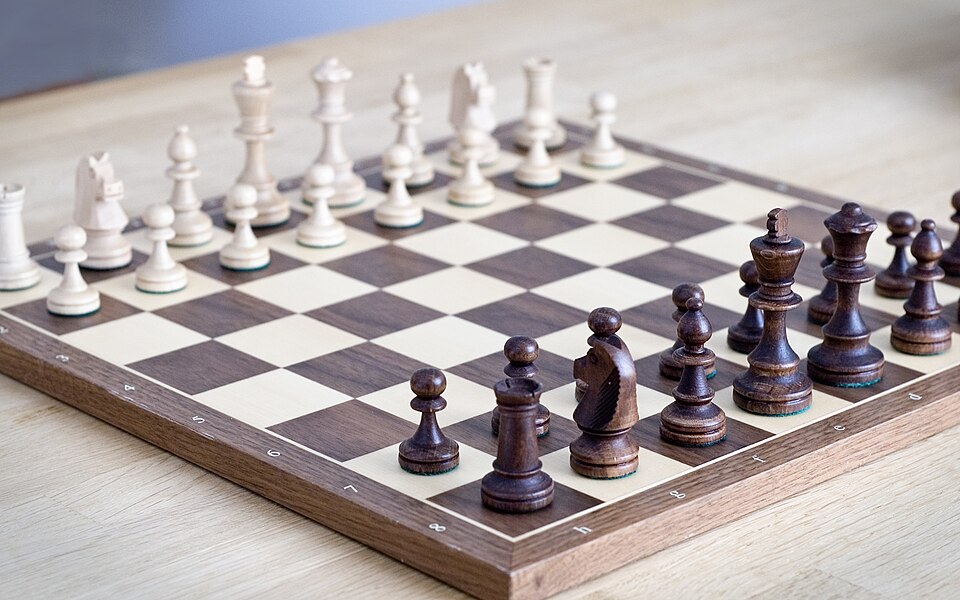
Key Takeaways for Chess: The Ultimate Strategy Board Game
Chess is undeniably one of the most iconic and intellectually stimulating board games in the world. Played by millions of enthusiasts and grandmasters alike, it’s a timeless duel of strategy, patience, and critical thinking.
With origins dating back over a thousand years, Chess has stood the test of time and is still a staple in both casual and professional gaming.
Its global tournaments, classic black-and-white board design, and endless tactical depth make Chess not just a game—but a lifelong pursuit of mastery.
Chess: A Timeless Game of Strategy and Global Dominance
Chess is undeniably one of the most popular board games in the world, with an enduring legacy that spans centuries, continents, and cultures. Recognized not only as a game but as a sport and intellectual pursuit, Chess has captivated players of all ages with its depth, strategy, and prestige. It’s a game that’s easy to learn but nearly impossible to master, making it an ideal choice for beginners and grandmasters alike.
The Origins and Global Spread of Chess
Chess originated in northern India around the 6th century as a game called Chaturanga. It spread through Persia and the Islamic world before reaching Europe, where it evolved into the modern game we know today. The universal appeal of Chess has helped it become a staple in households, schools, and competitive arenas across over 180 countries.
The rise of digital platforms like Chess.com and Lichess has made Chess more accessible than ever. With millions of daily players and streamers popularizing the game on platforms like Twitch and YouTube, Chess has seen a massive resurgence, especially among younger audiences.
Why Chess is One of the Most Played Board Games
One of the biggest reasons why Chess ranks as the most played board game in the world is its emphasis on strategy, logic, and critical thinking. Every match is a mental battle, where players must anticipate their opponent’s moves, plan multiple steps ahead, and adapt on the fly. Chess isn’t just a pastime—it’s a brain workout.
The game is played on an 8×8 checkered board with 16 pieces per side, each having its own rules of movement. From the mighty Queen to the humble Pawn, every piece plays a crucial role in shaping your strategy and achieving checkmate. Whether you’re playing a fast-paced blitz game or a classic 60-minute battle, Chess tests your patience, precision, and planning skills.
Chess in Pop Culture and Education
Chess is also deeply embedded in education and culture. Schools use it to teach focus, decision-making, and problem-solving. Pop culture hits like The Queen’s Gambit have propelled the game into mainstream conversations, further solidifying its popularity.
In the world of board games, Chess reigns supreme—a true global icon of strategic gameplay.
- Sources Include / Discover More: Chess, A Board Game for Two Players, Played on a Square Board Consisting of 64 Squares Arranged in an 8×8 Grid
- Also Read: Most Popular Hobbies in the World
#2
Monopoly
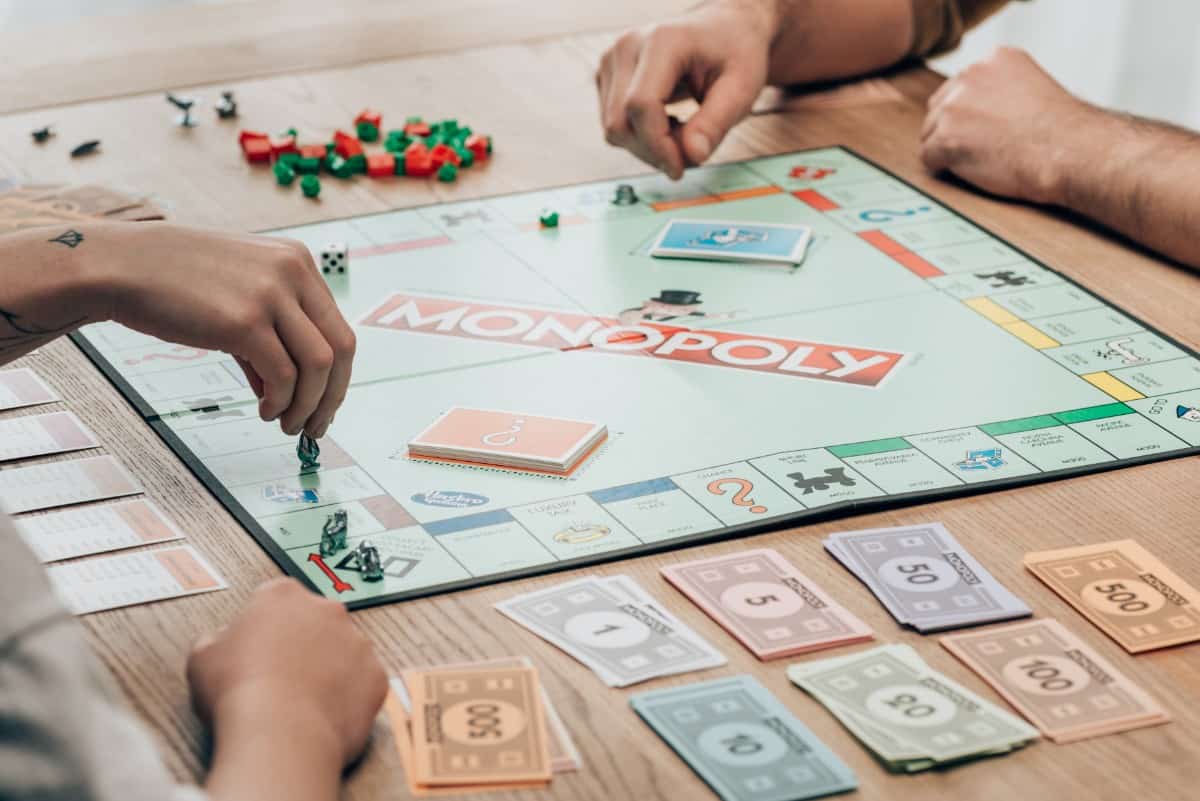
Key Takeaways for Monopoly: The King of Family Board Games
Monopoly is the classic real estate and negotiation board game that has been bringing families together—and tearing them apart—for generations. With its simple rules and addictive gameplay, players buy, sell, and develop properties in a race to bankrupt opponents.
Known for its colorful board and iconic tokens, Monopoly has sold over 275 million copies globally. Its countless special editions and pop culture themes make it a permanent fixture on the list of the most popular board games in the world.
Monopoly: The Iconic Property Trading Board Game Loved Worldwide
Monopoly is easily one of the most popular board games in the world and has been a staple of family game nights for generations. Created during the Great Depression in the early 20th century, Monopoly offers a unique blend of real estate strategy, luck, and negotiation. It simulates the experience of buying properties, collecting rent, and managing money—all wrapped up in an exciting, competitive format that appeals to players of all ages.
Why Monopoly Is One of the Best-Selling Board Games Ever
Monopoly’s global success can be attributed to its fun, fast-paced gameplay and wide accessibility. The rules are simple enough for children to grasp yet deep enough to allow for cutthroat strategies. Players compete to become the wealthiest tycoon by purchasing properties, building houses and hotels, and bankrupting their opponents through smart investments and shrewd trades.
The game is played on a square board featuring 40 spaces including properties, railroads, utilities, and community spots. Using dice, players navigate the board, earn income, and make strategic decisions that shape the course of the game. The thrill of collecting a complete color set and building your first hotel is unmatched in any other board game.
Monopoly's Endless Variations and Cultural Adaptations
One of Monopoly’s greatest strengths is its adaptability. The classic version is set in Atlantic City, but there are thousands of themed editions based on cities, countries, movies, sports, and even video games. From Monopoly: Star Wars Edition to Monopoly: Fortnite, every variation adds a fresh twist to the timeless gameplay.
This customization has allowed Monopoly to maintain relevance across generations and regions. Whether you’re playing Monopoly United States Edition or Monopoly for Millennials, there’s a version out there for everyone.
Monopoly as a Teaching Tool
Beyond entertainment, Monopoly serves as a practical teaching tool. It introduces young players to the basics of financial literacy, including budgeting, investing, and negotiating. Parents and educators often use Monopoly to make money management more engaging and relatable.
Monopoly’s blend of strategy, economics, and fun has made it a board game icon. With more than 1 billion players worldwide and over 100 different editions, Monopoly continues to dominate tabletops and maintain its title as one of the top board games in the world.
- Sources Include / Discover More: Monopoly, A Multiplayer Economics-Themed Board Game for Two to Eight Players
- Also Read: Most Popular Search Engines
#3
Scrabble
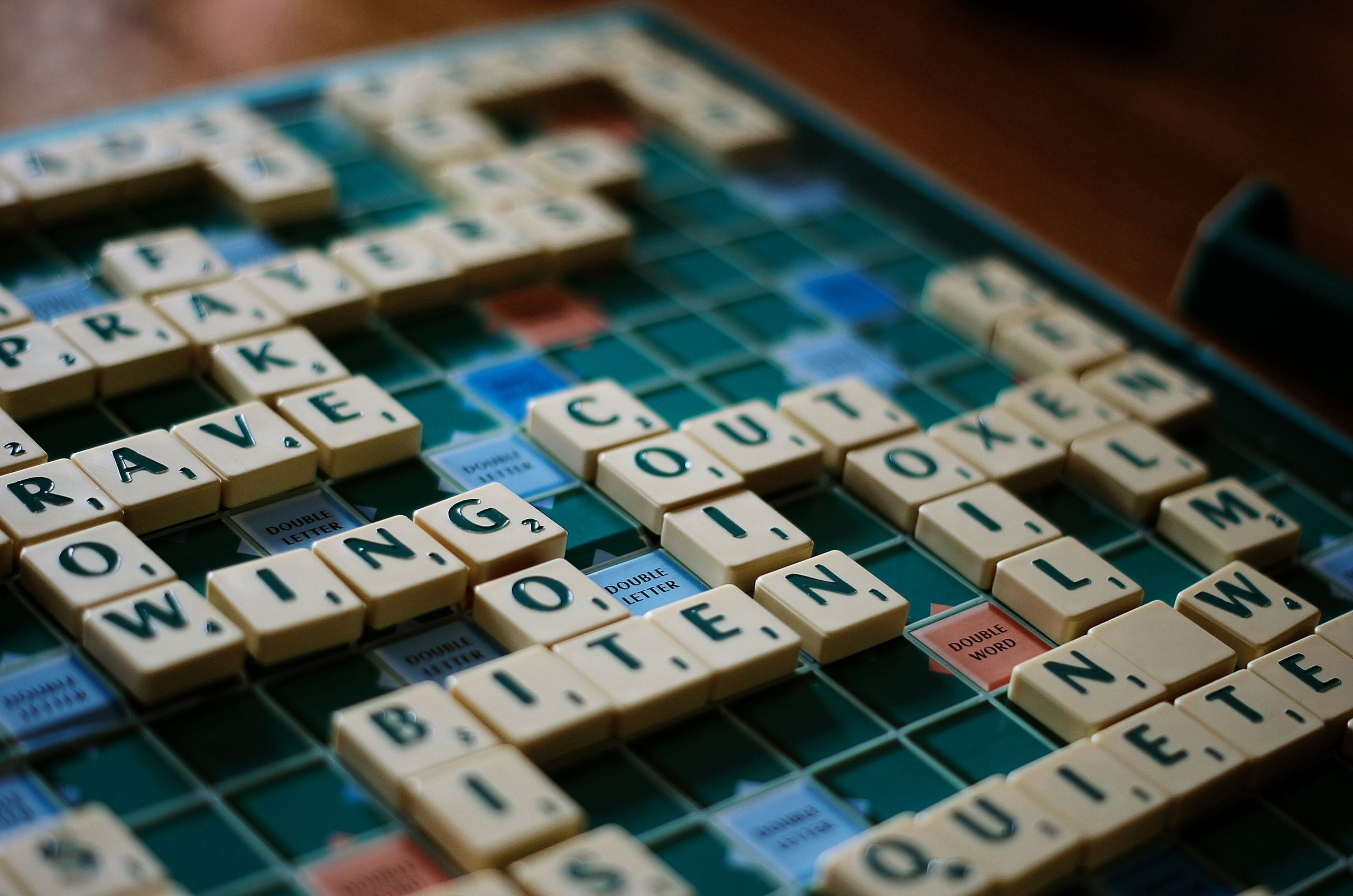
Key Takeaways for Scrabble: The Best Word Board Game for Language Lovers
For word game lovers, Scrabble is the gold standard. This crossword-style board game challenges players to create high-scoring words from randomly drawn letter tiles.
Combining strategy, vocabulary, and a bit of luck, Scrabble has become a beloved educational tool and a competitive sensation.
With over 150 million sets sold worldwide and official tournaments held globally, it’s no surprise Scrabble is one of the top-ranking board games across the planet.
Scrabble: The Ultimate Word Board Game for Language Lovers
Scrabble is one of the most popular board games in the world, especially among word lovers, students, and families who enjoy combining fun with learning. First released in 1938 by Alfred Butts, Scrabble has sold over 150 million copies globally and is available in 120+ countries and 30+ languages. It’s a game where spelling skills meet strategy, making it both intellectually stimulating and socially engaging.
How Scrabble Works and Why It’s So Addictive
The objective of Scrabble is simple—use letter tiles to form words on the board and score as many points as possible. Each tile has a point value, and bonus squares on the board—such as double word or triple letter—can greatly increase your score. The game rewards not only vocabulary but also tactical placement and tile management.
What makes Scrabble stand out from other board games is its perfect blend of language skills and game mechanics. Whether you’re a beginner playing for fun or a seasoned player using advanced strategies like “bingos” (using all seven tiles in one go), the game remains fresh every time. With 225 squares and only 100 tiles, every decision counts, adding excitement and challenge to each turn.
Scrabble's Educational Value and Family Appeal
Scrabble is widely used as a learning tool in homes and classrooms. It enhances spelling, vocabulary, and even arithmetic skills as players calculate word scores. Many educators recommend Scrabble to help students develop better language skills and cognitive abilities.
This board game’s educational aspect is a major reason for its ongoing popularity. Parents often encourage children to play Scrabble to improve their command of language while having fun—a win-win for learning and bonding.
Scrabble GO and Words With Friends: Digital Versions and Competitive Tournaments
In the digital age, Scrabble has expanded beyond the traditional board. Online versions like Scrabble GO and Words With Friends have introduced the game to new audiences, especially younger players who prefer mobile gaming. These apps have millions of users and offer live games, practice modes, and global rankings.
Scrabble is also played competitively in official tournaments, including national championships and even world-level competitions. For those who love words and thrive on competition, Scrabble offers endless possibilities for mastery.
Scrabble’s global reach, educational benefits, and timeless appeal firmly establish it as one of the most beloved board games in the world.
- Sources Include / Discover More: Scrabble, Board-and-Tile Game in Which Two to Four Players Score Points by Placing Lettered Tiles on a 225-Square Board
- Also Read: Most Popular Cocktails in the World
#4
Catan
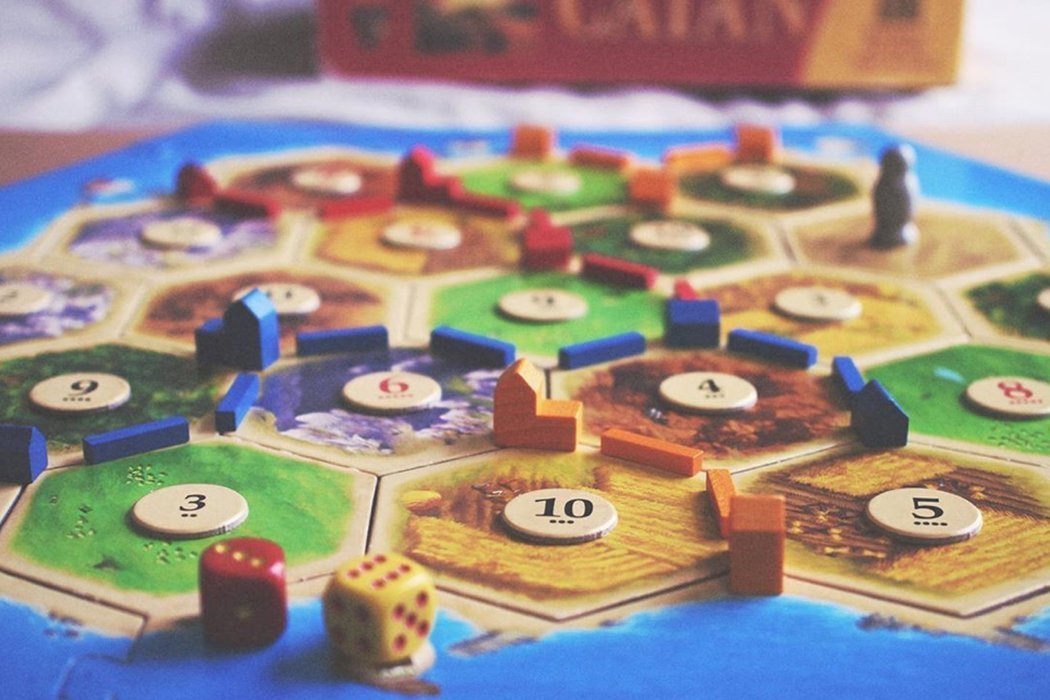
Key Takeaways for Catan: The Game That Changed Modern Board Gaming
Catan, formerly known as The Settlers of Catan, revolutionized modern board gaming when it debuted in 1995. With its focus on resource gathering, trading, and road-building, it introduced a fresh style of gameplay that appeals to both casual and hardcore gamers.
Players must balance cooperation with competition, making every match uniquely interactive. With millions of copies sold and dozens of expansions, Catan remains a standout title among the best modern board games in the world.
Catan: The Revolutionary Resource Management Board Game
Catan, formerly known as The Settlers of Catan, is one of the most popular modern board games in the world. It sparked a renaissance in tabletop gaming and introduced millions of players to a new era of strategic, immersive gameplay. Released in 1995 by German designer Klaus Teuber, Catan has sold over 35 million copies globally and is available in over 40 languages. For anyone entering the world of hobby board games, Catan is often the first stop.
How Catan Works – A Strategic Race to Settle and Expand
Catan is a game for 3 to 4 players (expandable to 6) where players settle on an island made up of hexagonal tiles, each representing resources like wood, brick, wheat, sheep, and ore. The objective is to be the first to reach 10 victory points by building settlements, cities, and roads, and by acquiring development cards.
Each turn, players roll dice to produce resources, which they then trade and spend strategically. The genius of Catan lies in its resource trading system, where negotiation and timing are as critical as placement and production. With a modular board that changes every game, no two sessions of Catan are ever the same.
Catan's Global Popularity and Competitive Scene
Catan’s mix of strategic depth and social interaction is what made it a global success. Unlike traditional board games where luck dominates, Catan rewards planning, diplomacy, and adaptability. It’s the perfect balance of randomness (dice rolls) and strategy (settlement placement and trading).
Today, Catan is more than a game—it’s a brand. With multiple expansions like Cities & Knights and Seafarers, spin-offs, a mobile app, and even an online multiplayer platform, the Catan universe continues to expand. The Catan World Championship is held every two years, drawing top players from across the globe.
Why Catan Remains a Must-Play Board Game
Catan is often credited with changing the board game industry forever. Its popularity helped mainstream the concept of Eurogames—strategy-based, low-luck, player-interaction games. It brought gamers together around tables and revived interest in physical board gaming during a digital era.
Whether you’re playing casually with friends or climbing competitive ladders, Catan delivers a rewarding experience that keeps players coming back. It’s a modern classic, and a must-play for anyone interested in the best board games of all time.
- Sources Include / Discover More: Catan, Previously Known as The Settlers of Catan or Simply Settlers, is a Multiplayer Board Game Designed by Klaus Teuber
- Also Read: Most Popular Airlines in the World
#5
Risk
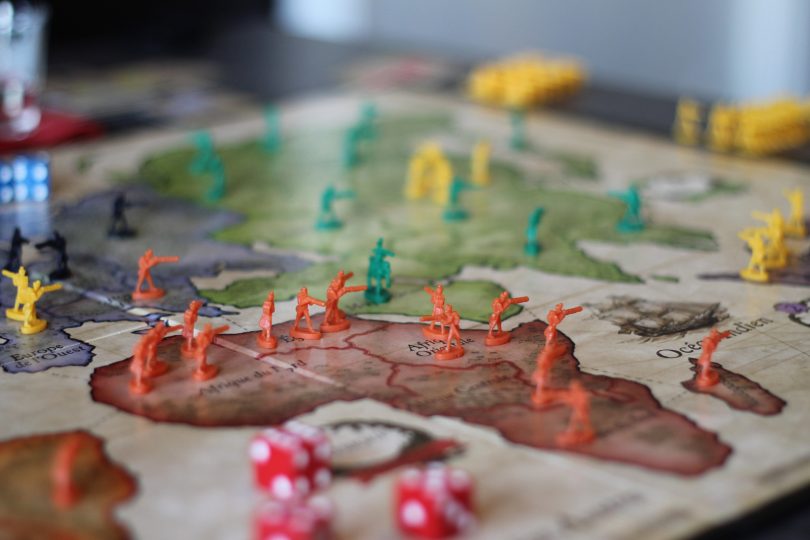
Key Takeaways for Risk: The Most Popular War Strategy Game
Risk is the ultimate game of global conquest and military strategy. Players compete to control the world by commanding armies, forming alliances, and launching calculated invasions. Known for its iconic world map board and intense gameplay, Risk has been a classic favorite since 1957.
It teaches diplomacy, long-term planning, and bold decision-making—making it a go-to for those who enjoy deep strategy and the thrill of taking over territories.
Risk: The Legendary Game of Global Conquest and Strategy
Risk is one of the most iconic and popular board games in the world, especially loved by fans of military tactics, diplomacy, and world domination. First introduced in 1957 by French filmmaker Albert Lamorisse, Risk quickly became a global phenomenon and a staple in competitive strategy gaming. Its simple rules combined with deep gameplay make it a timeless classic that continues to captivate new generations of players.
How Risk Works – A Strategic Battle for World Control
Risk is typically played by 2 to 6 players, each vying to control territories on a world map divided into 42 regions. Players take turns attacking, defending, reinforcing, and forming strategic alliances to eliminate rivals and take over the entire map. The game uses dice-based combat mechanics, where risk-taking and calculated aggression are essential for victory.
Each turn is divided into phases: drafting armies, attacking, and fortifying positions. The dice rolls add a layer of unpredictability, but smart troop placement and long-term planning often determine the winner. The thrill of launching a major offensive or fending off a surprise ambush makes every session of Risk unforgettable.
The Appeal of Risk and Its Competitive Depth
One of the reasons Risk remains one of the most played board games in the world is its high replayability. Every game unfolds differently depending on player decisions, dice rolls, and unexpected alliances. It combines the thrill of war with diplomacy and negotiation, often making it as much a social game as a tactical one.
Risk also teaches valuable skills such as decision-making under pressure, resource management, and understanding probabilities. Whether you’re making a last-ditch defense in Europe or launching a full-scale invasion from Australia, every move carries weight and consequences.
Risk in Pop Culture and Variants
Risk has seen numerous themed editions over the years, including Risk: Game of Thrones, Risk: Star Wars, and Risk: Legacy. These versions keep the game fresh and appeal to fans of different franchises while staying true to the core mechanics.
Risk’s influence extends beyond the board game world—it’s featured in movies, TV shows, and even academic studies on game theory and international relations. Its cultural relevance and strategic depth make Risk a must-have for any serious board game collection.
If you’re looking for a game that challenges your tactical mind and social savvy, Risk offers an epic battlefield experience like no other.
- Sources Include / Discover More: Risk, The Goal is Conquest of the World. Players Build an Army and Lead their Troops to Glory
- Also Read: Most Popular Private Jet Charters
#6
Clue (Cluedo)
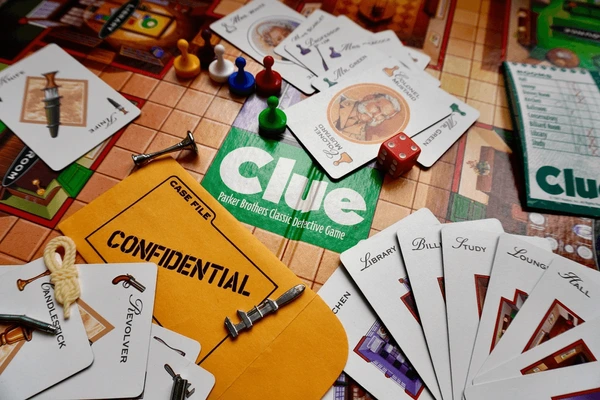
Key Takeaways for Clue (Cluedo): The Classic Murder Mystery Board Game
Clue, also known as Cluedo in some regions, is the quintessential murder mystery board game. Players take on the roles of suspects in a classic whodunit scenario, racing to deduce who committed the crime, with what weapon, and in which room.
With suspenseful turns and deductive reasoning at its core, Clue provides endless fun and intrigue for mystery lovers of all ages. It’s an evergreen hit in the world of family-friendly board games.
Clue (Cluedo): The Ultimate Murder Mystery Board Game
Clue—originally known as Cluedo in the UK—is one of the most popular detective-themed board games in the world. First released in 1949 by British designer Anthony E. Pratt, Clue has become a classic whodunit game that blends mystery, deduction, and suspense in every playthrough. With millions of copies sold and countless adaptations in film and pop culture, Clue is a staple for mystery lovers everywhere.
How Clue (Cluedo) Works – Solve the Crime Before Anyone Else
In Clue, 3 to 6 players enter a mansion where a murder has occurred. Their objective? Solve the case by determining who committed the murder, with what weapon, and in which room. Players move from room to room collecting clues, interrogating suspects, and narrowing down the possibilities using logical deduction.
Each game begins with three solution cards (one suspect, one weapon, and one room) secretly placed in an envelope. The remaining cards are distributed among players. Using a process of elimination and smart questioning, players work to deduce the hidden combination before their opponents do.
The list of classic suspects—Miss Scarlet, Colonel Mustard, Mrs. Peacock, and others—combined with the mansion’s detailed layout, creates an immersive atmosphere where every move could reveal the key to solving the mystery.
Why Clue is One of the Most Played Board Games Worldwide
What sets Clue apart is its emphasis on logic, deduction, and strategy rather than chance. Every player must think like a detective, analyze clues, and anticipate others’ moves. It’s a perfect board game for families, parties, and anyone who loves a cerebral challenge wrapped in thrilling suspense.
Clue also offers high replay value thanks to the random selection of suspects, weapons, and rooms for each game. No two games are ever the same, which keeps players engaged and eager for rematches.
Clue Variants and Cultural Impact
Clue has been reimagined in countless forms, including Clue: Harry Potter Edition, Clue: Sherlock Holmes, and Clue: Game of Thrones. These versions maintain the core gameplay while introducing unique themes and mechanics.
The game even inspired a cult-classic movie (Clue, 1985) and continues to be referenced in popular media. Its mix of storytelling, strategy, and fun makes Clue a timeless favorite in the world of board games.
- Sources Include / Discover More: Clue, Also known as Cluedo, A Murder Mystery Game for Three to Six Players that was Devised in 1943 by Anthony E. Pratt
- Also Read: Most Popular Job Portals and Recruitment
#7
Ticket to Ride
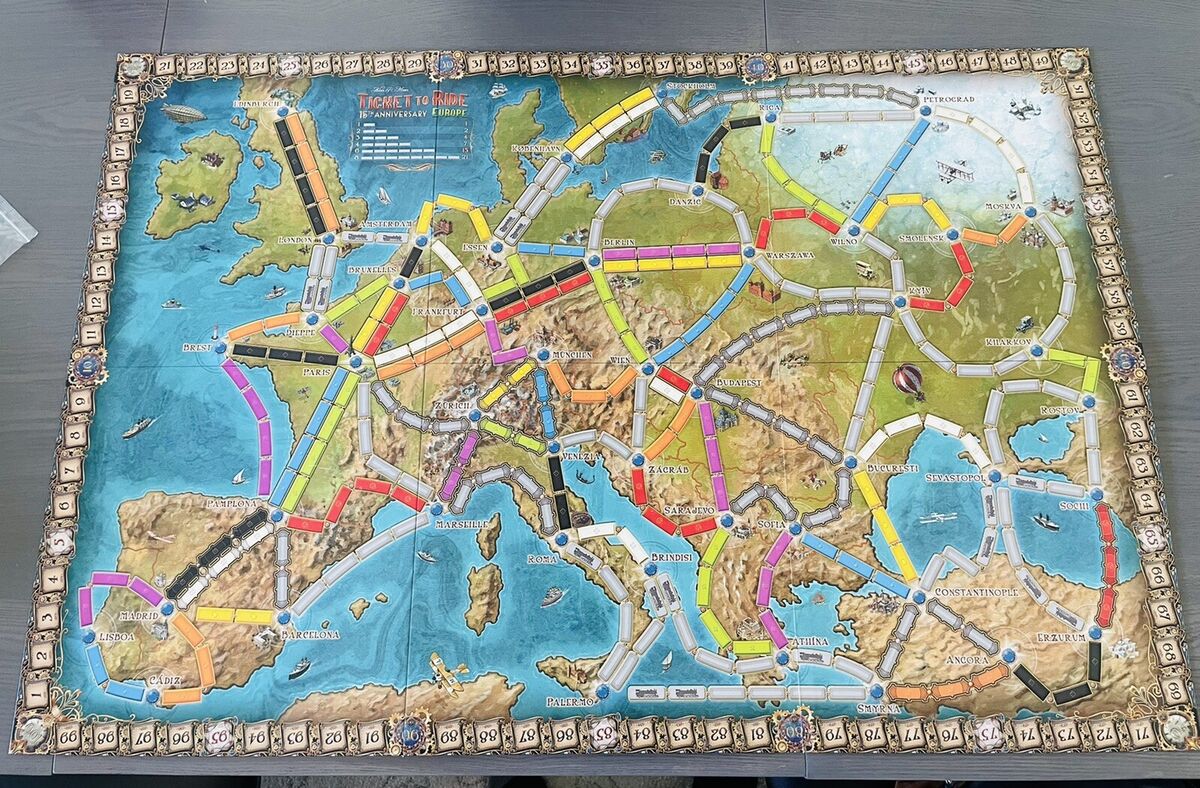
Key Takeaways for Ticket to Ride: The Best Travel-Themed Board Game
Ticket to Ride is a beautifully designed board game that lets players travel the world—by train. It challenges you to build routes, connect cities, and outsmart your opponents in a race to complete destination tickets.
With its easy-to-learn mechanics and rewarding strategic depth, Ticket to Ride is perfect for newcomers and veteran gamers alike.
It has sold millions of copies and comes in multiple editions based on different countries and continents, keeping gameplay fresh and exciting.
Ticket to Ride: The Beloved Railway Adventure Game for All Ages
Ticket to Ride is a visually stunning and highly strategic board game that has become one of the most popular board games in the world since its release in 2004. Designed by Alan R. Moon and published by Days of Wonder, the game has sold over 10 million copies globally and won multiple prestigious awards, including the Spiel des Jahres. With its simple rules, deep strategy, and engaging gameplay, Ticket to Ride is a favorite among families and experienced gamers alike.
How Ticket to Ride Works – Connect the Railroads, Win the Game
In Ticket to Ride, players collect train cards and use them to claim railway routes between cities on a map. The goal is to complete specific destination tickets—secret routes that connect distant cities—for points. Players can also score by building the longest continuous railway or by blocking opponents’ paths strategically.
The game ends when a player has only two or fewer train pieces left, and final scores are tallied. Points are awarded based on route length, completed destination tickets, and bonus objectives. While the core gameplay is easy to learn, mastering route optimization and blocking tactics adds layers of strategic depth.
Ticket to Ride’s charm lies in its combination of strategy and accessibility. It’s a game you can teach in five minutes and play for a lifetime.
Ticket to Ride Variants and Global Editions
One of the reasons Ticket to Ride is so popular worldwide is its wide variety of map editions. The original game uses a North America map, but expansions and spin-offs include Ticket to Ride: Europe, Asia, India, Germany, Nordic Countries, and even Rails & Sails with ships and ports.
Each edition introduces unique rules and regional strategy, making every version feel fresh and thematic. Some maps have tunnels, ferries, or mountainous terrain that alter gameplay and increase complexity, keeping even seasoned players engaged.
Why Ticket to Ride Is a Modern Classic
Ticket to Ride hits the perfect balance between casual fun and strategic challenge. It offers a great introduction to modern board gaming while still being complex enough to keep competitive players interested. It’s perfect for families, friends, and even solo players with the digital app version available on multiple platforms.
Beautiful design, straightforward rules, and endless replayability make Ticket to Ride a must-have and cement its place as one of the best board games in the world.
- Sources Include / Discover More: Ticket to Ride, A Series of Turn-Based Strategy Railway-Themed, Board Game Designed by Alan R. Moon
- Also Read: Most Popular AI Tools in the World
#8
Battleship
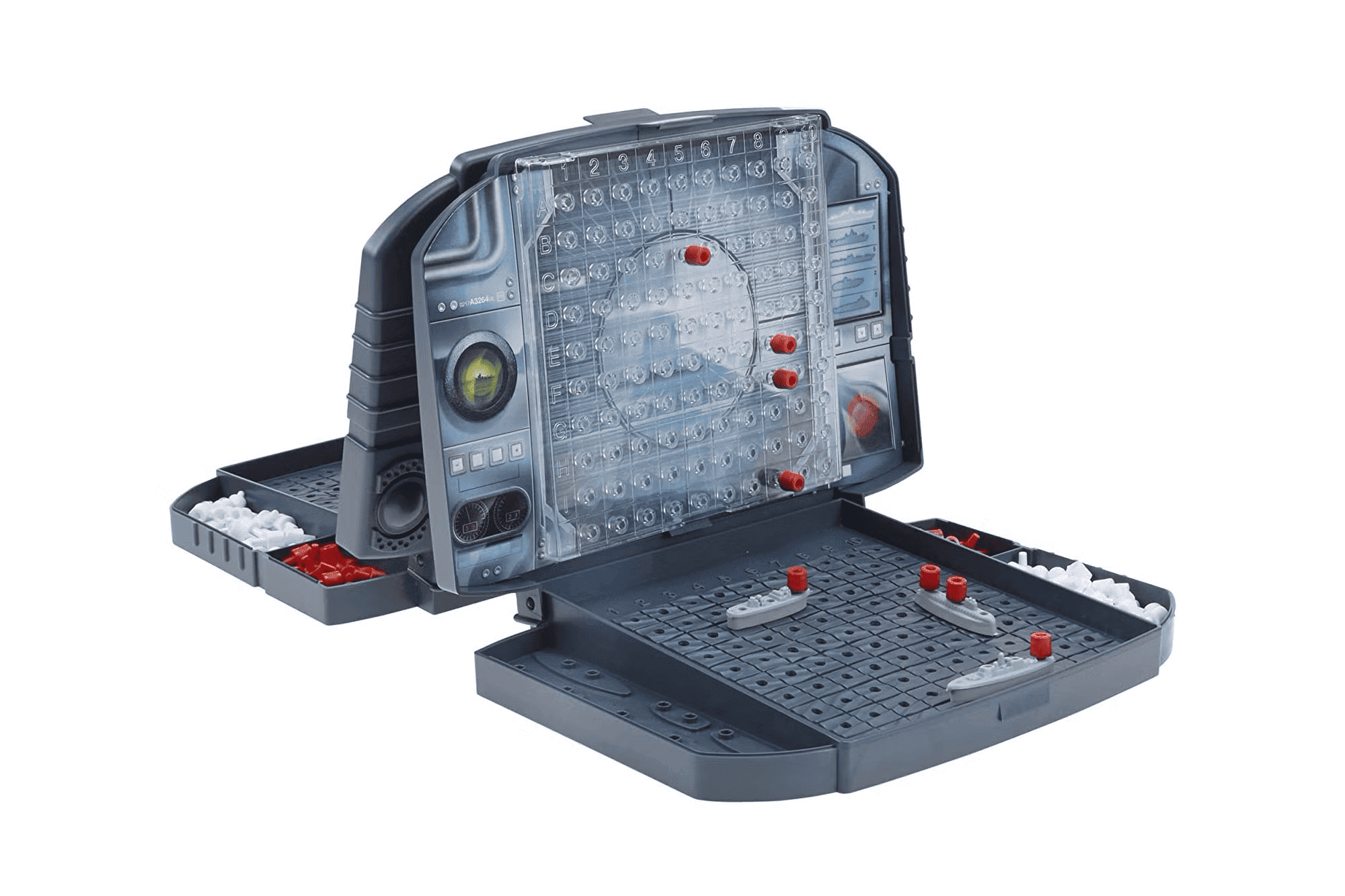
Key Takeaways for Battleship: The Classic Naval Combat Game
Battleship is a two-player game of hidden positions and strategic guessing, where players try to sink each other’s fleet. It’s a game of deduction, logic, and the thrill of shouting “You sunk my battleship!”
The simple grid system makes it easy for kids and adults alike, while the suspense of each move keeps players engaged. Modern digital and themed editions continue to breathe new life into this timeless classic.
Battleship: The Classic Naval Strategy Game of Hits and Misses
Battleship is one of the most recognized and enduring board games in the world. Known for its simple yet thrilling gameplay, Battleship combines strategy, deduction, and a little bit of luck in a naval-themed competition that has captivated players for generations. Originally played as a pencil-and-paper game during World War I, it was first published as a board game in 1967 by Milton Bradley and has since become a global household name.
How Battleship Works – Sink Before You’re Sunk
In Battleship, two players each place a fleet of ships—varying in size—on a hidden grid. The goal is to be the first to sink all of your opponent’s ships by guessing their locations on the grid. Players call out coordinates (like B5 or D7), and the opponent responds with either “hit” or “miss.” The game continues in a turn-by-turn fashion until one player sinks the entire enemy fleet.
The key to winning Battleship lies in strategic placement of your own ships and a logical, calculated attack pattern when targeting your opponent’s grid. Players must carefully track their hits and use deduction to narrow down possible ship positions. It’s a tense and exciting battle of wits with every move.
The Enduring Popularity of Battleship
Battleship’s universal appeal comes from its accessibility. It’s easy to learn, fast to play, and fun for all ages—from young children learning about coordinates and strategy to adults reliving nostalgic memories. Its head-to-head format also encourages direct competition and keeps players fully engaged throughout the game.
One of the reasons Battleship remains one of the most played board games in the world is its unique combination of mental challenge and tactile play. The satisfaction of saying “You sunk my battleship!” has become iconic in pop culture and adds to the thrill of victory.
Battleship: Modern Versions and Digital Adaptations
Today, Battleship has evolved far beyond the traditional pegboard. Electronic versions include lights, sound effects, and even talking features. Mobile apps and online platforms allow for multiplayer matches with players around the world. There are also themed editions, including Star Wars Battleship, Battleship Live, and Battleship: Hidden Threat.
Battleship is a true classic that has stood the test of time. Its engaging gameplay, simple mechanics, and thrilling suspense continue to make it one of the best strategy board games ever created.
- Sources Include / Discover More: Battleship, A Strategy Type Guessing Game for Two Players, the Goal is to Win by Sinking Your Opponent’s Ships
- Also Read: Most Popular Fitness Apps in the World
#9
Checkers
Key Takeaways for Checkers: A Simple Yet Addictive Game Loved Worldwide
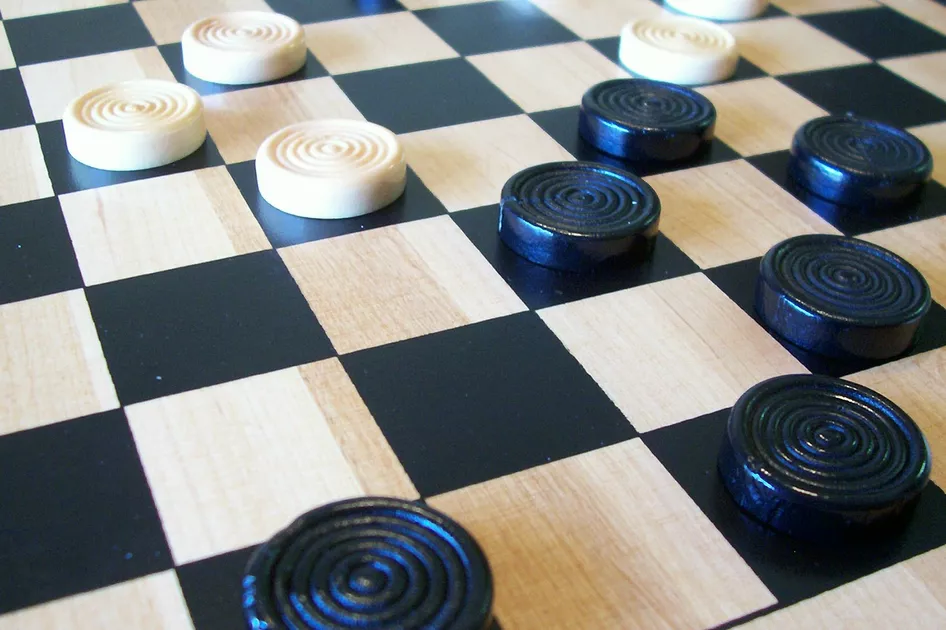
Checkers (or Draughts) is a minimalist strategy game that has been played for centuries in nearly every country on Earth. Players move their pieces diagonally and aim to capture the opponent’s pieces by jumping over them.
Its simple rules make it accessible to all ages, while advanced players can master strategies for competitive play. Checkers is one of the most universal and enduring board games ever created.
Checkers: The Timeless Game of Tactics and Simplicity
Checkers, also known as Draughts in many parts of the world, is one of the oldest and most popular board games in the world. With origins dating back thousands of years—traced to ancient Egypt—Checkers has stood the test of time thanks to its simple rules, strategic depth, and universal accessibility. Played in over 100 countries and across cultures, Checkers is a classic strategy game that continues to be enjoyed by millions globally.
How Checkers Works – Easy to Learn, Hard to Master
Checkers is a two-player game played on an 8×8 board, similar to a chessboard. Each player begins with 12 pieces placed on alternating dark squares. The objective is to capture all of the opponent’s pieces or block them from making a legal move.
Players move diagonally forward, and pieces can capture opponents by jumping over them. When a piece reaches the farthest row, it is “kinged” and gains the ability to move backward as well—adding a powerful strategic element. Though the rules are simple, each move carries significant weight, and the game rewards forward thinking, pattern recognition, and tactical positioning.
There are also international and regional versions of the game—such as American Checkers, British Draughts, and International Draughts—each with slightly different rules that appeal to different playstyles and levels of complexity.
Why Checkers Remains a Global Favorite
One of the main reasons Checkers is still one of the most played board games in the world is its accessibility. It requires no complex setup, has a low learning curve, and can be played by children and adults alike. It’s often used as an educational tool to teach critical thinking, patience, and strategy.
Checkers is also one of the few abstract board games that blends speed with depth. Games can be quick and casual or long and intense, depending on player skill. Its simplicity makes it ideal for beginners, while its strategic richness challenges even the most seasoned minds.
Checkers in the Digital Age and Competitive Scene
Checkers has successfully transitioned into the digital era, with countless mobile apps, online platforms, and AI-based opponents allowing fans to play anytime, anywhere. Competitive Checkers remains strong, with world championships, national tournaments, and ranking systems that attract top-level players from all continents.
Whether for casual fun or serious competition, Checkers continues to be a beloved and essential title in the world of classic board games.
- Sources Include / Discover More: Checkers (or draughts), A Two-Player, Turn-Based Board Game Played on a 64-Square, Alternating Light and Dark Gride
- Also Read: Most Popular Countries in the World
#10
Uno
Key Takeaways for Uno: The Fast-Paced Card Game That Belongs on Every Tabletop
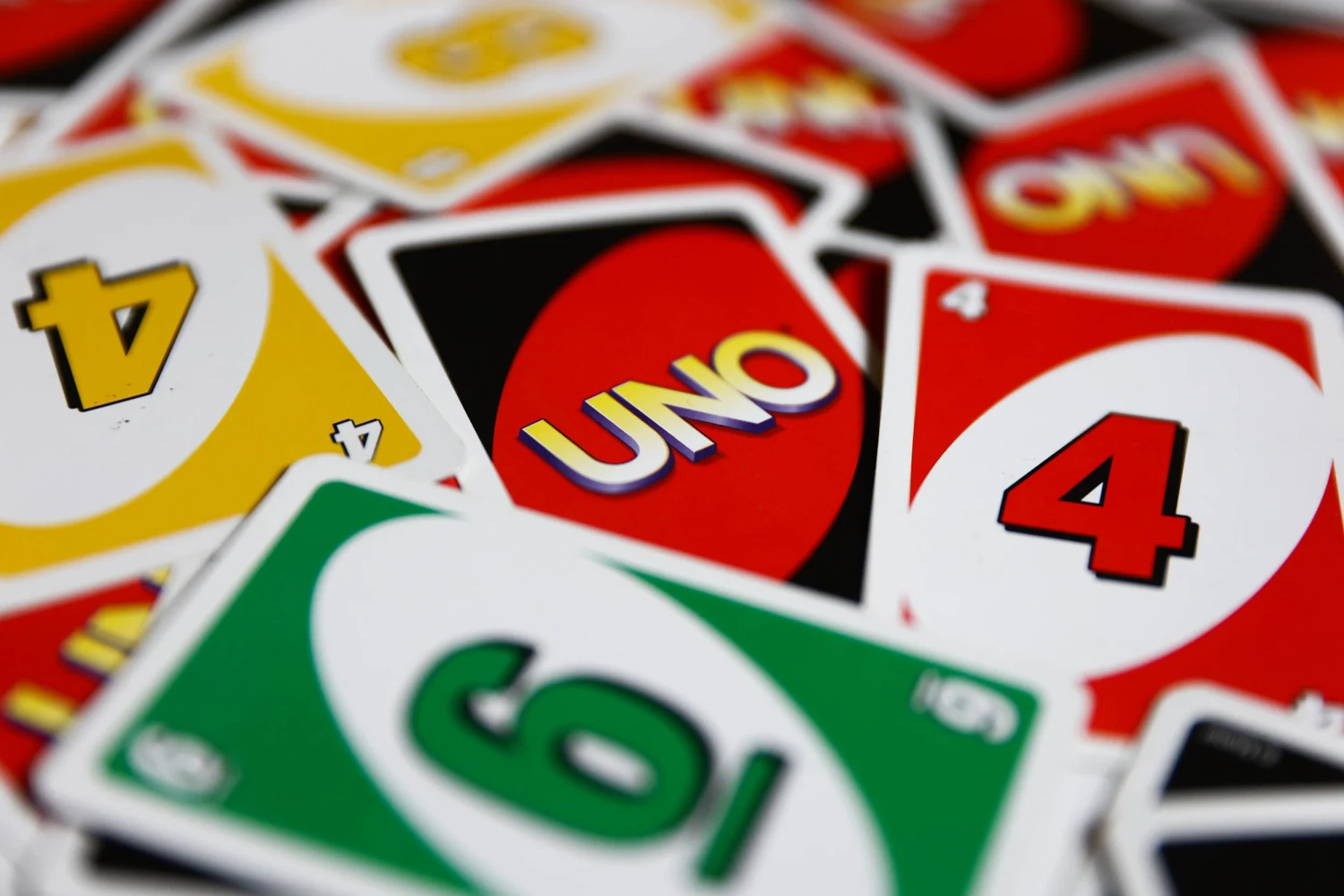
While technically a card game, Uno is a staple of every board game night and deserves its spot on this list. With its bright colors, simple rules, and fast-paced gameplay, Uno is loved by kids and adults alike.
Special action cards like Reverse, Skip, and Draw Four add layers of excitement and strategy. Uno’s global appeal, portability, and endless spin-offs make it one of the most played tabletop games ever.
Uno: The Wildly Popular Card Game Loved by All Ages
Uno is one of the most popular and recognizable card games in the world. Created in 1971 by Merle Robbins and now owned by Mattel, Uno has sold over 150 million copies globally and continues to grow in popularity every year. Known for its bright colors, simple rules, and competitive spirit, Uno is a household favorite across all generations and cultures.
How Uno Works – Fast, Fun, and Unpredictable
Uno is played with a custom deck of 108 cards featuring numbers, colors, and special action cards. The objective is simple: be the first player to get rid of all your cards. Each player is dealt 7 cards, and they take turns matching a card from their hand to the top card of the discard pile by either color or number.
What makes Uno so thrilling are its special action cards like “Skip,” “Reverse,” “Draw Two,” “Wild,” and the infamous “Wild Draw Four.” These cards shake up the game, letting players block, counter, and sabotage their opponents. When you have one card left, you must shout “UNO!” or face a penalty—adding a fun layer of suspense to every round.
Uno is fast-paced, often unpredictable, and filled with twists that keep every player on the edge of their seat.
Why Uno is One of the Most Played Card Games in the World
Uno’s universal appeal lies in its accessibility. The game is incredibly easy to learn, making it perfect for families, parties, school activities, and even team-building events. It requires minimal setup, can be played in 15–30 minutes, and works well with groups of 2 to 10 players.
Uno is also highly portable—perfect for travel, vacations, or casual game nights. Whether you’re at home or on the go, Uno delivers consistent fun and chaos with every game.
Uno Variants and Digital Expansion
Uno’s success has led to dozens of themed editions and spin-offs, including Uno Flip, Uno Attack, Uno Dare, and licensed versions like Uno Harry Potter, Uno Minecraft, and Uno BTS. Each version adds new twists and appeals to a wide range of audiences.
In the digital age, Uno has expanded onto mobile apps, consoles, and online multiplayer platforms, allowing fans to play from anywhere in the world. Its presence on platforms like Xbox, PlayStation, and Steam has introduced Uno to an even broader audience.
Uno’s blend of strategy, luck, and nonstop interaction keeps it fresh and exciting—proving why it remains a top choice among the most played games globally.
- Sources Include / Discover More: UNO, A Proprietary American Shedding-Type Card Game Originally Developed in 1971 by Merle Robbins
- Also Read: Most Popular Online Shopping Sites
Key FAQs on the 10 Most Popular Board Games in the World
Why is Chess considered the most popular and strategic board game in the world?
Chess is considered the most popular and strategic board game in the world due to its 1,500-year history, universal rules, and unmatched depth of strategy. According to global estimates cited by Wikipedia and FIDE, over 600 million people actively play Chess worldwide.
Chess enhances critical thinking, memory, and decision-making, and is widely used in education and competitive sport. Its dominance across physical tournaments and online platforms makes Chess the definitive benchmark for strategy board games.
Why has Monopoly remained one of the best-selling and most popular board games globally?
Monopoly remains one of the best-selling and most popular board games globally because it combines financial strategy, negotiation, and chance-based gameplay. Published by Hasbro, Monopoly has sold over 275 million copies worldwide, according to company and Wikipedia data.
The game teaches property management, risk-taking, and money flow, making it ideal for families. Its hundreds of themed editions and digital adaptations ensure continued global relevance across generations.
What makes Scrabble the most famous word-based board game ever created?
Scrabble is the most famous word-based board game ever created because it uniquely blends vocabulary, spelling, and strategic placement. Since its release in 1938, Scrabble has been played by over 150 million people worldwide, according to publisher and encyclopedia records.
Widely used in schools and competitive tournaments, Scrabble strengthens language skills and cognitive ability. Its educational value and universal appeal make it the world’s leading word board game.
Why is Catan regarded as one of the best modern strategy board games in the world?
Catan is regarded as one of the best modern strategy board games because it transformed tabletop gaming with resource management, trading, and social negotiation mechanics. Since winning the Spiel des Jahres award, Catan has sold over 35 million copies globally.
Frequently cited by board game scholars and reviewers, Catan balances skill, probability, and interaction, making it a gateway game that introduced millions to modern strategic board gaming.
What makes Risk one of the most strategic and competitive board games of all time?
Risk is one of the most strategic and competitive board games of all time because it simulates global conquest through military planning, alliances, and territorial control. First released in 1957, Risk has reached over 100 million players worldwide.
According to board game historians and publishers, Risk teaches long-term strategy, diplomacy, and leadership. Its large-scale gameplay and competitive depth have made it a classic war strategy board game.
Why is Clue (Cluedo) considered the best detective and mystery board game ever made?
Clue, also known as Cluedo, is considered the best detective and mystery board game ever made due to its logic-driven deduction and immersive storytelling. Since its 1949 release, Clue has entertained over 120 million players globally.
Referenced in popular culture and educational logic studies, Clue challenges players to identify the suspect, weapon, and location, making it the world’s most iconic murder mystery board game.
What makes Ticket to Ride one of the most popular and award-winning modern board games?
Ticket to Ride is one of the most popular and award-winning modern board games because of its elegant design and accessible strategy. Since its 2004 release, the game has sold over 12 million copies worldwide and won the prestigious Spiel des Jahres.
By combining route planning, card collection, and map-based strategy, Ticket to Ride appeals to families and casual gamers, making it a cornerstone of modern board game design.
Why is Battleship considered a classic and timeless strategy game worldwide?
Battleship is considered a classic and timeless strategy game worldwide due to its simple rules and deduction-based naval combat. Originating in the early 20th century, Battleship has been played by over 100 million people globally.
Cited by toy historians and publishers, the game strengthens logical elimination and probability skills. Its enduring popularity across physical and electronic versions confirms Battleship’s iconic status.
Why has Checkers remained one of the most played and enduring board games in history?
Checkers, also known as Draughts, has remained one of the most played board games in history due to its simplicity and strategic depth. Archaeological evidence traces similar games back over 3,000 years, making it one of the oldest strategy games.
Used in education and competitive play, Checkers improves tactical thinking and foresight. Its accessibility and timeless mechanics ensure its continued global popularity.
Why is Uno one of the most popular and entertaining card games ever created?
Uno is one of the most popular and entertaining card games ever created because of its fast-paced gameplay and universal accessibility. Since its release in 1971, over 500 million Uno decks have been sold worldwide, according to Mattel.
Uno encourages quick decision-making, social interaction, and adaptability. Its global reach, party-friendly design, and constant reinvention make it the world’s favorite family card game.
Why Board Games are a Staple in Every Home
They Foster Family Bonds
Forget awkward conversations—board games are the glue that hold family nights together. Whether you’re ganging up on Dad in Risk or trying to beat Grandma in Scrabble, these games build relationships.
They Teach Real-Life Skills
Time management, negotiation, logical thinking, and patience—board games are stealthy educators. Kids learn, adults strategize, and everyone grows.
Board Games in Pop Culture and Media
Movie Tie-ins and Celebrity Fans
From Clue getting its own movie to stars like Kristen Bell openly obsessing over Catan, board games have carved a niche in pop culture. Even The Big Bang Theory brought Settlers of Catan into living rooms across the globe.
Viral Game Moments That Broke the Internet
Who could forget that epic Uno reverse card meme? Or the clip of someone flipping the Monopoly board mid-rage quit? Board games have taken over TikTok, Instagram, and YouTube with hilarious, emotional, and viral moments.
Why Board Games Are Making a Huge Comeback
Screen Fatigue and Family Bonding
After hours of screen time, people crave tactile, social interaction. Board games offer a perfect escape, bringing laughter and connection back into our homes.
The Role of Social Media and Game Cafes
Instagram-friendly aesthetics, game review influencers, and cozy board game cafés are fueling the renaissance. You can even rent games now or join subscription boxes that deliver new titles to your door every month.
Final Thoughts
Board games aren’t just making a comeback—they’ve always been an essential part of human connection, creativity, and competition. In an age dominated by screens and digital entertainment, the world’s most popular board games like Chess, Monopoly, Scrabble, Catan, and Uno remind us of the timeless joy of real, face-to-face interaction. These classic and modern games spark critical thinking, teamwork, laughter, and a sense of nostalgia that no app or console can replace.
Whether you’re strategizing your next move in Risk, solving a mystery in Clue (Cluedo), or racing to victory in Ticket to Ride, every turn tells a story. Board games build friendships, strengthen family bonds, and create unforgettable moments across generations and cultures. Their enduring appeal lies in their simplicity, diversity, and ability to bring people together in ways few other pastimes can.
So clear the table, invite your loved ones, and roll the dice—because life is always more exciting with a board game. From the ancient tactics of Checkers to the fast-paced fun of Uno, these legendary games prove that strategy, laughter, and connection never go out of style.
Play. Compete. Connect. The world’s favorite board games await.
The 10 Most Popular Board Games Frequently Asked Questions (FAQs)
Chess is widely regarded as the most played board game globally, thanks to its long history, competitive appeal, and recognition as a sport in many countries.
Absolutely! They teach critical thinking, patience, teamwork, and even basic math and language skills.
Ticket to Ride and Uno are fantastic for new players—easy to learn and incredibly fun.
Yes! Many are excellent. Apps and platforms like Tabletopia or Board Game Arena bring classic gameplay to your device.
The most expensive known is the $9.8 million deluxe version of Monopoly created by jeweler Sidney Mobell, featuring gold and diamonds.
The 10 most popular board games globally are Chess, Monopoly, Scrabble, Catan, Risk, Clue, Ticket to Ride, Battleship, Checkers, and Uno — each offering unique gameplay and lasting entertainment value.
Monopoly is one of the best board games for families, combining strategy and chance, while fostering hours of engaging and fun gameplay.
Yes, strategy board games like Catan, Risk, and Chess continue to be extremely popular today due to their mental challenge and replayability.
About the Author
This article was researched and prepared by the World Millions Editorial Team, specialists in global rankings, premium market analysis, structured comparisons, and high-value sector research across industries.
All content undergoes verification, editorial review, and periodic updates to ensure accuracy, clarity, and alignment with recognized industry standards, reliable institutional sources, and leading global authorities.
- Last Updated: March 27, 2026 by the World Millions Editorial Team
- Original Published Date: March 27, 2026
- View Our: Editorial Team | Sources | Disclaimer | Editorial Standards