- Home
- »
- World’s Most Popular
- »
- 10 Most Popular Sports in the World
10 Most Popular Sports
in the World
The most popular sports in the world represent the pinnacle of global competition, cultural influence, and mass entertainment. From billion-fan stadium spectacles to internationally broadcast championships, these sports unite nations, inspire athletes, and shape the global sports industry. Iconic tournaments, legendary athletes, and passionate fan communities have turned these games into worldwide phenomena.
Discover the 10 most popular sports in the world, ranked by estimated global fan base, international reach, and historic prestige. From soccer’s unmatched global dominance to the worldwide appeal of cricket, basketball, tennis, and American football, these sports define modern athletic culture and command billions of viewers across continents.
On This Page
Toggle- Updated 2026 by the World Millions Editorial Team: View Author Information
The Power of Global Sports Culture
Sport isn’t just entertainment—it’s identity. It’s tradition passed down through generations, a shared experience between friends, families, and even strangers.
With the rise of international broadcasting, YouTube highlights, Instagram reels, and fantasy leagues, the reach of sports has exploded. A single football goal or slam dunk can go viral within seconds, fueling global engagement like never before.
Criteria for Ranking Popular Sports
Before diving into the list, here’s how we determined the rankings:
- Estimated Global Fan Base (in billions or millions)
- Active Global Participation
- Professional Leagues & Media Presence
- Social Media Influence
- Major International Events & Viewership
List of the Top 10 Most Popular Sports in the World
Discover the world’s most watched, played, and celebrated sports that unite billions — from Soccer’s global dominance to Cricket’s thrilling rivalries and the power of the Super Bowl.
Sports have always been more than games — they’re a global language of passion, unity, and entertainment. From the thunderous roar of soccer stadiums to the precision of golf greens, each sport carries its own culture, heroes, and fan following. The 10 most popular sports in the world listed below represent the pinnacle of athletic excellence, global reach, and audience engagement.
This ranking highlights the most-watched sports by global fans, the regions where they dominate, and their major international tournaments — from the FIFA World Cup and NBA Finals to the ICC Cricket World Cup and Super Bowl. Each sport’s popularity is shaped by its accessibility, historic legacy, and mass appeal across continents.
Whether you’re fascinated by football’s universal charm, cricket’s unmatched energy, or basketball’s explosive flair, this list offers a complete look into the world’s most influential sports. Explore how these global phenomena have shaped cultures, inspired legends, and connected billions of fans across the planet.
Below is a comprehensive table of the Top 10 Most Popular Sports in the World, ranked by estimated fan base, key regions, and world-renowned events.
| Rank | Sport | Estimated Global Fans | Most Popular Region | Major Event(s) |
|---|---|---|---|---|
| 1 | Soccer (Football) | 4+ Billion | Worldwide | FIFA World Cup, UEFA Champions League |
| 2 | Cricket | 2.5 Billion | South Asia, UK, Australia | ICC World Cup, IPL |
| 3 | Basketball | 2.4 Billion | USA, China, Europe | NBA Finals, Olympics |
| 4 | Tennis | 1 Billion | Global | Wimbledon, US Open |
| 5 | Field Hockey | 2 Billion | Asia, Europe | Olympics, Hockey World Cup |
| 6 | Volleyball | 900 Million | Global | Olympics, FIVB Championships |
| 7 | Table Tennis | 875 Million | Asia, Europe | Olympic Games |
| 8 | Baseball | 500 Million | USA, Japan, Latin America | MLB, World Baseball Classic |
| 9 | Golf | 450 Million | USA, UK, Japan | The Masters, US Open |
| 10 | American Football | 400 Million | USA, Mexico | Super Bowl, NFL |
Discover the 10 Most Popular Sports in the World
Discover the 10 Most Popular Sports in the World, ranked by global fanbase, cultural influence, and major international tournaments. From the worldwide excitement of Soccer (Football) to the massive fan-following of Cricket, Basketball, and Tennis, these sports dominate stadiums, screens, and social media across continents.
Explore how each sport shapes identity, entertainment, and international competition. Whether it’s the FIFA World Cup, the NBA Finals, the Cricket World Cup, or the Super Bowl, these global sporting events unite billions and spark unforgettable moments in history.
#1
Soccer (Football)

Key Takeaways for Soccer (Football)
- Estimated Global Fanbase: 4+ Billion
- Top Leagues: English Premier League, La Liga, Serie A
- Major Events: FIFA World Cup, UEFA Champions League
Soccer, or football as it’s known to most of the world, is hands-down the most popular sport on the planet. From Europe to Africa, Asia to South America—this game is religion. It’s simple, affordable, and thrilling.
Soccer (Football): The Most Popular Sport in the World
Soccer, also known as football outside North America, is hands down the most popular sport in the world, boasting more than 4 billion fans across every continent. With a massive global footprint, deeply rooted history, and legendary tournaments like the FIFA World Cup and UEFA Champions League, soccer continues to dominate the global sports scene.
Soccer’s Global Popularity and Fanbase
Soccer’s universal appeal lies in its simplicity, accessibility, and cultural influence. Played in over 200 countries, the sport is a staple in Europe, South America, Africa, and Asia. Streets, parks, schools, and stadiums across the globe buzz with football matches daily. From Rio de Janeiro’s beaches to the dusty fields of Nairobi, soccer’s presence is everywhere.
The game’s relatively low cost to play — requiring just a ball and some space — contributes greatly to its popularity. Its massive global audience tunes in to league matches, international friendlies, and continental tournaments, making it the most-watched and most-followed sport on Earth.
Soccer: Major Leagues and Global Events
Soccer thrives through elite club competitions and international tournaments. The English Premier League (EPL), La Liga, Serie A, Bundesliga, and Ligue 1 dominate the European scene, attracting millions of viewers weekly. Clubs like Real Madrid, Manchester United, and Barcelona enjoy fanbases stretching across the planet.
Globally, the FIFA World Cup is soccer’s crown jewel. Held every four years, it draws billions of viewers and unites nations through sport. The UEFA Champions League, Copa América, and Africa Cup of Nations are also key events that ignite fan passion and brand engagement worldwide.
Soccer’s Economic and Cultural Impact
The sport contributes heavily to the global economy. Soccer stars like Cristiano Ronaldo, Lionel Messi, and Kylian Mbappé have become cultural icons and marketing powerhouses. The sport drives sponsorships, merchandise sales, tourism, and advertising revenues into the billions annually.
In many countries, soccer is more than a game—it’s part of the national identity. It sparks local pride, builds community, and even plays a role in diplomacy and social development.
- Sources Include / Discover More: Soccer, Known as Football Internationally, is the World’s Most Popular Sport, a Team Sport Played Between Two Teams of 11 Players
- Also Read: Most Popular Online Shopping Sites
#2
Cricket

Key Takeaways for Cricket
- Estimated Global Fanbase: 2.5+ Billion
- Popular Nations: India, Pakistan, England, Australia
- Major Events: ICC World Cup, IPL
Cricket dominates South Asia, and thanks to leagues like the IPL and Big Bash, it’s quickly gaining steam in global markets. It’s not just a game—it’s an obsession for billions.
Cricket: The Most Watched Bat-and-Ball Game in the World
Cricket ranks as the second most popular sport globally, with an estimated fanbase of 2.5 billion. Deeply rooted in the cultural fabric of South Asia, the United Kingdom, Australia, and parts of the Caribbean and Africa, cricket captivates millions with its strategic gameplay, iconic rivalries, and legendary tournaments like the ICC World Cup and the Indian Premier League (IPL).
Cricket’s Dominant Regions and Global Influence
Cricket’s strongest foothold lies in South Asia—especially India, Pakistan, Bangladesh, and Sri Lanka—where it is not just a sport but a religion. In India alone, hundreds of millions tune in during major tournaments. The sport is also hugely popular in Australia, England, New Zealand, and South Africa, making it a globally recognized phenomenon.
The sport’s governing body, the International Cricket Council (ICC), has expanded its influence by promoting T20 leagues and World Cup formats, drawing in younger audiences and expanding its reach into emerging cricket nations like the USA, Afghanistan, and Ireland.
Cricket’s Key Tournaments and Cricket Leagues
Cricket thrives on its mix of international formats: Test matches, One Day Internationals (ODIs), and Twenty20 (T20) games. The ICC Cricket World Cup, held every four years, is one of the most-watched sporting events globally.
Meanwhile, the IPL (Indian Premier League) is the world’s most lucrative and watched T20 league, featuring top players from every major cricketing nation. Other key leagues include Australia’s Big Bash League (BBL), England’s The Hundred, and the Pakistan Super League (PSL), all of which boost cricket’s international appeal.
Cricket: Cultural Impact and Global Recognition
Cricket’s cultural significance is immense. Heroes like Sachin Tendulkar, Virat Kohli, MS Dhoni, Ben Stokes, and Steve Smith have become household names. Matches often bring cities to a standstill and unite diverse populations under one passion.
The sport has also become a powerful tool for diplomacy, cross-cultural exchange, and global sponsorships. With massive media rights deals, merchandising, fantasy leagues, and digital engagement, cricket is now a global sports and entertainment powerhouse.
- Sources Include / Discover More: Cricket, A Popular Bat-and-Ball Sport Played Between Two Teams of 11 Players, Featuring a Central 22-Yard Pitch with Wickets at Each End
- Also Read: Most Popular Smartphone Brands
#3
Basketball
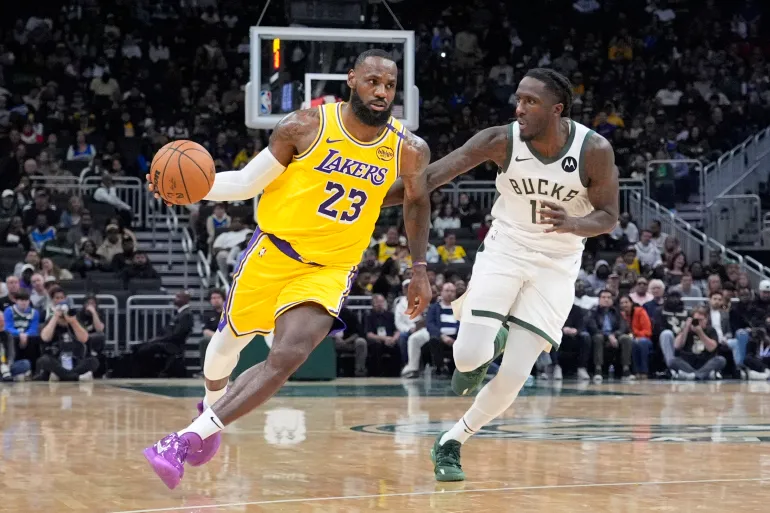
Key Takeaways for Basketball
- Estimated Global Fanbase: 2.4 Billion
- Global Reach: USA, China, Philippines, Europe
- Major Events: NBA Finals, FIBA World Cup
With slam dunks and buzzer-beaters, basketball delivers edge-of-your-seat excitement. The NBA, especially, has become a global brand, with players like LeBron and Steph Curry enjoying superstar status across continents.
Basketball: A High-Flying Global Sensation
Basketball is one of the fastest-growing and most popular sports in the world, attracting an estimated 2.4 billion fans. Its thrilling pace, iconic athletes, and global reach make it a powerhouse in the sports industry. With major influence in the United States, China, Europe, and beyond, basketball is more than just a game — it’s a lifestyle.
Basketball's Worldwide Appeal and Growing Fanbase
The United States is the birthplace and undisputed heart of basketball, with the NBA (National Basketball Association) acting as the most prestigious league globally. However, the sport’s influence extends far beyond American borders. China, the Philippines, and countries across Europe and Africa have embraced basketball with enthusiasm.
In China alone, basketball is the most played sport, thanks in part to former NBA star Yao Ming. Europe boasts competitive domestic leagues and international tournaments like EuroLeague, while African nations are rapidly developing talent through the Basketball Africa League (BAL) and FIBA initiatives.
The sport’s accessibility — a ball, a hoop, and a small playing area — has made it easy for communities worldwide to adopt and enjoy, fueling its rapid expansion.
Basketball: Iconic Leagues and International Competitions
The NBA is the global face of basketball. With stars like LeBron James, Stephen Curry, Kevin Durant, and Giannis Antetokounmpo, the league has become a global entertainment brand. Games are broadcast in over 200 countries and translated into more than 40 languages.
Aside from the NBA, international basketball thrives through events like the Olympic Games, the FIBA World Cup, and continental championships. These tournaments not only showcase national pride but also give rise to global superstars and cultural unity.
Basketball’s Economic and Cultural Footprint
Basketball is a multi-billion dollar industry with a strong digital footprint. From branded merchandise and sneaker deals to esports, fantasy leagues, and influencer marketing, the sport is a magnet for youth engagement and commercial growth.
Culturally, basketball has merged with fashion, music, and street culture, especially through urban communities and hip-hop influence. Court legends like Michael Jordan and Kobe Bryant have transcended the sport, becoming timeless global icons.
With its ever-expanding reach and passionate fanbase, basketball is cementing its place as one of the top three most followed sports in the world.
- Sources Include / Discover More: Basketball, A Game Played Between Two Teams of Five Players Each on a Rectangular Court, Usually Indoors
- Also Read: Most Popular Hobbies in the World
#4
Tennis

Key Takeaways for Tennis
- Estimated Global Fanbase: 1 Billion
- Big Four Tournaments: Wimbledon, US Open, French Open, Australian Open
- Icons: Federer, Nadal, Djokovic, Serena Williams
A sport of elegance and endurance, tennis has captivated fans with its individual brilliance. It’s one of the few sports where both men’s and women’s matches draw massive global audiences.
Tennis: The Global Racket-Swinging Phenomenon
Tennis is one of the most prestigious and widely followed sports globally, with over 1 billion fans spread across continents. From iconic grass courts at Wimbledon to hard-hitting showdowns in Melbourne and New York, tennis is a symbol of athleticism, elegance, and global competition. Its solo and doubles formats offer thrilling rivalries that captivate audiences year-round.
Tennis's Global Reach and Fanbase Diversity
What sets tennis apart is its massive global appeal. It’s one of the few individual sports that garners equal enthusiasm in Europe, North America, Australia, and parts of Asia and Africa. Countries like the United States, United Kingdom, France, Spain, Australia, Serbia, and Switzerland have produced legendary players and devoted fanbases.
Tennis is unique in that it enjoys near-equal popularity among both men’s and women’s competitions. Fans passionately follow both ATP (Association of Tennis Professionals) and WTA (Women’s Tennis Association) circuits, creating a balanced and diverse audience. Its year-round calendar and global venues also make it a go-to sport for international viewership.
Wimbledon, US Open, French Open (Roland-Garros), and Australian Open: Grand Slam Tournaments and Global Icons
Tennis revolves around four prestigious Grand Slam tournaments: Wimbledon, US Open, French Open (Roland-Garros), and Australian Open. These events are not only athletic spectacles but cultural moments that attract celebrities, brands, and massive media coverage.
Beyond the Grand Slams, tournaments like the ATP Finals, WTA Finals, Davis Cup, and Billie Jean King Cup keep fans engaged throughout the year. These events drive rankings, rivalries, and storylines that fuel global interest.
The sport has also produced global icons such as Roger Federer, Rafael Nadal, Novak Djokovic, Serena Williams, and Naomi Osaka, who are known far beyond the court. Their influence spans endorsements, philanthropy, fashion, and social activism.
Tennis: Cultural Influence and Market Impact
Tennis has evolved into a multi-billion dollar sport with a high-value global audience. With strong TV deals, luxury sponsorships, and an affluent fan demographic, it’s one of the most lucrative sports for advertisers and brands.
The sport’s blend of grace, mental toughness, and physical endurance makes it a favorite among health-conscious and lifestyle-oriented audiences. Tennis continues to expand its reach through grassroots development programs, digital fan engagement, and the rise of young, diverse talent.
- Sources Include / Discover More: Tennis, A Racket Sport that is Played Either Individually Against a Single Opponent (Singles) or Between Two Teams of Two Players Each (Doubles)
- Also Read: Most Popular Search Engines
#5
Field Hockey

Key Takeaways for Field Hockey
- Estimated Global Fanbase: 2 Billion
- Key Nations: India, Netherlands, Germany, Australia
- Popular Events: Hockey World Cup, Olympics
Field hockey might not be in every backyard, but in countries like India and Pakistan, it’s a legacy sport. Europe also has a strong field hockey culture with leagues and international rivalries.
Field Hockey: A Traditional Yet Thriving Global Sport
Field hockey may not always dominate headlines, but it quietly boasts over 2 billion fans worldwide, making it one of the most played and watched sports across Europe, Asia, Africa, and Oceania. Known for its fast-paced action, team strategy, and historic legacy, field hockey continues to grow both in professional leagues and grassroots development.
Hockey: Worldwide Popularity and Cultural Significance
Field hockey holds deep cultural importance in countries like India, Pakistan, the Netherlands, Germany, Australia, and Argentina. In India and Pakistan, the sport has long been a symbol of national pride. India alone has won eight Olympic gold medals in men’s hockey, a record that still stands.
European nations have invested heavily in domestic leagues and training systems, making them global powerhouses. In countries like the Netherlands and Germany, hockey is a mainstream sport with high participation at school and club levels. Australia, on the other hand, has consistently dominated international rankings thanks to its elite training systems and infrastructure.
The sport’s inclusivity and gender equality also add to its broad appeal, with strong women’s teams and competitions thriving in tandem with the men’s circuit.
Hockey's Major Competitions and International Appeal
Field hockey is a regular feature in global sporting events like the Olympics, Hockey World Cup, FIH Pro League, Commonwealth Games, and continental tournaments such as the Asian Champions Trophy and EuroHockey Championships.
The FIH (International Hockey Federation) has worked extensively to modernize the sport by introducing formats like Hockey5s and investing in global broadcasting, helping field hockey reach newer audiences in North America and Africa.
Technological advancements like video referrals and synthetic turfs have elevated the professional level of play and improved the fan experience both in-stadium and on-screen.
Hockey's Commercial Growth and Youth Development
While not as commercially hyped as soccer or cricket, field hockey has carved a loyal following and a solid sports economy. With brands sponsoring national teams, clubs, and leagues, and televised tournaments gaining momentum, the sport continues to generate commercial interest.
Youth academies and hockey foundations are expanding, especially in India and Europe, with a focus on modern coaching, fitness, and international exposure. Grassroots campaigns and school programs are fueling the next generation of players, ensuring the sport’s legacy lives on.
#6
Volleyball

Key Takeaways for Volleyball
- Estimated Global Fanbase: 900 Million
- Variants: Indoor Volleyball, Beach Volleyball
- Popular Events: Olympics, FIVB Championships
Volleyball is one of the fastest-growing team sports worldwide. Whether it’s a beach match in Rio or an indoor championship in Tokyo, the sport offers nonstop action.
Volleyball: A Power-Packed Global Team Sport
Volleyball is a dynamic and widely loved sport with a global fanbase exceeding 900 million. Whether it’s the traditional indoor version or the beach volleyball variant, the sport’s energy, teamwork, and strategic depth have earned it immense popularity across continents. It is played competitively and recreationally in schools, universities, professional leagues, and on beaches from Rio to Rome.
Volleyball's Global Reach and Cultural Relevance
Volleyball is truly a global sport. It is immensely popular in countries like Brazil, Italy, the USA, Russia, Japan, and Poland, where both men’s and women’s national teams enjoy massive followings. Nations like Brazil and Poland fill stadiums during international fixtures, and millions tune in to watch tournaments live.
One key reason for volleyball’s popularity is its accessibility. All that’s needed is a net, a ball, and a flat surface—whether indoors or on the sand. This simplicity makes it a go-to sport in schools, community events, and even Olympic villages.
In Asia, particularly in Japan and China, volleyball has grown rapidly due to successful domestic leagues and youth training systems. Meanwhile, the FIVB (Fédération Internationale de Volleyball) has consistently invested in promoting the sport worldwide.
Volleyball: Major Events and Competitive Leagues
Volleyball shines on the global stage during the Olympic Games, where it features both indoor and beach volleyball formats. These matches often draw some of the largest Olympic TV audiences, showcasing the sport’s international appeal.
The FIVB Volleyball World Championships, Volleyball Nations League (VNL), and Beach Volleyball World Tour are premier global events that highlight top-tier talent and national pride. Professional leagues in Italy (SuperLega), Brazil, and Turkey are also breeding grounds for elite players.
Beach volleyball, an offshoot of the main sport, has exploded in popularity thanks to its high-energy format, beachside atmosphere, and Olympic exposure.
Volleyball's Fast-Growing Market and Youth Engagement
Volleyball is one of the fastest-growing sports among youth and women globally. School and college tournaments serve as stepping stones to national and international levels. Digital platforms and social media have also helped younger audiences connect with volleyball stars and live tournaments.
With rising sponsorships, brand endorsements, and a strong social media presence, volleyball continues to grow in visibility and commercial viability, making it one of the most engaging and fan-friendly sports worldwide.
#7
Table Tennis

Key Takeaways for Table Tennis
- Estimated Global Fanbase: 875 Million
- Key Regions: China, South Korea, Germany
- Olympic Event Since: 1988
Don’t let its simplicity fool you—table tennis is a fierce competitive sport in Asia and Europe. In China, players are treated like rock stars.
Table Tennis (Ping Pong): The Lightning-Fast Global Indoor Sport
Table tennis, also known as ping pong, may seem like a casual game, but it’s a high-speed, skill-intensive sport with a massive following of over 875 million fans worldwide. Its combination of speed, reflexes, and finesse has made it one of the most-played sports globally, particularly dominant across Asia and Europe.
Table Tennis: Global Popularity and Cultural Influence
Table tennis is immensely popular in countries like China, Japan, South Korea, Germany, and Sweden. China, in particular, has established an unrivaled legacy in the sport, dominating international competitions for decades. The Chinese government’s investment in training, grassroots development, and school programs has made table tennis almost a national pastime.
In Europe, nations like Germany and Sweden have long histories of elite competition, contributing to table tennis’s reputation as a serious Olympic and professional sport. Across the globe, schools, community centers, and even workplaces have embraced the game for its accessibility, low cost, and health benefits.
One major reason for its global spread is its minimal equipment needs. A small table, a lightweight paddle, and a plastic ball are all that’s required. It can be played competitively or casually, indoors or outdoors, making it one of the most adaptable sports ever created.
Major Competitions and Star Athletes
The most prestigious tournaments in table tennis include the Olympic Games, the World Table Tennis Championships, and the ITTF World Cup. The International Table Tennis Federation (ITTF) governs the sport globally and has taken significant steps to promote it in Africa, the Americas, and Oceania.
Legendary athletes such as Ma Long, Ding Ning, Jan-Ove Waldner, and Fan Zhendong have become household names in their home countries and among dedicated fans worldwide. Their performances have pushed the boundaries of agility, spin control, and lightning-quick reactions, making table tennis one of the fastest and most exciting sports to watch.
Table Tennis: Tech Integration and Youth Popularity
Modern table tennis is embracing technology. From AI-driven ball tracking to virtual coaching tools and streaming platforms, the sport is evolving digitally. Social media challenges, viral rallies, and Olympic highlights have also helped the sport stay relevant among Gen Z and younger demographics.
With a solid foundation, a global playing base, and increasing commercial potential, table tennis continues to rise as a modern, tech-friendly sport with deep roots in traditional skill and discipline.
#8
Baseball

Key Takeaways for Baseball
- Estimated Global Fanbase: 500 Million
- Key Countries: USA, Japan, South Korea, Cuba
- Major Events: MLB World Series, World Baseball Classic
Baseball might be dubbed “America’s pastime,” but its influence stretches far beyond. Japan and Latin America have deep baseball roots, and international competitions keep it relevant globally.
Baseball: America’s Pastime with Global Swing
Baseball, often hailed as “America’s Pastime”, has evolved into a beloved international sport with over 500 million fans across the United States, Japan, South Korea, Latin America, and beyond. Known for its strategic depth, iconic stadiums, and cultural imprint, baseball combines nostalgia with modern athleticism.
Baseball's Global Reach and Regional Passion
While the United States remains the heartland of baseball through the Major League Baseball (MLB), the sport enjoys massive popularity in Japan, the Dominican Republic, Cuba, Venezuela, Mexico, and South Korea. In Japan, baseball games regularly draw packed stadiums and nationwide TV audiences, while in the Dominican Republic, it’s more than a sport—it’s a national passion.
Latin American countries consistently produce some of the most dynamic and gifted players in the world. Youth academies, street-level games, and dedicated training camps fuel a continuous pipeline of talent into the MLB and other international leagues.
In Asia, leagues like Nippon Professional Baseball (NPB) in Japan and the Korea Baseball Organization (KBO) boast loyal fanbases, competitive teams, and a culture rich with team spirit, chants, and traditions.
Baseball's Major Tournaments and Star Power
The crown jewel of baseball is the MLB World Series, an annual championship that captures national attention in the U.S. and garners international viewers. Other high-profile events include the World Baseball Classic (WBC)—a global tournament featuring national teams—and the Summer Olympics, where baseball has been periodically featured.
Baseball legends such as Babe Ruth, Jackie Robinson, Ichiro Suzuki, and modern stars like Shohei Ohtani and Aaron Judge continue to inspire generations. Their stories embody resilience, skill, and the ability to transcend borders.
Baseball's Cultural Impact and Commercial Success
Baseball has a rich legacy in movies, literature, fashion, and even politics. Films like Field of Dreams and Moneyball and iconic stadiums like Yankee Stadium and Fenway Park are entrenched in global pop culture.
On the commercial side, the MLB generates billions annually through broadcasting rights, ticket sales, and merchandise. Youth baseball leagues like Little League and international tournaments help cultivate talent and keep the sport alive at grassroots levels.
With its balance of tradition and global innovation, baseball remains one of the most influential and culturally embedded sports in the world.
#9
Golf

Key Takeaways for Golf
- Estimated Global Fanbase: 450 Million
- Major Tournaments: The Masters, U.S. Open, The Open Championship
- Legendary Players: Tiger Woods, Rory McIlroy
Golf thrives on precision and patience. It has a loyal following and a high-income audience, making it a commercial powerhouse despite its slower pace.
Golf: The Precision Sport of Prestige and Patience
Golf is more than just a sport—it’s a lifestyle, a culture of refinement, and a mental battle played across some of the most beautiful landscapes on Earth. With an estimated 450 million global fans, golf has earned its place among the world’s most popular and prestigious sports.
Golf: A Global Sport Rooted in Tradition
Originating in Scotland, golf has expanded globally, with strongholds in the United States, United Kingdom, Japan, South Korea, South Africa, and Australia. The U.S. alone boasts over 15,000 golf courses and a professional tour that sets the gold standard.
In Japan and South Korea, golf is deeply ingrained in business culture and leisure, attracting millions of players and TV viewers. Europe remains a historical hub, hosting legendary tournaments like The Open Championship and nurturing elite players.
One of golf’s strongest assets is its universal appeal across age groups and demographics. It’s one of the few sports where amateurs can play the same courses as professionals, creating a unique bond between fans and the game.
Golf's Prestigious Tournaments and Global Icons
The game’s most revered events, known as the Majors, include The Masters, U.S. Open, The Open Championship, and PGA Championship. These tournaments are not only rich in tradition but also in prize money and global viewership.
The Ryder Cup—a biennial contest between Europe and the U.S.—adds a team-based rivalry element rarely seen in professional golf, drawing passionate support from both sides of the Atlantic.
Golf legends such as Tiger Woods, Jack Nicklaus, Arnold Palmer, and modern stars like Rory McIlroy and Scottie Scheffler have elevated the sport’s global popularity. Their presence has turned golf into a media magnet and a sponsor’s dream.
Golf's Tech, Tourism, and Commercial Appeal
The sport is evolving with innovations like launch monitors, GPS-based analytics, and VR simulators, making training more efficient and accessible. Golf tourism is booming, with enthusiasts traveling worldwide to play on iconic courses like St. Andrews, Pebble Beach, and Augusta National.
Golf’s commercial success is evident through its billion-dollar apparel, equipment, and hospitality industries. Corporate sponsorships, country club memberships, and luxury brand partnerships keep golf financially robust.
With its blend of serenity, skill, and sophistication, golf continues to attract new fans while maintaining its elite status.
- Sources Include / Discover More: Golf, A Club-and-Ball Sport in which Players Use Various Clubs to Hit a Ball into a Series of Holes on a Course in as Few Strokes as Possible
- Also Read: Most Popular AI Tools in the World
#10
American Football

Key Takeaways for American Football
- Estimated Global Fanbase: 400 Million
- Most Popular In: USA, Mexico, parts of Europe
- Top Event: Super Bowl
While mostly dominant in the U.S., American football’s popularity is growing in Europe and Asia thanks to the NFL’s international expansion efforts. The Super Bowl is one of the most-watched global events each year.
American Football: The Ultimate Contact Sport of Strategy and Spectacle
With over 400 million fans, American Football is not just a game—it’s a full-blown cultural event. Known for its explosive athleticism, strategic complexity, and massive entertainment value, the sport is especially dominant in the United States and rapidly growing in Mexico, the UK, Germany, and other global markets.
American Football's Popularity and Cultural Dominance in the USA
American Football is the most-watched sport in the United States, and nothing proves that more than the Super Bowl, which consistently ranks as the most viewed annual sporting event globally. The NFL (National Football League) commands massive TV ratings, generates billions in revenue, and turns players into national icons.
From high school Friday nights to college Saturdays and NFL Sundays, football is deeply woven into the American lifestyle. Tailgates, fantasy football, halftime shows, and commercials add layers of entertainment, making it more than just a sport—it’s a national tradition.
The Global Expansion of American Football
While it remains most dominant in the U.S., American Football is steadily gaining international traction. The NFL International Series brings regular-season games to London and Germany, drawing packed stadiums and millions of international viewers.
Countries like Mexico, Canada, Germany, and even Japan have growing fan bases, youth programs, and domestic leagues. American Football’s structured gameplay, team-based dynamics, and cinematic appeal have helped it transcend borders, despite its equipment-heavy nature.
American Football's Iconic Events and Superstars
The Super Bowl, NFL Playoffs, and College Football Playoff National Championship are among the sport’s major events, each attracting global media coverage and sky-high advertising dollars.
Legendary players like Tom Brady, Jerry Rice, and Joe Montana, along with modern superstars such as Patrick Mahomes, Lamar Jackson, and Travis Kelce, have become household names. Their talent, leadership, and highlight-reel moments drive engagement across all platforms.
American Football's Business, Tech, and Youth Development
The NFL is a business powerhouse, with multi-billion-dollar deals in broadcasting, sponsorship, and merchandising. Technological innovations like helmet cams, data analytics, and instant replay have made the sport more interactive and immersive.
Youth football camps, flag football leagues, and collegiate scholarships provide a robust pipeline for future stars while emphasizing safety and accessibility.
With its electrifying gameplay, deep-rooted fan culture, and global ambitions, American Football continues to grow as one of the most exciting and influential sports in the world.
- Sources Include / Discover More: American Football, The Version of the Sport of Football that Evolved from English Rugby and Soccer (Association Football)
- Also Read: Most Popular Fitness Apps in the World
Key FAQs on the 10 Most Popular Sports in the World
Why is Soccer (Football) the most popular sport in the world?
Soccer, also known as association football, is the world’s most popular sport due to its simple rules, minimal equipment needs, and universal accessibility across cultures and economies.
With more than 4 billion global fans, elite competitions like the FIFA World Cup and UEFA Champions League generate the highest viewership figures in sports history, according to FIFA and UEFA.
Its deep-rooted presence in Europe, Africa, South America, and Asia—combined with professional leagues, grassroots play, and massive media rights—cements football’s unmatched global dominance (FIFA, UEFA, Statista).
Why is Cricket so popular in South Asia and the Commonwealth countries?
Cricket’s immense popularity in South Asia and Commonwealth nations stems from its colonial history, national rivalries, and strong cultural integration.
With approximately 2.5 billion fans, tournaments such as the ICC Cricket World Cup and Indian Premier League dominate global sports viewership, especially in India, Pakistan, England, and Australia.
The rise of T20 leagues, digital streaming, and iconic players has transformed cricket into a high-revenue global sport, as reported by the ICC, BCCI, and global sports analytics platforms.
What has made Basketball one of the fastest-growing sports worldwide?
Basketball’s rapid global expansion is driven by the NBA’s international media reach, youth-centric appeal, and digital-first fan engagement.
With an estimated 2.4 billion followers worldwide, basketball thrives in the United States, China, and Europe through leagues, Olympic exposure, and global grassroots programs.
Superstar athletes, viral highlights, and social media amplification have positioned basketball as one of the most influential modern sports, according to NBA, FIBA, and Olympic data sources.
Why is Tennis considered one of the most prestigious sports in the world?
Tennis is regarded as one of the world’s most prestigious sports due to its historic legacy, global participation, and elite competitive structure.
Grand Slam tournaments such as Wimbledon, US Open, French Open, and Australian Open attract massive international audiences and top-tier sponsorships.
Legendary athletes and year-round international tours elevate tennis as a benchmark of athletic excellence, confirmed by ATP, WTA, and Grand Slam tournament data.
What makes Field Hockey one of the most played sports worldwide?
Field Hockey is among the most widely played sports due to its Olympic status and long-standing traditions in Asia and Europe.
Countries such as India, Pakistan, the Netherlands, and Germany have driven participation and competitive success for decades.
With over 2 billion fans globally, international events like the Hockey World Cup and Olympic Games sustain its relevance, supported by FIH and IOC statistics.
Why is Volleyball gaining massive popularity across continents?
Volleyball’s global popularity is driven by its accessibility, minimal equipment requirements, and inclusive team-based gameplay.
With nearly 900 million fans worldwide, both indoor and beach volleyball thrive through Olympic exposure and international championships.
Strong participation in Europe, South America, and Asia, combined with recreational appeal, makes volleyball one of the fastest-growing global sports (FIVB, IOC).
Why is Table Tennis such a popular sport in Asia and Europe?
Table Tennis is extremely popular in Asia and Europe due to its speed, affordability, and high skill ceiling.
With approximately 875 million global fans, countries like China, Japan, and Germany dominate Olympic and international competitions.
Its compact play format and professional circuits have helped table tennis remain one of the most played indoor sports worldwide (ITTF, IOC).
Why is Baseball so popular in the United States and Japan?
Baseball’s popularity in the United States and Japan is rooted in tradition, national identity, and generational fandom.
Major League Baseball and Japan’s professional leagues generate massive attendance and media coverage, supported by events like the World Baseball Classic.
With over 500 million global fans, baseball’s strategic depth and cultural legacy ensure continued international relevance (MLB, WBSC).
What makes Golf one of the most elite and globally followed sports?
Golf is globally respected for its emphasis on precision, discipline, and competitive integrity.
With around 450 million fans worldwide, elite tournaments such as The Masters and U.S. Open attract international audiences and premium sponsorships.
Its strong association with tradition, business culture, and legendary players reinforces golf’s elite global status (PGA, R&A, USGA).
Why is American Football the most-watched sport in the United States?
American Football dominates U.S. sports viewership due to its strategic gameplay, physical intensity, and entertainment-driven presentation.
The NFL and Super Bowl consistently deliver the highest television ratings and advertising revenues in American sports.
With over 400 million global fans, expanding international broadcasts continue to grow its influence beyond North America (NFL, Nielsen, Forbes).
The Role of Media and Sponsorship in Sport Popularity
Media is the lifeline of modern sports. Live streaming, highlight reels, fantasy leagues, and athlete endorsements have turned sports into 24/7 entertainment. Sponsorships from Nike, Adidas, Pepsi, and Emirates further boost visibility and revenue, helping even lesser-known sports reach global fans.
How Sports Influence Culture and Economy
Sports have a unique way of shaping national identity. Think of how a World Cup win unites a country or how Olympic medals boost morale. Economically, sports bring in billions—from ticket sales and merchandise to tourism and infrastructure development.
Final Thoughts
Sports are more than just competitions—they’re global celebrations of passion, teamwork, and human excellence. From the electrifying energy of soccer (football) matches that unite billions, to the strategic brilliance of cricket and the adrenaline-fueled action of basketball, these top 10 most popular sports continue to define cultures and inspire generations. Each game—whether it’s tennis at Wimbledon, baseball under stadium lights, or the Super Bowl’s halftime spectacle—is a reminder of the power of sport to connect people across borders.
These global sports dominate stadiums, television screens, and digital platforms, driving massive fan engagement and shaping economies, media, and lifestyle trends. They’re not just games—they’re billion-dollar industries and symbols of global unity.
As technology and streaming expand their reach, the love for football, cricket, golf, volleyball, and American football continues to grow, making them pillars of the worldwide sports industry. Whether you’re cheering from the stands, following your favorite league online, or picking up a racket, remember—sports are about spirit, resilience, and community.
So, which of these world-famous sports wins your heart? And more importantly—are you just watching history unfold, or are you ready to become part of the game yourself?
The 10 Most Popular Sports Frequently Asked Questions (FAQs)
Soccer (football) is the most played and watched sport globally, with over 250 million active players and more than 4 billion fans.
American Football leads in revenue per event, but soccer (due to its global base) generates the highest cumulative revenue worldwide.
Yes, globally cricket has a slightly larger fanbase than basketball, mainly due to its dominance in South Asia.
In most of the world, “football” refers to the game played with the feet—hence, soccer is called football. The US uses “football” for its own gridiron sport.
Basketball and volleyball are among the fastest-growing sports globally, especially in youth participation and online engagement.
Soccer (football) is the most popular, with over 4 billion global fans.
Cricket has around 2.5 billion fans, slightly more than basketball's 2.4 billion, largely due to its popularity in South Asia.
The four Grand Slams—Wimbledon, US Open, French Open, and Australian Open—are the most prestigious tennis events.
The FIFA World Cup Final and the Super Bowl Super Bowl often compete for the largest global sports TV audience.
About the Author
This article was researched and prepared by the World Millions Editorial Team, specialists in global rankings, premium market analysis, structured comparisons, and high-value sector research across industries.
All content undergoes verification, editorial review, and periodic updates to ensure accuracy, clarity, and alignment with recognized industry standards, reliable institutional sources, and leading global authorities.
- Last Updated: March 27, 2026 by the World Millions Editorial Team
- Original Published Date: March 27, 2026
- View Our: Editorial Team | Sources | Disclaimer | Editorial Standards