- Home
- »
- World’s Most Famous
- »
- 10 Most Famous Buildings in the World
10 Most Famous Buildings
in the World
The most famous buildings in the world represent the pinnacle of architectural brilliance, cultural heritage, and human ingenuity. From ancient monuments and religious masterpieces to futuristic skyscrapers, these iconic landmarks have shaped global skylines and inspired generations of architects, travelers, and historians.
Discover the 10 Most Famous Buildings in the World, from timeless wonders like the Eiffel Tower and Taj Mahal to modern marvels such as the Burj Khalifa and Sydney Opera House. Ranked by global recognition, historical significance, architectural style, and cultural impact, these legendary structures stand as enduring symbols of creativity, innovation, and world heritage.
On This Page
Toggle- Updated 2026 by the World Millions Editorial Team: View Author Information
Why Famous Buildings Matter
Famous buildings are more than just physical spaces. They represent:
- National pride
- Cultural achievements
- Architectural breakthroughs
- Human resilience and imagination
Whether it’s the Eiffel Tower lighting up Paris or the Burj Khalifa in Dubai, the tallest building in the world, these structures inspire millions.
A Glimpse into Human Creativity
Every structure on this list is a product of visionary thinking. From ancient times to the modern era, they show how design evolves, yet timeless beauty remains. These buildings don’t just reflect society — they shape it.
The Symbolism Behind Iconic Structures
Cultural Significance
Some buildings embody religion, others revolution. The Taj Mahal speaks of eternal love, while the Statue of Liberty stands as a beacon of hope. These aren’t just places to visit — they’re places that changed the world.
Global Recognition and Tourism
List of the Top 10 Most Famous Buildings in the World
Discover the world’s most iconic landmarks in this ultimate list of the 10 Most Famous Buildings in the World, from ancient wonders to modern marvels.
The 10 Most Famous Buildings in the World represent timeless achievements in architecture, culture, engineering, and human imagination. Each of these iconic landmarks stands as a symbol of innovation and history — from the Eiffel Tower in Paris, a global emblem of romance, creativity, and modern design, to the Burj Khalifa in Dubai, the tallest skyscraper on Earth that showcases cutting-edge engineering and futuristic ambition. These legendary structures not only define the skylines of their cities but also embody the spirit and pride of entire nations, inspiring millions of visitors every year.
Historic treasures like the Taj Mahal in India, a marble masterpiece of eternal love, and the Colosseum in Rome, an arena of ancient power and spectacle, remind us of civilizations that shaped the world. Meanwhile, modern marvels such as the Sydney Opera House in Australia, with its sail-inspired design, continue to push the boundaries of architecture and cultural expression. Together, these buildings form a living gallery of human achievement.
Below is a detailed table featuring the world’s most iconic architectural wonders, complete with their locations, year of completion, and architectural styles. This list is the perfect quick-reference guide for travelers, history enthusiasts, architecture students, and culture lovers who wish to explore the greatest landmarks ever built.
| # | Building Name | Location | Year Completed | Architectural Style |
|---|---|---|---|---|
| 1 | Eiffel Tower | Paris, France | 1889 | Iron Lattice |
| 2 | Taj Mahal | Agra, India | 1653 | Mughal (Islamic) |
| 3 | Burj Khalifa | Dubai, UAE | 2010 | Neo-futurism |
| 4 | The Colosseum | Rome, Italy | 80 AD | Ancient Roman |
| 5 | Sydney Opera House | Sydney, Australia | 1973 | Modern Expressionist |
| 6 | Statue of Liberty | New York, USA | 1886 | Neoclassical |
| 7 | Big Ben (Elizabeth Tower) | London, UK | 1859 | Gothic Revival |
| 8 | Sagrada Família | Barcelona, Spain | Ongoing (1882–) | Catalan Modernism (Gaudí) |
| 9 | Hagia Sophia | Istanbul, Turkey | 537 AD | Byzantine |
| 10 | Notre Dame Cathedral | Paris, France | 1345 | French Gothic |
Discover the 10 Most Famous Buildings in the World
Discover the 10 Most Famous Buildings in the World, celebrated for their extraordinary architecture, cultural significance, and global influence. These iconic landmarks—from ancient wonders to cutting-edge skyscrapers—attract millions of travelers, historians, designers, and dreamers each year.
From the Eiffel Tower and Taj Mahal to the Burj Khalifa and Sydney Opera House, each structure tells a powerful story of human creativity, history, and identity. Whether you’re planning your next travel adventure or researching world architecture, this list highlights the most breathtaking, recognizable, and historically important buildings on Earth.
#1
Eiffel Tower, Paris

Key Takeaways for Eiffel Tower: An Iconic Iron Masterpiece That Defines France
History and Construction
Built for the 1889 World’s Fair, the Eiffel Tower was initially disliked by Parisians. Designed by Gustave Eiffel, it was meant to be temporary. Fast forward 130+ years — it’s the symbol of France.
Why It’s Iconic
Its iron lattice structure, romantic allure, and panoramic views make it a must-see. Whether you visit by day or night, the Eiffel Tower always dazzles.
Eiffel Tower: The Iron Jewel of Paris
Standing tall at 330 meters in the heart of Paris, the Eiffel Tower is more than just a monument—it’s a global symbol of elegance, romance, and engineering brilliance. Completed in 1889 as the centerpiece of the World’s Fair (Exposition Universelle), the Eiffel Tower was initially met with mixed reactions. Today, it attracts over 7 million visitors annually, making it one of the most visited paid monuments in the world.
Gustave Eiffel: Architectural Significance and Design
Designed by engineer Gustave Eiffel, the Eiffel Tower showcases the groundbreaking use of iron lattice construction. At the time, it was the tallest man-made structure in the world and represented a leap forward in architectural innovation. Its unique framework allows it to sway slightly with the wind and expand during hot weather, showcasing engineering flexibility. The tower’s three-tiered viewing platforms offer panoramic views of Paris, enhancing its tourist appeal.
Historical Importance and Cultural Impact
The Eiffel Tower has evolved from a controversial installation to a treasured national symbol. It was once the tallest building in the world until the Chrysler Building in New York surpassed it in 1930. During World War II, Hitler ordered its demolition, but the command was never carried out. Today, the tower features prominently in films, literature, art, and pop culture. It also lights up every evening with over 20,000 bulbs, turning the structure into a glittering icon.
Eiffel Tower's Visitor Experience and Nearby Attractions
Tourists can access all three levels via stairs or elevators. The top level offers a champagne bar, and the second floor boasts fine dining at Le Jules Verne restaurant. Nearby attractions include the Seine River, Trocadéro Gardens, and the Champs de Mars. Whether it’s a romantic evening or a daytime photo op, the Eiffel Tower provide an unforgettable experience for every traveler.
- Sources Include / Discover More: Eiffel Tower, A Wrought-Iron Lattice Tower on the Champ de Mars in Paris, France
- Also Read: Most Famous Handbag Brands in the World
#2
Taj Mahal, India

Key Takeaways for Taj Mahal: A Timeless Symbol of Love and Mughal Grandeur
The Love Story in Marble
Commissioned by Emperor Shah Jahan in memory of his wife Mumtaz Mahal, the Taj Mahal is the epitome of eternal love. It took 20,000 artisans and 22 years to complete.
Architectural Brilliance
White marble, precious stones, and perfect symmetry. This UNESCO World Heritage Site is also one of the New Seven Wonders of the World.
Taj Mahal: A Love Story in Marble
Located on the banks of the Yamuna River in Agra, India, the Taj Mahal is one of the most admired structures in the world and a shining jewel of India’s cultural heritage. Built in 1653 by the Mughal Emperor Shah Jahan, it serves as a mausoleum for his beloved wife Mumtaz Mahal. This ivory-white marble wonder is also a UNESCO World Heritage Site and one of the New Seven Wonders of the World.
Mughal Architecture: Architectural Brilliance and Craftsmanship
The Taj Mahal is an outstanding example of Mughal architecture, which blends elements of Islamic, Persian, and Indian styles. The central dome, rising to about 73 meters, is surrounded by four minarets that slightly lean outward to protect the tomb in case of collapse. The intricate marble inlay work (pietra dura), calligraphy, and symmetrical layout showcase the artisanship of over 20,000 workers and architects from across Asia.
Shah Jahan: Historical Legacy and Symbolic Meaning
Built as a symbol of eternal love and loss, the Taj Mahal has captivated millions with its story and spiritual aura. Shah Jahan was later buried beside Mumtaz, completing the vision of a shared eternal resting place. The monument stands not just as an architectural feat but as an emotional and historical landmark, reflecting the grandeur of the Mughal Empire and the deep devotion of its emperor.
Taj Mahal Timings, Visitor Experience, and Travel Tips
The Taj Mahal is open to tourists throughout the week (except Fridays), and the best time to visit is during sunrise or sunset when the marble glows with a golden hue. Foreign and domestic entry fees differ, and visitors can explore nearby attractions like Agra Fort and Mehtab Bagh for stunning views. Photography is allowed, but drones and tripods are restricted within the premises.
- Sources Include / Discover More: Taj Mahal, A World-Famous Ivory-White Marble Mausoleum in Agra, India, Built by Mughal Emperor Shah Jahan
- Also Read: Most Famous YouTubers in the World
#3
Burj Khalifa, Dubai

Key Takeaways for Burj Khalifa: The Tallest Skyscraper in the World and the Crown Jewel of Dubai
Engineering the Impossible
Standing at 828 meters, the Burj Khalifa is the tallest building on Earth. Completed in 2010, it features cutting-edge technology and mind-blowing design.
World Records It Holds
- Tallest freestanding structure
- Highest observation deck
- Fastest elevators
It’s not just tall — it’s a marvel of modern engineering.
Burj Khalifa: Touching the Skies of Dubai
Rising boldly from the desert skyline, the Burj Khalifa in Dubai is the tallest building in the world, standing at a staggering height of 828 meters (2,717 feet). Completed in 2010, it has become an icon of modern engineering, luxury, and ambition, drawing millions of tourists each year. This architectural marvel symbolizes Dubai’s rapid transformation from a regional trading port to a global metropolis.
Burj Khalifa's Architecture, Design, and Engineering Feats
Designed by the renowned architecture firm Skidmore, Owings & Merrill, the Burj Khalifa’s form was inspired by the Hymenocallis flower. Its triple-lobed footprint provides stability, and the tapering spire reduces wind resistance—crucial for a supertall skyscraper. The building features over 160 habitable floors, state-of-the-art elevators, and the highest observation deck in the world, offering breathtaking panoramic views of Dubai.
Tallest Building in the World: Record-Breaking Facts and Global Recognition
The Burj Khalifa isn’t just tall—it’s a world-record machine. It holds titles for the highest occupied floor, longest elevator travel distance, and tallest freestanding structure globally. Housing luxury residences, corporate suites, the Armani Hotel, and fine-dining restaurants, the tower epitomizes extravagance. Its nightly LED light shows and fireworks displays during New Year’s Eve are globally televised events.
Burj At the Top: Visiting the Burj Khalifa Tower
Tourists can visit the observation decks at levels 124, 125, and 148 via the “At the Top” experience. Booking tickets in advance is highly recommended, especially during sunset hours. The Burj Khalifa is located in Downtown Dubai, next to Dubai Mall and the famous Dubai Fountain, making it the center of an unforgettable travel experience.
- Sources Include / Discover More: Burj Khalifa, A Megatall Skyscraper Located in Dubai, United Arab Emirates
- Also Read: Most Famous Reality TV Stars
#4
Colosseum, Rome

Key Takeaways for the Colosseum: Rome’s Most Iconic Landmark and a Timeless Symbol of Ancient Engineering
Ancient Spectacles
The Colosseum once hosted gladiator battles, sea mock wars, and public events. It could hold up to 80,000 spectators — a feat even today!
The Legacy of Roman Architecture
Its design inspired modern stadiums. Even in ruins, it captures the grandeur of ancient Rome.
Colosseum: Rome’s Eternal Arena
Located in the heart of Rome, Italy, the Colosseum—also known as the Flavian Amphitheatre—is one of the most iconic ancient structures in the world. Completed in 80 AD, this architectural marvel once held up to 80,000 spectators and was the grand stage for gladiatorial combats, public executions, and dramatic spectacles. As the largest amphitheater ever built, it remains a testament to Roman innovation, power, and entertainment.
Colosseum’s Architectural Design and Roman Engineering
The Colosseum’s elliptical structure spans 189 meters long and 156 meters wide, constructed using travertine limestone, concrete, and tuff. It featured a complex system of vaults and arches, making it not only durable but also capable of handling massive crowds efficiently. The hypogeum—a network of underground tunnels—was used to house animals and gladiators before their dramatic entrances into the arena above.
Gladiators: Historical Significance and Ancient Spectacles
The Colosseum was a political and cultural hub of ancient Rome. Emperors used it to gain public favor by hosting free games, which included exotic animal hunts, gladiator battles, and naval reenactments (naumachiae) when the arena was flooded. These events were not only forms of entertainment but also tools of propaganda, reinforcing the might and generosity of Rome’s rulers.
The Colosseum Today – A World Wonder
Despite centuries of earthquakes, stone looting, and pollution, the Colosseum still stands as a powerful symbol of ancient Rome’s legacy. Recognized as one of the New Seven Wonders of the World, it attracts over 7 million visitors annually. Guided tours offer immersive experiences through its upper levels and the newly restored hypogeum. It’s a must-visit for history lovers and architectural enthusiasts alike.
- Sources Include / Discover More: Colosseum, The Largest Ancient Amphitheatre Ever Built, and is the Largest Standing Amphitheatre in the World
- Also Read: Most Famous Football Clubs in the World
#5
Sydney Opera House, Australia
Key Takeaways for Sydney Opera House: An Icon of Modern Architecture and a Cultural Jewel by the Harbor
Sail-Like Design and Innovation
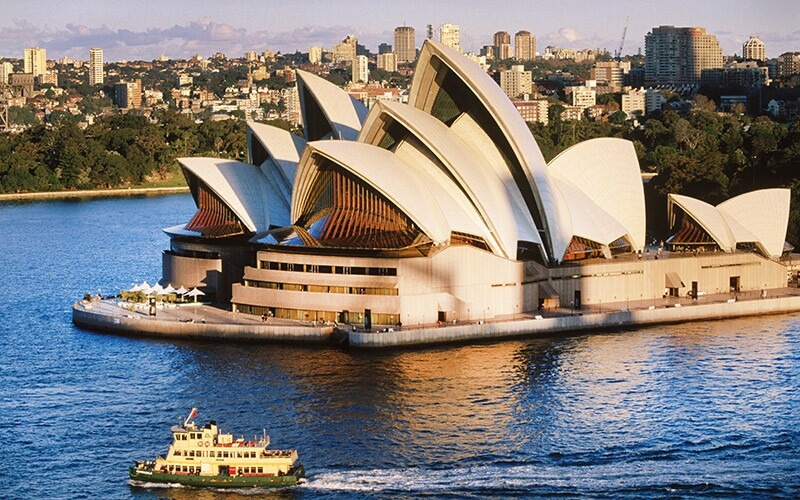
Designed by Danish architect Jørn Utzon, the Sydney Opera House is both a visual and acoustic masterpiece. Its roof resembles billowing sails.
Cultural Hub of the South
With over 1,500 performances a year, it’s Australia’s leading performing arts center and a global design icon.
Sydney Opera House: The Sails of Modern Art
Standing proudly on Bennelong Point in Sydney Harbour, the Sydney Opera House is one of the most recognizable buildings in the world. Completed in 1973, it’s not just a performing arts venue but a global symbol of Australia’s creativity and innovation. Designed by Danish architect Jørn Utzon, the building’s white sail-like shells have become synonymous with Sydney itself.
Opera House: Architectural Brilliance and Unique Design
The Opera House’s design broke architectural conventions. Its roof is made up of interlocking concrete shells, inspired by orange segments. These massive structures were a groundbreaking engineering achievement at the time and required custom-built solutions. The exterior is covered with over one million white and matte cream tiles that shimmer in the sunlight, enhancing its visual impact.
A Center for Performing Arts and Cultural Diversity
The Sydney Opera House is home to more than 1,500 performances annually, ranging from opera, ballet, and symphony concerts to indigenous and contemporary cultural events. It houses multiple performance venues, including the iconic Concert Hall, Joan Sutherland Theatre, and the Drama Theatre. The building serves as a cultural meeting point where art and audience unite from around the globe.
Global Recognition and UNESCO Status
Declared a UNESCO World Heritage Site in 2007, the Sydney Opera House is considered one of the greatest architectural works of the 20th century. It attracts more than 8 million visitors each year and is often used as the visual centerpiece in major international events and New Year’s Eve celebrations. Its story, from controversy to cultural treasure, is a reminder of the power of bold artistic vision.
- Sources Include / Discover More: Sydney Opera House, A Multi-Venue Performing Arts Centre in Sydney, New South Wales, Australia
- Also Read: Most Famous Athletes in the World
#6
Statue of Liberty, USA

Key Takeaways for Statue of Liberty: A Universal Symbol of Freedom & Democracy Standing Tall in New York Harbor
A Gift from France
Gifted in 1886, the Statue of Liberty was a symbol of friendship and freedom. It greeted immigrants arriving in America and still inspires millions.
Beacon of Freedom
Torch in hand, it remains a universal sign of hope and democracy.
Statue of Liberty: The Torch of Freedom
Towering over Liberty Island in New York Harbor, the Statue of Liberty is one of the most iconic monuments in the world. A gift from France to the United States in 1886, it represents liberty, hope, and the enduring spirit of democracy. Designed by French sculptor Frédéric Auguste Bartholdi and built with the engineering expertise of Gustave Eiffel, Lady Liberty has welcomed millions of immigrants to American shores.
Lady Liberty: Architectural Grandeur and Symbolic Features
Constructed from copper sheets mounted on an iron framework, the statue stands at an impressive 305 feet from the ground to the tip of the torch. Lady Liberty’s crown has seven rays, representing the seven continents and seas, symbolizing universal liberty. The broken shackles at her feet signify the abolition of oppression and tyranny. Every element of the statue carries profound meaning, making it more than just a sculpture — it’s a global emblem of freedom.
Grover Cleveland: A Historic Journey from France to the U.S.
The Statue of Liberty was conceived as a sign of friendship between France and the United States during their shared struggle for freedom. It was assembled in France, disassembled, and shipped to the U.S. in over 300 pieces, then reconstructed on Liberty Island. It officially opened to the public on October 28, 1886, in a grand dedication ceremony attended by President Grover Cleveland.
A Magnet for Tourists and Cultural Impact
Today, the Statue of Liberty attracts millions of visitors every year. Tourists can take ferries from Battery Park to Liberty Island, visit the museum, and even climb to the crown for panoramic views of New York City. Beyond tourism, Lady Liberty has become a cultural icon — featured in countless films, artworks, and literature, symbolizing the American dream and global human rights.
- Sources Include / Discover More: Statue of Liberty, The World-Famous Statue of Liberty Standing in New York Harbor, Built in France
- Also Read: Most Famous Scientists in the World
#7
Big Ben (Elizabeth Tower), London
Key Takeaways for Big Ben (Elizabeth Tower): A Timeless Icon of British Heritage and Architectural Majesty
The Timeless Clock
Big Ben isn’t the tower — it’s the bell! But together, they form one of Britain’s most recognized landmarks.
British Icon Through the Ages
It symbolizes democracy, resilience, and the charm of London fog.
Big Ben (Elizabeth Tower): The Voice of London
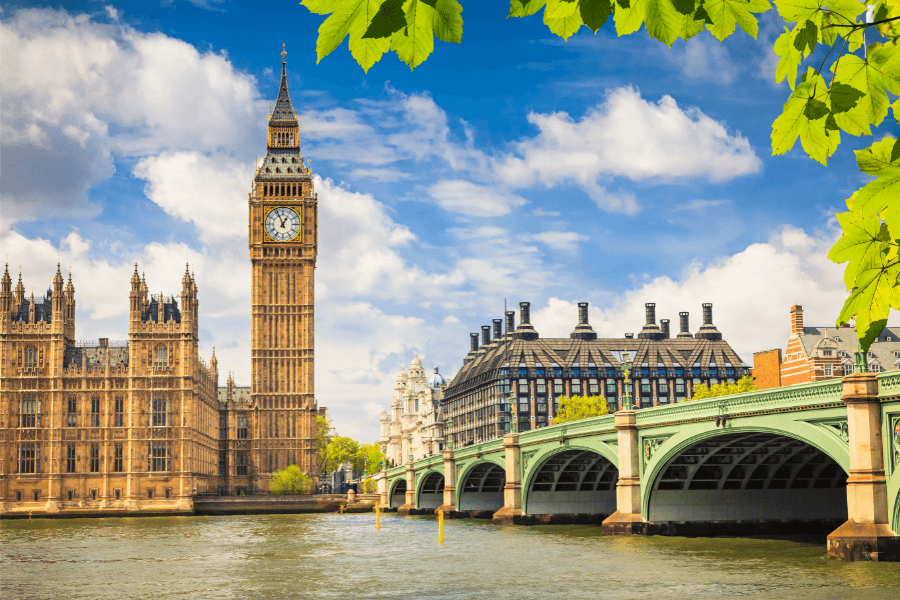
Big Ben is not just a clock tower — it’s the beating heart of London. Officially renamed the Elizabeth Tower in 2012 to honor Queen Elizabeth II’s Diamond Jubilee, this Gothic masterpiece is attached to the Palace of Westminster and has stood tall since 1859. Though many refer to the entire tower as Big Ben, the name actually belongs to the massive bell housed within it.
Elizabeth Tower: Iconic Architecture and Clockwork Precision
The Elizabeth Tower soars to a height of 316 feet and is a striking example of Gothic Revival architecture. Designed by architect Augustus Pugin, it is renowned for its intricate detailing, spires, and ornamental ironwork. The tower’s clock is one of the largest and most accurate four-faced chiming clocks in the world. Each dial measures 23 feet in diameter, and the hands alone are 9 and 14 feet long, respectively.
Big Ben: The History Behind the Bell
The great bell — Big Ben — weighs over 13 tons and first rang out across London on July 11, 1859. Its deep, resonant chime has become one of the most recognized sounds globally, broadcast by the BBC and featured in countless films and global events. Despite surviving bombings during World War II, the clock continued to tick, symbolizing British resilience and continuity.
A Must-See London Experience
Big Ben, situated along the River Thames, is a key attraction in any London sightseeing itinerary. While access inside the tower is currently limited to UK residents, millions of tourists flock annually to snap photos and soak in the grandeur of this national treasure. It remains a symbol of British parliamentary democracy and national pride.
- Sources Include / Discover More: Big Ben in London, The Houses of Parliament’s Iconic Clock Tower
- Also Read: Most Famous Traders in the World
#8
Sagrada Família, Barcelona

Key Takeaways for Sagrada Família: Gaudí’s Unfinished Masterpiece and a Crown Jewel of Catalan Modernism
Gaudí’s Unfinished Masterpiece
Started in 1882 and still under construction, this basilica is the vision of Antoni Gaudí, who blended nature, religion, and surrealism into one breathtaking space.
A Blend of Art, Nature, and Religion
Every detail — from stained glass to spiral towers — tells a story. It’s not just a church; it’s a divine sculpture in progress.
Sagrada Família: A Monument Unlike Any Other
The Sagrada Família is more than just a church—it’s a living, evolving symbol of artistic ambition and spiritual devotion. Located in the heart of Barcelona, Spain, this iconic basilica began construction in 1882 and remains unfinished to this day. Designed by legendary architect Antoni Gaudí, the Sagrada Família blends Gothic and Art Nouveau styles into an organic, almost surreal structure that defies conventional architectural norms.
Basilica: The Vision of Antoni Gaudí
Gaudí took over the project in 1883 and transformed it into his life’s work. His unique vision was inspired by nature, geometry, and his deep Catholic faith. The basilica’s facades — the Nativity, the Passion, and the Glory — each depict different elements of Christ’s life and are covered in biblical symbolism. Gaudí incorporated natural forms like trees, animals, and flowing lines, making the entire structure feel alive.
Architectural Details That Astound
Sagrada Família’s central nave soars to over 45 meters, supported by angled columns that branch like tree limbs. The basilica will eventually feature 18 towers, each symbolizing a different biblical figure, with the tallest representing Jesus Christ. The interior bathes in colorful light from vibrant stained-glass windows, creating an ethereal, almost otherworldly atmosphere that leaves visitors speechless.
Global Recognition and UNESCO Status
Declared a UNESCO World Heritage Site, Sagrada Família attracts millions of visitors each year. Despite its incomplete state, it is among the most-visited monuments in Spain. With continued construction funded by tourism, the basilica is projected to be completed in the coming decades, aligning with Gaudí’s original vision—making it the world’s most awe-inspiring architectural journey in progress.
- Sources Include / Discover More: Sagrada Família, A Church Under Construction in the Eixample District of Barcelona, Catalonia, Spain
- Also Read: Most Famous Michelin Star Restaurants
#9
Hagia Sophia, Istanbul

Key Takeaways for Hagia Sophia: A Timeless Symbol of Faith, Power, and Architectural Genius
Hagia Sophia’s Timeless Transformation
Built in 537 AD, Hagia Sophia has stood as a cathedral, mosque, and now a museum. It’s a living monument to Istanbul’s layered history and diverse spiritual roots.
Where Empires and Faith Collide
From glittering mosaics to towering domes, Hagia Sophia merges Christian and Islamic artistry in a way no other building on Earth does.
Hagia Sophia: A Structure That Defines Civilizations
Hagia Sophia, located in Istanbul, Turkey, is one of the most iconic and influential buildings in world history. Originally constructed in 537 AD under the orders of Byzantine Emperor Justinian I, it served as a cathedral, mosque, museum, and is now again a mosque. This architectural marvel is more than a religious site—it’s a testament to the rise and fusion of empires, cultures, and architectural innovation.
Hagia Sophia's Byzantine Architecture
Hagia Sophia set the standard for Byzantine architecture. Its massive dome, measuring over 31 meters in diameter, seems to float effortlessly above the central nave. Supported by pendentives—a revolutionary engineering technique at the time—this central dome was unmatched for centuries. The building’s design, symmetry, and acoustics became a model for Islamic and Christian architecture alike.
Hagia Sophia Mosque: A Fusion of Religions and Eras
Hagia Sophia has undergone multiple transformations that reflect Istanbul’s shifting religious and political landscapes. It was a cathedral for over 900 years before being converted into a mosque in 1453 following the Ottoman conquest. In 1935, it became a secular museum under Atatürk’s leadership and in 2020, was reconverted into a mosque. These transitions make it a rare spiritual and historical melting pot that unites Christianity and Islam under one awe-inspiring roof.
Artistic and Cultural Grandeur
Step inside, and you’ll be captivated by ancient mosaics, Arabic calligraphy, colossal marble pillars, and golden domes. Mosaics of Christ and the Virgin Mary stand side by side with Islamic minarets and Quranic inscriptions—creating a visual harmony of religious duality. These layered expressions of faith and culture make Hagia Sophia not just a building, but a global symbol of coexistence.
- Sources Include / Discover More: Hagia Sophia, or “Holy Wisdom,” One of the World’s Most Innovative Architectural Marvels
- Also Read: Most Famous Celebrity Homes
#10
Notre Dame Cathedral, Paris
Key Takeaways for Notre Dame Cathedral: A Gothic Masterpiece and Heart of French History
Notre Dame’s Gothic Majesty
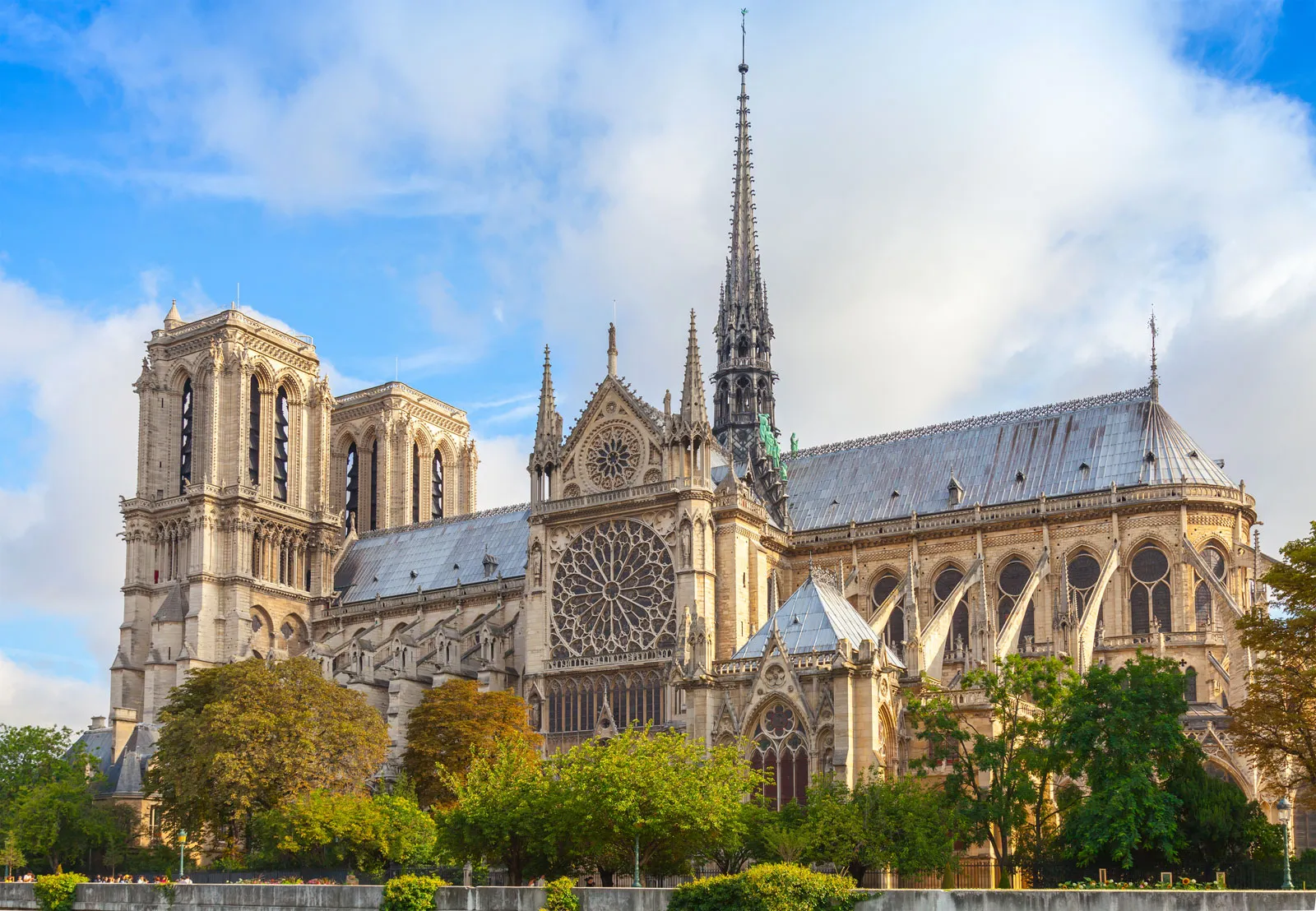
Completed in 1345, Notre Dame Cathedral embodies the grandeur of French Gothic architecture, with its flying buttresses, stained glass, and bell towers.
A Testament to Resilience and Faith
Having survived revolutions, wars, and fire, Notre Dame continues to inspire with its intricate stonework and eternal presence in the heart of Paris.
Notre Dame Cathedral: The Pinnacle of Gothic Architecture
Notre Dame Cathedral stands proudly on the Île de la Cité in Paris, France, as one of the most iconic Gothic cathedrals in the world. Construction began in 1163 and was completed in the mid-14th century. Its soaring flying buttresses, intricately carved façade, and stunning rose windows embody the essence of medieval architecture and craftsmanship, making it a must-see landmark for visitors from across the globe.
A Story Etched in Stone
This cathedral is not just a building but a living chronicle of French history. It has witnessed coronations, revolutions, and even survived devastating events such as the French Revolution and a massive fire in 2019. Its gargoyles and statues serve as silent guardians, and its bells, especially the great Emmanuel bell, have marked significant moments in French culture and history for centuries.
Notre Dame's Architectural Features That Inspire Awe
Notre Dame’s façade features three grand portals adorned with biblical sculptures that tell stories of faith and morality. Inside, the cathedral boasts a vast nave, stunning stained-glass rose windows, and detailed vaulting that creates an ethereal space filled with light and reverence. Its design influenced many other Gothic structures worldwide, setting a standard for church architecture.
Notre Dame: Restoration and Future
The 2019 fire caused significant damage to the roof and spire, sparking a global outpouring of support and a massive restoration effort. The French government and international donors are committed to restoring Notre Dame to its former glory. This restoration not only preserves the cathedral’s legacy but ensures that future generations can continue to marvel at this architectural treasure.
- Sources Include / Discover More: Notre-Dame, A Medieval Catholic Cathedral on the Île de la Cité, in the 4th Arrondissement of Paris, France
- Also Read: Most Famous Chefs in the World
Key FAQs on the 10 Most Famous Buildings in the World
Why is the Eiffel Tower considered one of the 10 Most Famous Buildings in the World?
The Eiffel Tower is considered one of the 10 Most Famous Buildings in the World due to its revolutionary iron lattice design and global recognition as the symbol of Paris, France.
Completed in 1889 for the World’s Fair, the tower rises 330 meters and attracts over 7 million visitors annually, according to UNESCO and Britannica.
Designed by Gustave Eiffel, it represents engineering innovation, romantic identity, and cultural heritage, making it one of the most photographed landmarks on Earth (source: wikipedia.org, whc.unesco.org).
What makes the Taj Mahal one of the 10 Most Famous Buildings in the World?
The Taj Mahal is one of the 10 Most Famous Buildings in the World because it combines Mughal architecture, white marble perfection, and deep emotional symbolism.
Completed in 1653 by Emperor Shah Jahan, it was built as a mausoleum for Mumtaz Mahal and is a UNESCO World Heritage Site visited by over 8 million people yearly.
Its symmetry, pietra dura inlays, and cultural significance make it widely regarded as the most beautiful building ever created (sources: wikipedia.org, unesco.org).
Why is the Burj Khalifa in Dubai considered the world’s most iconic skyscraper?
The Burj Khalifa is one of the 10 Most Famous Buildings in the World because it is the tallest structure ever built, standing at 828 meters in Dubai, UAE.
Completed in 2010, it represents Neo-futurism architecture, advanced engineering, and global luxury tourism.
Developed by Emaar Properties, it holds multiple world records and symbolizes Dubai’s rise as a modern global city (sources: wikipedia.org, skyscrapercenter.com).
Why is the Colosseum still regarded as one of the most famous landmarks in the world?
The Colosseum remains one of the 10 Most Famous Buildings in the World because it embodies the power, engineering, and culture of Ancient Rome.
Completed in 80 AD, it hosted gladiator battles and public spectacles for over 50,000 spectators.
As a UNESCO World Heritage Site, it stands today as the most iconic Roman amphitheater ever built (sources: wikipedia.org, unesco.org).
What makes the Sydney Opera House an architectural wonder of the world?
The Sydney Opera House is one of the 10 Most Famous Buildings in the World due to its sail-like design and cultural importance.
Designed by Jørn Utzon and completed in 1973, it is a UNESCO World Heritage Site hosting world-class performances.
Its sculptural form revolutionized modern architecture and made it Australia’s most recognizable landmark (sources: wikipedia.org, unesco.org).
Why is the Statue of Liberty considered a global symbol of freedom?
The Statue of Liberty is among the 10 Most Famous Buildings in the World because it represents freedom, democracy, and hope.
Gifted by France in 1886, it welcomed millions of immigrants to the United States.
Designed by Frédéric Auguste Bartholdi, it remains one of the most powerful political and cultural symbols worldwide (sources: wikipedia.org, nps.gov).
Why is Big Ben (Elizabeth Tower) a world-famous landmark in London?
Big Ben is one of the 10 Most Famous Buildings in the World because of its iconic Gothic Revival design and historic Great Bell.
Completed in 1859, it stands beside the UK Parliament as a symbol of democracy.
Its chimes and silhouette are globally recognized, representing British heritage and governance (sources: wikipedia.org, historicengland.org).
What makes Sagrada Família one of the world’s most visited landmarks?
Sagrada Família is among the 10 Most Famous Buildings in the World due to its visionary design by Antoni Gaudí.
Construction began in 1882 and continues today, blending Catalan modernism with deep religious symbolism.
It is Barcelona’s most visited landmark and a UNESCO World Heritage Site (sources: wikipedia.org, unesco.org).
Why is Hagia Sophia regarded as a masterpiece of world architecture?
Hagia Sophia is one of the 10 Most Famous Buildings in the World for its massive Byzantine dome and layered religious history.
Built in 537 AD, it served as a cathedral, mosque, and museum.
It represents the fusion of Christian and Islamic architecture (sources: wikipedia.org, unesco.org).
Why is Notre Dame Cathedral one of the most recognized churches worldwide?
Notre Dame Cathedral is one of the 10 Most Famous Buildings in the World due to its French Gothic architecture and cultural importance.
Completed in 1345, it features rose windows, flying buttresses, and medieval artistry.
Despite the 2019 fire, its restoration reaffirmed its global heritage status (sources: wikipedia.org, britannica.com).
Architectural Styles That Shape the World
From Gothic cathedrals to neo-futuristic skyscrapers, architectural styles evolve but continue to inspire. Here’s a quick glance:
- Gothic: Pointed arches, ribbed vaults (e.g., Notre-Dame)
- Neoclassical: Columns and domes (e.g., US Capitol)
- Islamic: Minarets, domes, geometric patterns (e.g., Taj Mahal)
- Modern/Expressionist: Abstract shapes and steel (e.g., Sydney Opera House)
What Makes a Building 'Famous'?
Is it height? History? Or the number of tourists taking selfies outside? Truth is, it’s a mix of:
- Emotional impact
- Cultural or historical relevance
- Unique design and innovation
- Media exposure and symbolic value
Final Thoughts
From ancient wonders like the Colosseum in Rome and Hagia Sophia in Istanbul to modern icons such as the Burj Khalifa in Dubai and the Sydney Opera House in Australia, the 10 Most Famous Buildings in the World represent far more than architectural skill. They are timeless testaments to human creativity, cultural pride, and engineering brilliance. Each landmark carries a powerful story—whether it’s the Taj Mahal’s eternal symbol of love, the Eiffel Tower’s role as a global icon of Paris, or the Statue of Liberty’s enduring message of freedom and hope.
These architectural masterpieces continue to inspire millions of travelers, historians, architects, and dreamers worldwide. They are not only magnets for tourism but also powerful symbols of the civilizations, values, and innovations that shaped our history. The next time you stand before one of these structures or admire them through photographs, remember that you’re not just looking at bricks, steel, or marble—you’re witnessing the legacy of human ambition and imagination.
The world’s most famous buildings don’t just dominate skylines—they define eras, embody stories, and connect generations. They remind us that great architecture is more than shelter—it is identity, inspiration, and art carved into history.
The 10 Most Famous Buildings Frequently Asked Questions (FAQs)
The Eiffel Tower consistently ranks among the most visited, drawing over 7 million visitors annually.
The Sagrada Família has been under construction for over 140 years — and it's still going!
Yes, all 10 buildings on this list welcome tourists, with varying ticket prices and schedules.
Many consider the Taj Mahal the most beautiful due to its perfect symmetry and emotional backstory.
Through a mix of historical importance, stunning design, global media attention, and visitor appeal.
The 10 Most Famous Buildings in the World are the Eiffel Tower, Taj Mahal, Burj Khalifa, The Colosseum, Sydney Opera House, Statue of Liberty, Big Ben, Sagrada Família, Hagia Sophia, and Notre Dame Cathedral.
The Burj Khalifa in Dubai is the tallest building in the world, standing 828 meters high.
The Taj Mahal in Agra, India, is the world’s most famous symbol of eternal love, built by Shah Jahan for his wife Mumtaz Mahal.
The Statue of Liberty in New York City is a universal symbol of freedom, democracy, and hope.
The Eiffel Tower is the most visited landmark in Paris, attracting millions of visitors every year.
About the Author
This article was researched and prepared by the World Millions Editorial Team, specialists in global rankings, premium market analysis, structured comparisons, and high-value sector research across industries.
All content undergoes verification, editorial review, and periodic updates to ensure accuracy, clarity, and alignment with recognized industry standards, reliable institutional sources, and leading global authorities.
- Last Updated: March 27, 2026 by the World Millions Editorial Team
- Original Published Date: March 27, 2026
- View Our: Editorial Team | Sources | Disclaimer | Editorial Standards