The top real estate markets in the world represent the pinnacle of global property investment, economic strength, and urban development. From iconic financial capitals to rapidly expanding megacities, these markets attract institutional investors, high-net-worth buyers, and international developers seeking long-term value, strong rental demand, and capital appreciation.
Discover the 10 top real estate markets in the world, ranked by average property prices, investment potential, infrastructure growth, and global economic influence. From New York City and London to Tokyo, Dubai, and Singapore, these powerful property hubs define the future of international real estate and offer some of the most attractive opportunities for global investors and luxury property buyers.
On This Page
Toggle- Updated 2026 by the World Millions Editorial Team: View Author Information
Why Real Estate Still Rules Global Investment
Let’s be honest—stocks are volatile, crypto is confusing, and gold just sits there. Real estate? It builds equity, generates rental income, and appreciates over time. That’s why smart investors around the world are still flocking to high-performing cities to grab their share of this ever-growing pie.
Whether it’s a sleek Manhattan condo or a smart flat in Singapore, the benefits of real estate are real—and reliable.
What Defines a Hot Real Estate Market?
A thriving real estate market isn’t just about high prices. It’s about:
- Sustainable appreciation
- Low vacancy rates
- Strong rental yields
- Stable economy
- Desirable lifestyle offerings
Throw in excellent infrastructure, job opportunities, and global connectivity, and you’ve got yourself a winning market.
Economic Powerhouses Driving Real Estate Growth
GDP, Foreign Investment, and Urban Expansion
Big cities with big GDPs tend to draw big investments. It’s simple economics—where there’s money, there’s development. Cities like New York, London, and Tokyo have GDPs that surpass entire countries, fueling an ever-rising demand for residential and commercial property.
Add foreign investment and rapid urban expansion to the mix, and you get a recipe for skyrocketing real estate value.
The Role of Infrastructure and Tech Innovation
Modern infrastructure and smart city technology are making urban centers even more desirable. Think automated transport, green buildings, and lightning-fast internet. Cities that invest in these areas aren’t just livable—they’re magnetic for global talent and investors.
Lifestyle and Migration Trends
Quality of Life as a Real Estate Driver
People are no longer just chasing money—they’re chasing meaning. Cities that offer better healthcare, education, safety, and work-life balance are becoming hotbeds for real estate.
That’s why cities like Sydney, Singapore, and Toronto consistently rank high in livability—and thus in property demand.
Immigration, Expat Living, and Investor Citizenship
Real estate markets benefit immensely from global mobility. Expat-friendly policies and residency-by-investment programs attract high-net-worth individuals. Countries like the UAE and Portugal, for example, have leveraged this to build their booming real estate sectors.
List of the 10 Top Real Estate Markets in the World
Discover the best cities to buy real estate right now, ranked by price, growth, and global investment potential.
The global property market is more competitive than ever, and knowing where to invest can make all the difference. From luxury apartments in New York City to stable property investments in Singapore, the Top 10 Real Estate Markets in the World represent the most profitable, prestigious, and resilient destinations for buyers and investors currently. These cities combine high rental yields, long-term capital appreciation, and international appeal, making them the ultimate hubs for global real estate investment.
Each market offers unique strengths—London with its heritage estates, Tokyo with cutting-edge infrastructure, Dubai with tax-free property ownership, and Sydney with lifestyle-driven coastal demand. Rising urban centers like Toronto and Shanghai further highlight the growing opportunities for international investors.
The following table provides a comprehensive snapshot of property values worldwide, showcasing average prices per square meter, key strengths, and global rankings. Whether you’re seeking safe investments, luxury properties, or international diversification, this list will help you identify the best property markets right now and beyond.
| Rank | City | Country | Avg. Price/Sq. Meter (USD) | Key Market Strength |
|---|---|---|---|---|
| 1 | New York City | USA | $18,000 | Residential & Commercial hub with strong demand |
| 2 | London | United Kingdom | $16,500 | Strong international investment and stable market |
| 3 | Tokyo | Japan | $14,000 | Robust domestic market and advanced infrastructure |
| 4 | Dubai | UAE | $13,000 | Luxury properties with high rental potential |
| 5 | Paris | France | $12,500 | Heritage properties with long-term value |
| 6 | Singapore | Singapore | $12,000 | Safe, regulated market with steady growth |
| 7 | Sydney | Australia | $11,000 | Coastal properties with strong rental demand |
| 8 | Hong Kong | China (SAR) | $10,500 | High-end luxury and retail market with limited supply |
| 9 | Toronto | Canada | $9,800 | Residential market with high immigration and demand |
| 10 | Shanghai | China | $9,200 | Urban growth with booming real estate demand |
Discover the 10 Top Real Estate Markets in the World
Discover the world’s most powerful property destinations with our exclusive list of the 10 Top Real Estate Markets in the World. From the skyline of New York City to the innovation of Tokyo and the luxury of Dubai, these global real estate hubs define wealth, opportunity, and long-term investment growth right now.
Whether you’re an investor, homebuyer, or global property enthusiast, these cities offer the perfect mix of stability, high ROI, and international prestige. Explore where the world’s elite are buying property, and uncover the best global real estate markets shaping the future of urban investment.
#1
New York City, USA
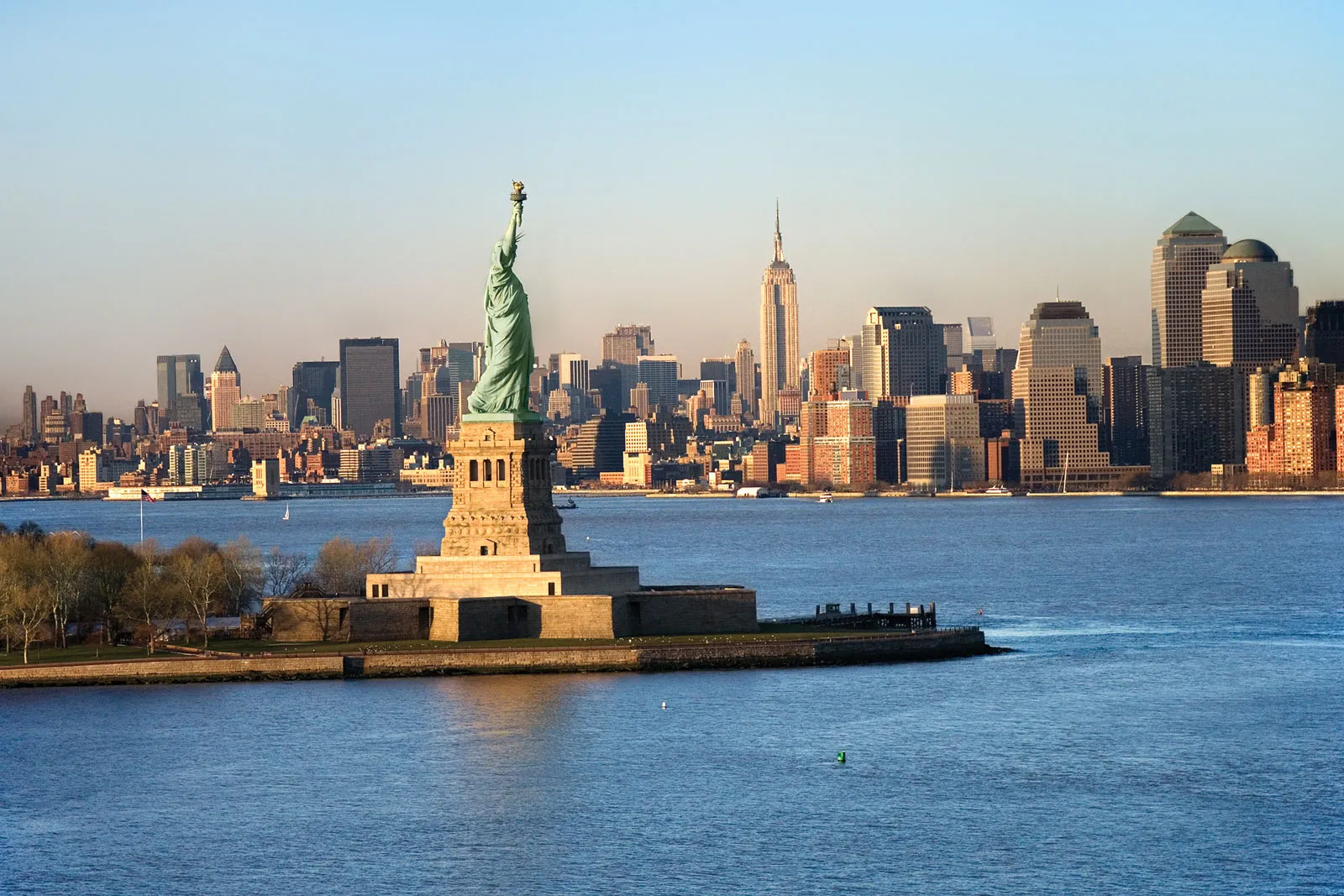
Key Takeaways for New York City, USA
New York City is the world’s most dynamic real estate market, combining luxury living, commercial dominance, and cultural influence. Known as the global financial capital, NYC continues to attract international investors seeking prime property opportunities.
Key Highlights:
- Global financial hub with unmatched real estate demand.
- Luxury apartments, penthouses, and skyscraper offices.
- High rental yields and long-term capital appreciation.
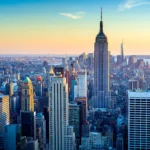
New York City: Why New York City Tops the Global Real Estate Charts
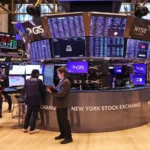
New York City consistently ranks as one of the best real estate markets in the world. It’s a city that never sleeps, but when it comes to real estate, it never stops growing either. With sky-high property prices and international demand, NYC offers a unique combination of liquidity, capital appreciation, and global appeal. Whether you’re looking at luxury condos in Manhattan or commercial real estate in Brooklyn, the New York market stands strong, especially among global investors seeking secure and prestigious holdings.
New York: Market Dynamics and Price Per Square Meter
Currently, the average price per square meter in New York real estate hovers around $18,000. Manhattan remains the most expensive borough, followed by Brooklyn and Queens. Foreign investors are particularly drawn to neighborhoods like Tribeca, the Upper East Side, and Central Park South, where ultra-luxury apartments offer not just residences, but status. Even with economic shifts, the property market in NYC shows resilience, rebounding faster than other major cities post-pandemic and sustaining upward trends.
NYC: Key Drivers Behind New York’s Real Estate Strength
Several factors contribute to the robustness of New York’s real estate market. First, the city is a global financial hub. Home to Wall Street, NYC draws an affluent workforce and international corporate presence. Second, there’s limited space and a high population density, creating sustained demand for both residential and commercial properties. Add to that a constant influx of international students, tech professionals, and creative industries, and the market remains competitive year-round.
Moreover, infrastructure developments like the Second Avenue Subway expansion and Hudson Yards have significantly increased property values in adjacent areas. With new luxury towers and mixed-use developments, the skyline—and the investment potential—keeps evolving.
Why Investors Love New York
Investing in New York real estate means more than just capital appreciation—it’s about portfolio prestige and stability. The rental market is vibrant, especially in areas close to business districts and universities. High rental yields, low vacancy rates, and consistent tenant demand make NYC one of the top rental markets globally. Additionally, strict zoning laws and limited inventory further drive up property value, ensuring your asset appreciates over time.
- Sources Include / Discover More: New York City, The Most Populous City in the United States
- Also Read: Top Largest Law Firms in the World
#2
London, United Kingdom
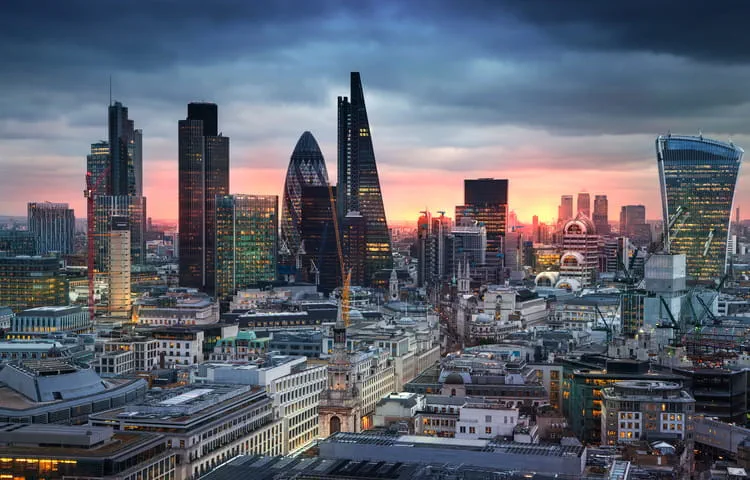
Key Takeaways for London, United Kingdom
London remains one of the most prestigious property markets worldwide. With a mix of heritage estates and modern skyscrapers, the city appeals to global investors who value stability and international prestige.
Key Highlights:
- Strong international investment hub.
- Stable market with long-term value growth.
- Luxury homes in Mayfair, Kensington, and Chelsea.
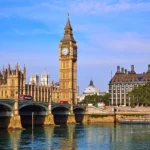
London: The Crown Jewel of European Real Estate
London remains one of the most desirable and competitive real estate markets on the planet. Its timeless appeal as a global cultural and financial epicenter makes it a magnet for high-net-worth individuals, institutional investors, and foreign buyers. London offers a unique mix of historic charm and modern infrastructure, with world-renowned neighborhoods like Mayfair, Kensington, and Chelsea showcasing luxury properties that rarely lose value. For those looking to invest in European real estate, London provides an ideal blend of prestige and profitability.
Real Estate Pricing and Market Trends
Currently, London real estate averages around $16,500 per square meter, with central boroughs commanding much higher prices. Despite post-Brexit adjustments and global economic challenges, the London housing market has remained resilient. Demand continues to outstrip supply, particularly in prime central locations, driving consistent capital growth. International investors—especially from Asia, the Middle East, and the U.S.—view London property as a safe-haven asset, bolstered by the city’s robust legal framework and transparency.
Recent growth is also supported by increased demand in suburban areas and commuter belts, thanks to improved transport links like Crossrail (Elizabeth Line). These developments have pushed up property values in previously overlooked zones, adding layers of opportunity for both capital gains and long-term rentals.
What Makes London Real Estate Irresistible?
Several factors contribute to London’s status as a global property powerhouse. First, it’s home to some of the world’s top universities, including Imperial College and the London School of Economics, which attract a steady stream of international students and faculty. Second, London’s diverse job market, particularly in finance, tech, and law, continues to support strong demand for residential and commercial space.
Additionally, the UK’s relatively lenient property ownership laws allow foreigners to own freehold or leasehold properties, making it easier for global investors to enter the market. Political stability, a reliable legal system, and currency strength further enhance its appeal.
Long-Term Investor Appeal
London isn’t just a city; it’s a global brand. Investing here means more than just owning property—it means entering a legacy market with deep-rooted value. The city’s architectural elegance, green spaces, and international lifestyle make it a top-tier choice for family homes, rental properties, and luxury real estate portfolios. With high rental yields, strong tenant demand, and world-class amenities, London continues to be one of the most lucrative and secure real estate markets worldwide.
- Sources Include / Discover More: Your Ultimate Guide to London
- Also Read: Top Richest People in the World
#3
Tokyo, Japan
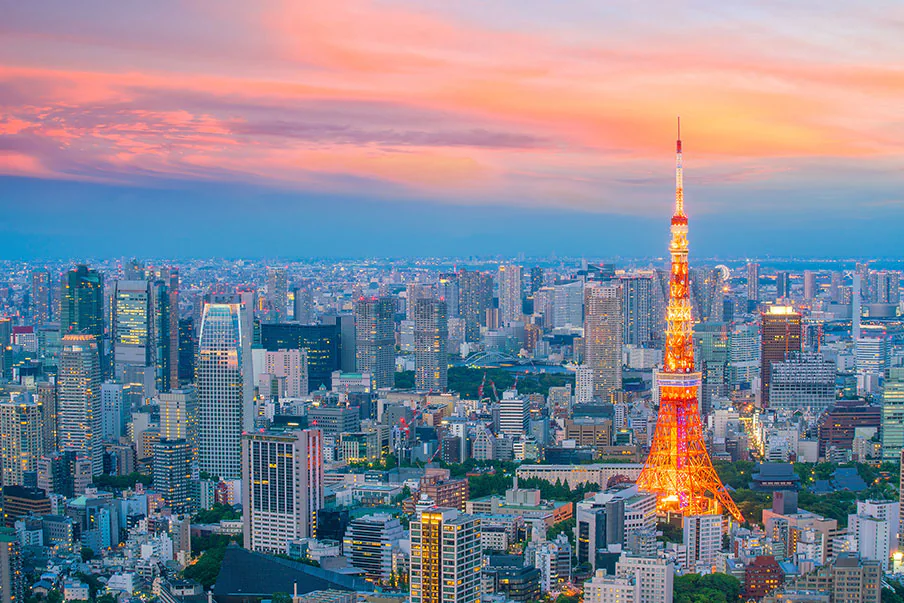
Key Takeaways for Tokyo, Japan
Tokyo, often called the engine of Asia, blends innovation with tradition in its real estate sector. Known for resilience and urban sophistication, Tokyo offers consistent rental demand and futuristic housing solutions.
Key Highlights:
- Robust domestic housing market.
- Cutting-edge smart city and infrastructure development.
- Stable investment returns and cultural appeal.
Tokyo: A Harmonious Blend of Innovation and Tradition
Tokyo is not just the heart of Japan—it’s a real estate giant with global recognition. As one of the most populous and advanced cities in the world, Tokyo boasts a dynamic real estate market supported by high demand, advanced infrastructure, and a culture rooted in stability and precision. From ultra-modern high-rises in Shibuya to serene, family-friendly neighborhoods in Setagaya, Tokyo’s property market offers something for every type of investor.
Whether you’re eyeing long-term rental returns, short-term stays, or capital appreciation, Tokyo’s diverse real estate ecosystem has evolved into a magnet for savvy global investors.
Tokyo Real Estate Prices and Market Overview
Currently, the average property price in Tokyo is around $14,000 per square meter, with premium districts like Minato, Chiyoda, and Shibuya exceeding that figure. Compared to other global metropolises like New York or London, Tokyo offers excellent value for money, particularly given its economic strength and safety record.
One of Tokyo’s defining traits is its urban planning. The city is built with resilience in mind—earthquake-resistant buildings, hyper-efficient transport systems, and meticulous zoning. These attributes drive high buyer confidence and consistent demand. Despite Japan’s aging population, Tokyo continues to grow in attractiveness due to its central role in finance, culture, tech, and innovation.
Key Drivers of Tokyo’s Property Market
Tokyo benefits from a confluence of factors that fuel its real estate growth. First, it’s a global financial hub, with multinationals and start-ups choosing Tokyo as their East Asian base. Second, the city has an incredibly efficient transportation network—think bullet trains, subway lines, and near-perfect punctuality—which significantly boosts property values near key stations and hubs.
Japan also offers favorable interest rates and a stable economy, attracting international investors looking for low-risk, long-term growth. The yen’s consistency and Japan’s strong rule of law make it a favorite for institutional investors and private buyers alike.
Plus, Tokyo’s real estate market is known for its liquidity. Properties are bought and sold efficiently, and transaction costs are relatively low compared to other major cities. The government has also opened up regulations, allowing foreign nationals to own land and properties outright, further boosting international confidence.
Why Invest in Tokio Real Estate Now
Investing in Tokio—the historic Western spelling of modern-day Tokyo—is like securing a share of the future while staying rooted in tradition. Although most people today know the Japanese capital as Tokyo, the term Tokio is still used internationally in real estate, finance, and historical references. Both names point to the same dynamic city, a global hub of culture, commerce, and cutting-edge technology.
As Tokio (Tokyo) continues to pioneer advancements in smart cities, robotics, and sustainable green energy, property values are projected to climb steadily, offering strong potential for both capital appreciation and rental income. Rental yields remain solid, particularly near universities, technology parks, and central business zones.
From sleek high-rise condominiums with panoramic skyline views to traditional Japanese-style homes that exude zen-like tranquility, Tokio real estate offers a rare balance of stability, growth, and lifestyle appeal. This harmony between innovation and heritage makes it one of the best global property investment opportunities today.
- Sources Include / Discover More: Tokyo, The Official City Guide – What to do in Tokyo
- Also Read: Top Banks in the World
#4
Dubai, UAE
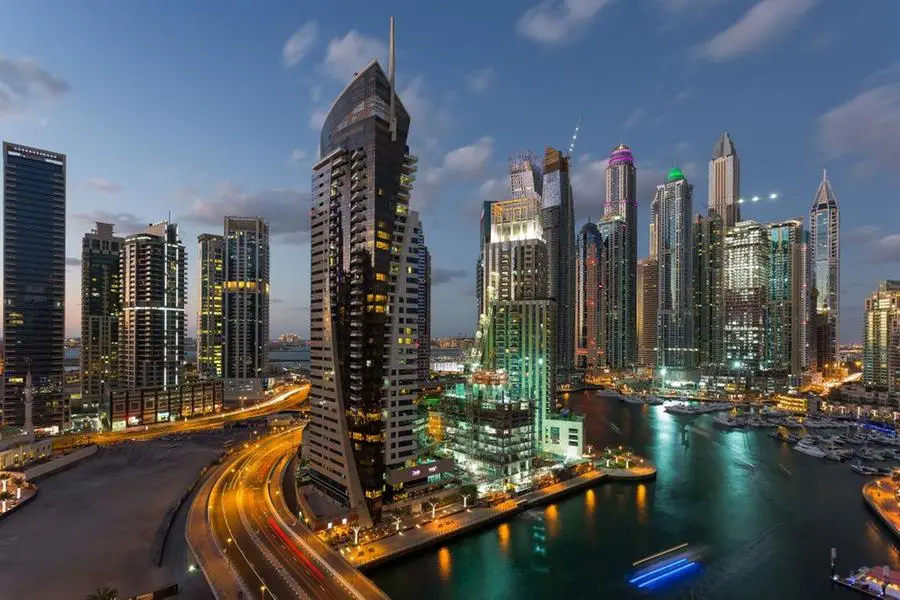
Key Takeaways for Dubai, UAE
Dubai’s property market is a magnet for global investors thanks to tax-free benefits, luxury developments, and futuristic real estate projects. The city combines modern architecture with high rental potential.
Key Highlights:
- Tax-free property investment opportunities.
- Luxury villas, apartments, and waterfront properties.
- Strong rental yields and expat-driven demand.
Dubai: A Futuristic Playground for Global Real Estate Investors
Dubai has transformed from a desert outpost to one of the most luxurious and forward-thinking real estate markets in the world. With its skyline dominated by architectural marvels like the Burj Khalifa and Palm Jumeirah, Dubai is a symbol of prosperity, ambition, and innovation. The city’s property market reflects this bold vision—offering tax-free returns, freehold ownership for foreigners, and world-class infrastructure.
Its strategic location between Europe, Asia, and Africa also makes Dubai a central hub for global commerce and real estate investment. Whether it’s luxury villas in Emirates Hills or modern apartments in Downtown Dubai, this city caters to a wide spectrum of high-end buyers and investors.
Dubai Real Estate Prices and Investment Trends
Currently, Dubai’s average property price stands at around $13,000 per square meter, with upscale areas like Palm Jumeirah, Dubai Marina, and Downtown Dubai commanding much higher premiums. Despite being more affordable than cities like New York or London, Dubai offers comparable—if not better—amenities and architectural brilliance.
One of the biggest advantages of investing in Dubai is the absence of property taxes, capital gains tax, and income tax on rental income. Combined with high rental yields (often exceeding 6–8% in key districts), this has made Dubai a top destination for real estate investors seeking excellent ROI.
Moreover, Dubai’s real estate market is closely tied to its booming tourism and expatriate population. With visa-friendly reforms, an expanding economy, and global events like Expo 2020 still driving attention, demand remains consistently high.
Why Dubai Stands Out Globally
Dubai is more than just luxury—it’s smart, sustainable, and strategically planned. Areas like Business Bay and Dubai South are being developed with futuristic urban planning in mind, featuring smart city initiatives, green spaces, and high-tech infrastructure.
The government has also introduced several investor-friendly policies, such as long-term residency visas tied to property investments, flexible payment plans, and full foreign ownership in designated freehold zones. These reforms have lowered entry barriers and enhanced transparency, boosting investor confidence across the board.
In addition, Dubai offers an unparalleled lifestyle—think luxury shopping, fine dining, pristine beaches, and year-round sunshine. Its reputation for safety, quality healthcare, and modern education also makes it a magnet for families looking to settle in the region.
Long-Term Outlook for Dubai Real Estate
Dubai’s real estate market is built for the future. With the city targeting a population of 5.8 million by 2040 under its Urban Master Plan, the demand for residential, commercial, and hospitality properties is expected to surge. Developers are already launching new projects with futuristic features like AI integration, sustainability certifications, and resort-style living.
For global investors, Dubai represents not just a safe haven, but a launchpad into the Middle East and beyond. Its mix of high returns, no taxes, luxury living, and innovation makes it one of the most compelling and competitive real estate markets in the world today.
Moreover, clients get access to economic forecasts, investment theses, and asset allocation strategies directly from Goldman Sachs‘ Global Investment Research team, a resource many competitors simply cannot match.
- Sources Include / Discover More: The Official City Guide to Explore, Work, and Live in Dubai
- Also Read: Top Countries in the World
#5
Paris, France
Key Takeaways for Paris, France
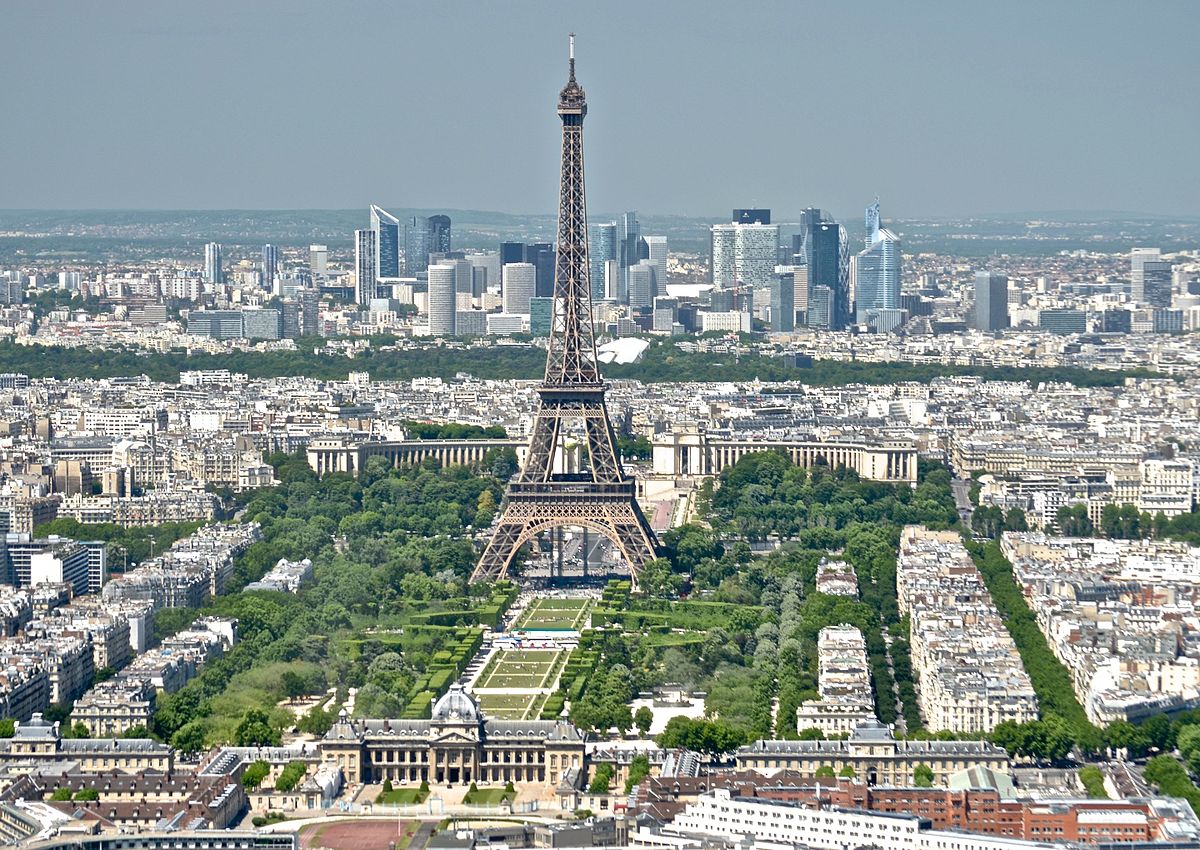
Paris offers timeless real estate appeal with historic charm and luxury living. As the heart of culture and heritage in Europe, Paris remains one of the most attractive markets for global property buyers.
Key Highlights:
- Heritage apartments and Haussmann-style architecture.
- Long-term value preservation in prime districts.
- International demand for luxury real estate.
Paris: The Timeless Elegance of the Paris Property Market
Paris, known as the “City of Light,” is more than just a cultural and romantic hub—it’s a crown jewel in the global real estate market. With its blend of historical charm, architectural grandeur, and modern lifestyle amenities, Paris continues to attract investors, luxury buyers, and expatriates seeking long-term value and prestige.
From the historic streets of Le Marais to the luxurious Haussmann buildings of the 7th arrondissement, Paris real estate offers a timeless elegance that few cities can replicate. It’s a market that thrives on exclusivity, limited inventory, and global appeal.
Real Estate Prices and Trends in Paris
Currently, the average price per square meter in central Paris stands around $12,500, with premium locations like the 6th and 7th arrondissements easily crossing the $20,000 mark. Despite global economic uncertainties, Paris remains resilient due to its strict zoning regulations and heritage preservation laws, which limit oversupply and maintain high property values.
Property in Paris is a solid long-term investment. Capital appreciation is strong, especially in prime neighborhoods with limited development potential. In addition, rental demand is consistently high, thanks to Paris’s thriving student population, expatriate community, and endless stream of tourists and diplomats.
Key Drivers of Paris’s Real Estate Market
Paris enjoys the trifecta of location, lifestyle, and legacy. Its central position in Europe makes it a gateway for international business, diplomacy, and culture. The city’s status as a fashion, culinary, and artistic capital adds unparalleled prestige to its real estate.
The Grand Paris development project—a €35 billion infrastructure overhaul including new metro lines and business districts—is further boosting investor confidence and increasing accessibility to outlying arrondissements. This expansion is expected to increase property values in previously overlooked neighborhoods.
France also offers relative legal security for property ownership, attracting foreign buyers who value transparency and long-term capital safety. With low mortgage rates and a healthy demand for both luxury and mid-tier properties, the Parisian property market is stable yet full of opportunity.
Why Paris Is a Global Real Estate Icon
Investing in Paris is like buying into a living museum—with modern perks. The market is driven not just by demand but by a strong emotional and cultural attachment that fuels buyer decisions globally. Whether you’re purchasing a pied-à-terre on the Left Bank or a penthouse with Eiffel Tower views, ownership in Paris is a symbol of taste, sophistication, and global connectivity.
For investors seeking long-term growth, heritage, and liquidity, Paris offers a balanced and blue-chip property portfolio that continues to appreciate—quietly, consistently, and gracefully.
- Sources Include / Discover More: Paris, The Tourist Office – Official Guide
- Also Read: Top Luxury Brands in the World
#6
Singapore
Key Takeaways for Singapore
Singapore, also known as Singapur in other languages, is one of the safest and most regulated real estate markets globally. With limited land and high investor confidence, it consistently ranks as a top investment destination.
Key Highlights:
- Politically stable and highly regulated property market.
- Strong GDP growth and pro-business environment.
- Limited land supply drives steady price growth.
Singapore: Asia’s Financial Powerhouse with a World-Class Real Estate Market
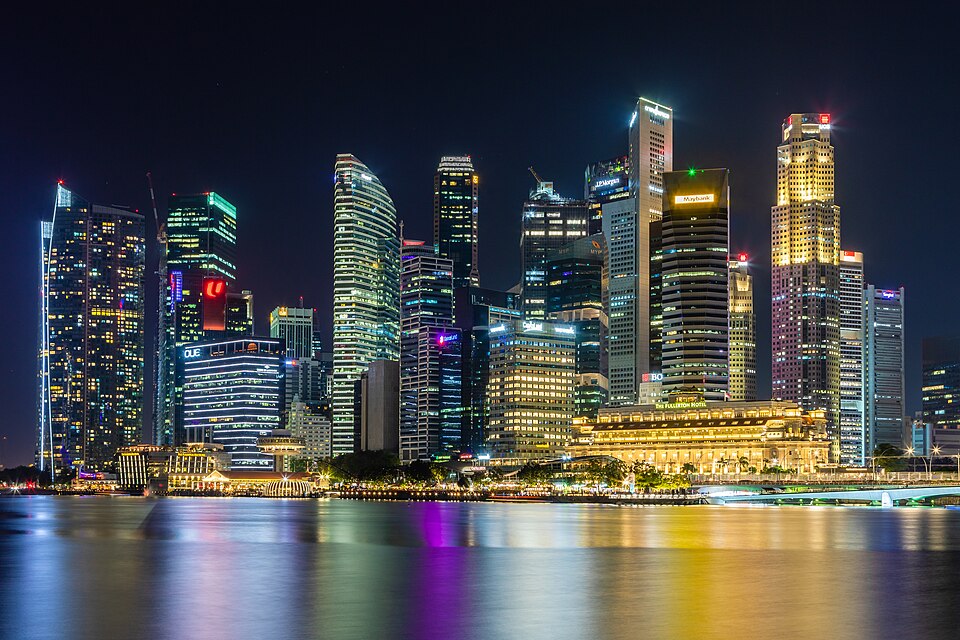
Singapore, often referred to as the “Switzerland of Asia,” has emerged as one of the most stable and investor-friendly real estate markets in the world. Known for its political stability, world-class infrastructure, and strategic location, this city-state continues to attract high-net-worth individuals and institutional investors from across the globe.
Whether it’s luxury condos in Marina Bay, upscale landed properties in District 10, or new developments in Orchard Road, Singapore’s property market offers a wide range of investment options with high security, transparency, and consistent returns.
Real Estate Prices and Market Insights in Singapore
Currently, the average price per square meter in central Singapore is around $12,000, with ultra-luxury developments like Wallich Residence, Marina One Residences, and Nassim Hill crossing $25,000 per square meter. Despite strict cooling measures imposed by the government to avoid property bubbles, the Singapore market remains competitive and highly sought-after.
One key aspect that sets Singapore apart is its supply control through government land sales (GLS), which ensures demand and supply remain balanced. Foreign buyers are welcome, though additional buyer’s stamp duties (ABSD) apply—yet this hasn’t deterred international interest, especially from Chinese, Indonesian, Indian, and European investors.
Why Singapore’s Property Market Stands Out
Singapore offers more than just real estate—it offers a lifestyle that blends ultra-modern living with top-tier governance. Ranked consistently as one of the safest cities globally, it offers excellent healthcare, education, public transport, and digital connectivity, making it ideal for families and retirees alike.
The Singapore Green Plan 2030 and focus on smart city innovations make its real estate landscape future-ready. Developers are embracing sustainability, integrated smart home features, and eco-conscious urban planning, which resonate strongly with modern buyers and investors.
The city also benefits from being a tax haven—there is no capital gains tax on property sales and no inheritance tax, making it an attractive place for asset preservation and long-term wealth planning.
Long-Term Real Estate Investment Outlook for Singapur (Singapore)
Singapur, known globally as Singapore in English, is one of the most stable and future-ready property markets in the world. Both terms refer to the same thriving city-state, but “Singapur” is commonly used in German, Spanish, and several other languages, while “Singapore” is its English name.
The Singapur real estate market is built on pillars of regulation, innovation, and resilience, making it a magnet for international investors searching for long-term property investment opportunities in Asia. The country’s robust legal system, low corruption levels, and pro-business policies continue to fuel demand for luxury residential properties and commercial real estate.
With consistent foreign investor interest, limited land supply, and strong GDP growth, property prices in Singapur are expected to rise steadily through now and the next decade. For global buyers evaluating the best cities to buy real estate right now, Singapur offers an unmatched combination of luxury, stability, and sustainable growth—cementing its position as one of the top global property investment opportunities for years to come.
- Sources Include / Discover More: Singapore, The Visit Singapore Official Guide
- Also Read: Top Calculators in the World
#7
Sydney, Australia
Key Takeaways for Sydney, Australia
Sydney offers coastal luxury with strong housing demand fueled by immigration and global appeal. Known for its harbor views and modern lifestyle, Sydney real estate is a premium choice for investors.
Key Highlights:
- Coastal city with strong rental demand.
- High-quality lifestyle and global appeal.
- Long-term growth driven by urban expansion.
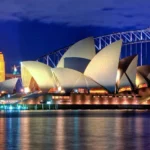
Sydney: A Coastal Gem with Global Investment Appeal
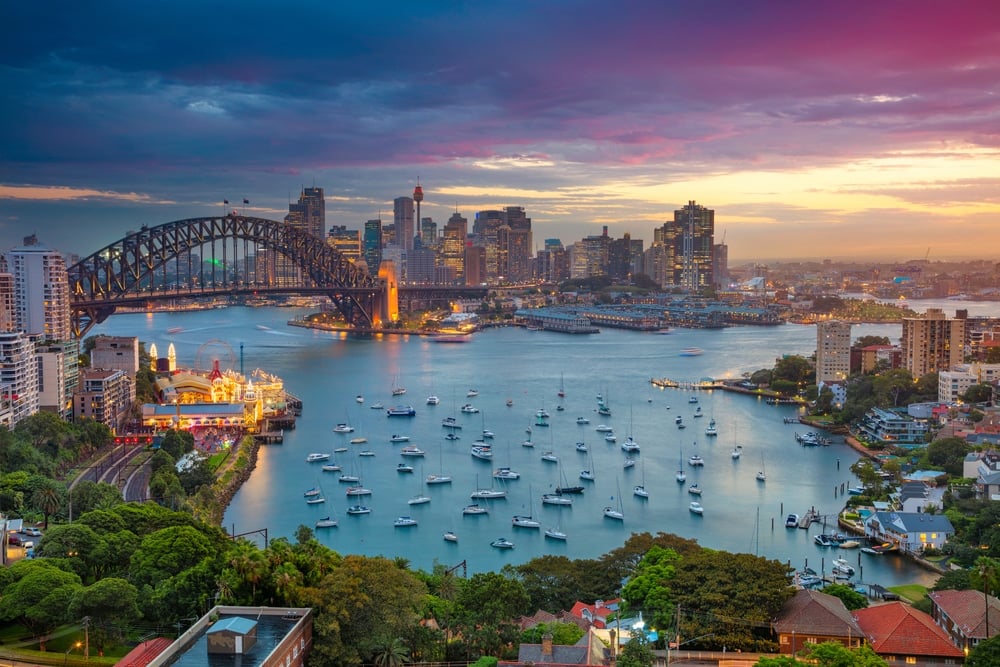
Sydney is not only Australia’s largest and most iconic city—it’s also a top-tier real estate market that consistently draws international attention. With its stunning harbor views, stable economy, and cosmopolitan lifestyle, Sydney offers a unique mix of livability and profitability. Whether you’re eyeing high-rise apartments in Barangaroo or waterfront mansions in Point Piper, Sydney’s real estate landscape is diverse, vibrant, and steadily appreciating.
As a gateway to Asia-Pacific, Sydney’s real estate market appeals to local and global investors who seek a safe, long-term investment in a developed and well-regulated environment.
Property Market Trends and Pricing in Sydney
Currently, the average property price in central Sydney sits at approximately $11,000 per square meter. Prime suburbs like Mosman, Bellevue Hill, and Vaucluse often exceed $18,000 per square meter, with luxury penthouses commanding even more. Despite recent interest rate fluctuations, Sydney’s housing market has remained resilient, supported by strong demand, low housing stock, and ongoing immigration.
Foreign buyers, particularly from China, the UK, and the U.S., remain highly interested in Sydney’s real estate, often targeting new developments and established prestige homes. Rental yields are attractive, especially in the inner-city areas, driven by population growth, student influx, and expat relocations.
Why Sydney’s Real Estate Market Stands Out
Sydney’s appeal goes beyond bricks and mortar. It offers a quality of life that’s hard to beat—beaches, world-class healthcare, a strong education system, and a thriving cultural scene all make it one of the most desirable cities to live and invest in. Moreover, Australia’s transparent legal and banking systems provide investors with confidence and security.
Infrastructure projects like the Sydney Metro, Western Sydney Airport, and Green Square urban renewal are boosting property values and enhancing livability. Sustainability is also becoming a key factor, with green buildings and smart home integrations gaining popularity among eco-conscious buyers.
The Future of Real Estate in Sydney
The long-term outlook for Sydney’s property market remains strong. Urban expansion, tech-sector growth, and a steady inflow of skilled migrants are all factors driving demand across residential and commercial sectors.
With a limited land supply and strict zoning laws, Sydney’s real estate remains a blue-chip asset class. For global investors and homebuyers alike, Sydney offers the promise of stable returns, lifestyle luxury, and enduring value in a rapidly evolving world.
- Sources Include / Discover More: Sydney, The Official Sydney Tourism Guide
- Also Read: Top Currency Converters in the World
#8
Hong Kong
Key Takeaways for Hong Kong
Hong Kong is one of the world’s most expensive real estate markets. Despite limited space, it boasts luxury apartments, prime retail hubs, and global financial importance.
Key Highlights:
- High-end luxury property with limited land supply.
- One of the world’s priciest real estate markets.
- Strong demand from international and mainland buyers.
Hong Kong: A High-Density Financial Giant with Sky-High Real Estate Value
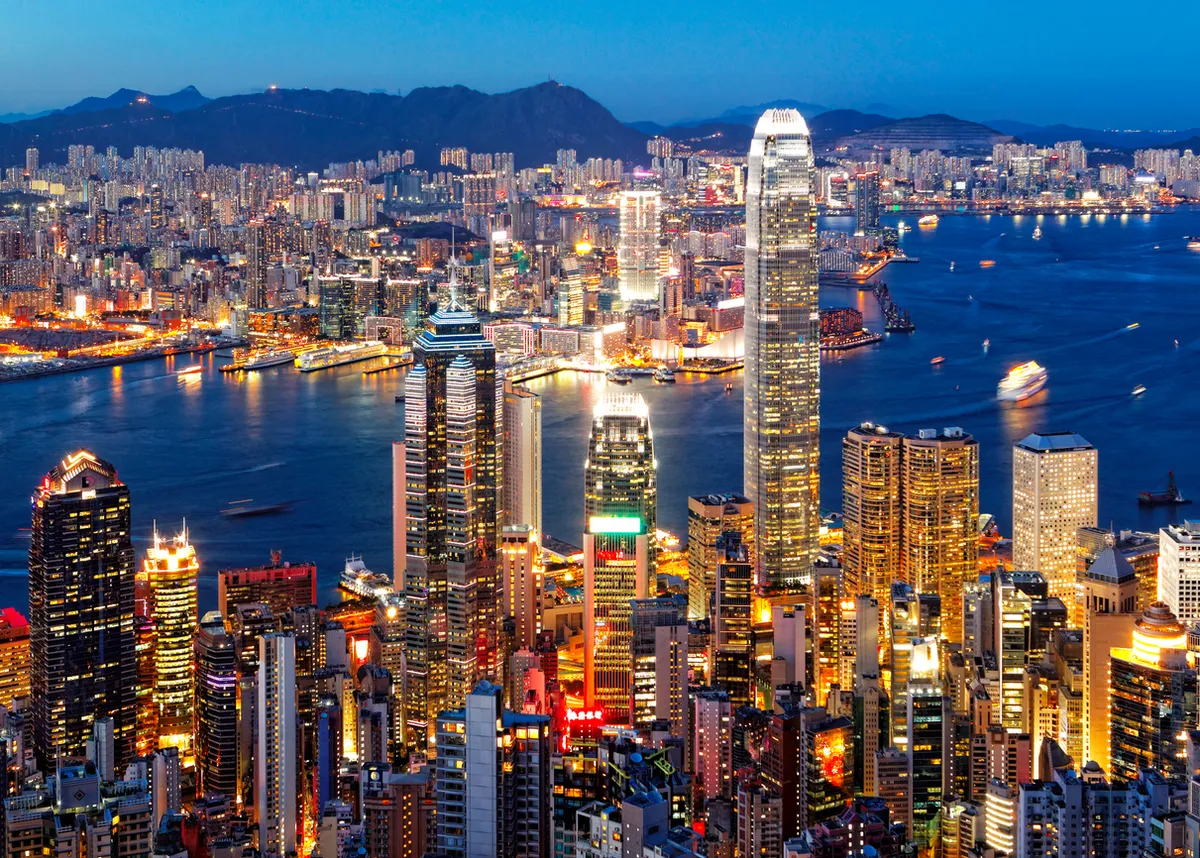
Hong Kong has long been recognized as one of the most expensive and prestigious real estate markets in the world. Nestled on the southern coast of China, this global financial hub is known for its skyline filled with luxury high-rises, densely packed neighborhoods, and some of the world’s most elite property developments. Despite political shifts and ongoing changes in governance, Hong Kong remains a magnet for high-net-worth individuals, investors, and global corporations.
From opulent penthouses in The Peak to sleek residential units in Kowloon and commercial towers in Central, Hong Kong’s real estate continues to be a symbol of wealth and financial resilience.
Property Prices and Market Conditions in Hong Kong
Currently, the average property price in Hong Kong ranges between $10,500 and $26,000 per square meter, making it one of the most expensive cities globally. In ultra-prime areas like Mid-Levels and The Peak, prices can soar well beyond $50,000 per square meter. Despite recent economic challenges and emigration trends, the city’s limited land supply, zoning restrictions, and continued financial activity have kept real estate prices buoyant.
The government has implemented cooling measures such as stamp duties on foreign buyers, yet interest from mainland Chinese investors and local tycoons continues to prop up the market. In addition, rental demand remains strong in business districts and expat-friendly neighborhoods, offering consistent yields to property owners.
What Makes Hong Kong’s Real Estate Market Unique
What truly sets Hong Kong apart is its scarcity of land paired with vertical living. Developers build upwards, creating some of the tallest and most luxurious residential towers in the world. Combine that with a low-tax regime, a free-market economy, and world-class financial infrastructure, and you get a real estate environment that’s globally competitive.
Despite space limitations, the city offers access to premium lifestyle amenities—elite schools, international healthcare, Michelin-starred restaurants, and proximity to major financial institutions. Areas like Tsim Sha Tsui, Kennedy Town, and Sai Ying Pun are increasingly popular among young professionals and international families.
Hong Kong and China: Long-Term Outlook for Hong Kong’s Real Estate
While geopolitical factors have introduced uncertainty, Hong Kong’s real estate market remains resilient. The city’s strategic location between East and West, its integration with the Greater Bay Area, and its position as a financial gateway to mainland China continue to attract investment.
As infrastructure and tech-driven projects develop, Hong Kong is expected to retain its status as a global property hotspot. For investors seeking high capital appreciation and unmatched prestige, Hong Kong is still one of the top destinations on the real estate map.
- Sources Include / Discover More: Hong Kong, The official Guide
Also Read: Top Online Learning Platforms
#9
Toronto, Canada
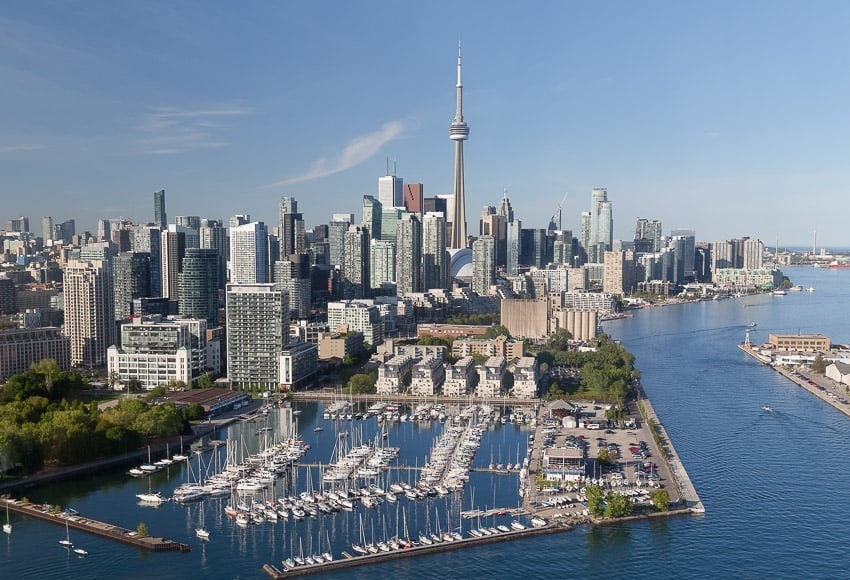
Key Takeaways for Toronto, Canada
Toronto is Canada’s fastest-growing real estate hub, driven by high immigration, urban development, and steady demand. The city balances residential stability with strong commercial growth.
Key Highlights:
- Strong rental demand due to immigration.
- Stable residential and commercial property growth.
- Transparent property ownership system.
Toronto: A Stable and Fast-Growing Real Estate Powerhouse
Toronto stands out as Canada’s most dynamic real estate market and one of the top global destinations for property investment. Known for its multicultural vibrancy, robust economy, and high quality of life, Toronto consistently attracts domestic and international investors. It’s a city where modern architecture meets smart urban planning, and where rising demand has driven both residential and commercial property values to impressive heights.
With its status as a tech and financial hub, Toronto offers steady long-term growth, making it a prime location for those seeking a mix of security, yield, and capital appreciation.
Real Estate Trends and Pricing in Toronto
Currently, the average property price in Toronto ranges between $9,800 and $13,000 per square meter in central areas like Downtown, Yorkville, and King West. Luxury condos in high-rise towers often exceed these figures, while detached homes in affluent neighborhoods such as The Annex or Rosedale can reach multi-million dollar valuations.
Despite tighter mortgage regulations and recent interest rate adjustments, Toronto’s housing market continues to rise. The surge is driven by ongoing population growth, urban migration, and an undersupply of new housing. Immigration also plays a major role, as Canada’s welcoming policies draw thousands of new residents each month—many of whom look to settle in Toronto.
Why Toronto Attracts Global Investors
Toronto’s appeal lies in its combination of livability and investment potential. Ranked among the safest cities globally, it boasts excellent healthcare, a world-class education system, and a clean, eco-conscious urban environment. Moreover, its strong rental market ensures consistent returns for landlords, especially in neighborhoods close to universities and business centers.
For foreign investors, Toronto offers political stability, a transparent legal system, and a reliable banking sector. These factors make property ownership more accessible and secure compared to more volatile global markets. Developers are also innovating with sustainable buildings and smart homes, which appeal to younger, tech-savvy buyers.
What’s Ahead for Toronto, Ontario (Canada) Real Estate
The future of Toronto’s real estate market looks bright. Major infrastructure developments, such as the Ontario Line transit expansion and waterfront revitalization projects, are set to boost property values further. The city’s tech sector continues to grow rapidly, pulling in talent and demand for both residential and commercial spaces.
Whether you’re a first-time buyer, seasoned investor, or international stakeholder, Toronto, Ontario (Canada) offers a unique opportunity to own property in a market that’s as stable as it is ambitious.
- Sources Include / Discover More: Toronto, Ontario, Canada, The Official Guide
- Also Read: Top Health Supplements in the World
#10
Shanghai, China
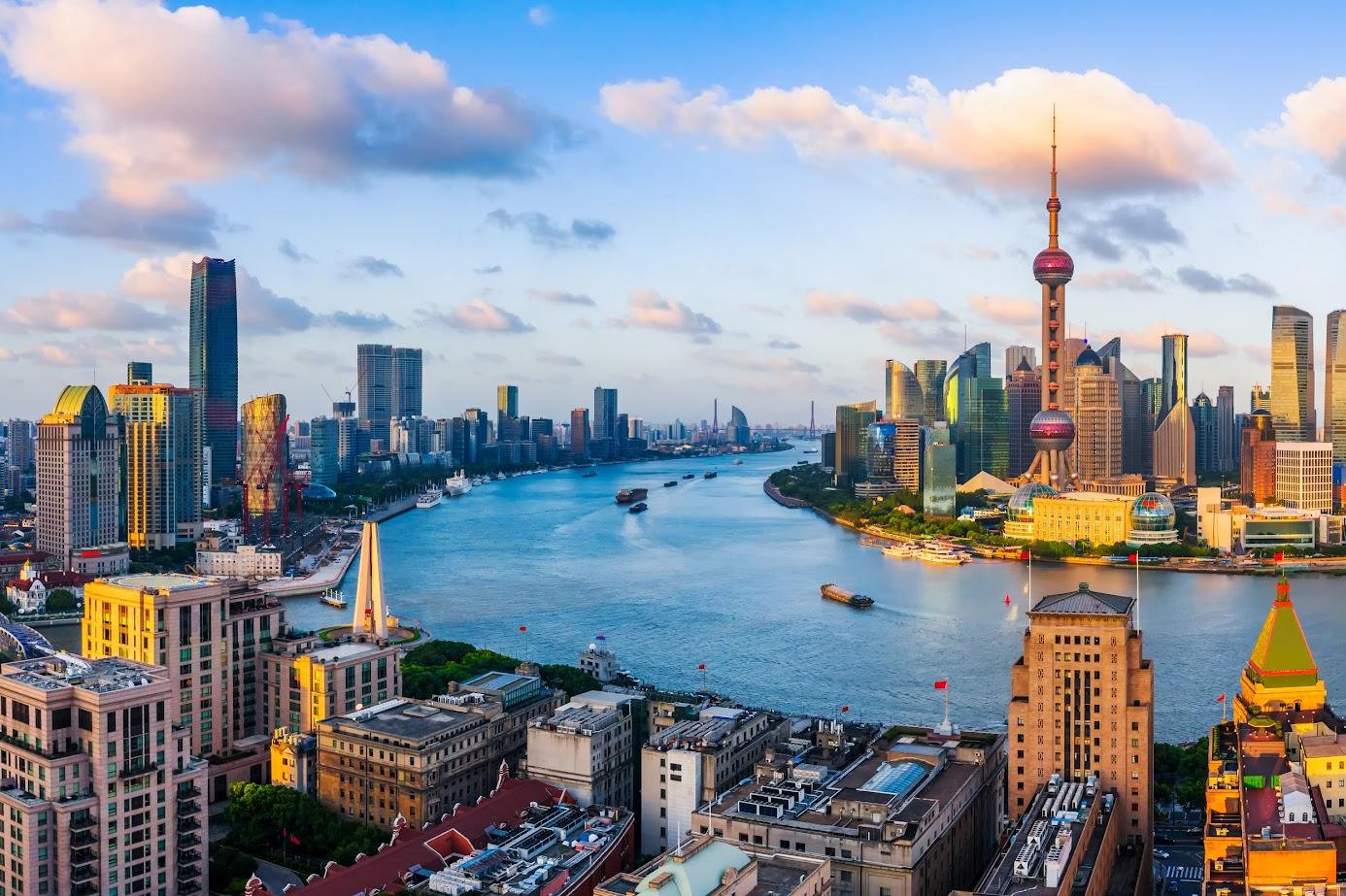
Key Takeaways for Shanghai, China
Shanghai represents China’s modern economic powerhouse, with rapid urban development and global appeal. As one of the fastest-growing real estate markets, it combines luxury living with strong investment returns.
Key Highlights:
- Rapidly expanding urban housing market.
- Prime hub for global business and finance.
- Strong appreciation in both luxury and commercial real estate.
Shanghai: The Beating Heart of China's Booming Property Market
Shanghai is not just China’s largest city—it’s a global real estate powerhouse. Known for its dazzling skyline, robust economy, and international appeal, Shanghai combines Eastern cultural heritage with Western-style economic modernization. Its real estate market remains one of the most active and valuable in the world, making it a top choice for investors, developers, and homebuyers alike.
The city’s status as a financial and shipping hub continues to fuel demand for both residential and commercial properties. From high-end condos in Pudong to historic lane houses in the French Concession, Shanghai offers a unique and profitable mix for every type of property investor.
Property Values and Investment Trends in Shanghai
Currently, property prices in Shanghai average around $9,2,00 to $18,000 per square meter in central areas. Luxury neighborhoods like Xintiandi, Lujiazui, and Huaihai Road command significantly higher prices, often exceeding $25,000 per square meter for ultra-premium properties. Despite government restrictions aimed at cooling the market, such as purchase limits and higher down payments for second homes, the demand remains high.
Domestic investors, expats, and foreign enterprises continue to pump money into the city’s real estate, buoyed by Shanghai’s economic influence and lifestyle perks. Commercial properties, especially Grade A office spaces, are also seeing strong interest due to the city’s growing number of multinational companies and tech startups.
What Sets Shanghai’s Real Estate Apart
Shanghai’s real estate market is marked by its diversity and innovation. The city boasts ultra-modern high-rises alongside century-old buildings that have been masterfully restored. Developments here prioritize smart living, sustainability, and integration with the city’s expansive metro system.
Shanghai is also at the forefront of China’s push toward urban modernization. From smart cities to green architecture, developers are implementing cutting-edge technologies that not only enhance living conditions but also improve long-term investment value. Neighborhoods like Jing’an and Changning are particularly popular among younger, affluent buyers seeking a modern urban lifestyle.
Shanghai City: Long-Term Outlook for Shanghai’s Property Market
Shanghai’s real estate outlook remains strong, especially as the city continues to expand its role on the world stage. With its central position in China’s Belt and Road Initiative and ongoing investments in infrastructure and technology, the city is set for sustained long-term growth.
Whether you’re looking for luxury residential units, high-yield commercial spaces, or a solid asset in a rising global economy, Shanghai offers a compelling and strategic real estate opportunity.
- Sources Include / Discover More: Shanghai China, International Services Guide
- Also Read: Top Superfoods in the World
Key FAQs on the 10 Top Real Estate Markets in the World
Why is New York City the top real estate market?
New York City ranks #1 as the world’s leading real estate market due to its unmatched role as a global financial and commercial capital.
With average prime property prices exceeding $18,000 per square meter, NYC attracts institutional investors, sovereign funds, and high-net-worth buyers. According to the World Bank and OECD urban competitiveness data, New York consistently leads in capital inflows, office demand, and long-term asset resilience.
Its diversified economy, anchored by Wall Street, technology, and media, ensures sustained global property demand.
What makes London’s real estate market strong?
London remains one of the strongest global real estate markets due to its legal stability, international capital access, and historic prestige.
With average prices near $16,500 per square meter, London consistently attracts cross-border investors from Europe, the Middle East, and Asia. IMF and UN-Habitat reports highlight London’s resilience during economic cycles and its role as a safe-haven property market.
Strong rental demand, transparent regulation, and currency diversification continue to reinforce London’s global property appeal.
Why is Tokyo a top real estate market?
Tokyo ranks among the top real estate markets globally due to its massive domestic demand and advanced urban infrastructure.
With average property prices around $14,000 per square meter, Tokyo benefits from efficient zoning, strong public transport, and technology-driven development. OECD metropolitan studies identify Tokyo as a global benchmark for high-density, livable urban housing.
Its stable financial system and long-term population concentration support sustained residential and commercial property demand.
What drives Dubai’s real estate growth?
Dubai’s real estate growth is driven by luxury development, tax-free ownership, and strong rental yields.
With average prices near $13,000 per square meter, Dubai attracts global investors seeking high returns and residency incentives. World Bank urban investment data highlights Dubai’s rapid infrastructure expansion and investor-friendly regulations.
Mega-projects, tourism growth, and zero property tax policies continue to position Dubai as a global real estate hotspot.
Why is Paris attractive for real estate?
Paris attracts real estate investors due to its heritage properties, global cultural influence, and long-term value preservation.
With average prices around $12,500 per square meter, Paris benefits from limited supply and strict planning controls. UN-Habitat and OECD housing reports identify Paris as a capital-preservation market rather than a speculative one.
Consistent tourism, luxury demand, and historic architecture support stable property appreciation over decades.
What makes Singapore’s property market safe?
Singapore’s property market is considered one of the safest globally due to strict regulation and transparent governance.
With average prices near $12,000 per square meter, Singapore enforces cooling measures, stamp duties, and long-term urban planning. IMF and World Bank assessments consistently rank Singapore high for investor protection and market stability.
Its role as a global financial hub further strengthens sustained residential and commercial real estate demand.
Why is Sydney a top market?
Sydney is a top real estate market due to strong rental demand, coastal lifestyle appeal, and limited housing supply.
With average prices around $11,000 per square meter, Sydney benefits from immigration-driven demand and high livability rankings. OECD housing data highlights Sydney’s resilience and long-term growth potential.
Lifestyle-focused buyers and investors continue to support consistent residential and mixed-use property demand.
What makes Hong Kong’s market unique?
Hong Kong’s real estate market is unique due to extreme land scarcity and high-density luxury development.
With prices averaging $10,500 per square meter, Hong Kong consistently ranks among the world’s most expensive housing markets. IMF and World Bank housing studies cite limited land supply as the primary driver of valuation.
Its status as a global financial gateway sustains strong demand for premium residential and commercial properties.
Why is Toronto’s market growing?
Toronto’s real estate market is growing rapidly due to strong immigration and population expansion.
With average prices near $9,800 per square meter, Toronto benefits from sustained housing demand and urban expansion. OECD demographic and housing data consistently identify Canada as a top destination for skilled migration.
This steady population growth continues to drive long-term residential property demand across the Greater Toronto Area.
What drives Shanghai’s property boom?
Shanghai’s property boom is driven by rapid urbanization, economic growth, and large-scale infrastructure investment.
With average prices around $9,200 per square meter, Shanghai reflects China’s ongoing urban expansion. World Bank urban development data highlights Shanghai as a leading megacity for commercial and residential growth.
Rising incomes, business activity, and modernization continue to fuel strong real estate demand across the city.
The Rise of Emerging Markets
Cities to Watch in the Next Decade
While these 10 top cities dominate today, markets like Istanbul, Lisbon, São Paulo, and Nairobi are quickly climbing the ranks. Fueled by affordable property, favorable policies, and a booming middle class, these locations are fast becoming the next big thing.
Keep your eye on these cities—they might just be tomorrow’s global real estate hotspots.
Tips for Global Property Investors
Tax, Regulation, and Local Expertise
Before buying property overseas, do your homework. Each country has its own:
- Property tax structures
- Legal requirements for foreigners
- Ownership rules and visa policies
Pro tip? Partner with a local real estate advisor and always run due diligence. It’ll save you time, money, and future headaches.
Final Thoughts
When it comes to global real estate investment opportunities, there’s no universal formula for success. A market that thrives in Dubai may underperform in Toronto, and what works in Singapore could be risky in São Paulo. The key is understanding the core drivers of property value—economic stability, infrastructure development, lifestyle demand, and government policies shaping real estate growth.
For investors seeking the best cities to buy real estate today, diversification is critical. Some markets excel in delivering passive rental income through strong tenant demand, while others shine as long-term capital appreciation hotspots. By carefully aligning your investment goals with the right market—whether you want luxury apartments in New York, affordable housing in emerging Asian cities, or vacation properties in Europe—you increase your chance of securing both stability and profitability.
Ultimately, international property is not just about buying land or a home abroad; it’s about building wealth through global real estate diversification. These 10 top real estate markets provide the ideal balance of opportunity, safety, and value, making them attractive for investors, expats, and homeowners alike. With careful research and timing, you can transform global property into one of your most rewarding assets.
The 10 Top Real Estate Markets Frequently Asked Questions (FAQs)
The United States (specifically New York City) and Singapore top the list for strong returns, legal transparency, and economic stability.
New York City currently leads the pack with average prices around $18,000 per square meter.
Yes! Dubai offers full property ownership to foreigners in designated freehold areas, plus perks like long-term residency visas.
They can be—if you do your research. Cities like Istanbul and Nairobi offer high growth but come with higher volatility.
Singapore and Canada are often considered safest due to their transparent legal systems and pro-investor policies.
The Top 10 Real Estate Markets in the World include cities like New York, London, Tokyo, Dubai, and others, known for high property demand and investment opportunities.
These cities have growing economies, high demand for prime properties, strong infrastructure, and excellent returns on investment.
Economic growth, population growth, infrastructure development, and political stability are key factors that influence a city's real estate market.
You can invest in top real estate markets through direct property purchases, real estate investment trusts (REITs), or property development projects.
Yes, these markets offer long-term growth potential due to their strong economies and high demand for real estate, making them ideal for investors seeking stable returns.
About the Author
This article was researched and prepared by the World Millions Editorial Team, specialists in global rankings, premium market analysis, structured comparisons, and high-value sector research across industries.
All content undergoes verification, editorial review, and periodic updates to ensure accuracy, clarity, and alignment with recognized industry standards, reliable institutional sources, and leading global authorities.
- Last Updated: March 27, 2026 by the World Millions Editorial Team
- Original Published Date: March 27, 2026
- View Our: Editorial Team | Sources | Disclaimer | Editorial Standards