The top superfoods in the world represent the pinnacle of nutrient-dense nutrition, powerful antioxidants, and scientifically recognized health benefits. From antioxidant-rich blueberries and omega-3 packed salmon to fiber-rich quinoa, probiotic fermented foods, and metabolism-boosting green tea, these foods are celebrated for their exceptional nutritional value and role in balanced diets.
Discover the 10 top superfoods in the world, ranked for their nutrient profiles, global popularity, and evidence-backed wellness benefits. These powerhouse foods are widely recognized for supporting heart health, brain function, immunity, and long-term vitality in modern healthy eating lifestyles.
On This Page
Toggle- Updated 2026 by the World Millions Editorial Team: View Author Information
- Please note: It’s important to consult with a healthcare professional or registered dietitian to determine the best superfood for individual needs and health goals.
What Are Superfoods?
The term “superfood” might sound like a buzzword, but there’s real science behind it. Superfoods are not magical, but they are foods with extremely high nutritional density. They offer maximum health benefits for minimal calories.
Think of them as the Avengers of the food world — small in number but mighty in action.
Why Superfoods Matter in Today’s Diet?
We’re bombarded with processed snacks and sugar-laden drinks. Superfoods help counteract this. They fuel your body naturally, support your immune system, reduce inflammation, and may even help prevent chronic diseases like diabetes, heart disease, and cancer.
Benefits of Adding Superfoods to Your Daily Diet
Increased Energy and Vitality
Tired of feeling tired? Superfoods can help stabilize blood sugar, boost metabolism, and give you that natural jolt of energy that coffee just can’t match in the long run.
Natural Immunity Boost
Many superfoods are packed with antioxidants, which help fight off free radicals and keep your immune system running at full speed — so you get sick less often and recover faster.
List of the 10 Top Superfoods in the World
Discover the world’s most powerful superfoods that fuel energy, fight disease, and keep your body naturally strong and vibrant.
Superfoods are nature’s most powerful ingredients, packed with antioxidants, vitamins, minerals, healthy fats, and essential nutrients that fuel your body, boost immunity, and fight chronic diseases. From the antioxidant-rich blueberries that slow aging, to omega-3-packed salmon for heart and brain health, and probiotic-rich fermented foods that nurture your gut, each superfood in this list has been carefully chosen for its scientifically proven health benefits, nutrient density, and versatility.
In this table, you’ll find the world’s 10 top superfoods, their key nutrients, major health benefits, and the best ways to consume them for maximum results. Whether you want to improve energy, support weight loss, enhance skin glow, or strengthen immunity, these superfoods are the ultimate foundation for a healthier lifestyle.
Dive into the list below and discover how to incorporate these powerhouse foods into your daily diet for optimal health, vitality, and longevity.
| Rank | Superfood | Key Nutrients | Health Benefits | Best Consumed As |
|---|---|---|---|---|
| 1 | Blueberries | Antioxidants, Vitamin C, Fiber | Boosts brain health, fights aging, supports heart health | Smoothies, snacks |
| 2 | Salmon | Omega-3s, Protein, B Vitamins | Supports brain, heart, and joint health | Grilled, baked, sushi |
| 3 | Avocados | Healthy fats, Potassium, Vitamin K | Supports heart health, skin glow, reduces cholesterol | Salads, toast, guacamole |
| 4 | Leafy Greens | Iron, Calcium, Vitamin A, C, K | Enhances bone health, boosts immunity, detoxifies | Salads, soups, smoothies |
| 5 | Broccoli | Fiber, Vitamin C, K, Folate | Fights cancer, reduces inflammation, aids digestion | Steamed, roasted, stir-fry |
| 6 | Nuts & Seeds | Healthy fats, Protein, Vitamin E | Improves brain function, heart health, skin elasticity | Snacks, oatmeal topping |
| 7 | Fermented Foods | Probiotics, Vitamin B12, K2 | Supports gut health, improves digestion, boosts immunity | Yogurt, kimchi, kefir |
| 8 | Quinoa | Complete Protein, Fiber, Magnesium | Controls blood sugar, supports weight loss, gluten-free grain alternative | Bowls, salads, side dish |
| 9 | Green Tea | Catechins, Antioxidants, L-Theanine | Boosts metabolism, enhances focus, lowers cancer risk | Hot tea, iced tea |
| 10 | Garlic | Allicin, Manganese, Vitamin C | Fights bacteria, reduces blood pressure, boosts immunity | Raw, roasted, seasoning |
Discover the 10 Top Superfoods in the World
Discover the 10 Top Superfoods in the World that are transforming the way we eat and live. From antioxidant-rich blueberries to protein-packed quinoa and heart-healthy salmon, these nutrient-dense power foods offer unmatched benefits for boosting energy, improving immunity, and supporting overall wellness.
In this expert-curated guide, explore how each of these natural superfoods — including leafy greens, avocados, nuts, and green tea — can enhance your diet and help fight chronic diseases. Whether you’re on a fitness journey, a weight-loss plan, or simply want to eat smarter, these global superfoods are your ultimate keys to vibrant health and longevity.
#1
Blueberries
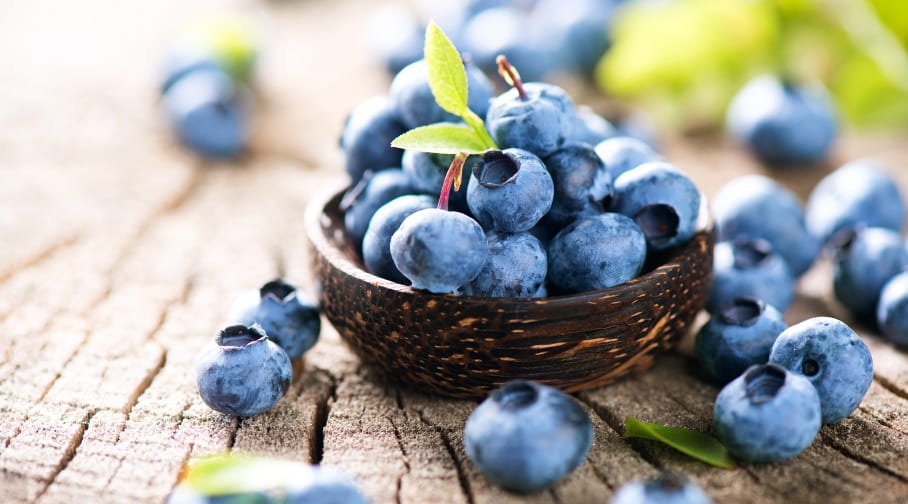
Key Takeaways for Blueberries
Nutrient Profile
Packed with antioxidants like anthocyanins, along with vitamin C, K, and fiber.
Health Benefits
Blueberries are great for your brain, heart, and skin. They help fight oxidative stress and even improve memory and cognitive function.
Blueberries: The Antioxidant Powerhouse Superfood
Blueberries are small, round, and vibrant purple-blue berries that are considered one of the most nutrient-dense fruits in the world. Native to North America, they are now grown globally and are often included in lists of the best superfoods for their exceptional health-boosting properties. Whether fresh, frozen, or dried, blueberries deliver a wide range of essential nutrients and powerful plant compounds.
Key Nutrients in Blueberries
Packed with antioxidants, blueberries are a rich source of vitamin C, vitamin K, manganese, and dietary fiber. Their high concentration of anthocyanins, a type of flavonoid, is what gives them their deep blue color and incredible antioxidant power. These compounds help combat oxidative stress, reduce inflammation, and protect cells from free radical damage. In just one cup of blueberries, you get:
- Over 20% of your daily recommended intake of vitamin C
- Nearly 36% of vitamin K
- 4 grams of fiber
- Less than 85 calories
These nutrient levels make blueberries one of the top-ranked fruits for antioxidant capacity.
Health Benefits of Blueberries
Blueberries are known to support brain health by enhancing memory and cognitive function. Several studies suggest regular consumption can delay brain aging and reduce the risk of Alzheimer’s and dementia. Their high antioxidant content also plays a role in fighting signs of aging and promoting glowing skin.
Additionally, blueberries support heart health by reducing bad cholesterol (LDL), lowering blood pressure, and improving overall arterial function. They also contain anti-diabetic properties by regulating blood sugar levels and increasing insulin sensitivity.
Their anti-inflammatory effects further boost immunity and aid in chronic disease prevention, including cardiovascular disease, obesity, and certain types of cancer.
Fresh Blueberries and Frozen Blueberries: Best Ways to Consume Blueberries
For optimal nutritional benefit, blueberries are best consumed raw in smoothies, salads, and breakfast bowls. They also make a great low-calorie snack and can be added to yogurt, oatmeal, or baked goods. Frozen blueberries retain most of their nutrients, making them a convenient and healthy year-round option.
Why Blueberries Are One of the Best Superfoods
Due to their powerful nutritional profile, disease-fighting antioxidants, and versatility in recipes, blueberries rank among the 10 top superfoods in the world. Including them regularly in your diet can contribute to long-term health and wellness, making them an essential part of any superfood-rich lifestyle.
- Sources Include / Discover More 0n National Institutes of Health (NIH): Blueberries, Health Benefits, Facts, and Research
- Also Read: Top Investment Banks in the World
#2
Salmon
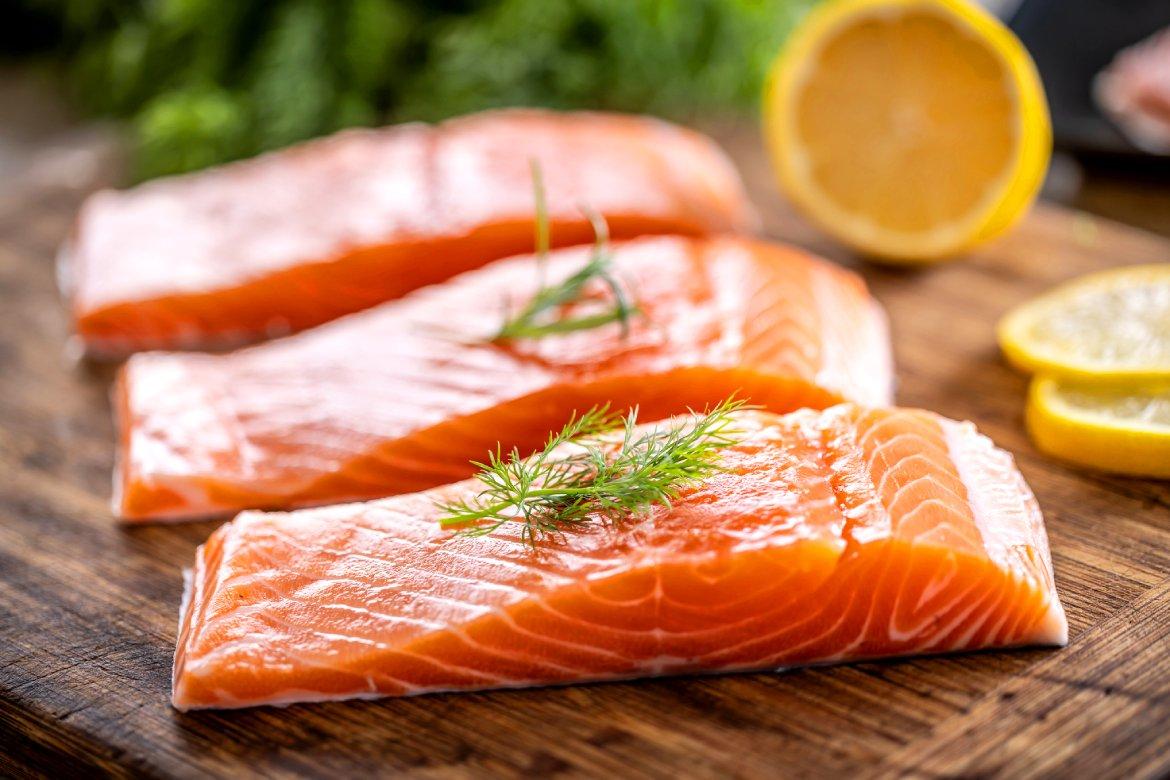
Key Takeaways for Salmon
Nutrient Profile
Loaded with omega-3 fatty acids, high-quality protein, and B vitamins.
Health Benefits
Salmon can lower the risk of heart disease, reduce inflammation, and keep your brain sharp. It’s like brain food in a fillet.
Salmon: The Omega-3 Superfood for Heart and Brain Health
Salmon is one of the most nutrient-rich superfoods in the world, prized for its high-quality protein and abundance of healthy fats. As a fatty fish, it’s loaded with essential nutrients that promote heart health, brain function, and overall well-being. Whether wild-caught or farm-raised, salmon is a powerhouse superfood that deserves a regular place in your diet.
Key Nutrients in Salmon
One of the primary reasons salmon is ranked among the 10 top superfoods globally is its exceptional content of omega-3 fatty acids, specifically EPA and DHA. These healthy fats are crucial for reducing inflammation, supporting heart health, and maintaining optimal brain function. In addition to omega-3s, salmon provides:
- High-quality protein to support muscle growth and repair
- B vitamins including B12, B6, niacin, and riboflavin
- Potassium and selenium for metabolic and thyroid health
- Astaxanthin, a powerful antioxidant that gives salmon its pink hue
A 3.5-ounce (100g) serving of salmon delivers over 2 grams of omega-3 fatty acids and more than half your daily protein needs.
Health Benefits of Salmon
Eating salmon regularly can significantly lower the risk of cardiovascular disease. Its omega-3 content helps decrease triglyceride levels, reduce blood pressure, and prevent plaque buildup in arteries. This makes salmon one of the best heart-healthy superfoods available.
Salmon is also a brain-boosting superfood. DHA supports cognitive function, enhances memory, and may reduce the risk of Alzheimer’s and depression. The presence of B12 and selenium supports mood regulation and nervous system health.
Additionally, salmon supports joint health by reducing inflammation, helps manage weight by increasing satiety, and may even contribute to glowing skin due to its collagen-enhancing nutrients.
Salmon Fish and Baked Salmon: Best Ways to Eat Salmon
Salmon is a versatile superfood that can be enjoyed in many healthy ways. Grilled salmon with herbs makes a delicious main dish, while baked salmon with lemon and garlic enhances its rich flavor. Sushi lovers enjoy raw salmon in sashimi or sushi rolls, and salmon can also be added to salads, pasta dishes, or grain bowls for a nutrient-packed meal.
Why Salmon Is a Top-Ranked Superfood
With its unmatched omega-3 profile, lean protein, and broad spectrum of vitamins and minerals, salmon stands as a top-tier superfood for holistic health. Regular consumption of salmon not only supports heart and brain health but also delivers long-term disease protection, making it one of the healthiest foods on Earth.
- Sources Include / Discover More on WebMD: The Health Benefits of Salmon
- Also Read: Top Wealth Management Firms in the World
#3
Avocados

Key Takeaways for Avocados
Nutrient Profile
Rich in heart-healthy monounsaturated fats, potassium, and vitamin K.
Health Benefits
They’re creamy, satisfying, and good for your heart. Plus, they help absorb other nutrients more efficiently.
Avocado: The Ultimate Superfood for Heart Health and Skin Glow
Avocados are creamy, nutrient-dense fruits often referred to as nature’s butter. Unlike most fruits, avocados are high in healthy fats rather than sugar, making them a unique superfood packed with heart-friendly nutrients. Native to Central and South America, avocados have gained global popularity for their rich texture, delicious flavor, and impressive health benefits.
Key Nutrients in Avocados and Oleic Acid
Avocados are a powerhouse of monounsaturated fats, especially oleic acid, which is known for reducing inflammation and promoting cardiovascular health. They’re also loaded with:
- Potassium – more than bananas, helps regulate blood pressure
- Vitamin K – essential for blood clotting and bone health
- Vitamin E – supports skin elasticity and immune defense
- Folate and Vitamin C – important for cell repair and collagen production
- Fiber – aids in digestion and maintains healthy cholesterol levels
These nutrients make avocados one of the most nutrient-rich superfoods available today.
Health Benefits of Avocados
Avocados shine as a top heart-healthy food. The high content of monounsaturated fats helps reduce bad LDL cholesterol and raise good HDL cholesterol, lowering the risk of heart disease. Potassium further supports a stable heartbeat and balanced blood pressure levels.
Skin health is another major benefit of eating avocados. Thanks to vitamins C and E, avocados help keep your skin smooth, hydrated, and glowing. These antioxidants combat free radicals, delay signs of aging, and support the production of collagen.
Avocados also aid in weight management. The combination of healthy fats and fiber keeps you full longer, reducing overall calorie intake. Plus, the fruit’s rich folate content supports brain function and reduces the risk of depression.
Guacamole: Best Ways to Eat Avocados
Avocados are incredibly versatile in the kitchen. Spread mashed avocado on whole-grain toast, blend it into green smoothies, or cube it into fresh salads. Guacamole is a classic way to enjoy this superfood, often paired with veggies or whole-grain chips. You can also use avocado as a creamy substitute in recipes that call for butter or mayonnaise.
Avocado Fruit: Why Avocados Rank Among the 10 Top Superfoods
With their unique blend of healthy fats, vitamins, and minerals, avocados are an all-star superfood that supports heart health, glowing skin, and total wellness. Their delicious taste and adaptability make them a favorite in health-conscious diets across the world.
- Sources Include / Discover More on Harvard: Avocados, The Nutrition Source
- Also Read: Top Personal Finance Platforms
#4
Leafy Greens
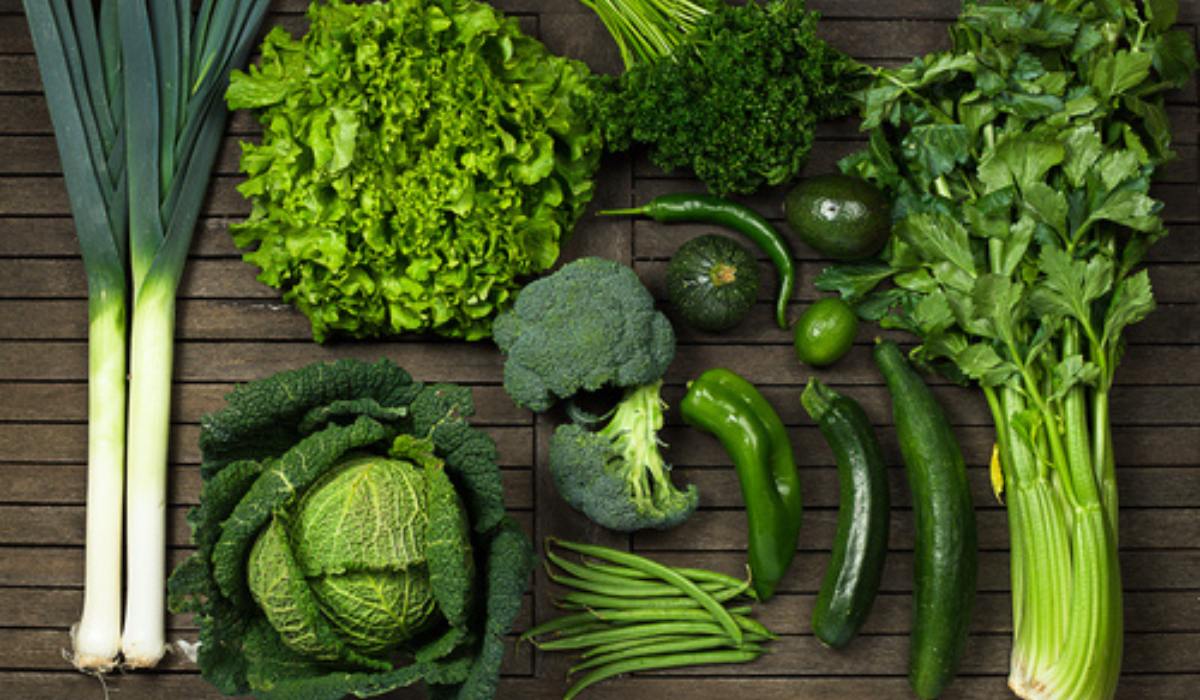
Key Takeaways for Leafy Greens
Nutrient Profile
Includes kale, spinach, collard greens — all high in vitamins A, C, K, and minerals like iron and calcium.
Health Benefits
Leafy greens are the ultimate detoxifiers. They purify your blood and keep your bones strong.
Leafy Greens: Nature’s Multivitamin for Immunity and Bone Strength
Leafy greens are among the most powerful and nutrient-dense vegetables on the planet. This category includes spinach, kale, Swiss chard, arugula, romaine, and collard greens. These superfoods are low in calories but incredibly high in essential vitamins, minerals, and antioxidants. Widely recommended by nutritionists, leafy greens are foundational for a healthy diet and are often called “nature’s multivitamin.”
Key Nutrients in Leafy Greens
Leafy greens are brimming with nutrients that promote full-body health:
- Vitamin A – critical for eye health and immune support
- Vitamin C – enhances immunity and promotes collagen production
- Vitamin K – essential for blood clotting and strong bones
- Calcium – supports healthy bones and teeth
- Iron – helps carry oxygen in the blood and prevents fatigue
- Magnesium & Folate – vital for nerve function and cell growth
- Fiber – improves digestive health and helps regulate blood sugar
This nutrient-rich profile makes leafy greens one of the most well-rounded foods available.
Dark Greens: Health Benefits of Leafy Greens
Leafy greens or dark greens support nearly every system in your body. Their high vitamin K and calcium content promote strong bones and reduce the risk of osteoporosis. The fiber in greens helps regulate digestion and supports a healthy gut microbiome, which is crucial for overall immunity and nutrient absorption.
Antioxidants like lutein and zeaxanthin found in leafy greens protect against cellular damage, reduce inflammation, and lower the risk of chronic diseases including heart disease and certain cancers. The iron and folate in leafy greens are especially beneficial for women, helping to combat anemia and support pregnancy health.
Additionally, leafy greens are excellent for detoxification. Chlorophyll, the green pigment in these vegetables, helps flush out harmful toxins and supports liver health.
Vegetable Greens: Best Ways to Eat Leafy Greens
Leafy greens or vegetable greens can be easily added to any meal. Enjoy them raw in salads with olive oil and lemon, or blend them into green smoothies for a nutrient-packed breakfast. Steam or sauté them lightly with garlic for a healthy side dish, or add them to soups, omelets, and grain bowls for an extra boost of nutrition.
Why Leafy Greens Are a Top Superfood
With their potent mix of essential vitamins, minerals, and antioxidants, leafy greens are a cornerstone of optimal health. Whether you’re boosting immunity, supporting bone strength, or detoxifying your body, leafy greens deserve a daily spot on your plate.
- Sources Include / Discover More on USDA: Dark Green Leafy Vegetables, A Great Sources of Nutrition
- Also Read: Top Economies in the World
#5
Broccoli

Key Takeaways for Broccoli
Nutrient Profile
Rich in vitamin C, fiber, and powerful compounds like sulforaphane.
Health Benefits
Broccoli may reduce the risk of cancer, help with digestion, and support your immune system like a green superhero.
Broccoli: The Cancer-Fighting Cruciferous Powerhouse
Broccoli is a cruciferous vegetable celebrated for its unmatched nutritional profile and remarkable health benefits. Native to the Mediterranean and part of the Brassicaceae family (which includes cauliflower and Brussels sprouts), broccoli has gained superfood status due to its rich supply of vitamins, minerals, fiber, and bioactive compounds. Whether you steam, roast, or stir-fry it, broccoli is one of the best vegetables you can include in your diet for overall wellness.
Key Nutrients in Broccoli
Broccoli is densely packed with health-enhancing nutrients, including:
- Vitamin C – strengthens the immune system and aids in collagen synthesis
- Vitamin K – supports bone health and proper blood clotting
- Folate (Vitamin B9) – essential for DNA repair and pregnancy health
- Fiber – improves digestion and helps regulate blood sugar
- Potassium – supports heart and muscle function
- Sulforaphane – a potent antioxidant and anti-cancer compound found in cruciferous vegetables
These nutrients work synergistically to fuel the body, making broccoli a nutritional powerhouse.
Health Benefits of Broccoli
Broccoli is best known for its anti-cancer properties. Sulforaphane, one of its most studied compounds, has been shown to neutralize toxins, reduce inflammation, and protect cells from DNA damage. Regular consumption of broccoli is linked with lower risks of several types of cancer, including breast, prostate, and colon cancer.
In addition to its cancer-fighting abilities, broccoli supports heart health by lowering LDL cholesterol levels and improving arterial function. Its fiber and antioxidant content help reduce inflammation, a root cause of many chronic diseases.
Broccoli is also excellent for digestive health. Its high fiber content promotes regular bowel movements and nourishes beneficial gut bacteria, contributing to a stronger immune system. Moreover, the combination of vitamins C and A supports skin health and boosts your body’s ability to fight off infections.
Steamed Broccoli and Roasted Broccoli: Best Ways to Eat Broccoli
To preserve its nutrients, it’s best to lightly steam or sauté broccoli rather than overcooking it. Add broccoli florets to stir-fries, casseroles, salads, or pasta dishes. You can also enjoy it roasted with a drizzle of olive oil and garlic, or blended into creamy soups for a nutritious twist.
Why Broccoli Is a Global Superfood Favorite
Broccoli’s exceptional mix of antioxidants, vitamins, and minerals makes it one of the 10 top superfoods in the world. Its cancer-fighting properties, digestive benefits, and heart-healthy nutrients have solidified its place in every health-conscious kitchen.
- Sources Include / Discover More on NIH: Broccoli, A Multi-Faceted Vegetable for Health
- Also Read: Top Airlines in the World
#6
Nuts & Seeds

Key Takeaways for Nuts & Seeds
Nutrient Profile
Almonds, chia seeds, flaxseeds, walnuts — full of omega-3s, vitamin E, and protein.
Health Benefits
They’re great for snacking and keeping your heart healthy. Bonus: They’re good for your brain and skin too.
Nuts & Seeds: Nature’s Tiny Nutrient-Dense Superfoods
Nuts and seeds are the edible kernels of various plants, packed with healthy fats, protein, fiber, and a dense array of vitamins and minerals. Whether it’s almonds, walnuts, chia seeds, flaxseeds, or sunflower seeds, these small but mighty superfoods offer immense nutritional value in every bite. They are incredibly versatile and can be incorporated into your meals or enjoyed as standalone snacks.
Key Nutrients in Nuts and Seeds
Nuts and seeds are among the most nutrient-rich foods available. Some of their standout nutrients include:
- Healthy Fats (Omega-3 & Omega-6 fatty acids) – essential for brain health and inflammation control
- Protein – supports muscle repair and satiety
- Vitamin E – a powerful antioxidant that protects cells from oxidative stress
- Magnesium – helps regulate blood pressure and blood sugar levels
- Zinc & Selenium – key minerals for immune support
- Fiber – improves digestion and supports weight management
Each variety has its own unique nutritional profile, making it beneficial to mix different types regularly.
Health Benefits of Nuts and Seeds
One of the biggest reasons nuts and seeds are considered global superfoods is their impact on heart health. Rich in monounsaturated and polyunsaturated fats, they help lower bad cholesterol (LDL) while increasing good cholesterol (HDL), significantly reducing the risk of heart disease.
They also play a vital role in brain function. Walnuts, for instance, are known to improve memory and cognitive function due to their high omega-3 content. Vitamin E found in almonds protects brain cells from oxidative damage.
Furthermore, the combination of healthy fats, fiber, and protein makes nuts and seeds ideal for managing blood sugar levels and supporting weight loss by promoting satiety. Their high antioxidant levels also combat free radicals, reducing inflammation and the risk of chronic diseases like diabetes and certain cancers.
Best Ways to Consume Nuts and Seeds
You can enjoy nuts and seeds in countless ways:
- Sprinkle chia or flaxseeds on yogurt or oatmeal
- Blend almond butter into smoothies
- Add chopped walnuts or pumpkin seeds to salads
- Eat roasted or raw nuts as a quick, nutrient-packed snack
- Use them in baking or energy bars for a health boost
Soaking nuts before consumption can also enhance nutrient absorption and reduce anti-nutrients like phytic acid.
Why Nuts & Seeds Are Superfoods Worth the Hype
With their heart-protective fats, muscle-repairing protein, and cell-shielding antioxidants, nuts and seeds are nature’s perfect health boosters. Their compact size belies the massive health benefits they offer, earning them a permanent place on the list of the 10 top superfoods in the world.
- Sources Include / Discover More on Harvard Health: Nuts & Seeds, A guide to Nuts and Seeds
- Also Read: Top Games in the World
#7
Fermented Foods

Key Takeaways for Fermented Foods
Nutrient Profile
Probiotic-rich and often contain vitamin K2 and B12.
Health Benefits
They nurture your gut, which is key to immunity, mood, and overall wellness.
Fermented Foods: The Gut-Healing Superstars
Fermented foods are natural or cultured foods that have undergone the process of fermentation — a method where natural bacteria feed on the sugars and starches in the food, creating beneficial enzymes, probiotics, and organic acids. This age-old preservation method not only enhances flavor but also boosts the nutritional profile of the food. Some of the most popular fermented superfoods include yogurt, kefir, kimchi, sauerkraut, miso, tempeh, and kombucha.
Key Nutrients in Fermented Foods
Fermented foods are celebrated for their high content of:
- Probiotics (good bacteria) – restore and maintain healthy gut flora
- Vitamin B12 – supports red blood cell formation and brain function
- Vitamin K2 – crucial for bone and cardiovascular health
- Organic Acids – help control harmful bacteria and improve digestion
- Enzymes – enhance nutrient absorption and digestion efficiency
The probiotic content varies depending on the fermentation process and the food itself, but many fermented items deliver billions of beneficial microbes per serving.
Probiotic Foods: Health Benefits of Fermented Foods
The gut is often referred to as the “second brain” because of its profound connection to overall health. Fermented foods are packed with probiotics, which help balance the gut microbiome — the ecosystem of bacteria in your digestive tract. A balanced gut improves digestion, boosts immunity, and can even enhance mental clarity and mood.
Regular consumption of fermented foods can also help reduce bloating, gas, and symptoms of IBS (Irritable Bowel Syndrome). Studies have shown that probiotics in foods like yogurt and kefir can reduce inflammation and support weight management.
Moreover, the fermentation process enhances the bioavailability of nutrients. For example, fermented soy products like tempeh and miso are more digestible and have higher antioxidant activity than their unfermented counterparts.
Kefir, Sauerkraut, Kimchi, and kombucha: Best Ways to Consume Fermented Foods
Fermented foods can be easily included in your daily meals:
- Start your morning with probiotic-rich yogurt or kefir
- Add a spoonful of kimchi or sauerkraut to your lunch or dinner
- Sip on kombucha as a healthy beverage alternative
- Use miso paste in soups or dressings
- Try tempeh as a plant-based protein source in stir-fries
Make sure to choose unpasteurized versions where possible, as pasteurization can kill beneficial bacteria.
Why Fermented Foods Deserve Superfood Status
Fermented foods are more than a health trend — they’re digestive powerhouses that nourish your body from the inside out. With gut health linked to everything from immunity to mental well-being, adding probiotic-rich fermented foods to your diet is one of the most impactful steps you can take for your overall health.
- Sources Include / Discover More on Harvard Health: Fermented Foods can add Depth to Your Diet
- Also Read: Top TV Channels in the World
#8
Quinoa
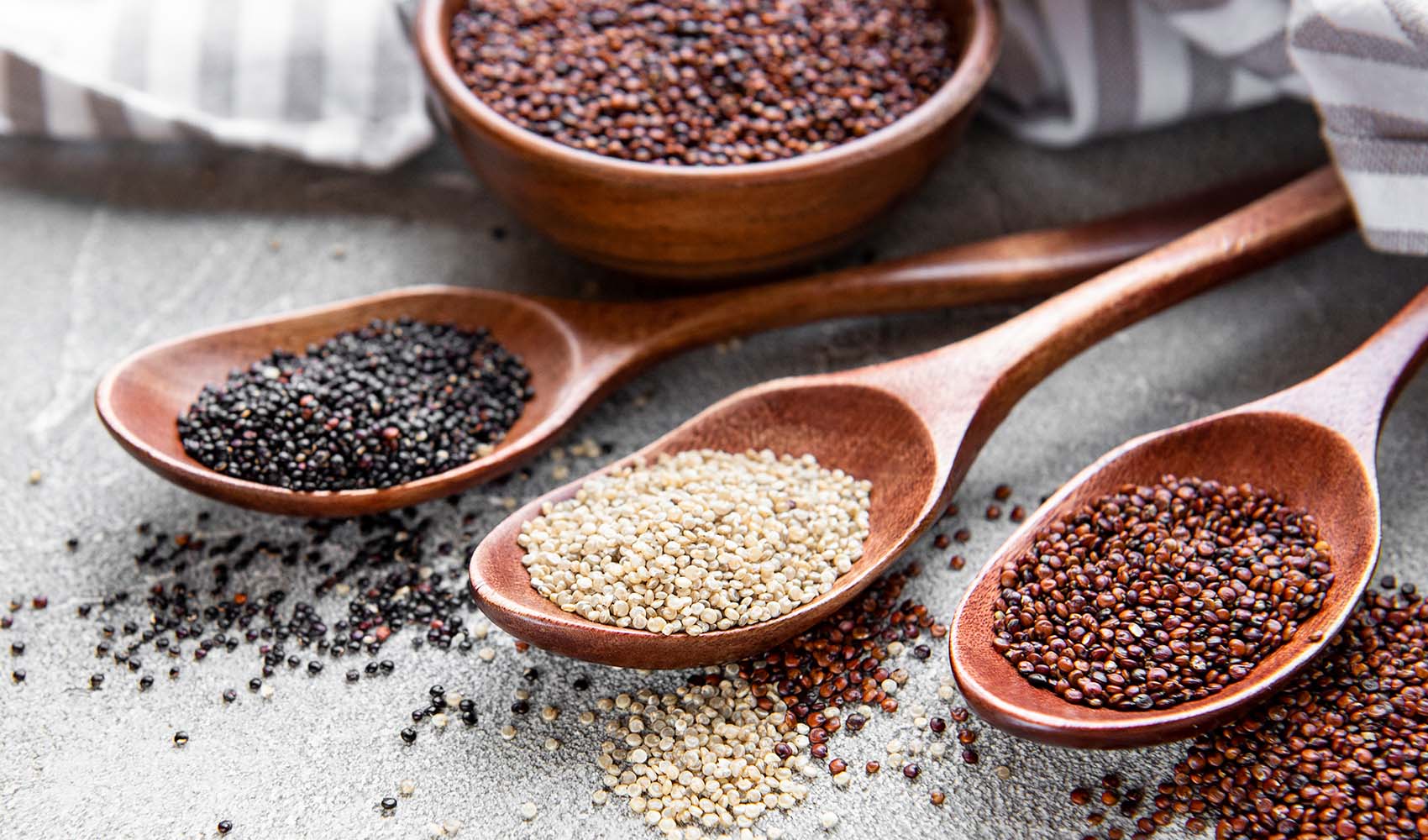
Key Takeaways Quinoa
Nutrient Profile
A rare plant-based complete protein loaded with fiber, iron, and magnesium.
Health Benefits
Perfect for vegetarians and gluten-sensitive folks. It supports muscle growth and blood sugar control.
Quinoa: The Gluten-Free Complete Protein Superfood
Quinoa (pronounced KEEN-wah) is a nutrient-dense seed that is often treated as a whole grain in the culinary world. Originating from the Andes Mountains of South America, quinoa has been a staple in Incan diets for thousands of years. It is gluten-free, high in protein, and packed with essential amino acids, making it one of the best plant-based superfoods in the world.
Key Nutrients in Quinoa
What sets quinoa apart is its exceptional nutritional profile. It is considered a complete protein, meaning it contains all nine essential amino acids. This makes it ideal for vegetarians and vegans who may struggle to get adequate protein from plants alone.
Key nutrients in quinoa include:
- Protein – contains 8–9 grams per cooked cup
- Fiber – supports digestion and weight management
- Magnesium – aids in muscle and nerve function
- Iron – supports red blood cell production
- B Vitamins – boosts energy and brain health
- Antioxidants (quercetin & kaempferol) – fight inflammation and oxidative stress
Health Benefits of Quinoa
Quinoa is a health powerhouse that supports multiple bodily functions. Its high fiber content helps regulate digestion, manage blood sugar levels, and keep you fuller for longer — making it great for weight loss and metabolic health. The complex carbohydrates in quinoa provide lasting energy without spiking insulin levels, making it a smart choice for diabetics.
Because quinoa is gluten-free, it’s an ideal substitute for grains like wheat, barley, or rye in gluten-sensitive diets. It also supports cardiovascular health due to its magnesium and antioxidant content, helping to relax blood vessels and reduce inflammation.
Additionally, quinoa has a low glycemic index, meaning it won’t cause rapid spikes in blood sugar — another plus for heart and metabolic health.
Best Ways to Eat Quinoa
Quinoa is incredibly versatile and can be used in a variety of ways:
- As a base for grain bowls topped with vegetables and protein
- Mixed into salads for added texture and nutrients
- Cooked as a side dish in place of rice or couscous
- Used in soups or stews to add body and bulk
- Made into quinoa porridge for a protein-rich breakfast
Pro tip: Always rinse quinoa before cooking to remove its natural saponins, which can taste bitter.
Why Quinoa Earns Superfood Status
Quinoa is a nutritional all-star — a gluten-free, plant-based source of complete protein packed with fiber, vitamins, and antioxidants. It’s easy to prepare, versatile, and suitable for nearly any dietary lifestyle. If you’re looking to enhance your meals with a superfood that fuels energy, aids digestion, and supports muscle growth, quinoa is the perfect pick.
- Sources Include / Discover More on MedicalNewsToday: Quinoa, A Gluten Free Whole Grain that Contains Many Nutrients
- Also Read: Top Tourist Attractions in the World
#9
Green Tea

Key Takeaways for Green Tea
Nutrient Profile
High in catechins and antioxidants, plus a bit of caffeine and the calming L-theanine.
Health Benefits
Green tea helps burn fat, improve brain function, and even reduce the risk of cancer.
Green Tea: The Antioxidant-Rich Elixir for Longevity
Green tea is one of the most revered superfoods in the world, originating from the Camellia sinensis plant. Unlike black tea, green tea leaves are quickly steamed or pan-fired after harvest to prevent oxidation, preserving their rich green color and delicate flavor. This minimal processing also helps retain a high concentration of antioxidants, making green tea a global symbol of wellness and longevity.
Key Nutrients in Green Tea
Green tea is celebrated not for its calorie content, but for its powerful phytochemicals and compounds that promote health at a cellular level.
Key nutrients and compounds include:
- Catechins – especially EGCG (Epigallocatechin gallate), a potent antioxidant
- L-Theanine – a unique amino acid that promotes relaxation without drowsiness
- Caffeine – boosts energy and metabolism (in moderate amounts)
- Polyphenols – combat inflammation and protect against cell damage
Health Benefits of Green Tea
Green tea is a functional beverage that offers a wide range of scientifically backed health benefits. At the core of its superfood status are its antioxidant properties, particularly from EGCG, which help fight free radicals, reduce inflammation, and potentially lower the risk of chronic diseases like cancer and heart disease.
Drinking green tea regularly is also linked to improved brain function, thanks to the combined effect of L-theanine and caffeine. This duo enhances alertness, cognitive performance, and even mood stability without the jittery effects of coffee.
Green tea can also boost metabolism and enhance fat burning, making it a common ingredient in natural weight loss supplements. It helps regulate blood sugar levels, which is beneficial for people with insulin sensitivity or Type 2 diabetes.
Additionally, the antibacterial properties of green tea contribute to better dental health by killing harmful bacteria and lowering the risk of bad breath and cavities.
Matcha and Other Best Ways to Consume Green Tea
Green tea can be enjoyed in various delicious and convenient forms:
- Hot tea – brew fresh loose leaves or quality tea bags for a calming ritual
- Iced green tea – a refreshing, sugar-free alternative to soft drinks
- Matcha – powdered green tea rich in antioxidants, perfect for lattes and smoothies
- Green tea extracts – often used in capsules or powders for concentrated benefits
- Cooking – incorporate matcha into desserts, baked goods, or even savory dishes
To get the most health benefits, avoid adding excessive sugar and opt for organic, high-quality sources.
Why Green Tea is a Global Superfood Champion
From traditional Chinese medicine to modern wellness trends, green tea has stood the test of time as a natural powerhouse. Its combination of antioxidants, brain-enhancing compounds, and metabolic benefits makes it one of the most researched and recommended superfoods. Whether you’re sipping it hot or cold, green tea is a simple yet powerful way to boost your overall health.
- Sources Include / Discover More on NIH: Green Tea, Usefulness and Safety
- Also Read: Top Fashion Designers in the World
#10
Garlic

Key Takeaways for Garlic
Nutrient Profile
Contains allicin, which has powerful medicinal properties.
Health Benefits
It’s nature’s antibiotic, helping lower blood pressure and cholesterol while boosting immunity.
Garlic: The Natural Superfood with Medicinal Power
Garlic, known scientifically as Allium sativum, is a pungent bulb used for centuries in both culinary and medicinal traditions. Revered as a healing food in ancient civilizations—from Egyptian to Chinese medicine—garlic remains one of the most powerful superfoods in the world. It’s not just a flavorful seasoning; it’s a potent natural remedy with wide-ranging health benefits, thanks to its unique sulfur compounds.
Allium sativum: Allicin and Other Key Nutrients in Garlic
Garlic may be small, but it’s packed with essential nutrients and bioactive compounds that have powerful biological effectey compounds and nutrients include:
- Allicin – the star compound with antibacterial and antifungal properties
- Manganese – supports metabolism and bone health
- Vitamin C – boosts immunity and antioxidant defense
- Vitamin B6 – aids in brain development and function
- Selenium – a mineral that plays a key role in antioxidant enzyme activity
These compounds work together to make garlic a health-enhancing powerhouse.
Health Benefits of Garlic
Garlic is best known for its immune-boosting, heart-protective, and disease-fighting abilities.
One of the most remarkable benefits of garlic is its ability to reduce blood pressure. Regular consumption has been shown to lower both systolic and diastolic pressure, especially in people with hypertension. Garlic also helps lower LDL cholesterol levels (the “bad” cholesterol) while maintaining HDL levels, promoting overall heart health.
Thanks to allicin, garlic also possesses strong antimicrobial properties, helping to combat harmful bacteria, viruses, and fungi. This makes garlic a go-to home remedy for colds, infections, and even digestive imbalances caused by bad gut flora.
Garlic’s antioxidants help protect against oxidative stress, reducing the risk of chronic conditions like heart disease, Alzheimer’s, and certain cancers. Studies have also found garlic may improve athletic performance by reducing exercise-induced fatigue.
Its anti-inflammatory effects make it beneficial for managing joint pain and inflammatory diseases, while its detoxifying properties assist the liver in flushing out heavy metals and toxins.
Roasted Garlic, Black Garlic and Other Best Ways to Consume Garlic
To get the most from garlic’s powerful compounds, preparation matters:
- Raw garlic – crushing or chopping garlic and letting it sit activates allicin
- Roasted garlic – mellows flavor while retaining key nutrients
- Garlic oil or extract – concentrated supplements for therapeutic use
- As a seasoning – add to soups, sauces, marinades, and salad dressings
- Fermented garlic – like black garlic, offers a milder taste and additional benefits
For medicinal purposes, 1–2 cloves of raw garlic daily can be beneficial. However, moderation is key to avoid gastrointestinal discomfort.
Why Garlic Deserves Superfood Status
Garlic’s unmatched ability to fight infections, protect the heart, and enhance immunity makes it a global health staple. It’s not just food—it’s functional medicine that fits right on your plate. Whether used raw, roasted, or as a supplement, garlic empowers your health naturally and deliciously.
- Sources Include / Discover More on WebMD: Garlic, A Herb Related to Onion, Leeks, and Chives with Numerous Health Benefits
- Also Read: Top Marketing Agencies in the World
Key FAQs on the 10 Top Superfoods in the World
Why are Blueberries considered a superfood?
Blueberries are widely classified as a superfood due to their exceptionally high antioxidant density, particularly anthocyanins, which are linked to cellular protection and healthy aging.
They are also a rich source of vitamin C, vitamin K, and dietary fiber, making them a staple in brain-focused and heart-conscious eating patterns.
Nutrition research and population studies frequently reference blueberries for their role in cognitive performance and cardiovascular wellness (Healthline, NIH).
Why is Salmon a superfood?
Salmon is considered a superfood because it delivers one of the most concentrated natural sources of omega-3 fatty acids, specifically EPA and DHA.
It is also high in complete protein, B vitamins, and essential minerals that support overall dietary balance.
Global nutrition guidelines frequently highlight salmon within Mediterranean and heart-focused diets for its nutrient efficiency and widespread scientific backing (Healthline, American Heart Association).
What makes Avocados a superfood?
Avocados are recognized as a superfood due to their high concentration of monounsaturated fats, which are commonly associated with balanced dietary patterns.
They also provide potassium, fiber, and vitamin K, supporting nutrient absorption and overall food quality.
Dietary studies frequently cite avocados in Mediterranean and whole-food diets for their versatility and dense nutritional profile (Healthline, Harvard Nutrition Source).
Why are Leafy Greens good for health?
Leafy greens are valued for their exceptional micronutrient density, supplying vitamins A, C, and K along with iron and calcium.
They are foundational foods in plant-based and whole-food diets due to their low calorie density and broad nutrient coverage.
Public health nutrition research consistently associates leafy greens with balanced eating patterns and long-term dietary quality (WHO, Healthline).
What are the benefits of Broccoli?
Broccoli is a nutrient-rich cruciferous vegetable known for its fiber content, vitamin C, vitamin K, and folate.
It is commonly featured in vegetable-forward and Mediterranean-style diets due to its versatility and nutrient efficiency.
Nutrition literature frequently references broccoli in discussions of balanced diets and vegetable diversity (Healthline, National Cancer Institute).
Why are Nuts & Seeds a superfood?
Nuts and seeds are considered superfoods because they combine healthy fats, plant-based protein, and vitamin E in compact servings.
They are widely used in Mediterranean, plant-based, and whole-food diets for their nutrient density and satiety value.
Large cohort studies consistently associate nuts and seeds with high-quality dietary patterns worldwide (Healthline, Harvard School of Public Health).
What makes Fermented Foods healthy?
Fermented foods are valued for their traditional preparation methods and naturally occurring live cultures.
They commonly appear in global cuisines and whole-food diets due to their role in food preservation and flavor development.
Modern nutrition research increasingly references fermented foods when discussing dietary diversity and cultural eating patterns (Healthline, Cleveland Clinic).
Why is Quinoa called a superfood?
Quinoa is considered a superfood because it provides a complete plant-based protein containing all essential amino acids.
It is also gluten-free and rich in fiber and magnesium, making it popular in modern grain-alternative diets.
Nutrition authorities frequently reference quinoa in discussions of ancient grains and plant-focused eating patterns (Healthline, FAO).
What are the benefits of Green Tea?
Green tea is widely recognized for its naturally occurring catechins and plant compounds.
It has a long history in traditional Asian diets and is frequently consumed as part of wellness-oriented routines.
Nutrition and lifestyle research often references green tea when discussing antioxidant-rich beverages and cultural dietary practices (Healthline, National Institutes of Health).
Why is Garlic considered a superfood?
Garlic is considered a superfood due to its long history as both a culinary ingredient and traditional dietary component.
It contains naturally occurring sulfur compounds along with vitamin C and manganese.
Food and nutrition literature frequently references garlic for its cultural significance and consistent inclusion in global dietary patterns (Healthline, National Center for Complementary and Integrative Health).
How to Incorporate Superfoods into Your Diet
Meal Planning Tips
Start your day with a smoothie loaded with blueberries and spinach. For lunch, go for a quinoa salad with avocado. Dinner? How about grilled salmon with a side of broccoli?
Easy Recipes Using Superfoods
- Superfood Smoothie: Blueberries + kale + Greek yogurt + chia seeds
- Avocado Toast: Whole grain toast + smashed avocado + garlic flakes
- Green Bowl: Quinoa + roasted broccoli + nuts + green tea dressing
Common Myths About Superfoods Debunked
Think superfoods are expensive or hard to find? Not true. Many, like garlic and broccoli, are budget-friendly and widely available. And no, they’re not just for health freaks — they’re for everyone!
Superfoods are supplements to a healthy diet, not magic pills. Balance and variety still matter.
Final Thoughts
Superfoods are often called the powerhouses of nutrition, and for good reason. Packed with vitamins, minerals, antioxidants, and essential nutrients, they go far beyond just filling your plate — they fuel your body, mind, and long-term wellness. From boosting immunity and improving digestion to supporting heart health and maintaining glowing skin, these nutrient-dense foods are some of the best natural ways to stay healthy without relying on costly supplements.
The beauty of superfoods lies in their simplicity. Whether it’s blueberries in your morning smoothie, chia seeds sprinkled on yogurt, or a handful of nuts for an afternoon snack, incorporating them into your daily diet is both easy and affordable. You don’t need to overhaul your lifestyle — just small, consistent changes can make a big difference.
By adding these 10 top superfoods to your grocery list and meals, you’re not only enhancing flavor but also investing in better health, energy, and longevity. Think of them as everyday essentials rather than occasional luxuries. Start today and let these natural nutritional heroes transform your routine into a more vibrant, healthier way of living.
The 10 Top Superfoods Frequently Asked Questions (FAQs)
A superfood is nutrient-dense and packed with antioxidants, vitamins, and minerals that support optimal health.
Not entirely. While superfoods provide nutrients naturally, supplements may still be needed for deficiencies.
Nope! Foods like garlic, broccoli, and green tea are highly affordable and packed with benefits.
Absolutely. Many superfoods are great for kids’ growth and immunity — just adjust the portions.
You may feel more energetic and alert in a few days, but long-term benefits come with consistency.
The Top 10 Superfoods in the World include Blueberries, Salmon, Avocados, Leafy Greens, Broccoli, Nuts & Seeds, Fermented Foods, Quinoa, Green Tea, and Garlic.
About the Author
This article was researched and prepared by the World Millions Editorial Team, specialists in global rankings, premium market analysis, structured comparisons, and high-value sector research across industries.
All content undergoes verification, editorial review, and periodic updates to ensure accuracy, clarity, and alignment with recognized industry standards, reliable institutional sources, and leading global authorities.
- Last Updated: March 27, 2026 by the World Millions Editorial Team
- Original Published Date: March 27, 2026
- View Our: Editorial Team | Sources | Disclaimer | Editorial Standards